What Is Honbasho? Dates, Venues, and How to Buy Tickets for Official Grand Sumo Tournaments
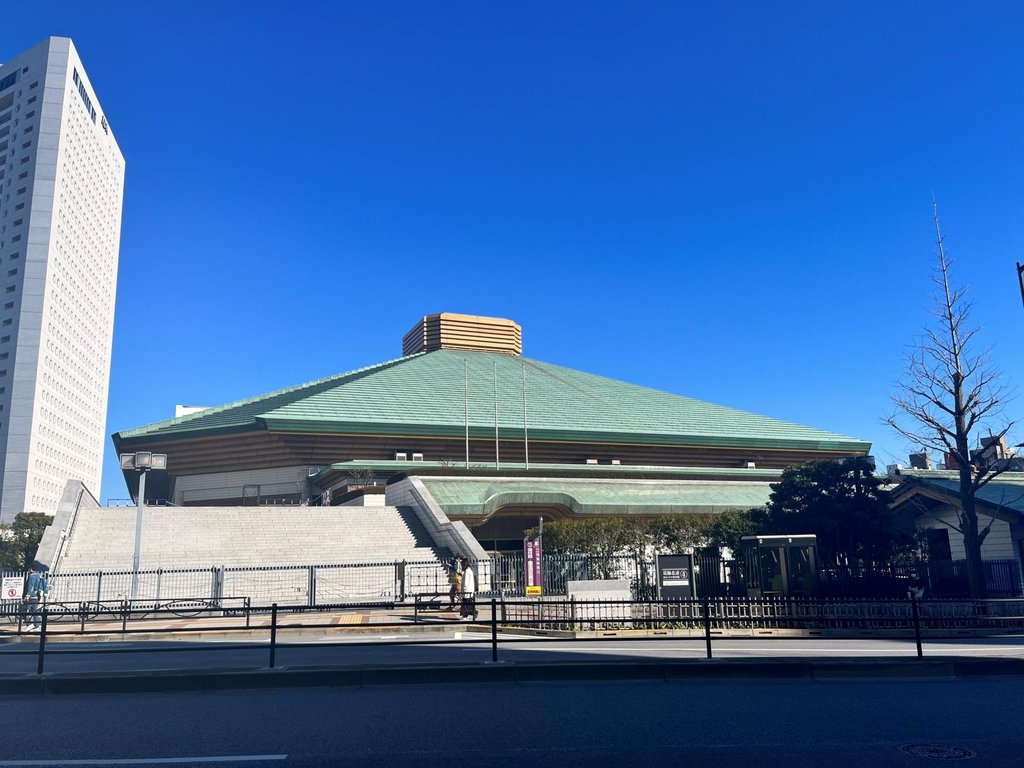
Grand sumo tournaments—known in Japanese as honbasho—are held six times a year. Each tournament is fifteen days long, which means there are matches on a total of ninety days out of the year. Tickets for matches on popular days often sell out right after sales begin, so if you want to see a Grand Sumo tournament match, check when and where each tournament takes place and how tickets are sold before you fix your travel dates.
Planning to see a tournament match comes down to knowing a few things: how the tournaments work, where and when they’re held, which seats to choose and how to buy them, and what happens on the day of the match. And if your dates don’t line up or tickets are gone, you can still enjoy sumo in other ways. We’ll provide you with the information you need to get a seat at a tournament match and also introduce you to an exciting alternative to live sumo in this article.
Contents
- Grand Tournaments Are Held Six Times a Year
- Locations and Dates of the Six Honbasho Tournaments
- The January Tournament (Tokyo): The First Tournament of the Year at the Ryogoku Kokugikan
- The March Tournament (Osaka): The Only Tournament in the Kansai Region
- The May Tournament (Tokyo): Right After the Golden Week Holidays
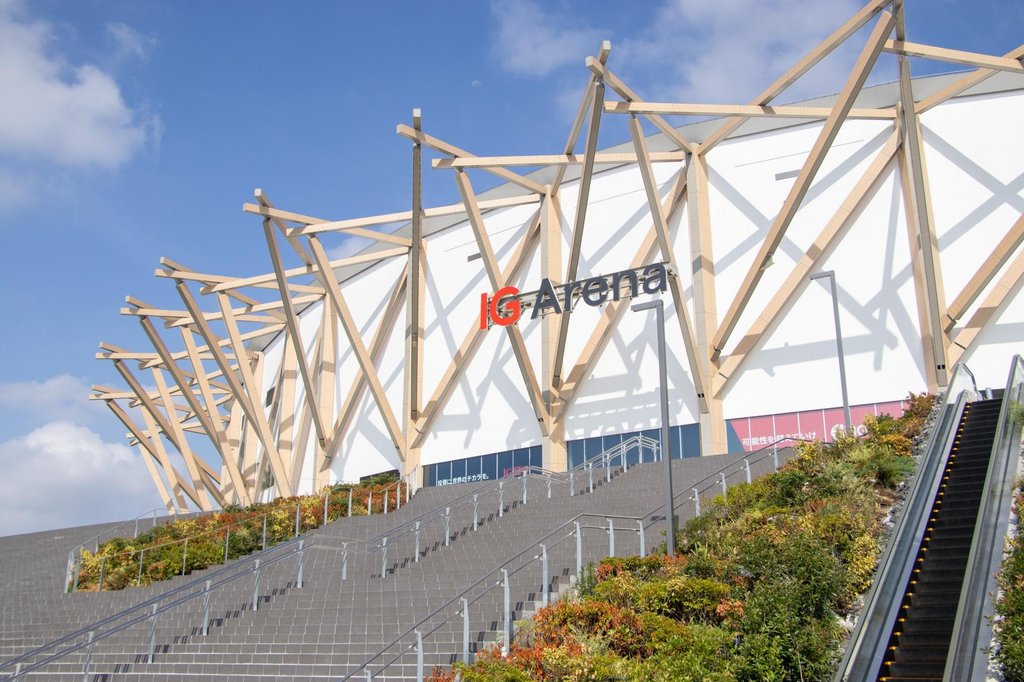
- The July Tournament (Nagoya): The Summer Honbasho Tournament at IG Arena
- The September Tournament (Tokyo): The Honbasho Tournament After the Summer Crowds
- The November Tournament (Fukuoka): The Last Honbasho Tournament of the Year
- Honbasho Tournament Tickets and Seating: What to Know Before You Buy
- How to See Sumo When You Can’t Watch a Honbasho Tournament Match
- How a Day at a Honbasho Tournament Match Unfolds
- What to Prepare Before Watching a Honbasho Tournament in Person
- Common Questions About Honbasho Tournament Matches
- Seeing Grand Sumo in Tokyo, Osaka, Nagoya, and Fukuoka
Grand Tournaments Are Held Six Times a Year
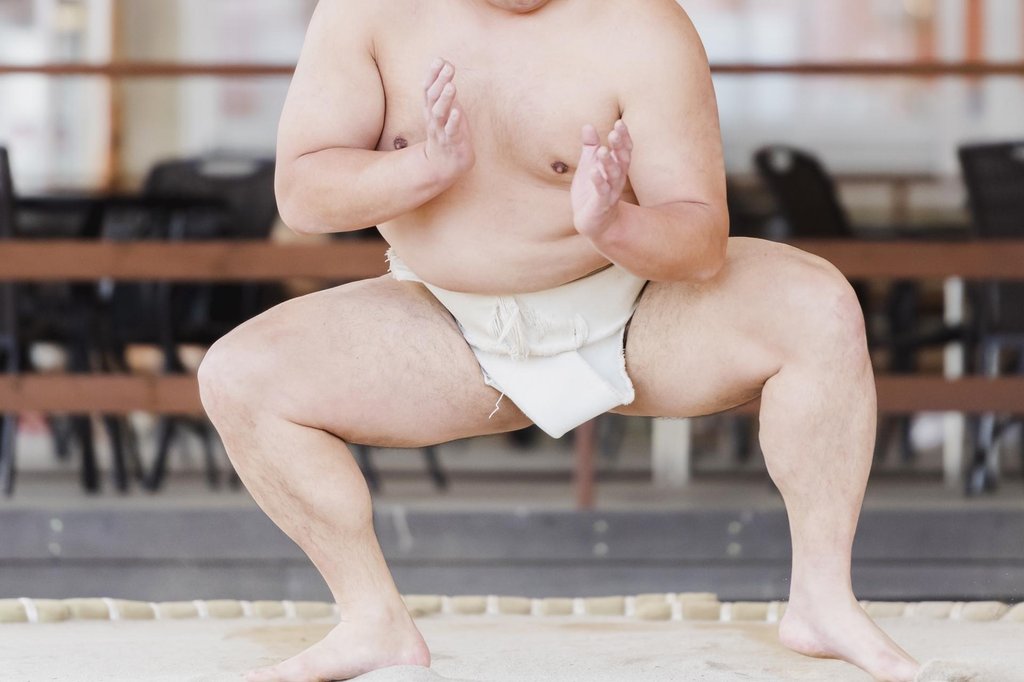
“Honbasho” is an official Grand Sumo Tournament organized by the Japan Sumo Association. Unlike provincial tours and other events, the results from the honbasho are the only thing that determines a wrestler’s rank.
Wins and Losses Determine a Sumo Wrestler’s Rank
Every win and loss at a honbasho directly influences the banzuke, the official list that displays each sumo wrestler’s current standing. After each tournament, the Japan Sumo Association sets the banzuke for the next one based on the results. As a rule, a winning record (more wins than losses) at a tournament moves a wrestler up in the ranks, and a losing record moves him down. For athletes in the top two divisions—who compete on all fifteen days of a tournament—eight wins is the line between promotion or demotion.
Rank also determines a sumo wrestler’s income. Wrestlers in the second-highest division and above are called sekitori, sumo wrestlers recognized as full-fledged professionals. Sekitori receive a monthly salary, unlike those in the ranks below them. The results of each tournament shape the next banzuke, so wrestlers put everything they’ve got into winning. Honbasho tournaments are also the only events with TV broadcasts and English commentary from NHK, Japan’s national public broadcasting station.
Only Ninety Days of Tournaments Each Year
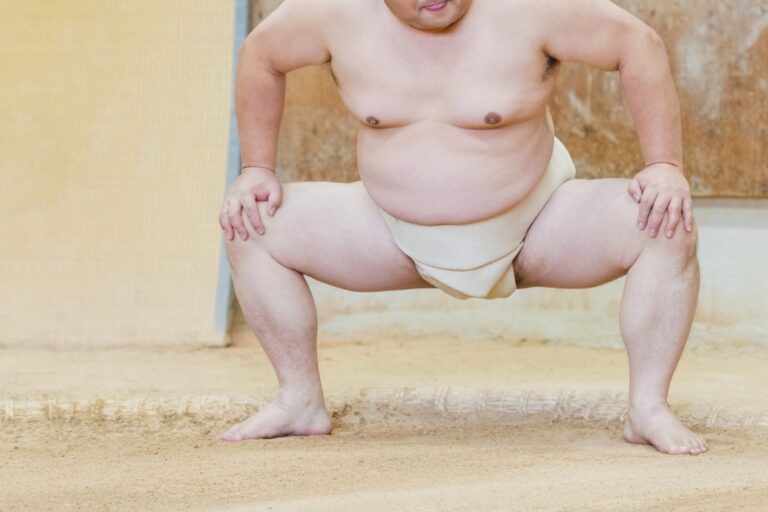
Honbasho tournaments run for fifteen days at a time in January, March, May, July, September, and November. With a total of only ninety tournament days in a year, your trip dates might not overlap with one. And even if they do, tickets for matches on weekend days and the final day often go fast once sales open to the public.
But there’s no need to worry: even outside of tournament season, you can still see sumo up close at venues where former professionals perform real matches. To find out more, read on.
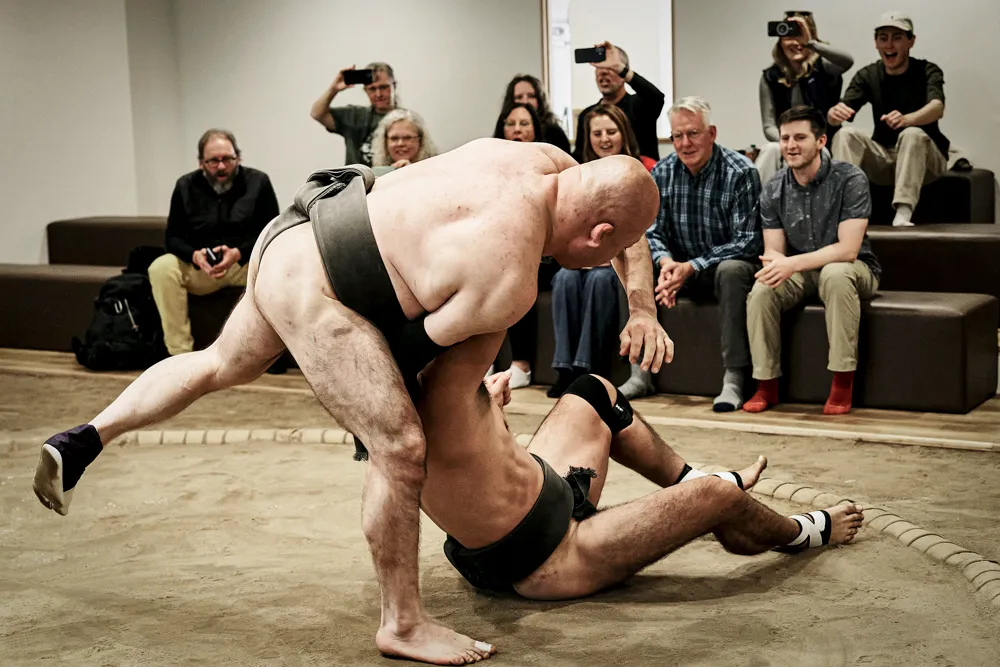 Hands-On
Get hands-on with sumo in Osaka
Watch former professional sumo wrestlers demonstrate authentic sumo techniques. Learn the history, rituals, and rules of Japan’s national sport, then step into the ring for a hands-on sumo experience in Osaka.
Locations and Dates of the Six Honbasho Tournaments
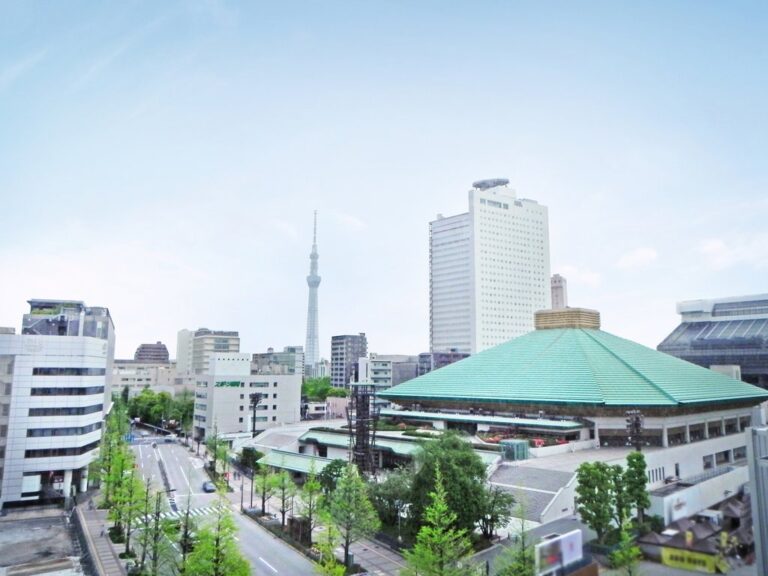
Honbasho tournaments are held three times a year at the Ryogoku Kokugikan in Tokyo, and once a year in Osaka, Nagoya, and Fukuoka. Opening day usually falls on the second Sunday of January, March, May, July, September, and November. Venues and ticket release dates vary by city, so start by checking the table below for the tournament that fits your travel dates. The general sale timing shown is based on 2026, so for current information visit the official website of the Japan Sumo Association for more details.
| Tournament (Japanese Name) | City and Venue | Month | General Sales Opening Dates |
|---|---|---|---|
| January Tournament (Hatsu Basho) | Tokyo: Ryogoku Kokugikan | January | Early December of the previous year |
| March Tournament (Haru Basho) | Osaka: EDION Arena Osaka | March | Early February |
| May Tournament (Natsu Basho) | Tokyo: Ryogoku Kokugikan | May | Early April |
| July Tournament (Nagoya Basho) | Nagoya: IG Arena | July | Mid-May |
| September Tournament (Aki Basho) | Tokyo: Ryogoku Kokugikan | September | Early August |
| November Tournament (Kyushu Basho) | Fukuoka: Fukuoka Kokusai Center | November | Mid-September |
The January Tournament (Tokyo): The First Tournament of the Year at the Ryogoku Kokugikan
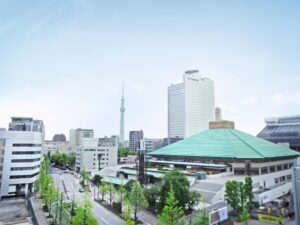
The January Tournament, also called the “Hatsu Basho,” is the first honbasho tournament of the year. It’s held at the Ryogoku Kokugikan, Japan’s only permanent arena built specifically for Grand Sumo. The Sumo Museum on the first floor is open to anyone with a tournament ticket during honbasho tournaments, and exhibits include kesho-mawashi (the embroidered ceremonial belts worn by the wrestlers for special ceremonies) and banzuke from past eras.
The Hatsu Basho tournament starts in mid-January, after the New Year holidays, so travelers spending the holidays in Japan can fit a day of sumo into their last few days before heading home. As the first tournament of the new year, it draws plenty of attention, and tickets for weekend seats tend to sell out early. Once your trip is set, check the Hatsu Basho tournament ticket release date first.
The March Tournament (Osaka): The Only Tournament in the Kansai Region
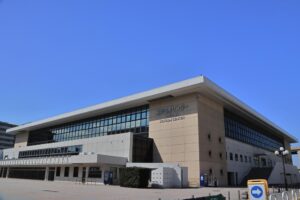
The March Tournament, also known as the “Haru Basho” or the “Osaka Basho,” is the only honbasho tournament held in Kansai. Its venue, EDION Arena Osaka, is within walking distance of the busy shopping and entertainment district of Namba. This means you can head to the Dotonbori district before or after a match to snack on takoyaki (octopus dumplings) and okonomiyaki (savory pancakes made with meat and vegetables).
The final day of the March tournament happens in late March, so sometimes the closing days of the tournament overlap with the cherry blossom season in Kansai. Osaka’s cherry blossom trees usually start blooming in late March. Extending your stay by a few days after the tournament also improves your chances of seeing the blossoms in Kyoto (about thirty minutes from Osaka by train) or Nara (about forty minutes). Accommodations fill up quickly at this time of year, however, so if you plan to stay in Kyoto or Nara, book your hotel as soon as your travel dates are fixed. For activities you can fit in around watching a sumo match, check out the tours operated by Japan Guide Star.
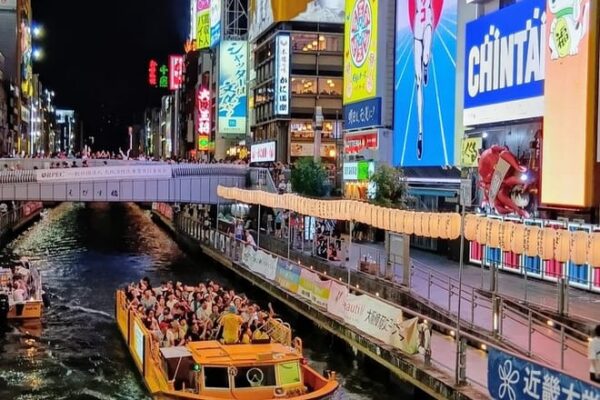
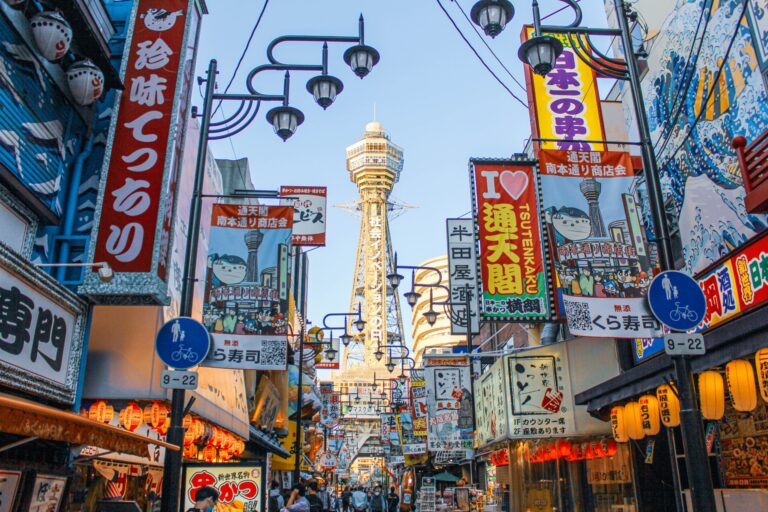
Osaka 2-Hour Walking Tour with Dotonbori River Cruise
Boarding the Dotonbori River Cruise • Secret backstreets of the city • Check out for Street Food(Takoyaki, Gyoza, etc)
Hands-OnGet hands-on with sumo in Osaka
Watch former professional sumo wrestlers demonstrate authentic sumo techniques. Learn the history, rituals, and rules of Japan’s national sport, then step into the ring for a hands-on sumo experience in Osaka.
The May Tournament (Tokyo): Right After the Golden Week Holidays
The May Tournament, also called the “Natsu Basho,” takes place at the Ryogoku Kokugikan, the same venue as the January Tournament. It begins right after Golden Week, a string of statutory holidays in Japan that are observed from late April to early May. Hotels and sightseeing spots in Tokyo tend to quiet down once the holidays are over, making it easier to find accommodations. The weather is neither too hot nor too cold, making it comfortable to sightsee in the morning then fill an afternoon with sumo.
Tokyo: Asakusa & Sensoji ー Oldest Temple Walking Tour (2hrs)
Senso-ji Temple – Tokyo’s oldest temple • A rare place where a Buddhist temple and Shinto shrine coexist • Local street food with tasting
The July Tournament (Nagoya): The Summer Honbasho Tournament at IG Arena
The July Tournament, known as the “Nagoya Basho,” is held at IG Arena, which opened in 2025 and is the newest of the four venues. IG Arena sits inside Meijo Park, a short walk from Meijo Koen Station on the Meijo subway line.
July temperatures in Nagoya can reach 35°C (about 95°F), and walking around outdoors during the day can be exhausting. We recommend visiting Nagoya Castle (about a five-minute walk from the nearby Shiyakusho Station) in the morning, then watching the top-division matches in the air-conditioned arena during the hottest hours of the afternoon.
The September Tournament (Tokyo): The Honbasho Tournament After the Summer Crowds
The September Tournament, also called the “Aki Basho,” is held at the Ryogoku Kokugikan. Of Tokyo’s three tournaments, it’s the one that comes after the summer vacation travel season, and thus crowds at tourist spots are thinner than in July and August. Late-summer heat lingers in Tokyo in September, and typhoons and rainy days can be frequent, but watching a sumo match indoors means that the weather won’t affect your day.
Asakusa Premium Japanese Chopstick Making Workshop
Choose from our exclusive premium wood collection • Experience hands-on craftsmanship by shaping and sanding your chopsticks • Learn about Japanese culture from passionate local instructors
The November Tournament (Fukuoka): The Last Honbasho Tournament of the Year
The November Tournament, known as the “Kyushu Basho,” is held at Fukuoka Kokusai Center. As the year’s final honbasho tournament, it’s also where the wrestler with the most wins of the year is announced.
Fukuoka Kokusai Center is near Hakata Bay, about fifteen minutes by bus from Hakata Station. In the evening, you can enjoy Hakata ramen and oden (a type of hot pot cuisine) at small open-air food stalls set up by the road that line the streets of Nakasu and Tenjin. Fewer international travelers attend this tournament compared to the three Tokyo tournaments. Still, in recent years even regional tournaments have sold out early, so check the November Tournament ticket release date well ahead of your travels.
Honbasho Tournament Tickets and Seating: What to Know Before You Buy
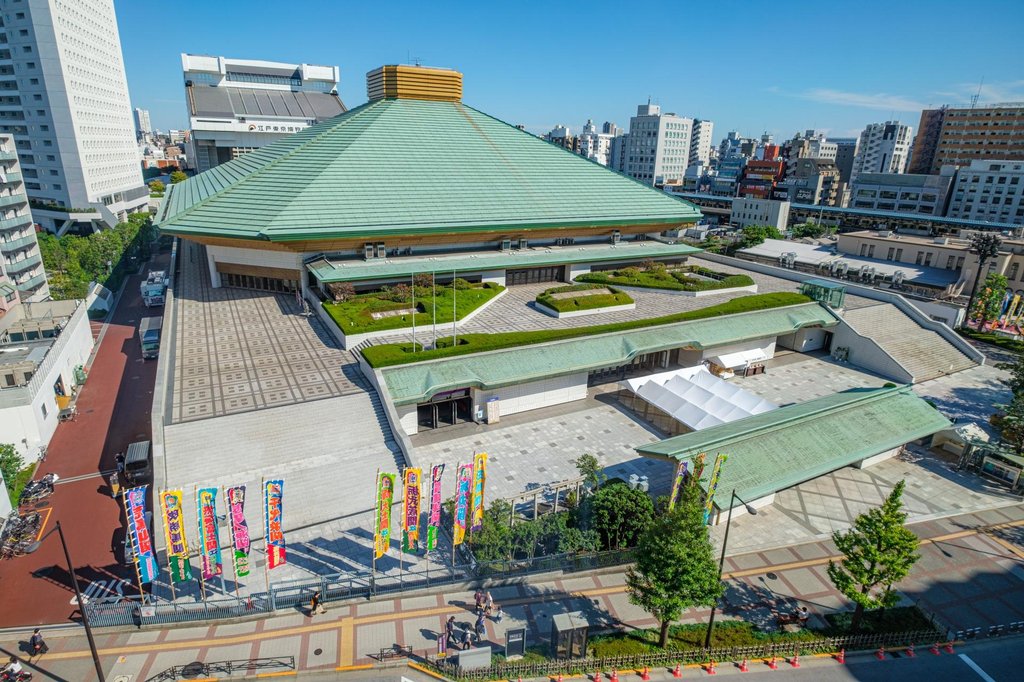
Once you’ve picked a tournament and a date, the next step is getting tickets. Seat types differ widely in price and in how you sit, and tickets for popular days sell out soon after release.
Three Seat Types: Tamari-seki, Masu-seki, and Chair Seats
Seating at a sumo tournament falls into three categories, and each category differs in price, in how you sit, and in how the tickets are sold. Prices vary by venue, day of the week, and seat location too, so treat the figures in the following table as a rough guide for the Ryogoku Kokugikan.
| Seat Type | Features | Best For |
|---|---|---|
| Tamari-seki: front-row cushion seats on the floor right beside the ring | Around ¥20,000. Ages 16 and up only. Eating, drinking, photography, and phone use are prohibited. | Those who want to watch the bouts from the closest possible distance |
| Masu-seki: box seats with floor cushions inside an enclosed section with low dividers | Remove your shoes before entering. Sold by the box for 2 or 4 people. Eating and drinking are allowed. | Families or friends who want to watch sumo together |
| Chair seats: fixed seats on the second floor | Keep your shoes on. Can be bought individually. The cheapest seats cost around ¥2,500. | Solo travelers, first-timers, and anyone who finds it hard to sit on the floor for long periods of time. |
Prices are subject to change. Please check the official website for the latest information.
Tamari-seki are so close to the match that sumo wrestlers sometimes come tumbling out of the ring towards you. A four-person masu-seki can feel cramped with four adults, and anyone unused to sitting cross-legged or kneeling for long periods of time may find long hours in the box seats uncomfortable. First-time spectators might want to consider chair seats, which can be bought one at a time. Even from the second floor, you can still see the entire ring, so the flow of each match is easy to follow.
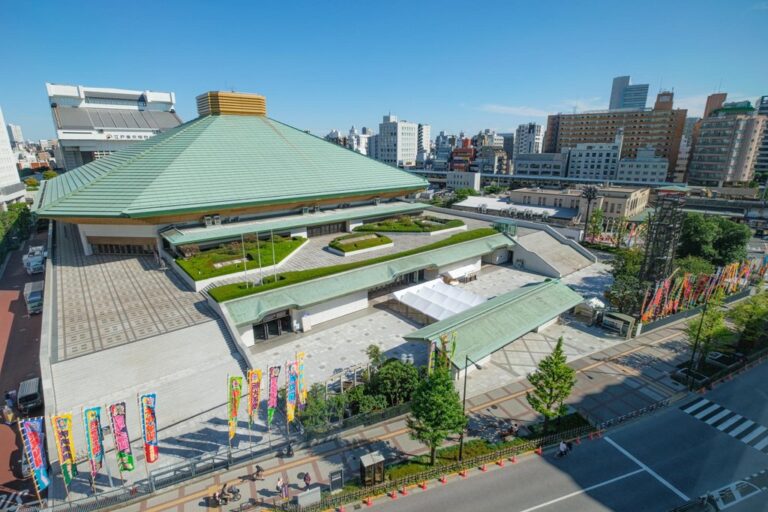
Sales Start One or Two Months Before Opening Day on the Official Website
General sales usually begin on a Saturday about a month before the opening day of a tournament. In 2026, however, tickets for the July Tournament went on sale about two months ahead of time, and tickets for the November Tournament about seven weeks ahead. Regional tournaments sometimes start selling earlier too, so check ticket sales dates on the official website. You can buy seats on Ticket Oosumo (the Japan Sumo Association’s official ticketing site), which has English pages. Choose your desired date and seat type, then follow the on-screen prompts through to payment and complete your purchase.
Demand for tickets is generally concentrated on matches that take place on weekends, holidays, and the final days of tournaments. Tickets for matches during the second half of a tournament tend to sell out right after tickets go on sale as well, while weekdays in the first half are more likely to be available, especially tickets for chair seats. In 2026, the entire July Tournament was fully booked within about a week of general sales being opened. For tournaments at the Ryogoku Kokugikan in Tokyo, general sales continue until 5 pm on the day of the matches, so you can buy same-day tickets on the website if seats remain. Note that same-day tickets are never available for days that have already sold out. If you want to be sure of a seat, apply for your tickets as soon as sales open.
Other Options For When Tickets Are Sold Out
Even if you can’t get a ticket to a tournament match on the day you want, seats are sometimes resold on Ticket Oosumo’s resale ticket service by buyers who can no longer attend, so check back regularly for your preferred date. If your schedule is flexible, you could also look for chair seats on a weekday during the first half of the tournament when tickets tend to be easier to get.
Tickets on unofficial resale sites are often priced higher than face value, so we don’t recommend them. The Japan Sumo Association also warns that you may be refused entry if you present an improperly resold ticket. So if you still can’t get a ticket to a tournament match, we suggest switching to the year-round sumo show introduced in the next section.
How to See Sumo When You Can’t Watch a Honbasho Tournament Match
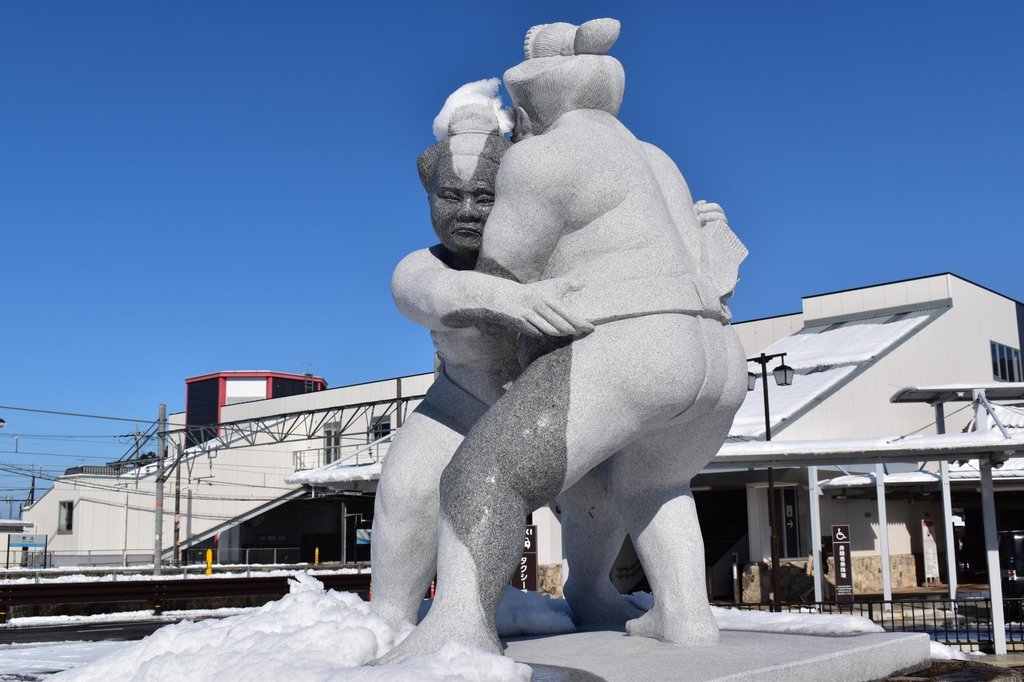
Even if your trip dates don’t overlap with a tournament match, or you couldn’t get tickets, you can still see sumo up close. In Osaka, a sumo show lets you watch former professional sumo wrestlers in real bouts.
Watch Former Professional Sumo Wrestlers and Try Sumo Yourself in Osaka
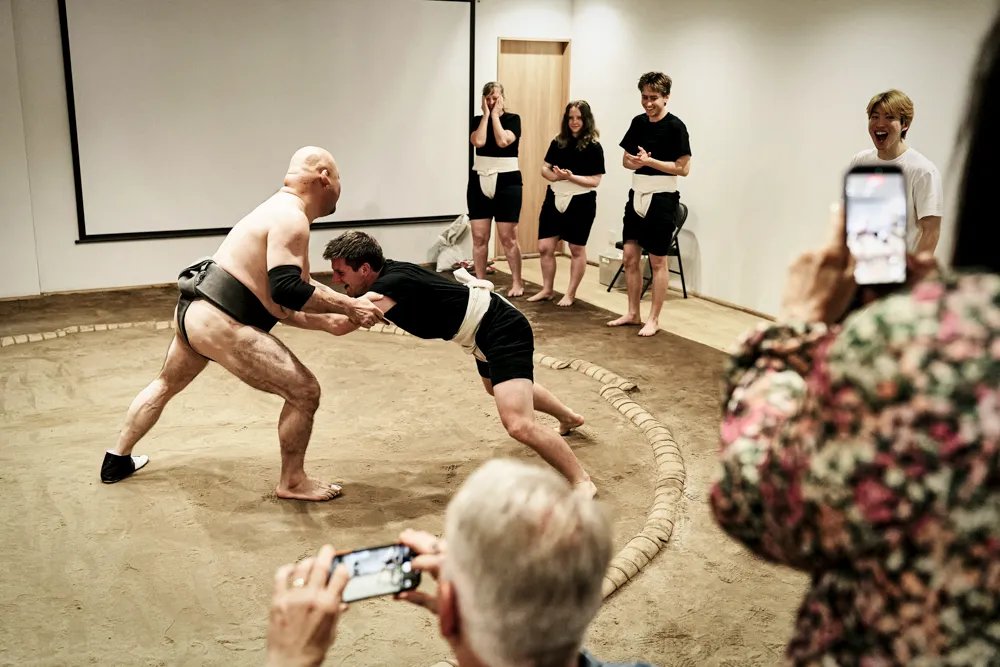
Sumo Wrestling Experience in Osaka
Sumo Studio Osaka is a venue where you can watch and try sumo. It’s located right in front of Exit 4 of Hanazonocho Station on the Osaka Metro Yotsubashi Line, just two stops from Namba. Staff in shirts printed with the word “SUMOTORI” wait outside to greet you at the entrance, so even first-timers can find the venue easily.
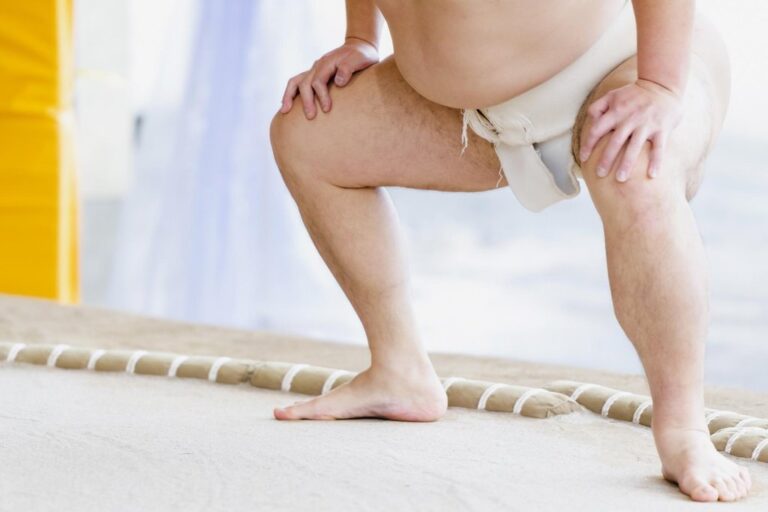
During the show, retired professional sumo wrestlers perform real bouts and demonstrate various sumo techniques. They also explain sumo’s history and its ties to Shinto, Japan’s indigenous religion. You’ll also learn the meaning of rituals such as throwing salt to cleanse the ring and shiko, the leg-stamping performed before a match to drive away evil spirits. About fifty seats surround the ring—which is made of real clay and sand—and you’ll sit just a few meters away from the wrestlers as they perform.
Unlike the Ryogoku Kokugikan, which holds more than ten thousand people, Sumo Studio Osaka allows you to clearly hear the thud of bodies colliding and even catch the sound of the wrestlers’ heavy breathing. Selected volunteers can even step into the ring to take on a wrestler, and after the show you can take photos with the performers. The entire show and commentary are in English, spoken slowly so that even non-native speakers can follow along.
Each show runs for ninety minutes, with five performances daily at 10 am, 12:30 pm, 3 pm, 5:30 pm, and 8 pm. Unlike a honbasho tournament match, a sumo show doesn’t require setting aside a whole day, and it fits easily between sightseeing or into your evening plans. Tickets cost ¥9,600 per person. You can book your spot by choosing a date and time slot on the official website, and same-day bookings are available if seats are still open on that day. Cancellations within twenty-four hours of your reservation can’t be refunded, but you can switch to another slot or date if space allows.
Large luggage such as suitcases can be stored on site, so it’s easy to drop by during free time on a travel day. The bar at Sumo Studio Osaka serves Japanese beer and umeshu (a sweet liqueur made by steeping ume plums), so you can relax before or after the show.
Details
| Address | 1F Hanazonocho AI Building, 1-5-1 Asahi, Nishinari-ku, Osaka-shi, Osaka |
| Hours | Ticket counter: 9:00 am–10:00 pm; shows at 10:00 am, 12:30 pm, 3:00 pm, 5:30 pm, and 8:00 pm (90 minutes each) |
| Closed | Open year-round |
| Official Website | https://sumowrestlingshow.jp/ |
| Recommended For | Sumo fans with travel dates that don’t line up with a sumo tournament, visitors who want to watch sumo close-up, or challengers who want to step into the ring |
Hours can vary by season. Please check the official website before visiting.
Hands-OnGet hands-on with sumo in Osaka
Watch former professional sumo wrestlers demonstrate authentic sumo techniques. Learn the history, rituals, and rules of Japan’s national sport, then step into the ring for a hands-on sumo experience in Osaka.
How a Day at a Honbasho Tournament Match Unfolds
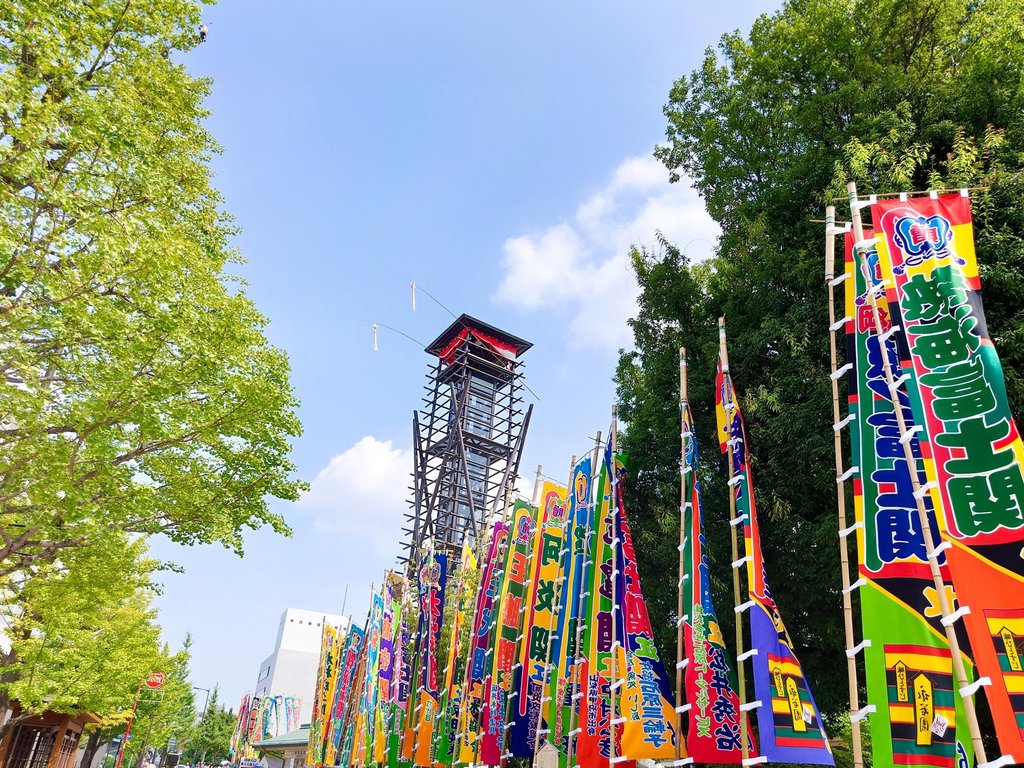
Honbasho tournament matches happen from morning until evening, but you don’t need to stay at the venue the whole time and see every one. The wrestlers and the atmosphere in the arena change throughout the day, so deciding when to arrive based on what you want to see is a smart way to plan your day. The times and details outlined below are approximations based on the Ryogoku Kokugikan in Tokyo.
After 9:00 am: Lower-Ranking Sumo Wrestlers Face Off in a Quiet Arena
Matches proceed in order from the lowest-ranked sumo wrestlers upward. This means that mornings are mostly given over to young wrestlers in the three lowest divisions: jonokuchi, jonidan, and sandanme. From day three of the tournament onward, some days also feature preliminary bouts for new recruits not yet listed on the banzuke. During these times, the arena is so quiet that empty seats stand out, and the slap of sumo wrestlers’ belts as their bodies collide carries all the way to the second-floor seats.
Doors open at around 8:45 am from the first day of the tournament through to day twelve. On days thirteen and fourteen, doors open later, at about 10:30 am, and on the final day at about 10 am (with matches starting at 11 am). The Japan Sumo Association posts each day’s match schedule on its official website each morning, so make sure to check in advance to know when to arrive at the venue.
After 2:00 pm: Sumo Wrestlers in Ceremonial Dress Surround the Ring
After 2 pm, sumo wrestlers perform the ring-entering ceremony, wherein they enter the ring and present themselves to the audience. Wrestlers in the upper ranks appear wearing ceremonial garb and with their hair tied in an oicho-mage, a topknot with the tip fanned out to mimic the shape of a leaf. Their attire differs so much from that of the sumo wrestlers in the lower ranks that the difference in standing is clear at a glance. At around 3 pm, the second-division matches begin and the seats of the arena begin to fill.
After 3:30 pm: Top-Division Sumo Wrestlers and the Yokozuna Make Their Entrance
At around 3:40 pm, sumo wrestlers perform the ring-entering ceremony in special sumo belts. When a yokozuna (the highest ranking sumo wrestler) is competing in the tournament, he also performs a ring-entering ceremony, flanked by a sword bearer and a herald who leads the way. Each time the yokozuna stamps his foot down, the crowd calls out “Yoisho!”
After the ceremonies comes a short intermission, during which the next day’s matchups are announced in the arena. If you need to leave your seat, this break before the upper-division matches begin is the best time.
After 4:00 pm: Build-Up to the Match with the Yokozuna
The matches start again after 4 pm, and after 5 pm high-ranking sumo wrestlers enter the ring one after another in order of their ranks: komusubi, sekiwake, and ozeki (the three ranks just below yokozuna). By the time the yokozuna comes out for the final match of the day, the cheers in the arena are at their loudest. After the final match, a wrestler performs a bow-twirling ceremony that marks the end of the day. Everything wraps up at around 6 pm.
Before the last three matches on the final day, the ozeki, sekiwake, and komusubi split into two groups and perform sanyaku soroibumi. After the day’s action, the tournament champion receives his awards at a ceremony. If you only want to see the top-division matches, we recommend arriving at around 3:30 pm, just in time for the ring-entering ceremony.
If you can’t spend a whole day at the sumo matches, you can always add a sumo show that lets you experience sumo culture in about ninety minutes. In Osaka, you can watch former professional sumo wrestlers compete up close, and selected volunteers can step into the ring to take on a wrestler.
Hands-OnGet hands-on with sumo in Osaka
Watch former professional sumo wrestlers demonstrate authentic sumo techniques. Learn the history, rituals, and rules of Japan’s national sport, then step into the ring for a hands-on sumo experience in Osaka.
What to Prepare Before Watching a Honbasho Tournament in Person
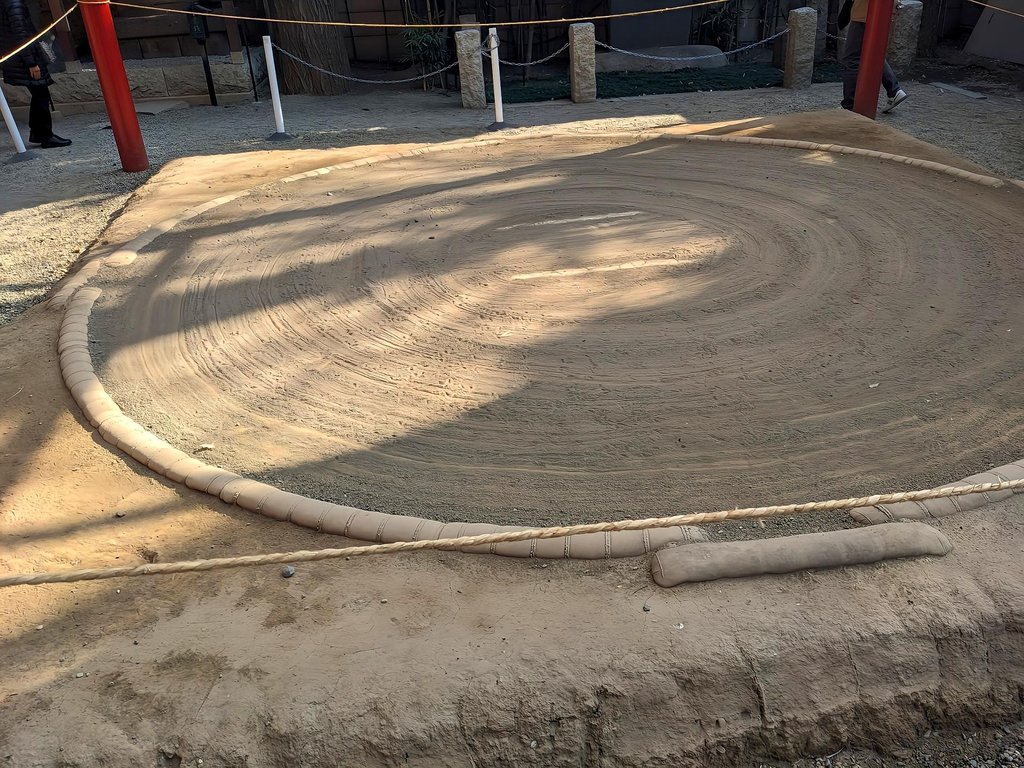
Most information at the venue is in Japanese, so have a translation app handy, learn about spectator rules and etiquette, and look into food options before you go.
How to Follow the Matches in English
The tournament match schedule you’ll receive when entering the stadium will list the day’s matchups in rank order, divided into two groups: East and West. Checking sumo wrestler names and ranks as you watch the match will tell you which division is currently competing. Additionally, the Japan Sumo Association’s official website has an English version of this list where you can check each day’s matches and results.
During each honbasho tournament match, NHK WORLD-JAPAN streams GRAND SUMO Highlights, a daily English-language television program. Catch the previous day’s broadcast to learn which sumo wrestler to watch for and how the ranking currently stands. You’ll then know which matches will draw the loudest cheers. Whether or not English-language match schedules or audio services are available varies by tournament, so check the latest venue information for more details.
Spectator Etiquette and What to Bring
During matches, stay in your seat and watch in silence. Take photos from your seat without the flash. Spectators are known for throwing their cushions when a yokozuna suffers a loss, but this is prohibited because it can cause injuries.
In masu-seki (box seats), you’ll be required to take off your shoes and sit on the floor. We recommend wearing shoes that are easy to slip on and off, and loose clothing that lets you sit on the floor comfortably. Bottles and cans are not allowed in the boxes. Coin lockers inside the venue are limited as well, so leave suitcases and other large luggage at the train station or at your accommodation before you go.
Food at the Venue
The Ryogoku Kokugikan’s signature food is yakitori, skewered chicken grilled in a savory-sweet sauce. It’s made in a kitchen in the building’s basement, and the seasoning is designed to taste good even when the chicken goes cold. Besides bento boxes named after the sumo wrestlers, chanko-nabe (a hot pot meal of meat, fish, and vegetables) is sold in the large basement hall on some days.
Eating and drinking at your seat are allowed in masu-seki and chair seats but prohibited in tamari-seki (ring-side seats). Food stands get crowded around the time of the ring-entering ceremony, so buy what you need before 3 pm to avoid line-ups. At the regional tournaments in Osaka, Nagoya, and Fukuoka, the selection of food varies by venue.
Common Questions About Honbasho Tournament Matches
First-time spectators of sumo tend to have questions, such as how to know when a match has been won and whether you need to stay at the venue all day.
How Is a Sumo Match Decided?
A sumo wrestler wins by forcing his opponent out of the ring or making him touch the ground with any part of his body other than the soles of his feet. The winning technique is called a kimarite. There are eighty-two officially recognized kimarite, and the one used to finish a bout is announced in the arena after each match.
What’s the Difference Between a Honbasho Tournament Match and a Provincial Tour Match?
The biggest difference is whether the results count toward rank or not. Honbasho tournament results are reflected in the next banzuke, but results of provincial tour matches have no bearing on rank. Tour locations and dates change every year, so check the schedule on the Japan Sumo Association’s official website if you want to see a match.
If neither tournament days nor provincial tour dates work with your schedule, a sumo show gives you an opportunity to watch former professional wrestlers in real matches up close. The Osaka show adds English commentary, and a lucky volunteer from the audience gets to face a sumo wrestler in the ring. For more information, click the link below.
Hands-OnGet hands-on with sumo in Osaka
Watch former professional sumo wrestlers demonstrate authentic sumo techniques. Learn the history, rituals, and rules of Japan’s national sport, then step into the ring for a hands-on sumo experience in Osaka.
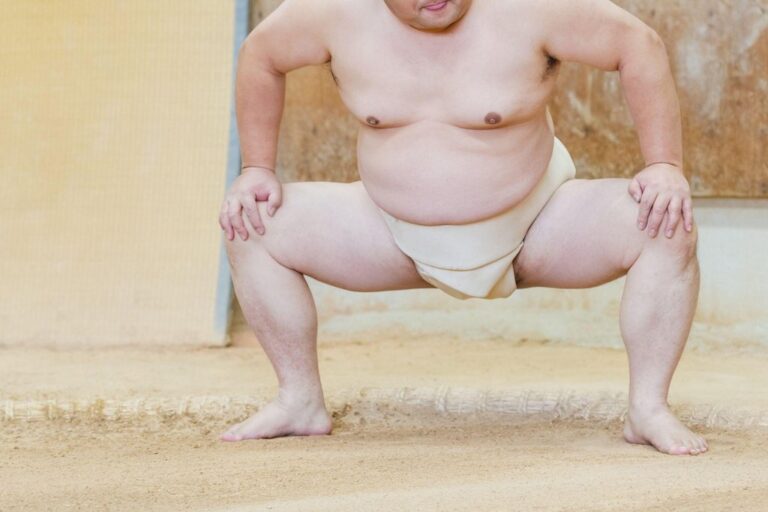
Is There a Minimum Age for Entry to a Honbasho Tournament Match?
There’s no age restriction on entry. However, all visitors aged four and older need their own ticket regardless of seat type, and children under four also need one if they use a seat. Child pricing applies only in some sections, and tamari-seki are limited to ages sixteen and up.
Do I Have to Watch Sumo the Whole Day?
No. Admission tickets are valid for a single day with no set time, so you can enter partway through. The Ryogoku Kokugikan allows one re-entry per day, but rules differ by venue, so check with the staff before you step outside. Matches featuring popular wrestlers are concentrated in the hours after the ring-entering ceremony, which begins around 3:30 pm.
Where Can I Check Match Results and Standings?
Results are posted on the Japan Sumo Association’s official website, which has an English version. During each tournament, match results and a chart showing each wrestler’s wins and losses as white and black circles are updated daily. Once the tournament is over, the site also lists the tournament champion and the winners of three special prizes awarded to outstanding athletes.
Seeing Grand Sumo in Tokyo, Osaka, Nagoya, and Fukuoka
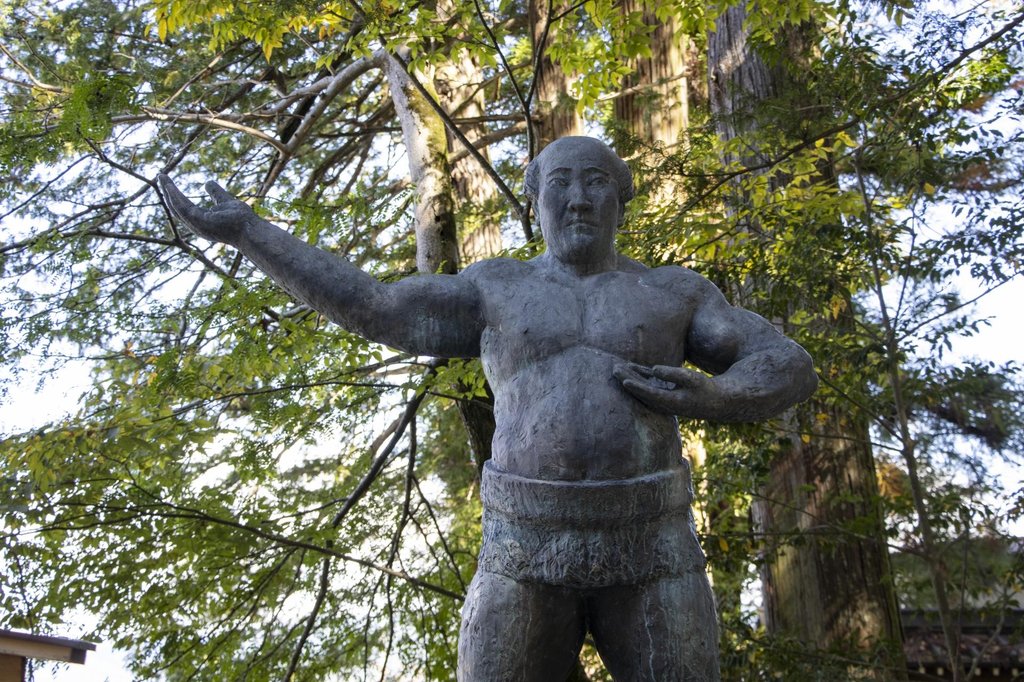
Honbasho matches are grand sumo’s official tournament matches, held six times a year for just fifteen days at a time in four cities: Tokyo, Osaka, Nagoya, and Fukuoka. Tickets go on sale one to two months before opening day on Ticket Oosumo, and can be bought through its English webpage. Even if your preferred day is sold out, returned tickets can sometimes be bought through the face-value resale service. And if your dates don’t match up with a tournament period, Sumo Studio Osaka lets you watch former professional wrestlers from just a few feet away from your seat.
To find other cultural experiences besides sumo, browse Japan Guide Star’s Osaka tours and Tokyo tours.
Hands-OnGet hands-on with sumo in Osaka
Watch former professional sumo wrestlers demonstrate authentic sumo techniques. Learn the history, rituals, and rules of Japan’s national sport, then step into the ring for a hands-on sumo experience in Osaka.

![Where to Watch Sumo in Japan: 3 Ways to See Sumo & How to Get Tickets [Complete Guide]](https://sumowrestlingshow.jp/wp-content/uploads/2026/08/where-to-watch-sumo-in-japan_1-300x200.jpg)