How to Get Sumo Tickets in Tokyo: Buying in English, Seat Types, and What to Do When Dates Sell Out
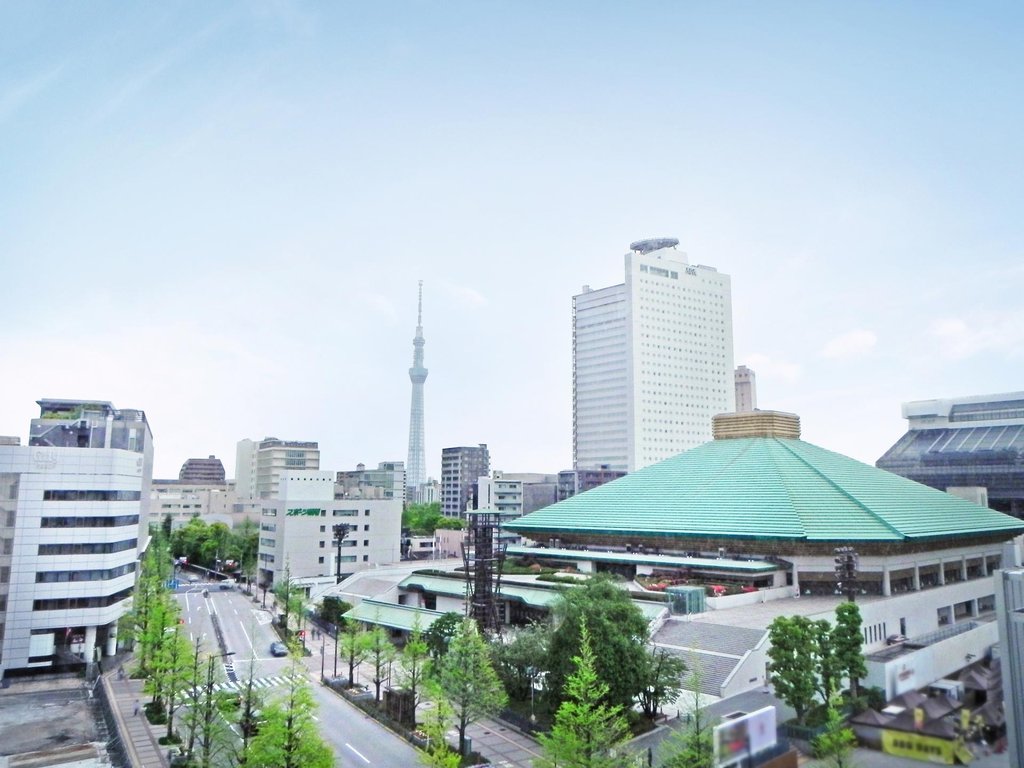
Tokyo hosts three Grand Tournaments a year in January, May, and September, and each one runs for fifteen days. Tickets for the opening day, the final day, and weekends often disappear soon after they go on sale, and the mostly Japanese-language booking systems leave many travelers unsure of how to purchase tickets.
In this article, we’ll introduce official sales channels available in English, along with the different seat categories and their characteristics. We’ll also provide some alternatives that are available to you when your preferred match day is sold out, so read on to find out more.
Contents
- Tokyo Sumo Tickets: The Basics
- Tokyo Holds Grand Tournaments Three Times a Year: January, May, and September
- Ticket Sales Start About Four to Five Weeks Before Opening Day
- Weekends, Holidays, Opening Day, and the Final Day Sell Out First
- Same-Day Tickets Aren’t Available for Sold-Out Days
- Admission Prices Will Change for the January 2027 Tournament
- How to Buy Sumo Tournament Tickets in English
- Buying Tokyo Tickets on Ticket Oosumo: A Step-by-Step Guide
- How to Choose a Seat at the Ryogoku Kokugikan by Group Size and Budget
- Tamari Seats | Closest to the Ring, but No Food, Drink, or Photos
- Box Seats | Options for Groups of One to Six
- Chair Seats | Keep Your Shoes On and Take In the Whole Ring from the Second Floor
- Special Promotional Tickets | Discounts and Extras When You Bring Kids
- Wheelchair Seats | Phone Reservation for Pairs
- Three Ways to Find Tokyo Sumo Tickets Just Before Your Trip
- Two Ways to Enjoy Sumo Without a Grand Tournament Ticket
- Common Questions About Buying Sumo Tickets in Tokyo
- Securing Your Seat for Grand Sumo in Tokyo
Tokyo Sumo Tickets: The Basics

Tournament dates, advance sales calendars, and which days sell out first all matter when you’re trying to secure a seat at the Grand Sumo tournament in Tokyo. In this section, we’ll cover the fundamentals of the tournament and general information on ticket sales.
Tokyo Holds Grand Tournaments Three Times a Year: January, May, and September
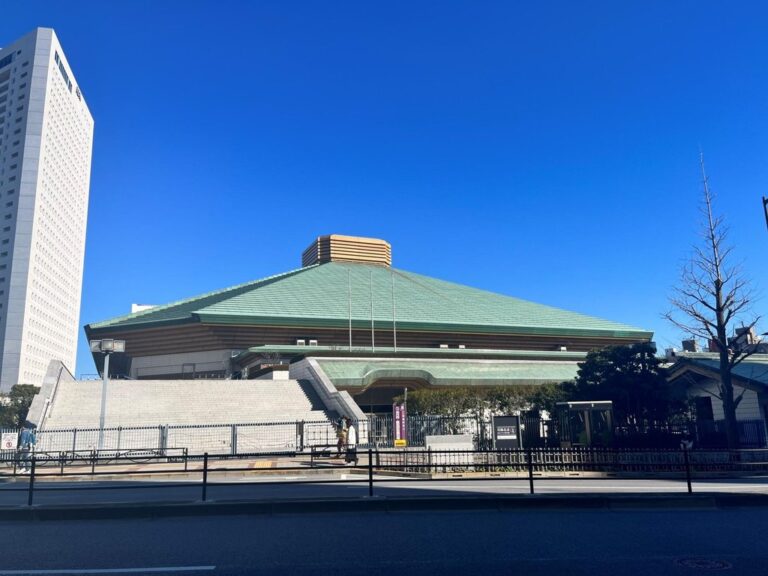
There are six Grand Sumo tournaments across Japan in a year, three of which take place at the Ryogoku Kokugikan arena in Tokyo in January, May, and September. Each tournament opens on a Sunday, runs for fifteen consecutive days, then closes on a Sunday with the climactic final match. This schedule means that three weekends are covered by every tournament. The Tokyo tournaments in 2027 run on the following dates:
| Tournament Month | Opening Day | Final Day |
|---|---|---|
| January | Sunday, January 10 | Sunday, January 24 |
| May | Sunday, May 9 | Sunday, May 23 |
| September | Sunday, September 12 | Sunday, September 26 |
Opening day falls around the second Sunday of the same month every year, so you can estimate the dates while planning your itinerary. Also, the Japan Sumo Association official site posts the confirmed annual schedule and updates it regularly.
Ticket Sales Start About Four to Five Weeks Before Opening Day
General sales begin at 10 am on a Saturday roughly four to five weeks before the first day of a tournament.
The Japan Sumo Association has already published the advance sales dates for the Tokyo tournaments in 2027 and 2028:
| Tournament | Opening Day | General Sales |
|---|---|---|
| January 2027 tournament | January 10 | Saturday, December 5, 2026 |
| May 2027 tournament | May 9 | Saturday, April 10, 2027 |
| September 2027 tournament | September 12 | Saturday, August 7, 2027 |
| January 2028 tournament | January 9 | Saturday, December 4, 2027 |
The official fan club and Ticket Oosumo (the official ticket sales site) both run advance lotteries before general sales open, so weekend box seats and tamari seats (the cushion seats at ringside) tend to fill early. On Ticket Oosumo, you can purchase a ticket on the first day of sales right up to 5 pm on the day of a match as long as seats remain. Weekdays tend to sell less quickly—chair seats in particular—so if you have some flexibility in your dates and preferences you’ll most likely have an easier time finding a seat.
Weekends, Holidays, Opening Day, and the Final Day Sell Out First
Tickets for matches on weekends and public holidays sell out ahead of weekdays. Similarly, opening day and final day tickets go before the mid-tournament match dates. In 2024, all six tournaments recorded a full house on every single day, and the September 2026 tournament in Tokyo sold out on all fifteen days, with no same-day tickets released. Popular tamari seats and Box A seats can disappear immediately after going on sale.
If ticket availability is your priority, make matches scheduled from Tuesday through Thursday in the middle of the tournament your top choices. Seats are easier to find on these days than on weekends, and the venue is quieter, which makes for more relaxed viewing.
We recommend the following be your priorities:
- First choice: mid-tournament weekdays (Tuesday to Thursday)
- Second choice: weekdays early or late in the tournament
- Third choice: weekends and public holidays (buy right when sales open)
If you pin all your hopes on a single date, you’ll be disappointed if it sells out. Line up two or three candidate dates and you’ll experience less disappointment when buying your tickets.
Same-Day Tickets Aren’t Available for Sold-Out Days
Once a date sells out in advance sales, there’s no option to buy a same-day ticket at the venue. Same-day purchases are only possible for seats that are still available, and you can buy those remaining seats at the Ryogoku Kokugikan ticket office or online.
Waiting until you arrive in Japan to buy your tickets is risky because weekend days, opening day, and final day match tickets may already be sold out. If you have a specific date in mind, buying your tickets online as soon as general sales open is the surest route to securing your spot.
Admission Prices Will Change for the January 2027 Tournament
The Japan Sumo Association has announced higher admission prices for the Tokyo and Osaka tournaments starting with the January 2027 tournament (prices for Nagoya and Kyushu tournaments will stay as they are).
| Seat Type | Current (weekdays) | From 2027 (weekdays) |
|---|---|---|
| Tamari seats | ¥20,000 | ¥25,000 |
| Box S seats | ¥14,000 | ¥18,000 |
| Chair D seats | ¥2,500 | ¥3,000 |
Tamari seats currently cost the same on every day of the tournament.
Prices are subject to change. Please check the official website for the latest information.
Reference: Grand Tournament admission prices (applied from the January 2027 tournament, tax included)
Weekend matches are more expensive than weekday matches, and the matches on day fourteen and the final day of the tournament are the most expensive of all. The Japan Sumo Association is also adding new seat categories, including Box SS seats and box-style private seats.
To keep the cost of a Tokyo tournament down, look at Chair D seats on the second floor, a flat ¥3,000 whatever the date, or pick a weekday, which always comes in below weekend and holiday pricing. Nagoya and Kyushu fall outside this revision as well, so building one of those tournaments into your itinerary is another way to spend less.
How to Buy Sumo Tournament Tickets in English
Several purchase routes are available for travelers put off by Japanese-only booking sites. Online sales via the official website and convenience store kiosk sales operate differently in terms of payment and ticket collection, so knowing about both these options will help you pick the one that fits your travel dates and the seats you want.
Ticket Oosumo | The Official Sales Site
The English version of the official sales site Ticket Oosumo (sumo.pia.jp/en/) covers the whole purchasing process, from account registration through payment and ticket collection. Payment is by credit card only, and a service fee of ¥2,000 is charged per ticket. There is one collection method: picking your tickets up at a Seven-Eleven store in Japan. QR (digital) tickets aren’t offered on the English site.
Note that the English and Japanese versions of the Ticket Oosumo website sell different seat categories: the English page carries Box A, B, and C seats, all sold as four-person compartments, along with Chair S through C seats. Tamari seats, Box S seats, Chair D seats, and small-group box seats appear only on the Japanese page.
If the seat you want is missing on the English page, open the Japanese one with your browser’s automatic translation function. Translation can break the layout and cause issues loading the page, however, so check the total amount and the number of tickets carefully on the final confirmation screen.
Seven-Eleven In-Store Kiosks | Buy After Arriving, No Registration Needed
The multi-copy machines at Seven-Eleven in Japan let you buy Grand Sumo tickets without registering an account as long as seats remain. This is a useful backup for buying tickets after you land in Japan, especially if your overseas-issued credit card is rejected on Ticket Oosumo.
On the kiosk, select Ticket, then Ticket Pia, search for the tournament, and follow the prompts. Once the application slip is printed, take it to the register within the stated time to pay and receive your ticket.
Waiting until you arrive often means the popular dates and seat types are already gone. If you definitely want to see sumo, buy through the official sales site before you travel and treat the convenience store kiosk as an option for leftover seats.
- Check remaining seats for your date in advance on the Japan Sumo Association or Ticket Oosumo websites
- Review the steps for operating the kiosk beforehand if you are unsure about it
For opening day, the final day, or a particular weekend day, arranging tickets online early beats waiting until you can buy a ticket in-store in Japan.
Arranging Tickets Through a Sumo Teahouse Is Getting Difficult
Sumo-jaya, or traditional sumo teahouses, now handle only a limited number of tickets, and some no longer accept ticket requests at all. Relying on older information can leave you without a seat on your chosen date, so it’s much safer to secure your ticket through the official sales site in advance.
Where the sumo teahouses still excel is service on the day itself:
- Attendants in formal Japanese clothing guide you from a dedicated entrance to your seat
- Pre-ordered lunch, drinks, and sumo souvenirs are delivered to your seat
These offerings and their conditions differ from one teahouse to another, so check the official site of the specific sumo teahouse for current information.
Buying Tokyo Tickets on Ticket Oosumo: A Step-by-Step Guide
The process for purchasing your tickets on the official site is broken down into five steps in this section. Accessing the sales page, choosing your seats, paying, and selecting a collection method will all go much smoother when you know the sequence in advance.
1. Access the Sales Page During the Sales Period
For the January 2027 Tokyo tournament, general sales open at 10 am on Saturday, December 5, 2026. The May tournament follows on Saturday, April 10, 2027, and the September tournament on Saturday, August 7, 2027. Before you head to the purchase page on the English version of Ticket Oosumo, get the following out of the way:
- Complete the free account registration and phone number verification
- Save your login details in your browser so you can sign in immediately
- Prepare two or three combinations of preferred date and seat type
Starting your account registration after sales go live can cost you the seats you want while you fill in forms. The advance lotteries run on the Japanese site only, so general sales are your first chance if you are buying in English. If your first choice is gone, check other dates or seat categories for openings.
2. Choose Your Date
Opening day, the final day, and weekends draw the most demand and sell out early in general sales. Decide on two or three candidate dates so that you can switch to a different date immediately if your first choice sells out mid-purchase.
The availability page on Ticket Oosumo shows the remaining seats for each date using the following symbols:
| Symbol | Meaning |
|---|---|
| 〇 | Seats available |
| △ | Only a few seats left |
| × | No seats left |
Seat availability information is updated at 11 am and 5 pm on weekdays. Once you know which days still have tickets available, choosing a seat goes much faster.
3. Choose the Seat Type and Number of Tickets
The English site offers Box Seats and Chair Seats, and as a rule, the closer to the ring you are, the higher the price. Also keep in mind that box seats are sold as a whole compartment, so a small group may end up paying for more capacity than it needs.
If you’re attending as a group of one to three people, check the Japanese version of the site for one-person, two-person, and three-person box seats.
Your browser’s translation function should make the seat categories and prices easy enough to follow.
- Box seats: you’ll remove your shoes and sit on cushions on the floor and be close enough to feel the impact of the wrestlers’ movements, but long sessions can be uncomfortable
- Chair seats: chairs on the second floor (sold individually), with room to stretch your legs and a full view of the ring
Box seats suit anyone who wants to feel the force of the bouts, while chair seats are the better bet if you want to stay comfortable for the long haul. The next section looks at each seat category in more detail.
4. Check the Details and Pay
You won’t be able to change the date or seat type after purchase, so confirm the date, seat category, quantity, and total before you pay.
The English site takes credit cards only, and a ¥2,000 service fee is added to each ticket. Cards issued outside Japan can occasionally trigger authentication errors, so have more than one card ready to switch to if a payment fails.
The Japanese site is credit card only as well. To pay in cash, apply at a kiosk inside a Seven-Eleven and settle at the register in the store. Reservations expire once the payment deadline passes, so finish the transaction within the time limit.
The exchange number or reservation number shown after payment may be required when collecting your tickets. Rather than relying on the confirmation email alone, save a screenshot of the completion screen after your purchase.
5. Choose Your Collection Method: QR Ticket, In-Store Printing, or Delivery
Buy through the Japanese site, Ticket Oosumo, and you have three ways to collect your tickets: a QR (digital) ticket, printing at a Seven-Eleven, or delivery by post. The QR ticket is the easiest for overseas visitors, since your smartphone is all you need and there’s no store to visit, but it is only available on the Japanese site. Buy in English and your only option is to print at a Seven-Eleven.
If you go with a QR ticket, keep the following in mind:
- The QR code becomes available from midnight on the day of the match
- If you’re attending a match with others, send each person their own ticket to display on their own screen
- Staff at the gates won’t accept screenshots or printed QR codes
Mobile networks around the venue can get congested too, so have the QR code loaded before you arrive.
For paper tickets, print them at a multi-copy machine at Seven-Eleven by entering your exchange slip number. Keep in mind that lost tickets can’t be reissued, so keep them safe until the day of the match.
How to Choose a Seat at the Ryogoku Kokugikan by Group Size and Budget
Prices, seating limits, whether or not you can eat and drink, and whether or not you’ll take off your shoes depend on the type of seat you choose. The five options are: tamari seats, box seats, chair seats, special promotional seats, and wheelchair seats. Each seat is suited to different visitors, so use body size, budget concerns, and viewing style preferences to guide your choice.
Tamari Seats | Closest to the Ring, but No Food, Drink, or Photos
Tamari seats—popularly known as sunakaburi, or “sand-covered” seats—are cushion seats in the front rows of the first floor surrounding the ring. You’ll sit close enough to hear the impact of two sumo wrestlers colliding at full force and even their breathing—about as close to the action as sumo gets.
Because a wrestler can fall outside of the ring, strict rules apply to tamari seats:
- From the January 2027 tournament, tamari seats cost ¥25,000 on weekdays, ¥27,500 on weekends and public holidays, and ¥30,000 on day fourteen and the final day (per person, tax included), and they sometimes sell out during advance sales
- You must be sixteen or over to use them
- The venue prohibits eating, drinking, camera use, and mobile phone use
- You can’t use your own floor chair
Spectators have less freedom during the bouts in tamari seats than in any other seat category, but if seeing the matches up close matters more to you than photos or food, the restrictions might be worth it.
Box Seats | Options for Groups of One to Six
Box seats are square compartments of about 1.3 meters (4 feet 3 inches) where you sit on cushions on the floor, like the tamari seats. Box seats range from single-person to multi-person capacity, so you can match the box you purchase to your group size and budget.
Prices vary by grade and by date: boxes closer to the ring and boxes on weekend dates are more expensive. From the January 2027 tournament, a new Box SS category covers the first two rows, and weekday prices for Tokyo box seats run from ¥9,500 per person for Box C up to ¥22,500 for Box SS. The sales site sometimes charges by box rather than per person, so confirm capacity and the total before completing your purchase.
Food and drinks are allowed in box seats. Yakitori (grilled chicken skewers), bento, and alcohol are some of the popular food items enjoyed during a sumo match. If you fill your box with lots of people, though, you’ll have less space to move around. Larger visitors and anyone who finds long periods of sitting on the floor uncomfortable will likely be more comfortable with more space.
Note these points when using the box seats:
- You’ll be required to remove your shoes, so wear footwear that slips on and off easily
- Bringing a bag to put your shoes in helps keep the floor space around you clear
- Re-entry rules are announced on the day, so check these details before you leave your seat
Being able to eat close to the ring on a tatami floor is one of the greatest appeals of the box seats.
Chair Seats | Keep Your Shoes On and Take In the Whole Ring from the Second Floor
Chair seats are assigned seats on the second floor. There’s no need to take off your shoes and sit on the floor, which suits travelers unused to sitting on the floor and anyone with knee discomfort or pain. From the second floor, you’ll be able to see the entire dohyo (the raised clay ring). This angle will help you follow the match, track the movements of the referee, and watch how each bout unfolds.
Chair seats come in five grades—S, A, B, C, and D—with prices rising the closer your seat is to the ring. The table below shows the main Tokyo prices that apply from the January 2027 tournament (per person, tax included).
| Grade | Weekday Pricing | Weekend/Holiday Pricing |
|---|---|---|
| Chair S | ¥11,000 | ¥12,000 |
| Chair A | ¥10,000 | ¥11,000 |
| Chair C | ¥5,000 | ¥6,000 |
| Chair D | ¥3,000 | ¥3,000 |
Prices are subject to change. Please check the official website for the latest information.
Chair B seats, left off the table above, are ¥6,000 on weekdays and ¥7,000 on weekends and public holidays. Day fourteen and the final day carry a premium, with Chair S through C running ¥1,000 above the weekend rate. Chair D seats in the back row stay at one price whatever the date, and they have carried a children’s rate for ages four to fifteen in the past. Children’s rates and promotional tickets are announced tournament by tournament, so check Ticket Oosumo for the current terms before you buy. If comfort and a clear overall view matter more to you than proximity to the ring, chair seats are the way to go.
Special Promotional Tickets | Discounts and Extras When You Bring Kids
If you plan to attend a tournament with children aged fifteen and under, check the family-oriented promotional tickets. Some plans cost less than buying individual tickets at standard prices, which helps families keep the outing affordable.
The line-up and the prices are announced tournament by tournament. These were the seats on offer at the most recent Tokyo tournament, in September 2026:
| Seat Type | Capacity | Price (all dates) |
|---|---|---|
| Six-person Kids Box C voucher | Up to 6 people (must include a child aged 15 or under) | ¥30,000 |
| Four-person Kids Chair B voucher | Up to 4 people (must include a child aged 15 or under) | ¥14,000 |
| Four-person Box C with baby photo session | 4 people | ¥34,000 on weekdays / ¥38,000 on public holidays |
Prices are subject to change. Please check the official website for the latest information.
To qualify, your group has to include at least one child aged fifteen or under. Without one, the voucher can’t be exchanged and you won’t be let in, and paying the difference on the day isn’t an option either, so check the ages in your party before you buy.
The details and eligible seats change from tournament to tournament, and quantities are limited. If you’re looking to buy discounted family seats, make sure to check the current terms via the Japan Sumo Association or Ticket Oosumo websites before sales open, and apply soon after they do.
Wheelchair Seats | Phone Reservation for Pairs
Wheelchair seats are dedicated spaces for two: one wheelchair user and one companion. The venue places them where movement is easier than in regular seating, so anyone concerned about using steps or aisle width inside the venue can watch with less difficulty.
These seats require registration via a dedicated phone line. If you don’t know Japanese, a hotel concierge or a booking agency should be able to make the phone call for you. These seats are much more limited than other types, of course, but they offer the opportunity for people using a wheelchair to enjoy sumo too. Prices change from the January 2027 tournament: the Japan Sumo Association’s revised list puts Tokyo wheelchair seats at ¥9,500 on weekdays, ¥10,500 on weekends and public holidays, and ¥11,500 on day fourteen and the final day, quoted as per-person figures. Check the sales page for each tournament for booking units and other details.
Three Ways to Find Tokyo Sumo Tickets Just Before Your Trip
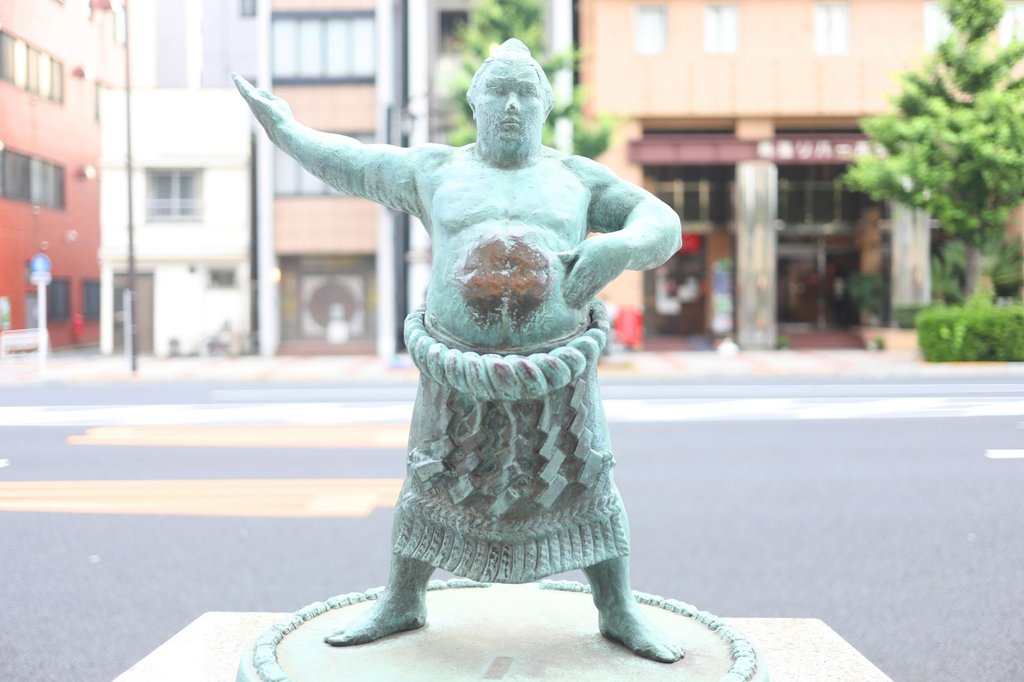
Even if your preferred date sells out soon after general sales open, you still have a few options available to you. Using the official face-value resale system, buying a ticket for a match on a weekday, and finding a same-day ticket online are three practical approaches that allow you to purchase a ticket from legitimate sales channels.
1. Check Face-Value Resale Listings Frequently
Face-value resale is a Japan Sumo Association-approved system for reselling unwanted tickets at their original price. Listings are sold on a first-come, first-served basis, so a sold-out date can sometimes still open up.
Resale ticket listings tend to increase just after tickets go on sale and in the days right before a tournament date (when plans change). Check the sales page regularly, not just your notifications.
- Check your account page directly, in addition to email alerts
- Look several times a day and buy the ticket quickly when it appears
- Confirm the collection method in advance, since this depends on the original ticket’s terms
If collection at a counter is required, staff may ask for identification, so allow extra time to do the paperwork when heading to the venue on the day of the match.
2. Target Mid-Tournament Weekdays in General Sales
Compared with weekends, opening day, and the final day, weekdays in the middle of a tournament are more likely to still have seats.
Chair seats are especially easy to secure for small groups since they’re sold individually. If you and your companions don’t mind sitting apart, you may still be able to get a spot for everyone even when few tickets remain.
3. Buy Remaining Seats Online Until 5 pm on the Day of the Match
Online sales continue until 5 pm on the day of the match. A date showing as sold out in the morning can open up again later in the day when cancellations come through, so seeing an “×” isn’t always the final word.
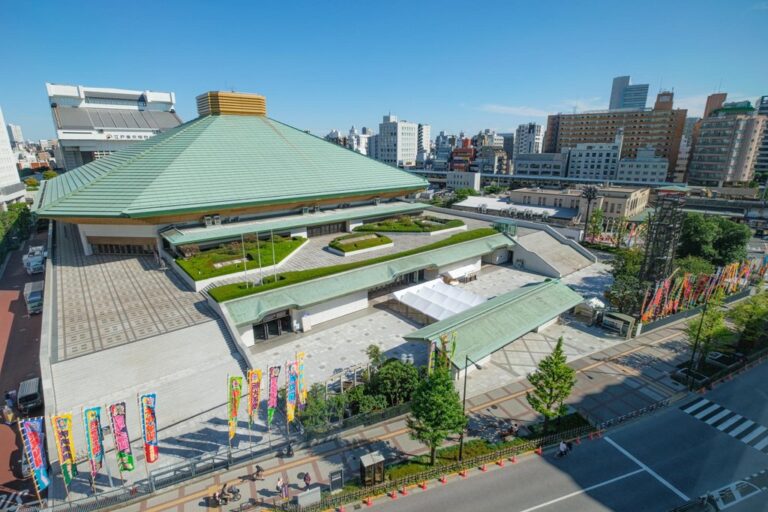
Before heading to Ryogoku Kokugikan, check current availability on Ticket Oosumo one more time. The venue is about a two-minute walk from the west exit of JR Ryogoku Station, so even if you spot an open seat after reaching the station, you can still complete your purchase as long as it’s before 5 pm.
- Select the seat type you want and complete the credit card payment before 5 pm
- Choose a QR ticket so you can enter by simply showing your screen
- If online inventory is gone, ask at the Ryogoku Kokugikan ticket office whether same-day tickets remain
For dates that sold out in advance sales, however, the ticket office won’t have same-day tickets. Searching the website after 5 pm won’t help either, so make sure to check online early in the day.
Two Ways to Enjoy Sumo Without a Grand Tournament Ticket
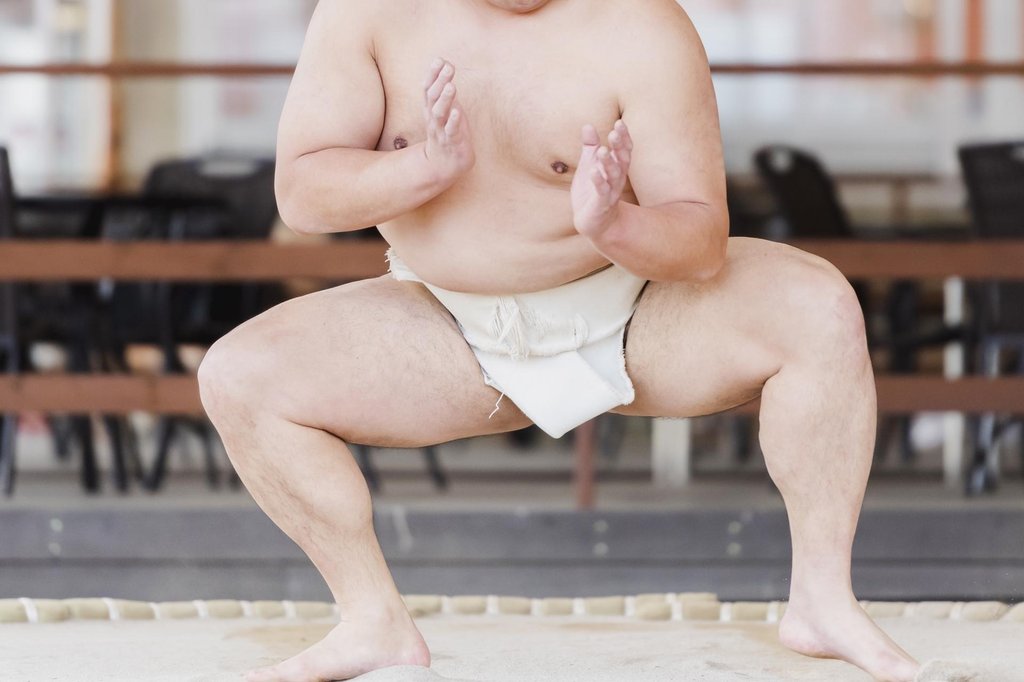
There are ways to experience sumo whether you missed out on tournament tickets or you’re visiting Japan outside of a tournament period. Participating in an interactive sumo show and visiting special non-tournament events at the Ryogoku Kokugikan are both great ways to enjoy sumo. We’ll provide details about these options in this section.
See a Sumo Show Performed by Former Rikishi
Asakusa Sumo Club ANNEX is an entertainment venue where former sumo wrestlers perform demonstrations while you eat. The venue operates year-round, so a sumo experience can be worked into your itinerary even outside of tournament season.
Performances run four times a day at noon, 3 pm, 6 pm, and 8:30 pm, each lasting about two hours. The admission price covers a meal, all-you-can-drink beverage service, and commemorative photos. Staff present the show in English, making it accessible for visitors who can’t speak Japanese.
Because you eat while watching the sumo demonstrations, the format is accessible for families with children who find it difficult to sit still through a long tournament match.
Details
| Address | 2-11-7 Asakusa, Taito-ku, Tokyo |
| Hours | Noon–10:30 pm (four performances daily) |
| Closed | Check the official site for closures |
| Official site | https://asakusasumo-annex.com/ |
| Best for | Visitors traveling outside tournament season; families, couples, and independent travelers who want a meal and a sumo experience at the same time |
Hours differ by season. Please check the official website before visiting.
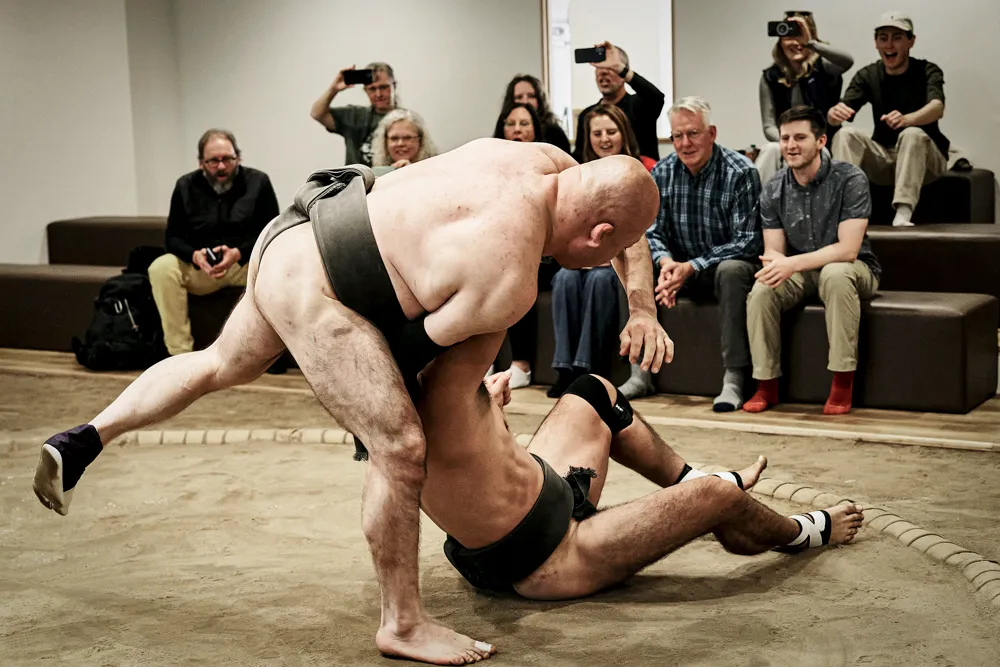 Hands-On
Get hands-on with sumo in Osaka
Watch former professional sumo wrestlers demonstrate authentic sumo techniques. Learn the history, rituals, and rules of Japan’s national sport, then step into the ring for a hands-on sumo experience in Osaka.
Apply for Non-Tournament Events at the Ryogoku Kokugikan
The Ryogoku Kokugikan hosts special events outside of the Grand Tournaments, such as the Japan Grand Sumo Tournament held each February. This event’s single-elimination format, where a single loss is the end of a wrestler’s participation, creates a different kind of tension from the fifteen-day-long Grand Tournament.
The Ryogoku Kokugikan also hosts retirement ceremonies for well-known athletes from time to time, and these ceremonies involve special programs honoring the departing wrestler. Ticketing differs by event, so check the official site or dedicated contact for each event rather than Ticket Oosumo.
These special events happen only a handful of times a year, so they’re hard to plan a trip around. The reliable approach is to check official websites before you travel, and to consider attending if one is scheduled during your stay in Japan.
Common Questions About Buying Sumo Tickets in Tokyo
In this section, we’ve compiled information based on questions often asked by overseas travelers. Make sure to read through these details before your trip to help you avoid potential trouble after you arrive.
Can I Pay for Tickets With a Credit Card Issued Outside of Japan?
The English version of Ticket Oosumo takes credit cards only, and a service fee of ¥2,000 is charged per ticket. The site doesn’t list which card brands it accepts, so keep a second card on hand in case the first one is declined.
If a payment error does appear, the likely causes are as follows:
- 3-D Secure (cardholder authentication) is not set up
- A fraud-prevention feature is blocking use on overseas sites
- The purchase exceeds your card’s spending limit
Every extra minute at the checkout right after sales open reduces your chance of getting the tickets you want, so confirm your 3-D Secure setup and any usage restrictions before you travel. If the problem persists, consider buying a ticket with cash at a Seven-Eleven kiosk after you arrive in Japan.
Can I Choose My Own Seat?
On the English site your choices stop at seat type and grade, and the seat number appears when your ticket is printed. The Japanese version of Ticket Oosumo goes further: for Box S through C seats (four-person boxes and similar) and Chair S through D seats, you pick the position yourself. If where you sit matters to you, buying from the Japanese site with your browser’s translation turned on is worth the extra effort. Tamari seats and anything bought at a Seven-Eleven kiosk come without a seat choice, even on the Japanese site.
Where the seat number appears on your ticket depends on the collection method:
- Paper tickets: printed on the ticket when you collect it in store
- QR tickets: shown in the ticket information displayed on the day of the match
The distance from the ring and whether you sit on the floor or on a chair vary by category, not by seat number.
Can I Buy Tickets if I’m Traveling With Children?
Children are welcome at the venue, and anyone aged four and over needs their own ticket. Children aged three and under can enter without a ticket as long as they sit on a guardian’s lap.
Chair D seats have carried a children’s rate for ages four to fifteen—¥500 (about $3 USD) at the September 2026 tournament—though the amount is announced for each tournament. Don’t forget that tamari seats are not available to anyone under sixteen because wrestlers sometimes fall out of the ring and onto spectators in those seats.
- Chair D seats: shoes stay on, and a children’s rate is available, with the amount set for each tournament
- Box seats: the family shares one compartment, shoes off, seated on cushions on the floor for a long stretch of time
- Promotional seats: the sales site sometimes discounts tickets on the condition that children are in the group
Long sessions mean more trips to the restrooms and concession stands, so second-floor chair seats tend to make it easier to move around with small children.
Can Groups Apply Together?
Groups of twenty or more attending on the same date and sitting in the same seat category can use the group application. It covers travel agencies and social clubs as well as school groups, and its main advantage is that you can book before general sales open.
- At least twenty people on the same date and in the same seat category
- Box seats are booked in multiples of four, with twenty people as the minimum
- Applications are made online, and inquiries go to the group desk by email (dantai@sumo.or.jp)
Many dates sell out after general sales open, so if you’re planning to attend as a group of twenty or more, look into the application process early rather than buying tickets individually.
Can I Enter With a Ticket Bought on a Resale Site?
Tickets bought through unofficial resale sites will most likely get you turned away at the gates. The Japan Sumo Association prohibits resale for personal profit and doesn’t recognize illegally resold tickets as valid.
In 2025, illegal resale led to 138 cases of refused entry and penalties, and buyers who didn’t know that a ticket was illegally resold weren’t guaranteed entry either.
Another problem with unofficial resale sites is that if you buy a counterfeit ticket or a ticket that’s been sold to several people you won’t have an option for official recourse. Simply put, when a date is sold out, avoid unofficial resale sites and use the face-value resale system approved by the Japan Sumo Association.
Can I Get a Refund if My Plans Change?
When a tournament proceeds as scheduled, the organizers usually don’t accept date changes, cancellations, or refunds for personal reasons. Refunds apply only under specific conditions (such as cancellation of the event), and the various fees paid at purchase might not be refunded to you.
If you can no longer attend for your own reasons, eligible tickets can go through the official face-value resale system. Once a sale goes through, you receive the amount minus certain fees.
Because making changes after purchasing your ticket is near impossible, it’s safer to fix your flights, hotel, and Tokyo dates before settling on a day to see a sumo match.
Securing Your Seat for Grand Sumo in Tokyo
For tournament tickets, the official sales site Ticket Oosumo offers the best combination of safety and reliability. The opening day of the tournament, the final day, and weekend days all sell out early, so considering some weekday options will give you a better shot at securing a ticket.
Even when your preferred date is sold out, official face-value resale and same-day sales of remaining seats can still come through. Unofficial resale sites risk getting you turned away at the gate, so make sure to stay within legitimate channels.
Confirm sales dates, seat categories, and collection methods ahead of time, and the process is manageable even for a first-time visitor to Japan, leaving you free to experience the full force of Grand Sumo at the Ryogoku Kokugikan.


![Where to Watch Sumo in Japan: 3 Ways to See Sumo & How to Get Tickets [Complete Guide]](https://sumowrestlingshow.jp/wp-content/uploads/2026/08/where-to-watch-sumo-in-japan_1-300x200.jpg)