A Complete Guide to Watching Sumo in Nagoya: Tickets, Etiquette, and Local Sightseeing
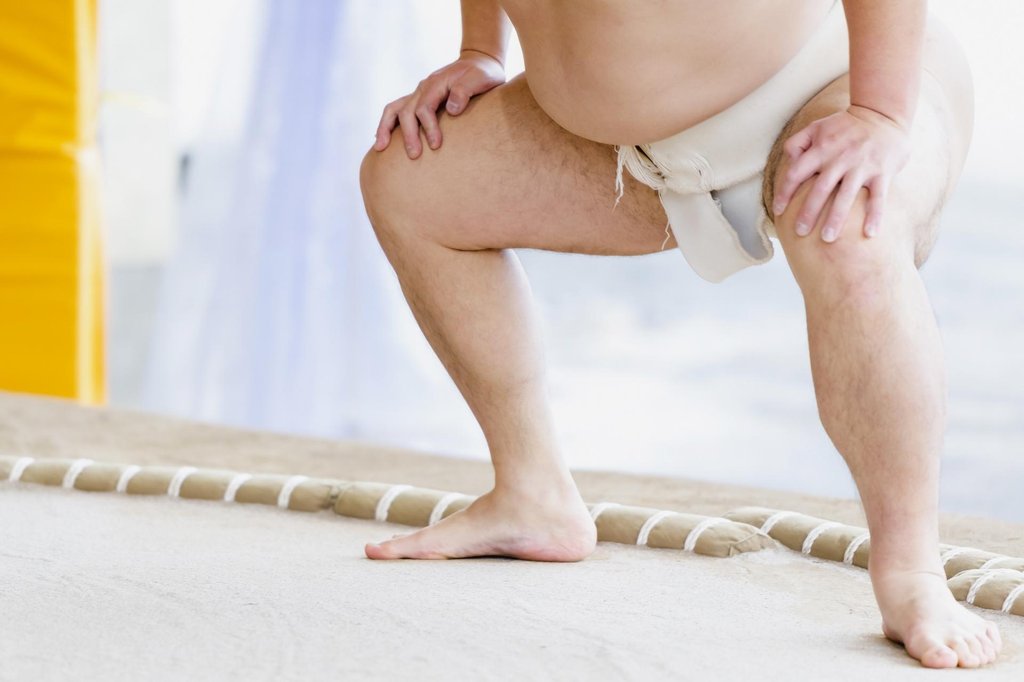
Every July, the city of Nagoya turns its attention to the Nagoya Basho (Grand Sumo Tournament in Nagoya). Since the tournament moved to the new IG Arena venue in 2025, Nagoya has attracted growing international attention as a destination where modern facilities and centuries-old tradition combine to create a uniquely immersive sumo experience.
For overseas visitors, however, several practical questions naturally come up. How do you buy tickets? What should you wear, and what etiquette is expected? Can you follow the matches if you don’t speak Japanese?
This guide covers everything international visitors need to know before attending the Nagoya tournament, including what makes the event distinctive, how to prepare step by step, basic sumo etiquette, nearby sightseeing options, and alternative experiences for travelers visiting outside the July tournament season.
With a little preparation, you’ll be ready to enjoy sumo in Nagoya to the fullest.
Contents
- What Makes Watching Sumo in Nagoya (the Nagoya Basho) Special
- How to Prepare for Watching Sumo in Nagoya
- Sumo Basics to Know Before the Bouts
- Etiquette and Cautions for Watching Sumo
- Sightseeing Areas Near the Sumo Venue in Nagoya
- Common Questions About Watching Sumo in Nagoya
- Plan Ahead and Make Your Nagoya Sumo Trip Unforgettable
What Makes Watching Sumo in Nagoya (the Nagoya Basho) Special
Grand sumo tournaments take place in four cities (Tokyo, Osaka, Nagoya, and Fukuoka), but the Nagoya event offers a character all its own.
A state-of-the-art new arena combines with the atmosphere of a historic castle town, and during the tournament it isn’t unusual to pass rikishi in yukata (light cotton kimono) at neighborhood convenience stores or in shopping streets, creating a uniquely close connection between the sport and the city itself.
Visitors can also explore regional cuisine tied to sumo culture, making the Nagoya tournament more than just a sporting event. It becomes a distinctive cultural experience found nowhere else in Japan.
IG Arena: One of Japan’s Largest New Venues
Opened in July 2025, IG Arena is a large multi-purpose venue with seating for up to 17,000 people, making it one of the largest arenas of its kind in Japan. The Nagoya Basho was the first grand tournament held at this new venue, and it offers an innovative viewing experience unlike anything previous sumo venues have provided.
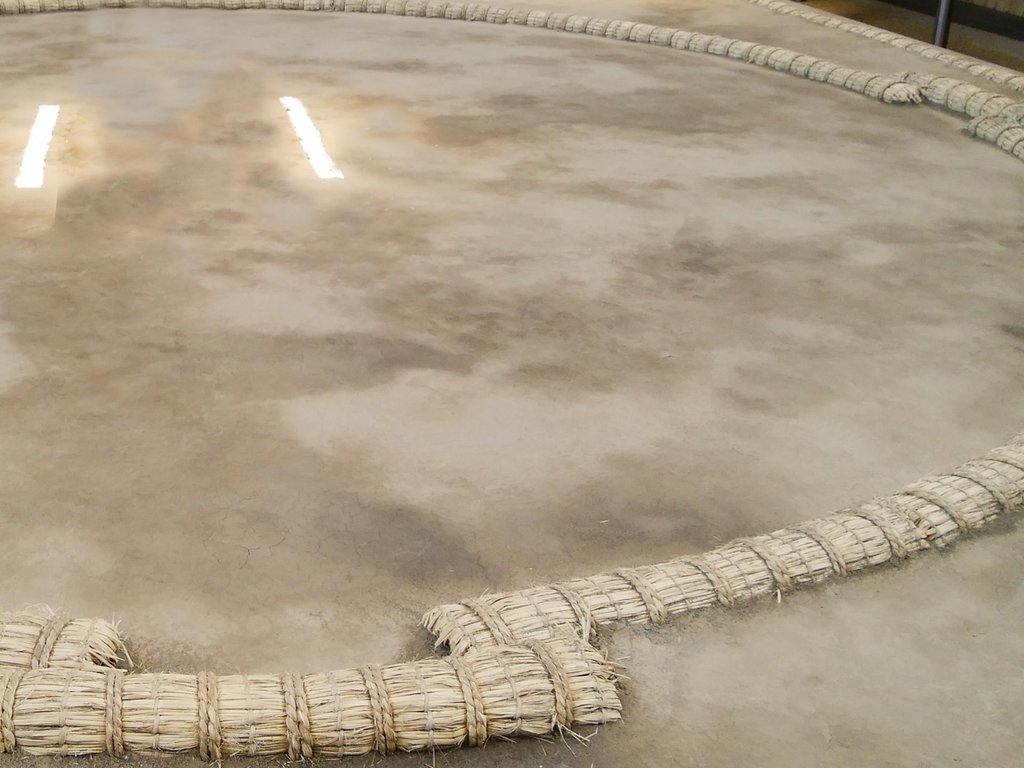
One of the arena’s defining features is the massive 360-degree octahedral video board suspended directly above the dohyo — the sacred clay ring where bouts take place. High-resolution replays and close-up shots of the rikishi are visible clearly from every section, giving even back-row seats a much more immersive feel than traditional arenas.
The venue is also fully cashless, and mobile ordering allows spectators to have food and drinks delivered directly to their seats, integrating modern convenience throughout the experience.
The exterior was designed by world-renowned architect Kengo Kuma, featuring a “tree-shaped arch” motif that harmonizes with the traditional Japanese architecture of Nagoya Castle while still feeling distinctly contemporary.
The building itself is well worth seeing, and it makes a memorable photo spot before or after a match.
A Location Right Next to Nagoya Castle
IG Arena is located inside Meijo Park, placing Nagoya Castle, historically tied to the Tokugawa clan, within easy walking distance.
That proximity makes it especially convenient to combine sightseeing and a sumo tournament on the same day, giving Nagoya a clear advantage over venues like Ryogoku Kokugikan in Tokyo or Edion Arena Osaka in Osaka.
In the morning, you can tour Nagoya Castle and enjoy Nagoyameshi (Nagoya-style local cuisine) such as miso-katsu (deep-fried pork cutlet with rich miso sauce) and hitsumabushi (grilled eel over rice) at Kinshachi Yokocho beneath the castle, then head into the arena for the afternoon bouts. Alternatively, you can take in the castle’s evening illumination after the matches.
Being able to experience a Japanese castle, regional cuisine, and Japan’s national sport all in a single day makes this one of the most appealing itineraries for international visitors to Nagoya.
Sumo Cuisine at Restaurants Run by Former Rikishi
Nagoya is dotted with restaurants run by former rikishi, including Yakiniku-ya Yamituki, owned by former ozeki (the second-highest rikishi rank) Kotomitsuki. Dining in spaces decorated with rikishi handprints, tournament memorabilia, and photographs adds another layer to the overall sumo experience.
Inside IG Arena, the concessions also serve chanko-nabe (a hot pot of meat, vegetables, and seafood that is the traditional dish of sumo stables) on a rotating daily menu. Variations include “sop-daki” (a chicken-bone-based broth), salt-flavored, and miso-flavored versions, with the flavor changing day by day.
One of the pleasures of the Nagoya Basho is being able to experience two food cultures side by side: Nagoyameshi like miso-katsu and kishimen (flat wheat noodles), and “sumo cuisine” centered on chanko-nabe.
How to Prepare for Watching Sumo in Nagoya
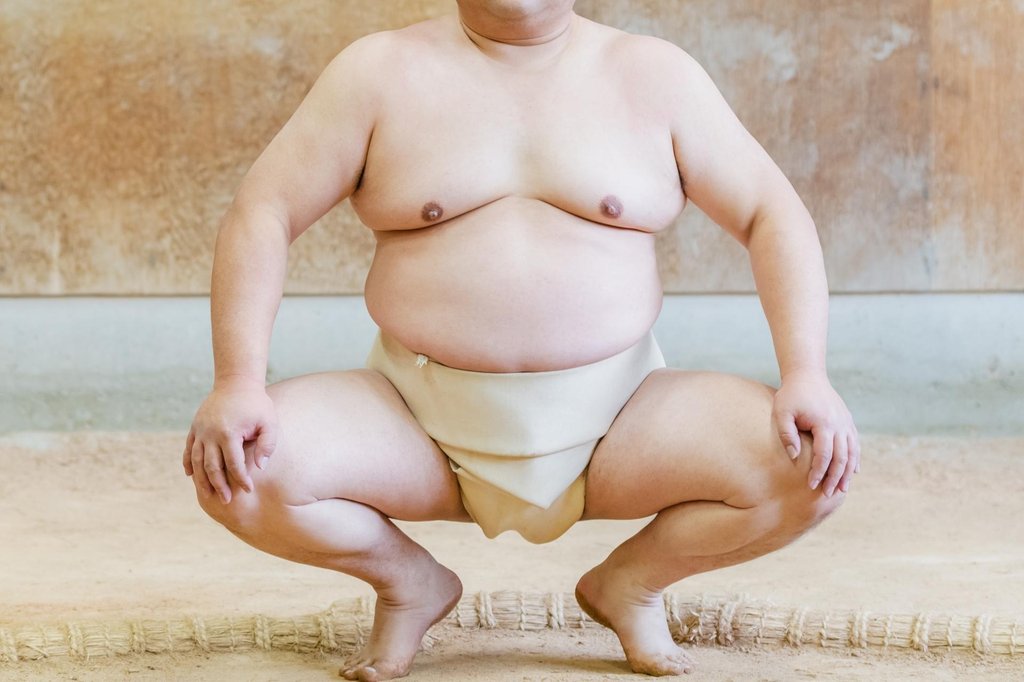
Check the dates, secure tickets, choose your seats, and understand the day’s flow. Buying tickets is the biggest hurdle for international visitors, so practical options are covered in detail.
1. Check the Dates and Venue
The 2026 Nagoya Basho runs for 15 days, from Sunday, July 12 through Sunday, July 26. As a general rule, the Nagoya tournament begins on the second Sunday of July each year.
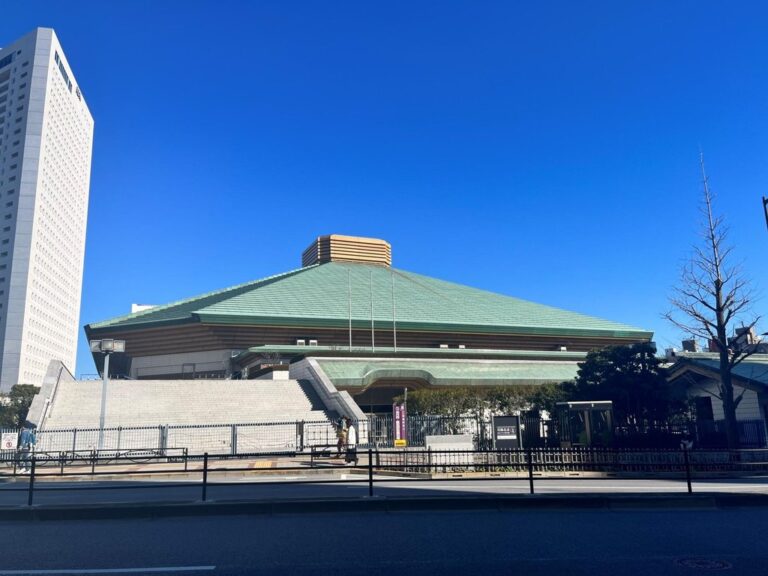
The venue is IG Arena (Aichi International Arena), the new facility that opened in 2025. The nearest station is Nagoya Municipal Subway Meijo Line’s Meijo Koen Station, just a 1- to 2-minute walk from Exit 4, making access extremely convenient.
One important detail: the previous venue, Aichi Prefectural Gymnasium, was closest to Nagoyajo Station, so travelers should be careful not to confuse the two locations.
Details
| Address | 1-2-22 Meijo, Kita-ku, Nagoya, Aichi 462-0846 |
| Hours | Days 1-12: doors open 8:45 am / Days 13-14: doors open 10:30 am / Final day (senshuraku, the climactic final day of a tournament): doors open 10:00 am |
| Closed | Other events held outside the Nagoya Basho period |
| Website | https://www.ig-arena.jp/ |
| Best For | Visitors who want a comfortable experience in a modern venue and who want to combine sightseeing with the matches |
From Nagoya Station, take the Higashiyama Subway Line to Sakae Station, transfer to the Meijo Line, and continue to Meijo Koen Station. Total travel time is about 10 minutes. A taxi from Nagoya Station typically takes around 15 minutes depending on traffic.
2. Buy Your Tickets
Tickets for the Nagoya Basho are highly competitive every year, and weekend and final-day tickets often sell out within minutes of going on sale. Buying tickets yourself involves three stages:
- Official Fan Club Pre-Sale Lottery (mid-April): For paid members of the Japan Sumo Association’s “Grand Sumo Fan Club” at the Yokozuna/Ozeki tier or above
- Ticket Oh-zumo Pre-Sale Lottery: Available with free membership registration
- General Sale (starting mid-May): Through ticket agents such as Ticket Pia
For many international visitors, buying Nagoya Basho tickets independently can be surprisingly difficult. Official ticket sites are generally available only in Japanese, SMS verification often requires a Japanese phone number, and some purchases may only accept Japanese-issued credit cards.
A more realistic option is an English-language sumo tour. Companies such as Sunrise Tours, Japan Awaits, Discover Nagoya Tours, and Klook offer packages that combine ticket booking with expert cultural commentary by a guide, providing a reliable way to secure your seat without worrying about the language barrier.
3. Choose Your Seat Type
Seating at the Nagoya Basho falls into three main categories. Each has its own character, so choose based on how you’d like to watch.
- Tamari seats (ringside, also called sumo-seki): The premium seats closest to the dohyo. They’re so close that rikishi’s sweat can fly your way, making them thrilling, but eating, drinking, and photography are forbidden, and preschool children are not admitted. They are also the most expensive.
- Masu seats (box seats): Traditional tatami-style box seats shared by four people. You remove your shoes, sit on the tatami, and enjoy boxed meals and drinks while watching, a quintessential Japanese experience, though kneeling or sitting cross-legged for long periods can be hard on the legs and back.
- Chair seats (isu-seki): Western-style seating at the back of the arena. They’re relatively affordable and comfortable for long sessions.
For international visitors and first-timers, chair seats are recommended. They balance price and comfort, give you a good view of the screens, and let you enjoy the bouts without distraction. If a more traditionally Japanese experience is the priority, booking masu seats with a group is a great choice.
4. Know the Day’s Flow
Opening times vary by day: 8:45 am on Days 1-12, 10:30 am on Days 13-14, and 10:00 am on the final day.
Here is a typical schedule:
- Around 9 am: jonokuchi and jonidan (lowest divisions) bouts begin
- Around 2:15 pm: juryo (second division) ring-entering ceremony
- Around 4:10 pm: makuuchi (top division) bouts begin (the most exciting time)
- Around 6 pm: yumitori-shiki (bow-twirling ceremony) closes the day
Mornings see lower-ranked bouts with plenty of empty seats, a sweet spot for anyone who wants to watch in peace or take lots of photos. The arena fills up for the yokozuna (top-ranked rikishi) and ozeki matches in the evening, so it pays to be in your seat early.
If you’re joining a tour, confirm the meeting place, meeting time, and contact method with your guide in advance. The area around the venue gets very crowded on match days, and a missed rendezvous can be hard to recover from.
Sumo Basics to Know Before the Bouts
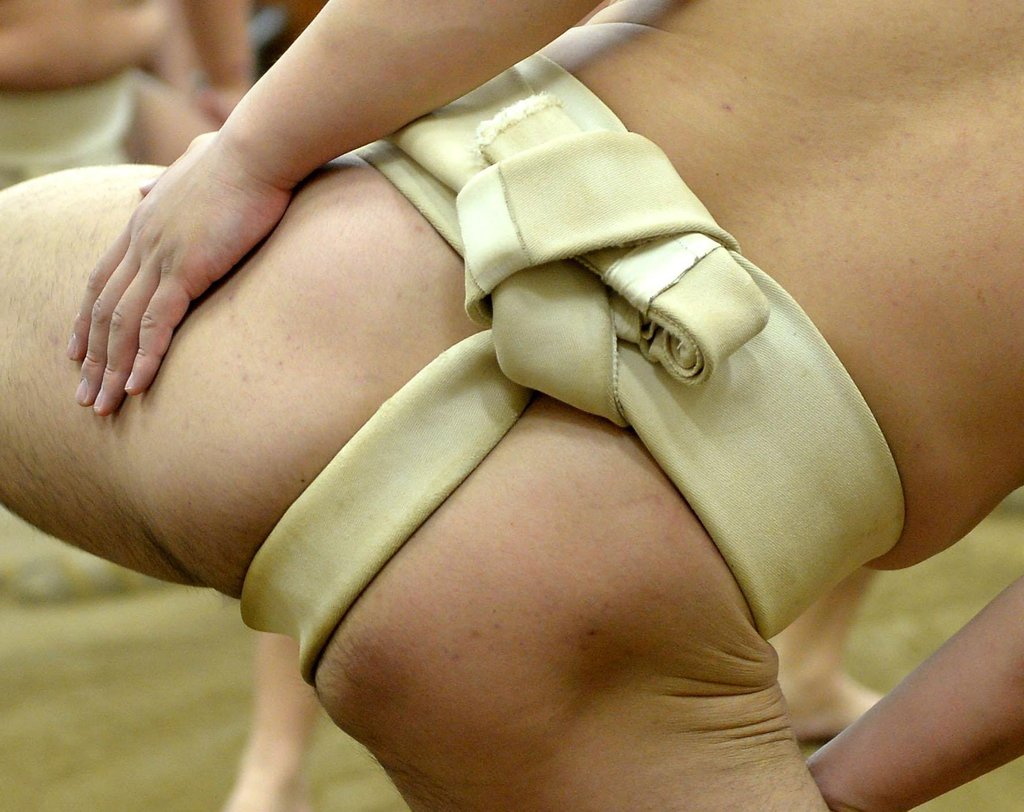
Sumo has some of the simplest rules of any martial discipline in the world. The basics are covered here from three angles: rules, rituals, and viewing highlights.
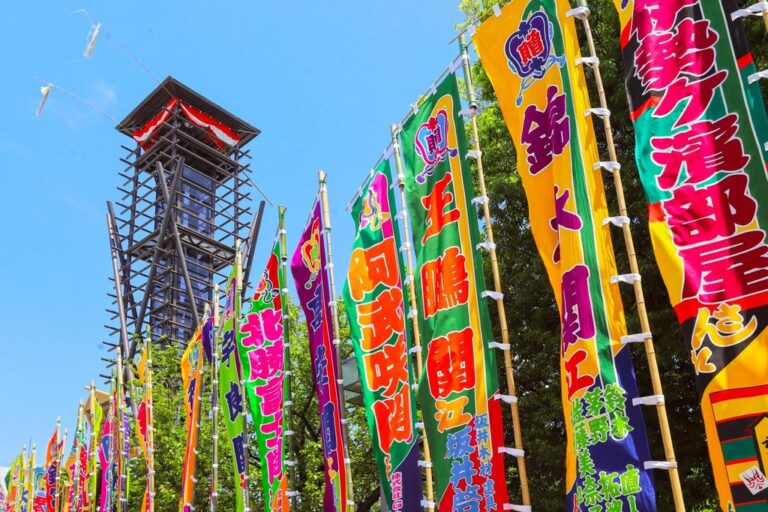
Simple Rules: Out of the Ring Means a Loss
The rules of sumo are very simple. The match is decided the moment one of two things happens: (1) any part of the body other than the soles of the feet touches the ground, or (2) Any part of the wrestler’s body leaves the dohyo (the sacred clay ring).
Certain actions are strictly forbidden, including striking with closed fists, hair-pulling, and eye-gouging. Any prohibited move results in immediate disqualification. The deciding moves are called kimarite (winning techniques), and 82 officially recognized techniques include yorikiri (forcing the opponent out), oshidashi (pushing the opponent out), uwatenage (overarm throw), and hatakikomi (timed pull-down).
Because the rules themselves are so simple, sumo is enjoyable across language barriers. Bouts last only a few seconds (at most around a minute), so the tension never lets up.
Purifying Salt, Shiko, and the Ring-Entering Ceremony as Shinto Rituals
Sumo is a Shinto ritual with roughly 1,500 years of history. Every gesture performed before and after a bout carries religious meaning.
- Shio-maki (purifying salt ritual): Rikishi cast purifying salt onto the dohyo to cleanse the sacred clay ring and ward off impurity.
- Shiko (ritual stamp to drive away evil spirits): Rikishi raise the legs high and stamp them down on the dohyo to drive evil spirits out of the earth and demonstrate their stability and power.
- Yokozuna dohyo-iri (ring-entering ceremony): Performed only by a yokozuna, this solemn rite, accompanied by a sword-bearer and an attendant, is one of the most striking moments of the Nagoya Basho.
The rikishi’s expression as he casts purifying salt, the deep thud of his foot during shiko, and the dignified bearing of a yokozuna performing his ceremony each carry religious weight rooted in centuries of tradition.
Kensho Banners and the Yumitori-shiki Frame Each Day
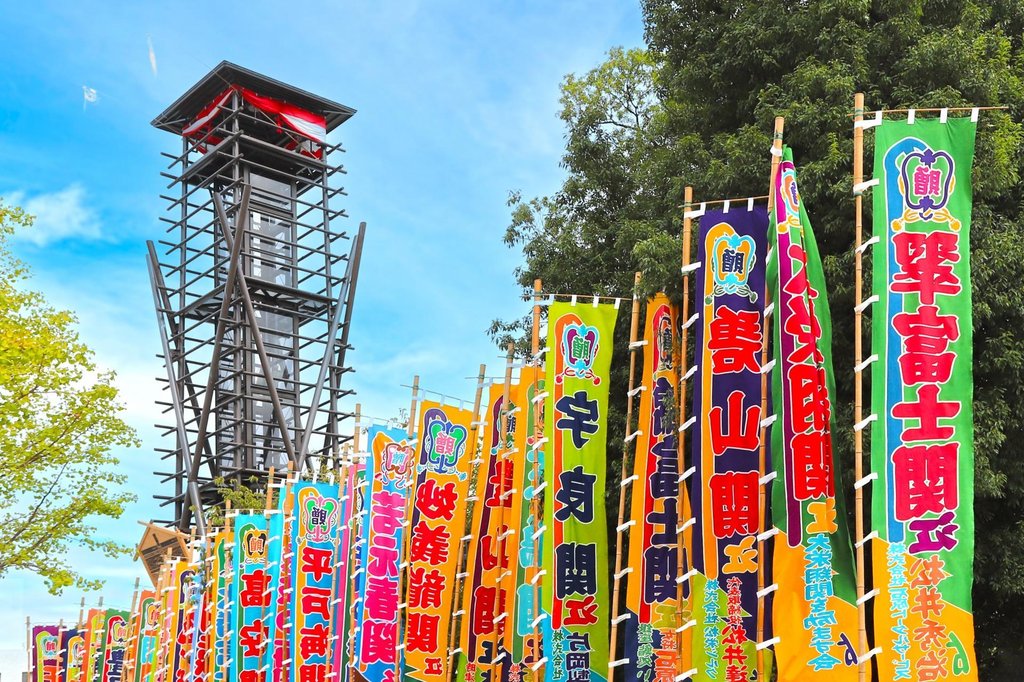
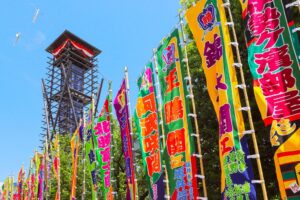
In bouts featuring popular makuuchi rikishi, you’ll see kensho (sponsor banners) parading around the dohyo. Each banner represents ¥70,000 in prize money, and after the bout the winner receives prize envelopes directly from the referee on the dohyo. For high-profile matchups, it is not unusual to see 20 or 30 banners, sometimes even more, creating one of the tournament’s most visually memorable spectacles.
At the end of each tournament day comes the Yumitori-shiki, the traditional bow-twirling ceremony. After the final makuuchi bout, a designated rikishi steps onto the dohyo and performs a stylized routine with a bow. The ritual dates back to the Edo period and serves as a ceremonial conclusion to the day’s matches.
Morning bouts featuring lower-ranked rikishi (jonokuchi and jonidan) tend to have plenty of empty seats, providing an ideal window for anyone who wants a relaxed view. It’s also your chance to study future yokozuna prospects from the front row.
Etiquette and Cautions for Watching Sumo
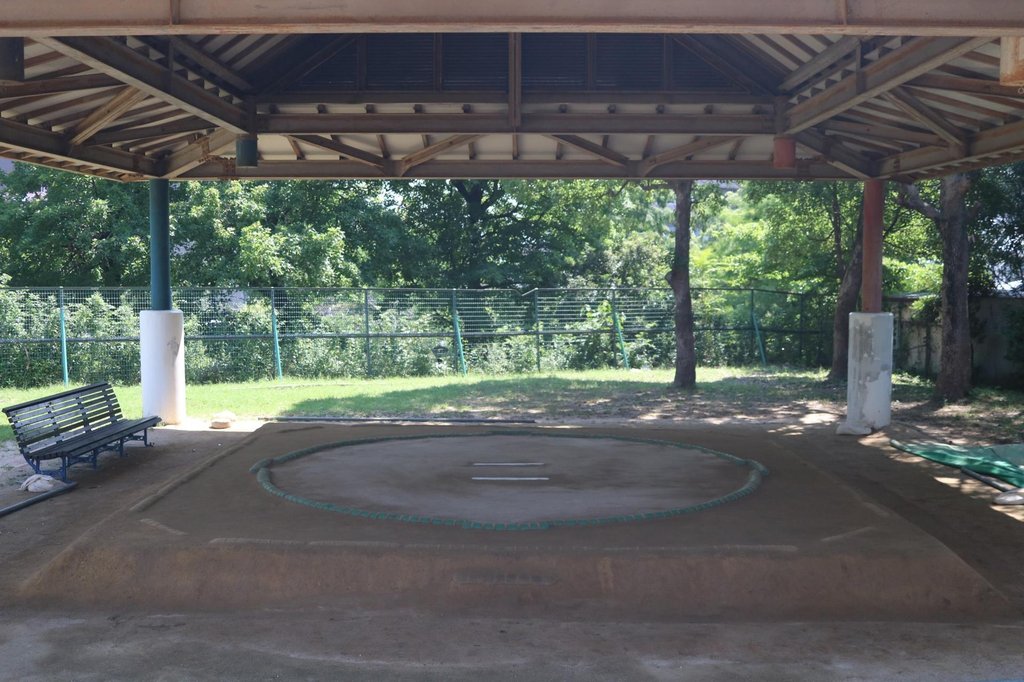
Sumo is a revered tradition. Breaking etiquette can disturb others or, in extreme cases, get you removed from the venue. Five points especially worth keeping in mind for international visitors are covered below.
Don’t Photograph or Film Without Permission
At official tournaments, taking photos from your own seat with a smartphone or compact camera is generally permitted. Flash photography, however, is strictly prohibited because it can distract the rikishi and potentially cause injuries during a bout.
If you’d like to photograph a rikishi inside the venue or out on the streets, never aim a camera at them without permission. Politely ask first: “Sumimasen, photo OK?” (Excuse me, may I take a photo?). Most rikishi are happy to accommodate respectful requests, but it is best to avoid approaching them while they are clearly in transit, eating, or otherwise occupied.
Never Touch the Dohyo or the Rikishi
The dohyo is a sacred space, and approaching or touching it without permission is strictly forbidden. This rule applies to every member of the audience.
Never touch a rikishi’s mage (topknot). The mage is a symbolic hairstyle, and grabbing it is a forbidden move during matches, so avoid touching it at all. Even when posing for photos beside a rikishi, keep your hand on his shoulder at most, and never touch his head.
Keep a respectful distance from rikishi out and about (moving through town or eating a meal) as well. If you would like an autograph or photograph, take a moment to read the situation before approaching and avoid interrupting private moments or meals.
Remove Your Shoes at Masu Seats
Masu seats are tatami-style box seats, so the Japanese custom is to remove your shoes before stepping in. Shoes go in the space under the seat or in the designated shoe holders.
Throwing seat cushions out of excitement (zabuton-throwing) used to be a tradition, but it has been banned as dangerous. When a yokozuna loses to a lower-ranked opponent, the urge can be hard to resist, but visitors are asked to refrain.
Stay Quiet During Bouts
During tournament bouts, shouting loudly or jumping to your feet disturbs those around you. Keep cheering to applause and brief calls of encouragement like “Ganbare!” (Go for it!) and aim for a dignified viewing experience.
Buy Food and Drinks Inside the Venue
For the official tournament at IG Arena, outside food and beverages are generally not allowed. Fortunately, the arena has around 20 concession stands serving a wide variety of options, including Chanko-nabe, boxed meals, and Nagoya specialties such as Miso-katsu and Kishimen, so finding something to eat inside is easy.
One especially important point for international visitors: IG Arena is fully cashless. Cash is not accepted anywhere in the venue, so visitors should bring a credit card, debit card, transit IC card, or another electronic payment method. Major international brands such as VISA, Mastercard, and JCB are generally accepted without problems.
Sightseeing Areas Near the Sumo Venue in Nagoya
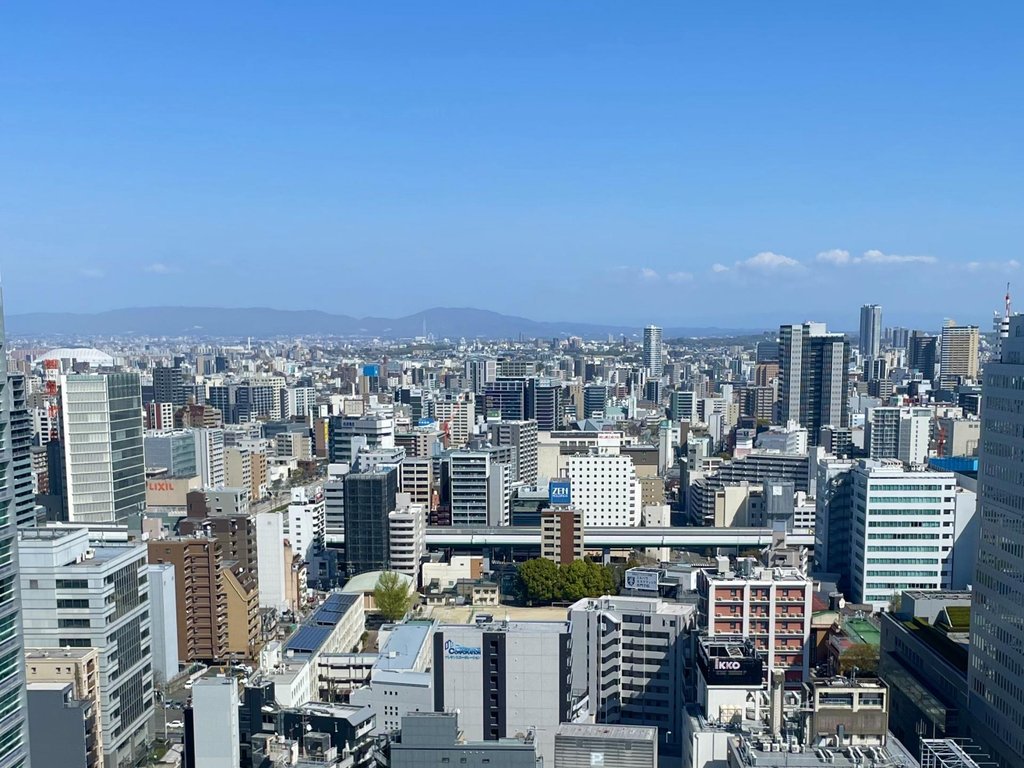
Four major sightseeing areas around Nagoya pair perfectly with a sumo match. Each entry covers a main attraction and a dining spot that connects to sumo culture, organized by distance from IG Arena and character, so they slot easily into a one-day itinerary.
Nagoya Castle Area: The Classic Route Right Next to the Venue
Nagoya Castle, right next to IG Arena, is the classic place to combine with a tournament visit.
Built under the orders of Tokugawa Ieyasu, the castle is famous for its golden shachi — mythical fish ornaments mounted on the roof — as well as its imposing donjon and the richly decorated Honmaru Palace. The ability to walk directly between the arena and one of Japan’s most iconic castles is one of the Nagoya tournament’s biggest advantages compared with other sumo venues.
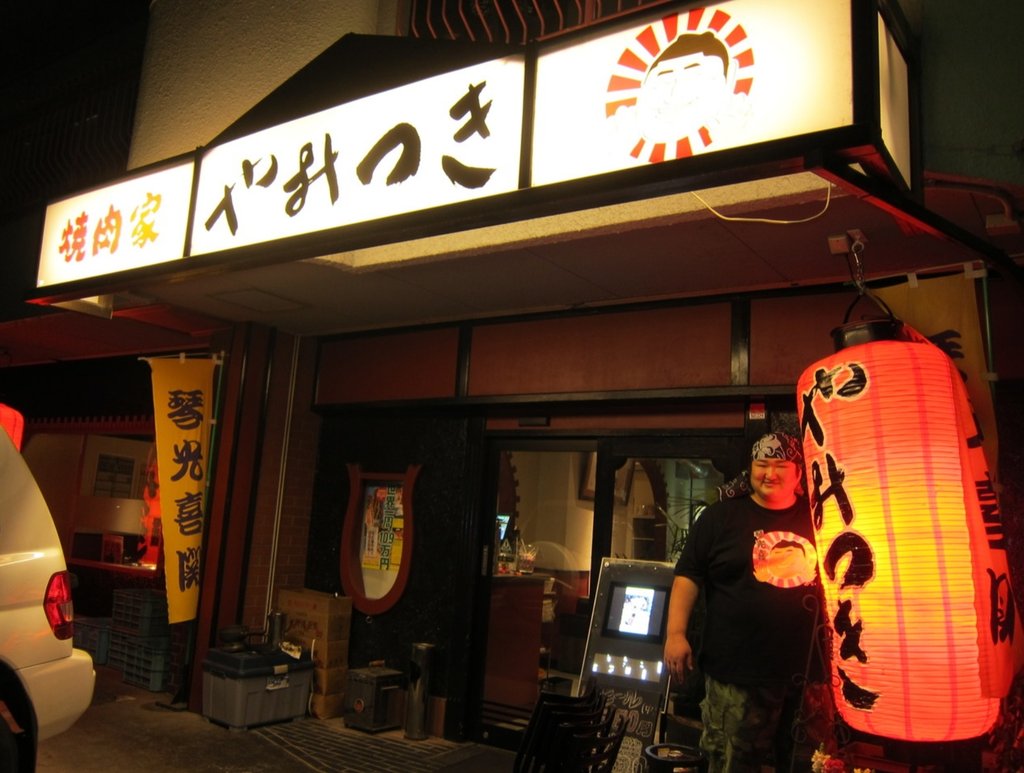
A standout dining spot in the area is Yakiniku-ya Yamituki, run by former ozeki Kotomitsuki. He is reportedly at the restaurant almost every day, giving visitors a rare opportunity to meet and speak with a former top-ranked rikishi in person.
Inside, the restaurant is decorated with rikishi handprints, photographs, and sumo memorabilia, while the menu focuses on high-grade wagyu beef, creating an atmosphere that blends excellent food with deep connections to sumo culture.
Details
| Address | 1-65 Kanomi-cho, Nishi-ku, Nagoya, Aichi 451-0015 (Dai-5 Nakamura Heights) |
| Hours | Lunch 11:30 am-2 pm / Dinner: Mon-Thu 5 pm-11 pm; Fri 5 pm-12 am; Sat 4 pm-12 am; Sun 4 pm-11 pm (advance reservation recommended) |
| Closed | Varies (please confirm; closing days not listed on the official site) |
| Website | https://yamituki.jimdofree.com/ |
| Best For | Visitors who want to meet a former rikishi and enjoy authentic yakiniku |
The nearest station is Shonai-dori on the Tsurumai Subway Line, about a 7-minute walk away. It’s a bit removed from the venue, but for sumo fans, it is something close to sacred ground.
Sakae and Hisaya-Odori Area: Shopping and Evening Dining
Sakae is Nagoya’s premier entertainment district, packed with shopping, dining, and nightlife. It’s an ideal area for evening meals and shopping after the bouts.
One of Nagoya’s most recognizable landmarks is Oasis 21, known for its futuristic “Spaceship-Aqua” roof with flowing water suspended above the structure. The illumination at night is especially striking, and together with the nearby Chubu Electric Power MIRAI Tower (formerly Nagoya TV Tower), the area forms one of the city’s signature photo spots.
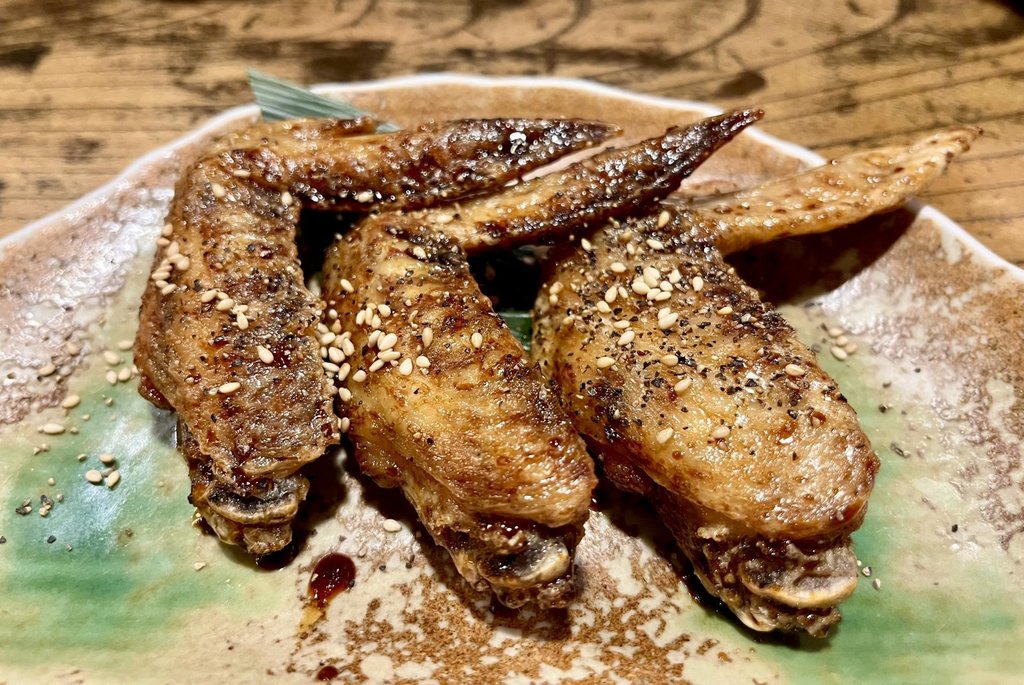
For food, Sekai no Yamachan Sakae is a strong pick for Nagoya’s famous tebasaki (chicken wings). The restaurant has an English menu, so international visitors can easily enjoy Nagoya specialties. The spice-coated chicken wings paired with a cold beer make a memorable combination.
Details
| Address | 2F-3F Suikame Parking Bldg., 4-16-24 Sakae, Naka-ku, Nagoya, Aichi 460-0008 |
| Hours | Mon-Sat 5 pm-12:15 am (Last Order 11:30 pm) / Sun and holidays 5 pm-11:15 pm (Last Order 10:30 pm) |
| Closed | Open year-round except during the New Year holidays |
| Website | https://www.yamachan.co.jp/ |
| Best For | Visitors who want to try Nagoya specialties casually and prefer English menus |
Osu Area: Perfect for Snacking and Browsing
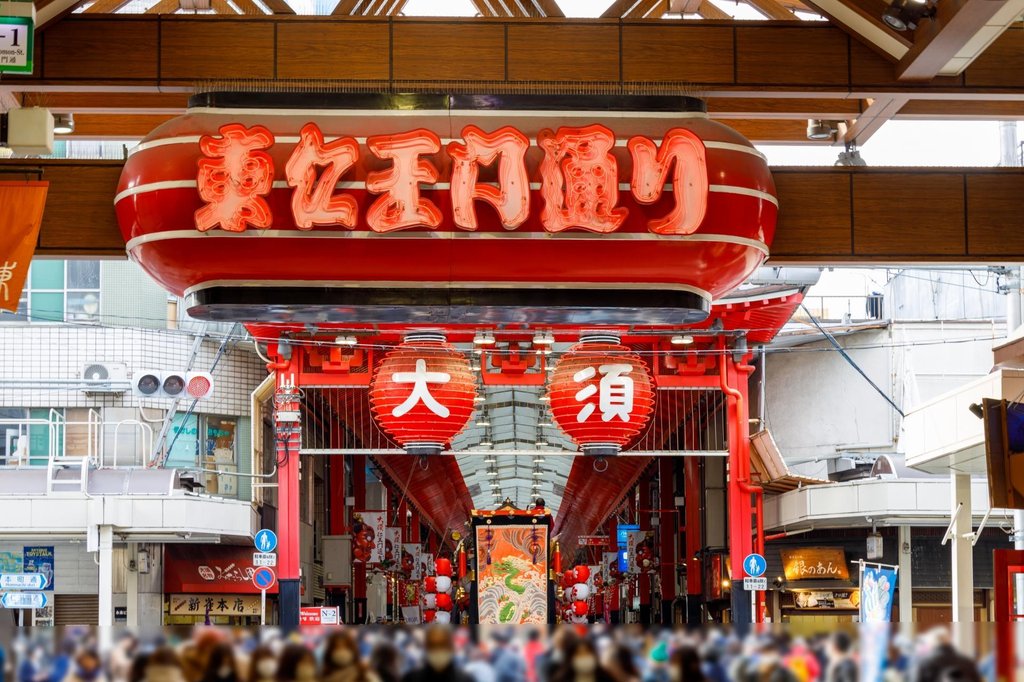
The Osu area is a great place to snack and browse on a day of sightseeing around the tournament.
At the heart of the district is Osu Kannon, a temple with nearly 700 years of history. One of the area’s defining charms is the contrast between the temple’s calm, traditional atmosphere and the bustling shopping arcade immediately surrounding it.
Food is best experienced by wandering through the Osu Shopping Street itself. The arcade is packed with international street food from Taiwan, South Korea, Turkey, Mexico, India, and many other countries, alongside long-established Japanese confectionery shops and trendy modern sweets.
The mix of old temples and subculture, tradition and modernity, has a unique appeal that’s sure to intrigue international visitors looking for a richer slice of Japan.
Details
| Address | Osu, Naka-ku, Nagoya, Aichi 460-0011 |
| Hours | Varies by shop |
| Closed | Varies by shop |
| Website | https://osu.nagoya/ |
| Best For | Visitors who love street food and want to experience richer Japanese culture |
Nagoya Station Area: Shinkansen Access and Accommodation Hub
The Nagoya Station area is ideal as a shinkansen access point and an accommodation base. Many visitors choose it as their lodging on the first or last night of a tournament trip.
One of the district’s standout attractions is Midland Square Sky Promenade, an open-air observation deck located about 220 meters (roughly 722 feet) above the city. The unobstructed outdoor setting creates an impressive sense of openness, and the transition from sunset into Nagoya’s nighttime skyline is especially memorable.
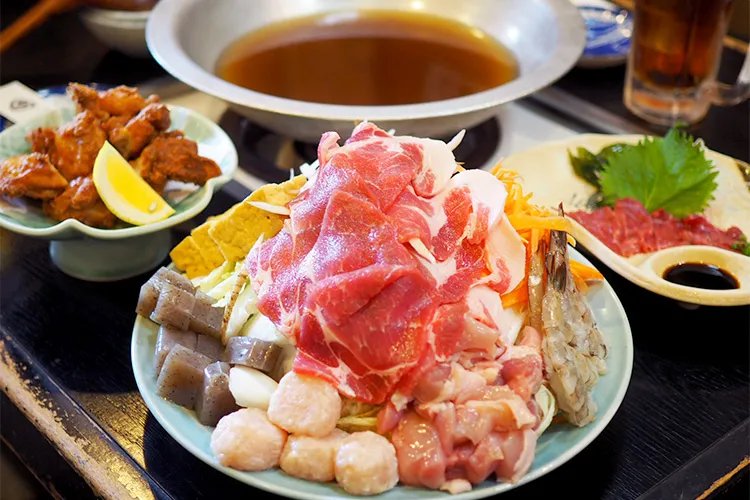
For dinner, Yanagibashi Kadojyu is an excellent way to end a day centered around sumo. This long-established chanko restaurant has operated for more than 70 years, and the interior is decorated with signed plaques and rikishi handprints collected over decades. Its specialty is Chanko-nabe served in a secret-recipe miso broth finished with black pepper. The deep, rich flavor feels distinctly Nagoyan and makes a perfect meal to enjoy while reflecting on the day’s matches.
Details
| Address | 1-14-19 Meieki-minami, Nakamura-ku, Nagoya, Aichi 450-0003 |
| Hours | Mon-Fri: 11:30 am-1 pm (lunch hours vary) 5 pm-10:30 pm (Last Order 10 pm) Sat: 5 pm-10 pm (Last Order 9:30 pm) |
| Closed | Sundays and public holidays |
| Website | https://kadozyu.net/ |
| Best For | Visitors who want to cap off the day with authentic chanko |
About a 7-minute walk from Kintetsu Nagoya Station, Yanagibashi Kadojyu is conveniently located for a stop before or after a shinkansen trip.
Common Questions About Watching Sumo in Nagoya

A few questions come up especially often from international visitors. The answers below cover what you’ll want to know before tournament day.
Is English Commentary Available at the Venue?
IG Arena does not currently provide official full-scale English play-by-play commentary during the Nagoya Basho. While the venue program and signage include limited English explanations where space allows, detailed commentary throughout the bouts is generally unavailable.
For visitors who’d like real-time English commentary throughout the bouts, an English-language guided tour is the most reliable option. A specialist guide can explain the rules of each bout, the rikishi’s careers, the meaning of the rituals, and the day’s highlights as they unfold, giving even first-timers a richer experience.
Is There a Dress Code?
There is no formal dress code for the Nagoya Basho, so ordinary casual clothing is perfectly acceptable.
However, Nagoya in July is extremely hot and humid, with average daytime temperatures around 28–30°C (82–86°F) and frequent heat-wave conditions. If you plan to spend time sightseeing outdoors around Nagoya Castle or the surrounding area, lightweight and breathable short-sleeved clothing is strongly recommended.
Inside IG Arena, on the other hand, the air conditioning can feel quite strong, so bringing a light jacket or cover-up is a good idea.
If you have traditional masu seats, slip-on shoes are especially convenient because shoes must be removed before entering the seating area.
Can Children Attend?
There are no age restrictions in general. One important exception is tamari seats, the floor-level seats closest to the dohyo. Preschool children are not permitted in this section for safety reasons, since rikishi can occasionally tumble off the ring and into the spectator area during bouts.
For families, chair seats are usually the most practical choice. They are more comfortable during long sessions and make it easier to move around for restroom breaks, meals, or quick exits with children. Children’s pricing depends on the seat type, so check at the time of purchase.
Is the Venue Accessible?
As a brand-new 2025 facility, IG Arena features up-to-date accessibility:
- Wheelchair-accessible seats: Multiple dedicated spaces (advance reservation required)
- Multi-purpose restrooms: Available on every floor, including ostomate-friendly equipment
- Nursing rooms and diaper-changing stations: Located throughout the building
- Wheelchair rentals: Available free of charge at the entrance
- Stroller parking: A dedicated area inside the building
Elevators and ramps are also in place throughout, so older visitors, those with disabilities, and families with young children can all enjoy the matches comfortably.
Are There Places to Experience Sumo Outside Nagoya?
For visitors arriving outside July, Osaka (about 50 minutes from Nagoya by shinkansen) is an excellent option.
The top recommendation is Sumo Studio Osaka, a 90-minute English-language program led by a former professional rikishi. The full package covers sumo history, kimari-te demonstrations, hands-on experience stepping onto the dohyo, and commemorative photos, designed specifically for international visitors.
Highlights of Sumo Studio Osaka include:
- Authentic sumo shows by former professional rikishi: Watch single-bout demonstrations of kimari-te up close
- Audience Challenge: Step onto the dohyo and face off against a rikishi (limited number of participants per show)
- Small-group format (up to roughly 50 guests): View from just a few meters from the rikishi
- Fully English-language: Sumo history, ties to Shinto, and connections to samurai culture are all explained in English
- Excellent access: Right in front of Exit 4 at Hanazonocho Station on the Osaka Metro Yotsubashi Line
- Year-round operation: Five shows daily, every day of the year (including the New Year holidays)
For anyone who couldn’t get tournament tickets, who wants more than watching alone, or who’d like to interact with a rikishi in person, Sumo Studio Osaka is an ideal choice.
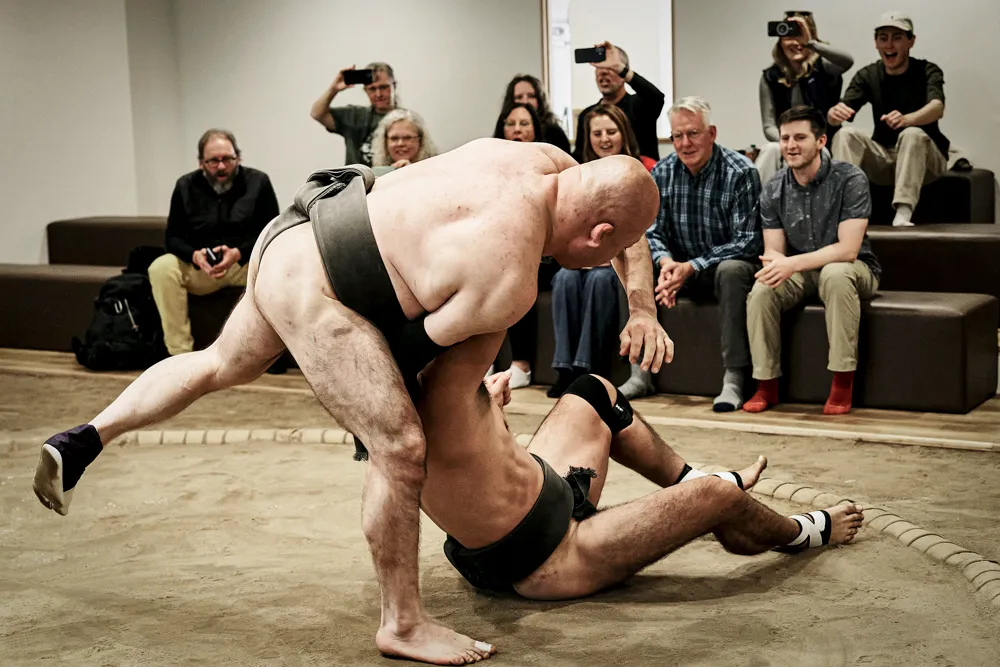 Hands-On
Get hands-on with sumo in Osaka
Watch former professional sumo wrestlers demonstrate authentic sumo techniques. Learn the history, rituals, and rules of Japan’s national sport, then step into the ring for a hands-on sumo experience in Osaka.
Plan Ahead and Make Your Nagoya Sumo Trip Unforgettable
The Nagoya Basho is a special event held only once a year, during July.
Use the information above — on dates, seat selection, and etiquette — to prepare thoroughly. Tickets can sell out within minutes, so visitors coming to Japan outside July, or those who want more than a spectator experience, will find Sumo Studio Osaka a strong alternative. The hands-on program led by former rikishi brings you inside sumo culture in a way no seat in the stands can.
Book early, and experience the power of grand sumo and the richness of Japanese culture for yourself.


![Where to Watch Sumo in Japan: 3 Ways to See Sumo & How to Get Tickets [Complete Guide]](https://sumowrestlingshow.jp/wp-content/uploads/2026/08/where-to-watch-sumo-in-japan_1-300x200.jpg)