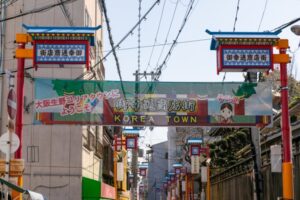
Unique Experiences in Osaka: Sumo, Bar-Hopping, Landmarks, and More
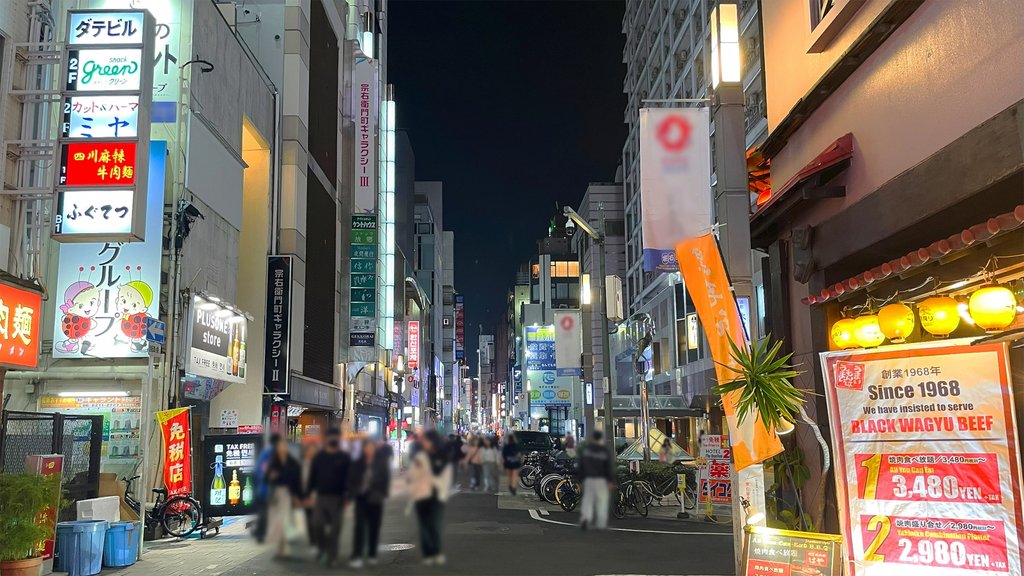
Have you ever left Osaka having done little more than visit Dotonbori and Osaka Castle? Many travelers are looking for something beyond the usual sightseeing circuit.
Here’s your insider’s guide to the Osaka most visitors miss—sumo wrestling with former pros, landmark visits, and standing bars where locals actually drink. Each spot includes information on reservations, timing, and whether or not English can get you through the door.
Contents
- Where to Find Unique Experiences in Osaka
- Unique Experiences in Shinsekai and Hanazonocho
- Unique Experiences in Nakazakicho
- Unique Experiences in Tenma and Ura-Tenma
- Unique Experiences Around Namba
- Unique Experiences on the Outskirts of Osaka
- Common Questions About Unique Experiences in Osaka
- Plan Your Own Osaka Trip Beyond the Guidebook
Where to Find Unique Experiences in Osaka
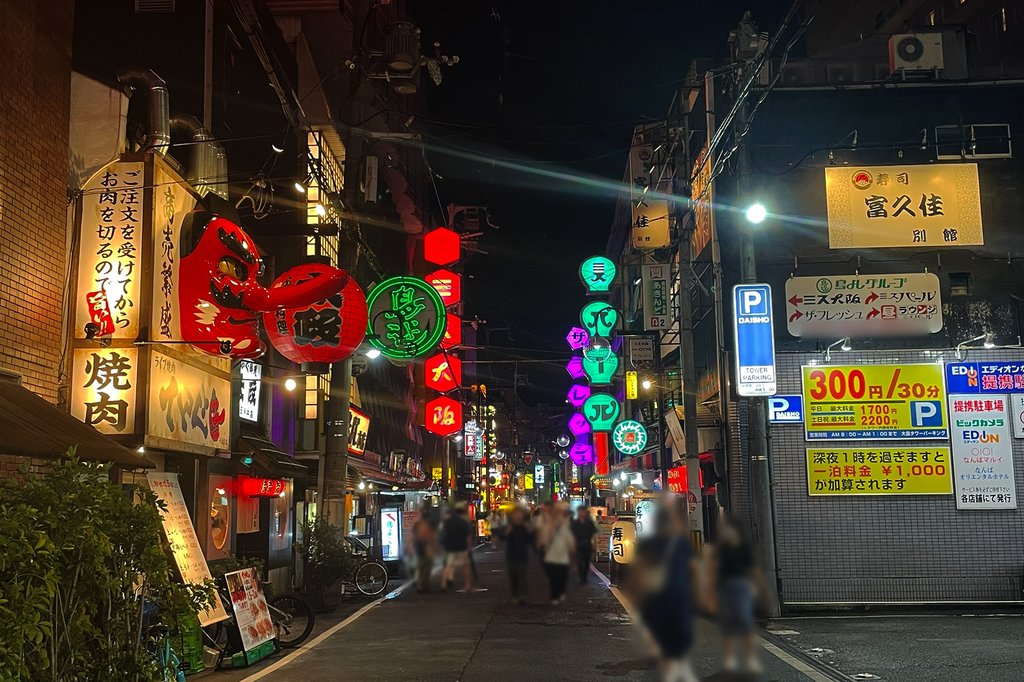
For travelers who want to go deeper than Universal Studios Japan and the other big-name spots, four areas stand out for their distinctive character.
The four areas are: Shinsekai, with its Showa-era (mid-20th century Japan) atmosphere; Nakazakicho, where cafes operate out of renovated kominka (heritage houses); Tenma, home to Osaka’s drink-while-you-stand culture; and the area around Namba, known for late-night dining.
Knowing the personality of each area makes it easier to decide what suits your travel style and which spots to prioritize.
Shinsekai and Hanazonocho: Sumo Experiences and Showa-Era Charm
Shinsekai is a Showa-era neighborhood where the tangy-sweet aroma of kushikatsu (skewered meat and vegetables, battered and deep-fried) drifts through the streets. The mix of tourists and locals on every corner is something you’ll only find here.
In Hanazonocho, Sumo Studio Osaka hosts matches featuring former professional rikishi (sumo wrestlers). You can actually step onto the dohyo (the sacred clay ring where sumo is performed) and try basic moves like the ritual leg-stamping performed to drive away evil spirits (shiko). You can also challenge a rikishi and take commemorative photos.
Shows run five times a day and last about 90 minutes each. The location is only about 20 minutes from Umeda by subway, so you can easily fit it into a day of sightseeing. Afterwards, head to Jan Jan Yokocho for kushikatsu. The retro streetscape is also ripe for photos.
Nakazakicho: Renovated Kominka and Old-School Coffee Shops
About a 10-minute walk from Umeda, Nakazakicho is a quiet residential pocket that has held on to its Showa-era atmosphere.
Cafes and boutiques set in kominka are tucked into the back alleys, and the neighborhood feels entirely its own. Part of the fun is pushing open an unmarked door to see what’s inside.
Weekday mornings are the quietest time to enjoy coffee in peace. Weekends get crowded, so visit early on Saturdays and Sundays.
Nakazakicho also works well for solo travelers, and several cafes stay open late into the night. The contrast between weathered facades and modern interiors makes for striking photos.
Tenma and Ura-Tenma: Bar-Hopping and Standing Bars
Few tourists make it to Tenma; the streets here are packed with locals instead.
Tenjinbashisuji Shopping Street is one of the longest covered arcades in Japan. The streets come alive after dusk.
Ura-Tenma is packed with tachinomi (standing bars where patrons drink on their feet). English menus are rare, but the experience is as authentic as Osaka nightlife gets.
Here’s a rough guide to bar-hopping in the area:
| Budget per bar | Approx. ¥500–¥1,000 ($3–$7 USD) |
| Recommended time | 5 pm–9 pm |
| Time needed for three bars | About 2–3 hours |
When you walk into a venue, hold up your fingers to show your party size. It’s customary not to linger in one place for too long; two drinks and then on to the next place is the local rhythm. Start around 5 pm on a weekday.
Some bars have a brighter, more welcoming feel—a good option if you’re a woman traveling solo. Mixing in with the local crowd is part of the fun in Ura-Tenma.
Around Namba: Shrines and Late-Night Dining
Step a few minutes away from the main Dotonbori drag and the streetscape shifts into something entirely different.
Namba Yasaka Shrine is known for its massive lion-head stage. The grounds are open daily from 8 am to 9 pm, and you can take photos freely. Mornings are quieter and better for photos.
About a five-minute walk away, Hozenji Yokocho is a stone-paved alley famous for Mizukake Fudo, a Buddhist statue onto which visitors pour water and pray. Many of the izakaya (Japanese pub-style restaurants) here stay open late, so an evening stroll pairs well with a visit to the shrine.
The Sennichimae area, often called Ura-Namba, is packed with late-night restaurants. Most are small, locally run places that rarely show up in guidebooks. Go after 10 pm for the best atmosphere.
Unique Experiences in Shinsekai and Hanazonocho
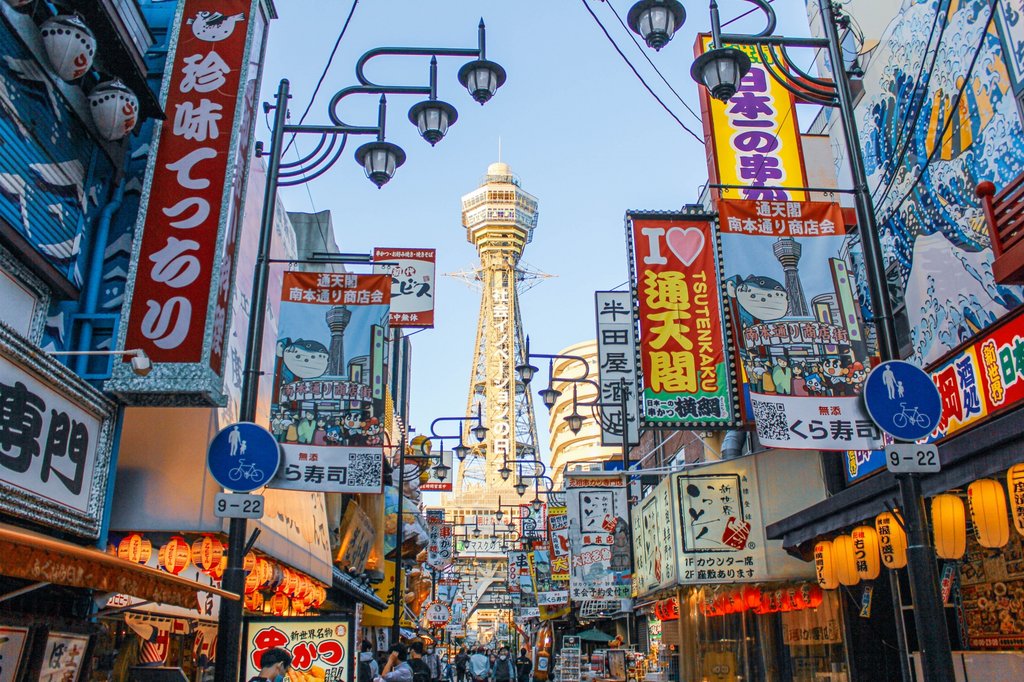
The Shinsekai and Hanazonocho area, with its strong sense of old downtown Osaka, brings together several experiences you won’t easily find elsewhere. Three stand out: a sumo show, a walk through an arcade steeped in Showa-era atmosphere, and a large-scale hot spring complex.
Required sightseeing time and reservation details for each are covered below, so it’s easy to mix and match where you want to visit based on your travel schedule.
Sumo Studio Osaka: Experience Sumo With Former Rikishi
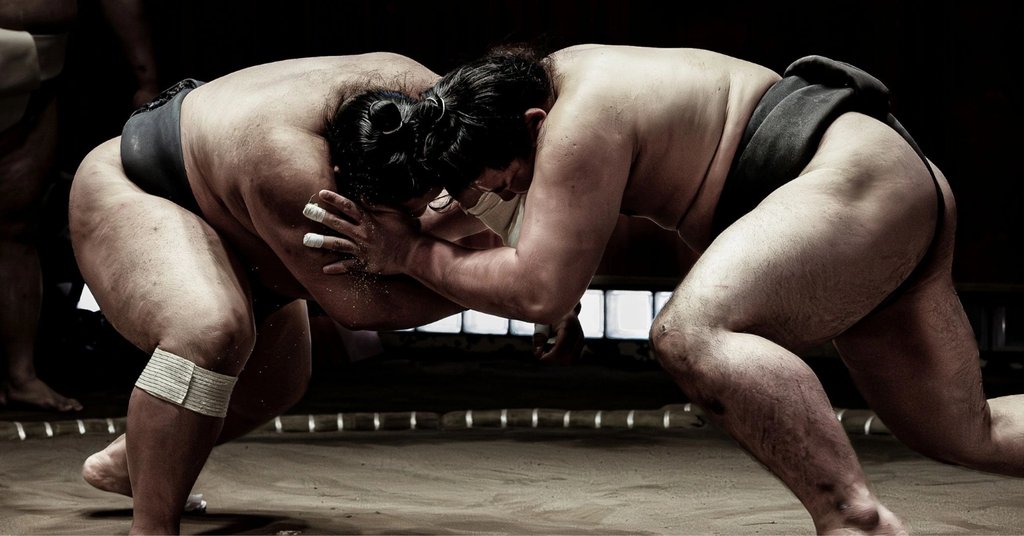
Sumo Studio Osaka lets you feel the force of former professional sumo wrestlers up close.
The venue sits right at Hanazonocho Station, so you can easily pair a visit here with a stroll through Shinsekai. The roughly 90-minute experience begins with a show narrated in English, followed by a participatory segment in which you ascend the dohyo and grapple with a rikishi. The small-group format gives the experience an intensity that larger venues can’t match.
No sumo experience is needed—the team walks you through basic etiquette and moves on the spot. Snap a photo with a rikishi in his mawashi (ceremonial silk belt) for some social media gold.
Popular time slots fill up quickly, so make sure to book through the official website.
Details
| Address | 1F, Hanazonocho AI Building, 1-5-1 Asahi, Nishinari-ku, Osaka (connected to Hanazonocho Station) |
| Hours | 9 am–10 pm |
| Closed | Public holidays |
| Official site | https://sumowrestlingshow.jp/ |
| Recommended for | Families, group travelers, and anyone seeking a hands-on Japanese culture experience |
Tsutenkaku Tower and Jan Jan Yokocho: A Walk Through a Showa-Era Neighborhood
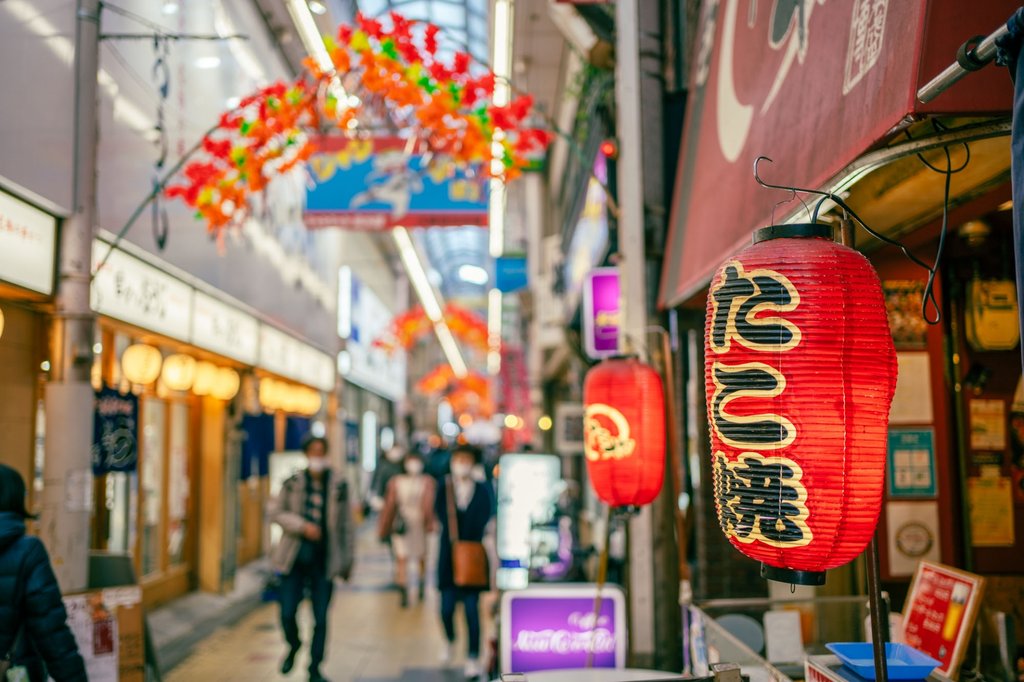
Jan Jan Yokocho is a Showa-era alley lined with about 50 shops along the roughly 180 meter (590 ft.) street.
The name ‘Jan Jan’ comes from the sound of shamisen (a traditional three-stringed Japanese instrument) that once drifted through the street in the postwar years. Kushikatsu joints, standing bars, and Go and Shogi (traditional Japanese board games) clubs look much the same as they did decades ago. Locals playing shogi while working through a plate of kushikatsu is a common sight.
The best time for photos is between 4 pm and 8 pm, when the neon signs come on. A walk through the area takes about 2–3 hours. Many shops start closing after 9 pm, so visit them earlier.
Details
| Address | 3-chome, Ebisu-higashi, Naniwa-ku, Osaka (3-min. walk from Dobutsuen-mae Station) |
| Hours | Vary by shop (usually 11 am–9 pm) |
| Closed | Closings vary by shop (many close on Wednesdays) |
| Official site | — |
| Recommended for | Showa-era enthusiasts and street photographers |
Spa World: Hot Springs From Around the World Under One Roof
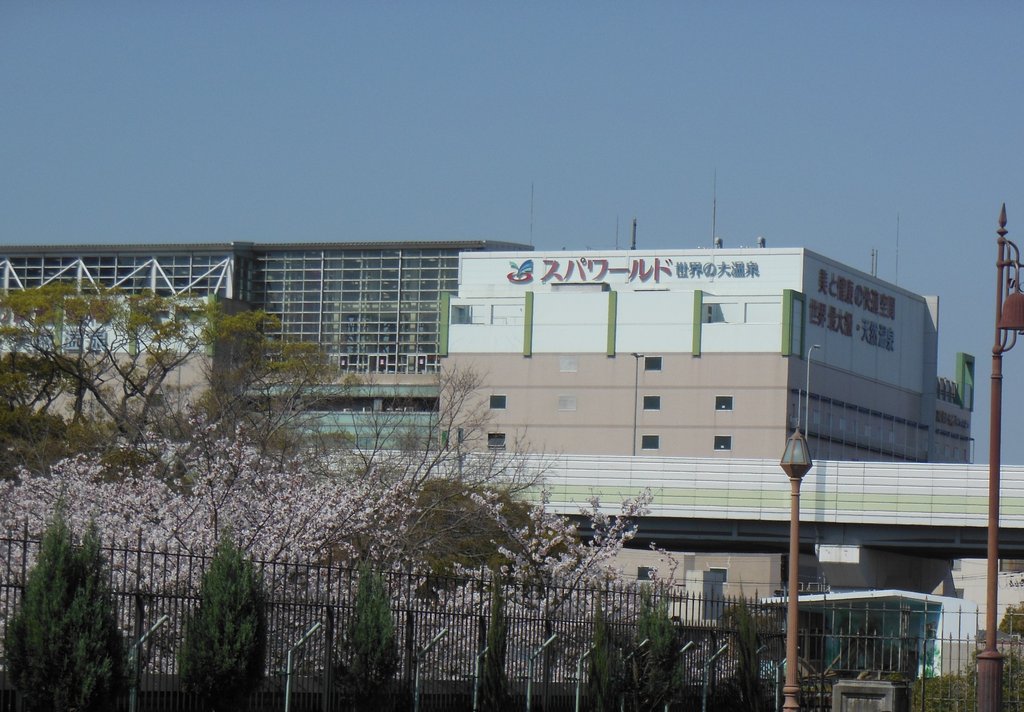
A five-minute walk from Jan Jan Yokocho, Spa World is a good place to rest tired legs.
The complex is divided into European and Asian zones, with baths themed after ancient Rome, Bali, and more. Pools and saunas round out the facility, and visitors typically spend 2–3 hours relaxing here.
A quick etiquette note: bathing suits and other articles of clothing are generally not permitted inside the public baths. Rinse yourself with kakeyu (a ladle of water poured over the body) before getting into the baths, and keep your towel out of the water.
Visit on a weekday morning for the quietest experience.
Details
| Address | 3-4-24 Ebisu-higashi, Naniwa-ku, Osaka |
| Hours | 10 am–8:45 am the next day (last entry 7:45 am) |
| Closed | Irregular (check the official site) |
| Official site | https://www.spaworld.co.jp/ |
| Recommended for | International travelers trying a Japanese bath for the first time, anyone looking to rest after sightseeing |
Unique Experiences in Nakazakicho
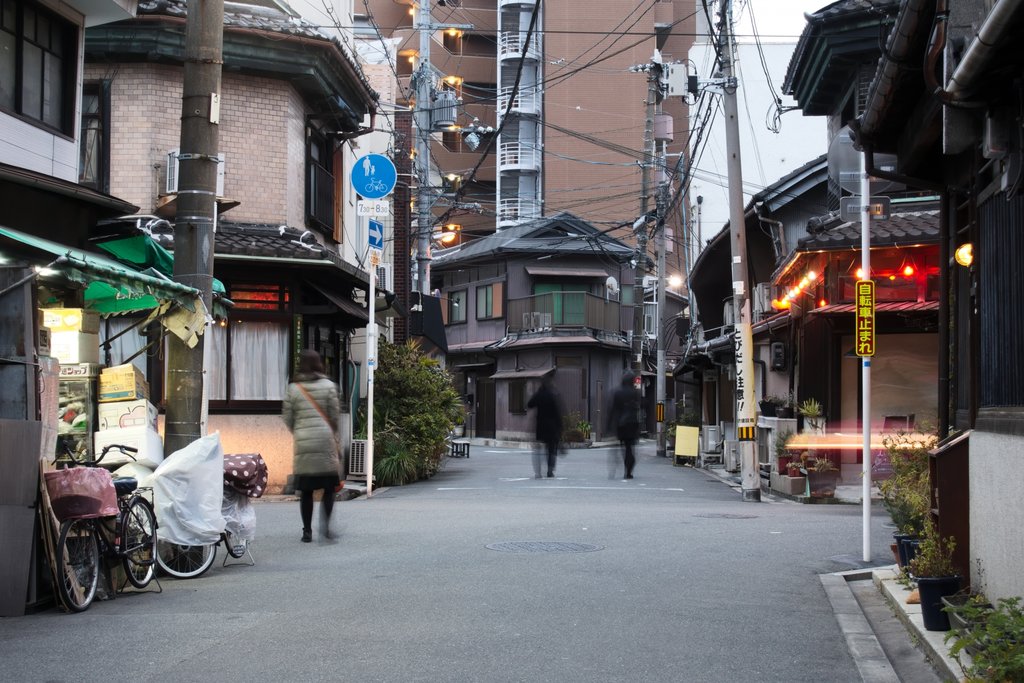
For travelers curious about Osaka’s local cafe culture, Nakazakicho is a quiet back-alley neighborhood that draws young creatives and makes for a rewarding detour.
A traditional junkissa (a retro-style Showa-era coffee shop) and a late-night cafe are highlighted below. Visiting once by day and once at night lets you experience the neighborhood’s atmosphere completely.
Cafe Taiyo no To: A Kominka Cafe in Nakazakicho
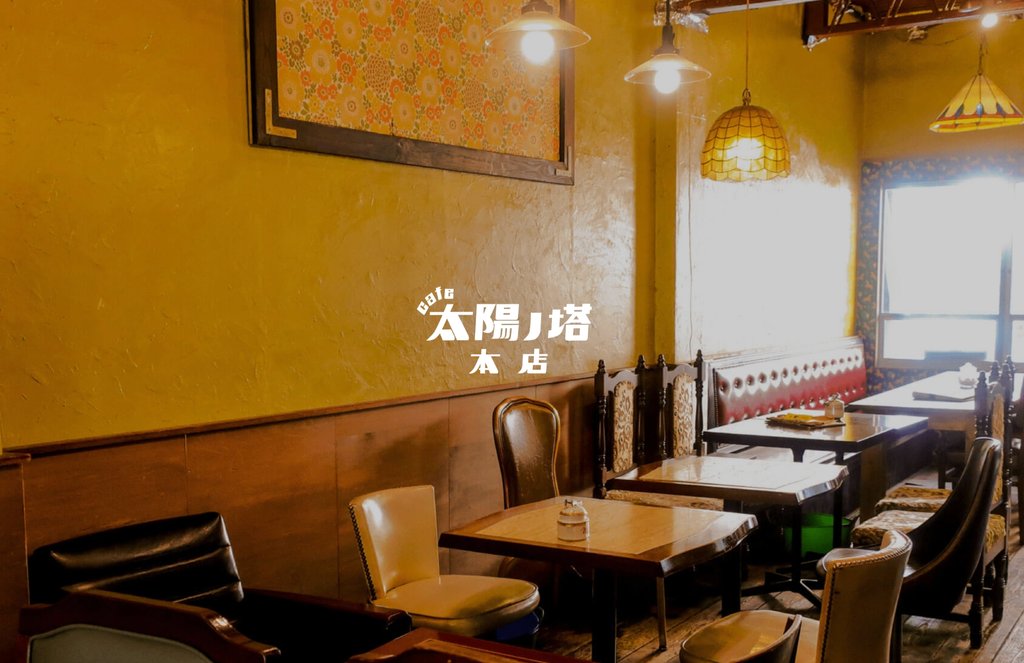
A short walk from Nakazakicho Station, Cafe Taiyo no To occupies a machiya (traditional Kyoto-style wooden townhouse) that is several decades old.
Inside, exposed wooden beams and earthen walls create a relaxed atmosphere. Soft natural light mingles with antique furnishings in a space you’ll want to photograph.
The cafe doesn’t take reservations and seating is limited, so go in the morning if you want a relaxed table.
Details
| Address | 2-4-36 Nakazaki-nishi, Kita-ku, Osaka (annex building) |
| Hours | 10 am–6 pm (last order at 5 pm) |
| Closed | Check the official site |
| Official site | https://taiyounotou.com |
| Recommended for | Kominka fans and photographers |
Shinya Kissa Mansarde: A Late-Night Cafe Open Until 3 am
Shinya Kissa Mansarde is a late-night coffee stand open from 7 pm to 3 am. Situated just a two-minute walk from Nakazakicho Station, it’s easy to drop in after bar-hopping or in the middle of a late-night walk.
The highlight: a carefully brewed cup of coffee and a pocket of calm. If you need a quiet pause in the middle of a buzzing Osaka night, this is your spot.
Details
| Address | 1-7-11 Nakazaki-nishi, Kita-ku, Osaka (east side) |
| Hours | 7 pm–3 am |
| Closed | Mondays |
| Official site | https://www.instagram.com/mansarde_coffee/?hl=ja |
| Recommended for | Night-owl travelers and anyone winding down after a drinking tour |
Unique Experiences in Tenma and Ura-Tenma
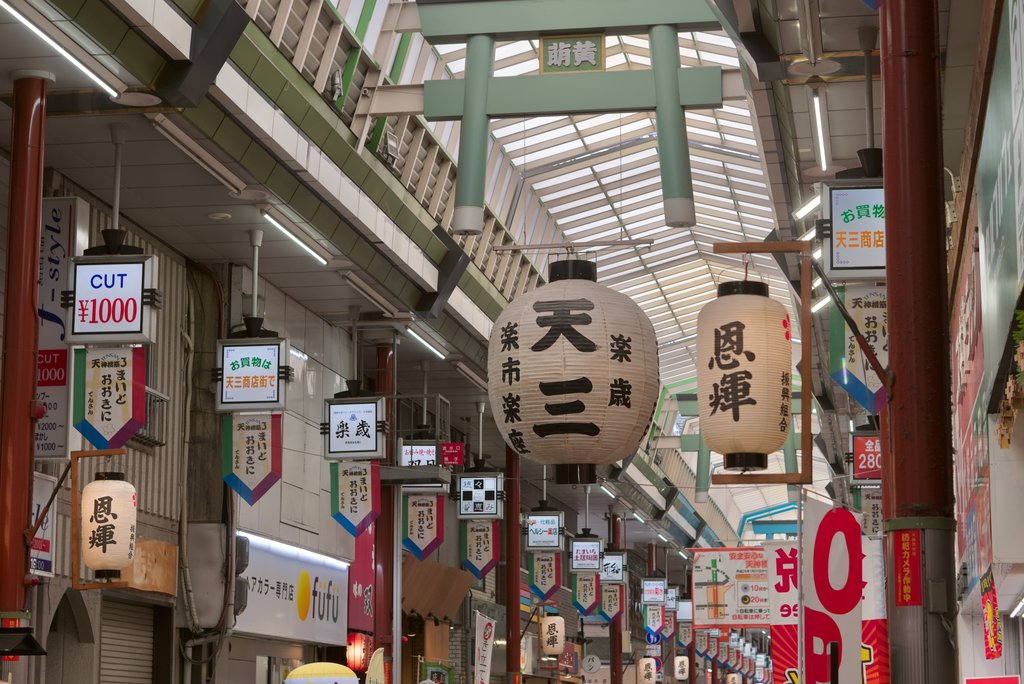
Tenma and Ura-Tenma preserve the everyday face of Osaka. Shopping streets and standing bars draw a regular local crowd, and the atmosphere here feels refreshingly unpolished.
Two experiences stand out here: a walk through Japan’s longest shopping street, Tenjinbashisuji, and a bar-hopping route through the local drinking scene. The usual way to tour the area is to stroll around by day, then hit the bars in the early evening.
Tenjinbashisuji Shopping Street and Tenma Market: Japan’s Longest Shopping Street
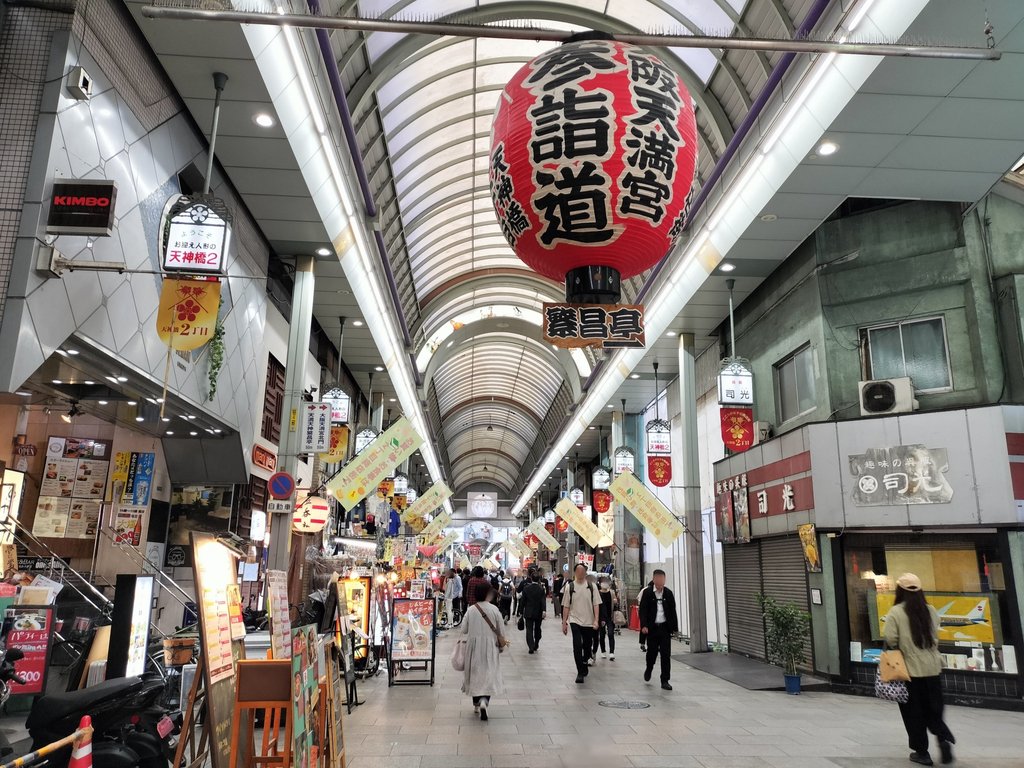
Running roughly 2.6 km (1.6 miles), the Tenjinbashisuji Shopping Street is lined with around 600 shops. Unlike the tourist-oriented Kuromon Market, Tenjinbashisuji functions as a daily thoroughfare for locals. Sozai-ya (shops that sell bento and small, prepared dishes) and other small businesses lend to a vivid sense of everyday life.
The walk from the southern end near Tenjinbashisuji Rokuchome Station down to 2-chome takes about 1-1.5 hours. Snack as you go, and step into any standing bar that catches your eye.
Details
| Address | 1-chome to 7-chome, Tenjinbashi, Kita-ku, Osaka |
| Hours | Vary by shop (most open 10 am–7 pm) |
| Closed | Varies by shop (the arcade itself is open year-round) |
| Official site | https://www.tenjin123.com |
| Recommended for | Travelers who want a local shopping experience away from tourist crowds |
The Standing Bars of Ura-Tenma: Bar-Hopping From ¥500 a Glass
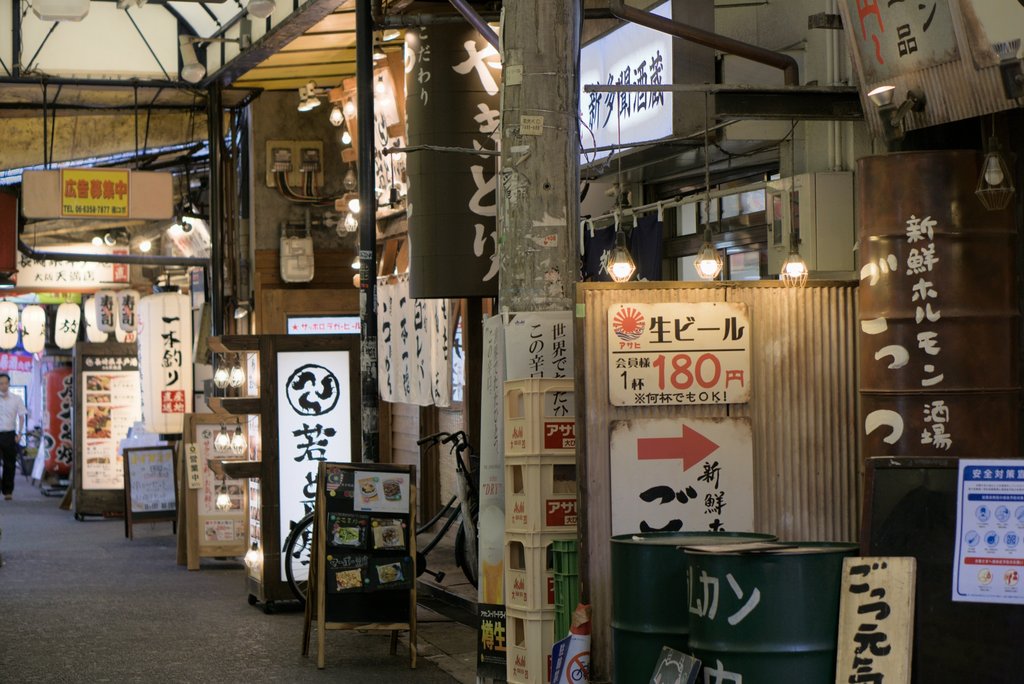
North of JR Tenma Station, Ura-Tenma is densely packed with standing bars and casual izakaya. Count on spending 30–40 minutes in each bar, with a drink plus a small dish usually costing around ¥1,000 ($7 USD).
After 5 pm, once the lanterns come on, the whole street kicks into a livelier gear. You’ll find yourself chatting across the counter before long, and the warm, unpretentious feel of the old downtown comes through clearly.
Pick bars with point-to-order menus to sidestep the language barrier. Another clue: look for bars already hosting international guests.
Details
| Address | Near Ikeda-cho, Kita-ku, Osaka (the north side of JR Tenma Station) |
| Hours | Vary by shop (most open 5 pm–11 pm) |
| Closed | Varies by shop (many close on Sundays) |
| Official site | — |
| Recommended for | Travelers who want to experience local drinking culture, anyone looking to visit several bars on a small budget |
Unique Experiences Around Namba
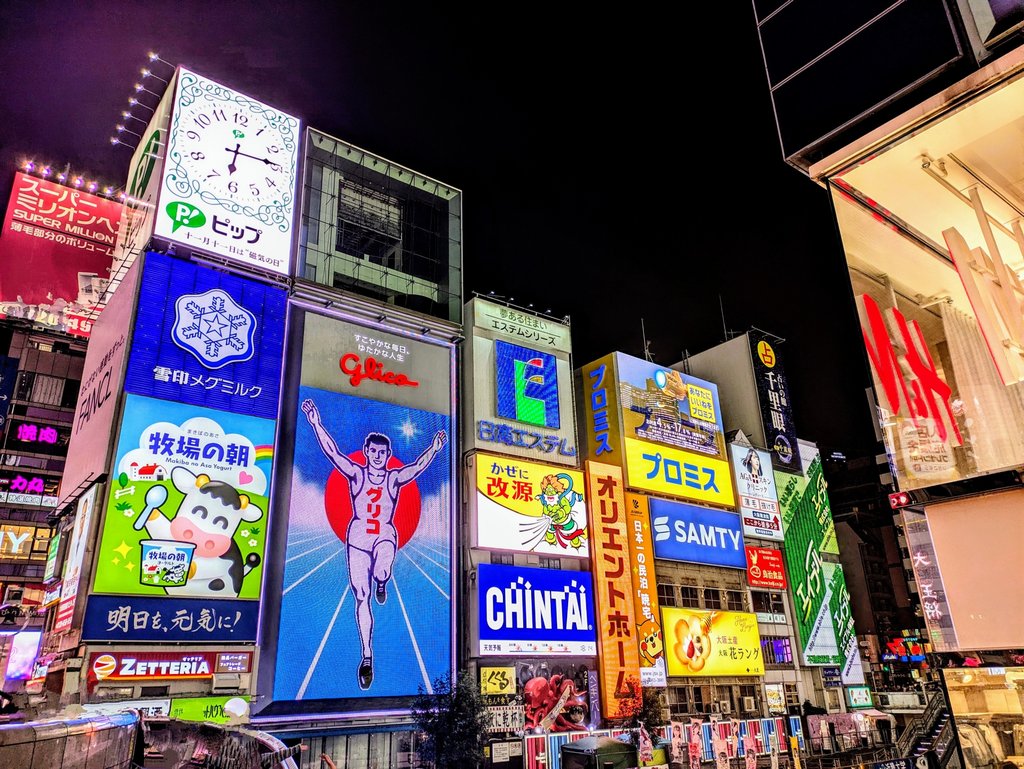
Walk a little beyond Dotonbori and a scattering of worthwhile spots opens up. Three stand out: a shrine visit, a walk through a stone-paved alley, and late-night bar-hopping.
The atmosphere of each place shifts with the time of day, so timing your visit matters.
Namba Yasaka Shrine: A Visit to a 12-Meter High Lion-Head
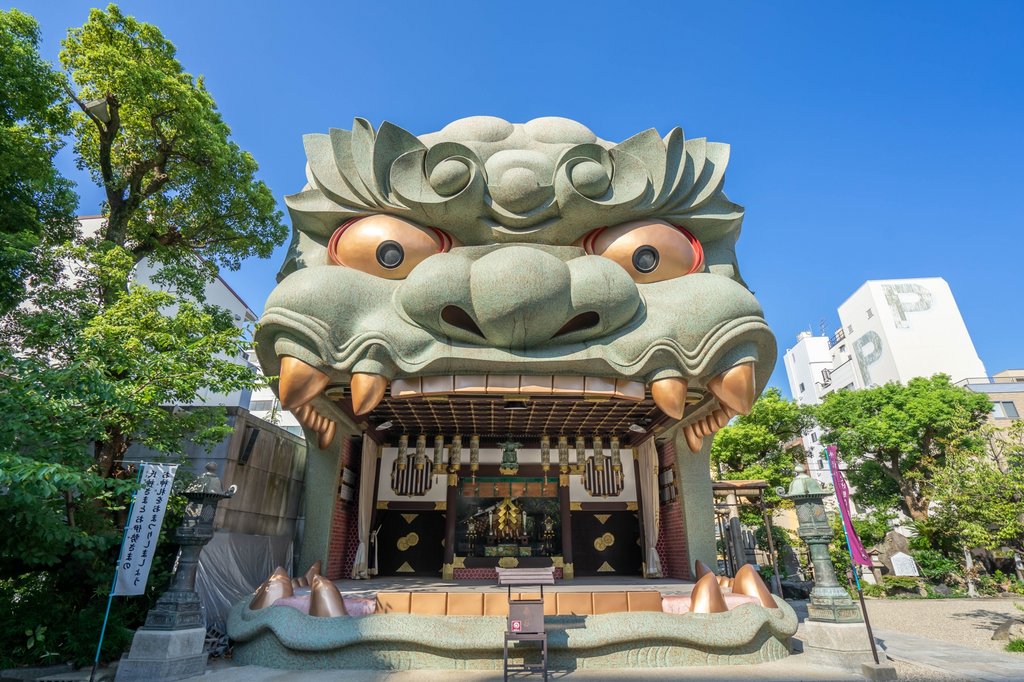
Namba Yasaka Shrine’s showstopper is a 12-meter (39-foot) lion-head monument. Lights glow from the eyes, a speaker hides in the nose, and the mouth serves as a stage for kagura (a sacred dance offered to the gods).
The main deity, Susanoo-no-Mikoto, is known for offering blessings of victory and warding off misfortune.
Come early, between 6 am and 8 am, when it’s quietest. The lion looks especially striking when the morning sun hits it. Namba Yasaka Shrine is about a six-minute walk from Namba Station, and entry is free.
Details
| Address | 2-9-19 Motomachi, Naniwa-ku, Osaka |
| Hours | 6 am–5 pm (grounds open for free visits) |
| Closed | Open all year |
| Official site | https://nambayasaka.jp/ |
| Recommended for | Travelers looking for photogenic spots, anyone seeking luck in sports, exams, or any kind of contest |
Hozenji Yokocho: A Visit to Mizukake Fudo
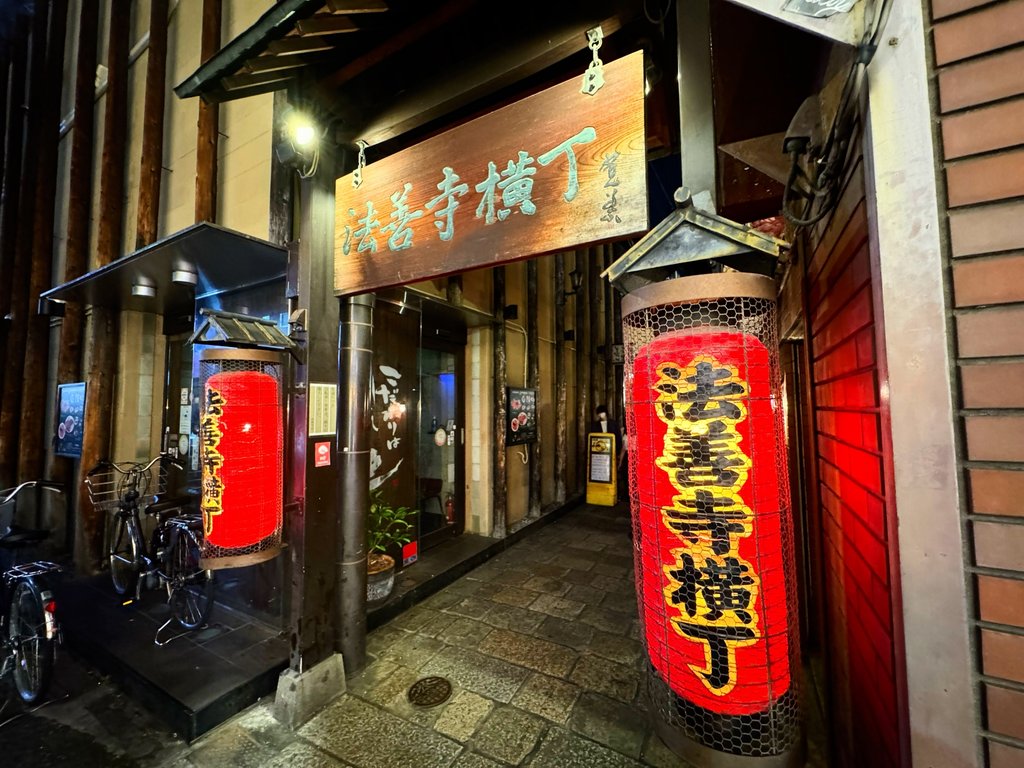
About a two-minute walk from Dotonbori, Hozenji Yokocho is a stone-paved alley known for its lantern-lit atmosphere.
At the center stands Mizukake Fudo, a Buddhist statue coated head to toe in green moss. The moss has grown over generations of visitors pouring water on the statue in prayer.
Use a hishaku (a long-handled bamboo ladle) to pour water as you make a wish. If you’re making a wish related to love, pour water over the two small attendant figures on either side as well.
A good way to enjoy the area is to eat sweets at a shop by day, then have a drink at a kappo (a refined counter-style Japanese restaurant) in the evening.
Details
| Address | 1-2-16 Namba, Chuo-ku, Osaka |
| Hours | Open 24 hours |
| Closed | Open all year |
| Official site | https://hozenji.jp/ |
| Recommended for | Travelers seeking a break from the crowds in an old-Osaka setting; anyone praying for luck in love |
Ura-Namba: Bar-Hopping Across More Than 100 Independent Shops
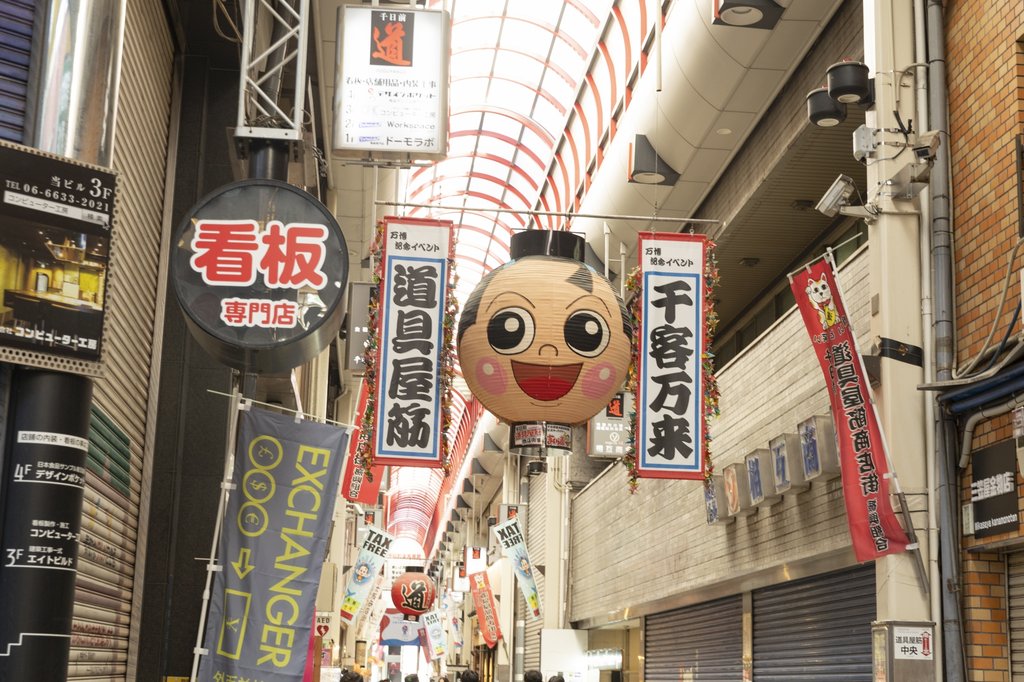
A short walk east from Namba Station opens into Ura-Namba, a dense cluster of independent restaurants and bars. As the night deepens, more locals appear, and after 11 pm the area takes on a distinctly neighborhood feel.
Dumplings, oden (a hot pot of various ingredients simmered in dashi broth), and much more fill out the menus here. Most places land somewhere around ¥1,000–¥1,500 ($7–$10 USD), so the real fun is hopping between several venues.
When choosing where to go, look for the “English Menu” sticker near the entrance. Many shops take cash only, so bring some yen with you.
Details
| Address | Near Sennichimae, Chuo-ku, Osaka (about a 3-min. walk from Exit 5 of Nippombashi Station) |
| Hours | Vary by shop (most open 3 pm–2 am) |
| Closed | Varies by shop (many close on Sundays) |
| Official site | Check Tabelog or Google Maps for each venue |
| Recommended for | Travelers who want to experience local late-night dining and bar-hopping culture |
Unique Experiences on the Outskirts of Osaka
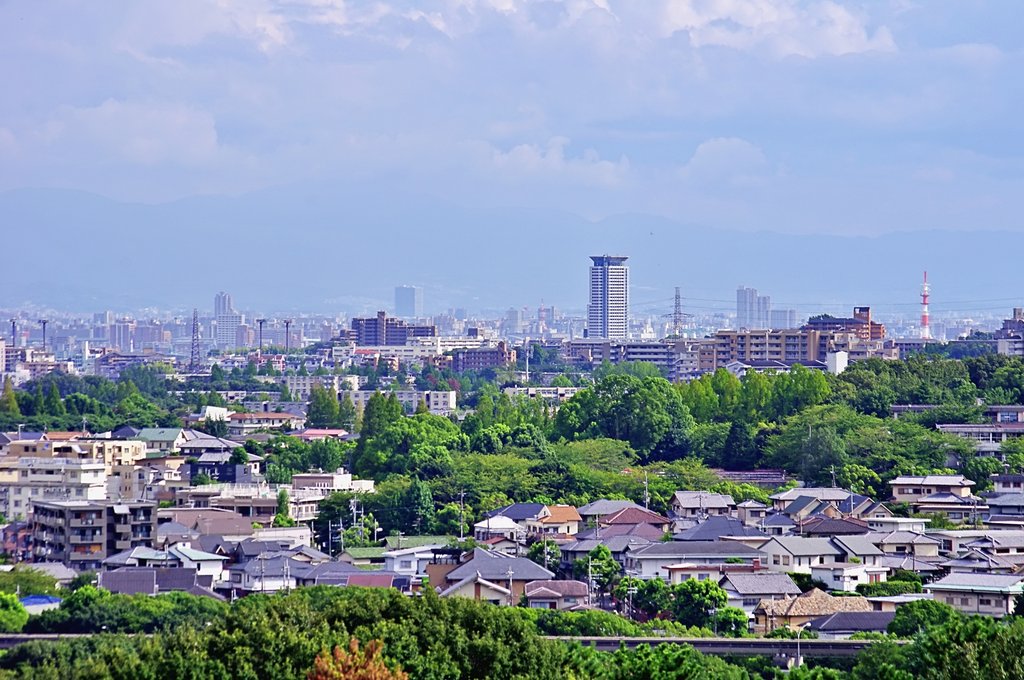
If you’re after something even deeper, several spots on the outskirts of the city are worth the trip.
Two stand out: a visit inside a landmark monument and the opportunity to make an original noodle cup. All are 30–50 minutes from central Osaka by train, so they’re easy to fit into a trip.
Expo ’70 Commemorative Park: Inside the Tower of the Sun
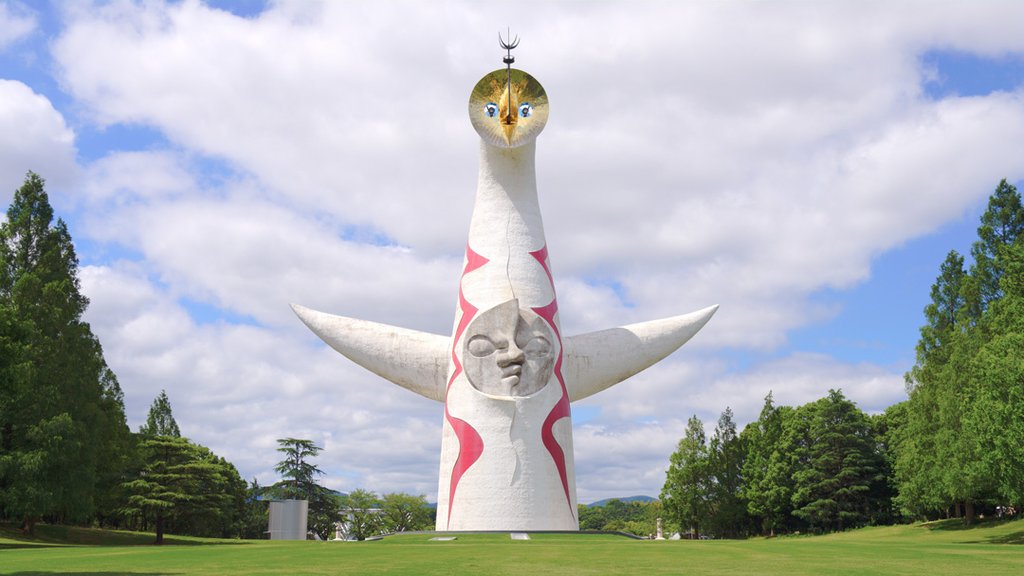
The Tower of the Sun, the symbol of the 1970 Osaka Expo, opens its interior for guided tours by reservation.
Inside stands the Tree of Life, a 41-meter (135-foot) sculpture that traces evolution from the earliest organisms to humankind. The sheer scale pulls your eyes upward, and a spiral staircase brings you close enough to take in the details of it.
Tours are by reservation only, and you can book from four months before your visit. Same-day tickets are only available if slots are still open. Arrive at the reception desk 20 minutes before your reservation start-time.
The park is about 40 minutes from Umeda. Allow 3–4 hours, including a walk through the surrounding grounds, for a comfortable pace.
Details
| Address | 1-1 Senri Bampaku Koen, Suita, Osaka |
| Hours | 10 am–5 pm (last entry at 4:30 pm) |
| Closed | Wednesdays (or the following day if Wednesday is a holiday) |
| Official site | https://taiyounotou-expo70.jp/ |
| Recommended for | Architecture and art fans, anyone interested in the history of the Osaka Expo |
Cup Noodles Museum Osaka Ikeda: Make Your Own Original Noodle Cup
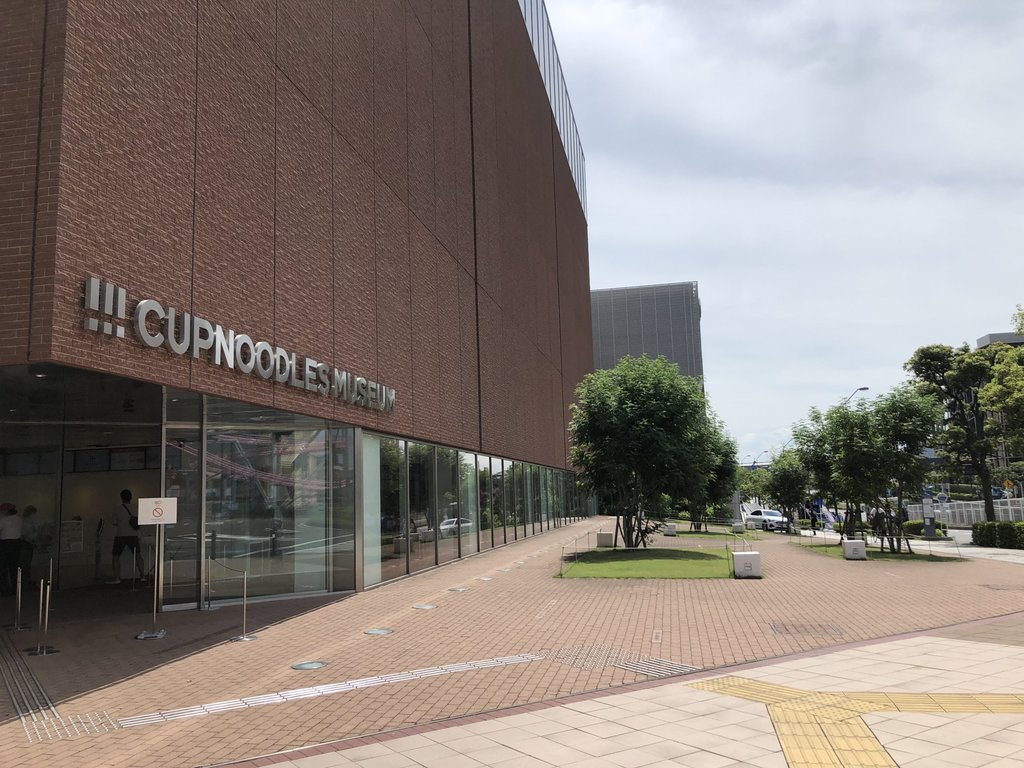
At the Cup Noodles Museum Osaka Ikeda, you can make your own original instant noodle cup.
First, decorate the cup however you like. Then pick a soup base and toppings to finish off your one-of-a-kind creation. The result: a noodle cup that exists nowhere else—equally good as a social post or as a souvenir.
The workshop costs around ¥500 ($3.50 USD) per cup, and you don’t need a reservation. Just note that the last entry to the facility is 3:30 pm, so leave yourself plenty of time.
Plan for about 2–3 hours on site. The museum is about 20 minutes from Umeda, so it’s easy to slot into a day of sightseeing.
Details
| Address | 8-25 Masumi-cho, Ikeda, Osaka |
| Hours | 9:30 am–4:30 pm (last entry at 3:30 pm) |
| Closed | Tuesdays (or the following day if Tuesday is a holiday) |
| Official site | https://www.cupnoodles-museum.jp/ja/osaka_ikeda/ |
| Recommended for | Families and groups, especially those who want to join a workshop without booking ahead |
Common Questions About Unique Experiences in Osaka
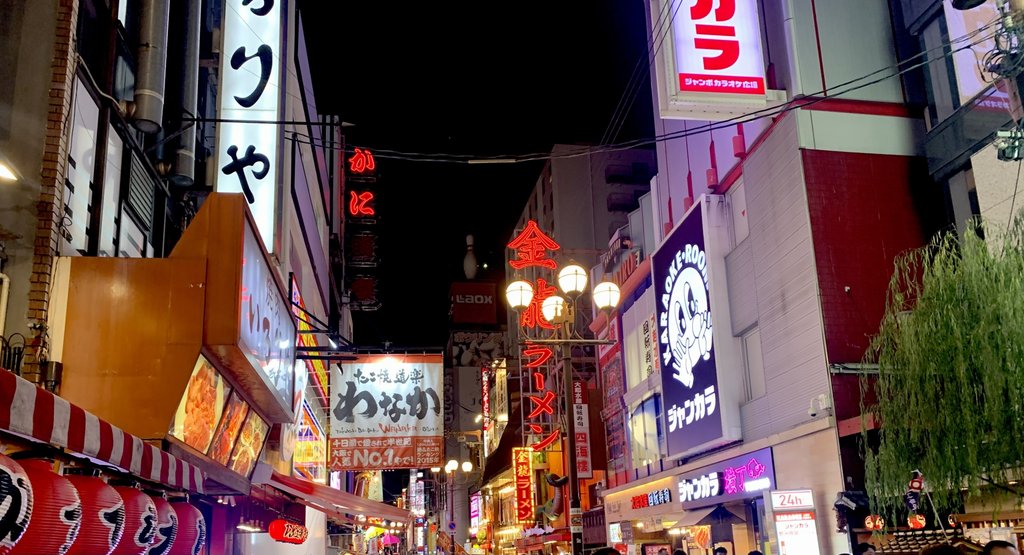
This section answers five frequently asked questions about unique Osaka experiences, covering time required, language support, and how to make the most of the Osaka Amazing Pass.
How Many Unique Experiences Fit Into One Day in Osaka?
If you stick to a single area, two to four stops is usually just right.
Moving between areas takes about 20–25 minutes. Since each activity runs 90 minutes to two hours, one or two activities per day is realistic. Book early.
| Plan | Areas covered | Suggested flow |
|---|---|---|
| Half day | 1–2 areas | One activity plus a walk through the surroundings |
| Full day | 2–3 areas | An activity in the morning, bar-hopping in the afternoon |
| Two days | 4 or more areas | Split visits to the central city and the outskirts across different days |
Can I Join Activities Using Only English?
Plenty of activities can be enjoyed in English alone—from booking to the experience itself.
Sumo Studio Osaka supports English and has an English website. The Cup Noodles Museum provides multilingual audio guides. Spa World offers an English website and partial English signage.
Filter booking sites for “English available” to save time. A translation app with a camera also helps.
Can the Osaka Amazing Pass Keep the Cost of Unique Experiences Down?
The Osaka Amazing Pass (¥3,500/$23 USD for one day; ¥5,000/$33 USD for two days) offers substantial savings on transportation fares and admission rates. Tsutenkaku and Spa World are among the covered spots.
Add up regular admission for your planned stops, then compare that to the pass price. Check the latest list of covered facilities on the official site.
Are There Unique Experiences That Work on Rainy Days?
On a rainy day, stick to indoor experiences.
A practical plan is to visit the Cup Noodles Museum in the morning, Sumo Studio Osaka in the afternoon, and Spa World in the evening. You can also slot in a hands-on workshop in between.
| Spot | Time required |
|---|---|
| Cup Noodles Museum | About 90 minutes |
| Sumo Studio Osaka | About 90 minutes |
| Spa World | 2–3 hours |
| Hands-on workshops (takoyaki, etc.) | About 60 minutes |
Which Unique Experiences Suit Families With Children?
Many of the spots above welcome families.
The sumo experience has no age restriction and offers a memorable introduction to Japanese culture.
| Spot | Suitable age | Notes |
|---|---|---|
| Cup Noodles Museum | Ages 6 and up | Parent accompaniment allowed; ¥800 ($5.50 USD) for children ages 6–12, ¥400 ($2.50 USD) for children under 6 |
| Spa World | Ages 3 and up | Parent must accompany; swim diapers allowed for toddlers |
| Expo ’70 Commemorative Park | Ages 3 and up | Trampolines from age 3, Tarzan rope from age 5 |
| Sumo Studio Osaka | No age restriction | Former professional wrestlers lead the session; watching alone is also enjoyable |
Plan Your Own Osaka Trip Beyond the Guidebook
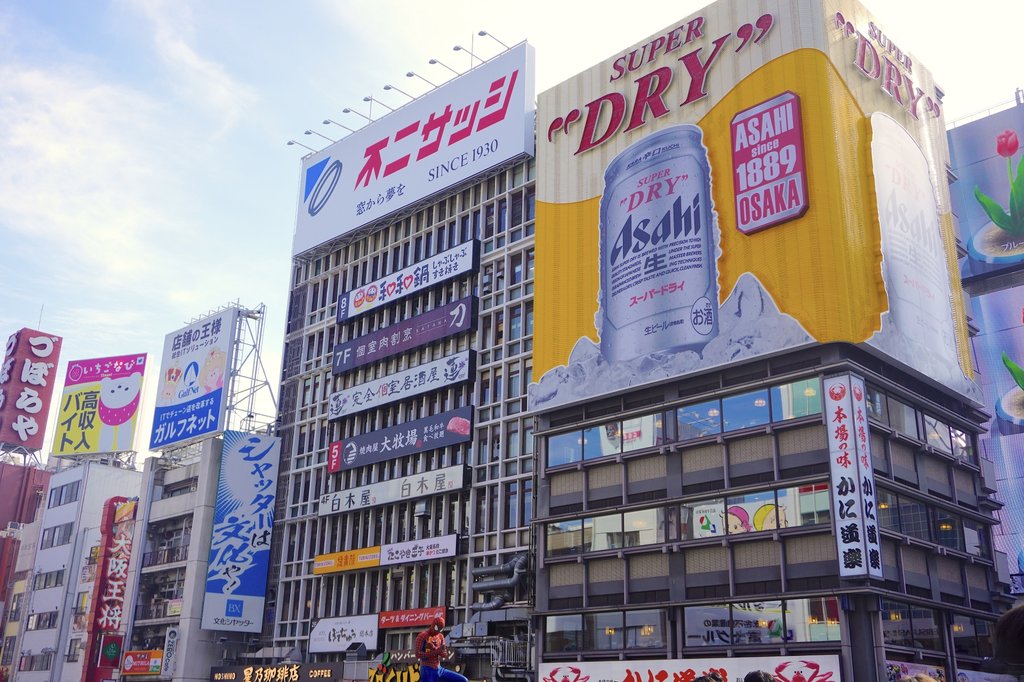
Osaka offers a wide range of experiences that go well beyond the usual sightseeing circuit. Reserve your spot at places that catch your eye early. Use this guide as a starting point to build an Osaka trip that’s uniquely yours.

![Where to Watch Sumo in Japan: 3 Ways to See Sumo & How to Get Tickets [Complete Guide]](https://sumowrestlingshow.jp/wp-content/uploads/2026/08/where-to-watch-sumo-in-japan_1-300x200.jpg)