When Is Sumo Season? Grand Tournament Schedule and How to See Sumo During the Off-Season
Sumo season in Japan revolves around the Grand Tournaments—also called honbasho, the official tournaments organized by the Japan Sumo Association—which are held six times a year in every other month. Each tournament lasts just fifteen days, and the host city changes from month to month. This means that depending on your travel dates and where you’ll be staying, you may not be able to attend one.
In this article, you’ll find the 2027 Grand Tournament schedule and host cities, pointers on the more confusing aspects of the tournament, and some ways to experience sumo outside of tournament periods, so that you can experience sumo in Japan no matter when you visit or where you stay.
Contents
- Grand Tournaments Happen Six Times a Year, but You Can Experience Sumo In the Off-Season Too
- 2027 Grand Tournament Dates and Venues
- By Season: What Sumo Can You See During Your Stay?
- Common Challenges To Attending a Grand Tournament
- Other Sumo Experiences in Japan
- Which Suits You Best? Comparing the Grand Tournament and Sumo Shows
- Common Questions About Sumo Season and Watching Grand Sumo
- Match Your Sumo Plans to Your Travel Dates and City
Grand Tournaments Happen Six Times a Year, but You Can Experience Sumo In the Off-Season Too
The periods for watching a Grand Tournament are limited, but there are other ways to encounter sumo even if tournament dates don’t line up with your itinerary. In this section, we’ll cover the basics of when tournaments are held, then look at your options if your schedule doesn’t match.
Grand Sumo Season Is Limited to Fifteen Days
Grand Tournaments are held six times a year: in January, March, May, July, September, and November. Unlike baseball or soccer, sumo doesn’t have a season that stretches over several months. Each tournament lasts for just fifteen days. Opening day is, as a rule, the second Sunday of the month, and matches take place every day until the final day.
The host city and venue for each month in 2027 are as follows:
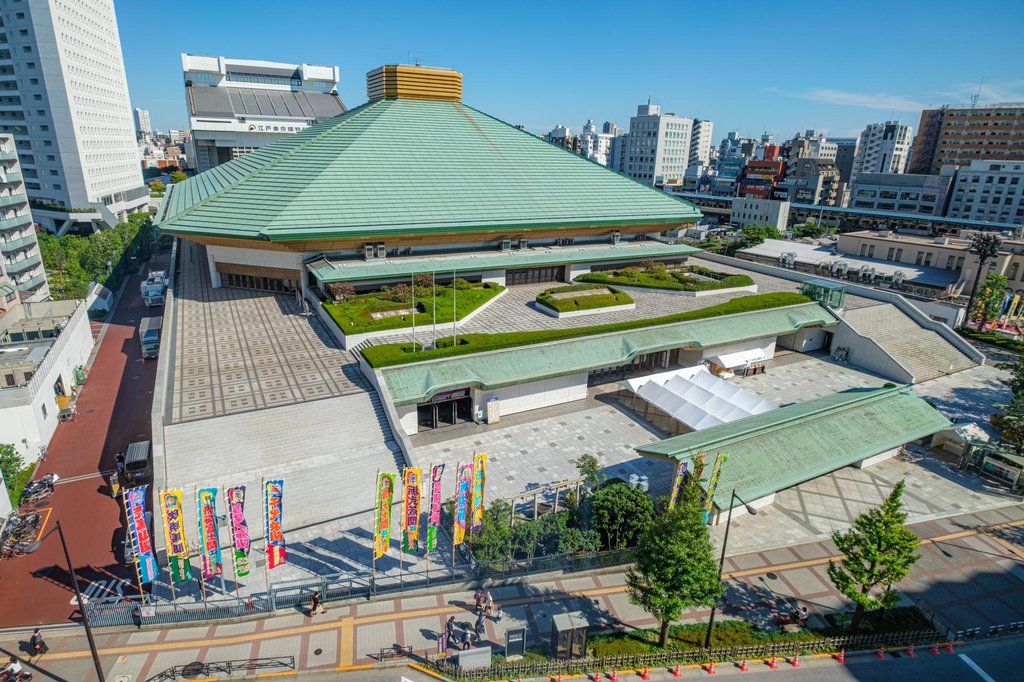
- January, May, and September: Tokyo (Ryogoku Kokugikan)
- March: Osaka (EDION Arena Osaka)
- July: Nagoya (IG Arena)
- November: Fukuoka (Fukuoka Kokusai Center)
As you can see, February, April, June, August, October, and December have no Grand Tournaments at all. If you visit Japan during these months, you’ll need to watch sumo in some other way.
You Can Still Experience Sumo Even If Your Dates Don’t Match
Even if you won’t be in Japan during a Grand Tournament, or you couldn’t get tickets, there are ways to work sumo into your itinerary. The main option is visiting a venue where former professional sumo wrestlers perform daily shows.
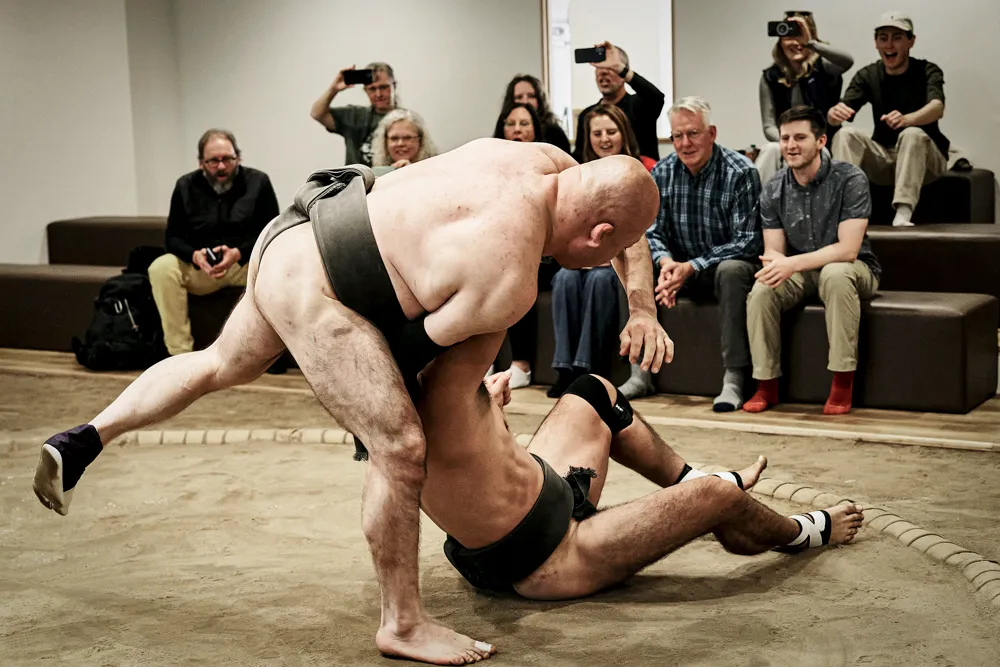
In Osaka, Sumo Studio Osaka is open year-round and offers five sumo shows a day. You can watch former professional athletes compete from just a few meters away from your seat, and audience members can even step into the ring for a bout of their own.
This option doesn’t require a Grand Tournament ticket, so it’s easy to fit into your plans even after your travel dates are set. Provincial Tours are also held across Japan, usually in the months between Grand Tournament periods.
 Hands-On
Get hands-on with sumo in Osaka
Watch former professional sumo wrestlers demonstrate authentic sumo techniques. Learn the history, rituals, and rules of Japan’s national sport, then step into the ring for a hands-on sumo experience in Osaka.
2027 Grand Tournament Dates and Venues
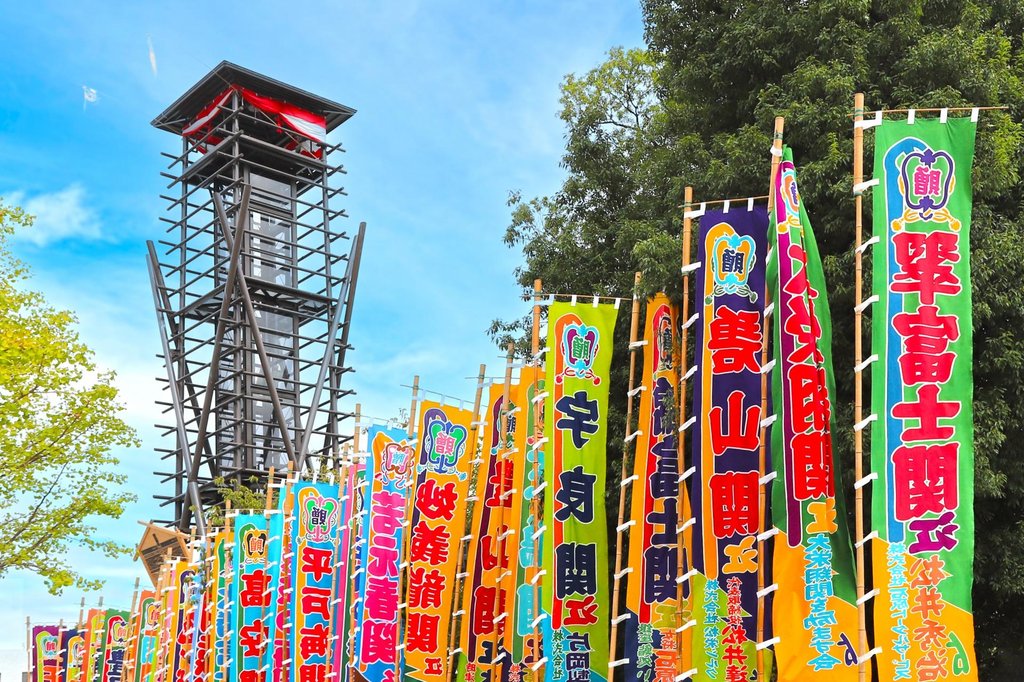
Once your travel dates are set, check the Grand Tournament schedule. Below you’ll find dates, venues, and advance sale dates for the November 2026 tournament and all six 2027 tournaments, along with an explanation of the flow of a typical tournament day and how the atmosphere changes from day to day.
Dates, Host Cities, and Advance Sale Dates
The schedule for the November 2026 tournament through the November 2027 tournament is as follows:
| Tournament | Dates | Host City and Venue | Advance Sales Start |
|---|---|---|---|
| Kyushu Basho (November Tournament) | November 8–22, 2026 | Fukuoka (Fukuoka Kokusai Center) | September 19, 2026 |
| Hatsu Basho (January Tournament) | January 10–24, 2027 | Tokyo (Ryogoku Kokugikan) | December 5, 2026 |
| Haru Basho (March Tournament) | March 14–28, 2027 | Osaka (EDION Arena Osaka) | February 6, 2027 |
| Natsu Basho (May Tournament) | May 9–23, 2027 | Tokyo (Ryogoku Kokugikan) | April 10, 2027 |
| Nagoya Basho (July Tournament) | July 11–25, 2027 | Nagoya (IG Arena) | May 15, 2027 |
| Aki Basho (September Tournament) | September 12–26, 2027 | Tokyo (Ryogoku Kokugikan) | August 7, 2027 |
| Kyushu Basho (November Tournament) | November 14–28, 2027 | Fukuoka (Fukuoka Kokusai Center) | September 18, 2027 |
Note that dates and sales methods are subject to change, so check the Japan Sumo Association’s official website for the latest information before buying tickets. Advance sales are available roughly one or two months before opening day. The Tokyo tournaments are especially popular and can sell out shortly after tickets go on sale, so once you’ve decided which tournament to attend, add its advance sales date to your calendar.
A Day at the Tournament: Top-Division Matches Take Place in the Afternoon
Matches at a Grand Tournament begin at around 8:30 am, with the sumo wrestlers entering the ring in order from the lowest ranks on the official ranking chart upward. Athletes from the top division don’t make an appearance until after 3 pm.
A tournament day looks something like this:
- 8:30 am–2:00 pm: Matches between young wrestlers in the third division and below. The seats are still largely empty, and the sound of bodies colliding echoes through the quiet arena.
- 2:00 pm–around 3:30 pm: The ring-entering ceremony for the second division athletes, in which wrestlers line up in the ring wearing ceremonial belts called kesho-mawashi.
- 3:40 pm: The ring-entering ceremony for the top-division athletes. When a yokozuna (the highest rank in sumo) is competing in the tournament, the yokozuna ring-entering ceremony follows.
- 4:00 pm–6:00 pm: Top-division matches. After the final match, the day closes with a concluding ceremony in which one of the wrestlers performs a ritual bow-twirling dance on behalf of the day’s victors.
If you arrive between 2 pm and 3 pm, you’ll catch the second half of the second division matches and every top-division match. If you spend the morning sightseeing in the host city then head to the venue in the afternoon, you can fit in both a tournament and sightseeing even during a short stay in Japan. Start times vary by tournament and by day, so check the Japan Sumo Association’s official website before making plans.
How Opening Day, Middle Day, and the Final Day Differ
Which of the fifteen days you choose to attend a tournament will determine both the atmosphere you experience and how easy it is to get tickets. Every Grand Tournament starts and ends on a Sunday, so opening day (day 1), the middle day (day 8), and the final day (day 15) all fall on Sundays. Like other weekends and national holidays, it’s especially hard to get tickets for these days.
Opening day begins with an address to the audience by the chairman of the Japan Sumo Association, and all eyes are on how each sumo wrestler starts the tournament. The last day is usually when the championship is decided, and an awards ceremony follows the matches. The final day also includes the sanyaku soroi-bumi, a ceremony held only on this day. In the ceremony, the top-ranked athletes enter the ring three at a time and perform sumo’s iconic ritual stamping—raising each leg high and bringing it down firmly—in unison.
Tickets are easier to get for matches on weekdays in the early-to-middle stretch of the tournament (around days 2–7). The top-division ring-entering ceremony and matches between top-ranked athletes take place every day, so unless you’re set on seeing the championship decided, a weekday can give you a good feel for what a Grand Tournament is like. If your dates are flexible, we recommend matches on weekdays.
There’s also a sumo show that runs year-round, regardless of the tournament calendar, where you can enjoy bouts by former professional wrestlers up close. You can learn about sumo’s history and etiquette, and audience members can challenge a wrestler. We’ll introduce this venue later in the article.
Hands-OnGet hands-on with sumo in Osaka
Watch former professional sumo wrestlers demonstrate authentic sumo techniques. Learn the history, rituals, and rules of Japan’s national sport, then step into the ring for a hands-on sumo experience in Osaka.
By Season: What Sumo Can You See During Your Stay?
Even with your travel dates fixed, whether or not you can see sumo during that time depends on different factors.
If You’re Traveling During a Tournament Period
Traveling during a month when a tournament is being held isn’t enough. Each tournament happens in a fixed host city, so unless your destination matches the host city you won’t be able to attend a Grand Tournament. If your March itinerary involves you visiting only Tokyo, for example, the tournament will be underway in Osaka.
The tournament period is also limited to just fifteen days from opening day on the second Sunday through to the final day. Even if you’re staying in the host city, you won’t see any matches if you leave Japan before opening day or arrive after they’re over. When planning your itinerary, don’t just check the month but also check which city you’ll be in and on which dates, using the schedule provided above.
If You’re Traveling During a Non-Tournament Period
Grand Tournaments aren’t held during February, April, June, August, October, and December. Depending on the timing, however, Provincial Tours offer another way to experience sumo:
| Period | Provincial Tours |
|---|---|
| February, June | Rarely held |
| April, August, October, December | Held in various regions |
Provincial Tours take place in April, August, October, and December. Each tour stop is a one-day event, with the sumo wrestlers moving on to another town the next day. Events are often held in regional gymnasiums far from major cities, so fitting one into a sightseeing route requires researching the location and how to get there ahead of time. For more information, the latest schedule is published on the Japan Sumo Association’s official website.
There are almost no Provincial Tours scheduled in February and June. In those months, the sumo show in Osaka, held year-round, is an option.
Common Challenges To Attending a Grand Tournament
Even once you know a Grand Tournament will be held during your stay in Japan, there are several hurdles between you and a ticket in hand at the venue. Three issues in particular tend to trip up international visitors, and each is easier to work around or plan a backup for before you book.
1. The Dates and Host City Rarely Line Up With Your Itinerary
Days on which Grand Tournament matches occur add up to just ninety days in a single year, but the venue rotates month by month among four cities: Tokyo, Osaka, Nagoya, and Fukuoka. Tokyo, where most travelers stay, hosts three tournaments a year (January, May, and September), for a total of about forty-five days, while Osaka, Nagoya, and Fukuoka each host only one.
In order to attend a tournament, both the dates and the city need to overlap with your itinerary. Before booking flights and hotels, check the tournament months and host cities in the schedule table provided earlier in this article.
2. Tickets Sell Out Soon
Advance sales for Grand Tournament tickets start about one to two months before opening day, but even before that, fan club members and users of the official ticket site can enter presale lotteries for tickets. This means that, for popular days, many of the good seats might be gone by the time advance sales begin.
In fact, every day of the September 2026 tournament (Tokyo, Ryogoku Kokugikan) sold out during the presale period, before the general public could access ticket sales. Unfortunately, same-day tickets are offered only if seats for that day remain after the advance sales period, so if you plan to buy your tickets at the venue after arriving in Japan, there most likely won’t be any seats left. Once you’ve decided you want to attend, check the advance sales opening date and lottery application period early.
3. Booking Is Mainly in Japanese
The official ticket site, Ticket Oosumo, has an English version, but account registration and ticket pickup still follow procedures designed for domestic users. Address and phone number formats and collecting tickets at convenience stores can be confusing when buying from overseas, and phone inquiries are generally handled in Japanese.
Tickets for Provincial Tours are even harder to arrange. Sales are handled by each host area’s organizing committee or by ticket agencies, and most inquiry lines are domestic phone numbers in Japan. If you’re unsure about the process, you can also use an English-speaking travel agency or a proxy purchasing service. For more information on how to buy tickets in English and what to do when a tournament sells out, see the following article: https://sumowrestlingshow.jp/3243/
Other Sumo Experiences in Japan
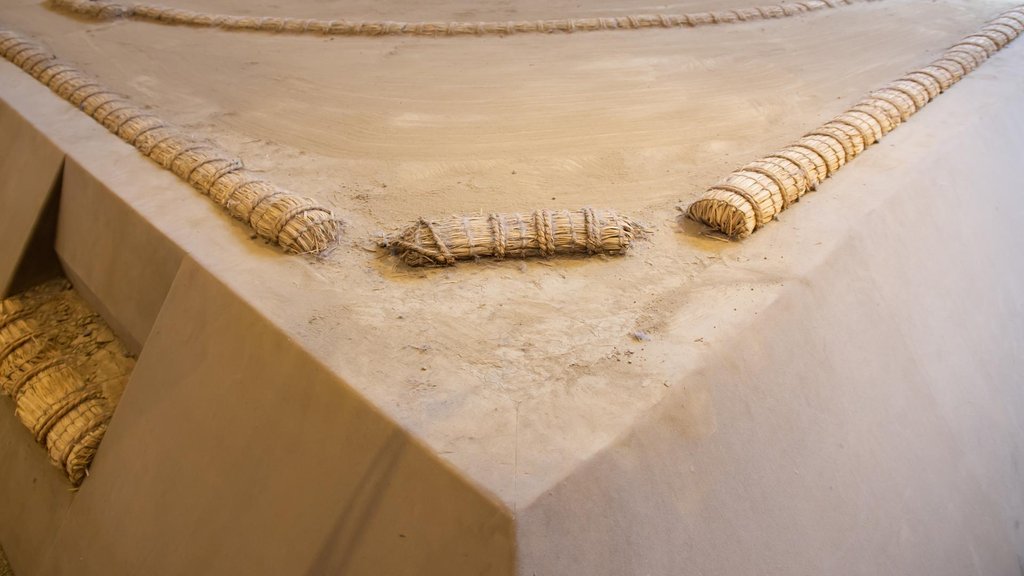
Even if your trip doesn’t match up with a Grand Tournament match day, or tickets have sold out, you can still see sumo in person. In this section, we’ll introduce one option: a sumo show in Osaka.
Sumo at Sumo Studio Osaka Is Available in Any Season
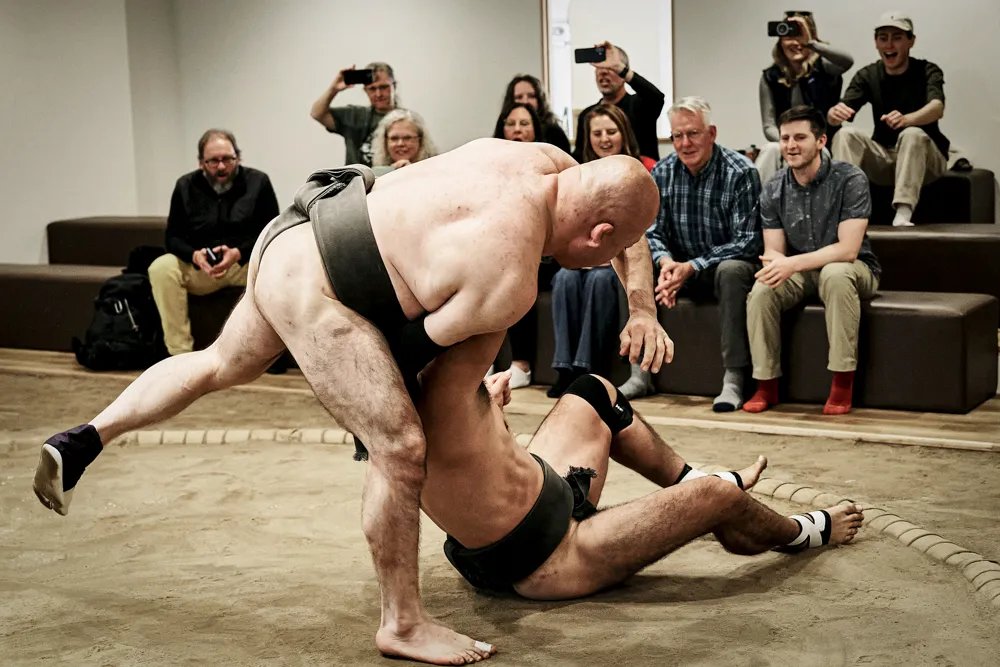
Sumo Studio Osaka holds sumo shows year-round, which makes it easy to fit into a travel itinerary. The venue is about ten minutes by subway from Namba Station, situated right outside Exit 4 of Hanazonocho Station on the Osaka Metro Yotsubashi Line. Shows run five times a day (10 am, 12:30 pm, 3 pm, 5:30 pm, and 8 pm) and the venue is open year-round. What’s more, the activity takes place indoors, so a rainy day won’t disrupt your plans.
During the ninety-minute show, retired professional sumo wrestlers explain the history of sumo, its ties to Shinto and rituals like salt-throwing in English. Then they demonstrate a single, all-out match. Seating is limited to about fifty people, and the clay-and-sand ring is just a few meters away from the spectator’s seats. Unlike at a Grand Tournament, you can watch the matches from up close, close enough to feel the impact of the athletes colliding and hear their heavy breathing.
The second half of the show contains the Audience Challenge. During this segment, selected audience members can step into the ring and face off against a former rikishi. Finally, the show ends with time to interact with the performers and take commemorative photos. For safety, guests who have been drinking can’t take part in the Audience Challenge, but they can still participate in the photo session.
It’s best to book your spot ahead of time, but walk-ins are welcome if seats are available. You can cancel your reservation for a refund up to twenty-four hours before the show. The venue also has a bar serving beer and umeshu (Japanese plum liqueur), and they offer free storage for suitcases and other large luggage, making Sumo Studio Osaka easy to drop into on your way to or from the airport.
Details
| Address | 1F Hanazonocho AI Building, 1-5-1 Asahi, Nishinari-ku, Osaka 557-0032 (directly in front of Exit 4 of Hanazonocho Station) |
| Hours | Shows: 10:00 am–11:30 am/12:30 pm–2:00 pm/3:00 pm–4:30 pm/5:30 pm–7:00 pm/8:00 pm–9:30 pm (doors open 1 hour before each show); Ticket counter/Sales: 9:00 am–10:00 pm |
| Closed | Open year-round |
| Official Website | https://sumowrestlingshow.jp/ |
| Recommended For | Travelers who can’t make it to a Grand Tournament match; visitors who want to learn sumo via English commentary; fans who want to step onto the ring, not just watch |
Hands-OnGet hands-on with sumo in Osaka
Watch former professional sumo wrestlers demonstrate authentic sumo techniques. Learn the history, rituals, and rules of Japan’s national sport, then step into the ring for a hands-on sumo experience in Osaka.
Which Suits You Best? Comparing the Grand Tournament and Sumo Shows
The two options we introduced in this article differ in timing, location, and ease of booking. A Grand Tournament is only possible if you’re staying in the host city during a month when the tournament is held, and tickets for popular days aren’t easy to secure. If you can’t attend a Grand Tournament, a daily sumo show is the easiest to fit into most itineraries.
| Activity | When | Where | Ticket Availability | Booking in English |
|---|---|---|---|---|
| Grand Tournament | 15 days in January, March, May, July, September, and November | Tokyo, Osaka, Nagoya, Fukuoka (rotates by month) | Popular days can sell out shortly after release | There’s an English sales site, but registration and ticket pickup must be done in Japan |
| Sumo show (Sumo Studio Osaka) | Year-round (5 shows daily) | Osaka (Hanazonocho) | Reservations recommended, but same-day entry is possible if seats remain | Reservations can be made in English; shows are conducted in English |
Here’s how to choose which activity works best for you based on when you travel and where you stay:
- If you’re flying to Japan in just a few weeks from now: it’s likely too late to secure Grand Tournament tickets. We recommend the sumo show in Osaka.
- If you’re planning a trip for a year from now: build your itinerary around the host city of a Grand Tournament. Check the advance sale dates and presale lottery schedule early.
- If you’re visiting Osaka with children: the sumo show is about ninety minutes long and moves briskly from commentary to matches to the hands-on experience in the ring, so even young children can enjoy it without getting bored.
The sumo show is open year-round, which is great for when the Grand Tournament schedule doesn’t fit your trip dates.
Common Questions About Sumo Season and Watching Grand Sumo

These questions come up often when travelers plan a trip to watch sumo.
Where Can I Check the Latest Grand Tournament Dates?
You can check dates on the Japan Sumo Association’s official website. The Annual Schedule page lists the opening day, the final day, the advance sales opening date, and the venue for each tournament. Any schedule changes are announced on the website as well. An English version of the page is available too, making it easy to check from overseas.
Are There Ways to See Sumo Besides Grand Tournaments and Sumo Shows?
Yes. Provincial Tours are held across Japan, and you can watch sumo wrestlers compete up close at these events. The Sumo Museum at Ryogoku Kokugikan also displays materials such as leaderboards and other paraphernalia, but note that during the Tokyo tournaments only visitors with a tournament ticket can enter the museum.
Can Families With Children Enjoy Sumo?
Yes. At the Tokyo tournaments, there is a seat type for groups that include children aged fifteen and under. Children are also welcome at Sumo Studio Osaka (note: participation in the Audience Challenge section may be restricted depending on age and build).
Hands-OnGet hands-on with sumo in Osaka
Watch former professional sumo wrestlers demonstrate authentic sumo techniques. Learn the history, rituals, and rules of Japan’s national sport, then step into the ring for a hands-on sumo experience in Osaka.
Match Your Sumo Plans to Your Travel Dates and City
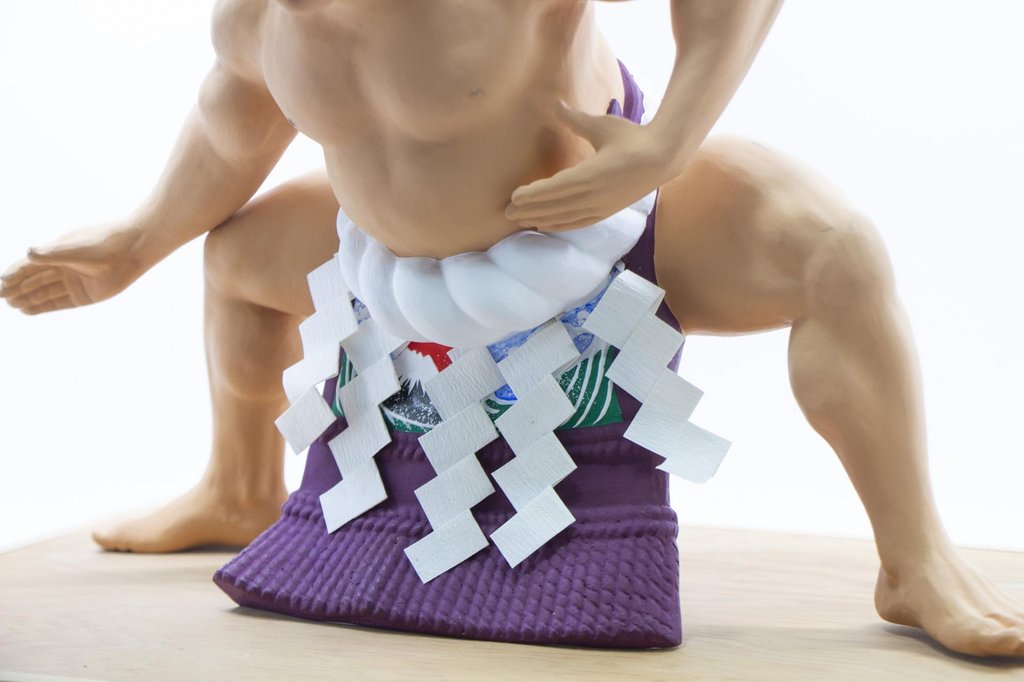
Grand Tournaments are held six times a year, and each tournament lasts fifteen days. The host city rotates among Tokyo, Osaka, Nagoya, and Fukuoka, so check your travel dates against the host cities in advance.
If the Grand Tournament dates don’t work for you or you can’t get tickets to a tournament match, you can still experience sumo in other ways, like at Sumo Studio Osaka. Once you’ve chosen an activity, check its dates and booking conditions against your itinerary early.
If you’d also like to explore experiences in Osaka besides sumo, see Japan Guide Star’s Osaka tours.
Hands-OnGet hands-on with sumo in Osaka
Watch former professional sumo wrestlers demonstrate authentic sumo techniques. Learn the history, rituals, and rules of Japan’s national sport, then step into the ring for a hands-on sumo experience in Osaka.


![Where to Watch Sumo in Japan: 3 Ways to See Sumo & How to Get Tickets [Complete Guide]](https://sumowrestlingshow.jp/wp-content/uploads/2026/08/where-to-watch-sumo-in-japan_1-300x200.jpg)