Ryogoku Kokugikan Guide: Tickets, Seating, Architecture, and Food
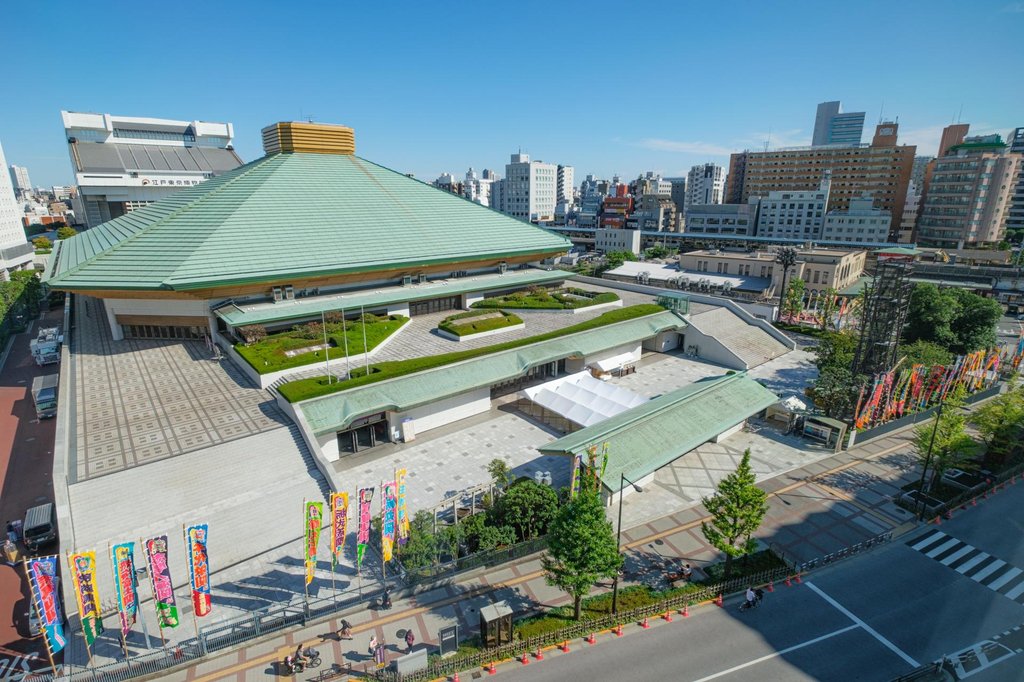
Dreaming of watching Grand Sumo at Ryogoku Kokugikan—the spiritual home of sumo—but unsure how to buy tickets or which seats to choose? Popular seats for tournaments often sell out shortly after they go on sale, and gathering reliable information can feel daunting for first-time spectators.
Everything you need to plan your visit is detailed in this guide: how to purchase tickets, what each seat type offers, and the architectural highlights of this venue that incorporates traditional Shinto designs. You’ll also find tips on food worth trying out, from the famous yakitori grilled in the arena’s basement kitchen to chanko-nabe, the hearty hot pot dish eaten by actual sumo wrestlers and available for just ¥500.
From basic facts about Ryogoku Kokugikan to how to make the most of tournament day, the details below are sure to help you prepare for your visit.
Contents
- What Is Ryogoku Kokugikan? Overview and Features
- How to Buy Tournament Tickets for Ryogoku Kokugikan
- Seat Types at Ryogoku Kokugikan and How to Choose
- Architecture and Highlights of Ryogoku Kokugikan
- Food to Enjoy at Ryogoku Kokugikan
- Common Questions About Visiting Ryogoku Kokugikan
- Plan Ahead and Experience Grand Sumo at Ryogoku Kokugikan
What Is Ryogoku Kokugikan? Overview and Features
If you’re visiting Ryogoku Kokugikan for the first time, it helps to know the basics of the facility and how to get there.
The arena serves as the home of Grand Sumo, has a history dating back to 1909, and hosts far more than sumo alone. Knowing this background in advance makes both the matches and the surrounding sights easier to enjoy on the day of your visit.
The Home of Grand Sumo and Three Annual Tournaments
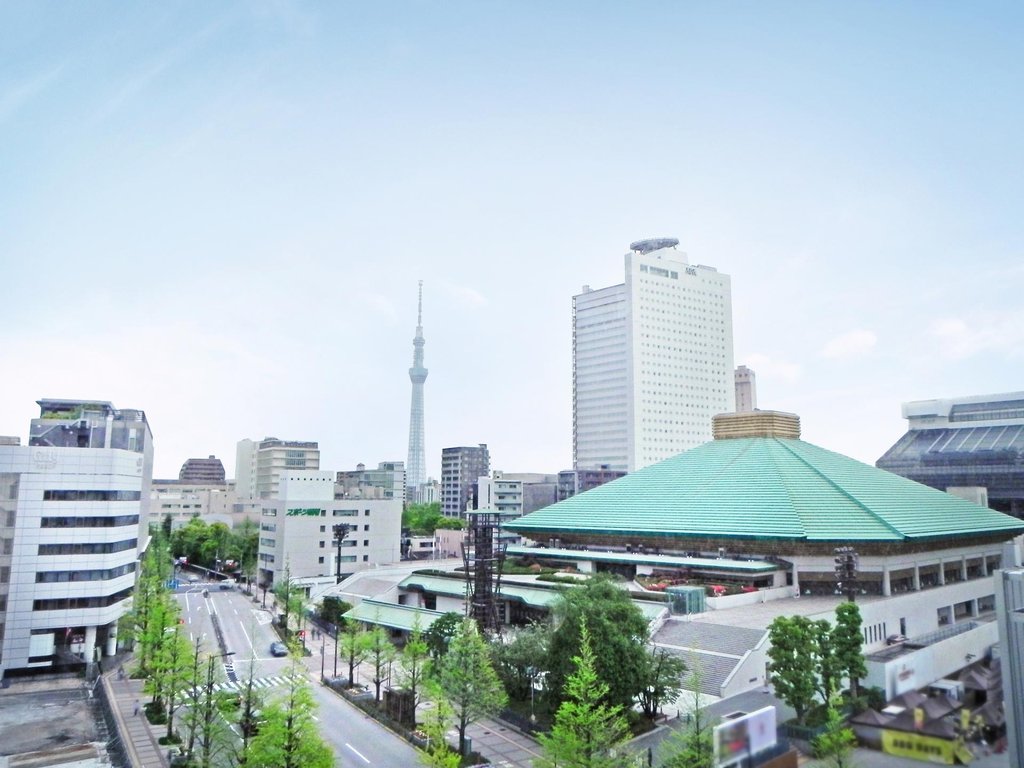
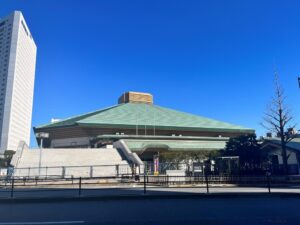
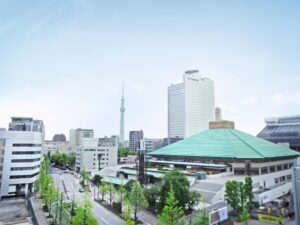
Ryogoku Kokugikan (often called simply “Kokugikan”) is the official venue of the Japan Sumo Association located in Sumida City, Tokyo. With a capacity of roughly 11,000 seats, the arena has been cherished as the spiritual home of Grand Sumo since it opened in 1985.
The Tokyo tournaments take place here three times a year—in January, May, and September—each running for fifteen days. Whether your itinerary overlaps with these dates determines whether or not you can watch a tournament. The schedule is updated on the official website, so check it before you travel.
During non-tournament periods, the Kokugikan operates as a multipurpose hall. Professional wrestling, concerts, and a wide range of other events take place here, so there’s plenty to enjoy even outside the sumo season.
Details
| Address | 1-3-28 Yokoami, Sumida City, Tokyo |
| Hours | Varies by event (doors open at 8 am for Grand Sumo tournaments) |
| Closed | Not open to the public on non-event days |
| Official Website | https://kokugikan.sumo.or.jp/ |
| Recommended For | International visitors who want to experience Grand Sumo live |
A Two-Minute Walk from the West Exit of JR Ryogoku Station
Step out of the West Exit of Ryogoku Station on the JR Sobu Line, and you’ll find the Kokugikan building standing right in front of you. Walk straight from the ticket gates, cross two pedestrian crossings, and you’ve arrived. The walk takes about two minutes, so there’s little chance of getting lost.
If you take the Toei Oedo Line, exit at A3 and walk about five minutes to the arena. Coming from the Shinjuku area, the Toei Oedo Line is convenient because no transfers are required. If you’re coming from Tokyo Station, transfer to a local train at Kinshicho and you’ll reach Ryogoku Station in about thirteen to twenty minutes.
| Line | Nearest Exit | Walk |
|---|---|---|
| JR Sobu Line | Ryogoku Station, West Exit | About 2 minutes |
| Toei Oedo Line | Ryogoku Station, Exit A3 | About 5 minutes |
You can use rechargeable transit IC cards such as Suica (used in the Tokyo area), so charge yours in advance. Single-ride tickets are also available from vending machines at the station.
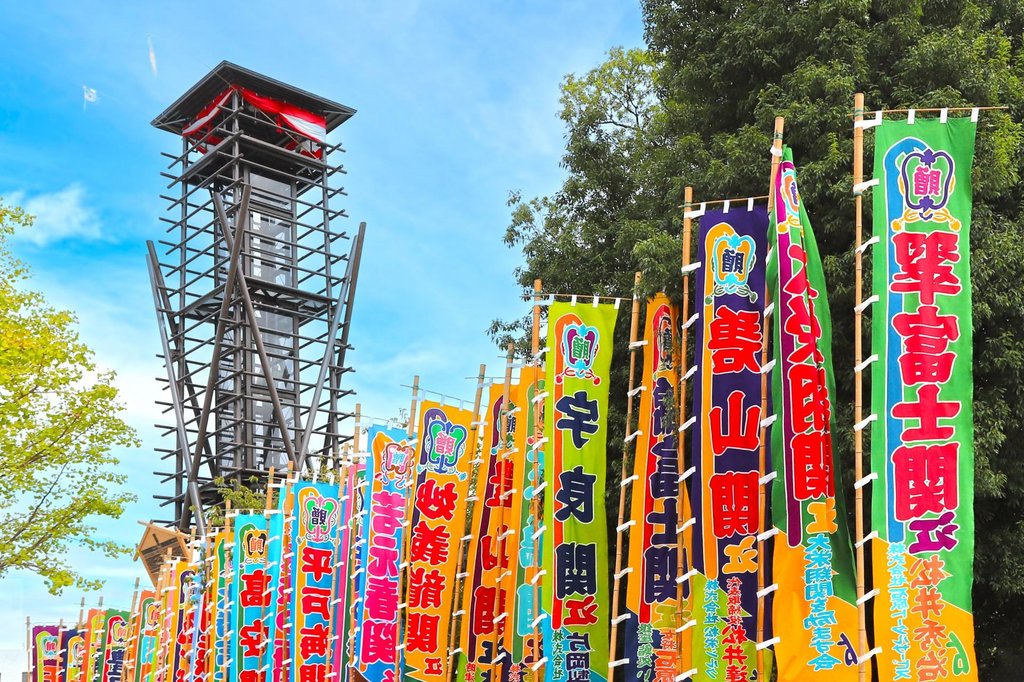
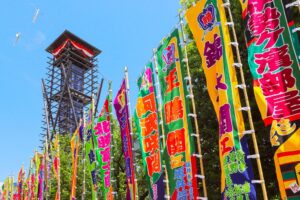
During tournaments, nobori (tall, colorful banners) bearing the names of rikishi line the streets around the arena. Follow these banners and even first-time visitors can find their way without trouble. The area gets crowded right after the doors open and also after the final matches, so allow extra time for your journey.
The Kokugikan’s History Dates Back to 1909
The story of Ryogoku Kokugikan begins with the original arena, built in 1909 on the grounds of Eko-in Temple in Ryogoku. Sumo events had been held at Eko-in since 1768, and from 1833 the temple served as the regular venue for twice-yearly spring and autumn tournaments; the original Kokugikan was built to give these events a permanent home.
The building was designed by Tatsuno Kingo—the architect behind Tokyo Station—together with Kasai Manji. Japan’s first dome-shaped steel-frame structure held about 13,000 spectators and earned the affectionate nickname Daitessan (the “Great Iron Umbrella”). After fires, an earthquake, and requisition by the Allied forces during World War II, the arena relocated to Kuramae in 1954.
The Kokugikan finally returned to Ryogoku in 1985. The current arena was completed on the site of the former Japanese National Railways Ryogoku freight station, bringing the home of sumo back to its historic neighborhood. Walking through the building with this architectural history in mind, you can sense the weight of tradition in every corner.
Take a moment to picture this historical background before the matches begin.
The Venue Hosts More Than Just Sumo
Ryogoku Kokugikan is often thought of as a sumo-only facility, but it also functions as a multipurpose event hall: Grand Sumo tournaments occupy only about 45 days of the year in total.
During the off-season, the arena serves as a multipurpose hall for Japan Sumo Association events, sporting events, concerts, ceremonies, and venue rentals of many kinds. The event lineup covers a wide range of genres, including martial arts and live music. With full sound and lighting systems, the arena can handle large-scale entertainment productions. Even if your dates don’t line up with a tournament, you can still soak up the atmosphere of the Kokugikan at a different event.
Check the schedule page on the official website for dates and details.
How to Buy Tournament Tickets for Ryogoku Kokugikan
Many visitors feel uncertain about how to buy tickets and when they go on sale. The steps below walk you through securing tickets to watch Grand Sumo at Ryogoku Kokugikan.
The official ticketing site and guided viewing tours are the two main methods for enjoying sumo here. There are also important recent changes regarding same-day tickets to keep in mind. Knowing your purchasing options in advance makes it possible to secure tickets even on a tight itinerary.
Ticket Oosumo Offers the Lowest Prices
The Japan Sumo Association’s official ticketing site, Ticket Oosumo, is the cheapest way to buy tickets. An English version of the site is available, so you can purchase them directly from overseas.
Tickets go on sale roughly one and a half to two months before the opening day of each tournament. Popular options such as ringside tamari-seki (seats on the floor, closest to the dohyo) and Box A seats often sell out on the very first day of sales.
Keep these points in mind when purchasing:
- Accepted Payment Methods: Credit cards only. Note that unsupported cards may cause the transaction to fail
- Connection: Enable cookies and JavaScript, and use a recommended browser environment
- Ticket delivery: Choose from digital tickets (via QR code), convenience store pickup, or postal delivery
Sale dates for the September tournament in Tokyo are updated on the official website. Check the site regularly to make sure you secure your tickets.
Guided Viewing Tours Are a Convenient Option for Visitors from Overseas
If official tickets are sold out, try activity-booking platforms such as Viator. Many platforms offer English-speaking guided viewing tours that are easy to reserve from abroad. Prices run at two to three times the cost of official tickets, ranging from about $100 to $469. The price usually includes commentary from an English-speaking guide, transportation, and ticket-handling fees. For travelers with limited time in Japan, the certainty of a guaranteed seat is well worth the extra cost.
When comparing tours, confirm the following points:
- Whether the tour start time fits your itinerary
- Whether the seat, meals, and transportation are included in the price
- Whether past participants have left good reviews
Tour slots start filling up one to two months before each tournament, so book as soon as your travel dates are set.
No Same-Day Tickets Once a Day Sells Out
Showing up at the box office on the day of the tournament doesn’t guarantee entry: the official ticketing site clearly states that same-day tickets are not sold for a day that’s already been sold out. All seats are now reserved, so if a day sells out in advance, you cannot buy tickets at the venue.
Your best bet is to try getting a ticket for a match on a weekday early in the tournament, particularly days three through six of the tournament. There are usually more seats available on these days, unlike the opening day, the final day, and weekends during the tournament. If your travel plans are flexible, targeting these days will make tickets much easier to secure.
Sales conditions may change from tournament to tournament. Before you go, check the Japan Sumo Association’s official website for the latest information. Build ticket purchasing into your travel planning from the start.
Seat Types at Ryogoku Kokugikan and How to Choose
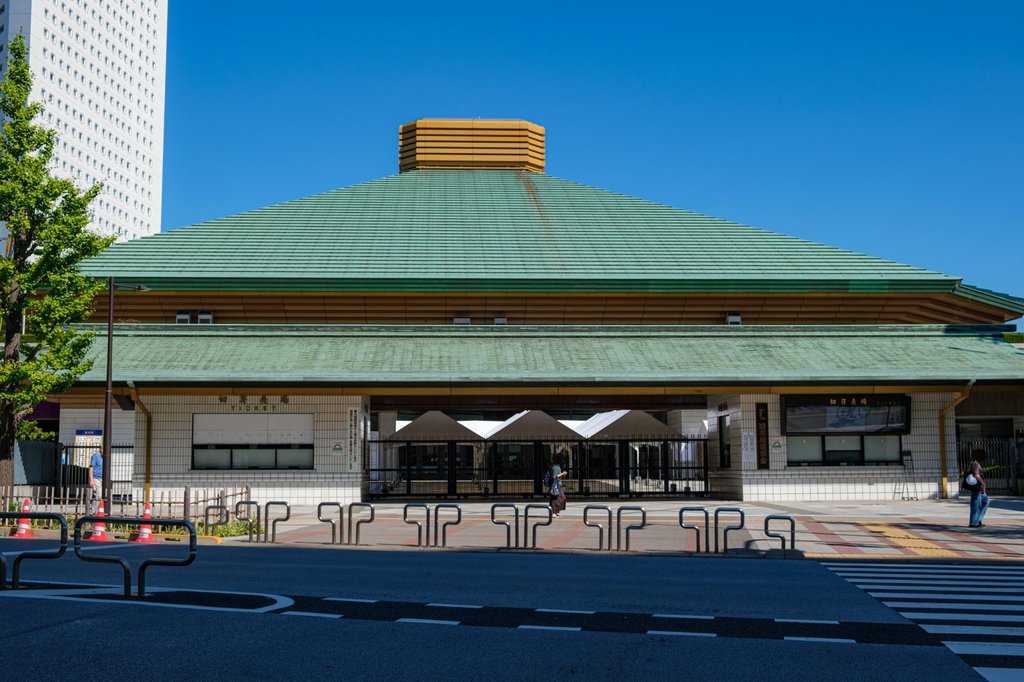
With so many seat types, choosing one can be confusing.
The seating at Ryogoku Kokugikan breaks down into three types, each offering a distinct viewing experience. These include special seats closest to the sumo ring (or dohyo), traditional floor seats where you can eat and drink, and affordable chair seats for a casual visit.
Finding the seat that matches your budget and preferences makes the day far more enjoyable.
Tamari-seki | Closest to the Dohyo, but No Food, Drinks, or Photos
Tamari-seki are special front-row seats, where spectators sit on cushions placed directly around the dohyo. You sit so close to the ring that sand from the dohyo can land on you—earning these seats the nickname sunakaburi (“sand-covered” seats). No other seat puts you near enough to hear the wrestlers breathe.
That proximity, however, comes with an unusually long list of restrictions:
- Food, drinks, and shoes are prohibited
- Photography without the organizer’s permission and mobile phone use are not allowed
- Children under 16 and anyone unable to react to danger cannot sit here
- Touching or calling out to the wrestlers, standing up, and changing seats is forbidden
These rules exist to keep the matches running smoothly and to prevent collisions between spectators and wrestlers tumbling from the dohyo.
Most tamari-seki are reserved for sponsors, and only a tiny number reach general sale. They are also the most expensive seats, so check the official website for current prices.
If you’d rather eat and drink while you watch, box seats are the better choice.
Masu-seki | Traditional Box Seats Where You Can Eat Bento
Masu-seki are box-style floor seats, each measuring about 1.3 meters (4.3 feet) square. Each box has four cushions, and you can relax with a bento and drinks spread out around you.
The freedom to eat and drink is the biggest draw: this is where you can enjoy the famous yakitori and wrestler-themed lunches. You can also sit cross-legged or stretch out, so there’s no need to worry about kneeling formally. Boxes are generally sold as a unit of four, and they come in three tiers. The closer you are to the dohyo, the higher the price:
| Seat Type | Distance from the Dohyo | Price per Ticket (Approx.)* |
|---|---|---|
| Box A | Closest | Weekends/holidays: ¥13,000 Weekdays: ¥12,000 |
| Box B | Middle | Weekends/holidays: ¥10,500 Weekdays: ¥10,000 |
| Box C | Farthest | Weekends/holidays: ¥9,500 Weekdays: ¥8,500 |
*Box seats are generally sold as one full box that seats up to four people. Check the Japan Sumo Association’s latest information for current prices.
If you plan on watching sumo solo or as a group of two, you can buy a whole box and leave seats empty, but the cost per person rises considerably.
Sales formats are subject to change, so confirm the latest details before purchasing.
Chair Seats | Beginner-Friendly Seating from ¥3,500
Chair seats occupy the second floor and start at an affordable ¥3,500 (about $24 USD) per person. The chairs have backrests and room in front to stretch your legs, making long viewing sessions more comfortable.
From up here you can take in the entire dohyo at a glance, which helps make the flow of each match easy to follow. Being able to look up at the portraits of past tournament winners hanging nearby is an experience unique to the second floor.
Eating, drinking, and photography are allowed in chair seats, so you can relax and enjoy the matches.
Here are the key features of the chair seats:
- Five tiers from S to D; the closer to the front, the higher the price
- The cheapest C and D seats start at ¥3,500 on weekdays and ¥4,000 on weekends and holidays
- Chair seats are sold individually, so solo travelers and small groups pay only for what they need
For first-time spectators and families, chair seats are the easy, budget-friendly choice.
Architecture and Highlights of Ryogoku Kokugikan
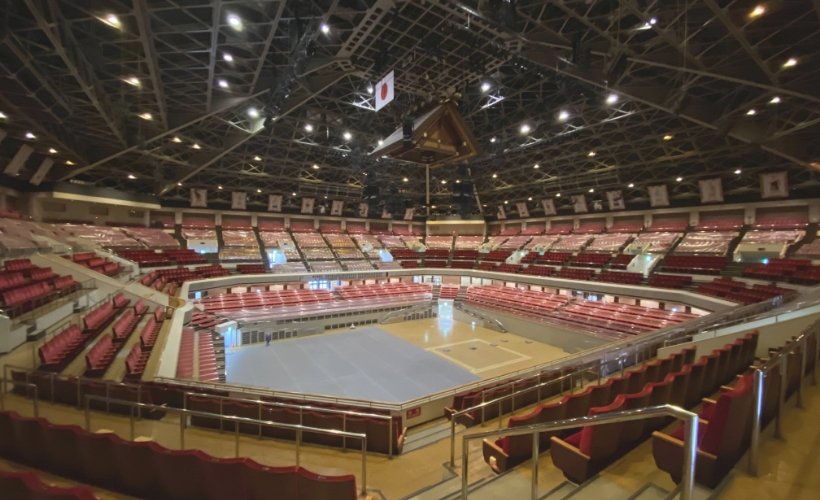
Ryogoku Kokugikan blends the traditional aesthetics of sumo with modern engineering. Understanding the building’s design makes the viewing experience richer.
The seating layout, the lighting, and the suspended roof—modeled on Shinto shrine architecture—all reward you for looking closer. So does the elevator mechanism beneath the dohyo and the ceramic murals at the entrance.
Once you know the intent behind the design, the view from your seat takes on new meaning.
The Bowl-Shaped Seating Gives Every Seat a Clear View of the Dohyo
The seats fan out from the dohyo in a bowl-shaped arrangement. Whichever direction you sit, be it north, south, east, or west, you look down on the ring.
The steep rake means that the spectators in front rarely block your view, so even the back of the second floor offers a clear view of the action. Every angle delivers a real sense of immediacy, including the side and rear seats.
The lighting is also designed to flatter the wrestler’s skin and expressions. From the stands, you can clearly see the play of muscle and feel the force of each collision. Here’s how the view changes by seating area:
| Seating Area | Viewing Experience |
|---|---|
| Tamari-seki and box seats (1st floor) | Close enough to hear the rikishi breathe and see the sand fly |
| Chair seats (2nd floor, front) | A full view of the dohyo, making tactics easy to read |
| Chair seats (2nd floor, rear) | A sweeping view of the whole arena, including the suspended roof |
Every seat offers something different, so choose based on your budget and preferences.
The Suspended Roof Uses the Same Shinmei-zukuri Style as Ise Jingu
The roof floating above the dohyo is built in the style of shinmei-zukuri, the same ancient shrine architectural style used at Ise Jingu.
Its shape expresses sumo’s origins as a Shinto ritual. The style was adopted in 1931 to make the sacred character of sumo unmistakable. In 1952, the supporting pillars were removed and the roof was suspended from the ceiling instead. In place of the pillars, giant tassels in blue, red, white, and black now hang at the four corners. The colors symbolize the four seasons and the four cardinal directions, so you can sense your orientation from anywhere in the arena.
The roof hangs from wires and can be raised close to the ceiling for other events. Keep an eye on this suspended roof, where traditional design meets modern engineering.
The Ring Is Stored in an Underground Vault
Beneath the spectators’ feet lies a space large enough to store the entire dohyo. When a tournament ends, an elevator mechanism lowers it into the basement, and the floor becomes completely flat, allowing the arena to accommodate non-sumo events.
Dismantling and rebuilding the dohyo is the work of about thirty yobidashi (ring attendants). They carry the clay by hand and pound it firm with traditional tools. Before every tournament, they shave down the surface, add fresh clay, and shape the ring anew.
- After a tournament: yobidashi dismantle the dohyo by hand and the lift stores it underground
- Between tournaments: the flat floor hosts multipurpose events
- Before the next tournament: fresh clay is added and a new dohyo is built over several days
This coexistence of moving machinery and traditional craftsmanship is part of what makes the Kokugikan special. As you watch the match, spare a thought for the hidden mechanism beneath the dohyo.
The Ceramic Murals Depicting the Origins of Sumo
Step through the main entrance and giant ceramic murals on the walls catch the eye. They depict the two legendary origins of sumo recorded in Japan’s oldest texts.
The first mural shows a mythological trial of strength from the Kojiki (Japan’s oldest chronicle). It represents sumo’s most ancient origins, reaching back to the age of the gods. The second shows a contest between two men before the Emperor, as recorded in the Nihon Shoki (the Chronicles of Japan). This is considered the beginning of tenran-zumo (sumo performed in the Emperor’s presence) and the historical starting point of the sport.
Together, the two scenes trace sumo back to Japan’s oldest written records, the Kojiki and the Nihon Shoki. Knowing these stories makes the bouts on the dohyo resonate all the more deeply.
Food to Enjoy at Ryogoku Kokugikan
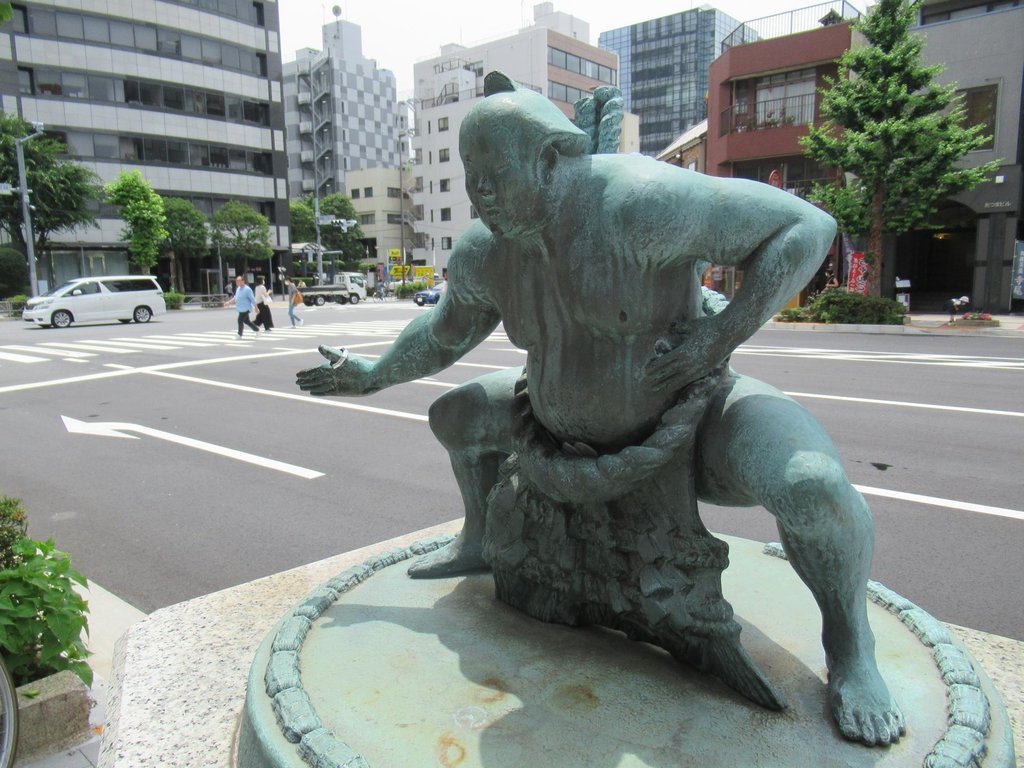
Deciding what to eat during the matches is part of the fun.
Ryogoku Kokugikan offers signature foods you won’t find anywhere else. Four classics stand out, each with its own story and its own best time to buy. Plan ahead and you can be sure of getting the items you’re after.
Kokugikan Yakitori | A Specialty Grilled in the Basement and Delivered Fresh
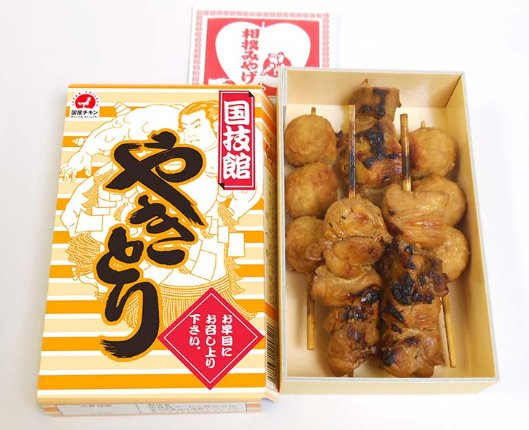
The first specialty everyone mentions is “Kokugikan Yakitori.”
The skewers are grilled in a dedicated kitchen in the basement and delivered straight to the concession stands. Each pack contains five skewers—three chicken skewers and two chicken meatball skewers—for ¥750 including tax. The recipe is designed to taste good even at room temperature, perfect for eating during the matches.
Because chickens never “touch the ground” except with their feet—a symbolic contrast to defeat in sumo—they are regarded as auspicious among sumo fans, making yakitori a particularly popular snack at tournaments.
This tradition dates back more than sixty years, to the era of the Kuramae Kokugikan. It’s not unusual for the skewers to sell out by early afternoon. If you want to make sure you get a taste, head to a concession stand as soon as the doors open. When mobile ordering is available, you can conveniently order from your seat.
Rikishi Bento | Limited-Edition Boxed Meals Named After the Wrestlers
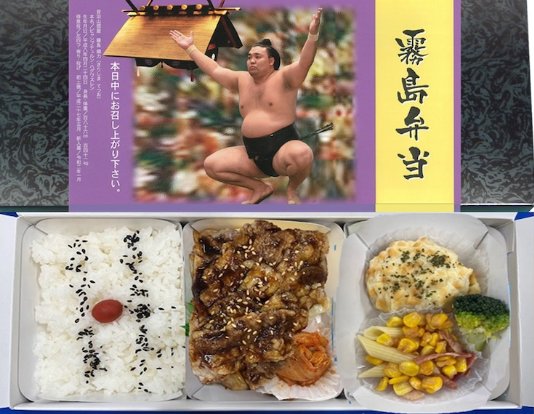
Rikishi bento are tournament-exclusive boxed meals printed with the names of currently active sumo wrestlers. Inside the lunch box, you’ll find ingredients chosen by the rikishi themselves or specialties from their hometowns. Each bento costs ¥1,350 including tax. Bento bearing the names of popular rikishi often sell out before noon.
Here’s how to make sure you get one:
- Buy right after the doors open, since the most popular bento disappear first
- Look for them at the east and west stands on the first floor and at the cafe and stands on the second floor
- Check the official website beforehand, as the lineup changes
A rikishi bento makes for a satisfying keepsake of your day at the matches. Get your hands on your favorite athlete’s bento before it sells out.
Chanko-nabe | A ¥500 Bowl in the Basement Banquet Hall
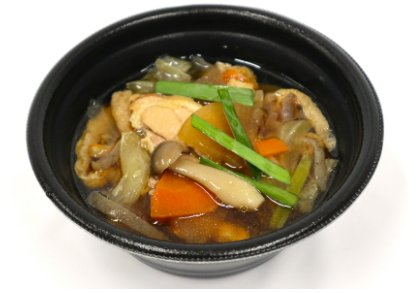
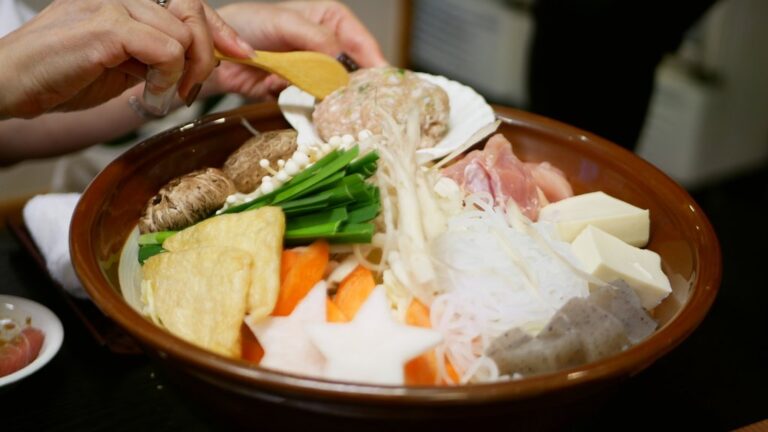
During tournament periods, chanko-nabe is served in the basement banquet hall for ¥500 (about $3.50 USD) per bowl. It’s a rare chance to eat the same food as Japan’s sumo wrestlers for very little cost. Hot pot flavors vary because they follow a different sumo stable’s recipe each time it’s made, so part of the fun is discovering which flavors await you. Serving hours run from around 11 am to 4:30 pm, so go early. Takeout and outside food are not allowed in the venue, so enjoy your bowl on the spot.
Specialty chanko restaurants in the Ryogoku area offer a more leisurely alternative. But the banquet hall lets you taste the atmosphere of the tournament itself, so try it on the day you attend.
Hiyonoyama-yaki | Baked Treats Shaped Like the Official Mascot
Hiyonoyama is the official mascot of the Japan Sumo Association. The chick-in-a-mawashi design has won the affection of sumo fans everywhere.
“Hiyonoyama-yaki,” baked treats molded in the mascot’s shape, are a popular souvenir. They’re one of the few items you can take home, letting you share the excitement of the matches with family and friends. During tournaments, they often sell out early in the day. If they catch your eye, stop by a concession stand soon after entering the venue. As a memento of Japanese culture, Hiyonoyama-yaki makes a fitting souvenir of your trip.
Common Questions About Visiting Ryogoku Kokugikan

First-time visitors often wonder about language support and the best time to visit Ryogoku Kokugikan. English guidance, entry on non-tournament days, and tips for visiting with children are covered below, and information about nearby sumo spots and alternative plans round out the answers.
Settle these questions in advance and you can enjoy the matches with peace of mind.
Is English Signage or Guidance Available?
The arena has English signage, and the official website is available in English. If you run into trouble after entering, you can ask for help at the information counter.
If you’re looking for a deeper understanding of the rules, an English-guided tour is a good option. Search booking sites for guided plans: guides can usually explain everything down to the techniques used in sumo.
Ticket arrangements are usually included, too, which removes the stress of purchasing on your own.
If you’re unsure, a guided tour is the way to get the most out of the matches.
Can You Enter the Kokugikan on Non-Tournament Days?
Even on non-tournament days, the Sumo Museum inside Ryogoku Kokugikan is free to enter.
Opening hours are 10 am to 4:30 pm, but watch out for irregular closures and be sure to check the official website for the latest opening hours.
Keep these points in mind:
- During tournaments, a ticket for a sumo match is required for entry
- The venue is closed Saturdays, Sundays, and holidays (open daily during tournaments)
- The Sumo Museum is closed during exhibit changeovers and the New Year period
- There are occasionally temporary closures
The gift shop operates weekdays from 10 am to 3 pm, where you can buy souvenirs. Note that the seating areas are not open to the general public.
Before visiting, check the official website for information on opening days.
Can You Attend with Children?
Yes, families with children are welcome inside Ryogoku Kokugikan. Children ages four and over need a ticket, while children under four can watch sumo for free from a guardian’s lap. For safety reasons, tamari-seki cannot be used by anyone under sixteen years of age.
These seat types work best for families:
- Box seats: Shoes are taken off and everyone sits on the floor, so children can relax
- Chair seats: Children’s pricing is available; ideal for families on a budget
Re-entry is generally permitted, so you can step outside for a break partway through the day of the match. Conditions may change, however, so check with staff on the day of your visit.
What Other Sumo Spots Are There Around Ryogoku Station?
The area around the station is dotted with spots where you can soak up sumo culture.
Inside the ticket gates of JR Ryogoku Station, for example, you’ll find handprints of past yokozuna (grand champions) and life-size panels depicting them. These make for fun photo opportunities right after you arrive in the area or on your way home.
The Ryogoku Edo NOREN complex by the West Exit of Ryogoku Station features a regulation-sized sumo ring replica. It has become a popular spot for photos.
Sumo-related restaurants cluster around the complex, convenient for a meal. All of these are open to the public even on non-tournament days. Take a stroll around the Ryogoku area and breathe in the atmosphere of sumo.
What If Your Travel Dates Don’t Line Up With a Tournament Date?
Even if your schedule doesn’t include a tournament date, there are still ways to experience sumo.
On non-tournament days, the Sumo Museum inside the Kokugikan is free to enter, and the sumo spots around Ryogoku Station introduced above stay open to the public.
Consider targeting a tournament outside Tokyo as well. Grand Sumo tournaments are also held in Osaka (March), Nagoya (July), and Fukuoka (November). If your itinerary is flexible, you can adjust your destinations to match a regional tournament.
Tickets for these tournaments generally require advance booking, so check early.
Plan Ahead and Experience Grand Sumo at Ryogoku Kokugikan
At Ryogoku Kokugikan, a little research done in advance transforms the quality of your experience. Prepare methodically: buy tickets, choose your seats, and study the architecture and the food in advance. Popular seats sell out early, so confirm the sale dates on the official website.
Make the trip to Ryogoku Kokugikan and experience the power of Grand Sumo and the depth of Japanese culture firsthand.


![Where to Watch Sumo in Japan: 3 Ways to See Sumo & How to Get Tickets [Complete Guide]](https://sumowrestlingshow.jp/wp-content/uploads/2026/08/where-to-watch-sumo-in-japan_1-300x200.jpg)