The History of Sumo: 1,500 Years of Tradition from Ancient Times to Today
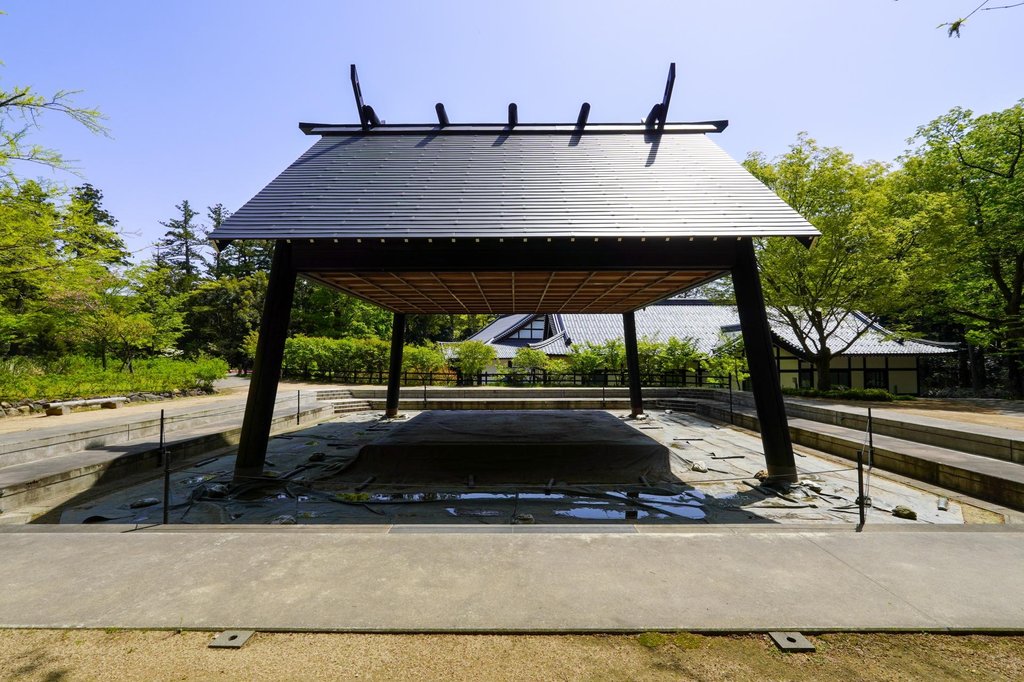
Sumo boasts a history spanning more than 1,500 years, evolving over time from a sacred ritual into a martial art and, eventually, a form of popular entertainment enjoyed by people across Japan.
Its development can be understood through several distinct stages: the mythological origins recorded in Japan’s oldest chronicles, the commercial growth of professional sumo during the Edo period, the institutional reforms of the modern era, and the international expansion of the sport today. Understanding the origins of traditions that are still performed, such as salt-throwing and the ring-entering ceremony, adds a deeper layer of meaning to every sumo match you watch.
Contents
- Sumo History at a Glance: The Big Picture
- The Origins of Sumo in Ancient and Medieval Times (Up to the 16th Century)
- The Rise of Professional Sumo in the Edo Period (from 1684)
- 17th Century: The Invention of the Dohyo Set Clear Standards for Victory
- 1684: The Shogunate Officially Licensed Kanjin-Zumo
- Late 17th Century Onward: Wrestlers Turned Professional and the Stable System Took Shape
- 1757: The Banzuke Ranking Sheet Took Its Present Form
- Mid-18th Century: Regular Tournaments Foreshadowed Today’s Grand Tournaments
- Modernization of Sumo’s Institutions (1868–1958)
- Sumo’s Internationalization in the Contemporary Era (from 1972)
- The History and Meaning Behind Sumo’s Traditional Rituals
- Salt Throwing: A Shinto Purification Rite for the Dohyo
- Yokozuna Ring-Entering Ceremony: Two Styles Rooted in 19th-Century Wrestlers
- Shiko: Powerful Stamping That Purifies the Ground
- Chikara-mizu: Rinsing the Mouth to Purify the Body Before a Bout
- Kesho-mawashi: Ceremonial Aprons Formalized in the Edo Period
- Common Questions About Sumo History
- Experience 1,500 Years of Living Tradition for Yourself
Sumo History at a Glance: The Big Picture
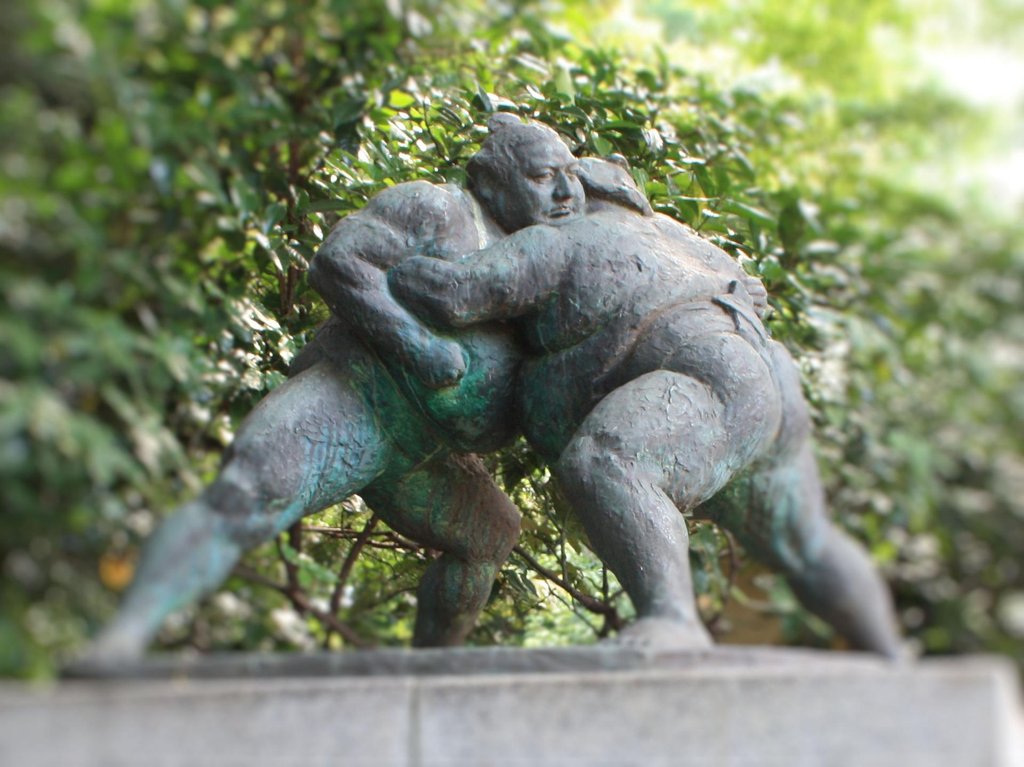
Sumo’s 1,500-year history can be divided into four major eras, each reflecting a different role in Japanese society. Understanding why sumo is regarded as Japan’s oldest martial art, how these four periods are defined, and how the sport evolved from a sacred ritual into the national sport of Japan provides an ideal foundation for exploring its history.
Once you have this broad framework in mind, the events, traditions, and cultural changes that shaped each era become much easier to understand.
Sumo: A Martial Art with More Than 1,500 Years of History
The claim that sumo has more than 1,500 years of history is supported by both ancient legend and archaeological evidence. Japan’s oldest historical chronicles, the Kojiki and Nihon Shoki, record legendary contests of strength that the Japan Sumo Association regards as the origins of sumo. The most famous is the bout between Nomi no Sukune and Taima no Kehaya, said to have taken place before the emperor. Archaeological discoveries reinforce these traditions: haniwa (terracotta tomb figures) depicting wrestlers have been excavated from Kofun-period burial mounds dating to around the 6th century, indicating that forms of wrestling were already established at least 1,500 years ago.
Originally, sumo developed as a sacred ritual performed to pray for and divine a successful harvest, and its traditions have been passed down continuously from the age of myth to the present. Gestures such as throwing purifying salt onto the dohyo (the sacred clay ring) and performing shiko (a ritual stamping to drive away evil spirits) still carry the spirit of Shinto, making sumo a living heritage that distills Japanese belief and culture.
Four Major Eras of Sumo History
Sumo’s 1,500-year history is easiest to understand when viewed through four major eras. What began as a sacred ritual and a form of martial training gradually evolved into popular spectator entertainment during the Edo period, developed a formal organizational structure in the modern era, and has continued to grow as an international sport in the present day.
| Era | Approximate Period | Key Features |
|---|---|---|
| Ancient and medieval | Up to the 16th century | Mythological origins, court ceremonies, samurai training |
| Edo period | 17th–19th centuries | Official licensing of kanjin-zumo (fundraising sumo), commercialization, establishment of the banzuke (ranking list) and the stable system |
| Modern era | 1868–1958 | Formalization of the yokozuna (sumo’s highest rank), opening of the Kokugikan arena, establishment of the six-tournament year |
| Contemporary era | 1972–present | Success of foreign-born wrestlers, growing internationalization |
Sumo’s Changing Role in Japanese Society
Sumo’s role in Japanese society has changed dramatically over the centuries. The key point, however, is that each new role built upon the ones that came before it, rather than replacing them.
| Era | Sumo’s Primary Role |
|---|---|
| Ancient times | Sacred ritual (ceremonies praying for abundant harvests) |
| Nara–Heian periods | Martial art (court ceremony and samurai training) |
| Edo period | Entertainment (a spectacle the common people flocked to) |
| Meiji era onward | National sport (a national pastime and cultural heritage) |
What began as ancient harvest rituals was later incorporated into the official ceremonies of the imperial court and the training culture of the samurai. During the Edo period, sumo evolved into a professional occupation, laying the foundations for the sport as it is known today. From the Meiji era onward, it became firmly established as Japan’s national sport and a symbol of the country’s traditional culture.
Even today, dedicatory sumo is still performed at shrines throughout Japan, demonstrating that the sport has never lost its religious foundations.
The Origins of Sumo in Ancient and Medieval Times (Up to the 16th Century)
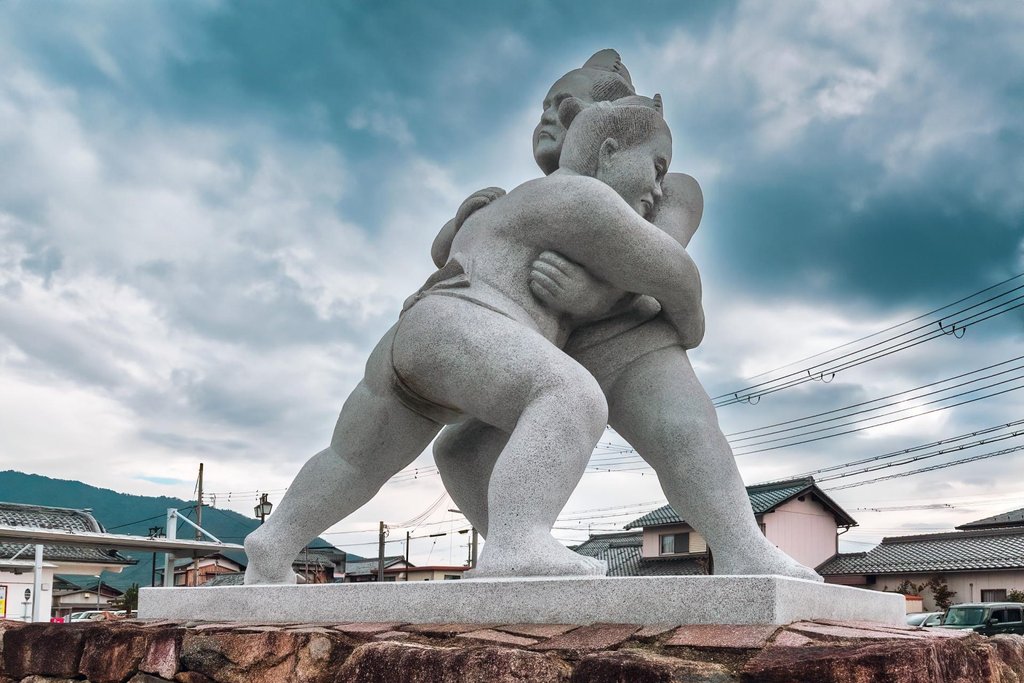
From legendary trials of strength in the age of myth to combat training for medieval samurai, sumo’s prototype took shape over roughly 1,000 years. Records preserved in Japan’s oldest chronicles and sumo’s institutionalization as a court event mark four distinct stages.
These transformations laid the groundwork for the professional sumo culture of the Edo period, when wrestling developed into a form of public entertainment and established many of the traditions that continue today.
8th Century: Trials of Strength Recorded in Japan’s Oldest Chronicles
Sumo’s origins can be traced to chronicles compiled in the 8th century, which preserve stories of legendary contests of strength connected to the governance of the nation and offerings to the gods. These myths gave sumo a sacred status and helped establish its role as a ritual with divine significance.
| Text | Year Completed | Account of the Contest |
|---|---|---|
| Kojiki | 712 | A contest of strength between gods over the transfer of the land |
| Nihon Shoki | 720 | A bout between two men, watched by the emperor |
Both stories take place in Japan’s mythological age, centuries before written records existed. Passed down through generations of oral tradition before being recorded in official chronicles, these accounts reflect how early Japanese society understood the meaning of strength and ritual. Their preservation as foundational myths helped shape sumo’s later development as an official court ceremony and cultural tradition.
642: Sumo Performed for Foreign Envoys
Sumo first appears in the historical record in 642. The Nihon Shoki describes how palace guards were ordered to wrestle as entertainment for envoys from the Korean kingdom of Baekje. This is considered the oldest verifiable historical record of sumo.
From this point, sumo took on a new role beyond its religious origins. It became a way to demonstrate Japan’s strength and cultural identity to foreign visitors, adding a dimension of diplomatic ceremony to its existing function as an offering to the gods. This expanded role helped pave the way for sumo’s later place in official court events.
8th–12th Centuries: Sumo Institutionalized as a Court Event
The oldest recorded example of sumo performed before the emperor dates to 734, when Emperor Shomu watched sumo at the imperial palace. The imperial guard brought skilled wrestlers from across the provinces, and the event gradually developed into a national ceremony held around the time of the Tanabata festival in early autumn. This palace tradition became known as Sumai no Sechie (the imperial sumo ceremony).
The ceremony served two important purposes:
- The ceremony served as a sacred rite for divining good harvests and national peace
- An official state ceremony that displayed the emperor’s authority and the nation’s strength both domestically and abroad
By combining religious ritual with political ceremony, Sumai no Sechie became a major event of the Nara-period court in the 8th century and continued as part of the Heian court calendar for roughly 400 years. The ceremony was eventually abolished in 1174, near the end of the Heian period, as imperial authority weakened.
In the latter half of the 12th century, the court’s authority declined and sumo’s role as a palace event came to an end. Yet its techniques and performance culture lived on, passing to the samurai as martial training and later to the common people through kanjin-zumo.
12th–16th Centuries: Samurai Adopted Sumo as Combat Training
With the beginning of the Kamakura period, the samurai embraced sumo as a form of practical training for close-quarters combat. This role expanded through the Muromachi period and the Warring States period, when sumo became an established test of physical ability within warrior society.
A major transformation occurred during this era: the value of sumo itself began to change. Strength and skill in sumo were no longer viewed only as ritual or training qualities, they became abilities that could earn recognition, patronage, and social status. Skilled wrestlers gained opportunities to serve powerful warriors and build reputations based on their abilities.
This connection between sumo skill and social advancement created the foundation for the rise of professional wrestlers and the commercial sumo culture that flourished during the Edo period.
The Rise of Professional Sumo in the Edo Period (from 1684)
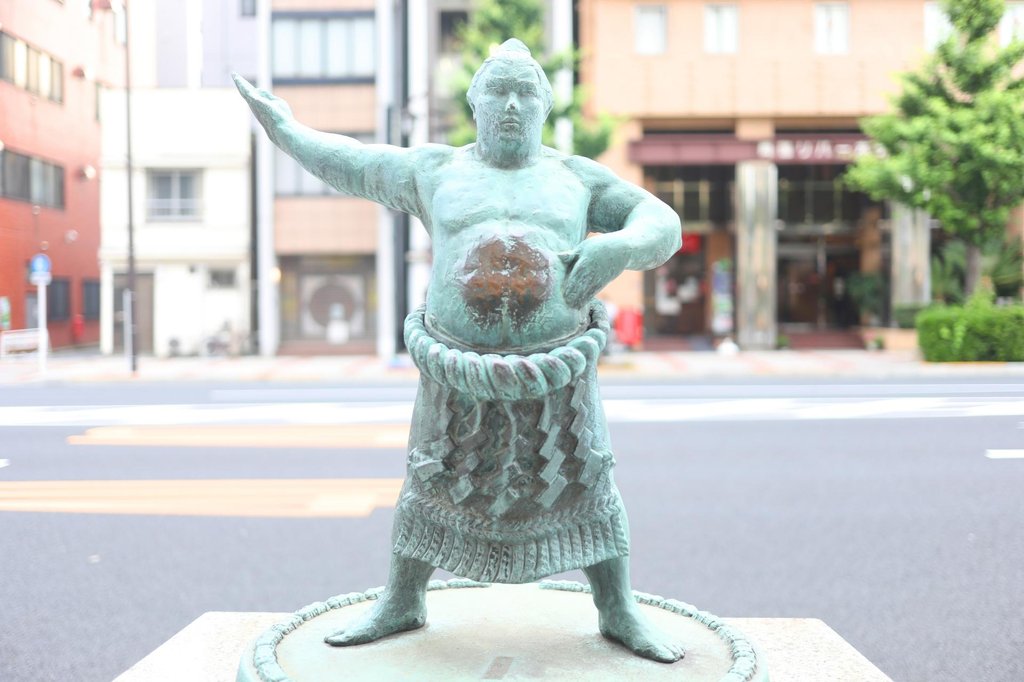
During the Edo period, sumo underwent a dramatic transformation from informal street entertainment into an organized commercial enterprise. The introduction of the dohyo created a clearly defined competition space and helped establish standardized rules.
With official recognition from the Tokugawa shogunate, sumo developed into a professional occupation. Wrestlers began building careers, rankings were introduced, and regular tournaments became established features of the sport.
Many of the systems that continue to define Grand Sumo today, including professional wrestlers, ranking structures, and organized competitions, can trace their foundations back to this period of rapid development.
17th Century: The Invention of the Dohyo Set Clear Standards for Victory
Before the dohyo existed, the boundary of a sumo bout was simply formed by the circle of spectators surrounding the wrestlers, making it difficult to judge victories consistently. In the late 17th century, the circular dohyo was introduced, creating a clear standard for determining the winner. With the boundaries defined, footwork, balance, and body control became decisive factors, and techniques such as oshi-dashi (push-out) and yorikiri (force-out) grew in importance.
The dohyo also elevated sumo beyond a simple contest of physical strength. Because sumo developed from rituals offered to the gods, the ring is regarded as sacred ground where the divine presence is welcomed. Ancient practices performed on the dohyo continue today, including shiko and salt-throwing to purify the ring and show respect to the gods.
By combining clear competitive rules with deep religious symbolism, the dohyo transformed sumo into a spectacle that carries both sporting discipline and cultural significance.
1684: The Shogunate Officially Licensed Kanjin-Zumo
In the early Edo period, the Tokugawa shogunate repeatedly prohibited sumo because uncontrolled matches were seen as a threat to public order. However, after major disasters such as the Great Fire of Meireki, kanjin-zumo gained recognition as a way to collect donations for rebuilding temples and shrines.
In 1684, the magistrate responsible for temples and shrines officially approved kanjin-zumo at Tomioka Hachiman Shrine in Fukagawa. Historians consider this the first officially licensed sumo event in Edo.
As part of this approval, the shogunate required the creation of a professional organization and a management system led by senior wrestlers known as toshiyori (elders). With this new structure in place, kanjin-zumo became an established event held almost every year, marking a major step toward the organized professional sumo system that exists today.
Late 17th Century Onward: Wrestlers Turned Professional and the Stable System Took Shape
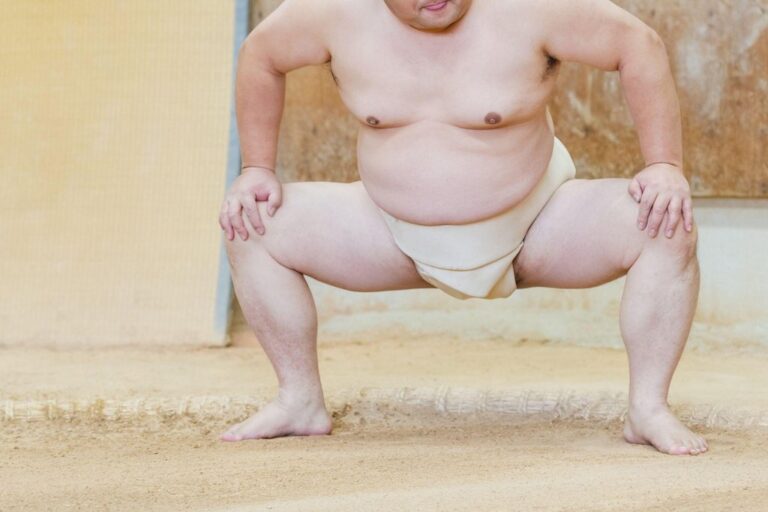
As kanjin-zumo took hold, audiences grew in Edo, Osaka, and Kyoto, and professional wrestlers, known as rikishi, who made their living entirely from sumo emerged one after another. The stable system arose as the framework for training these rikishi in an organized way. Retired wrestlers became elders, housing apprentices in their own residences and overseeing their training.
During the Horeki era (1751–1764), these elders joined together to establish a formal sumo association, further organizing the stable system. With a reliable structure for developing new talent, the foundation for continuously training professional rikishi was firmly established.
1757: The Banzuke Ranking Sheet Took Its Present Form
In 1757, Edo sumo adopted for the first time the single vertical sheet banzuke still used today. Earlier formats had varied widely and were far from easy for spectators to read.
A thick line down the center of the sheet divides the wrestlers into East and West sides, making the hierarchy clear at a glance. At the time, the highest rank was ozeki, and yokozuna was merely an honorary title granted to exceptional ozeki. Standardizing the banzuke made tournaments far more transparent, and the format carries over directly to today’s Grand Tournaments.
Mid-18th Century: Regular Tournaments Foreshadowed Today’s Grand Tournaments
By the mid-18th century, kanjin-zumo had shifted from irregular events to officially sanctioned, seasonal commercial tournaments held in the three great cities. From 1777 onward, Edo settled into a pattern of two tournaments a year, in spring and winter, each running for ten days of fair weather, institutionalizing a format that prefigured today’s Grand Tournaments.
At the same time, sumo held purely for commercial purposes, without a fundraising objective, also received official approval, allowing tournament organizers to generate revenue directly through staging matches. Regular scheduling transformed sumo’s relationship with both wrestlers and audiences.
The benefits were significant:
- Spectators could anticipate the next tournament, making sumo a regular part of everyday entertainment.
- Rikishi gained consistent opportunities to compete, strengthening sumo as a professional livelihood.
- Combined with the banzuke ranking system and the stable system, the essential framework of modern Grand Sumo took shape.
Sumo, once a sacred rite, had developed into regular tournaments contested by professional rikishi, a lineage that leads directly to the modern six-tournament year.
Modernization of Sumo’s Institutions (1868–1958)
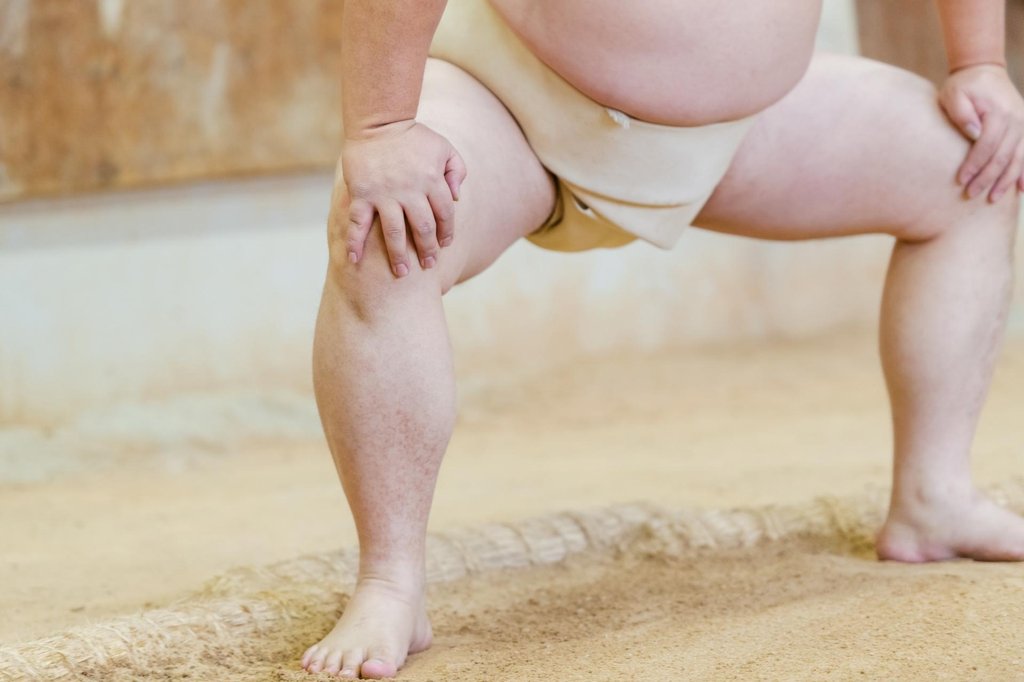
In the roughly 90 years from the Meiji Restoration through the postwar era, sumo underwent a sweeping process of modernization. Four major turning points shaped this transformation: the formal establishment of the yokozuna rank, the creation of dedicated sumo arenas, the formation of a governing organization, and the standardization of the tournament calendar. Together they explain how the institutions behind today’s Grand Sumo came to be.
1909: Yokozuna Became the Official Top Rank on the Banzuke
From the Edo period through the Meiji era, yokozuna was not an official rank on the banzuke but an honorary title awarded to the most exceptional ozeki. Although Nishinoumi Kajiro was listed as a yokozuna on the banzuke for the May 1890 tournament, this was still considered a practical arrangement rather than the recognition of a formal rank.
In 1909, the sumo association revised its regulations and codified yokozuna for the first time as an independent rank at the top of the banzuke. The ranking sheet gained an official yokozuna column, establishing the position formally above ozeki. This revision made clear that yokozuna outranked ozeki as an official position.
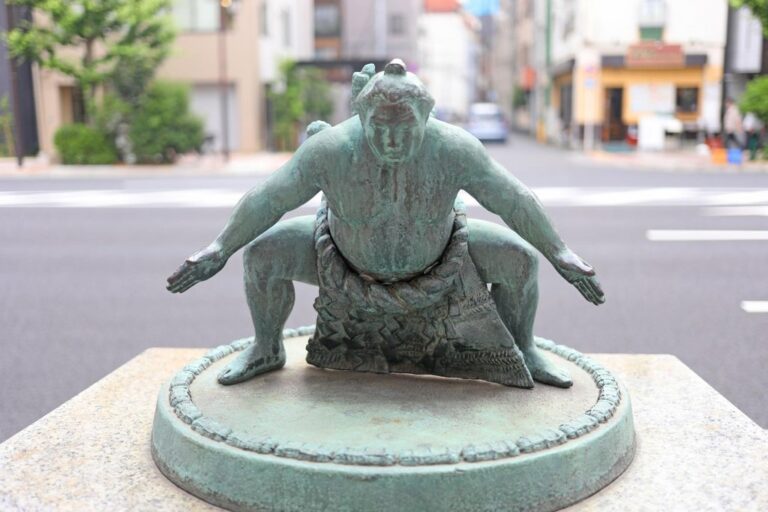
1909: The First Kokugikan Opened in Ryogoku
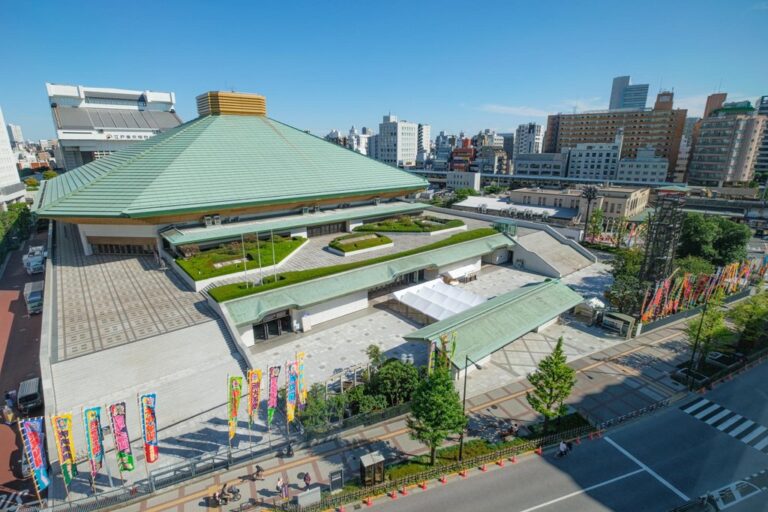
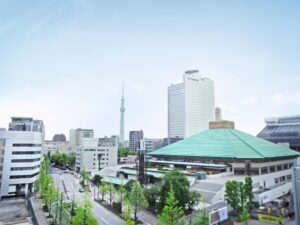
On May 31, 1909, the first Kokugikan arena opened on the grounds of Ekoin Temple in Ryogoku, becoming the first permanent, purpose-built sumo venue since the Edo period.
A phrase in the invitation to the opening ceremony inspired the name Kokugikan, which means “hall of the national sport.” As the name spread, so too did the idea that sumo represented Japan’s national sport.
Although no law officially designates sumo as Japan’s national sport, the name of this single building helped shape public perception and gave sumo a new level of social recognition.
1925: The Japan Sumo Association Was Founded
In 1925, following a petition from the Tokyo Sumo Association, the Dai-Nippon Sumo Association was established as an incorporated foundation. Two years later, in 1927, it merged the Tokyo and Osaka sumo associations, unifying the sport’s eastern and western traditions and creating the foundation of today’s Japan Sumo Association.
With a single governing body in place, ranking decisions and tournament management were standardized under unified national rules. The association’s role extended beyond organizing competitions: it also became responsible for training wrestlers, maintaining professional standards, and preserving sumo culture and traditions.
That same year, an imperial monetary gift following a sumo viewing by the Prince Regent was used to establish the Prince Regent’s Cup, which was later renamed the Emperor’s Cup.
1958: The Six-Tournament Year Was Established
Postwar Grand Sumo gradually increased its number of tournaments, and the Kuramae Kokugikan opened in 1954 as the Tokyo venue. The Kyushu tournament in November became official in 1957, followed by the Nagoya tournament in July 1958, completing the six-tournament calendar (January, March, May, July, September, and November) that continues today.
This also established the four-city rotation of Tokyo, Osaka, Nagoya, and Fukuoka. Because Grand Tournaments are the official competitions that determine wrestler rankings, having six tournaments each year gave talented young rikishi more opportunities to rise through the divisions quickly.
With major tournaments now held across Japan, sumo became accessible to a much wider audience and strengthened its position as a national sporting tradition.
Sumo’s Internationalization in the Contemporary Era (from 1972)
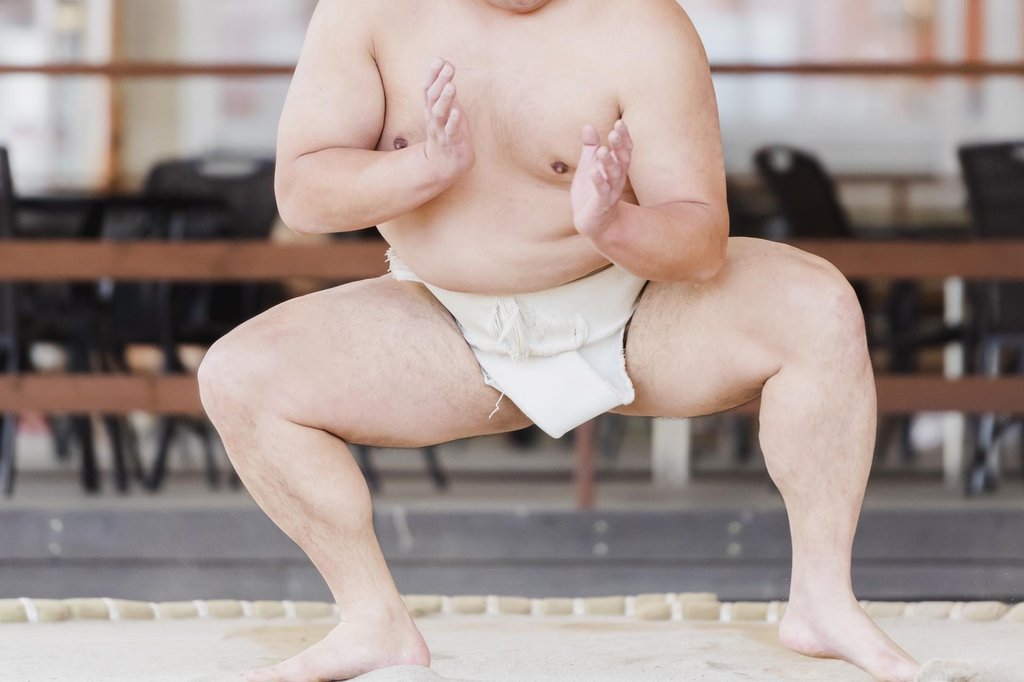
With its modern institutions firmly in place, sumo gradually opened itself to the world. The story of its internationalization begins with the breakthrough of a foreign-born wrestler in 1972, continues through the era of overseas-born yokozuna, and extends to its most recent performances abroad. It is a story of preserving tradition while embracing diversity.
1972: Takamiyama Became the First Foreign-Born Champion
At the January 1972 Tournament, Hawaii-born Takamiyama Daigoro became the first foreign-born wrestler to win a top-division championship. Since entering professional sumo in 1964, he had broken new ground step by step, including becoming the first foreign-born wrestler to reach sekitori (the salaried ranks). By overcoming language and cultural barriers to rise through the banzuke, he demonstrated that success in sumo is determined by ability rather than nationality.
The greatest significance of Takamiyama’s championship lies in the path it opened for the foreign-born wrestlers who followed. His victory marked the beginning of sumo’s internationalization and remains a defining milestone in the sport’s modern history.
1993: Akebono Became the First Foreign-Born Yokozuna
Following the March 1993 Tournament, Hawaii-born Akebono was promoted to become the 64th yokozuna, making him the first foreign-born wrestler in history to reach the highest rank on the banzuke. With a foreign-born wrestler attaining not only tournament victories but also sumo’s most prestigious rank, the sport’s internationalization entered a new phase.
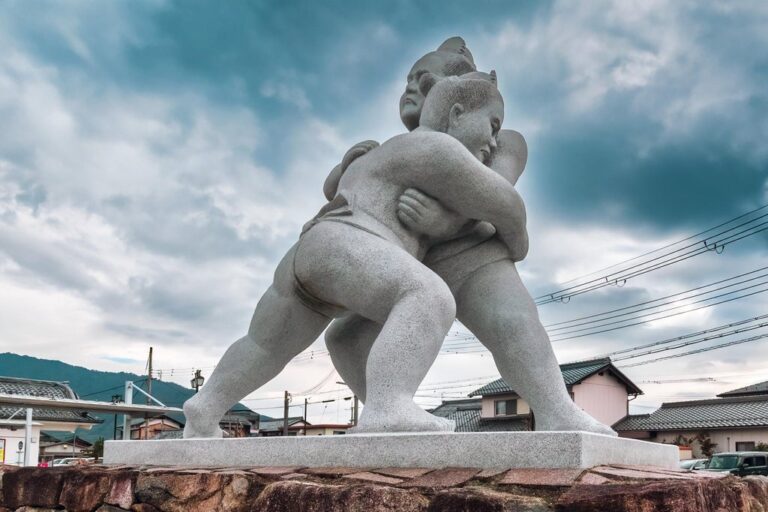
Akebono’s promotion came at the height of the Waka-Taka boom, when the brother stars Wakanohana and Takanohana had captivated audiences across Japan. His success demonstrated that tradition and internationalization could coexist within professional sumo. The path he forged paved the way for later foreign-born yokozuna, including Musashimaru and Asashoryu, marking the beginning of an era in which sumo’s international presence continued to expand.
2000s: Mongolian-Born Yokozuna Rewrote the Record Books
In 2003, Asashoryu was promoted to become the 68th yokozuna, ushering in an era in which Mongolian-born wrestlers reached the pinnacle of professional sumo. Over the following two decades, wrestlers such as Hakuho and Terunofuji dominated the sport’s highest ranks.
Among them, Hakuho stood above all others, setting the all-time record of 45 top-division championships. Achieved in an era of rising competitive standards, the record stands as testament to an exceptional level of dominance. Throughout this era, the success of Mongolian-born wrestlers demonstrated that tradition and internationalization had become deeply intertwined, shaping the modern history of sumo.
2025: A Japanese-Born Yokozuna Emerged After an Eight-Year Wait
In January 2025, Mongolian-born Hoshoryu was promoted to become the 74th yokozuna. Just a few months later, in May, Onosato was promoted as the 75th yokozuna, becoming the first Japanese-born wrestler to attain the rank in eight years. Reaching yokozuna after just 13 tournaments since his professional debut, he achieved the fastest promotion since the introduction of the six-tournament system.
Together, these promotions signaled the arrival of a new generation shaped by the increasingly high competitive standards that internationalization had brought to the sport. The elevation of two yokozuna in the same year symbolized a major generational shift in the world of professional sumo.
2026: Paris Hosted the First Overseas Performance in 31 Years
In June 2026, Grand Sumo was held at the Accor Arena in Paris, marking the sport’s first performance in the French capital in 31 years. Staged to commemorate the 100th anniversary of the Japan Sumo Association, the event brought approximately 130 members of the sumo world to Paris, including top-division wrestlers.
Following the London performance the previous year, it marked the second consecutive year of overseas events, highlighting sumo’s continued commitment to international expansion. Demand ran so high that places on the official fan tour were decided by lottery.
The History and Meaning Behind Sumo’s Traditional Rituals
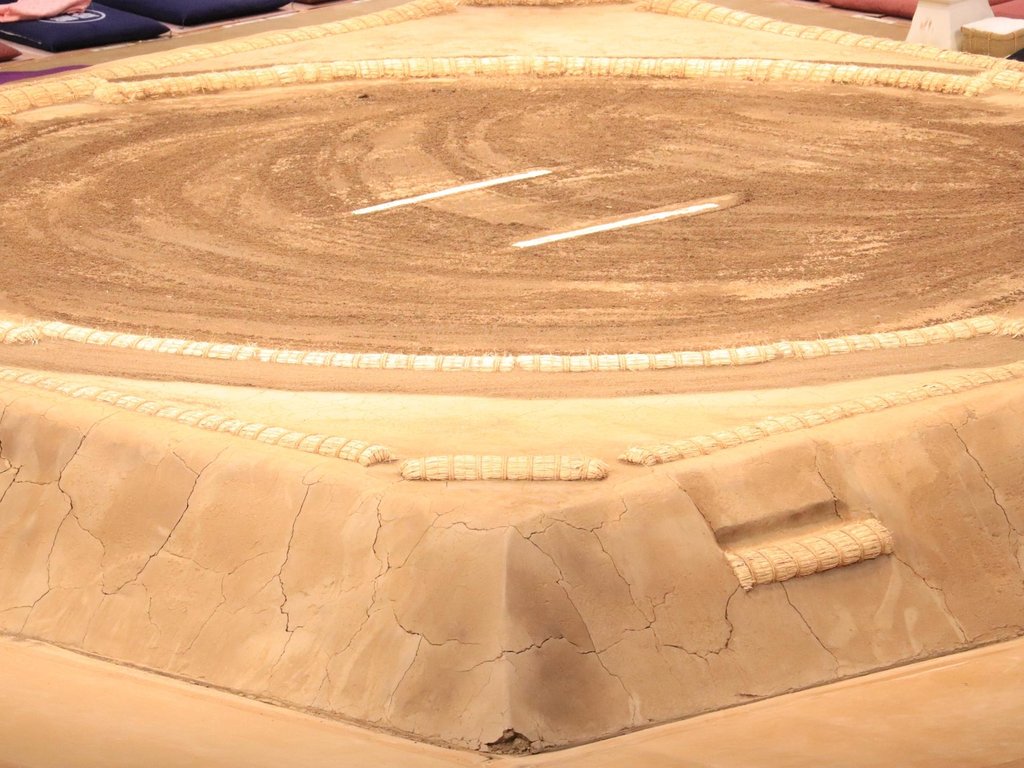
Many of sumo’s most recognizable rituals are rooted in centuries of history, religion, and tradition. Five in particular deserve a closer look: the purifying salt, shiko, the ring-entering ceremony performed only by yokozuna, the power water taken before a bout, and the ornate ceremonial aprons (kesho-mawashi).
Understanding the origins and symbolism behind these traditions will deepen your appreciation of every movement and gesture, making your experience of watching a sumo tournament far more rewarding.
Salt Throwing: A Shinto Purification Rite for the Dohyo
Before each bout, wrestlers scatter salt across the dohyo (the sacred clay ring) as part of a Shinto purification ritual. The act is intended to cleanse the ring, ward off evil spirits, and pray for the wrestlers’ safety. This tradition traces its origins to the purification rites described in the Kojiki and continues to this day.
Only sekitori are permitted to perform the salt-throwing ritual, making it a visible symbol of their status. Reaching sekitori marks a significant milestone in a wrestler’s career, bringing substantial differences in salary, privileges, and responsibilities. Watch for the pride of the sekitori in the way they hurl the salt skyward.
Yokozuna Ring-Entering Ceremony: Two Styles Rooted in 19th-Century Wrestlers
The yokozuna ring-entering ceremony, known as dohyo-iri, is performed in one of two styles: Unryu and Shiranui, each named after renowned yokozuna of the late Edo period. The two styles can be distinguished by the position of the arms during the rising sequence and by the number of loops in the yokozuna’s ceremonial rope (tsuna).
| Feature | Unryu Style | Shiranui Style |
|---|---|---|
| Rising sequence | Extends the right arm only | Extends both arms |
| Rope loops | One | Two |
Interestingly, some historians believe the names of the two styles may have been reversed over time, with the historical Unryu and Shiranui perhaps performing what are now considered each other’s styles. Regardless of their origins, the forms used today were refined by the great yokozuna of the late Meiji era and have remained essentially unchanged for more than a century.
Shiko: Powerful Stamping That Purifies the Ground
Shiko is the ritual movement of raising one leg high before driving it forcefully into the ground. In Shinto belief, this act symbolizes stamping down evil spirits. It has long been performed as a rite of purifying and pacifying the land, pressing away impurity and making the dohyo a spiritually clean space.
At the same time, shiko is one of the most important elements of a wrestler’s daily training. Repeating the movement develops hip flexibility, lower-body strength, balance, and core stability, all of which help improve performance and reduce the risk of injury. The fact that a ritual gesture also serves as core physical training reflects sumo’s unique dual nature.
Chikara-mizu: Rinsing the Mouth to Purify the Body Before a Bout
Chikara-mizu (power water) is a purification ritual rooted in the same tradition as the ceremonial washing of the hands and mouth before entering a Shinto shrine. Before stepping onto the sacred dohyo, a wrestler rinses his mouth to symbolize entering the bout in a state of spiritual purity. By long-standing custom, the water is offered by the wrestler who won the previous match.
After rinsing, the wrestler wipes his mouth with a sheet of paper known as chikara-gami (power paper) before performing chiri-chozu, a ritual in which he extends his open hands to demonstrate that he carries no weapons. This gesture symbolizes the intention to compete fairly and with honor, using only one’s body. Watch closely for the moment the water passes from the winning wrestler to the next.
Kesho-mawashi: Ceremonial Aprons Formalized in the Edo Period
The kesho-mawashi (ceremonial apron) assumed its modern role during the Edo period. In earlier times, decorative front aprons were worn even during bouts, but as they became increasingly elaborate, they gradually evolved into ceremonial garments used exclusively for the ring-entering ceremony. By around 1764, the kesho-mawashi had become a distinct part of a yokozuna’s and sekitori’s ceremonial attire.
Most kesho-mawashi are presented as gifts by patrons, sponsors, or supporters. Richly embroidered with the wrestler’s name, symbolic designs, and auspicious motifs, each apron reflects not only exceptional craftsmanship but also the generosity and hopes of its donor.
The contrast between the practical mawashi (the thick belt worn during competition) and the ornate kesho-mawashi beautifully illustrates sumo’s dual nature: it is at once a fiercely competitive sport and a deeply ceremonial cultural tradition.
Common Questions About Sumo History

Many of the most frequently asked questions about sumo’s history concern how its institutions developed, how it differs from other martial arts, and where visitors can experience that history firsthand. The answers below provide useful context that will deepen your appreciation of a sumo tournament or museum visit.
How Did the Banzuke Ranking System Come About?
The banzuke originated during the Edo period as a way to publicize the participants and rankings for kanjin-zumo. Lists showing wrestlers’ standings appeared in the early 17th century, and in 1757 the single vertical-sheet format that remains in use today was introduced.
| Period | Development |
|---|---|
| Early 17th century | Ranking lists of wrestlers appeared in kanjin-zumo |
| 1757 | The single vertical sheet format was established |
| 1909 | Yokozuna officially listed as the top rank on the banzuke |
For many years, ozeki was the highest official rank on the banzuke, while yokozuna was treated as an honorary title bestowed upon outstanding ōzeki. This changed in 1909, when yokozuna was formally recognized as an independent rank, establishing the ranking system that continues today.
Even now, each banzuke is written entirely by hand in a distinctive calligraphic style by gyoji (sumo referees). This centuries-old tradition has been preserved since the Edo period, making the banzuke not only a ranking list but also a work of traditional Japanese calligraphy.
How Does Sumo Differ from Judo and Other Martial Arts?
What sets sumo apart from other martial arts is the way Shinto ritual is woven directly into the competition itself. Practices such as salt-throwing and shiko originated as ceremonies praying for abundant harvests and spiritual purification, whereas martial arts such as judo do not incorporate comparable religious rituals into their matches.
| Comparison | Sumo | Judo / Wrestling |
|---|---|---|
| Origin | Ancient sacred rites and festivals | Sports systematized in the modern era |
| Weight classes | None (open weight) | Divided by weight class |
| How victory is decided | A wrestler loses by stepping out of the dohyo or touching the ground with anything other than the soles of the feet | Decided by throws, pins, and points |
| Rituals | Salt throwing, ring-entering ceremonies, and other rites are inseparable from competition | Bowing exists, but no religious ritual |
With no weight limits, differences in physique feed directly into strategy, another trait unique to sumo.
How Have Foreign-Born Wrestlers Shaped Sumo’s History?
The arrival of foreign-born wrestlers raised both the level of competition and sumo’s international profile. Beginning with Takamiyama’s championship in 1972, followed by Akebono’s promotion to yokozuna and the dominance of Mongolian-born wrestlers, sumo gradually came to be recognized and covered as an international sport.
The Japan Sumo Association limits the number of foreign-national wrestlers in each stable, seeking a balance between preserving traditional culture and maintaining opportunities for international participation. Internationalization has become a new stage in sumo’s evolution, carrying more than 1,500 years of tradition to audiences around the world.
Where Can You Learn About Sumo History?
The Sumo Museum in Tokyo is the leading destination for exploring sumo history in a systematic way. Its exhibits include valuable artifacts such as historical banzuke and kesho-mawashi, offering a closer look at the traditions and culture behind the sport.
Admission is free, but visitors should note that during Tokyo Grand Sumo Tournaments, entry to the museum requires a tournament ticket.
| Item | Regular Periods | During Tokyo Tournaments |
| Hours | 10:00 am-4:30 pm | 12:30 pm-4:00 pm |
| Admission | Free | Tournament ticket required |
| Closed | Weekends, national holidays, and the New Year holiday | Open daily |
The Ryogoku Kokugikan building itself is a space that embodies sumo culture, and the Sumo Museum inside is well worth a visit.
How Can You Experience the Power of Real Rikishi?
If you cannot secure tickets to a Grand Sumo Tournament, Sumo Studio Osaka offers another way to experience the sport. Former rikishi demonstrate sumo techniques right in front of you, allowing you to feel the sound, impact, and power of collisions at close range.
In the hands-on program, you can step onto the dohyo yourself and try sumo against a retired rikishi. Push as hard as you like—his sheer size and strength mean he’ll barely budge, and you’ll feel it in your own body. With five shows a day, Sumo Studio Osaka is easy to fit into any travel schedule.
Details
| Item | Information |
| Address | Hanazono-cho AI Building 1F, 1-5-1 Asahi, Nishinari Ward, Osaka |
| Hours | 10:00 am-9:30 pm (five shows daily) |
| Closed | Open year-round |
| Official website | https://sumowrestlingshow.jp/ |
| Recommended for | Visitors who can’t get tournament tickets; travelers from overseas; families with children |
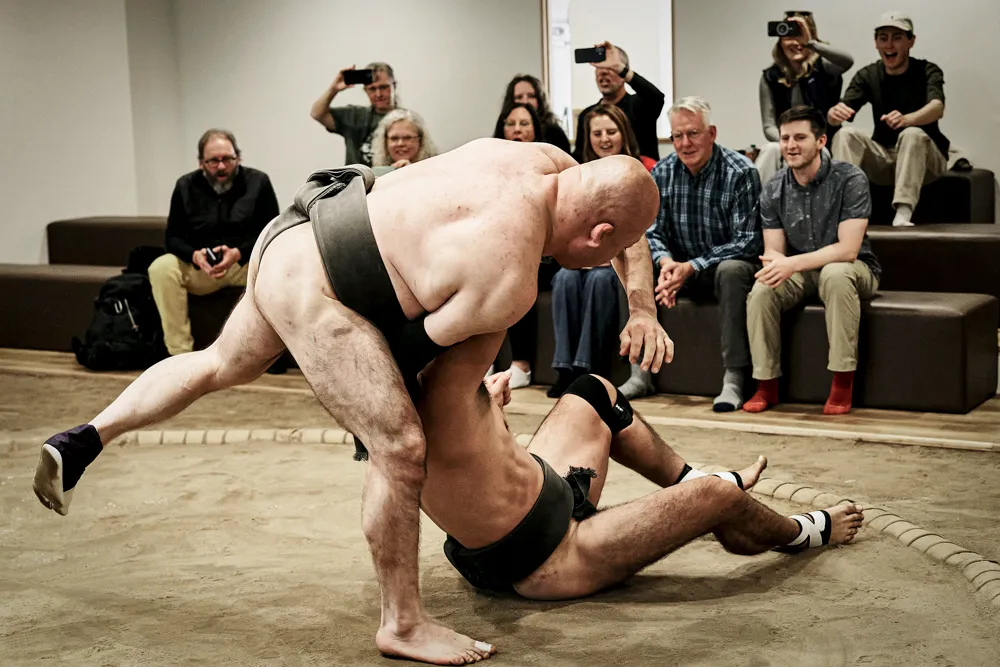 Hands-On
Get hands-on with sumo in Osaka
Watch former professional sumo wrestlers demonstrate authentic sumo techniques. Learn the history, rituals, and rules of Japan’s national sport, then step into the ring for a hands-on sumo experience in Osaka.
Experience 1,500 Years of Living Tradition for Yourself
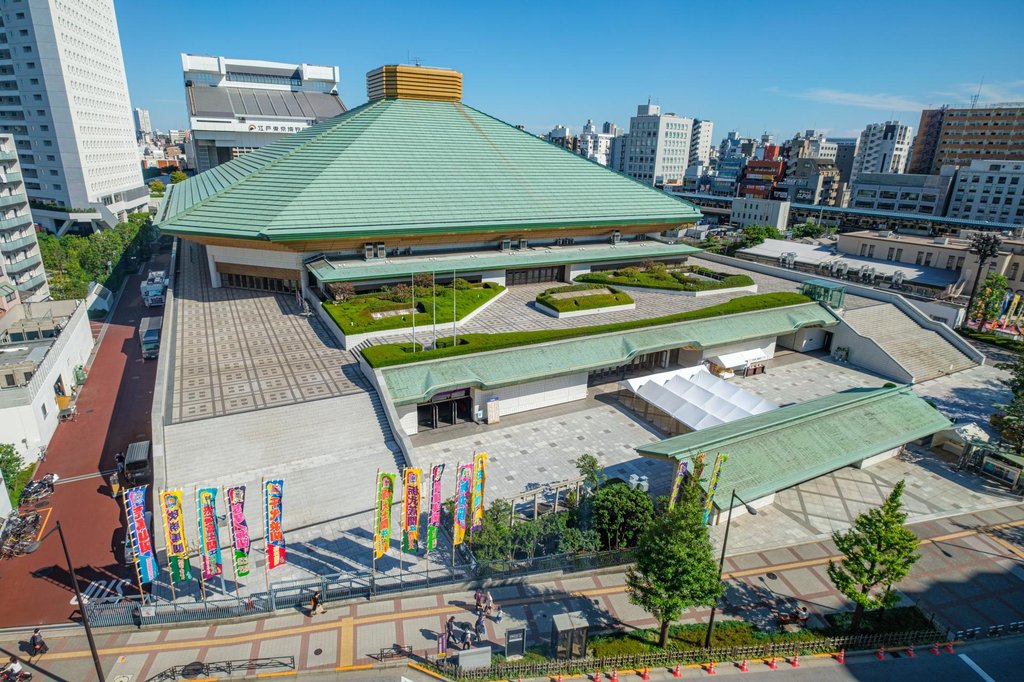
Sumo developed alongside sacred ritual, gradually taking on the roles of a martial art and popular entertainment while preserving its ancient traditions. Understanding this background adds new depth to every gesture on the dohyo and every clash between wrestlers.
Whether experienced through Grand Sumo Tournaments or hands-on activities, sumo offers a unique connection to a living tradition that has continued to evolve for more than 1,500 years.


![Where to Watch Sumo in Japan: 3 Ways to See Sumo & How to Get Tickets [Complete Guide]](https://sumowrestlingshow.jp/wp-content/uploads/2026/08/where-to-watch-sumo-in-japan_1-300x200.jpg)