Complete Guide to the Tokyo Grand Sumo Tournament: Schedule, Tickets, Viewing Etiquette, and Year-Round Sumo Experiences
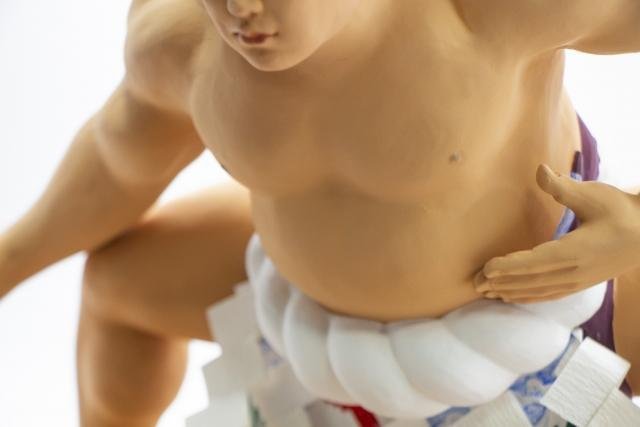
The Grand Sumo Tournament held at Ryogoku Kokugikan in Tokyo offers a rare chance to experience traditional Japanese culture firsthand. For international visitors, however, questions often arise: “How do I secure tickets?” “What are the viewing rules?” And “how can I enjoy sumo during the off season?”
Drawing on professional travel expertise, this guide covers everything overseas travelers should know about the 2027 Tokyo Honbasho (official Grand Sumo Tournament), including schedules, seat selection, viewing etiquette, and other year-round sumo activities. With it, you can plan your sumo-viewing trip with ease.
Contents
- Essential Information for the 2027 Tokyo Grand Sumo Tournament
- Rules to Know Before Watching Sumo
- Viewing Etiquette at the Kokugikan
- Enjoying Tokyo’s Sumo Culture Outside of Tournament Season
- Common Questions About the Tokyo Grand Sumo Tournament
- Plan Your Tokyo Grand Sumo Tournament and Sumo Culture Journey
Essential Information for the 2027 Tokyo Grand Sumo Tournament
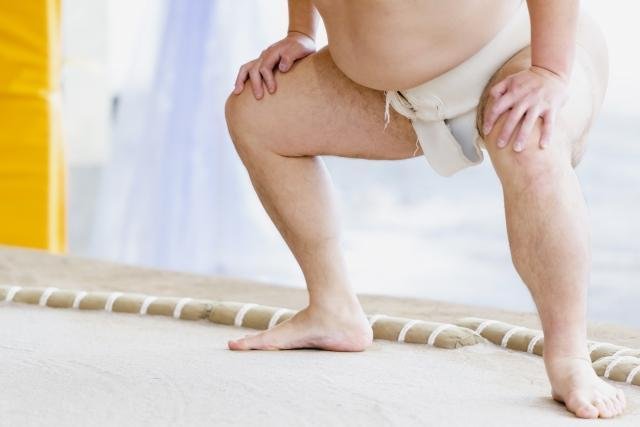
General ticket sales for each tournament begin about three weeks before the first matches, which means tickets for the January, May, and September 2027 Tokyo tournaments are not yet on sale.
The following sections cover the essentials of the Tokyo Grand Sumo Tournament based on the most current information available as of May 2026. Once you know the schedule, venue access, seat types, prices, and how to buy tickets, you can plan your itinerary and lock in seats with confidence.
Tournament Schedule
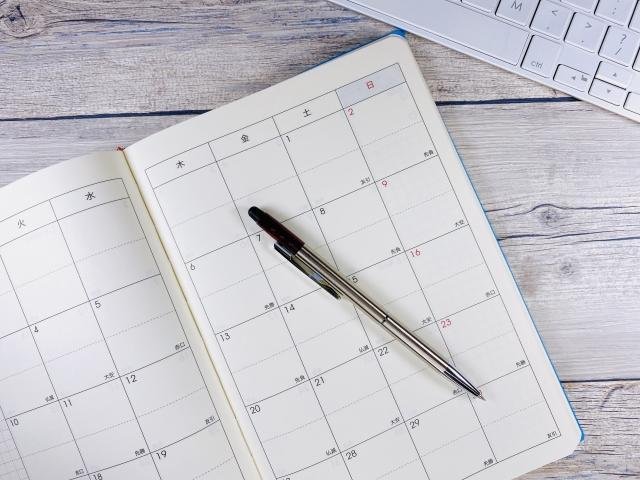
Tokyo hosts three Grand Sumo Tournaments each year, with each one involving 15 days of intense competition. The 2027 Tokyo tournaments are scheduled as follows:
| Tournament | Dates | General Ticket Sale Date (Planned) |
|---|---|---|
| January Tournament (Hatsu Basho) | January 10-24, 2027 | December 5, 2026 |
| May Tournament (Natsu Basho) | May 9-23, 2027 | Early April 2027 |
| September Tournament (Aki Basho) | September 12-26, 2027 | Early August 2027 |
Tickets for the Tokyo Grand Sumo Tournament rank among the hardest to obtain in the city. With the recent surge in inbound tourism, popular seat categories now routinely sell out within minutes (sometimes within seconds) of going on sale.
Tickets for matches on the opening day and the final day sell out the fastest, while weekdays and mid-tournament days (Days 5 through 10) tend to be easier to book. Tickets for matches on weekends and national holidays are also in high demand, so if your schedule is flexible, aim for the middle days on a weekday.
For the most current 2026 and 2027 schedules, see the Tournament Schedule on the Japan Sumo Association’s official site.
Ryogoku Kokugikan: Location and Access
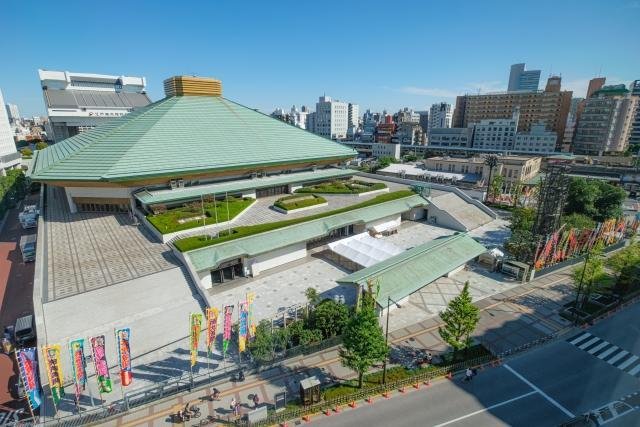
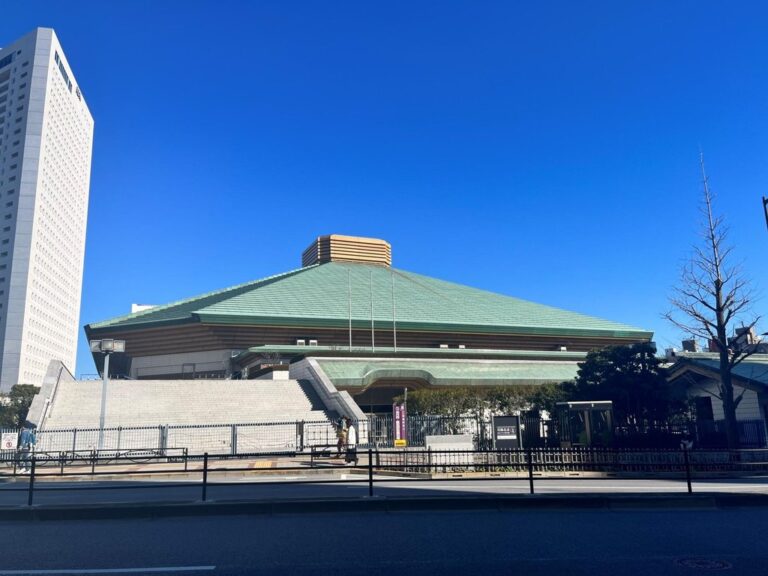
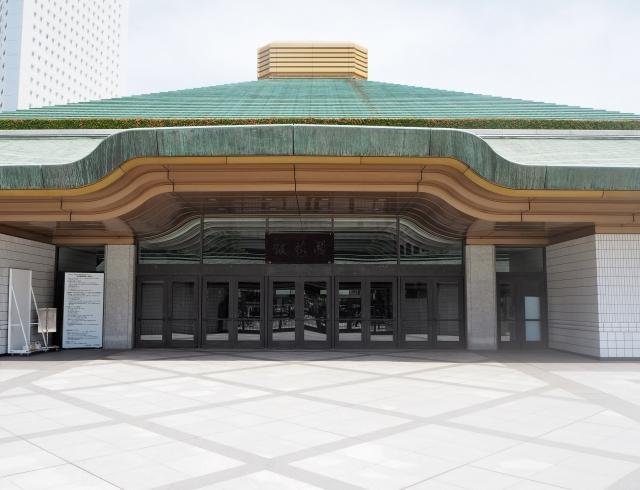
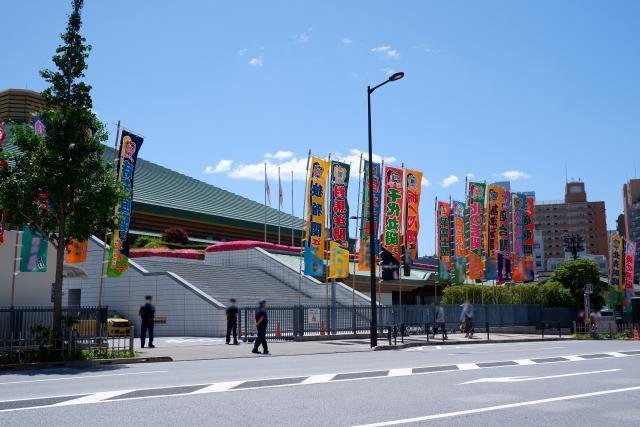
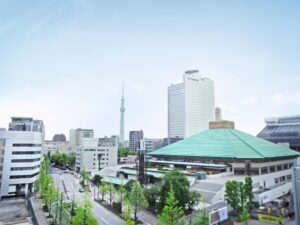
Ryogoku Kokugikan, the venue for the Tokyo Grand Sumo Tournament, offers excellent access: it’s just a 2-minute walk from the West Exit of JR Sobu Line’s Ryogoku Station, and a 5-minute walk from Exit A3 of Toei Oedo Line’s Ryogoku Station.
| From | Travel Time to Nearest Station | Lines |
|---|---|---|
| Tokyo Station | About 12 min | JR Yamanote Line; JR Sobu Line |
| Shinjuku Station | About 17 min | JR Sobu Line (direct) |
| Asakusa Station | About 10 min | Toei Asakusa Line |
| Haneda Airport | About 45 min | Keikyu Line; Toei Asakusa Line; Sobu Line |
| Narita Airport | About 65 min | Keisei Narita Sky Access Line; JR Keihin-Tohoku Line; Sobu Line |
Roads and stations around the venue become very crowded during tournament periods, so public transportation is strongly recommended. Ryogoku Kokugikan has no parking, and nearby parking lots are limited, so it’s best to avoid arriving by car.
Traditional box seats provide only enough space for one cushion per person, so large suitcases will not fit at your seat. Coin lockers at the Kokugikan and Ryogoku Station fill up early in the day, so plan to use the Kokugikan’s cloakroom or leave your luggage at your hotel before arriving.
Seat Types and Prices
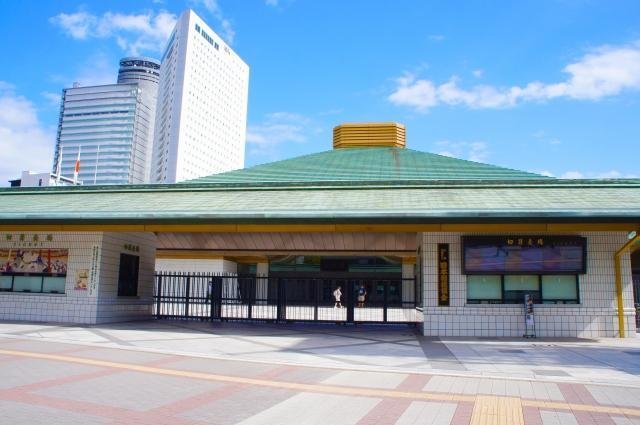
Seats at Ryogoku Kokugikan fall into three broad categories depending on the style of viewing experience:
| Seat Type | Approximate Price | Features | Best For |
|---|---|---|---|
| Tamari seki (ringside “sand-splash” seats) | ¥20,000 | Single seats right beside the ring. Ages 16+ only. No food, drink, or photography. | Experienced viewers who want to see the match up close |
| Masu seki (traditional box seats) | ¥8,500-¥15,000 | Box seating with tatami flooring for 1-6 people. Food and drink are permitted. | Families and friends seeking a traditional Japanese experience |
| Chair seats | ¥2,500-¥9,500 | Western-style seats with tables on the second floor. Some children’s seats are also available. | Beginners and visitors who find long periods of sitting on the floor uncomfortable |
Prices vary by date and day of the week, with weekends, holidays, opening day, and closing day tending to be more expensive. For first-time viewers, the chair seats, with their tables and comfortable design, are the comfortable choice.
How to Purchase Tickets
There are three main ways to buy tickets for the Tokyo Grand Sumo Tournament. Each has its own pros and cons, so choose the option that fits your travel style.
1. The Official English Site “Ticket Oosumo”
This service accepts credit card payments and allows entry with QR-code tickets. It works well for travelers comfortable booking on their own, though access can be slow on the general sale day, and popular seat categories often sell out in minutes.
2. Lawson Ticket and Ticket Pia
These services issue tickets through convenience stores located in Japan. Lawson Ticket does not require membership for general sales, but Ticket Pia does. Since registration is conducted in Japanese, this option is best suited to residents of Japan or people fluent in Japanese.
3. English-Guided Viewing Tours
Viewing tours offered through booking sites such as NBS True Japan, GetYourGuide, and Viator typically include the ticket itself along with commentary in English and transportation to and from the venue, making these tours the easiest option for first-time viewers. For overseas travelers who want to guarantee their seats, booking an English-guided tour well in advance is the most reliable path. The tour package lineup at Local Guide Star, which offers a wide range of Japanese cultural experiences, is also worth looking at.
Also note that on dates that sell out in advance, same-day tickets are not available, and lining up at the Kokugikan ticket window will not get you in. International visitors often misunderstand this point, so be sure to book in advance.
Rules to Know Before Watching Sumo
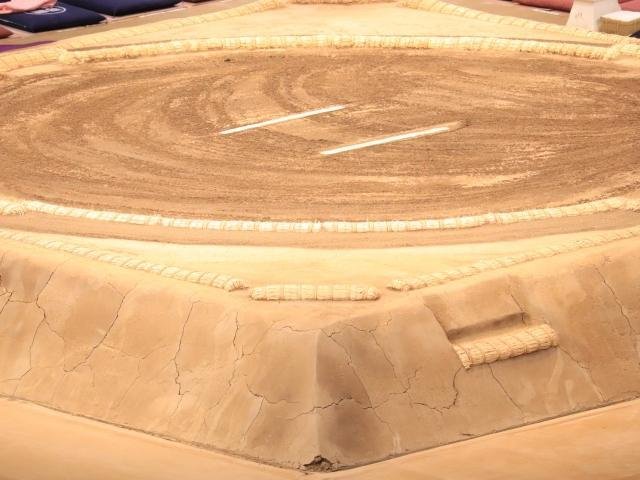
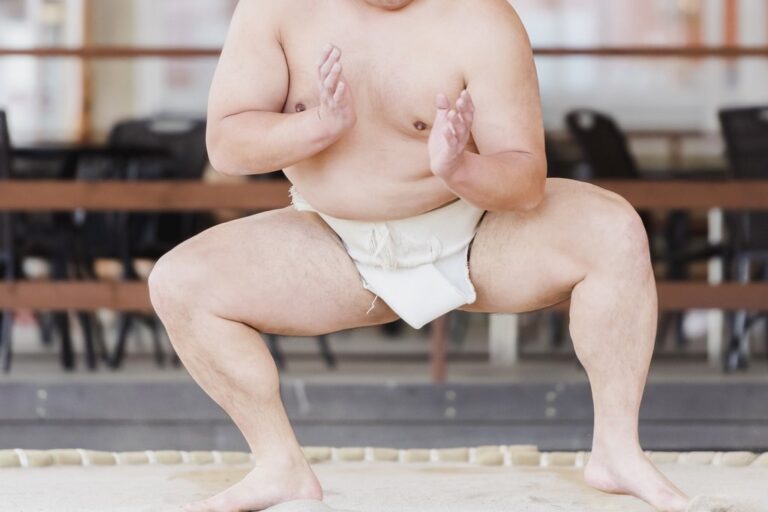
The rules that govern a sumo match are remarkably simple. The next sections cover how winners are determined, the most common winning techniques, the ranking system (banzuke) that shows each wrestler’s current standing, and the best times to enter the venue.
Understanding these basics makes the flow of each bout much easier to follow and adds to the enjoyment of watching sumo.
Touch the Ground With Anything but Your Soles, and You Lose
Sumo’s appeal lies in its speed: most matches are decided in about 10 seconds. The rules for winning are surprisingly simple, so even first-time viewers can follow the action.
A bout ends when one of two things happens:
- Any part of the body other than the soles of the feet touches the ground.
- A wrestler is forced to step out of the ring.
The instant either occurs, the match is over. The compressed tension and explosive clash of strength are sumo’s greatest attractions.
For an in-depth introduction to the basic rules, see the Sumo Wrestling Guide.
Three Common Winning Techniques
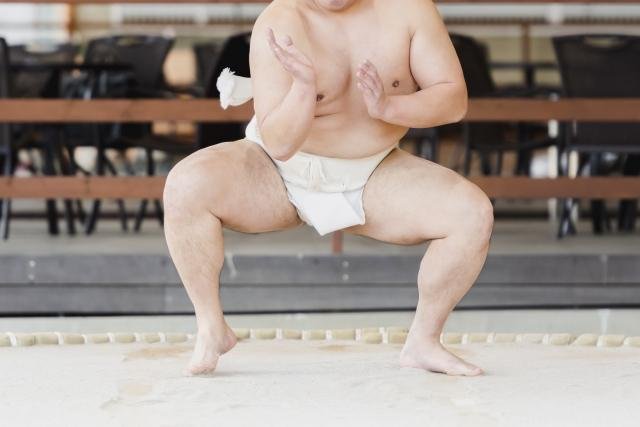
Sumo recognizes 82 official winning techniques (kimarite), but the following three appear in nearly every event:
- Oshidashi (push-out from the front): A two-handed push that drives the opponent out of the ring. The most frequent, and most dramatic, technique you will see.
- Yorikiri (force-out): A wrestler grips the opponent’s sumo belt (mawashi), pulls him in close, then drives him forward or sideways out of the ring. This is an advanced technique that usually occurs after grappling with the opponent.
- Uwatenage (overarm throw): The wrestler grips his opponent’s mawashi, throws him up, then hurls him to the ground with full body force. A spectacular technique that often produces a sudden victory or unexpected winner.
Knowing these three techniques alone can deepen the way you experience each match.
The Banzuke Ranks From Yokozuna to Jonokuchi
Sumo follows a strict ranking system known as the banzuke. From highest to lowest, the makuuchi (top division, capped at 42 wrestlers) contains five ranks: yokozuna (grand champion), ozeki (champion), sekiwake, komusubi, and maegashira. Below the makuuchi ranks are juryo, makushita, sandanme, jonidan, and jonokuchi, for a total of ten divisions.
The top rank in sumo, yokozuna, demands more than just strength: it requires dignity and exemplary character. The Japan Sumo Association publishes the banzuke chart on its official site as a PDF, and printed copies are distributed at the venue. On the chart, a white circle marks a win and a black circle marks a loss, making it easy to understand each wrestler’s standing at a glance.
Arrive by 2 pm to Catch the Top Division Matches
A tournament day runs from morning until evening, but there is no need to watch every hour.
| Time | Competing Divisions | Viewing Notes |
|---|---|---|
| 8 am-10:30 am | Jonokuchi, Jonidan | Plenty of empty seats for relaxed viewing |
| 10:30 am-2 pm | Sandanme, Makushita, Juryo | Notable athletes start to appear |
| 2 pm-4 pm | Makuuchi bouts begin | Seats fill up, the atmosphere builds |
| Around 4 pm | The yokozuna’s ring-entering ceremony (dohyo-iri) | A sacred Shinto rite performed to purify the sumo ring and demonstrate the yokozuna’s dignity |
| 4:15 pm-6 pm | Makuuchi bouts and the final bout (musubi-no-ichiban) | The climax of the day |
If your time is limited, arriving around 2 pm is ideal. From that hour on, the venue truly comes alive and you can enjoy matches involving top sumo wrestlers. If you only want to see the top division bouts, entering just before 4 pm works fine. Makuuchi bouts begin around 4:15 pm, and the final match wraps up at around 6 pm.
Because the day is so long, official rules allow one exit and re-entry per day, but only until 5 pm. If you step outside for a meal or break, make sure to keep your ticket stub.
Viewing Etiquette at the Kokugikan
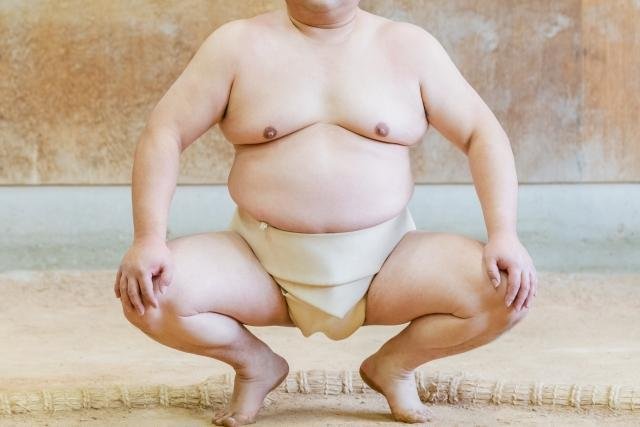
Many first-time viewers worry about accidentally violating an etiquette rule and offending other people. The following sections cover the manners you are expected to adhere to at the Kokugikan. We’ll cover big no-no’s (such as touching the sumo ring or athletes), expected behavior during bouts, photography rules, and customs around removing shoes and bringing in food. A quick read through these points can help you enjoy the day with consideration for everyone around you.
Never Touch the Dohyo, Rikishi, or Gyoji
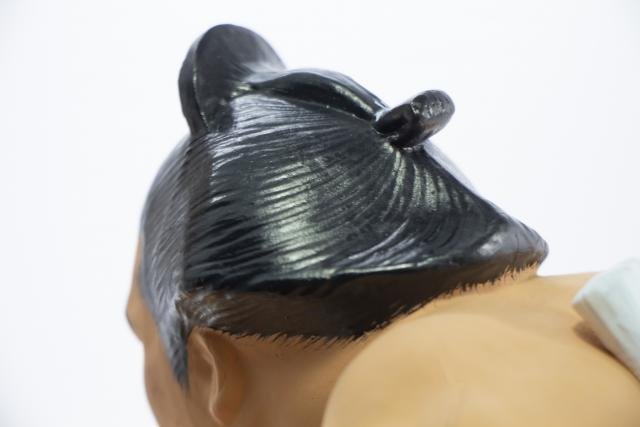
Sumo is rooted in Shinto beliefs, and the sumo ring is considered a sacred place where the gods descend. Entering or touching it without permission is strictly forbidden.
The topknot worn by rikishi, known as mage, is also revered and must never be touched. If you happen to see a sumo wrestler in a public area, never touch or hug him without permission. If you would like a photo, always ask for permission first.
Don’t Stand or Throw Cushions During Matches
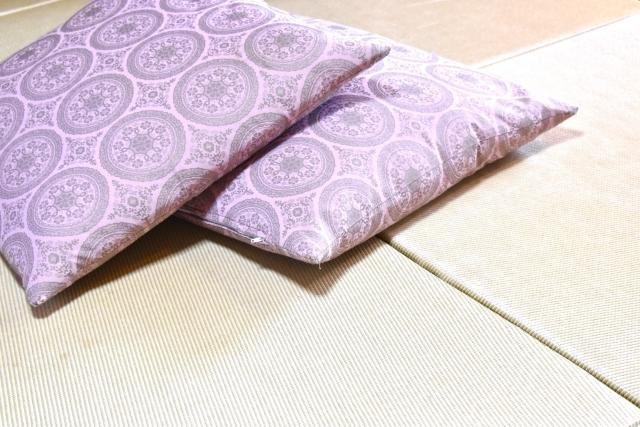
The basic rule is to stay seated and watch matches quietly. Standing up blocks the view of people behind you and chatting loudly disturbs other viewers. Set your smartphone to silent mode as well, so ringtones and notifications don’t interrupt the matches.
You may have seen footage of excited spectators tossing their zabuton (traditional Japanese floor cushions) toward the ring when a top athlete loses to a lower-ranked opponent. Cushion-throwing is now officially banned. Zabuton are heavy and can cause injury, so please leave your cushion where it is. Zabuton are also regarded as more than mere seat cushions; they carry ceremonial significance, and stepping on or kicking them is considered poor etiquette.
Don’t Take Photos From the Ringside Seats
Photography rules at the venue are clearly defined, and flash photography is banned in all seats since it can break a wrestler’s concentration and lead to falls or injury. Photography itself is prohibited in the closest ringside seats, but allowed elsewhere; just take care not to block the view of those around you.
Remove Your Shoes In Box and Ringside Seats
Box seats (masu seki) and ringside seats (tamari seki) have tatami-style floors, so shoes must be removed before entering the seating area. Slip-on shoes make this process smoother and keep stress to a minimum. Don’t forget to tuck your shoes into the storage space under your seat to keep the aisles clear.
If you are unsure what to wear, see What to Wear to Sumo for guidance.
Buy Food and Drinks at the Venue Concession Stands
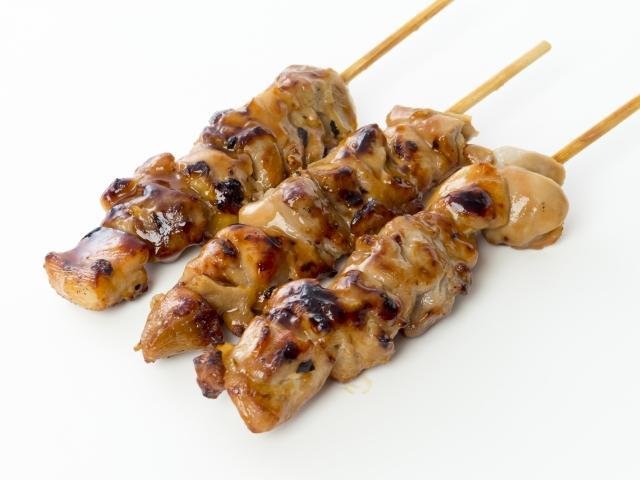
Ryogoku Kokugikan generally prohibits bringing in outside food and bottled or canned drinks. Instead, the venue offers a full range of concessions where you can enjoy yakitori (small pieces of grilled chicken on skewers), the famous “Kokugikan curry,” and other specialties available only here.
For a traditional meal, the chaya (teahouse) system arranges your seats together with food and drink service. Note, however, that food and drink are not allowed in the ringside seats at all.
Enjoying Tokyo’s Sumo Culture Outside of Tournament Season
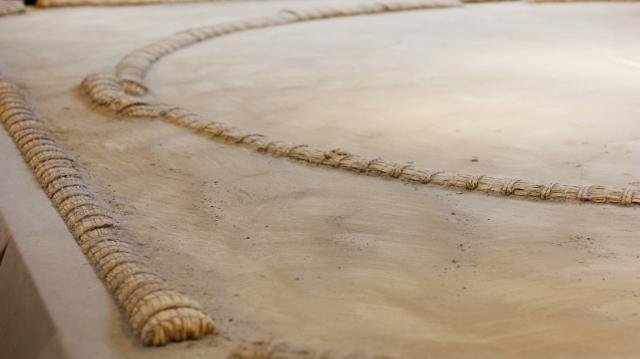
Even if you can’t get tournament tickets, or your travel dates fall outside of a tournament period, Tokyo offers other ways to enjoy sumo culture year-round, from sumo shows to chanko-nabe restaurants.
Sumo Shows and Entertainment Venues
For travelers who prefer a more entertainment-oriented experience, Tokyo now offers several sumo-themed venues. Here are three, sorted by type.
Hirakuza GINZA TOKYO
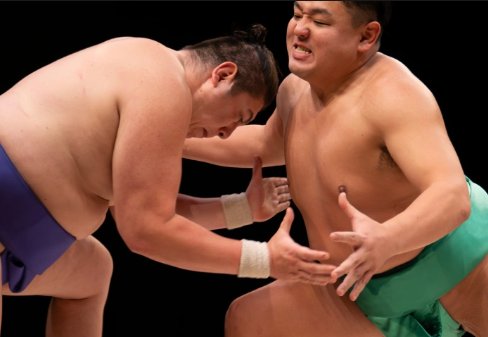
Opened in January 2026 as a new Ginza landmark, Hirakuza pairs fine kaiseki (multi-course Japanese cuisine) with a live sumo show. The refined space suits anniversaries, celebrations, and other special occasions. Full English narration, along with attentive vegan and halal options, makes Hirakuza accessible to a wide range of international travelers.
Details
| Address | Prime Ginza Yanagidori Building B1F, 1-9-13 Ginza, Chuo-ku, Tokyo |
| Hours | 1 pm-8 pm; sumo show: 5 pm-7 pm |
| Closed | Wednesdays |
| Official Site | https://hirakuza.net/ |
| Best For | Special-occasions, business entertaining, and anniversary dates |
Asakusa Sumo Stable / ANNEX
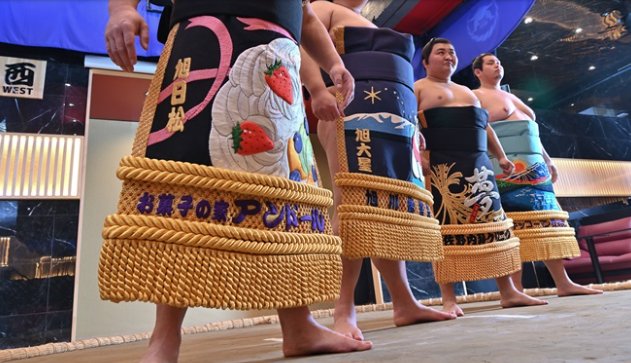
Within walking distance of Asakusa Station, Asakusa Sumo Stable / ANNEX offers a convenient stop during regular sightseeing. You can take part in demonstration bouts with former wrestlers and pose for photos, which makes it popular with families traveling with children. A standout feature is the option to enjoy authentic chanko-nabe (sumo hot-pot cuisine) with the live show.
Details
| Address | 1F, 2-10-12 Asakusa, Taito-ku, Tokyo |
| Hours | Noon-10:30 pm |
| Closed | Irregular |
| Official Site | https://asakusa-sumo.com/ |
| Best For | Families with children and travelers combining a visit with Asakusa sightseeing |
Yokozuna Tonkatsu Dosukoi Tanaka
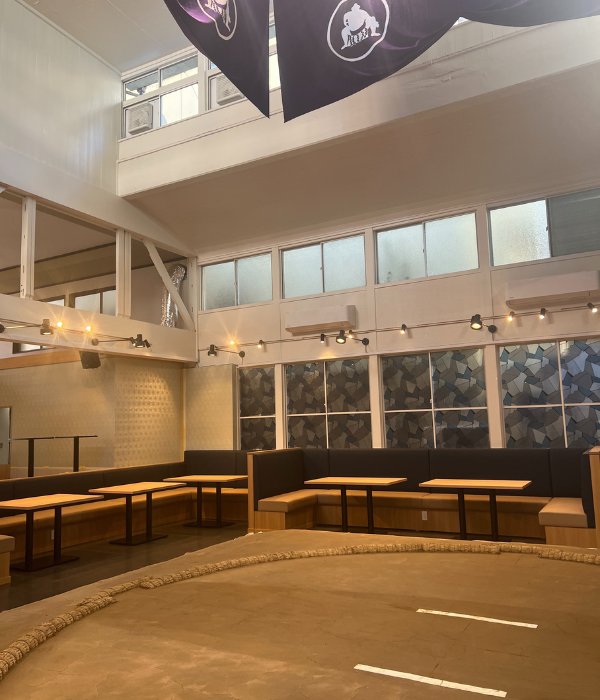
Located in the Sumida Ward area, Yokozuna Tonkatsu Dosukoi Tanaka is a casual venue with a unique “sumo show plus tonkatsu” concept. At set times, you can actually step into the ring for photos, which has made it a favorite with younger travelers looking for social-media-ready shots.
Details
| Address | 3-1-11 Tatekawa, Sumida-ku, Tokyo |
| Hours | 6:00 pm–9:00 pm (last entry 7:30 pm, last order 8:30 pm); Fridays, Saturdays and Sundays only, by advance reservation for a set course |
| Closed | Mondays through Thursdays |
| Official Site | https://dosukoi-tanaka.com/ |
| Best For | Travelers seeking a casual outing and great photos for social media |
https://japanguidestar.com/tour/tokyo-sumo-experience-with-live-show-audience-challenge/
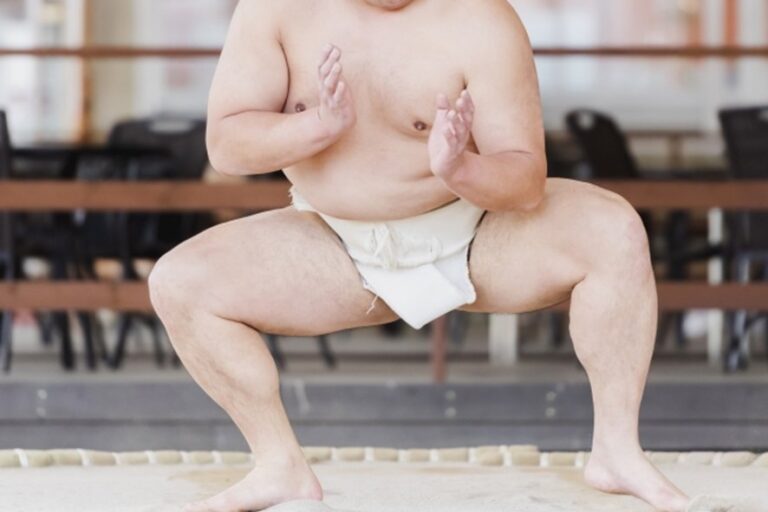
Taste Sumo Cuisine at Ryogoku’s Chanko-Nabe Restaurants
Before or after a tournament, a classic part of the tournament experience is sampling chanko-nabe, the hearty stew that sumo wrestlers eat day in and day out. The Ryogoku area is home to several respected restaurants that serve authentic versions.
Chanko Kawasaki
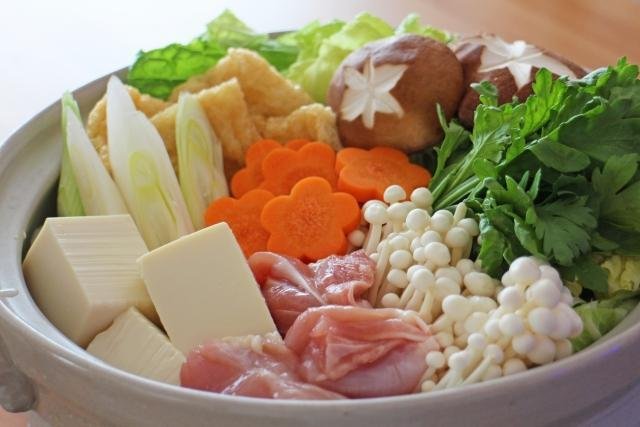
Founded in 1937 and still housed in its original wooden building, Chanko Kawasaki is one of Ryogoku’s most respected long-standing restaurants. The traditional building conveys the spirit of classic Japanese architecture, making for an especially memorable visit for international travelers. The restaurant sticks to the traditional “Sop-daki” (chicken bone broth) style, which has also won over health-conscious overseas visitors.
Details
| Address | 2-13-1 Ryogoku, Sumida-ku, Tokyo |
| Hours | About 5 pm-10 pm (please confirm) |
| Closed | Sundays and national holidays (open on Sunday opening days of the Tokyo Grand Sumo Tournament) |
| Official Site | Not listed |
| Best For | Travelers who appreciate traditional architecture and prefer healthy meals |
Chanko Kawasaki gets very busy during tournament periods, so we recommend making a reservation. Working a meal into the evening after a day at the Kokugikan makes for a memorable end to your day.
For more on chanko-nabe and sumo cuisine, see What Do Sumo Wrestlers Eat?.
Common Questions About the Tokyo Grand Sumo Tournament

The following points address the questions most often raised by first-time viewers. Topics include what to do if tickets are sold out, how to spend time in your seat during a match, viewing with children, and English language support options. A quick look through these answers can help you enjoy the day with peace of mind.
What if Tickets Are Sold Out?
When all advance tickets sell out, there is no opportunity to buy same-day tickets. Resale tickets sold outside official channels are expressly prohibited by the Japan Sumo Association, and they are not recommended for safety reasons either.
The most reliable backup is booking a guided viewing tour early. These tours often secure seats well before the general sale and offer a reassuring option for first-time viewers.
If a viewing date still does not work out, the alternative experiences covered above (Hirakuza GINZA TOKYO, Asakusa Sumo Stable, and Yokozuna Tonkatsu Dosukoi Tanaka) make it easy to enjoy Tokyo’s sumo culture in other ways even outside of tournament dates.
Is Seiza Required in Box Seats?
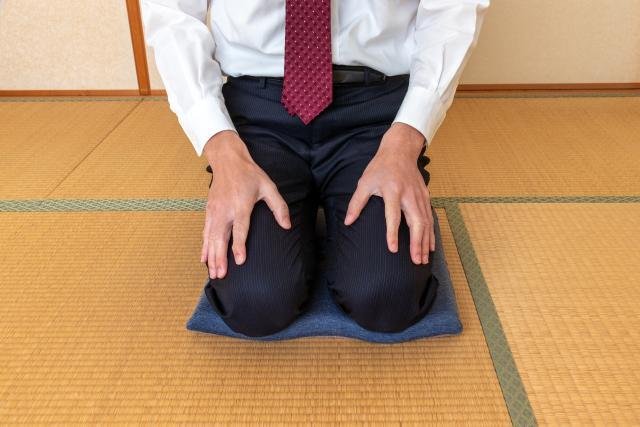
Seiza (the seated posture of kneeling with both knees together with your hips resting on your heels) is not required, so visitors can relax. A standard box seat is roughly 1.3 meters (about 4.3 feet) square, shared by four people, so it’s fairly tight. Men typically sit cross-legged; women often sit in seiza or with their legs to one side, but changing your posture during the day is perfectly fine.
A tournament day stretches across 8 to 9 hours, so visitors with leg or back concerns should choose chair seats. With their built-in tables, chair seats are comfortable for long stretches.
Can I Bring Children?
Paid tickets are required from age 4 and up, and there are no child discounts except in select chair seats. Ringside seats are for spectators ages 16 and up, so families with children should choose box or chair seats.
Because the day runs long, plan to arrive with your family at around 2 pm, when the top division bouts begin. Quiet viewing is generally expected at tournament matches, so for children who find it difficult to sit still for long periods, family-friendly sumo shows such as Asakusa Sumo Stable or a visit to a chanko-nabe restaurant may be a better fit.
Is English Language Support Available?
The Japan Sumo Association’s official site has an English version where visitors can check wrestler profiles and match schedules. The English version of the official “Grand Sumo” app also provides wrestler profiles, match schedules, and highlight videos.
Announcements inside the venue are mostly in Japanese, but since each bout is easy to follow visually, the experience remains enjoyable even without Japanese language skills. For added peace of mind, an English guided tour is the most reassuring option.
Where Can You Experience Sumo Outside Tokyo?
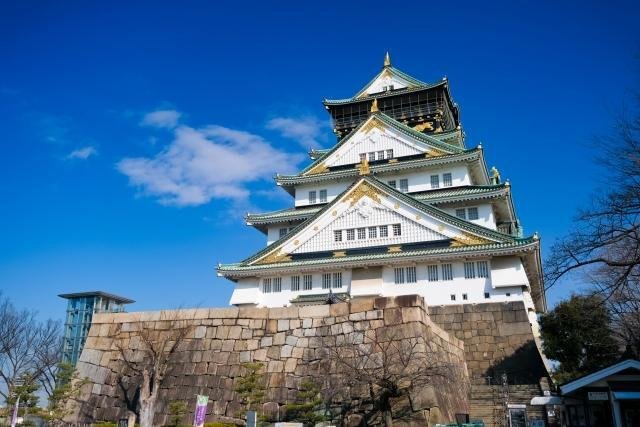
If you miss your chance to see sumo in Tokyo, the Kansai region also offers an authentic sumo experience. One such standout option is Sumo Studio Osaka, located in the Daikokucho area of Osaka.
About 2.5 hours from Tokyo by shinkansen (bullet train), a trip to Sumo Studio Osaka is easy to combine with Osaka sightseeing. The venue is easily reached by subway from Umeda, Namba, and Sakai City, and it consistently receives strong ratings on Google Maps.
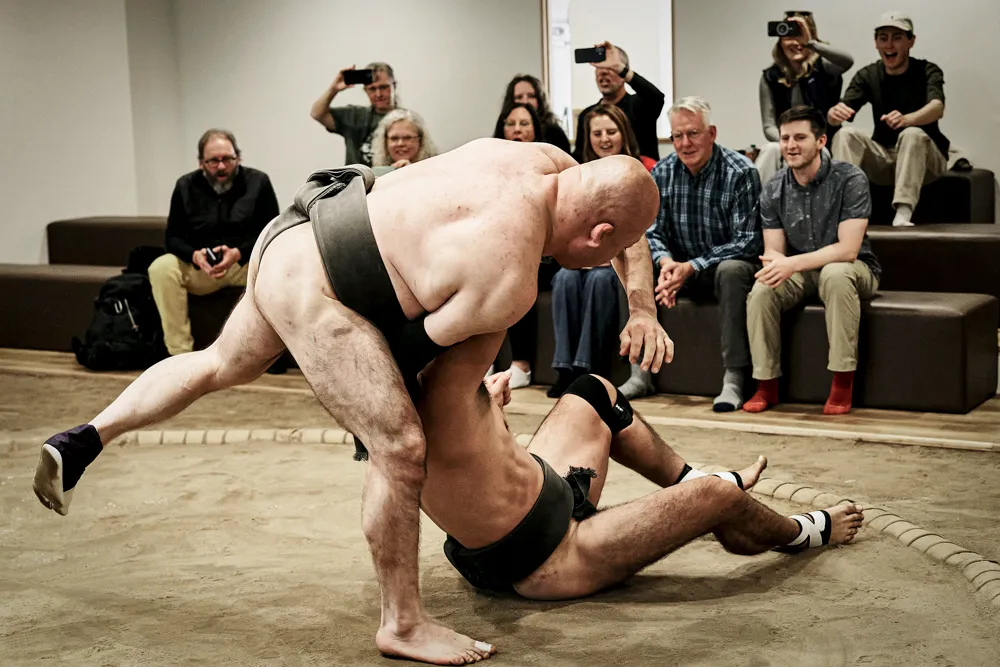
The biggest draw is a 90-minute, fully English-guided experience led by former professional sumo wrestlers. The program includes real demonstrations, an Audience Challenge segment in which visitors step into the ring to take on an athlete, photo opportunities with the wrestlers, and a Q&A session. Sumo Studio Osaka goes well beyond a simple backup plan, offering a one-of-a-kind experience that stands on its own.
For more on sumo experiences in Osaka, see Sumo Wrestling in Osaka.
 Hands-On
Get hands-on with sumo in Osaka
Watch former professional sumo wrestlers demonstrate authentic sumo techniques. Learn the history, rituals, and rules of Japan’s national sport, then step into the ring for a hands-on sumo experience in Osaka.
Plan Your Tokyo Grand Sumo Tournament and Sumo Culture Journey
The Tokyo Grand Sumo Tournament offers a rare blend of Japanese tradition and modern spectacle. Here are the key takeaways:
- In 2027, Tokyo will host three tournaments at Ryogoku Kokugikan in January, May, and September.
- Because tickets sell out within minutes, booking an English guided tour early is the most reliable approach.
- Follow the rules inside the venue: do not touch the ring or the wrestlers, and avoid flash photography.
- Arriving at around 2 pm lets you enjoy the top division matches through to the final match.
- Even outside tournament season, sumo shows and chanko-nabe restaurants offer rich, hands-on experiences with sumo culture.
- If a Tokyo visit doesn’t work out, Sumo Studio Osaka provides a fully English-guided alternative.
Sumo is more than a sport. It distills Shinto spirituality, the aesthetics of bushido (the way of the samurai), and Japanese food culture into a living tradition. Whether or not you secure tournament tickets, combining the approaches covered here can make your time in Japan all the more memorable.
With careful preparation, both the Tokyo Grand Sumo Tournament itself and other available sumo culture experiences around it can leave you with lasting memories.


![Where to Watch Sumo in Japan: 3 Ways to See Sumo & How to Get Tickets [Complete Guide]](https://sumowrestlingshow.jp/wp-content/uploads/2026/08/where-to-watch-sumo-in-japan_1-300x200.jpg)