How Much Do Sumo Wrestlers Earn? Income Gaps by Rank and the Economics of Sumo
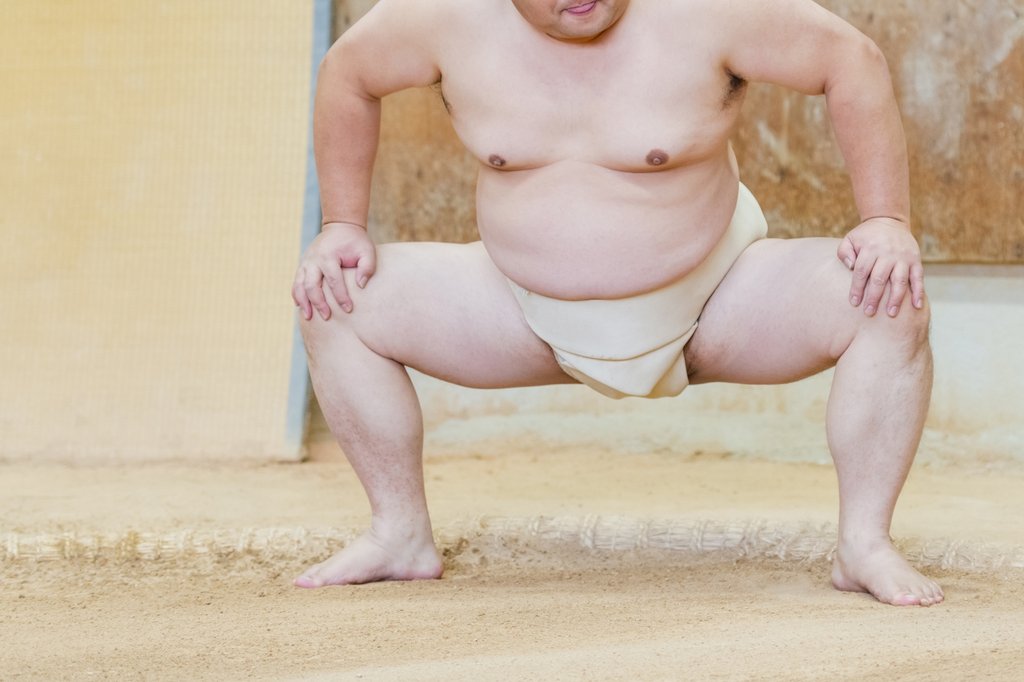
Ever wondered how much a sumo wrestler actually takes home? The answer might surprise you — a yokozuna can pull in close to ¥100 million a year, while the trainee bowing beside him earns less than a convenience store clerk.
In the world of sumo, income varies dramatically based on banzuke (the official ranking of wrestlers). A yokozuna (grand champion, the highest rank) receives a monthly salary of ¥3 million, while lower-ranked wrestlers receive no fixed monthly salary at all.
Even though they are all called rikishi (sumo wrestlers), the income structures are entirely different depending on rank — one of the distinctive features of professional sumo.
Here’s a clear breakdown of what rikishi actually earn at each rank — plus the extras most fans never see, like kensho-kin (sponsor prize money for winning bouts), championship prizes, the unique expenses of sumo life, and the retirement payouts received at the end of a career.
Contents
- Ranking-Based Income Disparities in Sumo
- Monthly and Annual Salaries by Rank (Yokozuna to Juryo)
- Additional Income Beyond the Base Salary
- Major Expenses Unique to Sumo Life
- Lump-Sum Payments at Retirement
- Experience Authentic Sumo at Sumo Studio Osaka
- Common Questions About Sumo Wrestler Salaries
- From Pay Structure to Live Sumo: Experiencing the Sport Firsthand
Ranking-Based Income Disparities in Sumo
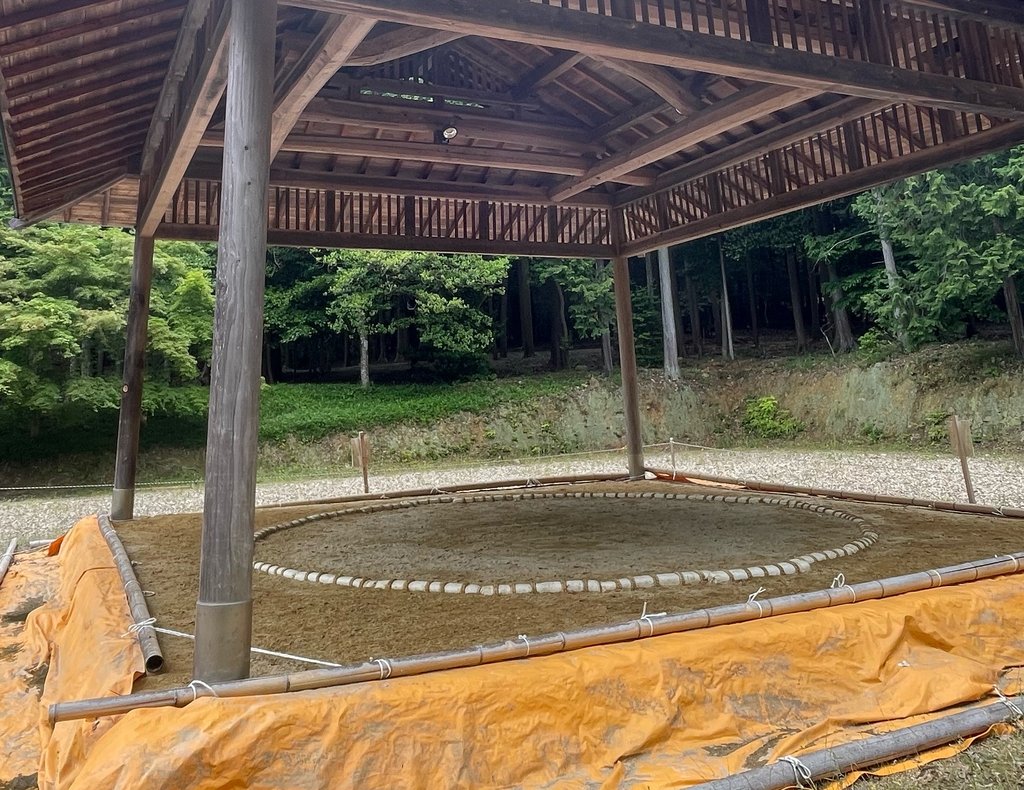
To understand a rikishi’s income, you first need to understand sumo’s ranking system. The six-tier division structure and the ranks within the top makuuchi (top division) determine everything. There is a sharp divide between sekitori (wrestlers in the top two divisions who receive a monthly salary) and unsalaried trainees. Once you see how this structure works, the numbers that follow start to make sense.
Six Divisions from Makuuchi Down to Jonokuchi
The banzuke is divided into six ranks: makuuchi, juryo, makushita, sandanme, jonidan, and jonokuchi. Makuuchi itself is a pyramid containing five internal ranks, from yokozuna down to maegashira (the rank-and-file wrestlers in the top division).
Of roughly 600 active wrestlers, only around 70 — just over one in ten — hold sekitori status and receive a monthly salary. The remaining wrestlers live as trainees without a fixed income.
These ranks are not permanent. They change after each of the six annual honbasho (official tournaments) based entirely on performance. A winning record leads to promotion, while a losing record results in demotion. In this strictly merit-based system, it is not uncommon for a sekitori to drop back to makushita — and lose their monthly salary — in the very next tournament.
Each division has an approximate fixed size:
| Division | Approximate Size | Receives Monthly Salary |
|---|---|---|
| Makuuchi | About 42 | Yes |
| Juryo | About 28 | Yes |
| Makushita | About 120 | No |
| Sandanme | About 200 | No |
| Jonidan | About 170 | No |
| Jonokuchi | About 40 | No |
Internal Ranks Within Makuuchi: Yokozuna, Ozeki, and Below
Even within makuuchi, treatment differs sharply by rank.
Makuuchi is sumo’s highest division and contains five ranks: yokozuna, ozeki (champion), sekiwake (junior champion), komusubi (junior second champion), and maegashira. Maegashira, with roughly 32 wrestlers, forms the core of the division.
Promotion to yokozuna is exceptionally demanding. A wrestler must essentially win two consecutive tournaments as an ozeki, and the Yokozuna Deliberation Council (an advisory body of outside experts) evaluates the promotion holistically. Once promoted, a yokozuna cannot be demoted; however, sustained poor performance or injury typically leads to retirement.
Even ozeki are not fully secure. Two consecutive losing tournaments result in demotion to sekiwake.
Rank directly determines monthly salary. A yokozuna earns about ¥3 million per month, while a maegashira earns about ¥1.4 million. Even within makuuchi, this creates an annual gap of roughly ¥19 million.
Only Juryo and Above Receive a Fixed Monthly Salary
The most dramatic economic divide in sumo comes with promotion to juryo — the point at which a wrestler becomes a sekitori.
Only about 70 wrestlers hold sekitori status and receive a fixed monthly salary. A jūryō wrestler earns around ¥1.1 million per month, or roughly ¥13.2 million per year. By contrast, wrestlers in makushita and below receive no fixed salary. Their income comes from a tournament allowance of about ¥50,000–70,000 per tournament, totaling under ¥1 million annually.
The same wrestlers step onto the same dohyo, yet a difference of just one rank can completely transform their financial stability.
Sekitori status also brings benefits beyond salary. Living conditions improve, with stables covering food, lodging, and clothing at a higher standard. Opportunities to receive support from tanimachi (individual patrons who financially support wrestlers) increase, and only sekitori qualify for retirement payouts at the end of their careers.
Trainees Below Juryo Receive Only a Tournament Allowance
Trainees ranked from makushita downward receive no monthly salary. Their only income comes from basho-teate (tournament allowances), paid six times a year.
| Rank | Per Tournament | Annual (6 Tournaments) |
|---|---|---|
| Makushita | ¥165,000 | ¥990,000 |
| Sandanme | ¥110,000 | ¥660,000 |
| Jonidan | ¥88,000 | ¥528,000 |
| Jonokuchi | ¥77,000 | ¥462,000 |
For a jonokuchi wrestler, that amounts to roughly ¥462,000 annually — less than ¥40,000 per month.
What makes this sustainable is that the stable covers nearly all daily expenses, including meals, housing, and training. With basic needs provided, most of the allowance can be used for personal expenses.
Promotion to juryo pushes monthly salary to ¥1.1 million in a single leap. In that sense, the austere life of a trainee can be seen as an investment in reaching sekitori status — and their dedication in daily practice shows why sumo is as much about spiritual discipline as physical strength.
Monthly and Annual Salaries by Rank (Yokozuna to Juryo)
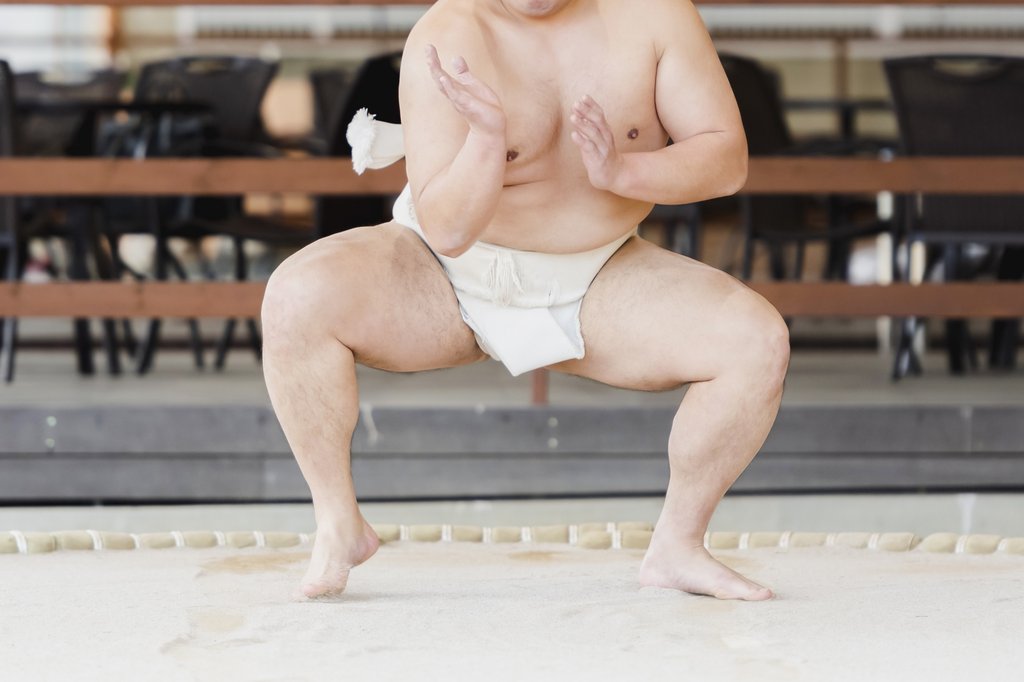
A rikishi’s salary is set precisely by rank. A single promotion can raise monthly pay by hundreds of thousands of yen. Here are the monthly and annual figures for the five salaried ranks, from yokozuna down to juryo.
Yokozuna: ¥3 Million Monthly, ¥36 Million Annually
A yokozuna earns a base salary of ¥3 million per month, or ¥36 million per year. Two annual bonuses of ¥3 million each bring the base total to about ¥42 million. With the addition of rikishi-hoshōkin (performance-linked merit pay), the effective annual figure exceeds ¥48 million.
Factoring in variable income such as kensho-kin and championship prizes, a yokozuna’s total annual earnings can approach ¥100 million.
Current salary levels reflect a 2019 revision, introduced amid renewed popularity for sumo and in response to international compensation standards.
Yokozuna also benefit from unique financial stability. They cannot be demoted for poor performance, and even during extended absences, their salary continues to be paid in full. Base pay is effectively guaranteed until retirement.
With additional support from tanimachi, total annual income for an active yokozuna often exceeds ¥100 million — a level that compares favorably with top earners in many traditional sports worldwide.
Ozeki: ¥2.5 Million Monthly, ¥30 Million Annually
An ozeki earns ¥2.5 million per month, or ¥30 million per year. The gap with yokozuna is ¥500,000 per month, or ¥6 million annually. Even so, ¥30 million a year still far exceeds a typical salaried income in Japan.
Adding two annual bonuses of ¥5 million, the basic-salary-plus-bonus total reaches roughly ¥35 million. Tournament allowances push the total to around ¥40 million.
One distinctive feature of the rank is its demotion-and-recovery system. An ōzeki who posts losing records in consecutive tournaments is demoted to sekiwake, at which point the monthly salary drops to ¥1.8 million. However, if the wrestler wins 10 or more bouts in the following tournament, ōzeki status — and the ¥2.5 million salary — can be restored immediately.
Sanyaku: ¥1.8 Million Monthly, ¥21.6 Million Annually
Sanyaku — the collective term for sekiwake and komusubi, the two ranks just below ozeki — pays ¥1.8 million per month, or ¥21.6 million per year.
Compared with a maegashira’s ¥1.4 million monthly salary, that’s an extra ¥400,000 per month — a ¥4.8 million annual difference that can noticeably affect day-to-day life.
The gap to ōzeki is even larger: ¥700,000 per month, or ¥8.4 million annually. The step up from sanyaku to ōzeki is substantial, and the pay scale reflects just how significant that promotion is.
Maegashira: ¥1.4 Million Monthly, ¥16.8 Million Annually
Maegashira are the makuuchi wrestlers ranked below sanyaku. They make up the majority of the top division and earn ¥1.4 million per month, or ¥16.8 million per year.
The gap with sanyaku is ¥400,000 per month, but the jump from jūryō is even more striking. Moving up from ¥1.1 million to ¥1.4 million translates to an additional ¥3.6 million annually.
Reaching makuuchi also increases the number of bouts eligible for kensho-kin, sponsor-funded prize money attached to individual bouts.
Juryo: ¥1.1 Million Monthly, ¥13.2 Million Annually
A juryo wrestler earns ¥1.1 million per month, or ¥13.2 million per year. The gap with maegashira is ¥300,000 per month — seemingly modest at first glance.
What makes juryo significant is that it is the first rank at which a salary is paid at all. Wrestlers in makushita and below receive no monthly salary, with annual allowances totaling just under ¥1 million.
Promotion to juryo therefore boosts annual income roughly 13-fold overnight, transforming a wrestler’s finances from the ground up. That leap — from no monthly salary to ¥1.1 million a month — is the defining moment when a trainee officially becomes a sekitori.
Additional Income Beyond the Base Salary
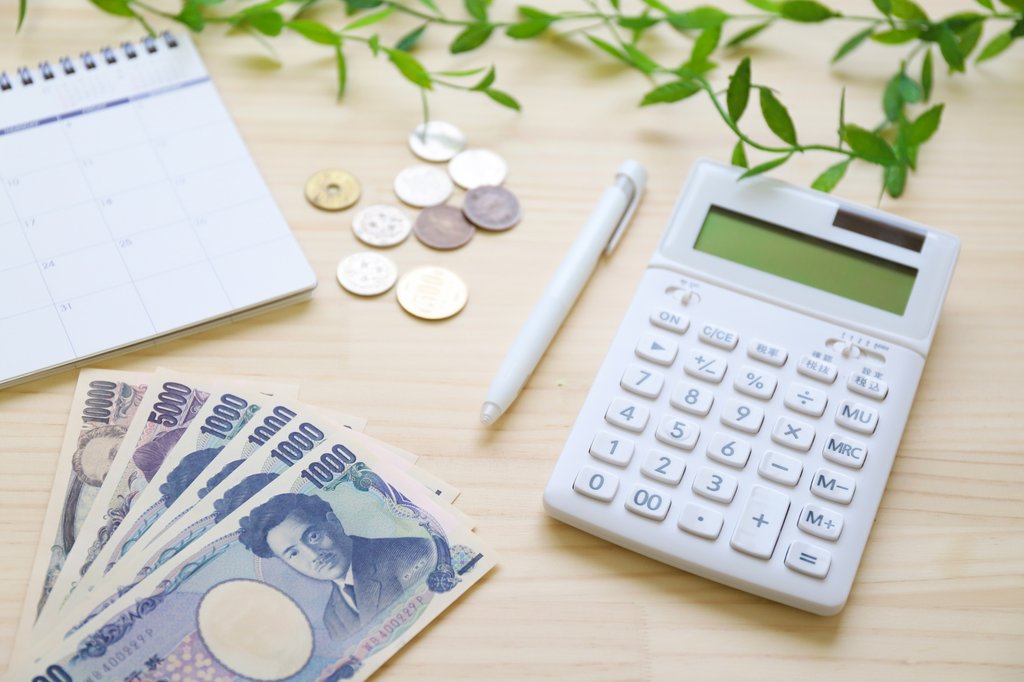
A rikishi’s income extends well beyond monthly salary. Here’s the full picture of the extra earnings that base pay doesn’t capture.
Four income streams deserve attention: kensho-kin paid per bout, mochi-kyukin (merit pay that scales with performance), championship prizes and sansho (the three special prizes), and support from tanimachi.
Taken together, these sources give a far more accurate picture of what top wrestlers actually earn.
Kensho-kin: Around ¥10,000 per Victory
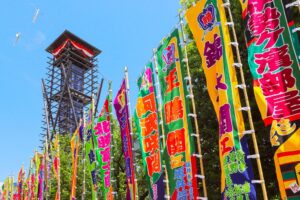
The banners that circle the dohyo before a bout are placed by sponsors. Each one represents a ¥70,000 contribution from a sponsoring company, of which the winning wrestler takes home roughly ¥10,000 as kenshō-kin.
The number of banners varies by rank and public interest. A high-profile bout featuring a popular wrestler might attract 10 banners, meaning a single win can bring in about ¥100,000. Lower-profile matches may have only one or two.
For yokozuna and ozeki, kensho-kin alone can add up to several million yen per year, forming a significant portion of total earnings beyond base salary.
Mochi-kyukin: Performance and Gold-Star Bonuses
Mochi-kyukin is a distinctive pay structure that grows as a wrestler accumulates wins.
Each winning tournament record (8 wins or more in a 15-bout tournament) raises a wrestler’s base amount, and the increase is permanent. The bonus stays in place even if the wrestler drops in rank, rewarding consistent performance over the long term.
Kinboshi (an upset victory by a maegashira over a yokozuna) bonuses are especially notable. Each kinboshi adds roughly ¥40,000 per tournament — about ¥240,000 per year — and continues paying out until retirement. Over a 10-year career, a single kinboshi is worth about ¥2.4 million. A wrestler with three kinboshi can earn over ¥7 million in career bonuses from those victories alone.
For a maegashira, a bout against a yokozuna is a chance to lock in years of future income with a single win.
Championship Prizes and Sansho: ¥10 Million for a Makuuchi Title
A makuuchi champion receives ¥10 million in prize money per title. The juryo championship pays ¥2 million — a fivefold difference.
For a yokozuna, winning two tournaments in a year adds ¥20 million on top of base salary. Compared with a wrestler who never claims a title, that alone can widen the annual income gap by tens of millions of yen.
Sansho — the Shukun-sho (Outstanding Performance Award), Kanto-sho (Fighting Spirit Award), and Gino-sho (Technique Award) — also matter. Each prize carries ¥2 million. A wrestler who wins the makuuchi title alongside all three sansho in a single tournament takes home ¥16 million in prizes.
How often a wrestler claims sansho varies by style. Gino-sho rewards technical skill, Kanto-sho rewards fighting spirit, and Shukun-sho recognizes exceptional performances such as defeating a yokozuna.
The presence or absence of these lump-sum payments is what creates the wide swings in a wrestler’s annual income.
Tanimachi: Financial and In-Kind Support From Patrons
Monthly salary and prize money alone cannot capture a wrestler’s real financial picture. The key factor is support from tanimachi, individual patrons who back specific wrestlers.
Tanimachi may cover meals, gift high-end kesho-mawashi (ceremonial aprons worn during ring-entering ceremonies), provide celebratory gifts, and even offer regular stipends. For a popular yokozuna, total support is often reported to range from ¥20 million to well over ¥100 million per year.
For lower-ranked wrestlers, tanimachi support is not a bonus but a lifeline. For those at makushita and below earning only ¥500,000 to ¥1 million per year, meals and in-kind gifts from patrons play a crucial role in sustaining daily life.
Major Expenses Unique to Sumo Life
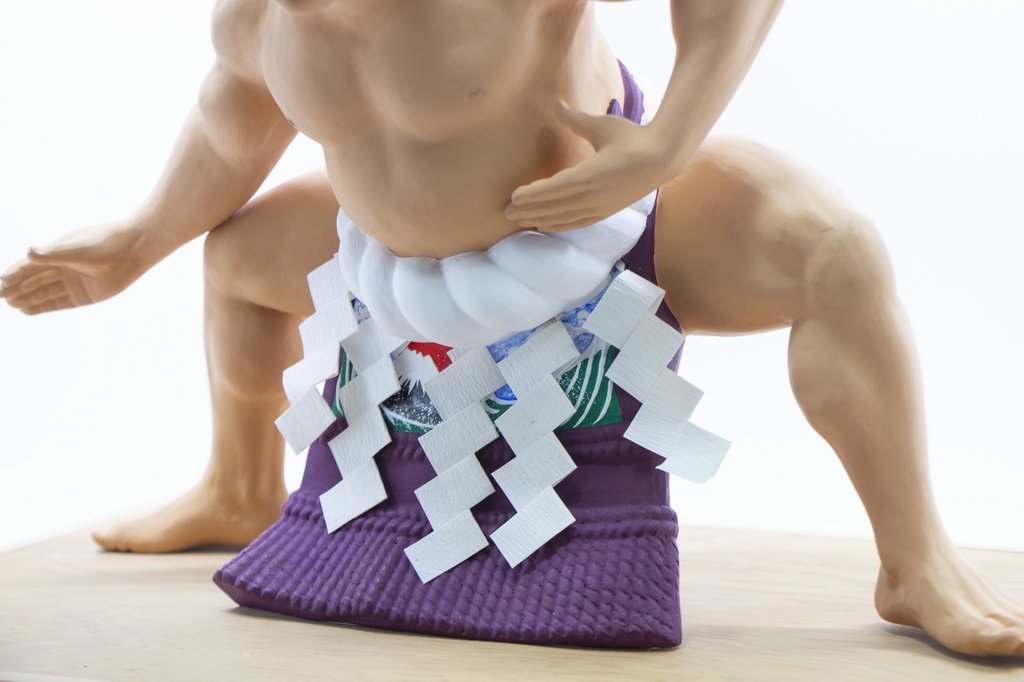
The headline numbers make rikishi look wealthy, but their expenses are unlike those in most professions.
Here’s a look at daily expenses for wardrobe and body care, the high-cost ceremonial items required at promotion, the ongoing costs of maintaining relationships, and significant tax obligations.
Clothing and Body Care: Tens of Thousands of Yen per Garment
Sekitori must wear silk kimono in public. They must maintain both formal and everyday kimono for each season, with individual garments ranging from tens of thousands to over ¥1 million. Wardrobe spending alone can reach several million yen per year.
Wrestlers below juryo don’t have to wear the same grade of silk kimono and can manage with cotton yukata or wool kimono. Even so, kimono is mandatory in public — not a matter of personal choice.
Body care is just as essential. Maintaining a physique that often exceeds 150 kg (about 330 lb), combined with daily training, places heavy strain on joints and muscles. Regular visits to massage therapists and seitai (Japanese manual therapy) practitioners typically cost tens of thousands to over ¥100,000 per month.
Taken together, wardrobe and body care can consume roughly 10% to 30% of a wrestler’s monthly salary.
Kesho-mawashi Costs: Promotion Expenses That Can Exceed ¥10 Million
The kesho-mawashi — the elaborate ceremonial apron worn during the ring-entering ceremony — is a visible symbol of promotion. By tradition, a new one is commissioned when a wrestler rises to jūryō and again upon reaching yokozuna.
Pieces woven with gold thread and detailed embroidery typically cost several million yen, with the finest examples exceeding ¥10 million.
In most cases, support groups or tanimachi present them as gifts. Not every wrestler has wealthy backers, though, and some have to pay out of pocket. When combined with expenses for promotion celebration parties and gifts of thanks, total spending can climb sharply.
While promotion brings a higher salary, these major expenses often come upfront, before the increased income has time to offset them. In that sense, advancement can be as much a financial test as it is a moment of achievement.
Gratuities for Attendants and Entertainment Expenses: Several Million Yen Annually
Much of a sekitori’s monthly salary disappears into the costs of maintaining relationships.
Gratuities for tsukebito (junior wrestlers who assist higher-ranked wrestlers with daily life and training) are unavoidable. Custom dictates providing meal money and allowances, typically ¥50,000 to ¥100,000 per attendant per month. The higher the rank, the larger the entourage — these expenses can easily reach hundreds of thousands of yen monthly for top wrestlers.
Even kenshō-kin is not kept in full. From the roughly ¥30,000 take-home amount per banner, a share is distributed among attendants.
Obligations to support groups add to the burden. Meals and social gatherings with patrons can consume 20% to 40% of monthly salary, adding up to several million yen per year.
In sumo, higher rank brings higher social and financial responsibilities. Even a yokozuna earning ¥3 million per month may find that relatively little remains as discretionary income.
Income and Residence Taxes: Up to Half of Annual Earnings
Even with high headline earnings, a wrestler’s take-home income is often lower than expected.
Once a sekitori’s annual income reaches tens of millions to ¥100 million or more, income tax’s top marginal rate of 45% applies, with an additional 10% for residence tax. Every income category — monthly salary, kensho-kin, championship prizes — is taxable.
Consider a sekitori earning ¥100 million per year. Income tax alone comes to roughly ¥33 million; residence tax adds about ¥10 million. Total tax is about ¥43 million, leaving roughly ¥57 million in take-home pay — an effective tax burden of about 43%.
In other words, high earnings don’t automatically translate into a wealthy lifestyle.
Lump-Sum Payments at Retirement
A wrestler’s performance during his active career directly determines what he takes home at retirement.
Two systems are central: yoro-kin (a retirement payment calculated based on peak rank and the number of tournaments spent at each level) and kenshō tsumitate-kin (an accumulated fund built from kenshō earnings over the course of a career).
In short, what a wrestler achieves while active has a lasting impact on his financial security after retirement.
Retirement Pay: Determined by Peak Rank and Tournaments Served
A rikishi’s retirement payment is called yoro-kin. It is calculated as a base amount tied to peak rank plus a length-of-service supplement based on the number of tournaments held at each rank.
Here are the base amounts by rank:
| Peak Rank | Base Retirement Amount |
|---|---|
| Yokozuna | ¥15 million |
| Ozeki | ¥10 million |
| Sekiwake / Komusubi / Maegashira | ¥7.63 million |
| Juryo | ¥4.75 million |
| Makushita and below | None |
Added to the base amount is a per-tournament supplement that varies by rank. The longer a wrestler holds yokozuna status, the larger the supplement grows. Asashoryu, who reigned as yokozuna for years, reportedly received a total retirement payment of roughly ¥150 million.
A wrestler who reached juryo for only a few tournaments receives roughly ¥1 million to ¥3 million. Those at makushita and below receive no retirement payment at all.
Accumulated Kensho Fund: Grows With Career Wins
Of the ¥70,000 attached to each kenshō-kin banner, ¥30,000 is set aside with the Japan Sumo Association as kenshō tsumitate-kin. This fund cannot be accessed during a wrestler’s active career and is paid out as a lump sum upon retirement.
Because it is treated as retirement income, the tax burden is significantly lower than that applied to regular earnings. For a yokozuna, whose tournament winnings can be taxed at rates approaching 55%, this preferential treatment can make the accumulated fund extremely valuable.
For example, Hakuho is reported to have accumulated tens of thousands of banners over his career, with a total fund potentially reaching several hundred million yen. A maegashira, by contrast, may only see a few dozen banners per tournament.
| Rank | Banners per Tournament (estimate) | Accumulated Amount (per tournament) |
|---|---|---|
| Yokozuna (popular wrestlers) | 200–300 or more | ¥6 million–¥9 million or more |
| Maegashira | A few dozen | Several hundred thousand yen |
In the end, a wrestler’s total kensho earnings during his career translate directly into the financial gap at retirement.
Experience Authentic Sumo at Sumo Studio Osaka
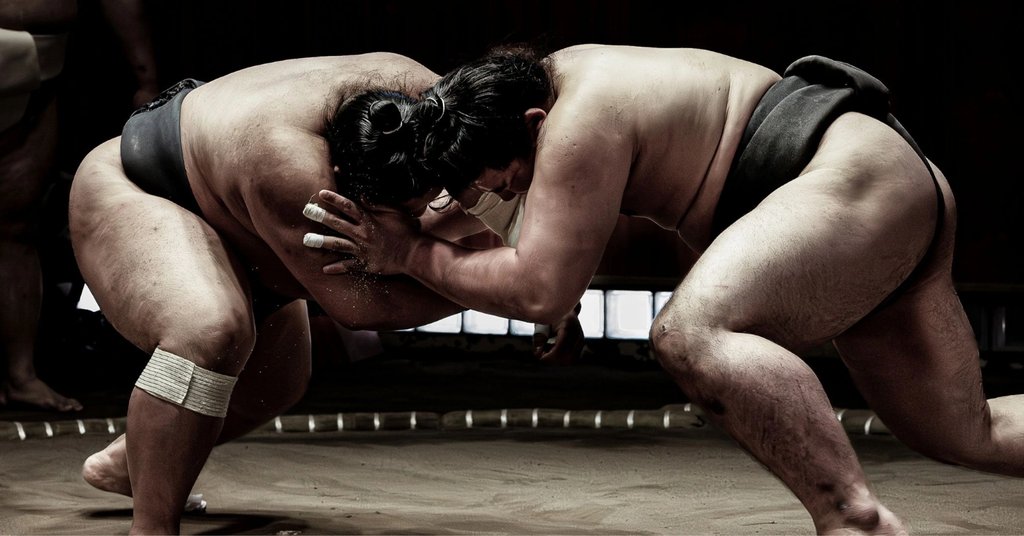
Sumo Wrestling Experience in Osaka
Numbers can only tell you so much. If you want to witness a rikishi’s daily life up close, there’s one venue in Osaka that puts you within arm’s reach of sumo culture.
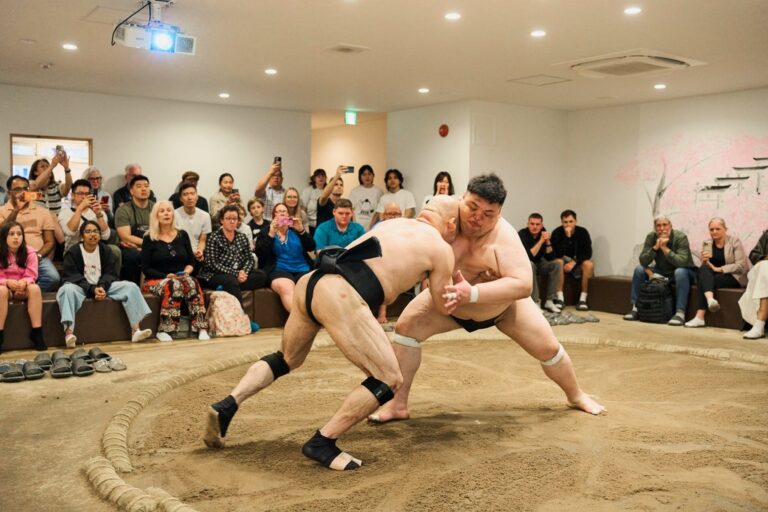
Sumo Studio Osaka is a permanent theater that hosts authentic sumo shows led by retired professional rikishi every day. With a maximum audience of around 50, you watch bouts from just a few meters (about 10 ft) away. You’re close enough to hear palms slap against flesh, feel the thud of 150-kilogram bodies hitting the clay, and see sweat fly at the tachiai (initial charge at the start of a bout) — a level of proximity rarely available anywhere else.
The 90-minute program is conducted entirely in English and includes careful explanations of sumo’s history, its connections to Shinto, and the meaning of rituals such as purifying salt, shiko (ritual foot-stomping to drive away evil spirits), and the tachiai. Even if you don’t speak a word of Japanese, you’ll come away with a real sense for sumo’s depth.
You can even step onto the dohyo yourself and spar with a former professional rikishi — a hands-on experience you’ll rarely find anywhere else.
Details
| Address | 1F Hanazonocho AI Building, 1-5-1 Asahi, Nishinari-ku, Osaka, Osaka Prefecture (right next to Hanazonocho Station) |
| Hours | 9:00 AM – 10:00 PM |
| Closed | None (except public holidays) |
| Website | https://sumowrestlingshow.jp/ |
| Recommended for | Travelers seeking an up-close sumo cultural experience, or an English-language guide to Japanese traditions |
Common Questions About Sumo Wrestler Salaries
Here are some of the questions readers ask most often — covering nationality and gender, comparisons with other professional sports, and life after retirement. Together, they help complete the picture of how sumo’s pay system really works.
Do foreign wrestlers earn the same as Japanese ones?
Foreign-born rikishi receive exactly the same pay as Japanese wrestlers. The Japan Sumo Association bases its compensation structure entirely on rank, with no distinction based on nationality.
A Mongolian-born yokozuna takes home the same ¥3 million a month as any Japanese one. Additional income such as kensho-kin and championship prizes is also awarded purely on performance.
Sumo operates on the principle that all competitors on the dohyo are equal. Any wrestler who earns his rank through ability is compensated accordingly, regardless of country of origin.
How does a yokozuna’s pay stack up against other pro athletes?
A yokozuna’s total annual income, combining salary and prize money, can approach ¥100 million.
| Sport | Comparison Group | Estimated Annual Income (JPY) |
|---|---|---|
| Grand Sumo (yokozuna) | Top wrestler | About ¥100 million |
| MLB (baseball) | Average salary | About ¥670 million |
| NBA (basketball) | Average salary | About ¥1.53 billion |
| NFL (American football) | Average salary | About ¥440 million |
(USD-to-JPY conversion at ¥150 per dollar.)
A yokozuna sits at the top of sumo, but this level of compensation does not reach even the MLB average. The difference reflects revenue structures. NBA and MLB draw on enormous global broadcast rights. Sumo relies on domestic tournaments and a relatively modest broadcasting arrangement.
Are there female rikishi on salary?
Professional sumo in Japan has historically been an all-male sport, and there is no salary framework for women within the system. Women are not permitted to enter the dohyo, and the Japan Sumo Association recruits only male wrestlers.
Amateur women’s sumo does exist, but it operates outside the Association’s jurisdiction, and the professional pay structure does not apply.
As a result, Japanese professional sumo remains an all-male profession.
Does becoming a stablemaster (oyakata) cost money?
Becoming an oyakata (a stablemaster who runs a sumo stable and trains wrestlers) requires obtaining a toshiyori-myoseki (elder stock), and the barriers to entry are significant.
The system is capped at 105 licenses, and without one, a retired wrestler cannot remain in the sport as a stablemaster. While buying and selling these licenses is officially prohibited, access to a limited number of positions makes them highly competitive.
In the past, transfers were often accompanied by payments described as “instruction fees,” sometimes reaching tens or even hundreds of millions of yen. However, when the Japan Sumo Association became a public-interest corporation in 2014, it formally banned any monetary transactions related to elder stock. Today, violations are subject to strict disciplinary action.
From Pay Structure to Live Sumo: Experiencing the Sport Firsthand
A rikishi’s income varies dramatically by rank. The contrast between a yokozuna’s ¥3 million monthly salary and the unsalaried life of a makushita wrestler is striking. On top of that, less visible income streams — kenshō-kin, mochi-kyūkin, and tanimachi support — create a layered earning structure that base pay alone can’t fully explain.
If you’re planning a trip to Japan, catching a live grand tournament is absolutely worth it. Understanding the financial stakes behind each rank adds a new dimension to every bout, making the experience all the more compelling.



![Where to Watch Sumo in Japan: 3 Ways to See Sumo & How to Get Tickets [Complete Guide]](https://sumowrestlingshow.jp/wp-content/uploads/2026/08/where-to-watch-sumo-in-japan_1-300x200.jpg)