Where to Watch Sumo in Japan: 3 Ways to See Sumo & How to Get Tickets [Complete Guide]
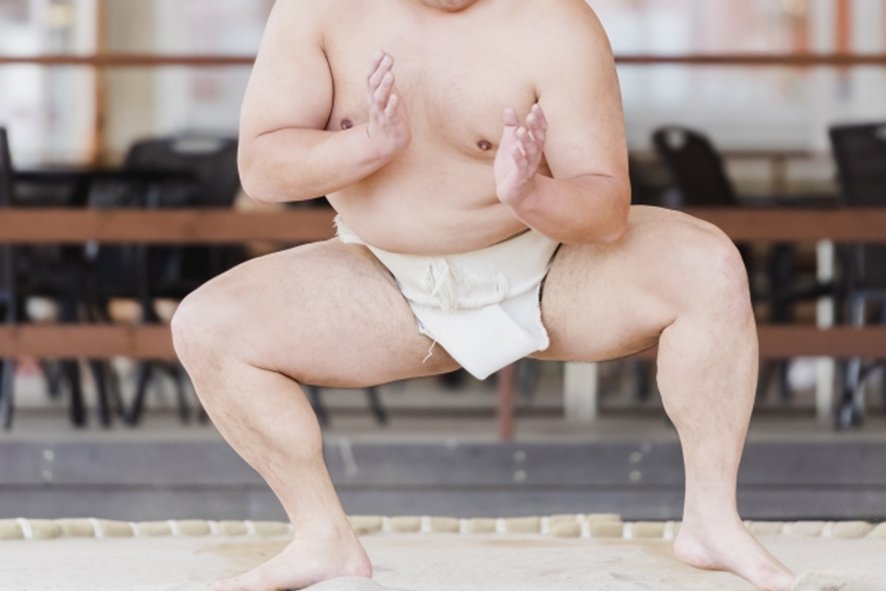
Consider building a live sumo bout into your trip to Japan. Each Grand Tournament runs for only 15 days, and ticket sites are primarily in Japanese, so booking can be confusing for international visitors.
Beyond the four Grand Tournament venues, sumo shows give you another way to watch, available all year. Choose the option that best matches the city you are staying in and the dates of your trip.
Contents
3 Ways to Watch Sumo in Japan
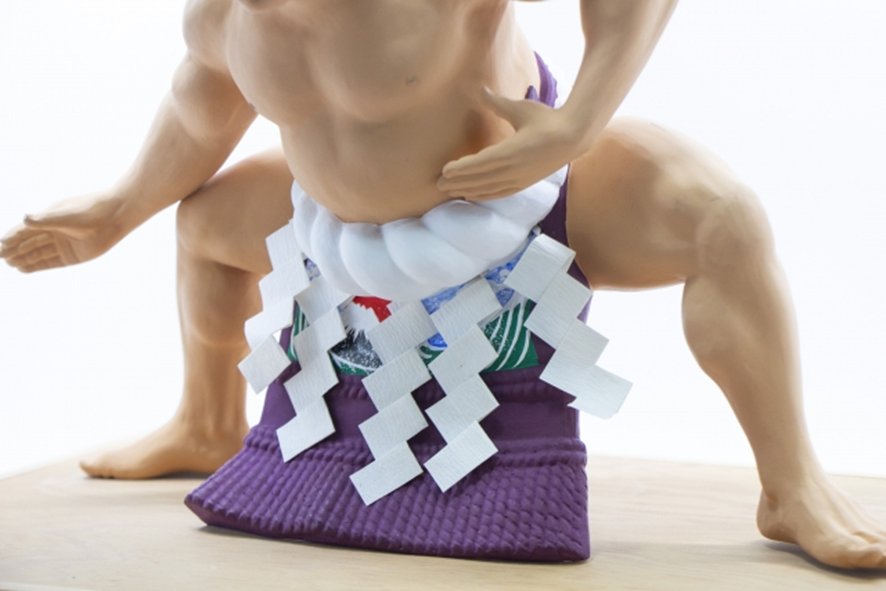
When you can see sumo depends on your travel dates and where you are based. The Grand Tournament, held six times a year, works differently from the Provincial Tours and the sumo shows performed by former rikishi (sumo wrestlers). Compare them and pick the one that suits your itinerary.
Grand Tournament | Six Times a Year, 15 Days Each
The Grand Tournament (honbasho) is the official competition, held six times a year in odd-numbered months for 15 days at a time. That leaves only 90 days of competition across the whole year. The tournaments are held in the following months and cities:
| Month | City |
|---|---|
| January, May, September | Tokyo |
| March | Osaka |
| July | Nagoya |
| November | Fukuoka |
Tokyo hosts three of the six tournaments, making it the easiest city to match with a trip. During the 15-day tournament, bouts in the makuuchi (top division) and juryo (second division) take place daily. The rikishi with the most wins at the end of the final day takes the championship, with the title race becoming increasingly intense as the tournament progresses.
Popular Tokyo tournaments and the July tournament in Nagoya can sell out certain days soon after advance sales open. Check the Japan Sumo Association’s annual schedule early for both the tournament dates and ticket sales dates.
Provincial Tours | One-Day Events Held Across Japan
In the months without a Grand Tournament, the Provincial Tours (jungyo) still offer a chance to see sumo live. They take place mainly in April, August, and October at arenas around Japan, with each stop generally lasting one day. The host cities change from year to year, so checking the schedule in advance is essential.
The tours include acts that do not appear at a Grand Tournament, such as sumo jinku (traditional songs performed by rikishi) and shokkiri (comic demonstration bouts). Smaller venues also often put spectators closer to the action than a large arena.
Host cities are listed on the Japan Sumo Association’s official tour schedule. The listings are organized by region and date, making it easy to compare the stops with your own itinerary.
Sumo Shows | Year-Round Performances by Former Rikishi
Sumo shows put the emphasis on presentation and commentary rather than on who wins, much like the hanazumo exhibitions staged around the Japan Sumo Association’s tournaments and tours. Strictly speaking, hanazumo refers to official non-tournament events featuring active rikishi, while private shows performed by former rikishi belong to a separate category.
Typical sumo show experiences include:
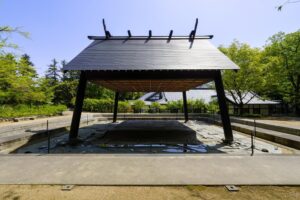
- Audience-participation segments: Visitors step onto the dohyo (the sacred ring of packed clay where bouts take place) and face a rikishi
- Meal packages: Options include chanko-nabe (the protein-rich hot pot that rikishi eat daily from a shared pot) or a kaiseki course (a multi-course Japanese meal)
- Dietary accommodations: Some venues offer halal-friendly and other menus for international visitors
Several venues operate in Tokyo and Osaka, and all of them take online bookings year-round. This makes them a convenient alternative to competing for Grand Tournament tickets and allows you to fit a sumo experience into your existing travel dates.
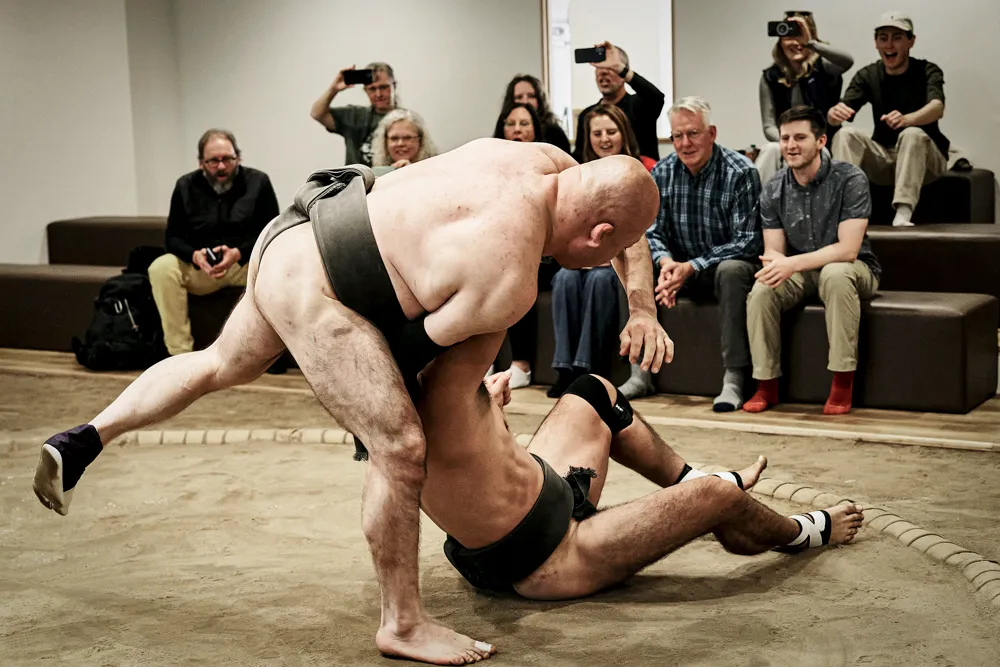 Hands-On
Get hands-on with sumo in Osaka
Watch former professional sumo wrestlers demonstrate authentic sumo techniques. Learn the history, rituals, and rules of Japan’s national sport, then step into the ring for a hands-on sumo experience in Osaka.
The 4 Japanese Venues That Host Grand Tournaments
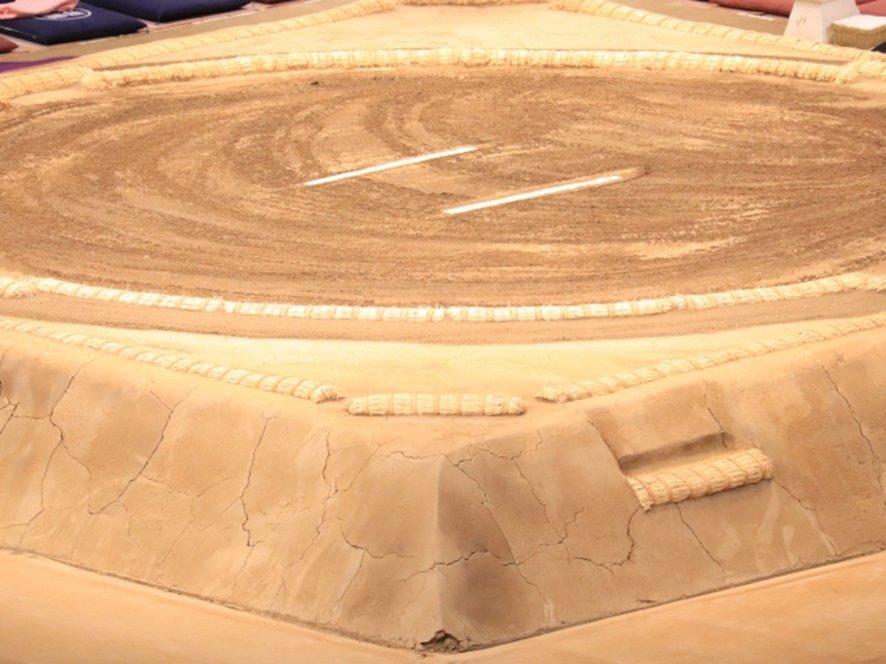
Grand Tournaments take place in just four cities: Tokyo, Osaka, Nagoya and Fukuoka. The most convenient venue depends on when you travel and where you are staying, so the section below compares all four by month, location, transportation, and seating capacity.
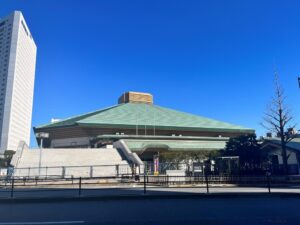
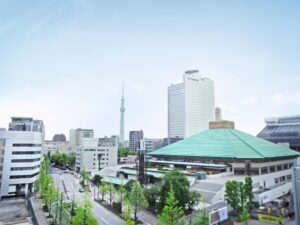
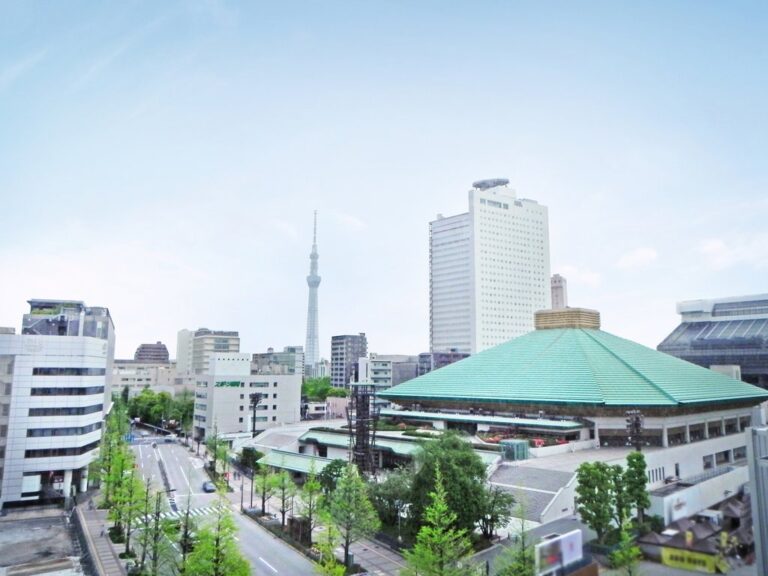
Ryogoku Kokugikan | Tokyo’s Dedicated Sumo Arena, Three Tournaments a Year
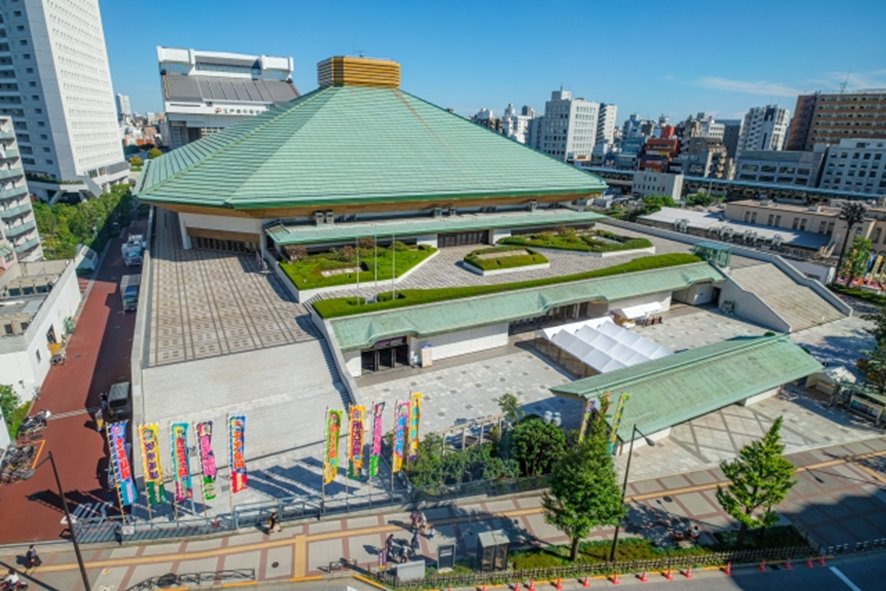
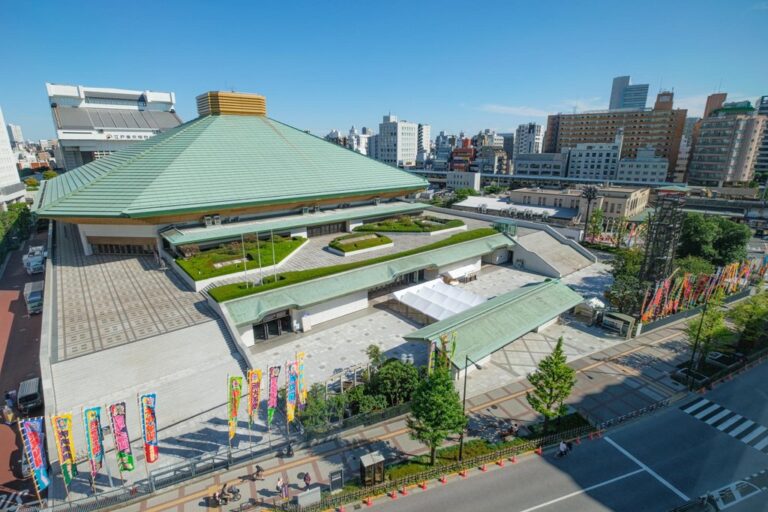
Ryogoku Kokugikan is the only venue that hosts three Grand Tournaments each year, in January, May, and September. The other three venues host one tournament each, so staying in Tokyo gives you more opportunities to attend.
Built specifically for sumo, it houses permanent food stalls and the Sumo Museum, whose displays let you explore the history of sumo between bouts.
The arena is about a 2-minute walk from Ryogoku Station on the JR Sobu Line and about 5 minutes from Ryogoku Station on the Toei Oedo Line. Asakusa and Tokyo Station are both within 15 minutes by train, so it slots easily into a day of sightseeing. Nearby Kokugikan-dori is also lined with well-known chanko-nabe restaurants, offering convenient options for a meal before or after the bouts.
Details
| Address | 1-3-28 Yokoami, Sumida-ku, Tokyo |
| Hours | Tournament days, about 8:00 am-6:00 pm (until the final bout) |
| Closed | No general admission except on tournament and event days |
| Official site | https://kokugikan.sumo.or.jp/ |
| Recommended for | Travelers who want to catch a Grand Tournament while in Tokyo, and first-time spectators |
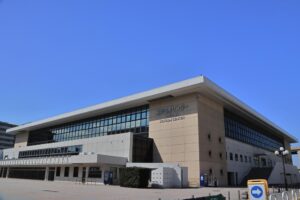
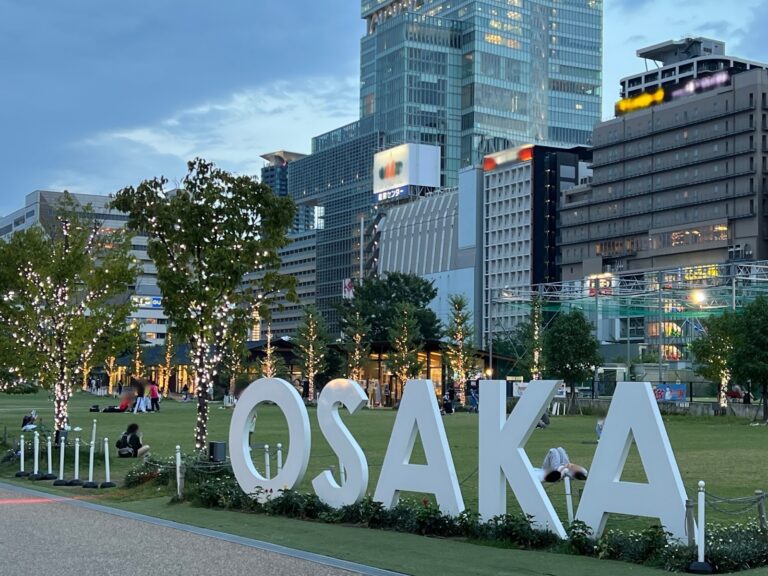
EDION Arena Osaka | A 3-Minute Walk from Namba Station
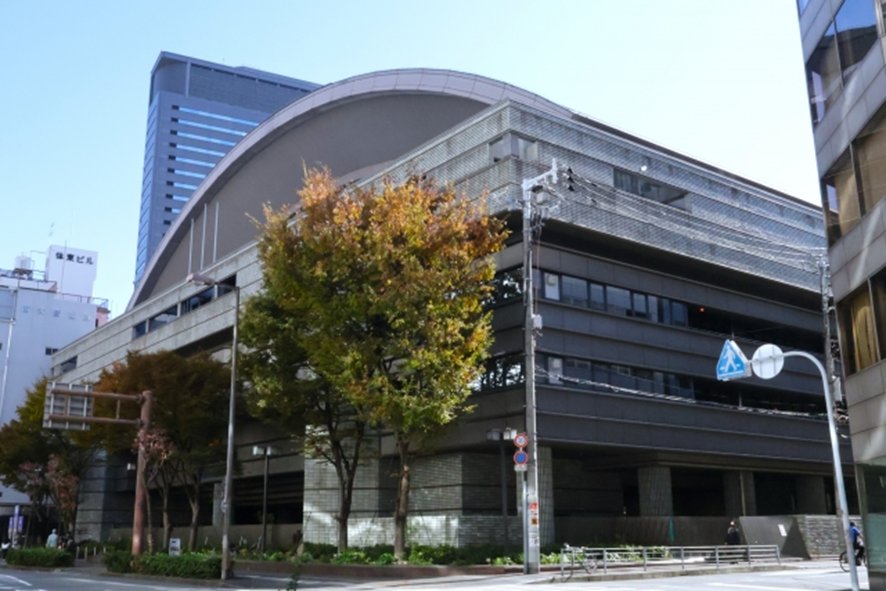
EDION Arena Osaka hosts the March tournament. Because it falls during Japan’s spring break season, it pairs easily with a family trip or a graduation trip.
The arena is about a three-minute walk from Nankai Namba Station and roughly five minutes from Osaka Metro Namba Station. Its location makes it easy to combine sumo with sightseeing in the Namba area, with Dotonbori and Kuromon Market both within walking distance.
Kyoto and Nara are also accessible by a single train ride, making EDION Arena Osaka convenient to include in a wider Kansai itinerary.
Details
| Address | 3-4-36 Nambanaka, Naniwa-ku, Osaka |
| Hours | Varies by event |
| Closed | Varies by event (temporarily closed for major renovation, scheduled April 2026 to the end of January 2027) |
| Official site | https://www.furitutaiikukaikan.ne.jp/ |
| Recommended for | Families and students planning a Kansai trip over spring break |
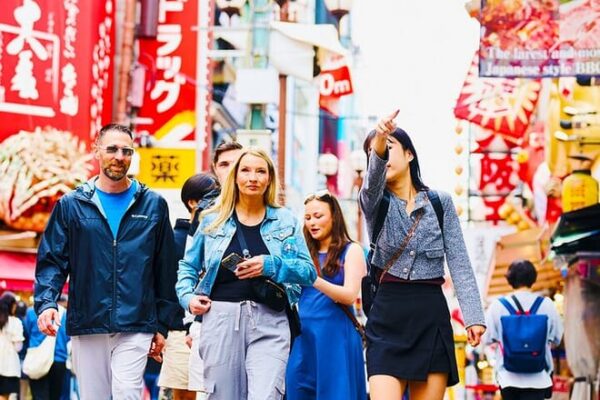
Osaka: 2-Hour Highlights & Hidden Gems Walking Tour
Secret backstreets of the city • Kuromon Seafood Market • Street Food(Takoyaki, Gyoza,ect)
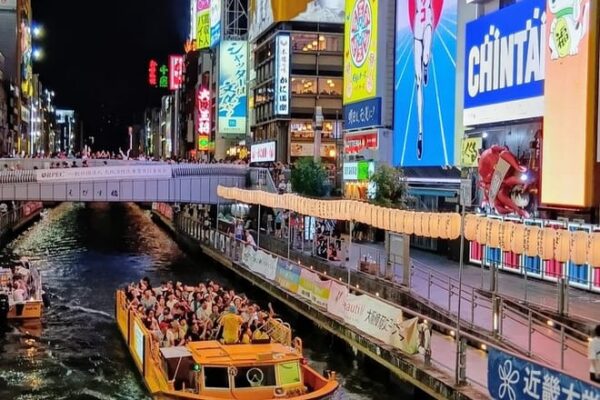
Osaka 2-Hour Walking Tour with Dotonbori River Cruise
Boarding the Dotonbori River Cruise • Secret backstreets of the city • Check out for Street Food(Takoyaki, Gyoza, etc)
IG Arena | Nagoya’s New Venue, Opened in 2025
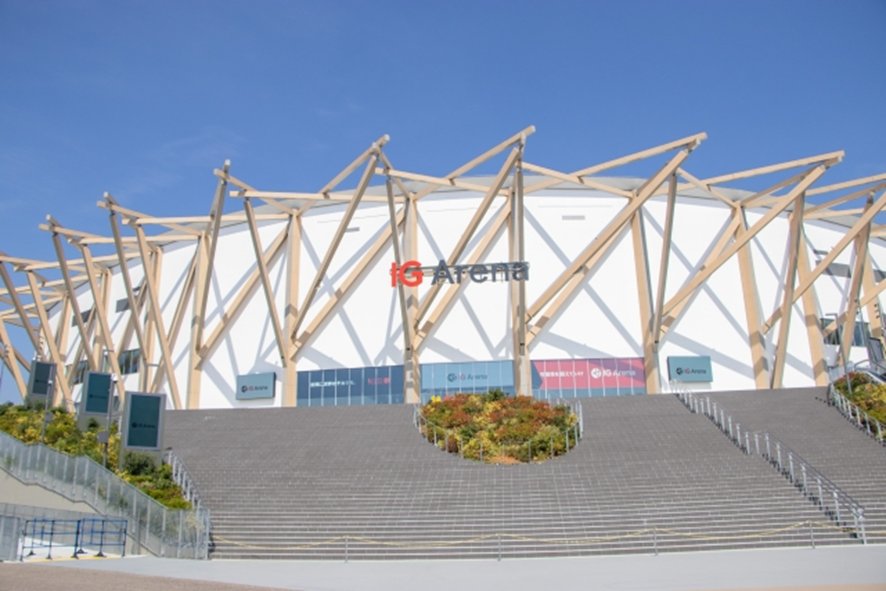
IG Arena opened on July 13, 2025, the same day the Nagoya tournament began. Built inside Meijo Park, it seats roughly 7,800 in its sumo configuration. Because the July tournament overlaps with Japan’s summer school holidays, it is a convenient option for family travel.
The arena is directly outside Exit 4 of Meijo-koen Station on the Nagoya Municipal Subway Meijo Line. Nagoya Station is about 15 minutes away by subway, making the venue easy to reach by public transport.
The venue does not have visitor parking, so public transportation is the recommended way to get there.
Details
| Address | 1-2-22 Meijo, Kita-ku, Nagoya, Aichi |
| Hours | Varies by event |
| Closed | Varies by event |
| Official site | https://www.ig-arena.jp/ |
| Recommended for | Travelers who want the Nagoya tournament in a new facility, and families combining summer travel with sumo |
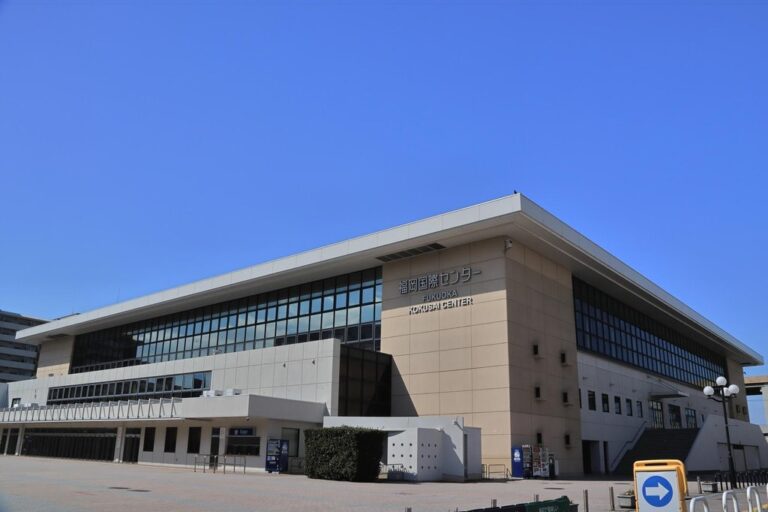
Fukuoka Kokusai Center | A Waterfront Venue Facing Hakata Port
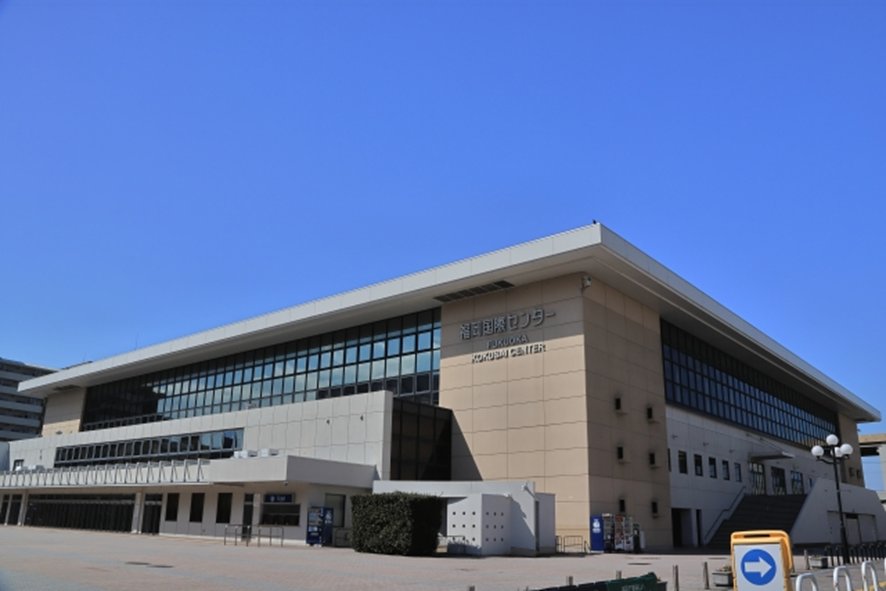
Fukuoka Kokusai Center hosts the Kyushu tournament every November. It sits on the waterfront facing Hakata Port, making it a natural fit for an autumn trip to Fukuoka.
Unlike the other three venues, it has no railway station of its own. Access from Hakata Station and Tenjin is as follows:
- From Hakata Station: Take Nishitetsu Bus No. 88 or 99 and get off at Kokusai Kaigijo / Sun Palace-mae
- From Tenjin: Take Nishitetsu Bus No. 80 or 90 and get off at Kokusai Center / Sun Palace-mae
- By taxi: About 10 minutes from Hakata Station, a straightforward option if you are unfamiliar with the bus system
Roads around the venue get congested on the opening day and on senshuraku (the climactic final day), so leave earlier than the doors-open time.
Details
| Address | 2-2 Chikkohonmachi, Hakata-ku, Fukuoka |
| Tournament period | Every November (15 days) |
| Closed | No sumo events outside the tournament period |
| Official site | https://www.marinemesse.or.jp/kokusai/ |
| Recommended for | Travelers pairing autumn sightseeing in Fukuoka with a sumo tournament |
4 Venues Staging Sumo Shows All Year
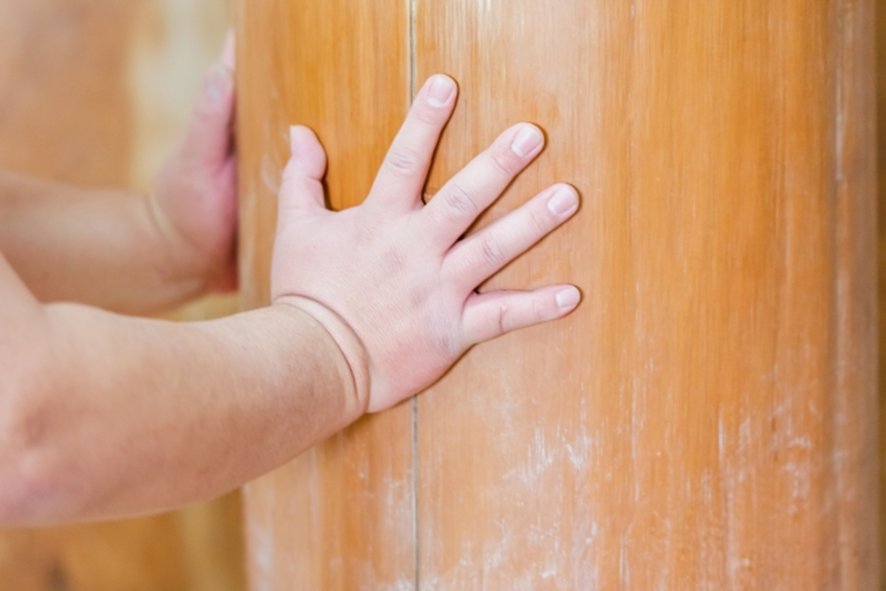
Even if your dates fall outside the Grand Tournament calendar, permanent venues in Tokyo and Osaka let you feel the force of sumo. Four venues run shows year-round, with differences in location, format, and whether a meal is included.
Sumo Studio Osaka | A Show and a Hands-On Bout with English Commentary
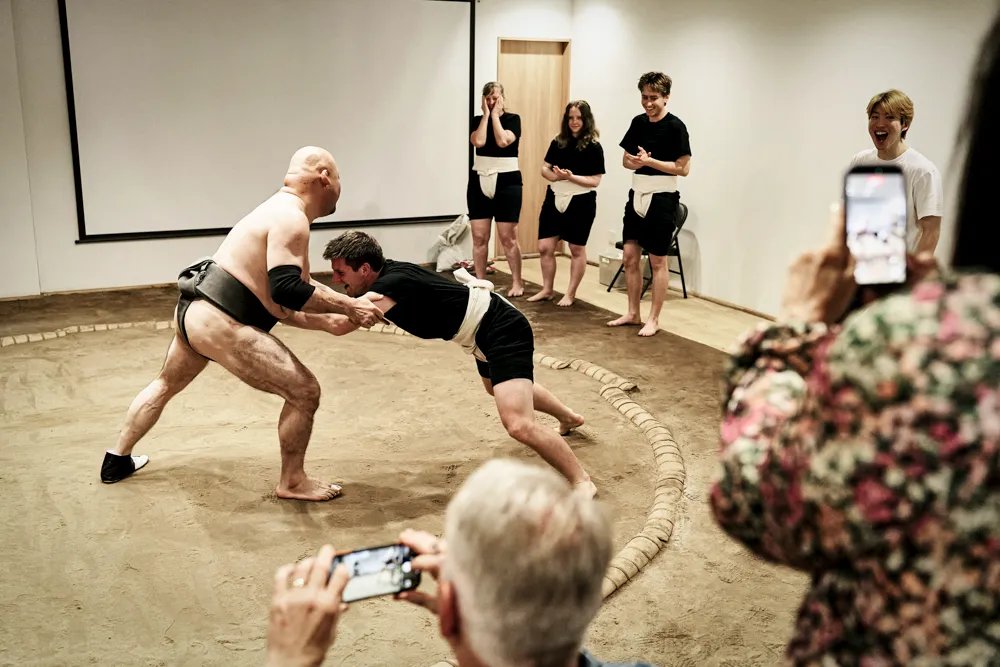
Sumo Studio Osaka runs a performance-focused program without a meal, leaving more time to learn the fundamentals of sumo in detail. The venue is directly opposite Exit 4 of Hanazonocho Station on the Osaka Metro, a short ride from both Dotonbori and Osaka Castle.
The roughly 90-minute show covers the history and rituals of sumo with English commentary throughout. The rikishi demonstrate the tachiai (the initial charge that opens a bout, launched the moment both wrestlers synchronize their breathing) and various kimarite (winning techniques).
After the demonstrations, visitors who wish to participate can step onto the dohyo and face a rikishi themselves. Group sizes stay small, so you are close enough to feel the impact of the collisions yourself. You can buy drinks and snacks on site, so there’s no need to bring anything.
Details
| Address | Hanazonocho AI Building 1F, 1-5-1 Asahi, Nishinari-ku, Osaka |
| Hours | 10:00 am-8:00 pm (final show starts at 8:00 pm) |
| Closed | Check the performance calendar on the official site |
| Official site | https://sumowrestlingshow.jp/ |
| Recommended for | Beginners and families who want a short sumo experience |
Hands-OnGet hands-on with sumo in Osaka
Watch former professional sumo wrestlers demonstrate authentic sumo techniques. Learn the history, rituals, and rules of Japan’s national sport, then step into the ring for a hands-on sumo experience in Osaka.
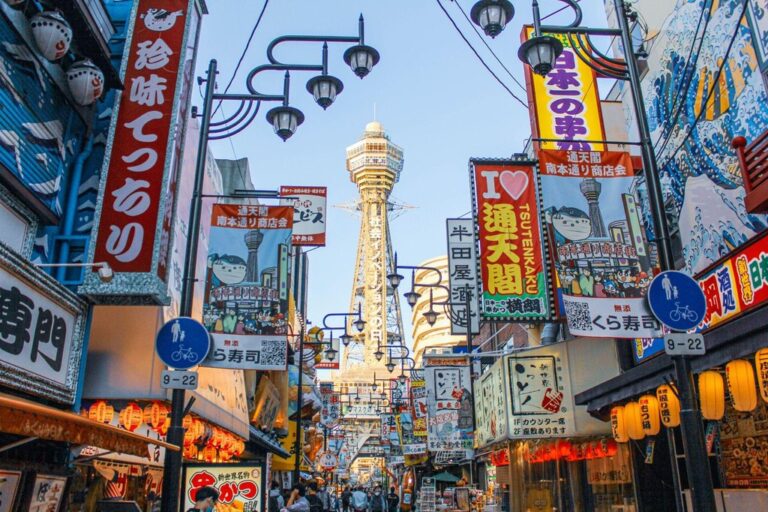
THE SUMO HALL Hirakuza OSAKA | Halal-Friendly Meal Options in Osaka
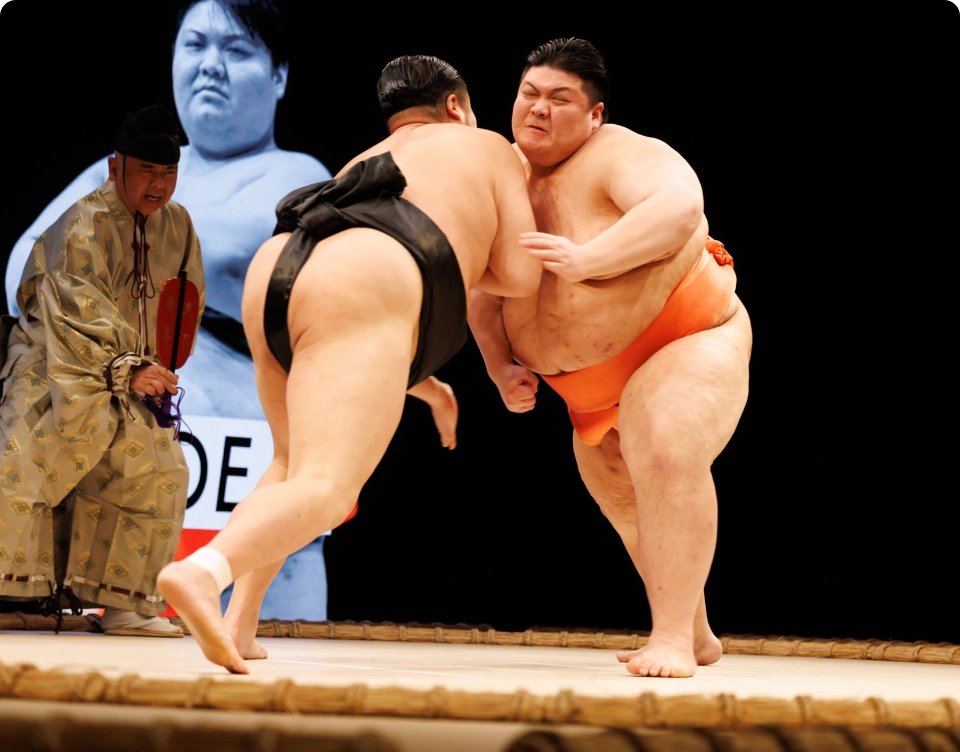
THE SUMO HALL Hirakuza OSAKA is a permanent sumo show hall inside Namba Parks. Its meal plan offers several bento options, allowing groups to eat and watch together even when some members have dietary restrictions.
The roughly 60-minute show centers on a dramatic dohyo performance enhanced by theatrical lighting. The program emphasizes entertainment, so no prior knowledge of sumo is needed to enjoy the experience.
THE SUMO HALL Hirakuza OSAKA occupies the 8th floor of the Namba Parks complex, a few minutes’ walk from Nankai Namba Station. Part of the route from the station is outdoors, so carrying rain gear is useful on wet days, but the walk from the Namba area is straightforward.
Details
| Address | Namba Parks 8F, 2-10-70 Nambanaka, Naniwa-ku, Osaka |
| Hours | Varies by performance schedule (check the official site) |
| Closed | Irregular |
| Official site | https://hirakuza.net/sumohall/ |
| Recommended for | Families and groups traveling with dietary restrictions |
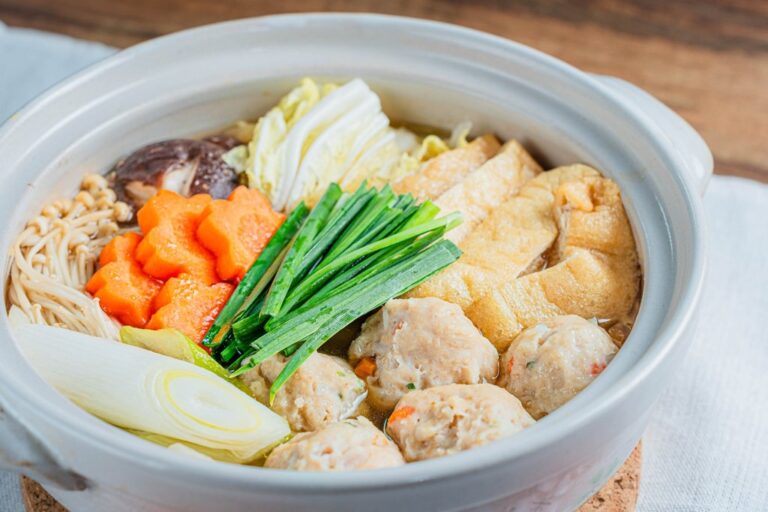
Hirakuza GINZA TOKYO | A Show Paired with Kaiseki Cuisine in Tokyo
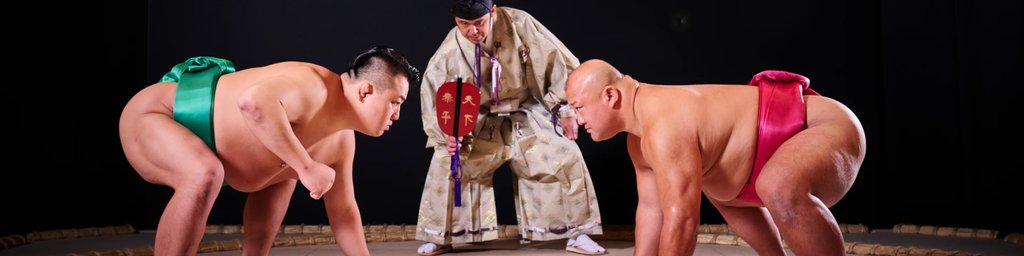
Hirakuza GINZA TOKYO opened in Ginza 1-chome on January 7, 2026. Seats surround the dohyo, giving guests a close view of former rikishi as they perform while enjoying a full kaiseki meal featuring dishes such as tempura and chanko-nabe, paired with sake for a distinctive Ginza evening.
Three seating categories are available, ranging from VIP seats closest to the dohyo to standard seating:
- VIP seats: ¥27,000 for adults, with the same price for children
- Premium seats: ¥21,000 for adults, ¥12,000 for children
- Standard seats: ¥17,000 for adults, ¥9,500 for children
Hirakuza GINZA TOKYO also offers a dedicated meal plan for children ages 3 to 12.
Details
| Address | B1F, 1-9-13 Ginza, Chuo-ku, Tokyo |
| Hours | 5:00 pm performance |
| Closed | Irregular |
| Official site | https://hirakuza.net/tokyo/ |
| Recommended for | Visitors who want an upscale dinner alongside an evening cultural performance |
Asakusa Sumo Club ANNEX | Chanko-Nabe and a Show in Tokyo
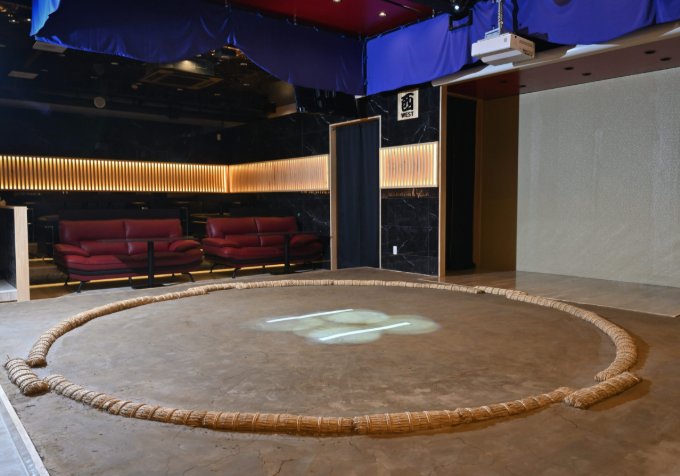
Asakusa Sumo Club ANNEX is a sumo show restaurant that opened in February 2025. Its main draw is chanko-nabe supervised by a former rikishi, served while the performance takes place in front of you.
The venue is about a two-minute walk from Asakusa Station on the Tsukuba Express and runs four shows a day, making it easy to fit into a day of sightseeing in Asakusa. Alongside chanko-nabe, the menu includes Japanese dishes such as A5 wagyu sukiyaki, with free-flow drinks. Vegetarian options are also available, making it easier for groups with different dietary requirements to dine together.
During the show, former rikishi demonstrate the movements and techniques of sumo, and some segments invite audience members to participate.
Details
| Address | B1F, 2-11-7 Asakusa, Taito-ku, Tokyo |
| Hours | 12:00 pm-10:30 pm (four shows daily) |
| Closed | Irregular |
| Official site | https://asakusasumo-annex.com/ |
| Recommended for | Families adding a sumo experience to an Asakusa sightseeing day |
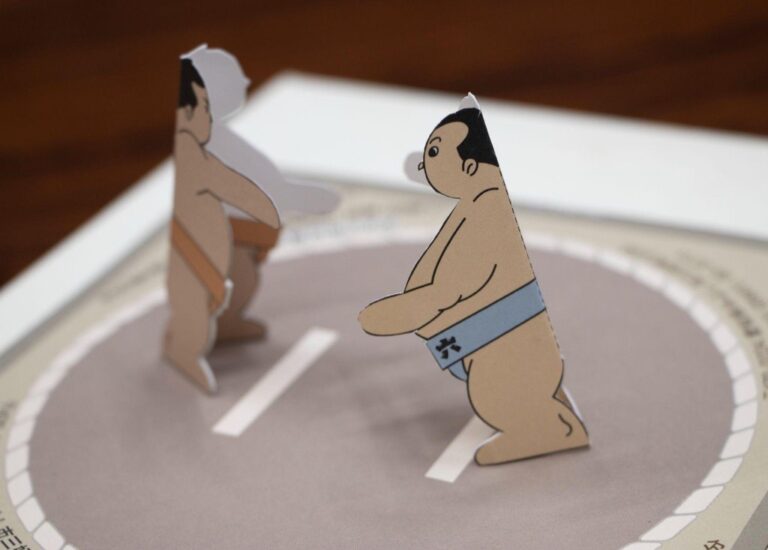
How to Get Tickets and Reservations for Each Type of Sumo
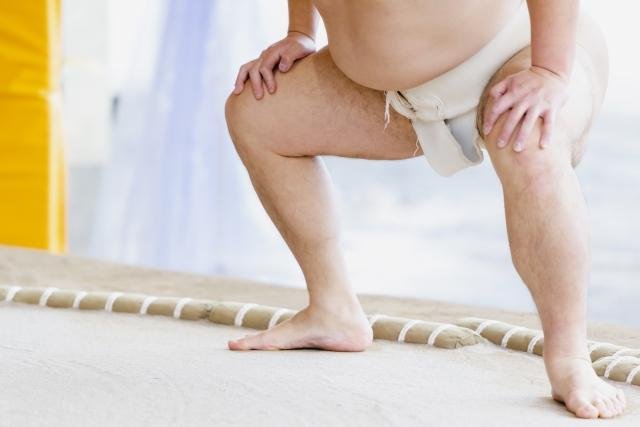
Once you have chosen how you want to watch, the next step is booking. Grand Tournaments, Provincial Tours, and sumo shows each follow a different ticketing process.
Grand Tournament tickets in particular can become difficult to secure once advance sales begin, so learning how and when to book early can make a significant difference.
Grand Tournament | Buy Tickets on the Official Site
Buying through the official sales site, Ticket Osumo, is the most reliable route. The site verifies your registration using the phone number you provide, so if you are using a number outside Japan, check in advance whether international numbers can be used and how verification works.
If you live overseas and online purchase proves difficult, there is another option. Research your preferred dates and seat availability on the official site before you travel, then buy from a multi-copy ticket machine at a Seven-Eleven store after you arrive in Japan.
Popular dates can sell out within one to two weeks of general sales opening, so always check the latest on-sale date before your trip.
- September 2026 tournament: sales open August 8
- November 2026 tournament: sales open September 19
Seven-Eleven ticket machines handle both masu (box) seats and chair seats. Same-day sales end at 5:00 pm, and everyone aged 4 and over requires a ticket.
Provincial Tours | Buy Tickets Through Each Host City’s Outlet
Unlike Grand Tournaments, Provincial Tours sell tickets through different outlets depending on the host city. The Japan Sumo Association’s tour schedule page lists the venue and contact information for each performance, making it the best starting point for finding ticket details.
Sales channels vary by event and may include online ticket agencies, over-the-counter sales at convenience stores, and telephone bookings. On-sale dates also differ from one performance to another, so once your itinerary is set, check the contact information for the specific event on the tour schedule page.
Many of these ticket outlets handle inquiries from overseas in Japanese only, so asking your hotel concierge for assistance can be a practical option.
Sumo Shows | Book Through Each Venue’s Official Site
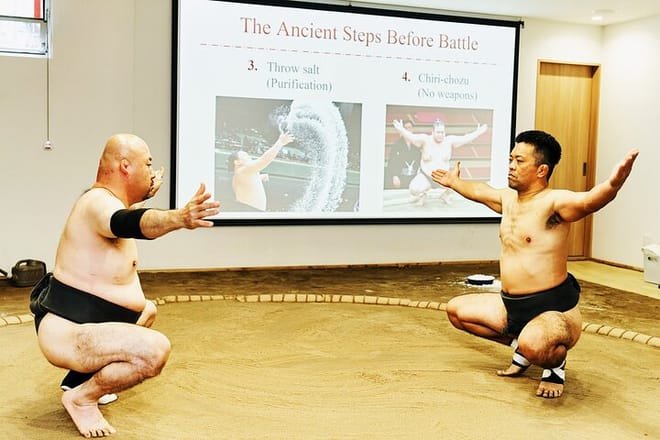
Sumo shows run year-round, and you can usually choose a date and time online through each venue’s official website or an experience-booking platform. Most venues accept credit cards, and once your booking is confirmed, you typically receive a confirmation email with a QR code.
Prices can vary between meal-included and viewing-only plans, so select the option you want when making your reservation. Many venues also accept last-minute bookings if space remains on the day.
In Osaka, Sumo Studio Osaka is located near the Namba area. Alongside a close-up performance by former rikishi, the experience gives visitors the chance to step onto the dohyo themselves and face a rikishi. Feeling their breathing and their weight first-hand is something a Grand Tournament seat cannot offer.
Details
| Meeting point | Hanazonocho AI Building 1F, 1-5-1 Asahi, Nishinari-ku, Osaka |
| Duration | About 1.5-2 hours |
| Included in the price | Sumo show admission and the audience challenge experience |
| Booking site | https://japanguidestar.com/tour/osaka-sumo-experience-with-live-show-and-audience-challenge/ |
| Recommended for | Travelers whose dates miss the Grand Tournament, and anyone who wants to try sumo directly |
Hands-OnGet hands-on with sumo in Osaka
Watch former professional sumo wrestlers demonstrate authentic sumo techniques. Learn the history, rituals, and rules of Japan’s national sport, then step into the ring for a hands-on sumo experience in Osaka.
Common Questions About Watching Sumo in Japan

Planning a day at the sumo raises a few practical questions: which seat to choose, which style suits a first-timer, what time to arrive, and whether children can attend. The answers below should help you settle on a plan that fits your budget and your schedule.
How Should I Choose Between the Seat Types?
Seating falls into three types:
- Tamari seats: The front row at the edge of the dohyo, closest to the impact, but limited to ages 16 and over, with no eating, drinking or photography permitted
- Masu seats: Cushioned box compartments, well suited to groups who want the traditional atmosphere
- Chair seats: Individual seats with backrests that put less strain on the body, making them a comfortable choice for first-time visitors
For a balance of price and stamina, chair seats offer the most comfortable and flexible option for a first visit.
Which Option Works Best for First-Time Visitors?
If your dates overlap with a Grand Tournament, go for it. Nothing else matches the heat of an official competition held only six times a year.
If the dates do not work, a sumo show offers a convenient year-round alternative, with solid English-language support and plenty of sumo packed into a short experience.
What Time Should I Arrive to See the Main Bouts?
The makuuchi bouts start after 3:30 pm, so arriving around 2:00 pm leaves plenty of time if you only want the top-division action. Mornings are quieter in the stands, which makes it easier to browse the food stalls and souvenir counters.
All seats are reserved, so your seat remains yours regardless of when you arrive.
Can I Attend a Grand Tournament with Children?
Children are welcome, but tamari seats are limited to guests aged 16 and over, so families should choose masu or chair seats instead. Everyone aged 4 and over needs a ticket, and families can also choose a discounted Kids Seat category.
Ryogoku Kokugikan has a baby rest room on the first basement floor with nursing facilities and a diaper-changing area. There is also a baby corner for children ages 0 to 2 and a kids’ corner where younger children can play.
On a long tournament day, use these facilities as needed and pace the viewing around your children’s needs. If a full day at the Kokugikan sounds daunting, a sumo show with audience participation can be an easier alternative.
Hands-OnGet hands-on with sumo in Osaka
Watch former professional sumo wrestlers demonstrate authentic sumo techniques. Learn the history, rituals, and rules of Japan’s national sport, then step into the ring for a hands-on sumo experience in Osaka.
Choosing the Sumo Experience That Fits Your Trip
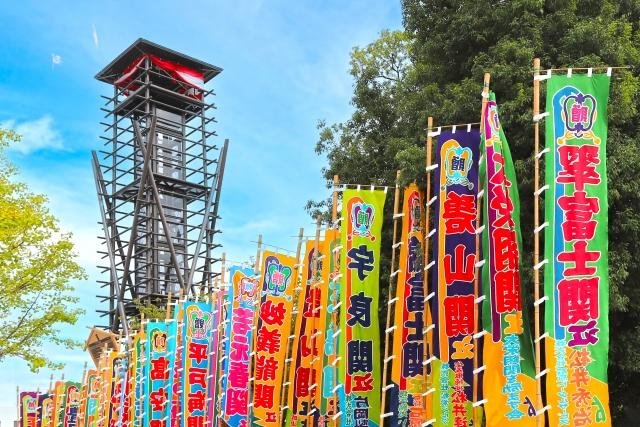
Three routes lead to live sumo in Japan: Grand Tournaments, Provincial Tours, and sumo shows. Match your itinerary against the relevant schedules and choose the experience that best suits your stay.
Popular Grand Tournament tickets and small-group sumo shows can sell out early, so check availability through the official sales sites as soon as your travel dates are set.