How to Buy Sumo Tickets in Fukuoka: Kyushu Basho Booking Steps, Seat Selection, and What to Do When Tickets Sell Out
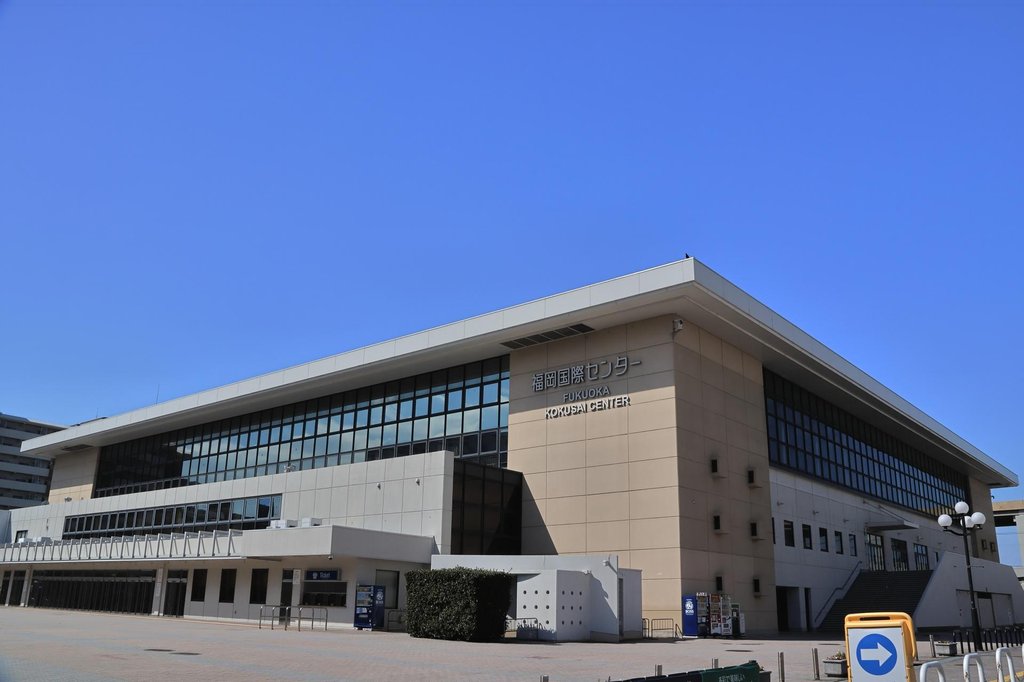
If you want to watch grand sumo in Fukuoka, getting tickets takes more planning than you might expect. The Kyushu Basho (the Grand Tournament held in Fukuoka every November) takes place only once a year, and weekend days and senshuraku (the final day of the 15-day tournament) often sell out soon after tickets go on sale. It also helps to check a few things in advance, from which seats are actually available on the English site to how comfortable it is to sit on the floor in a box seat.
The sections below cover how to buy tickets through the official site, compare seat types and prices, find tickets when they sell out, and plan your day at the venue, so you can organize your visit to the Kyushu Basho from start to finish.
Contents
- Sumo Tickets in Fukuoka Can Be Bought in English on the Official Sales Site
- 4 Things to Consider When Choosing Seats for Sumo in Fukuoka
- Seat Types and Prices at Fukuoka Kokusai Center
- How to Buy Kyushu Basho Tickets on the Official Site
- How to Get Tickets When Your Preferred Date Is Sold Out
- How to See Sumo When You Can’t Get Tournament Tickets or the Dates Don’t Fit
- What to Expect on Tournament Day at Fukuoka Kokusai Center
- Common Questions About Sumo Tickets in Fukuoka
- Planning Your Visit to the Kyushu Basho in Fukuoka
Sumo Tickets in Fukuoka Can Be Bought in English on the Official Sales Site
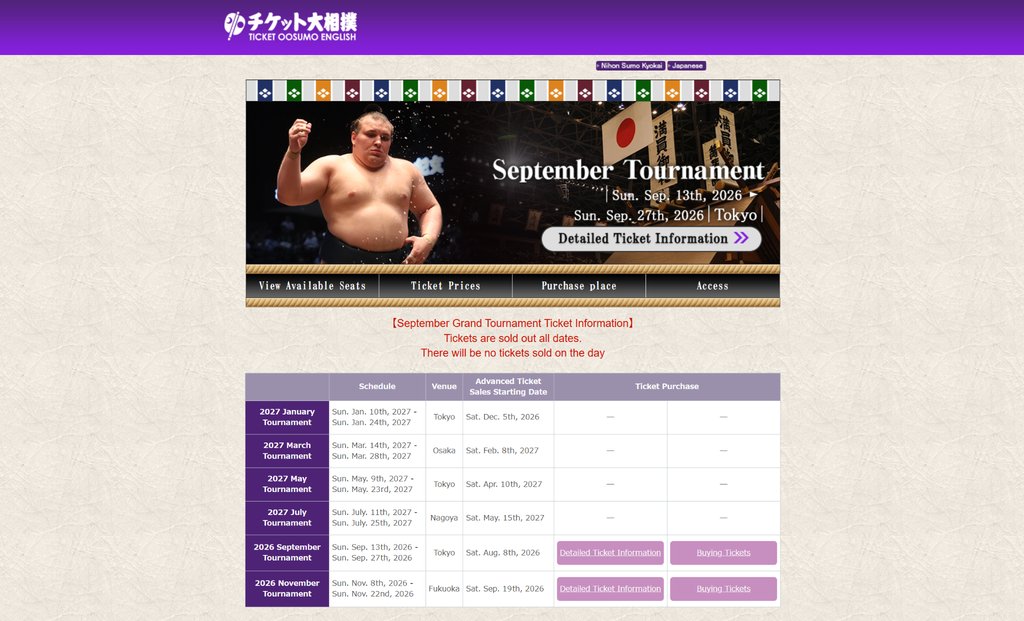
Tickets for the Kyushu Basho are sold through Ticket Oosumo, the Japan Sumo Association’s official ticketing site, which also offers an English-language page. Below are the general ticket sale schedule and your options if the dates do not fit your trip.
General Ticket Sales Open About 1–2 Months Before the Tournament
The Kyushu Basho runs for 15 days every November at Fukuoka Kokusai Center, and the 2026 tournament is scheduled for Sunday, November 8 to Sunday, November 22. General sales typically open on a Saturday at 10 am about 1–2 months before the tournament; in 2026, they opened on Saturday, September 19 at 10:00 am. Priority lotteries for fan club members and other eligible buyers take place before general sales, but the English page only accepts orders from the general sale onward. If you are buying from overseas, the first day of general sales is your best chance.
Demand is highest for the opening day, weekends, and the final day, and some of these days can sell out during the priority lotteries. Before sales open, find the English page and choose two or three possible dates so you can act quickly when general sales begin.
If the Dates Don’t Work, Osaka Offers Year-Round Sumo Experiences
There are six honbasho (official tournaments organized by the Japan Sumo Association) each year, but each one lasts only 15 days. Fukuoka has no facility where you can watch sumo year-round, so if your travel dates do not overlap with the November tournament, heading to Osaka is a practical alternative.
At Sumo Studio Osaka, retired rikishi (sumo wrestlers) perform sumo shows with English commentary every day. This option is covered in detail in “How to See Sumo When You Can’t Get Tournament Tickets or the Dates Don’t Fit” further down.
 Hands-On
Get hands-on with sumo in Osaka
Watch former professional sumo wrestlers demonstrate authentic sumo techniques. Learn the history, rituals, and rules of Japan’s national sport, then step into the ring for a hands-on sumo experience in Osaka.
4 Things to Consider When Choosing Seats for Sumo in Fukuoka
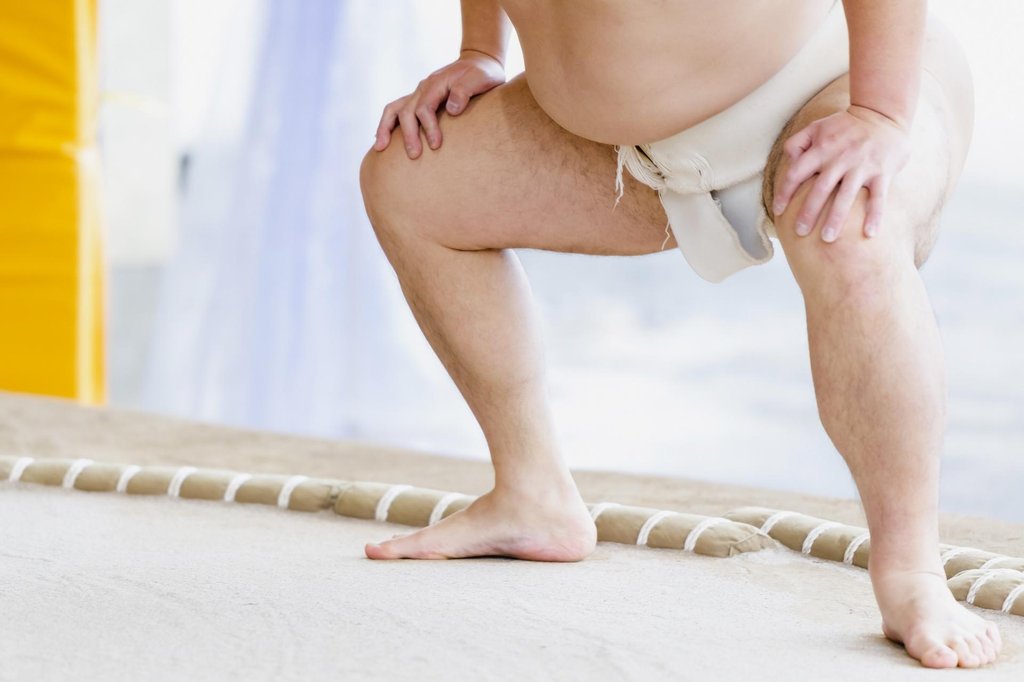
Fukuoka Kokusai Center offers many types of seats, and your choice can have a significant impact on both comfort and budget. The four points below cover price differences by day, seating styles, how seats are sold, and which seats are available on the English site.
1. Price Differences by Day
The same seat type costs more on weekends and holidays than on weekdays. At the 2026 Kyushu Basho, some chair seats, such as A seats, cost ¥500 more on weekends and holidays. The difference is not uniform, however, and varies by seat type.
Availability matters even more than price. The opening day, final day, and weekends sell out first, so if you have your heart set on a single date, it may already be sold out even if you log on as soon as general sales open that morning. Having several options, such as a first-choice date plus a backup weekday, improves your chances of getting the seat type you want while keeping costs down.
2. Seating Styles
The closer your seat is to the dohyo (the sacred clay ring), the more likely you are to take off your shoes and sit on a floor cushion. Tamari seats (the front-row seats directly around the dohyo) and masu seats (square boxes with floor cushions) have no backrests. You may spend hours sitting cross-legged or kneeling, which can be uncomfortable if you are not used to sitting on the floor or have knee or back problems.
Tamari seats are limited to guests aged 16 and over because rikishi sometimes fall off the dohyo during bouts. Eating, drinking, taking photos, and using mobile phones are also prohibited in these seats. Masu seats allow eating and drinking at your seat, but whether you can bring outside food and drinks varies by year.
For the 2026 (Reiwa 8) Kyushu Basho, the guidance was to purchase food and drinks inside the venue, with outside food and drinks permitted only if purchased from the Fukuoka Prefecture booth.
Third-floor chair seats let you keep your shoes on and sit in a chair with a backrest, making them a better fit if you are not used to sitting on the floor. They are farther from the dohyo but give you a view of the entire arena.
3. How Seats Are Sold
Masu seats are sold by the box, not per person. A 4-person box is about 1.3 meters (about 4.3 feet) square, and four adults sitting in one can be packed tightly enough that knees and shoulders touch. If your group includes larger people, consider buying a 4-person box for just two people so you have more room to spread out.
Fukuoka Kokusai Center also offers the Easy 2-Person Masu C Seat, which lets two people use a 4-person box, and the Pair Seat with Table, which comes with chairs and a table. These options allow smaller groups to make full use of a section close to the dohyo. The Japanese page also sells 2-person and 3-person boxes. Chair seats can be bought individually, making them a practical option for solo visitors or groups with an odd number of people, such as three or five.
4. Availability on the English Site
The English and Japanese versions of the official sales site offer different seat types. For the November 2026 tournament, the English version sells 4-person Masu A–C seats, Easy 2-Person Masu C seats, Pair Seats with Table, and chair seats. Tamari seats and Masu S seats (the seats closest to the dohyo), as well as regular 2-person and 3-person masu boxes, are not sold on the English version.
The Japanese version lets you buy seat types not offered on the English version, as long as they are still available. However, Ticket Oosumo requires membership registration and phone number verification. The registration form also assumes a Japanese address and phone number, which can make the process difficult for travelers signing up from overseas. If you want seats close to the dohyo, check how to buy through the Japanese version or consider an English-language viewing tour.
Seat Types and Prices at Fukuoka Kokusai Center

Fukuoka Kokusai Center has more than 10 seat types, and the best choice depends on your viewing date and group size. The table below compares each seat type using the official prices (tax included) for the November 2026 tournament.
| Seat Type | Price (Weekdays / Weekends & Holidays) | Seating Style | Sold In Units Of | English Page |
|---|---|---|---|---|
| Tamari Seat | ¥20,000 (same price every day) | Floor cushion | 1 person | No (Japanese page only) |
| Masu S Seat | 4-person: ¥52,000 / ¥56,000; 2-person: ¥26,000 / ¥28,000 | Floor cushion | 2 or 4 people | No (Japanese page only) |
| Masu A Seat | 4-person: ¥44,000 / ¥52,000 (2- and 3-person boxes also available) | Floor cushion | 2–4 people | 4-person boxes only |
| Masu B Seat | 4-person: ¥38,000 / ¥40,000 (2-person boxes also available) | Floor cushion | 2 or 4 people | 4-person boxes only |
| Masu C Seat | 4-person: ¥32,000 / ¥34,000 (3-person boxes also available) | Floor cushion | 3 or 4 people | 4-person boxes only |
| Easy 2-Person Masu C Seat | ¥19,000 (same price every day) | Floor cushion (2 people use a 4-person box) | 2 people | Yes |
| Pair Seat with Table | ¥19,000 (same price every day) | Chairs and table | 2 people | Yes |
| Chair S Seat | ¥5,500 / ¥6,000 | Chair (3rd floor, front side) | 1 person | Yes |
| Chair A Seat | ¥4,500 / ¥5,000 | Chair (3rd floor, rear side opposite the front) | 1 person | Yes |
| Chair B Seat | ¥2,500 / ¥3,000 | Chair (3rd floor, east and west sides) | 1 person | Yes |
| Chair C Seat | ¥2,000 / ¥2,500 | Chair (3rd floor, east and west sides) | 1 person | Yes |
Buying on the English page adds a ¥2,000 service fee per ticket to the prices above. Tickets bought through a priority lottery carry an additional ¥550 special sales fee per ticket.
The November 2026 tournament also offers special ticket options, such as 4-Person Kids/Senior Masu B and C Seats for groups that include children or seniors. Seat types and prices vary by tournament, so check the official site for the latest information before buying.
How to Buy Kyushu Basho Tickets on the Official Site
Buying from the English page works a little differently from a typical ticket site. The process breaks down into four steps, from preparing to purchase and making payment to picking up your tickets at 7-Eleven.
STEP 1. Find the Purchase Links on the English Page in Advance
You can reach the English page (Ticket Oosumo English) from the Japan Sumo Association’s official website or the Japanese Ticket Oosumo site. The Kyushu Basho page has three purchase buttons—”4-person Masu,” “2-person Masu,” and “Chair Seats”—and each one takes you to a purchase screen run by Ticket Pia, a major Japanese ticketing company. The payment process differs from the Japanese site, so if you get confused once sales open, the seats you want may be gone in the meantime.
Before the sale date, locate the purchase buttons and bookmark the page. If you decide on two or three combinations of date and seat type, you can switch straight to your next option if your first choice is sold out.
STEP 2. Check Availability When Sales Open
General sales open on a Saturday at 10 am. The sales status screen shows the remaining seats for each seat type as ○ (available), ▲ (partly sold out), × (not available), or - (no information). Dates and seat types that sold out in the priority lotteries do not go on general sale, so some may already show × when sales open.
Check the symbols first, then decide which day to buy. If your first choice shows ×, weekdays around nakabi (Day 8, the middle of the 15-day tournament) often still have ○ or ▲. A ▲ can turn into × within minutes, so if you see one, go straight to checkout.
STEP 3. Pay by Credit Card
The English page accepts credit cards only, and the ¥2,000 per-ticket service fee is added at checkout.
Payment requires cardholder authentication through 3D Secure 2.0, so check your card settings before you buy.
Once purchased, tickets cannot be changed, canceled, or refunded for personal reasons. Confirm the date, seat type, number of tickets, and total amount before finalizing your purchase.
STEP 4. Pick Up Your Tickets at 7-Eleven
Tickets bought on the English page are issued as paper tickets at a 7-Eleven store in Japan. QR tickets and delivery by mail are not available.
Details on how to issue your tickets appear on the purchase completion screen and in the email you receive after buying. Your seat number becomes visible once the tickets are issued.
You cannot enter the venue if you lose your issued tickets, so keep them in a safe place until your viewing day. On the Japanese version, QR tickets or delivery may be available depending on the sales method.
How to Get Tickets When Your Preferred Date Is Sold Out
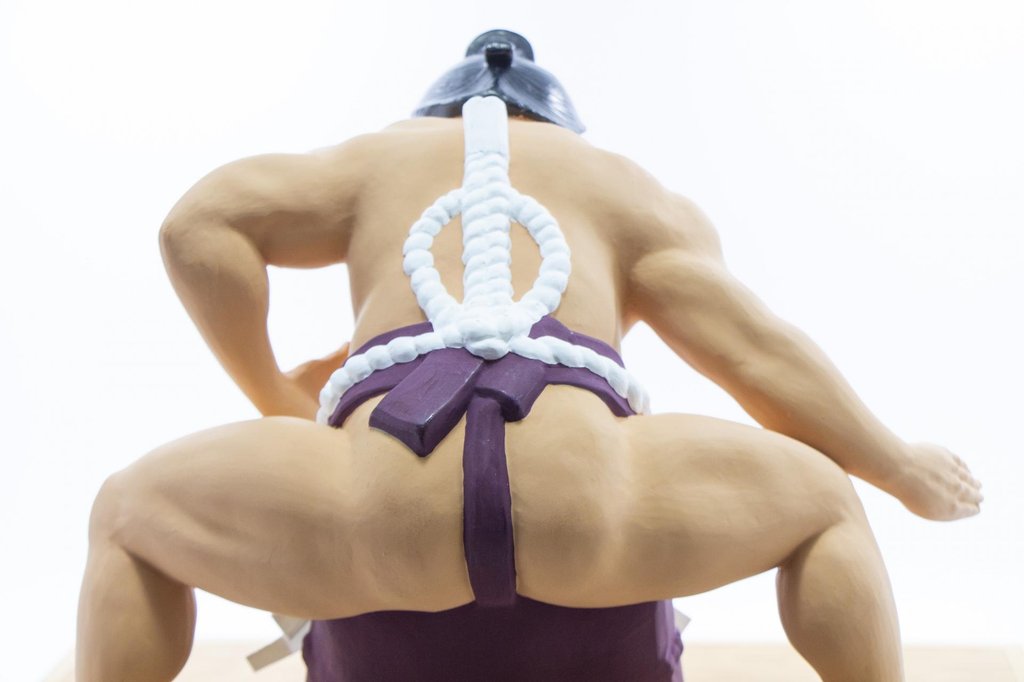
Even if tickets for your preferred date are sold out, you do not need to give up yet. Your options include the official face-value resale service, English-language viewing tours and ticket-purchasing services, and adjusting your travel plans.
Look for Returned Tickets on the Official Face-Value Resale Service
Ticket Oosumo has an official Face-Value Resale Service where people who can no longer attend can resell their tickets at face value. Resale trading starts on the Monday after the general sale date, or the next business day if that Monday is a holiday. Even for sold-out dates, you can buy any tickets that are listed on a first-come, first-served basis.
The listing deadline for resale depends on how the tickets are received: 11:59 pm the day before the viewing date for unissued paper tickets, and 11:59 pm three days before the viewing date for QR tickets
You need to log in to Ticket Oosumo to use the service, and phone number verification is required for registration and purchase. Resale tickets can be paid for by credit card only, and the card must support 3D Secure 2.0. If you are using the service from overseas, confirm in advance that you can register and complete payment.
Use an English-Language Viewing Tour or Ticket Purchasing Service
An English-guided viewing tour with pre-secured seats takes care of everything from arranging tickets to guiding you around the venue and explaining the bouts. A ticket-purchasing service that only secures tickets tends to cost less than a tour but does not include guidance on the day. Both add fees, but they spare you the hassle of payment errors and issuing tickets at 7-Eleven.
Before applying, check three things: the difference from face value, the cancellation policy, and whether you can choose your seat type. Some operators have already closed bookings for the Kyushu Basho, and spots are available on a first-come, first-served basis, so if you are considering this option, ask about availability early.
If You Still Can’t Get Tickets, Plan Your Trip Around Sumo Instead
If both resale and ticket-purchasing services come up empty, the next step is to rethink your itinerary around sumo. By choosing a sumo experience that runs independently of the tournament schedule, you can see the power of sumo up close without making major changes to your travel plans. The next section covers specific options.
How to See Sumo When You Can’t Get Tournament Tickets or the Dates Don’t Fit
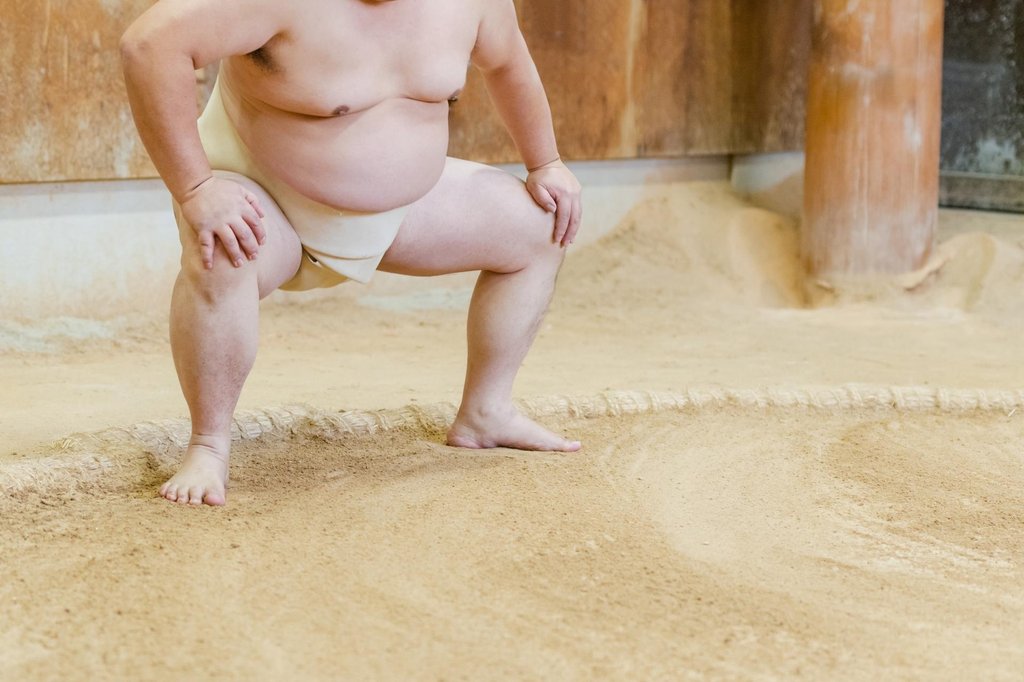
Even if you could not get tournament tickets or your trip does not overlap with the November tournament, there are still ways to see sumo up close. One option is a venue in Osaka where you can watch a show by retired rikishi and step onto the dohyo yourself.
Top Pick: Face Off Against Retired Rikishi on the Dohyo at Sumo Studio Osaka
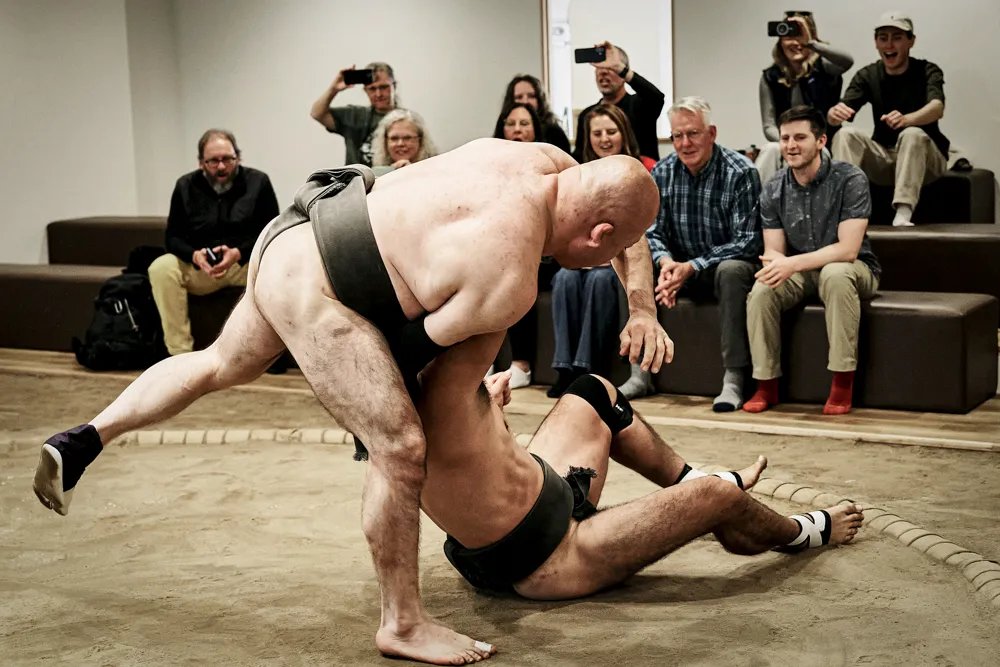
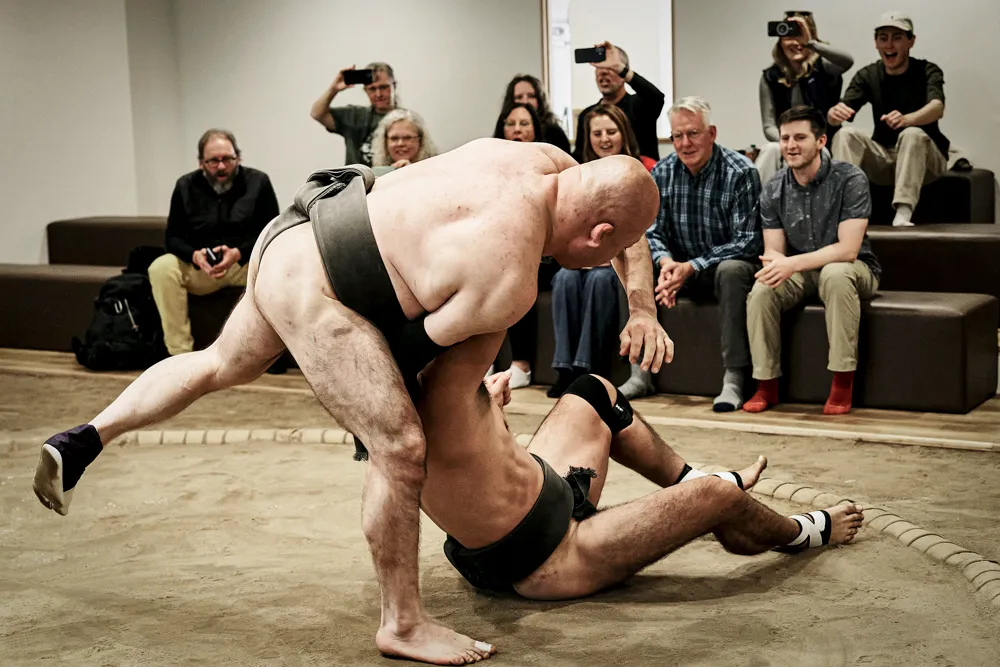
Sumo Studio Osaka is about 10 minutes by subway from Namba, right in front of Exit 4 of Hanazonocho Station on the Osaka Metro Yotsubashi Line. Up to 53 seats surround a dohyo built from real clay and sand. Retired professional rikishi explain the history of sumo and its connection to Shinto (Japan’s indigenous religion). They also cover the meaning of shiko (the ritual of raising one leg high and stamping the ground to drive away evil spirits) and the purifying salt ritual, in which salt is thrown to cleanse the dohyo before each bout. After demonstrations of training exercises, kimarite (winning techniques), and prohibited moves, you can watch retired rikishi face off in bouts from just a few meters away.
The second half of the roughly 90-minute show features the Audience Challenge, where volunteers step onto the dohyo and grapple with a retired rikishi. If there are more than eight volunteers, participants are chosen by lottery. Unlike a tournament, where you only watch from your seat, Sumo Studio Osaka lets you feel a rikishi’s weight and the force pushing back against your own body. At the end of the show, you can also take commemorative photos with the retired rikishi.
With five shows a day and performances year-round, Sumo Studio Osaka is easy to fit into an itinerary that takes you to Osaka outside the Kyushu Basho dates. Cancellation is free up to 24 hours before the start, and same-day bookings are possible if seats are available. Many visitor reviews mention the intensity of the show, how easy the English-language presentation is to follow, and their surprise at actually getting to grapple with a retired rikishi.
Details
| Address | 1F Hanazonocho AI Building, 1-5-1 Asahi, Nishinari-ku, Osaka, Osaka Prefecture (right in front of Exit 4 of Osaka Metro Hanazonocho Station) |
| Hours | Shows start at 10:00 am / 12:30 pm / 3:00 pm / 5:30 pm / 8:00 pm (about 90 minutes each) |
| Closed | Open year-round (including the New Year holidays) |
| Official Website | https://sumowrestlingshow.jp/ |
| Recommended For | People who couldn’t get tournament tickets, travelers whose trip doesn’t overlap with the November tournament, those who want to understand sumo through English commentary, and anyone who wants to step onto the dohyo rather than just watch |
Hands-OnGet hands-on with sumo in Osaka
Watch former professional sumo wrestlers demonstrate authentic sumo techniques. Learn the history, rituals, and rules of Japan’s national sport, then step into the ring for a hands-on sumo experience in Osaka.
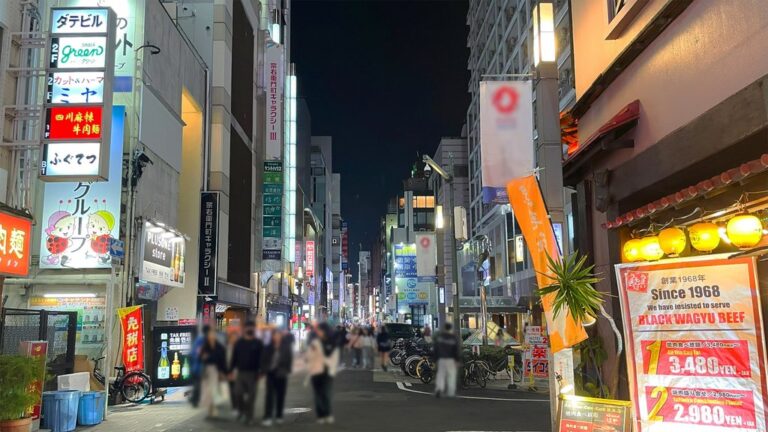
What to Expect on Tournament Day at Fukuoka Kokusai Center
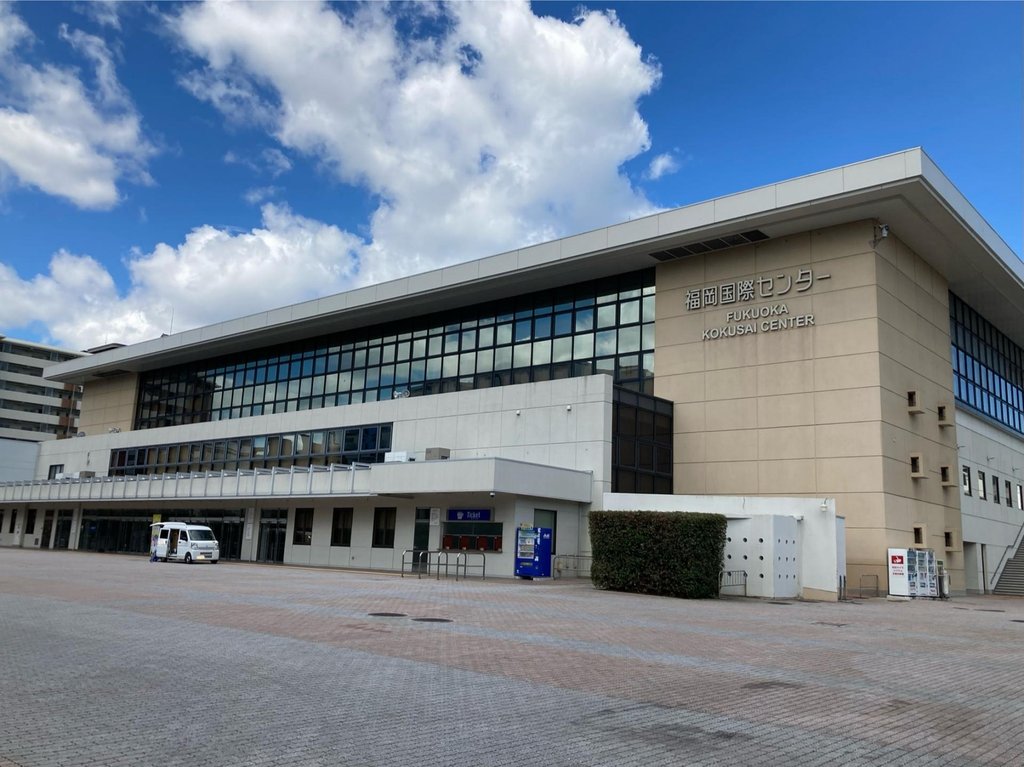
Once you have your tickets, it is time to think about how you will spend the day. The key things to know are the schedule from doors opening to the final bout, what to bring and viewing etiquette, and the food available at the venue.
Schedule from Doors Opening to the Final Bout
Grand sumo bouts run from morning until evening, starting with the lowest-ranked rikishi and moving up through the divisions. A typical day goes as follows.
| Time | Event |
|---|---|
| 8:45 am (10:30 am on Days 13 and 14; 10:00 am on the final day) | Doors open; bouts in the lower divisions, from Jonokuchi (the lowest division) to Makushita (the third-highest division) |
| Around 2:00 pm | Ring-entering ceremony and bouts of Juryo (the division just below Makuuchi, the top division) |
| Around 3:30 pm | Makuuchi and Yokozuna (grand champion) ring-entering ceremonies (rites in which rikishi wearing kesho-mawashi, ceremonial aprons, ascend the dohyo) |
| From around 4:00 pm | Bouts of Makuuchi |
| Around 5:50 pm | Musubi-no-ichiban (the final bout of the day) |
| Around 6:00 pm | Yumitori-shiki (the bow-twirling ceremony performed after the final bout); uchidashi (close of the day) |
For first-time visitors, arriving around 2:00 pm lets you see everything from the juryo ring-entering ceremony to the final bout, covering both the ceremonies and the top-ranked rikishi’s bouts.
With a ticket, you can re-enter as many times as you like until 5:00 pm, so you can watch the morning bouts, have lunch outside the venue, and come back in the afternoon. You need your ticket to re-enter, so make sure you have it with you before stepping out.
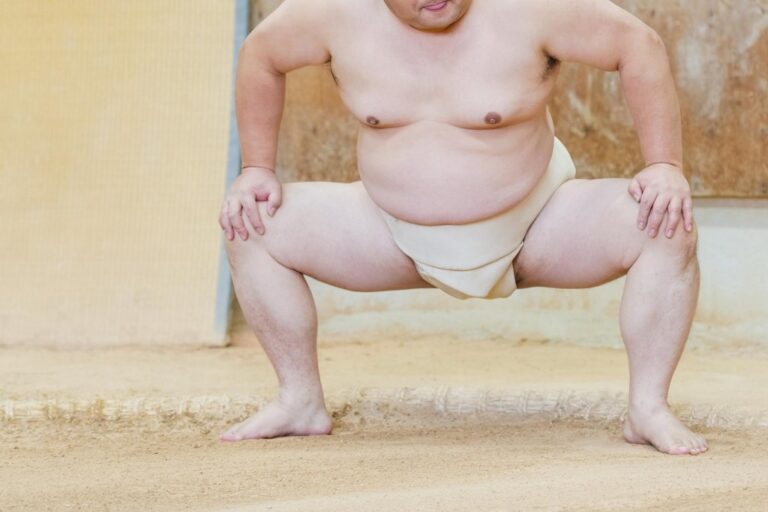
What to Bring and Viewing Etiquette
You take off your shoes to enter masu seats, so shoes that slip on and off easily make things simpler. Sitting on the floor for long periods can make your backside and legs sore, and having something to sit on, such as a jacket, can make a real difference in comfort. The venue has almost no space for large bags, so leave suitcases in coin lockers at Hakata Station or in Tenjin (Fukuoka’s main downtown district) before heading over.
At Tamari seats, eating, drinking, taking photos, and using mobile phones are prohibited. Please also refrain from waiting around the venue for rikishi to arrive or leave, as this can cause trouble for the neighborhood.
For other viewing rules and conditions on bringing in food and drinks, check the Japan Sumo Association’s official guidance for the tournament.
Food to Enjoy at the Venue
At Fukuoka Kokusai Center, you can eat and drink at your seat anywhere except the Tamari seats. Shops inside the venue sell bento boxes, snacks, and drinks, and in some years, food trucks and a regional products fair featuring food from across Kyushu are also set up in front of the venue.
Products and opening hours change from year to year, so check the Japan Sumo Association’s page or the on-site guidance before your visit.
Common Questions About Sumo Tickets in Fukuoka

These brief answers cover frequently asked questions about buying tickets for and attending the Kyushu Basho.
Can I Buy Same-Day Tickets?
Same-day tickets are not sold for dates that have sold out in advance. On days with unsold seats, you can buy tickets at the venue box office or through the official sales site until 5:00 pm that day. The Kyushu Basho has no unreserved seating, so you cannot simply line up on the day and expect to get in.
Can I Use a Credit Card Issued Outside Japan?
Yes, but payments can sometimes fail because cardholder authentication is not set up or because of restrictions on use with overseas sites. Check your card settings with the card company before your trip, and have a backup card ready.
If none of your cards work, another option is to use an in-store terminal at 7-Eleven after arriving in Japan and pay in cash.
Can I Attend with Children?
Yes. Children aged 4 and older need their own ticket, and special tickets for groups that include children or seniors are sometimes available. Tamari seats are limited to guests aged 16 and up, so if you have young children with you, chair seats are a more practical option because you can get up and move around more easily.
How Do I Get to Fukuoka Kokusai Center?
From Hakata Station, take a Nishitetsu bus from Stop F in front of Nishi-Nippon City Bank and get off at “Kokusai Center / Sunpalace-mae.” From Tenjin, take Nishitetsu Bus No. 80 or the BRT from Stop 2A in front of Solaria Stage (a shopping complex) and get off at “Kokusai Kaigijo / Sunpalace-mae.” Public parking lots are available near the venue, but they tend to fill up, so public transportation is more convenient.
Can I Enter with a Ticket Bought on a Resale Site?
No. The Japan Sumo Association prohibits reselling tickets for profit, and tickets bought outside official channels are invalid, so you may be turned away at the entrance. If tickets are sold out, choose a safe option such as the official resale service or an English-language viewing tour.
Planning Your Visit to the Kyushu Basho in Fukuoka
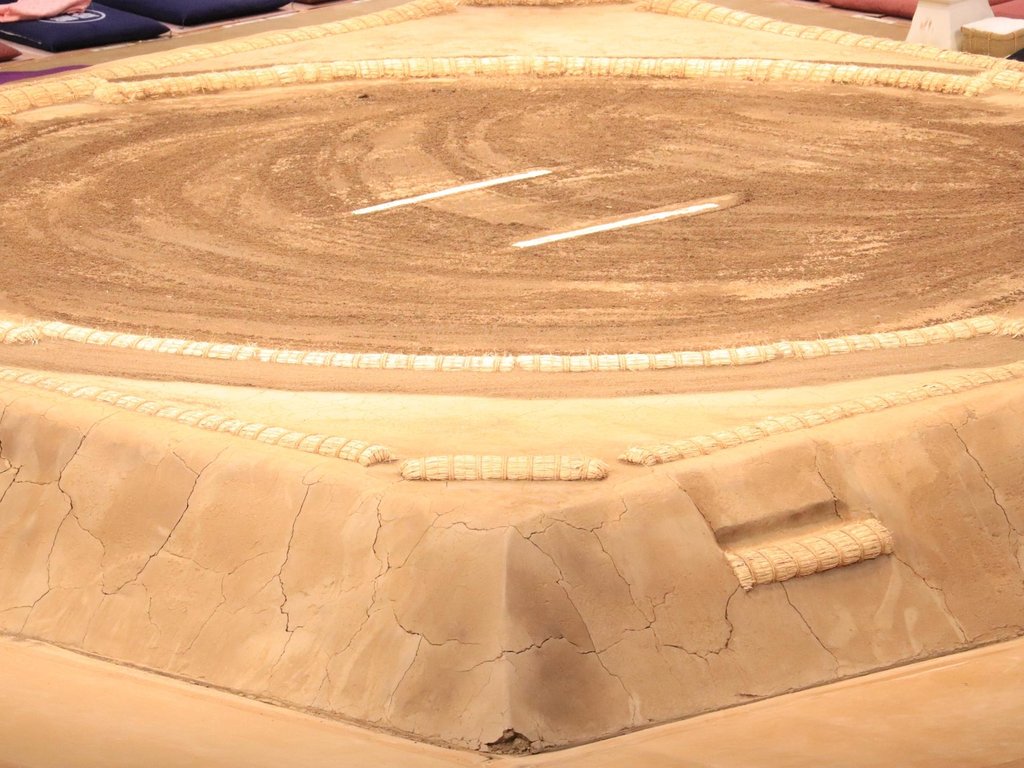
Tickets for the Kyushu Basho can be bought on the English page of Ticket Oosumo, the Japan Sumo Association’s official sales site. Check the general sale date and time and the seat types available on the English page in advance, and prepare several candidate dates, including weekdays. That improves your chances of getting the seats you want.
Even if tickets are sold out, the face-value resale service and English-language viewing tours are available. If the dates do not fit your trip, you can still experience sumo at Sumo Studio Osaka. The Kyushu Basho comes to Fukuoka only once a year, in November.
Hands-OnGet hands-on with sumo in Osaka
Watch former professional sumo wrestlers demonstrate authentic sumo techniques. Learn the history, rituals, and rules of Japan’s national sport, then step into the ring for a hands-on sumo experience in Osaka.
![Where to Watch Sumo in Japan: 3 Ways to See Sumo & How to Get Tickets [Complete Guide]](https://sumowrestlingshow.jp/wp-content/uploads/2026/08/where-to-watch-sumo-in-japan_1-300x200.jpg)