What Is the Sumo Banzuke? All Ten Ranks From Jonokuchi to Yokozuna and How Promotion Works
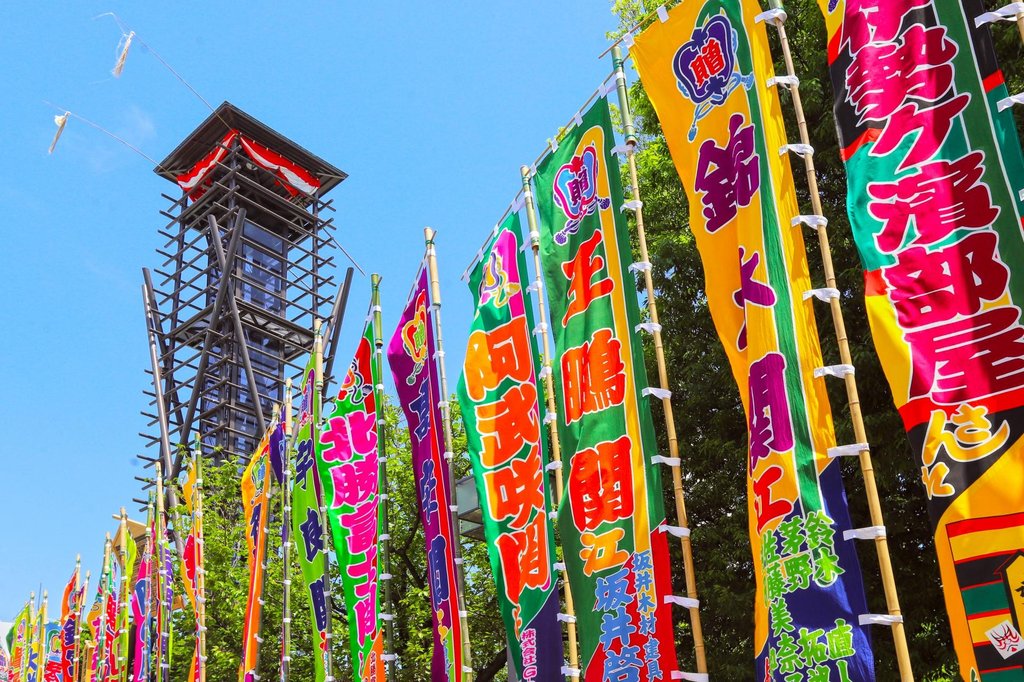
The sumo banzuke—the ranking sheet that displays each wrestler’s standing and strength—divides rikishi (professional sumo wrestlers) into 10 levels, from Jonokuchi at the bottom to Yokozuna at the top, and each new ranking is decided mainly on results from the most recent Grand Tournament. The number of bouts, promotion and demotion, and the treatment each athlete receives all changes with rank, and understanding the banzuke system means you’ll be able to tell where every rikishi stands and appreciate another layer of the sport.
Each of the ten rankings has its own characteristics and its own relationship between wins, losses and other ranks. Learning the basics of reading the banzuke sheet—such as where a name appears and how large the characters are—allows travelers unfamiliar with kanji to gauge an athlete’s current standing at a glance.
Contents
- What Is the Sumo Banzuke?
- The Order of All Ten Sumo Ranks: From Jonokuchi to Yokozuna
- Jonokuchi: The Lowest Rank
- Jonidan: The Division With the Most Rikishi
- Sandanme: The Middle Rank Between Jonidan and Makushita
- Makushita: The Final Hurdle Before Sekitori Status
- Juryo: The Gate to the Salaried Upper Ranks
- Maegashira: The Most Populated Rank in Makuuchi
- Komusubi: The First of the Titled Ranks
- Sekiwake: The Springboard to Ozeki
- Ozeki: Second Only to Yokozuna
- Yokozuna: The Highest Rank on the Banzuke
- How Wins and Losses Move a Rikishi Up or Down the Banzuke
- A Winning Record Moves a Rikishi Up
- Thirty-Three Wins During Three Tournaments as Sekiwake or Komusubi Brings Ozeki Within Reach
- Ozeki Become Yokozuna Through Consecutive Championships
- An Ozeki With a Losing Record Faces Kadoban and Possible Demotion
- Yokozuna Are Never Demoted, but Repeated Losses Often Lead to Retirement
- How to Read the Sumo Banzuke Without Knowing Japanese
- Common Questions About the Sumo Banzuke
- Key Points to Remember About the Sumo Banzuke
What Is the Sumo Banzuke?
The Grand Sumo banzuke ranks roughly six hundred rikishi across six divisions and ten ranks. The sheet is never fixed. The order is rebuilt once a tournament ends, weighing each rikishi’s current standing against the wins and losses of those around him.
Grand Sumo doesn’t operate on a simple system where a win lifts an athlete a set number of places and a loss drops them the same distance. Knowing how the ranking committee determines the next ranking order—and when the new banzuke appears—makes the build-up to the next tournament exciting and worth following.
All Rikishi Are Sorted Into Ten Ranks
The association sorts the sumo wrestlers into one of six divisions covering ten ranks in total. Only the top division, Makuuchi, is subdivided further, into five separate ranks.
| Division | Ranks (from highest to lowest) |
|---|---|
| Makuuchi | Yokozuna, Ozeki, Sekiwake, Komusubi, Maegashira |
| Juryo | Juryo |
| Makushita | Makushita |
| Sandanme | Sandanme |
| Jonidan | Jonidan |
| Jonokuchi | Jonokuchi |
Rikishi in Juryo and above are called Sekitori, a title reserved for the top two divisions. They get a monthly salary, are assigned attendants, and are treated differently from the lower divisions both in the bouts they fight and in daily life. Those in Makushita and below, on the other hand, are classified as trainees, which makes reaching Sekitori status the ultimate goal for most athletes.
On the banzuke sheet, rikishi are split into an east side and a west side around the center line, and the higher up the sheet a name sits, the higher their rank. Within the same rank and number, the east side indicates higher standing than the west, so even without reading every character you can judge a wrestler’s approximate standing from the position of his name and the size of the writing.
The Order Is Reshuffled Based on the Previous Tournament
Results from the tournament that just finished are the numbers that determine the banzuke. In the Makuuchi and Juryo divisions, eight wins or more over fifteen days count as a winning record, while seven or less counts as a losing one. Below Juryo, rikishi usually compete in seven bouts, with four wins being the benchmark.
A winning record doesn’t lift a rikishi a predetermined amount, and a losing record doesn’t result in his falling by a predetermined amount either. An athlete’s ranking depends not only on his current rank but also on how the rikishi around him performed, so identical wins and losses between the athletes can produce very different ranking results.
Yokozuna are never demoted. An Ozeki doesn’t fall to Sekiwake after losing a single tournament either; he instead faces kadoban, a probationary period under which a second consecutive losing record brings demotion.
The Ranking Committee Meets Within Three Days of the Final Day
The ranking committee meets after the final day of a tournament to settle the next banzuke. Led by the judging department, the committee compares every rikishi’s record and debates where each one should be placed for the following tournament.
No published formula governs how far a rikishi rises or falls, and comparisons with rivals at the same rank and just above or below matter a great deal. For example, one rikishi with a 7-8 record may be only slightly demoted while another tumbles a long way down the ranks.
What the committee discusses stays confidential until the official announcement. That secrecy is why so many fans spend the weeks after a tournament predicting the next banzuke for themselves.
The New Banzuke Appears Thirteen Days Before the Opening Day
The new banzuke comes out, as a rule, on the Monday that falls thirteen days before the opening day of a Grand Tournament. The January tournament is the exception, however, since New Year’s holidays can result in the announcement being made earlier than usual.
If you’re planning to attend a tournament, check the announcement date alongside the annual schedule on the Japan Sumo Association’s official website.
 Hands-On
Get hands-on with sumo in Osaka
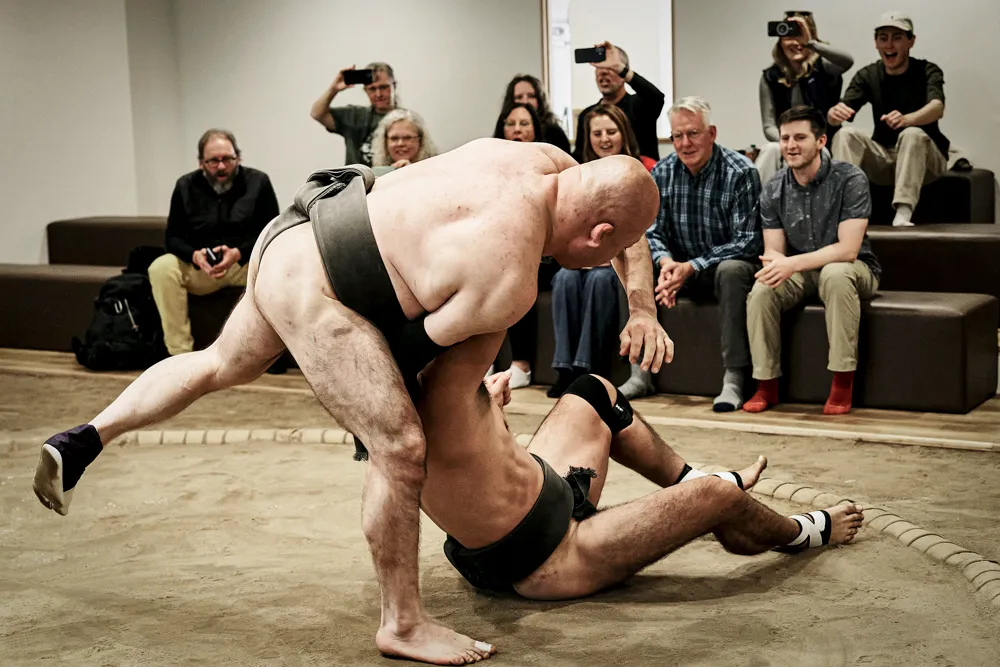
Watch former professional sumo wrestlers demonstrate authentic sumo techniques. Learn the history, rituals, and rules of Japan’s national sport, then step into the ring for a hands-on sumo experience in Osaka.
The Order of All Ten Sumo Ranks: From Jonokuchi to Yokozuna
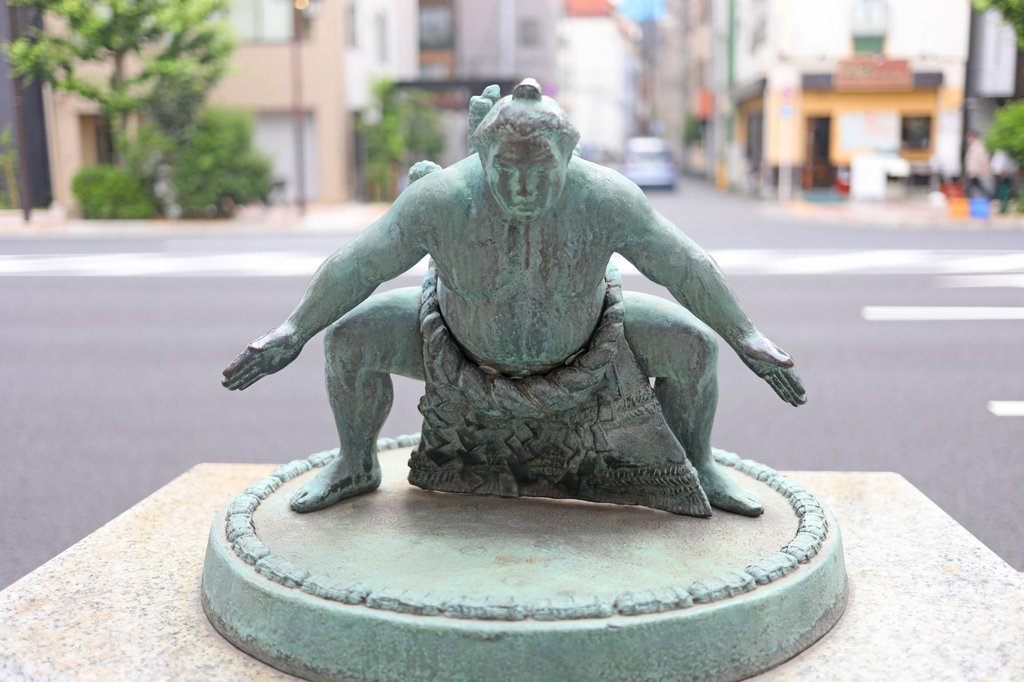
From Jonokuchi at the bottom to Yokozuna at the summit, each of sumo’s ten ranks carries its own status and its own standard of treatment. Learning about each rank from the bottom up illustrates how living conditions differ between divisions and clarifies what is at stake when two rikishi of different ranks meet in the dohyo—the sacred clay ring.
Jonokuchi: The Lowest Rank
Jonokuchi is where new recruits find themselves after clearing the preliminary maezumo bouts, and it is the lowest rank at which a rikishi’s ring name appears on the banzuke. Jonokuchi has no set capacity, so the number of athletes changes with every tournament; the most recent sheet listed around thirty-seven rikishi.
Some of the main characteristics of the Jonokuchi rank:
- No monthly salary: only a per-tournament allowance of about ¥77,000 is paid to competitors
- Communal living in a shared room: cooking, cleaning, and other chores are completed by the athletes themselves
- Seven bouts per tournament: a wrestler must win four matches in order to be promoted to Jonidan
Jonokuchi bouts are scheduled early in the morning during a tournament. In the quiet of the Kokugikan Arena just after the doors open, you can watch the wrestlers face off with the explosive tachiai, the initial charge that opens every bout. These matches mark the starting point for young rikishi aiming for greater status.
Jonidan: The Division With the Most Rikishi
Jonidan is the rank above Jonokuchi and holds more athletes than any other division: the most recent sheet listed around two hundred and two names, a striking figure next to Makuuchi’s forty-two athletes and Juryo’s twenty-eight.
With no limit on numbers, this rank sees rising youngsters mixed with veterans on their way back down, making it fiercely competitive. Conditions match those of the rank below, with no monthly salary, communal living quarters, and participation in seven matches per tournament. With more than two hundred rikishi being ranked based on results from just seven bouts, a single win can swing an athlete’s ranking sharply.
Sandanme: The Middle Rank Between Jonidan and Makushita
Sandanme is the rank above Jonidan and below Makushita. The names of its rikishi run along the third tier of the banzuke sheet, and unlike Jonidan the division has a capacity of one hundred and sixty rikishi. This means that promotion to Sandanme depends not only on wins and losses, but also on how many spots are open.
Competitors at Sandanme rank don’t receive a monthly salary, and live on a tournament allowance of ¥110,000. They share their living space with other athletes and have no private rooms or personal attendants. For a sandanme rikishi, the Makushita division one rank above is the last barrier before the salaried world of the upper ranks.
Makushita: The Final Hurdle Before Sekitori Status
Makushita has a limit of one hundred and twenty rikishi and sits directly below the salaried Juryo division. As trainees, its members receive a tournament allowance of ¥165,000, but still no monthly salary.
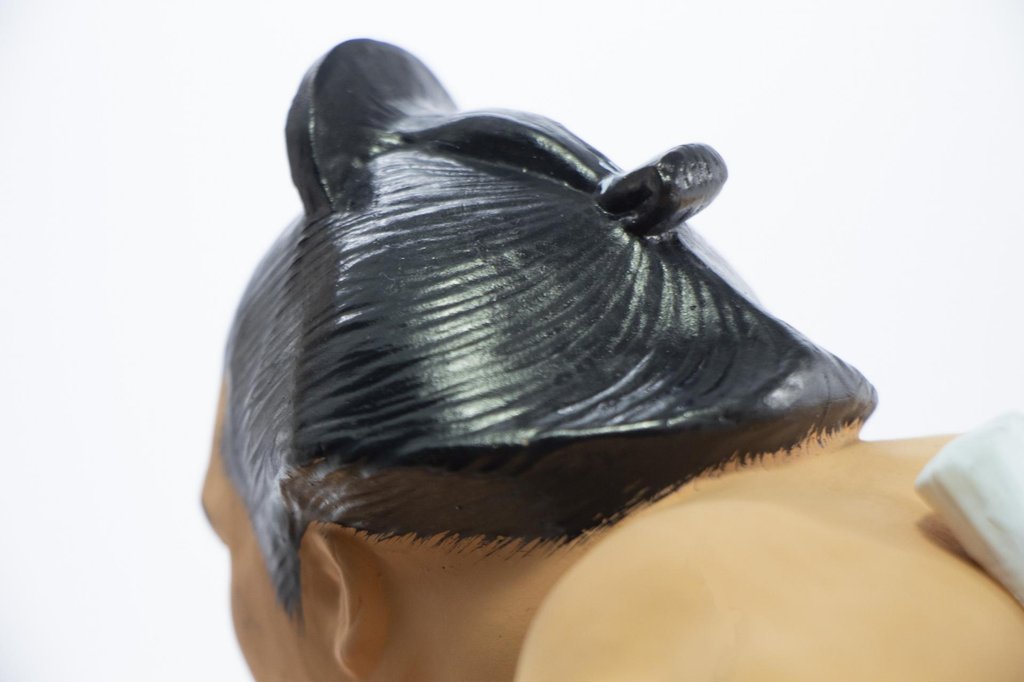
Promotion to Juryo brings with it a salary, a private room, and the right for an athlete to wear a kesho-mawashi (ceremonial apron) and style their hair into the iconic topknot sumo wrestlers are known for. Makushita is often perceived as the biggest obstacle on the road to becoming a Sekitori, because a single step up or down on the banzuke substantially transforms a rikishi’s daily life.
| Makushita | Juryo | |
|---|---|---|
| Monthly salary | None (tournament allowance only) | ¥1.1 million |
| Matches | 7 per tournament | 15 per tournament |
| Living quarters | Shared rooms | Private rooms |
| Attendants | No | Yes |
| Oicho-mage topknot | Not permitted | Permitted |
Juryo: The Gate to the Salaried Upper Ranks
From Juryo rank upward—a division with only twenty-eight spots—a rikishi is named a Sekitori and his circumstances change enormously. He receives a monthly salary of ¥1.1 million (about US$7,000), lives in a private room, and is entitled to attendants.
Athletes in Juryo rank have a different appearance too: Juryo rikishi tie their hair in an oicho-mage (the formal topknot sumo wrestlers are known for) and fight in the ring on all fifteen days of a tournament. When the Juryo bouts begin in the afternoon, the rikishi perform the ring-entering ceremony in brightly colored kesho-mawashi, purifying the dohyo and presenting themselves to the audience. The mood inside the hall lifts noticeably as they do.
Hands-OnGet hands-on with sumo in Osaka
Watch former professional sumo wrestlers demonstrate authentic sumo techniques. Learn the history, rituals, and rules of Japan’s national sport, then step into the ring for a hands-on sumo experience in Osaka.
Maegashira: The Most Populated Rank in Makuuchi
Maegashira, also known as Hiramaku, accounts for most of the Makuuchi division’s forty-two rikishi, excluding the titled ranks: Yokozuna, Ozeki, Sekiwake and Komusubi. Its size varies with the number of wrestlers in the four titled ranks, but at most it fills eighteen places each on the east and west sides, or thirty-six places in total.
When a Maegashira defeats a Yokozuna, he earns a kinboshi—a bonus payment—until he retires. Conversely, Komusubi and Sekiwake don’t get a bonus for beating a Yokozuna, and this is a privilege reserved for the Maegashira. In bouts pitting top Maegashira against a Yokozuna, you can sense the tension during the match and see the explosive excitement the moment a kinboshi is won.
Komusubi: The First of the Titled Ranks
Komusubi is the lowest of the sanyaku, the titled ranks that also include Sekiwake, Ozeki and Yokozuna. It’s only reached by rikishi who attain strong results at the top of the Maegashira rank, and at least one Komusubi is listed on each of the east and west sides of the banzuke.
Once an athlete reaches Komusubi, he is pitted against the Yokozuna and Ozeki in quick succession during the opening days of the tournament, so a winning record becomes much harder to secure. A losing record will send him back to Maegashira, and watching a newly promoted Komusubi hang on under all that pressure is one of the pleasures of the tournament.
Sekiwake: The Springboard to Ozeki
Sekiwake sits one rank below Ozeki, and at least one rikishi holds it on each side of the banzuke. They are the ones who topple the strongest opponents: bouts against Yokozuna and Ozeki occur almost every tournament, giving Sekiwake the toughest slate of opponents in the Makuuchi division. The benchmark for promotion from Sekiwake to Ozeki—thirty-three wins across three consecutive tournaments—carries so much weight precisely because it is earned only by beating the enormous odds stacked against them.
Ozeki: Second Only to Yokozuna
Ozeki is the second-highest rank on the banzuke, below Yokozuna. Regulations call for at least one Ozeki on both the east and west sides of the banzuke, and when none is available a Yokozuna doubles as both under the title Yokozuna-ozeki.
Until Yokozuna became a formal rank in 1909, Ozeki was the highest position in sumo; the name at the top of the banzuke was always an Ozeki. That history is why this rank still occupies a special place today, complete with its own unique rules concerning demotion.
Yokozuna: The Highest Rank on the Banzuke
Yokozuna is the summit of the sumo world. Unlike every other rank, it carries no minimum number of necessary athletes: the position may simply stay vacant when no one is deemed worthy of it.
Yokozuna was originally a title granted to the strongest among the Ozeki, and only later did it become an independent rank at the top of the banzuke. Accumulated wins alone don’t earn the rank. “Yokozuna” is a title granted only to those wrestlers who combine dignity with strength.
How Wins and Losses Move a Rikishi Up or Down the Banzuke
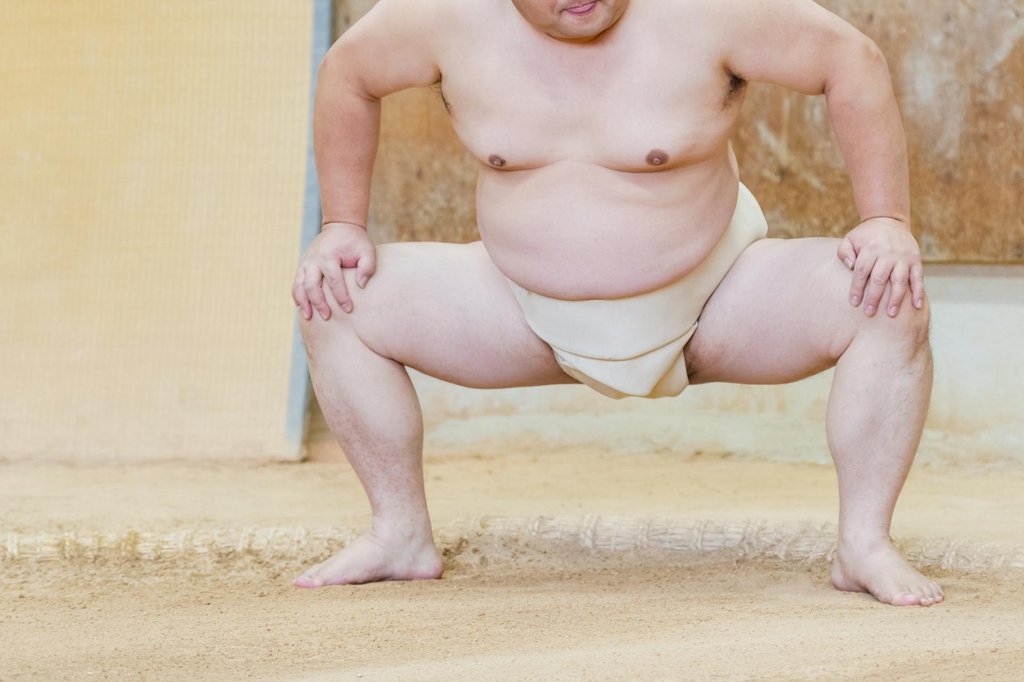
A winning record lifts a rikishi’s standing, but by how much depends on the rank he currently holds, and the top positions follow special rules of their own. Details on the conditions for promotion to Ozeki, the probation period after a losing record, and the retirement standards applied only to the Yokozuna help to complete the picture of how the banzuke is determined.
A Winning Record Moves a Rikishi Up
In the Makuuchi and Juryo divisions, an 8-7 record over fifteen days—a winning record by the narrowest margin—generally moves a rikishi up one rank. There’s no official formula governing the movement: the ranking committee determines placement, taking into account retirements and the balance of results across the division.
A heavy losing record can result in a wrestler changing divisions, from Makuuchi to Juryo or from Juryo to Makushita. Below Juryo (where rikishi compete in seven bouts), a win-loss record of 4-3 or better counts as a winning record. Internal rules also grant priority promotion to Juryo for any athlete with a win-loss record of 7-0 within the top fifteen places of Makushita.
Thirty-Three Wins During Three Tournaments as Sekiwake or Komusubi Brings Ozeki Within Reach
The benchmark for promotion to Ozeki is winning thirty-three or more matches during three consecutive tournaments as a Sekiwake or Komusubi. This is not an absolute condition, however. The judging department assesses the quality of a rikishi’s technique and the caliber of his opponents, then makes the final decision.
Some examples of exceptions are Kitanofuji—who ascended to Ozeki with just twenty-eight wins—and Asanoyama with only thirty-two. Conversely, other wrestlers have reached thirty-three wins and been passed over because the quality of their sumo fell short.
Ozeki Become Yokozuna Through Consecutive Championships
There is no fixed, numerical standard for promotion to Yokozuna. The internal rules of the Yokozuna Deliberation Council simply state, “two consecutive championships as an Ozeki, or equivalent results.”
Besides results, a candidate is expected to show outstanding dignity and ability. The Japan Sumo Association makes a formal recommendation when at least two-thirds of the attending members approve. Because the process rests on collective judgment, the interpretation of the standard is debated over and over again.
An Ozeki With a Losing Record Faces Kadoban and Possible Demotion
A losing record doesn’t result in immediate demotion for an Ozeki. He spends the following tournament in a probationary period called kadoban. During this time, a winning record will preserve his rank as Ozeki, while a second losing record results in his being demoted to Sekiwake.
A special provision applies for the first tournament immediately after demotion: it allows a rikishi who wins ten or more bouts to return to Ozeki. If he falls short, the right to return disappears and the ordinary rules of promotion and demotion are applied to him once more.
Yokozuna Are Never Demoted, but Repeated Losses Often Lead to Retirement
The Yokozuna rank carries no risk of demotion, and no amount of losing or absences can push a rikishi down to Ozeki or below. In exchange, a Yokozuna is expected to produce results and conduct himself in a manner befitting the highest rank in sumo, and a prolonged failure to deliver on this can cast doubt on his right to continue as the Yokozuna.
When the Yokozuna Deliberation Council judges a Yokozuna’s results or behavior to be lacking, they may resolve this by encouraging the Yokozuna, warning him to do better, or recommending that he retire. None of these technically forces a rikishi out, but a recommendation to retire is an exceptionally grave statement that many Yokozuna act on.
| Ozeki | Yokozuna | |
|---|---|---|
| Movement after poor results | Kadoban, then possible demotion to sekiwake | No demotion; only retirement |
| Route back to previous rank | 10 wins during the next tournament | No return once retired |
How to Read the Sumo Banzuke Without Knowing Japanese
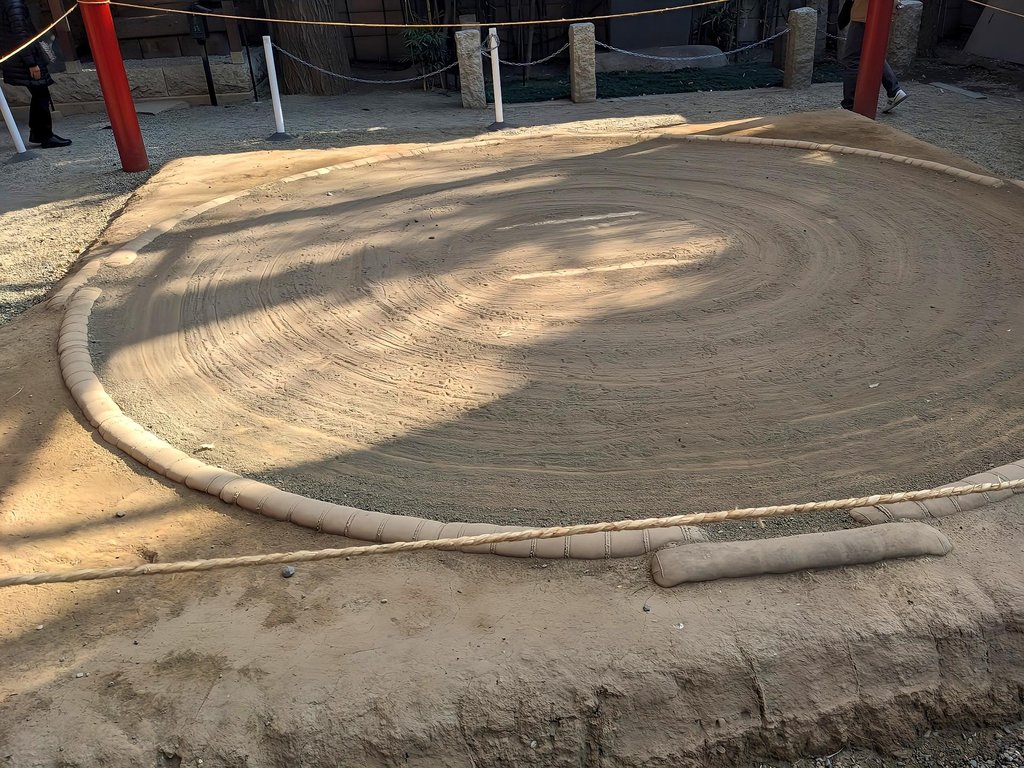
The banzuke sheet is written in Japanese, yet a few visual cues are enough to grasp each rikishi’s standing. Name placement, the size of the characters used to write the athlete’s name, and the tier a name occupies all carry meaning, and reading these signals can help you to follow sumo rankings even with the language barrier.
Placement Shows Rank Within the Same Position
A column of characters spelling out “banzuke” runs down the center of the sheet, dividing the east side (on the right) from the west side (on the left). Following traditional Japanese ideas about direction, a rikishi on the east side stands half a place higher than his west-side counterpart at the same rank.
For example, east Maegashira 3 stands just above west Maegashira 3. Television broadcasts also apply labels to indicate east and west on-screen, so you can check the order between the two sumo wrestlers before they face off.
Character Size Shows a Rikishi’s Standing
A referee hand-writes the banzuke in a brush style known as sumo-ji, and the higher the rank, the larger and bolder the characters are. He writes a Yokozuna’s ring name at about 2.3 cm (0.9 inches) per character, compared with about 2.0 cm (0.8 inches) for an Ozeki, a difference that’s clearly visible.
At the Jonokuchi tier, the writing is so small that a magnifying glass might be needed to read the names of the athletes. Even without knowledge of Japanese characters, the depth of the ink and the area each name occupies reveal the hierarchy of the banzuke.
Tier Position Indicates the Division
The sheet is split into five horizontal tiers, and the tier that a ring name occupies identifies that rikishi’s division.
| Tier | Division listed |
|---|---|
| 1st tier (top) | Makuuchi (Yokozuna through Maegashira) |
| 2nd tier | Juryo and Makushita |
| 3rd tier | Sandanme |
| 4th tier | Jonidan |
| 5th tier (bottom) | Jonokuchi |
Rank rises as you move up the tiers, and the bottom tier lists not only wrestlers but also respected elders from the sumo stables (oyakata) and referees. The tier alone can indicate whether a rikishi is a salaried Sekitori, since the Sekitori occupy the upper half of the second tier and everything above it.
Shikona: The Ring Name Written on the Banzuke
Every name on the banzuke sheet is a shikona, the official ring name unique to each rikishi. This name appears on match schedules, in broadcasts and on championship certificates alike.
Below are some famous examples of shikona:
- Endo and Shodai: whose shikona were their own family names
- Terunofuji: who took a distinctive name inherited from an oyakata or passed down through a sumo stable tradition
A shikona is even used in later years, when a wrestler serves as an oyakata, long after his final bout.
Around the Shikona: Birthplace and Stable
Alongside each shikona, the sheet lists the rikishi’s birthplace and his sumo stable, the place he trains and calls home. Japan-born sumo wrestlers appear next to the names of their home prefectures, while those from abroad are listed next to the name of the country where they were born.
| Japanese | English |
|---|---|
| モンゴル | Mongolia |
| カザフスタン | Kazakhstan |
| ウクライナ | Ukraine |
| 中国 | China |
The current banzuke includes several Mongolian athletes along with Kinbozan of Kazakhstan and Shishi of Ukraine. Checking the stable names reveals which rikishi are currently training as stablemates.
Common Questions About the Sumo Banzuke
Besides the mechanics of the ranking system, questions often come up about what actually influences promotion and where the rankings can be checked in English. The answers below cover these points, along with information about a venue where you can experience sumo firsthand.
Do Championship Wins, Special Prizes, and Kinboshi Affect Rank?
Winning a championship, a special prize or kinboshi carries no guarantee that a rikishi will be promoted. Standard ranking determines an athlete’s next position based on his record in the most recent tournament and his current rank, compared against the results of his rivals.
For promotion to Ozeki or Yokozuna, however, championships and special prizes become important evidence of skill alongside a rikishi’s win-loss count. Onosato, for example, took the September 2024 tournament with a 13-2 record and earned promotion to Ozeki afterward.
Are Foreign-Born Rikishi Promoted by the Same Standards?
Promotion and demotion standards apply to foreign-born rikishi on the banzuke. Their rankings move with their tournament results in the same way, and Akebono, Hakuho and Terunofuji are among the many foreign-born sumo wrestlers who have risen all the way to Yokozuna.
There is a limit on the number of foreign-born rikishi allowed on the banzuke, however, though this is a separate matter from ranking standards. The Japan Sumo Association’s listings place everyone within the same banzuke regardless of birthplace.
Can the Rankings Be Checked in English?
The English-language site of the Japan Sumo Association provides the rankings from Makuuchi down to Jonokuchi in English and romanized Japanese. Along with athlete names, it has labels such as “East,” “West,” “Yokozuna,” “Ozeki,” and “Maegashira,” which makes the banzuke easy to follow for travelers who can’t read Japanese.
Checking the name and rank of the wrestler you want to see before you attend a tournament should make the match schedule and the displays inside the venue easier to understand.
Where Can I See Sumo in Action?
The most direct answer is a Grand Tournament. Because Sekitori and the lower divisions differ in status, duties, and treatment, following a full day of bouts—from the Jonokuchi matches early in the morning to the Juryo ring-entering ceremony in the afternoon—can reveal that hierarchy before your very eyes.
Grand Tournaments are not the only venue for enjoying sumo, however. At Sumo Studio Osaka, introduced below, former professional wrestlers demonstrate authentic sumo techniques just a few meters from the audience.
Can You Learn About Sumo Directly From Former Rikishi?
Sumo Wrestling Experience in Osaka
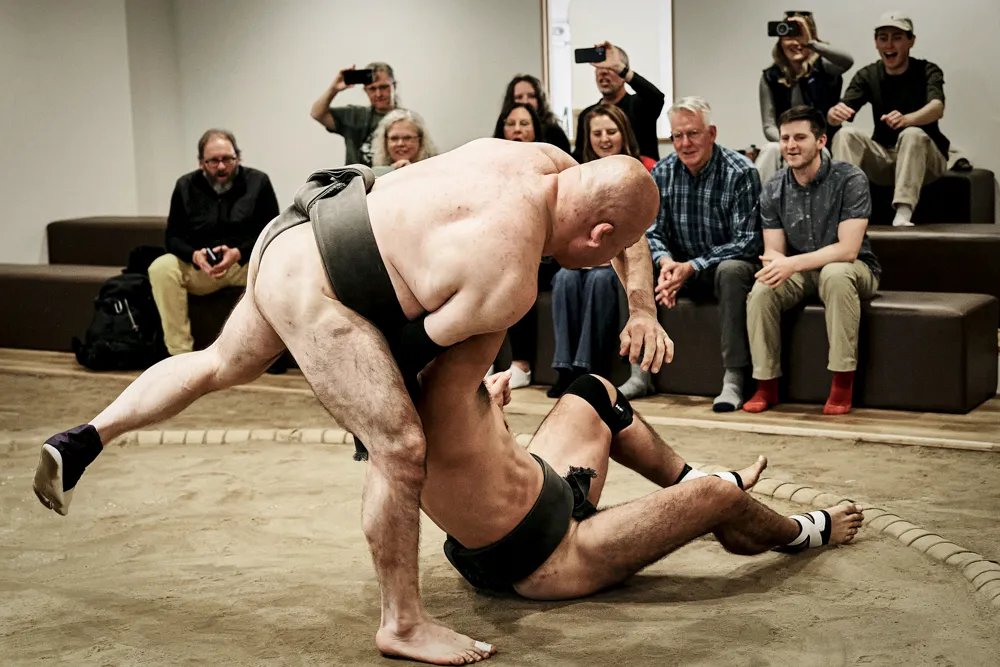
Sumo Studio Osaka stages an English-language sumo show featuring former professional wrestlers. You’ll watch the athletes up close while learning about their power and the cultural elements of sumo, turning the banzuke from something you read about into something you watch.
The venue houses a dohyo (sumo ring) built to traditional specifications with genuine clay and sand, and the seats are only a few meters (about 10 feet) from the ring itself. Audience members can even step into the dohyo themselves, bringing the size and strength of a rikishi within arm’s reach.
Sumo Studio Osaka also sells original goods based on sumo motifs and serves sake, plum wine and soft drinks, so the visit extends beyond simply watching the show.
Details
| Address | 1F Hanazonocho AI Building, 1-5-1 Asahi, Nishinari-ku, Osaka |
| Hours | 10:00 am-9:30 pm (5 shows daily) |
| Closed | Open year-round |
| Official website | https://sumowrestlingshow.jp/ |
| Recommended for | Visitors who want to learn about the banzuke and sumo culture firsthand; sumo fans who want to feel the presence of former rikishi up close; anyone looking for a sumo experience in English |
Hours change with the season. Please check the official website before visiting.
Hands-OnGet hands-on with sumo in Osaka
Watch former professional sumo wrestlers demonstrate authentic sumo techniques. Learn the history, rituals, and rules of Japan’s national sport, then step into the ring for a hands-on sumo experience in Osaka.
Key Points to Remember About the Sumo Banzuke
The Grand Sumo banzuke consists of ten ranks, and the ranking of each rikishi is determined specifically for every tournament based on the results previously recorded. Promotion and demotion have different rules that are determined by rank—and the higher ranks carry unique rules of their own—with Yokozuna exempt from demotion altogether.
Knowing how the system works makes it easier to understand what a single result means for a sumo wrestler’s promotion, and why he occupies the place he does. Take note of the size of the characters on the sheet, the east-west placement of the names, and the way an athlete carries himself on the dohyo: these are all indications of a rikishi’s rank.


![Where to Watch Sumo in Japan: 3 Ways to See Sumo & How to Get Tickets [Complete Guide]](https://sumowrestlingshow.jp/wp-content/uploads/2026/08/where-to-watch-sumo-in-japan_1-300x200.jpg)