Famous Sumo Wrestlers: The Strongest Yokozuna in History and Today’s Rising Stars
Have you ever wondered who the strongest sumo wrestler of all time is, or which active wrestlers are drawing the most attention today? Even for those drawn to sumo, the sheer number of rikishi (sumo wrestlers) and their remarkable records can make it hard to grasp how each one is evaluated.
After a quick look at the criteria used to judge rikishi, in this article you’ll learn about seven legendary grand champions—or yokozuna—who defined their eras, the foreign-born rikishi who symbolize sumo’s internationalization, and current athletes poised to shape the future of sumo.
Covering both historic legends and today’s stars, this overview is full of sumo stories worth knowing.
Contents
- How Sumo Wrestlers Are Evaluated
- Seven Famous Sumo Wrestlers Hailed as the Strongest in History
- Hakuho: All-Time Record Holder with Forty-five Championships and a Sixty-three-Match Winning Streak
- Futabayama: The Unbreakable Winning Streak
- Taiho: Thirty-two Championships and Two Runs of Six Straight Titles
- Chiyonofuji: “The Wolf” Who Overcame Injury and Won Fifty-Three Times in a Row
- Asashoryu: The Only Rikishi to Conquer All Six Tournaments in a Single Year
- Kitanoumi: Promoted to Yokozuna at Age Twenty-one and “So Strong It’s Infuriating”
- Takanohana: The Great Yokozuna Who Powered the Sumo Boom of the 1990s
- Three Sumo Wrestlers Who Symbolize Sumo’s Internationalization
- Four Active Sumo Wrestlers to Watch Today
- Common Questions About Famous Sumo Wrestlers
- Find Your Favorite Rikishi and Enjoy the Next Tournament
How Sumo Wrestlers Are Evaluated
When discussing the “strongest” or “most famous” rikishi, fame alone tells only part of the story. A fair assessment draws on several measures, not just one or two.
The essential criteria for understanding success in sumo includes: the banzuke (a system that determines each wrestler’s ranking), individual achievements by athletes (such as participation in championships and winning streaks), and the way annual tournaments have changed over the years.
Understanding these points makes it easier to appreciate the true value of the feats left by the great rikishi of history, and to judge each man’s strength in the context of his own time.
The Yokozuna Stands at the Top of the Banzuke
The sumo banzuke has ten ranks, with the yokozuna at the summit. Rikishi ranked juryo (the second division) or higher are called sekitori and earn a monthly salary. Those in the third division (makushita) and below are classified as trainee rikishi, and receive monetary allowances on a per-tournament basis instead of a salary.
| Rank | Category |
|---|---|
| Yokozuna | Sekitori (salaried) |
| Ozeki (second-highest rank) | Sekitori (salaried) |
| Sekiwake, Komusubi, Maegashira (the senior, junior, and lesser titleholders of the top division) | Sekitori (salaried) |
| Juryo | Sekitori (salaried) |
| Makushita through Jonokuchi (the lowest division ranks) | Trainee rikishi (per-tournament monetary allowance only) |
The single biggest reason the yokozuna is special is that it is the only rank in sumo that can never be demoted. Rikishi at ozeki and below drop down the banzuke after poor performance, but no such mechanism exists for a yokozuna.
Promotion to yokozuna is an exceptionally difficult feat. The general standard is two consecutive championships as an ozeki, or winning results that are equivalent. Candidates are reviewed by the Yokozuna Deliberation Council, and must be recommended with the approval of at least two-thirds of the members present, then be confirmed by the board of directors of the Japan Sumo Association.
At the same time, the highest rank carries heavy responsibilities. If a yokozuna has poor performance or is judged to fall short of the dignity the rank demands, the Yokozuna Deliberation Council can issue warnings, encouragement, or even a recommendation to retire.
Because no demotion exists, the only way for a yokozuna to leave the rank is retirement. It is a singular position, summed up as, “once a yokozuna, always a yokozuna.” Promotion demands not only strength but the resolve and sense of responsibility to match this lifelong position.
Championships, Winning Streaks, and Win Rates Are the Yardsticks for Determining Greatness
When comparing the greatness of sumo wrestlers using numerical metrics, the most important measure is the career total of top-division championship wins. The more titles a rikishi has won, the longer his strength has been proven.
A winning streak captures dominance over a specific period. For example, Yokozuna Futabayama’s sixty-nine consecutive wins and Yokozuna Hakuho’s sixty-three show a level of control that kept their contemporaries at arm’s length.
Lifetime career win rates show consistency across an entire career, an indispensable gauge for identifying the truly elite athletes. Lining up the major rikishi in sumo history by these measures reveals each man’s particular strength:
| Rikishi | Championship Wins | Longest Winning Streak |
|---|---|---|
| Hakuho | 45 | 63 |
| Taiho | 32 | 45 |
| Chiyonofuji | 31 | 53 |
| Asashoryu | 25 | 35 |
| Kitanoumi | 24 | 32 |
| Futabayama | 12 | 69 |
Futabayama won relatively few championships, yet his winning streak remains the longest in history. As you can see, the answer to the question of who is strongest changes depending on which measure you emphasize, so it’s best to consider all three measures together.
Records Carry Different Weight Depending on Annual Tournament Count
Comparing championship totals across generations requires accounting for how dramatically the number of annual tournaments has changed.
Before the current six-tournament system was established in 1958, professional sumo held only two to four Grand Tournaments a year. In some seasons, the chances to win a title were less than a third of what they are today. For example, when converted to a six-tournament calendar, the twelve championships Futabayama won in the two-tournament era would equate to roughly thirty-six in today’s system. Set against Taiho’s thirty-two or Hakuho’s forty-five, that figure conveys much more completely just how Futabayama dominated his contemporaries.
A fair evaluation of rikishi across eras calls for the following considerations:
- Championship and win totals should be viewed relative to the number of tournaments held each year
- Emphasis should be placed on how far a rikishi stood above his contemporaries
- Measures less affected by the tournament calendar, such as winning streaks and win rates, should be considered as well
Only by keeping historical context in mind does the true greatness of each rikishi come into focus.
Seven Famous Sumo Wrestlers Hailed as the Strongest in History
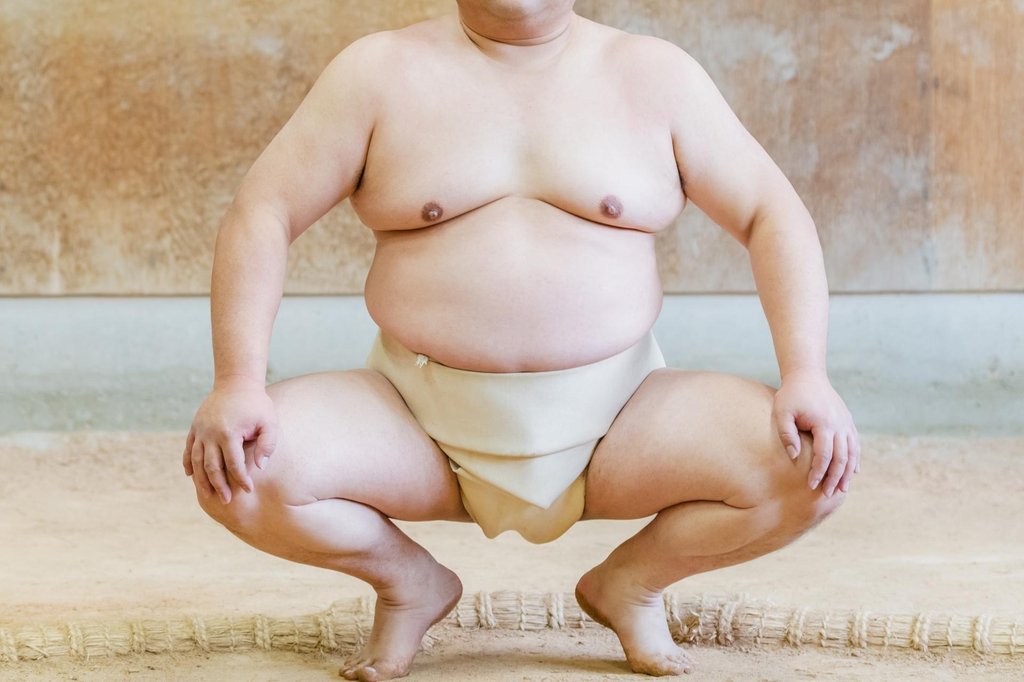
The question of who is the strongest rikishi is an eternal debate among sumo fans. Regardless of differing opinions, each of the champions described below defined his generation, from the prewar years through to 2019. Without a doubt, these yokozuna earned their historic reputations through impressive achievements.
Hakuho: All-Time Record Holder with Forty-five Championships and a Sixty-three-Match Winning Streak
Mongolian-born Hakuho, Japan’s 69th yokozuna, comes closest to the “strongest in history” on paper. He stands first in nearly every major statistical category, and his biggest achievements include:
- Forty-five top-division championship wins (sixteen of them with perfect records, an all-time high)
- 1,187 career wins and 1,093 top-division wins (the most in history)
- A sixty-three-bout winning streak, second only to Futabayama’s streak of sixty-nine
- Eighty-four tournaments as yokozuna, the longest reign ever
These achievements are the result of more than fifteen years of consistent strength. At the July 2021 tournament in Nagoya, Hakuho claimed his 45th championship with a perfect record, closing his career on the dohyo (the sumo ring) in the finest possible way.
However the greatness of other yokozuna is measured, Hakuho’s significant records serve as the gold standard.
Futabayama: The Unbreakable Winning Streak
Futabayama set a staggering record of sixty-nine consecutive victories. As of 2026, no rikishi has ever surpassed it. Because there were only two annual tournaments in Futabayama’s day, this streak meant he had to win every match for roughly three years. His five consecutive perfect championship wins also speak to his overwhelming dominance in sumo during his time. Even Hakuho’s sixty-three-bout streak—the second longest in history—fell six wins short of Futabayama, and the gap has never closed despite the far greater number of bouts in the modern era.
It’s little surprise that sumo fans today are still known to say, “there has been no one like Futabayama, before or after.” The record set by Futabayama continues to stand at a height no one has been able to reach since.
Taiho: Thirty-two Championships and Two Runs of Six Straight Titles
Taiho—the 48th yokozuna—was the defining grand champion of the Showa era, with thirty-two top-division championship wins under his belt. His winning performance held for decades as the all-time record and stood as an insurmountable wall for generations of rikishi after him. He also won forty-five consecutive bouts and twice seized six consecutive championships, casting a looming shadow over the era to come after him.
Together with Kashiwado (the 47th yokozuna, who achieved fame during the same time), Taiho helped define the age now known as the “Kashiwado-Taiho era.” The rivalry between the two yokozuna drew large crowds and sustained the popularity of sumo in postwar Japan. Taiho reached his prime in the 1960s, coinciding with the spread of television. He became so beloved by viewers that the catchphrase, “Every Japanese child adores Kyojin, Taiho, and tamagoyaki” entered into everyday language, helping establish sumo as popular entertainment.
Having brought sumo into the living room of homes all across Japan at the dawn of the age of television, Taiho’s presence remains vivid in the memories of many sumo fans.
Chiyonofuji: “The Wolf” Who Overcame Injury and Won Fifty-Three Times in a Row
Chiyonofuji (affectionately known as “The Wolf”), was the 58th yokozuna and is well known for reaching the top after conquering a chronic shoulder injury. Rather than undergo surgery for a dislocation, he chose a punishing regimen of one-thousand push-ups a day, building enough muscle to hold the joint in place through sheer strength.
Though small for a yokozuna, he overwhelmed opponents with fast attacks, using his trademark right-inside/left-outside grab on the outer mawashi (the silk belt worn by sumo wrestlers), changing the very image of what a yokozuna could be.
Some of Chiyonofuji’s top achievements include:
- Thirty-one top-division championship wins and 1,045 career wins
- A fifty-three-match winning streak in 1988
- First person in sumo to receive the People’s Honor Award (1989)
Chiyonofuji turned his weakness into a weapon and delivered one unforgettable bout after another, a way of life captured in his nickname, “the great little yokozuna.”
Asashoryu: The Only Rikishi to Conquer All Six Tournaments in a Single Year
Asashoryu, the 68th yokozuna, achieved something no one else ever has: in 2005 he won all six Grand Tournaments in a single year. He finished the year with a shocking win-loss record of 84-6—a win rate of above 93 percent—and his run of seven consecutive championship wins likewise stands alone.
Besides twenty-five career championship wins, his fiercely combative wrestling style was part of his appeal. The raw intensity he brought to the dohyo won him an enormous following of overseas fans, and his matches are still replayed on video sites even years after his retirement.
His bloodline lives on in sumo even today: his nephew Hoshoryu now serves as the 74th yokozuna, establishing a new age of his own in 2026.
Kitanoumi: Promoted to Yokozuna at Age Twenty-one and “So Strong It’s Infuriating”
Kitanoumi, the 55th yokozuna, was promoted in 1974, becoming the youngest yokozuna in history at twenty-one years and two months of age. As of 2026, the record still stands. Ascending the banzuke as a teenager and reaching the summit in his early twenties speaks to an extraordinary mastery of mind, technique, and body. His twenty-four top-division championship wins also confirm his exceptional ability. During Kitanoumi’s time, sumo fans were known to say, “he’s so strong it’s infuriating.” At the time, this was the highest possible praise for a rikishi who seemed nearly impossible to defeat.
After retiring, Kitanoumi became chairman of the Japan Sumo Association, serving at the heart of the sport. Until his death in 2015 at age 62, sumo was an integral part of his life.
Takanohana: The Great Yokozuna Who Powered the Sumo Boom of the 1990s
Takanohana, the 65th yokozuna, won twenty-two top-division championships and dominated the 1990s. The “Waka-Taka boom” he ignited alongside his elder brother Wakanohana turned sumo into a nationwide phenomenon, drawing even people with no prior interest in the sport to their matches.
The final day of the May 2001 tournament is still talked about today. Fighting on a badly injured right knee, Takanohana stepped into the ring and defeated the Hawaiian-born yokozuna Musashimaru through sheer force of will. His fierce, demon-like expression became known in Japan as part of the “miracle match,” and even overseas media reported the scene as an iconic moment.
Takanohana fought memorable battles again and again with foreign-born yokozuna such as Akebono, and fans saw him as a standard-bearer for Japanese rikishi. As sumo began attracting international attention, his career coincided with a turning point in sumo history.
Three Sumo Wrestlers Who Symbolize Sumo’s Internationalization
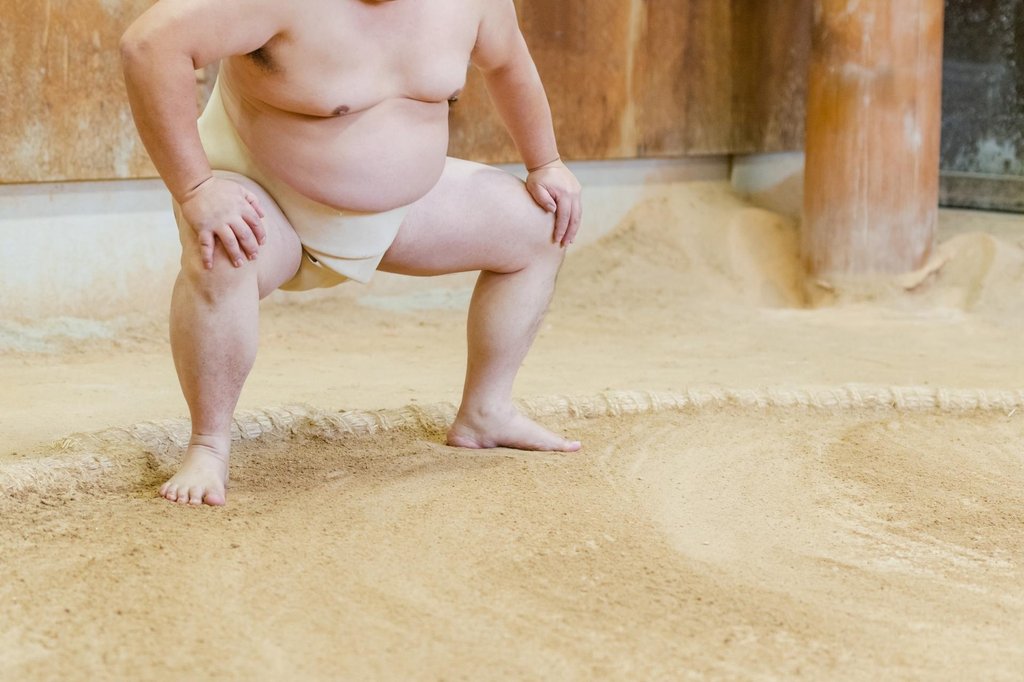
Japan’s traditional sport has drawn challengers from overseas for decades. Three pioneers set “firsts” for foreign-born rikishi, and their achievements unfolded in stages. Tracing their progression—the first top-division championship, then the first ozeki, and finally the first yokozuna—reveals how today’s diverse sumo world took shape over recent years.
Takamiyama: First Foreign-Born Champion of the Top Division
Hawaiian-born Takamiyama became the first foreign-born rikishi to win a top-division championship. At the Nagoya tournament in July of 1972, he won from the rank of fourth maegashira, a rare accomplishment that sent shockwaves through the sumo world.
He became the first foreign-born sekitori in 1967, reached the top division the following year, and went on to spend ninety-seven tournaments there. His championship win was reported as “the dawn of a new era” and drew major attention internationally. Throughout the entire Showa era, his victory remained the only top-division championship by a foreign-born rikishi.
After retiring, Takamiyama guided the next generation as stablemaster Azumazeki, raising Akebono, who would become the first foreign-born yokozuna. The path Takamiyama opened up was the first step towards the racial diversification of sumo.
Konishiki: First Foreign-Born Ozeki
Hawaiian-born Konishiki dominated the dohyo with the heaviest physique of any sekitori in history: 285 kg (about 628 lb). In 1987 he became the first foreign-born rikishi promoted to ozeki, pushing sumo’s traditional racial boundaries. He won three top-division championships, taking his first title at the November 1989 tournament with a 14-1 win-loss record. He held the ozeki rank for about six and a half years, and although promotion to yokozuna was expected, it never came to pass.
With his bright, cheerful personality, Konishiki appeared frequently on television and endeared himself even to people with little interest in sumo. He furthered the road to diversification Takamiyama had started before him, both in rank as an ozeki and in national popularity. And thus his presence prepared the stage for the next generation to produce the first foreign-born yokozuna.
Akebono: The First Foreign-Born Yokozuna
The lineage running from Takamiyama to Konishiki finally reached the summit of the sumo world when Hawaiian-born Akebono was promoted to 64th yokozuna in 1993, the first foreign-born rikishi ever to hold the rank of grand champion. He honed his strength under his master—stablemaster Azumazeki (the former Takamiyama)—and won 11 top-division championships throughout his career.
No account of Akebono is complete without mentioning his fierce rivalry with the Waka-Taka brothers. The Akebono-Takanohana matches became the defining bouts of the 1990s sumo boom, and the hype that developed around the idea of a foreign-born rikishi facing off against a Japanese yokozuna drove sumo’s popularity to new heights.
Notable facts about Akebono’s career include:
- Promoted to 64th yokozuna in 1993 (the first foreign-born rikishi)
- Eleven top-division championship wins
- Held the yokozuna rank from March 1993 to January 2001
- Belonged to the Azumazeki stable, under the former Takamiyama
Akebono carried sumo’s racial diversification to its pinnacle, and his achievements have yet to be forgotten.
Four Active Sumo Wrestlers to Watch Today
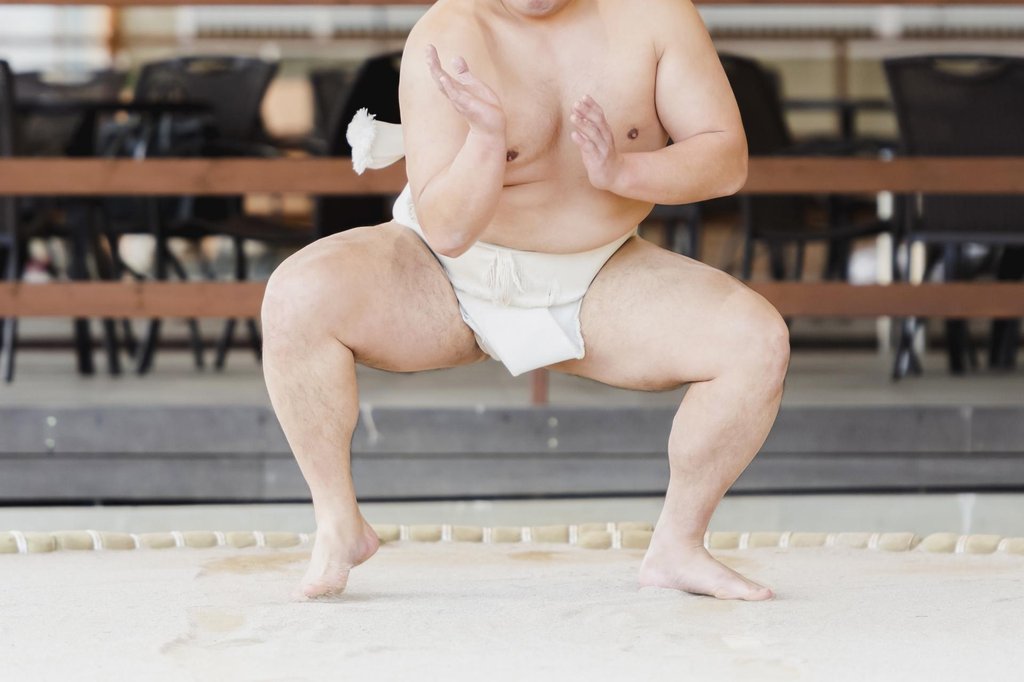
Following the legends of the past, these four well-known rikishi are leading professional sumo today in 2026. Together, these athletes make up the top tiers of the current banzuke.
Hoshoryu: Asashoryu’s Nephew and the 74th Yokozuna
Mongolian-born Hoshoryu is the nephew of Asashoryu, the 68th yokozuna. He was promoted to ozeki in 2023, and after a strong showing at the January 2025 tournament, his promotion to 74th yokozuna was confirmed.
The parallels and contrasts with his uncle are a part of his appeal:
- Where Asashoryu relied chiefly on pushing and thrusting, Hoshoryu’s main techniques involve quick footwork that lets him slip inside his opponent’s defences
- He excels at finishing off-balance opponents with scoop throws and overarm throws
- It’s been said that the sharp timing of his throws is a skill he inherited from his uncle, and his technique is highly polished
While his uncle overwhelmed opponents with power and speed, Hoshoryu uses a technical style built on varied throwing techniques and fast movements.
Onosato: Fastest-Ever Rise to Yokozuna in Just Thirteen Tournaments
Onosato, from Ishikawa Prefecture, was promoted to yokozuna only thirteen tournaments after his professional debut, an astonishing pace that has yet to be matched since the six-tournament system began. He is the first Japan-born yokozuna in roughly eight years (since Kisenosato) and as such many Japanese sumo fans expect much from him. Onosato came up through collegiate sumo, winning both the student yokozuna and amateur yokozuna titles at Nippon Sport Science University. The strong foundation he built during his amateur years underpinned his record-setting rise to the top rank in professional sumo.
At 192 cm (6’4″) in height and weighing 191 kg (421 lb), he overwhelms opponents with pushing and driving attacks. His career record stands at 180 wins, sixty-three losses, and twenty-six absences, making for a win rate of above 74 percent.
Together with Hoshoryu, the 74th yokozuna, Onosato forms a new generation at the top of the banzuke, and he has drawn particular attention as the long-awaited Japan-born champion.
Aonishiki: Ukrainian-Born and the Fastest-Ever Rise to Ozeki
Ukrainian-born Aonishiki came to Japan after Ukraine was invaded in 2022 and entered the world of professional sumo. The story of a young man who fled the war and rose to prominence in Japan’s national sport has attracted a lot of attention both domestically and internationally. After reaching the top division, he posted double-digit wins in five consecutive tournaments, and his promotion to ozeki was formally confirmed following a championship playoff at the November 2025 Kyushu tournament.
Excluding rikishi who entered with amateur credentials, his rise to ozeki in just fourteen tournaments is the fastest in sumo history. The next milestone in his sights is to become the first European-born yokozuna, which would undoubtedly add a new page to the history of sumo’s ongoing diversification.
Kirishima: A Rare Comeback to Regain the Ozeki Rank
Mongolian-born Kirishima won his first championship in 2023, earning him the promotion to ozeki. He has also captured the top-division title twice in his career so far. Injuries later dragged down his results, and he endured a difficult period after falling from the ozeki rank. The turning point came at the March 2026 tournament, where he competed as a sekiwake and posted twelve wins, thus claiming his third top-division championship win. After the tournament, his re-promotion to ozeki was confirmed.
Cases of a rikishi losing and then regaining a high rank are exceedingly rare in sumo history, especially since the Showa era. Kirishima’s inspiring story of overcoming injury and winning his way back to ozeki is no doubt one for the ages.
Common Questions About Famous Sumo Wrestlers
Here are answers to four of the most frequently asked questions about sumo, covering major achievements of notable athletes and also an explanation on how to read a wrestler’s ring name.
Who Is the Strongest Sumo Wrestler in History?
By the records, Hakuho and his forty-five top-division championship wins make the strongest case. The answer shifts, however, depending on which metric you apply:
| Athlete Name | Main Records | Number of Annual Tournaments |
|---|---|---|
| Hakuho | 45 championship wins; 63-bout streak | Six |
| Futabayama | 69-bout streak | Two to three |
| Taiho | 32 championship wins; two separate streaks of 6 consecutive championship wins | Six |
As you can see, Futabayama (who was active during the two-tournament system era) and Taiho are also candidates for “strongest ever sumo wrestler.” In the end, we recommend weighing the differences in each athlete’s achievements and deciding for yourself.
How Do You Read a Wrestler’s Ring Name?
A wrestler’s ring name (shikona) is built from combinations of Japanese kanji. Characters that evoke images of nature—such as “mountain,” “sea,” and “dragon”—appear frequently, and a name might reflect a wrestler’s birthplace or the bond with his trainer.
| Ring Name (shikona) | Reading | Meaning |
|---|---|---|
| 白鵬 | Hakuho | The white bird |
| 大鵬 | Taiho | The great bird |
| 千代の富士 | Chiyonofuji | The enduring strength of Mt. Fuji |
| 双葉山 | Futabayama | The mountain covered in young trees |
| 朝青龍 | Asashoryu | The azure dragon that rises at dawn |
How Many Foreign-Born Wrestlers Are Active Today?
Roughly ten foreign-born rikishi compete in the top division matches at any given tournament. Mongolia supplies the most athletes, but there are also rikishi from Ukraine and other countries.
Each sumo stable is allowed only one foreign-born rikishi, a cap that still applies even after an athlete acquires Japanese citizenship. Even under this system, foreign-born rikishi have shaped the history of professional sumo, including the Hawaiian pioneers, Mongolian champions, and today’s Ukrainian contender introduced in this article.
Where Can I Meet Sumo Wrestlers Up Close?
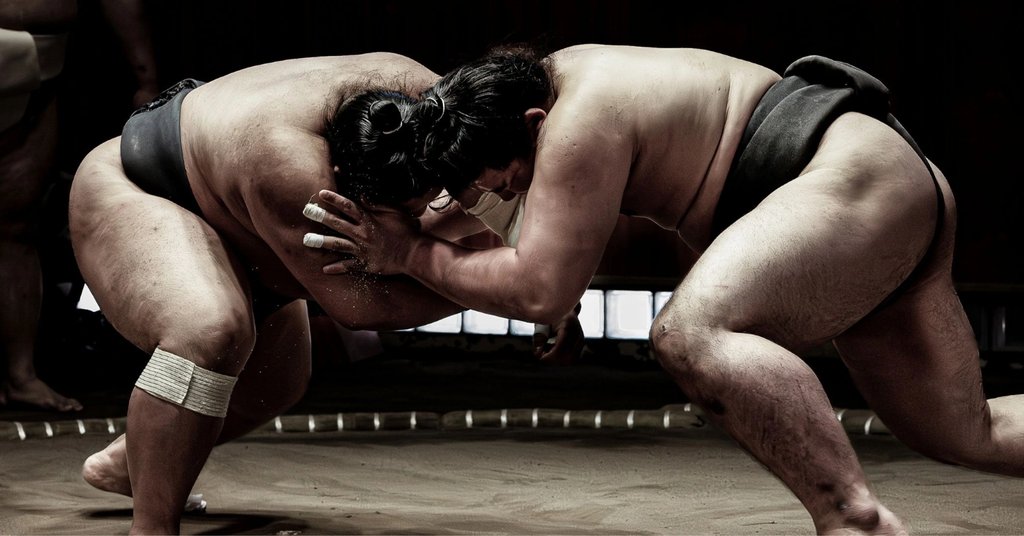
Sumo Wrestling Experience in Osaka
Grand Tournaments are held six times a year in Tokyo, Osaka, Nagoya, and Fukuoka. If you’re interested in a more intimate encounter, attending a tour match is also a great option.
If you’re visiting Western Japan, Osaka is home to Sumo Studio Osaka, a hands-on venue offering English-language support and commentary, as well as sumo activities with audience participation segments. Reservations can be made online in English through the official website.
Details
| Address | AI Building 1F, 1-5-1 Asahi, Nishinari-ku, Osaka |
| Hours | 10 am-11:30 am; 12:30 pm-2 pm; 3 pm-4:30 pm; 5:30 pm-7 pm; 8 pm-9:30 pm |
| Closed | Open year-round |
| Official Website | https://sumowrestlingshow.jp/ |
| Recommended For | Visitors who want a special, uniquely Japanese cultural experience in English |
 Hands-On
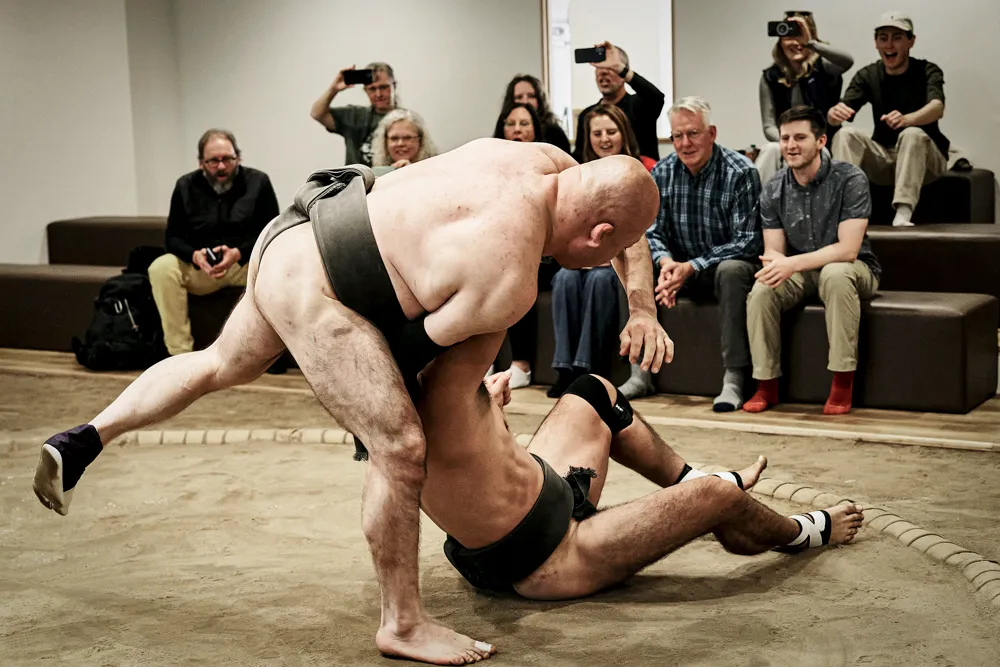
Get hands-on with sumo in Osaka
Watch former professional sumo wrestlers demonstrate authentic sumo techniques. Learn the history, rituals, and rules of Japan’s national sport, then step into the ring for a hands-on sumo experience in Osaka.
Find Your Favorite Rikishi and Enjoy the Next Tournament
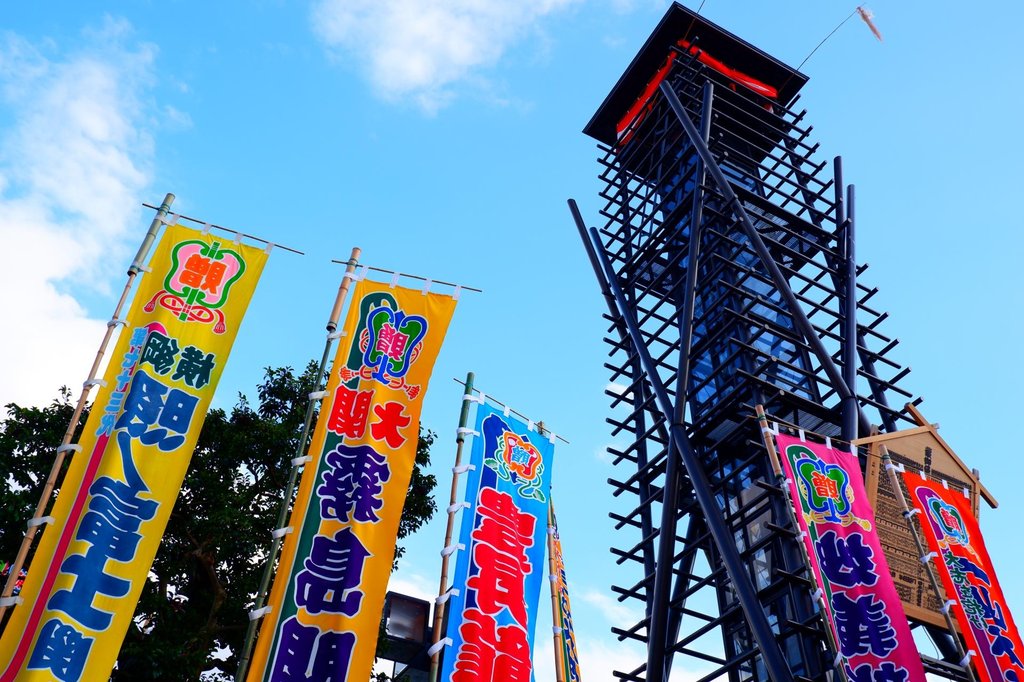
The records of legendary yokozuna and the achievements of foreign-born pioneers who diversified and opened sumo up to the world tell a story that is still being written. A new generation is rising fast, and the view from the dohyo keeps changing.
The latest banzuke and tournament schedules are available on the Japan Sumo Association’s official website. Find your new favorite sumo wrestler by treating yourself to a match at the next Grand Tournament.


![Where to Watch Sumo in Japan: 3 Ways to See Sumo & How to Get Tickets [Complete Guide]](https://sumowrestlingshow.jp/wp-content/uploads/2026/08/where-to-watch-sumo-in-japan_1-300x200.jpg)