Akebono Taro’s Sumo Career: The Life and Legacy of the First Foreign-Born Yokozuna
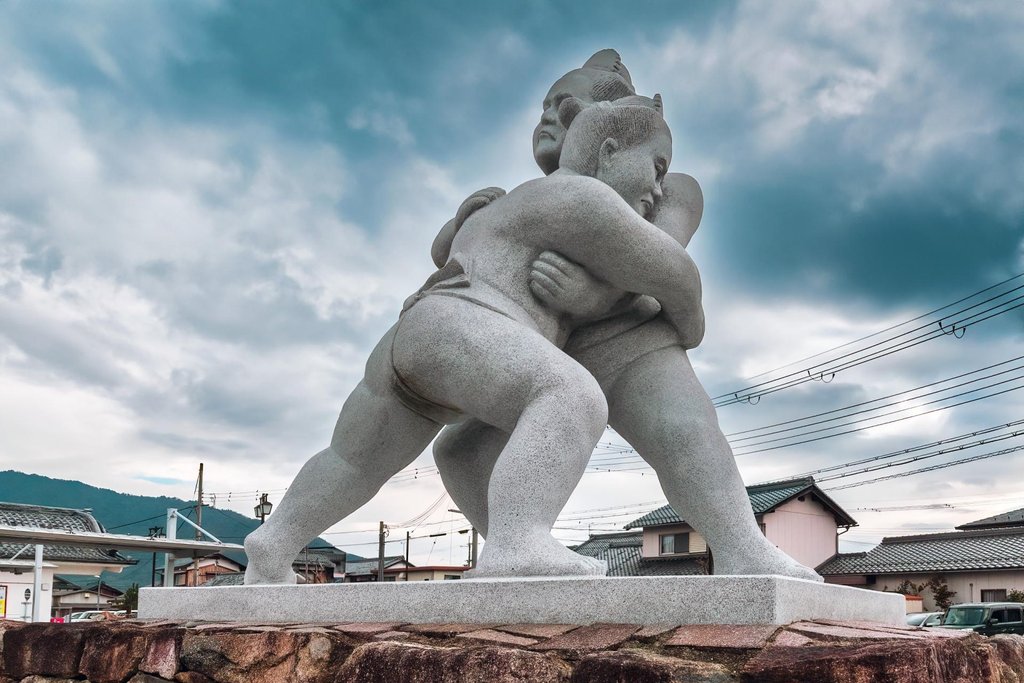
Who was Akebono Taro, the first foreign-born wrestler ever promoted to yokozuna?
Born in Hawaii, Akebono reached the rank of yokozuna—the highest rank possible in sumo— in 1993, becoming the first foreign-born wrestler to do so. His achievements go far beyond that promotion, however. Over the course of his career, he won eleven top-division championships, defined an era through his legendary rivalry with Takanohana, and after retirement kept forging new paths in kickboxing and professional wrestling.
This article follows the journey of Akebono, from his arrival in Japan in 1988 to his promotion to yokozuna, his many records and memorable bouts, his post-retirement career, and his passing in 2024.
Read on to discover what Akebono brought to the sumo world and the dramatic life he lived.
Contents
Who Was Akebono Taro?
This section covers essential information about Akebono, a foreign-born wrestler who carved his name into sumo history by crossing the ocean from Hawaii and rising all the way to the pinnacle of the sumo world. His story includes the influence he had on the foreign-born wrestlers who followed him, and a multifaceted career in the world of combat sports.
The 64th Yokozuna Was Born in Hawaii
Born Chad George Haaheo Rowan on May 8, 1969, on the island of Oahu, Hawaii, Akebono possessed an overwhelming physique: 203 cm (6’8″) tall and weighing 233 kg (about 514 lb) at his heaviest.
He made his professional debut in the sumo world from the Azumazeki stable in March 1988 and was promoted to the rank of 64th yokozuna for the March 1993 tournament. It was the moment a foreign-born wrestler stood at the summit of sumo for the first time.
The key facts of his career are summarized below:
| Ring name | Akebono Taro (“Akebono” means “dawn”) |
| Birth and death | May 8, 1969 – April 2024 (age 54) |
| Affiliated sumo stable | Azumazeki stable |
| Tenure as yokozuna | March 1993 – January 2001 |
| Top-division championship wins | 11 |
| Career record | 654 wins, 232 losses, 181 absences |
During his time as yokozuna, Akebono compiled 432 wins against 122 losses, a remarkably high winning percentage in the top division.
After retiring in January 2001, he kept taking on new challenges in combat sports until heart failure took his life at age 54 in April 2024. His life, reaching the highest rank in a foreign country’s traditional sport, is sure to stay in many people’s hearts.
A Pioneer Who Opened the Door for Foreign-Born Yokozuna
Before Akebono’s promotion in 1993, the highest rank any foreign-born wrestler had reached was ozeki, the rank below yokozuna. At a time when people still debated whether a foreign-born competitor could fulfill the role of yokozuna, Akebono shattered that barrier through sheer ability.
His promotion was more than a personal triumph. It set the precedent that a foreign-born wrestler could become yokozuna, opening the way for those who followed. The line of foreign-born yokozuna after Akebono shows the scale of his influence:
- Musashimaru (67th yokozuna): A fellow Hawaiian, promoted to yokozuna in 2000
- Asashoryu (68th yokozuna): The first Mongolian yokozuna, promoted in 2003
- Hakuho (69th yokozuna): Born in Mongolia, he set the all-time championship record
The year 1993 showed a change in the course of the ethnic diversification of Grand Sumo. Without Akebono, today’s diverse sumo world—including the rise of several Mongolian wrestlers—might never have come to be.
A Challenger Who Kept Fighting After Retirement
After retiring in 2001, Akebono chose to keep fighting even away from the ring, leaving the Japan Sumo Association in 2003 and moving to the K-1 kickboxing circuit.
The challenges that followed were wide-ranging:
- K-1 (from 2003): He plunged into the world of kickboxing and drew the attention of sports fans
- WWE (2005): He appeared at WrestleMania 21, showing his presence at one of the world’s biggest professional wrestling events
- All Japan Pro Wrestling: He built a solid record in Japanese pro wrestling, including winning the Triple Crown Heavyweight Championship
The sight of Akebono throwing himself into sports with unfamiliar rules left a lasting impression on many people.
In April 2017, he collapsed from acute heart failure after a professional wrestling match and was rushed to the hospital. After roughly seven years of fighting his illness, he passed away from heart failure at age 54 in April 2024.
What follows is a closer look at his journey from the summit of sumo to wrestling, and his death that came far too soon.
Akebono’s Career as a Sumo Wrestler (1988-2001)
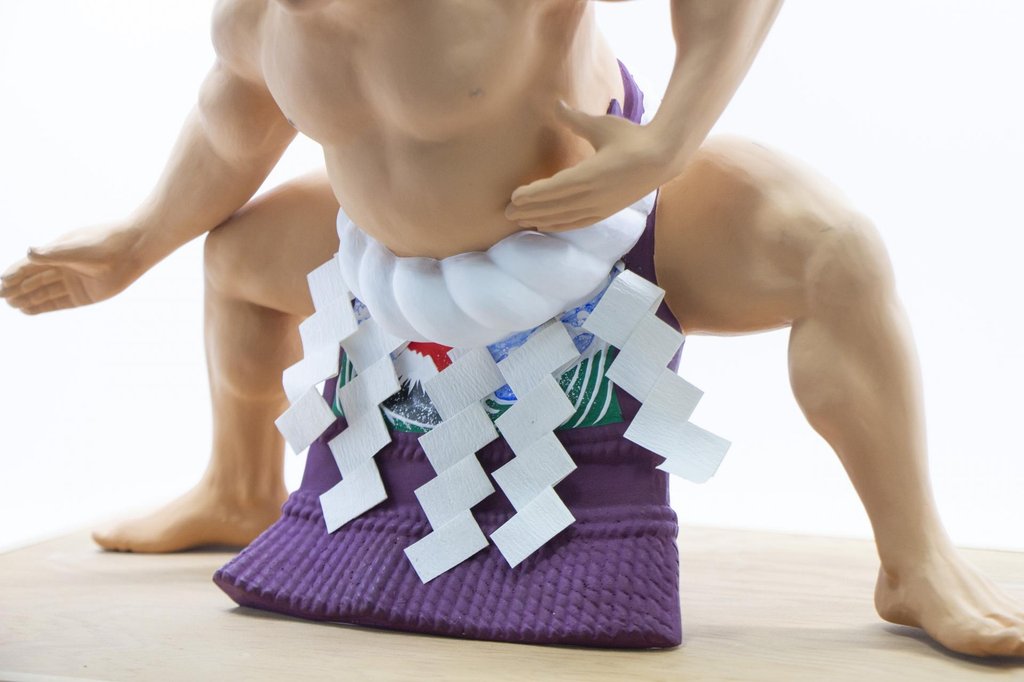
Below we trace the path Akebono took to reach the summit of sumo.
His 13-year career, from his arrival in Japan in 1988 to his retirement in 2001, unfolds in chronological order: how he entered the sumo world, his rise to yokozuna, and his legendary bouts with a destined rival.
Five perspectives organize the story, including the later years he spent battling injuries in the ring.
Scouted by Takamiyama and Arriving in Japan in 1988
Behind Akebono’s move from Hawaii to Japan lay a major change: a shift from a life centered on basketball to sumo. As a young man devoted to basketball in Hawaii, Akebono decided to join the Azumazeki stable in 1988 after being scouted by Takamiyama and others, and crossed over to Japan.
Takamiyama, a former sekiwake (sumo’s third-highest rank) and fellow Hawaiian, was searching for a promising young athlete to follow Konishiki. He met Akebono through a family acquaintance, saw potential in his 203 cm (6’8″) frame and athleticism, and invited him to the Azumazeki stable.
In 1988, the 18-year-old Akebono accepted the invitation and made the decision to move to Japan. His early days in the stable involved a string of hardships:
- Some doubted his suitability for sumo, worrying that his 203 cm (6’8″) height put his center of gravity too high
- Having grown up in Hawaii, he experienced a Japanese winter for the first time and struggled with the change in living environment
- He spoke no Japanese at all, so even understanding instructions during practice was a major hurdle
Even so, the footwork and physical ability he had honed in basketball helped him during his training. His height became his weapon: a thrusting-and-pushing style that took full advantage of his long reach.
Promotion to 64th Yokozuna Just Five Years After His Debut
About five years after his professional debut in March 1988, Akebono rose to become the 64th yokozuna in January 1993.
Powering that rapid ascent was his tsuki-oshi (thrusting and pushing) style, which made the most of his height and long reach. It was unlike the traditional belt-gripping style of sumo. From the initial charge, he would use his long arms to lift opponents upright and drive them straight out of the ring, ending many bouts before opponents could get inside his reach.
The decisive factor in his promotion was winning two consecutive tournaments as ozeki. The yokozuna rank had sat vacant for about eight months, and the sumo world was eagerly awaiting a new champion at its highest rank. His earnest attitude won over the sumo world, and he earned trust through both his ability and his character.
Behind his historic achievement, however, was a fierce rivalry with another prodigy who rose to prominence at the same time.
A Perfect 25-25 Record Across 50 Bouts with Takanohana
The head-to-head record between Akebono and Takanohana stands as one of the most remarkable in sumo history. In regulation top-division bouts they both finished with a win-loss result of 21-21, and including championship playoffs, their fifty meetings ended in a perfect 25-25 split.
The matchup of a foreign-born yokozuna against a Japanese yokozuna stirred enormous excitement in 1990s Japan. During the period known as the Ake-Taka era, their bouts drew high television ratings and powered sumo’s popularity.
One moment from their rivalry is especially well remembered: the May 1997 tournament. Struggling with a knee injury, Akebono lost to Takanohana in the regulation bout on senshuraku (the climactic final day of a tournament), then defeated him in the championship playoff that followed for a complete comeback victory.
After Akebono’s death, Takanohana spoke of his feelings for his great rival, reflecting on their 25-25 record.
Eleven Top-Division Championships Won, Despite Constant Injuries
After winning three consecutive tournaments in 1993, Akebono badly injured his left knee during practice with Musoyama on a regional tour before the May 1994 tournament. That injury left him with chronic problems in both knees. It became one reason his championships grew further apart, and ultimately, the fact that his knees could not recover was one of the reasons for his retirement.
The pressure of continuing to compete as yokozuna while battered by injuries must have been almost unbearable.
Nevertheless, Akebono fought through those hardships and returned to the ring, recording seventy-six wins in 2000, the most of any wrestler that year. His comeback, roughly a year after being urged to retire, remains a testament to his unbreakable spirit.
His eleven top-division championship wins are a record built through a grueling battle with injury. Yet the damage accumulating in his body was steadily pushing him toward his limit.
Retirement in January 2001 as Both Knees Gave Out
The price of winning his 11th top-division championship at the November 2000 tournament proved devastating. The condition of both knees, worn down over many years, deteriorated, forcing him to sit out the entire January 2001 tournament. On January 22, with both knees at their limit, he submitted his retirement papers.
Behind the decision was his own admission: he used to be able to endure the pain, but now he could not bear it even when he was not competing. Everyday movements such as walking and sitting had become a struggle. After supporting his massive frame for thirteen years as a professional, both knees had reached their breaking point.
His pride as yokozuna likely would not allow him to hold the rank while repeatedly sitting out tournaments. After retiring, he chose to remain with the Japan Sumo Association as an elder under the name Akebono. Behind that decisive exit, his passion for competition still burned—and it soon drove him into a new arena.
Akebono’s Career After Sumo (2003-2017)
Even after reaching the pinnacle of the sumo world, Akebono kept taking on new challenges following his retirement.
Beginning with K-1, he competed in a world-famous professional wrestling promotion and captured titles on Japan’s wrestling scene, making headlines long after leaving the sumo ring.
What follows is a summary of the fourteen years from his move to K-1 in 2003 until his health failed in 2017.
Leaving the Sumo Association for K-1 in 2003
After retirement, Akebono worked as an assistant stablemaster at the Azumazeki stable, training the next generation of athletes. But when his supporters’ association disbanded, he lost his financial backing and found himself unable to meet the requirements to remain with the Sumo Association.
On November 5, 2003, he submitted his resignation to the Japan Sumo Association. The very next day, he announced he would compete in K-1.
The driving force behind the move was K-1 producer Sadaharu Tanikawa, who reportedly saw commercial value in the former yokozuna’s fame and presence and recruited him personally. A bout against Bob Sapp on December 31 was arranged as his debut fight, and his new career began.
Akebono himself described the challenge as opening a new path beyond the boundaries of sumo. He was reported to have envisioned eventually using it to promote sumo in the United States. It was the decision of a yokozuna who had lost his place in the sumo world and set out to carve a new life with his own hands.
A 43% TV Rating for the Bob Sapp Fight
On December 31, 2003, Akebono faced Bob Sapp in his K-1 debut. Broadcast on Japan’s TBS network, the fight recorded a peak television rating of 43%.
That figure surpassed the rating of NHK’s “Kohaku Uta Gassen,” the country’s popular New Year’s Eve music show. It was the first time in history that a competing program had beaten Kohaku in the ratings—a result that registered as a full-blown cultural phenomenon.
The fight itself ended in a harsh first-round knockout loss. After that first fight, his combat record remained unimpressive: 1 win and 9 losses in kickboxing, and 0 wins and 4 losses in MMA.
On New Year’s Eve 2015, a rematch with Bob Sapp took place at RIZIN, 12 years after their first encounter. Billed as the highest-rated rematch in combat sports history, that fight also ended in a loss by decision.
The results were far from glamorous, but the 43% rating speaks to the overwhelming presence of the former yokozuna.
Losing to Big Show at WrestleMania 21
On April 3, 2005, Akebono appeared at WrestleMania 21 in Los Angeles. The participation of a former yokozuna in WWE’s biggest annual event was itself extraordinary.
His opponent was Big Show, a giant wrestler standing about 213 cm (7’0″) tall. The bout was billed as a Sumo Match officiated by a sumo referee, bringing sumo rules into professional wrestling.
The match ended when Big Show forced Akebono out of the ring, granting Big Show the victory. Contested in sumo style, the match let Akebono demonstrate his presence on professional wrestling’s grandest stage, far from his home ring.
With this match, sumo techniques were on display for fans around the world, and his ability earned genuine recognition for the sport. That moment stands as a special page in Akebono’s history.
Three Triple Crown Heavyweight Titles in All Japan Pro Wrestling
Making All Japan Pro Wrestling his main arena, Akebono captured the Triple Crown Heavyweight Championship three times. He first won the title against Takao Omori in October 2013, again against Suwama in December 2014, and a third time against Suwama in April 2015.
He also won the World Tag Team Championship with partner Yutaka Yoshie and the Asia Tag Team Championship alongside Ryota Hama. At the 2015 Champion Carnival, he defeated Suwama in the final to claim the tournament title. Winning at the age 46 was an extraordinary feat at the time.
He also appeared with other promotions such as DDT Pro-Wrestling, earning affection from a broad range of fans across the professional wrestling world. Capturing multiple titles after retiring from sumo speaks to his exceptional athleticism and adaptability.
Hospitalized with Acute Heart Failure After a Match in April 2017
The pro wrestling event held in Omuta, Fukuoka, on April 11, 2017, turned out to be his final match. After the bout Akebono collapsed from acute heart failure and was taken to hospital by ambulance, beginning a long period of struggles with poor health.
Throughout his active years he had kept taking on challenges across sumo, pro wrestling, and combat sports, but this event brought his time in the ring to an end.
Akebono’s Battle with Illness (2017–2024)
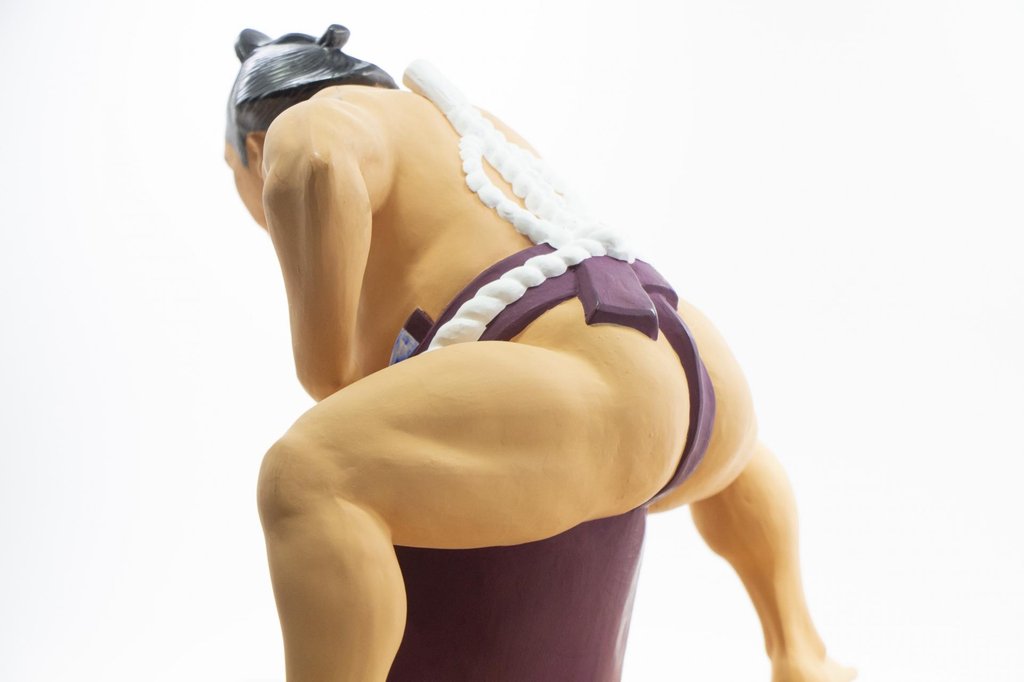
Akebono’s later years were defined by an ongoing fight with illness. After collapsing in 2017, he spent his final years in recovery before finally passing away at the age of fifty-four in April 2024.
In this section we’ll look back at the course of his illness, the support of those around him, and the tributes that poured in when news of his death.
Seven Years of Recovery
In October 2017, Akebono began rehabilitation. For months he had been unable to get out of bed, and as his illness progressed, Akebono’s physical condition changed dramatically. He lost a significant amount of weight and gradually became dependent on a wheelchair for most daily movement, though at his best he was still able to walk short distances on his own.
Despite years of rehabilitation and determination, he was never able to return to professional wrestling. Even so, his unwavering commitment to that goal reflected the same perseverance and fighting spirit that had defined his career as a yokozuna.
Akebono’s Passing
In April 2024, Akebono Taro passed away from heart failure at the age of fifty-four.
For approximately seven years after the onset of acute heart failure in 2017, he had continued rehabilitation with unwavering determination. Unfortunately, his heart function never fully recovered, and the 64th Yokozuna—the man who had rewritten the history of professional sumo—passed away as a result.
In the sumo world, fifty-four is an age when most professional wrestlers would retire and take on the role of stable master, guiding the next generation of professional wrestlers. Conversely, they might contribute to sumo as a commentator, a role in which Akebono could have done so much to share the appeal of sumo.
The richness of his fifty-four years—crossing the ocean from his homeland of Hawaii, throwing himself into sumo and other combat sports—is impossible to overstate.
Tributes from the Sumo World and Around the Globe
The news of Akebono’s passing resonated far beyond the sumo world, and even crossed international borders.
U.S. Ambassador to Japan Rahm Emanuel paid tribute, saying, “He paved the way for other foreign-born wrestlers to succeed in sumo.” In doing so, the U.S. government officially recognized his achievement as a bridge between the two countries.
The Japan Sumo Association also recognized him as a central figure in sumo’s popularity during the 1990s. The path he forged created the fertile ground on which the foreign-born wrestlers who followed him were able to flourish.
All Japan Pro Wrestling announced his death as someone who had contributed to the promotion of sumo and expressed their condolences. International media also carried the news prominently, reporting on the passing of “the legendary sumo wrestler from Hawaii.”
The tributes that arrived from such varied spheres speak to his role as a cultural icon who connected Japan and the United States.
Common Questions About Akebono Taro
This section gives clear answers to the questions readers most often ask about Akebono Taro.
They cover his signature fighting style, how he compares with his rival Takanohana, how his championship total currently ranks, and when he obtained Japanese citizenship, along with a recommended spot where you can experience the power of sumo for yourself.
What Was Akebono’s Fighting Style?
Akebono’s greatest weapon was a thrusting-and-pushing style built on his 203 cm (6’8″) height and long reach.
Rather than gripping his opponent’s belt, his basic strategy was to drive opponents out of the ring with sharp thrusts and powerful pushes. At the beginning of a match, he would deliberately position himself slightly behind the starting line, giving himself extra distance to charge and increasing the force of his initial hit. He also excelled at using his long arms to keep opponents at bay, maintaining a favorable distance while applying relentless pressure.
At the same time, his height gave him a weakness: a high center of gravity. When opponents managed to get in underneath him, he would seize the outer belt and hurl them down, breaking their balance to regain control.
- Signature techniques: Tsukidashi (thrust out) and oshidashi (push out)
- Supporting technique: Uwatenage (overarm throw)
- Weakness: Vulnerable when opponents with a low center of gravity got in underneath him
A strategy that made the absolute most of his physical strengths, while accounting for these weaknesses, was a major factor in Akebono’s dominance in sumo.
Who Was Stronger: Akebono or Takanohana?
Their overall head-to-head record finished in a perfect 25-25 split. Even limited to regulation top-division bouts, it stood at 21-21, tied even on paper.
Takanohana won twenty-two championships to Akebono’s eleven, yet Akebono never gave an inch in their direct meetings. Their completely contrasting styles were another defining feature of the rivalry.
- Akebono: An aggressive style that overwhelmed opponents with thrusts and pushes launched from his great height
- Takanohana: A technician built around the right-hand inside grip, forcing opponents out or throwing them
The tension between Akebono, who overpowered with raw force, and Takanohana, who absorbed and countered with technique, made every meeting electric. There is no definitive answer to who was stronger, but the 25-25 record stands as proof of one of sumo’s greatest rivalries.
Where Does Akebono Rank in Career Championships?
His eleven top-division championships place him alone in 10th on the all-time list as of 2024. The table below shows how he compares with the most decorated yokozuna in history.
| Wrestler | Championships |
| Hakuho | 45 |
| Taiho | 32 |
| Chiyonofuji | 31 |
| Asashoryu | 25 |
| Takanohana | 22 |
| Akebono | 11 |
The gap with the wrestlers above him may look large, but Akebono recorded eleven top-division championship wins and was repeatedly at the center of title races.
Equally significant is that he became the first foreign-born yokozuna and reached double-digit championship wins. That achievement created the foundation for later foreign-born yokozuna such as Asashoryu and Hakuho.
When Did Akebono Obtain Japanese Citizenship?
Akebono obtained Japanese citizenship in April 1996 and changed his legal name to Akebono Taro. Japanese citizenship was a strict requirement for remaining in the sumo world as a stablemaster after retirement.
It was a choice made with an eye toward a future as a mentor, even while he was still competing as yokozuna. He married in 1998 and later raised two sons and a daughter.
The young man who had arrived in Japan alone built a family here and put down roots in the sumo world. A choice between two identities—his Hawaiian roots and his adopted Japanese home—became a guidepost for those who followed.
Where Can You Experience the Power of Wrestlers Like Akebono?
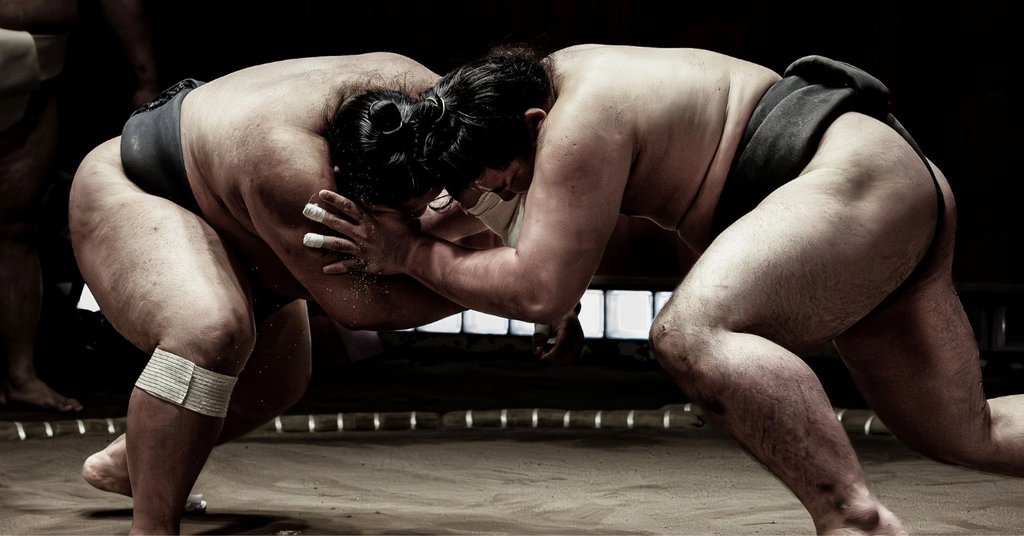
Sumo Wrestling Experience in Osaka
Feel for yourself the presence of sumo wrestlers, something no video can fully convey.
Sumo Studio Osaka holds live shows featuring former professional sumo wrestlers. Experience the impact of thrusting and pushing by athletes weighing over 160 kg (about 353 lb), right before your eyes.
Hands-on programs let you try shiko (the ritual leg stamp performed to drive away evil spirits) and the initial charge yourself. The official website offers English support as well, so there’s no need to worry if you don’t speak Japanese. Reservations are required, so book a date and time on the official website before your visit.
Details
| Location | 1F Hanazonocho AI Building, 1-5-1 Asahi, Nishinari-ku, Osaka (right outside Exit 4 of Hanazonocho Station) |
| Duration | About 90 minutes |
| Reservations | Advance online booking with a specified date and time via the official website (https://sumowrestlingshow.jp/) |
| Language support | English available (cultural commentary and staff guidance in English) |
| Recommended for | International visitors, sumo beginners, and families |
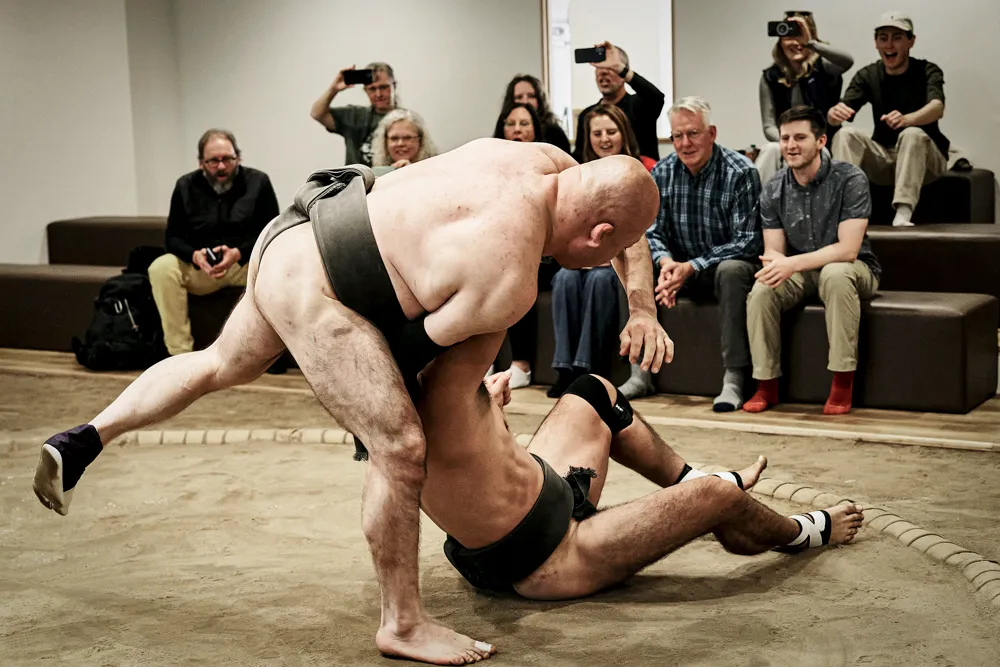 Hands-On
Get hands-on with sumo in Osaka
Watch former professional sumo wrestlers demonstrate authentic sumo techniques. Learn the history, rituals, and rules of Japan’s national sport, then step into the ring for a hands-on sumo experience in Osaka.
Akebono’s Lasting Place in Sumo History
Akebono came to Japan alone from Hawaii and became the first foreign-born wrestler promoted to yokozuna, securing his place in the history of Grand Sumo. He won eleven top-division championships, sustained sumo’s popularity through his many legendary bouts with Takanohana, and kept taking on new challenges in kickboxing and professional wrestling after retirement.
His journey symbolizes the ethnic diversification of sumo and its possibilities, and it continues to inspire many people.
Akebono passed away at age 54 in 2024, but the achievements he left behind in the ring and his unrelenting spirit of challenge have lost none of their luster. Knowing Akebono’s story brings the history and appeal of Grand Sumo into deeper focus.



![Where to Watch Sumo in Japan: 3 Ways to See Sumo & How to Get Tickets [Complete Guide]](https://sumowrestlingshow.jp/wp-content/uploads/2026/08/where-to-watch-sumo-in-japan_1-300x200.jpg)