Sumo Wrestler Weight | The Heaviest Wrestlers in History and How They Bulk Up
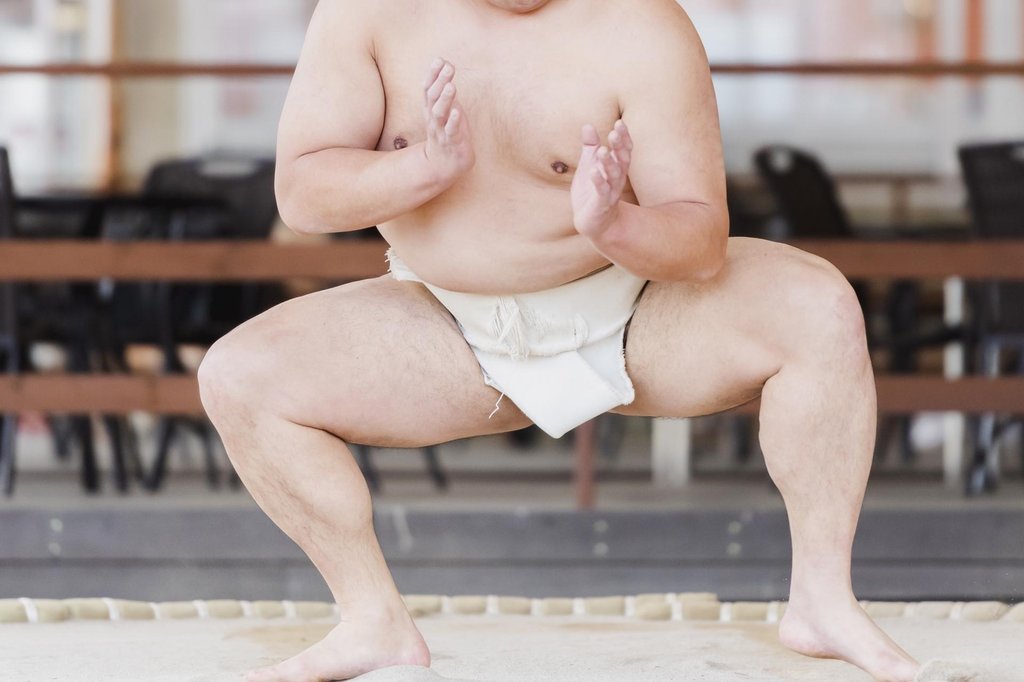
The massive bodies of wrestlers colliding on the dohyo (the sacred clay ring where bouts take place) never fail to amaze anyone watching sumo for the first time.
Many fans naturally begin to wonder: How are such overwhelming physiques built? Who was the heaviest wrestler in history? And what is the average weight of today’s makuuchi wrestlers, the athletes competing in sumo’s top division?
This guide explores the average weight of modern makuuchi wrestlers, rankings of the heaviest rikishi in history, and the distinctive diet and training methods used to build a sumo wrestler’s body.
Contents
- Body Data of Makuuchi Wrestlers
- Top 3 Heaviest Wrestlers in History
- How Sumo’s Ranking System Works in an Era of Heavyweight Wrestlers
- The Diet and Training Wrestlers Use to Gain Weight
- Why a Wrestler’s Weight Isn’t Simply “Obesity”
- Experience a Wrestler’s Physique Up Close at Sumo Studio Osaka
- FAQ: Common Questions About Sumo Wrestler Weight
- Conclusion
Body Data of Makuuchi Wrestlers
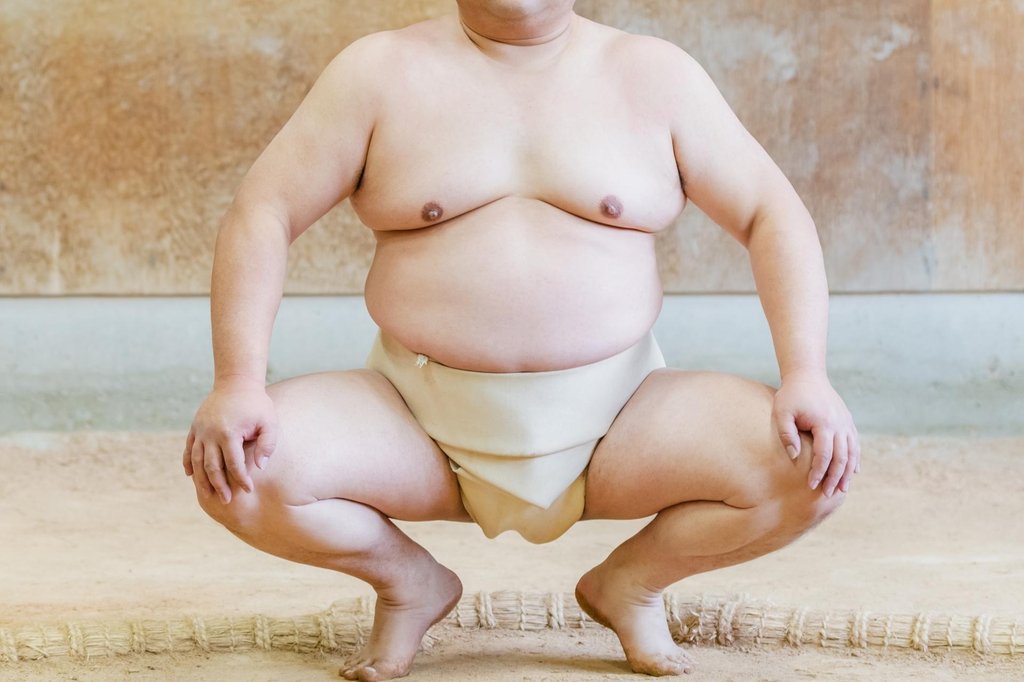
Let’s start by looking at the physiques of modern wrestlers using the latest data. The height and weight measurements released by the Japan Sumo Association before each tournament are the most reliable source for understanding the size of today’s sumo wrestlers. Here we explore the reality of their physiques from three angles: average values, body fat percentage, and how things have changed over the past 50 years.
The Average Wrestler Weighs 161 kg
According to research conducted by the Keio University Sports Medicine Research Center, the average weight of 25 makuuchi wrestlers was 161.2 kg (about 355 lbs), with an average height of 186.3 cm.
Compared to the average body weight of an adult Japanese man — roughly 70 kg — today’s top-division Professional Sumo wrestlers are about 2.3 times heavier. In other words, the difference is roughly equivalent to the weight of an additional adult person.
The numbers make it clear just how extraordinary a sumo wrestler’s physique truly is.
| Category | Average Weight | In Pounds |
|---|---|---|
| Makuuchi wrestlers | Approx. 161 kg | Approx. 355 lbs |
| Juryo wrestlers (second-highest division) | Approx. 153–157 kg | Approx. 337–346 lbs |
| Adult Japanese males | Approx. 70 kg | Approx. 154 lbs |
The gap between juryo and makuuchi wrestlers is roughly 5–8 kg, a meaningful difference when they push against each other on the dohyo. Individual variation is also significant. Generally, wrestlers at higher ranks tend to have a physical advantage, and body size is one of the main factors in ascending the banzuke (rankings).
For more on how the ranking system works, see our Complete Guide to Sumo Ranks and the Banzuke.
Body Fat Percentages Range from 23% to 33%, Varying Widely by Individual
Many people assume that a Professional Sumo wrestler is “just a mass of fat,” but in reality their physiques are far more athletic and carefully developed than they may initially appear.
The average body fat percentage of a makuuchi wrestler is said to be around 32.5%, though the differences between individuals can be surprisingly large.
The legendary yokozuna Hakuho Sho reportedly maintained a body fat percentage of around 29% during his active career, while fellow yokozuna Harumafuji Kohei was reported to be closer to 23%, a difference of more than 10 percentage points.
A 23% body fat reading doesn’t even reach the “mild obesity” threshold for the average man; it’s closer to the body composition of a bodybuilder or martial artist. Even at the same body weight, wrestlers can vary widely from muscular types to those carrying more fat, meaning “heavier” does not necessarily mean “fatter.”
Average Weights Have Increased by Over 30 kg in 50 Years
Today’s makuuchi average of around 161 kg is actually one of the highest figures ever recorded. According to historical records, the makuuchi average was about 129 kg around 1976 (Showa 51, referring to the Japanese imperial era from 1926–1989), about 147 kg in 1991 (Heisei 3, the era from 1989–2019), and is now around 161 kg in the Reiwa era (from 2019 onward), a steady upward climb. That works out to an average gain of more than 30 kg in roughly 50 years.
| Year | Makuuchi Average Weight |
|---|---|
| 1976 (Showa 51) | Approx. 129 kg |
| 1989 (Heisei 1) | Approx. 147 kg |
| 2003 (Heisei 15) | Approx. 155 kg |
| 2018 (Heisei 30) | Approx. 164 kg |
| 2024 (Reiwa 6) | Approx. 162 kg |
This trend toward larger wrestlers is rooted in postwar changes to the Japanese diet (high-protein, high-calorie meals becoming widespread) and the growing number of foreign-born wrestlers. The fact that sumo has no weight classes and is an “open-weight” sport has also created a strong incentive to get bigger.
Top 3 Heaviest Wrestlers in History

In a world where the average wrestler weighs 161 kg, some truly massive figures have appeared throughout sumo’s history. Here are the top three heaviest wrestlers ever recorded in sumo.
1st Place: Orora — 292.6 kg
The title of heaviest wrestler ever belongs to Ōrora, a former wrestler from the Republic of Buryatia in Russia. At a pre-tournament physical in September 2018, he weighed in at 292.6 kg (about 645 lbs), making him the heaviest sumo wrestler in history. Standing 190.5 cm tall, his physique during his career was on a scale that dwarfed even top athletes from any sport worldwide.
Remarkably, his highest rank was only Makushita 43 East (the third-highest division, below juryo), and he never reached sekitori status (wrestlers in the top two divisions who receive salary and attendants; juryo or above). His career is a striking reminder that sheer weight alone doesn’t guarantee high-level success. After retiring, he focused on losing weight, and in 2020 he announced on social media that he had dropped down to around 190 kg.
2nd Place: Konishiki — 285 kg
In second place is Konishiki Yasokichi, a former ozeki (the second-highest rank in sumo, just below yokozuna) from Hawaii, who reportedly reached a peak weight of around 285 kg (about 628 lbs) during his career. Among wrestlers who reached sekitori status (juryo or above), he is the heaviest in history. He was also the first foreign-born wrestler ever to be promoted to ozeki, earning the nickname “Kurofune” (the Black Ship).
The exact figures for Konishiki’s weight vary somewhat depending on the source; multiple official records and news reports place his peak around 285 kg. He was one of the most representative heavyweight wrestlers of the 1990s, captivating fans with his agile movement despite his enormous frame. At the same time, his excessive weight put strain on his knees and other joints, ultimately shortening his career.
3rd Place: Yamamotoyama — 277 kg
In third place is Yamamotoyama Ryuta, the heaviest Japanese-born wrestler in history at around 277 kg (about 611 lbs). His size was truly exceptional among modern Japanese wrestlers.
For reference, one of the heaviest active makuuchi wrestlers of the Reiwa era is Atamifuji Sakutaro, weighing around 197 kg.
In contrast to earlier eras, truly massive 300 kg-class rikishi have become increasingly rare in modern Professional Sumo. One reason is the growing recognition within the sport that size alone is not enough to consistently win at the highest level. Another is increasing awareness of long-term health concerns associated with extreme body weight.
Even so, legendary heavyweight rikishi such as Yamamotoyama Ryuta remain unforgettable figures in the long history of giant wrestlers in professional sumo.
How Sumo’s Ranking System Works in an Era of Heavyweight Wrestlers
Unlike boxing or judo, which divide athletes into strict weight classes, professional sumo plays by completely different rules. Below, we explain why rikishi strive to become so large, along with the structural and cultural factors within professional sumo that encourage bigger physiques.
Professional Sumo Is an Open-Weight Sport
Professional Sumo has no weight classes whatsoever. A 120 kg wrestler can face a 220 kg opponent on the dohyo with no restrictions; the sport is entirely open weight.
To many international viewers, this can feel extremely unusual — almost like a flyweight boxer suddenly being matched against a heavyweight.
Because of this system, professional sumo naturally creates a powerful incentive: the larger your body, the greater your potential impact in terms of force, stability, and resistance. This is the single biggest reason rikishi intentionally work to gain weight throughout their careers.
It is important to note, however, that this applies only to professional sumo.
Amateur sumo uses clearly defined weight divisions, including lightweight, middleweight, heavyweight, and openweight categories. These divisions are also used in international events such as the World Sumo Championships.
Understanding that professional and amateur sumo follow fundamentally different competitive systems is one of the key points to grasp when learning about the sport.
Physical Requirements for New Recruits Were Removed in 2023
The criteria for becoming a wrestler in Professional Sumo have changed significantly over time.
For many years, applicants hoping to pass the professional sumo new recruit examination were required to meet minimum physical standards of at least 173 cm in height and 75 kg in weight. In 2012, those requirements were lowered to 167 cm and 67 kg.
Then, on September 28, 2023, the Japan Sumo Association board of directors effectively removed the strict size requirements altogether. Under the revised system, aspiring rikishi who do not meet the previous height and weight standards may still qualify if they pass a “second examination” focused on overall athletic ability.
This additional test evaluates abilities such as back strength, side-to-side jumping, and handball throwing, creating opportunities for smaller but highly athletic candidates.
| Period | Physical Requirements |
|---|---|
| 1932–2012 | Height ≥ 173 cm, weight ≥ 75 kg |
| 2012–2023 | Height ≥ 167 cm, weight ≥ 67 kg |
| From September 2023 | Requirements removed (athletic-ability test passers eligible) |
The change was introduced in response to the declining number of young people pursuing professional sumo and represents a major shift within the sport, opening the door for athletes whose physical size may be smaller but whose athletic potential is exceptional.
The Diet and Training Wrestlers Use to Gain Weight
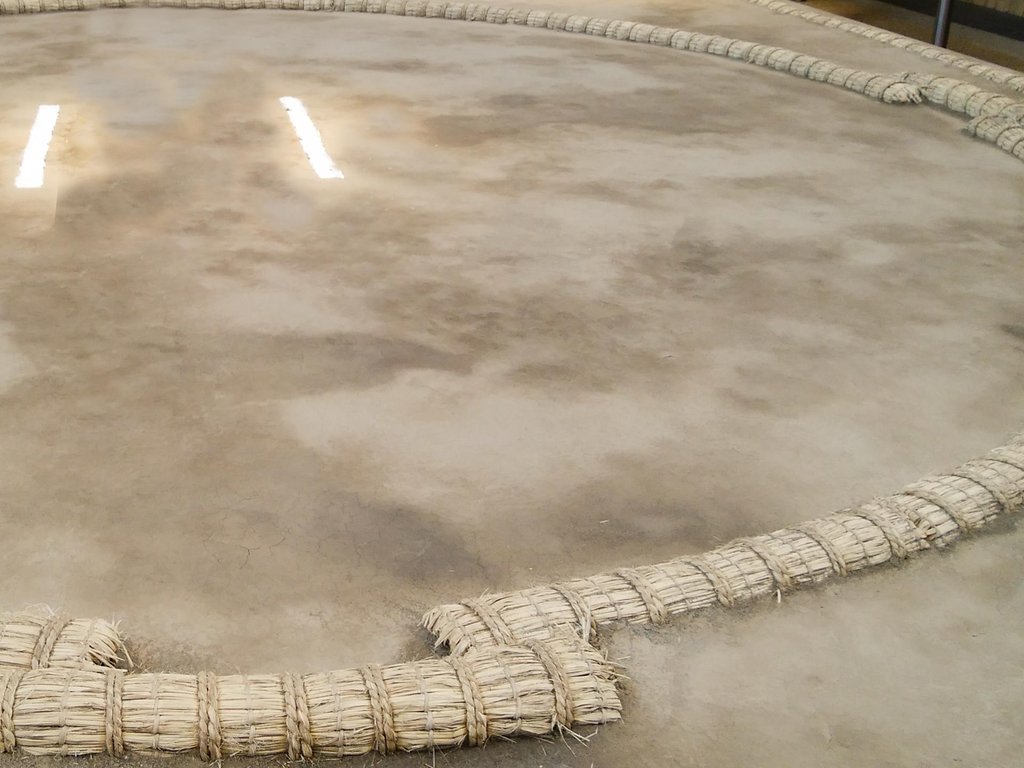
A wrestler’s massive body isn’t built on natural size alone. It is a meticulously engineered “functional body,” shaped by carefully calculated meals, training, and daily routines. Here we break down the traditional methods sumo wrestlers use to gain weight, from three different angles.
Training on an Empty Stomach Starting at 5 am
A wrestler’s day begins with intense practice early in the morning, around 5:00–6:00 am, on an empty stomach, with breakfast skipped.
This is a traditional method that takes advantage of a physiological principle: exercising while hungry boosts the body’s ability to absorb nutrients afterward. By pushing the muscles to their limits through 4–5 hours of grueling training, the body can then absorb the next meal in a single, powerful surge.
The most physically demanding training is generally completed by late morning. In the afternoon, sekitori-ranked wrestlers often focus on individual strength training, gym work, and body maintenance.
At the same time, younger wrestlers traditionally take care of many of the stable’s daily chores, including laundry, cleaning, errands, and meal preparation. This strict hierarchical lifestyle is considered an important part of developing both the physical endurance and mental discipline expected of a rikishi.
Around 7,000–8,000 kcal in Just Two Meals a Day
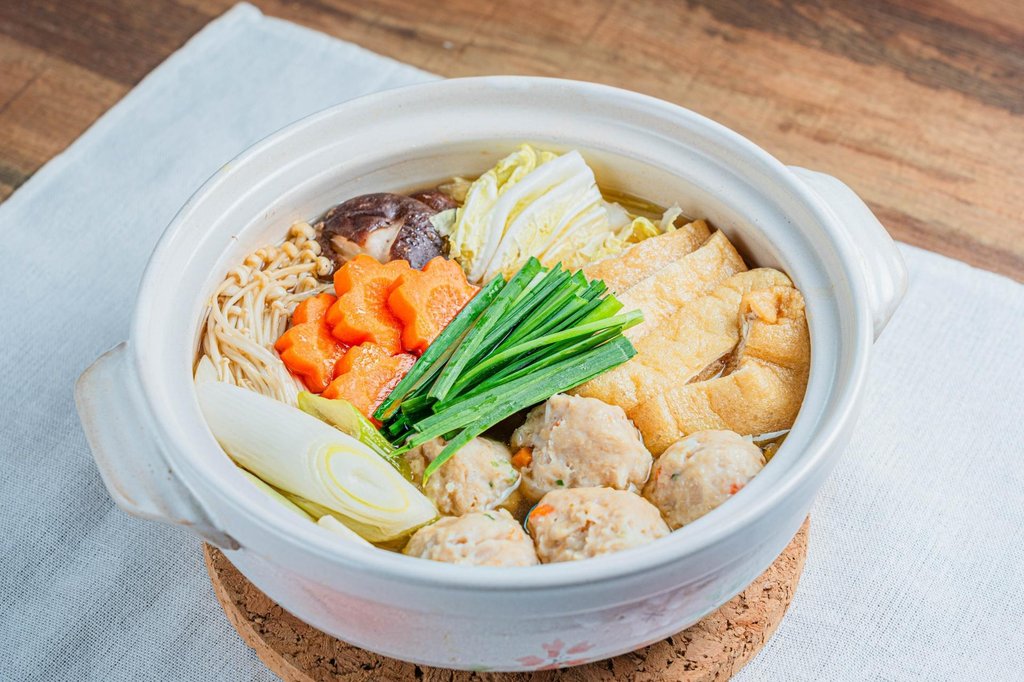
You may have heard the popular story that “sumo wrestlers eat 20,000 calories a day,” but this is largely a myth without solid evidence.
Based on testimonies from former wrestlers and dietary surveys, sekitori-class wrestlers actually consume around 7,000–8,000 kcal per day, split between two meals.
Meal timing follows a strict routine. After morning training, the first meal — usually centered around chanko nabe, the traditional hot pot associated with sumo stables — is eaten between roughly 11:00 am and noon. The second meal is usually served around 6:00 pm. By stable custom, higher-ranked wrestlers eat first.
Chanko nabe itself is surprisingly well balanced nutritionally. A typical serving contains roughly 300–350 kcal and around 20–36 grams of protein, while also incorporating vegetables, meat, fish, and tofu in balanced proportions. Because it provides vegetables, meat, fish, and tofu in good proportions, it’s actually drawing attention as a healthy dish too. For more on chanko nabe’s nutrition and home-friendly recipes, see our Complete Guide to Sumo Wrestler Chanko Nabe Recipes.
Post-Meal Naps Boost Fat Synthesis
After finishing their meal, sumo wrestlers take a 1–2 hour nap starting around 1 pm. This is a calculated step toward gaining size, rather than mere laziness. Moving around right after eating burns off calories, but lying down slows the metabolism, allowing the body to efficiently convert nutrients into muscle and fat.
They typically go to bed again around 10–11 pm, getting more than 10 hours of sleep per day overall. Growth hormones are released most actively during sleep, so muscle damaged during training is repaired and increased in volume at the same time. The full daily cycle (training, big meal, nap, dinner, sleep) is the foundation of a sumo wrestler’s enormous body.
Why a Wrestler’s Weight Isn’t Simply “Obesity”
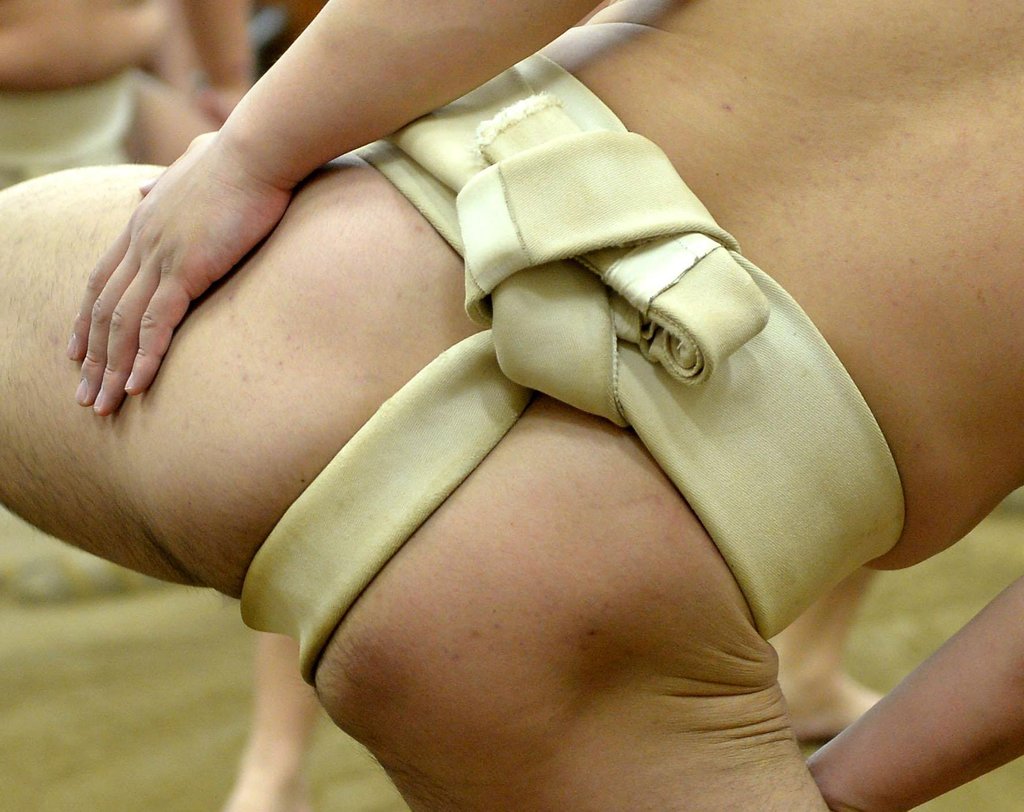
It’s not uncommon for people to dismiss sumo wrestlers as “just fat,” but the data tells a very different story. A rikishi’s physique is fundamentally different from ordinary obesity. Here we explain the “functionality” of a wrestler’s body, backed by science, from three perspectives.
Lean Body Mass Exceeding 100 kg
A particularly striking figure in a wrestler’s body-composition data is the “lean body mass” (the weight of muscle, bone, and organs, excluding fat). According to research from the Keio University Sports Medicine Research Center and other institutions, the average lean body mass of a makuuchi wrestler exceeds roughly 108 kg (about 239 lbs).
That figure surpasses the lean mass of many male bodybuilders, demonstrating that rikishi carry far more muscle than their outward appearance might suggest. Although their large frames can create the impression of simple obesity, they are in fact highly trained athletes whose bodies are built to endure the extreme physical demands of professional sumo.
Wrestlers require tremendous full-body strength to drive opponents backward, along with core stability capable of absorbing impacts involving several hundred kilograms of force. For that reason, they must maintain enormous amounts of muscle in addition to body fat.
In other words, a rikishi’s physique is not merely “obese,” but rather a uniquely “functional giant body” that combines exceptional muscle mass and body weight at the same time.
The 800 kg Impact of the Tachiai
One of the clearest examples showing that a wrestler’s weight functions as “usable mass” rather than simple bulk is the impact generated during the tachiai — the explosive initial charge at the start of a bout. According to some estimates, the tachiai impact produced by elite yokozuna-level wrestlers such as Hakuho Sho can reach roughly 800 kg of force.
In sumo, body weight is not passive mass sitting at rest; it acts as a weapon directly connected to competitive performance. To control the crucial instant when two rikishi collide on the dohyo, a wrestler needs the body structure, muscle strength, and balance required to absorb an impact approaching 800 kg without losing ground.
Flexibility Strong Enough for the Splits, Even at Over 160 kg
While wrestlers are often associated with sheer size, they are actually highly flexible athletes too. It’s not unusual for a wrestler weighing more than 160 kg to be able to spread his legs into a full split.
This flexibility is built through traditional core exercises such as shiko (the ceremonial leg stamp performed to drive away evil spirits) and matawari (the splits stretch). Sumo stables train daily to maintain flexibility in the lower body, with a strong emphasis on keeping the hips and legs as mobile as possible.
In sumo, flexibility translates into the stability needed to maintain a low stance, the resilience to push back at the edge of the dohyo, and the agility to instantly react to an opponent’s movements, all powerful weapons in actual matches. It also helps reduce the strain placed on the knees and lower back by such heavy bodies, lowering the risk of injury.
Wrestlers are both “heavy and strong” and “heavy and supple.” That combination is essential to understanding the full athleticism of a sumo wrestler.
Experience a Wrestler’s Physique Up Close at Sumo Studio Osaka
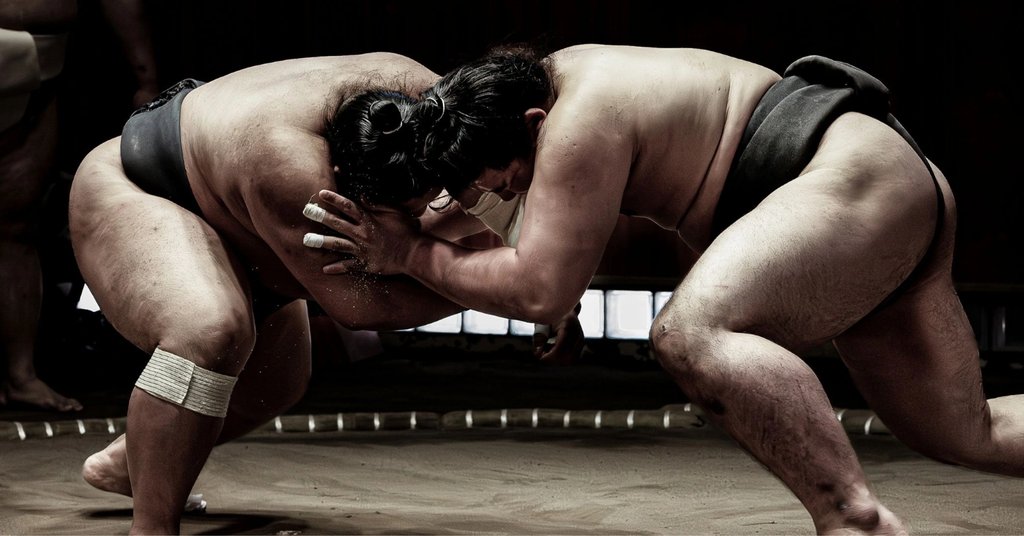
Sumo Wrestling Experience in Osaka
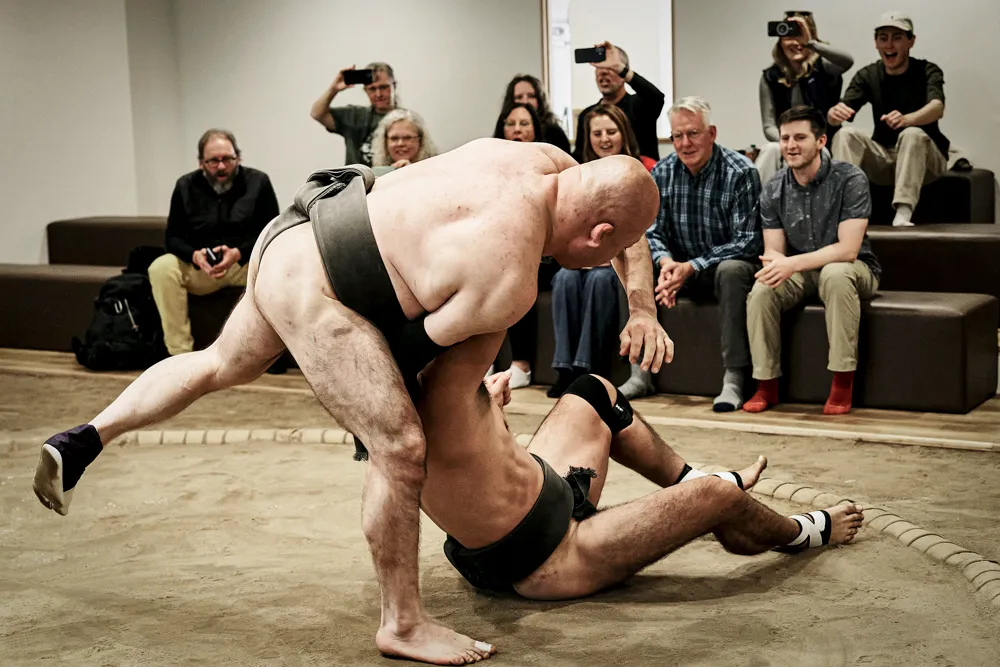
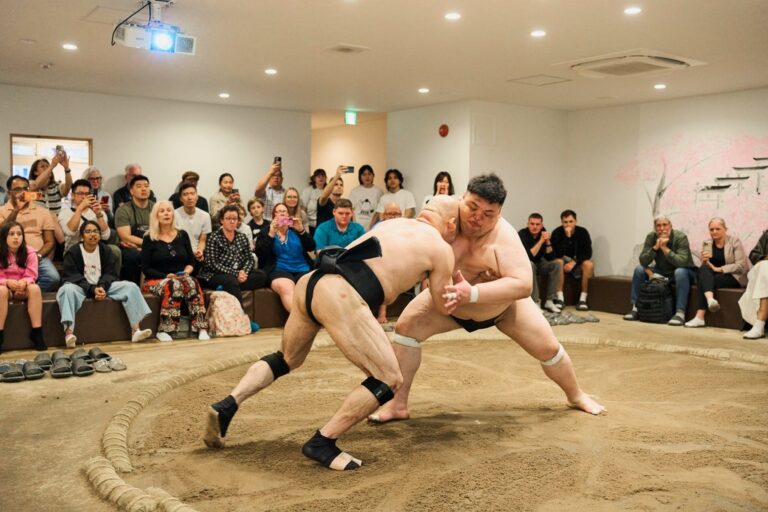
If you’ve made it this far and are thinking, “I want to experience the power of these wrestlers in person,” then Sumo Studio Osaka in Osaka’s Nishinari Ward is a highly recommended option. This venue hosts a 90-minute, English-language guided sumo show featuring real matches between retired professional wrestlers, performed just a few meters from your seat.
The highlight of Sumo Studio Osaka is the Audience Challenge program, where guests can step onto the dohyo themselves and face off against a former professional Professional Sumo wrestler.
Participants can experience the force of a 160 kg-plus rikishi firsthand, try movements such as shiko and the tachiai, and take commemorative photos after the performance.
Because the show is held in a small-group format of roughly 50 guests or fewer, the atmosphere remains warm and interactive, making it easy to enjoy conversations with fellow travelers from around the world while experiencing sumo culture up close.
Details
| Address | Hanazono-cho AI Bldg. 1F, 1-5-1 Asahi, Nishinari-ku, Osaka (right by Hanazonocho Station) |
| Access | Right outside Exit 4 of Hanazonocho Station on the Osaka Metro Yotsubashi Line; 5-min. walk from Haginochaya Station on the Nankai Koya Line |
| Hours | Shows: 10:00 am–11:30 am / 12:30 pm–2:00 pm / 3:00 pm–4:30 pm / 5:30 pm–7:00 pm / 8:00 pm–9:30 pm (5 shows daily); Ticket counter: 9:00 am–10:00 pm |
| Closed | None (open year-round, including the New Year holidays) |
| Price | ¥14,000 (same price for all guests / free for children under 2) |
| Official site | https://sumowrestlingshow.jp/ |
| Recommended for | Anyone who wants to experience a wrestler’s size and power up close; those who want to enjoy Japanese culture hands-on; families, couples, and group travelers |
Just about 10 minutes by train from Namba Station and around 16 minutes from Osaka Station (Umeda), the venue is easy to reach. It’s an indoor facility that operates even in rainy weather, so you can plan your sightseeing day without worrying about the forecast. Other Japanese culture experience programs, including food tours, can be booked at japanguidestar.com. To reserve a seat at Sumo Studio Osaka, simply head to the official booking page.
 Hands-On
Get hands-on with sumo in Osaka
Watch former professional sumo wrestlers demonstrate authentic sumo techniques. Learn the history, rituals, and rules of Japan’s national sport, then step into the ring for a hands-on sumo experience in Osaka.

Osaka: Guided Food Tour with 12 Dishes at 4 Local Eateries
12 unique Japanese dishes for the first time • Skip the tourist traps and visit Izakaya -Japanese casual drinking restaurants • Street food featured in the Michelin Guide
FAQ: Common Questions About Sumo Wrestler Weight

Finally, here are answers to some of the most common questions readers ask about wrestler weight.
Is being heavier always an advantage in sumo?
In terms of pure impact force, yes; weight is definitely an advantage. Heavier wrestlers can push opponents back more easily at the tachiai and hold their ground more effectively at the edge of the dohyo.
However, extreme weight doesn’t automatically translate into top results. Orora, the heaviest wrestler ever at 292.6 kg, peaked at Makushita 43 and retired without ever becoming a sekitori. Yamamotoyama, third on the list, never rose above maegashira (the rank-and-file wrestlers in the top makuuchi division). By contrast, Harumafuji, with a body fat percentage of just 23% during his career, reached the rank of yokozuna. To compete at the top, weight must be paired with the right balance of speed, technique, flexibility, and mental strength.
Will eating chanko nabe make me gain weight?
Chanko nabe itself is a balanced, nutritious dish made with vegetables, meat, fish, tofu, and more. At around 300–350 kcal per serving and packed with protein, it’s actually a healthy meal that’s well worth adding to your everyday cooking rotation.
The real reason wrestlers gain weight is the combination of “eating massive portions” and “napping immediately after the meal,” not the chanko nabe itself. For a regular household eating reasonable amounts, chanko nabe can actually be quite a healthy choice. For home-friendly chanko nabe recipes, see our Chanko Nabe Recipe Guide.
Are wrestlers healthy despite being so heavy?
Active wrestlers, despite their appearance, maintain a high level of metabolic function thanks to their muscle mass and the intense daily training they go through. Their lean body mass exceeds 100 kg, and their cardiopulmonary function, joint mobility, and explosive power far exceed those of the average person. Their bodies are structurally very different from someone with typical “obesity.”
This applies only while they are active. Health risks after retirement are covered in the next FAQ.
Are there health risks for wrestlers after retirement?
Unfortunately, yes; health problems often emerge after retirement. Once a wrestler stops training, the intense daily exercise disappears, but the enlarged internal organs and increased appetite developed during their career don’t immediately scale back. As a result, lifestyle-related conditions such as diabetes, high blood pressure, and gout are commonly reported.
Past studies (using data from 1978–1992) reported an average age at death for wrestlers of 65.2 years, with some data suggesting that those who reached yokozuna lived about 18 years less than the average Japanese man. The unique metabolic balance built during their career can struggle to adapt to a post-retirement lifestyle. In recent years, more and more stables have been actively introducing post-retirement health management programs, and it’s an issue the sumo world is increasingly working to address.
Conclusion
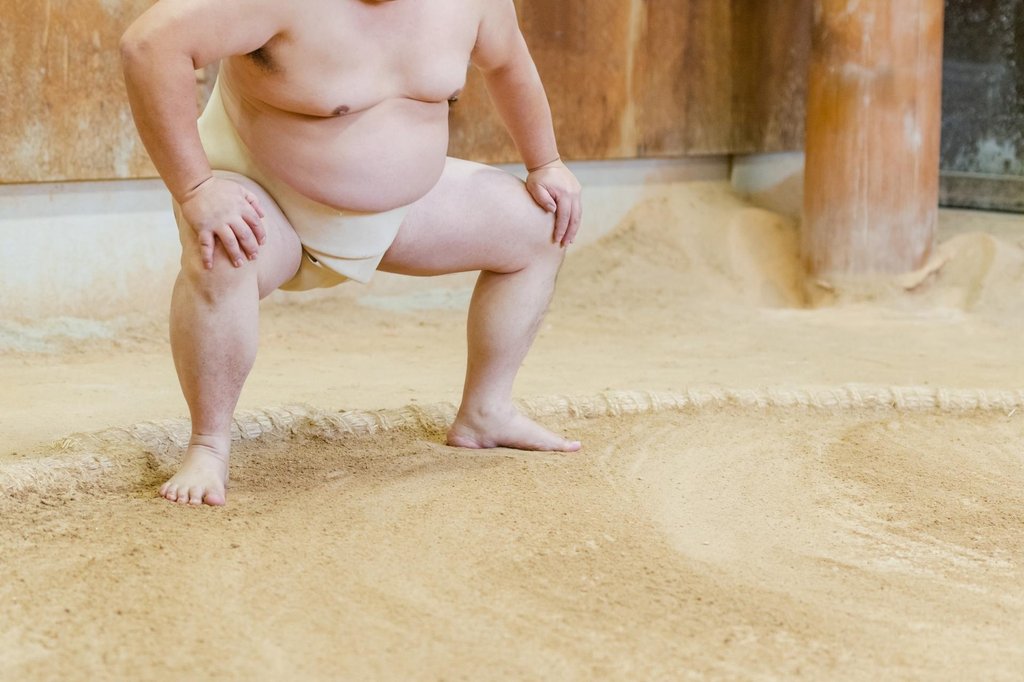
A wrestler’s massive body is not “simple obesity”; it is a “functional body” built through the diligent accumulation of diet, training, and rest. The overwhelming muscle mass, the staggering impact of the tachiai, and the flexibility built into such a huge frame all combine into superhuman athleticism.
Numbers and video alone can’t fully convey the power and appeal of sumo. The deep thud of bodies crashing on the dohyo, the charged atmosphere, the sharp gaze of the wrestlers, the tension that envelops the entire venue: these are things you can only truly experience in person.
If you’re planning a trip to Osaka, we encourage you to drop by Sumo Studio Osaka. Seeing real wrestlers up close will give the number “over 160 kg” a whole new meaning and a far more vivid sense of impact.
To reserve your seat, head to the official booking page. Come create your best memories of Japan in Osaka, the heart of sumo country.




![Where to Watch Sumo in Japan: 3 Ways to See Sumo & How to Get Tickets [Complete Guide]](https://sumowrestlingshow.jp/wp-content/uploads/2026/08/where-to-watch-sumo-in-japan_1-300x200.jpg)