What’s Inside Osaka Castle? A Complete Guide to the Main Tower’s Highlights, Fees, and Visit Times
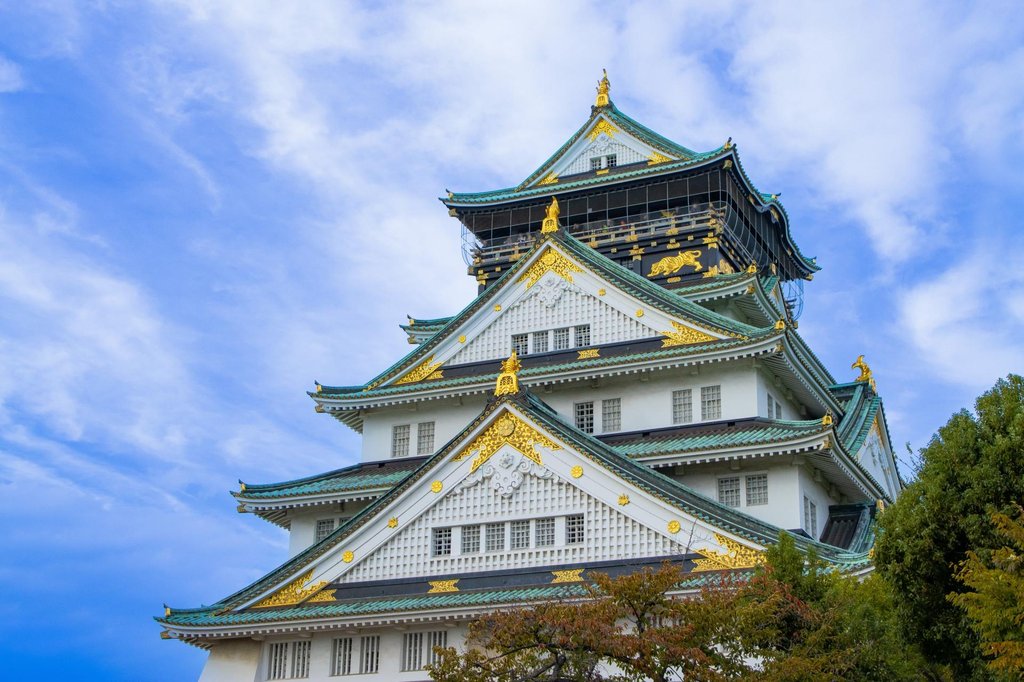
Many visitors wonder whether Osaka Castle’s Main Tower is worth entering or whether admiring it from the outside is enough. Since the current tower is a reconstructed reinforced-concrete building, some travelers question whether the admission fee is worthwhile.
This guide takes you through the exhibits floor by floor, from the 1st to the 8th floor, while also covering practical visitor information and the highlights of the castle grounds surrounding the tower. Use it to decide how much of your limited time in Osaka you want to dedicate to Osaka Castle.
Contents
- What Kind of Place Is Osaka Castle? An Overview of the Site
- Practical Information for Visiting Inside Osaka Castle’s Main Tower
- Highlights Inside Osaka Castle’s Main Tower (Exhibition Floors)
- 1st Floor: A Theater Room for Learning the History
- 2nd Floor: A Photo Spot with Full-Size Golden Shachihoko
- 3rd-4th Floors: Exhibition Rooms with Sengoku-Era Artifacts
- 5th Floor: A Miniature Model Recreating the Battle
- 7th Floor: Dioramas Tracing Toyotomi Hideyoshi’s Life
- 8th Floor: An Observation Deck Overlooking Osaka
- Highlights Around the Main Tower on the Castle Grounds
- Takoishi | See One of Japan’s Largest Castle Boulders Up Close
- Otemon Gate | Enter the Castle Through Its Historic Main Gate
- Toyotomi Stone Wall Museum | View Stone Walls Buried Underground
- Nishinomaru Garden | Photograph the Main Tower’s Exterior
- Hokoku Shrine | View the Main Tower Through the Torii Gate
- MIRAIZA Osaka-jo | Shop and Dine in a Historic Building
- An English-Guided Tour Is a Convenient Way to Explore Osaka Castle Efficiently
- Common Questions About Visiting Inside Osaka Castle
- Plan Your Visit to Get the Most from Osaka Castle
What Kind of Place Is Osaka Castle? An Overview of the Site
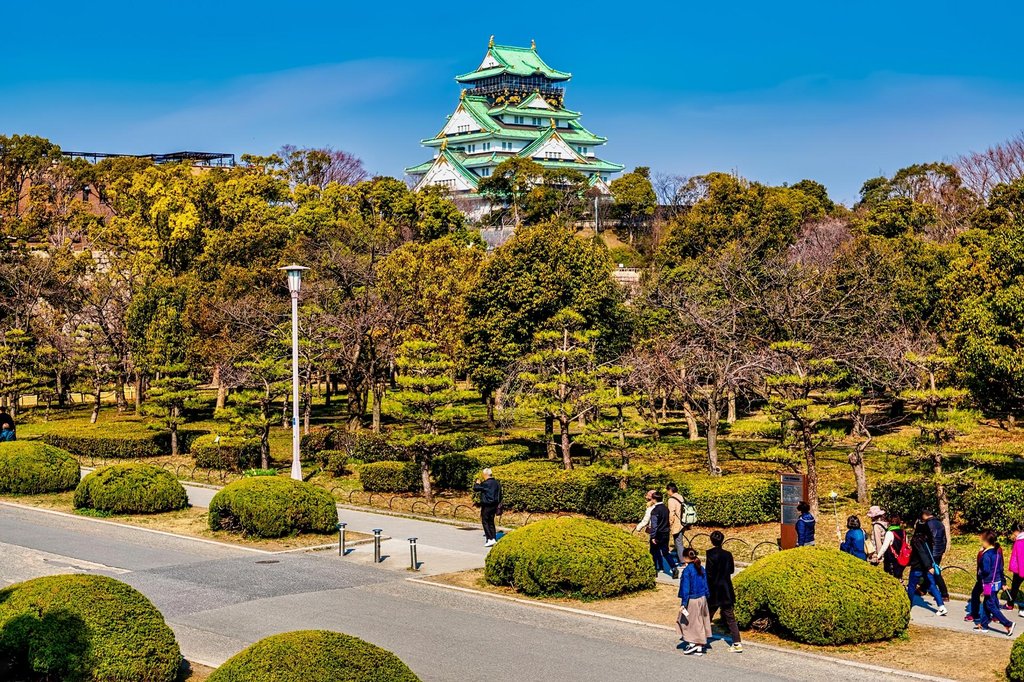
Before visiting Osaka Castle, it helps to understand how the site is laid out. This section explains what the Main Tower actually is, how it differs from the surrounding castle grounds, and introduces the new museum facility that opened in 2025.
Understanding which areas require admission and which can be explored free of charge will help you plan your time more efficiently and decide whether entering the Main Tower is the right choice for your visit.
The Main Tower Is a Paid History Museum
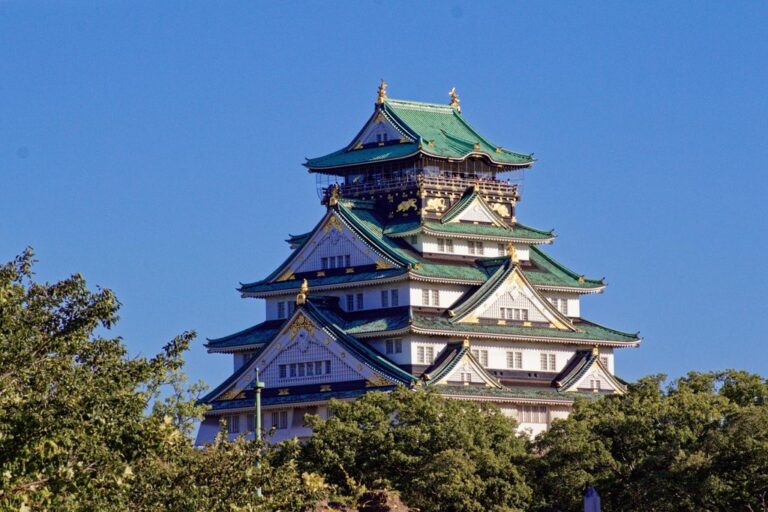
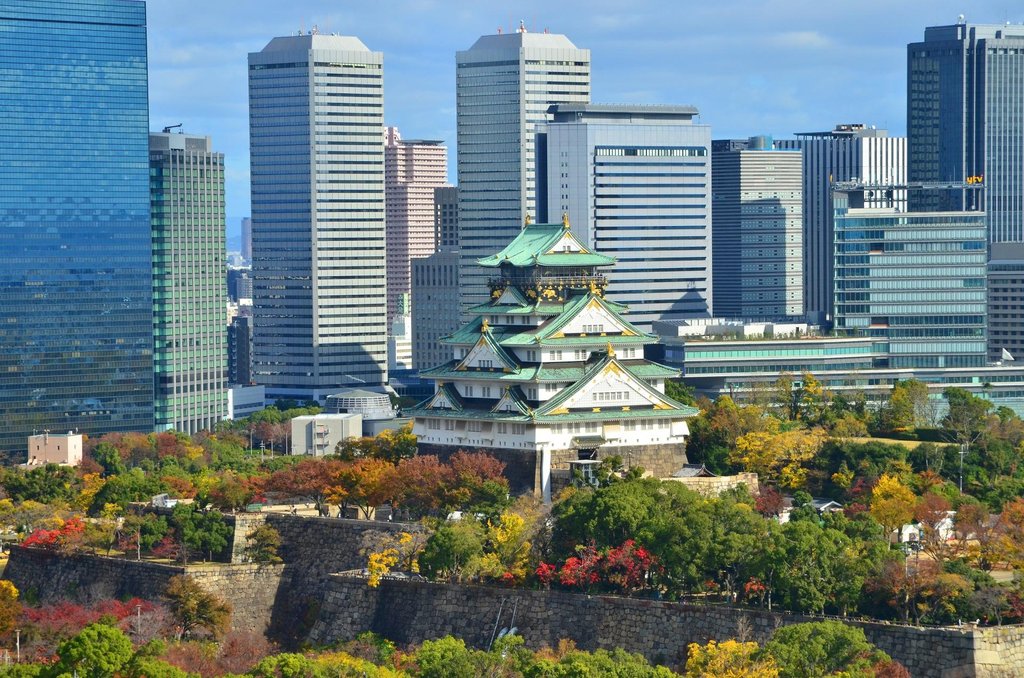
The current Osaka Castle Main Tower is a reinforced-concrete reconstruction completed in 1931 through donations from the citizens of Osaka. Its unique design combines traditional castle architecture with modern construction, featuring five exterior tiers and eight interior floors. The building was registered as a National Tangible Cultural Property in 1997 and was additionally designated a Tangible Cultural Property by Osaka City in 2025, formally recognizing its historical and cultural significance.
Today, the entire interior functions as a history museum, organized as follows:
- Floors 2-7: Exhibition galleries featuring historical artifacts and exhibits related to Toyotomi Hideyoshi and Osaka Castle.
- Floor 8: An observation deck offering 360-degree panoramic views of Osaka.
An elevator serves the museum, making it accessible for visitors who have difficulty using stairs. The highlights of each exhibition floor are covered in detail in the sections that follow.
The Castle Grounds Around the Tower Are Free to Explore
The Main Tower is only one part of the Osaka Castle experience. The castle grounds within Osaka Castle Park, which cover approximately 105.6 hectares (about 261 acres), can be explored free of charge. The park’s surviving stone walls, gates, and turrets are all accessible without an admission ticket. Many visitors are surprised to learn that nationally designated Important Cultural Properties, including Otemon Gate and the Sengan Turret, can be viewed at no cost.
Highlights of the free area include:
- Approximately 12 kilometers (7.5 miles) of stone walls, including many “inscribed stones” carved with the crests of the feudal lords who supplied them.
- Monumental stonework such as Takoishi (Octopus Stone), one of the largest stones used in the castle’s construction.
- Numerous viewpoints for photographing the exterior of the Main Tower.
A rewarding way to experience Osaka Castle is to first learn about Toyotomi Hideyoshi and the castle’s history inside the museum, then walk through the original castle grounds outside. Combining both experiences brings the history to life in a far more tangible and immersive way.
Your Tower Ticket Also Covers the Toyotomi Stone Wall Museum
In April 2025, the Toyotomi Stone Wall Museum opened just southeast of the Main Tower. It is one of the few museums in Japan where visitors can view Toyotomi-era stone walls, buried for nearly 400 years, at close range in an underground exhibition space.
Admission is included with a Main Tower ticket, so there is no additional charge. While the Main Tower introduces the history of Toyotomi Hideyoshi through exhibits and artifacts, the Toyotomi Stone Wall Museum lets you see the actual remains of the castle he built. Visiting both together provides a far richer understanding of Osaka Castle’s history than either site alone.
Practical Information for Visiting Inside Osaka Castle’s Main Tower
It’s reassuring to check the essential practical details before visiting Osaka Castle’s Main Tower. The sections below cover admission fees, opening hours and closing days, the amount of time to allow for your visit, and access from the nearest stations.
Knowing these basics in advance can help you avoid unnecessary waiting and make the most of your time at one of Osaka’s most iconic landmarks.
Admission Is ¥1,200 for Adults and Free for Children
Following a fee revision in April 2025, admission to Osaka Castle’s Main Tower is as follows.
| Category | Fee |
|---|---|
| Adults | ¥1,200 |
| High school and university students | ¥600 |
| Junior high school students and younger | Free |
Children may be asked to present proof of age to qualify for free admission, so it is a good idea to bring a passport. The ¥1,200 admission fee also includes entry to the Toyotomi Stone Wall Museum, which opened in April 2025.
The Main Tower accepts a wide range of payment methods, including cash, credit cards, electronic money, and QR code payments. You can also purchase tickets in advance through the official website, allowing you to skip the ticket counter and enter more smoothly on the day of your visit.
Open 9:00 am-6:00 pm, Closed Only Over the New Year Holiday
The Main Tower is normally open from 9:00 am to 6:00 pm, with last admission at 5:30 pm. It is closed only from December 28 to January 1, making Osaka Castle one of the few major attractions in Japan that is open almost every day of the year. Opening hours may be extended during cherry blossom season, Golden Week, and the summer holiday period, so it is worth checking the official website before your visit.
Time management becomes especially important later in the day. Although last admission is 30 minutes before closing, it takes at least 40 minutes to explore the exhibitions and reach the 8th-floor observation deck. To enjoy both at a relaxed pace, it is best to arrive no later than 4:30 pm.
Here are the key points for planning your itinerary.
- Regular hours: 9:00 am–6:00 pm (last admission 5:30 pm)
- Closed: December 28–January 1 only
- Seasonal extended hours: Cherry blossom season, Golden Week, and the summer holiday period
- Recommended arrival time: By 4:00 pm for a comfortable visit to both the exhibitions and the observation deck
Plan on 40 Minutes to 2 Hours for Your Visit
For the tower interior alone, expect to spend 40 minutes to 2 hours. A quick look through the exhibits takes 40-60 minutes, while reading each floor carefully takes about 90-120 minutes. The standard route is to take the elevator to the 5th floor, climb the stairs to the 8th-floor observation deck, and then work your way down through the exhibition floors.
During cherry blossom season and on weekends between 11:00 am and 3:00 pm, visitor numbers peak. Waiting 30 minutes or more for tickets and the elevator is common, so allowing 2–3 hours for your visit is recommended.
If you also plan to visit the Toyotomi Stone Wall Museum, set aside an additional 20–30 minutes. Travelers who want to explore the wider Osaka Castle Park as well should consider starting their visit in the morning to make the most of the day.
The Main Tower Is a 15-20 Minute Walk from the Nearest Stations
Whichever station you use, expect a 15–20 minute walk to the Main Tower. Osaka Castle Park is expansive, and the tower stands near its center, so the walking distance is similar regardless of your starting point.
The most convenient stations are:
- Osaka Metro: Tanimachi 4-chome Station, Temmabashi Station, Morinomiya Station, and Osaka Business Park Station
- JR Osaka Loop Line: Osakajokoen Station and Morinomiya Station
- Keihan Railway: Temmabashi Station and Kyobashi Station
Many of the paths through the park are gravel or stone-paved, so comfortable walking shoes are highly recommended. If you are using a wheelchair or stroller, allow around 30 minutes from the station to the Main Tower, as the journey may take longer than usual.
Highlights Inside Osaka Castle’s Main Tower (Exhibition Floors)
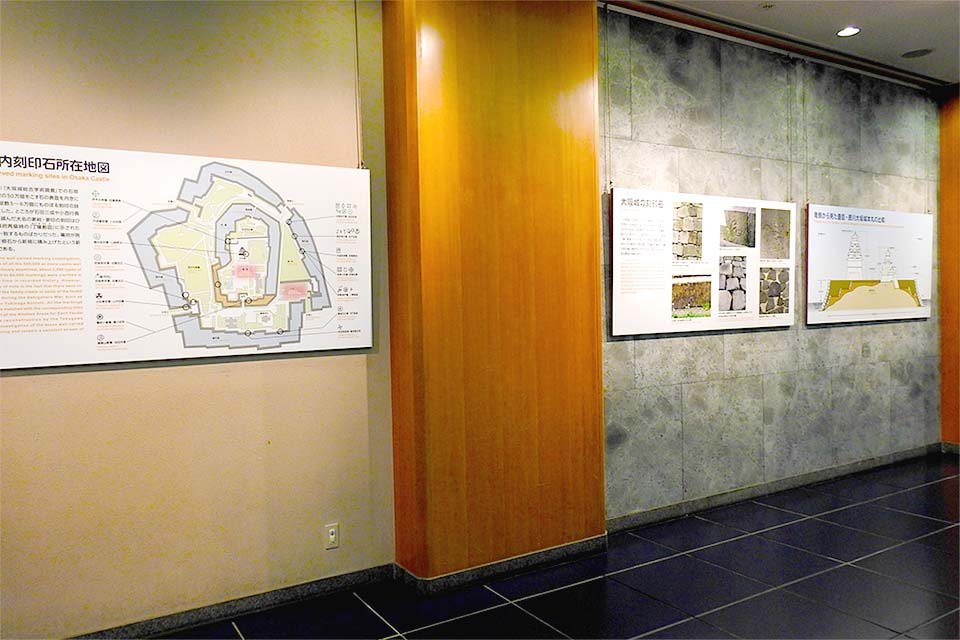
Here’s a floor-by-floor look at what awaits inside the tower, from the 1st to the 8th floor, including a theater that brings history to life on screen, photo spots, and rare historical materials.
Understanding the focus of each floor in advance makes it easier to prioritize the exhibits that interest you most and plan a visit that matches your own pace and interests.
1st Floor: A Theater Room for Learning the History
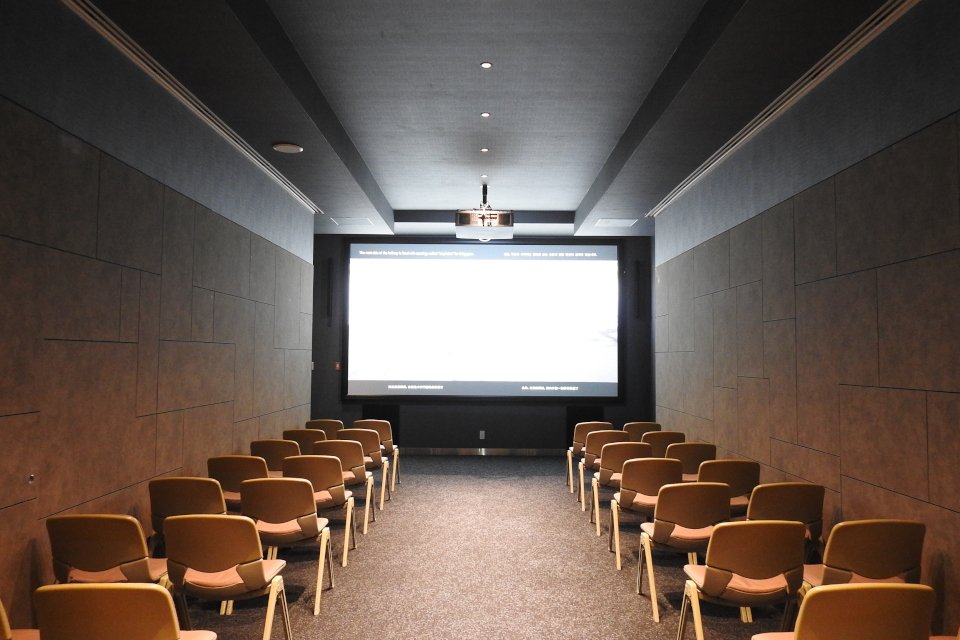
The 1st-floor theater features a film of approximately 10 minutes that traces the history of Osaka Castle, from Toyotomi Hideyoshi’s unification of Japan to the Siege of Osaka. The film includes subtitles in Japanese, English, Chinese, and Korean, making it easy for international visitors to follow the story.
You can also rent an audio guide at the information counter on the first floor. It is available in the same four languages and is particularly useful on exhibition floors where much of the written information is presented primarily in Japanese.
During busy periods, audio guides may all be checked out. For the best experience, arrive shortly after the castle opens at 9:00 am, watch the introductory film first to gain an overview of the castle’s history, and then pick up an audio guide before continuing through the exhibitions.
2nd Floor: A Photo Spot with Full-Size Golden Shachihoko
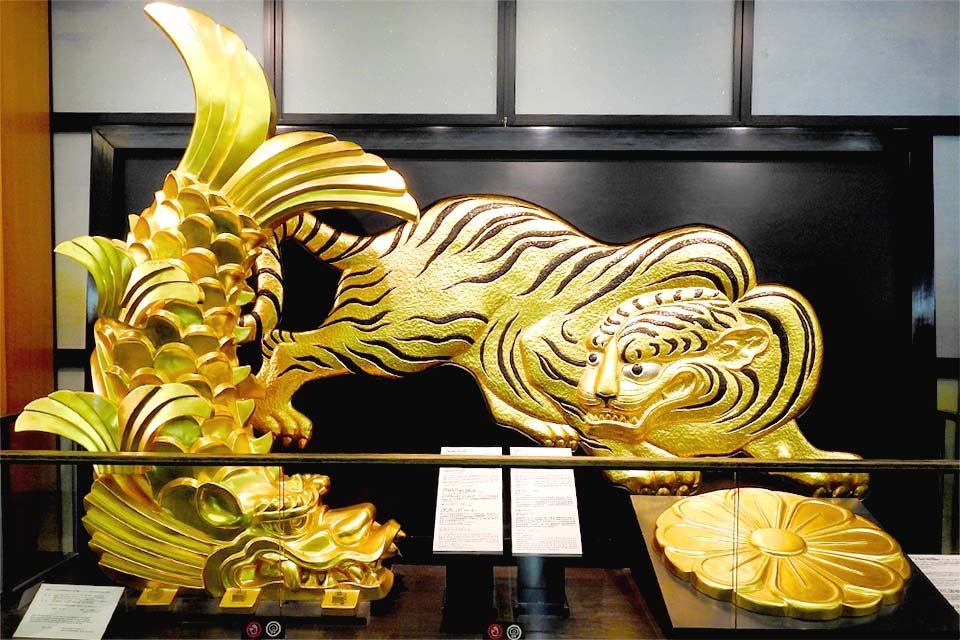
The 2nd floor displays full-size replicas of the golden shachihoko (mythical tiger-headed fish that adorn castle roofs) and the famous crouching tiger reliefs. Looking up close at a shachihoko that’s normally visible only on a distant rooftop, you’ll be struck by its scale. The replicas are also one of the museum’s most popular photo spots, where visitors often line up for commemorative pictures.
The exhibition area also introduces the basic history and structure of Osaka Castle through informative display panels. Learning about the castle’s architectural features and the scale of the castle grounds here provides valuable context for the more detailed exhibitions on the upper floors.
Combining interactive photo opportunities with introductory historical displays, the 2nd floor is well worth exploring at a relaxed pace.
3rd-4th Floors: Exhibition Rooms with Sengoku-Era Artifacts
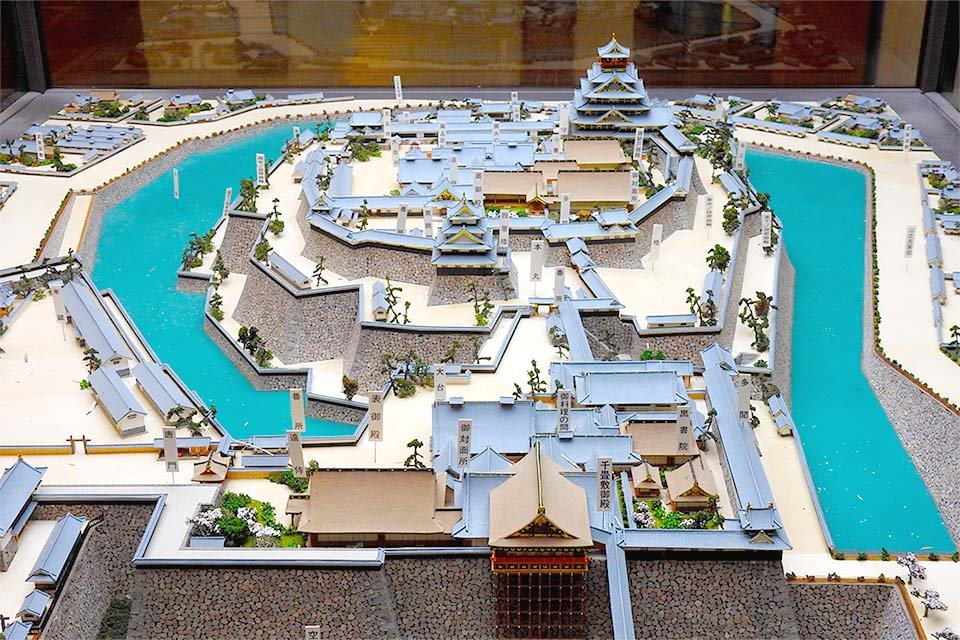
The 3rd and 4th floors hold the tower’s most academically significant exhibits, where you can view authentic artifacts from the Sengoku period (Japan’s Warring States era). Displays include items associated with Toyotomi Hideyoshi, suits of armor, weapons, and historical documents, making these floors a highlight for history enthusiasts. The exhibition themes change approximately every two months, so repeat visitors can expect to see different artifacts on display.
One of the highlights is a full-scale reproduction of the Golden Tea Room. Standing before its gold-leaf-covered walls and ceiling offers a vivid sense of the extraordinary wealth and authority that Hideyoshi projected during his lifetime.
Photography is prohibited in certain sections to protect the artifacts. Rather than focusing on taking pictures, take the opportunity to appreciate these rare historical materials and their fine details up close.
5th Floor: A Miniature Model Recreating the Battle
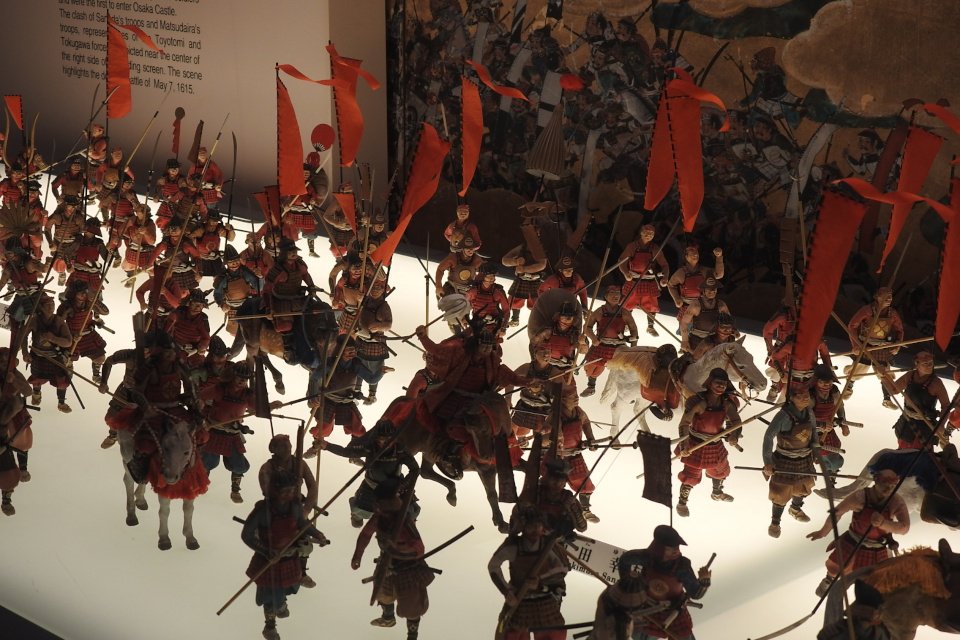
The 5th floor features a large-scale miniature diorama recreating the Summer Siege of Osaka in three dimensions. Around 300 meticulously crafted figures depict the fierce clash between the forces of Sanada Yukimura and Matsudaira Tadanao, bringing one of Japan’s most decisive battles vividly to life.
The display is inspired by the Important Cultural Property Summer Siege of Osaka Folding Screen, combining detailed miniatures with panoramic visuals to recreate the battle. Even visitors with little knowledge of Japanese history can easily follow the events through the engaging visual presentation.
The Summer Siege of Osaka marked the fall of the Toyotomi clan and paved the way for more than 250 years of Tokugawa rule. Take your time on this floor to appreciate the dramatic turning point that ultimately determined the fate of Osaka Castle.
7th Floor: Dioramas Tracing Toyotomi Hideyoshi’s Life
The 6th floor is not open for exhibitions; proceed directly to the 7th floor.
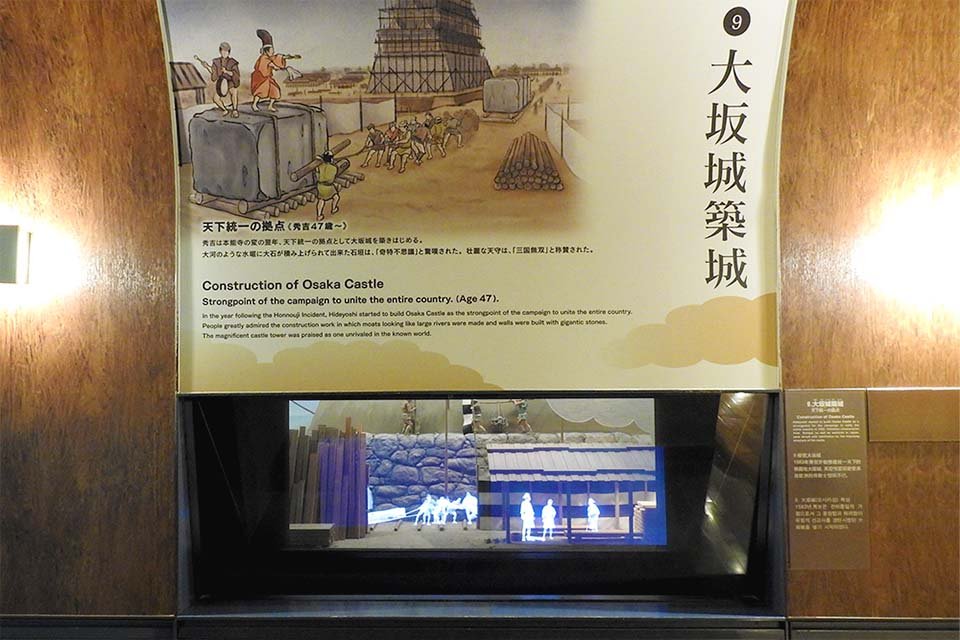
The 7th floor is home to Karakuri Taikoki, a series of animated mechanical dioramas that recount the life of Toyotomi Hideyoshi in chronological order. Through moving figures and changing scenes, the exhibits illustrate:
- His rise from a childhood in a farming village to becoming a retainer of Oda Nobunaga.
- His journey through countless battles to the unification of Japan.
- The events of his later years after achieving power.
The moving displays make it easy to follow Hideyoshi’s remarkable life even without extensive background knowledge of Japanese history. Gaining this historical context before heading to the 8th-floor observation deck makes the panoramic views over Osaka feel even more meaningful.
8th Floor: An Observation Deck Overlooking Osaka
After exploring the animated dioramas on the 7th floor, continue up to the 8th-floor observation deck, where a 360-degree panoramic view of Osaka awaits from approximately 50 meters (about 164 feet) above ground.
Stepping out onto the open-air observation deck after moving through the enclosed exhibition floors is a refreshing change of pace. From here, you can spot landmarks such as Abeno Harukas and Tsutenkaku, while the greenery of Osaka Castle Park spreads out below. The commanding view makes it easy to understand why this elevated site was chosen for a castle.
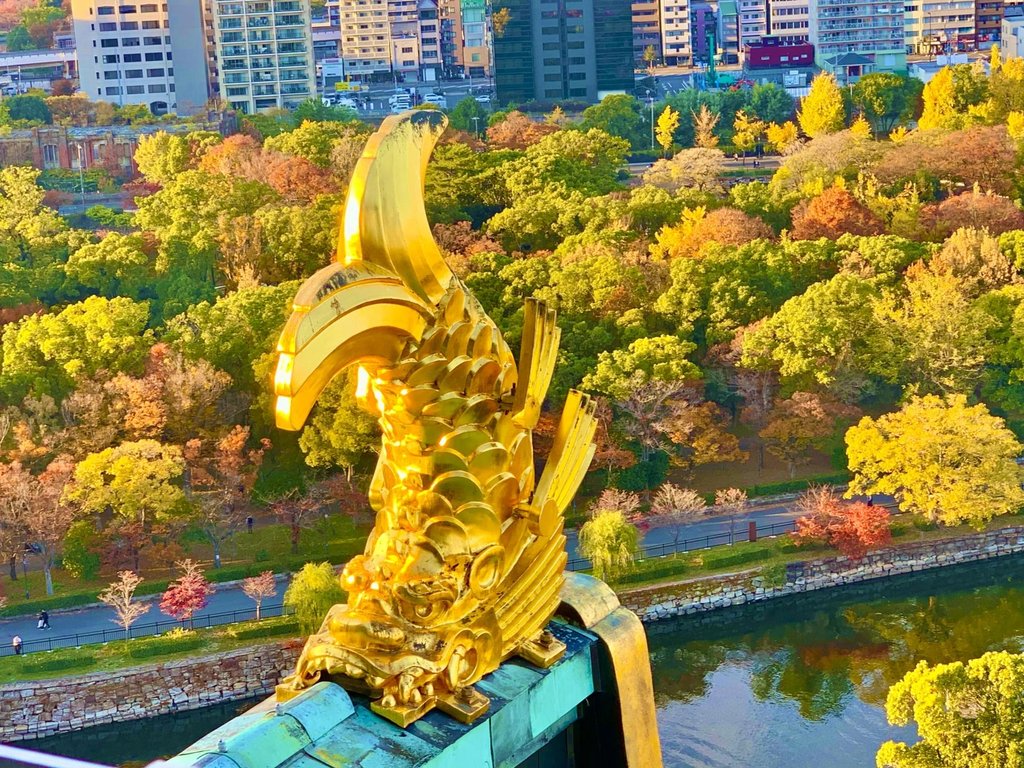
The golden shachihoko at the four corners of the roof can also be viewed at close range, offering a rare perspective that is impossible to experience from outside the castle. The open-air deck is one of the best places in the castle for memorable photographs.
| Time of Day | Crowd Level |
|---|---|
| 9:00 am-10:00 am | Relatively quiet |
| 11:00 am-3:00 pm | Often crowded |
| 5:00 pm-closing | Relatively quiet |
For a relaxed view, visit right after opening or in the late afternoon.
Highlights Around the Main Tower on the Castle Grounds
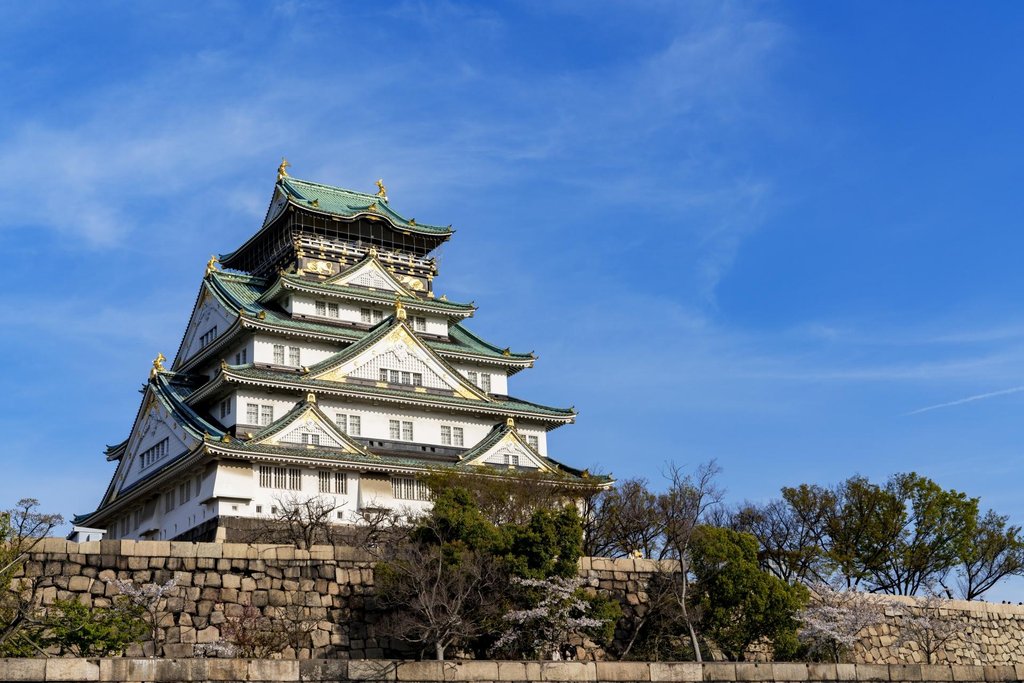
After exploring the Main Tower, be sure to spend some time discovering the highlights scattered throughout the surrounding castle grounds. Osaka Castle’s appeal extends far beyond the museum inside the keep.
The following six spots, including monumental stonework, historic gates, and picturesque gardens, showcase the castle’s rich history and provide some of the best photo opportunities in the park.
Takoishi | See One of Japan’s Largest Castle Boulders Up Close
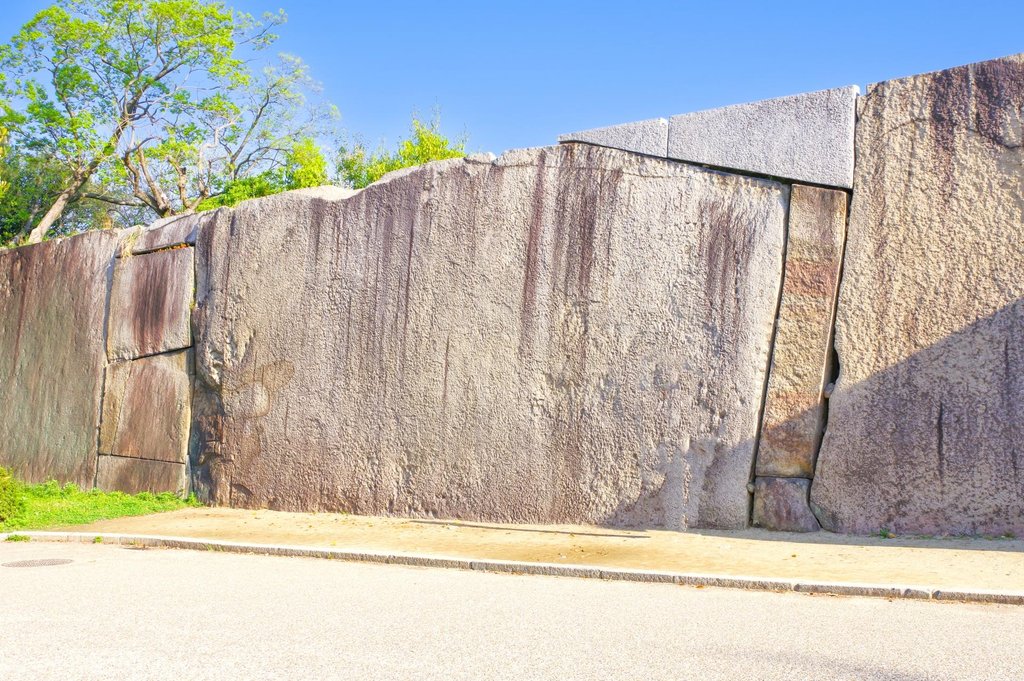
The giant slab of stone that appears the moment you pass through the Sakuramon Gate is Takoishi (the Octopus Stone). With a surface area of about 60 square meters (about 646 square feet) and an estimated weight of 108 tons (about 119 US tons), it is one of the largest stones ever used in the construction of a Japanese castle. Its name comes from a mottled pattern near the lower left corner that resembles an octopus.
The stone was transported from Bizen Province, more than 100 kilometers (about 62 miles) away. According to tradition, the Tokugawa shogunate required feudal lords to supply and transport such massive stones as a way of reducing their financial resources. Many of the castle’s stones still bear inscriptions identifying the domains that delivered them, so keep an eye out for these historical markings.
To make the most of your visit:
- Enter from the Tanimachi 4-chome Station side to encounter the giant stones within Otemon Gate’s fortified courtyard first.
- In the courtyard of Sakuramon Gate, compare Takoishi with the nearby Furisodeishi stone at close range.
- Include a person in your photographs to better convey the remarkable scale of these massive stones.
Osaka Castle Walking Tour and Castle Tower Admission
Skip the line access to Osaka Castle • City view from the top of the castle • The castle’s military design and defenses
Otemon Gate | Enter the Castle Through Its Historic Main Gate
Otemon Gate is a koraimon-style gate built in 1628 and designated an Important Cultural Property of Japan. As the principal entrance to Osaka Castle, it is where most visitors first enter the castle grounds.
Once through the gate, you’ll enter a defensive space known as a masugata (fortified courtyard), which deliberately forces visitors to change direction before proceeding farther into the castle. This layout was designed to slow attackers and leave them vulnerable within the enclosed space. Flanking the courtyard are the Tamon Turret and Sengan Turret, creating a defensive arrangement that allowed defenders to attack intruders from multiple directions. Standing here, you can appreciate the ingenuity and effectiveness of Osaka Castle’s military design.
Since 2025, the interiors of the Tamon Turret and other historic structures have been opened to the public during special viewing periods held on selected days in spring and autumn, with access provided through the Nishinomaru Garden. These limited-time openings offer a rare opportunity to explore turrets that are normally admired only from the outside.
Osaka Castle Walking Tour and Castle Tower Admission
Skip the line access to Osaka Castle • City view from the top of the castle • The castle’s military design and defenses
Toyotomi Stone Wall Museum | View Stone Walls Buried Underground
Opened in April 2025, the Toyotomi Stone Wall Museum is an underground exhibition space where visitors can view Toyotomi-era stone walls that remained buried beneath the ground for centuries.
Visiting the museum after exploring the Main Tower’s exhibits on Toyotomi Hideyoshi gives these archaeological remains valuable historical context. The Toyotomi-era walls were built using nozura-zumi, a construction method in which natural stones were stacked with minimal shaping. By contrast, the Tokugawa-era stone walls visible above ground today were constructed from carefully cut and precisely fitted stones. Seeing the two styles side by side offers a fascinating look at how Japanese castle engineering evolved from one era to the next.
Details
| Address | 1-1 Osakajo, Chuo-ku, Osaka |
| Hours | 9:00 am-6:00 pm (last entry 5:30 pm) |
| Closed | December 28-January 1 |
| Admission | Included with main tower admission (adults ¥1,200, etc.) |
| Recommended for | Those interested in Sengoku-era history |
Nishinomaru Garden | Photograph the Main Tower’s Exterior
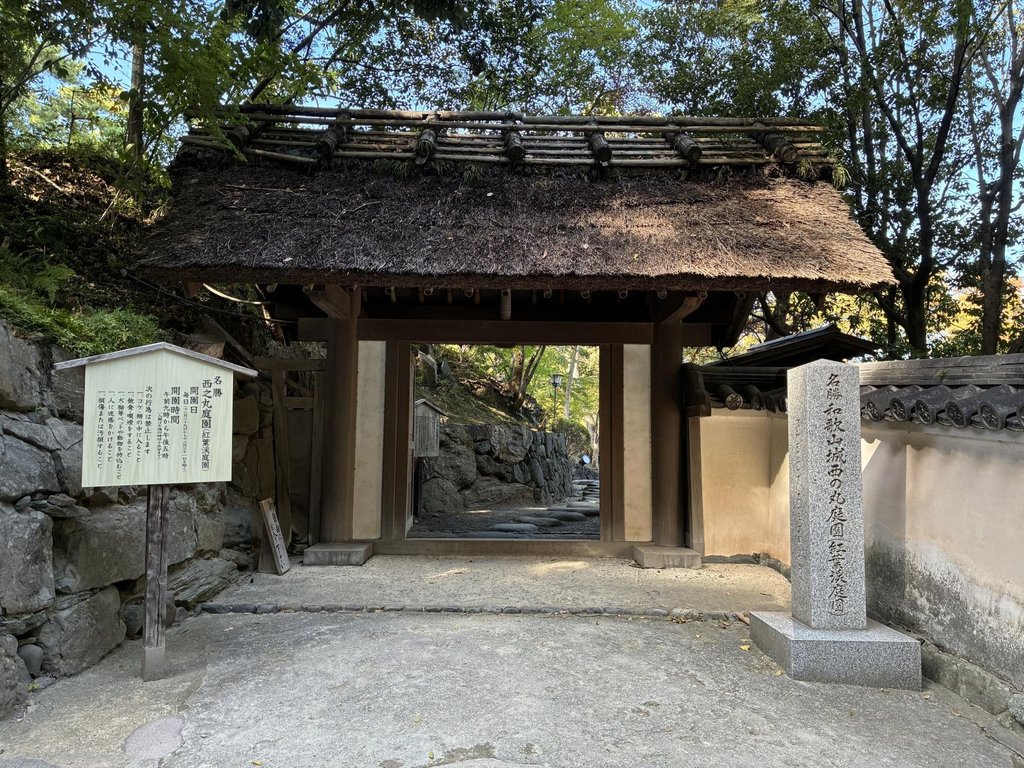
After touring the Main Tower, Nishinomaru Garden is an ideal place to rest while enjoying some of the best exterior views of Osaka Castle. The expansive lawn, planted with around 300 Somei Yoshino cherry trees, becomes a popular spot for visitors to relax, especially during cherry blossom season.
Walk along the row of cherry trees on the eastern side of the garden to reach one of the castle’s best photo locations. From here, you can capture the entire Main Tower rising above the moat and stone walls, and on calm days, the keep is often reflected in the water, one of Osaka Castle’s most iconic and frequently photographed views.
Details
| Address | 2 Osakajo, Chuo-ku, Osaka |
| Admission (adults) | ¥300 regular / ¥350 for evening cherry blossom viewing |
| Hours | 9:00 am-5:00 pm (until 4:30 pm November-February) |
| Evening cherry blossom viewing | Extended to 9:00 am-9:00 pm during cherry blossom season |
| Closed | Mondays (the following day if Monday is a holiday) December 28-January 4 |
| Recommended for | Those wanting exterior photos of the tower |
Hokoku Shrine | View the Main Tower Through the Torii Gate
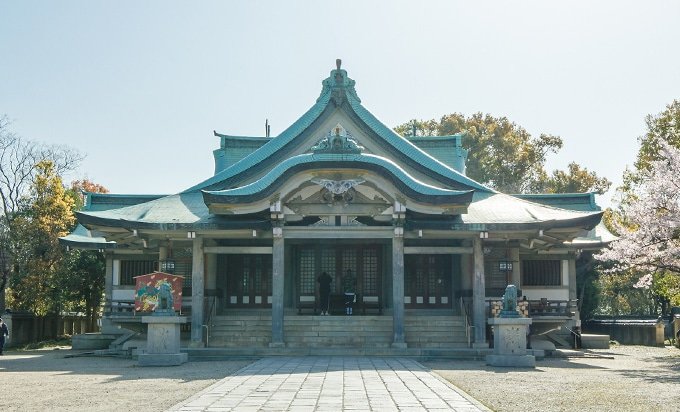
Hokoku Shrine stands on the southern side of the Ninomaru Bailey. In addition to its principal deity, Toyotomi Hideyoshi, the shrine also enshrines his brother Toyotomi Hidenaga and his son Toyotomi Hideyori. It is a popular place to pray for career success, achievement, and good fortune.
As you enter the shrine grounds, you are welcomed by a bronze statue of Hideyoshi, providing a meaningful connection to the historical exhibits inside the Main Tower. One of the shrine’s most popular photo spots is the view of Osaka Castle’s Main Tower framed by the shrine’s torii gate, a composition that has become one of the castle grounds’ most iconic images.
Details
| Address | 2-1 Osakajo, Chuo-ku, Osaka |
| Visiting hours | Open year-round (shrine office 9:00 am-4:50 pm) |
| Admission | Free |
| Official website | https://www.osaka-hokokujinja.org/ |
| Recommended for | Those wanting to visit sites connected to Hideyoshi |
MIRAIZA Osaka-jo | Shop and Dine in a Historic Building
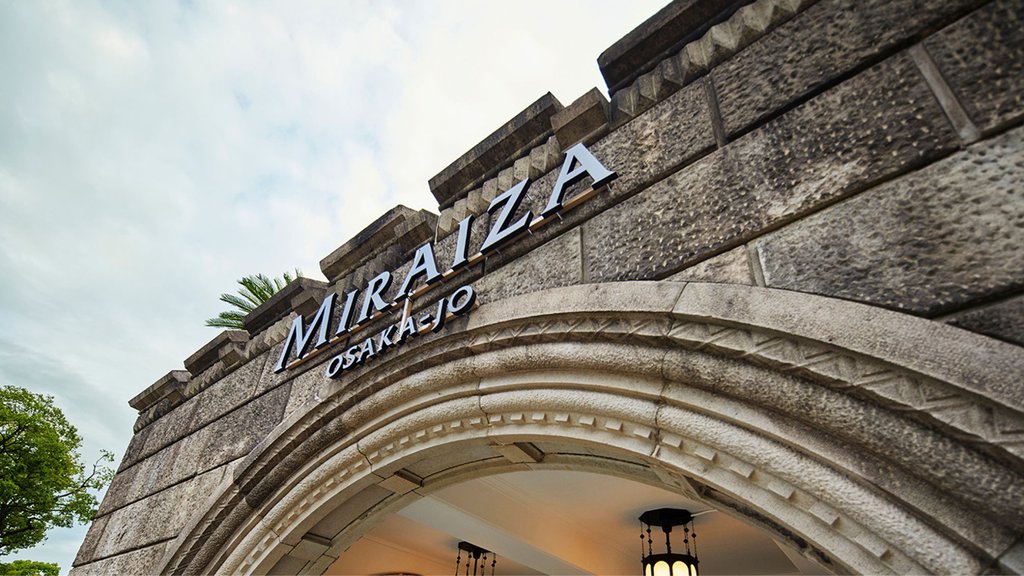
MIRAIZA Osaka-jo is a historic building originally constructed in 1931 as an army headquarters. Its dignified exterior blends seamlessly with the surrounding castle grounds, while the interior has been transformed into a commercial complex featuring shops, cafés, and restaurants. Admission is free.
The 1st floor is home to souvenir shops and cafés, making it a convenient place to take a break or pick up gifts. On the 2nd floor, you’ll find several restaurants serving full meals. As the closest dining complex to the Main Tower, MIRAIZA Osaka-jo is an ideal stop before or after your visit.
Near JR Osakajokoen Station, you’ll also find JO-TERRACE OSAKA, another shopping and dining complex that is especially convenient either upon arriving at the castle or before heading back after your visit.
Details
| Address | 1-1 Osakajo, Chuo-ku, Osaka |
| Hours | Varies by shop |
| Closed | Irregular (varies by shop) |
| Official website | https://www.miraiza.jp/ |
| Recommended for | Those wanting to fit in a meal or shopping |
An English-Guided Tour Is a Convenient Way to Explore Osaka Castle Efficiently
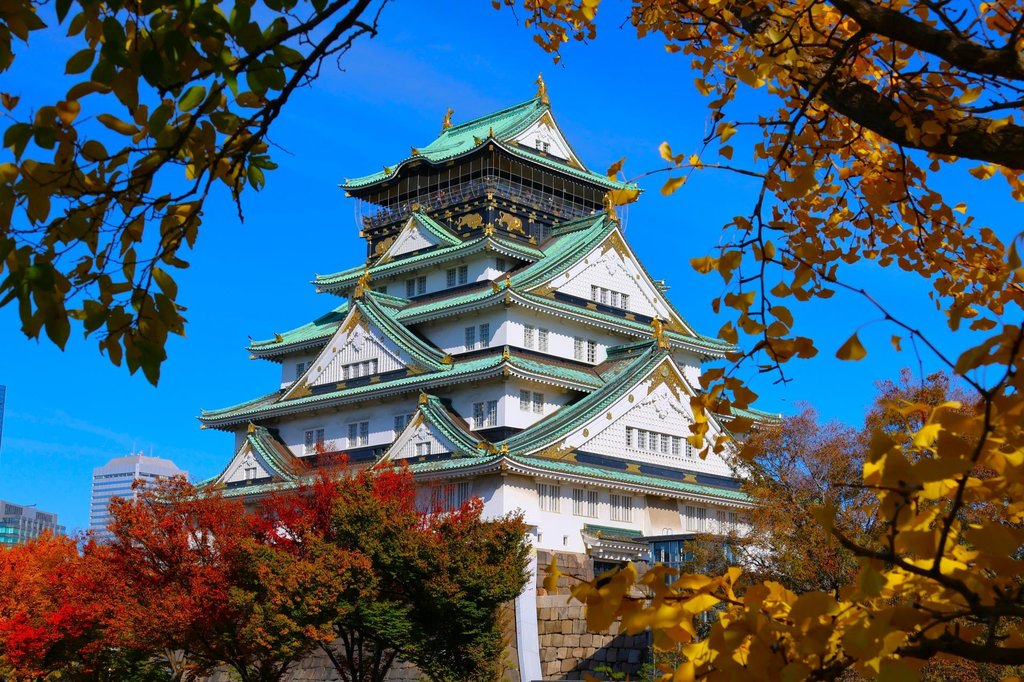
If you want to explore both the Main Tower and the surrounding castle grounds efficiently, an English-guided tour is an excellent option. In addition to helping you navigate the site, your guide can explain the historical background behind the exhibits, answer questions in English, and lead you to photo spots that are easy to overlook on a self-guided visit.
The Osaka Castle Walking Tour by Japan Guide Stars combines a visit to the Main Tower with a guided walk through the castle grounds in a single, well-paced experience.
Details
| Meeting point | Designated spot within Osaka Castle Park |
| Duration | About 1 hour 30 minutes |
| Included in the price | English-speaking guide; main tower admission |
| Booking site | https://japanguidestar.com/tour/osaka-castle-walking-tour-and-castle-tower-admission/ |
| Recommended for | Those wanting to cover the highlights in a short time |
Osaka Castle Walking Tour and Castle Tower Admission
Skip the line access to Osaka Castle • City view from the top of the castle • The castle’s military design and defenses
Common Questions About Visiting Inside Osaka Castle

Here are answers to some of the most common questions about visiting inside Osaka Castle’s Main Tower, including photography rules, visiting with children, and possible side trips to nearby castles.
Checking these details in advance helps you plan your visit with confidence and enjoy the castle experience more smoothly.
Can I Take Photos Inside the Tower?
Photography is allowed on most floors, but the 3rd and 4th floors prohibit it because they display Important Cultural Properties and other valuable historical materials.
The most popular photo opportunities include the 8th-floor observation deck, with its panoramic views of Osaka, and the 2nd-floor replica area, where you can take pictures with the full-size shachihoko and other decorative features.
Flash photography and tripods are prohibited on all floors, so handheld photography is the best option. Photography policies may change depending on exhibitions, so always check the signs on-site before taking photos.
Can I Visit with Children or a Stroller?
Visiting Osaka Castle’s Main Tower with children is perfectly possible, but strollers cannot be brought inside the building. They can be stored free of charge at the entrance, so families with infants may find a baby carrier more convenient.
Staff can assist you in using the elevator to the 5th floor, but from the 5th floor to the 8th-floor observation deck, visitors must use the stairs. Keep this in mind when planning your visit with young children.
The tower also offers several attractions that children can enjoy, including samurai costume experiences and the detailed miniature battle models that bring Osaka Castle’s history to life.
Can I Visit Other Castles Near Osaka?
Using Osaka as a base, you can easily take day trips to two World Heritage castles: Nijo Castle and Himeji Castle.
At Nijo Castle, you can experience the atmosphere of the samurai era through its preserved palace interiors and gardens. Himeji Castle offers a different kind of appeal, with its iconic white-plastered exterior and sophisticated defensive architecture.
For travelers who want deeper historical insight with English commentary, guided tours by Japan Guide Stars are a convenient option. See the details here.
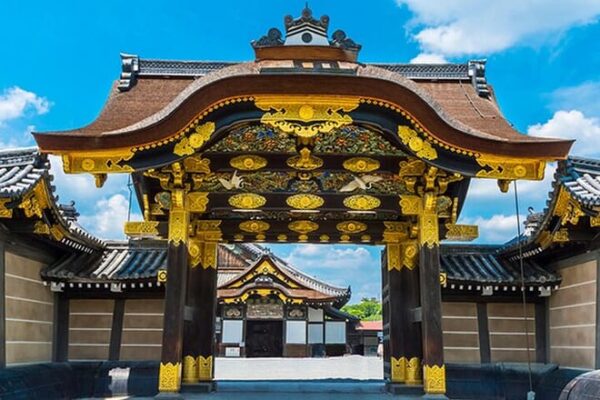
Kyoto: Nijo Castle World Heritage Guided Tour with Admission
Small group of up to 10 people • Nijo Castle Admission included • Shogun vs. Emperor rivalry
Are There Experiences to Combine with an Osaka Castle Visit?
Combining your castle visit with a cultural experience is a great way to make your time in Osaka even more memorable.
Japan Guide Stars offers an experience program at Sumo Studio Osaka, where you can watch a live sumo show performed by former rikishi (professional sumo wrestlers) and even take on a challenge in the dohyo (the sacred clay ring). With an English-speaking guide, you can enjoy the experience without worrying about the language barrier.
By combining history and traditional Japanese culture into a half-day itinerary, this experience adds another memorable dimension to your Osaka trip. Check the details below.
 Hands-On
Get hands-on with sumo in Osaka
Watch former professional sumo wrestlers demonstrate authentic sumo techniques. Learn the history, rituals, and rules of Japan’s national sport, then step into the ring for a hands-on sumo experience in Osaka.
Plan Your Visit to Get the Most from Osaka Castle
The interior of Osaka Castle’s Main Tower brings together a history museum and an observation deck, making it one of Osaka’s most rewarding castle experiences. Understanding what each floor offers and how much time to set aside allows you to make the most of even a short visit.
Whether you spend an hour exploring the exhibitions or devote an entire morning to the tower and surrounding castle grounds, Osaka Castle offers a memorable experience that rewards the time you invest.