3-Day Osaka Itinerary: A Complete Guide to Food, History, and Scenic Views
Contents
- Essentials for a 3-Day Osaka Trip
- Osaka Day 1: Dive into Osaka’s Food and Culture
- Osaka Day 2: History and Hands-On Experiences
- Osaka Day 3: Wrap Up the Trip with Cafes and Scenic Views
- Morning: Visit Osaka Castle’s Main Tower in the Morning
- Lunch: Enjoy a Local Meal at Tenjinbashisuji Shopping Street
- Afternoon: Wander Nakazakicho’s Old-Fashioned Row House Cafes
- Evening: End Your Trip at the Floating Garden Observatory of Umeda Sky Building
- Heading Home: Wrap Up Based on Your Flight Time
- Alternative Plans: Swap a Day for USJ or a Day Trip
- Common Questions About a 3-Day Osaka Itinerary
- Plan Your Perfect 3-Day Osaka Trip
Essentials for a 3-Day Osaka Trip
Getting the big picture helps you make the most of three days in Osaka. The following sections cover how to minimize travel time, where to base yourself, how to combine transit passes, and how much to budget. Understanding these basics will make planning your itinerary much smoother.
Travel Smoothly from Namba to Tennoji to Umeda
Osaka’s main districts are connected from south to north by the Midosuji Line. Moving from Namba to Tennoji to Umeda in that order avoids unnecessary backtracking.
| Route | Travel Time | Transfers |
|---|---|---|
| Namba → Tennoji | About 7 min | None |
| Tennoji → Umeda | About 17 min | None |
| Namba → Umeda | About 10 min | None |
All three routes take less than 20 minutes with no transfers. Use this north–south flow to structure your days and avoid backtracking. Focusing on one district per day gives you more time to enjoy each area, and you can easily fit in strolls through Kuromon Market or Shitennoji. Within each district, walking is the main mode of transport, supplemented by the Osaka Metro and the JR Loop Line.
Stay in Namba as Your Base
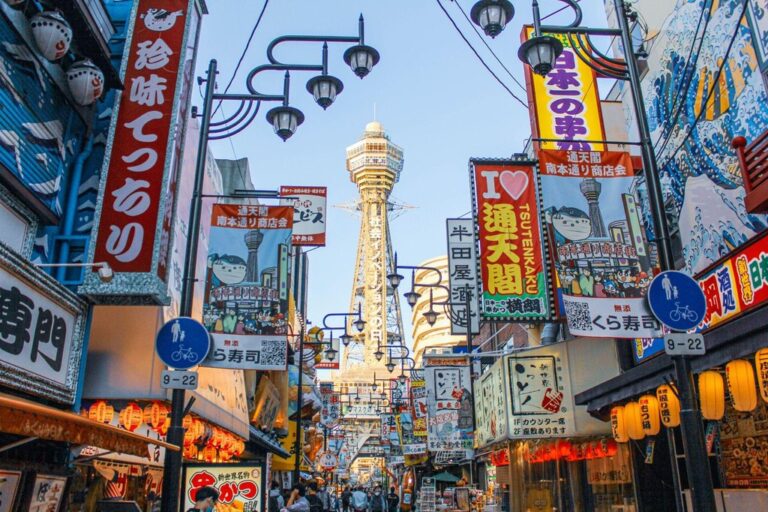
Basing yourself in Namba makes the trip much smoother. Most of the major sights on Day 1 are within walking distance. Dotonbori and Kuromon Market are typically about a 15-minute walk from many hotels in the area, allowing you to begin sightseeing immediately after arrival without needing to navigate the train system.
Namba’s convenient location is just as valuable on your departure day. The Nankai Electric Railway’s limited express Rapi:t connects Namba Station with Kansai International Airport in approximately 34 minutes, with no transfers required, making for a stress-free journey to the airport.
- Business hotels generally range from ¥7,000 to ¥12,000 per night
- Rates can jump 1.5 to 2 times during cherry blossom season (March-April) and the autumn holidays
- For travel during these busy periods, booking 2 to 3 months in advance can help secure better rates and availability
- Hotels directly connected to Namba Station offer added convenience, especially on rainy days, allowing you to check in without going outside
Because Namba is one of Osaka’s most popular accommodation areas, reserving your hotel early is highly recommended.
Combine the Osaka Amazing Pass with an IC Card to Save
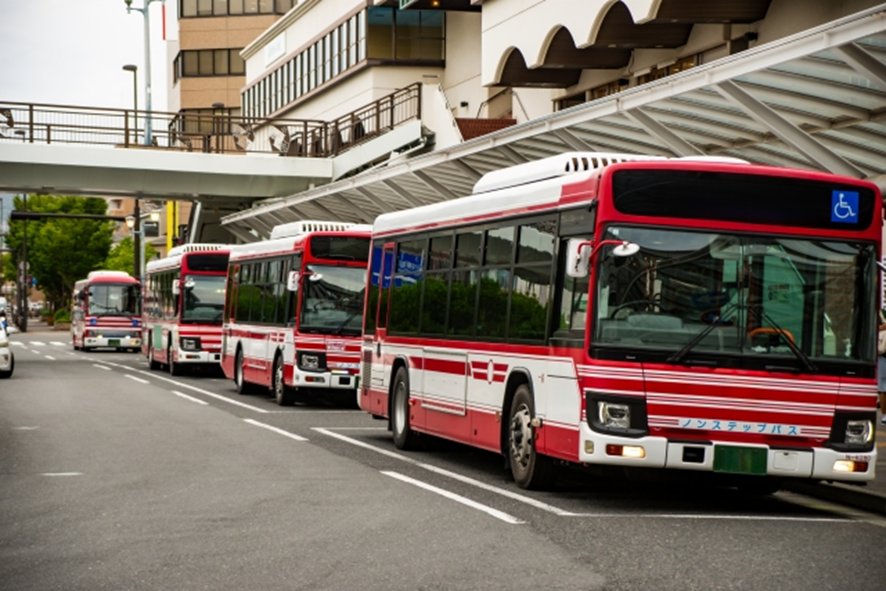
The Osaka Amazing Pass is one of the most effective ways to reduce both transport and admission costs. Available as a 1-day pass (¥3,500) or a 2-day pass (¥5,000), it provides unlimited rides on the Osaka Metro and Osaka City Bus, along with free admission to approximately 40 participating attractions.
For this itinerary, the pass offers the greatest value on Day 2, when most of the paid attractions, including Tsutenkaku, are scheduled. On Days 1 and 3, using an ICOCA IC card and paying regular fares is generally more cost-effective.
- JR lines are not included, so separate fares apply when using services such as the JR Osaka Loop Line
- The pass is available in digital format only and must be purchased and displayed on a smartphone
- Each attraction included in the pass allows one entry per visit day
Use the pass on Day 2 and rely on an IC card otherwise so you can focus on enjoying the trip.
Budget from Around ¥40,000 for Three Days
The total cost varies widely depending on travel style. Decide in advance where you want to splurge.
| Item | Budget (about ¥40,000-¥50,000) | Mid-range (about ¥75,000-¥105,000) | Luxury (from ¥240,000) |
|---|---|---|---|
| Lodging (2 nights) | Guesthouses or capsule hotels (¥2,000-¥5,000 per night) | Business hotels (¥10,000-¥15,000 per night) | High-end hotels (from ¥50,000 per night) |
| Food (3 days) | Street food focus, ¥15,000-¥24,000 | Street food lunches plus restaurant dinners, ¥30,000-¥45,000 | Kaiseki (multi-course Japanese cuisine) or teppanyaki (grilled on an iron plate) dinners that can exceed ¥10,000 per meal |
| Transport & admission | Amazing Pass plus IC card, ¥8,000-¥10,000 | Same plus occasional taxis, ¥15,000-¥20,000 | Mostly taxis or hired cars |
| Priority | Maximize experiences with strong value | Balance comfort with great food | Space and time to spare |
If you plan to focus on street food while still enjoying a few sit-down meals, budget approximately ¥4,000–7,000 per person per day for food. If you intend to drink alcohol regularly or dine at popular higher-end restaurants, a daily food budget of ¥8,000 or more is a safer estimate. Part of the fun in Osaka is how quickly ¥300 to ¥1,000 small bites add up.
For travelers looking to keep costs down, staying at a guesthouse near Namba and making good use of the Osaka Amazing Pass can significantly reduce accommodation and transportation expenses.
Osaka Day 1: Dive into Osaka’s Food and Culture
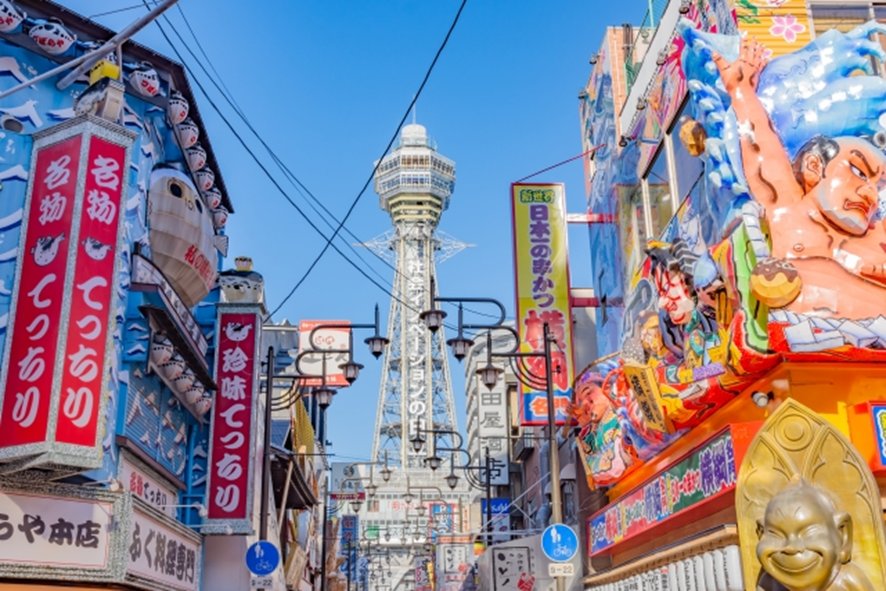
Spend your first day exploring Osaka’s food culture in depth. The plan follows your arrival day from morning to night, covering market snacking, a cultural workshop, neon-lit streets, and a local bar crawl. The schedule is easy to adjust based on what time you arrive.
Morning: Snack Your Way Through Kuromon Market
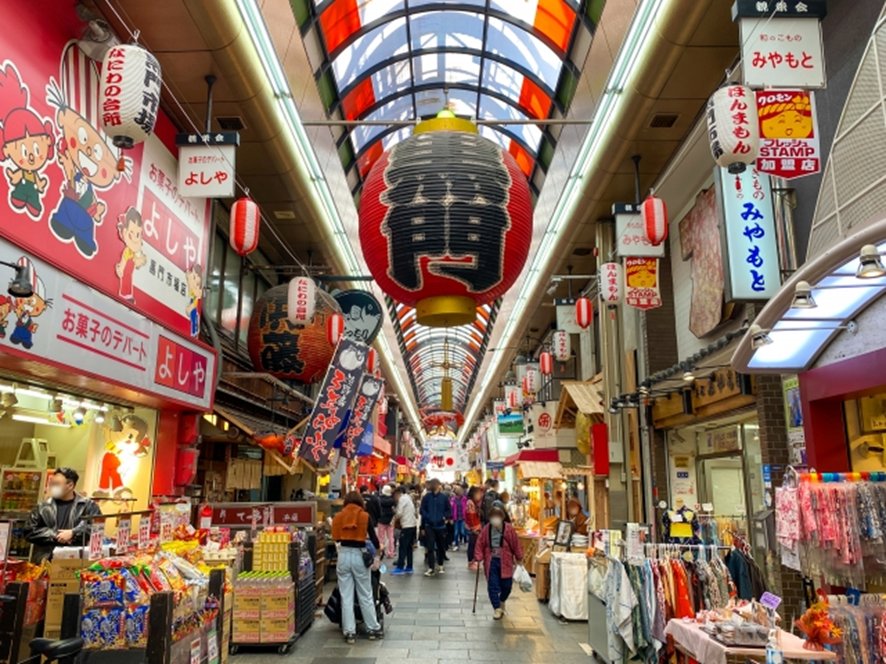
After dropping your bags at your hotel in Namba, head to Kuromon Market, often called “Osaka’s Kitchen.” The market is about a 5-minute walk from Nippombashi Station’s Exit 10.
The best time to visit is between 10:00 am and 1:00 pm, when the freshest seafood is on display and the lively atmosphere encourages casual conversations with local vendors.
Popular foods to try include:
- Seafood skewers like grilled scallops or shrimp: ¥400-¥800
- Seafood rice bowls: ¥1,000-¥1,500
- Cut fruit and juice: ¥500-¥800
The aroma of food grilled right in front of you is something you can only fully appreciate in person. Plan to spend around one to two hours exploring, eating, and soaking up the atmosphere.
Details
| Address | 2-4-1 Nippombashi, Chuo-ku, Osaka |
| Hours | Varies by shop (most are 9 am-6 pm) |
| Closed | Varies by shop (no market-wide closing day) |
| Official site | https://www.kuromon.com/ |
| Recommended for | First-time visitors to Osaka, travelers who prioritize food |
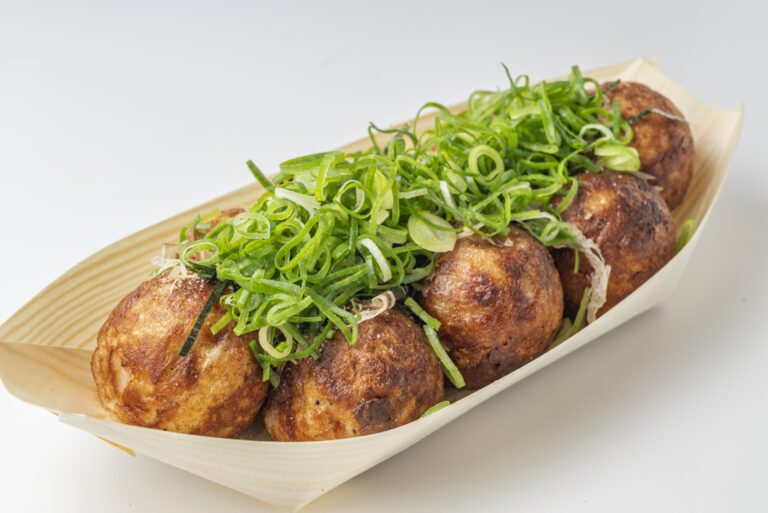
Afternoon: Try a Tea Ceremony or Chopstick Workshop in Dotonbori
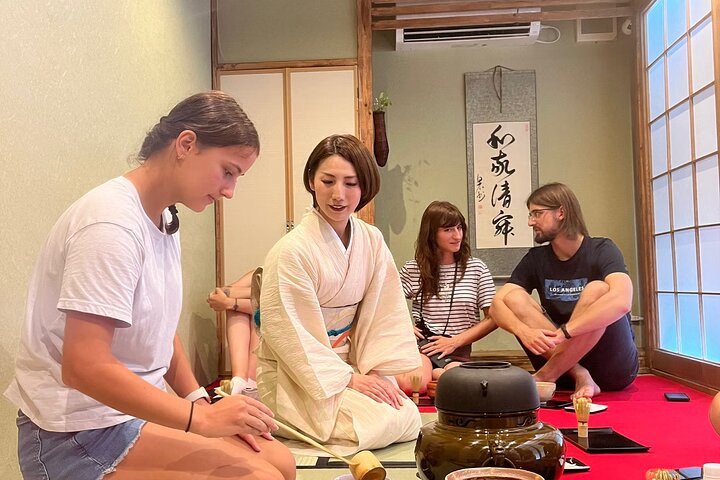
Dotonbori is about a 10-minute walk from Kuromon Market. Use the afternoon to turn Osaka’s food culture into a hands-on memory you can take home.
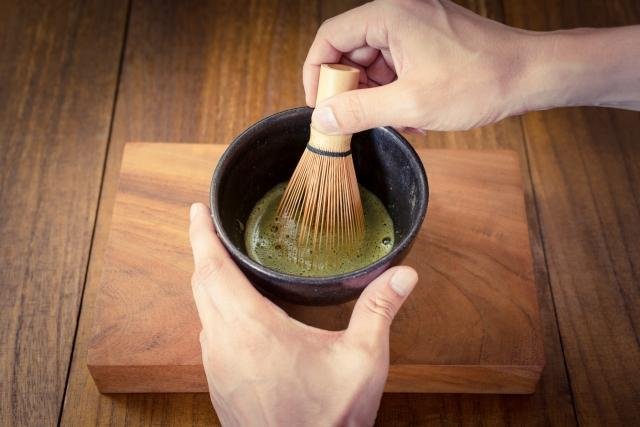
Find a Quiet Moment in a Tea Ceremony
At Tea Ceremony Osaka The Osaka, an English-speaking instructor guides participants through the history, etiquette, and cultural significance of the Japanese tea ceremony. The experience begins with a seasonal wagashi (traditional Japanese sweet), followed by the opportunity to whisk and enjoy your own bowl of matcha.
The tea ceremony itself lasts approximately 45 minutes, but you should allow around 1.5 hours in total, including check-in and preparation time.
Reservations are required, so booking as early as possible is recommended.
Details
| Address | 2F Dotonbori Building, 1-East 5-26 Dotonbori, Chuo-ku, Osaka |
| Hours | 10 am-6 pm |
| Closed | Irregular |
| Official site | https://www.tea-ceremony-osaka.com/ |
| Recommended for | Travelers who want to engage with Japanese culture and enjoy a calm, out-of-the-ordinary experience |
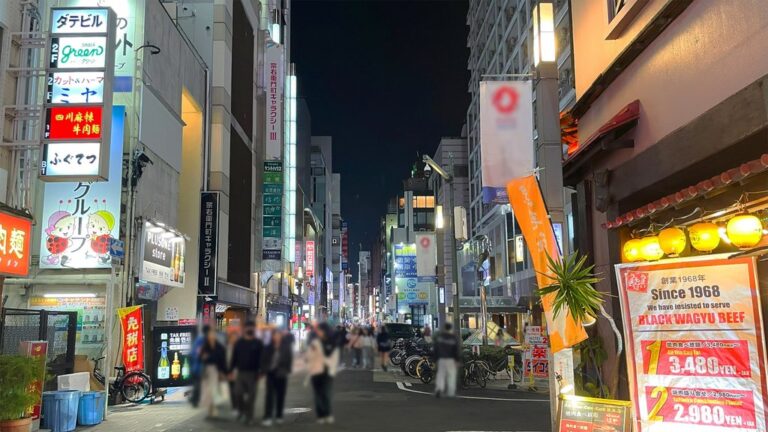
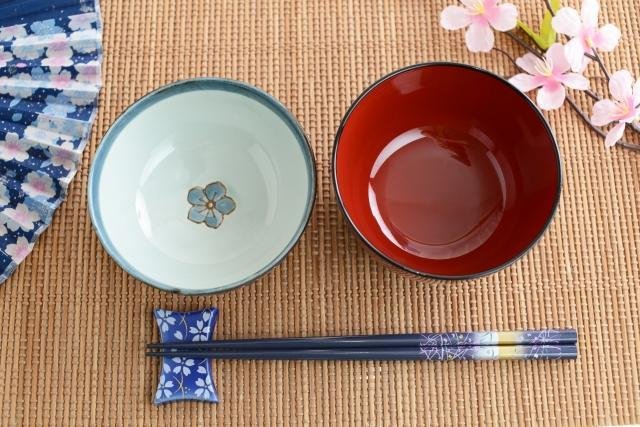
Carve a Souvenir at a Chopstick-Making Workshop
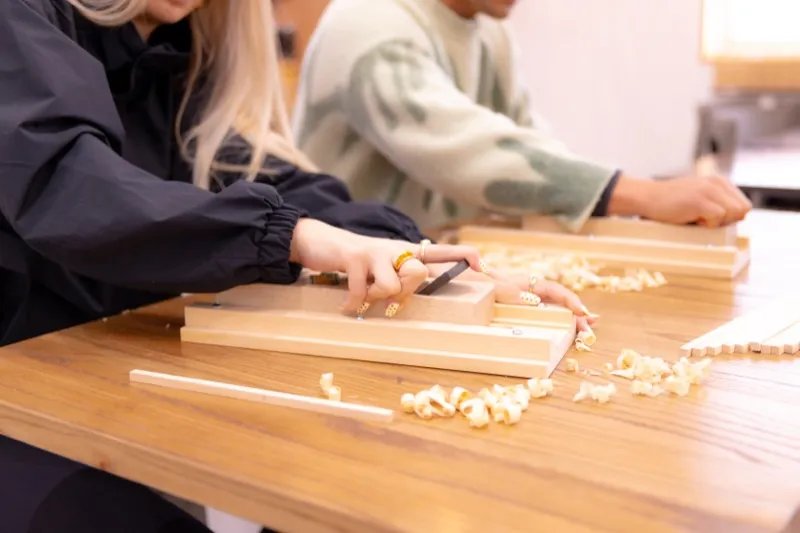
In the Shinsaibashi area, you can also join a popular workshop that lets you carve your own chopsticks from natural wood.
If convenient access from Osaka’s main sightseeing districts is a priority, Chopstick Making Japan is an excellent choice. Located in the heart of the Shinsaibashi and Dotonbori area, it’s easy to fit into a day of sightseeing. You can visit between stops at the famous Glico sign, Kuromon Market, or the shopping streets of Midosuji.
The session is not just about carving chopsticks; you also learn about their history and Japanese dining etiquette, with English-speaking staff on hand and a smooth online booking process.
The workshop is operated by Food Activity Japan, a company that runs several cultural experience brands popular with international visitors.
Details
| Address | Chuo-ku, Osaka (Dotonbori / Shinsaibashi area) |
| Hours | Sessions start every hour from 10 am to 6 pm |
| Closed | Irregular |
| Official site | https://chopstickmakingjapan.com/ |
| Recommended for | Travelers who want a quick experience between sightseeing stops, those interested in Japanese food culture and manners, and visitors who prefer easy online booking |
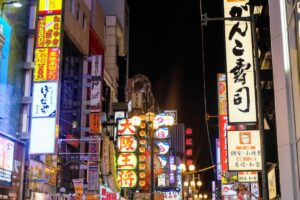
Evening: Enjoy the Neon Lights and Street Food of Dotonbori
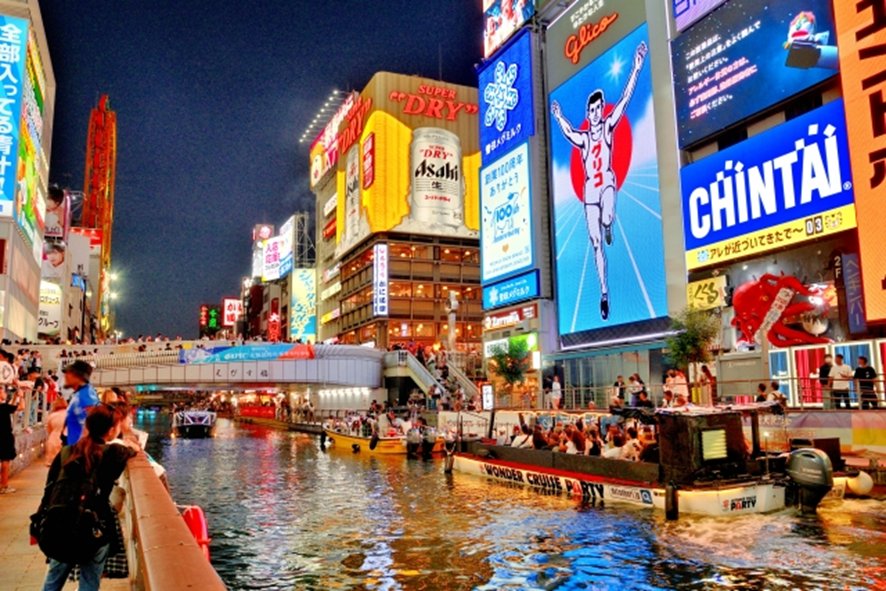
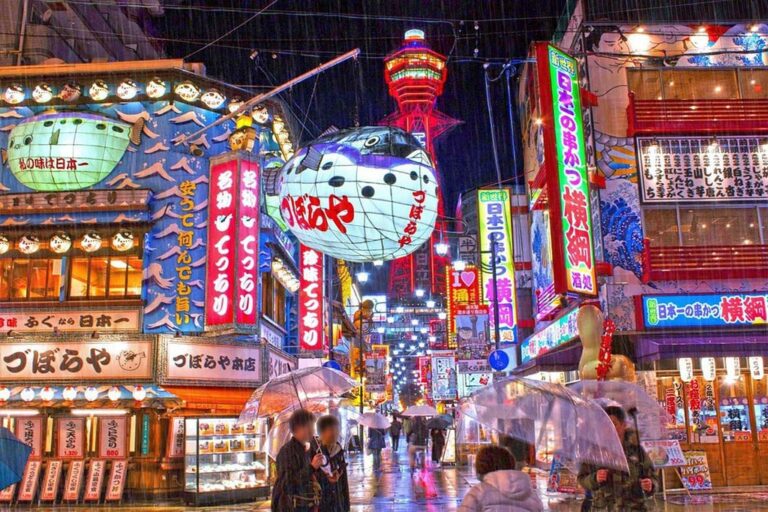
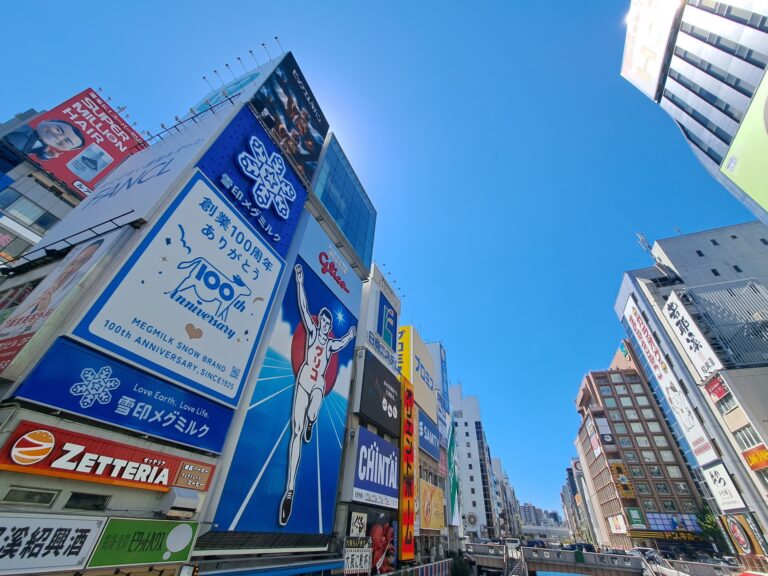
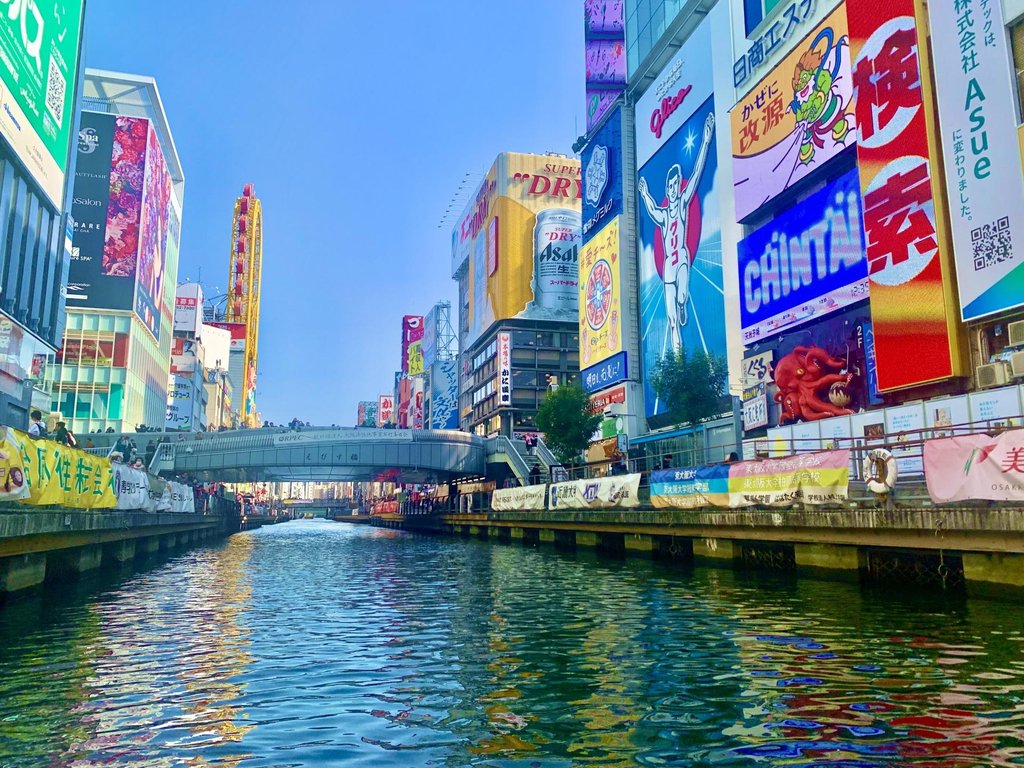
After your workshop, return to Dotonbori as the neon signs begin to light up. Once the sun goes down, the giant signboards and colorful advertisements reflect beautifully in the canal. For photography, the best time is typically the 30 minutes immediately after sunset, when the sky still holds some color and the neon lights are at their most striking.
Ebisubashi Bridge and the Tombori River Walk are ideal vantage points. Once you have your shots, set off on a street-food tour. Takoyaki (octopus balls) typically run ¥400-¥700 and okonomiyaki (savory pancakes) ¥800-¥1,500. Visiting two or three different food stalls or restaurants typically costs around ¥2,000 in total.
Night: Bar-Hop Through Ura-Namba
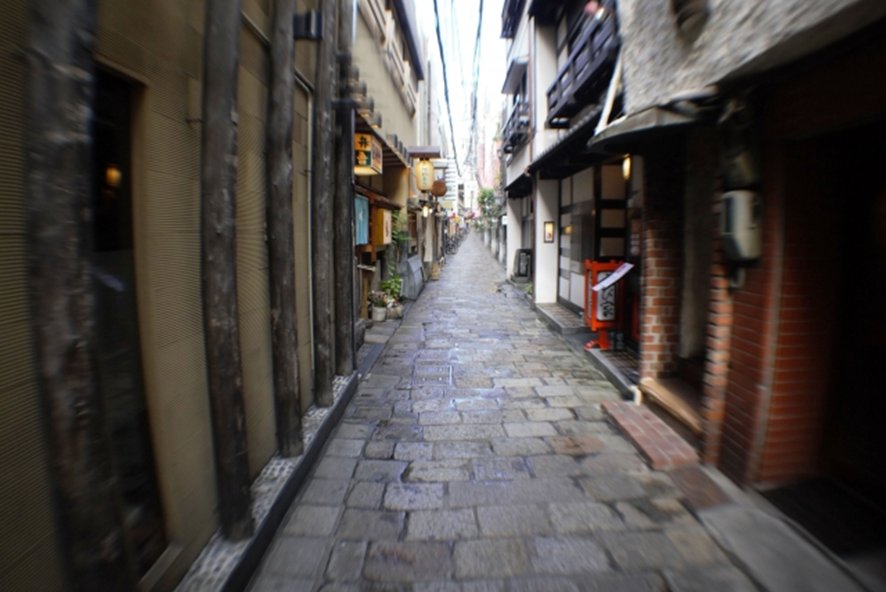
A 10-minute walk southeast from Dotonbori brings you to Ura-Namba, a maze of narrow backstreets packed with small izakaya (Japanese pub-style restaurants).
A good approach is to spend 30–45 minutes at each venue and visit two or three places over the course of the evening. Expect to spend around ¥3,000–4,500 on small plates and drinks. Even if you don’t speak Japanese, many bars let you order simply by pointing at the dishes or drinks on display.
A few practical tips:
- Many establishments still accept cash only, so it’s wise to withdraw around ¥5,000 before heading out
- Staying at a hotel in the Namba area means you can enjoy the evening without worrying about catching the last train
- On busy Friday and Saturday nights, settling into your first bar before 8 pm makes it easier to grab a seat
This is a side of Osaka’s nightlife that rarely shows up in guidebooks.

Osaka Day 2: History and Hands-On Experiences
Devote Day 2 to Osaka’s history and traditional culture. The schedule moves efficiently through a temple visit, downtown food, a traditional Japanese experience, and an observation deck, with each time slot offering a different kind of appeal.
Morning: Walk Around Japan’s Oldest Official Temple, Shitennoji
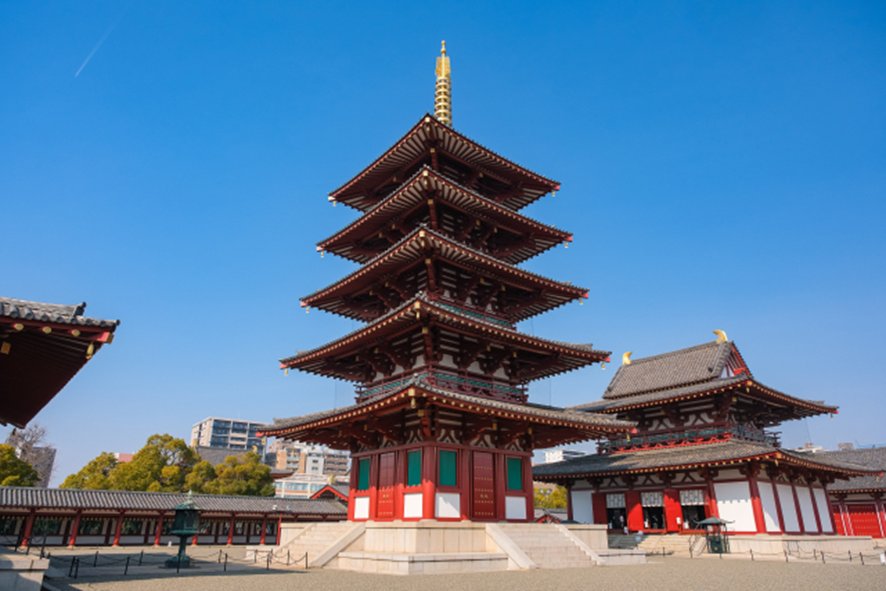
Built in 593, Shitennoji is one of Japan’s most historically significant Buddhist temples and the country’s oldest officially commissioned temple. The linear layout, with the South Gate, pagoda, main hall, and lecture hall aligned on a single axis, became a prototype for Japanese temple architecture. Climb to the top of the five-story pagoda for sweeping views of central Osaka.
From Namba, take the Midosuji Line and transfer to the Tanimachi Line to Shitennoji-mae Yuhigaoka Station, then walk about 5 minutes. Allow 60 to 90 minutes for your visit.
Details
| Address | 1-11-18 Shitennoji, Tennoji-ku, Osaka |
| Hours | 8:30 am-4:30 pm (until 4 pm from October to March) |
| Closed | Open year-round |
| Official site | https://www.shitennoji.or.jp/ |
| Recommended for | Travelers interested in Japanese history and architecture, and those who enjoy a quiet morning walk |
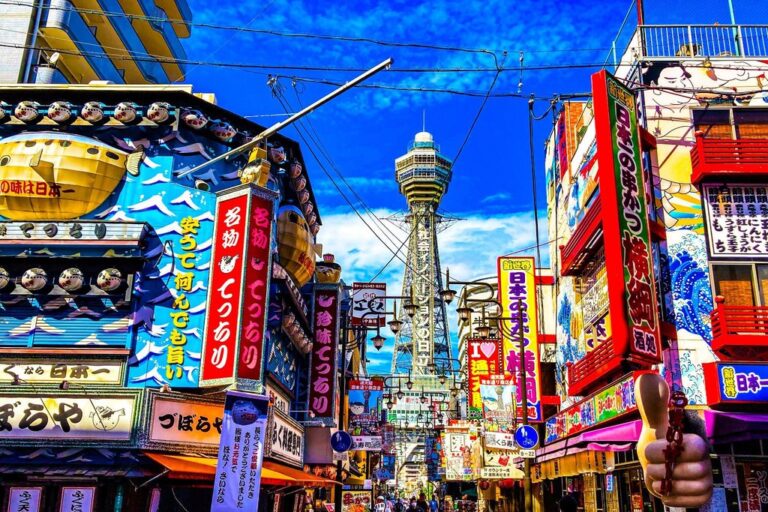
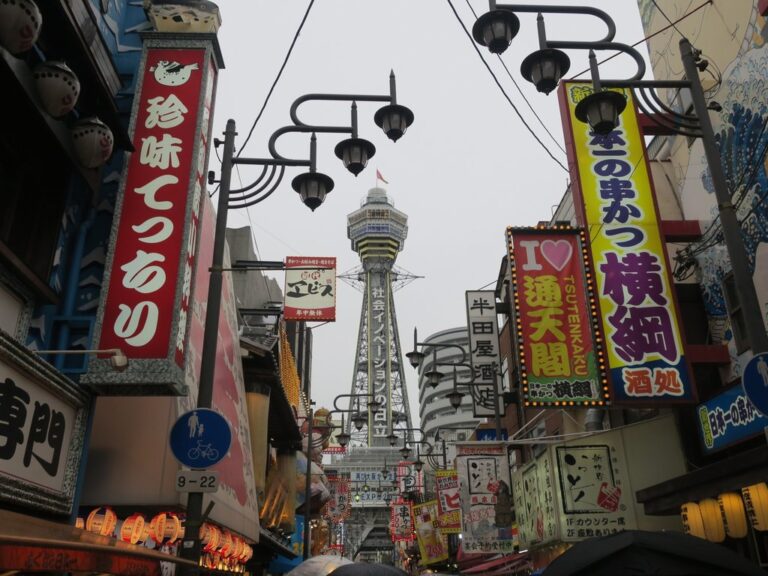
Lunch: Try Kushikatsu in Shinsekai
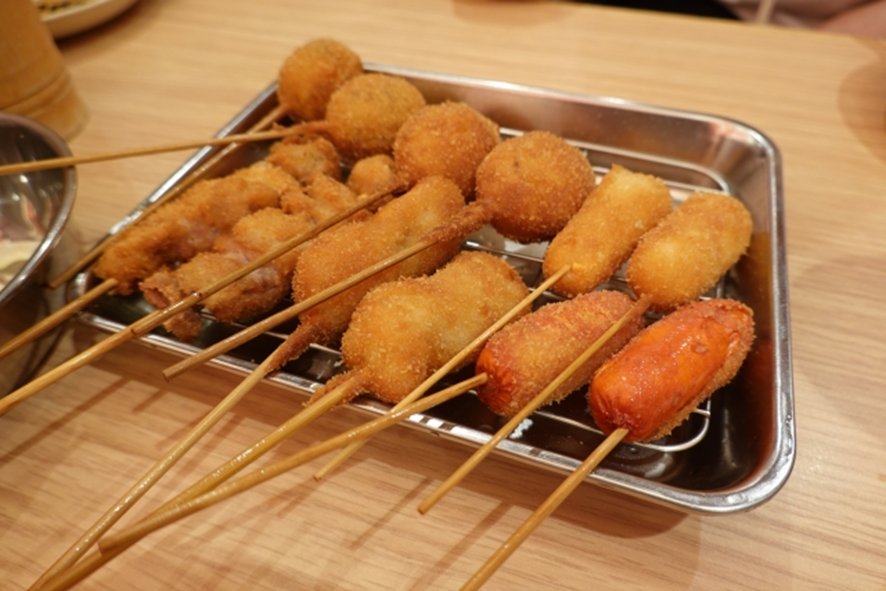
About 10 minutes by subway from Shitennoji, Dobutsuen-mae Station opens onto Shinsekai, known as the birthplace of kushikatsu (deep-fried skewers).
To enjoy the experience like a local, keep a few customs in mind:
- No double-dipping the sauce: dipping a skewer back into the shared sauce container is considered poor etiquette. Generously dip a freshly fried skewer just once
- Ordering one skewer at a time and eating it piping hot is the local way. The crisp coating tastes completely different that way
- Around ¥1,500–2,000 is usually enough for about 10 skewers, making for a satisfying and affordable lunch
Many shops open at 11 am, making lunchtime an ideal time to visit. Afterward, head to Tsutenkaku. If you’re using the Osaka Amazing Pass, admission to the observation deck is included at no additional cost.
Details
| Address | 1-18-6 Ebisu-Higashi, Naniwa-ku, Osaka |
| Hours | 9 am-9:45 pm (last entry 9:15 pm) |
| Closed | Open year-round (occasional temporary closures; check the official site) |
| Official site | https://www.tsutenkaku.co.jp/ |
| Recommended for | Travelers who want a panoramic view of Osaka’s historical downtown |
Afternoon: Feel the Power of Former Rikishi at Sumo Studio Osaka
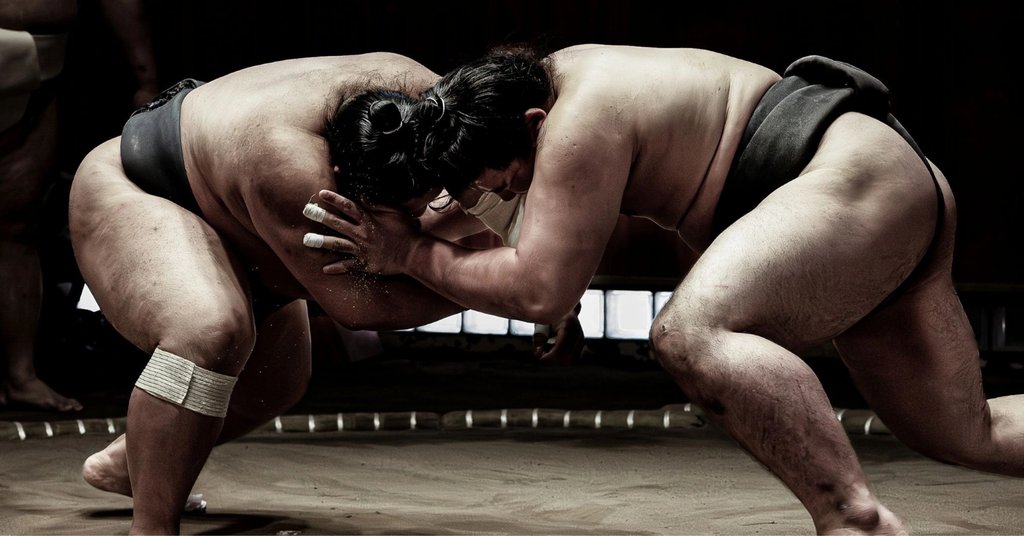
From Shinsekai, take the Midosuji Line to Hanazonocho Station. Sumo Studio Osaka is just outside Exit 4.
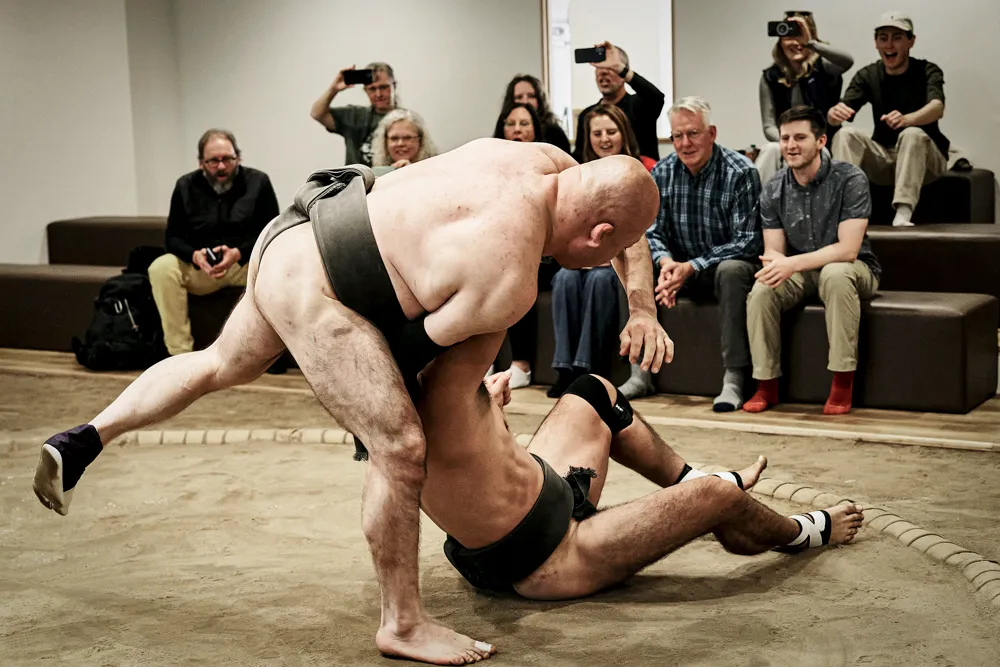
Former professional rikishi (sumo wrestlers) weighing more than 160 kg (about 353 lb) perform bouts right in front of you. The roughly 90-minute program also covers sumo’s history and traditions. You can step up onto the dohyo (the sacred clay ring where bouts take place) and try shiko—a ritual foot-stamp believed to drive away evil spirits—and feel that power for yourself. English commentary runs throughout, so you’ll follow every moment with ease. Reservations are required, so book your slot early.
Details
| Address | 1F Hanazonocho AI Building, 1-5-1 Asahi, Nishinari-ku, Osaka |
| Hours | 10-11:30 am / 12:30-2 pm / 3-4:30 pm / 5:30-7 pm / 8-9:30 pm (5 sessions daily) |
| Closed | Irregular |
| Official site | https://sumowrestlingshow.jp/ |
| Recommended for | Travelers who want to experience Japan’s national sport up close, ascend the dohyo alongside a rikishi, or enjoy a small-group, dignified atmosphere |
 Hands-On
Get hands-on with sumo in Osaka
Watch former professional sumo wrestlers demonstrate authentic sumo techniques. Learn the history, rituals, and rules of Japan’s national sport, then step into the ring for a hands-on sumo experience in Osaka.
Evening: Catch the Magic Hour from Abeno Harukas 300

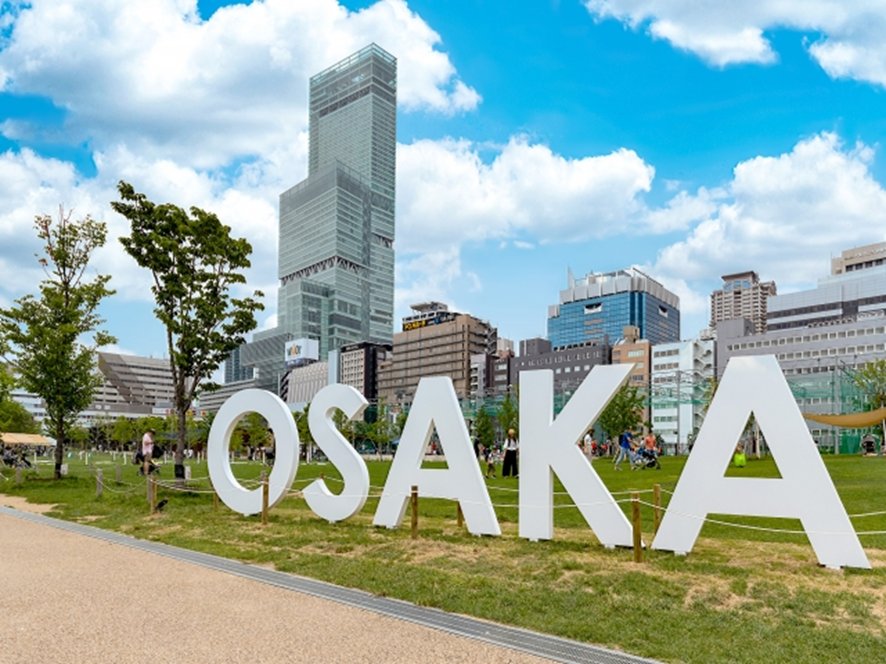
A 10-minute subway ride from Hanazonocho Station brings you to Abeno Harukas, directly connected to Tennoji Station. Head up to Harukas 300, the observation deck about 300 m (about 984 ft) above the ground.
For the best experience, aim to arrive on the 60th floor at least 30 minutes before sunset. You will witness the gradient of the magic hour and the moment when the city begins to sparkle like a jewelry box. Before you go, check the day’s sunset time and plan accordingly.
Details
| Address | 1-1-43 Abenosuji, Abeno-ku, Osaka |
| Hours | 9 am-10 pm (last entry 9:30 pm) |
| Closed | Open year-round |
| Official site | https://www.abenoharukas-300.jp/observatory/ |
| Recommended for | Travelers who want to quietly enjoy sunset and night views, and photography lovers |
Osaka Day 3: Wrap Up the Trip with Cafes and Scenic Views
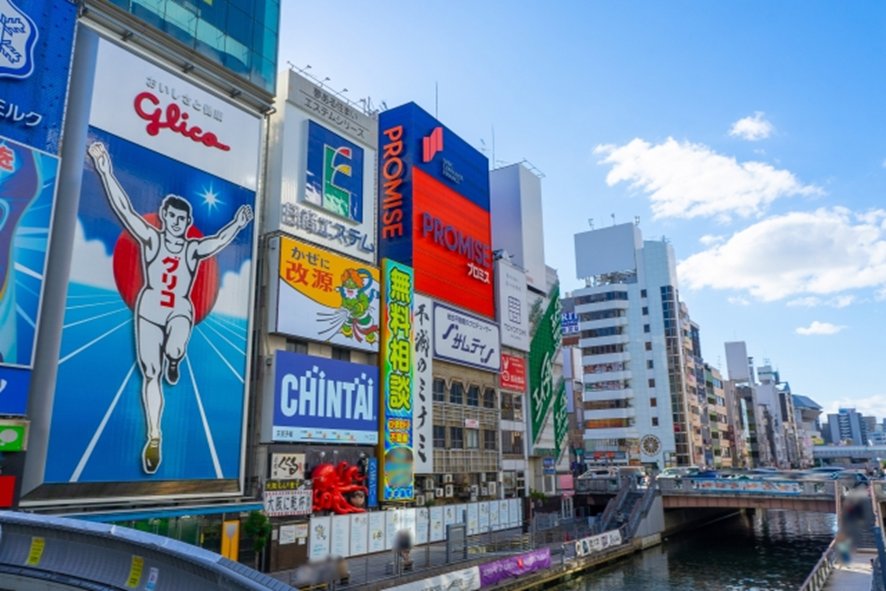
The final day weaves together history, local food, and tucked-away cafés on an efficient route. By planning backward from your flight departure time, you can make the most of your remaining hours in Osaka without feeling rushed.
Morning: Visit Osaka Castle’s Main Tower in the Morning
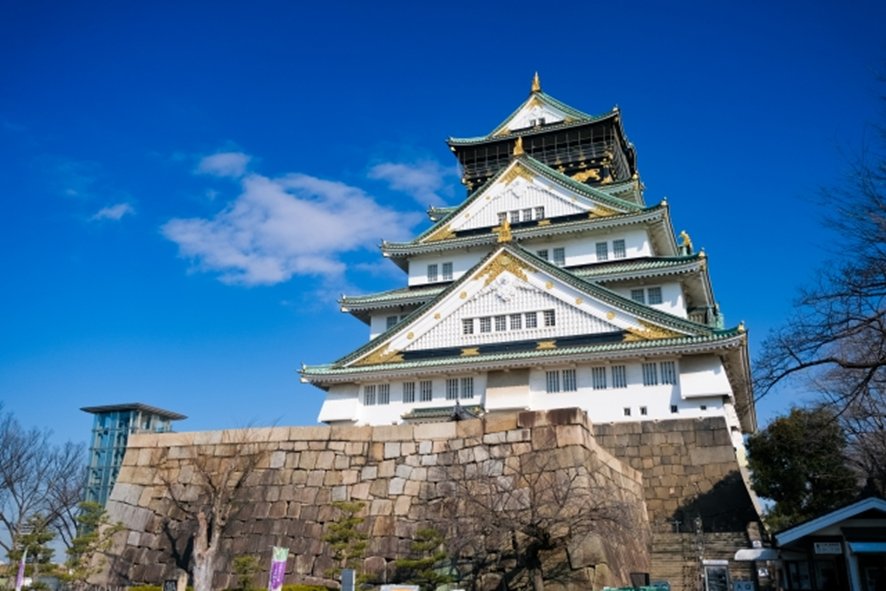
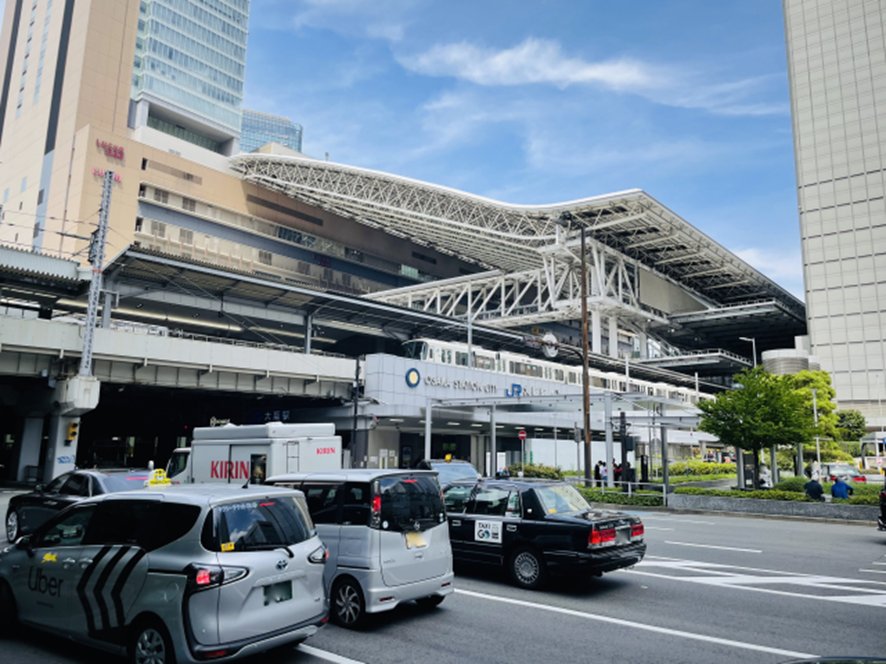
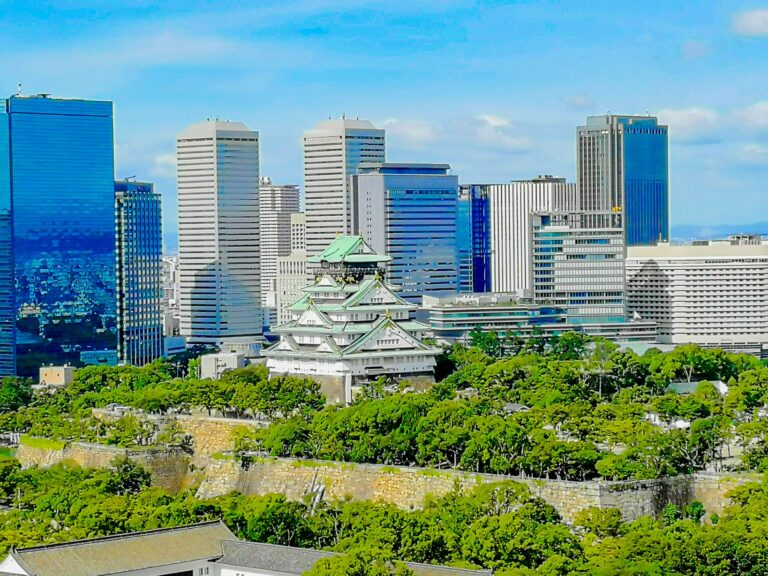
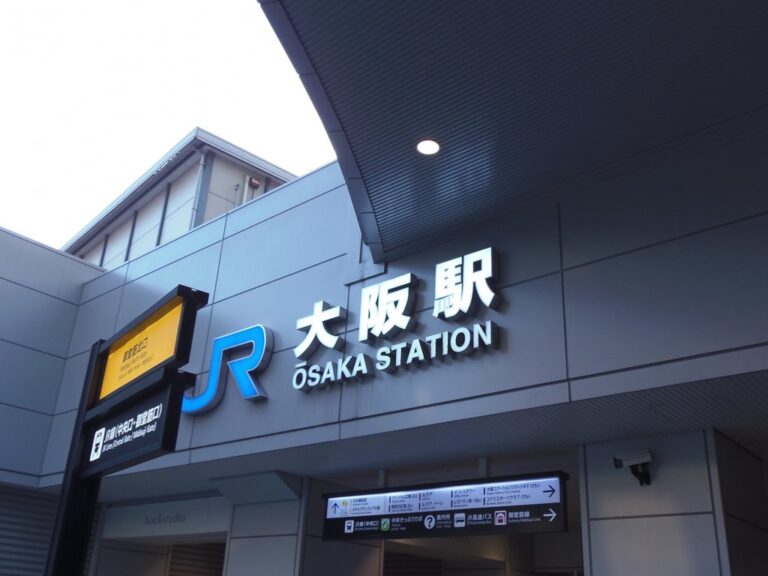
After leaving your luggage at the hotel or a station locker, take the JR Osaka Loop Line from Osaka Station to Osakajokoen Station. The journey takes approximately 10 minutes. From the station, it is about a 16-minute walk to Osaka Castle’s main tower, so comfortable walking shoes are recommended.
The best window is 9-10 am, right after opening. Buy your ticket online in advance. Inside the main tower, exhibits cover topics such as the life of Toyotomi Hideyoshi, and the top floor offers panoramic views of Osaka. Allow approximately two hours to explore the castle and its exhibits at a comfortable pace.
Details
| Address | 1-1 Osakajo, Chuo-ku, Osaka |
| Hours | 9 am-6 pm (last entry 5:30 pm) |
| Closed | December 28 to January 1 |
| Official site | https://www.osakacastlepark.jp/ |
| Recommended for | History lovers and travelers who enjoy views from observation decks |
Lunch: Enjoy a Local Meal at Tenjinbashisuji Shopping Street
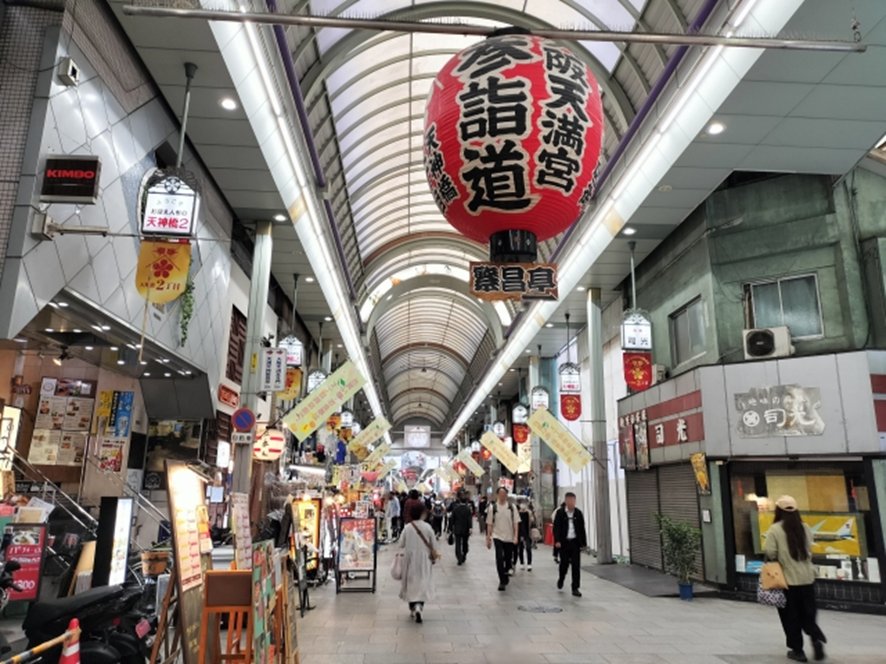
From Osakajokoen Station, take the JR Osaka Loop Line to Temma Station. The journey takes approximately 7 minutes.
Just outside the station begins Tenjinbashisuji Shopping Street, the longest covered shopping arcade in Japan, stretching for about 2.6 km (1.6 miles). Lined with old-school diners, it is part of the locals’ everyday life. For lunch, “Sushi Shop Lane” in the 5-chome area is a great pick. Set menus around ¥800-¥1,200 offer good value.
Because the entire arcade is covered, it’s a comfortable place to explore regardless of the weather. Plan to spend around 60–90 minutes enjoying lunch and wandering through the lively shopping street.
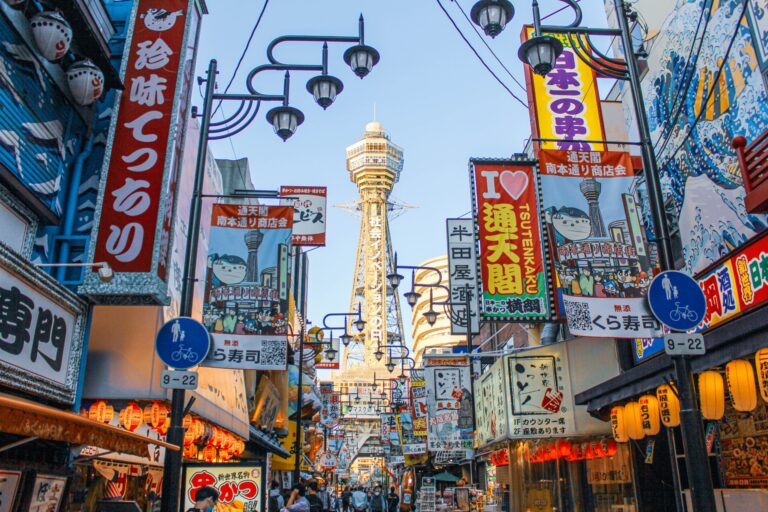
Afternoon: Wander Nakazakicho’s Old-Fashioned Row House Cafes
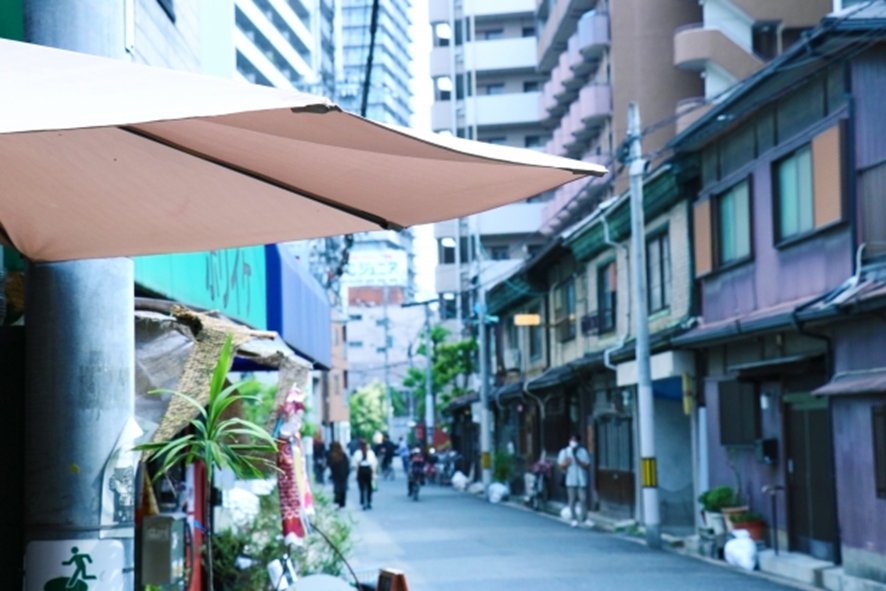
A 10-minute walk south of Tenjinbashisuji Shopping Street brings you to Nakazakicho, a charming neighborhood where wooden row houses that survived wartime destruction still stand.
Tucked-away cafés line the narrow backstreets. Plan for a relaxed 2–3 hours to enjoy both wandering and stopping at a café. On weekdays, early afternoon (1–2 pm) is usually the easiest time to find a seat. On weekends, it’s best to arrive right after opening or after 2:30 pm to avoid crowds. Be sure to check each café’s reservation policy in advance.
Evening: End Your Trip at the Floating Garden Observatory of Umeda Sky Building
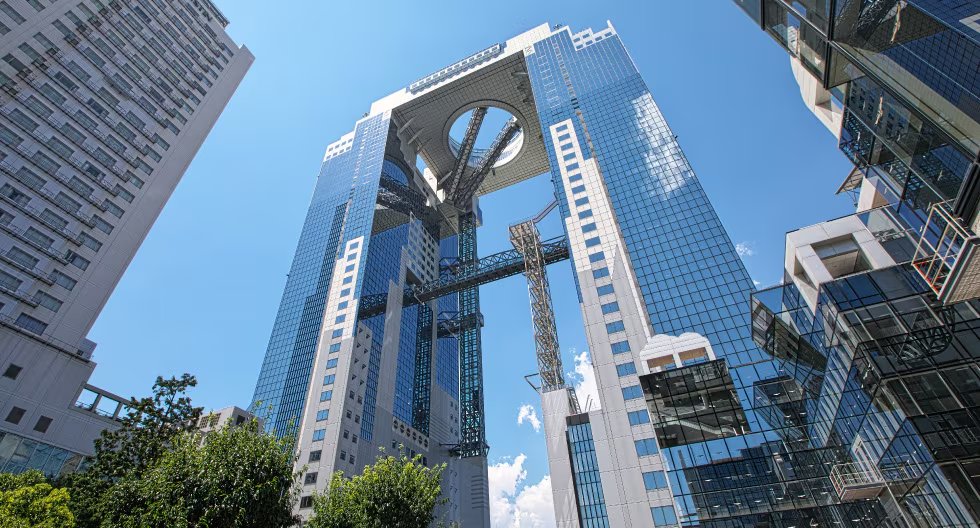
About a 20-minute walk from Nakazakicho toward JR Osaka Station brings you to the Umeda Sky Building.
Ride the glass-enclosed escalator up to the 35th floor and feel as though you’re ascending into the sky. From there, continue to the Floating Garden Observatory on the rooftop, an open-air viewing deck 173 meters (about 568 feet) above ground level. Arriving between 5 pm and 6 pm allows you to experience a full 360-degree panorama as Osaka transitions from golden hour into night, with the city lights gradually coming to life below.
Details
| Address | 1-1-88 Oyodonaka, Kita-ku, Osaka |
| Hours | 9:30 am-10:30 pm (last entry 10 pm) |
| Closed | Open year-round |
| Official site | https://www.skybldg.co.jp |
| Recommended for | Travelers who want to take in a full view of Osaka as a closing memory of the trip |
Heading Home: Wrap Up Based on Your Flight Time
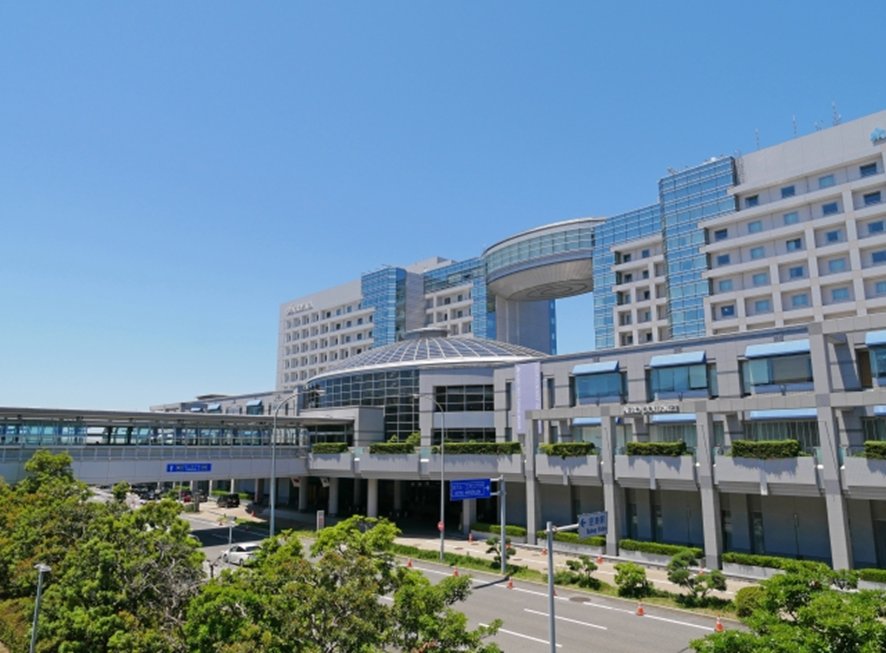
To reach Kansai International Airport, choose between JR and Nankai depending on your departure point. If you are staying around Umeda, the JR Kansai Airport Rapid Service (Kanku-kaisoku) is a convenient option with no transfers. If you are based in Namba, the Nankai Electric Railway is usually the best choice.
Suggested timing strategies:
- Evening flights (departing after 7 pm): Enjoy sunset views from the Umeda Sky Building, then take the JR Kansai Airport Rapid Service to the airport
- Afternoon flights (departing 2-6 pm): Have lunch on Tenjinbashisuji Shopping Street, finish sightseeing early, and head to Osaka Station or Namba Station
- Morning flights (departing by 1 pm): If staying in Namba, take an early morning Nankai train, which provides the most direct route
As a general rule, plan to leave your station at least 30 minutes before your scheduled departure, accounting for transfers and boarding time. Kyoto and Tokyo are also easily accessible via Shin-Osaka.
Alternative Plans: Swap a Day for USJ or a Day Trip
Swapping one of your three days for a different destination is also a great option. Below are four alternatives spanning theme parks, history, and World Heritage sites.
USJ: Spend a Full Day at the Theme Park
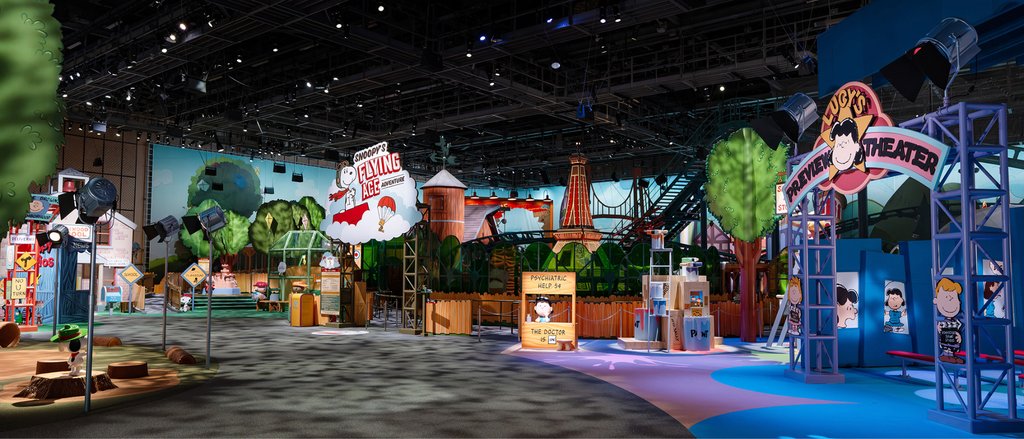
If you plan to spend a full day at USJ, consider replacing it with Day 1 or Day 2 of your itinerary. Please note that the Osaka Amazing Pass does not cover USJ admission, so it is best used on days dedicated to sightseeing within the city. Reserve Express Passes early through the official online ticket store.
| Travel Style | Recommendation | Notes |
|---|---|---|
| Families | ★★★★★ | Express Passes cut wait times, making it easy to enjoy with kids |
| Couples | ★★★★☆ | High satisfaction for attraction fans; food lovers may prefer city sightseeing |
| Solo travelers | ★★★☆☆ | Pass costs feel higher per person; exploring Osaka offers better value |
Nara: Visit Todaiji and the Deer Park in Half a Day
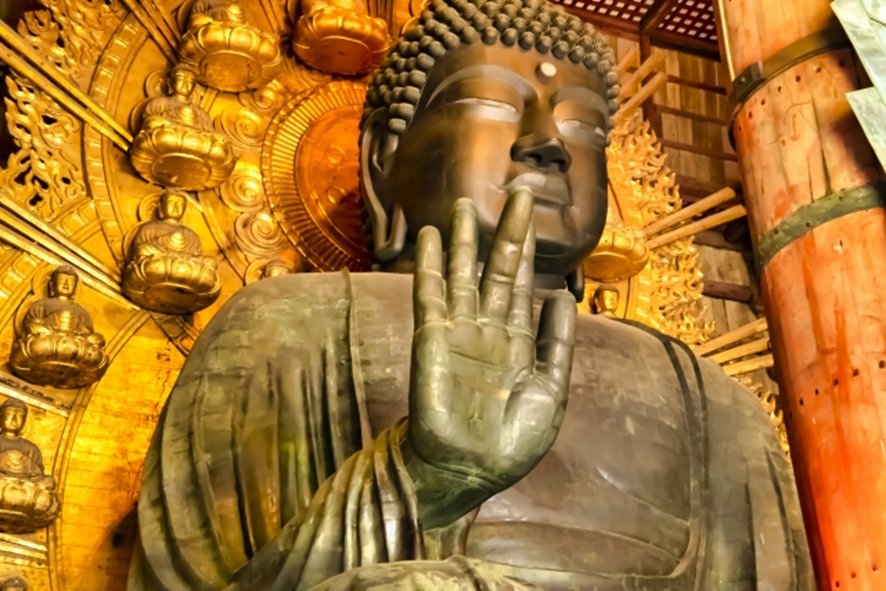
From Namba, the Kintetsu Rapid Express reaches Nara in about 40 minutes for ¥570 one way. A morning trip to Nara with a return to Osaka in the afternoon is an efficient way to structure your day.
Key sights include:
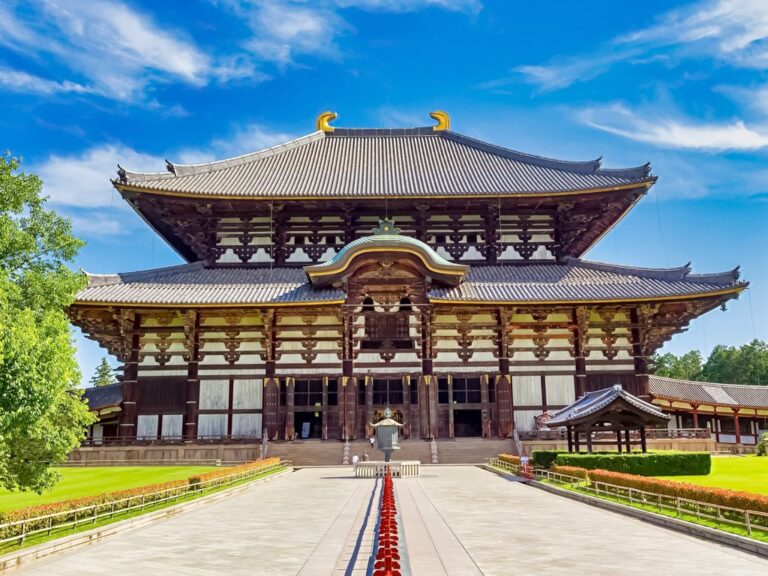
- Todaiji (Daibutsuden): About a 20-minute walk from the station; allow 45–60 minutes for your visit
- Nara Park lawn area: Spend around 30 minutes strolling the lawn area and interacting with the free-roaming deer
- Kasuga Taisha: About 1.5 hours including the walk from Todaiji
A full loop of these main attractions takes about 4 hours in total. It is recommended to leave your luggage at your hotel and travel light for a more comfortable experience.
Kyoto: A Day Touring Temples, Shrines, and Historic Streets
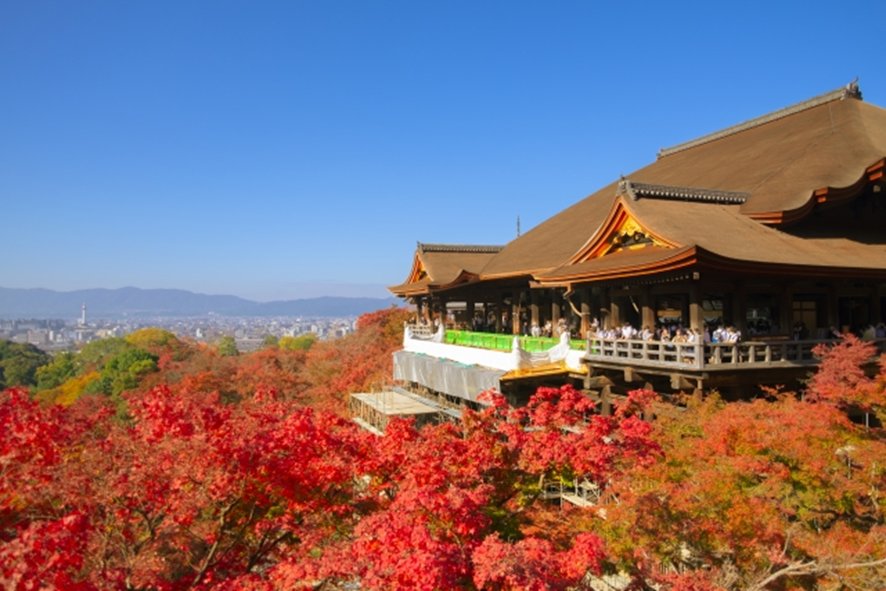
From Osaka, the JR Special Rapid Service reaches Kyoto Station in about 30 minutes. Covering Fushimi Inari, Kiyomizudera, and Arashiyama in one day requires 2 to 3 hours of travel time.
| Route | Approx. Travel Time |
|---|---|
| Fushimi Inari → Kiyomizudera | About 30-40 min |
| Kiyomizudera → Arashiyama | About 45-60 min |
| Fushimi Inari → Arashiyama | About 50-70 min |
To visit all three, leave by 6-7 am. If you narrow it down to two spots, you can start the morning at a more leisurely pace. Coin lockers at Kyoto Station make luggage easy to manage.

Sakai: Explore the World Heritage Burial Mounds
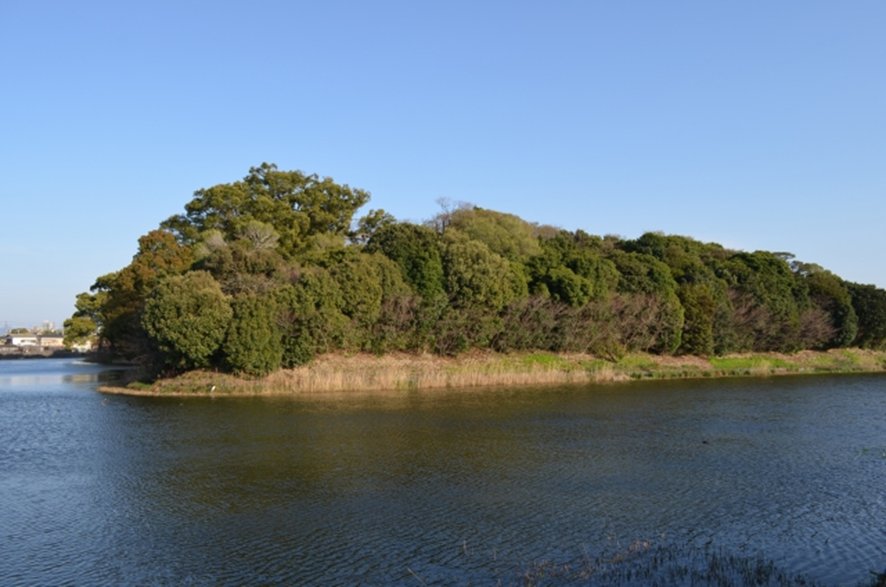
The Mozu-Furuichi Kofun Group is a lesser-known spot within easy reach of central Osaka. From Namba, the JR Hanwa Line reaches Mozu Station in about 35 minutes. Get the full picture at the visitor center.
| Facility | Admission | Hours |
|---|---|---|
| Mozu Kofungun Visitor Center | Free | 9 am-6 pm (closed during the New Year holidays) |
| Sakai City Museum | ¥200 for adults | 9:30 am-5:15 pm (closed Mondays) |
A combined visit to the museum and a rented bicycle tour of the burial mounds can be completed in approximately 3 to 4 hours.
Common Questions About a 3-Day Osaka Itinerary

Here are quick answers to questions that often come up when planning your trip.
Is three days enough to cover Osaka’s main sights?
Three days is enough to cover the main sights because Osaka’s tourist areas are compact. Two days are plenty for the classic districts like Umeda and Namba. Customize the remaining day to match your travel style.
How do I get from Kansai Airport to the city?
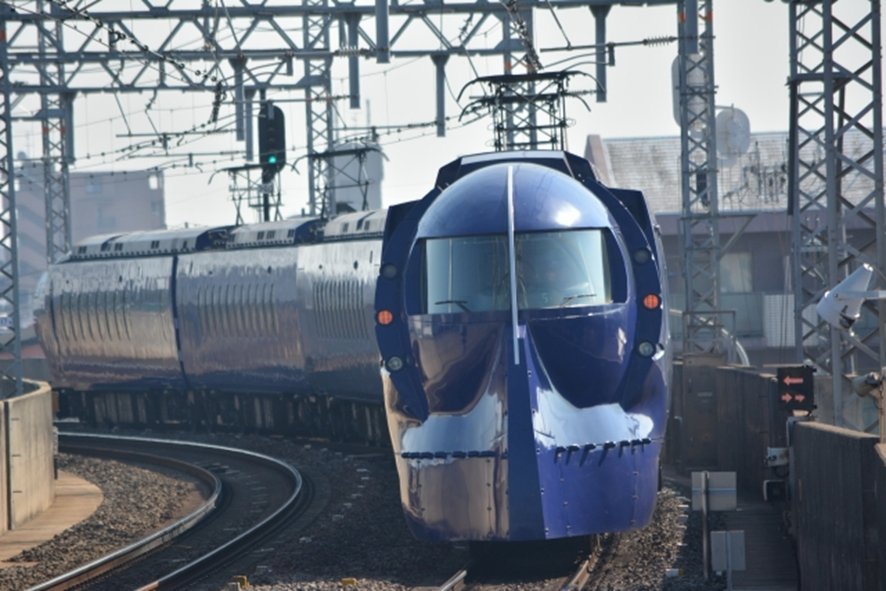
Choose your transportation based on where you are staying. The Nankai Electric Railway is most convenient for travelers based in Namba, while JR lines are a better option for those staying in Umeda.
| Transport | Travel Time | Fare (estimate) |
|---|---|---|
| Nankai Rapi:t → Namba | About 38 min | ¥1,450 |
| Nankai Airport Express → Namba | About 44 min | ¥970 |
| JR Kanku-kaisoku Rapid → Osaka | About 70 min | ¥1,210 |
| JR Limited Express Haruka → Osaka | About 50 min | ¥1,210 plus limited express fee |
| Limousine Bus → Umeda | About 60 min | Check each operator’s site |
If you are traveling with a lot of luggage, the Airport Limousine Bus is a comfortable and reliable choice.
It is also recommended to purchase an ICOCA IC card upon arrival, as it makes using trains and buses throughout Osaka much easier.
How should I spend a rainy day?
This itinerary works on rainy days too. Kuromon Market and Tenjinbashisuji Shopping Street have covered arcades, keeping you comfortable. Swap Shitennoji for the Osaka Museum of History, and shift the Nakazakicho stroll to an indoor experience.
Can I sightsee on the final day while carrying my suitcase?
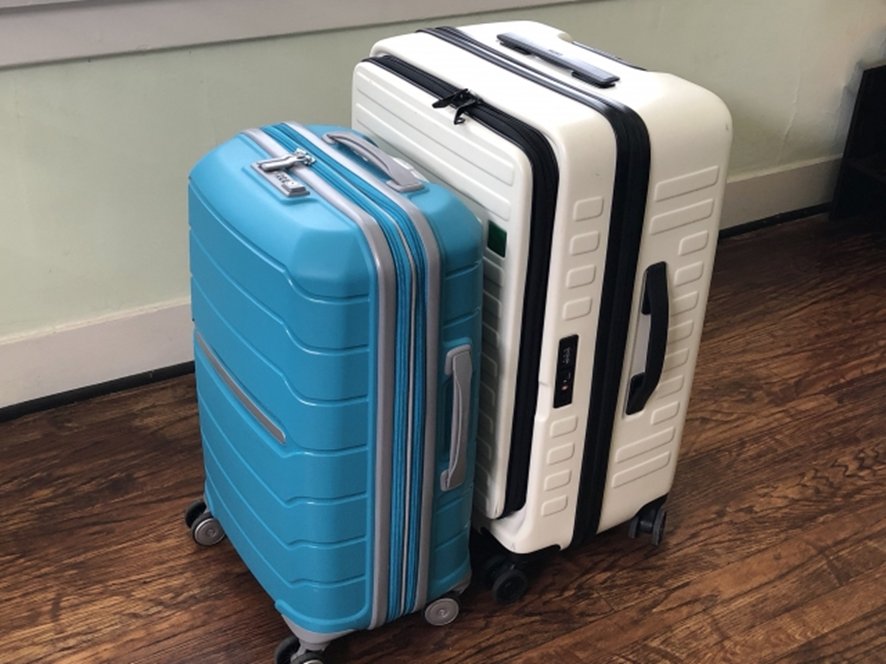
You can either store your luggage or carry it with you, but using luggage storage makes it much easier to move around Osaka.
Options around JR Osaka Station include:
- Crosta Osaka at JR Osaka Station: Located on the central north side of the first floor, this baggage storage counter is step-free from both the Central Gate and the Midosuji Gate, and it handles large rolling suitcases
- Coin lockers in the station: Large lockers (around ¥700) are limited in number, so claim one early in the morning to be safe
- ecbo cloak app: Many shops around Osaka Station and Umeda are registered, allowing you to reserve luggage storage in advance by selecting the date, time, and number of items. This is a reliable option for travelers who want to avoid the risk of full lockers
When is the best time to visit?
Spring (March-May) and autumn (September-November) are ideal. Spring offers cherry blossoms and autumn brings foliage. In summer, lean on indoor attractions, and in winter, bundle up and enjoy the popular spots at a relaxed pace.
Are there recommended guided tours in Osaka?
English-language guided tours are also a good option. Combining a food tour from Japan Guide Stars, for example, can introduce you to local restaurants that don’t appear in standard guidebooks. Pairing it with a sumo experience is also efficient. Check the official sites for the latest information and to make reservations.
 Hands-On
Get hands-on with sumo in Osaka
Watch former professional sumo wrestlers demonstrate authentic sumo techniques. Learn the history, rituals, and rules of Japan’s national sport, then step into the ring for a hands-on sumo experience in Osaka.
Plan Your Perfect 3-Day Osaka Trip
A successful 3-day trip to Osaka largely depends on using Namba as a base and moving efficiently throughout the city. By combining transportation passes with careful planning, you can maximize your time and reduce unnecessary transfers.
It is also worth checking for seasonal events in advance, as they can help you tailor your itinerary and add unique experiences to your trip.

![Where to Watch Sumo in Japan: 3 Ways to See Sumo & How to Get Tickets [Complete Guide]](https://sumowrestlingshow.jp/wp-content/uploads/2026/08/where-to-watch-sumo-in-japan_1-300x200.jpg)