Osaka or Kyoto: Where Should You Stay? Area Characteristics & Travel Planning Guide
Should you stay in Osaka or Kyoto? Many travelers planning a trip to Japan’s Kansai region face this question.
Lively Osaka and traditional Kyoto: though the two cities are just 30 minutes apart by train, the vibe and recreational activities available in each city are completely different.
This guide compares both cities from six perspectives: atmosphere, food, tourist spots, nightlife, crowdedness, and cost. We also cover recommended sightseeing spots, accommodation areas, and sample itineraries organized by trip length.
Contents
Osaka vs Kyoto: Key Differences at a Glance
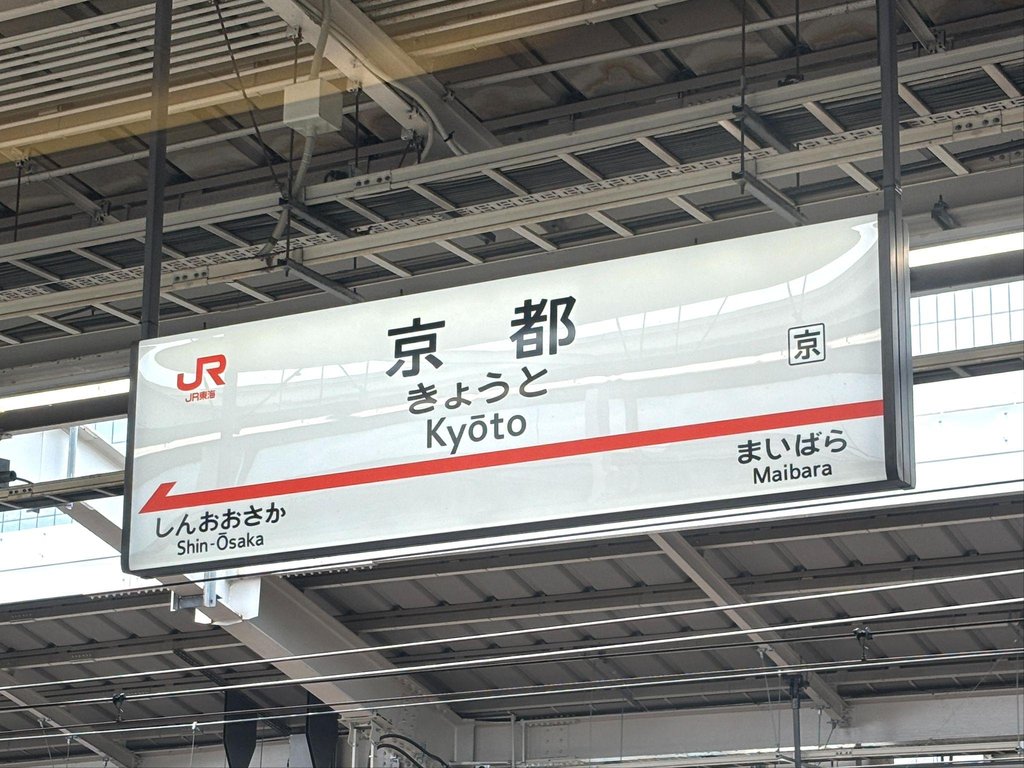
Here’s how the two cities compare across six key areas:
City Atmosphere
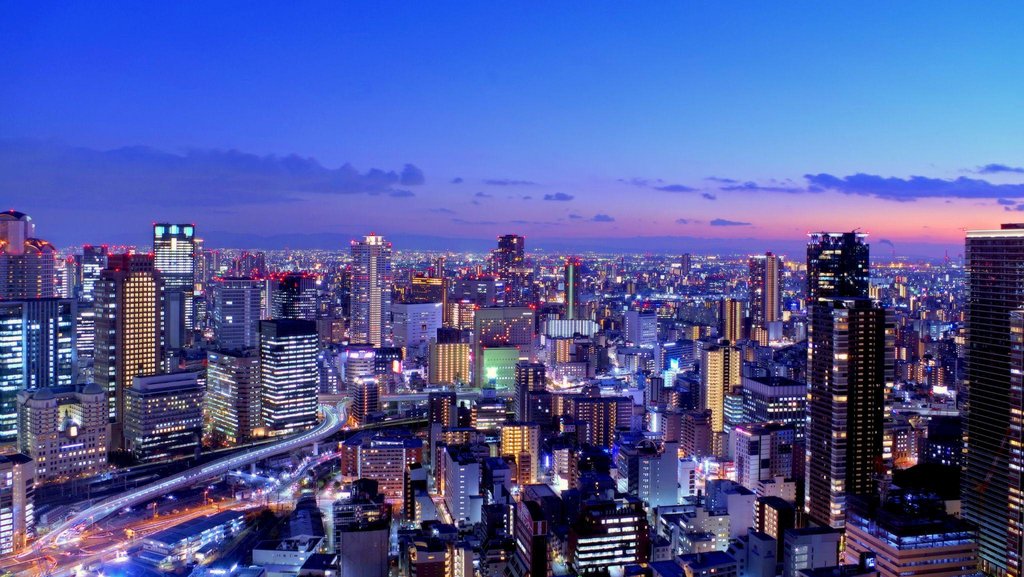
Osaka is an energetic, bustling city symbolized by Dotonbori (with its glowing neon signs) and Umeda (with its high-rise buildings). Giant billboards and a red ferris wheel draw steady crowds—ideal for travelers seeking urban excitement.
In contrast, Kyoto is an ancient capital with cobblestone streets. Gion, the historic quarter where geisha and maiko (apprentice geisha) perform, preserves a historic landscape consisting of traditional wooden townhouses. Quiet temples and shrines are scattered throughout the area, and the Gion Shirakawa district features huge willows swaying along the river. The historic streets of Ninenzaka and Sannenzaka, lined with sweet shops, have also maintained their historic character throughout the ages.
City Vibes Comparison
| City | Ambience | Representative Areas |
|---|---|---|
| Osaka | Lively and modern | Dotonbori, Umeda |
| Kyoto | Serene and traditional | Gion, Saga Toriimoto |
Choose Osaka if you want exciting urban experiences, and Kyoto if you’re seeking traditional cultural experiences.
Food & Dining
Osaka is known as kuidaore no machi: a city where you can spend yourself into the ground on delicious food, and a saying that alludes to Osaka’s rich and varied food culture. The city is famous for casual comfort food like takoyaki (round battered balls filled with octopus) and okonomiyaki (a savory pancake mixed with cabbage and various ingredients), as well as kushikatsu (skewered meat and vegetables, battered then deep-fried) and fugu (pufferfish) cuisine. You can sample these local favorites at affordable prices throughout the city.
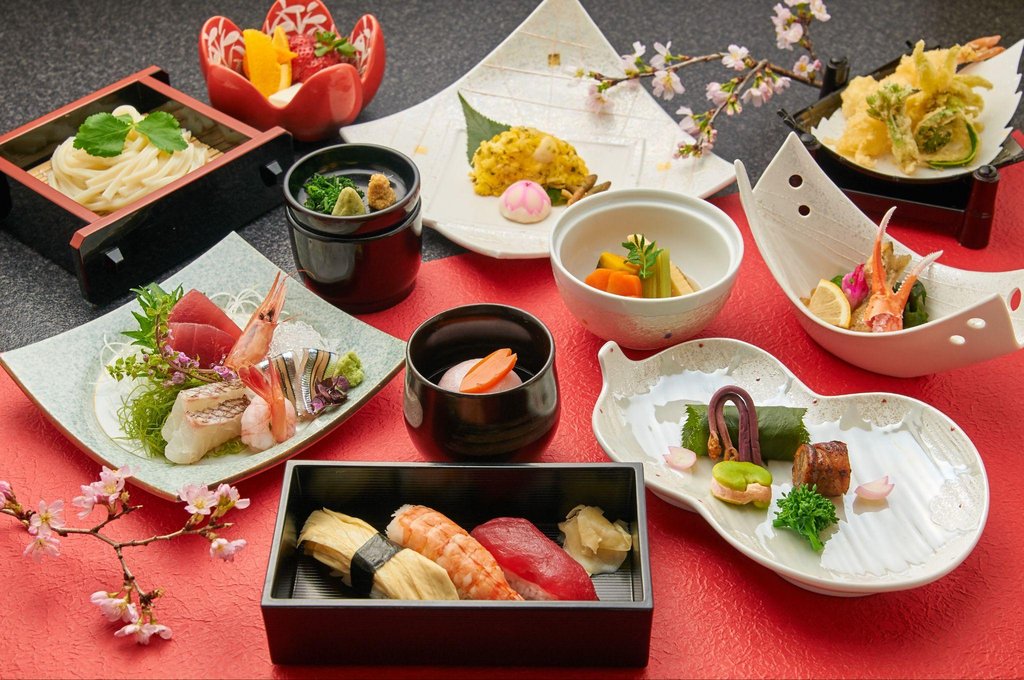
Kyoto represents a tradition of elegant, seasonal cuisine that values delicacy and seasonality. Traditional dishes include kaiseki (a meal course featuring beautifully presented seasonal ingredients) and yudofu (tofu warmed in kelp broth, a Kyoto specialty). Sweets made with matcha and other traditional Japanese confections crafted by historical merchants complete Kyoto’s cuisine, which is known for emphasizing subtlety and presentation.
Food Culture Comparison
| Aspect | Osaka | Kyoto |
|---|---|---|
| Food Culture | Casual comfort food | Classic Kyoto cuisine, Japanese sweets |
| Signature Dishes | Takoyaki, kushikatsu, okonomiyaki | Kaiseki, yudofu, matcha sweets |
| Ambience | Lively street food | Refined, elegant spaces |
If food is central to your trip, choose Osaka for casual food strolling, and Kyoto for traditional, high-quality dining.
Tourist Spots
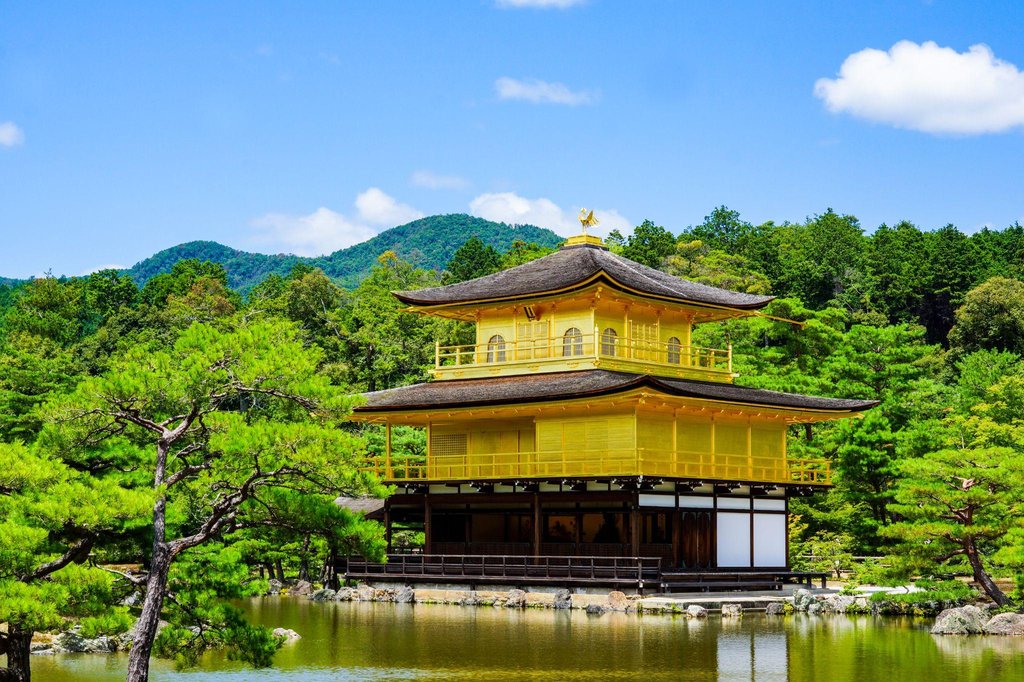
Osaka and Kyoto also differ greatly in how you can enjoy their tourist spots. Osaka focuses on active entertainment, Kyoto on quiet appreciation.
Osaka excels at hands-on entertainment, such as Universal Studios Japan (USJ) and Kaiyukan Aquarium (one of the world’s largest aquariums). These attractions keep both adults and children entertained all day, making Osaka ideal for family trips. At Tsutenkaku Tower and Dotonbori, you can experience Osaka’s distinctive urban energy up close.
Kyoto, meanwhile, centers on contemplative spots of high historical and cultural value, including Kiyomizu-dera Temple, Kinkaku-ji Temple, and Fushimi Inari Taisha Shrine. Kiyomizu-dera’s main hall is a National Treasure (rebuilt in 1633 by Tokugawa Iemitsu), and the view from its balcony—where the structure extends over cliffs at heights of 13 meters (or 43 feet) from the ground—is spectacular.
Choose Osaka if you want to have fun while being active, and Kyoto if you want to explore Japan’s traditional beauty.
Nightlife
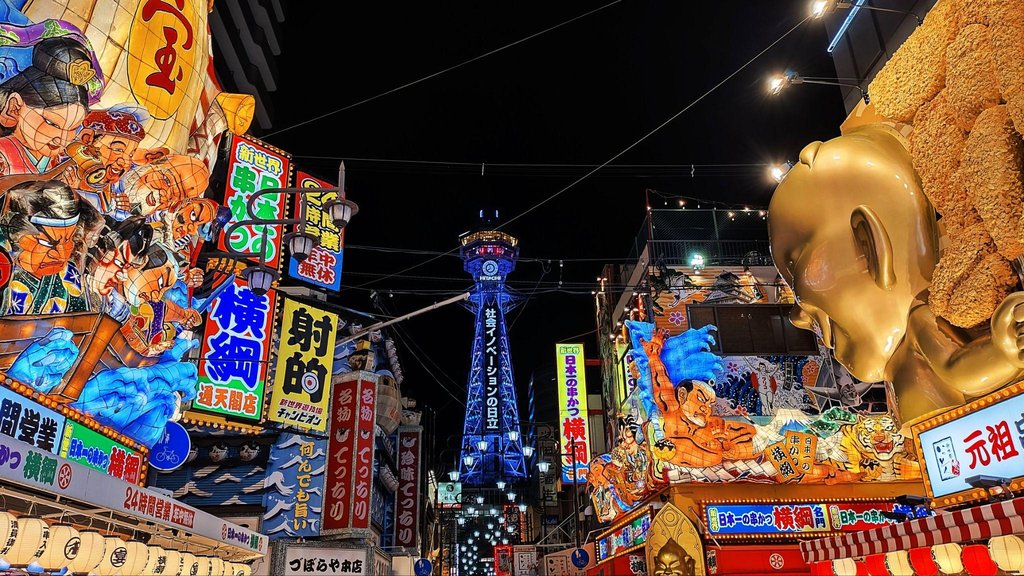
Both cities have distinct personalities after the sun goes down. The destination you should choose depends on whether you’re looking for energy or tranquility after dark.
Osaka has abundant bars, clubs, and entertainment venues around Dotonbori and Umeda that stay busy into the night. The neon-lit entertainment district of Dotonbori—with its many restaurants and karaoke establishments—operates until the early hours of the morning. Scattered throughout Osaka, illuminated displays and spots for viewing the city are abundant, making nighttime strolls in the streets itself a form of entertainment.
Kyoto, on the other hand, has many venues that offer a peaceful ambience, and traditional restaurants scattered in and around Gion and Kiyamachi provide opportunities to spend calm, refined evenings. The focus in Kyoto is on relaxed, sophisticated nights involving strolling cobblestone alleys or viewing illuminated temples and shrines.
Nightscene Comparison
| City | Characteristics | Representative Areas |
|---|---|---|
| Osaka | Lively bars and clubs, spots for viewing the nightscape | Dotonbori, Umeda |
| Kyoto | Calm bars, evening strolls | Gion, Kiyamachi |
Simply put: Osaka is best for lively exciting evenings, Kyoto for quietly savoring the subtle undertones of the city.
Crowding Levels
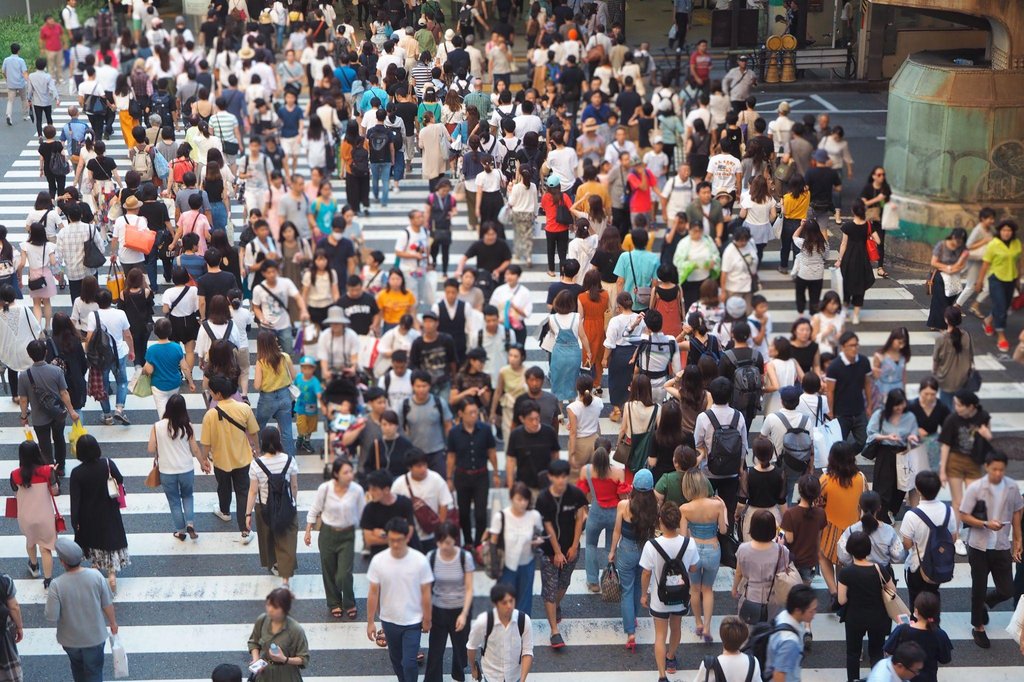
Crowds can make or break your trip. Both Osaka and Kyoto attract millions of visitors each year, but their crowding patterns differ.
During cherry blossom season (late March–April), autumn turning-of-the-leaves season (November), weekends, and consecutive holidays, Kyoto sees concentrated tourist crowds, with wait times for entry at popular temples common. Kiyomizu-dera and Arashiyama become so crowded that even movement is difficult. International tourists reached 10.88 million in 2024, a record high (source: https://honichi.com/news/2025/06/18/kyoto2024/).
Osaka, meanwhile, maintains vibrancy year-round, but with tourist spots being more dispersed, crowding tends not to concentrate in one place. Although international overnight guests in the first half of 2025 totaled 12.84 million in Osaka versus 9.33 million in Kyoto, Osaka often feels less crowded than Kyoto (source: https://weekly-osakanichi2.net/archives/42349).
Regardless of which area you choose, we recommend visiting on weekdays or early mornings to avoid crowds in both cities.
Affordability
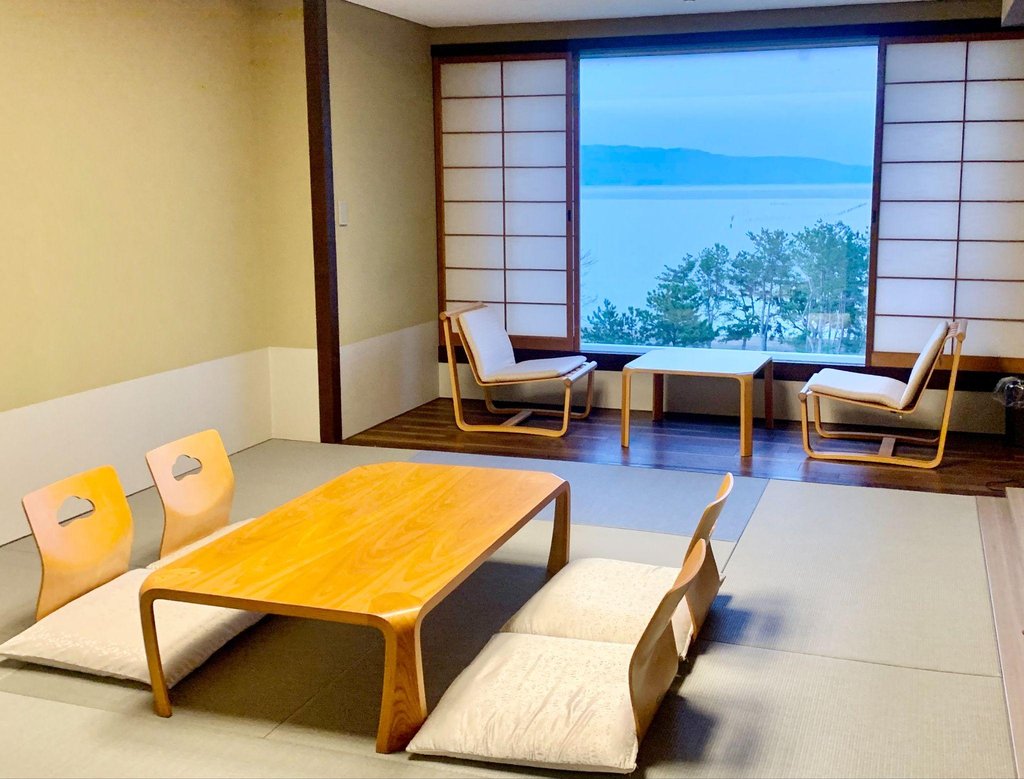
Tourism-related costs also vary between Osaka and Kyoto. Knowing these differences helps you plan a trip within your budget.
Osaka is generally reasonable, so you can keep costs down more easily. You can enjoy meals at affordable prices at standing bars and casual eateries, with accommodation costs spanning a wide range of price points.
Kyoto, however, tends toward more upscale options. Long-standing traditional restaurants and traditional Japanese inns tend to be expensive, with accommodation costs higher than those in Osaka. That being said, you can find reasonably priced hotels with some searching, so budget-conscious travelers can usually still find good deals.
Overall, Osaka tends to be more affordable.
Osaka Guide: Highlights, Hotel Districts & Access
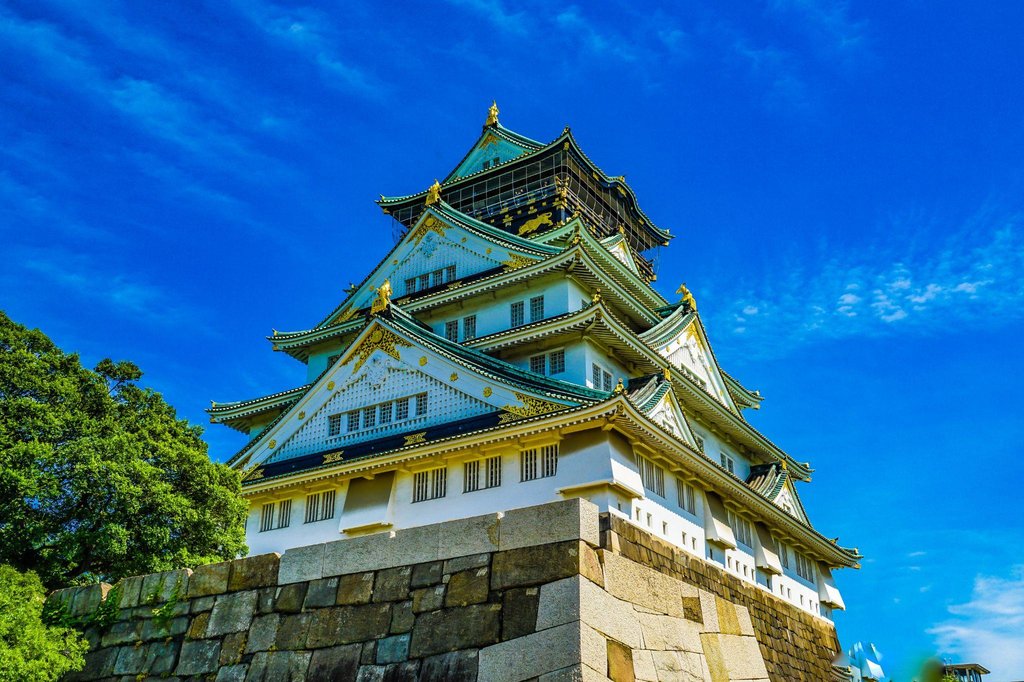
Osaka offers a lively urban experience with affordable prices and excellent access to transportation. Below, we’ve summarized what makes it a great base for exploring the Kansai area.
Who Should Visit Osaka?
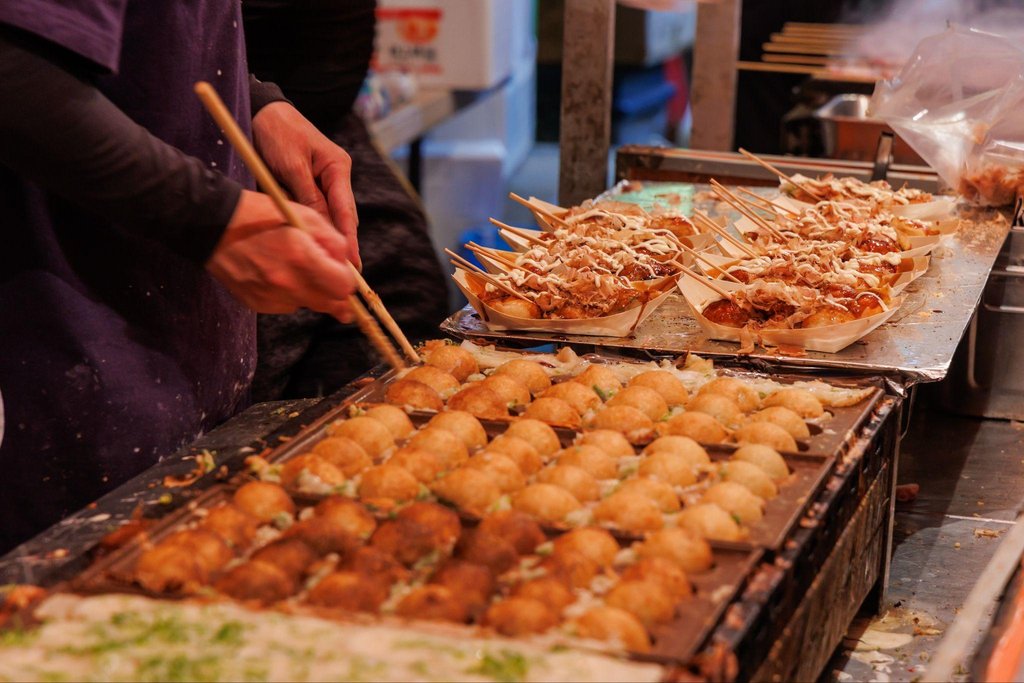
Osaka suits travelers who want to eat their way through famous Osaka cuisine—such as takoyaki and okonomiyaki—and for those who want to experience lively shopping areas and street food culture. Families can enjoy entertainment facilities like USJ and Kaiyukan Aquarium, as well.
Dotonbori’s neon lights and Japanese-style pubs and bars that operate late into the night make for a city that’s suited to those who want to fully explore Japan’s nightlife.
Osaka also offers the chance to experience Japanese city life while being kind on your wallet, making it a convenient base for touring the area.
What to Do in Osaka: Food, Entertainment & Nightlife
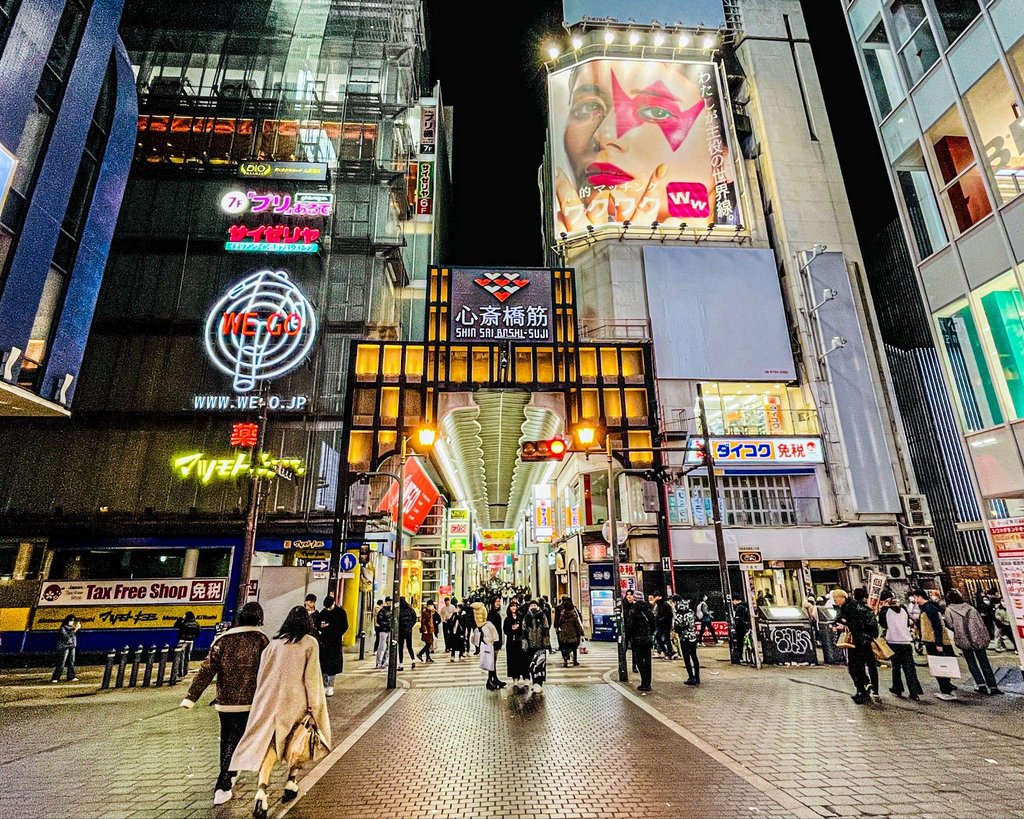
True to its reputation as a city full of rich and varied cuisine, food is Osaka’s greatest appeal. Street stalls, casual eateries, and standing bars serve local dishes at decent prices that encourage you to try everything.
Tasting Osaka specialties like takoyaki, okonomiyaki, and kushikatsu in their place of origin is a selling point too. The strict adherence to the “no double-dipping” rule (nido-zuke kinshi) at kushikatsu restaurants is a quirk you’ll only find in Osaka.
Strolling through entertainment districts like Dotonbori and Shinsaibashi is a must. Dotonbori, lined with giant billboards painted in neon, is particularly impressive at night.
If you’re travelling as a family, USJ is a popular destination. The park features attractions based on well-known anime characters and themes, promising fun and interesting attractions that keep visitors entertained all day.
Experience Sumo at Sumo Studio Osaka
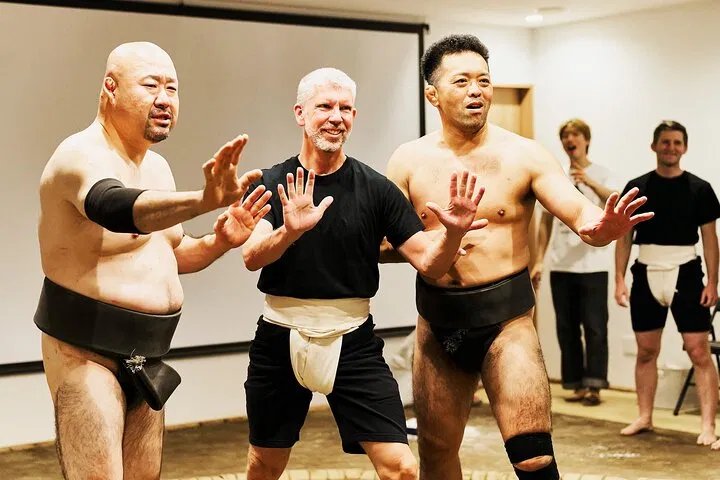
If you’re looking for a unique experience in Osaka, consider getting hands-on with sumo culture at Sumo Studio Osaka. This sumo experience facility opened in December 2025 and offers direct and convenient access from Hanazonocho Station Exit 4. Here, you can witness awe-inspiring sumo matches performed by former professional wrestlers up close.
Hands-on programs allow you to try out fundamental sumo moves like shiko (sumo’s iconic ceremonial leg stomping) and chirichozu (the purification ritual performed before a match). Visitors also enjoy donning a padded sumo costume and squaring off against a real sumo wrestler. With English explanations and language support available, non-Japanese speakers can fully enjoy the experience.
Sumo Studio Osaka also includes a lounge where you can have a couple drinks after the show.
Details
| Address | 1F Hanazonocho AI Building, 1-5-1 Asahi, Nishinari-ku, Osaka (directly access to Hanazonocho Station Exit 4) |
| Hours | 10:00–11:30 am / 12:30–2:00 pm / 3:00–4:30 pm / 5:30–7:00 pm / 8:00–9:30 pm |
| Closed | None (check website for schedule) |
| Official Website | https://sumowrestlingshow.jp/ |
| Recommended for | Tourists seeking Japanese cultural experiences |
Where to Stay in Osaka
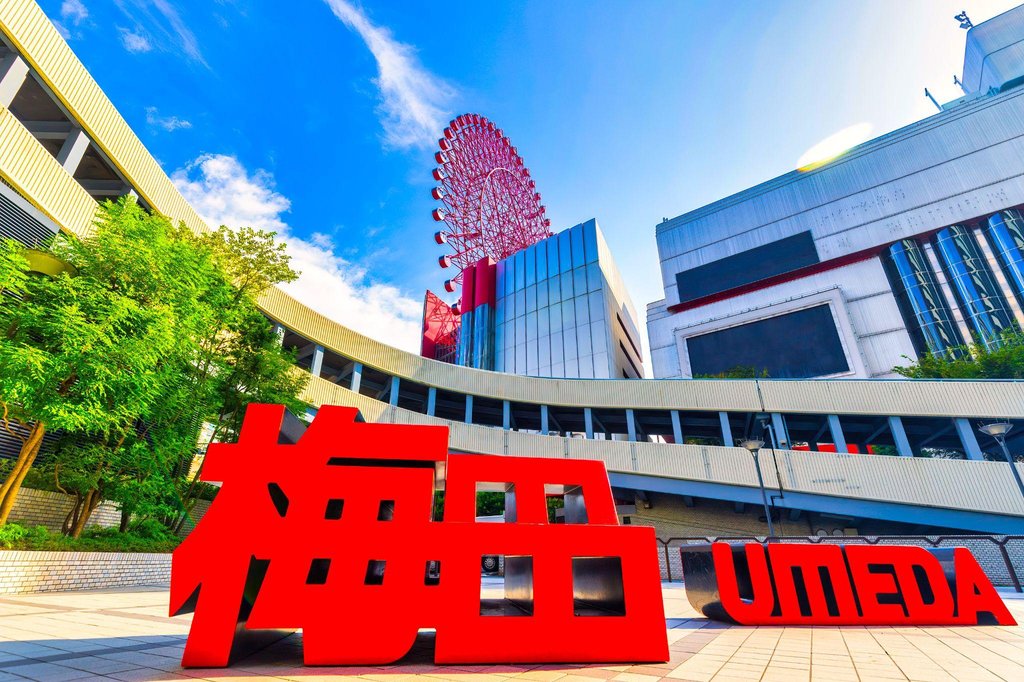
When staying in Osaka, choose an area that fits your travel priorities.
Accommodation Areas
| Area | Recommended For | Characteristics |
|---|---|---|
| Umeda (Kita) | Travellers prioritizing day trips to surrounding cities | Transportation hub with access to 9 different train lines and excellent access to Kyoto and Kobe |
| Namba/Shinsaibashi (Minami) | Travellers prioritizing sightseeing, food, nightlife | Direct access from Kansai Airport, and Dotonbori entertainment district is within walking distance |
| Shin-Osaka | Train users, travellers seeking relaxed environments | Good access from Tokyo and other cities, plus a quiet atmosphere |
Access to Osaka From Kansai Airport & Shin-Osaka
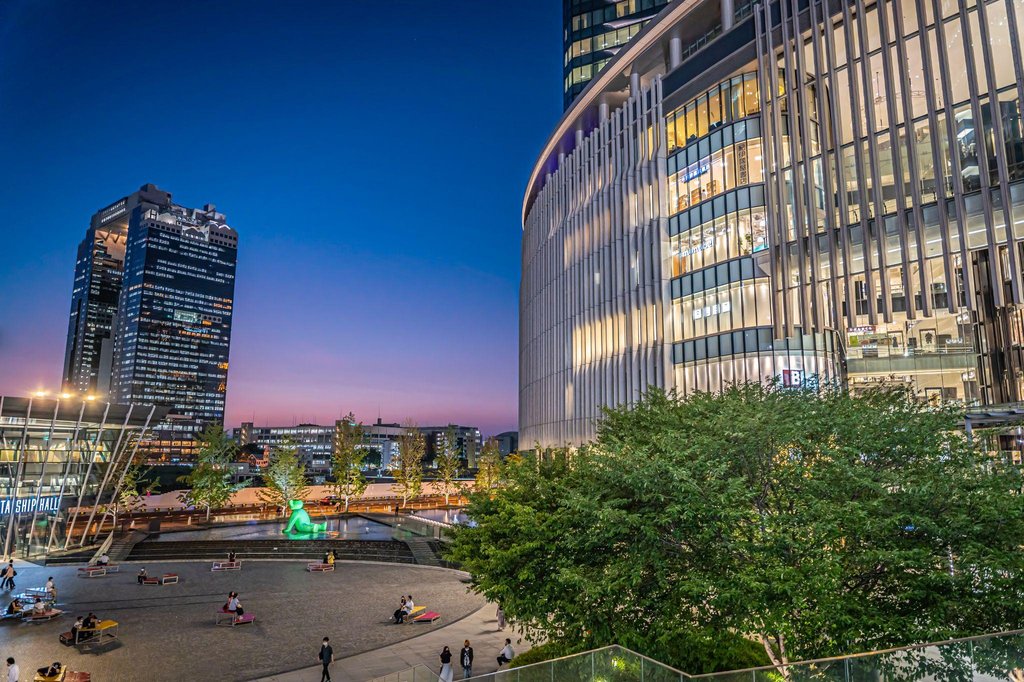
Several transportation options link Kansai International Airport and Shin-Osaka Station to central Osaka. Choose the route that’s best for you, based on where you want to go.
Access Guide
| Route | Transportation | Travel Time | Fare |
|---|---|---|---|
| Kansai Airport → Namba | Nankai Airport Express | 44 min | ¥930 |
| Kansai Airport → Osaka Station | JR Kansai Airport Rapid | 70 min | ¥1,210 |
| Kansai Airport → Umeda | Limited Express Haruka + Transfer | 47 min | ¥2,410 |
| Kansai Airport → Umeda | Limousine Bus | 60 min | ¥1,600 |
| Shin-Osaka → Osaka Station | JR Local Line | 4 min | ¥170 |
| Shin-Osaka → Umeda | Osaka Metro Midosuji Line | 6 min | ¥240 |
*Please note that fares are subject to change. We recommend confirming prices prior to travel.
Allow an extra 10 minutes for transferring between the bullet train and local trains. We also recommend purchasing IC cards (rechargeable transit cards, like ICOCA or the Osaka Amazing Pass) to help simplify your travel.
Kyoto Guide: Highlights, Hotel Districts & Access
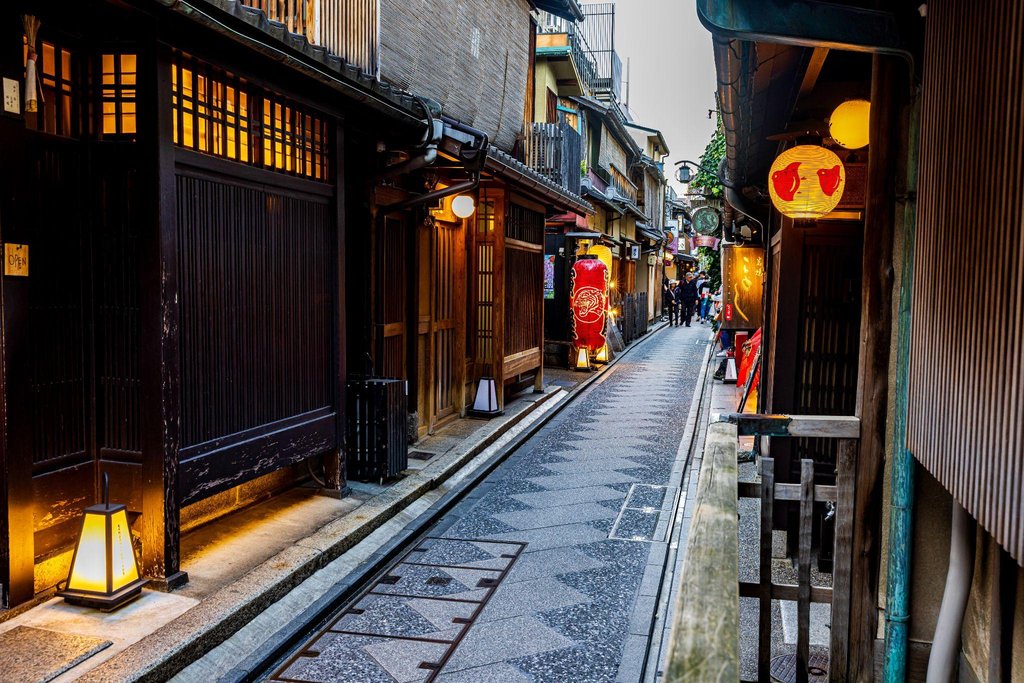
Kyoto is Japan’s ancient capital. With over a thousand years of history, the temples, shrines, and traditions have become a part of daily life here. From conventional wooden houses lining quiet backstreets to monks sweeping temple grounds at dawn, Kyoto is seeped in tradition.
Who Should Visit Kyoto?
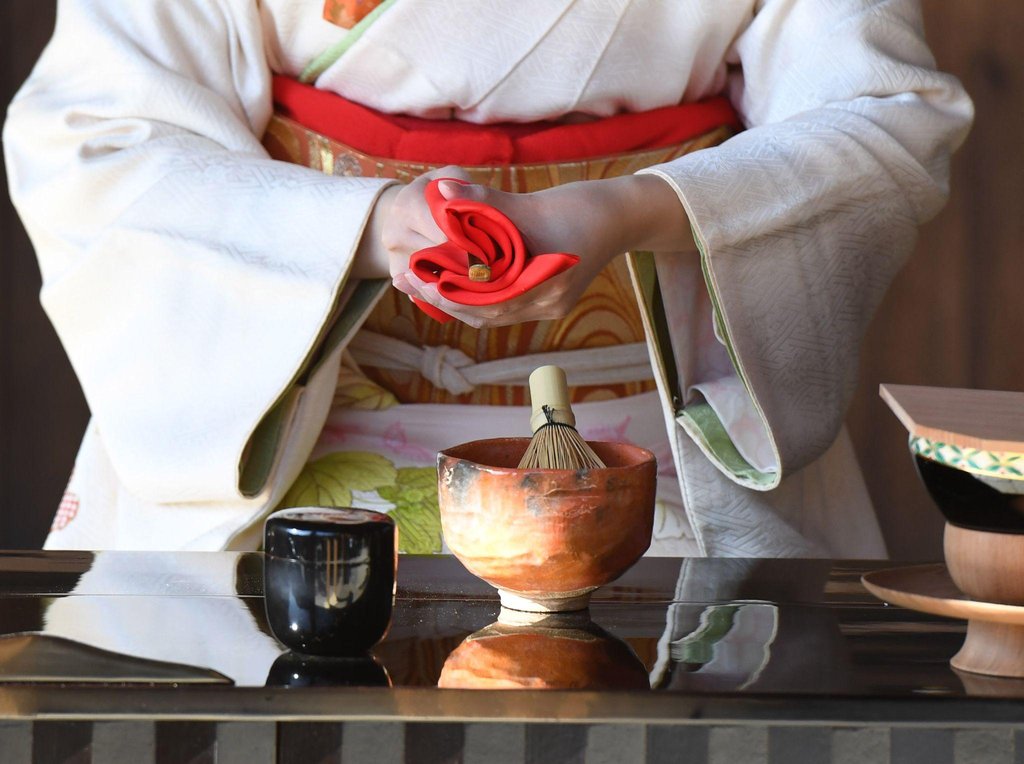
If you want to fully experience Japanese traditions and history, Kyoto won’t disappoint. The city offers many ways to experience authentic Japanese culture: tea ceremony, calligraphy, and Zen meditation to name a few. Visiting temples and shrines unique to this ancient capital offers encounters you won’t find elsewhere.
Kyoto is suited to those seeking quiet, tranquil settings, and Kyoto’s landscape—the mountains, rivers, and historic streets—offers a peaceful escape from the urban bustle. Unlike Osaka’s lively pace, Kyoto invites you to slow down and stroll through gardens and old streets.
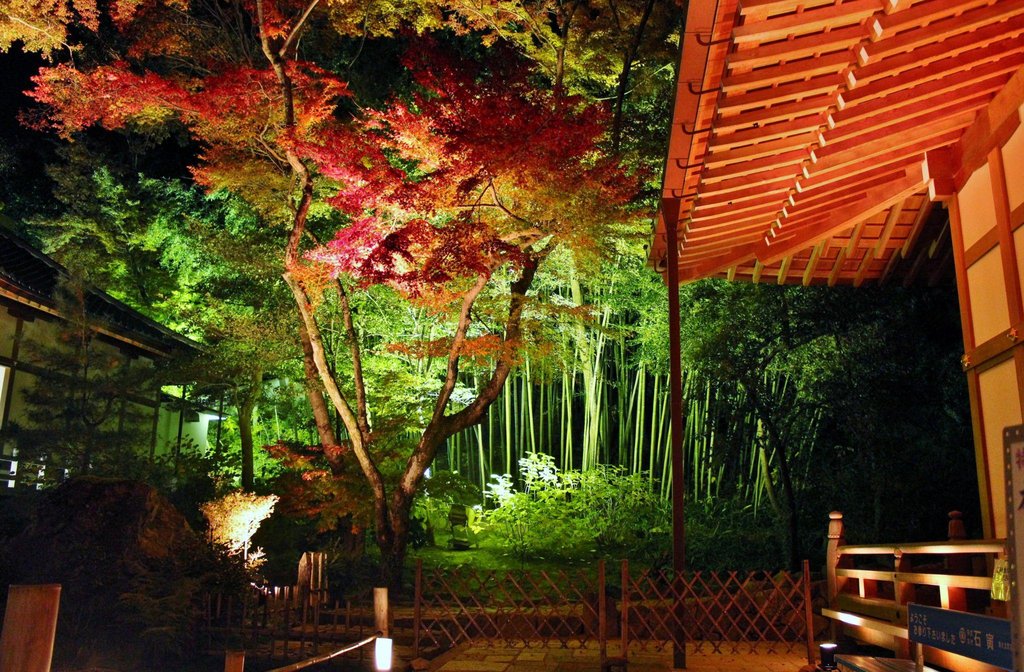
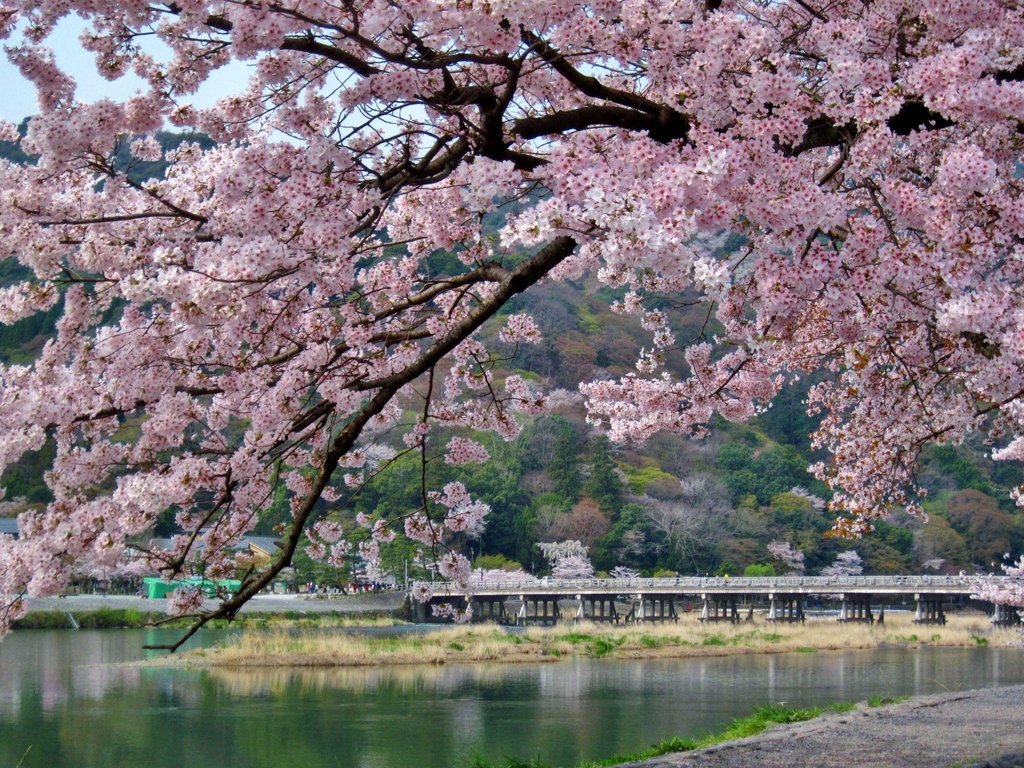
The city also appeals to those seeking spots for photography, as the blend of seasonal scenery and historic buildings provides endless photo opportunities. Here, you can take in breathtaking scenery that changes with the seasons: eye-popping pink cherry blossoms in spring and vibrant red leaves in fall.
Ideal for couples or solo travelers, Kyoto allows exploration of Japanese culture at a relaxed pace.
What to Do in Kyoto: Temples, Culture & Cuisine
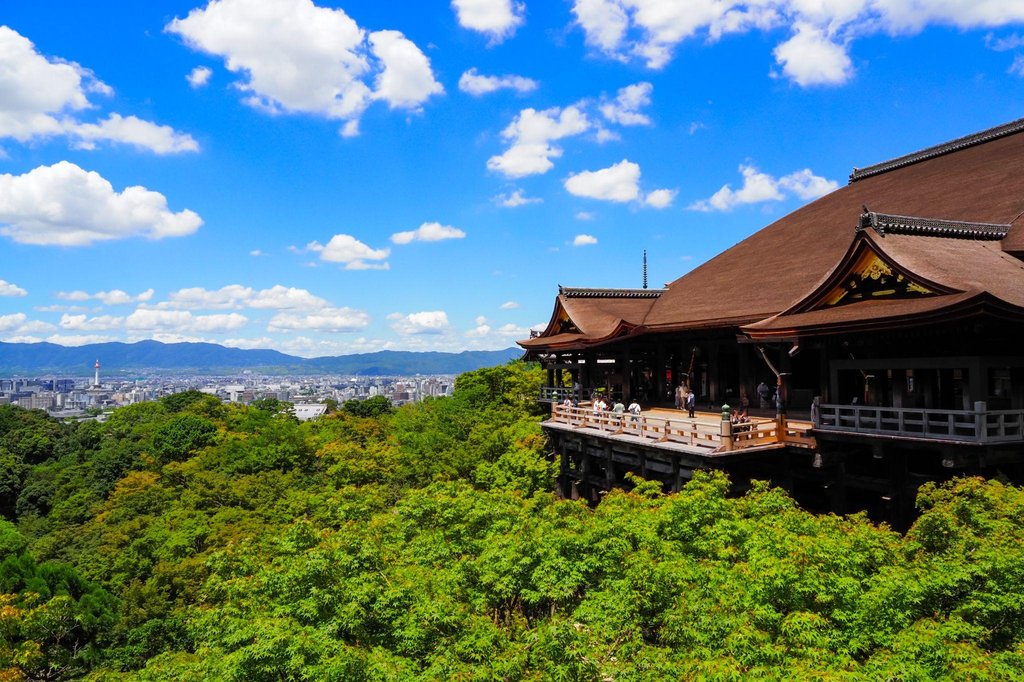
Kyoto offers activities steeped in Japanese tradition, whether that’s visiting local temples and shrines or other authentic, cultural activities.
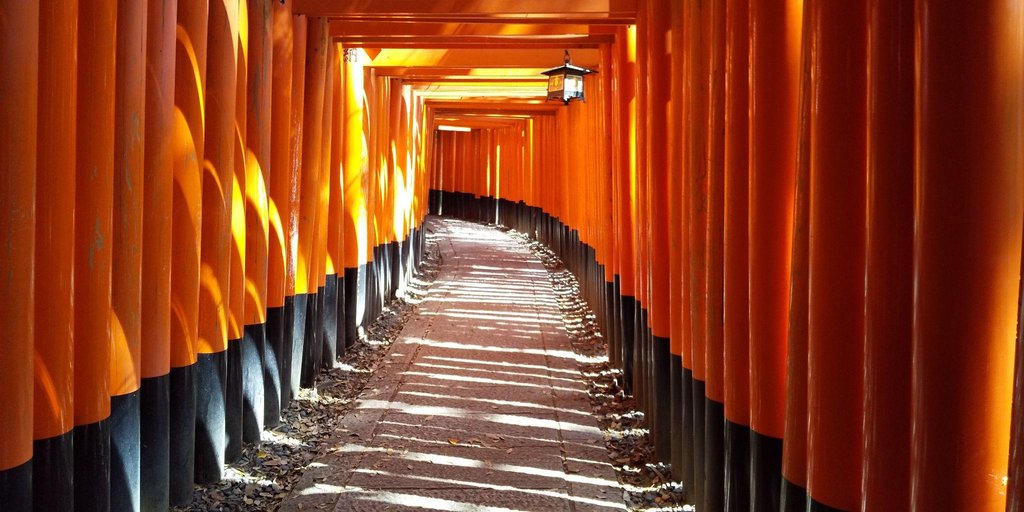
Kiyomizu-dera is possibly Kyoto’s most iconic temple, offering panoramic views from its kakezukuri-style wooden porch. Fushimi Inari Taisha features the mystical Senbon Torii (a tunnel-like pathway of bright red torii gates), accessible directly from JR Inari Station. This historic shrine, founded in 711 CE, stays open 24 hours and admission is free.
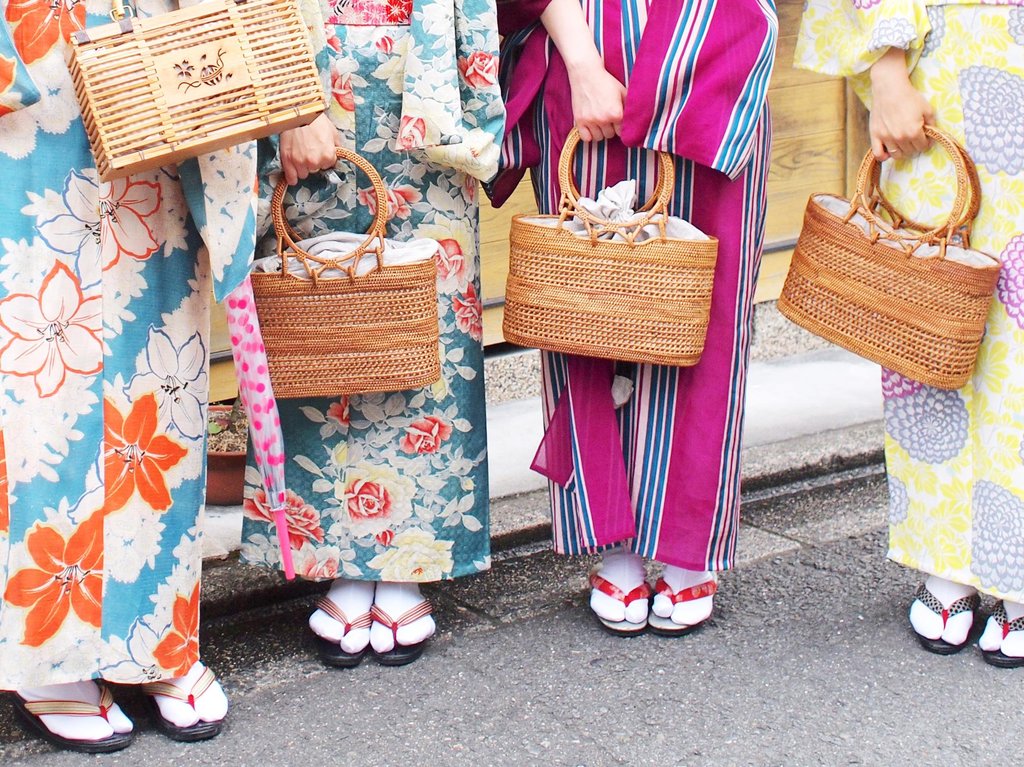
For a more immersive experience, consider renting a kimono. Rental shops cluster around Gion and Kiyomizu-dera, and strolling the ancient capital clad in a kimono guarantees special memories. You can also try Japanese tea ceremony and Zen meditation in Kyoto—both meaningful ways to experience Japanese culture firsthand.
When it comes to food, we recommend trying shojin ryori (Buddhist vegetarian cuisine containing no meat or fish), kaiseki-style Kyoto cuisine, and matcha sweets made with Uji matcha. In the historic shopping streets of Nishiki Market (also known as Kyoto’s Kitchen), you can sample local ingredients like Kyoto vegetables and pickles.
Where to Stay in Kyoto
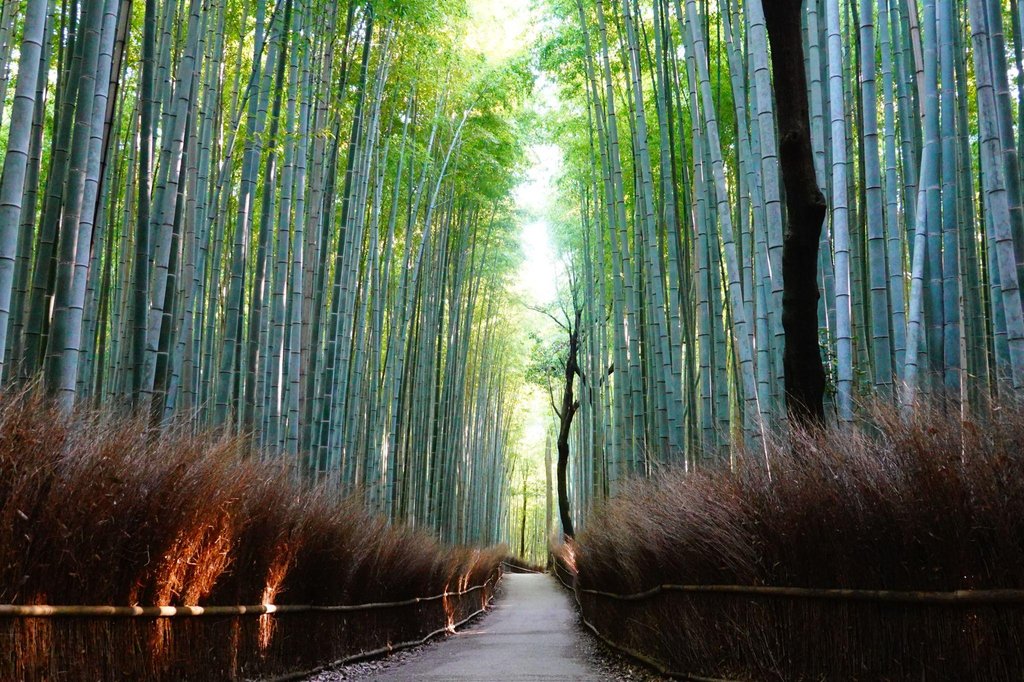
Choosing the perfect base for your stay in Kyoto depends entirely on your travel style. The city’s three primary accommodation hubs are: Kyoto Station area, Gion/Kawaramachi and Arashiyama.
Accommodation Areas
| Area | Recommended For | Characteristics |
|---|---|---|
| Kyoto Station Area | Those with heavy luggage, first/last day stays | A transportation hub offering convenient train and Kansai Airport access |
| Gion/Kawaramachi | Those who want to fully experience Kyoto’s ambience | Within walking distance of Hanamikoji (a popular area in which maiko and geisha congregate) |
| Arashiyama | Those who want a quiet, more relaxed time | A nature-rich area with bamboo groves and Togetsukyo Bridge. About 30 min from Kyoto Station. |
Access to Kyoto From Kansai Airport & Kyoto Station
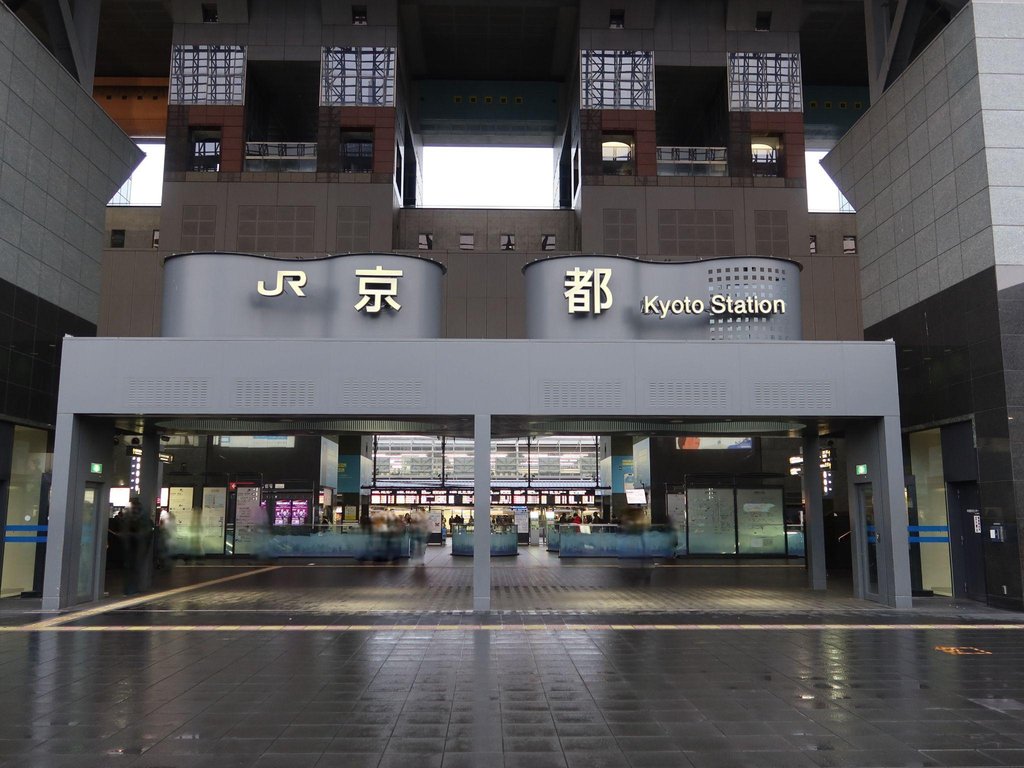
Choose between the JR Limited Express Haruka and Airport Limousine Bus for access to and from Kansai Airport and Kyoto.
Access Guide
| Route | Transportation | Travel Time | Fare |
|---|---|---|---|
| Kansai Airport → Kyoto Station | JR Limited Express Haruka | 75 min | ¥3,060 |
| Kansai Airport → Kyoto Station | Airport Limousine Bus | 88 min | ¥2,800 |
*Please note that fares are subject to change. We recommend confirming prices prior to travel.
If you have large luggage, the bus offers a comfortable ride with ample storage. Also, when arriving at Kyoto Station by train, choosing a lodging option near the station helps to minimize your travel burden. Consider staying near Kyoto Station on your first and last days, travelling to Gion or Arashiyama for sightseeing.
Kansai Trip Planning Guide
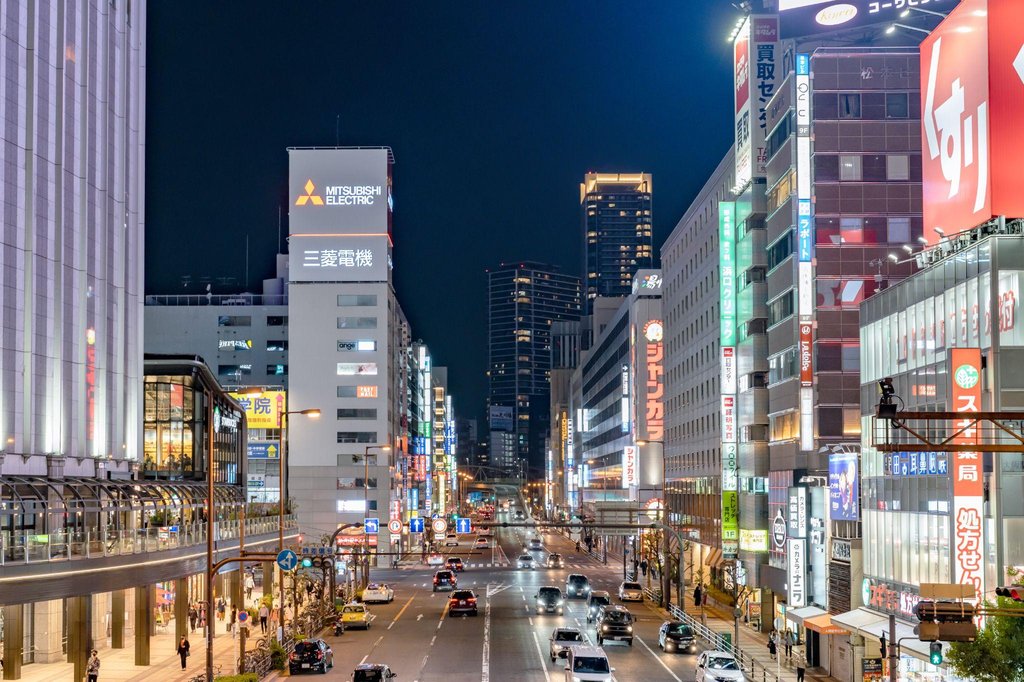
With your base city of Osaka or Kyoto now chosen, planning the logistics comes next. Distances between destinations, transportation options, and seasonal factors will influence your itinerary, which is why we’ve provided information regarding these points here.
Travel Time & Travel Options for Trips Between Osaka and Kyoto
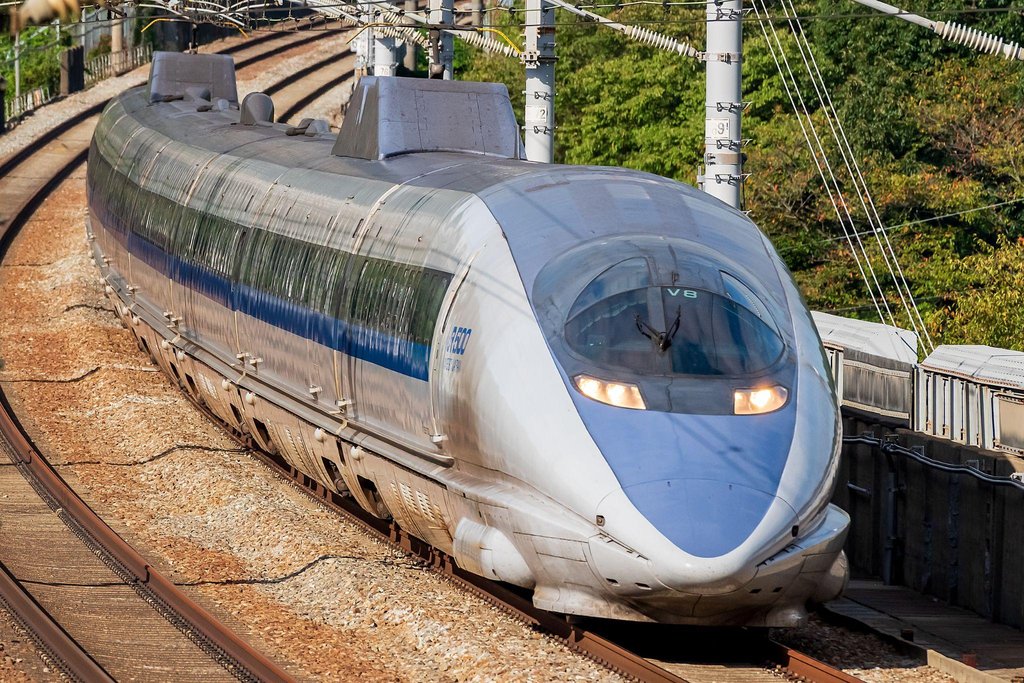
Travelling between Osaka and Kyoto is surprisingly easy as three main railways connect both cities.
Train Options
| Transportation | Travel Time | Fare |
|---|---|---|
| Bullet train (Nozomi/Hikari) | 13–14 min | Non-reserved seats ¥1,450 / Reserved seats ¥2,880 |
| Japan Rail (JR) | Approx. 30 min | ¥580 |
| Private railways (Hankyu/Keihan) | 40–50 min | ¥400–450 |
*Please note that fares are subject to change. We recommend confirming prices prior to travel.
The bullet train is fastest, with multiple departures every hour making it easy to use even without reservations. If you have a JR Pass (a rail pass available exclusively to foreign tourists), you may be able to ride at no additional cost.
Conventional JR lines work well with IC cards like ICOCA or Suica and offer a good balance of cost and speed. As JR lines are often used by local commuters, we recommend avoiding the rush hour to ensure comfortable travel.
Private railways are a good choice for travel if you want to experience the local vibe. The Hankyu train goes directly to Kawaramachi (central Kyoto), while the Keihan train provides direct access to the Gion area. Depending on your destination, these train lines may be the most convenient choice for you.
Day trips between Osaka and Kyoto are easy at this distance, so choosing one city to serve as your base still allows plenty of opportunity to explore both.
How to Choose Your Base: Osaka or Kyoto?
In order to choose the right base of operations for your trip, first consider your priorities and schedule.
Base Selection Guide
| Priority | Suggested Base |
|---|---|
| Traditional culture, temple visits | Kyoto |
| Food, nightlife | Osaka |
| Proximity to Kansai Airport | Osaka |
| Day trips to Nara, Kobe | Either works |
For stays of 3 or more days, we recommend staying in both cities. When using Kansai Airport, traveling to Osaka, then Kyoto, then back to Osaka provides smooth airport access on both the first and last days of your trip.
Note that accommodation costs are slightly lower in Osaka, with the Namba and Umeda areas offering abundant choices.
Sample Itineraries: 3, 5, and 7-Day Plans
Your Kansai experience will vary significantly based on how long you stay. Below are some sample itineraries for common trip lengths.
Plans by Duration
| Duration | Plan Characteristics | Approach |
|---|---|---|
| 3 Days | Efficiently visit both cities | 1 night in Osaka followed by 1 night in Kyoto, making sure to hit up key destinations in both cities. In Osaka, focus on Dotonbori and Osaka Castle; in Kyoto, Fushimi Inari and Kiyomizu-dera are close-by for maximum efficiency. |
| 5 Days | Fully explore both cities | 2 nights in Osaka, 2 nights in Kyoto. Savor the food and entertainment in Osaka, then spend ample time on cultural activities in Kyoto. Day trips to Nara or Kobe are also possible with extra time. |
| 7 Days | Explore cities around Osaka and Kyoto too | 3 nights in Osaka, 3 nights in Kyoto, with excursions to Nara, Kobe, Wakayama’s hot springs, or Lake Biwa in Shiga Prefecture also possible. With this itinerary, you can discover lesser-known, local spots. |
Even with just 3 days in Japan you can visit both Osaka and Kyoto, but time in each city will be limited. With 5 or more days, only one switch of accommodations on day 3 is needed.
Best Seasons to Visit & Peak Periods
When you visit matters too. Weather, crowd levels, and special events vary widely throughout the year.
Spring (March–May) and autumn (October–November) offer mild weather and are the best seasons for sightseeing. During peak cherry blossom season (late March–early April) and the changing leaves of autumn (mid-late November), Kyoto’s Kiyomizu-dera, Arashiyama, and Osaka Castle Park become extremely crowded. Accommodations fill quickly too, so booking early is essential. Note that accommodation rates during this period tend to be higher than usual as well.
Summer (June–August) is hot and humid, with both cities exceeding temperatures of 33°C (91°F). Still, this is an opportune time to attend summer festivals like Gion Matsuri (one of Japan’s three great festivals, held in July in Kyoto) and Tenjin Matsuri (another one of the great festivals, held in July in Osaka).
Winter (December–February) sees fewer tourists and lower accommodation costs, making it a budget-friendly season. During the year-end and New Year (December 31–January 3), Fushimi Inari Taisha and Sumiyoshi Taisha become crowded with locals visiting shrines and temples for the New Year, so plan accordingly. To avoid crowds, consider visiting in June, September, or from mid-January onward.
Frequently Asked Questions
Here are answers to common questions travelers ask when planning a trip to Japan’s Kansai region.
Can I Visit Both Osaka and Kyoto in a Single Day?
Yes, visiting both cities in one day is entirely possible.
Here’s an example travel itinerary, using Osaka as your base:
| Time | Activity |
|---|---|
| Morning | 2-3 hours sightseeing in Osaka at Dotonbori and Osaka Castle |
| Early afternoon | Travel to Kyoto (approx. 30 min by train) |
| Afternoon to evening | Concentrated visits to Higashiyama area, including Fushimi Inari and Kiyomizu-dera |
Limit sightseeing to 2–3 spots per city and don’t forget to allow time for meals and rest. Kyoto’s major temples are surprisingly spread out, so plan your routes in advance for efficient sightseeing.
The important thing to keep in mind with this itinerary is that day trips will only allow you a taste of each city; we recommend spending at least one night in each city for a thorough visit.
Which is Better for Families: Osaka or Kyoto?
Osaka has excellent children’s facilities, making it better suited for family travel with children.
While Kyoto has decent children’s attractions too, major temples like Kiyomizu-dera often have slopes and stairs, making travelling with a stroller difficult.
Main children’s facilities in both cities are as follows:
Children’s Facilities
| City | Facility | Features |
|---|---|---|
| Osaka | Kaiyukan Aquarium | One of the world’s largest aquariums. Ramps available for stroller access |
| Osaka | Kids Plaza Osaka | A hands-on museum designed to encourage learning through play |
| Osaka | Legoland Discovery Center Osaka | Lego factory tours and play areas |
| Osaka | Osaka Castle Tower | Elevator access to the 8th floor observation deck makes this site stroller-friendly |
| Kyoto | Kyoto Aquarium | Inland aquarium, known for its dolphin shows and penguin exhibit. Barrier-free. |
| Kyoto | Kyoto Railway Museum | Steam locomotive exhibits and train-driving simulators. Barrier-free. |
| Kyoto | Toei Kyoto Studio Park | Movie theme park recreating an Edo-period townscape. Ninja workshop also available. |
To make travel easier, choose Osaka as your base; for convenient access to cultural experiences, choose Kyoto.
Which City Offers the Most “Japanese” Experience: Kyoto or Osaka?
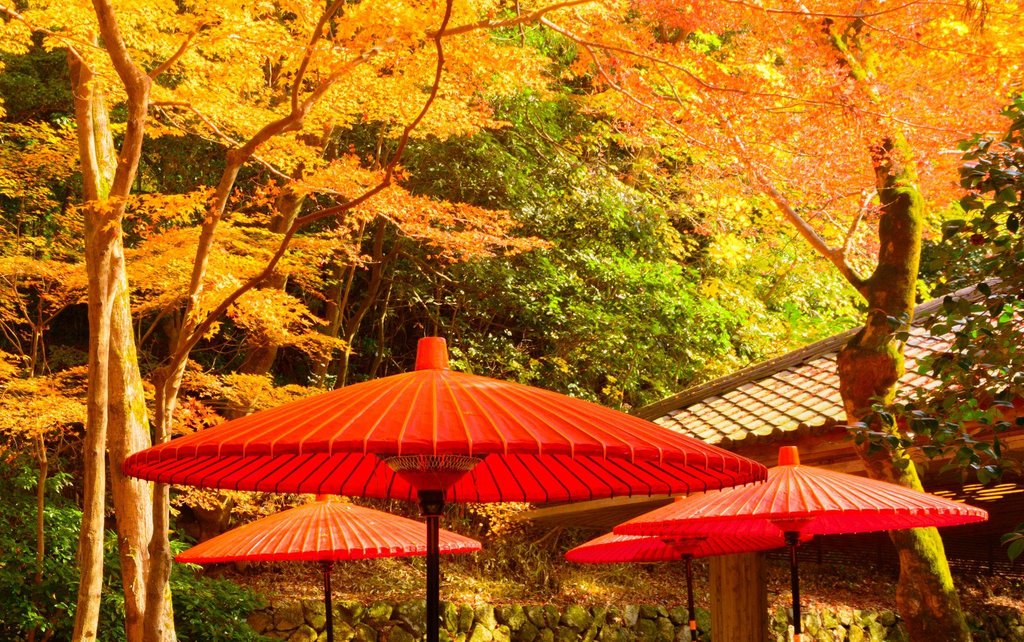
The sense of “Japanese-ness” varies by person, but if you prioritize traditional culture, choose Kyoto. If you want to experience Japan’s modern energy, choose Osaka.
In Kyoto, historic temples like Kinkaku-ji and Kiyomizu-dera can be viewed alongside geisha walking around in kimono. Time-honored customs like the tea ceremony and flower arrangement remain a part of daily life here. You can also try traditional crafts like silk weaving and kimono-dyeing via specialty workshops. These experiences offer full sensory immersion in traditional Japanese customs.
Osaka, on the other hand, showcases an energetic, approachable side of Japan. Its konamon food culture (referring to foods such as okonomiyaki and takoyaki), friendly locals, and neon-lit entertainment districts all contribute to Osaka’s lively atmosphere.
Both have different aspects of “Japaneseness,” so pick your destination based on the kind of experience you are seeking.
Which Is Right for You: Osaka or Kyoto?
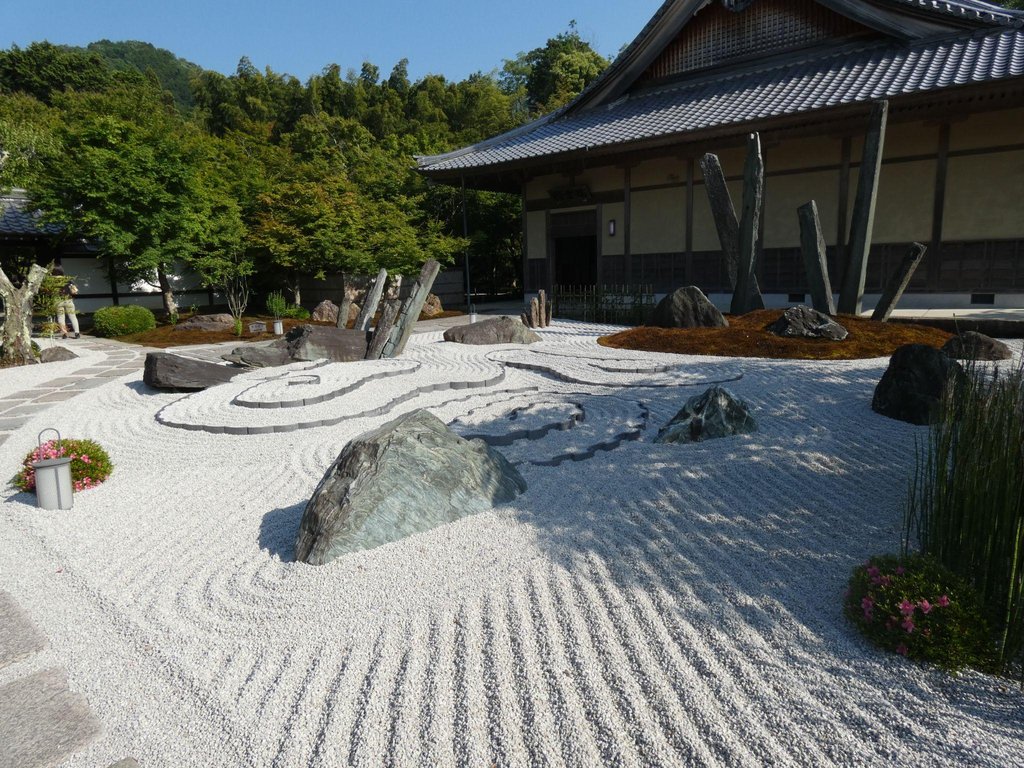
Choosing the right base depends on your travel style and what you want to experience during your time in Japan.
If traditional culture and temple visits are your priority, stay in Kyoto and opt for a day trip to Osaka. If food, nightlife, and family travel matter most, stay in Osaka and plan a day trip to Kyoto. To thoroughly explore both cities, stay 2 nights in each.
Either city alone provides plenty to do, but since they’re just a short train ride apart, visiting both in a single day is entirely possible.
If you’re still undecided, we recommend basing yourself in Osaka for easier access to Kansai Airport. That way, you can drop off your luggage at your hotel and head to Kyoto with your hands free.
Either way you do it, the Kansai region has plenty of new experiences to offer you.