Osaka 2-Day Itinerary: Efficient North & South Zone Routes With Time Allocations
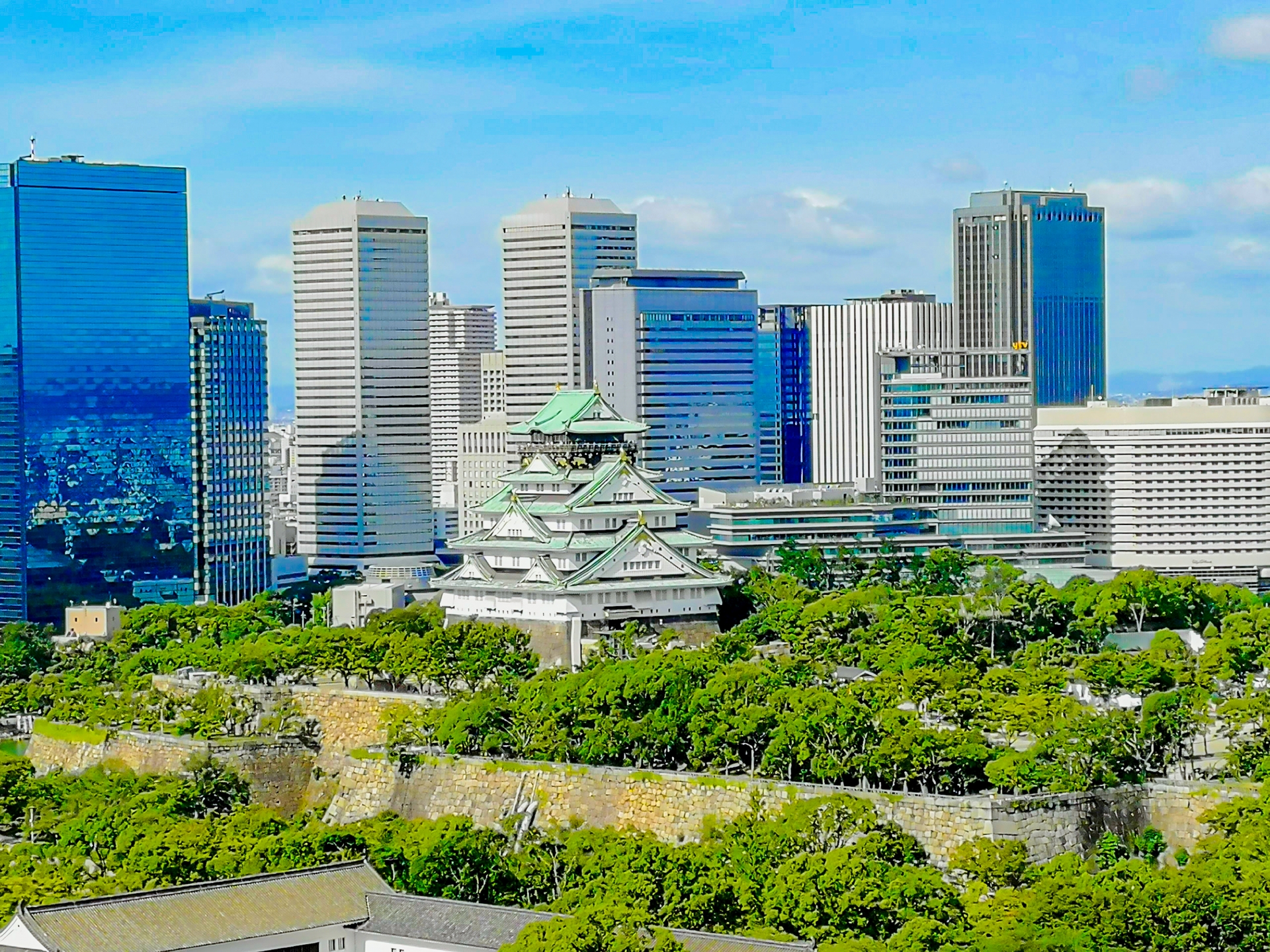
From the neon glow of Dotonbori to the stone walls of Osaka Castle, two days is just enough to experience the highlights of Osaka — if you plan your route well. Because Osaka’s sightseeing spots are spread across the city, a smart approach is to split the city into a North Zone and a South Zone and cover one zone per day.
This itinerary walks you through both zones in sequence, covering landmarks like Osaka Castle and Dotonbori along with local specialty foods. You’ll also find alternative plans for rainy days and family trips, so even first-time visitors can put together a smooth schedule without hesitation.
Contents
- Key Points of the Osaka 2-Day Itinerary
- Day 1 North Zone: Osaka Castle, Tenma, Nakazakicho, and Umeda
- Day 2 South Zone: Shinsekai, Tsutenkaku, Abeno Harukas, and Dotonbori
- Alternate Plans for the Osaka 2-Day Itinerary
- Guided Tours Are Also Worth Considering for Families and Groups
- Common Questions About the Osaka 2-Day Itinerary
- Make the Most of Osaka in Two Days
Key Points of the Osaka 2-Day Itinerary
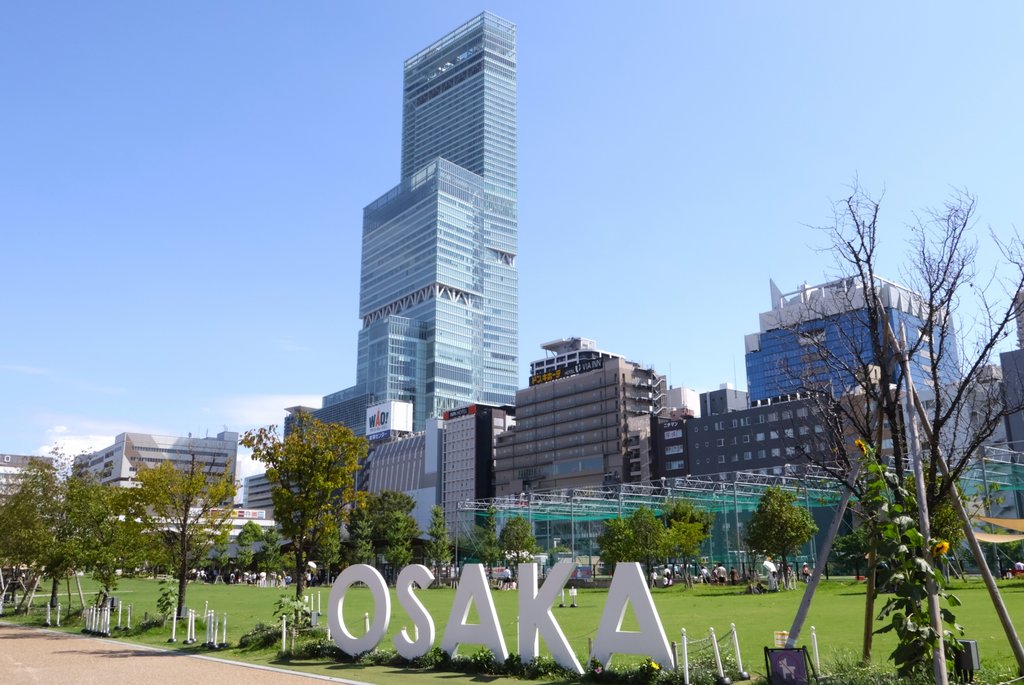
Before diving into the day-by-day schedule, let’s look at the overall strategy. Osaka’s main attractions cluster along the Midosuji subway line, and dividing the city into North and South zones allows you to make the most of a short stay.
Covering the North and South Zones Over Two Days
Osaka’s main spots sit along the Midosuji subway line, broadly split into northern and southern areas. Spending one day in each zone helps minimize travel time and maximize sightseeing.
The North Zone centers on Osakajokoen, Tenma, Nakazakicho, and Umeda stations. You can ride from Osakajokoen to Umeda in just 15 minutes, leaving plenty of time to explore.
The South Zone runs through Namba, Dobutsuen-mae, and Tennoji stations. Dotonbori is within walking distance of Namba Station, and Tennoji is only about 10 minutes away, so you can easily walk between most spots in the area.
Crossing back and forth between north and south wastes time and drains your energy. Stick to one zone per day and you solve both problems.
Two Days Covers the Classic City Spots
The core sights between Umeda and Tennoji fit comfortably into two days. Most major attractions sit within a 10-to-20-minute subway ride of each other, so transit time stays minimal.
Adding Universal Studios Japan or other outlying attractions changes the equation. USJ typically takes a full day (around eight hours), making it difficult to combine with city sightseeing. Kaiyukan Aquarium requires about half a day, while a day trip to Kyoto calls for a full day.
Choose one of these three patterns based on your travel style:
| Pattern | Content | Good for |
|---|---|---|
| 1. City-focused | North Zone + South Zone, one day each | Travelers wanting a balance of food and sightseeing |
| 2. City + one outlying spot | Day 1 in the city, Day 2 at USJ or Kaiyukan | Theme park or aquarium fans |
| 3. City + Kyoto day trip | Day 1 in Osaka, Day 2 in Kyoto | Kansai travelers with only one Osaka day |
This guide follows Pattern 1, the city-focused route. If you have two full days in central Osaka, read on.
Day 1 North Zone: Osaka Castle, Tenma, Nakazakicho, and Umeda
Day 1 covers the North Zone, blending history, food, café culture, and night views. The route takes you through five stops from morning to evening, with guidance on how long to spend at each and how to travel between them.
9 am: Experience History at Osaka Castle Tenshukaku
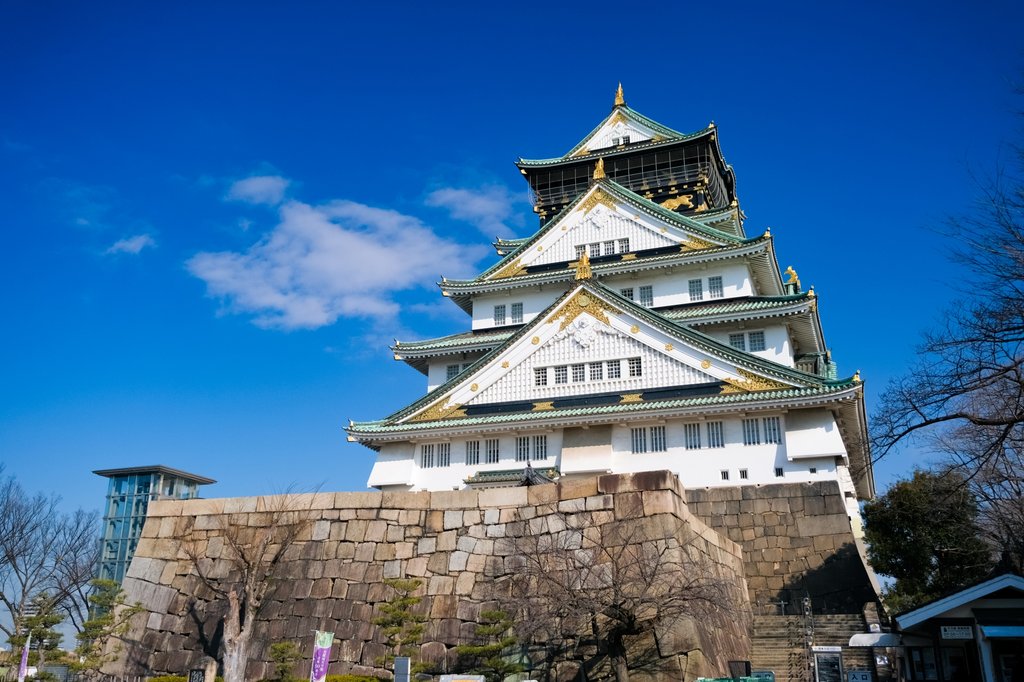
Get to Osaka Castle right when it opens at 9 am — you’ll beat the crowds and have an easier time sightseeing. Plan for 60 to 90 minutes here.
Inside the tenshukaku (the central keep of the castle), a history museum walks you through the rise and fall of the Toyotomi dynasty. The top-floor observation deck gives you sweeping views in every direction. Morning light makes for excellent photos of the keep and the surrounding walls.
Admission is ¥1,200 for adults, ¥600 for junior high and high school students, and free for younger children. Osaka Castle is a no-brainer for first-time visitors — equally rewarding for history enthusiasts and photographers.
Details
| Address | 1-1 Osakajo, Chuo-ku, Osaka |
| Hours | 9 am to 6 pm |
| Closed | Year-end and New Year holidays (December 28 to January 1) |
| Website | https://www.osakacastle.net/ |
| Good for | First-time visitors, history fans, photographers |
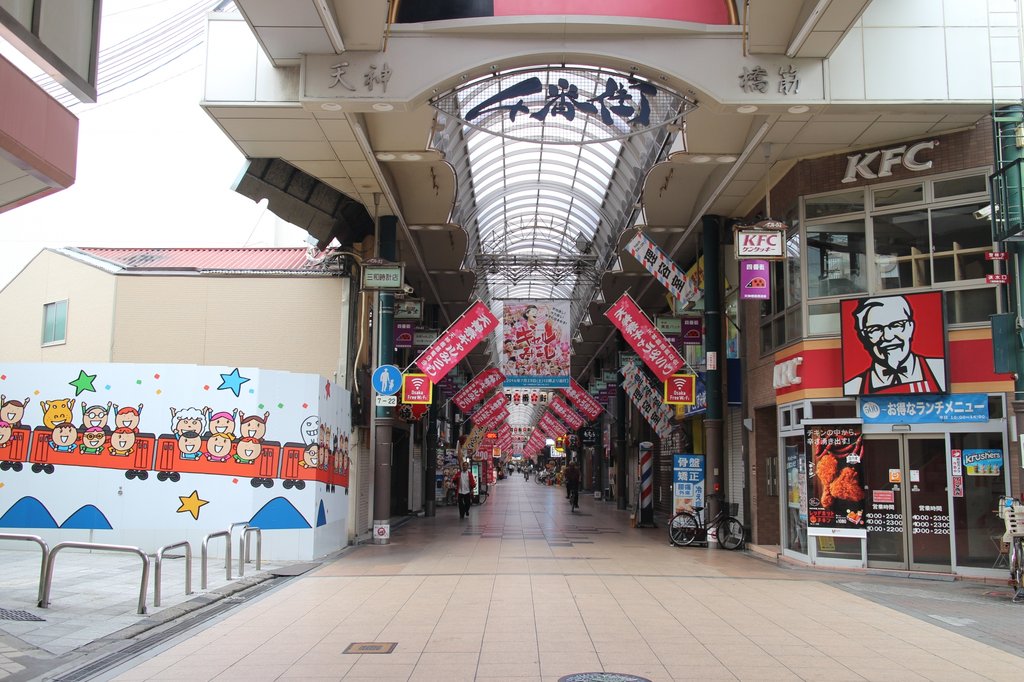
11:30 am: Local Lunch at Tenjinbashisuji Shopping Street
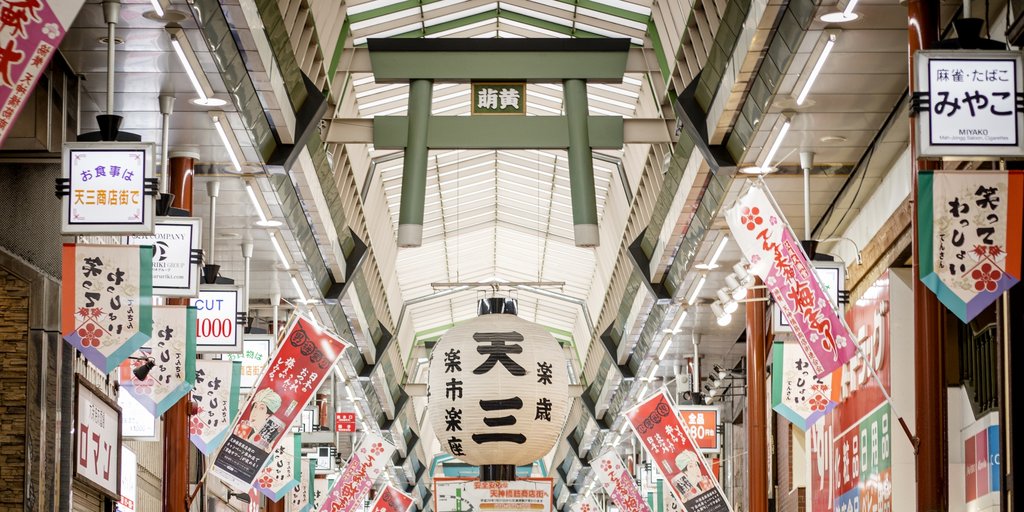
Hop on the JR Osaka Loop Line — Morinomiya to Tenma is just 7 minutes. The fare is ¥180, and payment can be made with an IC card. The Tenjinbashisuji arcade stretches out right by the station exit.
This is the longest shopping street in Japan, and the smell of sizzling okonomiyaki (a savory pancake of flour batter mixed with ingredients and grilled on an iron plate) and takoyaki (ball-shaped savory snacks made of batter filled with octopus) hit you the moment you step in. Small, locally loved places make up most of the lineup.
Three good candidates:
- Okonomiyaki Chigusa: a long-established spot known for pork okonomiyaki and yakisoba (stir-fried noodles)
- Sushimasa Nakamise: serious sushi at reasonable prices
- Kashiwa Honpo Toriishi Honten: hearty chicken dishes in generous portions
Show up around 11:30 am and you’ll dodge the lunch rush. After eating, take a stroll through the arcade — it’s a great photo spot in its own right.
2 pm: Vintage Cafés and Shops in Nakazakicho
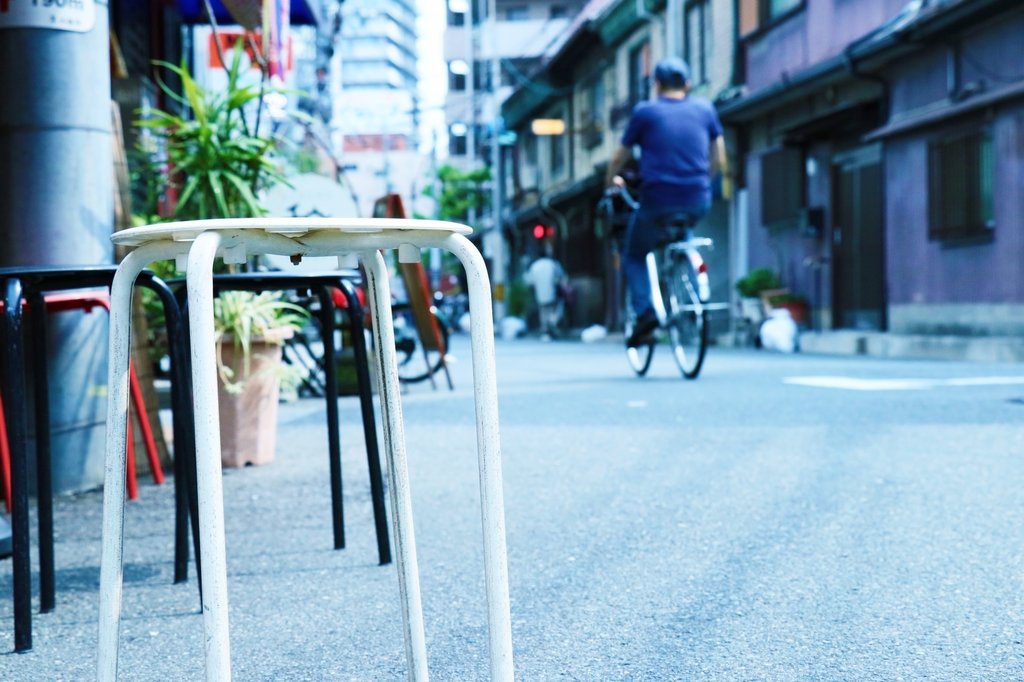
From Tenma, Nakazakicho is about a 20-minute walk or a single subway stop away. Pick your option based on the weather.
Nakazakicho keeps its historical atmosphere thanks to surviving nagaya (traditional Japanese row houses that share walls with neighbors) and kominka (heritage houses). Cafés and small shops have moved into the old buildings.
At KAYA cafe, set in a restored kominka, the tofu tiramisu is a standout. green pepe, a vintage shop nearby, is a favorite for off-the-beaten-path souvenirs.
Give yourself an hour to an hour and a half here — plenty of time to wander the back streets without rushing.
4:30 pm: Sunset and Night Views at Umeda Sky Building
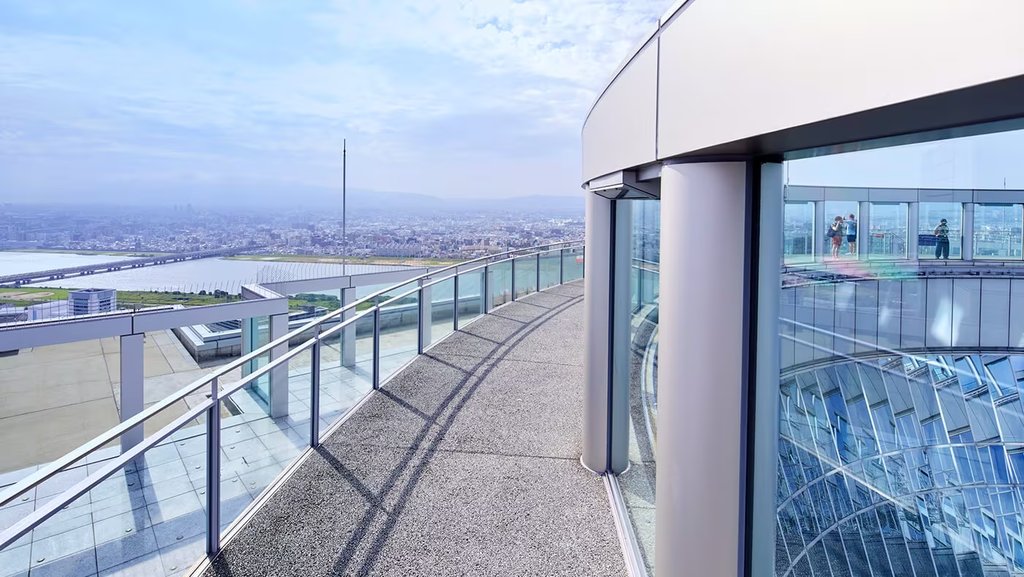
It’s about a 15-minute walk from Nakazakicho to Umeda Sky Building. Aim to arrive around 4:30 pm so you can catch the transition from sunset to night from the observation deck.
The period just after sunset, when a deep blue still lingers in the sky, offers the most striking views. The rooftop opens up a full panorama of the Osaka skyline. An hour and a half on the deck gives you time to enjoy both the sunset and the illuminated city at night.
Admission is ¥2,000 for adults, and the last entry is at 10 pm. From here, you’re just a short walk from plenty of dining options around Osaka Station.
Details
| Address | 1-1-88 Oyodonaka, Kita-ku, Osaka |
| Hours | 9:30 am to 10:30 pm (last entry 10 pm) |
| Closed | Open year-round |
| Website | https://www.skybldg.co.jp |
| Good for | Night view fans, couples, photography enthusiasts |
6:30 pm: Dinner in Umeda
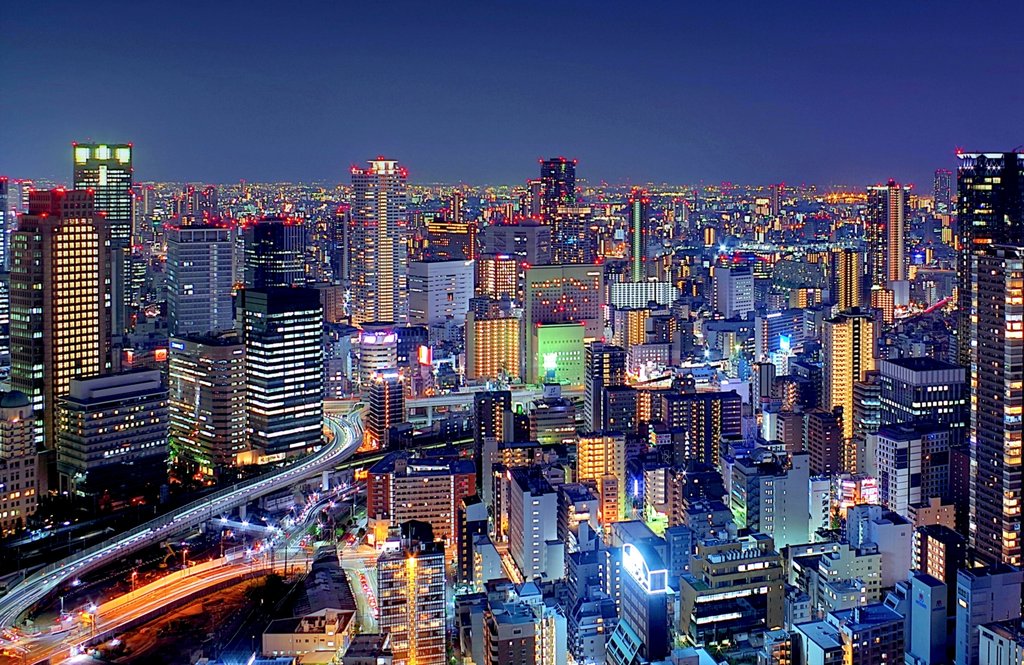
Umeda Sky Building is about a 10-minute walk to the Osaka Station area.
Dining in Umeda is concentrated in underground shopping arcades and large commercial complexes, offering options for virtually every budget and preference.
Here are a few recommended spots directly connected to the station:
| Restaurant | Cuisine / Features | Location |
|---|---|---|
| Nurukan Sato Osaka | Japanese cuisine, oden (a simmered one-pot dish with various ingredients in a light broth), and sake | 1-min walk from JR Osaka Station |
| Cerveza Japan | Spanish cuisine | LUCUA 10F |
| Eki Ponte Vecchio a Osaka | Italian, pizza | LUCUA 10F |
| Jojoen | Premium yakiniku (Japanese-style grilled meat) | LUCUA 10F |
Station-connected buildings keep you dry on rainy days and make after-dinner shopping easy. Wrapping up Day 1 within the North Zone minimizes travel fatigue and helps you save your energy for Day 2.
Day 2 South Zone: Shinsekai, Tsutenkaku, Abeno Harukas, and Dotonbori
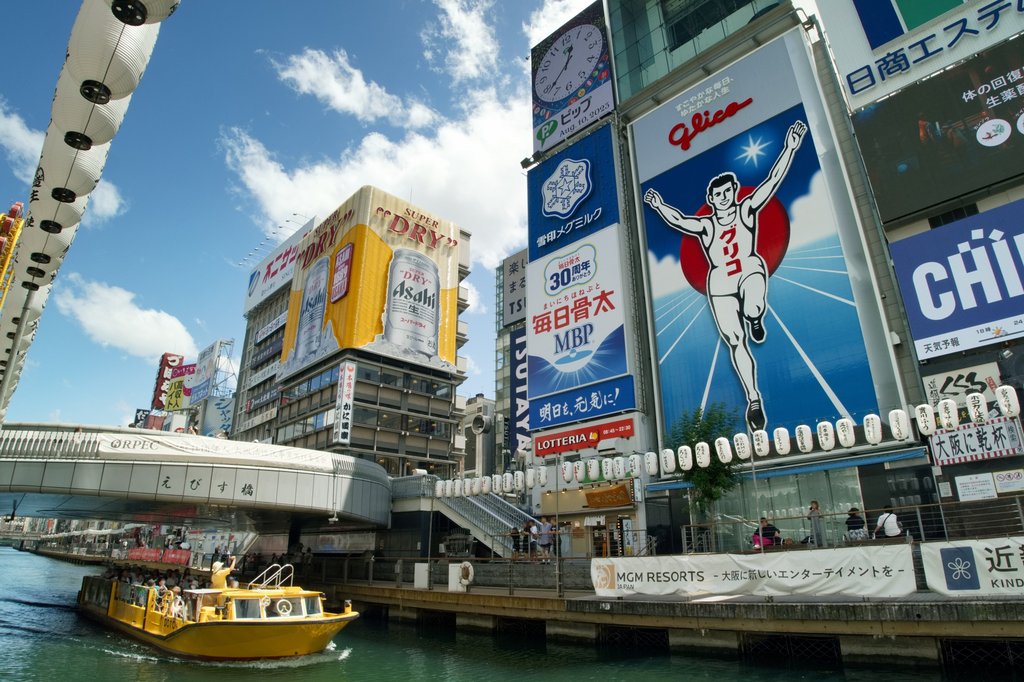
Day 2 heads into the South Zone. The route moves from shitamachi (old working-class neighborhoods) to the bright entertainment district, packing in a lot of quintessential Osaka character.
The schedule runs from a morning walk to evening street food, with time estimates for each stop. The South Zone’s attractions are packed close together, so you can walk between most of them with ease.
9 am: Historical Streets of Shinsekai
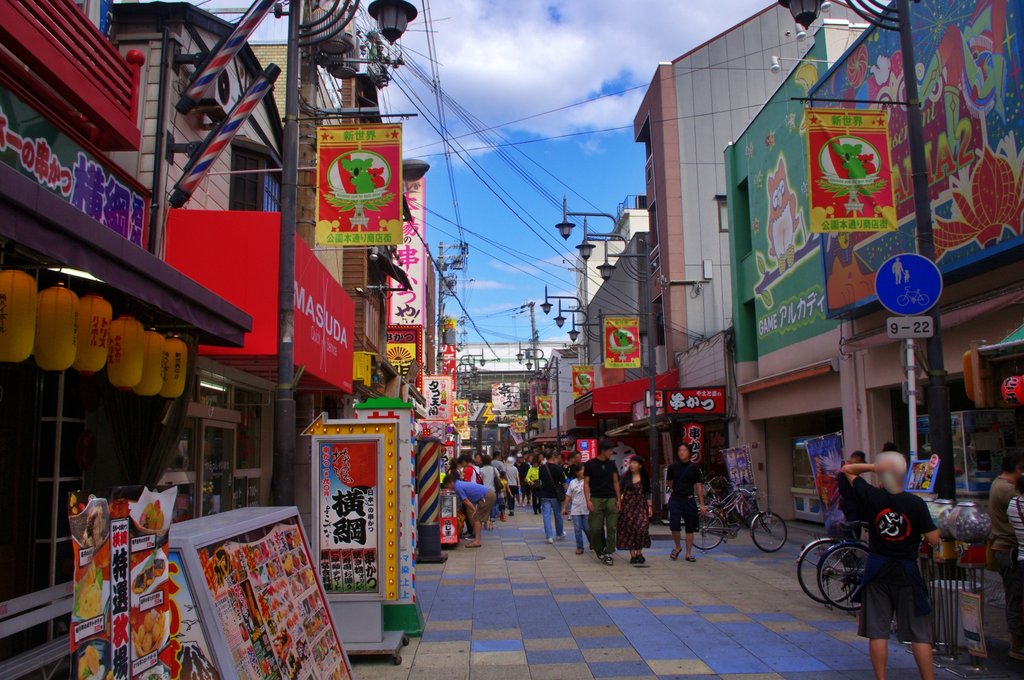
Day 2 starts in Shinsekai, an area with a strong historical feel.
Shinsekai grew up as an entertainment district and is the birthplace of kushikatsu (deep-fried skewered meat and vegetables). The original Tsutenkaku tower was built in 1912.
Step out of Ebisucho Station and you’re right at the entrance to the Tsutenkaku Honmachi Shopping Arcade. It’s quiet at 9 am, which is the perfect time to photograph the colorful signs. Old-school coffee shops line the route as you walk toward Tsutenkaku.
Tsutenkaku itself opens at 10 am. Until then, take a walk through Jan-Jan Yokocho (a shopping lane that still carries the feel of Showa-era Osaka — the retro postwar decades of the mid-20th century) — it’s also a chance to scope out lunch spots.
10 am: Visit Billiken at Tsutenkaku
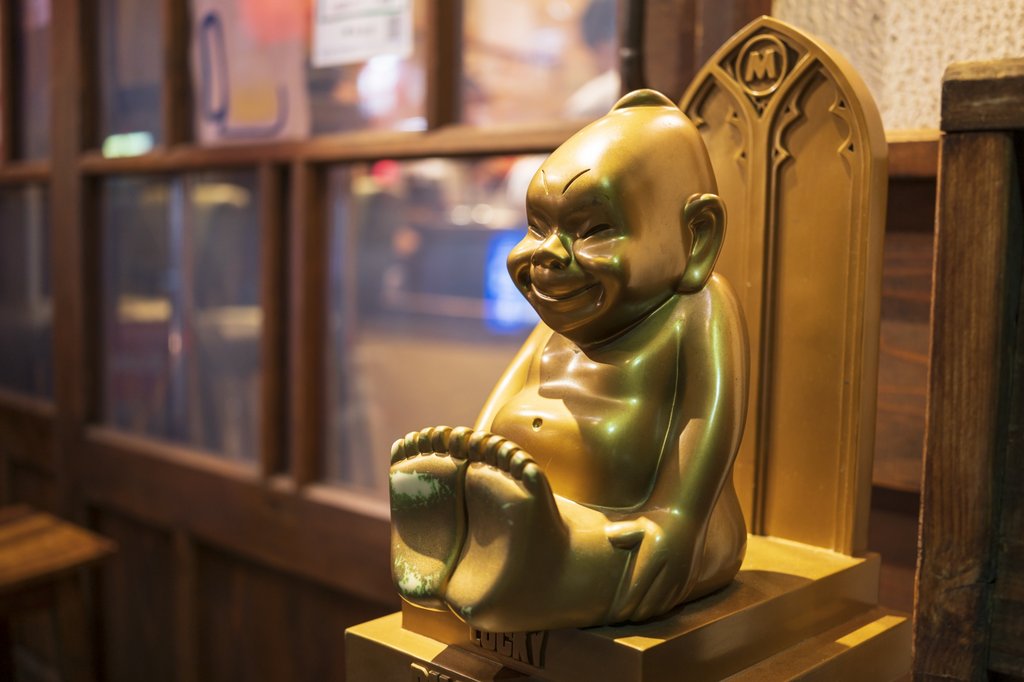
Next up is Tsutenkaku Tower — plan for about 60 minutes.
The tower is home to Billiken, a pot-bellied folk deity of good fortune known for his mischievous grin. A statue sits on the 5th-floor observation deck, where it’s customary to rub the soles of his feet while making a wish, a playful introduction to Japanese folk beliefs.
The observation floor opens up views of central Osaka. An outdoor deck (an additional ¥500) lets you feel the breeze while taking in the scenery.
Details
| Address | 1-18-6 Ebisuhigashi, Naniwa-ku, Osaka |
| Hours | 10 am to 8 pm (last entry 7:30 pm) |
| Closed | Open year-round |
| Website | https://www.tsutenkaku.co.jp/ |
| Good for | Visitors interested in Japanese folk-deity culture, panoramic views |
11:30 am: Kushikatsu Lunch at Jan-Jan Yokocho
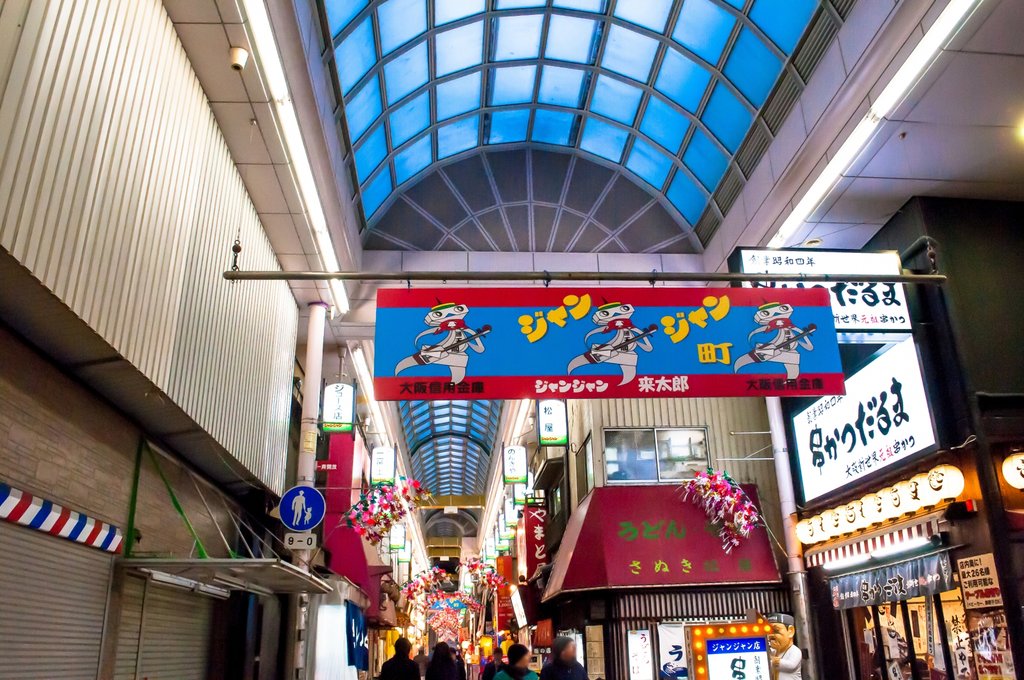
Jan-Jan Yokocho is a 5-minute walk from Tsutenkaku and lined with kushikatsu restaurants.
As the birthplace of kushikatsu, this lane is where you try the original. Show up at 11:30 am and you’ll beat the lines.
Watch the fry cooks drop skewers of pork, shrimp, shiitake, and lotus root into bubbling oil right in front of you, pulling them out crisp and golden. Budget about ¥1,500 to ¥2,000.
One important rule: no double-dipping in the communal sauce bowl. If one dip isn’t enough, use a piece of cabbage as a scoop to pour more sauce onto your kushikatsu, that’s the local way.
Take a bite while it’s still steaming, and the appeal is immediate — crisp batter, juicy filling, and a flavor that makes it easy to see why kushikatsu is an Osaka favorite.
Details
| Address | 3-chome Ebisuhigashi, Naniwa-ku, Osaka (south side of Shinsekai / Tsutenkaku) |
| Hours | Varies by shop (most around 11 am to 9 pm) |
| Closed | Varies by shop |
| Website | See individual shop sites |
| Good for | Travelers who want to try Osaka’s soul food where it started |
1:30 pm: Views From 300 m at Abeno Harukas
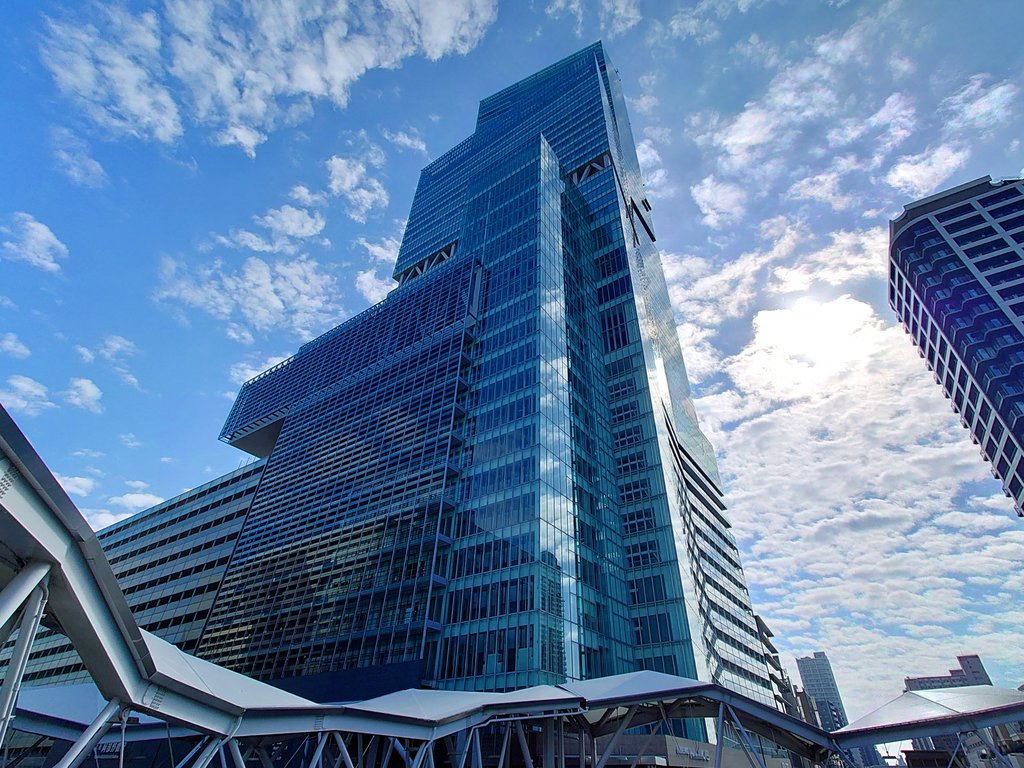
Next up is Tennoji, just one stop from Dobutsuen-mae by subway. Abeno Harukas connects directly to the station, so you can’t miss it.
As Japan’s second-tallest building, Abeno Harukas is home to the Harukas 300 observation deck, which offers sweeping panoramic views. A high-speed elevator from the 16th floor takes you straight up to 300 meters (about 984 feet).
The open-air section on the 60th floor is a standout photo spot. Plan to spend 60 to 90 minutes here to enjoy the views without rushing.
If you’re looking to take a break, the surrounding shopping complexes offer plenty of options for dining, browsing, and relaxing.
Details
| Address | 1-1-43 Abenosuji, Abeno-ku, Osaka |
| Hours | 9 am to 10 pm (last entry 9:30 pm) |
| Closed | Open year-round (occasional closures) |
| Website | www.abenoharukas-300.jp/observatory |
| Good for | High-altitude photography, travelers who want an overview of Osaka’s geography |
3 pm: Sumo Experience at Sumo Studio Osaka
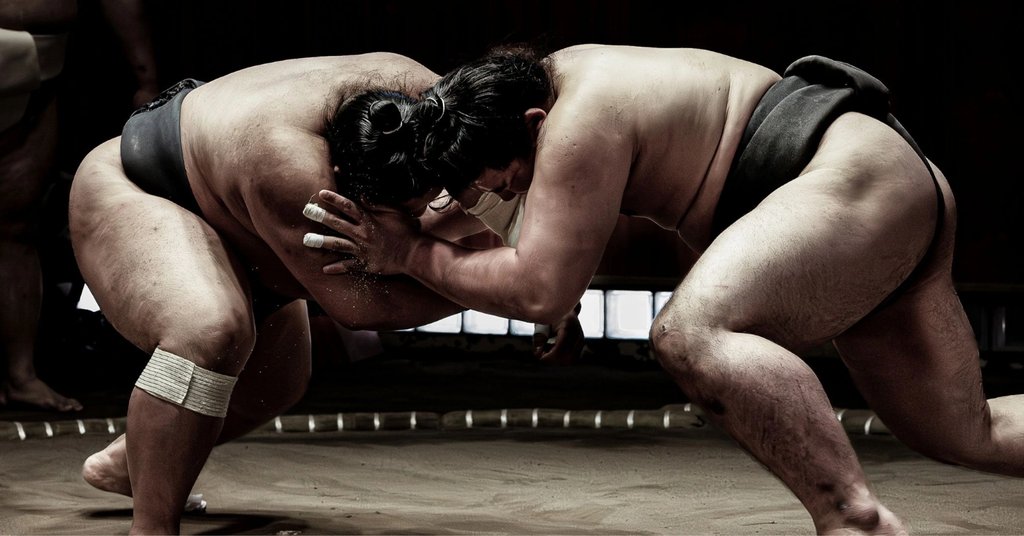
Hanazonocho Station is 15 minutes away by subway with one transfer. The venue is in the building directly in front of the station exit.
At Sumo Studio Osaka, you watch former rikishi (sumo wrestlers) give demonstrations and then step onto the dohyo (the sacred clay ring used for sumo) yourself. The roughly 90-minute program covers basics like shiko (the ritual foot-stamping performed to drive away evil spirits and demonstrate stability).
English explanations run throughout, making the experience accessible even without prior knowledge of sumo. Reservations are required, so be sure to book in advance, and wear comfortable clothing that allows you to move freely.
Details
| Address | 1F Hanazonocho AI Building, 1-5-1 Asahi, Nishinari-ku, Osaka (right by Hanazonocho Station) |
| Hours | 9 am to 10 pm |
| Closed | None (except national holidays) |
| Website | https://sumowrestlingshow.jp/ |
| Good for | International visitors wanting hands-on Japanese culture, families |
5:30 pm: Street Food at Dotonbori and Ebisu Bridge
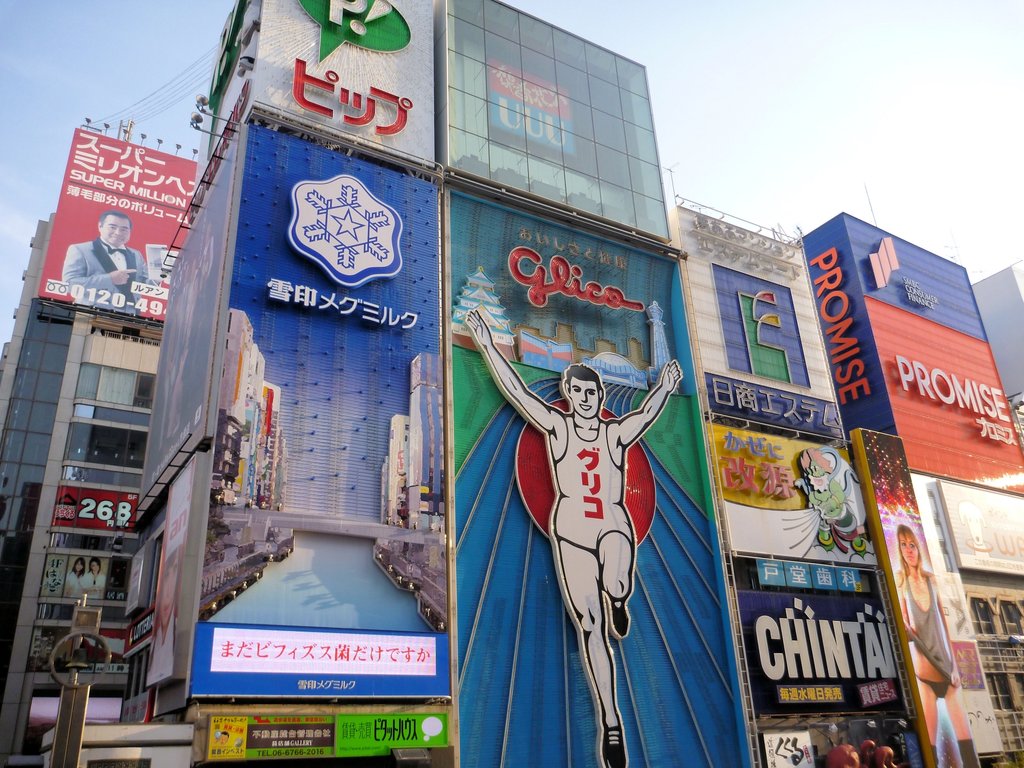
From Hanazonocho, ride one stop to Namba — Dotonbori and Ebisu Bridge are just a five-minute walk away.
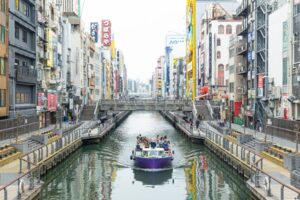
Dotonbori combines food and night scenery — the perfect way to cap off the trip. The view from Ebisu Bridge with the Glico sign in the background is the iconic Osaka shot. Aim to arrive around 5:30 pm to catch the moment when neon signs begin to flicker on as dusk settles.
Takoyaki stands and other street-food vendors cluster throughout the area, making it easy to hop from one bite to the next. Restaurants are packed closely together, so you can settle in for dinner without straying far. The lights stay on late, giving you plenty of time to soak in the atmosphere and capture the night views.
Details
| Address | 1-chome Dotonbori, Chuo-ku, Osaka (around Ebisu Bridge) |
| Hours | Varies by shop (many from 11 am to 11 pm) |
| Closed | Varies by shop (many open year-round) |
| Website | Dotonbori Shopping Street Association official site |
| Good for | Travelers wanting Osaka food and night views together |
Alternate Plans for the Osaka 2-Day Itinerary
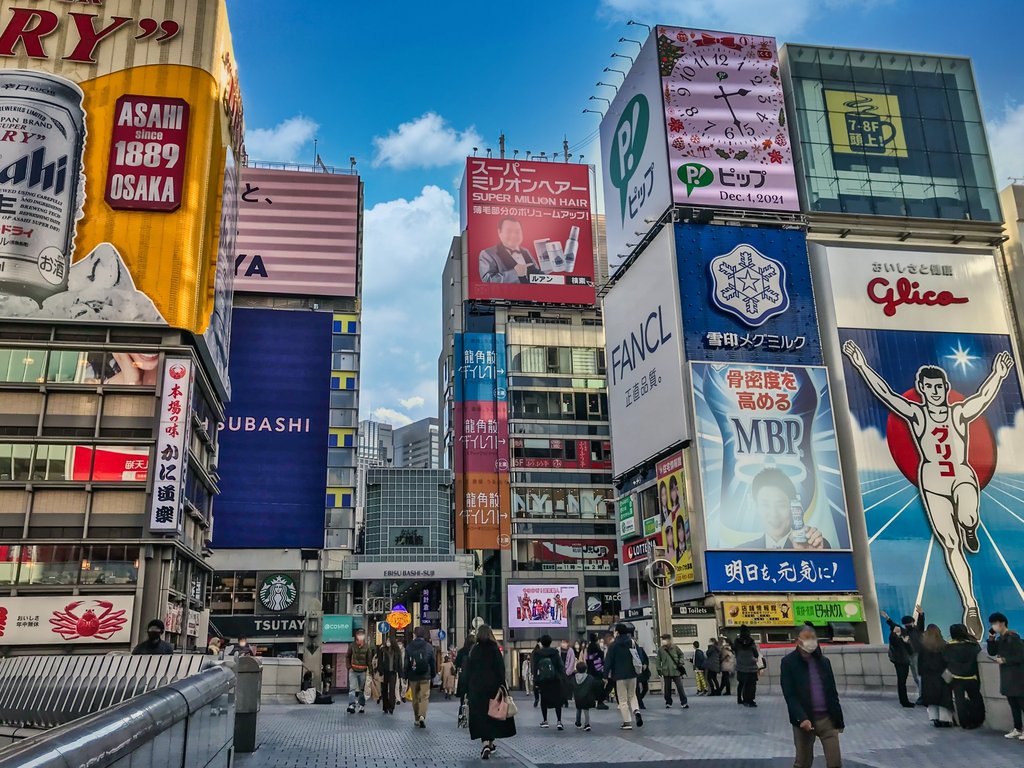
Arrival times and weather vary from trip to trip. Four flexible swap-in options cover common situations, from shortened schedules to indoor alternatives.
Afternoon Arrival: Focus on Evening Spots
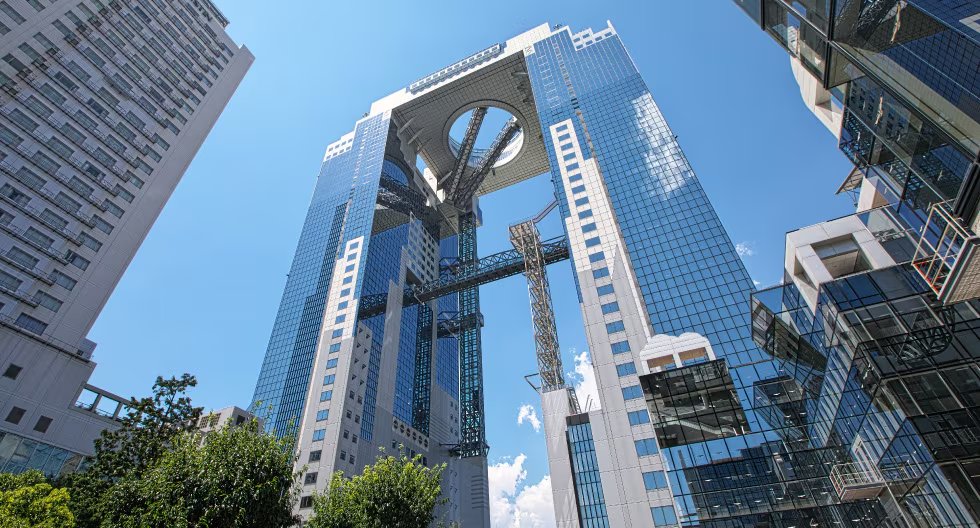
If you arrive in the afternoon, you can still make the most of your first evening by prioritizing nighttime spots.
After factoring in transit to the city, sightseeing typically begins around 5 p.m. Choose your destination based on where you’re staying: if your hotel is in Umeda, head straight to Umeda Sky Building for the night view; if you’re in Namba, Dotonbori’s street food scene is the obvious choice.
Fitting in just one stop on your arrival evening helps free up the rest of your trip. You can shift daytime-only attractions to the following morning and still keep most of your itinerary intact.
Rainy Day: Indoor Bathing at Spa World
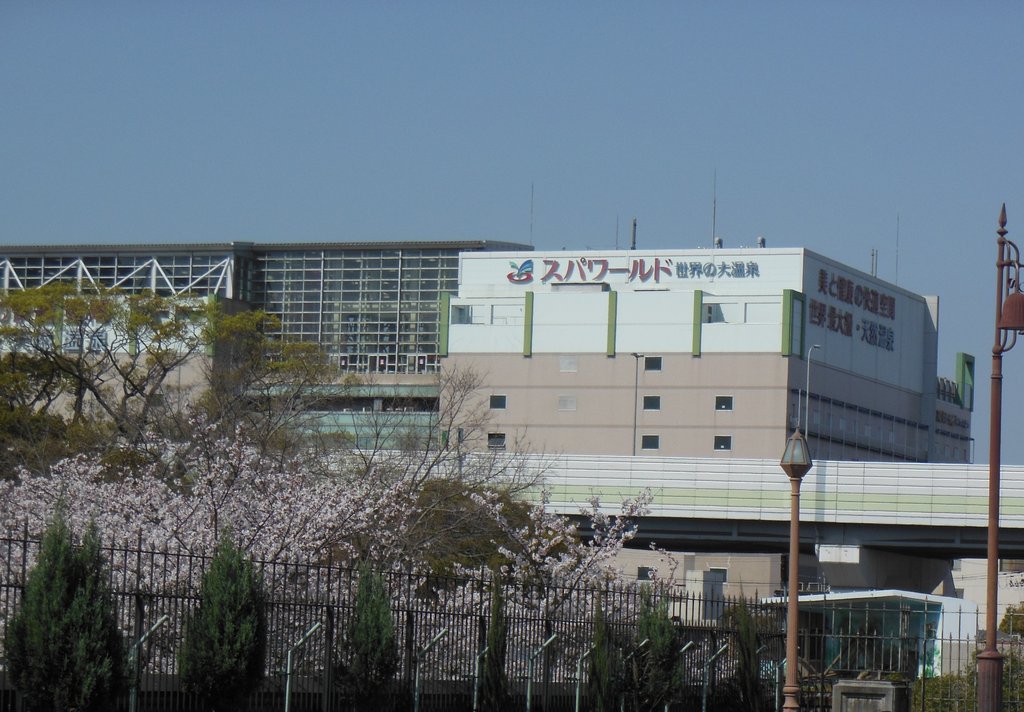
Spa World is a reliable rainy-day option.
Spa World is a large indoor facility with hot springs and pools. Located near Dobutsuen-mae Station, the complex pairs well with the Shinsekai area.
Admission is ¥2,000 for adults. The facility also has pools geared for kids, which makes it great for family trips.
Some options for reworking Day 2 when the weather turns:
- Morning rain: swap the Shinsekai walk for Spa World
- All-day rain: spend the day at Spa World and head to Dotonbori in the evening
- Afternoon rain: visit Tsutenkaku in the morning and move to Spa World in the afternoon
If rain’s in the forecast, it’s time to switch to one of these backup plans.
Family Trip: Kaiyukan and Captain Line
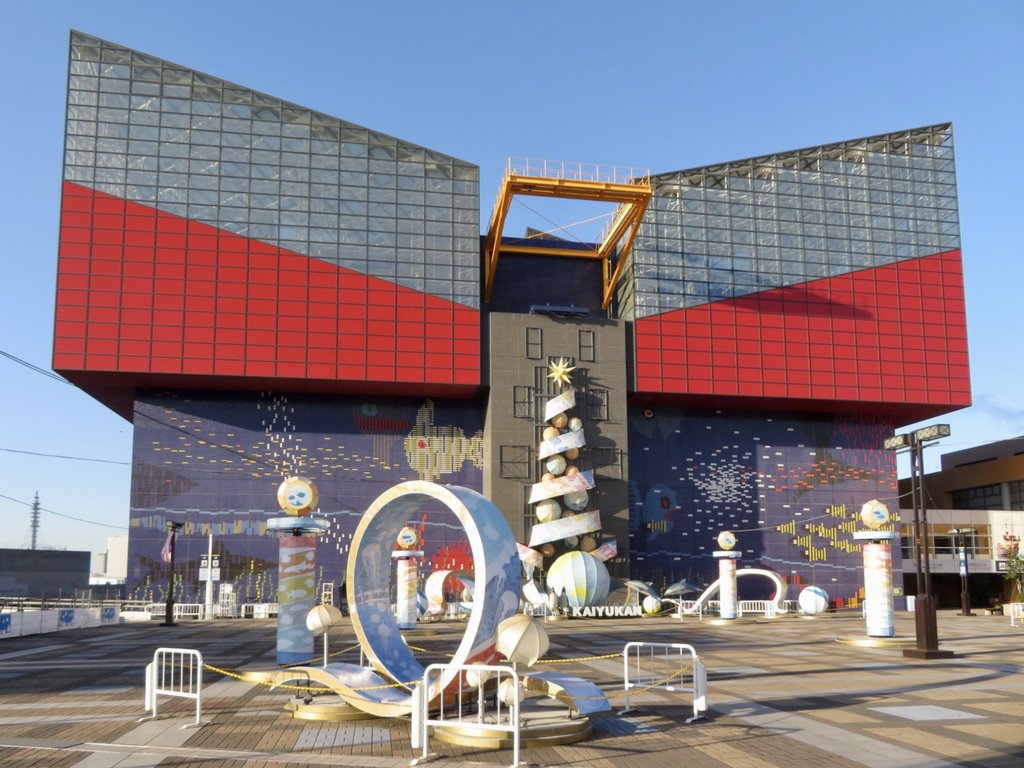
If you’re traveling with kids, Kaiyukan Aquarium paired with the Captain Line ferry makes an excellent Day 2.
Kaiyukan is one of the largest aquariums in the world. Its sloped layout is stroller-friendly, and facilities are well set up for families. The entire complex is indoors, so weather isn’t an issue.
Expect to spend 1.5 to 3 hours inside. Admission starts at ¥2,700 for adults, and buying tickets in advance saves time.
After the aquarium, the Captain Line ferry is a quick 10-minute boat ride. The ferry itself is a relaxing way to transfer between stops.
Kids generally have more energy in the morning, so visiting Kaiyukan early keeps the day running more smoothly.
Special Experiences: Swap in a Standalone Activity
Swapping one of the regular stops for a cultural activity works well. Plenty of two-to-three-hour programs are available.
The afternoon window (around 2 pm to 4 pm) tends to work best. You can replace part of a walking segment with a cooking class or a kimono-wearing experience without disrupting the overall flow.
When booking, confirm whether English-language guidance is available. Most reservation platforms make payment quick and straightforward, but popular programs fill up fast, so it’s best to book in advance.
Adding just one hands-on experience can significantly elevate the overall quality of your trip.
Guided Tours Are Also Worth Considering for Families and Groups
If you’re in a larger group, logistics can eat up a lot of time. A half-day guided tour handles the routing entirely, which can be a real help.
Many tours also accept last-minute bookings, so adjusting your plans on the fly is easy.
Common Questions About the Osaka 2-Day Itinerary
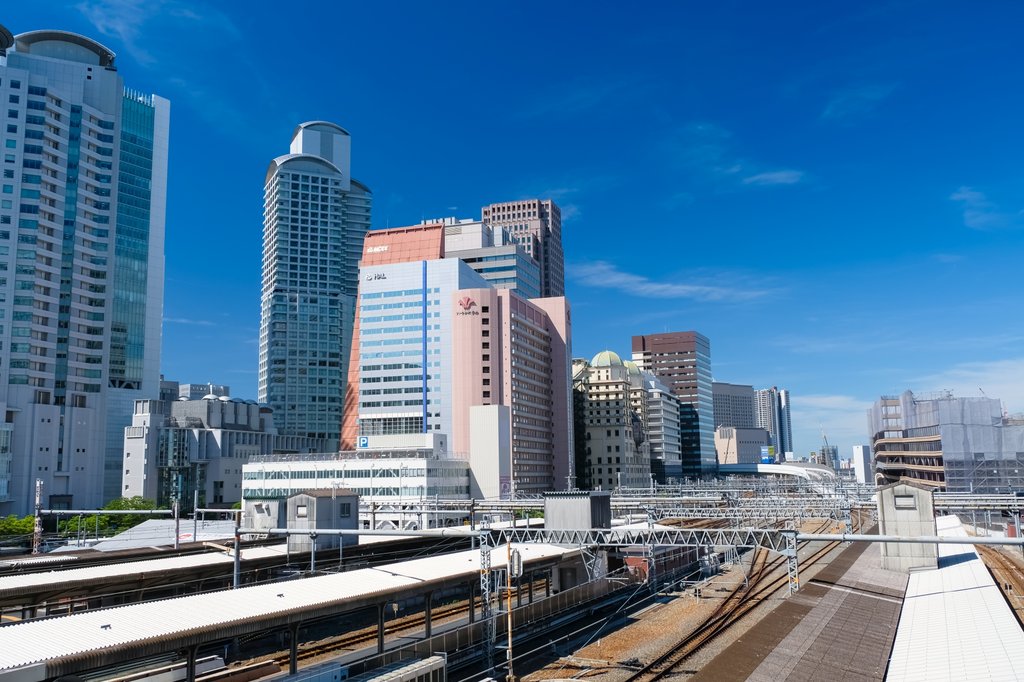
The same practical questions come up again and again when planning a trip. Here are answers to the most common ones — lodging, airport transit, and budget.
Which Neighborhood Is Best to Stay In?
For a two-day trip, Namba, Umeda, and Tennoji are the three convenient bases.
| Area | Good for | Features |
|---|---|---|
| Namba / Shinsaibashi | Evening food scene | Walking distance to Dotonbori; many restaurants open until around midnight. About 45 minutes from Kansai Airport by Nankai Line |
| Umeda | Airport access | Connected to JR Osaka Station, convenient for North Zone sightseeing. About 10 minutes to Dotonbori by Midosuji Line |
| Tennoji | Budget travel | More affordable lodging. Connected to Abeno Harukas; Shinsekai is within walking distance |
If street food is the priority, pick Namba. For airport access, Umeda works best. For lower lodging costs, Tennoji is the choice.
All three areas put you within about 20 minutes of Osaka’s main attractions.
What’s the Best Way to Get From Kansai Airport to Osaka?
There are three common options, each suited to a different traveler:
| Transit | Time / Fare | Good for |
|---|---|---|
| Limited Express Haruka | About 50 min / ¥2,380 | Travelers staying near Umeda or Shin-Osaka |
| Nankai Rapi:t | About 38 min / around ¥1,350 | Travelers staying near Namba or Shinsaibashi |
| Limousine Bus | 50 to 60 min / ¥1,300 to ¥1,800 | Travelers with large suitcases |
For Umeda, the Limited Express Haruka is the most straightforward. For Namba, the Nankai Rapi:t is the fastest.
If you’re hauling bulky luggage, the Limousine Bus is often the most comfortable option.
If you’re arriving late, check the last departure times in advance.
Is the Osaka Amazing Pass Worth Buying?
For visitors planning to enter multiple attractions, yes.
The pass costs ¥3,500 for one day and ¥5,000 for two days, and it includes free admission to major attractions along with unlimited rides on public transit.
Just three spots like Osaka Castle and Tsutenkaku already pay off the 1-day pass.
| Travel style | Recommended option |
|---|---|
| 3+ free attractions plus 4+ subway rides | Osaka Amazing Pass |
| Street food focus, 1 to 2 attractions | IC card (ICOCA, etc.) |
| Two full days of sightseeing attractions | 2-day pass |
If you’re focused on street food, an IC card is usually all you need. For the two-day itinerary in this guide, though, the 2-day pass is the better deal.
Can USJ Fit Into a Two-Day Schedule?
We wouldn’t recommend fitting Universal Studios Japan into two days.
USJ is easy to reach by train, but it’s popular enough that a proper visit takes a full day. Half a day just won’t cut it.
Giving up a full day to USJ also compresses everything else into a rushed single day of city sightseeing.
Extending your trip to three days with one dedicated to USJ is the better setup. If you can’t add a day, stick to central Osaka — most travelers come away more satisfied that way.
How Much Will Transit and Admission Fees Cost Over Two Days?
A rough budget breakdown:
Transit runs about ¥800 to ¥1,200 per day. The Osaka Eco Card often works out cheaper on weekends and holidays.
| Spot | Admission |
|---|---|
| Osaka Castle Tenshukaku | ¥1,200 |
| Umeda Sky Building Kuchu Teien | ¥2,000 |
| Tsutenkaku General Observation Deck | ¥1,200 |
Three main attractions come to ¥4,400 in admission.
Street food adds about ¥3,000 to ¥5,000 over the two days.
Expect to spend about ¥10,000 to ¥15,000 per person overall. If you’re planning more stops, the sightseeing pass is worth a look.
How Many Days Should I Give Osaka on a Kyoto-Osaka Trip?
For a Kansai combined trip, two days in Osaka and two to three days in Kyoto strikes the right balance. You can cover Osaka’s classics in two days. Kyoto’s sights are more spread out, so three days there gives you a comfortable buffer.
JR gets you from Osaka Station to Kyoto Station in about 39 minutes. IC cards are accepted on the trains.
Splitting your stay between Osaka and Kyoto lodging saves transit time. It also gives both cities room to shine.
Make the Most of Osaka in Two Days
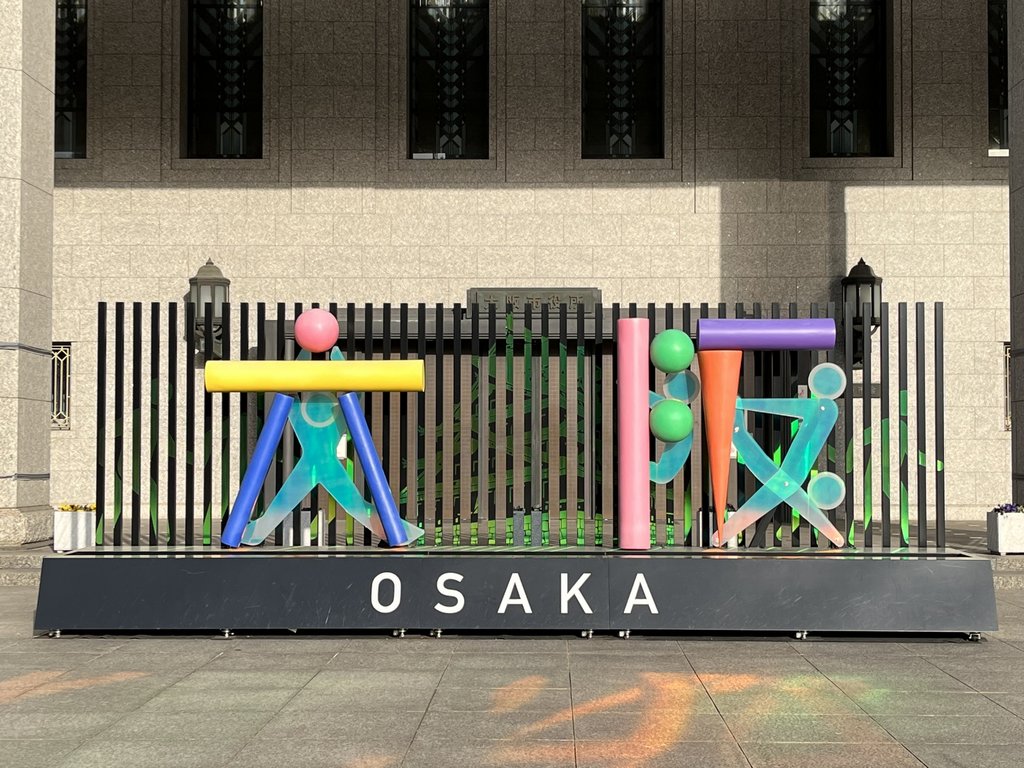
Divide the city into two zones and tackle one per day — you’ll cut down significantly on travel time. Feel free to weight your schedule toward the area that best matches your interests.
Take care of transit passes, lodging, and reservations before your trip so you can focus entirely on sightseeing once you arrive. Whether it’s the view from the top of Harukas 300 or your first kushikatsu skewer in Jan-Jan Yokocho, two days in Osaka is all it takes to fall for the city.

![Where to Watch Sumo in Japan: 3 Ways to See Sumo & How to Get Tickets [Complete Guide]](https://sumowrestlingshow.jp/wp-content/uploads/2026/08/where-to-watch-sumo-in-japan_1-300x200.jpg)