Complete Guide to Osaka Nightlife: Areas, Activities, and Cultural Etiquette
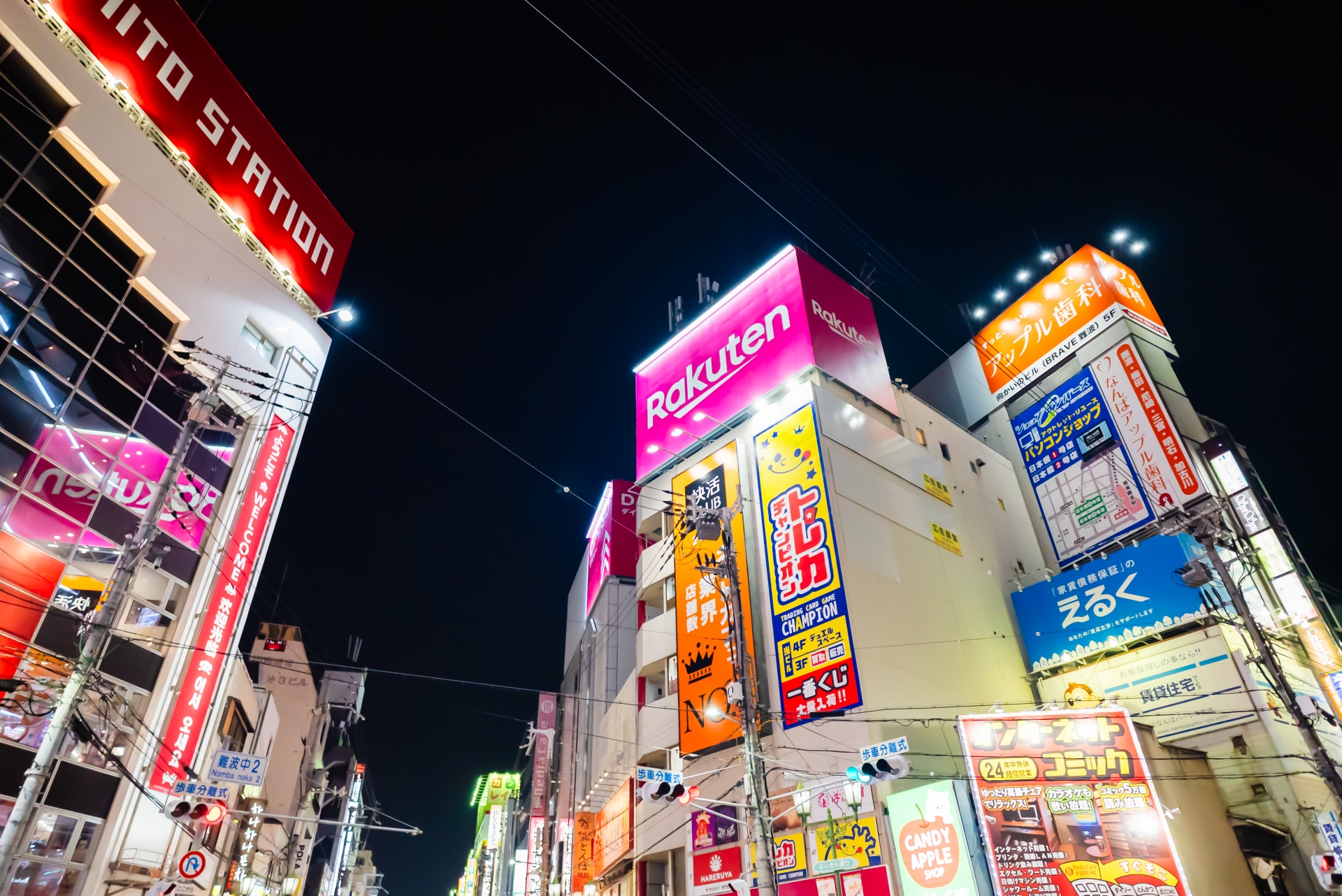
Osaka hits differently after dark. Each neighborhood has its own atmosphere, and if you’re like most first-time visitors, you probably have questions about unfamiliar Japanese customs.
This guide compares five major nightlife districts, including Ura-Namba (the dense cluster of eateries tucked behind Namba Station). It also covers nighttime activities like river cruises and explains how to spot foreigner-friendly establishments. From picking the right area to making the most of guided tours, in this article you’ll find everything you need to confidently plan an evening out in Osaka.
Contents
- Five Areas to Experience Osaka Nightlife
- Four Osaka Nighttime Activities
- Three Ways to Identify Foreigner-Friendly Establishments
- Five Basics to Know Before Your Night Out in Osaka
- For First-Time Visitors, Guided Night Tours Offer Peace of Mind
- Common Questions About Osaka Nightlife
- Plan Your Osaka Night Out with Confidence
Five Areas to Experience Osaka Nightlife
Osaka offers a wide range of nightlife districts, each with its own atmosphere and price point. The five areas below span narrow alleyways lined with small standing-bars, polished cocktail lounges, large clubs, and quiet hidden cafe-bars. Choose the district that matches your travel style to make the most of your evenings in the city.
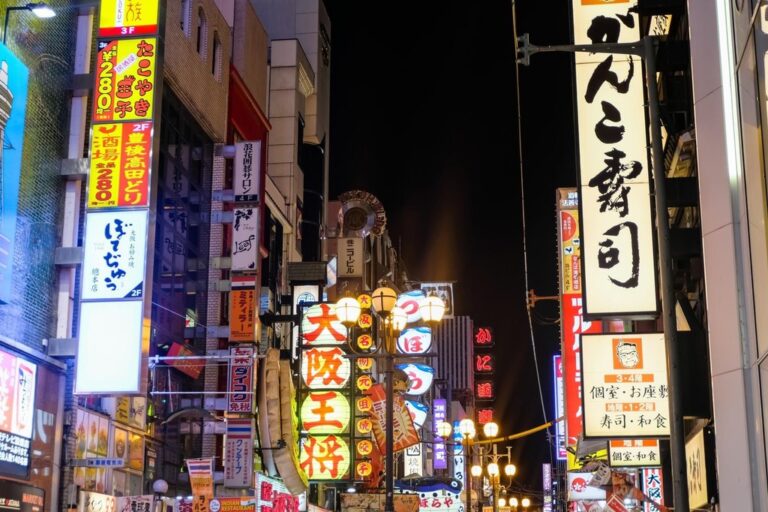
Ura-Namba: Over 100 Standing Bars in One Alley
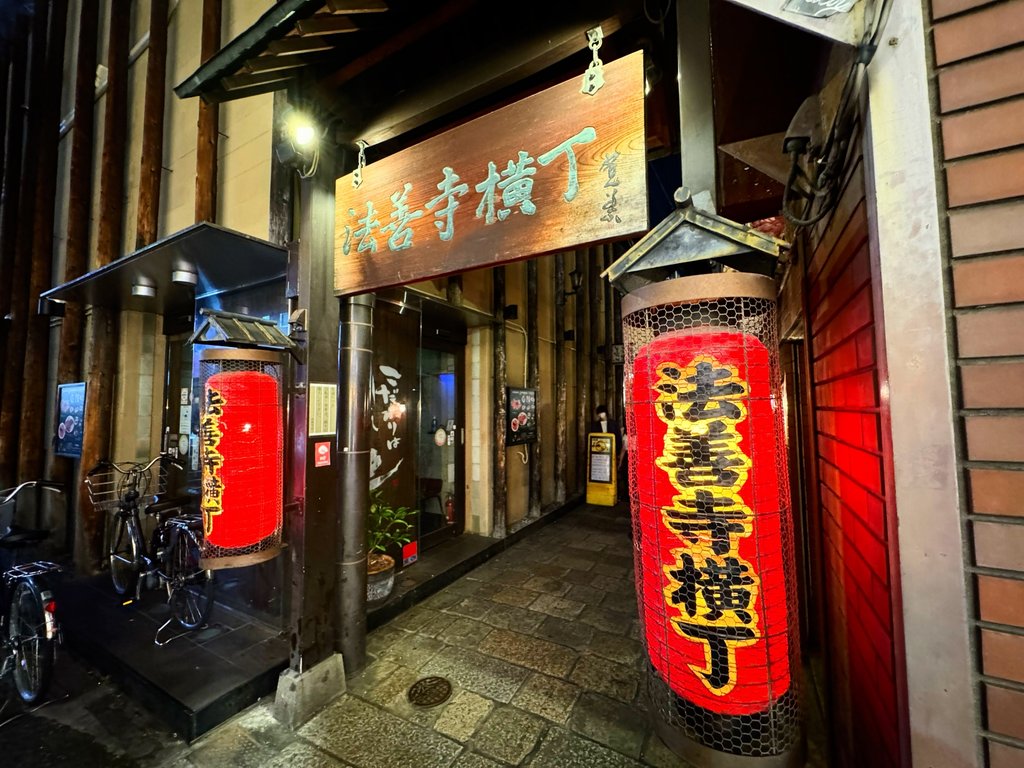
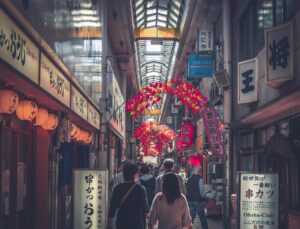
Walk five minutes from Namba Station and you’ll find yourself in a maze of backstreets packed with more than 100 standing bars. Known as Ura-Namba, this area requires no reservations and has no dress code.
Kushikatsu (deep-fried skewers of meat and vegetables) can be enjoyed for about ¥150 per skewer, and you’ll rarely spend more than ¥2,000 ($14 USD) on a full meal. Step into any shop and you’ll hear the sizzle of skewers, the clink of glasses, and the sound of regulars chatting with strangers like old friends. Plenty of international travelers come here too, so the language barrier is less of a concern than you might expect. Many shops are cash-only, so we recommend carrying small bills.
Sakanaya Hidezo Tachinomi
A fish wholesaler with direct market-buying rights runs this standing bar, which means the seafood is exceptionally fresh. It’s an easy place to kick off the evening. Sakanaya Hidezo is a good choice if you’re eating solo or with a small group on a budget.
Details
| Address | 9-1 Nambasennichimae, Chuo-ku, Osaka |
| Hours | 5 pm-12 am |
| Closed | Wednesdays |
| Website | https://www.synergybreeding.com/hidezo-group (Hidezo Group store list) |
| Best for | If you’re eating solo and want the freshest seafood for cheap |
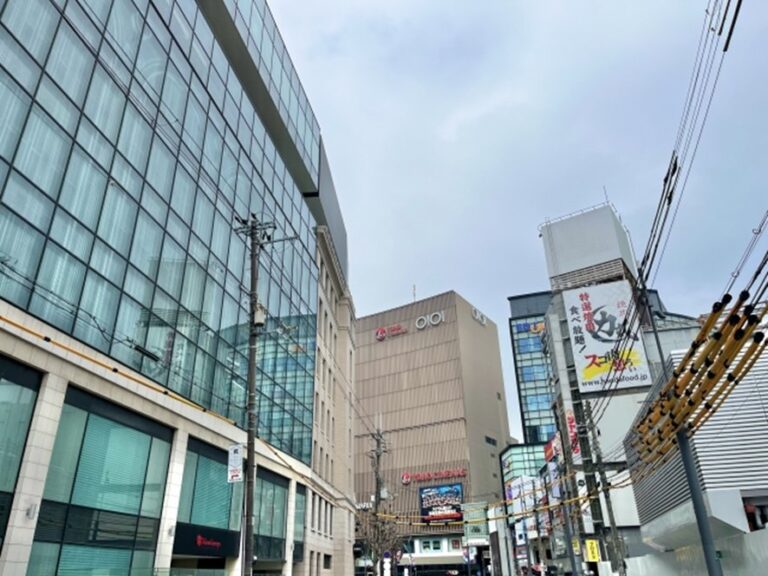
Kitashinchi: An Upscale Bar District with English Language Support
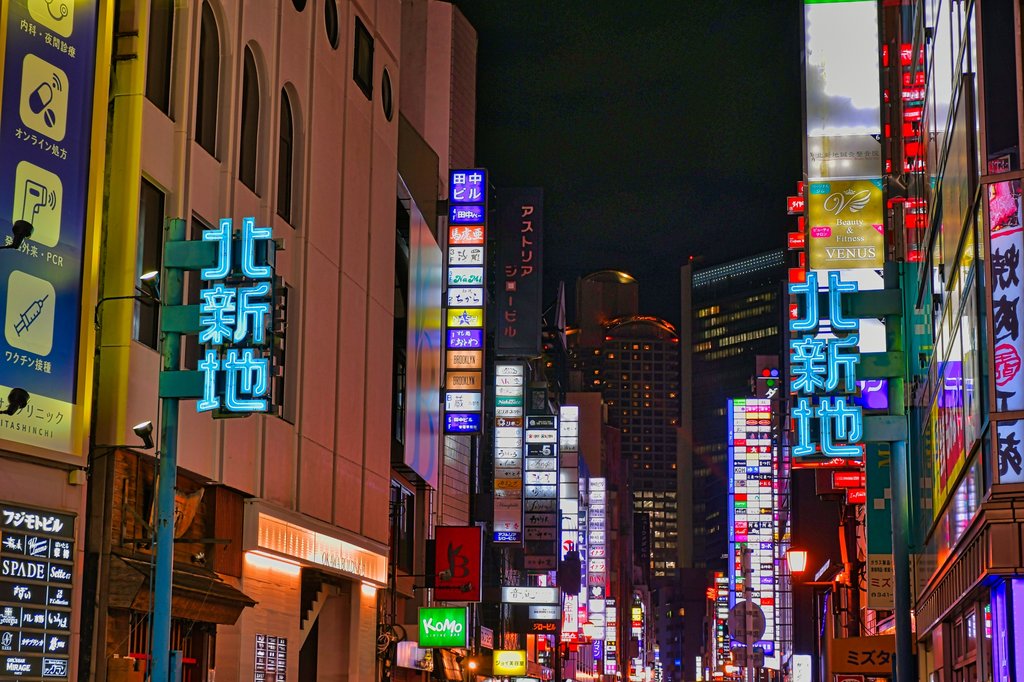
Kitashinchi is Osaka’s most refined bar district, just minutes from Osaka Station. The sophisticated interiors of the establishments here are perfect for couples or for a business-trip nightcap, and most places have English-speaking staff so you won’t have trouble ordering.
Plan to spend about ¥3,000-5,000 ($21-35 USD) per person, and aim for smart-casual attire (don’t show up in overly casual clothing).
Jazz Club Crescent: Live Performances and Sommelier-Selected Drinks
Looking for a proper night of jazz? This is your spot. At this Kitashinchi jazz bar, you’ll catch professional live performances within arm’s reach of the stage. The house sommelier also curates the wine and whisky list themselves, rounding out the experience. The intimate 30-seat room is ideal if you take both music and drinks seriously.
Details
| Address | 2F Region Noir Building, 1-3-11 Sonezaki-Shinchi, Kita-ku, Osaka |
| Hours | 6 pm-12 am |
| Closed | Sundays |
| Website | http://www.jazz-crescent.com/ |
| Best for | Date nights, jazz lovers, and anyone who takes music seriously |
Shinsaibashi: A Cluster of Large-Scale Clubs
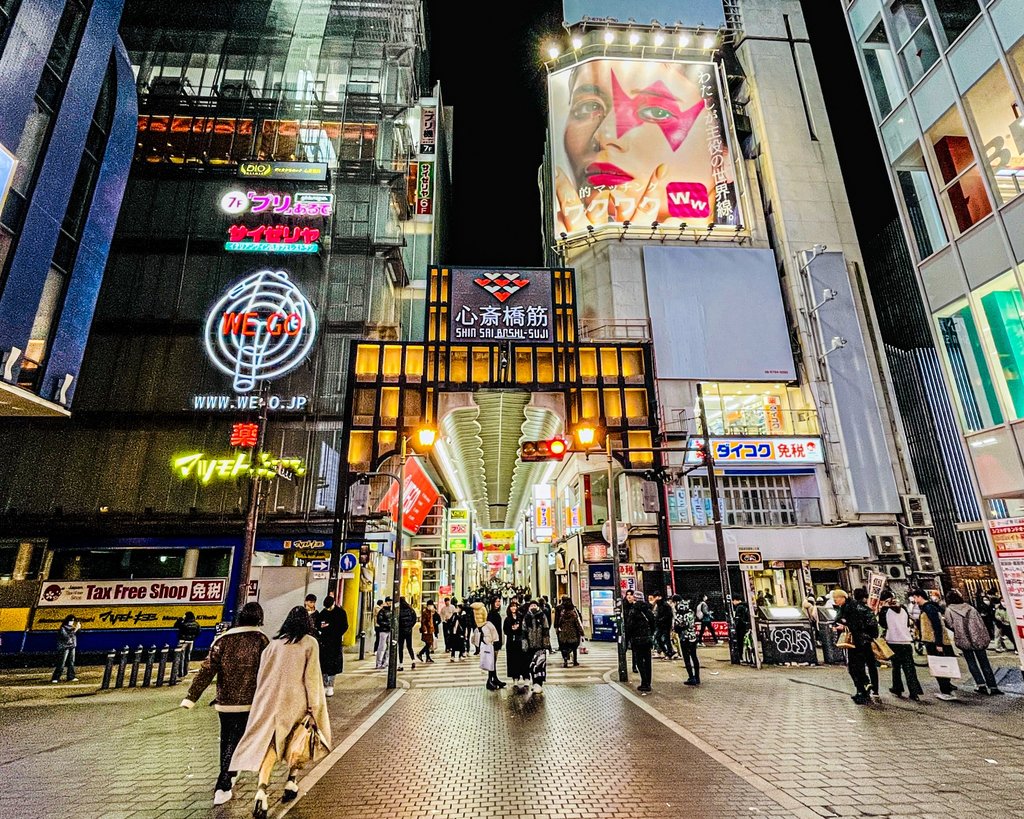
Shinsaibashi is home to Osaka’s biggest cluster of large clubs—you can easily walk from one multi-floor venue to the next in just a few minutes.
Cover charges run from ¥1,000 to ¥2,500 ($7-18 USD), and the latest music plays at these venues until morning. The high proportion of international guests creates an easy environment for meeting people from around the world. You’ll need photo ID at the door—for foreign visitors, that means your passport. Also note that dressing too casually may get you turned away, so plan accordingly.
Giraffe Japan
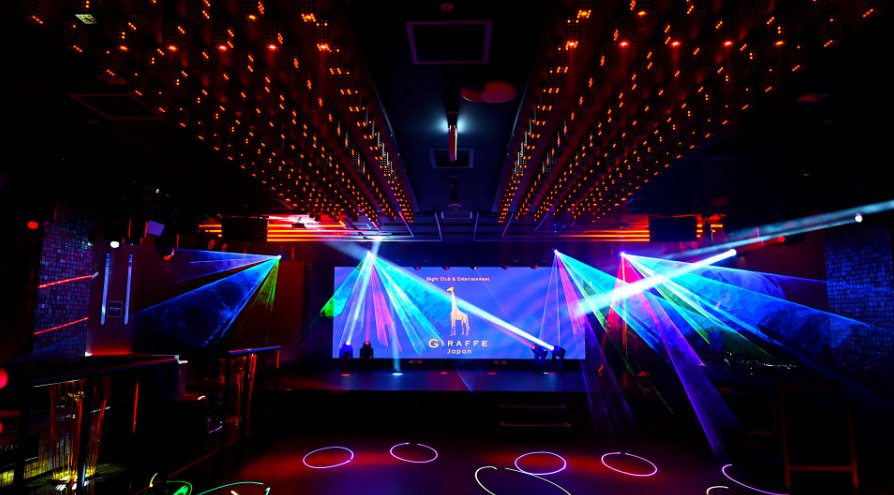
Ready to dance into the early hours of the morning? Located just south of Shinsaibashi near Dotonbori, Giraffe Japan draws a crowd of patrons in their late 20s and 30s with its upscale atmosphere. Friday and Saturday nights see the best vibes after midnight, so it’s ideal to drop in here after finishing dinner and drinks elsewhere.
Details
| Address | 5F Nakaza Cuidaore Building, 1-7-21 Dotonbori, Chuo-ku, Osaka |
| Hours | Fri/Sat/Sun/Wed/Thu 12:30 pm-5:30 pm, 7 pm-4 am; Mon/Tue 10 pm-4 am |
| Closed | Open daily |
| Website | https://giraffe-japan.com/ |
| Best for | Visitors in their 20s and 30s looking for a polished night out at the club |
Nakazakicho: A Bohemian Cafe-Bar District
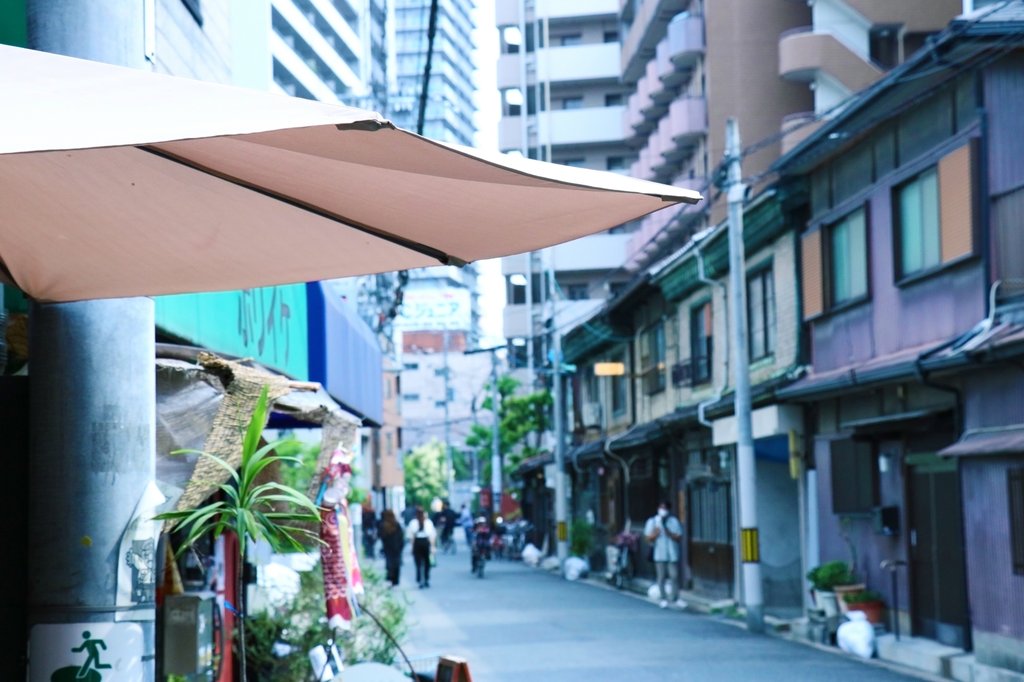
One stop from Umeda, Nakazakicho is a backstreet neighborhood where locals have converted old, traditional houses into cafe-bars. Local creators hang out here, so it’s a laid-back alternative if you prefer a relaxed atmosphere over crowds.
Cafe-bars fill renovated historic buildings, and many stay open well into the night. Soft music drifts out of open doorways, hand-painted signs hang above narrow lanes, and the pace here is slow, matching the neighborhood’s artistic mood. Nakazakicho offers visitors a grassroots alternative to other areas of the city, far removed from the neon-lit main districts.
Shinya Kissa Mansarde
Shinya Kissa Mansarde is a signature Nakazakicho cafe-bar with a retro Showa-era atmosphere. The menu covers both caffeinated beverages and alcohol, and the late-night hours encourage unhurried conversation.
Details
| Address | East side, 1-7-11 Nakazakinishi, Kita-ku, Osaka |
| Hours | 7 pm-3 am (hours may vary) |
| Closed | Irregular (check the venue’s social media account for up-to-date information) |
| Website | https://www.instagram.com/mansarde_coffee/ |
| Best for | Solo travelers or couples looking for a low-key evening |
Shinsekai: A Historical Kushikatsu District Beneath Tsutenkaku
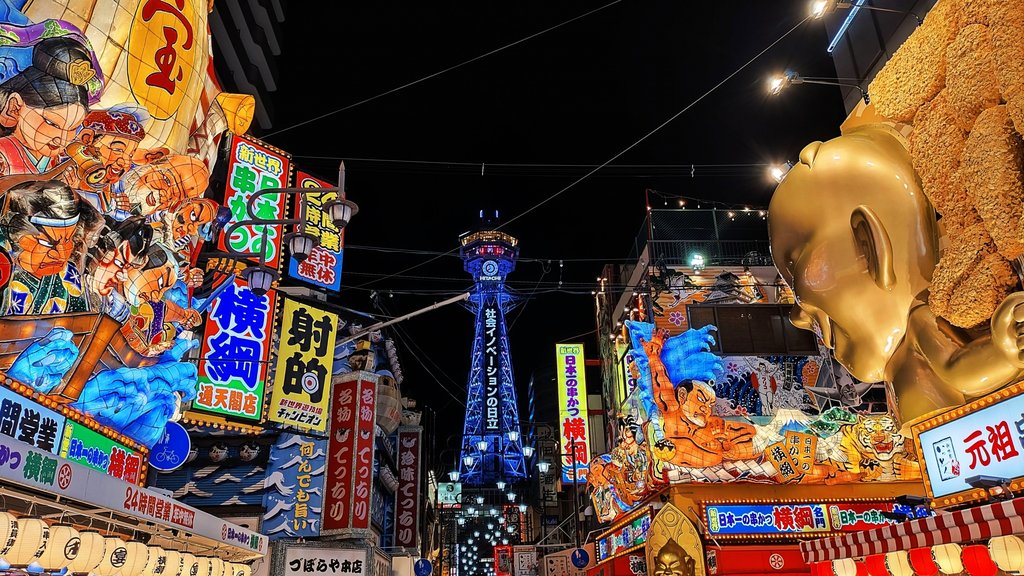
With the iconic Tsutenkaku Tower dominating the skyline, Shinsekai is an old-school downtown neighborhood with over 100 years of history. Oversized 3D signs jut out from storefronts, and at night the streets light up in a carnival of color.
Shinsekai is widely known as one of the birthplaces of kushikatsu, and more than 50 specialty shops devoted to this snack-food cluster around Tsutenkaku Tower. The most famous stretch is Nanyo-dori Shopping Street—better known as Jan-Jan Yokocho—a roughly 180-meter (590 ft.) covered arcade lined with kushikatsu shops, standing bars, and sushi counters.
Kushikatsu skewers run from ¥100 to ¥150, and a filling meal costs under ¥2,000 ($14 USD). The smell of frying oil drifts onto the street, and the sizzle of skewers hitting the fryer punctuates every conversation. You’ll see plenty of international visitors here, and the neighborhood delivers an unvarnished taste of old-school Osaka.
One thing to keep in mind: kushikatsu demands a “no double-dipping” policy. Each table has a communal sauce pot into which you should dip your skewer once, and once only.
Shinsekai Kushikatsu Yaekatsu
Yaekatsu, opened in 1947, is one of Jan-Jan Yokocho’s most celebrated kushikatsu shops, and long lines of locals and tourists form outside the entrance throughout the day. The menu centers on freshly fried skewers and the house specialty dote-yaki—beef tendon simmered in a sweet white-miso base.
You can get three skewers for ¥390 and a large beer costs ¥650, so you can enjoy real Osaka flavors for around ¥2,000-3,000 ($14-21 USD). The shop stays open until 9:00 pm, so it’s a practical place to stop for dinner after sightseeing. Lines form right at opening and after 6:00 pm, so come with time to spare.
Details
| Address | 3-4-13 Ebisu-Higashi, Naniwa-ku, Osaka |
| Hours | 10:30 am-9 pm |
| Closed | Thursdays |
| Website | https://www.instagram.com/shinnsekai_yaekatsu/ |
| Best for | Anyone looking for good kushikatsu and old-Osaka energy |
Four Osaka Nighttime Activities
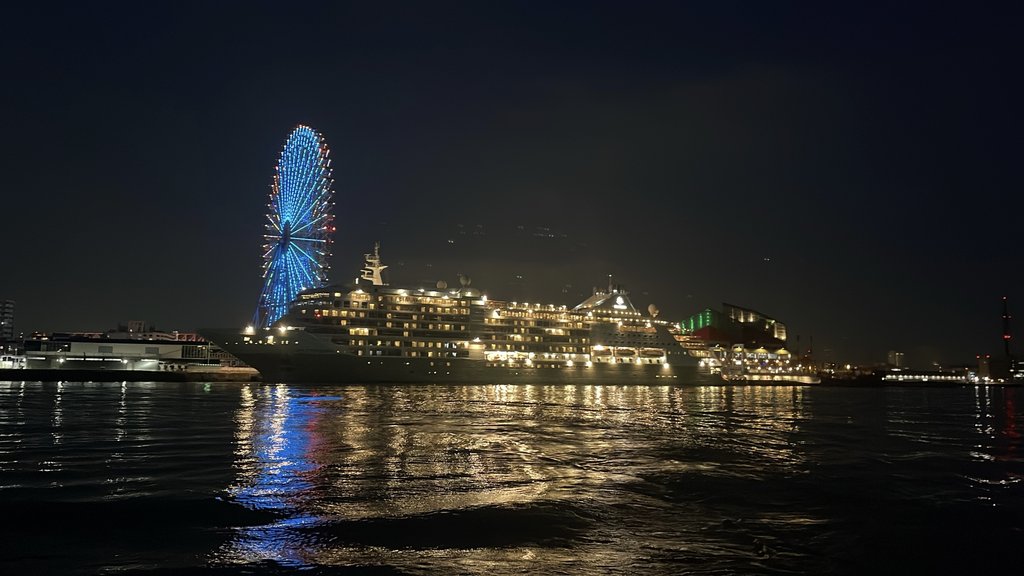
There’s more to do than just eat and drink on an evening in Osaka. River and bay cruises, a late-night spa complex, and sumo shows all make strong additions to any itinerary. The four activities covered below—a Dotonbori canal cruise, an Osaka Bay cruise, a large-scale hot spring facility, and a sumo performance—cater to a range of interests and pair well with dinner plans in the city.
Tombori River Cruise: See Dotonbori’s Neon Lights from the Water
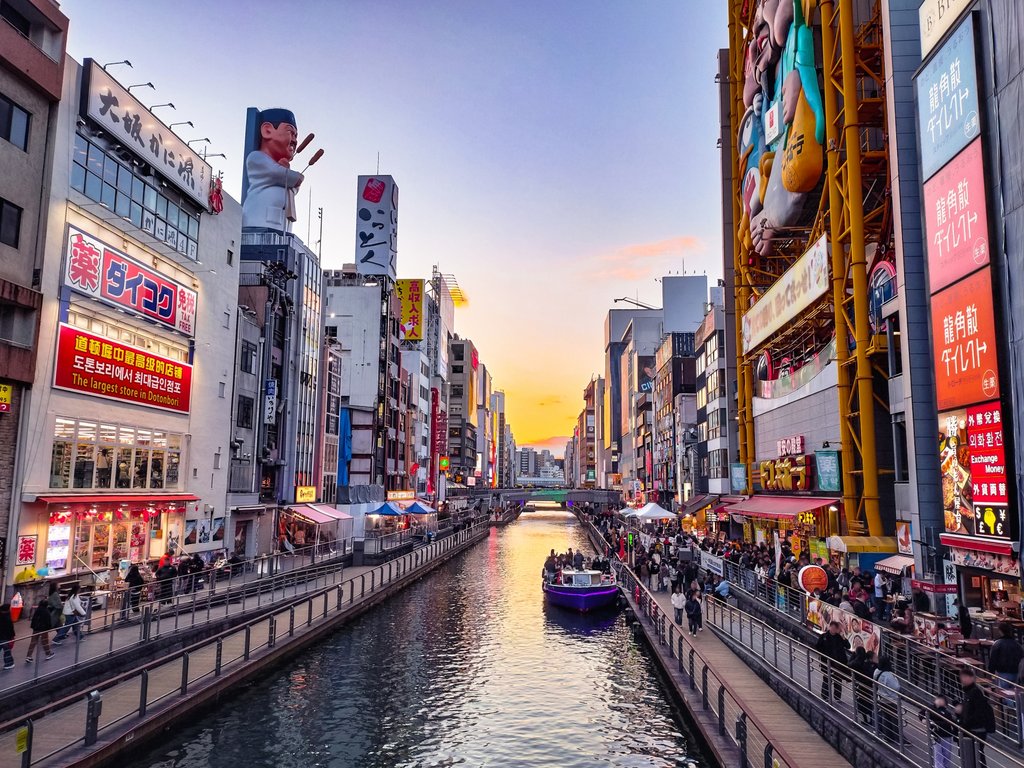
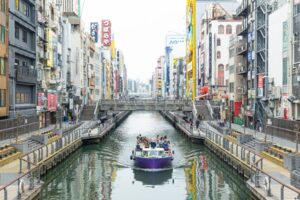
Already seen Dotonbori from the street? Try it from the water. Dotonbori’s neon lights take on a completely different character when viewed from the canal. The Tombori River Cruise is a roughly 20-minute sightseeing tour that loops through the Dotonbori canal.
You don’t need to book ahead—boats launch every 30 minutes, on the hour and at half-past. The water-level photos you can capture from the deck are impossible to get anywhere else, making for excellent content for your social media feed. A guide also offers commentary throughout the ride, so the cruise offers more than just scenery. Whether you’re travelling solo or with friends, this river cruise is an easy add-on to an evening of bar-hopping.
Details
| Address | 7-13 Soemoncho, Chuo-ku, Osaka |
| Hours | 11 am-9 pm (departures every half-hour) |
| Closed | Service may be suspended during severe weather |
| Website | ipponmatsu.co.jp/cruise/tombori.html |
| Best for | Photo enthusiasts and anyone short on time |
Santa Maria Night Cruise: Osaka Bay in 45 Minutes
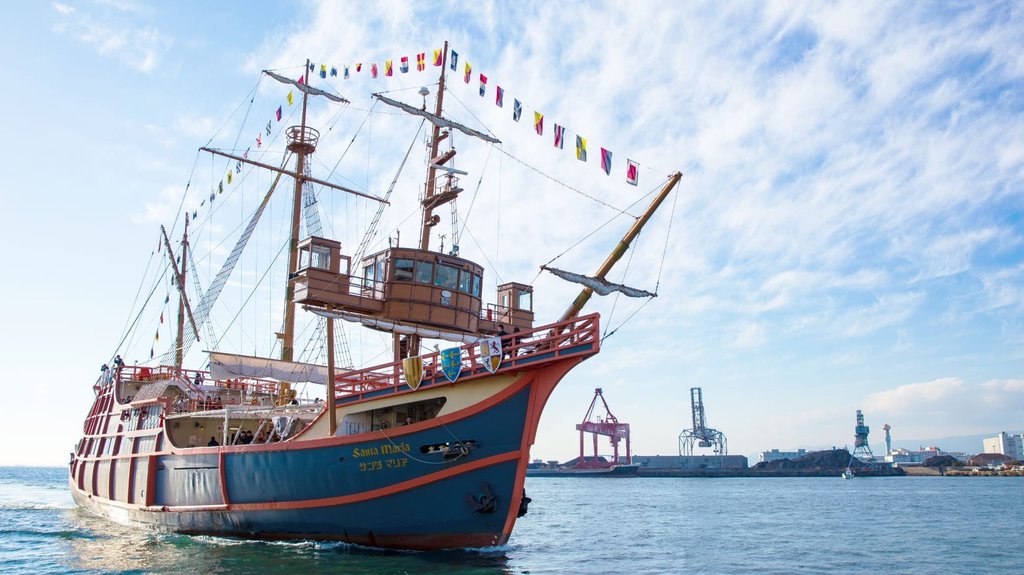
The Santa Maria delivers an expansive cruise experience, sweeping across Osaka Bay in a sailing-ship-style vessel. Departures leave from Tempozan and the ride lasts about 45 minutes.
From the open deck of the ship, you’ll see the Tempozan Ferris Wheel, Universal Studios Japan, and a great view of the bayfront skyline at night, with salt air on your face and city lights reflected on the water. For sunset views, the roughly 60-minute Twilight Cruise is the better choice. Twilight sailings only run on weekends, holidays, and during select seasons, so book ahead and double-check dates before visiting. The Santa Maria suits anniversaries, date nights, and anyone wanting an unhurried look at the bay.
Details
| Boarding | 1-1-10 Kaigan-dori, Minato-ku, Osaka |
| Duration | Day Cruise: approx. 45 min / Twilight Cruise: approx. 60 min |
| Operation | Day Cruise: daily (no sailings January 12–February 5, 2027) / Twilight Cruise: weekends, holidays, select seasons |
| Website | suijo-bus.osaka/cruiselist/santamaria |
| Best for | Couples, anniversaries, and anyone who loves a bayfront skyline |
Spa World: Enjoy Hot Springs and Saunas Until Dawn
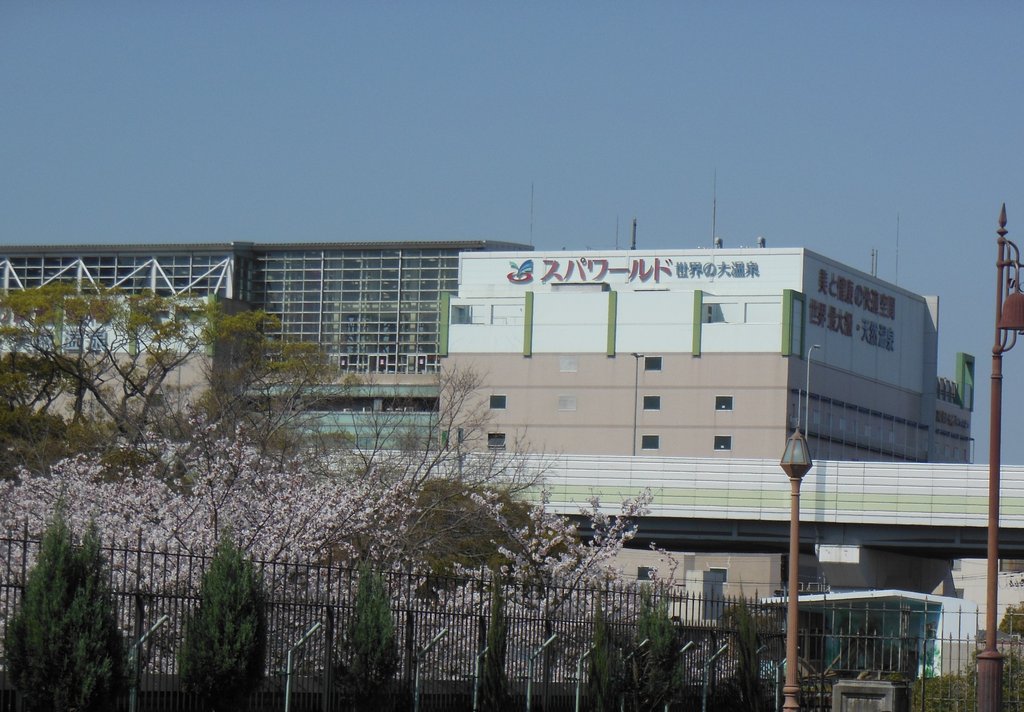
Missed the last train back to your hotel? Spa World has you covered. Located in Shinsekai, this large-scale hot spring complex features themed baths from around the world. Spa World operates on a much larger scale than the neighborhood public bathhouses (sento) common across Japan.
The facility’s hot spring area stays open through the night until 8:45 am the next morning, and the ganbanyoku (heated stone bath) zone runs until 5:00 am. Spa World also works as a practical refuge if you miss the last train. See the table below for details on late-night surcharges.
| Late-night hours | Entry, stay, or exit between 12 am and 5 am |
|---|---|
| Surcharge | ¥1,300 plus ¥150 bathing tax (about $10 USD in total) |
| Exemption | Guests staying at the attached hotel |
| Maximum stay | Until 9 am the day after check-in |
Many Japanese bathing facilities deny entry for guests with tattoos, and Spa World’s official site doesn’t spell out its policy clearly. Contact the facility directly ahead of time to avoid surprises at the door.
Details
| Address | 3-4-24 Ebisu-Higashi, Naniwa-ku, Osaka |
| Hours | Baths 10 am-8:45 am (next day) / Stone bath 10 am-5 am (next day) |
| Closed | Open daily (occasional maintenance closures) |
| Website | spaworld.co.jp |
| Best for | Missed-the-last-train travelers and people out all night long |
Sumo Studio Osaka: An Interactive Show with Former Sumo Wrestlers
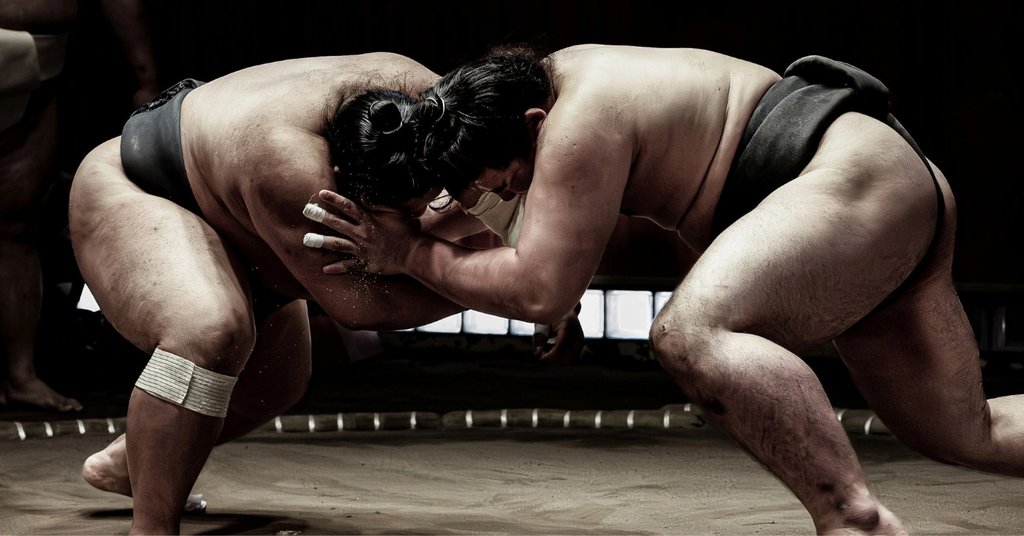
Sumo Studio Osaka is a sumo entertainment venue that offers a direct window into one of Japan’s most distinctive traditions. Retired rikishi (sumo wrestlers) battle it out just a few meters from you—the thud of feet on clay, the sharp slap of palms hitting flesh, and shouts echoing out all just inches from your seat.
Here you can watch shiko (the ceremonial foot-stamping performed to drive away evil spirits) up close. If you volunteer, you can even enter the sacred clay ring where matches take place and try out some sumo moves opposite a former rikishi. A guide offers English narration on sumo’s rules and history, so you don’t need to study beforehand. The 8:00 pm show works great as a post-dinner activity.
Details
| Address | 1F Hanazono AI Building, 1-5-1 Asahi, Nishinari-ku, Osaka |
| Hours | Five shows daily (10 am / 12:30 pm / 3 pm / 5:30 pm / 8 pm) |
| Closed | Check official website for info on closings |
| Website | https://sumowrestlingshow.jp/ |
| Best for | First-timers, families, and anyone curious about Japan’s traditional sports |
Three Ways to Identify Foreigner-Friendly Establishments
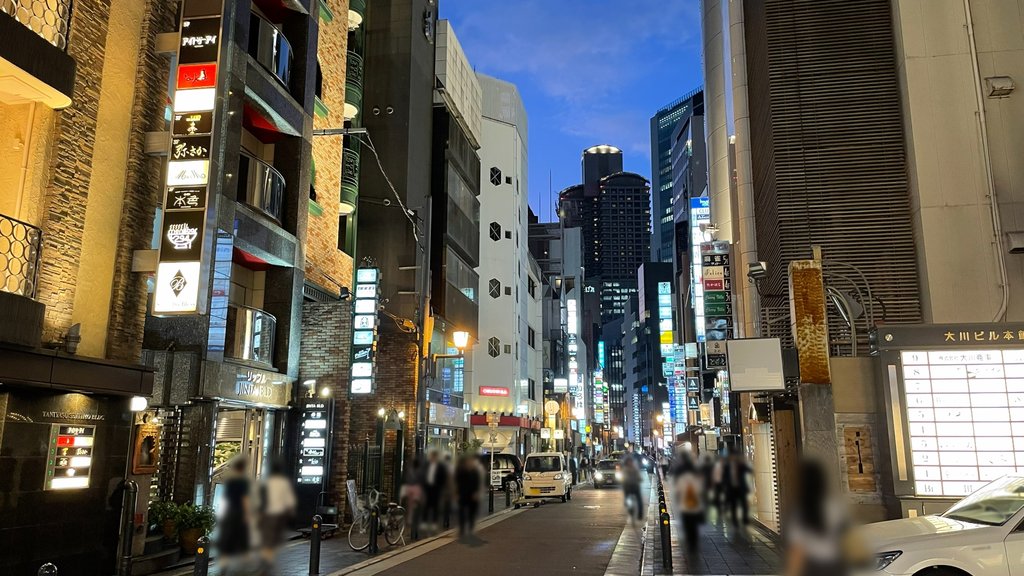
Language barriers and unexpected charges are two of the biggest concerns for travellers. The three checks outlined below help reduce both risks. Focus on English-language support, dress-code expectations, and up-front pricing. Pay especially close attention to whether the otoshi (seating cover charge, explained further below) and cover fee are clearly stated.
English Language Support: Menus, Staff, and Booking Sites
Before you head into a venue, check whether the menu has English and whether staff can handle English orders. Google Maps’ photo tab reveals menu images quickly, which can help when deciding what to eat. Booking sites also often include filter tags for language support, which narrows the list of English-friendly spots down efficiently.
At venues with dedicated English-speaking staff like The BAR, you won’t have any trouble communicating. At places without English support, a translation app’s camera function will bridge most gaps. Sending a short message with your requests at booking time also makes ordering smoother upon arrival.
Dress Code
Dress standards vary widely by area and venue tier. Upscale bars in Kitashinchi may turn you away if you show up in sandals or shorts, whereas standing bars in Ura-Namba don’t care what you wear. For higher-end venues, a collared shirt and leather shoes will keep you out of trouble at the door.
If you’re unsure, check reviews and social media posts for dress code details before heading out. Doing research ahead of time pays off once the evening begins.
Up-Front Display of Cover and Service Charges
Japanese bars and izakaya typically add a cover charge of ¥500-1,500 ($4-11 USD) per person. Reputable shops will tell you about the fee before you sit down, although the explanation might be in Japanese.
Venues with unclear pricing structures—or those advertised by aggressive street touts—deserve extra caution. Reports of inflated bills at scam establishments do exist. If pricing is not posted, ask about the cover charge at the door before sitting down. Make this a habit, as it’s the most reliable way to keep your evening enjoyable and safe.
Five Basics to Know Before Your Night Out in Osaka
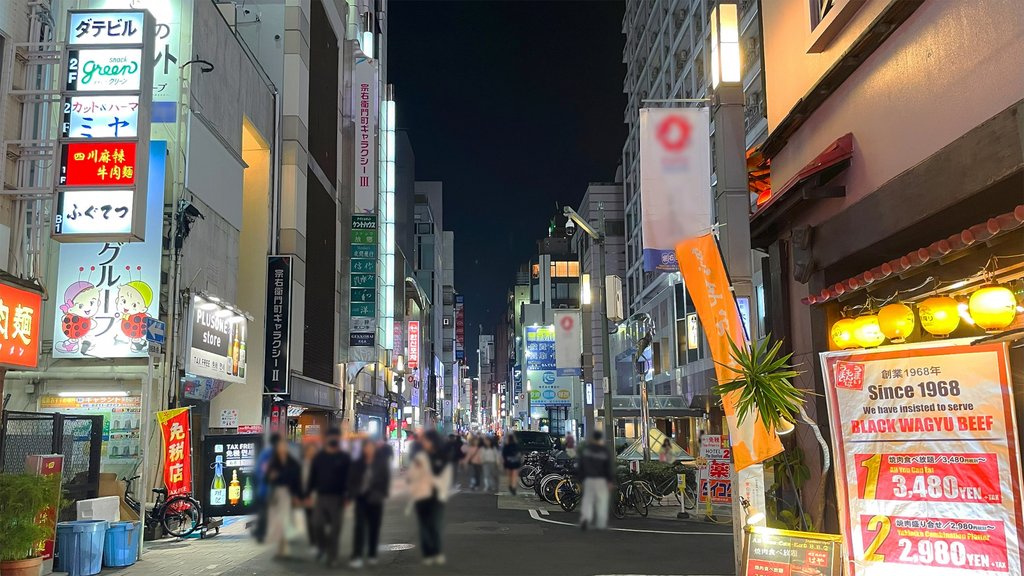
If you overlook Japan-specific rules, you could get turned away or hit with unexpected charges. The five points below introduce entry requirements, dress codes, otoshi, last-train times, and late-night transportation. These basics will help you enjoy Osaka’s nightlife safely and without stress.
Carry Your Passport
At clubs and bars, only a passport counts as valid age verification for foreign tourists. Staff won’t accept smartphone photos or photocopies, since they can’t verify those for forgery.
This rule comes from Japan’s Entertainment Business Law and applies just as strictly at upscale bars and shisha lounges. If you’re worried about losing your passport, a small neck pouch is a practical solution. If staff turn you away for showing a copy of your passport, no amount of negotiating will help; carry the original whenever you’re planning a night out.
Avoid Overly Casual Attire
Comfort often takes priority while traveling, but venues do turn guests away for dress code violations. Sandals, tank tops, shorts, and athletic wear are especially risky. These standards protect each venue’s atmosphere, and staff won’t make exceptions at the door.
| Venue type | Dress code | Minimum standard |
|---|---|---|
| Upscale bars / wine bars | Strict (smart casual) | Collared shirt, tidy pants, leather shoes |
| Clubs | Moderately strict | Collared shirt, long pants, clean sneakers |
| Izakaya / standing bars | Relaxed | Clean and presentable |
Kitashinchi’s high-end venues may require even more formal attire. Pack a single long-sleeved collared shirt and you’ll be covered for most situations across the city. This keeps your luggage light and gets you past the door.
Know Final Train Times and Late-Night Transport
Osaka’s subway system runs until around 11:30 pm. On the Midosuji Line heading from Umeda toward Esaka, service also stops shortly after midnight. Morning train service doesn’t start until around 5:00 am, so you’ll want a plan for the time you’ll spend outside if you decide to skip the last train.
- Taxi: It costs about ¥3,000 to get from Namba to Umeda, including late-night surcharges. Ride-hailing apps make dispatch easier.
- Waiting for the first train: Dotonbori has many restaurants that stay open until 5:00 am.
We recommend setting an alarm for 30 minutes before the last train from your nearest station, and decide in advance whether to stay out until morning or catch the last train—it’ll save you money either way.
Expect an Automatic Otoshi of About Five Hundred Yen
At most izakaya, the staff will automatically bring out an otoshi—a small appetizer you didn’t order—once you sit down. This dish adds ¥300-500 per person to your bill on top of food and drinks that you order.
Unlike a tip, otoshi shows up on the receipt as a charge for an actual dish. The otoshi also doubles as a seating fee, and most shops won’t waive it. Budget “number of people × ¥500” on top of what you expect to spend, or ask about the policy before you sit down.
Respect Time Limits and Last Orders on Nomihodai
Nomihodai (flat-rate all-you-can-drink plans) typically run from 90 to 120 minutes. Once the time is up, drink costs go back to standard menu prices.
Last orders usually have to be made 20-30 minutes before the session ends—staff will make an announcement, so listen carefully. When traveling in a group, usually all members must join the nomihodai plan together (to discourage patrons from sharing drinks).
Confirm these details upfront so there’s no confusion later:
- Which drinks are included in the nomihodai (beer, sake, and so on)
- When the clock starts
- The exact last-order time
For First-Time Visitors, Guided Night Tours Offer Peace of Mind
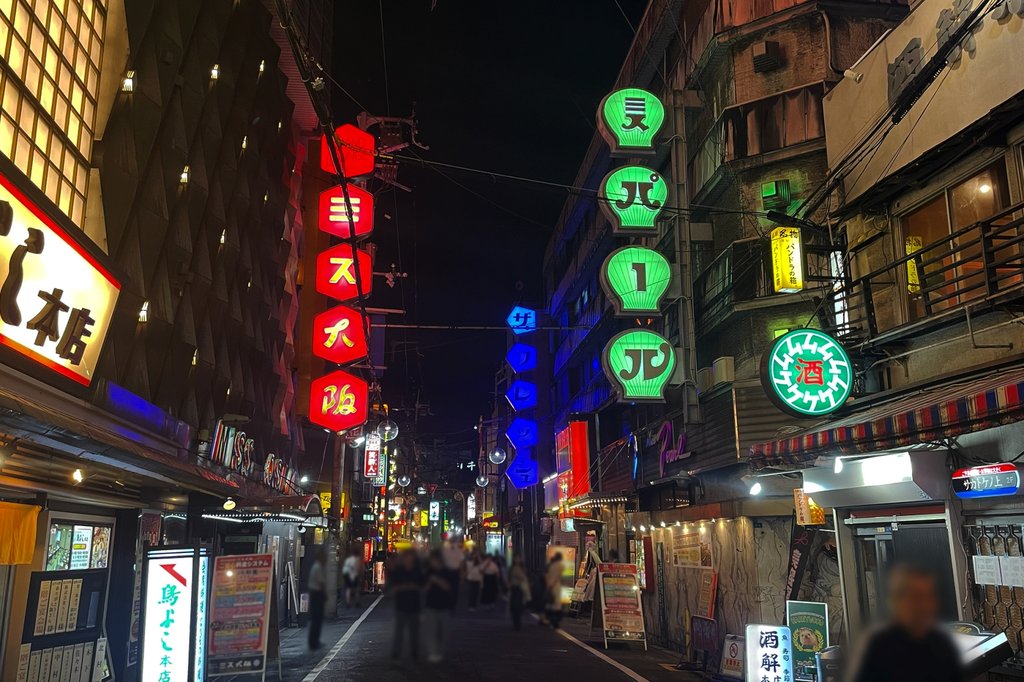
If you’re worried about the language barrier or unfamiliar surroundings, a guided tour provides structure and reassurance. A professional English-speaking guide will lead your small group safely through Osaka. Walking tours and food-focused experiences are the two most common formats. Choose the one that fits your interests to make the most of a first night in Osaka.
Two-Hour Night Walking Tour
This roughly two-hour walking tour pairs you with an English-speaking guide to explore Osaka after dark. The route weaves through backstreets and local markets, and your guide shares historical context along the way. They’ll even handle food and drink orders at street stalls, so you won’t struggle to communicate. Arrive five minutes before the start time of any tour—if you’re late, you may not get in.
Details
| Duration | About 2 hours |
| Meeting point | Near 1-7-21 Dotonbori, Chuo-ku, Osaka |
| Start times | 6 pm / 7 pm / 8 pm / 9 pm |
| Booking | Online in advance or same-day at the meeting point |
| Best for | First-timers worried about the language barrier |
12-Dish, 2-Drink Food and Bar-Hopping Tour
If you want to take a deeper dive into the local food culture, a tour bundling food and drinks is your best option. For approximately 2.5 hours, an English-speaking guide takes you to four local restaurants.
Small neighborhood izakaya become easy to enter when your guide translates, and the route focuses on true Osaka flavors. You get twelve dishes and two drinks—excellent value for the price. The tour fits group trips and food-driven itineraries particularly well.
Details
| Meeting point | Don Quijote Dotonbori Midosuji |
| Duration | About 2.5 hours |
| Price | ¥11,340 (about $80 USD), includes 12 dishes and 2 drinks |
| Booking | GetYourGuide |
| Best for | Foodies, groups, and anyone wanting a deep dive into izakaya culture |
Common Questions About Osaka Nightlife
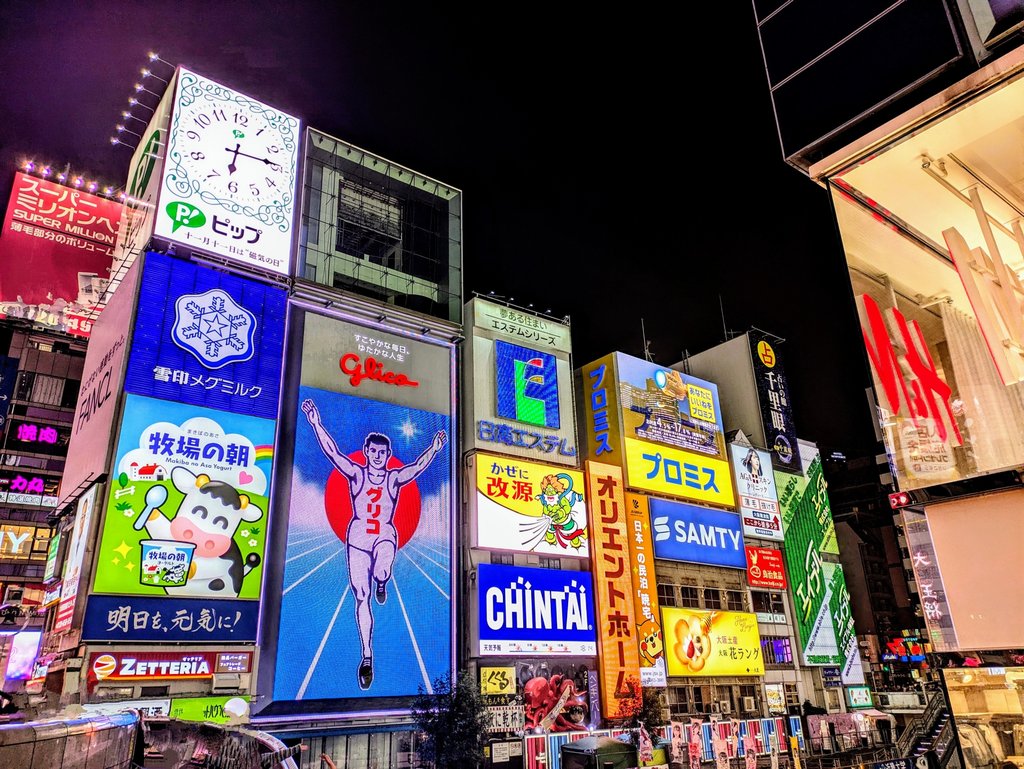
We’ve answered a few common questions about Osaka nightlife below, such as venue opening times, payment options, and late-night logistics. Sorting these out in advance will make your night out much smoother.
When Does Osaka Nightlife Get Going?
Opening times vary by establishment type. Izakaya open around 5:00 pm, while bars start serving around 7:00-8:00 pm. Clubs reach full energy after midnight.
Dotonbori comes alive starting at 6:00 pm, and the Shinsaibashi club scene fills up after 11:00 pm. Working backward from the 11:30 pm last train helps shape a realistic evening schedule.
Is Osaka Safe for Solo Female Travelers at Night?
With basic precautions, solo female travelers can enjoy Osaka’s nightlife safely. Well-lit counter bars and izakaya are the easiest to enter solo.
Stick to main roads and avoid narrow backstreets around Namba or areas with touts. For late-night travel, a ride-hailing app and taxi are better choices than walking. If something feels off, ask about it at the front desk of your accommodation—they’re a reliable resource.
Is Cash Needed at Osaka Bars and Clubs?
Most venues accept cashless payments. Some club cover charges and smaller bars, however, remain cash-only.
We recommend carrying ¥1,000-3,000 in cash as a safety margin. If you’re short on money, convenience store ATMs accept international cards around the clock.
What If I Miss the Last Train?
Osaka’s last trains run between roughly 11:30 pm and 12:00 am. Once the last train’s gone, a taxi is your most dependable option.
With late-night surcharges, the Umeda-to-Namba ride costs about ¥5,000 ($35 USD) via taxi. Alternatively, the 24-hour Spa World or internet cafes provide a place to wait for the first train of the morning. Booking a hotel that allows late-night check-in is another way to stay flexible on a night out.
Plan Your Osaka Night Out with Confidence
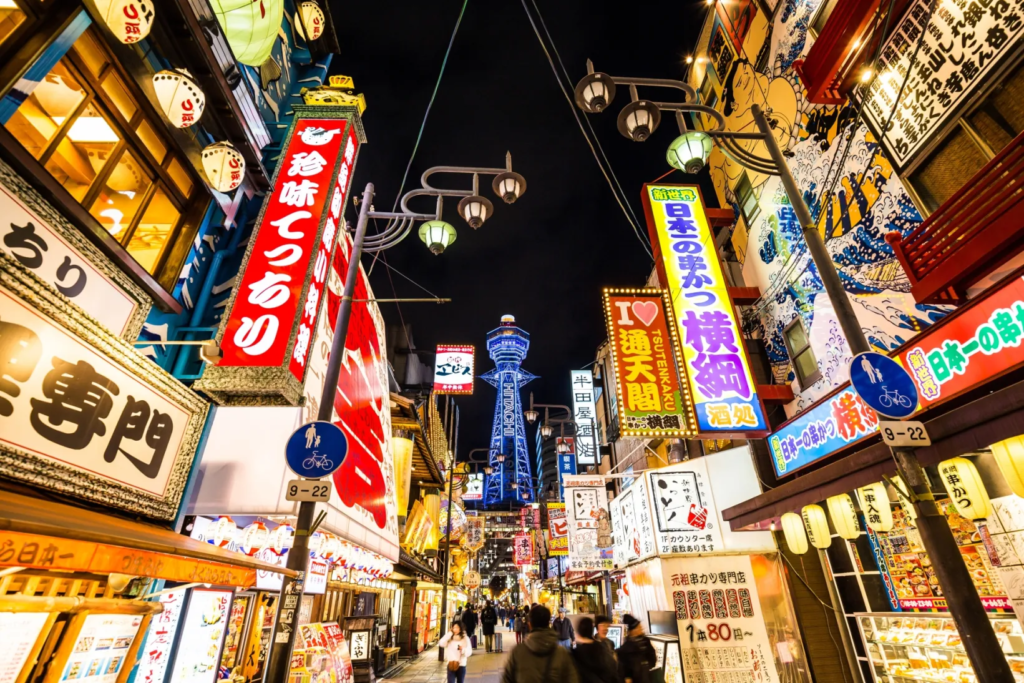
Osaka’s nightlife gets dramatically more rewarding once you’ve picked the right area and know the local etiquette. Knowing Japan-specific rules in advance will clear up most on-the-ground confusion. If you’re still unsure, a guided tour can smooth out your first night considerably. Where will your first night in Osaka begin? Use this guide to plan a memorable evening in one of Japan’s most dynamic cities.