Where to Stay in Osaka? A Complete Guide to the Best Accommodation Areas and Price Ranges by Purpose
Contents
- 4 Points for Choosing Your Accommodation Area in Osaka
- Recommended Accommodation Areas in Osaka
- Namba and Shinsaibashi | Where Food and Nightlife Come Together
- Umeda | A Convenient Base for Day Trips to Kyoto and Kobe
- Tennoji | Great Value and a Glimpse of Old-School Osaka
- Shin-Osaka | Minimal Travel Time for Shinkansen Users
- Honmachi | A Quiet Stay Between Namba and Umeda
- Bay Area | Walking Distance to USJ
- Osaka Accommodation Costs and Budget Guidelines
- What to Check When Choosing a Hotel in Osaka
- [FAQ] Common Questions About Where to Stay in Osaka
- Wrapping Up Your Osaka Hotel Search
4 Points for Choosing Your Accommodation Area in Osaka
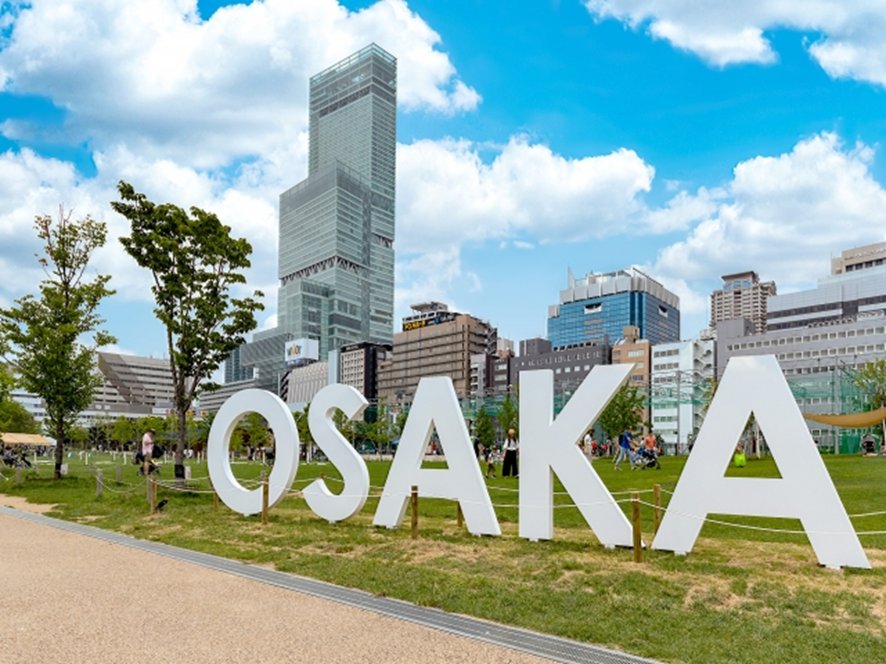
With so many districts to choose from, deciding where to stay in Osaka can be overwhelming. Four key criteria can help you narrow down your hotel options.
The main factors to consider are transportation convenience, proximity to the places you plan to visit, compatibility with your budget, and the character of the neighborhood.
Understanding these four points in advance makes it much easier to compare areas and narrow down your options.
1. Is It on the Midosuji Line?
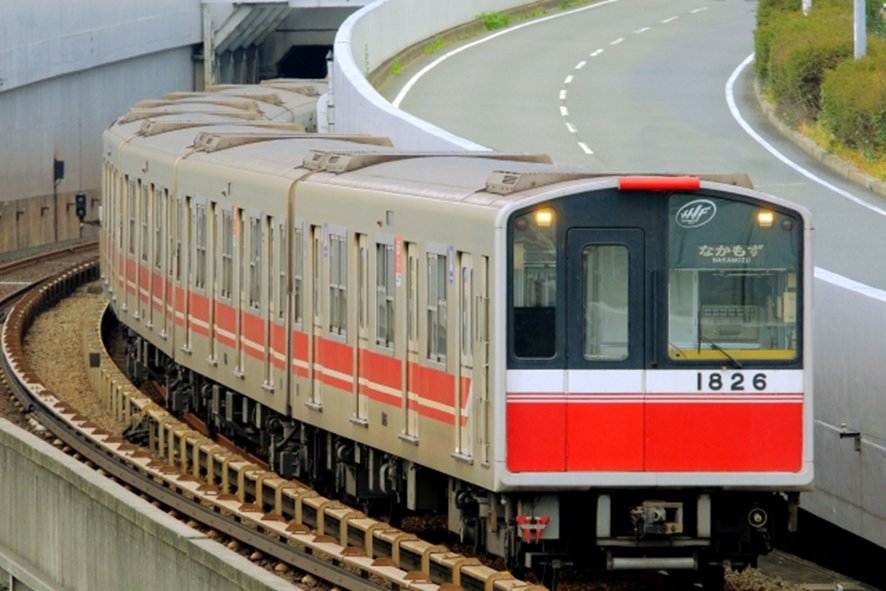
When deciding where to stay, your first consideration should be whether the area is located along the Midosuji subway line.
Running north to south through the city, the Midosuji Line connects most of Osaka’s major sightseeing areas with direct service, making it the most convenient rail line for many visitors.
The main stations on the line, from north to south, are:
- Shin-Osaka: gateway for the Shinkansen (Japan’s high-speed bullet train)
- Umeda: Osaka’s largest transportation hub
- Honmachi: a quieter business district
- Shinsaibashi: the city’s main shopping area
- Namba: the center of Dotonbori and Osaka’s food scene
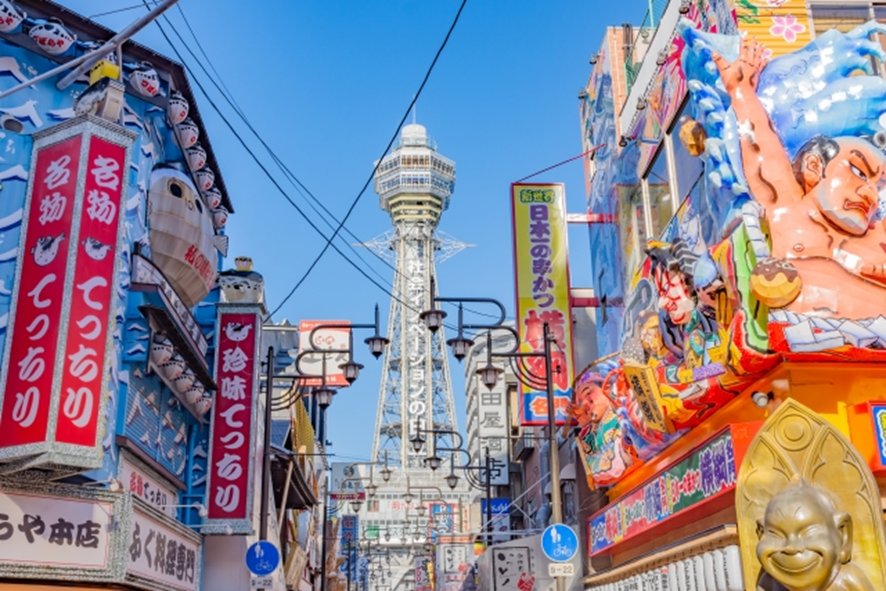
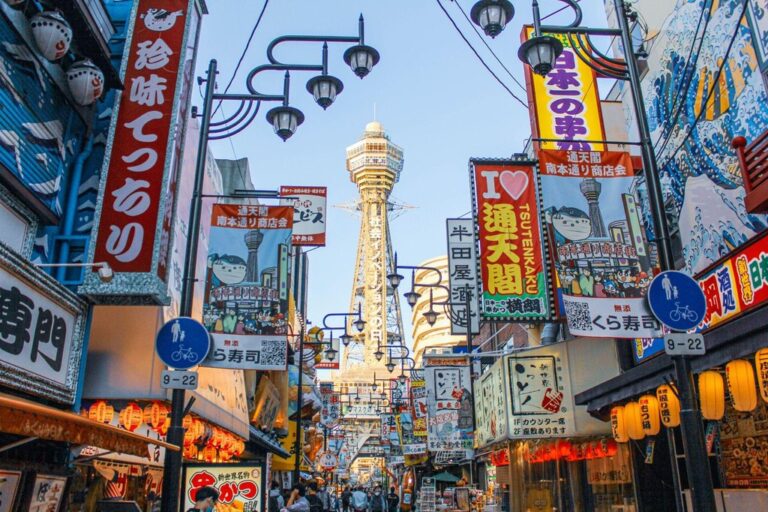
- Tennoji: home to Tsutenkaku Tower and Abeno Harukas
Travel between any two of these stations typically takes just 5–15 minutes without the need to transfer. Even the trip between Namba and Umeda takes only about 10 minutes.
If you stay away from the Midosuji Line, you’ll often need to make transfers to reach major attractions. Once station walks and waiting times are included, a single transfer can easily add 5–15 minutes to each journey. Over the course of a trip, those extra minutes can add up significantly.
Unless your main destination is somewhere like Universal Studios Japan, choosing a hotel along the Midosuji line is the most efficient approach. A simple way to narrow down your choices is to ask yourself: “Which Midosuji Line station would I most like to stay near?” Once you’ve answered that question, finding the right area becomes much easier.
2. Is It Close to Your Destinations?
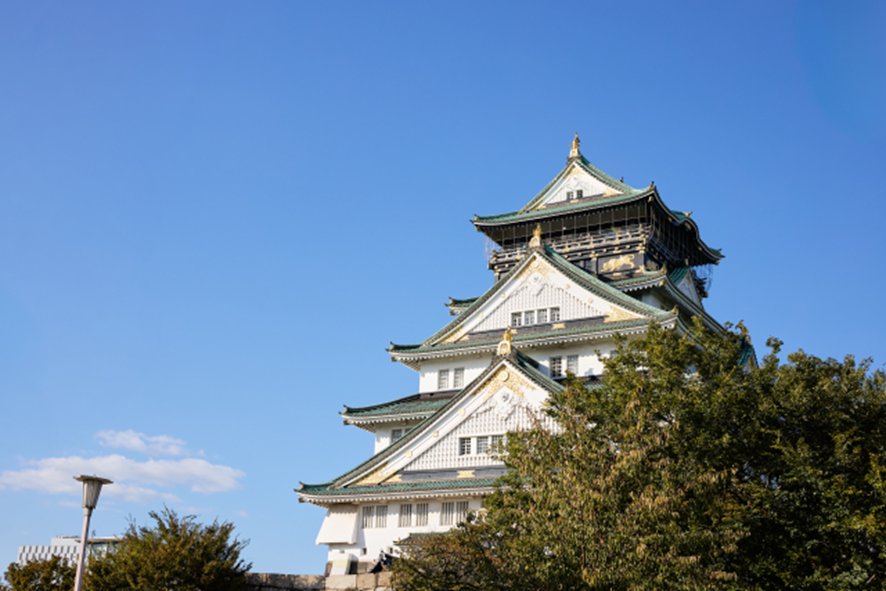
On a short trip, the distance between your hotel and the sights you want to see has a major impact on satisfaction.
Shorter travel times mean more time at each spot.
Here are some typical travel times from well-located areas to popular destinations:
- USJ: Within walking distance from the Bay Area, or about 11 minutes from Umeda by JR train
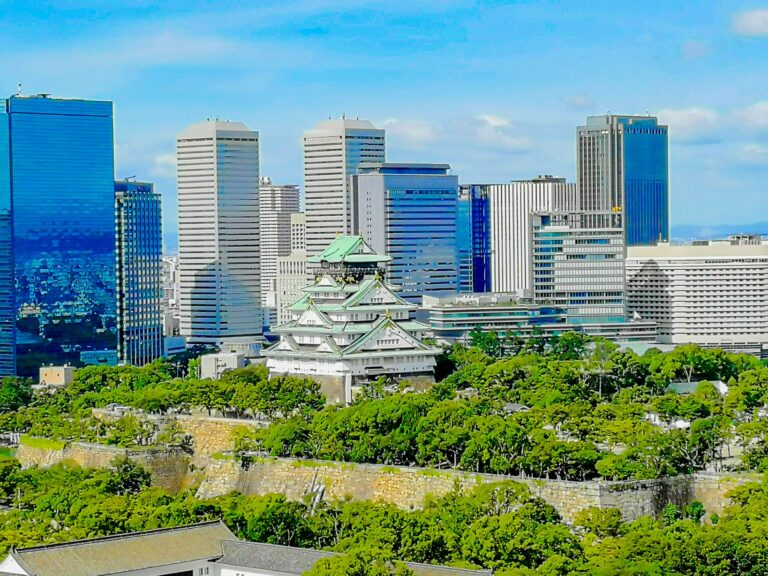
- Osaka Castle: About 6 minutes from Tennoji by subway, or about 10 minutes from Umeda
- Dotonbori and Kuromon Market: Easily explored on foot from Namba or Shinsaibashi
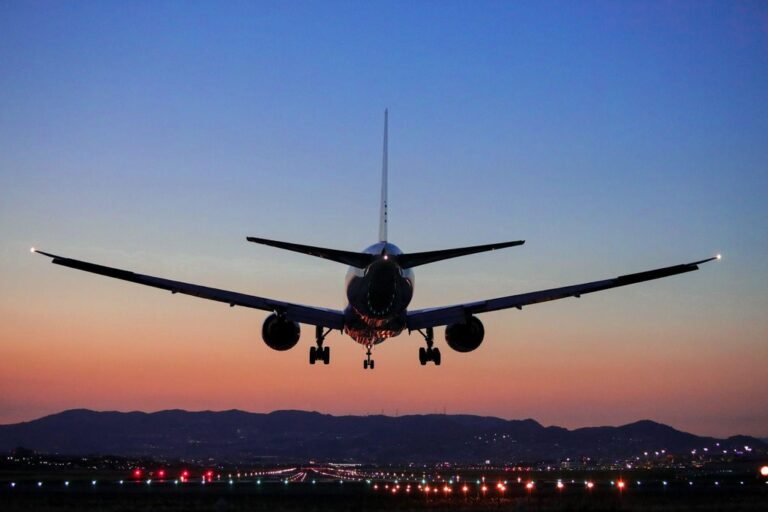
Your connection from Kansai International Airport is also worth planning around. The Nankai Airport Express reaches Namba in about 43 minutes, and the JR Haruka limited express runs to Tennoji in about 35 minutes and Osaka Station in about 50 minutes. For late-night arrivals, picking an area with a direct connection reduces stress and travel time.
For travelers planning to visit several parts of the city, a centrally located area with easy access and minimal transfers is usually the best choice. The convenience of Namba and Umeda is one reason they are commonly used as meeting points for guided tours and day excursions.
3. Are There Hotels Within Your Budget?
Hotel prices in Osaka vary significantly by area. Because rates depend on both location and hotel category, it’s worth checking in advance whether your preferred area offers enough options within your budget.
Here’s a general guide to price levels by area:
- Umeda and Shinsaibashi: Home to many luxury hotels, with rates generally on the higher side
- Namba: Offers a wide range of accommodation types and price points, making it easy to find something that fits your budget
- Tennoji: Features plenty of reasonably priced hotels, making it a great choice for budget-conscious travelers
The more accommodation options an area has, the easier it is to find a hotel that matches your preferences.
It’s also important to keep seasonal price increases in mind. During cherry blossom season, Golden Week, and the autumn foliage period, rates often climb to 1.5 to 2 times the usual level. Availability can also become limited, so it’s best to book as soon as your travel dates are confirmed.
We’ll take a closer look at pricing later in this guide.
4. Does the Neighborhood’s Atmosphere Suit You?
A common mistake when planning a trip to Osaka is choosing a hotel because it’s “convenient for sightseeing,” only to discover that the area stays noisy well into the night. Be sure to consider whether the character of the neighborhood matches your travel style.
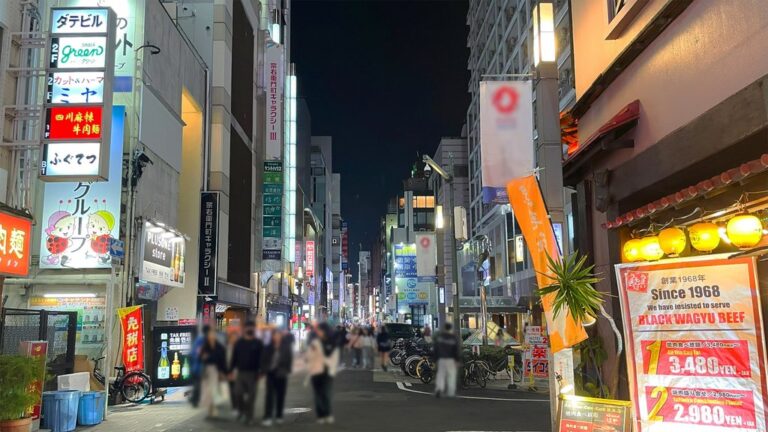
The city’s main districts each have a very different atmosphere. Namba and the Dotonbori area remain lively late into the evening, with busy restaurants, bars, and crowds. Umeda, by contrast, is primarily a business district, so the daytime energy gives way to relatively quiet evenings. Honmachi and Kitahama are even more subdued, and noise is rarely a concern.
If you want a quieter stay, or if you’re traveling with children,it’s often best to avoid the busiest parts of the entertainment districts. Staying one or two stations away from Namba or Shinsaibashi can provide a much more relaxed environment. Areas such as Honmachi and Sakaisujihonmachi let you reach the nightlife quickly while keeping your hotel surroundings calm and comfortable.
You don’t have to choose between convenience and comfort. The key is to pick an area that matches the kind of evenings you want to enjoy during your stay.
Recommended Accommodation Areas in Osaka
Each district in Osaka has its own distinct character, and where you stay can have a major impact on your overall travel experience. Here’s a comparison of the six most popular areas, covering their location, atmosphere, and transportation convenience.
Whether your priority is exploring Osaka’s food scene, taking day trips to Kyoto, or finding accommodation that fits your budget, there’s an area that’s well suited to your travel style.
Namba and Shinsaibashi | Where Food and Nightlife Come Together
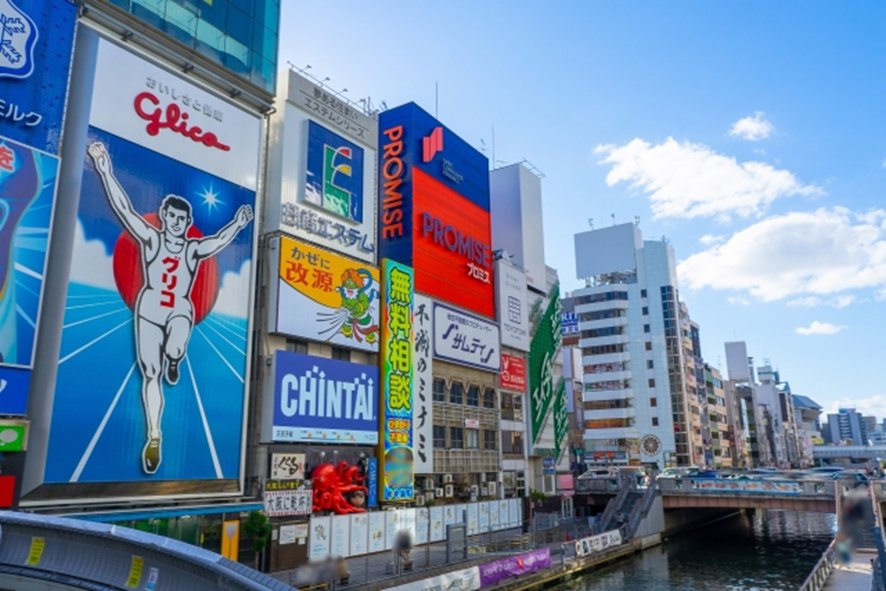
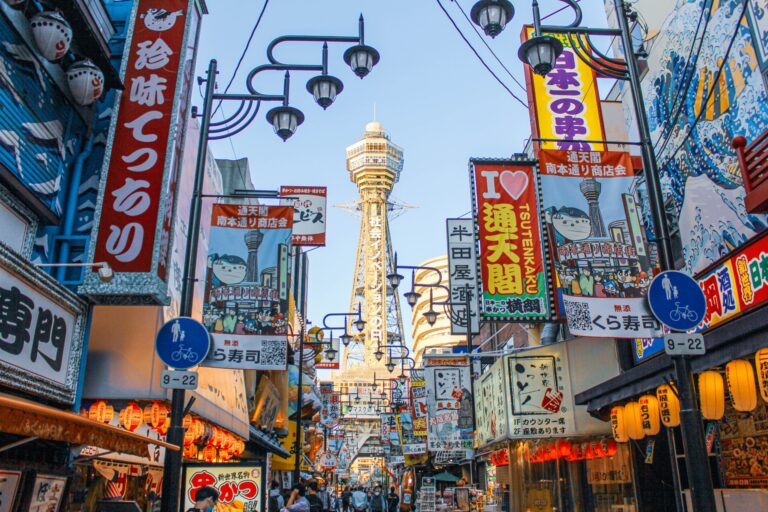
For travelers who want to immerse themselves in Osaka’s famous food scene, Namba and Shinsaibashi are the top choices.
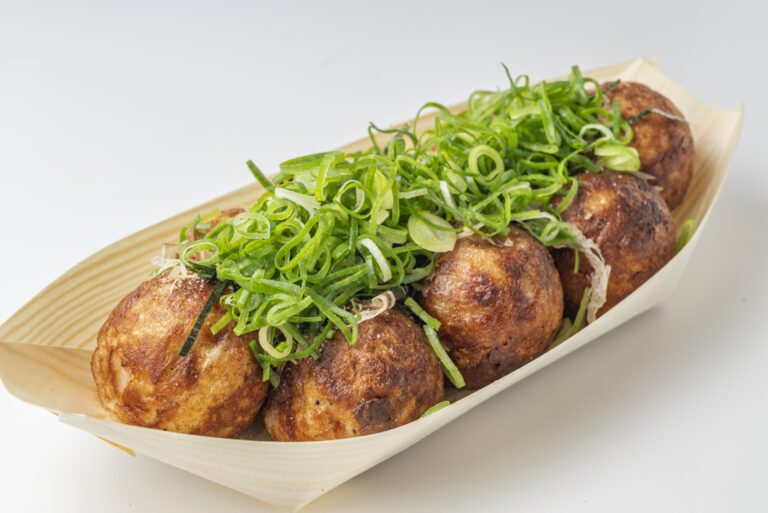
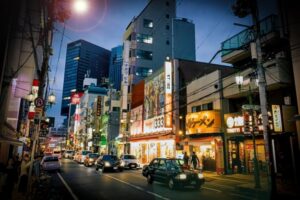
Snacking your way along Dotonbori, shopping on Shinsaibashi-suji, and grabbing breakfast at Kuromon Market are all within walking distance. Unlike the more orderly and business-oriented atmosphere of Umeda, Namba embodies Osaka’s reputation as the “city of kuidaore” (eat-until-you-drop), with a lively energy that continues late into the night.
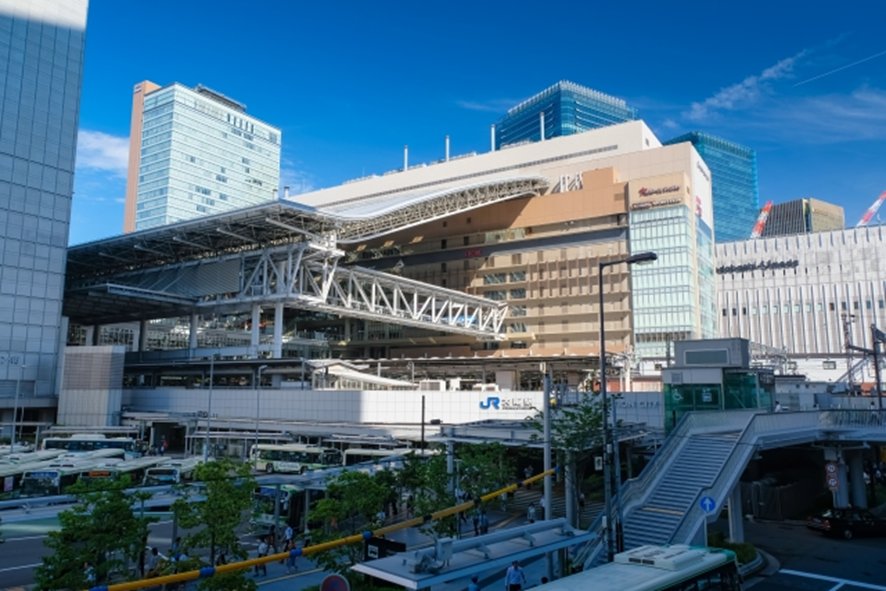
Transportation access is also excellent. Kansai International Airport is about 40 minutes away via the Nankai Rapi:t, while Shin-Osaka Station is directly connected by the Midosuji Line. Being able to start sightseeing almost immediately after arriving is a major advantage.
The main drawback is noise from the entertainment district, particularly on weekend nights. A few tips for a quieter night’s sleep:
- Request a high-floor room when booking to reduce street noise
- Choose a hotel one or two blocks away from major roads or the Dotonbori Canal
- Check guest reviews in advance for mentions of “quiet rooms” or good soundproofing
Umeda | A Convenient Base for Day Trips to Kyoto and Kobe
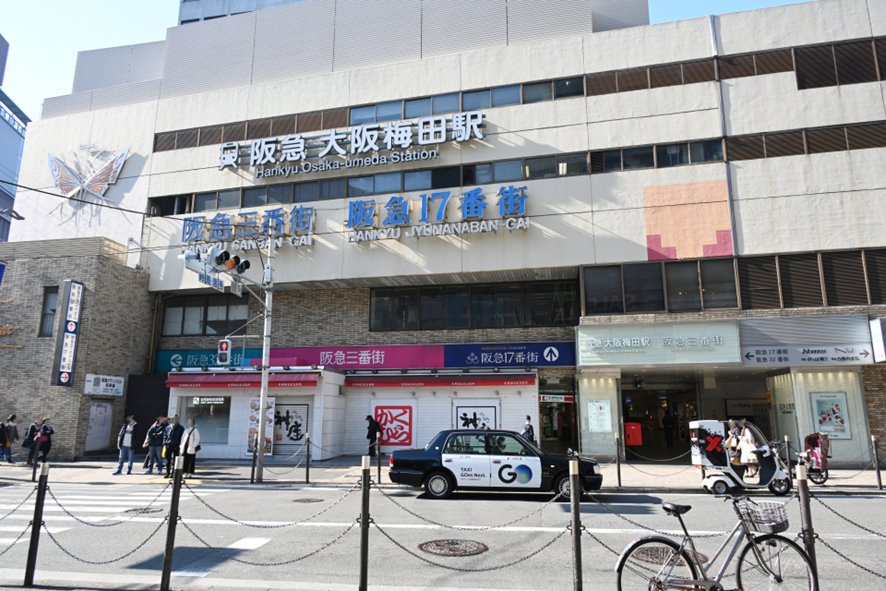
Umeda is the best base for travelers who want to see the wider Kansai region.
JR, Hankyu, and Hanshin lines all converge here, giving you no-transfer access to both Kyoto and Kobe.
| Destination | Line / Type | Travel Time | One-Way Fare |
|---|---|---|---|
| Kyoto Station | JR Special Rapid | About 29 min | ¥580 |
| Kyoto Kawaramachi | Hankyu Limited Express | About 43 min | ¥410 |
| Kobe Sannomiya | JR Special Rapid | About 21 min | ¥420 |
| Kobe Sannomiya | Hanshin Direct Limited Express | About 29 min | ¥330 |
You can comfortably plan a day that explores Kyoto in the morning and ends with shopping in Umeda in the evening.
Large shopping complexes connected directly to the station keep dining and shopping easy.
Unlike Namba, Umeda stays calm in the evenings. Umeda has become a popular pick for families and longer stays for exactly this reason.
Tennoji | Great Value and a Glimpse of Old-School Osaka
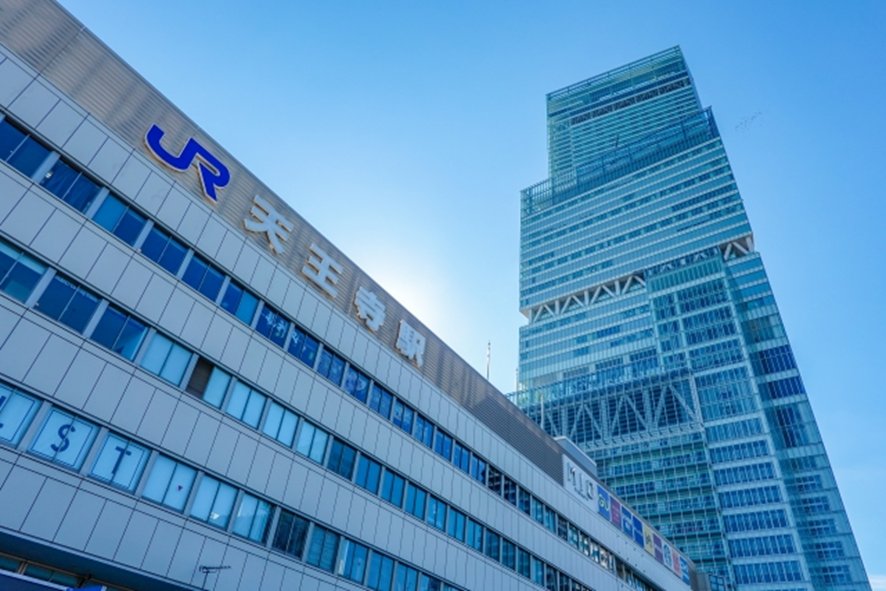
For travelers who want to keep accommodation costs down while still enjoying the best of Osaka, Tennoji is an excellent choice.
The selection of hotels is broader than around Namba, and budget options start from around ¥3,000 per night (around $20 USD). Since the Midosuji line reaches Namba in just a few minutes, you can still easily head out to Dotonbori in the evening.
One of Tennoji’s biggest strengths is the concentration of classic Osaka attractions within walking distance:
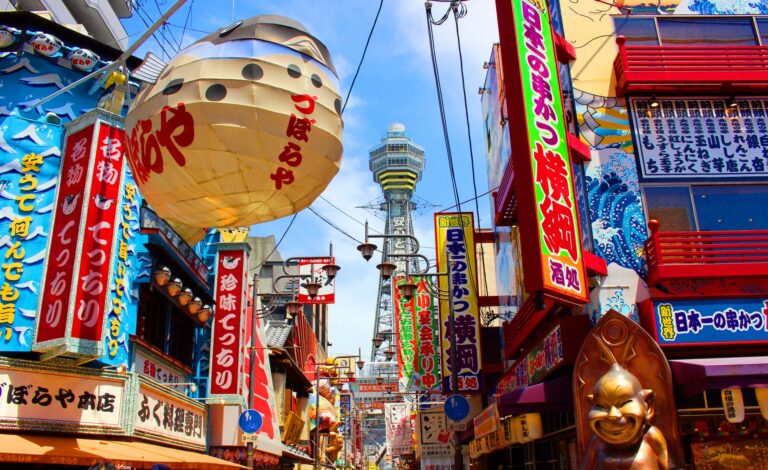
- Tsutenkaku: observation deck admission: ¥1,500, offering panoramic views over a historic neighborhood
- The Shinsekai kushikatsu district: bite-sized pieces of meat, seafood, and vegetables skewered, battered, and deep-fried, where you can enjoy freshly fried skewers alongside local regulars
- Abeno Harukas 300: observation deck admission: ¥2,000 for a panoramic view across the Osaka plain
Walking through streets that still carry a Showa-era (mid-20th century Japan) feel gives you a tangible sense of local Osaka.
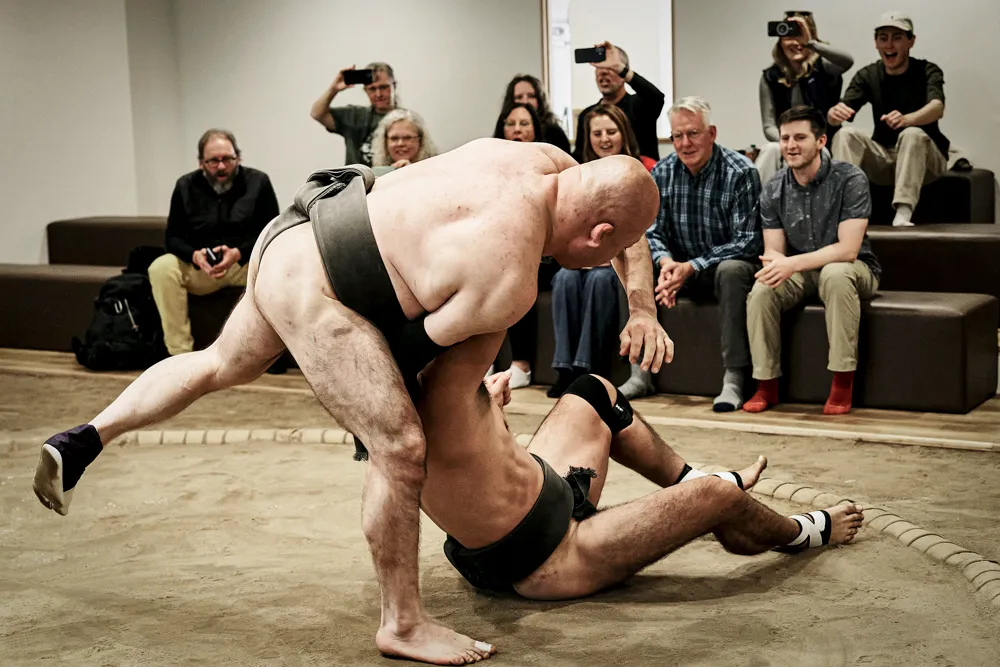
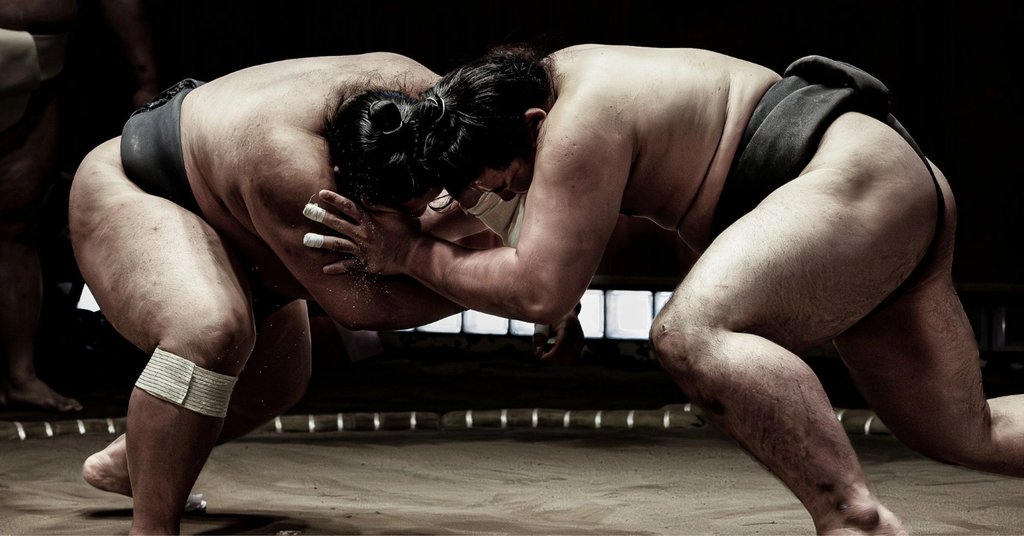
Osaka also offers cultural experiences such as Sumo Studio Osaka, where former professional rikishi (sumo wrestlers) perform live sumo performances. Be sure to check the official site for details.
 Hands-On
Get hands-on with sumo in Osaka
Watch former professional sumo wrestlers demonstrate authentic sumo techniques. Learn the history, rituals, and rules of Japan’s national sport, then step into the ring for a hands-on sumo experience in Osaka.
Shin-Osaka | Minimal Travel Time for Shinkansen Users
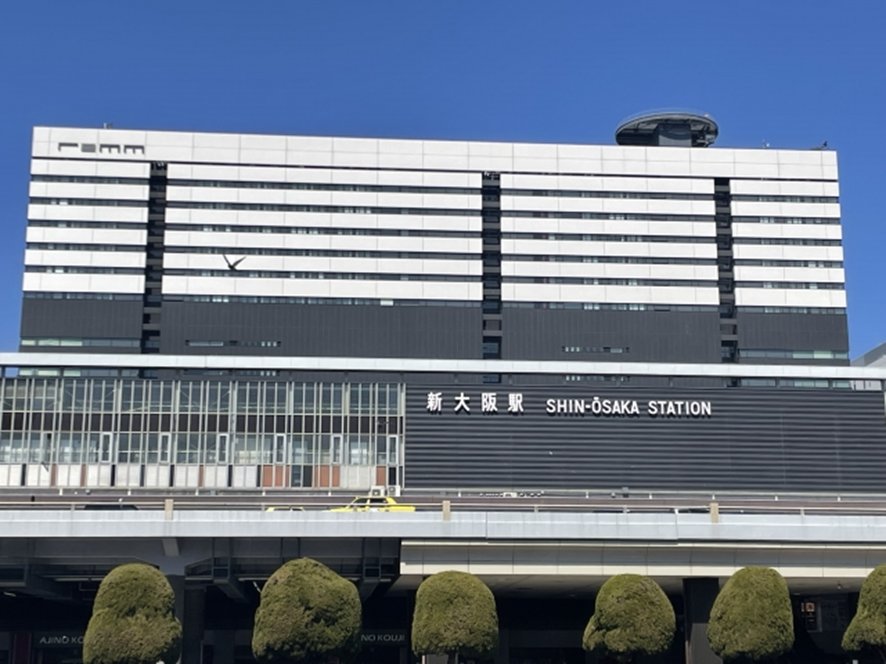
If you’re arriving in Osaka by Shinkansen, staying near Shin-Osaka Station is the most time-efficient option.
Business hotels are concentrated within a 2–5 minute walk of the ticket gates, making it easy to check in immediately after arriving. Tokyo is approximately 2 hours and 21 minutes away on the Nozomi, Kyoto is about 15 minutes away, and connections to other regions are equally convenient.
Shin-Osaka also works surprisingly well as a sightseeing base. The Midosuji Line reaches Umeda in about 5 minutes and Namba in about 15 minutes. Hotel rates are generally lower than those in Namba or Umeda, allowing you to allocate more of your budget to food and attractions.
The main drawback is that the area around the station has relatively few restaurants, bars, and attractions that stay open late. Travelers who want the bustle of the entertainment districts may find the neighborhood somewhat quiet.
Think of Shin-Osaka as a district designed around travel efficiency. It’s an excellent choice for visitors combining sightseeing with a business trip, as well as anyone planning to catch an early-morning Shinkansen the next day.
Honmachi | A Quiet Stay Between Namba and Umeda
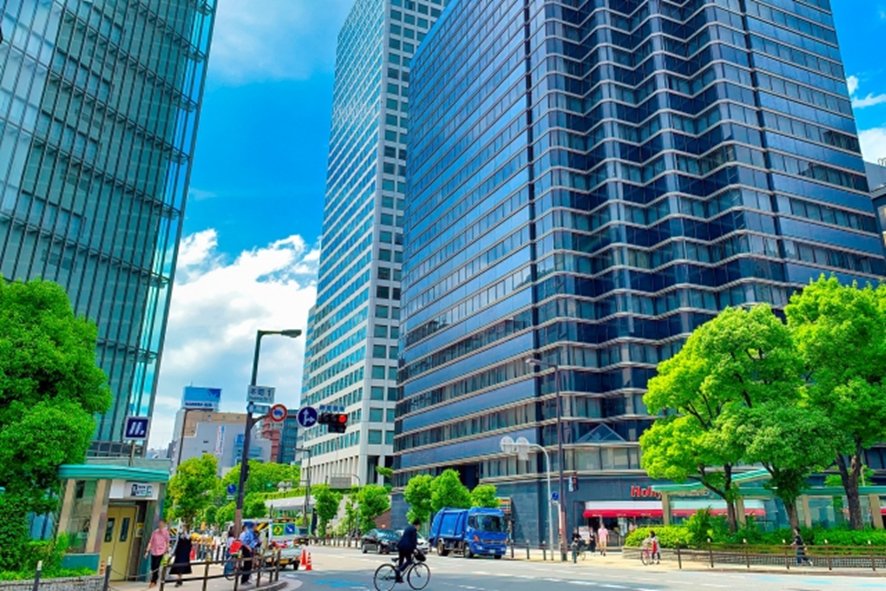
Honmachi sits right between Namba and Umeda, making it something of a hidden pick. Both districts are about 4 minutes away on the Midosuji line.
Although Honmachi is adjacent to Osaka’s major entertainment areas, it is primarily a business district, so the crowds largely disappear after office hours. This makes it an excellent choice for travelers who want a quiet place to stay while remaining close to the city’s main attractions.
Honmachi is especially suited to longer stays or remote work, since it offers a calm environment with plenty of business hotels. If you want quiet evenings, the lack of late-night noise makes it easy to sleep well. And if you plan to move between districts, quick access to both Namba and Umeda gives you real flexibility.
There are relatively few major tourist attractions within Honmachi itself, so you’ll likely head to Namba or Umeda for dining, shopping, and sightseeing. Think of Honmachi as a convenient “base camp” for exploring the rest of Osaka.
It’s an ideal pick for anyone who wants both quiet surroundings and excellent access.
Bay Area | Walking Distance to USJ
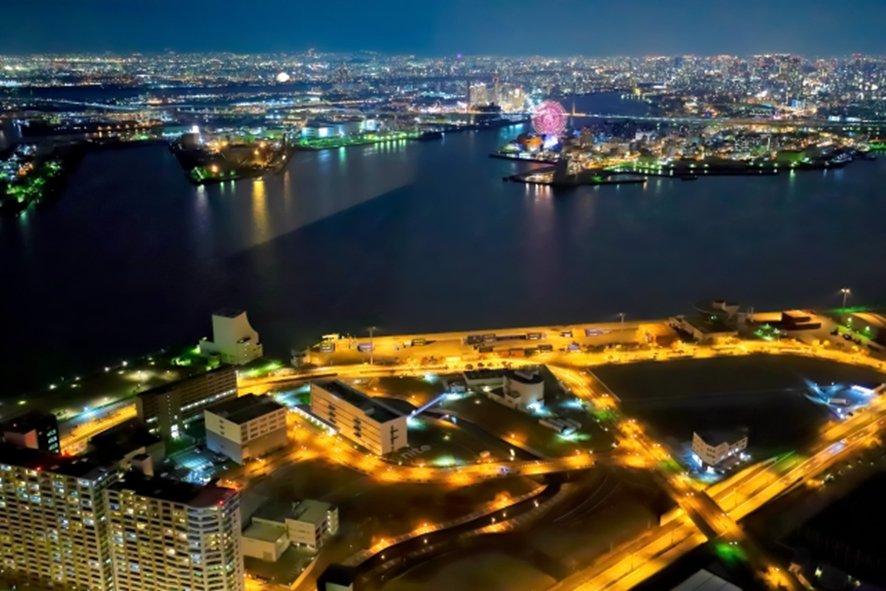
If Universal Studios Japan (USJ) is your main goal, staying in the Bay Area is the most convenient choice.
Official hotels are concentrated around Universal-City Station, with the park entrance just a 1–4 minute walk away. That proximity matters most to those who want to queue from early in the morning, or to families with children who need to head back to the room for a break.
That said, combining a Bay Area stay with extensive sightseeing around Osaka requires some planning. Osaka Station is about 11 minutes away via the JR Yumesaki Line and Nishikujo Station, while Namba is roughly 20–25 minutes away. If you plan to spend most of your time exploring the city center, the extra travel can become a bit inconvenient.
If you’re planning to spend two or more days at USJ, staying in the Bay Area is usually the best choice. On the other hand, if USJ is just one stop on a broader Osaka itinerary, staying in Namba or Umeda and visiting the park as a day trip can be a more efficient option.
Osaka Accommodation Costs and Budget Guidelines
Once you’ve chosen an area, the next step is to set a nightly budget. Osaka hotels divide roughly into three tiers (business, mid-to-upper grade, and luxury), and each has its own typical price range. Seasonal price swings during the high season also come into play.
Getting a feel for the going rates in advance helps you find the best fit without going over budget.
Business Hotels: About ¥8,000–15,000 per Night
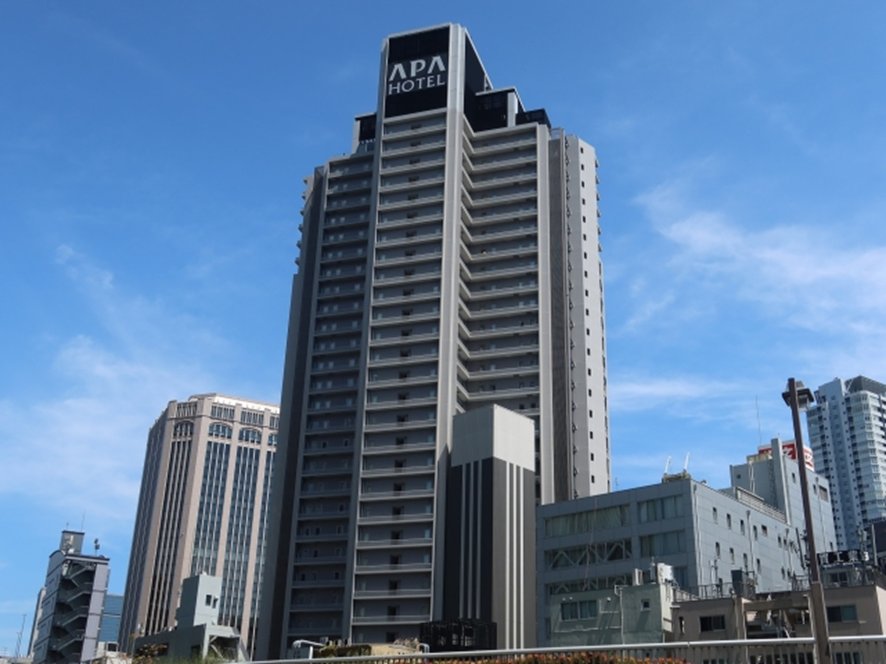
Business hotel prices in Osaka vary noticeably by area. Namba and Shinsaibashi tend to be on the higher end, with rates typically ranging from ¥9,000–15,000 per night. In comparison, Shin-Osaka averages around ¥7,000–11,000, while Tennoji generally falls in the ¥7,000–10,000 range. Choosing an area outside the central entertainment districts can therefore result in meaningful savings.
If quality matters most, chain hotels tend to have consistent facilities and are a reliable choice.
A quick look at the main chains:
| Chain | Features |
|---|---|
| APA Hotel | Many locations in entertainment districts, with a growing number offering large public baths |
| Dormy Inn | Popular for its natural hot spring baths and free late-night noodles (yonaki soba) |
| Toyoko Inn | Affordable rates with free breakfast, offering strong value |
For travelers focused on value, properties such as Toyoko Inn near Shin-Osaka or Tennoji are worth considering. If convenience is your main concern, hotels like Dormy Inn or APA Hotel in the Namba area provide easy access to Osaka’s top attractions. Anywhere along the Midosuji line keeps you about 10–15 minutes from the main sightseeing areas.
Mid-to-Upper Grade Hotels: About ¥20,000–35,000 per Night
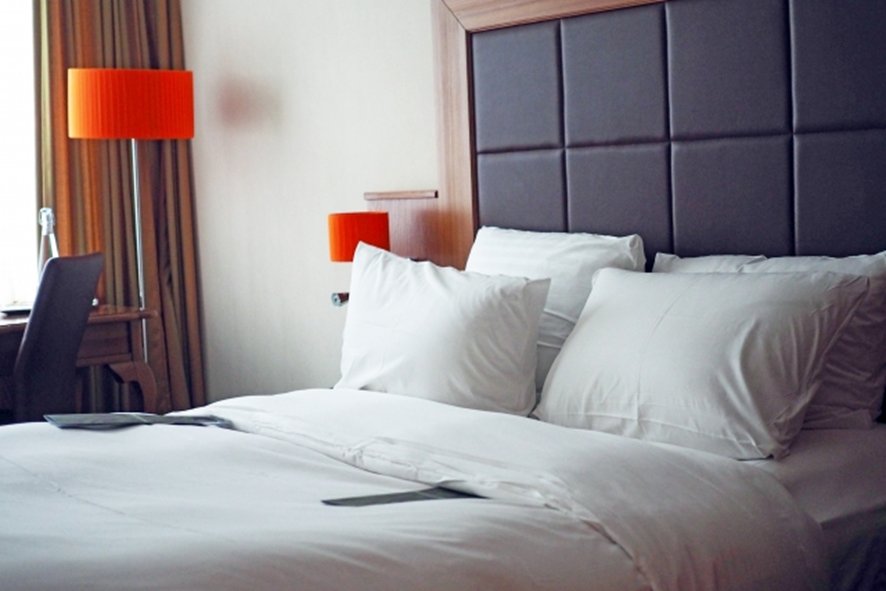
Stepping up your budget a little can make a dramatic difference in comfort.
In recent years, Osaka has seen a wave of new mid-range and upper-mid-range hotel openings, creating more options that successfully balance design, comfort, and functionality. This category is typically characterized by spacious rooms, separated bath and toilet layouts, and a higher level of service.
Each area offers hotels with distinct personalities:
| Hotel | Area / Features | Room Size |
|---|---|---|
| Cross Hotel Osaka | Shinsaibashi / Strong soundproofing and modern design | 24–103 m² |
| Zentis Osaka | Dojimahama / Separate shower and bathtub (Studio rooms have a shower booth only) | 25–57 m² |
| Hotel Vischio Osaka by GRANVIA | Umeda / The reliability of a JR-affiliated property | 16.6–41.4 m² |
Zentis Osaka suits couples, while Cross Hotel Osaka works well for families. For many travelers, the added comfort is well worth the extra cost.
Luxury Hotels: From About ¥50,000 per Night
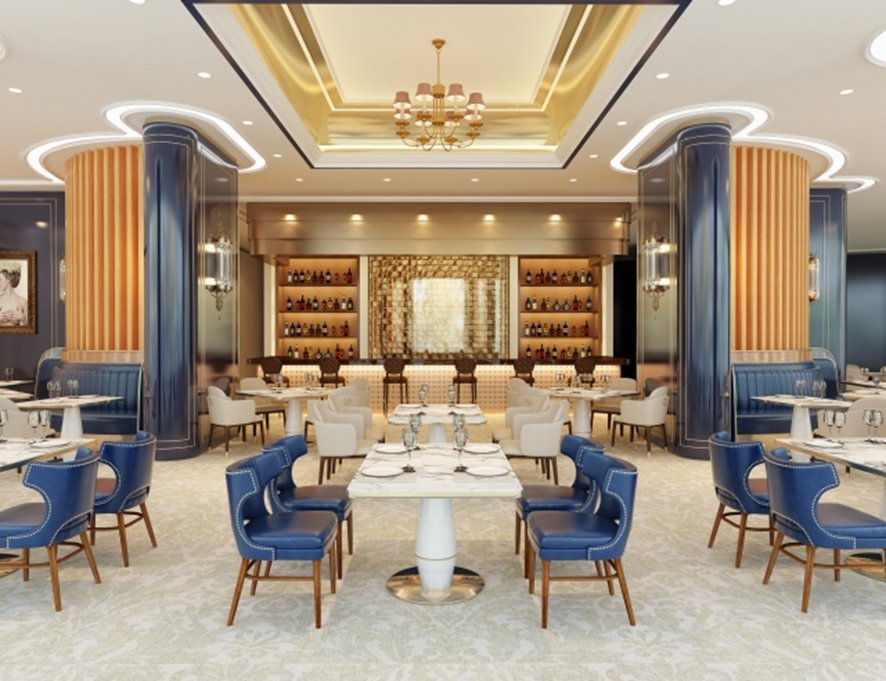
At luxury hotels priced at ¥50,000 per night and above, the stay itself becomes part of the travel experience. Many properties offer rooms of 40 m² or larger, dedicated concierge services, full-service spas, and a consistently high level of comfort and hospitality throughout the hotel.
The average rate for five-star hotels in Osaka is around ¥83,000 on weekdays and ¥92,000 on weekends. These properties are especially worthwhile for anniversaries, special occasions, or important business trips where comfort and service are priorities.
Some representative luxury hotels include:
- The Ritz-Carlton, Osaka (Umeda): 291 rooms total, with a Club Level and a full spa
- W Osaka (Shinsaibashi): 337 rooms total, with playful design and the signature AWAY Spa
- Conrad Osaka (Nakanoshima): 164 rooms total, all 40 m² or larger with sweeping views
- Osaka Marriott Miyako Hotel (Tennoji): 360 rooms total, set on the upper floors of Abeno Harukas
Because these properties are located across several of Osaka’s major districts, you can choose based on the purpose of your trip. If you’re aiming for a memorable evening, take a look at the official sites.
High-Season Rates Jump 1.5–2x the Usual
Hotel rates during cherry blossom season, Golden Week, the autumn foliage season, and the year-end and New Year holidays often rise to 1.5–2 times their off-season levels. A room that typically costs around ¥10,000 per night can easily approach ¥20,000 during these peak periods.
Availability also becomes limited very quickly. Even when booking several months in advance, popular areas such as Namba and Shinsaibashi may have only a handful of rooms remaining.
By contrast, January–February and June are generally considered quieter seasons. During these months, hotels are easier to book and rates are often significantly lower. If your travel dates are flexible, simply targeting these periods can help reduce accommodation costs.
Here are a few ways to keep expenses under control even during peak season:
- Take advantage of early-bird rates by booking at least three months in advance
- Schedule your stay on weekdays rather than weekends whenever possible
- Consider areas outside the city center, such as Shin-Osaka or Tennoji
Once your travel dates are confirmed, it’s a good idea to start checking hotel availability right away.
What to Check When Choosing a Hotel in Osaka
Once you’ve decided on an area and budget, the next step is to review the details of each hotel. Japanese hotels have a few characteristics that may not be immediately obvious from the booking page alone.
Five points to look at: room size, bed configuration, bathroom layout, smoking policy, and check-in time. Checking these details in advance can help you avoid unpleasant surprises and ensure the hotel matches your expectations when you arrive.
Is the Room Spacious Enough?
Japanese business hotel rooms are often much smaller than those found in many other countries, and many travelers find themselves thinking, “This is smaller than I expected.”
Here’s a rough guide to standard room sizes by type:
| Room Type | Typical Size |
|---|---|
| Single / Double | 11–18 m² |
| Twin | 22–28 m² |
| Suite | 40 m² or larger |
Single rooms at budget hotel chains typically measure around 11–13 m² (118–140 sq ft). Once a bed, desk, and luggage are added, the space can feel quite compact. Travelers carrying large suitcases or those who simply prefer more room to relax should consider booking a twin room or a room measuring at least 22 m² (237 sq ft).
Most booking platforms, including Booking.com and Expedia, list room sizes in square meters before you book. Photos and floor plans help you picture the actual space. Matching the size to your luggage and travel style cuts down on stress during your stay.
Does the Bed Setup Match Your Group?
In Japanese hotels, a “double” bed is typically about 140 cm (about 4’7″) wide. That’s narrower than a standard queen bed in many countries (about 152 cm / 5’0″), so two adults sharing one may find it a bit cramped. Rather than relying on the room name alone, be sure to check the actual bed width listed in the room details.
For couples, a twin room often works better. A “Hollywood twin,” with two beds pushed together, offers more sleeping space for couples.
For families, check not only the maximum occupancy but also whether everyone can sleep in the same room. Connecting rooms or rooms with a small raised platform (ko-agari) make it easier to accommodate children sleeping with a parent.
For plenty of space for one person, look at a semi-double or larger (about 120 cm / 3’11” wide or more). For comfort as a couple, a twin or Hollywood twin is the safer pick. For families with children, confirm co-sleeping policies and the availability of extra bedding in advance.
Taking a few minutes to verify the number and width of the beds can make a significant difference to your sleep quality.
Is the Bathroom Separate?
The standard layout in Japanese business hotels is a unit bath — one compact space where tub, toilet, and sink are all squeezed together. If you’re used to roomier bathrooms abroad, it can feel a little tight.
Even in a unit-bath room, a hotel with a large public bath gives you a comfortable bathing option. Several properties in the city, such as Dormy Inn, offer natural hot springs or saunas. Even if the in-room bath is small, the public baths more than make up for it. It’s worth checking before booking.
Is It a Non-Smoking Room?
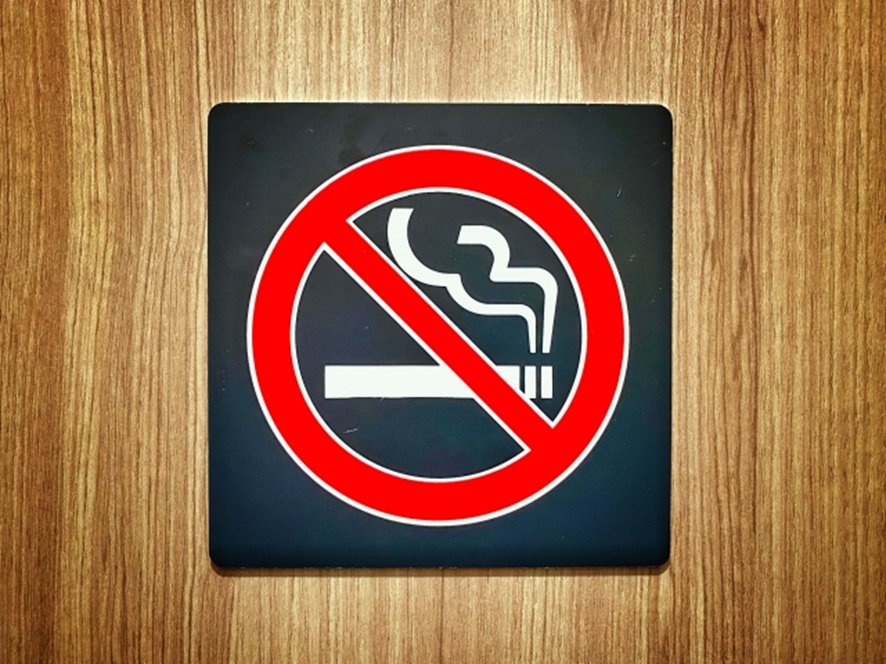
In Japan, hotels may offer both smoking and non-smoking rooms. This is also common in Osaka, where properties often maintain separate room types for smokers and non-smokers. Because guest rooms are generally exempt from Japan’s indoor smoking regulations, smoking policies are largely left to each hotel’s discretion.
If you’re sensitive to the smell of tobacco, be sure to request a non-smoking room when booking. Non-smoking rooms tend to fill up quickly, so book early.
A few things to check on booking sites:
- Rakuten Travel, Jalan, and Booking.com allow you to filter results by “non-smoking room”
- Check that “non-smoking” is explicitly stated in the room or plan name
If you want to eliminate any concern about tobacco odor, choose a fully non-smoking hotel whenever possible.
Do the Check-In and Check-Out Times Match Your Schedule?
In Japan, hotel check-in is typically 3 pm and check-out is 10 am. Note that check-out is earlier than common standards in Europe or North America.
If you arrive late at night or early in the morning, you may end up waiting several hours before your room is ready. Some hotels offer early check-in, but availability usually depends on occupancy and room status on the day of arrival. Mentioning your expected arrival time when making a reservation may improve your chances of obtaining early access, although an additional fee may apply.
Many hotels also provide luggage storage services, allowing you to explore the city without carrying your bags before check-in or after check-out.
Before booking, it’s worth confirming the following:
- Whether early check-in is available and if additional fees apply
- The latest possible time for a late check-out
- Whether luggage storage after check-out is offered free of charge or for a fee
Lining these up with your arrival and departure times helps you make the most of your stay.
[FAQ] Common Questions About Where to Stay in Osaka

Here are answers to some of the most common questions travelers have about hotel bookings and staying in Osaka, including topics such as day trips to Kyoto, recommended trip lengths, and ways to save money on accommodation.
Reviewing these practical tips before you travel can help you plan more efficiently, avoid common mistakes, and make the most of your stay.
Can I Use Osaka as a Base and Visit Kyoto Too?
Yes, Kyoto is very doable as a day trip from Osaka. The JR Special Rapid reaches Kyoto Station from Osaka Station in about 30 minutes for ¥580 one way.
Once you arrive in Kyoto, getting to the main spots looks like this:
- Fushimi Inari Taisha Shrine: About 5 minutes by JR
- Kiyomizu-dera Temple: About 30 minutes by bus and on foot
- Kinkaku-ji Temple: About 40 minutes by bus
For an efficient highlights tour, a day trip is enough. If you want to take your time in Arashiyama or Gion, consider an overnight stay in Kyoto. Choose based on the purpose of your trip.
How Many Days Should I Spend in Osaka?
For Osaka city sightseeing alone, a two-day trip is more than enough.
Rough guidelines by purpose:
- 2 days / 1 night: Hit the staples like Dotonbori and Osaka Castle efficiently
- 3 days / 2 nights: Good when you want a full day at USJ or a Kyoto day trip
- 4 days / 3 nights or more: For travelers who want USJ, Kyoto, and time to wander the less obvious districts
To enjoy USJ properly, set aside a full day. Adding a day for Kyoto temple and shrine visits is a safe call once you factor in travel time.
Are There Ways to Book Hotels at Lower Rates?
By paying attention to where you book, when you book, and which rate plans you choose, you can significantly reduce your accommodation costs.
Here are a few practical strategies:
- Compare multiple booking sites: use member discounts on Booking.com or Expedia, and check the hotel’s official site for any best-rate guarantee.
- Book early: early-bird plans run 10–20% cheaper when reserved 30–60 days in advance.
- Avoid peak seasons: skip the high-season periods (cherry blossoms, autumn foliage, Golden Week, etc.) and aim for January–February or June instead.
Joining free loyalty programs and booking well in advance are two of the most reliable ways to save money on hotels.
How Much Cash Should I Bring?
Although cashless payments are becoming more common in Osaka, the overall cashless share across Japan is still only around 43%. Many food stalls, local markets, and small independent restaurants still accept cash only, so it’s a good idea to carry some with you.
As a general guideline, having ¥5,000–10,000 in cash per day should cover most situations.
If you run low, you can withdraw Japanese yen using foreign-issued debit or credit cards at convenience store ATMs.
A simple rule of thumb is to use cards at hotels, department stores, and larger businesses, while keeping cash on hand for smaller shops and local eateries.
Can I Try Japanese Cultural Experiences Near My Hotel?
Sumo Wrestling Experience in Osaka
Osaka has a wide range of activities for experiencing distinctly Japanese culture.
In the Tennoji area, Sumo Studio Osaka offers live sumo performances by former rikishi up close. The same area’s Waqoo Shitadera-machi hosts tea ceremony and ikebana (Japanese flower arrangement) experiences, and you can try wearing a kimono (traditional Japanese garment) around Namba.
Some hotels, including Hotel Intergate Osaka Umeda, provide traditional craft kits that guests can enjoy in their rooms. For travelers interested in local cuisine, joining a guided food tour is another excellent option.
Hands-OnGet hands-on with sumo in Osaka
Watch former professional sumo wrestlers demonstrate authentic sumo techniques. Learn the history, rituals, and rules of Japan’s national sport, then step into the ring for a hands-on sumo experience in Osaka.
Wrapping Up Your Osaka Hotel Search
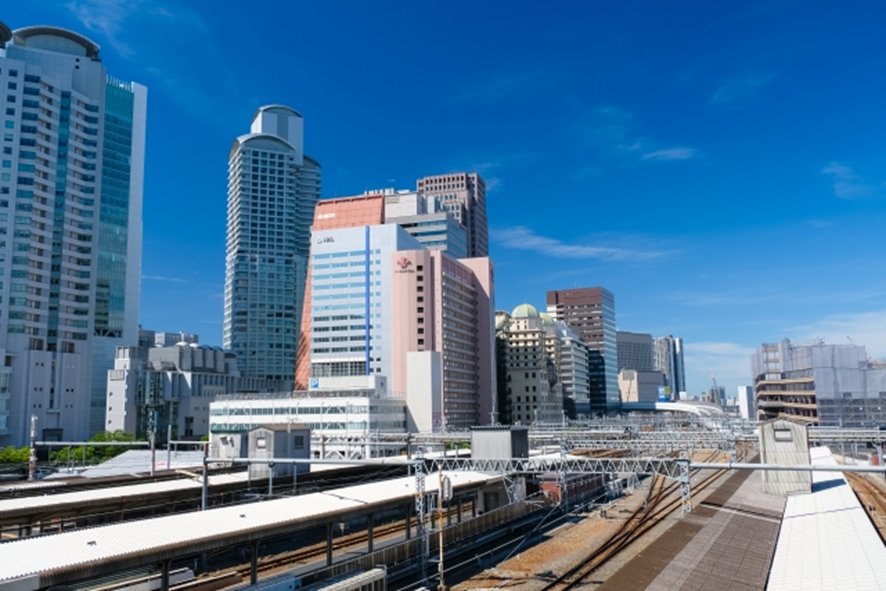
When choosing where to stay in Osaka, start by focusing on areas along the Midosuji Line, then narrow down your options based on your travel goals, budget, and preferred atmosphere. Hotel rates can rise significantly during peak travel seasons, so booking well in advance is highly recommended. It’s also worth paying attention to Japan-specific details such as requesting a non-smoking room and checking the room size before making a reservation.
Find the hotel that best matches your travel style, and you’ll be well positioned to enjoy everything Osaka has to offer.

![Where to Watch Sumo in Japan: 3 Ways to See Sumo & How to Get Tickets [Complete Guide]](https://sumowrestlingshow.jp/wp-content/uploads/2026/08/where-to-watch-sumo-in-japan_1-300x200.jpg)