Osaka to Nara: The Complete Guide to Routes, Times, and Costs
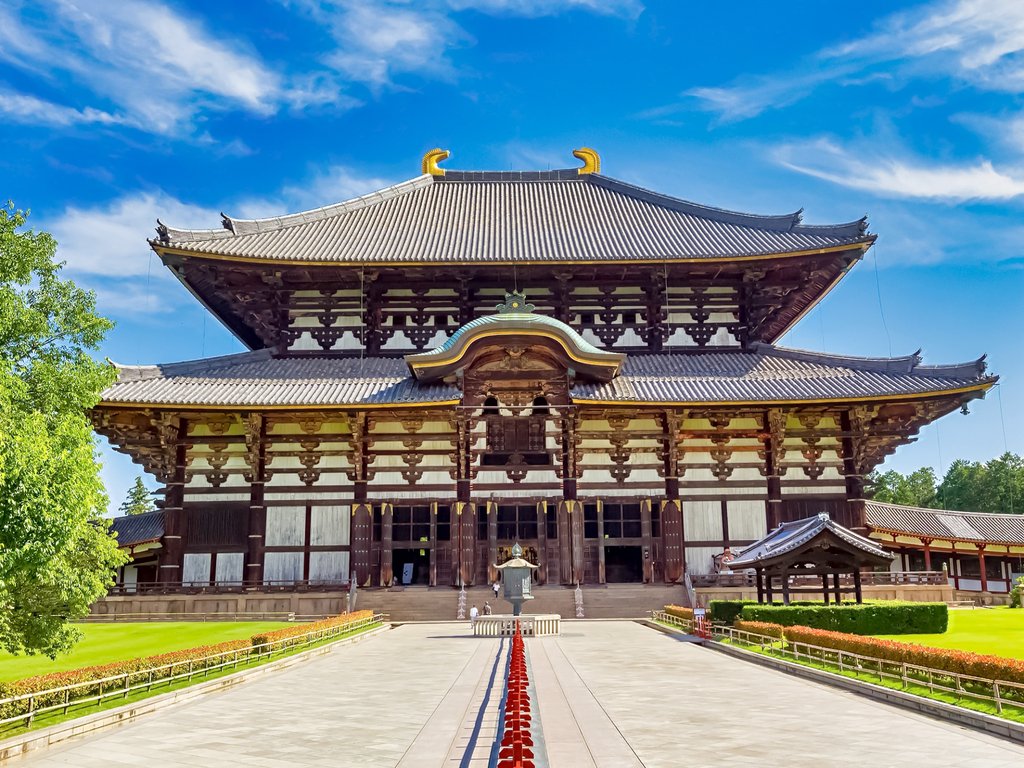
Contents
- How to Get from Osaka to Nara: Fastest Routes by Departure Station
- JR vs. Kintetsu for Osaka to Nara: A Six-Point Comparison
- Rail Passes That Cut Nara Travel Costs
- Experiences and Tours to Pair with Nara Sightseeing
- Common Questions About Traveling from Osaka to Nara
- Your Next Step: Pick Your Route and Go
How to Get from Osaka to Nara: Fastest Routes by Departure Station
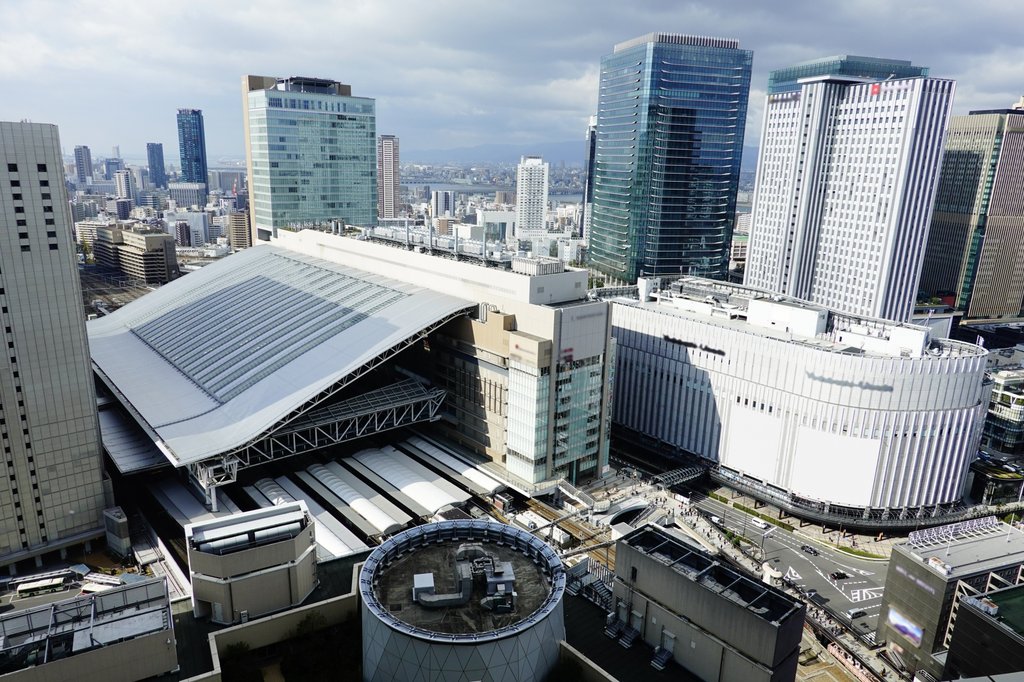
The best route to Nara depends on where you’re staying in Osaka. Umeda/Osaka Station, Namba/Dotonbori, and the JR Osaka Loop Line each call for a different approach. Knowing the right route before you set out saves you from getting lost at transfer points and makes for a smooth start to your Nara day.
From Umeda/Osaka Station: The JR Yamatoji Rapid Service
If you’re staying near Umeda or Osaka Station, the JR Yamatoji Rapid Service is the clear winner. It runs directly to JR Nara Station with no transfers, making it especially easy for first-time rail users in Japan.
Board at Platform 1 on the second floor of JR Osaka Station (Osaka Loop Line, outer track). Reach it by passing through the Central Gate or Midosuji Gate and crossing the mezzanine level. Look for trains displayed as “Yamatoji Rapid Nara” or “Kamo.” Don’t confuse these with the “Local Loop” trains that circle the loop line — double-check the display before boarding.
The journey takes about 50–55 minutes, with roughly four trains per hour during the day. Fifteen-minute intervals mean you can turn up at the station without consulting a timetable. Morning and evening rush hours are crowded and frequencies shift, so the 9 am to 4 pm window is the most comfortable time to travel with a good chance of finding a seat.
From Namba/Dotonbori: The Kintetsu Nara Line
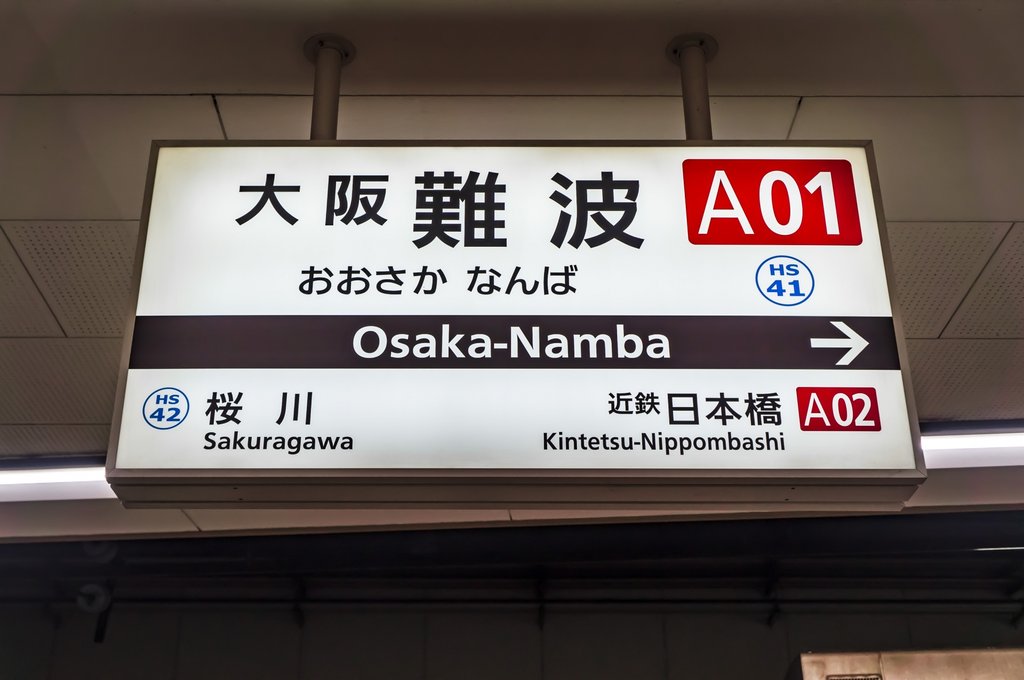
If you’re based in the Namba or Dotonbori area, board the Rapid Express at Kintetsu Osaka-Namba Station. The station is within walking distance of Dotonbori (Osaka’s signature entertainment district) and connects directly through the underground shopping arcade.
Pass through the ticket gates and head to Platform 1 for the Rapid Express bound for Nara. The train reaches Kintetsu Nara Station in about 36 minutes with no transfers.
The Rapid Express doesn’t require a Limited Express ticket — the standard fare of ¥680 covers the ride. The Limited Express service carries an extra fee, so the Rapid Express is the better pick when you want to travel without surcharges.
For comparison, the Yamatoji Rapid Service from JR Namba Station takes about 49 minutes, so Kintetsu trims around 13 minutes off the journey. Kintetsu Nara Station is also the closest station to Nara Park (home to the area’s famous free-roaming deer) and Todai-ji Temple. The deer roaming Nara Park are just a few minutes’ walk from the station exit. This route fits nicely into an itinerary that pairs a Dotonbori food crawl with an afternoon in Nara.
From the Osaka Loop Line: Transfer at Tsuruhashi Station
If you’re staying near Tennoji, Kyobashi, Tsuruhashi, or other Osaka Loop Line stations, transfer to Kintetsu at Tsuruhashi Station. JR and Kintetsu share Tsuruhashi Station, and a connecting gate lets you switch lines without exiting the paid area.
The transfer from JR to Kintetsu can take as little as 90 seconds, making it manageable even with larger luggage. Follow signs for the “Kintetsu Line Transfer” to reach the connecting gate. IC card users can tap through directly, while paper ticket holders can use the fare adjustment machines just before the gate.
Once on the Kintetsu line, the Rapid Express reaches Kintetsu Nara Station in about 30 minutes. Including the Osaka Loop Line segment, the total journey from JR Osaka Station takes around 50 minutes — roughly the same as the direct JR option.
Although the station layout at Tsuruhashi can feel complex at first, the transfer route is clearly marked. Expect about three minutes to transfer when arriving from Tennoji, and around four minutes from the Kyobashi direction. For travelers staying along the Loop Line, this is often the most efficient route to Nara.
JR vs. Kintetsu for Osaka to Nara: A Six-Point Comparison
Which one’s right for you depends on where you’re starting and how you like to travel. Here’s how they stack up on six points: travel time, fare, transfers, proximity to sightseeing spots, rail pass coverage, and accommodation options near each station. By the end, you’ll know exactly which one fits your trip.
Travel Time from Namba: Kintetsu Is 13 Minutes Faster
From Namba, the Kintetsu Rapid Express reaches Nara in about 36 minutes, while the JR route takes around 49 minutes — a 13-minute difference that can make a real impact on a day trip.
Kintetsu runs up to six trains per hour, including express services, so wait times are usually under 10 minutes. For example, departing Osaka-Namba at 9:10 am gets you to Kintetsu Nara Station by 9:46 am, leaving you plenty of time to reach Todai-ji before the crowds build.
JR does not offer a direct route from Namba, requiring a transfer to the Yamatoji Rapid Service at Shin-Imamiya or Tennoji. Factoring in transfer time, the total journey comes to about 49 minutes, meaning a 9:00 am departure often results in an arrival closer to 10:00 am
| Item | Kintetsu Rapid Express | JR Yamatoji Line |
|---|---|---|
| Travel time | About 36 min | About 49 min |
| Transfers | None | 1 (via Tennoji) |
| Daytime frequency | 6 per hour (incl. express) | 4 per hour |
Saving 13 minutes on the train adds up to extra time strolling through Nara Park or lingering over coffee. If you want to squeeze the most out of your sightseeing day, Kintetsu is the way to go.
Fare from Namba: JR Is ¥100 Cheaper Than Kintetsu
From Namba, JR costs ¥580 one way while Kintetsu costs ¥680. That’s ¥200 extra round trip per person — ¥800 for a family of four.
For travelers watching every yen, ¥800 is roughly the cost of breakfast for the group. Over three days of round trips for one person, the gap adds up to ¥600.
That said, ¥100 per trip is pretty trivial for most travelers. JR wins on cost, but Kintetsu arrives about 13 minutes sooner, so choosing Kintetsu to save time is equally reasonable. The shorthand: JR for the cheapest fare, Kintetsu for the fastest trip.
From Umeda: JR Is Direct, Cheaper, and Faster
If you’re staying in Umeda, the JR Yamatoji Rapid Service is the most straightforward choice. It runs directly from JR Osaka Station to JR Nara Station in about 50 to 55 minutes, sparing you the hassle of navigating transfers with luggage. With departures every 15 minutes during the day, wait times are minimal.
Reaching the Kintetsu line from Umeda typically requires a transfer at Tsuruhashi, though you can also detour via Namba. The Namba route adds ¥240 one way on the Osaka Metro Midosuji Line and roughly nine minutes of travel time — around ¥480 and 20 minutes round trip, which isn’t a great trade-off.
For arrival and departure days, when you’re managing luggage, the direct JR route is the most practical option.
Proximity to Sights: Kintetsu Lands You Closer
Walking distance from the station shapes the feel of a day trip. Kintetsu Nara Station sits right at the entrance to Nara Park, and the deer greet you almost as soon as you leave the ticket gates. Kofuku-ji Temple (a UNESCO World Heritage site known for its five-story pagoda) is about a five-minute walk away, and Todai-ji Temple is about 15 minutes on foot.
JR Nara Station sits about 1 km (0.6 miles) from Kintetsu Nara Station. Starting your visit from JR Nara adds that distance to the walk toward Nara Park, and reaching Todai-ji Temple on foot can take about 25 minutes.
| Destination | From Kintetsu Nara Station | From JR Nara Station |
|---|---|---|
| Nara Park | About 5 min walk | About 20 min walk |
| Kofuku-ji Temple | About 5 min walk | About 15–20 min walk |
| Todai-ji Temple | About 15 min walk | About 25 min walk |
That extra distance matters for families with children or anyone who prefers not to walk long stretches. If you’d rather save your energy for the sights, Kintetsu Nara is the smarter starting point.
Rail Pass Coverage: JR Runs at No Extra Cost
If you have the nationwide Japan Rail Pass, you can ride the JR Yamatoji Line at no extra cost, saving ¥1,640 on a round trip between Osaka and Nara. For travelers touring the Kansai region, that savings adds up quickly.
The Kintetsu Nara Line is not covered by the JR Pass, so riding Kintetsu requires either a Kintetsu Rail Pass or paying the regular fare. In practice, JR Pass holders can use the Yamatoji Rapid Service “for free,” while travelers without a pass may want to consider Kintetsu’s own passes or discount tickets.
The next section breaks down which option best fits different travel styles.
Lodging: Hotels vs. Traditional Inns
If you’re staying multiple nights in Nara, the station you base yourself near really changes the feel of the trip. The area around JR Nara Station is packed with large business hotels and international chains, including some connected directly to the station. Multilingual front desks and coin laundries make this district practical for travelers with lots of luggage or anyone prioritizing efficient logistics.
Around Kintetsu Nara Station, the atmosphere shifts. Smaller ryokan (traditional Japanese inns) and guesthouses in converted machiya (traditional Kyoto-style wooden townhouses) are more common. With Nara Park just steps away and a quieter, more historic feel, this area offers a closer connection to the city’s traditional side. If you’re looking for a more intimate cultural experience, the Kintetsu Nara area is the better fit.
A quick summary of lodging priorities:
| Priority | Recommended Station |
|---|---|
| Full amenities and convenience | JR Nara Station |
| Japanese culture and historic atmosphere | Kintetsu Nara Station |
Think about what kind of stay you want first, then pick your station to match.
Rail Passes That Cut Nara Travel Costs

Rail passes come in many varieties, and matching the right one to your itinerary can be tricky. The options below focus on the passes most useful for trips between Osaka and Nara, along with the situations where a simple IC card works best.
Kintetsu Rail Pass: For Budget-Conscious International Visitors
The Kintetsu Rail Pass, available exclusively to overseas visitors, offers strong value for exploring Kintetsu lines on a budget. The 1-day pass covers a round trip between Osaka-Namba and Kintetsu Nara, along with unlimited rides on Nara Kotsu buses serving the Nara Park area.
Bussing from Todai-ji Temple to Kasuga Taisha Shrine and walking back to the station fits within the pass at no extra charge. The 2-day (¥3,700) and 5-day (¥4,900) versions extend coverage to Kyoto and the Yoshino area, making them worth considering for travelers with broader Kansai itineraries.
To purchase the pass, you’ll need your passport. Simply fill out a short application form at the counter, present your passport, and receive the pass on the spot for same-day use. It’s available at major airports, including Kansai International Airport, as well as key Kintetsu stations, so it’s easy to pick up right after arrival.
JR Kansai Area Pass: For Travelers Heading Straight from Kansai Airport
If you’re heading straight from Kansai International Airport to Nara, the JR Kansai Area Pass is worth a look. It covers the Haruka Limited Express (normally ¥2,330 to ¥2,860 for a non-reserved seat) at no extra charge. Transferring to the Yamatoji Rapid Service at Tennoji Station gets you from the airport to Nara in about two hours.
The pass is available in 1- to 4-day options and includes unlimited rides on major JR lines such as the Yamatoji and Kyoto lines. This makes it useful not only for Nara but also for trips to Kyoto and Kobe.
If you already have a nationwide Japan Rail Pass, Haruka and other JR lines are already covered, so purchasing a Kansai Area Pass would be redundant. However, if you’re arriving at Kansai International without a JR Pass, this option can significantly reduce your transportation costs.
Nara-Ikaruga 1-Day Ticket: For Travelers Based on the Osaka Metro
If you’re staying near an Osaka Metro line, the Nara-Ikaruga 1-Day Ticket is handy. It provides unlimited rides on the full Osaka Metro network, select Kintetsu lines, and Nara Kotsu buses for a full day. This neatly covers a typical route: taking the subway from your hotel to Namba, transferring to Kintetsu, and continuing on to Nara.
The price difference compared to a Kintetsu Rail Pass 1-day is roughly the cost of one or two metro rides. If you’re combining Osaka sightseeing with a Nara day trip, the included metro fares bring the overall value roughly in line with the Kintetsu pass.
You can buy the ticket through the Surutto QRtto website (you’ll need to register an account first) and pick your travel date in advance. Another advantage is that the Nara Kotsu bus coverage reaches as far as the Horyu-ji Temple area.
IC Cards: For Independent Travelers Making a Simple Round Trip
For a straightforward round trip between Osaka and Nara, a transit IC card is the cheapest and simplest option. Tap the card at the gate and the fare is deducted automatically — no need to visit a ticket counter.
A rough look at round-trip fares:
| Route | One Way | Round Trip |
|---|---|---|
| JR Osaka → JR Nara | About ¥820 | About ¥1,640 |
| Kintetsu Osaka-Namba → Kintetsu Nara | About ¥680 | About ¥1,360 |
With the round trip under ¥2,000, a day pass rarely pays off. IC cards issued in other regions, such as Suica, work throughout Kansai.
If you don’t already have one, buy an ICOCA (the Kansai region’s IC card) at a JR West ticket machine. The initial cost is ¥2,000, which includes a refundable ¥500 deposit that you can reclaim when leaving Japan. The Kansai One Pass, a version of ICOCA designed for international visitors, is another option. It offers the same functionality plus discounts at selected tourist attractions and restaurants.
Experiences and Tours to Pair with Nara Sightseeing
Worried about transfers or the language barrier? Planning a Nara trip can feel a bit overwhelming at first. Guided tours that handle the logistics are a convenient option, and Japanese cultural experiences back in Osaka offer another way to round out your trip.
Comparing these options with going independently can help you choose the approach that makes the most of your time in Kansai.
Japan Guide Star: Efficient Package Tours
Japan Guide Star offers tours with English-speaking guides and hotel pickup included. If you’re unsure about train routes or transfers, letting a professional handle the logistics gives you real peace of mind, and having a guide explain the historical context on the spot saves you hours of pre-trip research.
On your own, the Osaka-to-Nara trip runs about 36 to 55 minutes one way for roughly ¥800. A guided tour runs into the tens of thousands of yen per person, so it costs more outright. But factor in the language support and a curated itinerary, and the value starts to look different.
Points to confirm before booking:
- Departure times and total duration (the number of stops varies by plan)
- What’s included (admission fees, lunch, transportation)
- Whether larger suitcases can be stored during the tour
Check the official website for the most current tour details and pricing.
Sumo Studio Osaka: A Sumo Show to Cap Off the Day

Sumo Wrestling Experience in Osaka
After finishing your day in Nara and returning to Osaka, Sumo Studio Osaka offers a close-up look at one of Japan’s most storied traditions. Sumo is as much a Shinto ritual as an athletic contest, and here you can experience that heritage firsthand.
From Kintetsu Nara Station, the Rapid Express reaches Osaka-Namba Station in about 36 minutes. Transfer to the Osaka Metro Yotsubashi Line and continue to Hanazonocho Station — about four minutes. The studio sits right across from Exit 4 — you can’t miss it.
Former rikishi (sumo wrestlers) perform bouts, and audience members can ascend the dohyo (the sacred clay ring where sumo is performed) to try the experience themselves. The commentary is in English, so there’s no language barrier to worry about.
Leave Nara around 3 pm and you’ll have plenty of time to catch an afternoon performance. The show runs about 90 minutes, which fits neatly before dinner plans.
Details
| Address | Hanazonocho AI Building 1F, 1-5-1 Asahi, Nishinari-ku, Osaka (right by Hanazonocho Station) |
| Hours | 9 am to 10 pm |
| Closed | Check website for closures |
| Website | https://sumowrestlingshow.jp/ |
| Recommended for | International visitors interested in Japanese culture, families, couples |
Common Questions About Traveling from Osaka to Nara
Below are answers to the most common questions about traveling between Osaka and Nara — service frequency, Kansai Airport access, Kintetsu Limited Express reservations, and the difference between the two “Nara” stations.
How Often Do Trains Run?
Both JR and Kintetsu run frequent service, so long waits are rare.
| Time of Day | JR Yamatoji Line | Kintetsu Nara Line |
|---|---|---|
| Morning rush (7 am to 9 am) | About every 10 min | About every 7–8 min |
| Daytime (9 am to 4 pm) | About every 15 min | About every 10 min |
| Evening rush (5 pm to 7 pm) | About every 12 min | About every 10 min |
Kintetsu maintains a 10-minute interval even during the day. The last train from Kintetsu Osaka-Namba toward Kintetsu Nara Station is an Express at around 11:46 pm, with the first train around 5:30 am. JR’s last train from JR Osaka Station toward JR Nara Station departs around 11:40 pm, with the first train around 5:40 am (schedules vary).
For non-Limited Express services, you don’t need a seat reservation — simply tap your IC card and board.
Is There a Direct Bus from Kansai Airport to Nara?
A limousine bus runs directly from Kansai International Airport to JR Nara Station. The service runs 11 round trips per day, takes about 1 hour 40 minutes, and costs roughly ¥2,400 one way. Reservations aren’t required for airport-bound trips, but departures from Nara do require one.
By contrast, traveling by train involves a transfer at Tennoji Station. If you’re carrying heavy luggage, navigating that transfer can quickly become tiring, making the direct bus a more comfortable option.
| Item | Limousine Bus | Train (with JR transfer) |
|---|---|---|
| Travel time | About 1 hr 40 min | About 1 hr 30 min |
| Fare | ¥2,400 | Around ¥1,740 |
| Transfers | None | 1 (at Tennoji) |
| Luggage | Check-in available | Self-managed |
The train is cheaper, but if you’ve got a lot of luggage, the bus is much more comfortable.
Do Kintetsu Limited Express Trains Require a Reservation?
Kintetsu Limited Express services use all-reserved seating, and you’ll need to buy a Limited Express ticket in advance. You can buy tickets at station counters or online, and make ticketless reservations up to one minute before departure.
Between Osaka and Nara, the Kintetsu Limited Express isn’t particularly advantageous. From Osaka-Namba, travel time is nearly the same as the Rapid Express, yet the Limited Express adds about ¥520 in extra fees. It becomes more worthwhile on routes from Osaka-Uehonmachi or Kyoto, where it can save 5 to 10 minutes or more.
The Kintetsu Rapid Express requires no reservation, and some trains feature forward-facing seats, a more comfortable setup than the side-facing bench seats common on commuter lines. In most cases, it makes more sense to skip the surcharge and put that ¥520 toward something more memorable, like lunch or temple admission.
How Long Do I Need in Nara?
Plan for four to five hours on foot in Nara itself, or at least six to seven hours including the round trip from Osaka.
Budget about two hours for Todai-ji Temple, 1.5 hours for Nara Park, and one hour for Kasuga Taisha Shrine. Those three stops alone run about 4.5 hours. Adding Kofuku-ji Temple or Naramachi (a district of preserved traditional townhouses) stretches the local time to seven or eight hours. The round trip from Osaka adds about two more hours on top of that.
Leaving Osaka at 9 am allows time to cover the main sights and return by evening.
What Is the Difference Between JR Nara Station and Kintetsu Nara Station?
Two stations share the “Nara” name — run by different companies and located in different spots. JR Nara Station and Kintetsu Nara Station sit about 1 km (0.6 miles) apart. Reaching Nara Park or Todai-ji Temple from Kintetsu Nara Station takes about 5 to 15 minutes on foot, compared to 20 to 25 minutes from JR Nara Station.
How to match each station to your plans:
| Point | Kintetsu Nara Station | JR Nara Station |
|---|---|---|
| Distance to Nara Park | About 5 min walk | About 20 min walk |
| Best suited for | Base for day trips | Base for overnight stays and shopping |
| Surroundings | Shopping arcade and restaurants | Concentration of hotels |
For an efficient day trip, Kintetsu Nara Station is the smarter place to arrive.
Your Next Step: Pick Your Route and Go
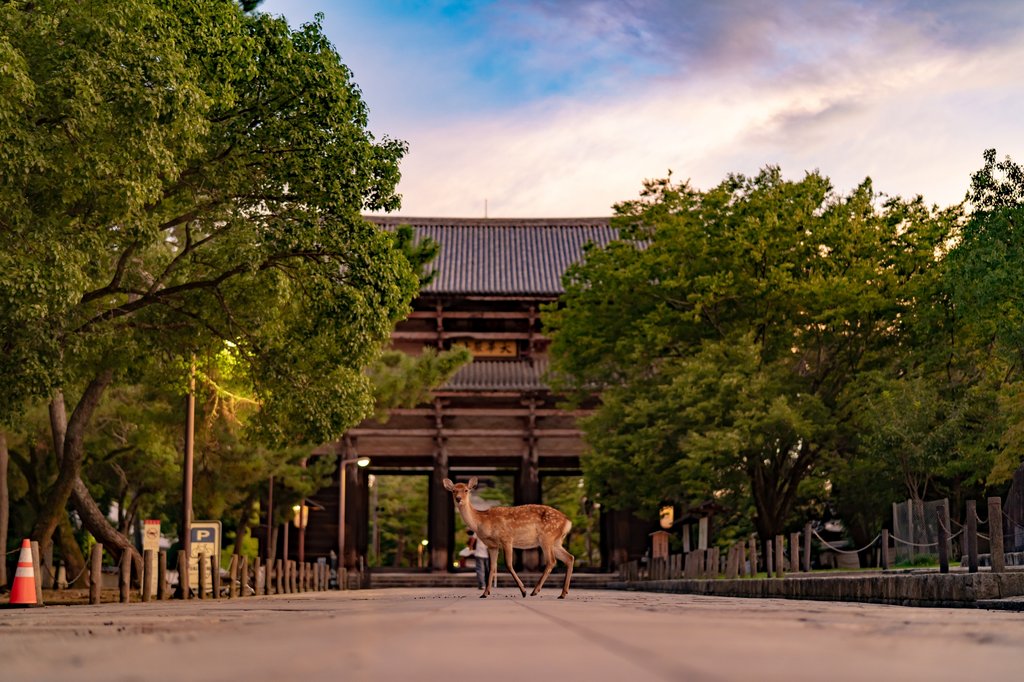
If you have a JR Pass, make full use of the JR Yamatoji Rapid Service from JR Osaka Station. Staying in Namba? The Kintetsu Rapid Express is the more efficient choice. If sightseeing is the priority, arriving at Kintetsu Nara Station puts you within easy walking distance of Todai-ji Temple and Nara Park.
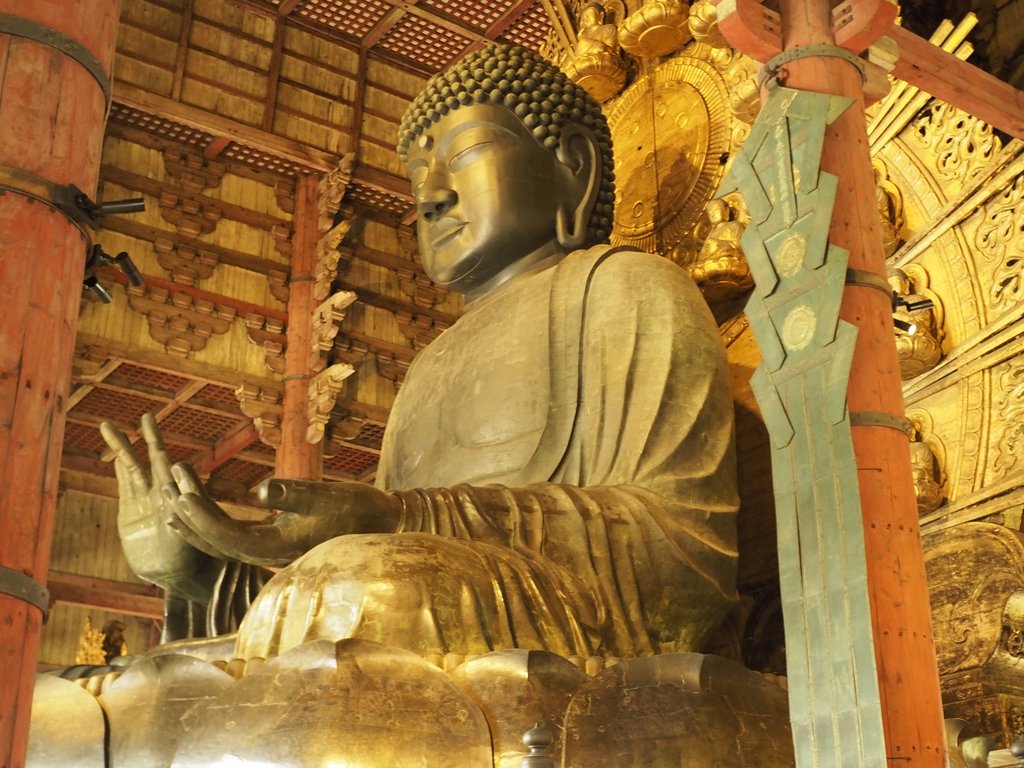
The journey takes about 36 to 55 minutes depending on the route and costs under ¥1,000 one way — a quick, affordable day trip that’s popular for good reason. Use this guide to choose the route that fits your plans, then enjoy Nara’s historic streets, its famous free-roaming deer, and the Great Buddha inside Todai-ji’s vast wooden hall.





![Where to Watch Sumo in Japan: 3 Ways to See Sumo & How to Get Tickets [Complete Guide]](https://sumowrestlingshow.jp/wp-content/uploads/2026/08/where-to-watch-sumo-in-japan_1-300x200.jpg)