What Is a Sumo Stable? A Complete Guide to 4 Tokyo Stables You Can Visit, Reservations, and Etiquette
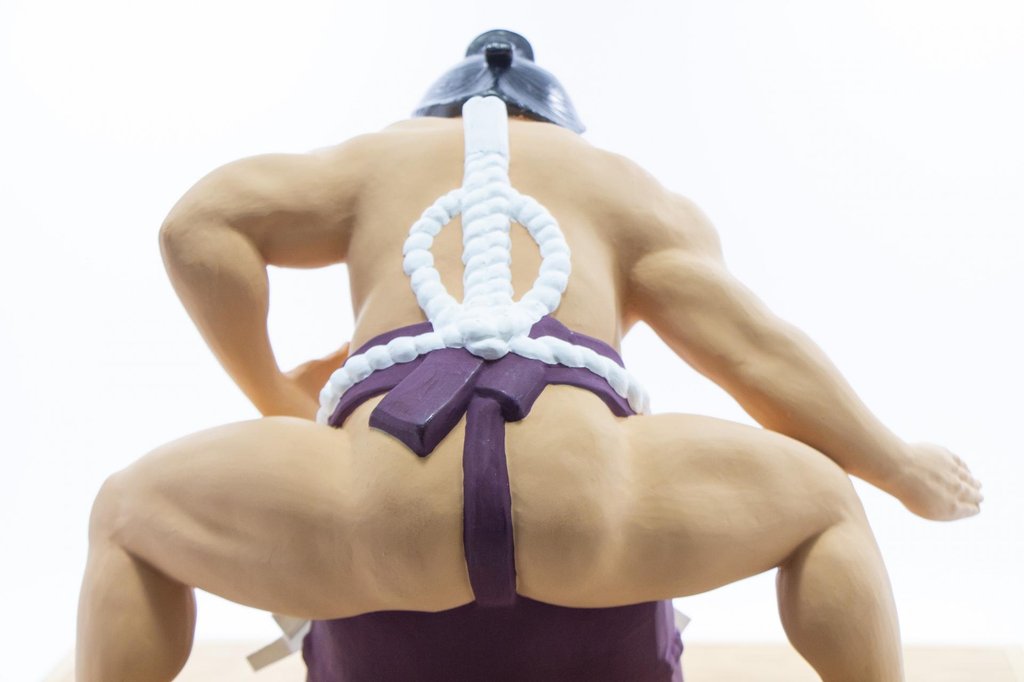
Hoping to visit a sumo stable in Tokyo but unsure how to arrange it or where to go? Reservation requirements, viewing seasons, and conditions for visitors all differ from stable to stable.
This guide introduces four Tokyo sumo stables that welcome visitors for morning practice, highlighting the unique atmosphere of each one along with their booking procedures. It also explains how guided tours can simplify the experience and covers the essential etiquette to help you enjoy a stable visit with confidence.
Contents
- What Is a Sumo Stable? Basics to Know Before Your Visit
- 4 Tokyo Sumo Stables That Welcome Morning Practice Visitors
- Why a Guided Tour Is the Best Way to Visit a Sumo Stable
- 4 Etiquette Rules to Follow When Visiting a Sumo Stable
- Common Questions About Visiting a Sumo Stable
- Experience the Power and Tradition of Sumo Up Close
What Is a Sumo Stable? Basics to Know Before Your Visit

You may be wondering what a sumo stable is and when it is possible to watch morning practice. The key things to understand are how stables operate, where they are concentrated in Tokyo, the best seasons and times to visit, and how reservations work.
Because viewing policies vary from one stable to another, understanding these basics in advance will make it much easier to choose the type of visit that best fits your itinerary.
A Facility Where Rikishi Live and Train Together
A sumo stable is a communal residence and training facility run by an oyakata (stablemaster), a retired professional sumo wrestler. Every rikishi (professional sumo wrestler) belongs to a stable and, as a general rule, cannot transfer to another. Living, eating, and training all take place under the same roof, making the stable both a home and a workplace.
The Japan Sumo Association oversees the stable system, while each stablemaster establishes the training methods, daily routines, and house rules. As a result, the atmosphere and culture can vary considerably from one stable to another. A rikishi’s daily life also differs greatly depending on rank.
- Sekitori (rikishi in the top two divisions who receive salary and attendants) are provided with private rooms and play leading roles during training.
- Makushita-ranked rikishi and those in lower, unsalaried divisions share communal rooms, train intensively, and perform many of the daily duties that support the sekitori.
Watching this hierarchy in action is one of the most fascinating aspects of visiting a sumo stable. Most stables are concentrated around Tokyo’s Ryogoku district, making it easy to include a morning practice visit in a day of sightseeing.
Concentrated Around Ryogoku in Tokyo
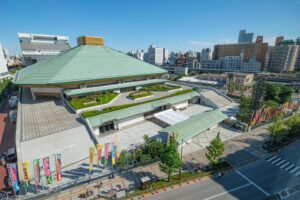
Most sumo stables are concentrated in Tokyo’s traditional downtown districts, particularly around Ryogoku. This dates back to 1909, when the first Ryogoku Kokugikan was built. Once a permanent arena was established in what had long been the heartland of sumo since the Edo period, many rikishi and stables naturally settled nearby.
Today, numerous stables are located in the Ryogoku and Yokoami neighborhoods of Sumida City. Around JR Ryogoku Station, visitors can also explore other sumo-related attractions, including the Ryogoku Kokugikan and restaurants serving chanko-nabe (the hearty hot pot traditionally eaten by rikishi). Nearby areas such as Taito City and Koto City are also home to several stables, making Ryogoku a convenient base for a sumo-themed itinerary.
Not every stable sits near Ryogoku, however. Arashio Stable, for example, is located in Nihonbashi-Hamacho, Chuo-ku. Once you have chosen which stable to visit, be sure to confirm its location, nearest station, and meeting point in advance.
You Can Watch Traditional Morning Practice
Morning practice begins around 6:00–6:30 am and finishes between 9:00 and 10:00 am. Lower-ranked rikishi step onto the dohyo (sacred clay ring) first, warming up with shiko (ritual leg stamps to drive away evil spirits) and suriashi (sliding foot drills) before moving on to moshiai (winner-stays-on practice bouts) and butsukari-geiko (collision drills). For most visitors, the best time to observe practice is between 7:00 am and 9:00 am.
When planning your visit, be sure to check the schedule for the Grand Sumo Tournaments. These tournaments are held six times a year, during the odd-numbered months, and each lasts 15 days. During tournament periods, rikishi are away competing at the Kokugikan or other venues around Japan, so morning practice at Tokyo stables is generally not open to visitors.
Some stables also pause practice for about a week after a tournament. In addition, practice sessions may be canceled at short notice because of injuries or internal stable events. For the latest information, check the stable’s official website or social media shortly before your visit.
Reservations or Tours Are Required for Visits
A sumo stable is both the home and training facility for rikishi, and it is not generally open to the public. As a rule, visiting requires an advance reservation or a booking through an organized tour.
Reservation policies vary from one stable to another. Some accept bookings directly by email or through an online reservation form, while others admit only visitors introduced by members of their supporters’ clubs. Arriving without a reservation will almost certainly result in being turned away.
One notable exception is Arashio Stable, where morning practice can be viewed free of charge through a large glass window outside the building, without entering the stable itself.
Whether a stable accepts reservations in English also varies. If contacting a stable or arranging dates in Japanese seems difficult, an English-speaking guided tour is often the easiest option. With a tour, there is no need to communicate with the stable directly—you simply select an available date and make your reservation.
Because tour groups and viewing sessions have limited capacity, it is best to check availability and book as soon as your travel itinerary is confirmed.
4 Tokyo Sumo Stables That Welcome Morning Practice Visitors
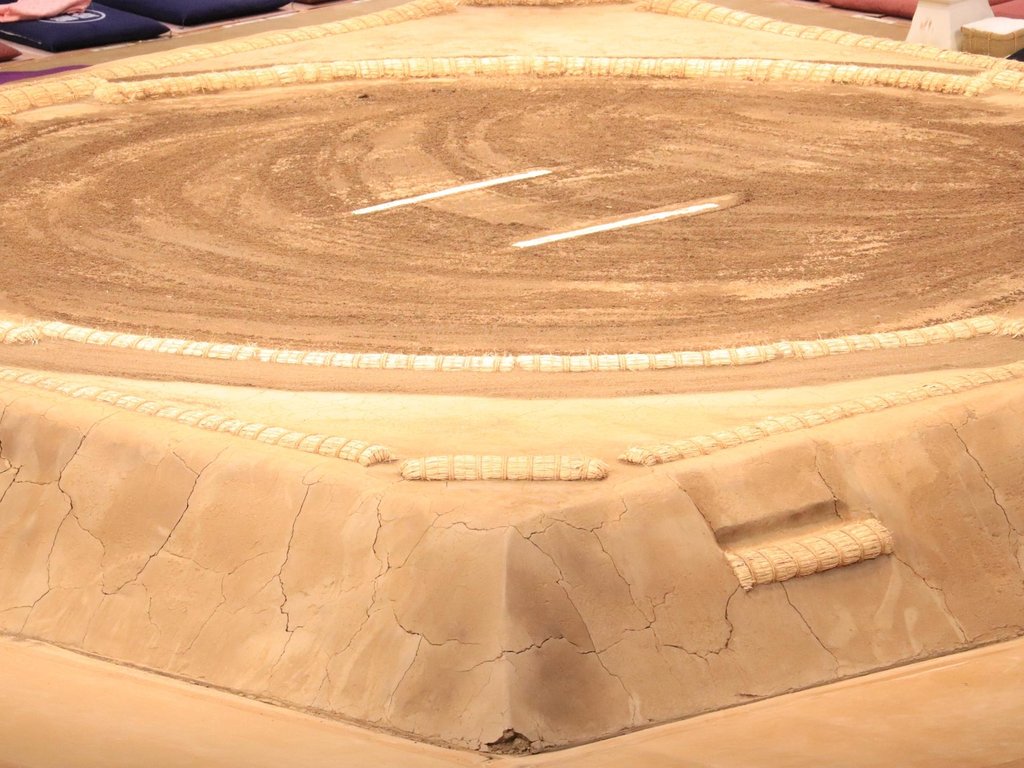
Travelers often ask which sumo stables actually welcome visitors to observe morning practice. In Tokyo, four stables regularly accommodate visitors, each with its own viewing style, location, and reservation policy.
Options range from free, casual viewing through a window to guided tours that provide deeper insight into the traditions and daily life of a sumo stable. Compare the differences below to choose the experience that best matches your itinerary, interests, and travel style.
Arashio Stable: The Only Stable You Can Watch for Free Through a Window
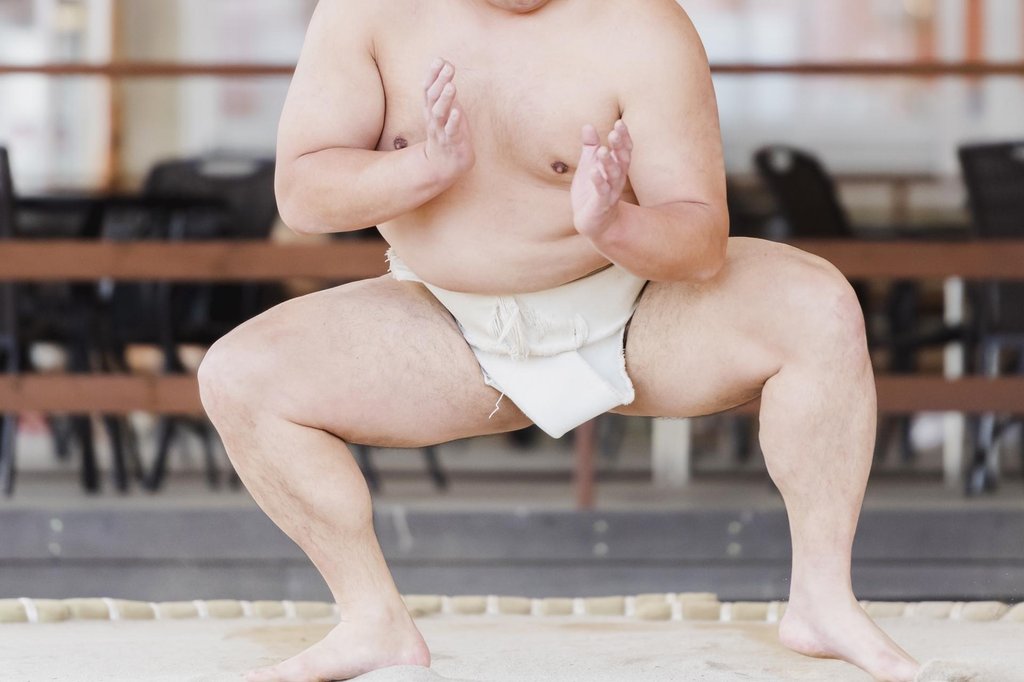
Arashio Stable is the only sumo stable in Tokyo where you can watch morning practice free of charge through a large glass window, with no reservation required. A full-length window on the building’s ground floor allows visitors to observe the rikishi training from the sidewalk, separated only by the glass. For budget-conscious travelers, it is the easiest and most accessible way to experience a sumo stable.
Viewing is generally possible between 7:30 am and 9:00 am. Practice is not held every day, and there are no public viewing opportunities during the Grand Sumo Tournaments or Provincial Tours, so be sure to check the practice calendar on the official website before visiting.
Although you remain outside the building, the practice ring is only a few steps away. To avoid disturbing training, refrain from speaking loudly, tapping on the glass, or blocking the sidewalk for pedestrians.
The stable is conveniently located about a three-minute walk from Exit A2 of Hamacho Station on the Toei Shinjuku Line.
Details
| Address | 2-47-2 Nihonbashi-Hamacho, Chuo-ku, Tokyo |
| Viewing hours | Around 7:30-9:00 am (practice days only) |
| Practice breaks | During Grand Tournaments, Provincial Tours, and other events |
| Official website | https://arashio.net/tour.html |
| Best for | Budget-minded travelers; casual visitors; international tourists |
Tatsunami Stable: A Historic Stable Home to a Yokozuna
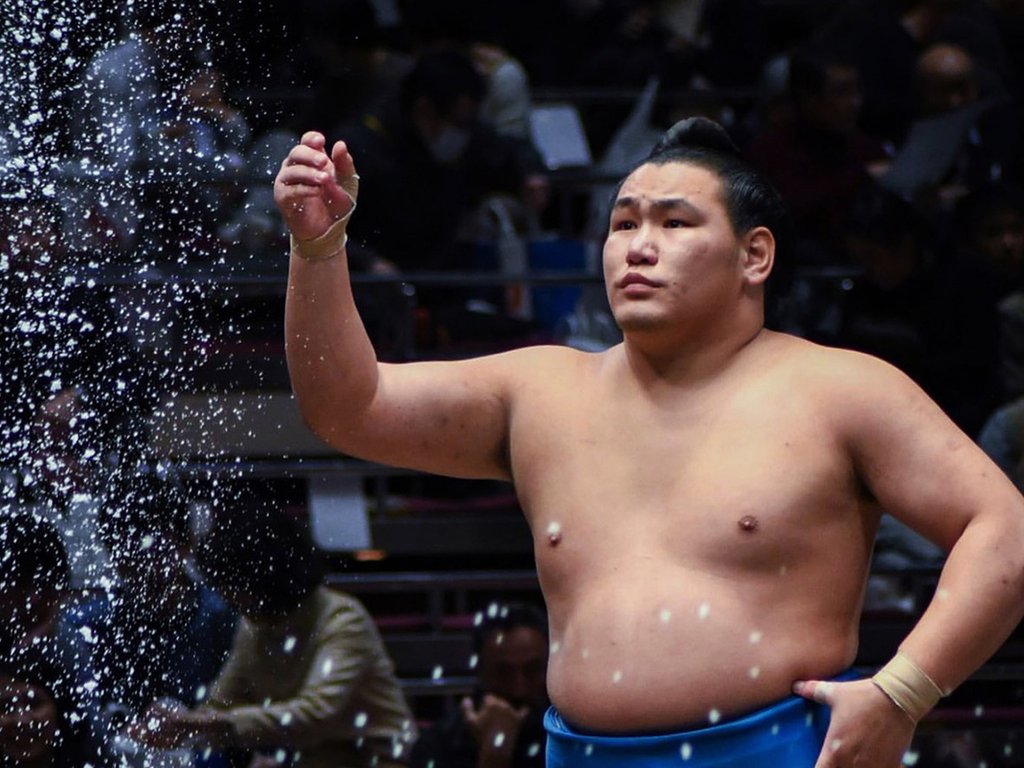
Founded in 1915, Tatsunami Stable is one of Tokyo’s most historic sumo stables and is currently home to Hoshoryu, the 74th yokozuna (grand champion). Opportunities to watch the morning practice of a reigning yokozuna are rare, making Tatsunami Stable an especially attractive choice for visitors who want to experience sumo at its highest level.
Morning practice is by reservation only. Viewing is available through the stable’s supporters’ club, with advance applications accepted via Instagram direct message. During the session, visitors receive an earphone-style audio guide that provides real-time commentary, explaining the names of techniques and the progression of training as it unfolds.
After practice, there is time to take photos with the rikishi and ask questions, making the experience especially memorable for visitors.
The butsukari-geiko performed on the dohyo showcase the extraordinary intensity of training at a stable led by a yokozuna. The sound of powerful collisions, heavy breathing, and feet striking the clay creates an atmosphere that simply cannot be conveyed through a television broadcast.
Details
| Address | 1-16-5 Hashiba, Taito-ku, Tokyo |
| Viewing hours | During morning practice (provided when you book) |
| Practice breaks | During Grand Tournaments and Provincial Tours |
| Official website | https://www.tatsunami.jp/ |
| Best for | Those who want to see a yokozuna train; those who want guided commentary |
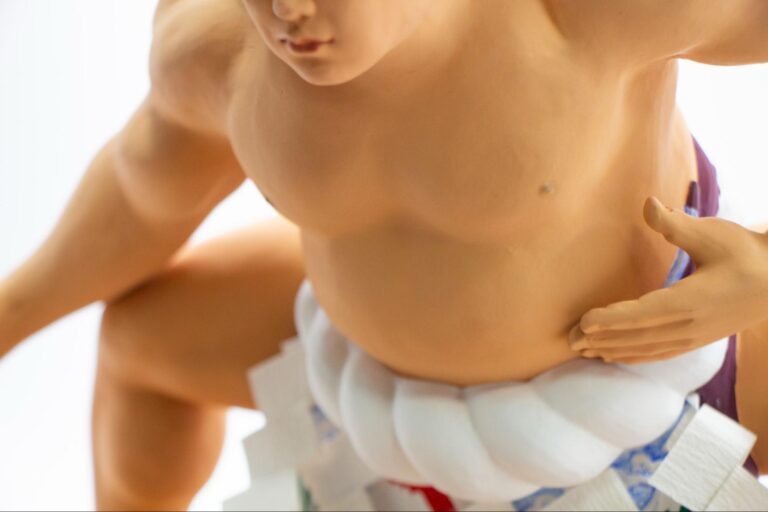
Nakamura Stable: A Stable That Opens Practice Even During Tournaments
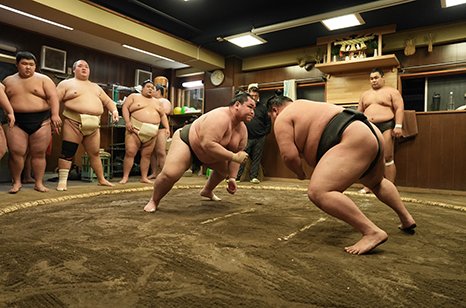
Nakamura Stable was established in June 2024, making it one of Tokyo’s newest sumo stables. Located just a one-minute walk from JR Ryogoku Station, it is easy to combine a visit with nearby attractions such as the Ryogoku Kokugikan and other sumo-related sights.
The stable is known for encouraging its young rikishi to train with energy and initiative, guided by a simple principle: give your best effort without creating unnecessary difficulties for others. Rather than relying on strict discipline alone, the stablemaster treats mistakes as opportunities to learn and provides guidance and support to help each wrestler improve.
Morning practice can be viewed by advance reservation only, with inquiries accepted by email. The stable provides separate contact addresses for Japanese and English inquiries. When making a reservation request, be sure to include your preferred date and the number of people in your group.
Details
| Address | 1-18-7 Ryogoku, Sumida-ku, Tokyo (about a 1-min walk from JR Ryogoku Station) |
| Viewing hours | During morning practice (varies by tour) |
| Practice breaks | Provincial Tour periods; travel days for regional tournaments |
| Booking site | https://nakamurabeya.jp/ |
| Best for | Visitors during Grand Tournament periods; those who prefer tours |
Isegahama Stable: The Largest Stable, Led by a Former Yokozuna
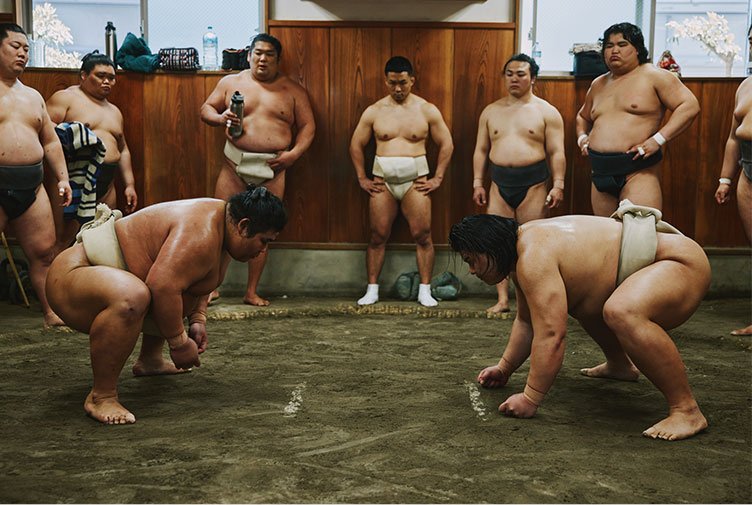
Isegahama Stable has been led by former yokozuna Terunofuji since June 2025, when he succeeded as stablemaster. Located in Tatekawa, Sumida City, Tokyo, the stable features a spacious training hall and is home to numerous rikishi. One of its greatest attractions is the opportunity to observe practice at a stable with multiple sekitori.
Morning practice is by advance reservation only, and viewing opportunities are limited, so it is best to book as soon as your travel itinerary is finalized.
The viewing area is equipped with chair seating, making it a comfortable option for visitors who may have difficulty sitting on the floor, including older travelers. Joining a guided tour also provides commentary on the training methods, techniques, and traditions of the stable, making the experience even more informative and rewarding.
Details
| Address | 2-1-18-202 Tatekawa, Sumida-ku, Tokyo |
| Viewing hours | During morning practice (confirm in advance) |
| Practice breaks | During Grand Tournaments, Provincial Tours, and other events |
| Official website | https://isegahama.net/ |
| Best for | Those who value serious training; those who prefer chair seating |
Why a Guided Tour Is the Best Way to Visit a Sumo Stable
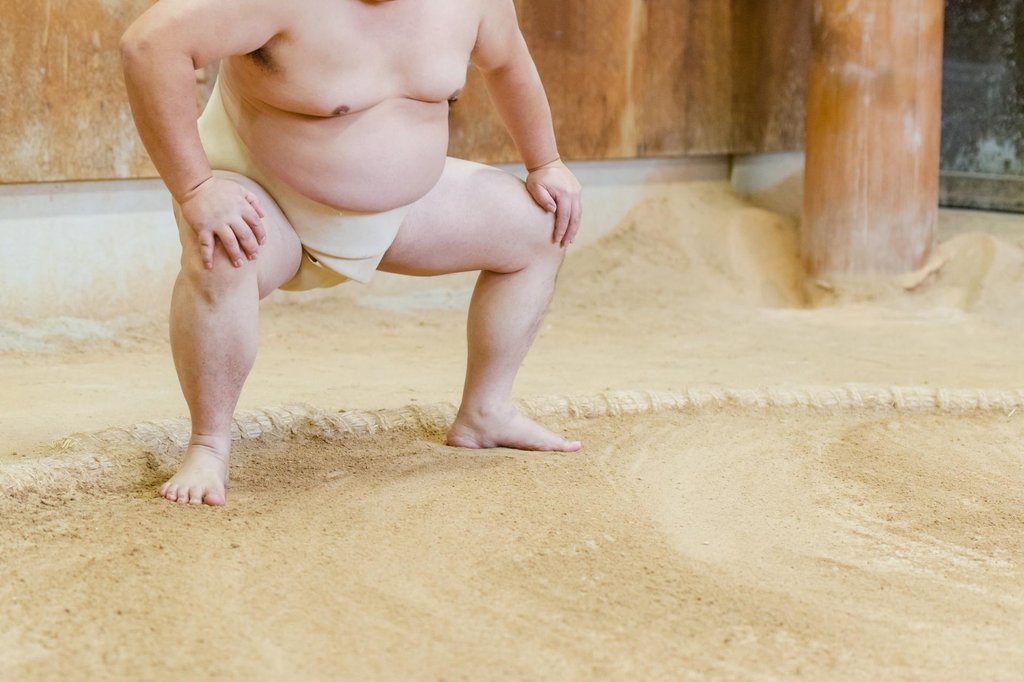
Many travelers are drawn to the idea of visiting a stable but feel overwhelmed by all the preparation involved. Guided tours take that burden away while adding English commentary, special access, and a clear schedule for the day, making it much easier to find a viewing style that suits you.
No Need to Arrange Stables or Coordinate Schedules
One of the greatest advantages of joining a guided tour is that the operator takes care of the entire booking process. Instead of researching which stables accept visitors, checking practice schedules, contacting the stable, and confirming reservation details yourself, everything is arranged on your behalf.
Planning a visit independently requires identifying stables that welcome visitors, confirming availability through official websites or by phone, and coordinating the preferred date and group size. Timing also matters. Grand Sumo Tournaments are held six times a year, and practice schedules and viewing opportunities often change before, during, and after each tournament. During the Nagoya Tournament in July, for example, some stables suspend or significantly alter their usual practice sessions.
For overseas travelers, researching suitable stables and confirming dates and conditions in Japanese can be a considerable challenge. With a guided tour, you simply select an available departure date and make your reservation. On the day of the visit, you meet your guide at the designated meeting point and are escorted to the stable, saving both time and effort.
For travelers with only a few days in Tokyo, a guided tour is often the most convenient and stress-free way to experience morning practice at a sumo stable.
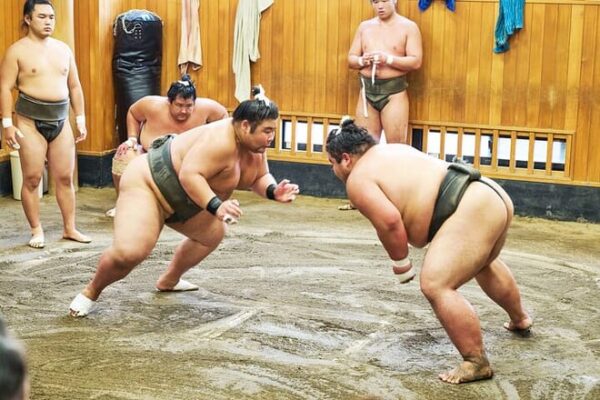
Tokyo: Sumo Morning Practice Viewing Tour at a Real Stable
Feel the intensity of a sumo training session up close • Learn about the rules, rituals, and meaning behind sumo • Visit a real sumo training stable in Tokyo’s historic sumo district
Understand the Practice With English Commentary
On an English-guided tour, the guide explains what each part of practice means in real time, so no prior sumo knowledge is needed. Basic drills such as shiko, matawari (sumo splits), and suriashi can seem repetitive or puzzling without context. With clear explanations as the training unfolds, the purpose of each movement quickly becomes easy to understand.
Some tours use earphone-style audio guides, letting you hear detailed commentary individually without disturbing the quiet atmosphere of the practice hall. This lets you enjoy in-depth explanations while respecting stable etiquette, and you can save your questions for appropriate moments after the session.
Once moshiai begins,the guide’s commentary brings the action to life by explaining the wrestlers’ tactics, techniques, and decision-making on the dohyo. By the end of the visit, you will leave with a genuine understanding of sumo culture that goes well beyond what a tournament audience experiences.
Enjoy Special Experiences You Can’t Get on Your Own
The appeal of a tour is watching morning practice from inside the training hall, a space few visitors ever enter. From this close vantage point, you can experience details that simply cannot be appreciated through a window: the impact of colliding bodies, the sound of heavy breathing, and the sand rising from the dohyo.
Some tours include commemorative photos with rikishi after practice. As photography policies vary from one tour to another, be sure to check in advance whether photos and videos are permitted. A photograph standing beside a rikishi is often one of the most memorable souvenirs of a sumo stable visit.
When comparing guided tours, consider the following points:
- Whether the tour includes entry into the training hall
- Whether it offers post-practice interaction and photo opportunities with the rikishi
- The tour’s photography and video policy
Rather than comparing tours by price alone, focus on the differences in the overall experience to find the option that best matches your interests.
Know What to Expect Before You Go
Tour booking pages clearly outline the supported languages, group size, and what is included, making it easy to plan your day and know what to expect, even if it is your first visit to a sumo stable.
Japan Guide Stars’ “Tokyo: Sumo Morning Practice Viewing Tour at a Real Stable” runs approximately two hours. Throughout the visit, an English-speaking guide explains the rules of the stable, the rituals performed during training, and the traditions behind them, helping you gain a much deeper understanding of what you are watching.
Besides seeing rikishi train up close, the tour concludes with a commemorative photo opportunity alongside a rikishi. Stable admission is included in the tour price, so there is no need to arrange separate reservations or pay additional entry fees.
With its straightforward two-hour schedule, the tour is easy to fit into a day of sightseeing around Tokyo. If you would like to experience authentic sumo culture during a limited stay in Japan, it is well worth taking a look at the tour details page.
Details
| Meeting point | 1-6-13 Shirakawa, Koto-ku, Tokyo (Kiyosumi-shirakawa Station) |
| Duration | About 2 hours |
| Included in price | English-speaking guide; practice viewing; commemorative photo with a rikishi |
| Booking site | https://japanguidestar.com/tour/tokyo-sumo-morning-practice-viewing-tour-at-a-real-stable/ |
| Best for | First-time stable visitors; travelers on a tight schedule |
Tokyo: Sumo Morning Practice Viewing Tour at a Real Stable
Feel the intensity of a sumo training session up close • Learn about the rules, rituals, and meaning behind sumo • Visit a real sumo training stable in Tokyo’s historic sumo district
4 Etiquette Rules to Follow When Visiting a Sumo Stable
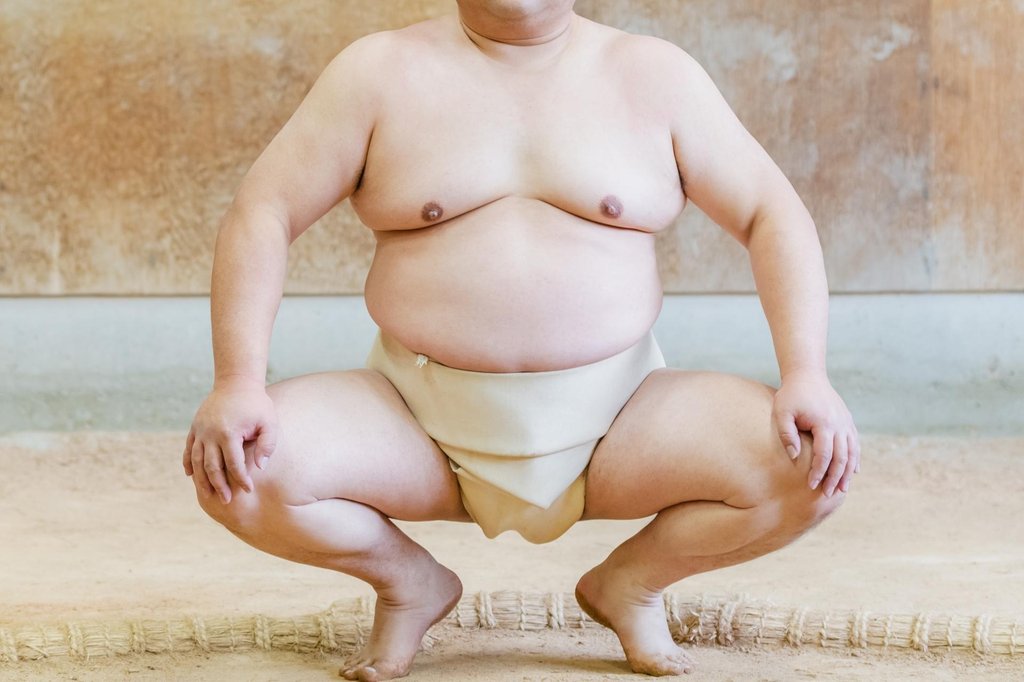
A sumo stable is a sacred training ground for rikishi, and visitors are expected to follow certain rules. Arriving without understanding these expectations can disrupt the wrestlers’ concentration and, in some cases, result in being asked to leave or prevented from visiting again.
Knowing how to behave during practice, the limits on photography, what to wear and bring, and the rules on movement and food will help you enjoy the experience respectfully and with confidence.
1. Watch Quietly During Practice
During morning practice, a sumo stable becomes a place where rikishi train with complete concentration. Even a whispered conversation or a round of applause can break that focus. While cheering is expected at sporting events, observing morning practice is a very different experience. The three basic rules are simple: remain silent, keep your phone on silent mode, and avoid unnecessary movement.
At stables where practice is viewed through a window, the surrounding area is often a quiet residential neighborhood. Speaking loudly with fellow visitors or raising your voice early in the morning can disturb both the wrestlers and local residents.
If you would like to show your appreciation, consider these quiet alternatives:
- Follow the rikishi’s movements with your eyes and cheer silently.
- Give a small nod when you witness an impressive technique.
- Wait until practice has completely finished before expressing your appreciation quietly.
When it is time to leave, do so discreetly without calling out to the wrestlers. Remaining quiet is one of the greatest signs of respect you can show to the rikishi and the stable.
2. Avoid Flash and Video Recording
Even at sumo stables where photography is permitted, flash photography is almost always prohibited. A sudden burst of light at close range can momentarily distract a rikishi and, in the middle of intense training, may even increase the risk of injury.
Video recording policies also vary by stable and by tour. Some prohibit video entirely, while others allow only short clips, so it is important to confirm the rules before your visit.
Points to keep in mind when taking photos:
- Turn off the flash before practice begins.
- Check the video recording policy in advance, as it differs from one stable to another.
- Limit the number of photos if the shutter sound may be disruptive.
- Always follow the instructions given by stable staff or your guide.
By respecting these rules, you can still capture memorable moments while helping to preserve the quiet atmosphere that allows the rikishi to focus on their training.
3. Dress Appropriately and Pack Light
Sumo stables are shoes-off environments, and many are not heated during the winter, so dressing comfortably while remaining respectful is important. Choose modest, easy-to-move-in clothing and keep your belongings to a minimum. Clothing that covers the shoulders and legs is generally appropriate, while overly casual outfits such as tank tops and shorts may be considered disrespectful. In summer, lightweight long trousers and a short-sleeved shirt work well, while in winter it is best to wear layers with a jacket that can be removed easily.
You will remove your shoes at the entrance, so footwear that is easy to slip on and off is recommended. As a courtesy to both the rikishi and other visitors, remove hats and sunglasses once inside so you do not obstruct anyone’s view.
Keep these points in mind when deciding what to bring:
- Pack your belongings in a small bag and avoid bringing large luggage.
- Avoid strong perfume or heavily scented fabric softeners, as scents spread quickly in the enclosed practice hall.
- Food and drinks are generally not permitted during practice.
If you are carrying large bags or suitcases, using the coin lockers at the nearest station is a convenient way to travel more comfortably.
4. Stay Seated and Refrain From Eating or Drinking
The dohyo is a holy space rooted in Shinto tradition. Before every practice session, it is purified with salt, and the rikishi step onto it with the mindset of entering a place of worship. Understanding this background helps explain why visitors are expected to remain seated and why movement, eating, and drinking are so strictly restricted.
During your visit, you should sit where you are directed and remain there until practice has finished. Seiza (the traditional kneeling posture) is often expected, but if sitting that way for an extended period is uncomfortable, simply follow the instructions provided by the stable or your guide. Walking around or leaving during practice disrupts the rikishi’s concentration and is considered disrespectful to both the wrestlers and the sacred training environment. As a matter of etiquette, avoid pointing the soles of your feet toward the dohyo or the rikishi.
Food and drinks are generally not permitted inside the practice hall. In the otherwise quiet atmosphere, even the sounds and smells of eating can be distracting. If water breaks are allowed, they are typically limited to designated rest periods, so it is best to drink water before your visit.
Keep these basic rules in mind:
- Sit where directed and remain in your seat throughout practice.
- Never touch the dohyo or any training equipment.
- Eat and drink only if permitted during designated breaks.
By quietly observing from your assigned seat, you will be able to appreciate the intensity and discipline of sumo training while showing proper respect for the stable and its traditions.
Common Questions About Visiting a Sumo Stable

Reservations, visiting with children, and what to do if morning practice is unavailable are among the questions travelers ask most often before visiting a sumo stable. Reviewing the answers in advance will help you plan your visit with confidence and avoid unexpected surprises on the day.
Do I Need a Reservation?
Window viewing at Arashio Stable does not require a reservation and is available on a first-come, first-served basis on practice days. In contrast, all other stable visits and guided tours require advance reservations, and walk-in visitors are almost always turned away.
During peak travel seasons, such as the cherry blossom and autumn foliage periods, available places can fill up weeks in advance. To avoid disappointment, it is best to begin the reservation process as soon as your travel itinerary is finalized.
| Season | When to Book |
|---|---|
| Regular season | 2-3 weeks ahead |
| Peak season (cherry blossoms, autumn leaves, New Year holidays) | 2-3 months ahead |
Can I Visit With Children?
Visiting a sumo stable with children is certainly possible, but age restrictions and participation policies vary by stable. Because visitors are expected to remain quiet throughout morning practice, it is important to choose a stable that is suitable for your children’s age and attention span.
- Arashio Stable: Window viewing allows visitors to come and go freely, making it the most family-friendly option.
- Isegahama Stable: Chair seating is available, providing a more comfortable experience for families and visitors who find floor seating difficult.
- Nakamura Stable: Some guided tours offer child rates or have specific participation requirements for younger visitors.
When making a reservation, be sure to provide your children’s ages and confirm in advance whether they are permitted to participate.
Can I Watch Practice Without a Tour?
If you are unable to reserve a stable visit, Arashio Stable offers the easiest alternative. On practice days, you can observe morning practice through the large viewing window outside the building without a reservation or admission fee. Because practice days and viewing hours vary, be sure to check the official practice calendar before visiting.
In addition, the Japan Sumo Association occasionally hosts public practice sessions, and some stables open their doors to visitors during limited periods. As these opportunities do not follow a fixed schedule, it is best to check the Japan Sumo Association’s official website or the individual stable’s website for the latest information before making plans.
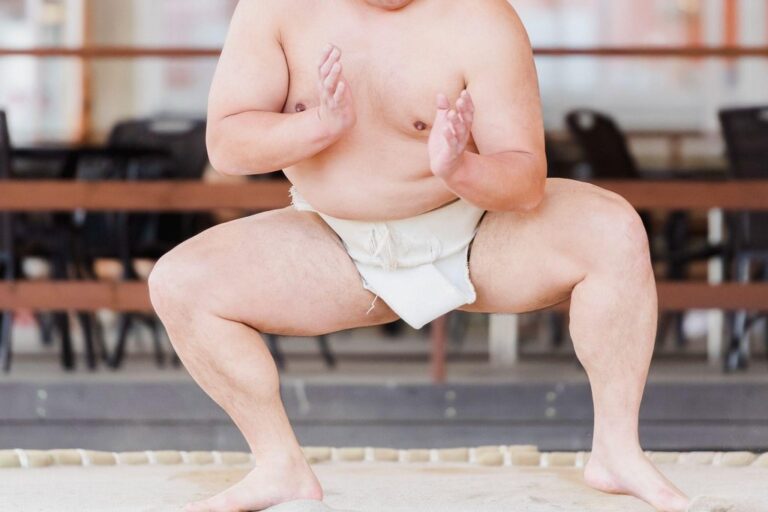
Are There Spots to Visit Before or After Practice?
The Ryogoku district is filled with places where you can experience sumo culture beyond a morning practice visit.
- Sumo Museum: Located inside the Ryogoku Kokugikan, the museum offers free admission outside the Grand Sumo Tournament periods.
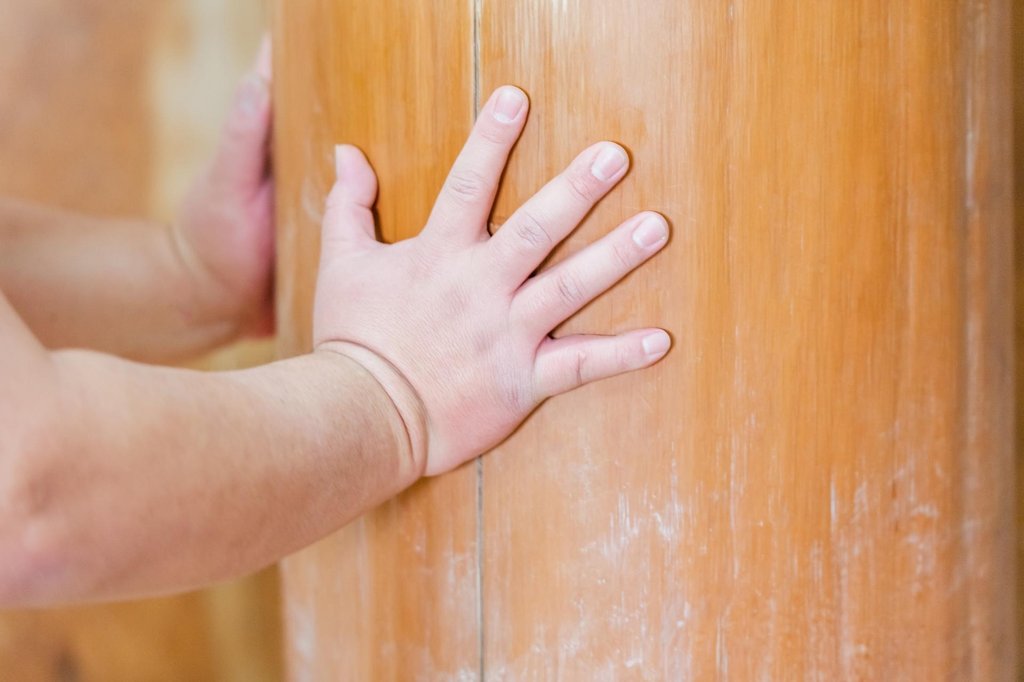
- JR Ryogoku Station: Features displays of the handprints of past yokozuna and a replica dohyo.
- Chanko-nabe restaurants: The area around Ryogoku Station is home to numerous restaurants serving the authentic dish.
By combining a morning practice visit with these nearby attractions, you can easily spend half a day immersing yourself in the unique atmosphere of Japan’s sumo town.

What if Morning Practice Isn’t Available During My Trip?
Some sumo stables suspend visitor access during and immediately before or after the Grand Sumo Tournaments. During the regional tournaments in particular, many rikishi leave Tokyo to compete, so the number of stables offering morning practice viewing is greatly reduced.
If your travel dates do not line up with viewing opportunities, Sumo Studio Osaka is an excellent alternative. You can watch former rikishi perform up close, and even step onto the dohyo yourself in a hands-on challenge segment, something morning practice viewing does not offer.
Details
| Address | 1F Hanazonocho AI Building, 1-5-1 Asahi, Nishinari-ku, Osaka |
| Hours | 10:00-11:30 am, 12:30-2:00 pm, 3:00-4:30 pm, 5:30-7:00 pm, 8:00-9:30 pm (separate sessions) |
| Closed | Irregular holidays |
| Official website | https://japanguidestar.com/tour/osaka-sumo-experience-with-live-show-and-audience-challenge/ |
| Best for | Travelers whose trip overlaps a Grand Tournament; those staying in Osaka |
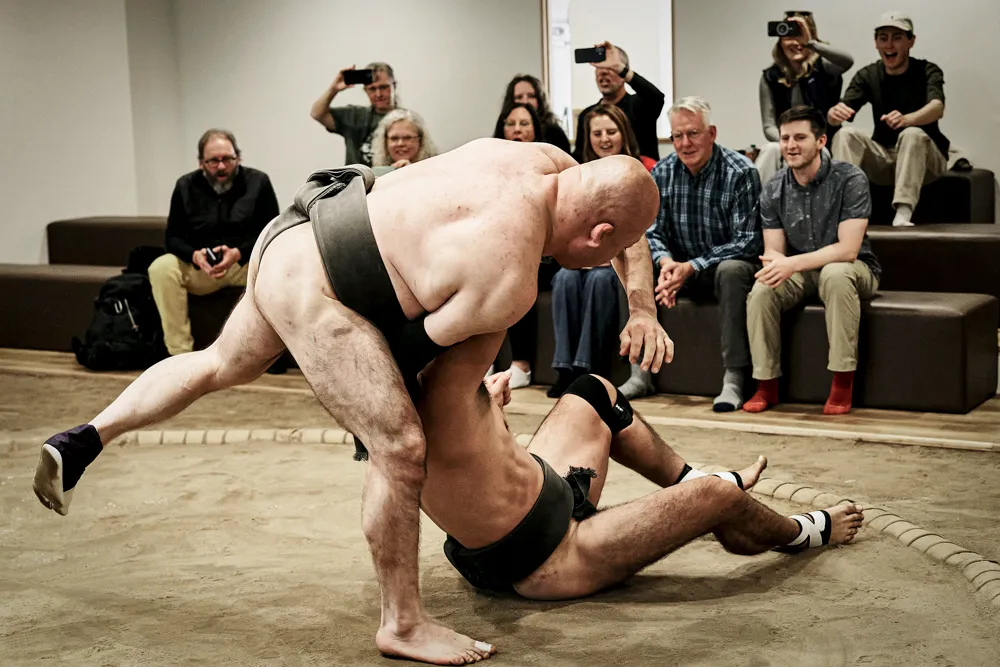 Hands-On
Get hands-on with sumo in Osaka
Watch former professional sumo wrestlers demonstrate authentic sumo techniques. Learn the history, rituals, and rules of Japan’s national sport, then step into the ring for a hands-on sumo experience in Osaka.
Experience the Power and Tradition of Sumo Up Close
Watching morning practice at a sumo stable is a rare cultural experience that puts you just steps away from rikishi in actual training. Because viewing policies and reservation requirements vary from one stable to another, be sure to check the latest information before your visit and carefully follow the etiquette explained by the stable or your guide on the day.
By choosing the stable that best matches your interests and respecting the traditions of the training hall, you’ll gain an insight into the discipline, atmosphere, and daily life of professional sumo that even attending a Grand Sumo Tournament cannot fully provide.