Chanko Nabe Recipe: A Complete Guide to Making Authentic Sumo Cuisine at Home
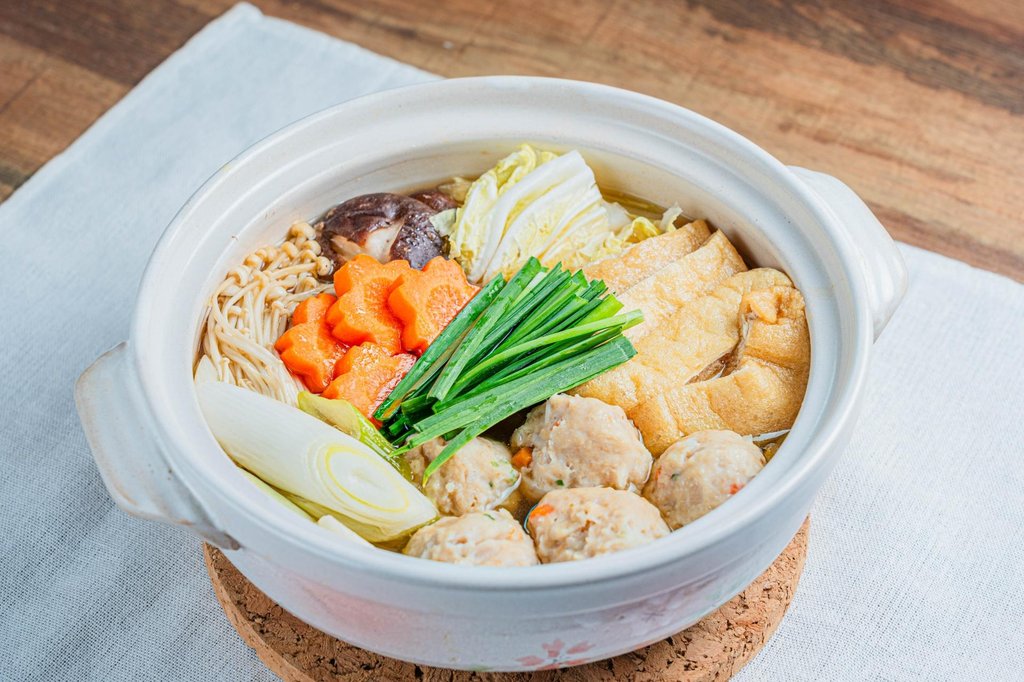
You can make chanko nabe—the protein-packed hot pot dish that has fueled sumo wrestlers for generations—right in your own kitchen.
Many people living outside of Japan struggle to track down Japanese ingredients, or feel unsure about how to balance the broth and shape the chicken meatballs. This guide covers everything from making chicken bone broth from scratch to tips for fluffy chicken meatballs, flavor variations, and ingredient substitutes available overseas, giving you a foolproof recipe from start to finish. We’ll also show you how to enjoy the leftover broth with rice or noodles.
This guide walks you through the basics of chanko nabe all the way to creative variations, so be sure to read on to the end.
Contents
- What Is Chanko Nabe? The Basics of Hot Pot
- Ingredients and Method (Makes Four Servings)
- Flavor Variations to Get More Out of Your Chanko Nabe
- How to Make the Most of Leftover Chanko Nabe Broth
- Making Chanko Nabe Outside of Japan: Ingredient Substitution Guide
- Frequently Asked Questions About Chanko Nabe
- Conclusion
What Is Chanko Nabe? The Basics of Hot Pot
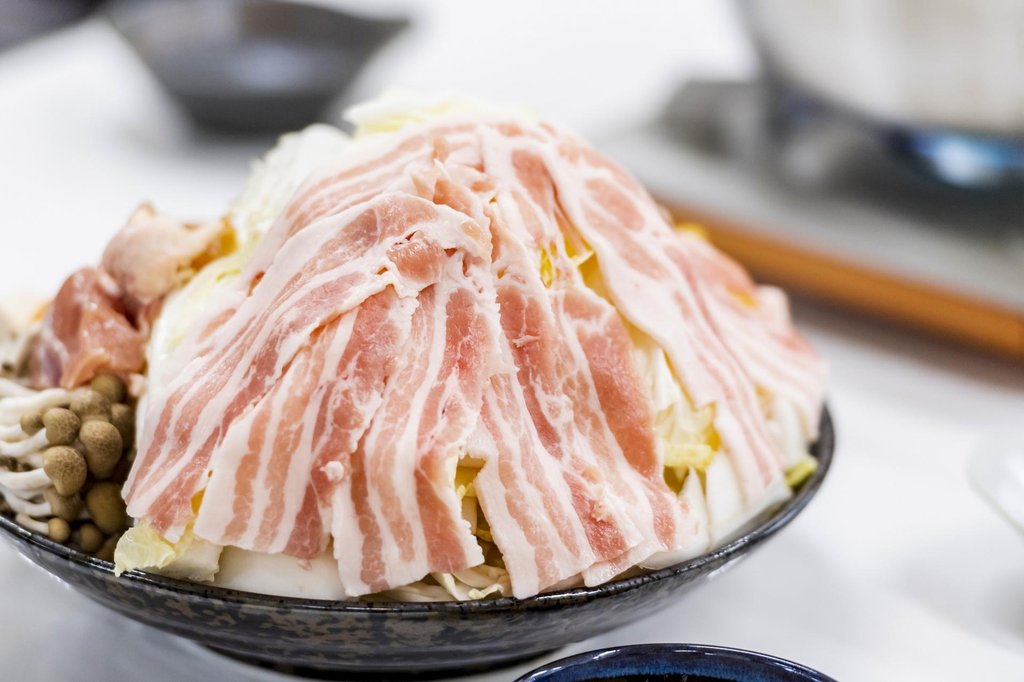
Chanko nabe is a traditional Japanese hot pot dish that developed from the cooking traditions of sumo wrestlers. Before diving into the recipe, let’s take a moment to understand the background of this dish.
In this section, we’ll explain what chanko nabe is, why sumo wrestlers eat it, how recipes differ from one sumo stable to another, and why chicken meat and chicken bones form the foundation of the broth. Having these basics in mind should help you follow the recipe steps and choose your ingredients with greater ease.
Chanko Nabe: A Dish Born in the Sumo Stable
“Chanko” refers to all food cooked by wrestlers inside a sumo stable (where the wrestlers live and train). Curry and miso flavor are included in some chanko nabe variations, but the salt version is most widely known and its most iconic form. The origin of the word “chanko” is debated, but one popular theory traces it to the relationship between master (chan) and apprentice (ko).
Wrestlers favor the hot pot because a single pot delivers large amounts of protein and vegetables at once. With chicken or seafood providing the protein and plenty of vegetables simmered in, it supports muscle development and nutritional balance in one meal. Its practicality in feeding a large group at once also suits the communal lifestyle of a sumo stable.
Chanko nabe functions as a professional athlete’s nutritional meal plan rather than everyday home cooking. It’s also a fantastic option for anyone on a high-protein diet.
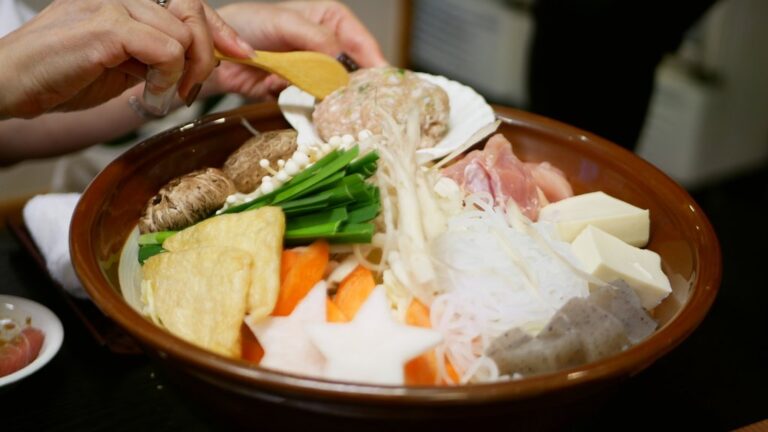
Every Stable Has Its Own Recipe
Chanko nabe has no fixed recipe: the seasonings and ingredients vary from stable to stable. Each stable has its own flavor, and even within a single stable recipes often change depending on what vegetables are in season or what’s available that day.
The base flavors for seasoning fall into three broad categories:
| Seasoning | Flavor Characteristics |
|---|---|
| Salt | Allows the natural umami flavor of the ingredients to shine through with a clean, light finish |
| Soy sauce | Adds a savory depth and richness that pairs perfectly with the chicken broth |
| Miso | Rich and mellow |
These are simply the fundamental flavors most commonly used in chanko nabe. Some stables add kimchi or curry powder, while others serve it mizutaki-style (unseasoned) alongside ponzu sauce.
A recipe published by the Arauma Stable lists ingredient quantities as “however much seems right,” hinting at a creative freedom that even professionals enjoy when making this dish. There are no strict rules about seasoning or ingredient selection, so feel free to experiment with your favorite flavors and whatever you have in the fridge.
Chicken and Chicken Bones Are the Foundation of the Broth
Chicken became the default protein source consumed in sumo stables in Japan for a uniquely sumo reason: because chickens walk on two legs and don’t touch the ground with other parts of their body. In sumo terms, this is the equivalent to never losing, so wrestlers have long seen chicken as a symbol of triumph in the ring. Beef and pork come from four-legged animals and are associated with defeat, so many stables avoid them during tournament season.
Standard chanko nabe uses two types of chicken: sliced thigh meat and chicken meatballs (tsukune). The juicy fat of the thigh and the soft, pillowy texture of the meatballs give you two distinct pleasures in one pot. The backbone of the dish is a broth drawn from chicken bones. In the sumo world, this chicken bone broth is called soppu, and it’s simmered from cold water to produce a clear, golden stock. Adding garlic and ginger creates a punchy aroma you won’t find in other hot pot recipes.
Ingredients and Method (Makes Four Servings)
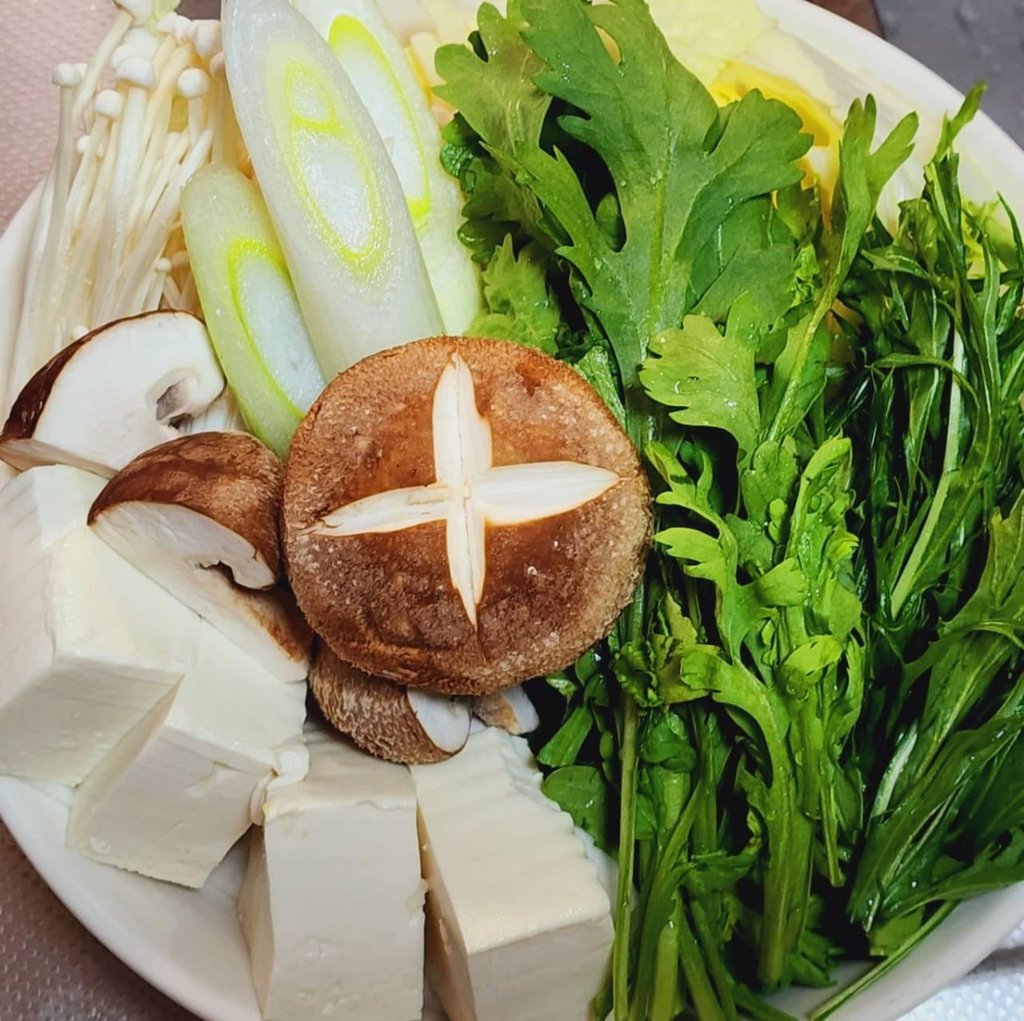
Many first-time chanko nabe makers feel uncertain about how to season the broth or handle the chicken meatballs. This section walks through every step of preparing a salt-base chanko nabe for four people. We break it down into four stages: simmering the chicken broth, kneading the meatballs, prepping the ingredients, and adding them to the pot.
Follow the steps and you’ll get great results.
Step 1: Prepare the Broth
The single most important factor in determining the flavor of the hot pot is building a solid broth base. For an authentic version, rinse a whole chicken carcass under running water, then blanch it briefly in boiling water to remove any odors. Place the carcass in a pot with 1–1.5 L of water and reduce to low heat just before it reaches a boil. Skim off the foam and simmer gently for about an hour—you should end up with 750–1,000ml of clear, golden broth. The trick to keeping the broth clear is to simmer it quietly without letting it reach a rolling boil. If you can’t find a full-sized chicken, bone-in chicken pieces make for a good substitute.
For a quicker version, simply dissolve store-bought chicken stock powder in 600–750 ml of water. Store-bought stock already contains salt, so be sure to taste it before adding any additional seasonings.
Once the broth is ready, season it with the following:
- Salt, 1 tsp: sets the overall flavor axis of the broth
- Cooking sake, 2 tbsp: removes odors and draws out umami flavor
- Mirin, 1 tbsp: adds a gentle sweetness for a rounded finish
- Soy sauce, 1 tsp: for a hidden flavor that adds depth
- Garlic & ginger, 1 clove/knob of each: to contribute fragrance and punch
- Sesame oil, 1 tsp: drizzled in at the end for a rich flavor
As the broth simmers, the water evaporates and the saltiness concentrates, so we recommend being conservative with your seasonings.
Step 2: Knead the Meatballs
Whether the chicken meatballs turn out light and fluffy or dense and dry comes down to how you knead them. The secret is to start by mixing some salt into the ground chicken: add a pinch of salt to 200g of ground chicken meat and mix for 2–3 minutes. The salt draws out the proteins, causing the fibers to bind together and create a sticky, elastic-like texture. You’re aiming for a consistency that stretches like a thread when pulled.
Once the mixture is sticky enough, add half a beaten egg, 1 tbsp of starch, 1 tsp of ginger juice, and a third of a long green onion (negi), finely chopped. The egg helps lock in moisture, while the starch prevents that moisture from escaping during cooking. After mixing, refrigerate the mixture, since chilling the meat makes it easier to shape into balls.
There’s two reasons why chicken meatballs turn out dense and dry:
- Under-mixing: stopping before the mixture becomes sticky weakens the binding of the meat, resulting in a crumbly texture
- Over-cooking: simmering on high heat for too long makes them tough
When dropping the meatballs into the pot, we recommend using a spoon to scoop up the sticky meat. If you wet the spoon, the meat will easily slide off into the soup broth when the time comes to add them.
Step 3: Prepare the Ingredients
The trick is to group the ingredients by how long they take to cook. That way, you can move through the cooking process without hesitation. Hard to cook items will be the first ingredients added to the pot.
Here are the basic ingredients for chanko nabe and how to cut them:
- Chicken thigh, 200 g: cut into bite-sized pieces
- Napa cabbage (hakusai), 1/4 head: slice the firm core on the diagonal, roughly chop the leafy parts
- Japanese long onion (negi), 2 stalks: cut on a thin diagonal
- Carrot, 1/2: cut into five mm half-moon slices
- 4 shiitake mushrooms: remove stems and halve
- Firm tofu (momen), 1 block: cut into 6 to 8 cubes
- Aburaage (fried tofu): cut into thin strips
Napa cabbage has very different thicknesses between the core and the leaves, so cut them separately. Keeping them separate means you can add them to the pot at different times, resulting in both parts having the ideal texture. When arranging the ingredients on a plate, keep the firmer items at the front and the leafy greens and tofu toward the back. Pat the tofu lightly dry to prevent it from watering down the broth.
You can also add other ingredients to taste, such as chrysanthemum greens (shungiku), komatsuna (Japanese mustard spinach), burdock root (gobo), mushrooms like enoki, or fish cake (kamaboko).
Step 4: Simmer the Ingredients
Once the broth comes to a simmer, add the meatballs. Keep the temperature and the order of each addition in mind, and every ingredient will finish at the right firmness. When making the meatballs, squeeze the meat mixture out from between your thumb and index finger, catch it on a wet spoon, then slide it into the simmering broth. When the surface turns white and the balls float to the top, they are cooked through.
Add the remaining ingredients in this order, starting with those that take the longest to cook:
- Add the chicken and carrot; simmer on low to medium heat for 5–8 minutes
- Add the napa cabbage core, tofu, abura-age, and shiitake mushrooms; cook until tender
- Add the napa cabbage leaves and green onion; cook for 2–3 minutes
Add leafy greens such as chrysanthemum greens just before turning off the heat, as overcooking will ruin both their color and their texture.
The total cooking time is approximately 15–20 minutes.
Flavor Variations to Get More Out of Your Chanko Nabe
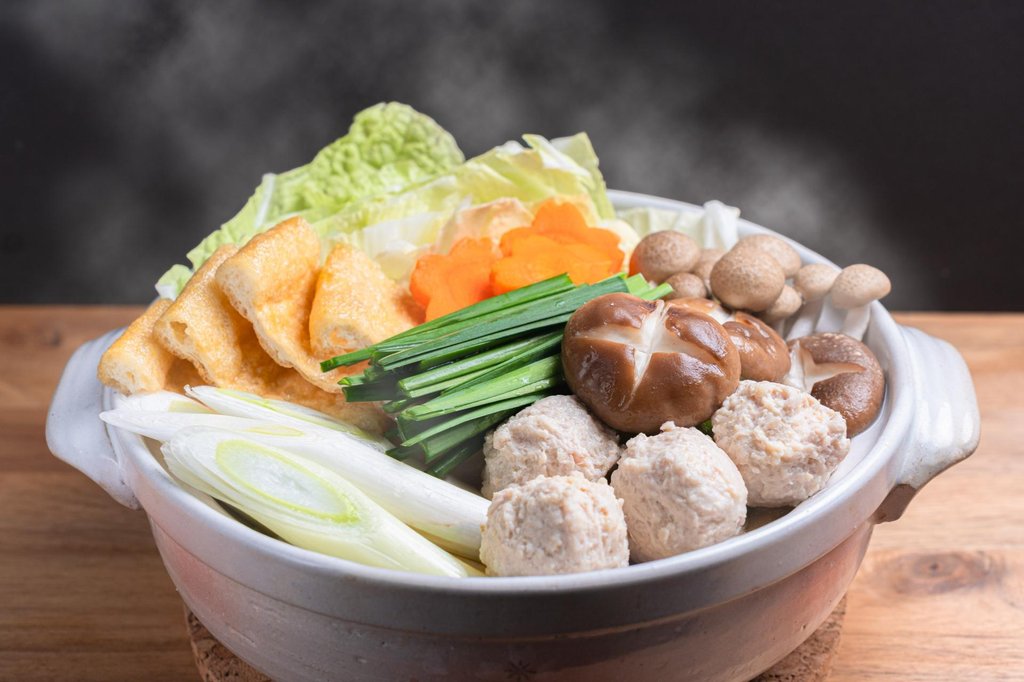
Once you feel comfortable with the basic salt-base recipe, try switching up the seasonings for a completely different experience. This section introduces four variations: miso, soy sauce, kimchi, and curry. Getting familiar with the characteristics of each of these flavor bases will allow you to freely adapt the dish to the season or your mood and find a flavor profile that suits you.
Miso: Rich and Full-Bodied
Switching the salt-based broth to a miso base is surprisingly simple: just replace the salt with 2–3 tbsp of miso for a savory, full-bodied hot pot. Miso is sensitive to high heat, so adding it to a boiling broth will destroy its flavor. Be sure to lower the heat first, then dissolve the miso in a ladleful of hot broth before stirring it into the pot.
The type of miso you use will also change the overall character of the dish:
- White miso (shiro miso): Sweet and mild, a great starting point for your first chanko nabe
- Blended miso (awase miso): Well-balanced between sweet and salty, a versatile all-rounder
- Red miso (aka miso): Deep, bold, and noticeably salty, for a more intense flavor
Red miso is high in salt, so start with just 2 tbsp then adjust the strength by tasting the broth as you add more. Root vegetables and mushrooms pair beautifully with miso, and a sprinkle of ground sesame at the end adds fragrance and extra depth.
Soy Sauce: Bring Out the Umami
Switching the salt for soy sauce adds complexity to the broth. Replace the salt with 2–3 tbsp of soy sauce. The salt in the soy sauce is usually sufficiently salty on its own, so you rarely need to add extra salt separately. If you find the broth is lacking in flavor, gradually add salt and taste the broth periodically as you do so.
The compounds in soy sauce help round out the broth into a cohesive, mellow whole. Soy sauce also pairs beautifully with Japanese-style broth, drawing out depth and richness. If you’re planning to use seafood, the soy sauce base is the way to go as the amino acids in seafood combine with the glutamates in soy sauce for a powerful burst of umami flavor.
A few tips to keep in mind when adding seafood:
- Shrimp and scallops: toughen quickly, so add them after the vegetables have cooked
- Cod: is delicate and breaks apart easily, so add it last and cook for just 2–3 minutes
- Soy sauce drizzle: A small drizzle of soy sauce added just before serving the meal increases the aroma
Kimchi or Curry: Adventurous Variations Worth Trying
If the salt or soy sauce flavors start to taste boring, try kimchi or curry powder for a fun change of pace.
Kimchi chanko is a popular variation at many sumo stables. First stir-fry pork and kimchi in sesame oil until fragrant, then add the salt-based broth to the stir-fry. The added step of frying the kimchi mellows the acidity and coaxes out a richer taste. If you find the kimchi too spicy, a small spoonful of miso will smooth things out.
Curry flavored chanko nabe is even more straightforward: just stir in 1–2 tsp of curry powder straight into the salt-based broth. This is a good variation to try when for entertaining guests who enjoy bold spices.
Both variations work with the same standard ingredients as the salt-based version described above, so you can change up the flavors on a whim.
How to Make the Most of Leftover Chanko Nabe Broth
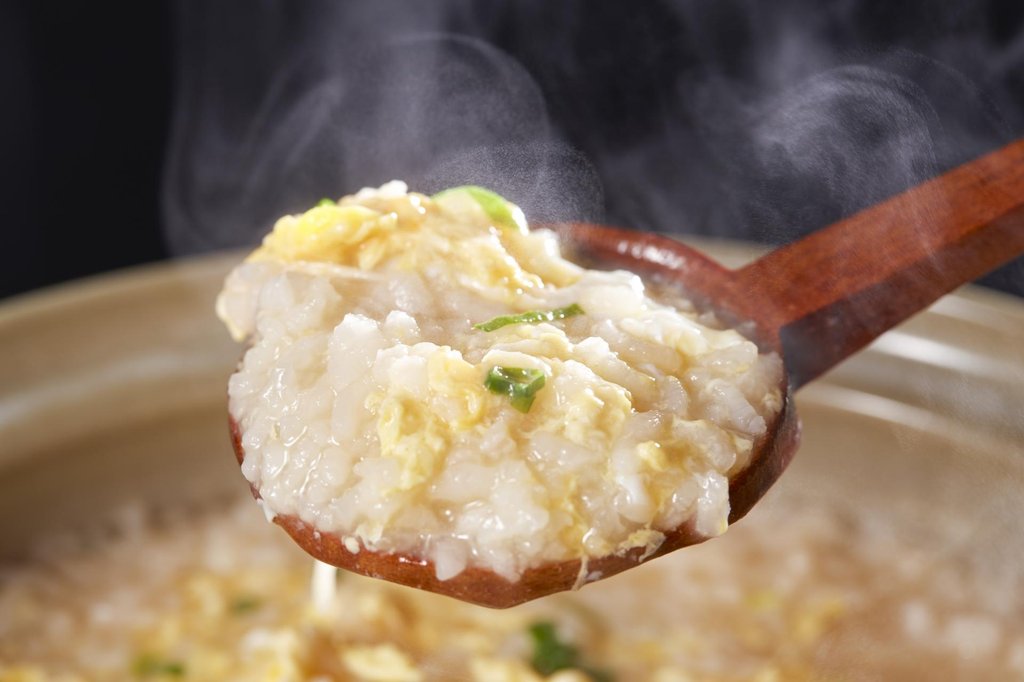
Many people hate the idea of throwing away the rich, umami-packed broth leftover after the meat and vegetables have been eaten. In Japan, the meal often wraps up with shime: a finishing course of rice or noodles, and a chance to turn every last drop of that precious broth into one more delicious dish.
This section introduces three ways to use leftover broth. Knowing these techniques means one pot of chanko nabe can deliver multiple delicious meals.
Add Rice to Make Zosui
The umami-rich broth can be savored to the very last drop as zosui, or Japanese rice porridge.
For zosui, prepare one small bowl of cooked rice per person.
Note that rinsing the rice before cooking it will significantly change its texture:
| Method | Texture |
|---|---|
| Rice rinsed before being cooked | The grains stay separate for a lighter, cleaner finish |
| Rice cooked without rinsing | When added to the broth, the leftover starch thickens the zosui for a silky, soft texture |
Rinse if you prefer a lighter consistency; skip the rinse if you like it thick and comforting.
Add the cooked rice to the broth and simmer on low heat for two to three minutes, allowing the rice to absorb the broth. If you’re adding an egg, pour it in gently once the broth has thickened. Turn off the heat, cover, and let it rest for a moment, and it will come out light and fluffy.
Always taste the zosui after adding the rice. If it’s too salty, add a splash of water or broth.
Add Udon or Chinese Noodles
Noodles offer a different kind of satisfaction compared to zosui.
If the broth has reduced and become quite concentrated, add some water or fresh stock to dilute it before adding the noodles. Keep the heat on low to medium and avoid a rolling boil.
Cooking times vary by noodle:
| Noodle Type | Approximate Cooking Time |
|---|---|
| Frozen udon (1–2 portions) | 2–3 minutes |
| Fresh udon | Pre-boil separately, then simmer in the broth for 1–2 minutes |
| Chinese noodles | 1–2 minutes |
Frozen udon noodles can go straight from the freezer into the broth, making them an easy option. Fresh udon noodles, on the other hand, release starch, so pre-boiling them keeps the broth clear. Chinese noodles cook very quickly, so watch carefully and don’t over-boil. Sumo stables sometimes use ramen noodles, too. Feel free to use whatever noodles you have on hand.
Store the Broth and Use It Later
If you have leftover broth, another option is to strain out the solids and transfer the liquid to an airtight container. Freezing the meat and vegetables damages their texture, so separate them and freeze the broth on its own.
Here’s a guide to storage times:
| Storage Method | Approx. Storage Duration | Tips |
|---|---|---|
| Refrigerator | 2–3 days | Cool completely, then refrigerate right away |
| Freezer | About 1 month | Divide into 1–2 serving portions before freezing |
When freezing leftover broth, choose an airtight container in order to prevent freezer burn. Never leave the broth out at room temperature, as bacteria multiply quickly. When reheating, bring the entire pot to a full boil to ensure the center is heated through. Broth eaten the next day will have all the flavors fully melded together, offering a deeper, richer taste. Keeping a stock in the freezer means you can use it as a base for your next chanko nabe or as an ingredient in other dishes.
Making Chanko Nabe Outside of Japan: Ingredient Substitution Guide
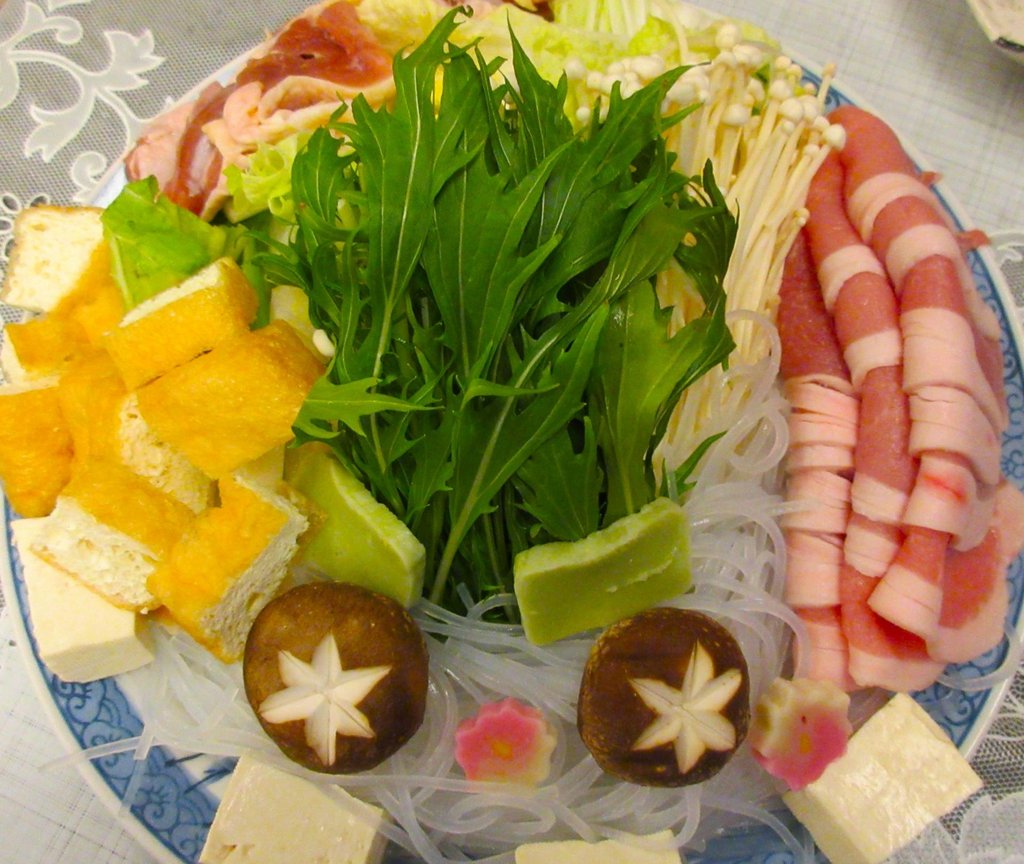
When making chanko nabe abroad, many people find it difficult to find certain ingredients. This section provides practical substitutions you can use to recreate the authentic flavor of chanko nabe wherever you are in the world.
We’ll cover replacement options for vegetables, mushrooms, and seasonings so that you can still put together a highly satisfying hot pot meal with whatever you can find at your local supermarket.
Substitute Bok Choy or Leeks for the Vegetables
The most practical substitute for napa cabbage is bok choy. Add the stems to the pot first then toss in the leaves just before you eat to get a texture close to napa cabbage. Cabbage is also a suitable alternative. It holds its shape well during cooking but takes longer to soften, so add at the same time as the meatballs and carrots.
Leek is the ideal stand-in for negi onion. It sweetens beautifully with heat and blends seamlessly into the broth. Spring onions don’t hold up well when simmered, so use them as a garnish instead.
Also keep these substitutes for chrysanthemum greens in mind:
- Spinach: Mild with little bitterness; add just before turning off the heat
- Arugula (rocket): Slightly bitter and close in flavor to chrysanthemum greens; be careful not to overcook it
Substitute Shitake Mushrooms with Cremini or Portobello Mushrooms
The closest substitute for shiitake mushrooms is cremini mushrooms. White button mushrooms work well too. If you want a clean, clear finish for a salt-based broth, white button mushrooms are the better choice. Portobello mushrooms release a dark pigment into the broth as they cook, so void them if visual appeal is important to you.
Oyster mushrooms are the best substitute for enoki mushrooms. Separate the cluster and tear each mushroom lengthwise, and you’ll get a similar shape and texture to enoki.
Parsnip is a handy replacement for burdock root. It retains a satisfying firmness after cooking, similar to the texture of burdock root. Just note that the flavor will be sweeter, more like carrot.
If you can’t find kamaboko (fish cake), simply leave it out; the dish works perfectly well without it.
Mirin and Dashi Can Be Substituted Too
Mirin is a Japanese seasoning made from glutinous rice (mochi), rice koji (a fermentation starter), and either a distilled Japanese spirit or brewer’s alcohol. It adds a gentle natural sweetness and depth to dishes. If you can’t find it, a good substitute is 1 tablespoon of dry white wine plus 1 teaspoon of sugar. If it tastes a little flat, add more sugar and adjust to taste. Sugar alone won’t replicate the complex richness of mirin, so combining it with white wine is the key.
If cooking sake is unavailable, dry white wine is the closest flavor match as a substitute.
For dashi (Japanese soup stock), choose your method based on how much time you have:
| Method | Prep Time | How to Do It |
|---|---|---|
| Cold water extraction (the night before) | 6–8 hours | Soak kombu (dried kelp) and dried shiitake in cold water and refrigerate overnight |
| Chicken broth powder (on the day) | A few minutes | Dissolve a small amount of store-bought chicken broth powder into water, adding gradually |
If you have time the night before, simply soaking kombu in water will draw out a surprising amount of umami.
Adding dried shiitake mushrooms will boost the flavor even further.
Remove them before they turn bitter.
If you’re making it on the day, chicken broth powder or granules are your best friend.
Add a little at a time and adjust the taste as you go.
Using both together will give the broth an especially deep, layered flavor.
Frequently Asked Questions About Chanko Nabe

Here we answer the questions people most commonly ask when making chanko nabe. We’ll cover nutrition, ingredient choices, vegetarian and vegan options, and alternatives to the traditional clay pot usually used for making nabe.
Let’s clear up any doubts before you start cooking.
Will I Gain Weight Eating Chanko Nabe?
Chanko nabe on its own is very unlikely to cause weight gain. One serving is approximately 200–460 kcal and offers excellent nutritional balance.
A sumo wrestler’s weight gain comes primarily from eating in very large quantities combined with napping directly after meals; it’s a lifestyle habit, not a result of the dish itself. For the average person eating a normal portion at home, chanko nabe is actually a healthy choice. Enjoy it with an emphasis on the broth and vegetables.
Can I Use Meat Other Than Chicken?
Pork and white fish both make for a delicious hot pot.
| Protein | Recommended Seasoning | Cooking Tips |
|---|---|---|
| Thinly sliced pork belly | Miso, kimchi, or salt | Add after the broth is boiling; it’s done when the color changes |
| White fish (e.g., cod) | Salt or soy sauce | Add near the end and remove after 2–3 minutes |
The fat from pork belly adds richness to the broth. White fish has a delicate flavor that pairs beautifully with a salt base. Both become dry and tough if overcooked, so add them at the finishing stage.
Feel free to get creative with whatever proteins you have available.
Can I Make It Vegetarian or Vegan?
You can make a deeply satisfying dish using only plant-based ingredients.
For the broth, replace the chicken carcass with a combination of kombu and dried shiitake mushrooms. The synergy between the two sources of umami creates a wonderfully rich flavor.
For the meatballs, tofu dumplings are a great plant-based alternative. Press the water out of firm tofu, then mix it with potato starch and miso and shape into balls. Adding mushrooms or lotus root (renkon) to the mixture helps them hold their shape during cooking. Experiment freely with your favorite vegetables and tofu. The versatility of chanko nabe is part of what makes it so approachable for everyone.
Do I Need a Clay Pot (Donabe)?
Japanese hot pot cooking uses various pots, including iron, copper, and clay (donabe, an earthenware pot). While chanko nabe is traditionally made in a clay pot, you don’t need one at all; the beauty of a clay pot lies in its heat retention, but it doesn’t fundamentally change the flavor.
When choosing a pot you already own, use:
- A stainless steel or enamel pot at least 10 cm (4 inches) deep
- One with a wide, stable base that won’t boil over easily
With a portable gas burner, you can enjoy the hot pot straight from the table with any pot. The type of pot matters less than the time you share around it.
Can I Experience Authentic Chanko Nabe in Japan?
If you ever have the chance to visit Japan, by all means try authentic chanko nabe in person.
In Ryogoku, Tokyo—the heartland of sumo—you’ll find chanko nabe specialty restaurants run by retired sumo wrestlers, where you can enjoy the real flavors alongside sumo culture.
Osaka is another beloved tourist destination, with a concentration of chanko nabe restaurants particularly in the Namba area. For example, Chanko Nishinoryu is located just steps from Exit B25 of Namba Walk and serves specialties such as “Baumkuchen Kurobuta Pork Chanko Nabe” and “Tsukune Chanko Nabe.”
Afterward, hop on a train to the Tennoji area—just a five-minute ride—to visit Sumo Studio Osaka, a sumo entertainment venue where you can experience the sport up close. With powerful sumo performances and hands-on programs led by former professional athletes, it’s a fantastic way to immerse yourself in Japan’s sumo culture.
 Hands-On
Get hands-on with sumo in Osaka
Watch former professional sumo wrestlers demonstrate authentic sumo techniques. Learn the history, rituals, and rules of Japan’s national sport, then step into the ring for a hands-on sumo experience in Osaka.

Conclusion
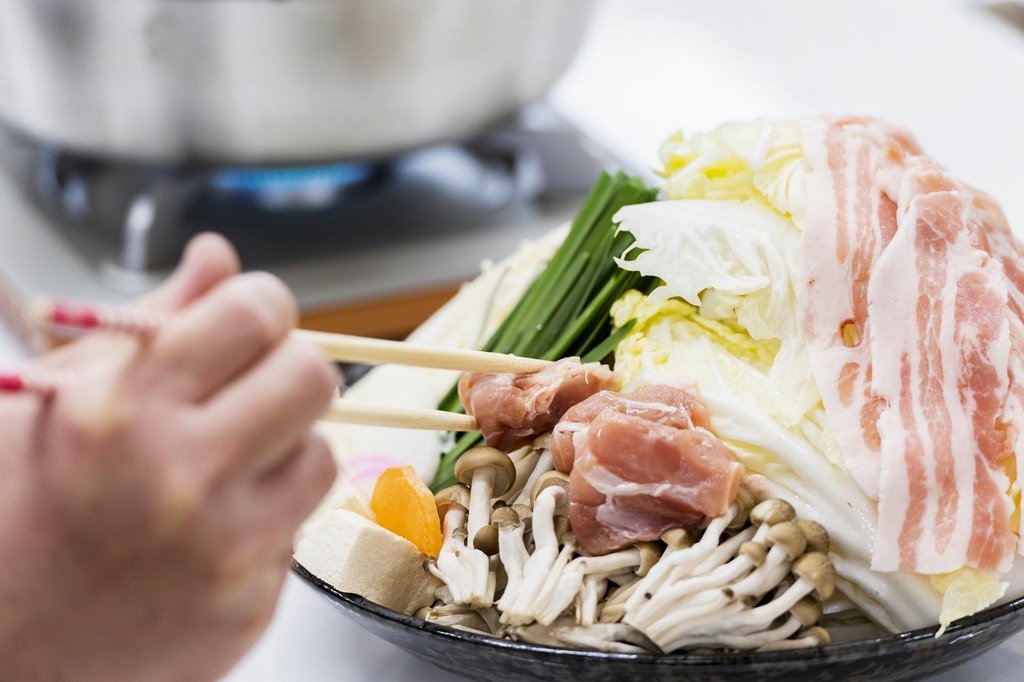
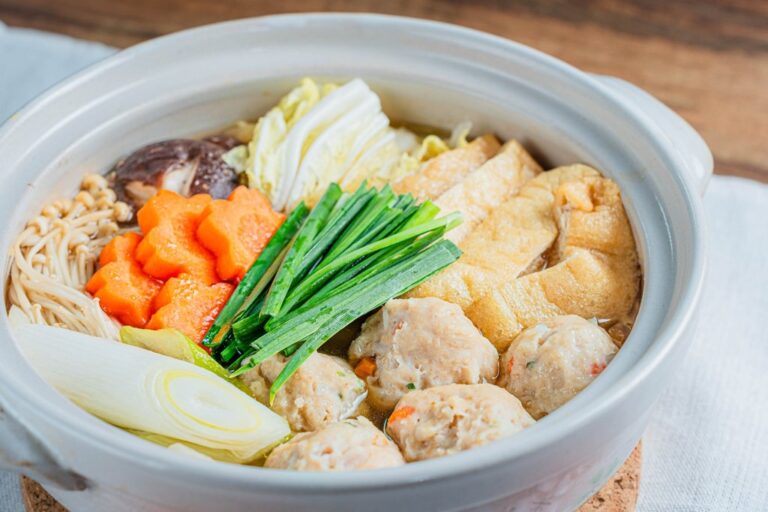
Chanko nabe is a dish that can be fully recreated at home with nothing more than a good chicken bone broth and your favorite ingredients. The flavor range spans salt, miso, and soy sauce, and if you add some rice or noodles to the leftover broth there’s no waste.
Even outside Japan, a few well-chosen substitutions will get you remarkably close to the authentic taste, so why not try it for dinner tonight?







![Where to Watch Sumo in Japan: 3 Ways to See Sumo & How to Get Tickets [Complete Guide]](https://sumowrestlingshow.jp/wp-content/uploads/2026/08/where-to-watch-sumo-in-japan_1-300x200.jpg)