The Complete Guide to Watching Sumo in Fukuoka | How to Enjoy the Kyushu Basho and Essential Preparation Tips
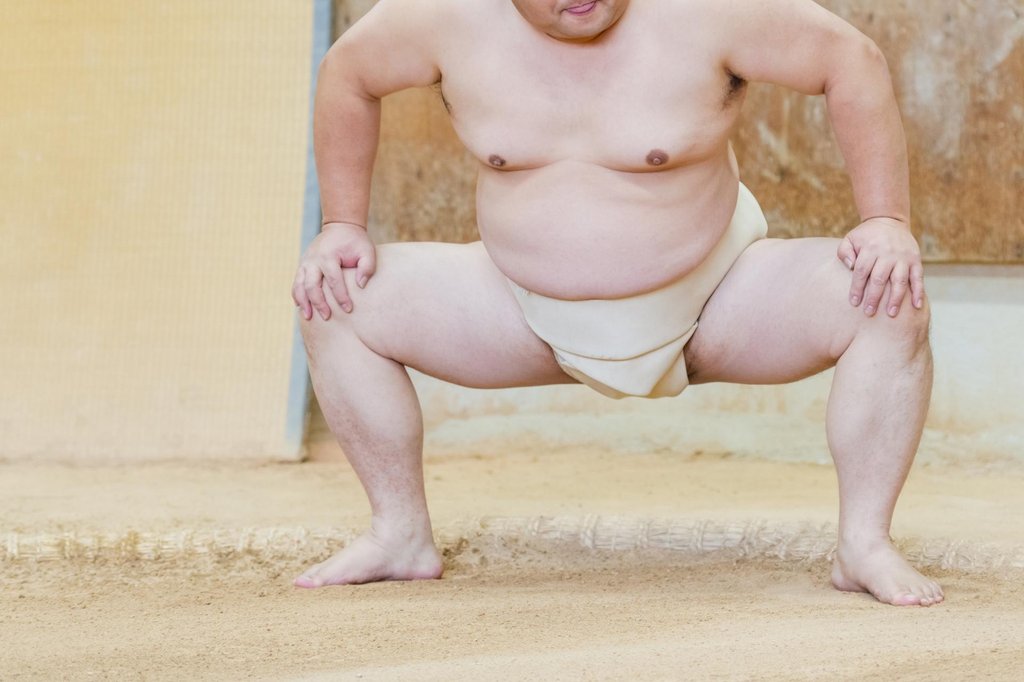
Every November, Fukuoka — especially the Hakata area — takes on its most distinctly “sumo-colored” atmosphere of the year during the Grand Tournament Kyushu Basho.
As the final tournament of the six annual grand tournaments, the Kyushu Basho often determines major year-end honors, including the wrestler with the most tournament victories across the season and other annual awards.
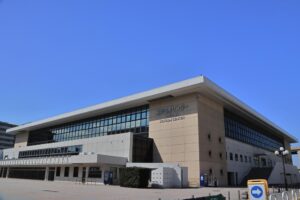
The venue, Fukuoka Kokusai Center, is slightly more compact than Tokyo’s Ryogoku Kokugikan, creating a notably intimate viewing experience. Spectators sit closer to the dohyo, and the sounds of rikishi colliding, stomping, and breathing can be felt throughout the arena, producing a level of immersion unique to the Kyushu tournament.
Combine that with world-renowned culinary culture like Hakata ramen, motsunabe (offal hot pot), and the Nakasu yatai (open-air food stalls), and you have the greatest appeal of the Kyushu Basho: the chance to enjoy sumo, food, and sightseeing all at once.
The sections below explain everything first-time international visitors need to know about the Kyushu Basho, including ticket purchasing, seat selection, tournament etiquette, and recommended sightseeing and dining spots around the venue.
Contents
- The Unique Features and Appeal of Watching Sumo in Fukuoka (Kyushu Basho)
- Preparation Steps for Watching Sumo in Fukuoka
- Basic Knowledge to Know Before Watching Sumo
- Etiquette and Cautions for Watching Sumo
- Sightseeing Areas and Recommended Cuisine Around the Fukuoka Sumo Venue
- [FAQ] Frequently Asked Questions About Watching Sumo in Fukuoka
- Summary
The Unique Features and Appeal of Watching Sumo in Fukuoka (Kyushu Basho)
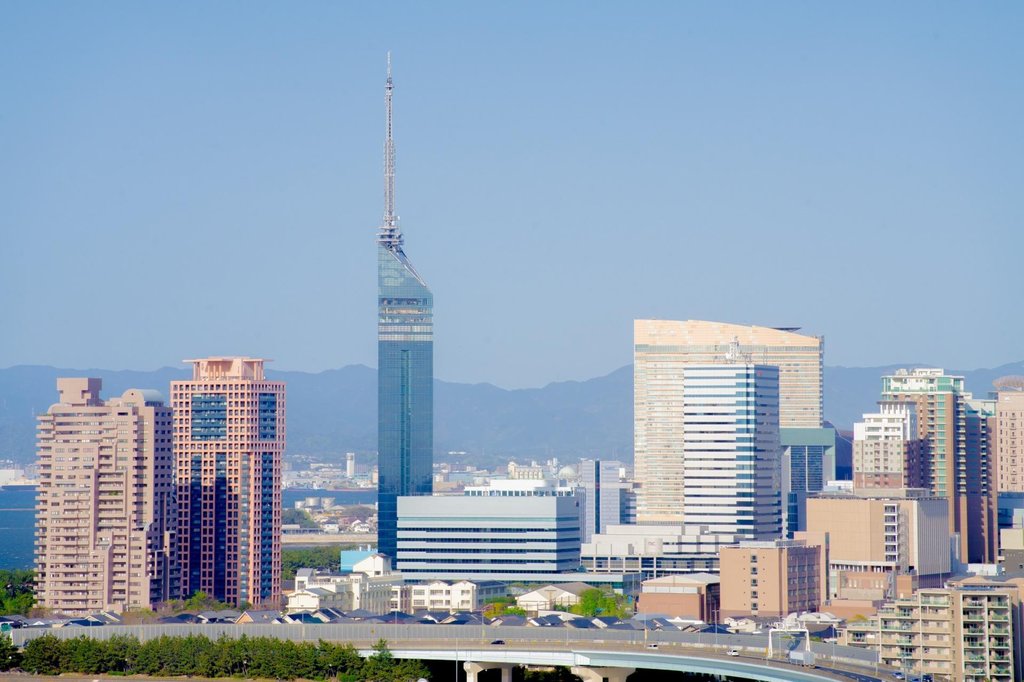
Among the six annual tournaments held nationwide, the Kyushu Basho is widely regarded as one of the most distinctive honbasho (Grand Sumo Tournaments).
Among the six annual tournaments held nationwide, the Kyushu Basho is known as a particularly “special” honbasho (Grand Sumo Tournament). As the year-end finale, the intensity and tension surrounding the rikishi feels especially palpable. On top of the immersive atmosphere unique to this compact venue, visitors can also enjoy Hakata gourmet food and sightseeing alongside the tournament — a combination only the Kyushu Basho can offer.
Here, we introduce three reasons why watching sumo in Fukuoka is such a rewarding experience.
The Year-End Tournament Where Championship Races and Annual Awards Converge
The Kyushu Basho is the final honbasho of the year and serves as the “year-end summation” where the season’s top-winning rikishi and various annual awards are decided.
Wins and championship totals accumulated throughout the year often come down to the wire on senshuraku — the climactic final day of the tournament — and a single bout at the edge of the dohyo can directly determine an annual title. On senshuraku in particular, decisive matches affecting championships and winning or losing records unfold one after another, wrapping the entire arena in a unique sense of tension.
Unlike the festive atmosphere of the January tournament or the intense midsummer energy of the Grand Sumo Tournament in Nagoya, the Kyushu Basho carries a quieter feeling of culmination and closure. That “wrapping up the year” atmosphere is something unique to Fukuoka, making the tournament an especially memorable way to conclude a trip to Japan.
A Venue Holding Around 7,000 People Where the Immersion Truly Stands Out
Fukuoka Kokusai Center, the venue for the Grand Tournament Kyushu Basho, has a capacity of around 6,976 spectators — roughly 60% the size of Tokyo’s Ryogoku Kokugikan, which seats about 11,000.
What makes the venue special, however, is the short distance between the dohyo and the audience. The sounds of rikishi colliding, the purifying salt tossed onto the clay ring, the calls of the gyoji (referee), and even the spray of sweat during a bout all reach spectators directly.
Especially from the front of the chair seats or from the box seats (masuseki, tatami-floored box seats for small groups), the intensity is something no television broadcast can fully reproduce.
For international visitors experiencing sumo for the first time, Fukuoka Kokusai Center offers a rare balance of accessibility, scale, and immediacy that often leaves people thinking, “I had no idea sumo was this intense.”
Enjoy Sumo, Hakata Cuisine, and Sightseeing All at Once
During the Kyushu Basho, you may spot rikishi in yukata (light cotton kimono) while walking through Hakata’s streets or shopping arcades. These chance encounters with wrestlers going about their daily routines are a beloved seasonal feature of the tournament and something visitors rarely experience as naturally in other sumo cities.
Before or after the matches, visitors can also dive into Fukuoka’s renowned food culture, including the famous Nakasu Yatai food stalls, Hakata ramen, Motsunabe, and Mizutaki (a traditional chicken hot pot).
Many well-known restaurants are located within walking distance of Fukuoka Kokusai Center, making it easy to head straight to dinner while still carrying the excitement of the day’s bouts.
November weather is another advantage. With average temperatures around 13–14°C (55–57°F), Fukuoka offers comfortable conditions for sightseeing, dining, and enjoying sumo throughout the day.
Preparation Steps for Watching Sumo in Fukuoka
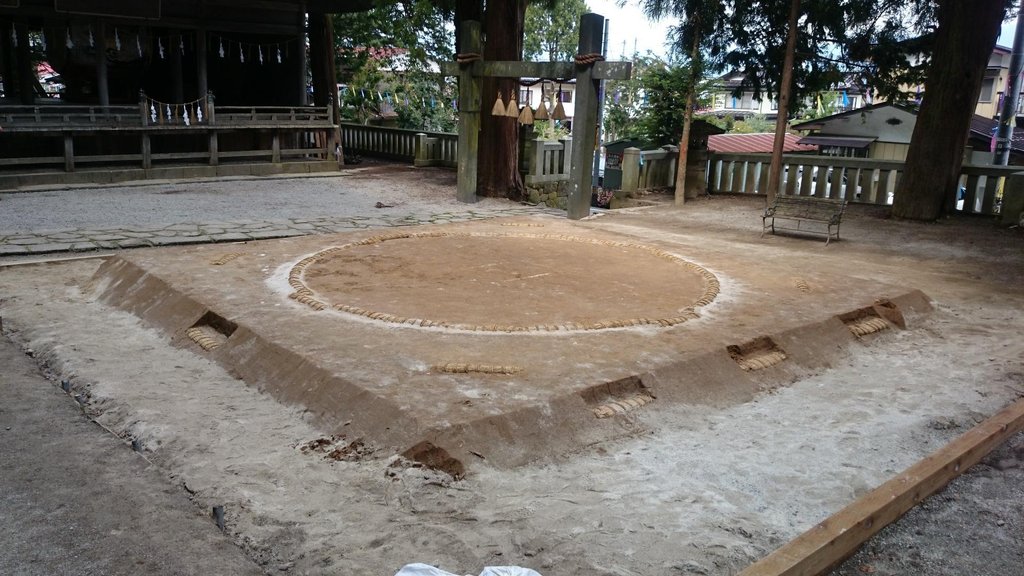
The Kyushu Basho is not the kind of event you can simply decide to attend at the last minute; a bit of advance preparation goes a long way.
By following four steps in order (checking the schedule, securing tickets, choosing seats, and confirming your day-of plan), even first-time visitors can enjoy the experience with confidence and peace of mind.
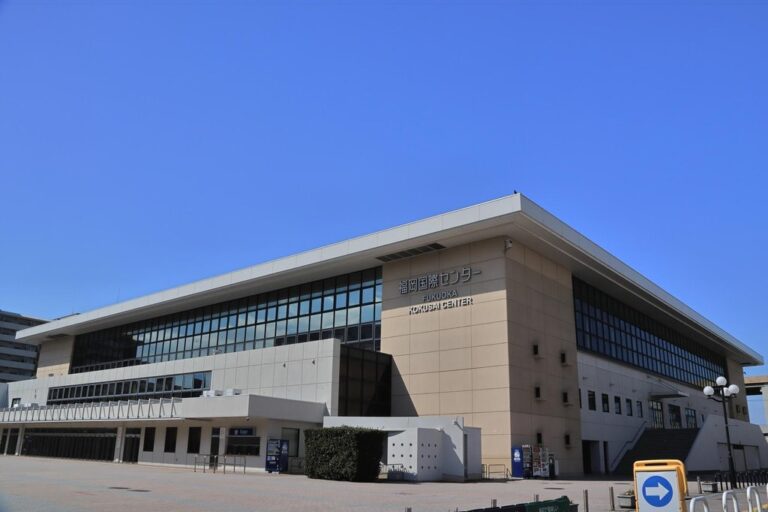
1. Check the Schedule and Venue
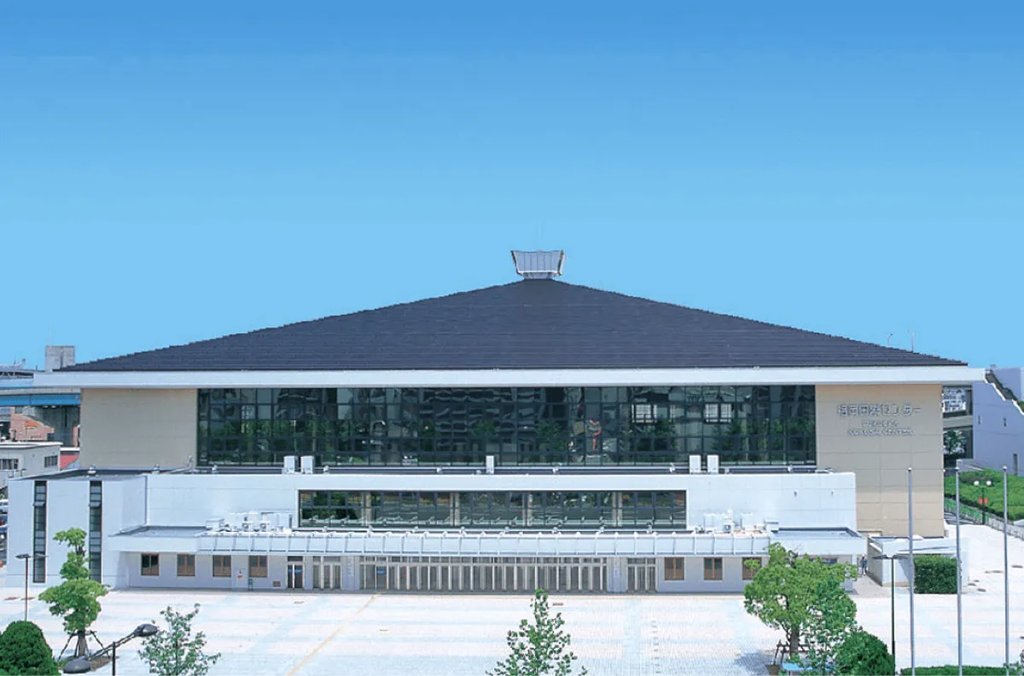
The 2026 Grand Tournament Kyushu Basho will run for 15 days, from Sunday, November 8 through Sunday, November 22.
The banzuke — the official ranking list of rikishi — will be announced on Monday, October 26, at which point the rankings of all wrestlers competing on the dohyo will be officially confirmed.
The venue is Fukuoka Kokusai Center in Hakata Ward, a mid-sized indoor arena with a capacity of around 6,976 spectators.
The simplest access route is usually a direct Nishitetsu Bus from Hakata Station to the “Kokusai Center / Sun Palace Mae” stop. The trip takes roughly 20 minutes and costs around 260 yen.
For visitors carrying large luggage or trying to save time, taking a taxi from either Hakata Station or Fukuoka Airport is also a convenient option.
Details
| Address | 2-2 Chikko-Honmachi, Hakata Ward, Fukuoka City, Fukuoka 812-0021 |
| Hours (during Kyushu Basho) | Doors open 9 am (Days 1–12) / 10:30 am (Days 13 & 14) / 10 am (Senshuraku) |
| Closed | Outside of tournament periods the facility is used for private events; please confirm in advance |
| Official Site | https://www.marinemesse.or.jp/kokusai/ |
| Recommended For | Those who want to watch the year’s final sumo tournament in an immersive venue |
2. Purchase Tickets
Kyushu Basho tickets are released in stages. Sales begin with the Japan Sumo Association’s official fan club advance lottery, open to members of courses like Yokozuna (grand champion rank) and Ozeki (champion rank). Next comes the Ticket Osumo advance lottery, which only requires free member registration. General sales then open at 10 am on Saturday, September 19, handled by major ticket agencies such as Ticket Pia, Lawson Ticket, and e+.
For international visitors, however, buying tickets independently can be challenging. Most official ticket platforms operate primarily in Japanese, SMS verification often requires a Japanese phone number, and some systems may require a credit card issued in Japan.
Ticket Osumo does offer an English-language version and generally accepts internationally issued credit cards, but the requirement to enter a Japanese address and phone number can still create difficulties.
For travelers who want the smoothest and most reliable experience, an English-language viewing tour is often the easiest option. These tours typically bundle ticket procurement together with guided explanations of sumo culture, rituals, and match highlights, allowing first-time visitors to enjoy the tournament without worrying about the ticketing process.
3. Choose Your Seat Type
Kyushu Basho seats are broadly divided into three categories: tamariseki (ringside seats), masuseki (traditional box seats), and isuseki (chair seats).
Tamariseki are the closest seats to the dohyo and offer an extraordinary view of the rikishi’s expressions, breathing, and physical impact during the bouts. Because of their proximity, however, the rules are strict: eating, drinking, and photography are prohibited, attendees must generally be at least 16 years old, and tickets cost around 20,000 yen per person regardless of the day.
Masuseki are traditional tatami-style box seats typically designed for small groups. Options include Pair Box C for two people (around 19,000 yen), single-person Box S seats, Box A seating priced roughly between 44,000 and 52,000 yen per box, and Box B seating around 38,000 to 40,000 yen per box. These seats are ideal for groups or for visitors who want a more traditional Japanese-style viewing experience.
Chair seats are divided into four classes ranging from Chair S to Chair C. Since they can be purchased individually and are generally the most affordable option, they are the most practical choice for many travelers.
For first-time spectators and international visitors looking for a comfortable and casual experience, chair seats are usually the best recommendation. For those hoping to fully immerse themselves in the traditional atmosphere of sumo, masuseki provide a distinctly Japanese experience.
4. Confirm the Day’s Schedule
The daily schedule of the Kyushu Basho follows a largely fixed pattern throughout the tournament.
From Day 1 through Day 12, doors open at 9:00 am. On Days 13 and 14, doors open slightly later at 10:30 am.
The Juryo (second division) ring-entering ceremony begins around 2:15 pm, while the top-division Makuuchi bouts start at approximately 4:10 pm. The day concludes around 6:00 pm with the traditional yumitori-shiki (bow-twirling ceremony).
Morning hours feature matches from the lower divisions, including Jonokuchi and Jonidan. Since the arena is still relatively quiet and many seats remain empty during this time, it’s an excellent opportunity for relaxed viewing and for closely observing younger rikishi early in their careers.
From the Makuuchi ring-entering ceremony onward, the atmosphere inside Fukuoka Kokusai Center becomes dramatically more energetic, building toward the final bouts and — on senshuraku — the awards ceremony.
If you plan to join a guided viewing tour, it’s a good idea to confirm the meeting point, meeting time, and contact method with your guide no later than the day before the event.
Basic Knowledge to Know Before Watching Sumo
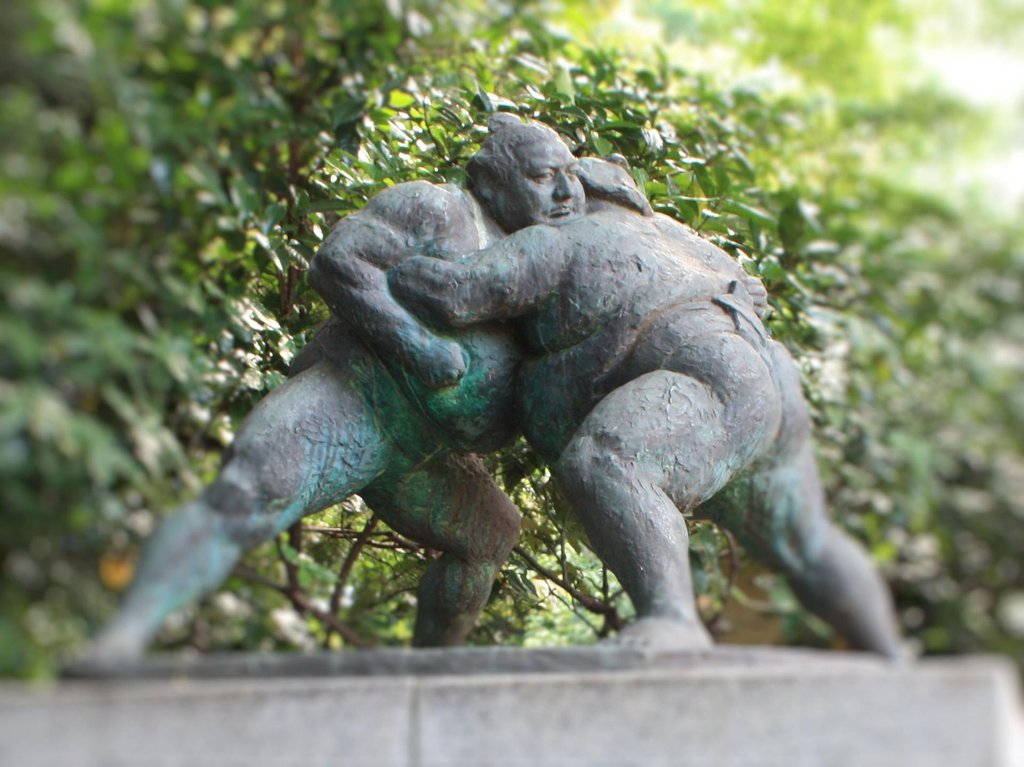
Sumo has simple rules, making it a sport that anyone can enjoy across language barriers. Knowing about distinctive rituals and traditions like the salt ritual, shiko (the ritual stamp to drive away evil spirits), and sponsorship banners beforehand will deepen your enjoyment many times over. Here are three categories of basic knowledge to brush up on before your first viewing.
The Simple Rule: Step Outside the Dohyo and You Lose
The rules of Professional Sumo are remarkably simple: a wrestler loses if any part of the body other than the soles of the feet touches the ground, or if any part of the body steps outside the dohyo.
There is no strict time limit for a bout. Some matches are decided in just a few seconds, while others continue for several tens of seconds as the wrestlers struggle for position.
At the same time, certain actions are strictly prohibited. Techniques such as striking with a closed fist or pulling an opponent’s hair are considered fouls, and any violation results in an immediate loss by disqualification.
The various ways of winning are called kimarite (winning techniques). There are 82 officially recognized kimarite, including yorikiri (forcing the opponent out), oshidashi (pushing the opponent out), and uwatenage (overarm throw).
The combination of simple rules and a surprisingly deep variety of techniques is one of the reasons sumo continues to fascinate travelers from around the world.
For more detail on sumo rules and kimarite, see the Sumo Wrestling Guide.
Salt-Throwing, Shiko, and the Ring-Entering Ceremony Are Shinto Rituals
Before each bout, rikishi perform a series of traditional rituals, including throwing purifying salt onto the dohyo and performing shiko — the act of lifting each leg high and stomping it firmly onto the ground to drive away evil spirits and demonstrate stability.
These rituals reflect sumo’s deep historical connection to Shinto. The salt ritual is meant to purify the dohyo, while shiko is traditionally said to pacify malevolent spirits believed to dwell within the earth.
One of the greatest highlights of the Grand Tournament Kyushu Basho is the Yokozuna dohyo-iri (ring-entering ceremony). Accompanied by a tsuyuharai (herald) and tachimochi (sword-bearer), the Yokozuna enters wearing a massive sacred rope and performs a solemn ceremonial ritual that feels both powerful and deeply symbolic.
Understanding the meaning behind these traditions transforms them from simply “unusual movements” into emotionally resonant expressions of Japanese culture and spirituality.
Sponsorship Banners and the Bow-Twirling Ceremony Make the Before and After Just as Fun
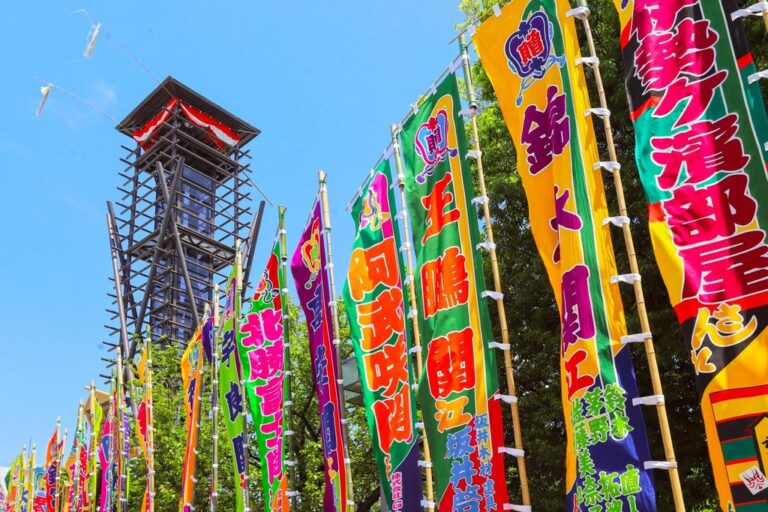
Some top-division Professional Sumo bouts feature kensho — prize money sponsored by companies. Before these matches begin, banners displaying the sponsors’ names are paraded around the dohyo, and after the bout the winning rikishi receives the prize envelopes directly from the gyoji.
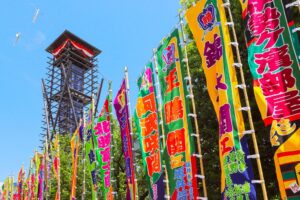
Bouts involving especially popular rikishi can attract dozens of kensho banners, and the sight of the dohyo surrounded by colorful sponsor flags is one of the distinctive spectacles unique to professional sumo.
After all matches for the day have concluded, a lower-ranked rikishi performs the yumitori-shiki (bow-twirling ceremony) on behalf of all the wrestlers. Twirling a ceremonial bow atop the dohyo, he honors the day’s winners and formally brings the tournament day to a close.
Morning bouts in the lower divisions tend to have many empty seats and a calm atmosphere, making that time of day especially appealing for visitors who prefer a more relaxed viewing experience.
Etiquette and Cautions for Watching Sumo
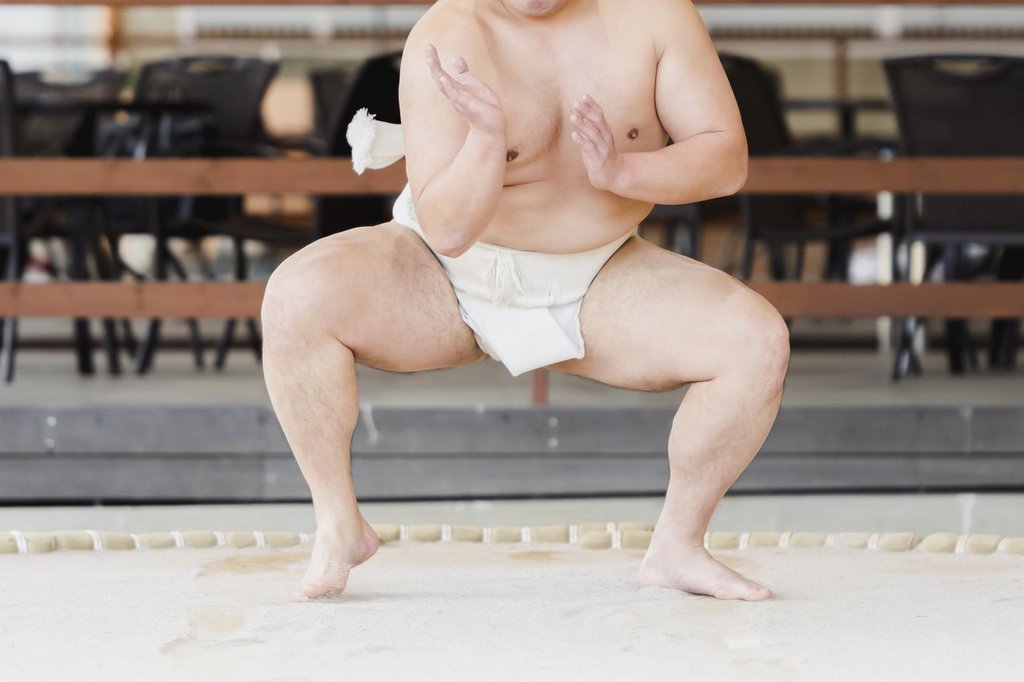
Sumo is not only a sport but also a cultural tradition with deep roots in Shinto ritual.
Because of that, certain etiquette is expected inside the venue, and following it helps create a comfortable atmosphere for the rikishi, fellow spectators, and yourself alike.
Here are five etiquette points that first-time visitors to the Kyushu Basho should pay especially close attention to.
Follow the Rules for Photography and Video
At honbasho, photography and video recording without the organizer’s permission are prohibited. Even smartphone photography from your own seat is not permitted, so please follow the Japan Sumo Association’s and venue’s instructions while attending the tournament.
Likewise, when encountering rikishi around town or while they are traveling, avoid taking photos without permission. It is considered polite to ask for consent before photographing them.
By showing consideration for the wrestlers and fellow spectators, visitors can enjoy sumo culture in a respectful and comfortable way.
Do Not Touch the Dohyo or the Rikishi
The dohyo is considered a sacred space. Aside from the relevant officials, rikishi, and gyoji, no one is permitted to step onto it, and spectators should never approach the dohyo without permission, even outside of active matches.
A rikishi’s topknot (mage) is also treated with deep respect. Traditionally, it has long been believed to carry spiritual significance, making it strictly taboo to touch. Even when taking commemorative photos with a rikishi, avoid reaching toward the wrestler’s body or topknot.
When encountering rikishi around town, it is best to keep an appropriate distance and observe them respectfully without interrupting them while they are moving about, shopping, or eating.
Remove Your Shoes in Box Seats
Traditional box seats (masuseki) are tatami-floored seating areas where spectators sit on cushions, so it is customary to remove your shoes before stepping inside.
Because you will spend the event in socks or indoor slippers, it is a good idea to wear shoes that are easy to slip on and off and to bring clean socks for the day.
You may occasionally see old footage of spectators throwing seat cushions into the air immediately after an exciting result. While this became famous as a dramatic sumo tradition, it is now prohibited because flying cushions can strike and injure nearby spectators.
No matter how exciting the match becomes, please refrain from throwing cushions inside the venue.
Watch Quietly During Bouts
During official honbasho bouts, standing up and blocking the view or shouting excessively can disturb other spectators.
Cheering at exciting moments — such as when a kimarite is decided or during kensho-sponsored bouts — is perfectly fine, but during the matches themselves, the standard etiquette is to watch attentively and respectfully.
Buy Food and Drinks Inside the Venue
During honbasho events, outside food and beverages are generally not permitted, and cans or bottles in particular may be restricted from entry.
Inside the venue, however, spectators will find shops and official catering vendors known as sumo chaya (sumo tea houses, official catering vendors), where they can purchase bento boxed meals, yakitori (grilled chicken skewers), souvenirs, drinks, and other items.
At the Grand Tournament Kyushu Basho, special seasonal bento featuring ingredients from Fukuoka are sometimes available, and enjoying local Fukuoka flavors while watching sumo is considered one of the highlights of the experience.
Sightseeing Areas and Recommended Cuisine Around the Fukuoka Sumo Venue
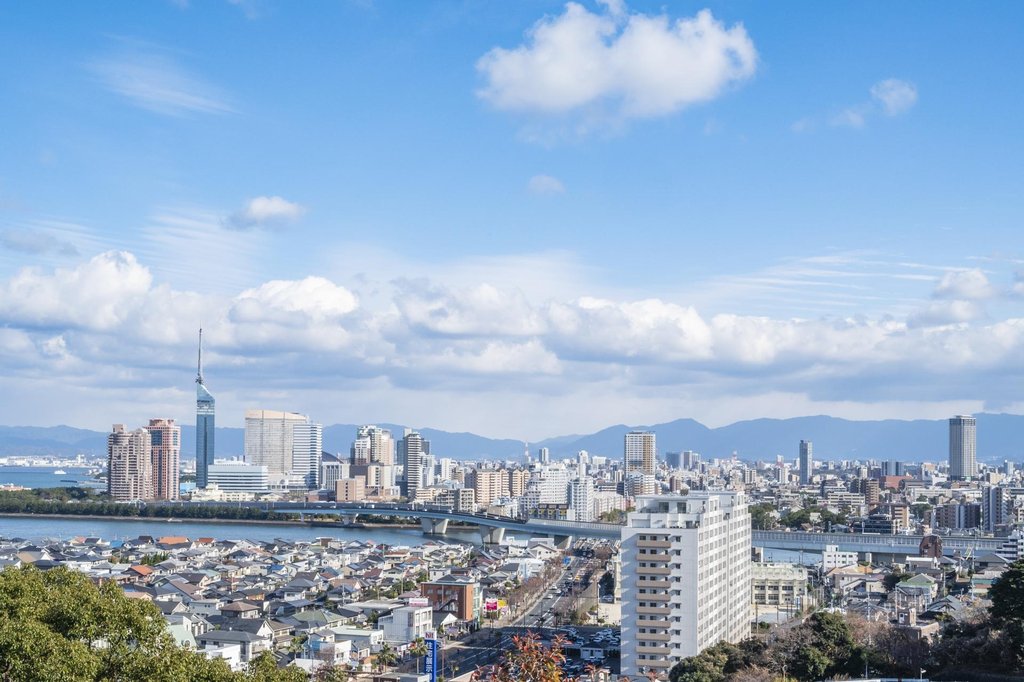
The appeal of the Kyushu Basho doesn’t stop inside the venue. The surrounding area of Fukuoka Kokusai Center is filled with sightseeing destinations and well-known restaurants that you can easily visit before or after the matches.
Below, we introduce four key areas organized by purpose, along with recommended spots in each area.
Hakata Old Town Area | Walking Distance from the Venue
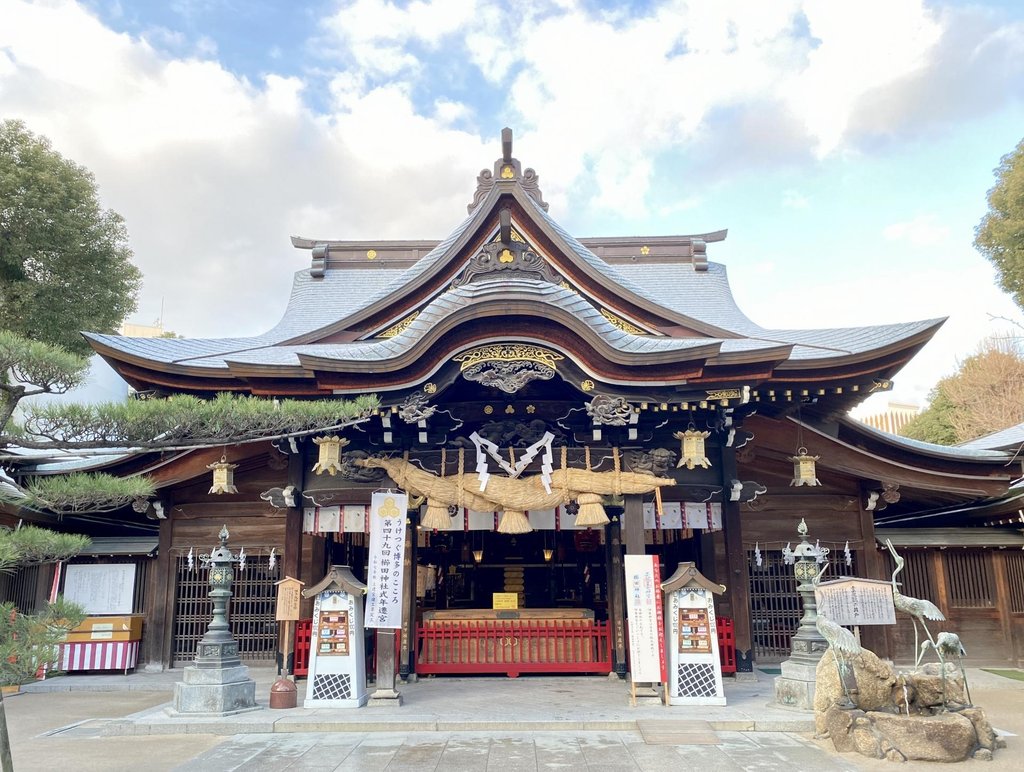
A 25–35 minute walk or 5–10 minute bus ride from Fukuoka Kokusai Center, the Hakata Old Town area is wonderfully convenient for filling time before the matches or grabbing dinner on foot after the evening bouts.
At its center is Kushida Shrine, known as the chief tutelary shrine of Hakata, where you can see chikara-ishi (strength stones) dedicated by sumo wrestlers within the grounds, reflecting the area’s long-standing connection with sumo culture.
For dinner, a recommended option is Nakasu Yatai — riverside street food stalls that open from around 6 pm until late at night. Many stalls now offer photo menus and point-and-order systems, making them more accessible for visitors. However, since a number of stalls still operate on a cash-only basis, it’s advisable to prepare cash in advance.
Details
| Address | 1-41 Kamikawabata-machi, Hakata Ward, Fukuoka City, Fukuoka 812-0026 (Kushida Shrine) |
| Hours | 4 am-10 pm (Kushida Shrine) / Yatai hours vary by stall |
| Closed | None (Yatai vary by stall) |
| Official Site | None |
| Recommended For | Those who want to enjoy Hakata’s history and yatai culture before or after watching sumo |
Tenjin Area | Kyushu’s Largest Downtown
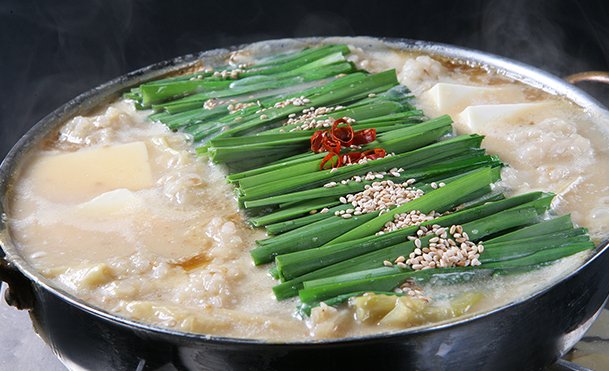
About a 15-minute bus ride from the venue, the Tenjin area is known as Kyushu’s largest downtown district. With a wide range of shopping, dining, and entertainment options, it’s a highly versatile area where you can easily spend time even on rainy days.
The Tenjin Underground Mall stretches about 600 m, allowing you to walk and shop regardless of weather, and its stone-paved interior inspired by European cobblestones is also popular as a photo spot.
One recommended dining option is Motsunabe Ichifuji Tenjin Nishi-dori Branch, a well-known spot for Fukuoka’s signature dish motsunabe. It offers rich miso-based hotpot made with domestic Wagyu offal, as well as a soy sauce version that highlights the natural umami of the broth, delivering an authentic taste of Hakata cuisine.
Located within walking distance of Nishitetsu Fukuoka (Tenjin) Station, the restaurant also features comfortable horigotatsu (sunken-floor tatami seating) private rooms, making it an ideal stop for visitors looking to enjoy local cuisine after sightseeing or a day of sumo watching.
Details
| Address | 2nd & 3rd Floor, Plus Gate Tenjin Building, 2-6-4 Daimyo, Chuo Ward, Fukuoka City 810-0041 |
| Hours | Sun–Thu: 5 pm-11 pm / Fri, Sat, and middle day of three-day weekends: 5 pm-11:30 pm |
| Closed | Irregular |
| Official Site | https://www.ichifuji-f.jp/ |
| Recommended For | Those who want to taste Fukuoka’s signature motsunabe in its home city |
Hakata Station Area | Ideal as a Base from the Airport or Shinkansen
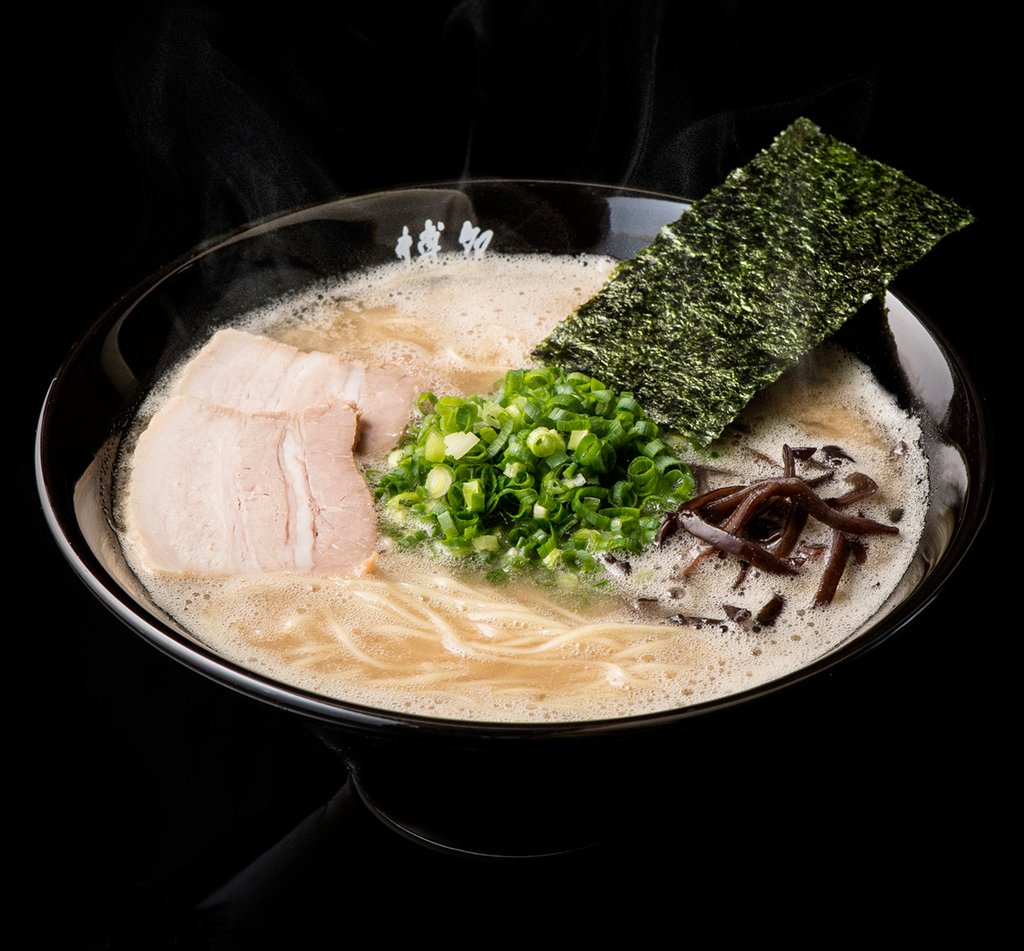
About a 5-minute subway ride from Fukuoka Airport and also a Shinkansen station, the Hakata Station area is the most efficient base for your arrival or departure day.
Inside the station building, “Hakata Menkaido” brings together several Hakata ramen shops in a row. With English-friendly ticket machines and plenty of menu photos, it is especially easy for international visitors to order.
A particular standout is “Hakata Issou Hakata Eki Higashi Honten,” about a 5-minute walk from the station. Famous for its rich, foamy tonkotsu (pork bone) broth, this popular shop draws lines during lunch and evening hours, so the best window is around 11 am, shortly after opening.
Details
| Address | 3-1-6 Hakataeki-Higashi, Hakata Ward, Fukuoka City, Fukuoka 812-0013 |
| Hours | 11 am-12 am (closes when broth runs out) |
| Closed | Irregular |
| Official Site | http://hakata-issou.com/ |
| Recommended For | Those who want to enjoy outstanding Hakata ramen in the gap before arriving or departing |
Nakasu & Gion Area | Closest to the Venue and Convenient for Lodging
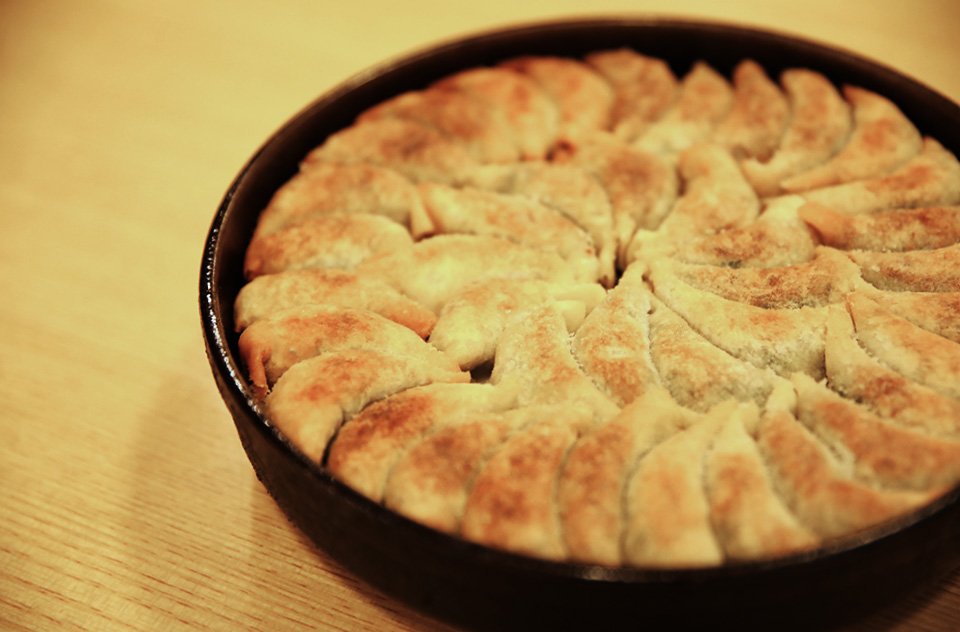
The Nakasu and Gion area is the closest to Fukuoka Kokusai Center, and its convenience as a lodging base during the Kyushu Basho really stands out. Around the “Fukuoka Sun Palace Hotel” you may catch glimpses of rikishi on the move, and the area has a special atmosphere where chance encounters with rikishi before and after the matches are entirely possible.
A must-try gourmet spot is “Hakata Gion Tetsunabe,” within walking distance of Gion Station. Its signature dish is bite-sized gyoza (pan-fried dumplings) packed into a piping-hot iron pan; the visual impact when it arrives at your table is outstanding, and the balance between the crisp skin and juicy filling is exquisite. It’s a renowned restaurant that earns very high marks from international visitors.
Details
| Address | 2-20 Gion-machi, Hakata Ward, Fukuoka City, Fukuoka 812-0038 |
| Hours | 5 pm-10:30 pm |
| Closed | Sundays (irregular for holidays; closed for Obon (mid-August ancestral festival) and New Year periods) |
| Official Site | https://tetsunabe.co.jp/ |
| Recommended For | Those who want to stay near the venue while enjoying Hakata’s signature iron-pan gyoza |
[FAQ] Frequently Asked Questions About Watching Sumo in Fukuoka

Finally, we’ve compiled questions frequently asked by international visitors watching the Kyushu Basho for the first time. Use this FAQ as a final check before heading out to the venue.
Are English Commentary Services Available at the Venue?
The venue does not provide official English play-by-play or English-language guided services. Official pamphlets are primarily in Japanese, although an English version may be available depending on the year, so it is worth checking at the on-site information counter on the day of your visit.
For visitors who want more in-depth understanding in real time, an English-language guided viewing tour is often the most reliable option. These tours typically explain the flow of bouts, the characteristics of individual rikishi, and the meaning of rituals as they happen, making the experience much easier to follow for first-time international spectators.
To brush up on the basic rules, see the Sumo Wrestling Guide as well.
Is There a Dress Code for Watching?
There is no formal dress code, and everyday clothing is perfectly acceptable. That said, November in Fukuoka typically averages around 13–14°C, with daytime highs of about 17–18°C and nighttime lows near 10°C. Mornings and evenings can feel quite chilly, so a light long-sleeve shirt with a cardigan during the day, and a light jacket at night, is a practical choice.
Since indoor heating is used inside the venue, a layered outfit that can be easily adjusted is the most comfortable option throughout the day.
Can I Bring Children to Watch?
Children aged 4 and over require their own ticket, and there is no child discount, meaning the price is the same as for adults. Children aged 3 and under may enter free of charge if they sit on a guardian’s lap.
Tamariseki (ringside seats) are restricted to spectators aged 16 and older, so they are not suitable for families with small children. In most cases, chair seats are the safest and most comfortable option for family viewing.
Since one re-entry is allowed during the day, a practical plan is to enter in the afternoon and focus mainly on the evening Makuuchi bouts, which offer the most excitement and a more manageable schedule for children.
Can I Experience Sumo Outside of Fukuoka?
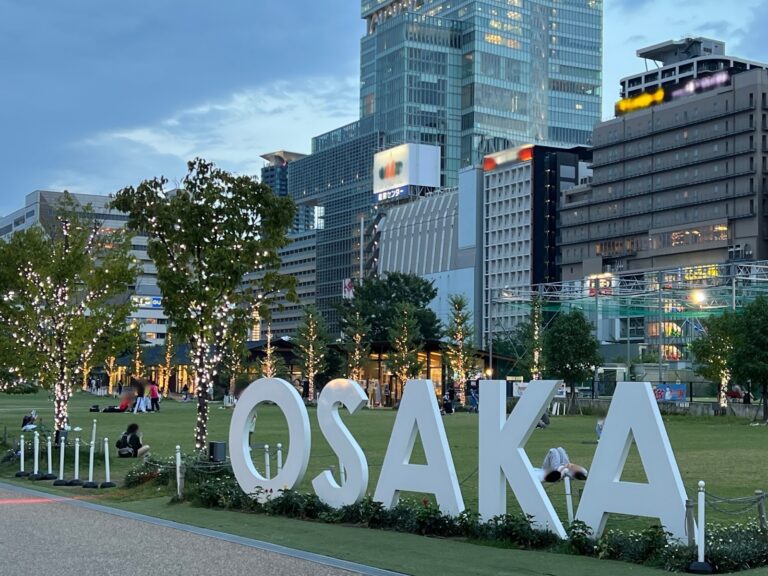
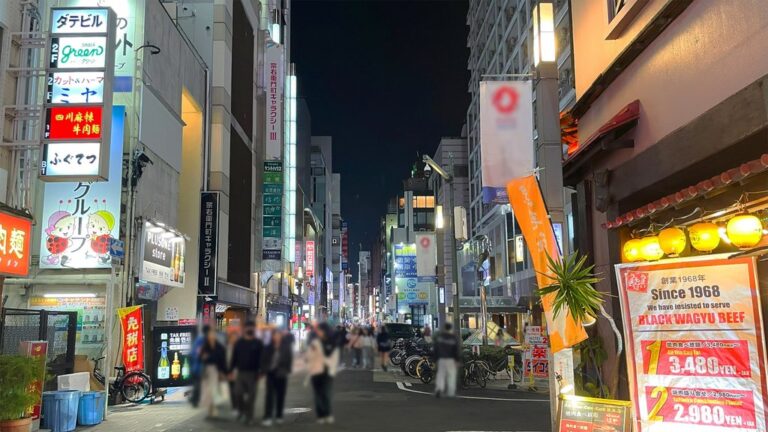
Grand Professional Sumo honbasho are held six times a year across Japan, with tournaments taking place in Tokyo (January, May, September), Osaka (March), Nagoya (July), and Fukuoka (November). This allows visitors to choose a viewing city depending on their travel itinerary.
Outside of official honbasho tournaments, “Sumo Studio Osaka” offers a year-round 90-minute English-language program led by former professional rikishi. The experience includes cultural explanations, live demonstration bouts by former rikishi, an Audience Challenge where participants can step onto the dohyo to face a wrestler, and commemorative photo sessions.
The venue is conveniently located just outside Exit 4 of Hanazonocho Station on the Osaka Metro Yotsubashi Line, making it easy to include in a broader Japan travel plan.
Reservations can be made through Japan Guide Star’s sumo experience tour.
Summary
Watching the Kyushu Basho in Fukuoka becomes a much richer experience with proper preparation. Understanding ticket purchasing, seat selection, viewing etiquette, and nearby dining options allows you to build a more intentional and enjoyable itinerary.
Popular seats tend to sell out quickly once tickets are released, so prompt action is important. If you have concerns about language or the booking process, using an English-language guided viewing tour is often the most reliable option, as it helps ensure you secure seats while also reducing the logistical burden. With expert commentary, you can also gain a deeper understanding of sumo as the bouts unfold.
Make your trip a memorable one by experiencing both the intensity of sumo at its year-end peak and the rich food culture of Hakata, all in a single journey.

![Where to Watch Sumo in Japan: 3 Ways to See Sumo & How to Get Tickets [Complete Guide]](https://sumowrestlingshow.jp/wp-content/uploads/2026/08/where-to-watch-sumo-in-japan_1-300x200.jpg)