Osaka Tea Ceremony Guide: Recommended English-Friendly Venues and How the Experience Unfolds
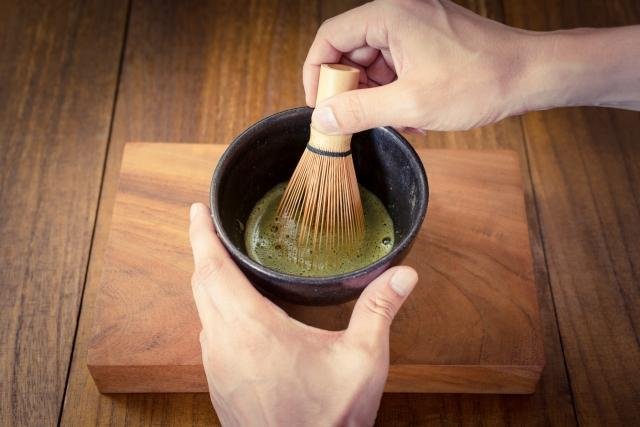
As the global matcha boom continues to grow, more and more international visitors are choosing to participate in tea ceremony workshops as a main event of their trip to Japan.
Osaka Prefecture is an especially fitting destination for this activity. It’s home to Sakai City, the birthplace of Sen no Rikyu (the historical figure who laid the foundations of modern tea ceremony), and in central Dotonbori you will find “Tea Ceremony The Osaka,” a venue offering full English language support and available through several international booking platforms. Osaka is an ideal area for first-time tea ceremony guests.
This article serves as a complete guide to tea ceremony activities in Osaka, covering venue information, outlining the flow of a typical session, and practical tips that will help you book and join a workshop. We’ll also give you some recommendations for pairing your tea ceremony class with other Osaka highlights—such as a sumo show and a local food tour—so be sure to read through to the end.
Contents
- The Basics of a Japanese Tea Ceremony Workshop in Osaka
- Four Recommended Venues for a Tea Ceremony Class in Osaka
- How a Tea Ceremony Experience Typically Unfolds
- What to Know Before Joining a Tea Ceremony Experience
- Other Osaka Cultural Experiences to Pair With the Tea Ceremony
- [FAQ] Frequently Asked Questions About Osaka Tea Ceremony Workshops
- Summary
The Basics of a Japanese Tea Ceremony Workshop in Osaka

When choosing a tea ceremony class in Osaka, the three key points to keep in mind are the type of session, the price range, and the location. Each venue has its own concept, duration, and unique features, so finding a plan that matches your travel style is the single biggest factor in determining how satisfying your visit will be.
Two Main Types: Short Matcha-Whisking Sessions or Kimono Dressing and Tea
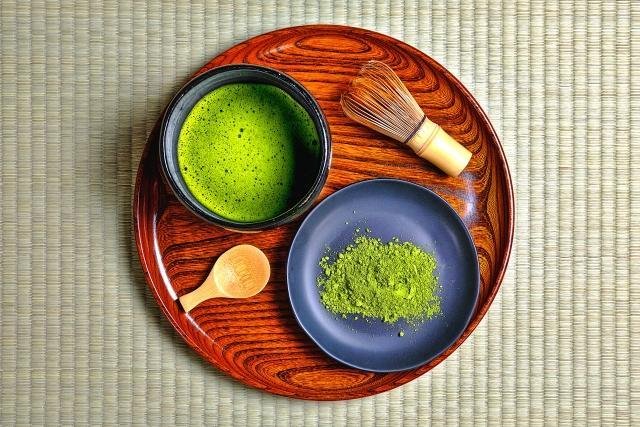
Osaka’s tea ceremony workshops are broadly divided into two categories: short matcha-whisking sessions and sessions that include dressing in a kimono.
The short-session type runs from around 20 to 45 minutes. You’ll learn how to whisk matcha and enjoy it with traditional Japanese sweets, perfect for slotting into a busy day of sightseeing.
The kimono-and-tea type runs for around 90 minutes and combines the option to dress in a kimono and the tea ceremony itself. With plenty of photogenic moments, this is well suited to travelers who want lasting memories of their trip.
If you are unsure which option to choose, refer to the comparison table below:
| Comparison | Short session | Long session |
|---|---|---|
| Duration | 20–45 min | Approximately 90 min |
| Main content | Whisking and tasting matcha | Kimono dressing + tea ceremony |
| Best for | Travelers prioritizing convenience or travelers with a tight schedule | Travelers wanting photogenic moments and a deeper cultural experience |
Some venues, such as the Sakai Plaza of Rikyu and Akiko (Sakai Riusho no Mori) in Sakai City, offer short-session experiences inside an authentic tearoom connected to Sen no Rikyu. Choosing a workshop based on what matters most to you will lead to a far more satisfying visit.
Prices Range From ¥3,500 to ¥10,000
In Osaka, tea ceremony classes typically cost between ¥3,500 and ¥10,000 depending on the plan (roughly USD $23-67), making them quite reasonably priced.
A rough price guide by plan type is shown below:
| Plan type | Approximate price | Duration |
|---|---|---|
| Shared (group seating) | 3,500–5,000 yen | About 45 min |
| Private (booked exclusively) | 6,000–10,300 yen | About 45–60 min |
| Kimono-included | 8,000–10,000 yen | About 90 min |
Shared plans use a group-seating style and keep costs down. With private plans, splitting the cost among a group of four or five often brings the price to around ¥6,000 per person.
Durations of 45 to 90 minutes are most common. In the Dotonbori area, you can easily fit a class in before lunch without rushing your sightseeing schedule.
Most Venues Are Concentrated Around Dotonbori and Shinsaibashi
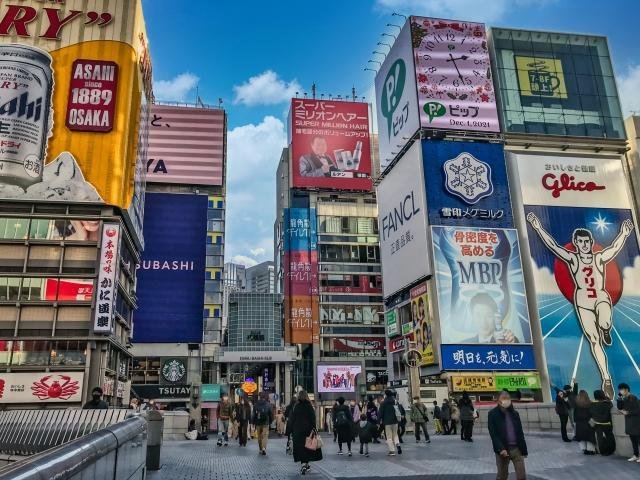
The main tea ceremony venues in central Osaka are concentrated around Dotonbori, Shinsaibashi, and Yotsubashi. If you are staying at a hotel near Namba, almost all of them are within walking distance. If you’re heading out from the Umeda area, Ann Osaka near Higobashi Station on the Yotsubashi subway line is convenient. It’s just a one-minute walk from Exit 10 of Higobashi Station on the Osaka Metro Yotsubashi Line, making it easy to stop by on your way back from sightseeing.
For an authentic experience tied to Sen no Rikyu, the Sakai Plaza of Rikyu and Akiko in the Sakai area is the best choice. It’s a little removed from central Osaka, but riding Hankai Tramway’s historic streetcar on the way there is itself part of the fun. In any case, choose a venue location that best fits where you’re staying and your plans.
Four Recommended Venues for a Tea Ceremony Class in Osaka
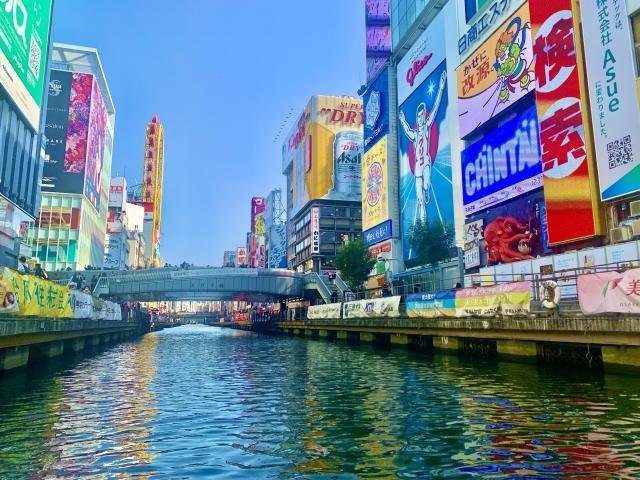
Below are four carefully selected venues that offer English language support and earn high praise from international travelers. Each has its own character, so use this section to find the one that best matches your interests and itinerary.
The Osaka: The Most Affordable Plan, Three Minutes From Dotonbori
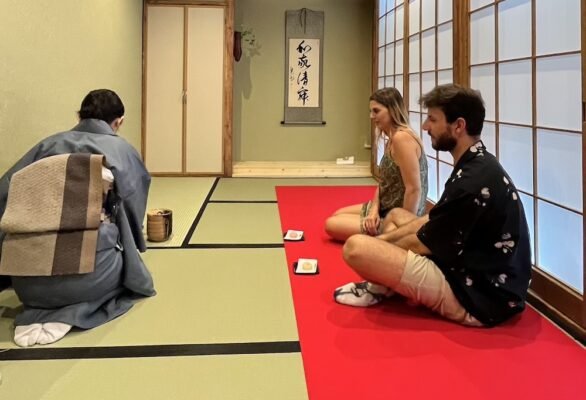
The Osaka is a fully English-speaking tea ceremony venue located on the second floor of the Dotonbori Building. Just a three-minute walk from Exit 6 of Nippombashi Station on the Osaka Metro and Kintetsu lines, the location fits seamlessly into a day of sightseeing in the Minami area. The shared plan costs only ¥3,900 per person, among the lowest prices in central Osaka for an authentic tea ceremony experience.
The instructor has more than a decade of tea ceremony expertise and leads the session in clear, easy-to-understand English. You’ll watch a demonstration of otemae (the act of preparing matcha), then whisk your own bowl of matcha and enjoy it with a seasonal Japanese sweet. Note that if you’re traveling with children under five, you’ll need to book a private plan. The venue is also listed on OSAKA-INFO, the official Osaka Tourism Bureau website.
Details
| Address | Dotonbori Building 2F, 1-Higashi 5-26 Dotonbori, Chuo-ku, Osaka |
| Hours | Hourly sessions from 10 am to 4 pm (note: there is no session at 1 pm) |
| Closed | Open year-round |
| Website | https://www.tea-ceremony-osaka.com/japan/ |
| Best for | Travelers who want a casual experience while sightseeing in Dotonbori, or for those prioritizing value |
Ann Osaka: Bilingual Support Near Umeda
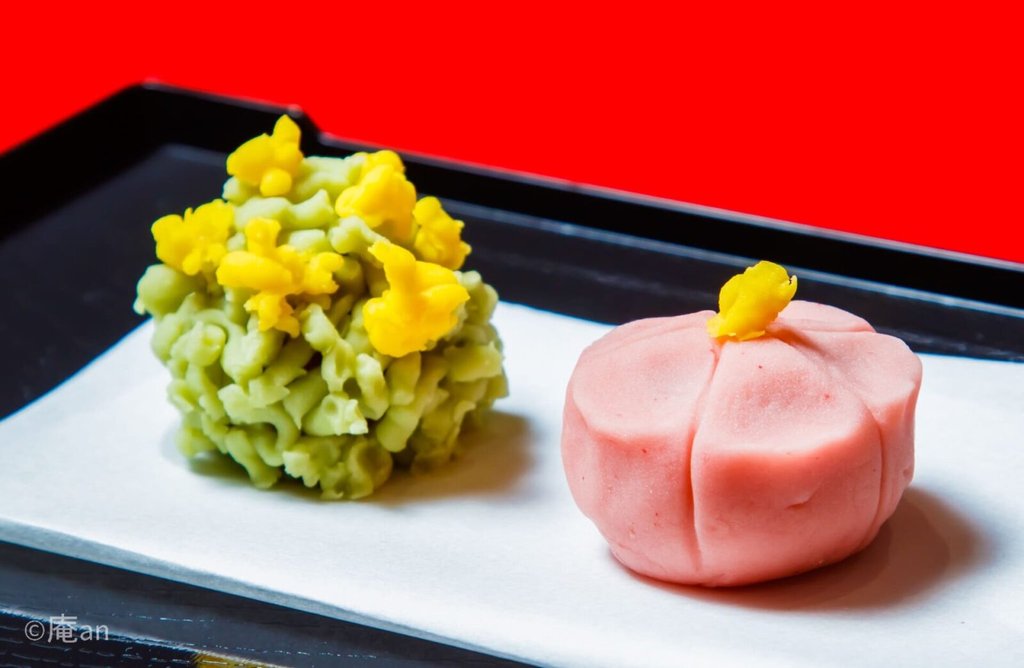
Ann Osaka Japanese Cultural Experience is a popular venue with excellent access from the Umeda area. Located just a one-minute walk from Exit 10 of Higobashi Station on the Osaka Metro Yotsubashi Line—a single stop from Osaka Station—it’s easy to drop in on your way back from sightseeing or business.
English language support is provided to the extent possible at the basic rate, and guaranteed English service is available as a paid option. A distinctive feature here is that international visitors and Japanese natives share the same space and enjoy the experience together. Plans range from casual sessions centered on whisking matcha to full courses that include making nerikiri (a refined Japanese sweet that expresses seasonal scenes through delicate colors and shapes). The venue accommodates groups of up to 28 people, making it a flexible option for both solo travelers and larger parties.
Details
| Address | Suemasa Bldg. 2F, 1-12-18 Edobori, Nishi-ku, Osaka |
| Hours | 8 am–6 pm (five sessions daily: 8 am / 10:30 am / 1 pm / 3:30 pm / 6 pm) |
| Closed | Irregular closings |
| Website | https://osaka.nipponbunkan.com/ |
| Best for | Travelers staying in the Umeda or Shin-Osaka area, or for those wanting an early-morning or evening tea session |
Matcha Experience Osaka: A Tea Ceremony at the Time and Place of Your Choosing
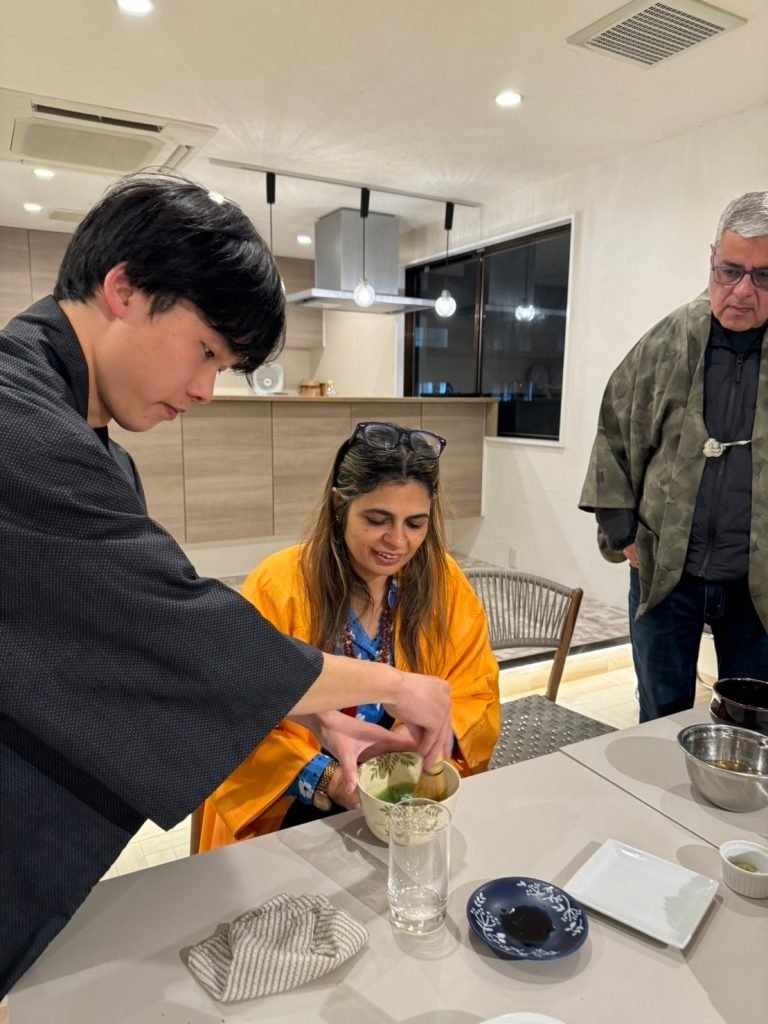
Matcha Experience Osaka sends experienced tea ceremony specialists to hotel lobbies, event spaces, and other venues to deliver a traditional tea ceremony experience at your chosen location.
Because you can specify both the time and the place, it’s easy to weave the experience into your travel schedule. You can also choose between formats that suit your needs, including workshop-style sessions, catered events, and traditional tea gatherings.
English-speaking instructors guide you carefully, creating a relaxed atmosphere even for absolute beginners. Same-day reservations are possible for small groups of up to 20 guests.
Details
| Address | Mobile service primarily within Osaka City |
| Hours | By reservation |
| Closed | Irregular closings |
| Website | https://matcha-osaka.jp/ |
| Best for | Travelers who want to choose the time and place of their tea ceremony experience |
Sakai Plaza of Rikyu and Akiko: An Authentic Tearoom in Sen no Rikyu’s Hometown
Located in Sakai CIty, the spiritual home of Japanese tea ceremony, the Sakai Plaza of Rikyu and Akiko is a cultural tourism facility themed around two of Sakai’s most celebrated historical figures: Sen no Rikyu and Yosano Akiko, a renowned Japanese poet. The Tea Ceremony Experience Facility, which faces the former site of Rikyu’s residence, offers ryurei-style tea sessions (a form of tea ceremony performed while seated on chairs) and full tearoom sessions hosted by tea masters of the three Senke schools (Omotesenke, Urasenke, and Mushakoji-senke), the three leading schools of Japanese tea ceremony.
It is exceedingly rare to find tearooms representing all three Senke schools in one place, and you can even whisk your own matcha under the guidance of these masters. Because ryurei sessions are held with chair seating by default, they are an excellent option for guests who find sitting on their knees difficult. The ryurei tea session costs ¥800 for adults (¥700 for high school students, ¥600 for junior high students and younger) and lasts about 20 minutes. Each session can accommodate up to approximately 20 guests. The venue is about one minute on foot from Shukuin Station on the Hankai Line or about 10 minutes on foot from Sakai Station on the Nankai Main Line.
Details
| Address | 2-1-1 Shukuin-cho Nishi, Sakai-ku, Sakai City, Osaka |
| Hours | 9 am–6 pm (Tea Ceremony Experience Facility: 10 am–5 pm) |
| Closed | Third Tuesday of the month (or the following day if Tuesday is a statutory holiday) and New Year’s holidays |
| Website | https://sakai-rishonomori.com/ |
| Best for | Travelers wanting an authentic tearoom session tied to Sen no Rikyu, or for groups of 20 guests or more |
How a Tea Ceremony Experience Typically Unfolds
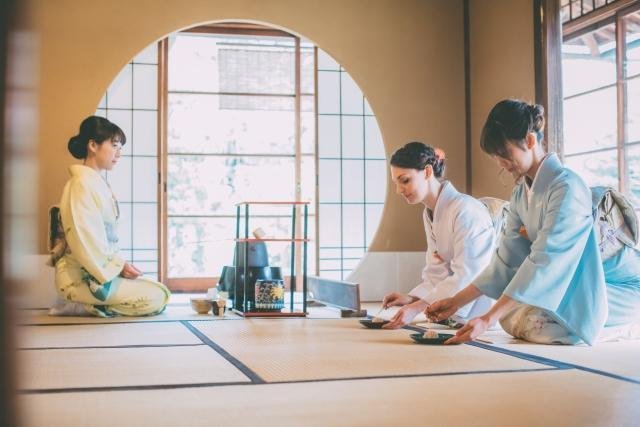
Details vary by venue, but tea ceremony experiences in Osaka generally follow a similar flow. If you’re nervous about not knowing what to expect, a quick overview of this section will help you arrive feeling prepared. Below we walk through the typical experience in three stages.
1. Check In, Remove Your Shoes, and Enter the Tearoom
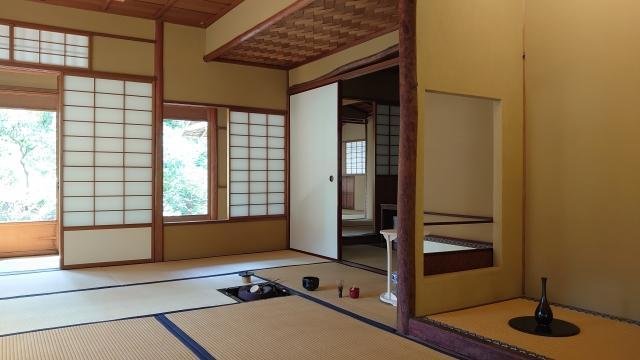
Most venues let you choose a start time between 10 am and 6 pm, and some offer early-morning or evening slots as well. Plans that include kimono rental add about one hour to one and a half hours extra to the itinerary for dressing and hair styling, so be sure to arrive with plenty of time to spare.
Because the tearoom is a Japanese-style room with tatami flooring, you will always remove your shoes before entering. Wearing socks rather than going barefoot will keep your feet warm and prevent slipping, making the experience more comfortable. The tearoom is meant to be a place of quiet, so once inside, lower your voice and settle into your seat in a calm, unhurried frame of mind.
2. Listen to the Instructor and Watch the Demonstration
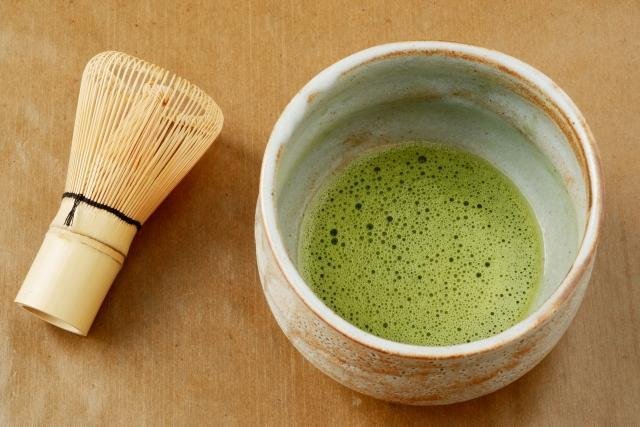
After you’re seated, the instructor will begin by explaining the history, culture, tools, and etiquette of the tea ceremony. At English-speaking venues, this lecture is delivered in clear English you can follow even with zero knowledge of Japanese tea. You will learn how the tea ceremony developed in Japan and why it is referred to as a “Way,” gaining a feel for its deeper cultural context.
Next, you’ll watch the instructor perform a demonstration of otemae. Every motion, from pouring hot water to whisking the matcha with a bamboo whisk (chasen) and serving it to the guests, carries meaning. Basic etiquette such as holding the bowl with both hands and avoiding drinking directly over its decorative design is something you will pick up naturally during this segment.
3. Whisk Your Own Matcha and Enjoy It With Japanese Sweets
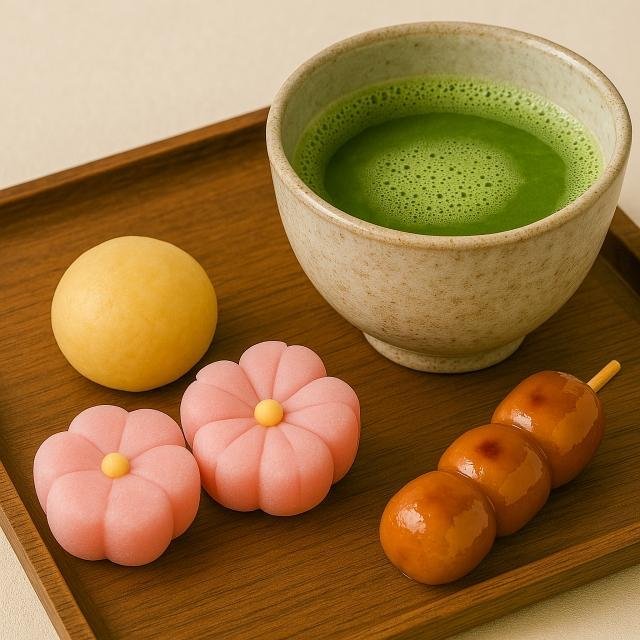
After watching the demonstration, it’s finally your turn to whisk a bowl of matcha. Blending the hot water and powder with the bamboo whisk takes a bit of practice, but the instructor will guide you so you have nothing to worry about. You’ll then enjoy the matcha you have just whisked with a Japanese sweet chosen to reflect the current season.
For children or expectant mothers who want to avoid caffeine, some venues offer alternative drinks, although it’s best to confirm this in advance. Time is often set aside for photos after the experience, giving you a chance to capture the memories you’ve made. The session ends with a polite farewell to the instructor, wrapping up 45 to 90 minutes of cultural immersion.
What to Know Before Joining a Tea Ceremony Experience
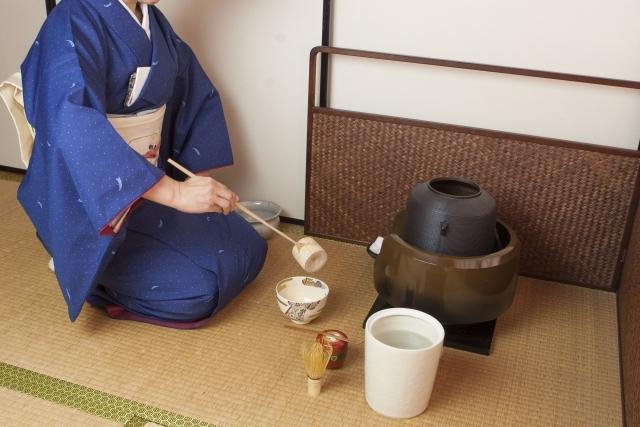
To get the most out of a tea ceremony class, it helps to know a few things in advance. Concerns such as “I might be rude because I don’t know the etiquette” or “I can’t sit on my knees” can almost always be resolved with a little preparation.
Instructors Guide You Through the Etiquette
You don’t need any prior knowledge or experience with the tea ceremony at all: each venue designs its program with beginners in mind, and the instructor will walk you through everything—from historical context to each individual movement—step by step. You don’t need to worry about making mistakes either, as creating a relaxed, welcoming atmosphere is a shared part of the hospitality offered at any given facility. Almost every venue clearly states that beginners are welcome, so you can book with confidence.
The Level of English Language Support Varies by Venue

The level of English language support differs from venue to venue. The Osaka and Matcha Experience Osaka both provide English-language sessions, while Ann Osaka offers full English service for an additional fee.
Also check in advance whether the booking platform you are using (Viator, GetYourGuide, Jalan, etc.) can be used in English. Confirming other details in advance, such as whether your credit card will be accepted or whether check-in on the day will run smoothly, can help you avoid any unpleasant surprises.
If You Can’t Sit on Your Knees, Request a Chair in Advance
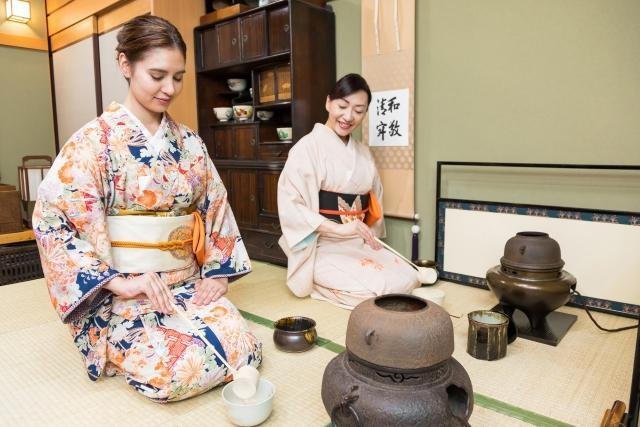
If sitting on your knees for a long period of time is uncomfortable for you, or if you have concerns about your knees or lower back, write “ryurei-style (chair seating) preferred” in the notes section of your reservation. By noting your preference for a chair and the number of seats needed at the time of booking, the venue should be able to accommodate you. As mentioned earlier, the ryurei tea session at the Sakai Plaza of Rikyu and Akiko has chair seating by default, making it an especially good choice for anyone who finds folding their knees out of the question.
Book in Advance via an OTA or the Venue’s Official Website

Tea ceremony experiences generally require booking in advance. GetYourGuide offers instant booking confirmation, and some activities can even be paid for after the experience, making it a great option even when you book at the last minute. Jalan provides instant confirmation through online card payment, while ActivityJapan uses a mix of instant booking and request-based reservations.
For travelers using overseas credit cards, booking through an OTA (online travel agency) such as Viator or GetYourGuide is the surest option. Alternatively, booking directly through a venue’s official website skips the OTA agency fee and can sometimes result in a lower price. In the end, weigh price against convenience and choose what works best for you.
Contact the Venue in Advance About Allergies
Matcha contains caffeine, and Japanese sweets may include wheat, eggs, or dairy. If you have any allergies or dietary restrictions, be sure to mention them when booking. More and more venues are starting to offer vegan and gluten-free options, but it’s safest to confirm in advance whether they can accommodate your needs.
Other Osaka Cultural Experiences to Pair With the Tea Ceremony
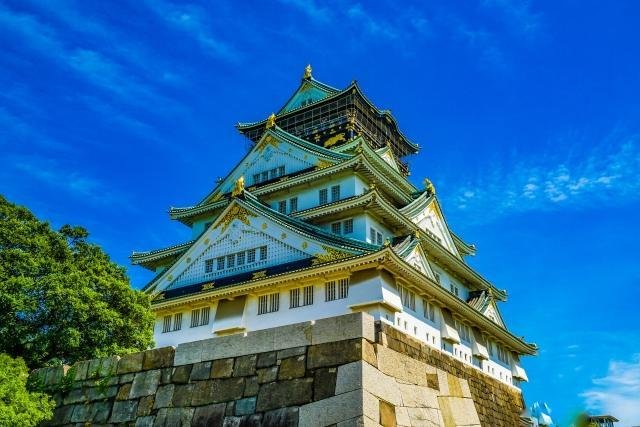
Because tea ceremony classes wrap up in about 45 to 90 minutes, pairing the activity with another Osaka cultural experience on the same day makes for an exceptionally rewarding itinerary. Below are two hands-on experiences that are especially popular with international travelers.
Feel the Power of Sumo at Sumo Studio Osaka
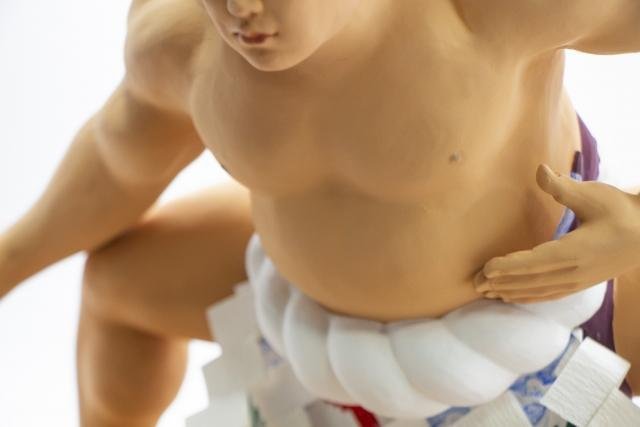
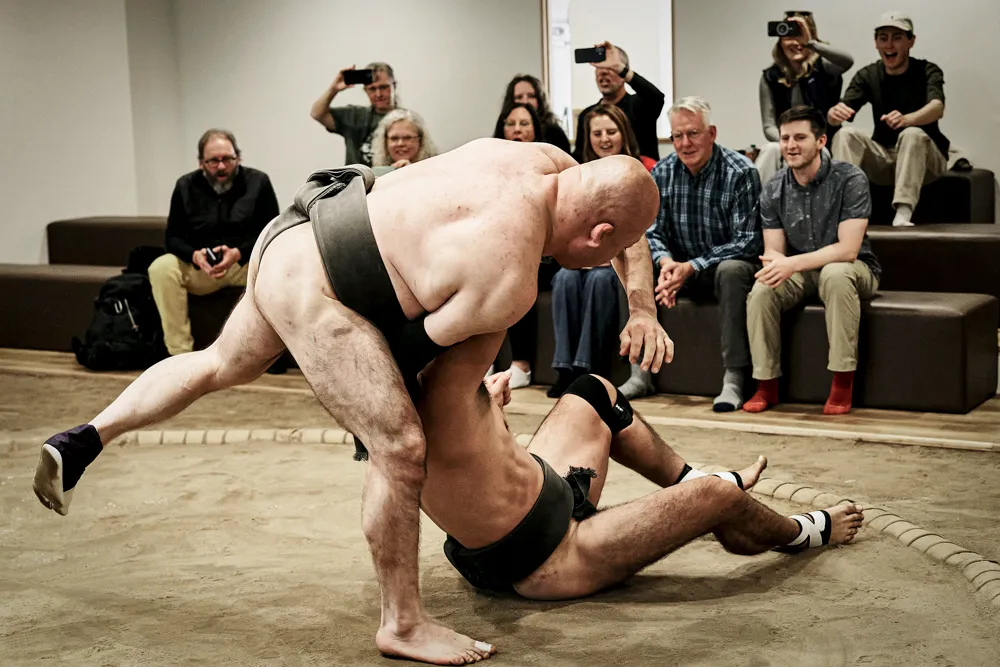
If you want a “dynamic” cultural experience to balance out the “stillness” of the tea ceremony, Sumo Studio Osaka is the perfect pairing. With convenient access right in front of Exit 4 of Hanazonocho Station on the Osaka Metro Yotsubashi Line, you can enjoy an authentic live sumo show performed by retired professional sumo wrestlers, complete with live English commentary.
The 90-minute show is packed with content: demonstrations of sumo techniques, explanations of sacred rituals such as shio-maki, shiko, and tachiai (the initial charge, in which both wrestlers synchronize their breath before colliding into each other), as well as commentary about the history of sumo and its connection to the Shinto religion. The main attraction, though, is the Audience Challenge, a section of the show in which audience members can enter the ring and face off against a sumo wrestler. Thanks to the small-group format, you’ll watch the powerful bouts just a few meters away from where you’re sitting.
We recommend an itinerary that includes a tea ceremony class at The Osaka in the morning, followed by a sumo show at Sumo Studio Osaka in the afternoon. This allows you to taste both the stillness and dynamism of Japanese culture in a single day, a truly complete cultural experience.
Details
| Address | Hanazonocho AI Building 1F, 1-5-1 Asahi, Nishinari-ku, Osaka |
| Hours | 10 am–11:30 am / 12:30 pm–2 pm / 3 pm–4:30 pm / 5:30 pm–7 pm / 8 pm–9:30 pm (five shows per day) |
| Closed | Irregular closings |
| Website | https://sumowrestlingshow.jp/ |
| Best for | Travelers who want to feel the dynamic side of traditional Japanese culture, or for families and groups of friends |
 Hands-On
Get hands-on with sumo in Osaka
Watch former professional sumo wrestlers demonstrate authentic sumo techniques. Learn the history, rituals, and rules of Japan’s national sport, then step into the ring for a hands-on sumo experience in Osaka.
Explore Osaka on a Japan Guide Star Tour

For travelers who want to combine a tea ceremony demonstration with efficient sightseeing, the tours offered by Japan Guide Star are a great choice. You can choose from a varied lineup of English-guided tours in Osaka and Kyoto, allowing you to visit major attractions and local spots without worrying about the language barrier.
Their food tours are especially well-reviewed, and they’ll help you experience Osaka’s famous kuidaore (eat-till-you-drop) culture from a local perspective. Experiencing Japanese traditions through a tea ceremony class in the daytime, then heading out on a food tour of Osaka’s culinary scene in the evening makes for a wonderfully well-paced itinerary. For details, see the tour list page on the Local Guide Star official website.

Osaka: Guided Food Tour with 12 Dishes at 4 Local Eateries
12 unique Japanese dishes for the first time • Skip the tourist traps and visit Izakaya -Japanese casual drinking restaurants • Street food featured in the Michelin Guide
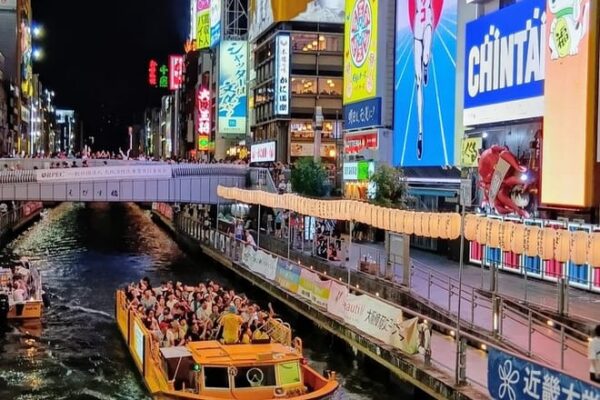
Osaka 2-Hour Walking Tour with Dotonbori River Cruise
Boarding the Dotonbori River Cruise • Secret backstreets of the city • Check out for Street Food(Takoyaki, Gyoza, etc)
[FAQ] Frequently Asked Questions About Osaka Tea Ceremony Workshops

Below we answer some of the questions we hear most often from international travelers. Use this section to clear up any concerns before booking.
Do I Need Special Clothing for a Tea Ceremony Experience?
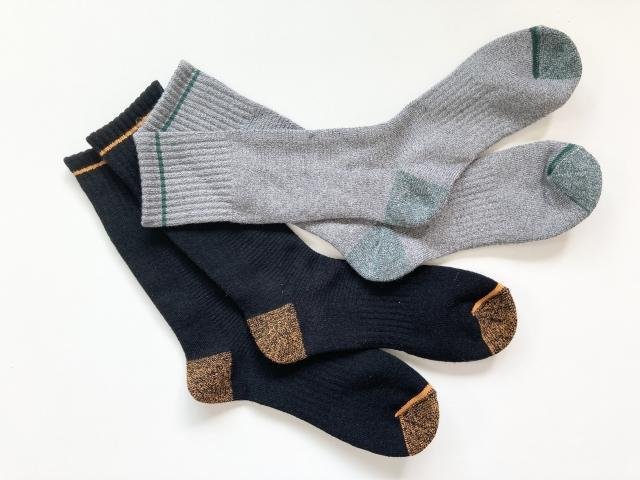
No special clothing is required. However, since you will remove your shoes in the tearoom, we strongly recommend wearing socks. In Japan, walking around someone else’s house in bare feet is considered impolite, so wearing socks in good repair is a good way to avoid offending others. If you choose a plan that includes kimono rental, you can simply arrive empty-handed and change at the venue. Otherwise, comfortable clothing that is easy to move and sit in is a safe choice.
Can I Take Photos?

Photography rules vary by venue. Many venues prohibit photography during the otemae demonstration or require prior confirmation, while others, such as MAIKOYA, set up plenty of photogenic spots and actively welcome photos. If you plan to take photos for social media feeds, it’s a good idea to ask whether photos and video are permitted at the time of booking.
Can I Book a Group or Private Session?
Most venues accept group and private bookings. The Osaka can host groups of about ten to fifteen visitors at once. At the Sakai Plaza of Rikyu and Akiko, however, the full tearoom experience for groups of ten or more must, in principle, be booked at least one month in advance, with each session capped at a maximum of twenty guests. Because Matcha Experience Osaka is a mobile service, it can take bookings without a fixed group-size limit. Private plans typically cost around ¥6,000 to ¥10,300.
Which Is Cheaper: the Official Site or a Booking Site?
Generally speaking, booking directly through a venue’s official website tends to result in the lowest prices as this skips the agency fee that’s usually incurred on booking sites. In contrast, OTAs such as Viator, GetYourGuide, and Jalan layer in a service fee but they offer platform-specific advantages, such as: abundant reviews that let you check other guests’ impressions, free cancellation, and instant booking confirmation. If price is your top priority, go with the official site; if peace of mind matters more, go with an OTA. Choosing based on your priorities is always the smartest approach.
Is There a Connection Between Tea Ceremony, Zen, and Mindfulness?
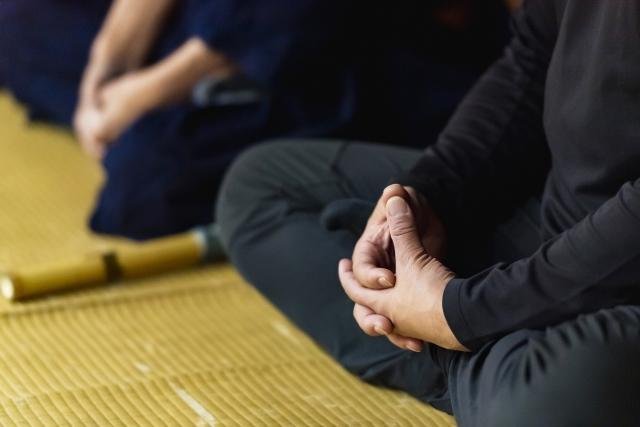
Yes, the connection runs deep. Tea ceremony developed under the influence of Zen Buddhism, and in the 16th century Sen no Rikyu refined its spirit, which was passed down to later generations as wa-kei-sei-jaku, the spirit of opening one’s heart to others, showing mutual respect, keeping one’s inner self pure, and remaining unshaken. The story of Steve Jobs being influenced by the ideals of Zen is famous, and the very act of quietly whisking matcha in a tearoom is in many ways what we now call mindfulness or meditation. Beyond simple sightseeing, a tea ceremony experience offers special value as time for inner reflection.
Are There Tea Ceremony Classes Outside of Osaka?
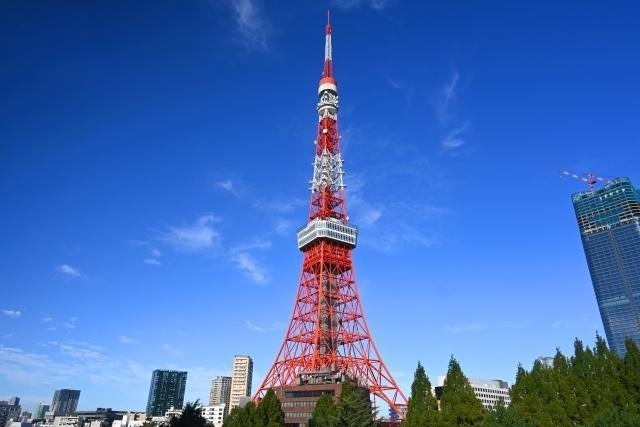
Of course! You can also enjoy tea ceremony workshops in many other parts of Japan. Tokyo, in particular, is one of Japan’s two largest cities and offers a wide selection of tea ceremony plans for international travelers. Local Guide Star, for example, offers a tea ceremony class and Japanese sweets making workshop in Tokyo, so be sure to check it out if you’re looking for an itinerary that combines hands-on experiences with Tokyo sightseeing.
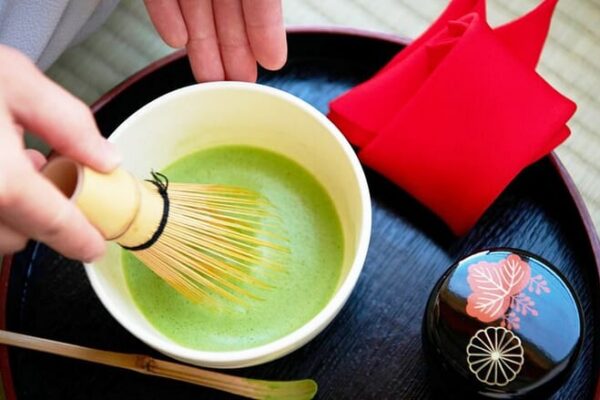
Tokyo: Tea Ceremony & Japanese Sweets Making
Experience the harmony, respect, and tranquility of tea
Summary
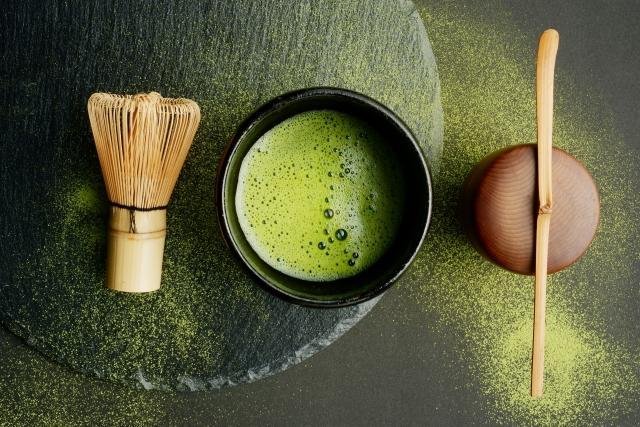
Osaka’s tea ceremony venues offer an unusually wide range of choices, from casual plans starting at ¥3,500 to authentic sessions in a tearoom linked to the forefather of Japanese tea ceremony. Find the spot that best fits your itinerary and choose from the four places introduced in this article.
Since a tea ceremony experience wraps up in 45 to 90 minutes, it’s easy to fit into a half-day of sightseeing, and a “stillness and dynamism” plan—tea ceremony demonstration in the morning, then a sumo show at Sumo Studio Osaka in the afternoon—is incredibly popular with international visitors. With a little preparation using the tips outlined above, even complete beginners can wholeheartedly enjoy the Japanese tea experience. Especially in Osaka, where Japanese tradition lives alongside Japan’s modern energy, you can savor a cultural experience you’ll never forget.