Complete Guide to Osaka’s Lesser-Known Spots | World Heritage Sites and Hidden Local Treasures Within 30 Minutes of Namba
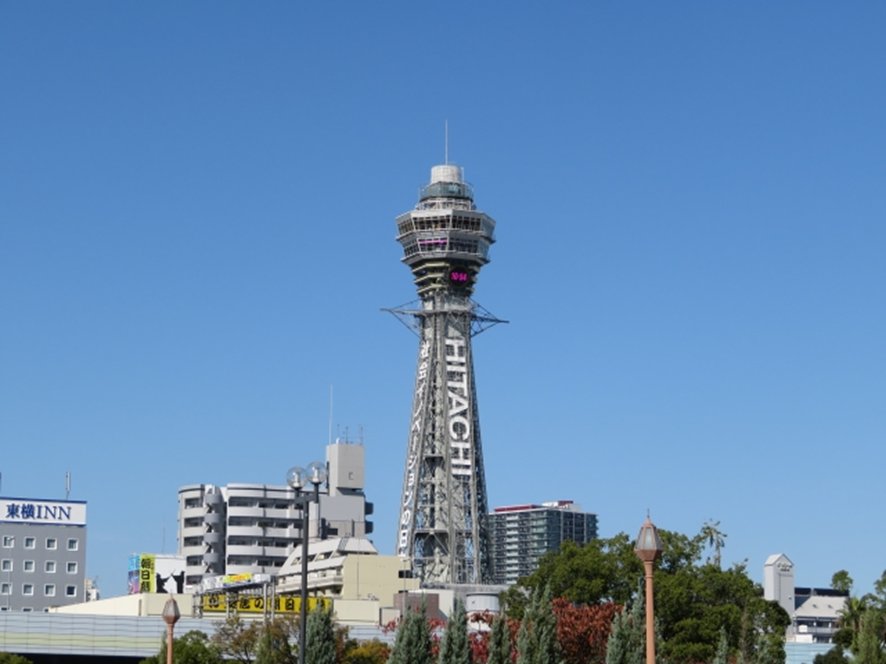
After visiting Dotonbori and Osaka Castle, many travelers wonder where to head next. The most popular destinations tend to be crowded, making it hard to experience the true character of Osaka. Yet within about 30 minutes of Namba by train, you’ll find World Heritage–listed burial mounds, National Treasure architecture, and other remarkable sites that attract far fewer visitors. The following sections introduce five lesser-known areas and nine carefully selected attractions, along with access information and suggested itineraries to help you plan your visit.
Contents
- What Makes Osaka’s Lesser-Known Spots Special?
- Five Areas Where Osaka’s Lesser-Known Spots Cluster
- Sakai | A City of World Heritage and Tea Ceremony Culture
- Kishiwada | A Castle Town Known for the Danjiri Festival
- Minoh | The Closest Valley and Waterfall to Central Osaka
- Sumiyoshi | Where National Treasure Architecture Meets the Streetcar
- Nakazakicho | Showa-Era Old-Fashioned Alleys Within Walking Distance of Umeda
- Nine Recommended Lesser-Known Spots Worth a Stop in Osaka
- Mozu Kofun Group | View Ancient Burial Mounds from a Balloon
- Sumiyoshi Taisha | Visit the National Treasure Main Halls and the Drum Bridge
- Sakai Plaza of Rikyu and Akiko | Prepare Matcha at the Birthplace of the Tea Master
- Minoh Otaki Falls | Take a Valley Hike to a Famous Waterfall
- Kishiwada Danjiri Hall | Feel the Power of the Danjiri Festival
- Shitennoji Temple | Walk Through Japan’s Oldest Buddhist Temple
- Kanbukuro | Try a 700-Year-Old Sakai Specialty
- Namba Yasaka Shrine | Look Up at the 12-Meter Lion Head Stage
- Sumo Studio Osaka | Try Sumo with Former Professional Rikishi
- Sample Itineraries for Osaka’s Lesser-Known Spots
- Common Questions About Osaka’s Lesser-Known Spots
- Plan Your Quiet Osaka Adventure
What Makes Osaka’s Lesser-Known Spots Special?
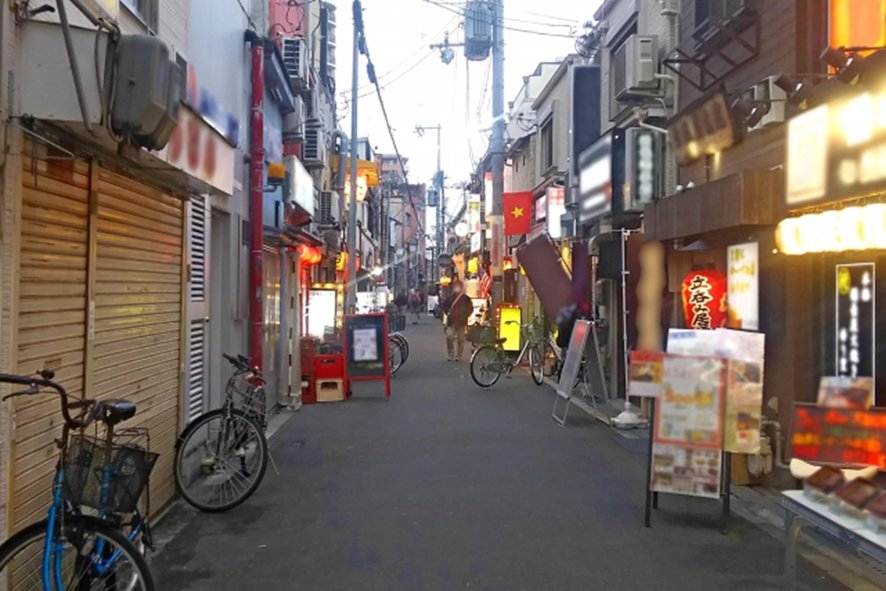
Just a 30-minute train ride from the busiest neighborhoods, you’ll find quiet pockets of the city that escape the crowds. These lesser-known destinations share easy access, rich cultural heritage, and a quiet atmosphere that set them apart from the standard tourist trail.
This section highlights the common characteristics that define Osaka’s lesser-known destinations, focusing on their accessibility, cultural assets, and local transportation networks. Understanding how these areas differ from the city’s more popular attractions will help you plan a more rewarding trip.
All Within a 30-Minute Train Ride from Namba
Every spot covered here is reachable within roughly 30 minutes by train from Namba or Umeda.
| Area | Line | Approximate Travel Time |
|---|---|---|
| Sumiyoshi | Nankai Main Line / Hankai Tramway | About 9-10 min |
| Sakai | Nankai Main Line | About 20 min |
| Kishiwada | Nankai Main Line | About 30 min |
| Minoh | Hankyu Line (transfer at Umeda) | About 30 min |
| Nakazakicho | Osaka Metro | Walking distance from Umeda |
The Nankai Main Line connects Namba Station directly to Sakai and Kishiwada. The Hankai Tramway offers a charming downtown ride from Tennoji to Sumiyoshi Taisha. To reach Minoh, take the Hankyu Line from Umeda. All these lines accept IC cards, so there’s no need to buy paper tickets. A practical plan is to visit popular spots in the morning and explore the lesser-known areas in the afternoon.
Quietly Enjoy World Heritage Sites and National Treasures
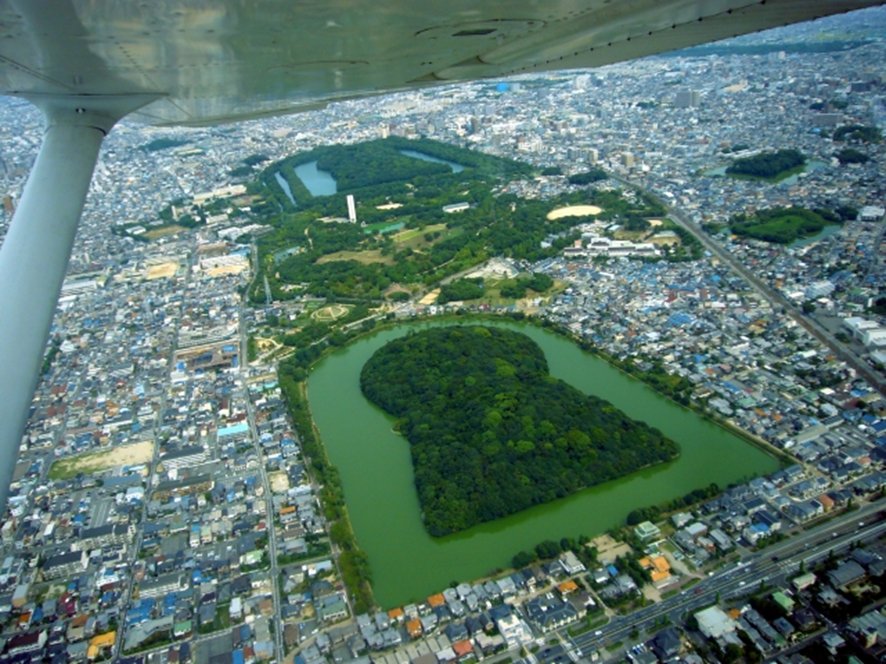
Inscribed on the UNESCO World Heritage List in 2019, the Mozu-Furuichi Kofun Group consists of 49 massive burial mounds spread across Sakai City and neighboring areas. These tombs from the 4th to early 6th centuries reflect the funerary culture of ancient East Asia. Compared with popular destinations such as Kyoto and Nara, the area attracts far fewer visitors, allowing for a more peaceful sightseeing experience. Viewing the distinctive keyhole-shaped burial mounds from a hot-air balloon is also a popular activity.
The four main halls of Sumiyoshi Taisha are designated National Treasures as well. The sight of the four shrines in the ancient Sumiyoshi-zukuri (one of Japan’s oldest shrine architectural styles) with their cypress-bark roofs create a striking and memorable scene. Another advantage is the relatively calm atmosphere, which allows visitors to worship and explore without the long lines often found at more crowded shrines. Taking the time to visit these World Heritage sites and National Treasures offers a deeper appreciation of Osaka’s rich cultural heritage.
Travel by the Hankai Tramway
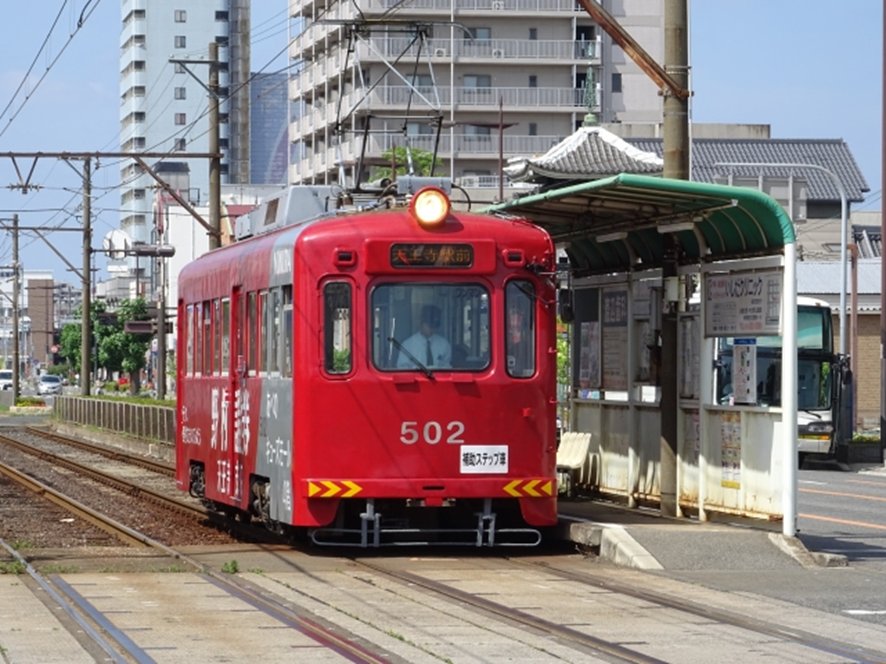
The Hankai Tramway, Osaka’s only streetcar line, runs from Tennoji Ekimae to Hamadera Ekimae in Sakai City. Since it opened in 1911, the tramway has run through the old downtown along the former Kishu Kaido road. From the windows, you’ll see shopping streets and residential neighborhoods that still carry the feel of the Showa era (mid-20th century Japan), where everyday local life plays out at a gentle pace.
The basics for riding the tramway are summarized below.
| Item | Details |
|---|---|
| Route | Tennoji Ekimae – Hamadera Ekimae |
| Travel time | About 50 min |
| Fare | Flat rate, ¥240 for adults |
| One-day pass | ¥700 for adults (Tekuteku Kippu) |
| IC cards | Accepted |
Hop on and off along the route to visit Sumiyoshi Taisha and Sakai’s historic sites. Transportation IC cards are accepted. Riding the streetcar offers a relaxed way to enjoy the everyday scenery of Osaka.
Five Areas Where Osaka’s Lesser-Known Spots Cluster
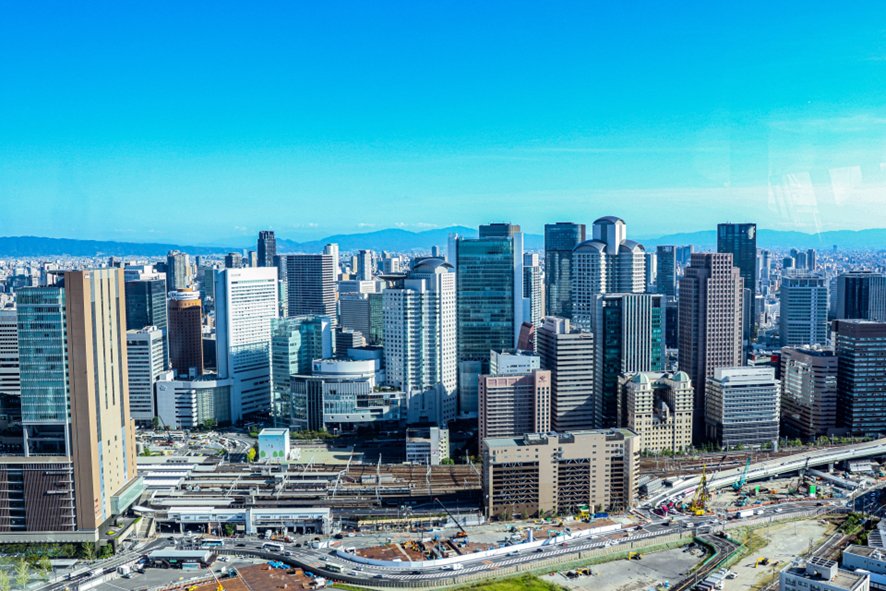
For travelers who aren’t sure where to begin, the following five areas offer a diverse mix of experiences, from a UNESCO World Heritage Site and scenic mountain valleys to nostalgic retro alleyways.
To help you choose, we’ve outlined each area’s location, recommended visit duration, and typical crowd levels. Use this information to narrow down your options based on your interests, available time, and overall travel plans.
Sakai | A City of World Heritage and Tea Ceremony Culture
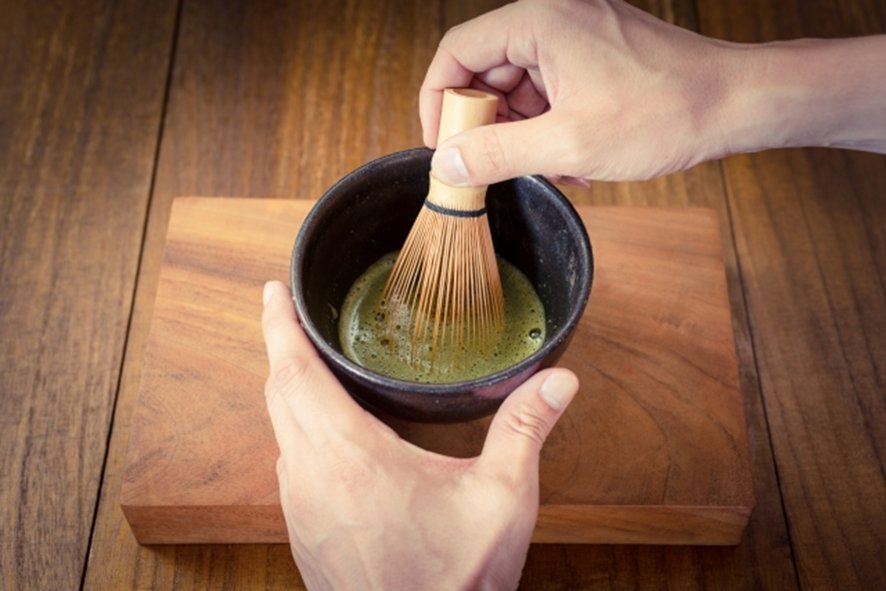
Just 10 minutes from Namba Station via the Nankai Main Line, Sakai is a historic city where UNESCO World Heritage burial mounds and centuries-old tea culture coexist. Compared with Kyoto and Nara, it offers a quieter, more relaxed way to experience Japan’s cultural heritage.
The city’s main attractions are divided into two distinct areas:
- The burial mound district, where visitors can stroll through Daisen Park and enjoy matcha (powdered green tea) at the Shin-an tea house.
- The old town district around Sakai Station, home to Sakai Plaza of Rikyu and Akiko, the Sakai City Traditional Crafts Museum, and a variety of machiya (traditional townhouse) cafés.
At Sakai Plaza of Rikyu and Akiko, you can take part in a tea ceremony in styles such as ryurei (a tea ceremony performed while seated on chairs) or a full otemae experience (tea preparation by the host). A half-day itinerary works particularly well here, with the burial mounds in the morning and the old town area in the afternoon.

Kishiwada | A Castle Town Known for the Danjiri Festival
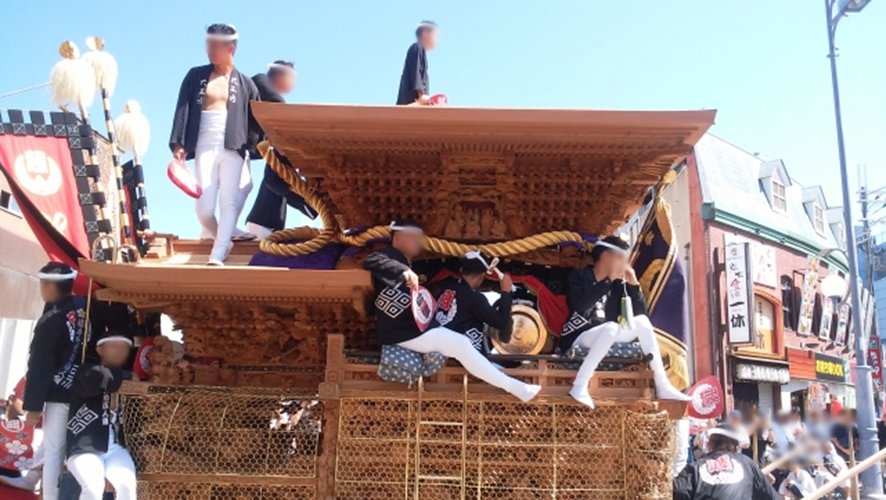
About 25 minutes from Namba Station on the Nankai Main Line, Kishiwada is a castle town where the excitement of the roughly 300-year-old Danjiri festival (a traditional float-pulling festival) lives on. Even outside the festival season in September, visitors can experience its energy at the Kishiwada Danjiri Hall, where actual festival floats are displayed alongside video presentations and hands-on opportunities to try the percussion instruments used during the celebrations.
Exploring the castle town itself is also highly rewarding. Beginning at Kishiwada Castle and the Hachijin-no-Niwa stone garden, visitors can wander through streets lined with historic buildings and traces of the town’s past. With few tourists around, you can take your time on the quiet streets.
| Season | How to Enjoy It |
|---|---|
| September (festival period) | Watch the danjiri floats charge through the streets up close |
| Other times | Visit the Danjiri Hall and stroll around Kishiwada Castle and the castle town |
The view of the castle keep from Ninomaru Park is especially photogenic and a favorite spot for photography.
Minoh | The Closest Valley and Waterfall to Central Osaka
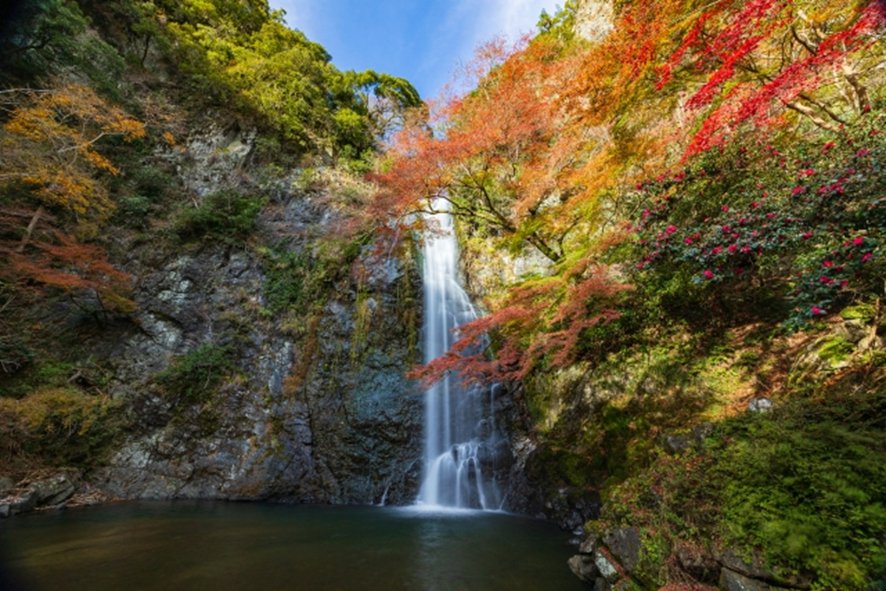
About 25 minutes from Umeda on the Hankyu Line, Minoh is the closest valley to central Osaka. The Takimichi promenade begins just outside Hankyu Minoh Station. After approximately 40 minutes on foot, you’ll reach Minoh Otaki Falls, a 33-meter (108-foot) waterfall that serves as the area’s main attraction. The round-trip walk takes about two hours along well-maintained paved paths, making it accessible even for casual walkers.
- In early summer (May to June), fresh green maple leaves canopy the Takimichi, creating a beautiful tunnel of new foliage.
- During the autumn foliage period (mid-November to early December), Minoh ranks among Osaka’s most popular foliage spots, making weekday mornings the best time to visit.
- More experienced hikers can follow a roughly 90-minute mountain trail to Katsuoji Temple.
Outside the autumn foliage season, crowds are sparse, and you can enjoy a tranquility that feels surprising given the proximity to central Osaka.
Sumiyoshi | Where National Treasure Architecture Meets the Streetcar
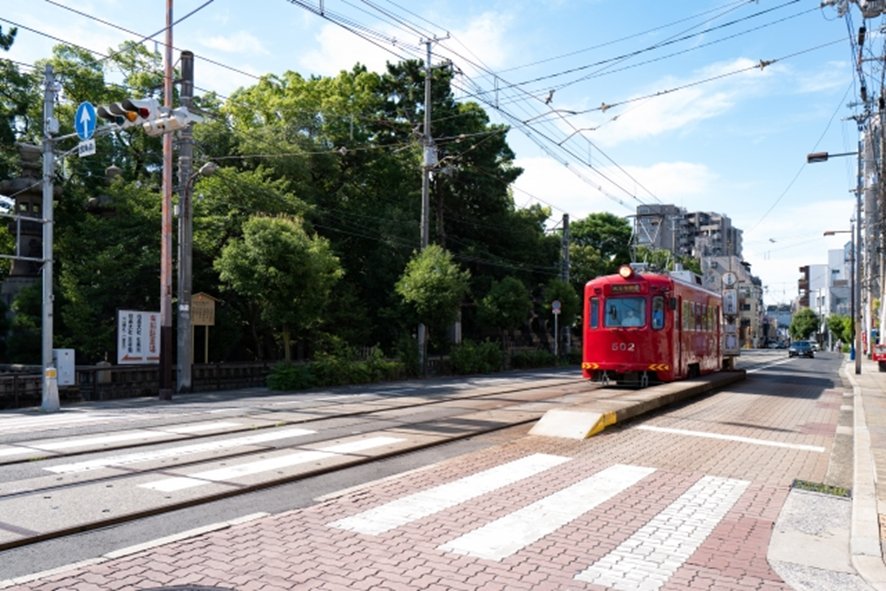
Located about 15 minutes from Tennoji via the Hankai Tramway, the area surrounding Sumiyoshi Taisha offers a peaceful atmosphere far removed from the bustle of central Osaka. The shrine’s four main halls are designated National Treasures and preserve Sumiyoshi-zukuri, one of Japan’s oldest surviving shrine architectural styles. Early mornings are especially rewarding, with few visitors and a tranquil setting that highlights the shrine’s historic character.
During the day, the vermilion taikobashi (drum-shaped arched bridge) creates beautiful reflections on the surrounding water, making it one of the area’s most photogenic spots.
After your visit, continue on the Hankai Tramway toward Sakai. Board at Sumiyoshi-Toriimae Station and transfer at Abikomichi to reach central Sakai.
- In the morning, visit Sumiyoshi Taisha. After around 10:00 a.m., lighting conditions are ideal for photographing the taikobashi.
- Around midday, take the Hankai Tramway to Sakai. The journey takes about 30 minutes with no transfers.
- In the afternoon, explore the Mozu-Furuichi Kofun Group and visit Sakai Plaza of Rikyu and Akiko.
With a one-day pass, you can travel back and forth between Sumiyoshi and Sakai as many times as you like, which is very convenient.
Nakazakicho | Showa-Era Old-Fashioned Alleys Within Walking Distance of Umeda
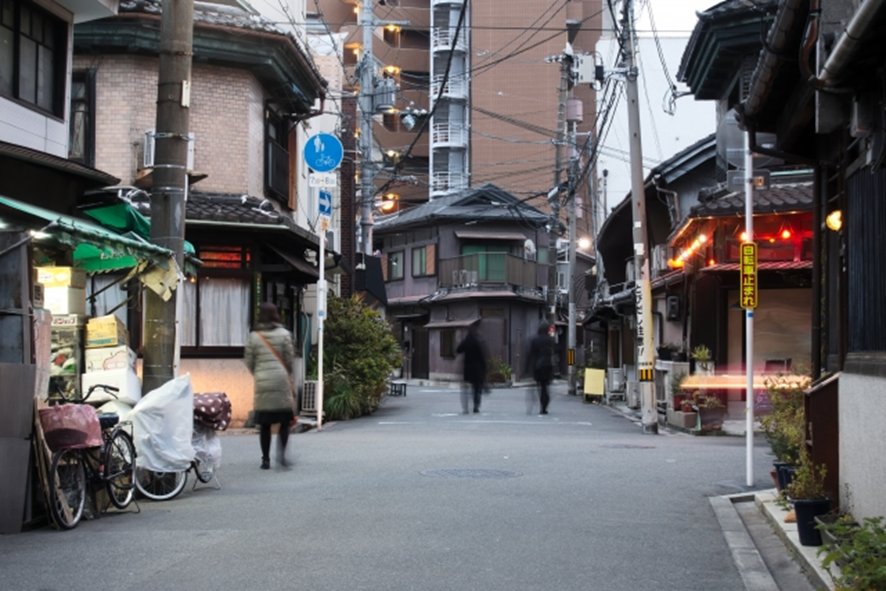
Just one subway stop from Umeda, or about a 15-minute walk, you’ll find a network of historic backstreets. Nakazakicho escaped much of the bombing during World War II and still preserves wooden row houses and tenement buildings dating from the Taisho and early Showa periods.
Today, many of these historic structures have been thoughtfully renovated into cafés, vintage clothing stores, galleries, and small boutiques, giving the neighborhood its distinctive retro atmosphere.
The character of Nakazakicho changes throughout the day. Mornings bring quiet residential streets, midday draws café-hopping crowds, and evenings light up with standing bars.
A recommended walking route starts from Nakazakicho Station, heads southeast through the Tengo Nakazaki-dori shopping street, and continues toward the Tenjinbashisuji area. The best approach is simply to wander at your own pace, exploring side streets and keeping an eye out for the neighborhood’s many photogenic corners.
Nine Recommended Lesser-Known Spots Worth a Stop in Osaka
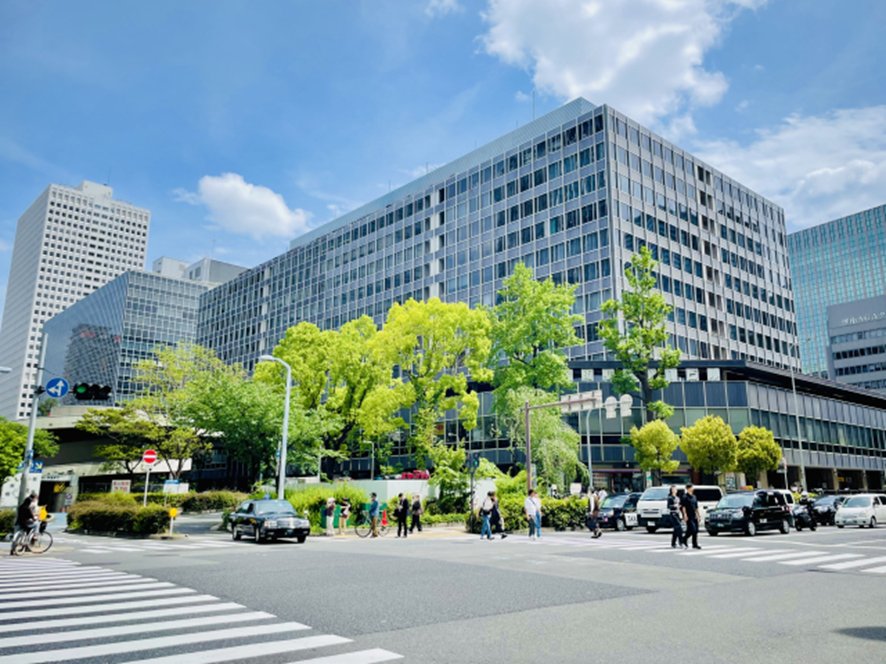
Nine spots that rarely appear in standard guidebooks offer a deeper look at Osaka. The selection spans historic temples and shrines, a long-established Japanese sweets shop, valley hikes, and cultural experiences.
Mozu Kofun Group | View Ancient Burial Mounds from a Balloon
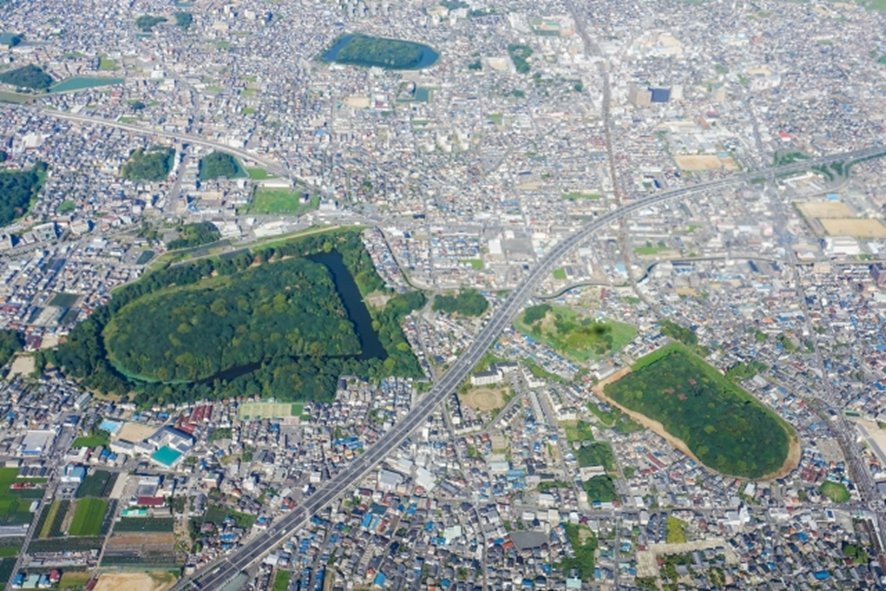
At 486 meters (approximately 1,594 feet) long, the Nintoku Emperor’s Tomb is considered one of the largest burial mounds in the world. From ground level, it appears as a vast forested area, making it difficult to appreciate its true scale. From the air, however, its distinctive keyhole-shaped design becomes clearly visible.
The Osaka Sakai Balloon rises about 100 meters (about 328 feet) above Daisen Park, offering a panoramic view of the Mozu Kofun group. It offers a rare opportunity to fully appreciate the immense scale and layout of these ancient monuments.
Operations are suspended for weather or maintenance, so checking the official website before your visit is recommended. The balloon launch site is approximately a 5-minute walk from JR Mozu Station. Combine your visit with the Sakai City Museum and other nearby attractions.
Details
| Address | 2-chome, Mozu Sekiun-cho, Sakai-ku, Sakai City, Osaka (inside Daisen Park) |
| Hours | 10 am-6 pm (each ride about 15 min) |
| Closed | Open year-round (suspended irregularly due to weather or maintenance) |
| Official website | https://osaka-sakai-balloon.com/ |
| Recommended for | Travelers who want aerial photos of a World Heritage site or have an interest in ancient history |
Sumiyoshi Taisha | Visit the National Treasure Main Halls and the Drum Bridge
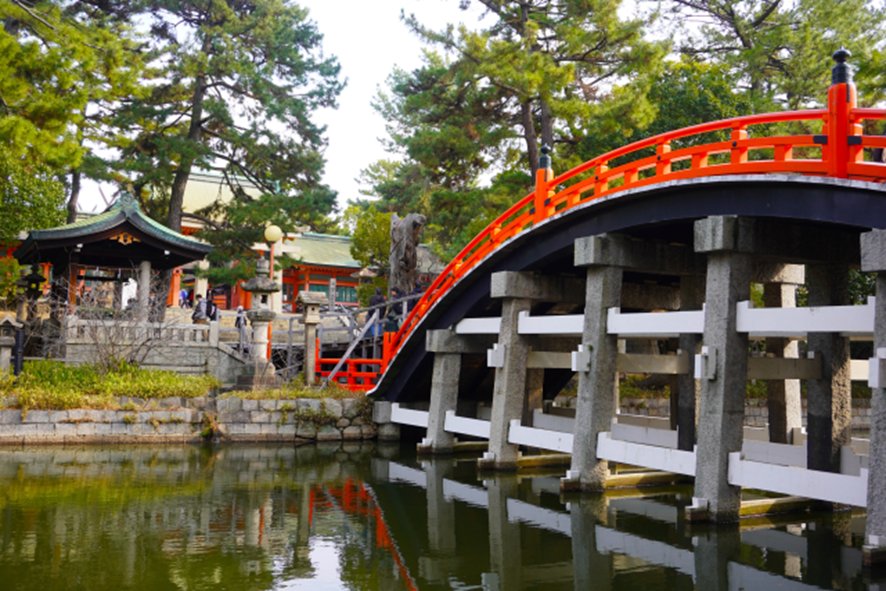
Sumiyoshi Taisha is one of Osaka’s most historically significant shrines, and its four main halls are all designated National Treasures. The shrine is best known for its Sumiyoshi-zukuri architecture, one of the oldest surviving shrine styles in Japan.
Within the grounds and nearby, you can also take part in hands-on traditions.
- Crossing the taikobashi (the drum bridge) is traditionally regarded as an act of purification and is a symbol of Sumiyoshi Taisha.
- At the godairikiishi (five power stones), visitors can search among the inscribed pebbles and offer prayers for greater physical and mental strength.
- At the omokaru-ishi (a 2-minute walk southeast from the grounds), after making a wish, visitors lift the stone; if it feels lighter than expected, the wish is said to come true.
Enjoy these cultural experiences in the calm of the shrine grounds. Sumiyoshi Taisha is located directly beside Hankai Tramway’s Sumiyoshi-Toriimae stop, making it easy to include in a day of sightseeing.
Details
| Address | 2-9-89 Sumiyoshi, Sumiyoshi-ku, Osaka City, Osaka |
| Hours | 6 am-5 pm (gates open at 6:30 am from October to March) |
| Closed | Open year-round |
| Official website | https://www.sumiyoshitaisha.net/ |
| Recommended for | Visitors interested in shrine architecture or looking for a quiet worship experience |
Sakai Plaza of Rikyu and Akiko | Prepare Matcha at the Birthplace of the Tea Master
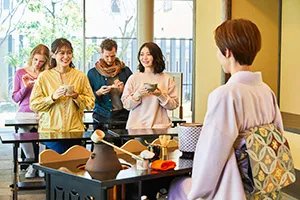
Sen no Rikyu, who perfected the tea ceremony, was born into a merchant family in Sakai. Built next to the site of his former residence, Sakai Plaza of Rikyu and Akiko is a facility where you can learn about the origins of the tea ceremony.
The Sen no Rikyu Tea Museum covers his life and legacy. At the tea experience facility, you can take part in the otemae styles of the three Senke schools.
| Experience | Adult Fee | Notes |
|---|---|---|
| Exhibition room (Sen no Rikyu Tea Museum) | ¥300 | No reservation needed |
| Ryurei tea service (matcha and Japanese sweets) | ¥800 | No reservation needed |
| Tea room otemae experience | ¥1,000 | Reservation required |
The “Sho” in the Japanese name comes from Yosano Akiko, a poet born in Sakai. The facility is a rare combined venue where you can take in both the tea ceremony and modern literature. The second floor houses the Yosano Akiko Memorial Hall.
Details
| Address | 2-1-1 Shukuin-cho Nishi, Sakai-ku, Sakai City, Osaka |
| Hours | 9 am-6 pm (tea experience facility: 10 am-5 pm) |
| Closed | 3rd Tuesday (or the following day if a holiday); year-end and New Year’s holidays |
| Official website | https://sakai-rishonomori.com/ |
| Recommended for | Visitors who want an authentic tea room experience tied to Sen no Rikyu, or groups of 20 or more |
Minoh Otaki Falls | Take a Valley Hike to a Famous Waterfall
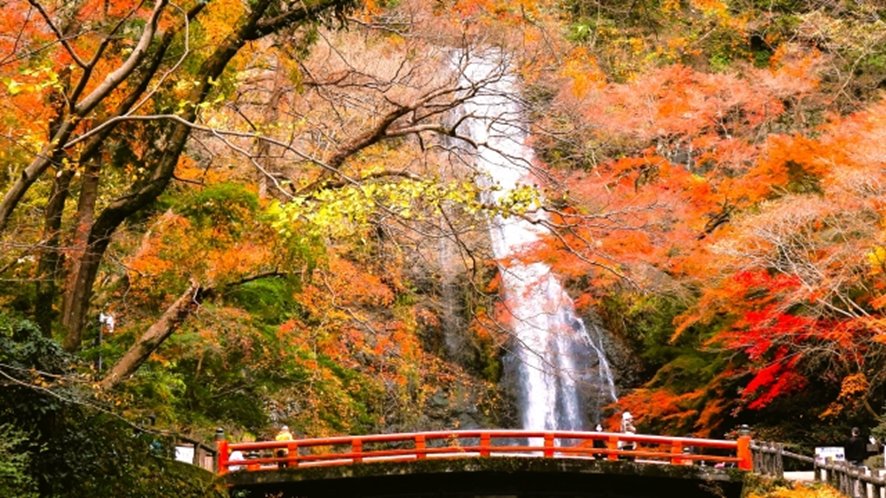
As mentioned earlier in the introduction to Minoh, Minoh Otaki Falls is one of the area’s most iconic attractions. About 30 minutes from central Osaka, you can find a deep valley and a famous waterfall. To reach Minoh Otaki Falls, which drops 33 meters (about 108 feet), follow the Takimichi promenade from Hankyu Minoh Station, a one-way walk of about 40 minutes. There’s no admission fee and no special gear is needed.
Along the streamside path, you can sample Minoh’s local specialty, deep-fried maple leaf tempura, as you stroll. The scenery is a highlight in every season, with autumn foliage and fresh greenery in early summer.
Details
| Address | Minoh Park, Minoh City, Osaka |
| Hours | Park open at all times (park management office: 9 am-5:30 pm) |
| Closed | Open year-round |
| Official website | https://www.mino-park.jp/ |
| Recommended for | Visitors who want a quick nature experience close to the city, or who enjoy combining a walk with snacking along the way |
Kishiwada Danjiri Hall | Feel the Power of the Danjiri Festival
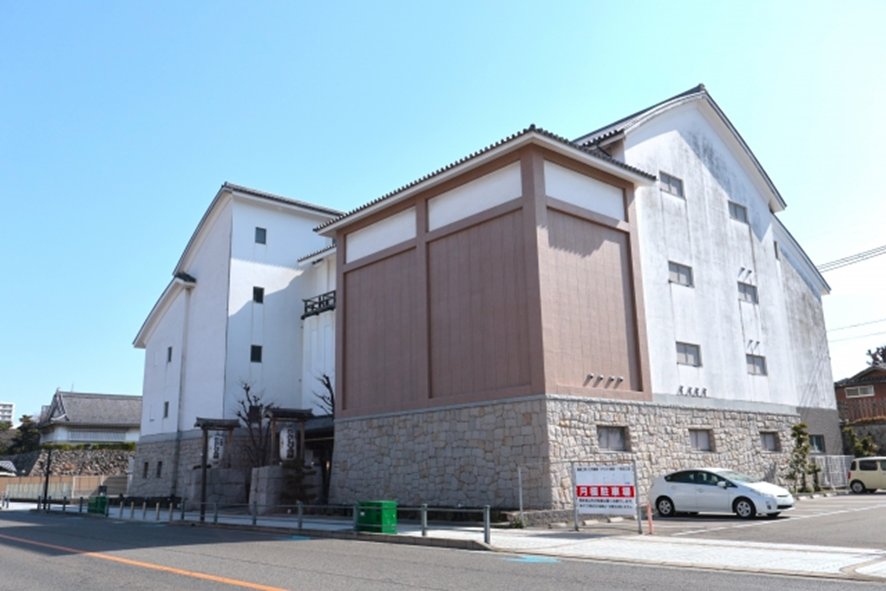
The Kishiwada Danjiri Festival is famous for its massive floats, each weighing around 4 tons (approximately 8,800 pounds), which are pulled at high speed through the city’s streets. Even outside the main festival season in September, visitors can experience its excitement at the Kishiwada Danjiri Hall.
The three-screen theater and the rooftop ride simulator bring the festival to life.
Just a 5-minute walk away, Kishiwada Castle is also well worth a visit. The dry landscape garden Hachijin-no-Niwa has a bold, modernist stone arrangement. A combined admission ticket covering the Danjiri Hall, Kishiwada Castle, and related attractions is available, making it a convenient and cost-effective way to explore the area.
Details
| Address | 11-23 Honmachi, Kishiwada City, Osaka |
| Hours | 10 am-5 pm (last entry at 4 pm) |
| Closed | Mondays (open if a national holiday, with weekday closure shifted); year-end and New Year’s (Dec 29-Jan 3) |
| Official website | https://www.city.kishiwada.lg.jp/site/kishiwada-side/danjiri-kaikan.html |
| Recommended for | Visitors interested in Japanese festival culture or hands-on sightseeing |
Shitennoji Temple | Walk Through Japan’s Oldest Buddhist Temple
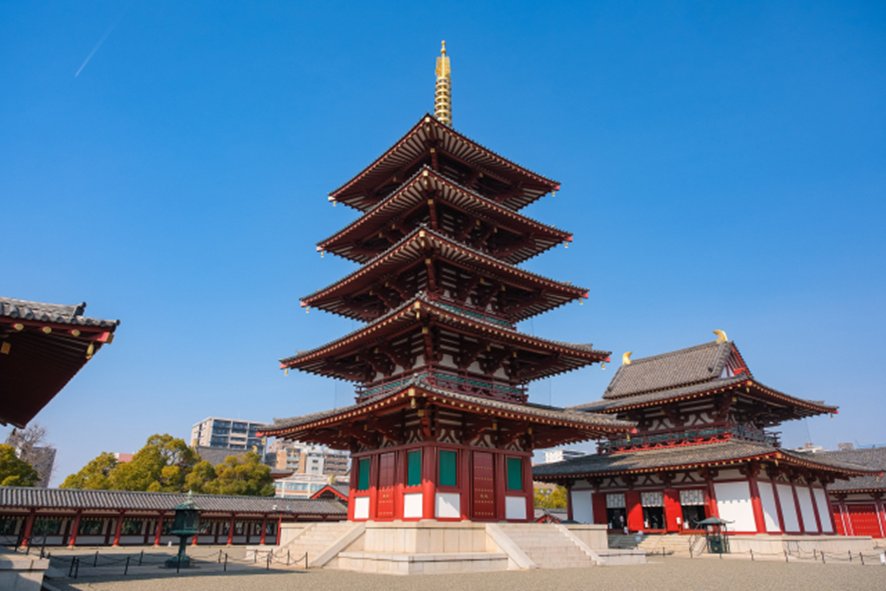
Founded in 593, Shitennoji Temple carries roughly 1,400 years of history. Its distinctive “Shitennoji-style” layout—featuring a five-story pagoda and the main halls aligned along a straight axis—is among the oldest surviving temple arrangements in Japan and dates back to the Asuka period (late 6th century to 710).
Visitors can climb the interior stairs of the five-story pagoda all the way to the top. Few temples allow you inside the pagoda, and the view from above is exceptional.
A flea market is held on the 21st of every month, with vintage kimono and antiques for sale. The central temple precinct is also free to enter on the 21st, making it a great day to visit. Shitennoji Temple is about a 12-minute walk from Tennoji Station.
Details
| Address | 1-11-18 Shitennoji, Tennoji-ku, Osaka City, Osaka |
| Hours | Central precinct: 8:30 am-4:30 pm (April-September) / 8:30 am-4 pm (October-March); outside worship available 24 hours |
| Closed | Open year-round |
| Official website | https://www.shitennoji.or.jp/ |
| Recommended for | History enthusiasts interested in the origins of Japanese Buddhist architecture |
Kanbukuro | Try a 700-Year-Old Sakai Specialty
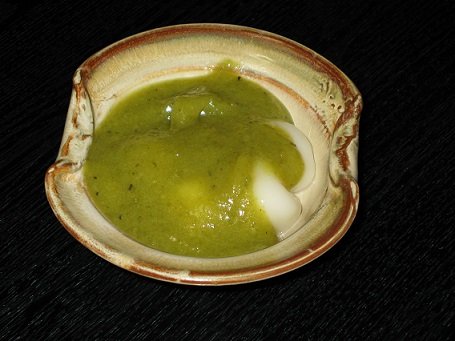
The “Kurumi mochi” from Kanbukuro, a long-established shop in Sakai, is a sweet beloved by locals. The name derives from kurumu, meaning ‘to wrap,’ referring to the mochi’s coating of sweet bean paste.
Kurumi mochi has a gentle sweetness and a smooth texture. In the warmer months, the “Kori Kurumi Mochi” version topped with shaved ice is also popular. Kanbukuro closes as soon as it sells out for the day, so a morning visit is best. The shop is within walking distance of Sakai Plaza of Rikyu and Akiko.
Details
| Address | 1-2-1 Shinzaike-cho Higashi, Sakai-ku, Sakai City, Osaka |
| Hours | 10 am-5 pm (in-store orders accepted until 4:45 pm) |
| Closed | Tuesdays and Wednesdays (open on public holidays) |
| Official website | https://www.kanbukuro.co.jp/ |
| Recommended for | Visitors curious about Sakai’s food culture, or fans of traditional Japanese sweets |
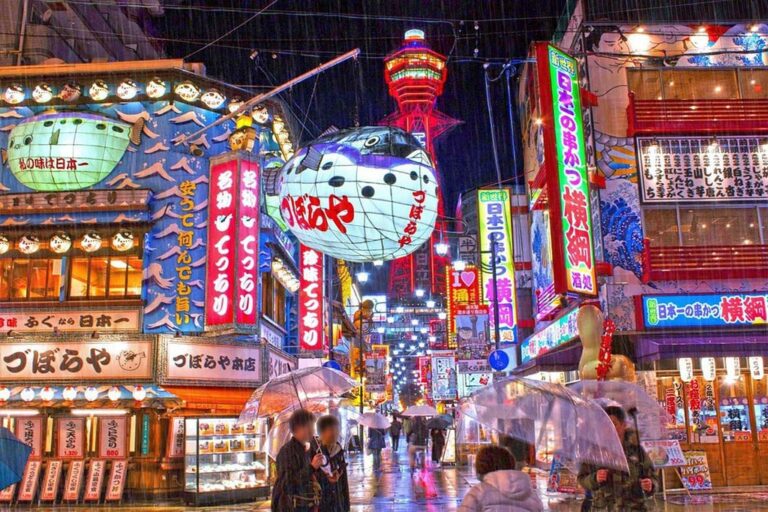
Namba Yasaka Shrine | Look Up at the 12-Meter Lion Head Stage
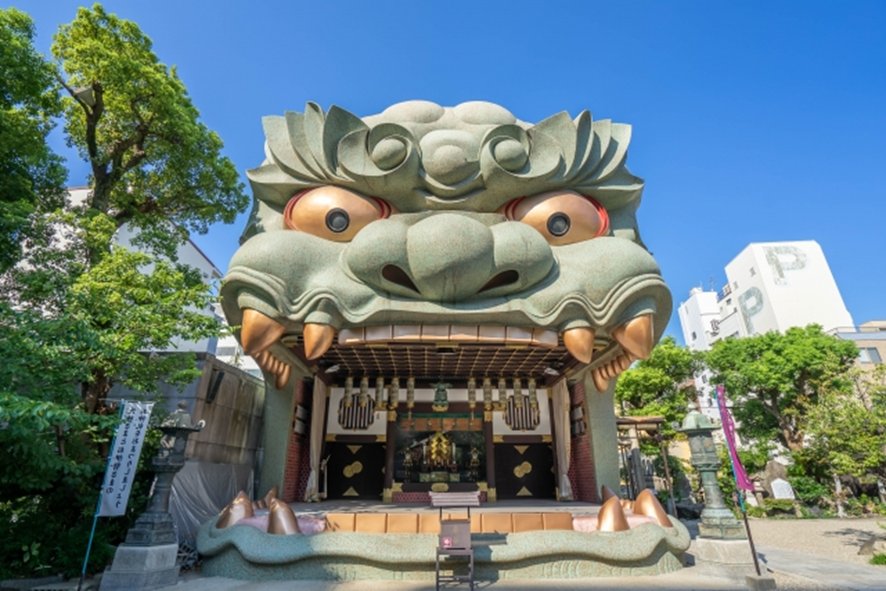
About a 6-minute walk from Namba Station, Namba Yasaka Shrine is home to a huge lion head stage. The 12-meter (about 39-foot) structure was completed in 1974.
According to local belief, the wide-open mouth swallows evil spirits and brings good fortune in battle or competition. The interior of the mouth also functions as a stage for performances and events, making it a uniquely designed shrine feature. The shrine is within easy walking distance of Dotonbori, admission is free, and the giant lion head provides one of the city’s most memorable photo opportunities.
Details
| Address | 2-9-19 Motomachi, Naniwa-ku, Osaka City, Osaka |
| Hours | Grounds open at all times (please confirm in advance) |
| Closed | Open year-round |
| Official website | https://nambayasaka.jp/ |
| Recommended for | Travelers near Namba looking for a quick, off-the-beaten-path stop |
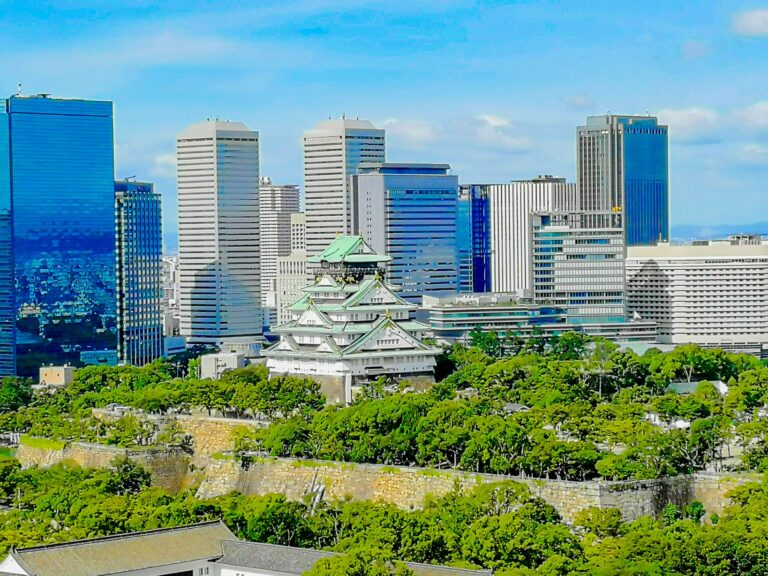
Sumo Studio Osaka | Try Sumo with Former Professional Rikishi
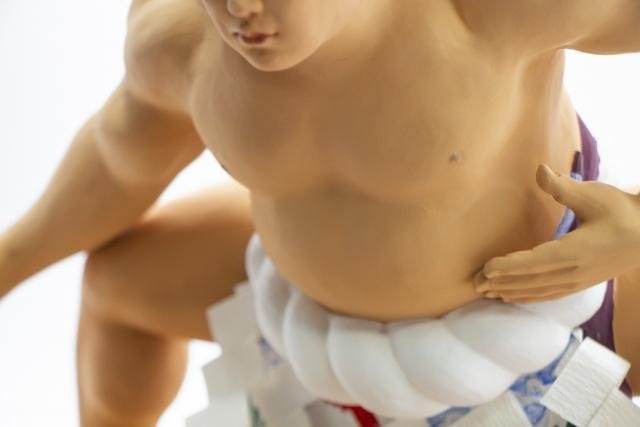
At Sumo Studio Osaka, you can take in a powerful live demonstration led by former professional rikishi (sumo wrestlers). The participatory program lets audience members ascend the dohyo (sacred clay ring) and experience training firsthand. The history and etiquette of sumo are explained in English.
The venue sits right in front of Hanazonocho Station, with excellent access, and fits easily into a half-day plan. Check the show schedule on the official website before your visit.
Details
| Address | 1F Hanazonocho AI Bldg, 1-5-1 Asahi, Nishinari-ku, Osaka City, Osaka 557-0032 |
| Hours | 10 am-11:30 am / 12:30 pm-2 pm / 3 pm-4:30 pm / 5:30 pm-7 pm / 8 pm-9:30 pm (five shows daily) |
| Closed | Irregular |
| Official website | https://sumowrestlingshow.jp/ |
| Recommended for | Visitors who want to experience the “dynamic” side of Japanese tradition; families and groups of friends |
 Hands-On
Get hands-on with sumo in Osaka
Watch former professional sumo wrestlers demonstrate authentic sumo techniques. Learn the history, rituals, and rules of Japan’s national sport, then step into the ring for a hands-on sumo experience in Osaka.
Sample Itineraries for Osaka’s Lesser-Known Spots
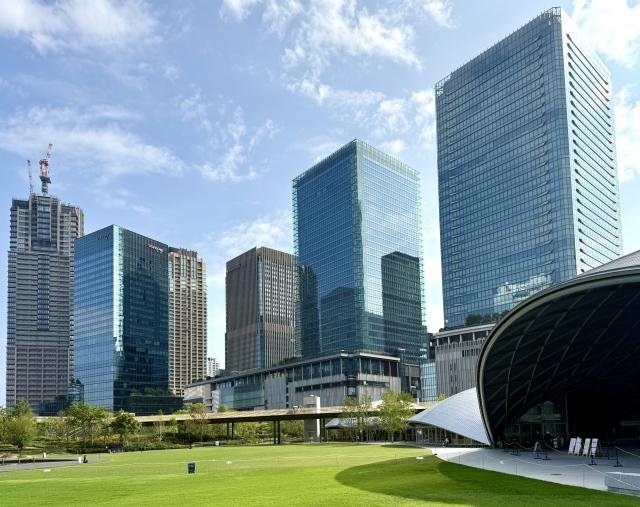
Three sample itineraries help make the most of limited time: a streetcar route, a valley hike paired with a historic backstreet walk, or a south Osaka cross-region route. Each plan can be adjusted to suit the weather or your energy level.
Sumiyoshi Taisha to Sakai by Hankai Tramway
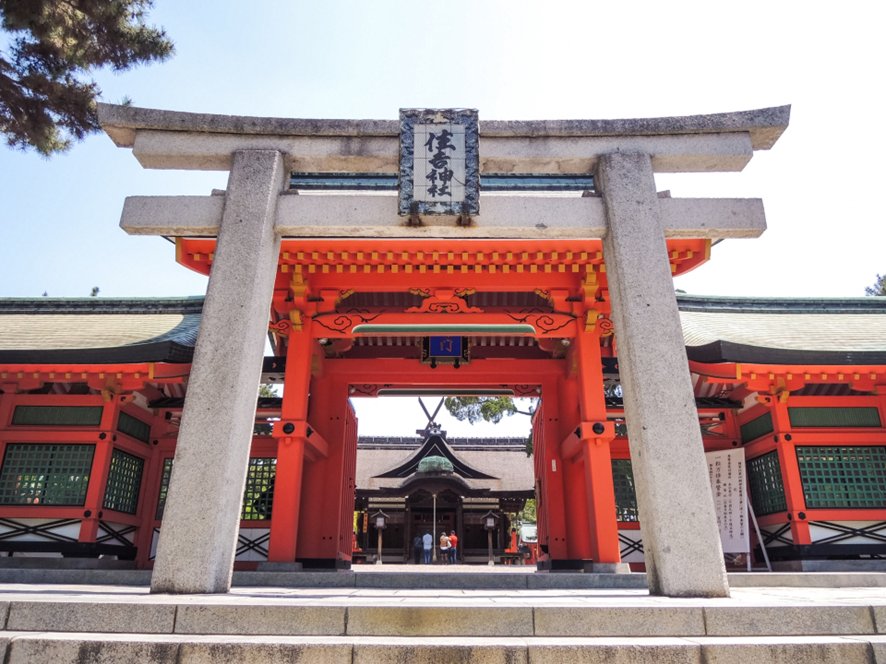
Use the Hankai Tramway’s one-day “Tekuteku Kippu” pass. Three rides will pay for the pass.
| Step | Activity | Suggested Timing |
|---|---|---|
| 1 | Tennoji Ekimae to Sumiyoshi Toriimae (about 15 min by Hankai Tramway) | Depart at 8:00 am |
| 2 | Visit Sumiyoshi Taisha (grounds open at all times; shrine office from 8:30 am) | About 60 min |
| 3 | Sumiyoshi Toriimae to Shukuin (about 20 min by Hankai Tramway) | Depart around 9:30 am |
| 4 | Sakai Plaza of Rikyu and Akiko (opens 9 am; closed Tuesdays) | About 60 min |
| 5 | Kori Kurumi Mochi at Kanbukuro (about a 10-min walk; closed Tuesdays) | About 30 min |
When using the Tekuteku Kippu, simply board through the rear door and show the pass when getting off.
Early in the morning, Sumiyoshi Taisha is especially peaceful, allowing you to take your time exploring its National Treasure main halls and iconic drum-shaped bridge. After your visit, ride the Hankai Tramway to Sakai.
At Sakai Plaza of Rikyu and Akiko, learn about the life and legacy of Sen no Rikyu and take part in a hands-on matcha-making experience. Finish the day with a serving of Kori Kurumi Mochi at Kanbukuro, a long-established confectionery shop beloved by locals.
Minoh Otaki Falls Combined with Nakazakicho
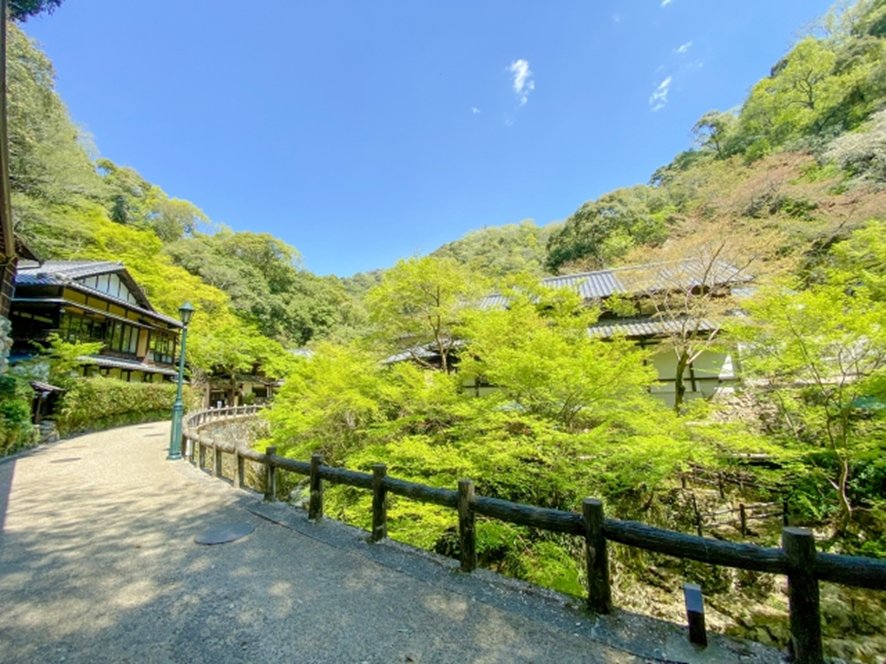
This itinerary combines a scenic valley walk in the morning with an exploration of historic back streets in the afternoon.
From Umeda, take the Hankyu Line about 30 minutes to Hankyu Minoh Station, then walk the Takimichi for about 40 minutes. Snack on the local maple leaf tempura along the way and allow about three hours in the area. Although the path is fully paved, comfortable walking shoes or sneakers are highly recommended. Be sure to check the official website for the latest trail and facility information before your visit.
In the afternoon, return to Umeda and wander Nakazakicho. Stop by cafés and shops housed in renovated old tenement houses.
Keep an eye on the weather forecast when planning this itinerary. If rain is expected, consider postponing Minoh to a clearer day and focus on indoor spots in Nakazakicho.
Sakai and Kishiwada via the Nankai Main Line
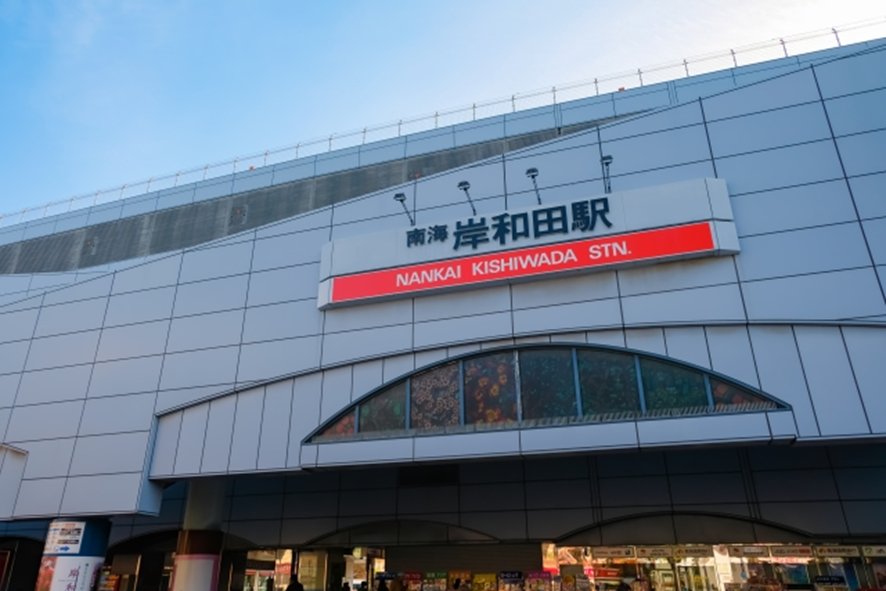
This itinerary shows a one-day Nankai Main Line plan covering ancient tombs, festival culture, and a sumo experience.
| Time | Activity | Transit and Notes |
|---|---|---|
| 9:00 am | Depart Namba Station (Nankai Main Line express) | About 10 min to Sakai Station |
| 9:30-11:30 am | Mozu Kofun group and Sakai Balloon | About 15 min by bus or taxi from Sakai Station |
| 12:00 pm | Depart Sakai Station (Nankai Main Line express) | About 15 min to Kishiwada Station |
| 12:30-2:30 pm | Danjiri Hall and Kishiwada Castle | Walking distance from Kishiwada Station |
| 3:00 pm | Depart Kishiwada Station (Nankai Main Line express) | Transfer to subway at Shin-Imamiya Station |
| 4:00-5:30 pm | Sumo experience (Hanazonocho area) | Directly connected to Exit 4 of Hanazonocho Station |
To reach the Mozu Kofun group, take a taxi about 15 minutes from Nankai Sakai Station. In Kishiwada, pick up a map at the tourist information center in front of the station.
The sumo experience is by reservation only, so book in advance on the official website. This route offers a rich way to combine three distinct cultural experiences into one day.
Hands-OnGet hands-on with sumo in Osaka
Watch former professional sumo wrestlers demonstrate authentic sumo techniques. Learn the history, rituals, and rules of Japan’s national sport, then step into the ring for a hands-on sumo experience in Osaka.
Common Questions About Osaka’s Lesser-Known Spots

To help ease any concerns about exploring Osaka’s hidden gems, we’ll cover practical topics such as language barriers, payment methods, and what to do in rainy weather. A little preparation beforehand will help you enjoy your sightseeing with confidence.
Is English Spoken at These Lesser-Known Spots?

Major attractions and cultural facilities often provide English-language support, but many small, independently operated shops and restaurants still operate primarily in Japanese. For destinations such as the Kishiwada Danjiri Hall, it’s a good idea to check the official website in advance.
A few simple strategies can make communication much easier:
- A translation app’s camera feature can translate menus into English.
- Picture menus make ordering easy by pointing.
- English-language guided tours let you enjoy sightseeing without language concerns.
In small shops, gestures and a translation app can go a long way.
How Much Cash Should I Carry?

In lesser-known areas, having ¥3,000-¥5,000 (about $20-$33 USD) in cash on hand is a good idea. The Hankai Tramway accepts IC cards, but long-established independent shops typically take cash only.
| Scene | Approximate Amount |
|---|---|
| Hankai Tramway (per ride) | ¥230 |
| Traditional sweets or light snacks at long-established shops | ¥300-¥600 |
| Bar-hopping at 2-3 standing bars | ¥2,000-¥3,000 |
Be ready for small cash payments while snacking around or at standing bars. If you run low, ATMs at convenience stores accept overseas cards.
Are There Lesser-Known Spots to Enjoy on Rainy Days?
In rainy weather, the key is to reorganize your route around indoor facilities.
- At the Kishiwada Danjiri Hall, experience the festival through video and exhibits.
- At Sakai Plaza of Rikyu and Akiko, a tea ceremony experience is available.
- At the Sakai City Museum, learn about local history.
- At Sumo Studio Osaka, enjoy an indoor sumo experience.
These can be combined to fill a half-day. Note that the balloon ride may be suspended in poor weather such as rain or strong wind. The Minoh Otaki promenade can also be closed or rerouted after typhoons or heavy rain, so check ahead before visiting.
How Do I Combine Popular Spots with Lesser-Known Ones?
To cover ground efficiently, decide on a main route first.
- The north-south route runs from Dotonbori to Ura-Namba on foot and on to Sakai.
- The east-west route runs from Osaka Castle to Tenma on the JR Loop Line and on to Minoh.
- For an evening plan, head back to the popular districts and enjoy bar-hopping in the Minami nightlife area.
Choose a route based on your interests and build in some buffer time.
Can I Visit Lesser-Known Spots on a Guided Tour?

For those who prefer guided exploration, English-language tours are available. The Osaka City official tourism website also provides multilingual sightseeing information.
- For language support, check in advance whether an English-speaking guide is available.
- With smaller group sizes, you can enter small shops more easily.
- For allergies, share your needs when booking.
Combine independent walks with guided tours for a more rewarding stay.
Plan Your Quiet Osaka Adventure
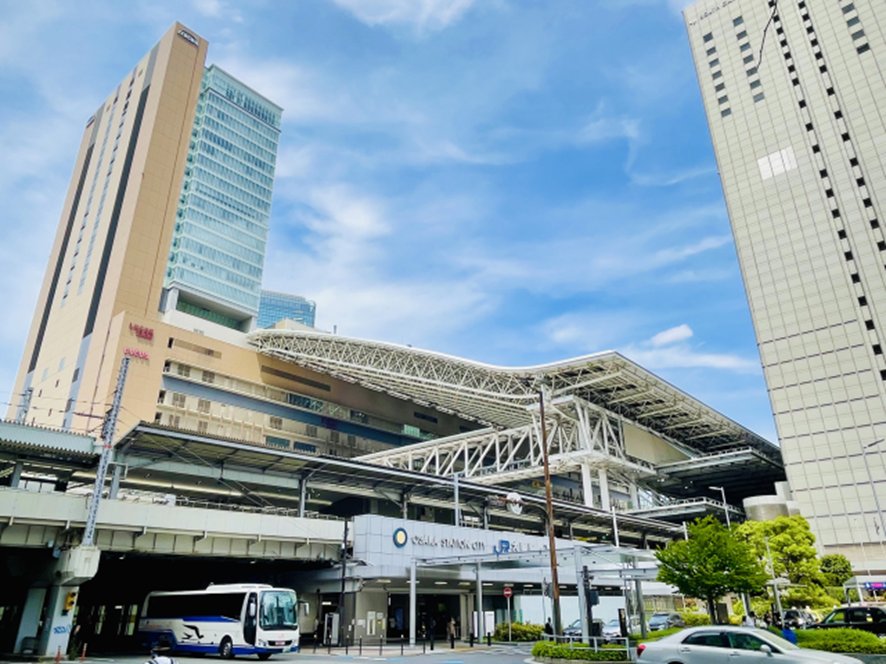
Osaka’s lesser-known spots are plentiful within a 30-minute train ride from Namba. The World Heritage burial mounds, Sumiyoshi Taisha, Minoh Otaki Falls, these destinations offer a quieter and more relaxed alternative to the city’s best-known tourist attractions.
Before setting out, check the local tourism bureau and official attraction websites for the latest information on opening hours, transportation, and special events.
Venture beyond the standard sightseeing route, and you may discover a side of Osaka that many visitors never see.