Complete Guide to Kuromon Market: A Food Walking Plan for First-Time Visitors
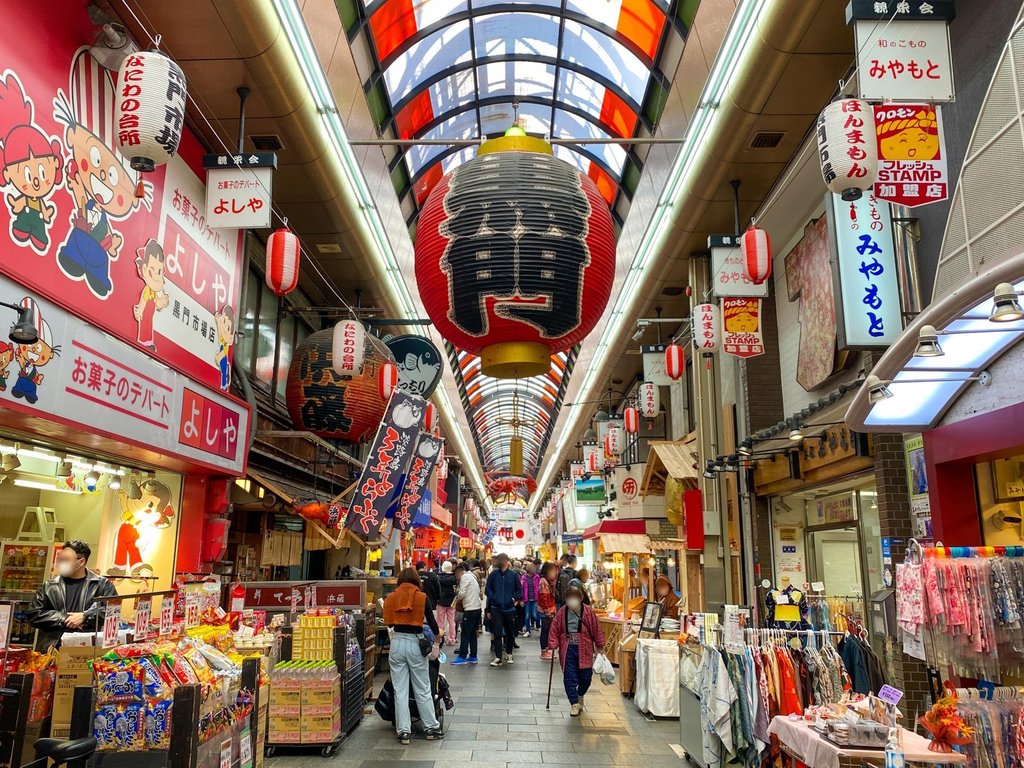
Known as “Osaka’s Kitchen,” Kuromon Market is one of the most popular destinations in Minami (southern Osaka), where visitors can casually enjoy fresh seafood, A5 wagyu beef, and seasonal fruits while exploring the market on foot.
The arcade stretches roughly 580 meters (about 1,900 feet) and contains around 150 shops. However, many vendors begin closing in the afternoon, so first-time visitors can easily lose valuable time deciding where and what to eat.
Below, you’ll find recommended foods, typical budget ranges, an efficient walking route through the market, and nearby attractions that can be combined into a full-day Osaka itinerary.
Contents
Kuromon Market Essentials
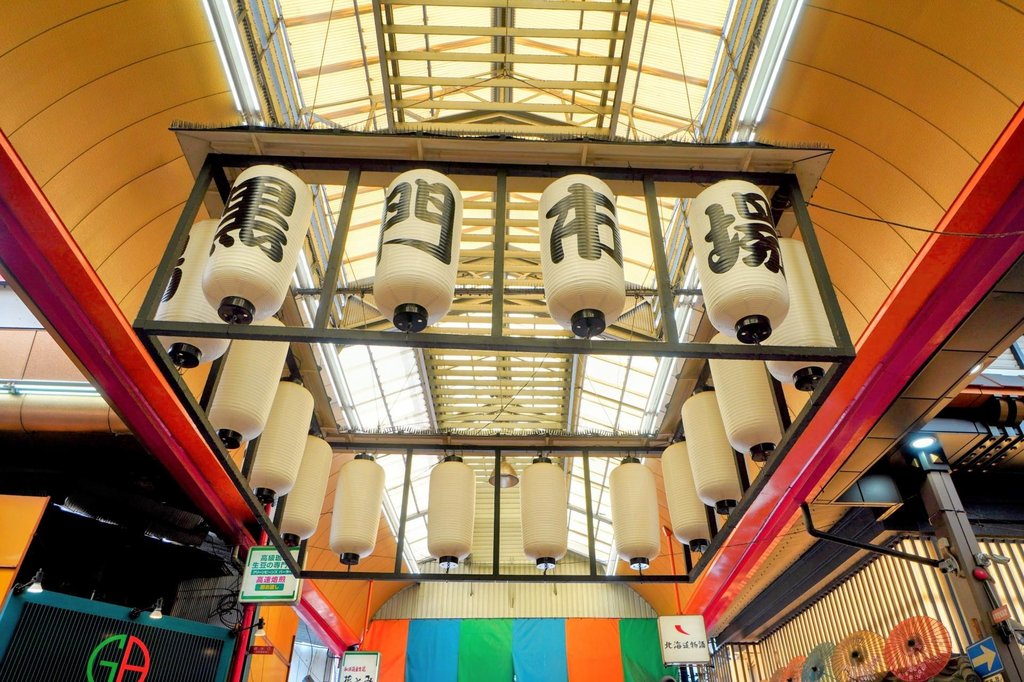
Kuromon Market is one of Osaka’s most iconic fresh food markets, with a history spanning more than 200 years. While it is now widely known as a popular destination for tourists seeking Osaka-style street food and food-walking experiences, it also continues to function as a genuine neighborhood market supporting local residents and restaurant professionals.
Before visiting, it is helpful to understand the market’s background, transportation access, operating hours, and a general sense of expected costs so you can plan your time efficiently.
A Fresh Fish Market with About 150 Shops
The history of Kuromon Market dates back to 1822 (the 5th year of the Bunsei era). The market takes its name from the Kuromon (Black Gate) of Enmyo-ji Temple, which once stood near the entrance. More than two centuries after its founding, Kuromon Market still reigns as a central pillar of Osaka’s food culture.
The arcade stretches roughly 580 meters (about 1,900 feet) and is lined with around 150 shops specializing in fresh seafood, meat, produce, and prepared foods. Visitors can find everything from yakiniku restaurants serving A5-grade Kuroge Wagyu beef to fruit shops carrying premium seasonal produce sourced from across Japan.
Thanks to this rich variety, Kuromon Market has earned the nickname “Osaka’s Kitchen” and now draws visitors from across Japan and around the world.
In recent years, the number of food-walking stalls catering to tourists has increased significantly. Even so, many long-established fishmongers and traditional side-dish shops serving local residents continue to operate, creating the distinctive atmosphere that comes from the coexistence of tourism and everyday neighborhood life.
A 5-Minute Walk from Nippombashi Station
The shortest route to Kuromon Market is about a 5-minute walk from Exit 10 of Nippombashi Station on the Osaka Metro Sakaisuji and Sennichimae lines. Leave Exit 10 and head north, and you’ll arrive at the arcade entrance.
Several other access routes are available: about an 8-minute walk from Namba Station; about a 3-minute walk from Kintetsu-Nippombashi Station. All major stations in Minami are within walking distance, and Dotonbori and Shinsaibashi are only 10 to 15 minutes away on foot, making Kuromon Market easy to add to a typical Osaka sightseeing route.
A natural day plan might run like this: enjoy food walking in Kuromon Market in the morning, shop and sightsee in Dotonbori or Shinsaibashi in the afternoon, then head over to the Shinsekai area in the evening.
Most Shops Open from 9 am to 5 pm
Shops in Kuromon Market generally operate from around 9 am to 5 pm. For example, the seafood grill stand Shinuoei operates from 9 am to 5 pm, the tuna specialist Maguroya Kurogin from 9:30 am to 4:30 pm, and the long-established fruit store Daiwa Kaen from 8 am to 5 pm. Most shops close by 5 pm.
We don’t recommend arriving close to closing time, since shops will already be cleaning up and popular items may be sold out. In practice, the selection starts to thin out around 3 to 4 pm, so mornings through early afternoons are the best time for food walking.
The market as a whole has no fixed closing days, but individual shops set their own schedules. Many stores close around New Year’s Day and during the Lunar New Year period, so if you’re planning to visit a specific shop, it’s safest to check ahead.
Bring ¥3,000–¥5,000 in Cash for Food Walking
A typical food-walking budget at Kuromon Market is around ¥3,000 (about $20 USD) for a light selection of skewers, or about ¥5,000 (about $33 USD) if you want to fully enjoy seafood rice bowls and wagyu skewers as well. Scallop, shrimp, and baby octopus skewers run roughly ¥1,000 to the low ¥3,000s, wagyu skewers ¥3,000 to ¥4,000, and seafood rice bowls around ¥2,000.
QR-code payments and credit cards are now accepted at an increasing number of shops, but many traditional fishmongers and side-dish stores still operate on a cash-only basis. To keep your food walking smooth and stress-free, it’s safest to carry a reasonable amount of cash.
If you run short, convenience-store ATMs near Nippombashi Station or Namba Station are easy backup options. Seven Bank and Lawson Bank ATMs generally accept overseas-issued cards, making cash withdrawals convenient for international visitors.
Recommended Foods and Shops at Kuromon Market
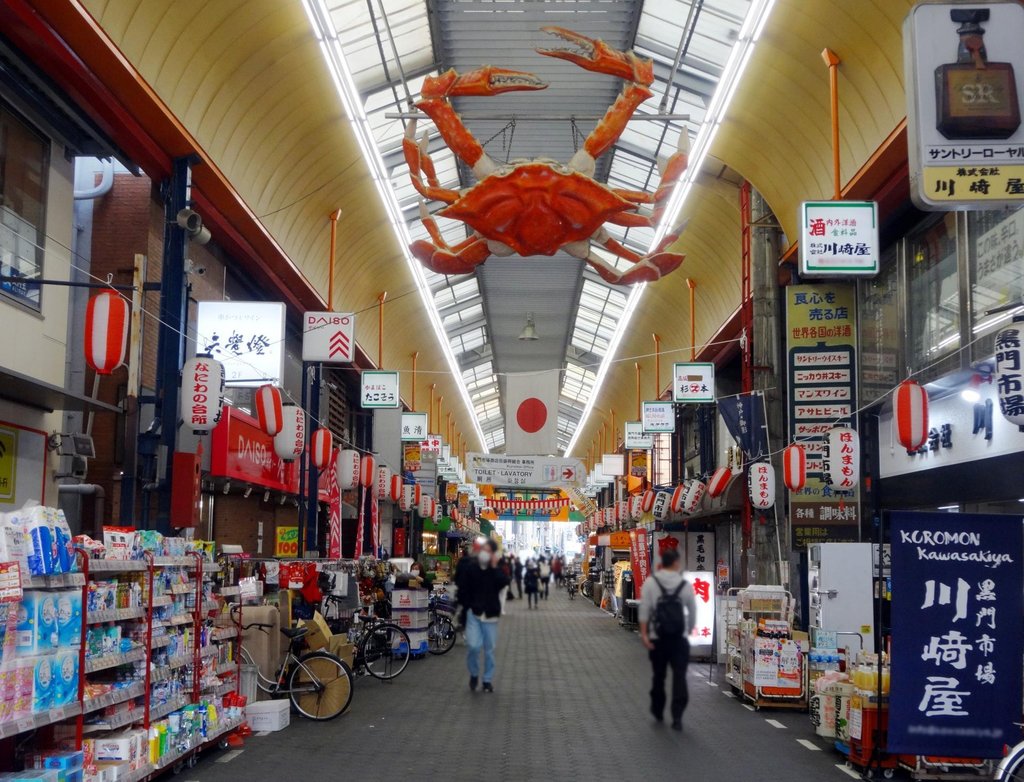
The biggest appeal of Kuromon Market is the sheer variety of foods you can enjoy while walking through the market.
Below are the market’s main food categories, along with a carefully selected representative shop for each. From grilled seafood and wagyu skewers to fresh fruit, each category offers a completely different flavor profile, keeping the experience exciting from beginning to end.
Grilled Seafood: Scallop, Shrimp, and Baby Octopus Skewers
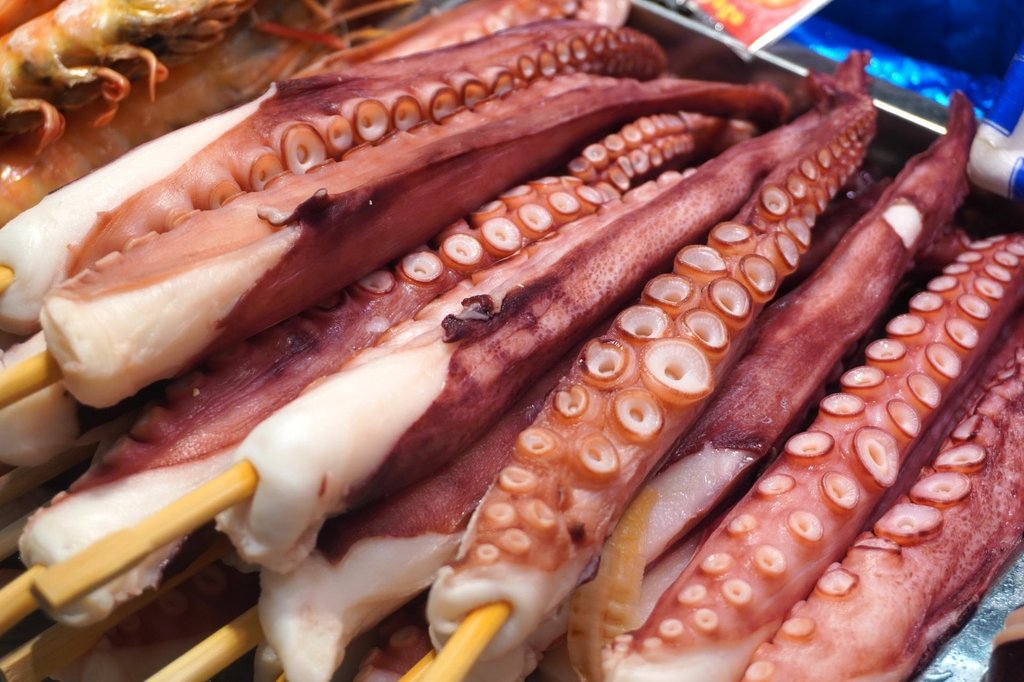
Charcoal-grilled seafood skewers are one of the classic food-walking staples at Kuromon Market. Scallop skewers typically cost around ¥900 (about $6 USD), while generously sized shrimp and baby octopus skewers are usually around ¥500 (about $3 USD). Considering the quality of the ingredients, these prices make freshly grilled seafood surprisingly accessible.
Among the market’s many grill stands, KUSHISEI is especially worth seeking out. Each skewer is grilled to order, filling the area with the rich aroma of charcoal while preserving a satisfying, springy texture. The outside develops a light crispness while the inside remains juicy, and the simple salt seasoning allows the natural flavor of the seafood to stand out.
Details
| Address | 2-2-1 Nipponbashi, Chuo-ku, Osaka |
| Hours | 9:30 am-6 pm |
| Closed | Open year-round |
| Official site | KUSHISEI |
| Recommended for | Visitors who want freshly grilled seafood skewers with the aroma of charcoal |
Seafood Rice Bowls: Mini Bowls with Your Choice of Tuna Cuts
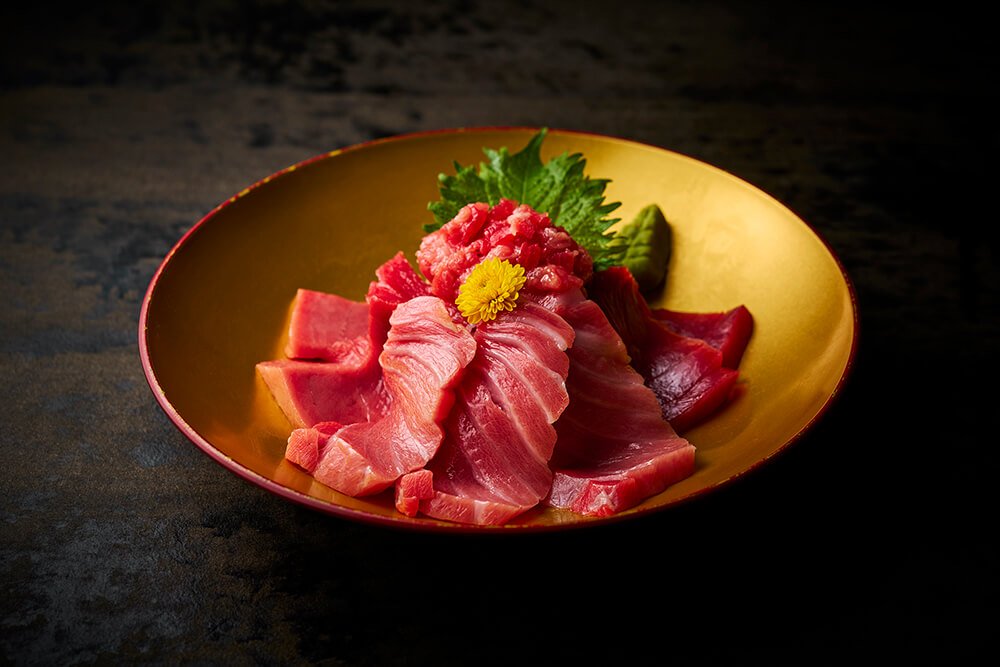
If you want to enjoy tuna to your heart’s content, a top choice is the tuna specialist Maguroya Kurogin. You can choose from four cuts: kamatoro (collar belly), otoro (fatty belly), chutoro (medium fatty), and akami (lean). The popular three-color bowl lets you try multiple cuts in one go.
The menu includes photos, and English-language ordering is supported.
Details
| Address | 1-chome and 2-chome Nipponbashi, Chuo-ku, Osaka, 542-0073 |
| Hours | 9:30 am-4:30 pm (please confirm) |
| Closed | Irregular |
| Official site | Maguroya Kurogin |
| Recommended for | Visitors who want to compare different cuts of tuna |
Fugu: Osaka’s Signature Tessa in Small Portions
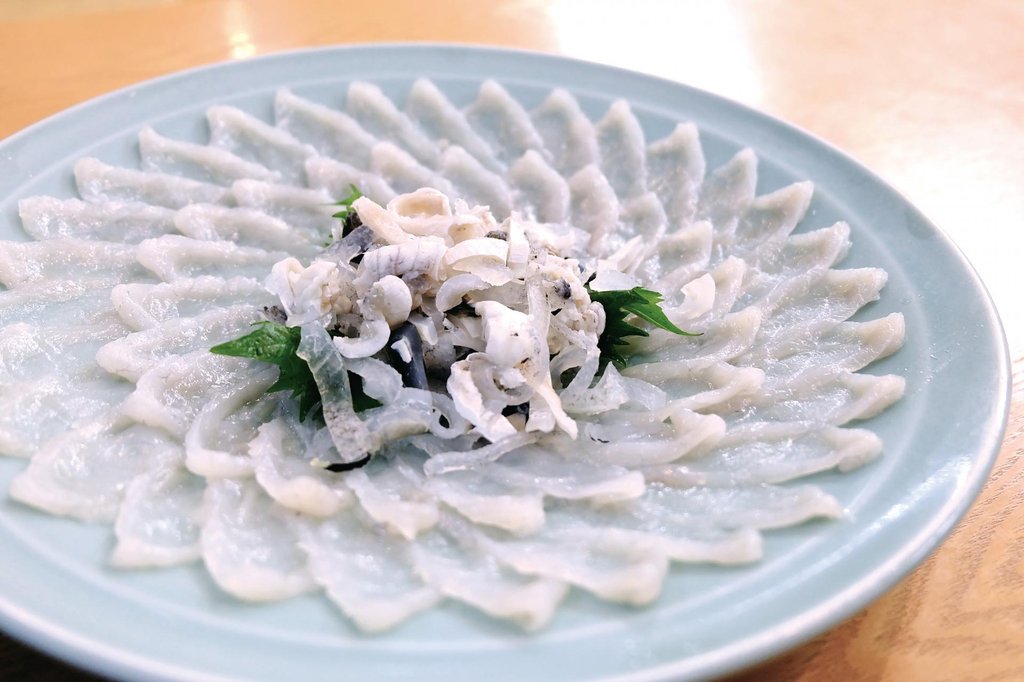
One place to enjoy Osaka’s signature fugu (pufferfish) cuisine inside the market is Minami, a fourth-generation specialty shop. Although fugu is known abroad as a dangerous fish that carries toxins, skilled artisans here prepare freshly sliced tessa (thinly sliced pufferfish sashimi) right in front of customers. Portions are available starting from a few thousand yen.
One of Minami’s greatest attractions is the reassurance that comes from visiting a long-established specialty shop, along with the opportunity to watch experienced craftsmen at work up close. The storefront also includes a small eat-in space where customers can enjoy their tessa immediately after purchase.
The translucent, paper-thin slices pair beautifully with ponzu (citrus-based soy sauce), with a delicate yet deeply flavorful taste.
Details
| Address | 2-3-20 Nipponbashi, Chuo-ku, Osaka |
| Hours | 8 am-4:30 pm (please confirm) |
| Closed | Sundays and public holidays (open daily from October to March); New Year (January 1-4) |
| Official site | https://kuromon.com/jp/minami/ |
| Recommended for | Visitors who want to try authentic Osaka fugu in small portions |
Wagyu Skewers: Charcoal-Grilled A5 Kuroge Wagyu
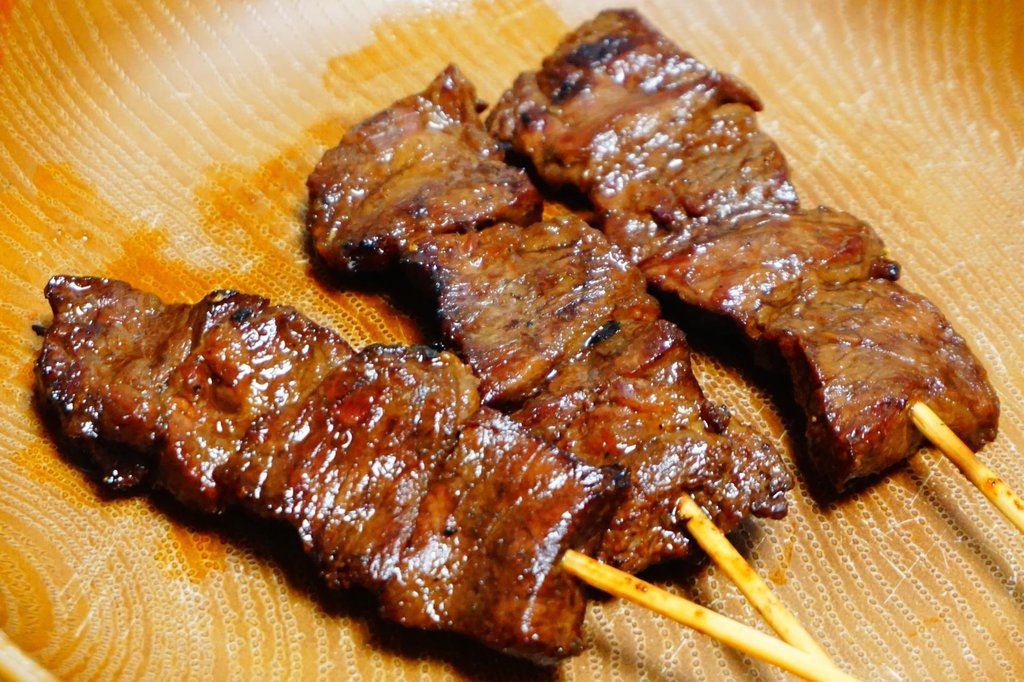
In a market centered heavily around seafood, WAGYU MUSASHI is a stop that meat lovers should not miss at Kuromon Market.
The shop specializes in skewer-style grilled A5-grade Kuroge Wagyu, the highest grade of Japanese Black wagyu beef.
The rich sweetness of the marbled fat and the deep umami of the lean meat offer a direct taste of what makes A5 wagyu so highly regarded. Stopping for a wagyu skewer between rounds of salty seafood also adds a welcome change of pace and noticeably enhances the overall food-walking experience.
An English menu is available as well, making ordering easy for international visitors.
Details
| Address | 1-21-28 Nipponbashi, Chuo-ku, Osaka |
| Hours | 8:15 am-5 pm (last order 4:30 pm; please confirm) |
| Closed | Irregular |
| Official site | https://kuromon.com/jp/musashi/ |
| Recommended for | Visitors who want to enjoy authentic A5 wagyu casually in Osaka |
Fruit: Seasonal Selections and Fresh Juices

To finish a food walk or refresh your palate, fruit is an excellent choice at Kuromon Market.
Founded in 1948, Daiwa Kaen is one of the market’s best-known fruit specialists, offering carefully selected seasonal produce sourced from across Japan by experienced buyers.
Its signature items include freshly pressed fruit juices and fruit cakes made with generous amounts of seasonal fruit. After the rich flavors of seafood and meat, the juicy, tangy-sweet fruit resets the palate and rekindles your appetite.
Daiwa Kaen also carries a wide variety of fruit gift items, making it a strong option for souvenirs as well.
Details
| Address | 1-22-20 Nipponbashi, Chuo-ku, Osaka |
| Hours | 8 am-5 pm (please confirm) |
| Closed | Irregular |
| Official site | http://www.daiwa-kaen.co.jp/ |
| Recommended for | Visitors who want to wrap up their food walk with seasonal fruit or fresh juice |
Tips for Exploring Kuromon Market Efficiently
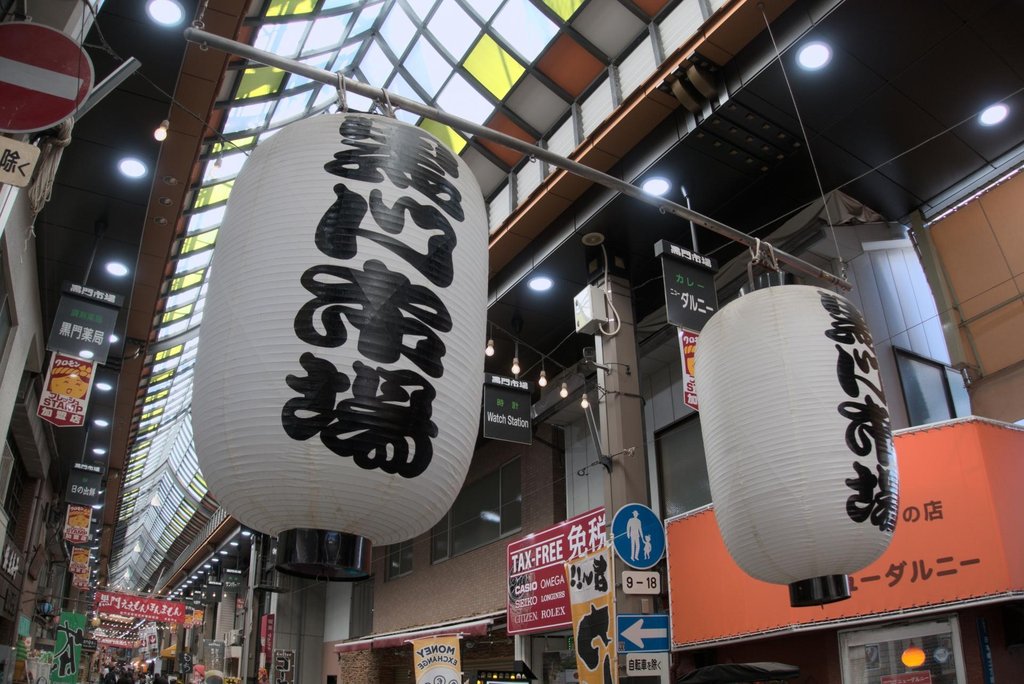
To get the most out of a market full of tempting food, it helps to know not only what to eat, but also when to visit and how to move through the market efficiently.
Below are five practical tips for avoiding crowds, finding the freshest selection, and making the most of your time while enjoying a satisfying food-walking experience.
Arrive at 9 am When Selection Is at Its Peak
The best time to visit Kuromon Market is right after the shops open around 9 am. At that hour, the selection is at its fullest and the number of tourists is still relatively low, allowing you to explore the market at a relaxed pace.
Fishmongers display their freshest seafood of the day, while fruit shops showcase seasonal produce at its peak condition, advantages that morning visitors get to enjoy first.
From around 11 am to 1 pm, the market is at its busiest, packed with tourists and lines forming at popular shops. To avoid the peak, weekday mornings between 9 am and 10 am are the most comfortable.
Visiting at 9 am as a kind of breakfast is an especially effective strategy, letting you enjoy the market before the crowds arrive while also experiencing the best selection of the day.
Pick Up a Map at the Information Center
The first stop to consider once you arrive is the Kuromon Information Center. Here, visitors can pick up free market maps and pamphlets to get a clear sense of the arcade layout and the locations of individual shops before starting their food walk.
The center also has a rest area, free Wi-Fi, and restrooms (on the second floor, with a baby-changing station). It works well as a break spot between food stops.
For international visitors, multilingual guidance is available in English, Chinese, Korean, and other languages. Knowing the location of the Information Center near the market entrance in advance can make navigating the rest of the visit much smoother.
Details
| Address | 2-4-1 Nipponbashi, Chuo-ku, Osaka |
| Hours | Please confirm |
| Closed | Please confirm |
| Official site | https://kuromon.com/ |
| Recommended for | First-time visitors to Kuromon Market and anyone wanting a place to rest or gather information |
Start with Shops That Have English Menus
International visitors who may not feel fully confident communicating in Japanese may find it easiest to begin with shops that provide English menus or picture menus at Kuromon Market.
Seafood grill stands and fruit shops in particular tend to accommodate large numbers of tourists, so multilingual support is relatively common, and in many cases you can order simply by pointing at photos on the menu.
Picture menus are especially helpful because they allow you to understand unfamiliar dishes visually and try new foods with greater confidence.
In addition, the camera function in apps like Google Translate can translate Japanese-only menus in real time through your smartphone, greatly expanding the number of shops you can comfortably explore.
Learn a Few Simple Japanese Phrases
Even at shops in Kuromon Market where little or no English is spoken, knowing just two simple Japanese phrases can make your food walk much smoother: “Kore kudasai” (this one, please) and “Ikura desu ka” (how much is it?). Pointing at an item while saying “Kore kudasai” is usually enough to place an order, while “Ikura desu ka?” helps confirm the price before purchasing.
In fact, the fishmongers and side-dish stores with Japanese-only menus tend to attract more local customers, and they’re often hidden favorites that haven’t shifted to tourist pricing.
Approaching these shops with a little confidence can often lead to discoveries and memorable flavors that never appear in guidebooks.
Make Good Use of Shop Eat-In Spaces and Rest Areas
The arcade inside Kuromon Market is relatively narrow, and during busy hours it can become difficult for shoppers to pass through comfortably. Eating while standing in the middle of the aisle can easily block foot traffic and inconvenience others.
A better approach is to make use of the eat-in spaces provided by individual shops. Many stores offer small seating areas where customers can sit down and enjoy the food they have just purchased.
The Kuromon Information Center also provides a free rest area where visitors can take a short break between stops.
Rather than eating while walking, the more considerate and locally preferred style is to sit down at a shop or designated eat-in area and enjoy your food there. Both local residents and fellow travelers appreciate this courtesy, and it’s one of the best ways to experience the atmosphere of Kuromon Market comfortably.
Attractions Around Kuromon Market
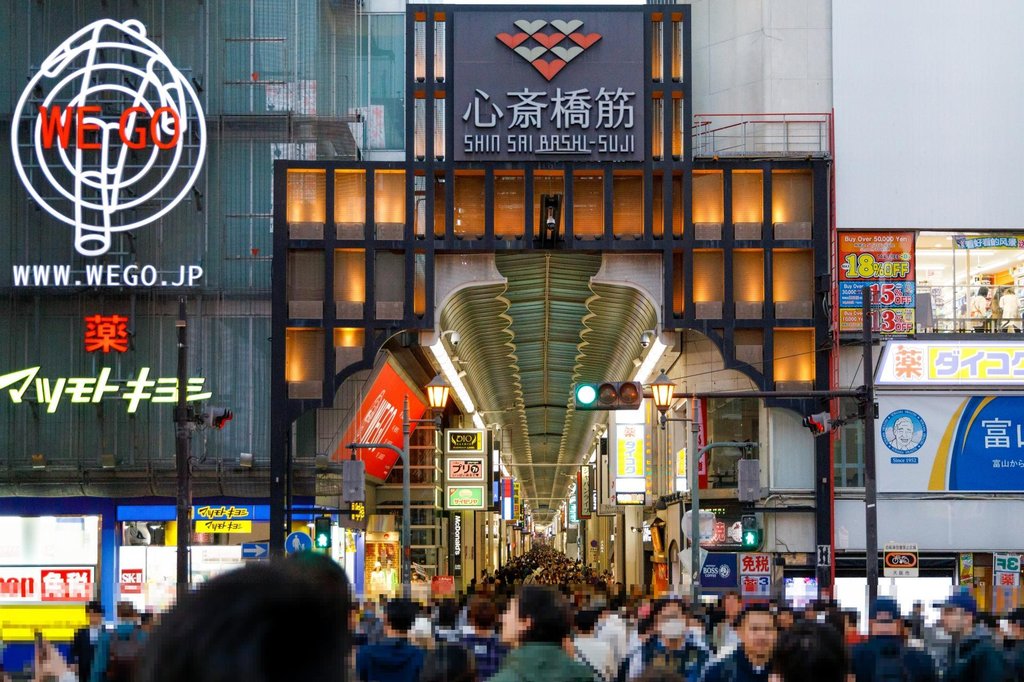
Kuromon Market sits in the heart of Minami, with many of Osaka’s most popular sightseeing areas located within walking distance or just a few minutes away by train.
Below are several nearby districts and attractions that pair especially well with food walking at Kuromon Market, making it easy to build a full day of Osaka sightseeing around your visit.
Dotonbori and Shinsaibashi: 10 Minutes on Foot to Central Minami
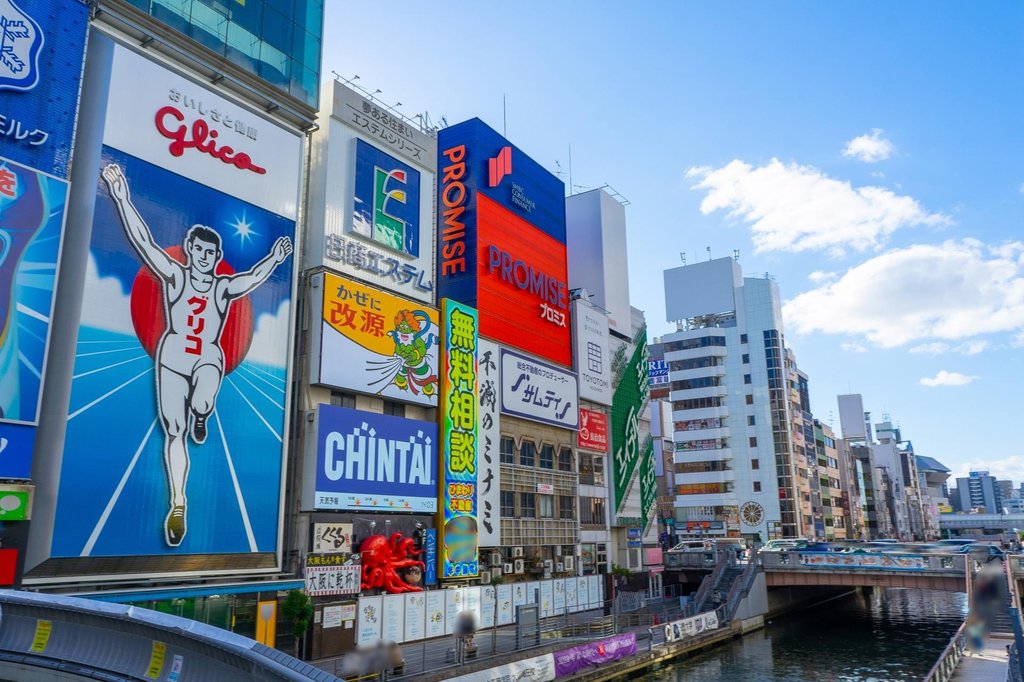
Dotonbori is about a 10-minute walk from Kuromon Market, while Shinsaibashi is roughly 15 minutes away, making both areas easy to reach on foot.
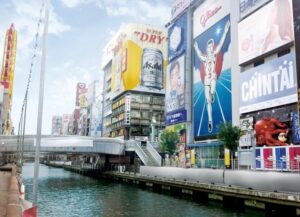
This part of Osaka is home to many of the city’s most iconic sights, including the giant Glico sign, the moving crab display of Kani Doraku, and the takoyaki (octopus dumplings) gathered around Ebisu Bridge.
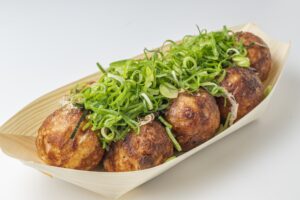
Strolling along the Dotonbori canal while sampling Osaka classics like takoyaki, okonomiyaki (savory Japanese pancake), and kushikatsu (deep-fried skewers) is a popular way to spend time here.
Meanwhile, the Shinsaibashi-suji Shopping Street arcade stretches roughly 580 meters (about 1,900 feet) beneath a covered roof and is lined with fashion boutiques, drugstores, and variety shops.
A particularly efficient Osaka itinerary is to spend the morning food walking at Kuromon Market, then move on to sightseeing and shopping around Dotonbori and Shinsaibashi in the afternoon.

Osaka: 2-Hour Highlights & Hidden Gems Walking Tour
Secret backstreets of the city • Kuromon Seafood Market • Street Food(Takoyaki, Gyoza,ect)
Sennichimae Doguyasuji: A Shopping Street for Professional Kitchenware
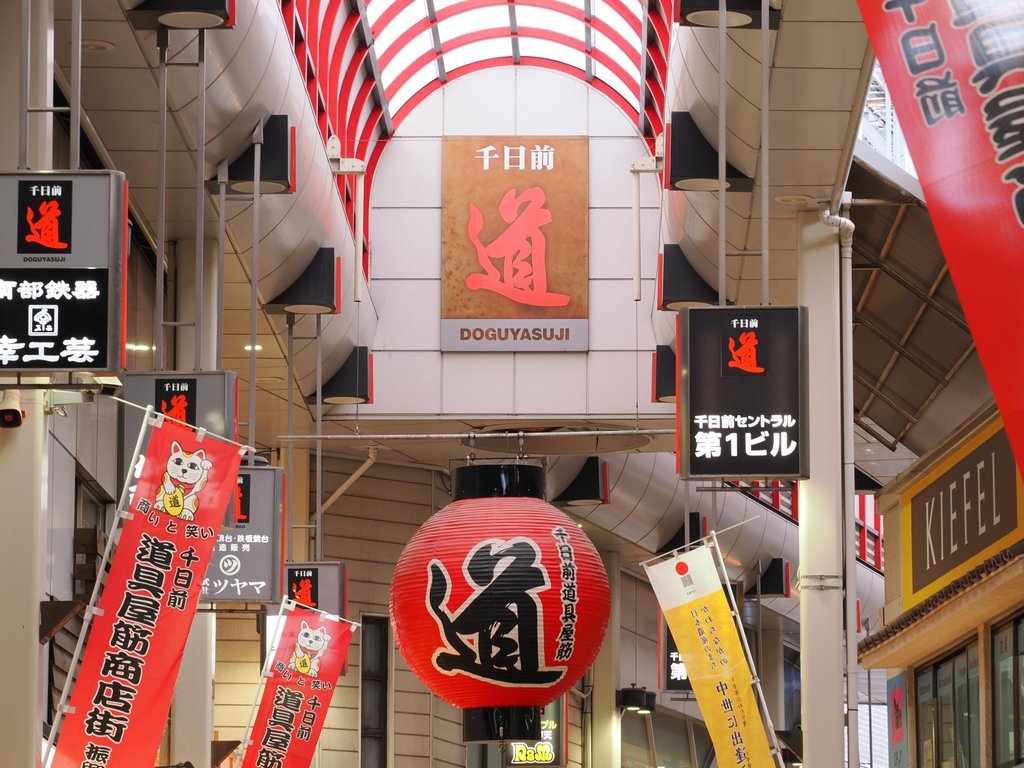
About a 3-minute walk from Kuromon Market is Sennichimae Doguyasuji Shopping Street, a specialty arcade dedicated to professional cooking tools and restaurant supplies.
Stretching roughly 150 meters (about 490 feet), the street is lined with shops selling knives, tableware, kitchen equipment, signage, and realistic food samples used by restaurants across Japan.
Japanese-made knives are especially popular souvenirs among international travelers. Built through generations of craftsmanship, they are widely regarded as some of the world’s finest knives for sharpness and durability.
Many stores provide English-language support, and some also offer engraving services, allowing visitors to take home a personalized, one-of-a-kind blade.
Right nearby is Nipponbashi Den Den Town, a district filled with anime, gaming, and electronics shops, making it an excellent addition for visitors interested in Japanese pop culture and subculture.
Shinsekai and Hanazonocho: A Base for Kushikatsu and Japanese Cultural Experiences
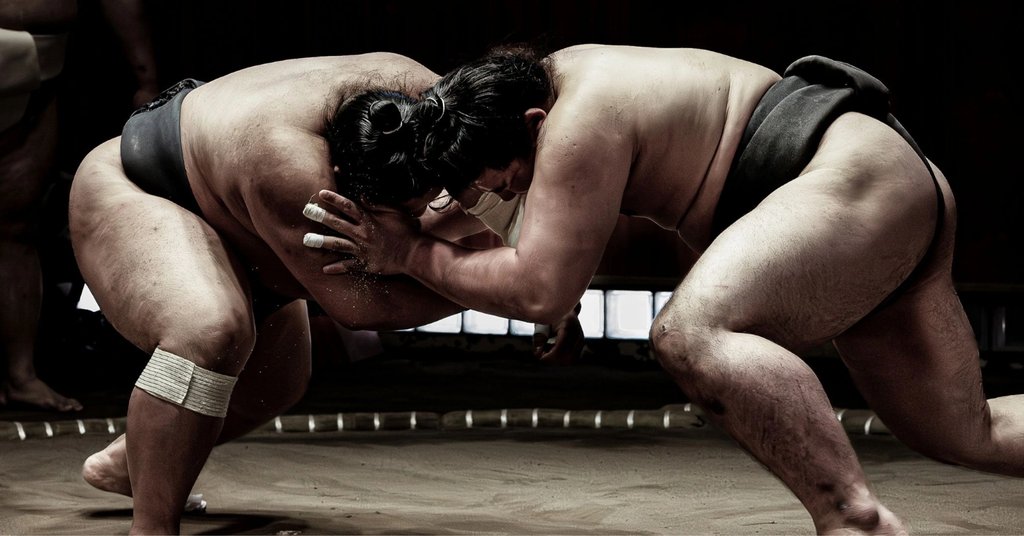
About 10 to 15 minutes by train from Kuromon Market lies Shinsekai, a district filled with the nostalgic atmosphere of old downtown Osaka.
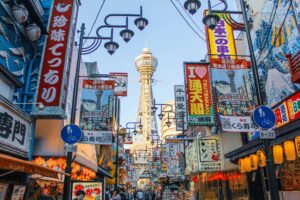
The area is known for landmarks such as Tsutenkaku, the Showa-era (mid-20th century Japan) atmosphere of Janjan Yokocho, and long-established kushikatsu restaurants including Kushikatsu Daruma, located in what is widely considered the birthplace of kushikatsu.
In nearby Hanazonocho, visitors will also find Sumo Studio Osaka, a sumo experience venue that has become especially popular with international travelers.
Here, Retired professional rikishi (sumo wrestlers) put on authentic sumo shows, and an Audience Challenge segment lets guests step onto the dohyo (the sacred clay ring where bouts take place) and face a rikishi in person.
With English-narrated programs throughout, this is a rare chance to experience sumo (Japan’s traditional ritual sport) up close. Advance reservation is required.
A particularly effective itinerary is to spend the morning enjoying food walking at Kuromon Market, then head to Shinsekai and Hanazonocho in the afternoon for a deeper cultural experience, an excellent way to enjoy both Osaka’s food culture and traditional entertainment in a single day.
Details
| Address | 1F Hanazonocho AI Building, 1-5-1 Asahi, Nishinari-ku, Osaka (right by Hanazonocho Station) |
| Hours | 10 am-11:30 am / 12:30 pm-2 pm / 3 pm-4:30 pm / 5:30 pm-7 pm / 8 pm-9:30 pm (five shows daily) |
| Closed | Open year-round |
| Official site | https://sumowrestlingshow.jp/ |
| Recommended for | Visitors who want to experience sumo, Japan’s traditional ritual sport, up close, or stand against a rikishi on the dohyo |
 Hands-On
Get hands-on with sumo in Osaka
Watch former professional sumo wrestlers demonstrate authentic sumo techniques. Learn the history, rituals, and rules of Japan’s national sport, then step into the ring for a hands-on sumo experience in Osaka.
Discovering Kuromon Market with a Guided Tour
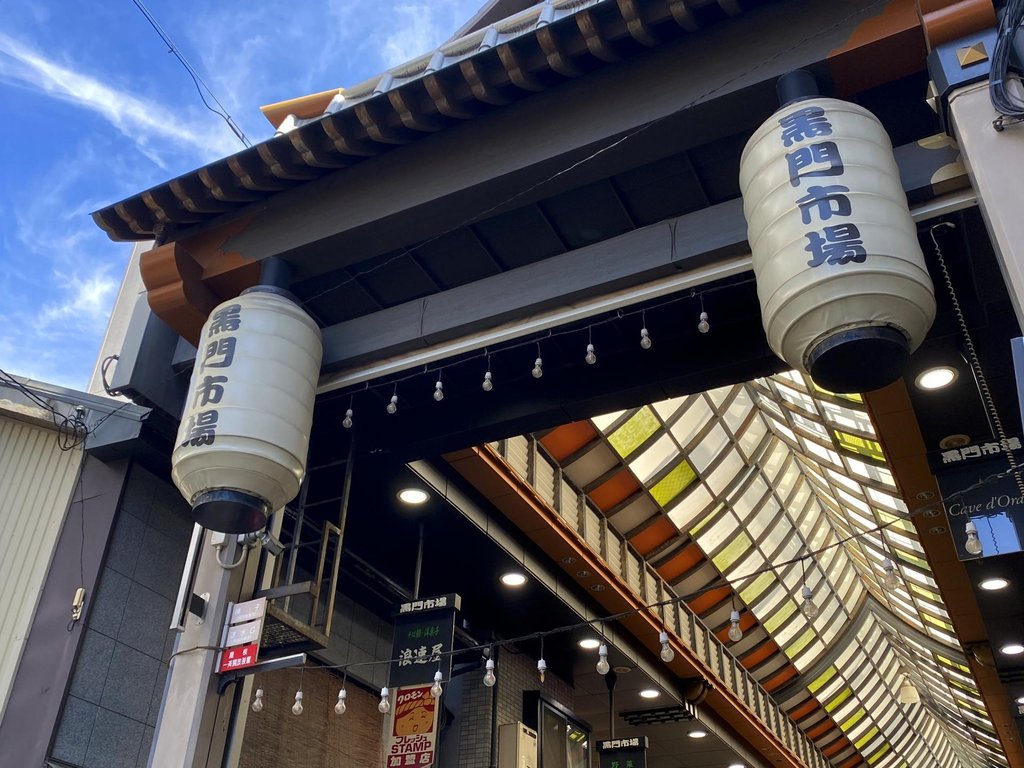
Concerns such as “the language barrier feels intimidating,” “I’m worried about tourist pricing,” or “I don’t know which shops are actually worth visiting” are exactly the kinds of issues an English-guided food tour can help solve.
The food tours offered by Japan Guide Star (Japan Guide Stars) pair visitors with experienced English-speaking guides who efficiently lead guests through Osaka’s culinary highlights, including Kuromon Market.
In addition to helping with ordering, guides also provide deeper insights into Japanese food culture, the background of ingredients, and locally loved hidden gems that rarely appear in standard guidebooks.
Multi-stop tour plans are available as well, combining food walking at Kuromon Market with evening experiences around Dotonbori or visits to local standing bars where Osaka’s casual drinking culture thrives.
For first-time visitors to Osaka, these tours offer an especially approachable and efficient way to experience the city.
Tour details and reservations are available on the Japan Guide Star tour list or area guide.
Details
| Operator | Japan Guide Star (Japan Guide Stars) |
| Tour areas | Osaka (Kuromon Market, Dotonbori, Shinsekai, and more); other major cities |
| Language | English |
| Official site | Japan Guide Star |
| Recommended for | Visitors who want to enjoy food walking without a language barrier, or learn more about local food culture |

Osaka: Guided Food Tour with 12 Dishes at 4 Local Eateries
12 unique Japanese dishes for the first time • Skip the tourist traps and visit Izakaya -Japanese casual drinking restaurants • Street food featured in the Michelin Guide
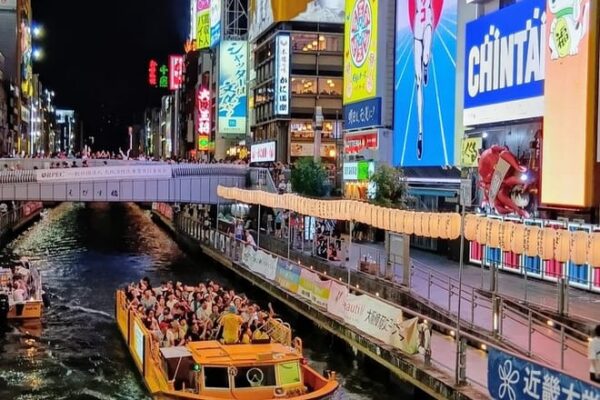
Osaka 2-Hour Walking Tour with Dotonbori River Cruise
Boarding the Dotonbori River Cruise • Secret backstreets of the city • Check out for Street Food(Takoyaki, Gyoza, etc)
Common Questions About Kuromon Market

Below are answers to questions often asked by visitors to Kuromon Market.
Are Prices Inflated for Tourists?
Some tourist-oriented shops do price their items a bit higher, but many local fishmongers and side-dish stores at Kuromon Market still offer fair, reasonable prices.
To avoid surprises, it’s a good habit to check the displayed prices before ordering. Skewers in particular usually have clear per-stick pricing, making it easy to keep track of your budget, so even first-time visitors can enjoy food walking with confidence.
If a menu item does not show a visible price, simply ask “Ikura desu ka?” (“How much is it?”) before ordering.
Can I Eat Without a Reservation?
Every shop at Kuromon Market accepts walk-in customers; no reservations are needed. Skewers, seafood rice bowls, fruit, and other food-walking items are typically ordered and received on the spot. Some restaurant-style shops with seating exist as well, but outside of peak hours (around 11 am to 1 pm), you can usually walk in without waiting.
What’s the Recommended Route Through Kuromon Market?
Start by picking up a map at the information center near the entrance. From there, take in the fresh-fish area, grab a skewer at a seafood-grill stand, and try wagyu beef at a skewer shop. Finish with a sweet treat at a fruit store. Moving from the salt of seafood to the richness of meat and finally to the sweetness of fruit lets the flavors evolve naturally and significantly boosts overall satisfaction.
How Much Time Should I Spend?
As a rough guide, plan for about 30 minutes for a quick walk through Kuromon Market, 1 to 2 hours for casual food walking, and around 3 hours if you want to savor the experience at a relaxed pace.
One of the most efficient strategies is to arrive around 9 am and treat the visit like a late breakfast. At that time, the variety of food is at its widest, the market is still relatively uncrowded, and you can enjoy food walking in a much more relaxed atmosphere.
Heading out around 11 am also allows you to avoid the busiest crowds while still leaving plenty of time for afternoon sightseeing elsewhere in Osaka.
Are There Items I Can Take Home as Souvenirs?
Fruit gifts and fruit cakes from Daiwa Kaen, along with shelf-stable processed foods like dried goods, tsukudani (savory simmered foods), and pickles, are well suited for souvenirs. Many items don’t require refrigeration, so they’re safe to bring home on long trips. The Japanese-made knives at Sennichimae Doguyasuji, about a 3-minute walk away, are also enormously popular with international travelers. With engraving services, you can take home a one-of-a-kind, personalized gift. Fresh items are difficult to carry home, so they’re best eaten on the spot.
Is There Anywhere to Store Luggage?
The market itself has no dedicated coin lockers, but the information center offers a paid luggage-storage service. For larger suitcases, this option or the coin lockers at nearby Nippombashi Station will let you explore the market hands-free. Food walking is much more comfortable with both hands available, so we highly recommend storing your luggage before entering Kuromon Market.
Enjoy Osaka’s Kitchen to the Fullest
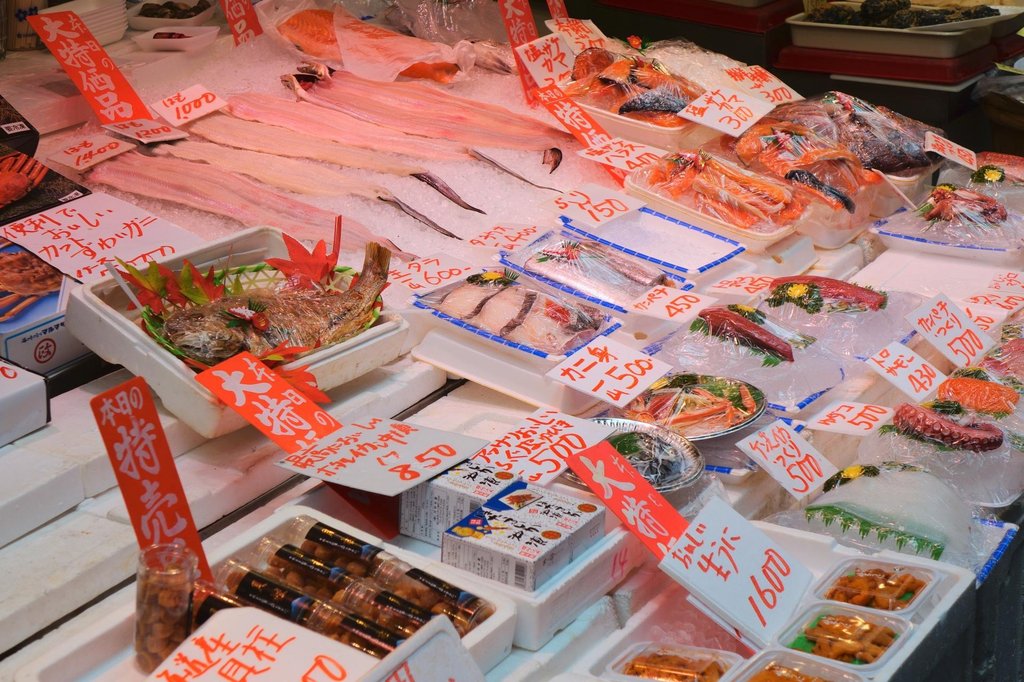
Kuromon Market is one of Osaka’s signature food destinations, backed by more than 200 years of history. Along its arcade lined with roughly 150 shops, visitors can stroll while sampling fresh seafood, A5 wagyu, seasonal fruit, and many other local specialties.
Three keys to a successful visit are arriving around 9 am when the selection is at its best, picking up a map at the Kuromon Information Center near the entrance, and making good use of the eat-in spaces provided by individual shops. Keeping these points in mind allows even first-time visitors to explore the market comfortably.
The market also pairs naturally with nearby sightseeing areas. Combining it with Dotonbori, Shinsaibashi, and Sennichimae Doguyasuji Shopping Street, all within walking distance, or with the Shinsekai and Hanazonocho areas located 10 to 15 minutes away by train, creates an excellent full-day itinerary for exploring southern Osaka.
In Hanazonocho, Sumo Studio Osaka offers visitors the chance to watch authentic sumo demonstrations performed by former professional rikishi and even participate in a dohyo challenge themselves, making it an especially memorable way to experience traditional Japanese culture more deeply.
For travelers concerned about language barriers or tourist-oriented pricing, an English-guided food tour from Japan Guide Star is also a strong option. With the help of a professional guide, visitors can discover lesser-known local favorites and experience the full appeal of Kuromon Market with greater confidence and depth.
![11 Best Okonomiyaki Restaurants in Osaka | Famous Dotonbori and Umeda Shops to Vegan-Friendly Options [Complete Guide]](https://sumowrestlingshow.jp/wp-content/uploads/2026/07/okonomiyaki-osaka_1-300x200.jpg)