The Complete Guide to Osaka Food Tours: 7 Top Picks for Daytime Street Food and Nighttime Izakaya Hopping
Choosing an Osaka food tour can feel overwhelming.
With so many options available, each featuring different neighborhoods, local specialties, and daytime or nighttime atmospheres, it can take some effort to find the one that best matches your interests and travel style.
To help narrow down the choices, we’ve selected four highly rated daytime food tours and three standout evening tours. Each option is compared based on its highlights, included experiences, and overall appeal. We also share practical tips to help you prepare and get the most out of your tour.
Contents
What Makes Osaka Food Tours Special
Osaka offers a wide variety of food tours, and choosing the right one can take some thought. Understanding a few key basics before booking will help you find the tour that best matches your interests and travel style.
In the sections below, we’ll explore the historical roots of Osaka’s food culture, compare the different atmospheres of daytime and nighttime tours, outline typical price ranges, and highlight the unique culinary character of each neighborhood. With this information in hand, you’ll be better equipped to select the food tour that’s right for you.
A Lineup of Soul Foods from “the Nation’s Kitchen”
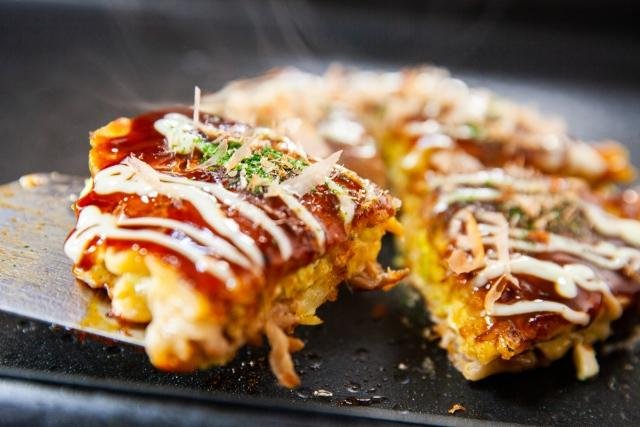
Osaka’s reputation as a food city dates back to the Edo period. As a major distribution hub, the city collected rice tax payments (a system in which farmers paid harvested rice as tribute to feudal lords) and goods from across the country. This role earned Osaka the nickname “the Nation’s Kitchen,” and its merchant-city heritage continues to shape the local food culture today.
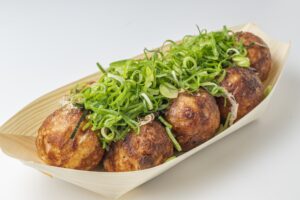
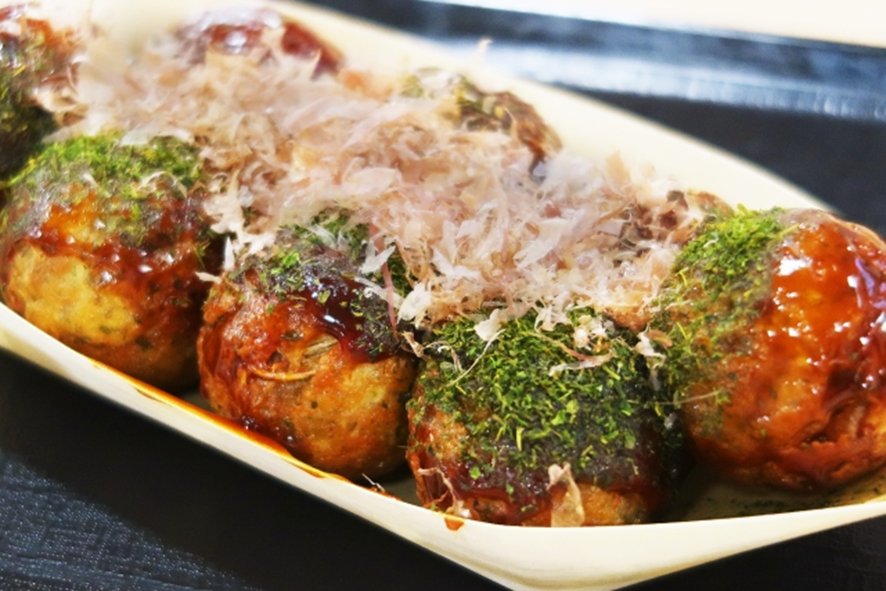
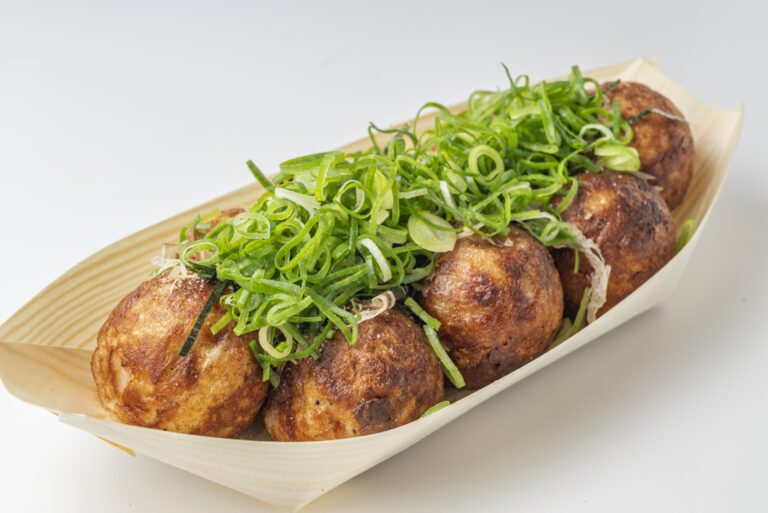
Three dishes stand out as the city’s signature soul foods: takoyaki (grilled octopus balls), okonomiyaki (savory cabbage pancake), and kushikatsu (deep-fried skewers).
- Takoyaki and okonomiyaki: “flour-based” dishes made by cooking dashi (Japanese soup stock)-infused batter on an iron griddle, known for their rich, savory flavor
- Kushikatsu: an Osaka-born specialty featuring meat, seafood, and vegetables skewered, deep-fried, and served with a sweet-and-savory dipping sauce
All three dishes are known for their casual, sauce-forward style and bold flavors, perfectly reflecting Osaka’s friendly and down-to-earth character.
A food tour allows you to sample these iconic local specialties while also discovering a wide range of other dishes that would be difficult to experience in a single meal.
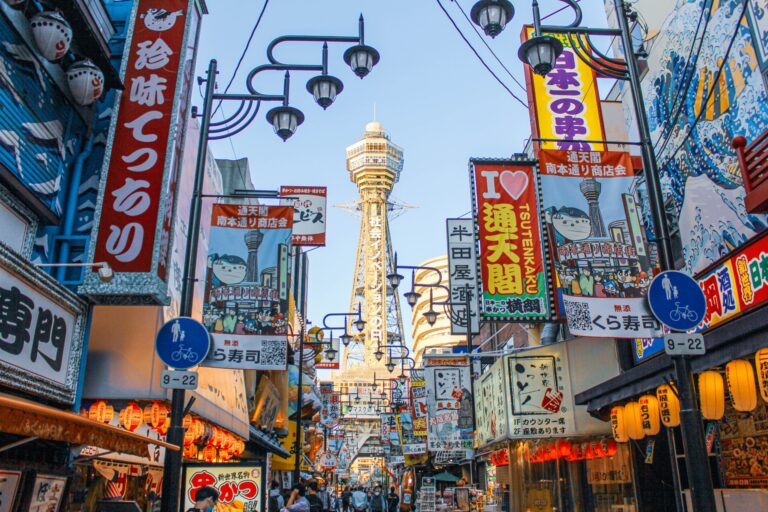
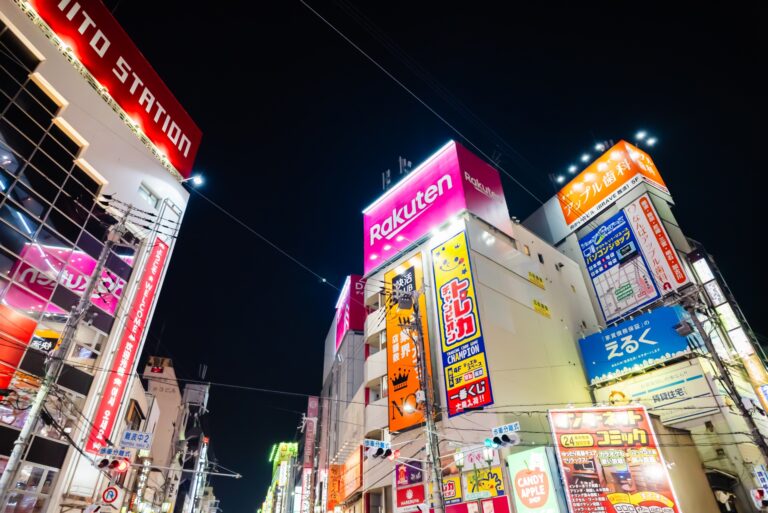
Two Tour Styles: Daytime and Nighttime
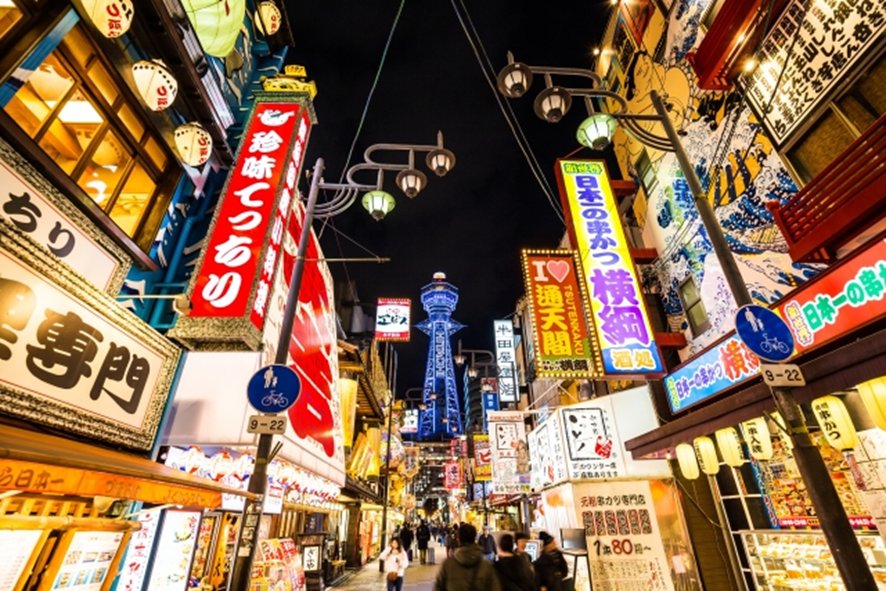
Osaka food tours generally fall into two categories: daytime tours and nighttime tours. Because the experiences are quite different, choosing the one that best matches your travel style can significantly enhance your trip.
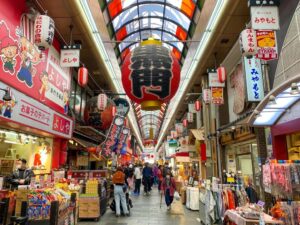
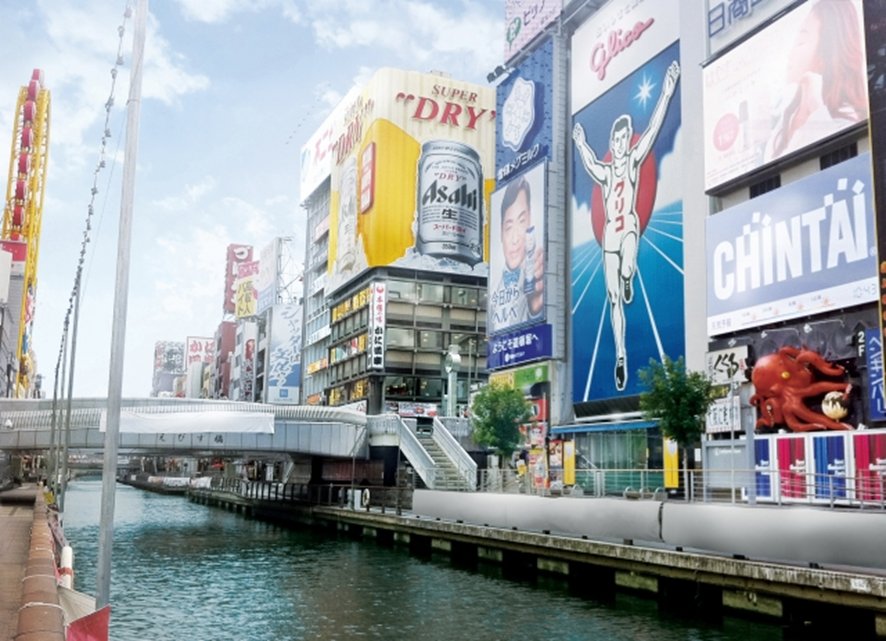
Daytime tours focus on strolling through markets and shopping streets such as Kuromon Market, sampling a variety of street foods along the way. The lively daytime atmosphere combines sightseeing with eating, making these tours ideal for travelers who want a broad introduction to Osaka’s food culture.
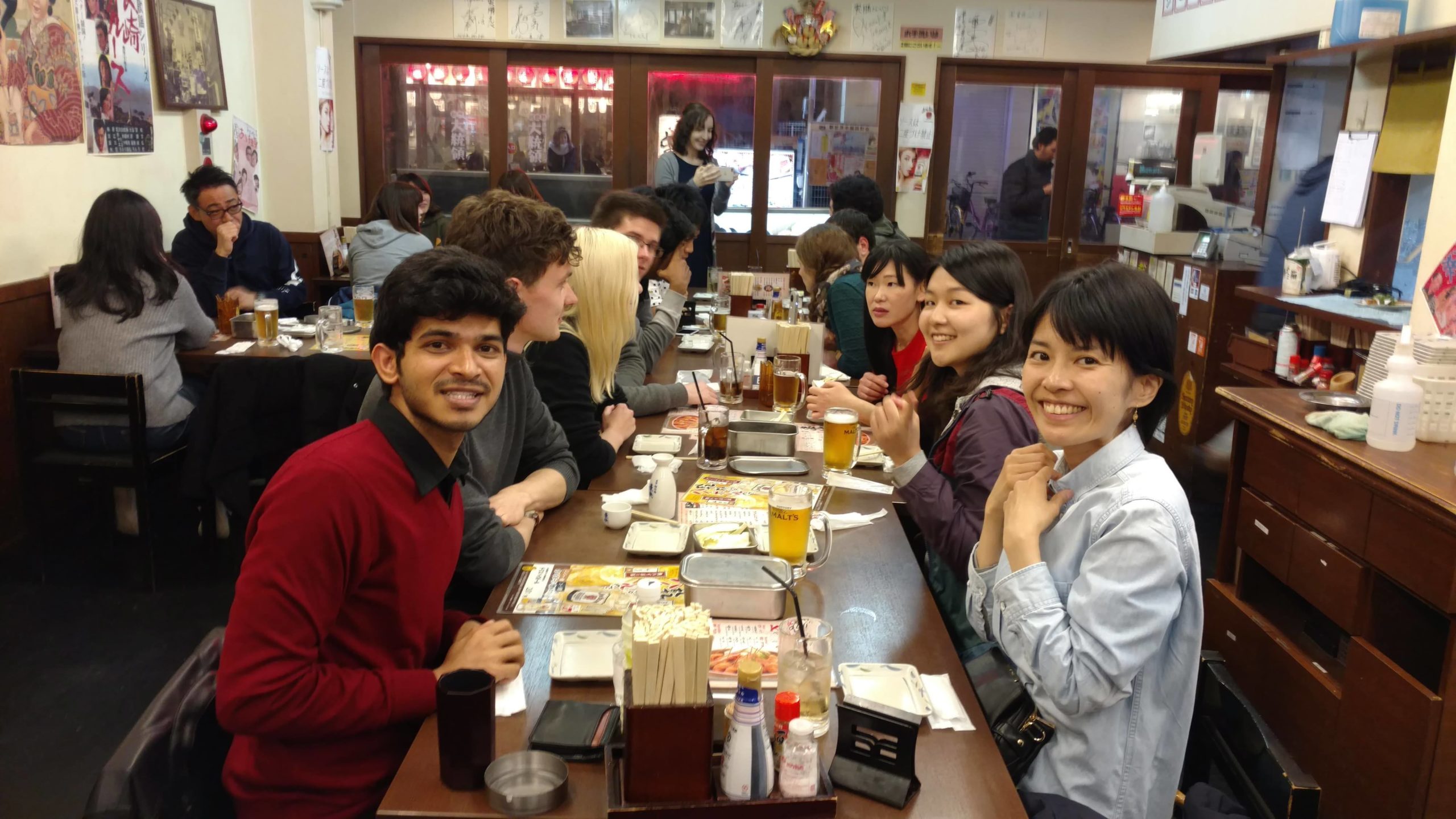
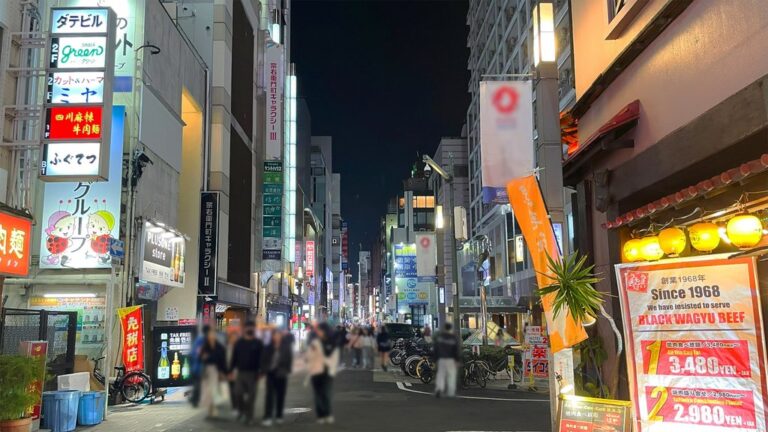
Nighttime tours, by contrast, hop between izakaya (Japanese pub-style restaurants) districts such as Tenma and Kyobashi, visiting standing bars and back-alley spots. Sharing a counter with neighborhood regulars is common, making these tours perfect for travelers who want to experience Osaka’s nightlife and social culture firsthand.
Here’s how the two compare.
| Category | Daytime | Nighttime |
|---|---|---|
| Main content | Market and shopping-street food walks | Izakaya and standing-bar hopping |
| Atmosphere | Open and sightseeing-friendly | Intimate and locally rooted |
| Best for | Travelers who want to combine sightseeing and food | Travelers who want to drink and explore the nightlife |
If you’re considering both in a single day, the most practical approach is to join a daytime tour, take a few hours to rest, and then head out again for a nighttime tour. Avoid overeating during the day, and use the break to recharge so you can fully enjoy the evening experience.
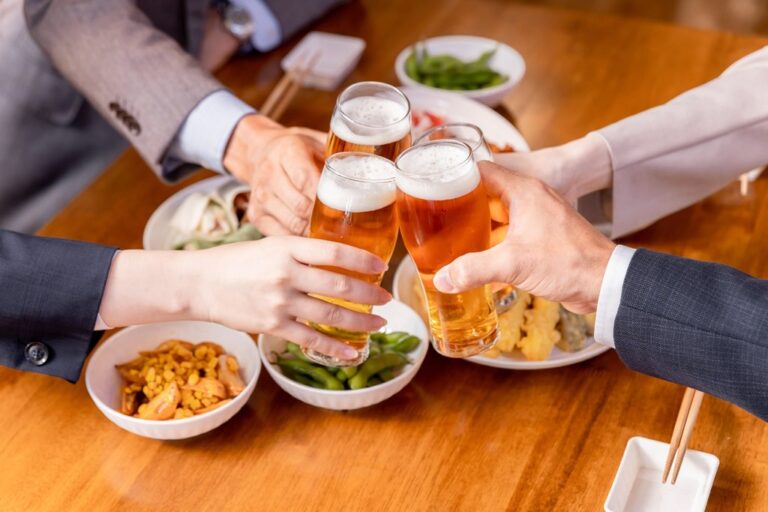
Most Tours Fall in the ¥8,000-¥15,000 Range
For group food tours, prices generally range from ¥8,000 to ¥15,000 (approximately US$55–100). Most tours accommodate between six and twelve participants, and the fee typically includes six to fifteen food tastings as well as drinks.
Private tours vary more widely in price, usually ranging from ¥20,000 to ¥48,000 or more. Many offer customized routes based on your interests, dietary preferences, and allergy requirements. This flexibility and personalized attention are among their biggest advantages.
The main factors that influence pricing are summarized below.
| Pricing Factor | Impact |
|---|---|
| Tour format (group vs. private) | High |
| Number of dishes | High |
| Number of drinks | Medium |
| Number of areas visited | Medium |
| Guide experience and expertise | Medium |
In general, the tour format and the number of dishes included have the greatest impact on cost. If you’re looking for a comprehensive food experience while staying within a budget of around ¥15,000, a group tour is an excellent choice. For special occasions, dietary customization, or a more relaxed pace, a private tour is often the better option.
Each Neighborhood Offers Different Dishes
The food you encounter in Osaka changes dramatically from one neighborhood to the next. When choosing a tour, checking which areas it covers makes it much easier to match the experience to your tastes.
Here’s a quick look at the major neighborhoods.
| Area | Signature Dishes | Atmosphere and Best Time |
|---|---|---|
| Dotonbori and Namba | Takoyaki, okonomiyaki, and street food in general | The classic tourist hub. Best from afternoon to early evening |
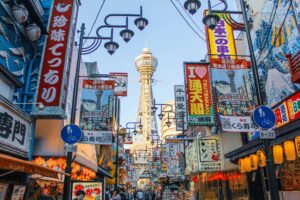
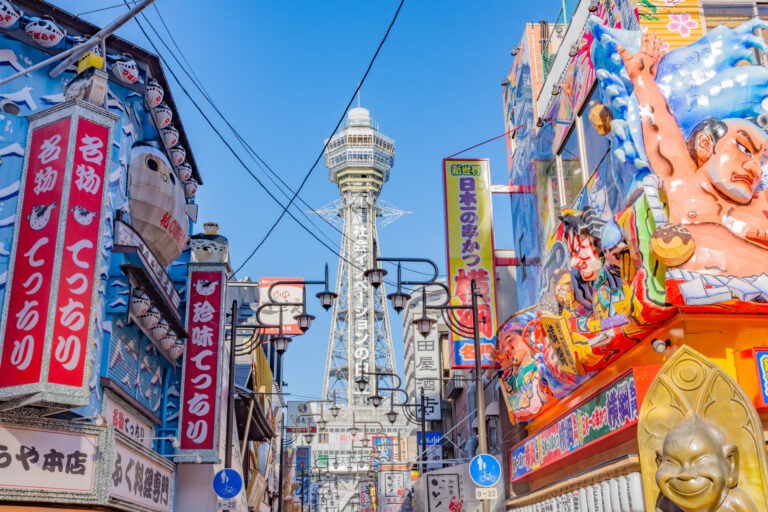
| Shinsekai | Kushikatsu and dote-yaki (beef tendon and konjac stewed in miso) | An old-fashioned Showa-era (mid-20th century Japan) downtown with views of Tsutenkaku Tower. Best from afternoon to early evening |
| Kuromon Market | Sashimi, grilled fish, and fugu (pufferfish) | Known as “Osaka’s Kitchen.” Best in the morning to midday |
| Ura-Namba, Tenma, and Kyobashi | Izakaya dishes, yakitori (grilled chicken skewers), kushiage (deep-fried skewers), and small standing-bar plates | Hidden back alleys favored by locals. Best at night |
For a first visit to Osaka, Dotonbori’s street-food density and Kuromon Market’s fresh seafood are reliable choices. The less touristy Ura-Namba and Tenma neighborhoods, packed with standing bars and izakaya, offer a taste of the city’s more local side. Anyone considering a nighttime tour will want to keep these areas in mind.
4 Recommended Daytime Food Tours in Osaka

Daytime food tours let you enjoy the energy of markets and shopping streets in bright daylight.
Below, we’ve selected four highly recommended tours, each featuring different neighborhoods, durations, price points, and numbers of tasting stops. To help you compare them at a glance, we’ve also highlighted their key features and whether vegetarian-friendly options are available.
Japan Guide Stars | Osaka: Guided Food Tour with 12 Dishes at 4 Local Eateries
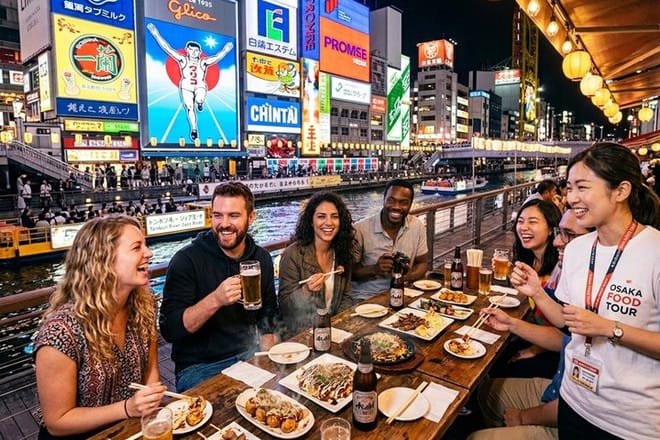
This tour by Japan Guide Stars takes visitors to four eateries popular with local residents, serving a total of twelve dishes along with drinks. Rather than focusing on tourist-oriented restaurants, the route showcases authentic local favorites, offering a genuine taste of Osaka’s food culture.
The lineup includes grilled skewers, fresh seafood, and traditional sweets, with twelve dishes in total spread across four well-loved local spots. Throughout the tour, an English-speaking guide explains the background of each dish and restaurant, as well as local dining customs, making the experience accessible even for travelers who do not speak Japanese.
Tour prices and child rates vary by operator and booking platform, so be sure to check the booking page for the latest information. The small-group format also provides plenty of opportunities to ask questions and interact with the guide.
The price includes twelve dishes and two drinks, offering solid value for money.
Details
| Meeting point | In front of Don Quijote (a discount variety store) Dotonbori Midosuji (Dotonbori) |
| Duration | About 2 hours 30 minutes |
| Price (approximate) | Adult: ¥12,600; Child (6-19): ¥11,000; Infant: free (please confirm the latest information) |
| Booking site | https://japanguidestar.com/tour/osaka-guided-food-tour-with-12-dishes-at-4-local-eateries/ |
| Best for | First-time visitors to Osaka, families, and couples |
MagicalTrip | Osaka Local Foodie Walking Tour in Dotonbori and Shinsekai
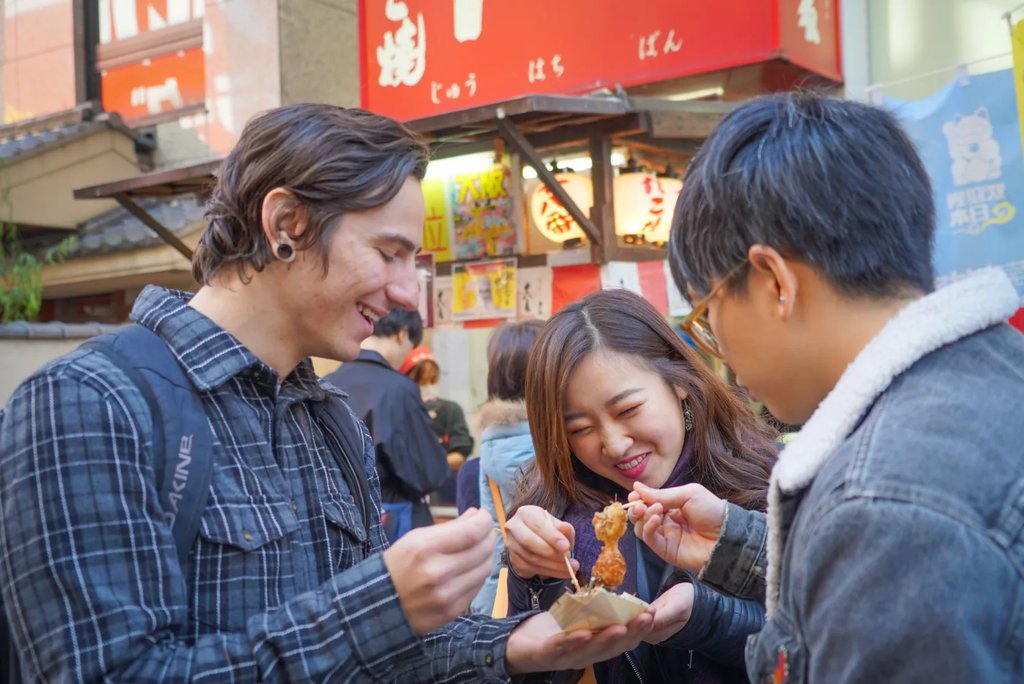
This walking tour by MagicalTrip explores both Shinsekai and Dotonbori on foot, with opportunities to sample several of Osaka’s most famous specialties, including kushikatsu, takoyaki, and okonomiyaki.
The itinerary combines the nostalgic, old-town atmosphere of Shinsekai with the vibrant neon-lit energy of Dotonbori, allowing participants to experience two distinctly different sides of Osaka in a single tour.
MagicalTrip has received multiple travel-industry awards, and its experienced guides lead small groups while sharing the cultural background behind each dish.
Travelers with dietary restrictions should inquire in advance. While vegetarian options may be available, some menu items contain animal-based ingredients such as pork-bone broth, making the tour potentially unsuitable for vegans. Contact the operator before booking to confirm.
Details
| Meeting point | FamilyMart Sanno Dobutsuen-mae |
| Duration | About 3 hours |
| Price (approximate) | Adult (16+): US$104.90; Child (4-15): US$66.81; Infant (under 4): free |
| Booking site | https://www.magical-trip.com/product/763e12a9-ef93-4ae4-8e17-cf86eda92b3f |
| Best for | Travelers who want to sample Osaka’s three signature dishes and explore historic downtown areas in one go |
Ninja Food Tours | Namba Food Crawl
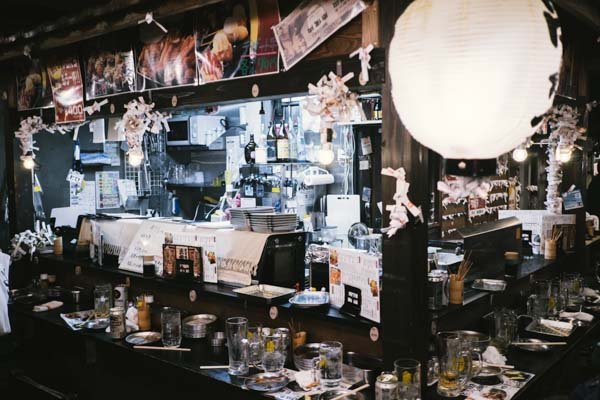
The Namba Food Crawl by Ninja Food Tours visits both famous spots and lesser-known local favorites in the Namba area, with the guide explaining the history and cultural background of each.
For example, learning the story behind takoyaki’s distinctive round shape and its origins in Osaka makes each bite far more meaningful than simply sampling the dish on your own.
Tours are limited to a maximum of eight participants, creating an intimate atmosphere where it’s easy to ask questions and interact with the guide.
Travelers with dietary restrictions should plan ahead. Vegetarian and vegan options may be limited, and menu offerings can vary by date and restaurant, so contact the operator in advance to discuss your needs.
Details
| Meeting point | Ueshima Coffee Kuromon Market |
| Duration | About 3 hours (starts at 4:30 pm) |
| Price (approximate) | US$96.60 per person |
| Booking site | https://www.ninjafoodtours.com/osaka-food-tours/osaka-namba-food-crawl/ |
| Best for | Food-focused travelers who want to learn the story behind each dish |
Osaka Food Tours | Kuromon Market Tours
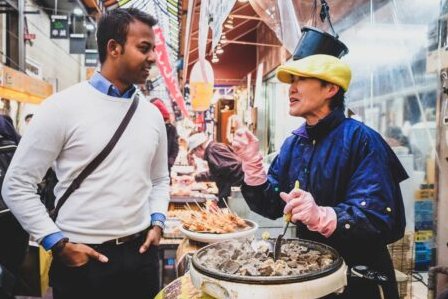
The Kuromon Market Tour by Osaka Food Tours takes visitors through a carefully curated selection of shops within Kuromon Market, a bustling marketplace home to roughly 150 stalls. Along the way, participants sample a wide variety of local specialties and market favorites.
One of the tour’s greatest strengths is the guide’s in-depth knowledge of Kuromon Market. You’ll learn which vendors are particularly well regarded, how to identify the freshest ingredients, and the stories behind many of the foods on offer. The relaxed, conversational style of the tour is a key part of its appeal.
The operator has a solid reputation among local food enthusiasts. Because many of the market’s freshest seafood items sell out by the afternoon, morning tours are highly recommended.
Pescatarian dietary requirements can generally be accommodated, but the tour is not especially suitable for vegans. Travelers with specific dietary needs should contact the operator before booking to discuss available options.
Details
| Meeting point | Nippombashi Station Exit 6 |
| Duration | About 2 hours (2 pm-4 pm; meet at 1:45 pm) |
| Price (approximate) | Adult (13+): from ¥9,500; Child (3-12): from ¥8,000; Infant (0-2): free |
| Booking site | https://osakafoodtours.com/kuromon-market-food-tour/ |
| Best for | Travelers who want to enjoy a lively market and a wide variety of foods |
3 Recommended Nighttime Food Tours in Osaka
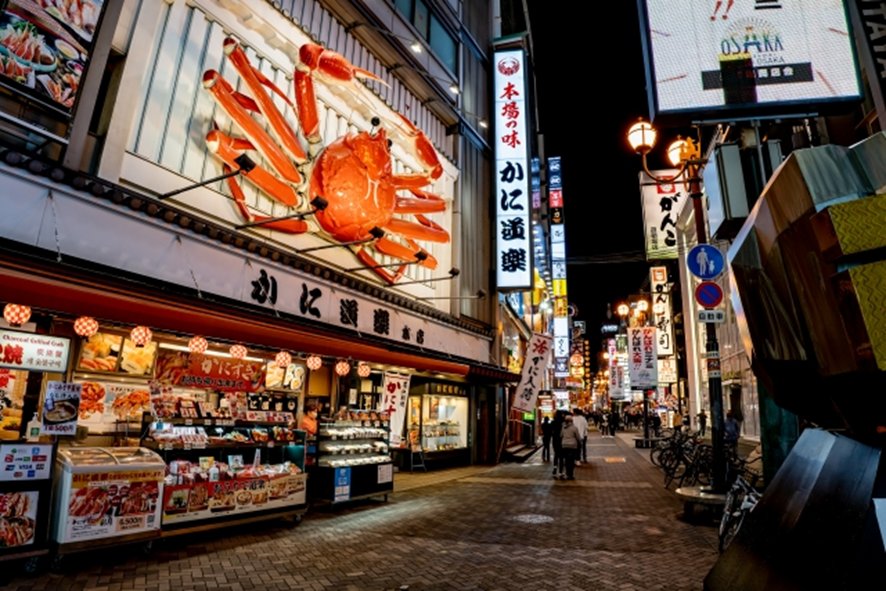
After dark, Osaka offers a special experience of neon-lit alleys and local izakaya. We cover three standout nighttime food tours below.
To help you find the best fit, we compare their prices, durations, number of tastings, and group sizes, highlighting the unique features and overall experience each tour offers.
Osaka Food Tours | Backstreets Osaka Tours
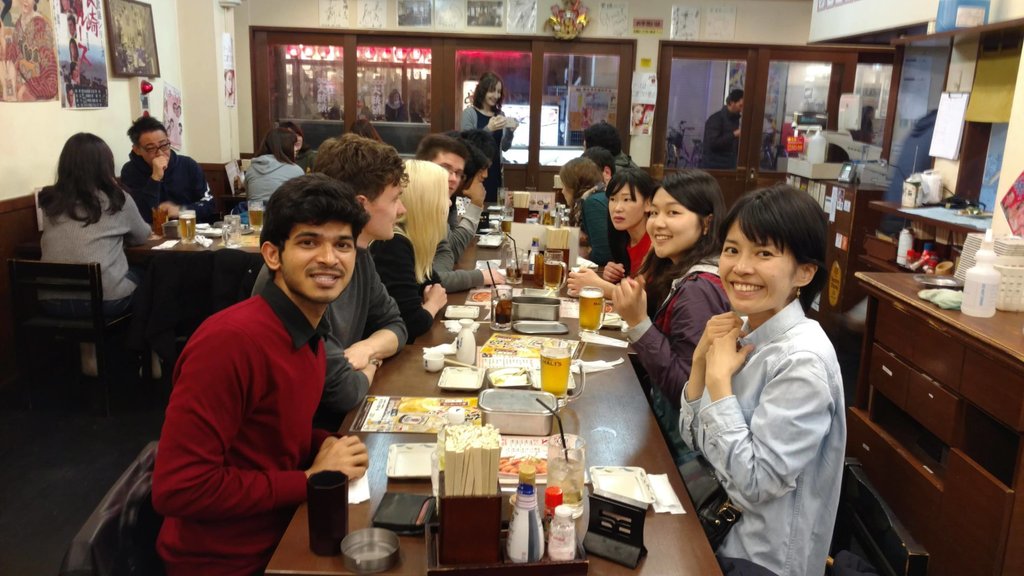
The Backstreets Osaka Tour by Osaka Food Tours takes participants through hidden alleyways and local neighborhoods that most visitors never discover. Along the way, you’ll sample regional dishes such as niku-dofu (simmered meat and tofu) while learning about Osaka’s history and culture from your guide.
One of the tour’s greatest strengths is that it goes beyond food. In addition to tasting local specialties, you’ll gain insight into the lesser-known stories, traditions, and historical development of the city. Drinks are included, allowing you to relax at a neighborhood izakaya while listening to the guide’s stories and explanations.
The tour is open to guests aged 17 and older. However, only participants aged 20 and above (Japan’s legal drinking age) may consume alcoholic beverages. Reservations can be made through Viator or directly through the operator’s official website.
Details
| Meeting point | Daikokucho Station Exit 1 (starts at 5:30 pm) |
| Duration | About 3 hours (5:30 pm-8:30 pm) |
| Price (approximate) | Basic (tastings at two food stalls): ¥7,200; with dinner: ¥9,700 |
| Booking site | https://backstreetosakatours.com/ |
| Best for | Travelers who want to dive into Osaka’s history and culture along with the food |
Pinpoint Traveler | Osaka After Dark: Small-Group Night Food Tour
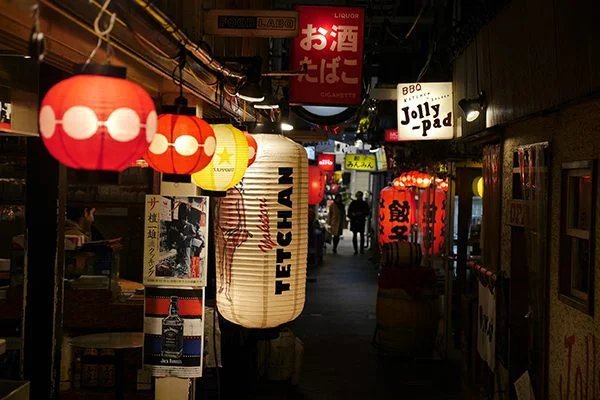
Osaka After Dark by Pinpoint Traveler is a roughly three-hour nighttime food tour for up to six people, visiting three standing bars in the Tenma and Kyobashi areas.
The small group size creates a friendly atmosphere that encourages interaction with both the guide and local patrons. Conversations with regular customers often develop naturally, and the guide is on hand to translate, making the experience accessible even for travelers who do not speak Japanese.
The food lineup features Osaka soul food such as kushikatsu, accompanied by three to four drinks. The tour is open to participants aged 13 and older. Guests under the legal drinking age of 20 in Japan are served non-alcoholic beverages instead.
Details
| Meeting point | McDonald’s in front of JR Tenma Station |
| Duration | About 3 hours (6 pm-9 pm) |
| Price (approximate) | About ¥20,000 per person; open to those 13 and older |
| Booking site | https://pinpointtraveler.com/tour/osaka-night-food-tour/ |
| Best for | Travelers who enjoy meeting locals and prefer a small, intimate group |
Arigato Travel | Absolute Osaka Food Tour
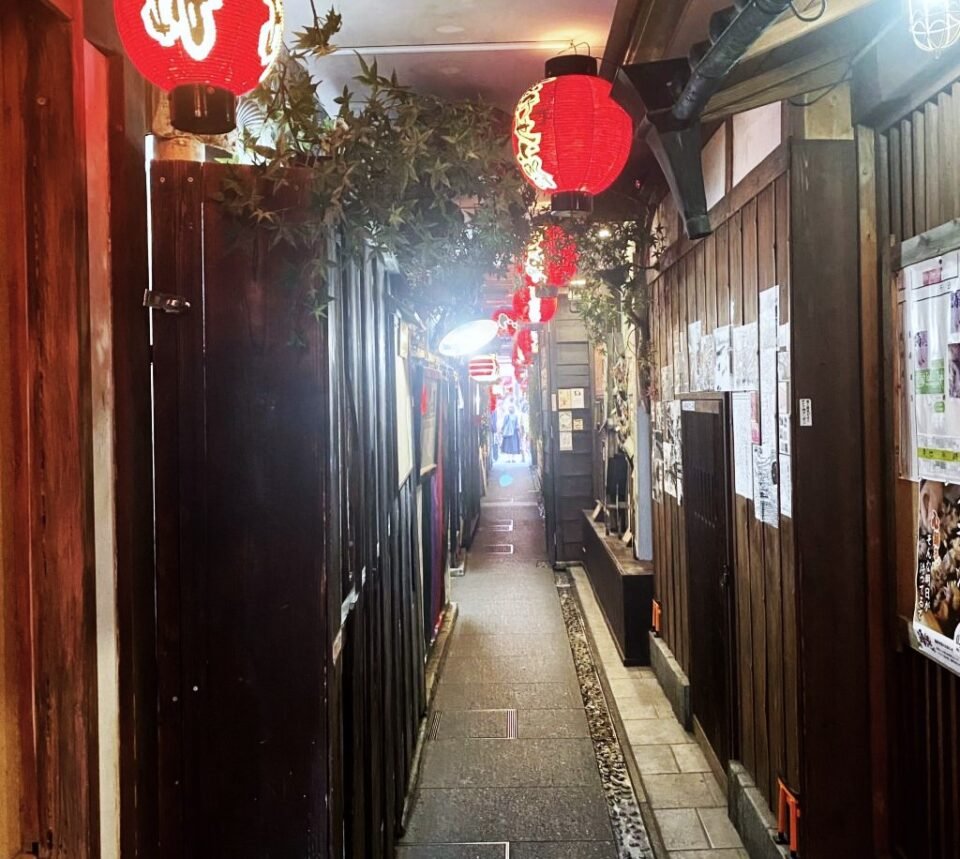
The Absolute Osaka Food Tour by Arigato Travel is a cultural-experience nighttime tour that visits quiet shrines and izakaya away from the crowds, ending with dessert.
The route highlights the city’s depth as much as its food. A local guide walks travelers through the food culture and historical background at each stop. The itinerary includes visits to multiple eateries and features a variety of local specialties, along with drinks and dessert.
At ¥28,050 per adult, the tour is priced at the premium end of the market. However, infants aged 0–2 can join free of charge, and children aged 3–12 receive a 50% discount, making it an attractive option for families seeking a memorable evening experience in Osaka.
Details
| Meeting point | Starbucks Coffee TSUTAYA EBISUBASHI |
| Duration | About 3 hours (4:45 pm-8 pm) |
| Price (approximate) | Adult: from ¥28,050; Child (3-12): from ¥14,025; Infant (0-2): free |
| Booking site | https://tours.arigatojapan.co.jp/tour/osaka-night-tour |
| Best for | Travelers looking for hidden spots and deeper experiences they couldn’t find on their own |
How to Prepare Before Joining an Osaka Food Tour
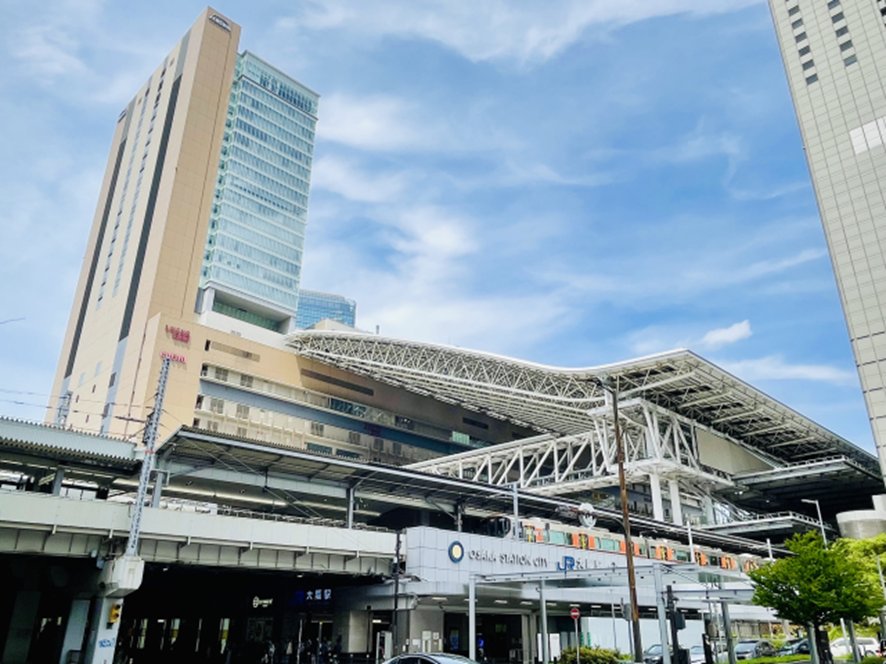
Once the booking is done, a few simple preparations before the day of the experience can make a surprisingly big difference. Small adjustments can help you get the most out of the tour and enjoy it more comfortably.
The sections below cover practical topics such as managing your appetite beforehand, communicating dietary restrictions in advance, how much cash to carry, what to wear, and basic etiquette for food-focused walking tours.
Arrive on an Empty Stomach
A typical food tour covers 2-3 km (about 1.2-1.9 miles) over the course of 2–3 hours and includes more than ten tasting portions. In terms of volume, that is roughly equivalent to a full meal, so arriving with a healthy appetite is one of the best ways to enjoy the experience.
For a daytime tour, consider keeping breakfast light. For an evening tour, it’s a good idea to finish a light lunch by around 2 pm.
The ideal approach depends on your appetite. Light eaters may prefer to skip a meal beforehand, while those with larger appetites can stick to their usual light meal. Adjust your schedule based on what feels most comfortable for you.
Stay Hydrated, Especially in Summer
From June through September, Osaka can be hot and humid, increasing the risk of dehydration during walking tours. Try to drink water regularly rather than waiting until you feel thirsty. During the peak summer months, carrying electrolyte supplements or salt tablets can also be helpful.
If you begin to feel dizzy, lightheaded, or develop a headache, inform your guide immediately. These can be early signs of dehydration or heat exhaustion.
It’s worth remembering that dehydration can occur even during the cooler months. Carrying a small water bottle and staying hydrated throughout the day is a good habit year-round.
Declare Dietary Restrictions When Booking
Travelers with vegetarian, vegan, halal, allergy-related, or other dietary restrictions should notify the tour operator when booking, or at the very latest, the day before the tour.
Some of Osaka’s most famous local specialties can be challenging to adapt to specific dietary requirements. For example, okonomiyaki and takoyaki commonly contain ingredients such as wheat, eggs, and seafood, while the use of shared cooking surfaces can create a risk of cross-contamination. Similarly, many kushikatsu restaurants use the same frying oil for a variety of ingredients.
Halal requirements are especially difficult to accommodate. Pork-based ingredients and mirin (sweet rice cooking wine) are widely used and hard to avoid. Travelers with strict dietary requirements may find that a private tour offers the greatest flexibility, as itineraries and restaurant selections can often be customized to better suit individual needs.
Bring Some Cash on Top of the Tour Fee
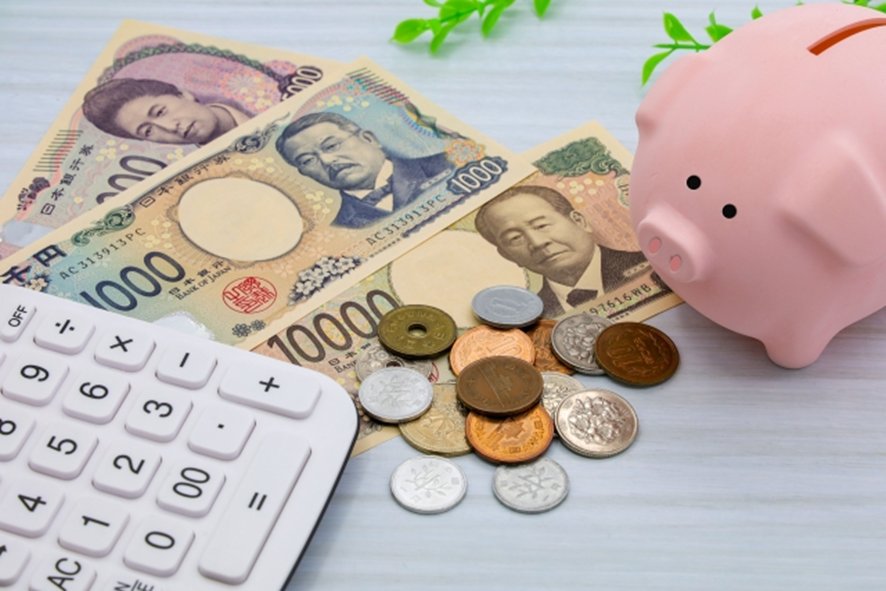
While most tour payments are processed online, it is a good idea to carry an additional ¥3,000–¥5,000 (approximately US$20–35) in cash on the day of the tour.
You may decide to order extra items during the experience or purchase souvenirs afterward, and having some cash on hand makes these spontaneous purchases easier.
Although credit card acceptance has become more common in recent years, many small market stalls often remain cash-only. Before your tour, it is worth checking the following:
- How many dishes are included in the tour fee and whether additional orders are permitted
- Whether ATMs are available near the meeting point
- What payment methods are commonly accepted in any neighborhoods you plan to visit after the tour
A little preparation can help you enjoy the experience without worrying about payment options along the way.
Wear Comfortable Walking Shoes

Food tours typically involve 2-3 hours of walking and cover about 2-3 km (about 1.2-1.9 miles), so comfortable, worn-in sneakers are the safest and most practical footwear choice.
Areas like Shinsekai and Ura-Namba have many narrow alleys and uneven surfaces, along with heavy foot traffic. High heels can easily catch on uneven surfaces, while sandals provide limited protection for your feet. Supportive, non-slip sneakers or similarly comfortable walking shoes offer the best combination of comfort, stability, and protection.
A few seasonal adjustments also help:
- Summer: Choose breathable sneakers with mesh uppers to prevent overheating
- Winter: Rain and occasional frost can make sidewalks slippery, so opt for shoes with deep-treaded, non-slip soles
- Year-round: Adding cushioned insoles can help reduce fatigue during longer walks
The right footwear can make a noticeable difference in how much you enjoy the tour, especially when moving between multiple food stops throughout the city.
Guides Cover Food-Walking Etiquette on the Day
Eating while walking is generally considered poor etiquette in Japan.
For example, around Ebisubashi-suji Shopping Street, signs often remind visitors to eat food near the shop where it was purchased and to dispose of any trash there as well. By contrast, food-walking is more common around Kuromon Market, and many shops offer eat-in areas or dedicated seating spots inside the market. To avoid blocking foot traffic or getting food on other people’s clothes in crowded areas, choose quieter spots and follow the instructions of the shop or guide.
One advantage of joining a food tour is that the guide will explain any relevant local customs and etiquette along the way, so there is no need to research every detail in advance.
That said, taking a few minutes to familiarize yourself with basic greetings and public-space manners can help you feel even more comfortable during the experience. For travelers concerned about cultural misunderstandings, a guided food tour is one of the easiest and most reassuring ways to explore Osaka’s food culture.
[FAQ] Common Questions About Osaka Food Tours

First-time visitors joining an Osaka food tour often have plenty of questions, from booking logistics and family participation to local customs and expectations.
Below, we answer some of the most common questions, including whether a guide is worth having, the possibility of same-day bookings, tipping etiquette in Japan, and other practical considerations to keep in mind before joining a tour. We also introduce a few cultural experiences in Osaka that complement a food-focused itinerary.
Can I Eat My Way Around Osaka Without a Guide?
In Osaka’s major tourist districts, English menus are increasingly common, and many travelers can comfortably explore the local food scene on their own.
The trickier parts are spotting good-value shops and navigating back-alley favorites with Japanese-only menus and staff. A translation app helps, and making a list of restaurants you’d like to visit in advance is a good way to avoid uncertainty.
That said, if you want to maximize your time and enjoy a curated selection of reliably excellent local spots, a guided food tour is often the better choice.
Can I Join Without Booking in Advance?
Osaka food tours generally require advance reservations.
Because most tours operate with small groups, availability can fill up quickly, especially during peak travel seasons. As a result, same-day participation is often difficult to arrange.
If you are booking at the last minute, it is worth checking platforms such as Viator and other experience-booking websites, where occasional openings may still be available. You can also book directly through the tour operator’s official website, which may offer additional availability or the most up-to-date scheduling information.
Can Children Join?
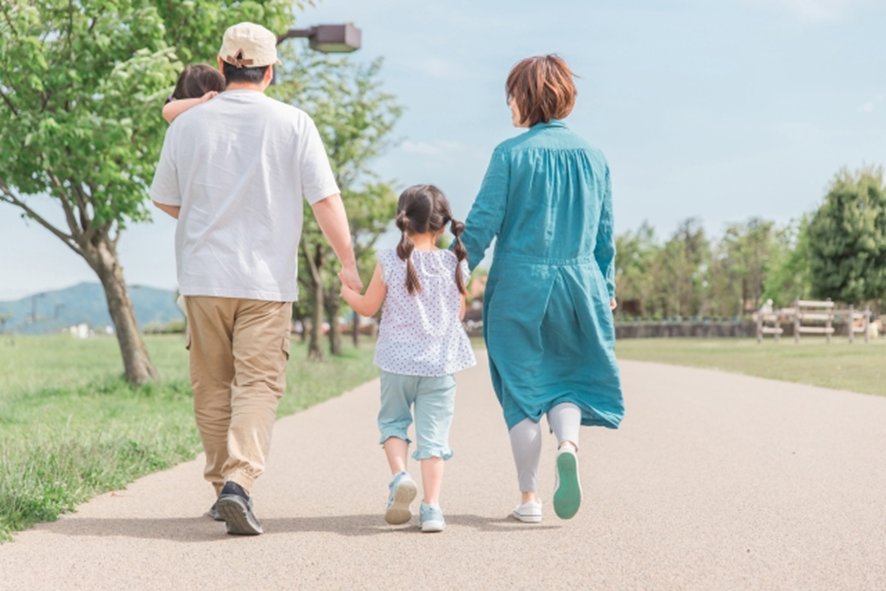
Several daytime food tours welcome children, and family participation is quite common. Popular Osaka specialties such as takoyaki are easy for children to eat.
Each tour sets its own child pricing, so be sure to review the details carefully when booking.
By contrast, most nighttime izakaya-hopping tours are designed primarily around food and alcoholic drinks, making them less suitable for young children. In Japan, the legal drinking age is 20, and alcoholic beverages cannot be served to anyone under that age.
Do I Need to Tip the Guide?
Tipping is not customary in Japan and is generally not expected on food tours. The tour price already includes the guide’s services and the food provided during the experience, so there is no need to budget for an additional gratuity.
If you want to show appreciation, leaving an online review after the tour is a meaningful way to show appreciation.
Do Tours Run in the Rain?

Most food tours operate as scheduled even in rainy weather. Since the majority of the experience takes place indoors at restaurants and food stalls, light rain during walks between stops usually has little impact on the tour.
A folding umbrella is helpful during the rainy season, and one can easily be picked up locally. Tours may be canceled in severe weather such as typhoons, so check the cancellation policy in advance.
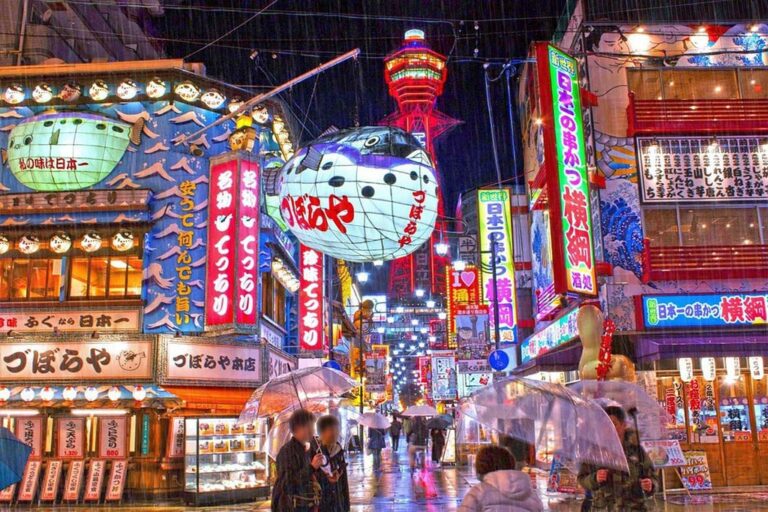
Are There Other Recommended Experiences in Osaka Besides Food Tours?
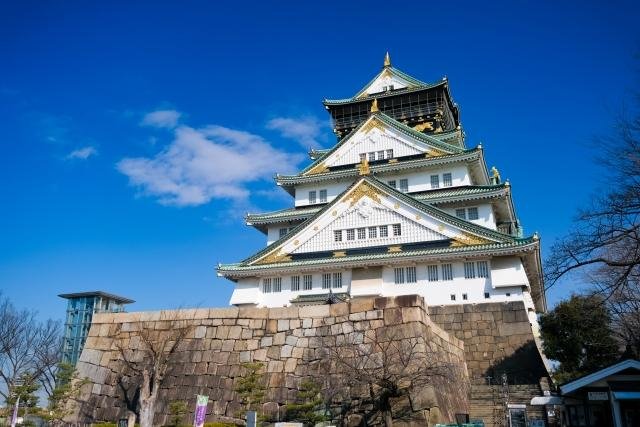
After a food tour, consider pairing it with an activity that gives you a taste of traditional Japanese culture.
One option is the Sumo Live Show at Sumo Studio Osaka. Live English commentary brings the power of the dohyo (sacred clay ring) into focus, and there are chances to interact with the rikishi (sumo wrestlers) as well.
Located right by Hanazonocho Station, Sumo Studio Osaka is easy to drop by before or after a food tour. Bookings are available through Japan Guide Stars.
 Hands-On
Get hands-on with sumo in Osaka
Watch former professional sumo wrestlers demonstrate authentic sumo techniques. Learn the history, rituals, and rules of Japan’s national sport, then step into the ring for a hands-on sumo experience in Osaka.
Make the Most of Osaka’s Food Scene

Osaka food tours generally fall into two distinct categories: daytime street-food walks and nighttime izakaya-hopping experiences.
Before joining a tour, be sure to communicate any dietary restrictions in advance and wear comfortable walking shoes. Pairing a food tour with a cultural experience such as a sumo live show is a great way to round out a memorable stay in Osaka.
![11 Best Okonomiyaki Restaurants in Osaka | Famous Dotonbori and Umeda Shops to Vegan-Friendly Options [Complete Guide]](https://sumowrestlingshow.jp/wp-content/uploads/2026/07/okonomiyaki-osaka_1-300x200.jpg)