Five Recommended Chopstick-Making Workshops in Osaka: Prices, Features, and Tips
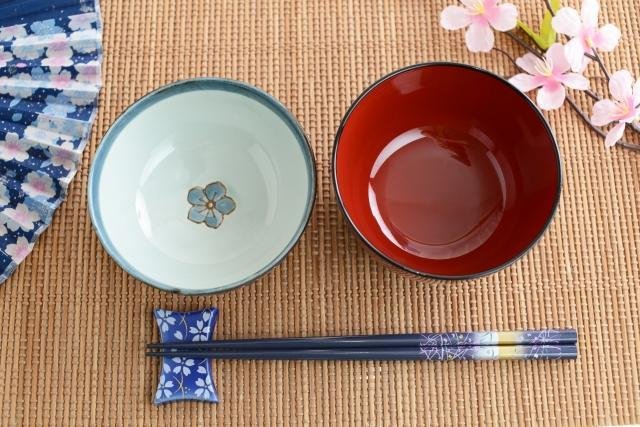
Carving your own pair of chopsticks by hand is one of the most rewarding hands-on experiences you can have in Osaka. From a casual studio in the Shinsaibashi area that’s easy to drop into between sightseeing stops, to a serious workshop led by a working furniture craftsman, to a classroom where you can learn shitsugei—the traditional Japanese technique of coating objects with the sap of the urushi tree then adding decorations—Osaka offers a wide range of options.
Below is a thorough comparison of five recommended chopstick-making workshops in Osaka, categorized by price, workshop duration, location, and features, along with information on what a typical session looks like, what to confirm before booking, and other cultural experiences that you can enjoy on the same day. Bringing home a hand-carved, practical souvenir is a memorable way to experience Osaka’s craft culture, and a natural fit for your trip.
Contents
- What Makes Chopstick-Making in Osaka Special
- Five Chopstick-Making Workshops in Osaka
- Chopstick Making Osaka: Choose from More Than Eight Types of Wood
- Chopstick Making Japan: A Prime Location in Shinsaibashi and Dotonbori
- Woodworking Studio BASE-FURNITURE: A Craftsman’s Studio
- Shikkousha: Traditional Lacquerware, Makie, and Raden Techniques
- Kinkonkan: Authentic Hands-On Experiences from Around ¥800
- What a Typical Chopstick-Making Workshop Looks Like
- Things to Keep in Mind Before Booking
- Pair a Chopstick Workshop with Another Cultural Experience in Osaka
- Common Questions About Chopstick Workshops in Osaka
- Is It Cheaper to Book on the Official Site or Via a Booking Platform?
- Can I Start Over if I Make a Mistake During the Workshop?
- Can I Participate in a Workshop on a Rainy Day?
- Can I Make Chopsticks for Left-Handed Use?
- Can Couples or Groups of Friends Join In?
- What if I Want to Combine Chopstick-Making with Sightseeing Around Osaka?
- Bring Home a Truly Original Pair of Chopsticks from Osaka
What Makes Chopstick-Making in Osaka Special

Chopstick-making experiences vary significantly from one workshop to another. Comparing price ranges, locations, and features gives you a clearer picture of what’s available. Understanding these differences in advance makes it easier to pick a workshop that fits your travel style.
Two Types of Workshops: Woodworking and Lacquerware
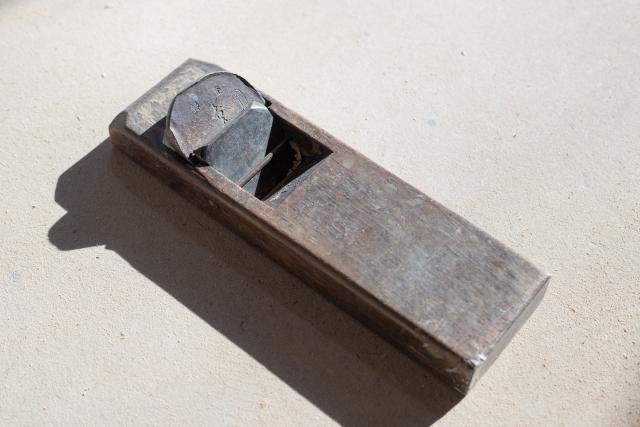
Chopstick-making workshops in Osaka generally fall into two categories: woodworking and lacquerware. The woodworking style is the classic approach, in which you shape wood with a kanna (a traditional Japanese woodworking plane) and sandpaper, then finish the chopsticks with natural oil. Four of the workshops introduced here—Chopstick Making Osaka, Chopstick Making Japan, BASE-FURNITURE, and Kinkonkan—feature this style, which lets the character of the chosen wood come through in the final piece.
On the other hand, the lacquerware style starts with pre-shaped chopstick bases and focuses on applying lacquer and decorating the chopsticks with makie (gold powder) or raden (mother-of-pearl shell inlay). Among the workshops covered here, Shikkousha near Osaka Tenmangu Shrine is the lacquerware option, with no wood-shaving involved, just the decorative techniques themselves. Because the two styles are quite different, it helps to picture what you want to create before confirming your booking.
Prices Range from Around ¥1,200 to ¥4,400
Prices vary depending on the duration of the workshop and the add-ons you choose. Standard courses of about 60 minutes typically run from ¥1,200 to ¥4,000, while full two-hour courses generally start at ¥4,400. On top of that, name engraving in English or Japanese usually adds about ¥1,500 to the total cost, while premium wood upgrades range from ¥1,000 to ¥8,000, and a paulownia gift box can be added for anywhere from a few hundred to a few thousand yen.
Sessions usually run from 60 to 120 minutes, a length that slots easily into a day of sightseeing. A 60-minute course is a good fit if you want something quick, while a two-hour course suits anyone who wants to take their time and go deeper into the craft.
Workshop Locations Span from the City Center to the Outskirts of the City
Chopstick workshops are widely spread across Osaka, from the central tourist areas of Shinsaibashi and Dotonbori out to Esaka, Tenma, Tsurumi Ward, and Kawachinagano City on the outskirts. Workshops in the central areas are convenient for pairing with shopping trips and meals, while those farther out let you work away from tourist crowds in a more local atmosphere.
Recommendations differ depending on whether you prefer a quick stop in the city center or a more local feel on the outskirts, so choose the workshop based on your itinerary and where you’re staying.
Five Chopstick-Making Workshops in Osaka

Osaka has several chopstick-making workshops—each with different woods, techniques, and locations—so choosing the right one for your itinerary and budget can be tricky.
The five workshops listed below offer comparisons by price, duration, access, and English language support options, and they range from central locations to suburban studios. Use this information to find the option that fits your trip best.
Chopstick Making Osaka: Choose from More Than Eight Types of Wood
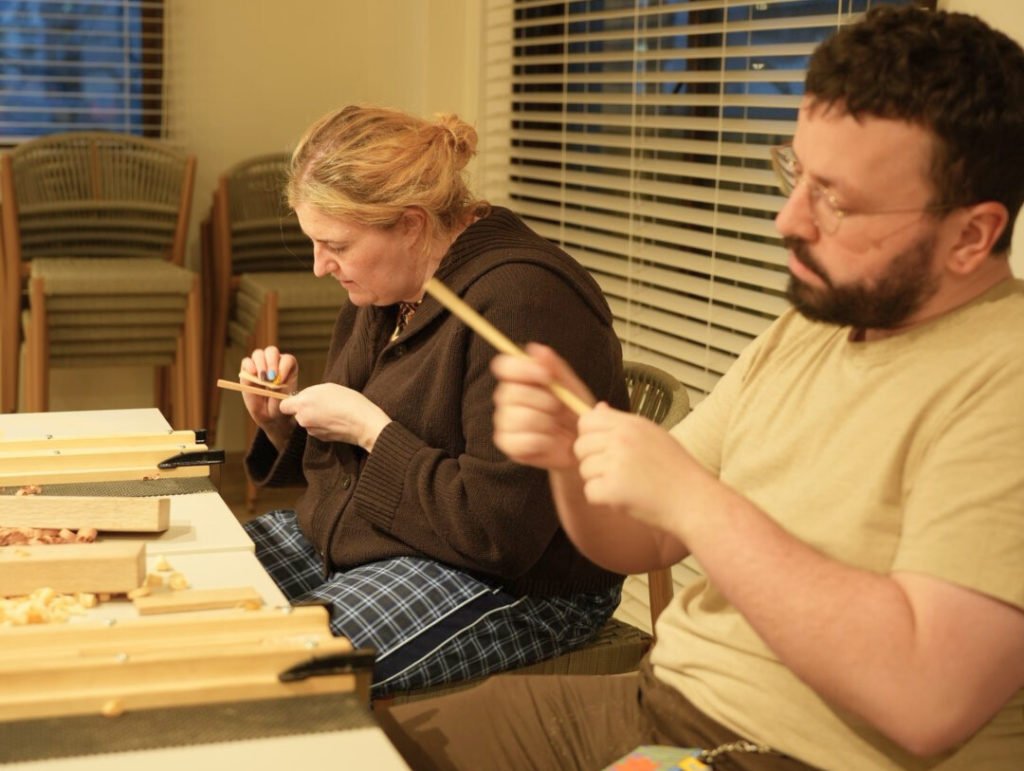
Chopstick Making Osaka | Experience Osaka
If your priorities are a wide selection of wood and high-quality English guidance, Chopstick Making Osaka should be at the top of your list. Here, you can pick from more than eight types of wood, including rosewood, ebony, maple, purpleheart, and satine, each with its own hardness, weight, and color, so you can craft a pair of chopsticks that feels just right in your hand. Name engraving is available in English or Japanese, making the finished chopsticks an ideal travel keepsake or gift.
The creation process follows three steps: hand-planing, sanding, and applying a walnut-oil finish. The instructor walks you through each step in fluent English, so international guests can relax and enjoy themselves. Sessions are kept small with a maximum of six participants, and the workshop is in a local Osaka neighborhood away from tourist crowds, offering visitors a taste of everyday city life.
Details
| Address | 3-35-5 Tarumi-cho, Suita City, Osaka |
| Hours | 10 am-8 pm |
| Closed | Sundays |
| Website | https://matcha-osaka.jp/chopstick-making-osaka/ |
| Recommended for | Anyone who wants to choose from a wide variety of woods, careful English guidance, or a small-group setting with time to focus |
Chopstick Making Japan: A Prime Location in Shinsaibashi and Dotonbori
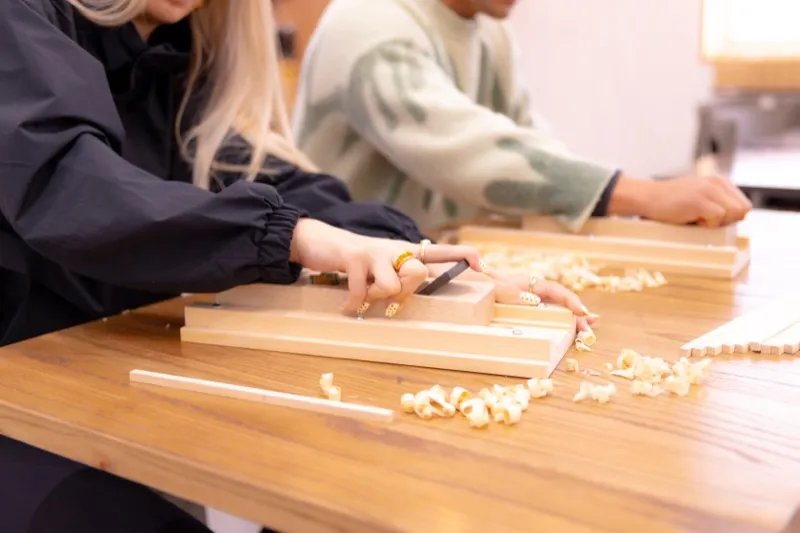
Chopstick Making Japan – #1 Experience in Tokyo & Osaka
If convenient access from the main tourist areas is your top priority, Chopstick Making Japan is hard to beat. Set in the Shinsaibashi and Dotonbori area, it’s easy to combine a workshop here with photo stops at the Glico sign, snacking in Kuromon Market, or shopping along Midosuji. Besides making the chopsticks themselves, the session also covers explanations of the history of chopsticks and Japanese dining etiquette, with English-speaking staff on hand and a smooth online booking system.
The operator, Food Activity Japan, is a well-known company with multiple brands that have received top honors on TripAdvisor, and is a popular choice among visitors from overseas.
Details
| Address | 1-16-20 Higashi-Shinsaibashi, Chuo-ku, Osaka City, Osaka |
| Hours | Sessions start every hour between10 am and 6 pm |
| Closed | Irregular |
| Website | https://chopstickmakingjapan.com/ |
| Recommended for | Anyone fitting a workshop into a sightseeing day, learning about Japanese food culture and table manners, or easy online booking |
Woodworking Studio BASE-FURNITURE: A Craftsman’s Studio
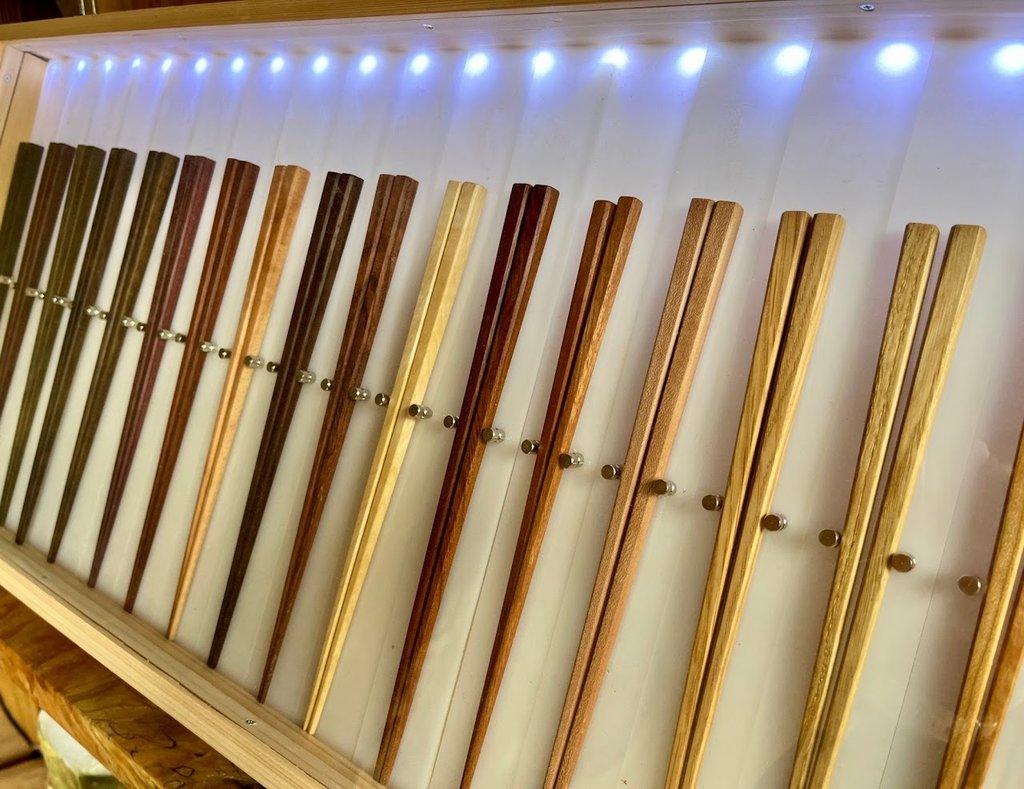
For anyone who wants a serious experience in a real craftsman’s workplace, BASE-FURNITURE is an excellent choice. This is no workshop space built for tourists—you step into the working studio of a furniture craftsman and make your chopsticks in the same space where he teaches and builds.
The experience is a full two hours with a kanna, the traditional Japanese hand plane. In a craftsman’s hands it shaves wood paper-thin—so finely that the planed surface is said to repel water. You choose from more than a dozen kinds of fine wood and shave your pair into a shape that fits your own hands. The staff patiently show you how, and the sound and feel of the blade on the wood is a pleasure in itself.
The studio is led by Yoshiyuki Yamamoto, a Grade 1 Certified Furniture Craftsman recognized as a “Monozukuri Meister” by the Ministry of Health, Labour and Welfare, and winner of the 2023 “Naniwa no Meiko” (Osaka Master Craftsman) award. His studio usually runs as a members-only woodworking school, so the people carving beside you will often be its students—friendly Osaka locals—and chatting with them is part of the fun.
Reviews back this up: even first-timers say they could relax and enjoy the whole process—and most go home with a pair of chopsticks they feel genuinely attached to.
The studio sits in Higashinakahama, a local neighborhood in Joto Ward just a short subway ride east of central Osaka. The nearest stations are Midoribashi and Shigino.
Details
| Address | 2-7-24 Higashinakahama, Joto Ward, Osaka City, Osaka |
| Hours | 10 am–12 pm or 2 pm–4 pm. Open Mon, Thu, Fri, Sat & Sun (July & December: Mon/Thu/Fri only). Reservations required. |
| Closed | Wednesdays, and some Sundays (check the official calendar) |
| Website | https://base-furniture.com/ |
| Recommended for | Anyone who wants to learn from a true craftsman in his own studio, couples making matching chopsticks together, or families with kids six and up |
Shikkousha: Traditional Lacquerware, Makie, and Raden Techniques
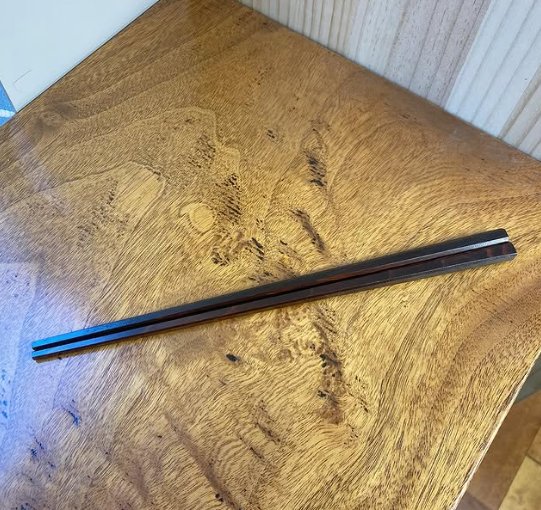
For travelers wanting to engage directly with traditional Japanese crafts, Shikkousha is in a class of its own. Unlike workshops that involve shaving wood, here you apply lacquer to pre-shaped chopstick bases, in a classroom that also teaches advanced decorative techniques such as makie (drawing with gold powder) and raden (inlaying with mother-of-pearl). The location is also special: a historic streetscape right next to Osaka Tenmangu Shrine, famous as the home of the deity of learning.
The workshop includes finishing lacquered chopsticks. Sessions are held three times a month on Tuesdays, Wednesdays, Thursdays, and Saturdays, with a choice between the morning slot (10 am-12:30 pm) or the afternoon slot (1:30 pm-4 pm). Shikkousha is a great next step after participating in a woodworking workshop or for anyone wanting to dive deeper into lacquerware art.
Details
| Address | 4F Daikumachi Kyoei Building, 2-4-3 Tenjinbashi, Kita Ward, Osaka |
| Hours | 10 am-12:30 pm / 1:30 pm-4 pm |
| Website | https://www.instagram.com/shikkousya/ |
| Recommended for | Anyone serious about traditional crafts, looking for something beyond woodworking, or eager to explore Japanese aesthetics |
Kinkonkan: Authentic Hands-On Experiences from Around ¥800
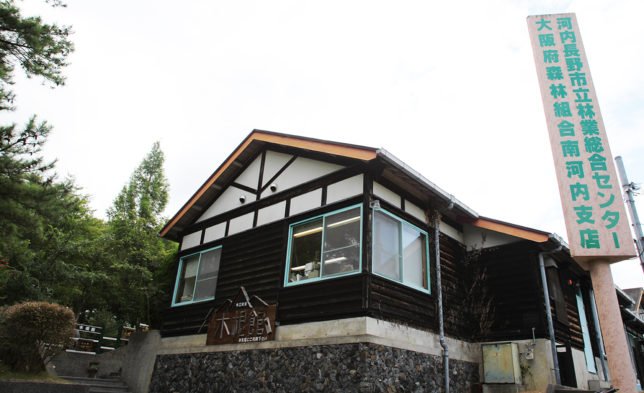
For anyone looking to keep costs down while still getting an authentic experience, or for families hoping to combine traditional crafts with the outdoors, Kawachinagano City’s municipal forestry center Kinkonkan is a great place to visit. While workshops in central Osaka typically run from ¥4,000 to ¥5,000, Kinkonkan offers a complete chopstick-making experience for around ¥800. The wood offered here is hinoki cypress from Kawachinagano City’s own “Osaka Kawachi-zai” lumber, and crafting a set of chopsticks with local timber from an area that’s roughly 70% forested is something you can only do here.
If you’re coming from the Namba area, you’ll need to take the Nankai Koya Line or Kintetsu Nagano Line to Kawachinagano Station, then catch a bus and walk a short distance—about an hour one way in total, making a trip to Kinkonkan a half-day commitment. That said, this is a rare suburban spot where you can step away from the bustle of central Osaka and spend time surrounded by nature.
Details
| Address | 1818-1 Takako, Kawachinagano City, Osaka |
| Hours | 9 am-5 pm (reception until 4 pm); January–February 9 am-4 pm (reception until 3 pm; woodworking experiences: chopsticks and cutlery until 2 pm) |
| Closed | Mondays (or the next day if Monday is a public holiday) |
| Website | http://sinrin.org/kinkonkan/ |
| Recommended for | Anyone watching their budget, families wanting a nature experience together, or anyone keen on locally sourced wood |
What a Typical Chopstick-Making Workshop Looks Like
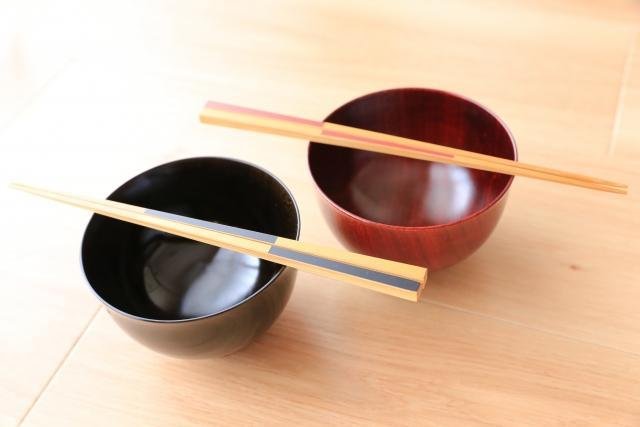
Here’s a five-step look at how a typical woodworking session unfolds. Note that the lacquerware sessions at Shikkousha follow a different process (applying lacquer, allowing it to dry, and then decorating), so for that style, please confirm details directly with the workshop.
1. Choose Your Wood
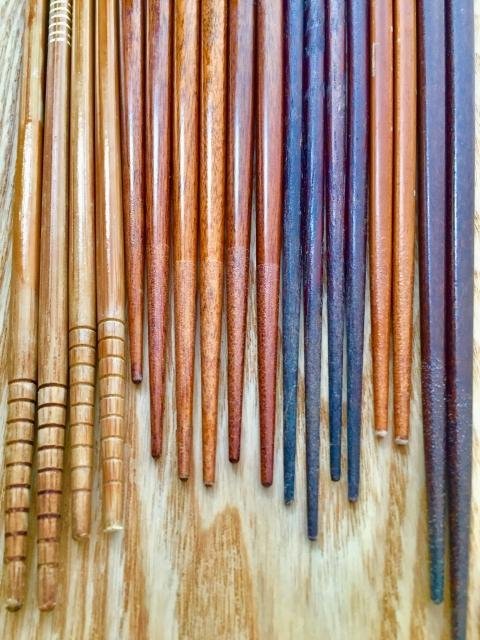
The first step is picking a piece of wood from the selection on display.
Some workshops offer thirty or more types of wood, with a wide range of colors, strength, and weight. Here’s a summary of some popular options:
| Wood | Color | Characteristics |
|---|---|---|
| Rosewood | Reddish-brown with a purple cast | Hard and heavy, with a substantial “premium” feel |
| Ebony | Deep black | Very hard and dense, excellent durability |
| Karin | Reddish-brown with dark streaks | Firm with a moderate weight |
| Padauk | Bright reddish-orange | Hard and sturdy, with a vivid look |
| Maple | Pale cream | Hard but light, with a natural feel |
| Bamboo | Natural beige | Light and grippy in the hand |
For substance, we recommend rosewood or ebony; for lightness, bamboo is a good option.
Premium woods can carry an extra charge (around ¥1,000 to ¥8,000), so check the price list in advance to avoid surprises at checkout.
On the day of the workshop, staff will explain the differences in feeling and weight of each of the wood types, so you can pick the one you’re drawn to.
2. Shape the Wood with a Plane and Sandpaper
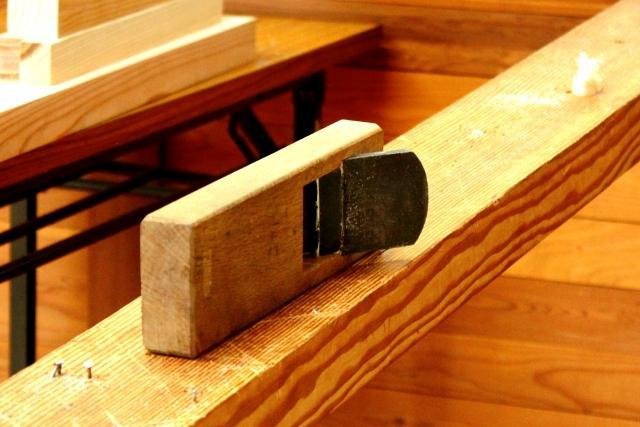
Once you’ve chosen your wood, you’ll set it into a dedicated plane jig and start shaving. Follow the staff’s instructions on the order of cutting to avoid splits and to ensure a clean finish. You’ll start with a square stick and gradually shape it until you’ve got a tapered tip. This is the step that takes the most focus and effort, but small-group workshops provide individual support, so beginners can take their time. After you establish the rough shape of your chopsticks with the plane, you’ll smooth the chopsticks with several different grits of sandpaper for a finish that feels comfortable in the hand.
3. Bring Out the Sheen with Finishing Oil
Once you’ve finished shaping them, you’ll coat the chopsticks with a natural oil such as walnut oil. The oil deepens the wood’s color and brings out its natural sheen and aroma. Because natural oils contain no chemical coatings, the chopsticks are safe for everyday use at the table and you walk away with a genuine, practical tool.
4. Add a Personal Touch with Engraving or Premium Wood
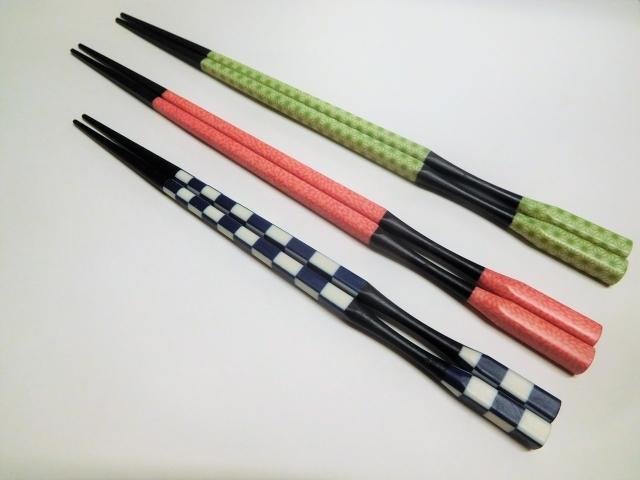
Add-ons and extras like name engraving or premium wood take your chopsticks to the next level. Many workshops offer engraving in English or Japanese, and typically cost around ¥1,500. Depending on the type, choosing a premium type of wood can add an extra ¥1,000 to ¥8,000 to the cost of the workshop, but can turn your chopsticks into something truly distinctive.
5. Take Your Chopsticks Home the Same Day
A big appeal of the woodworking-style chopstick workshops is the fact that you can take your finished pair home with you the same day. There’s no need to wait for coatings to dry, so making your chopsticks, wrapping them, and taking home all happen within the session. This format fits easily into any travel itinerary, and you can start using your chopsticks at dinner that very evening.
Things to Keep in Mind Before Booking

To make the most of your session, here are five points worth checking into before making your reservation. A quick look through this section can help head off potential problems in advance.
Confirm Age Requirements for Children

Because woodworking involves a sharp plane, chopstick workshops impose age limits. Most workshops accept children from around ages six to eight and up, and an accompanying guardian is usually required for younger participants. Exact age requirements vary by workshop, so families should always confirm with the venue before booking. For more sightseeing ideas for kids in the Namba area, see our Things to Do in Namba with Kids article.

Wear Clothes You Don’t Mind Getting Dirty
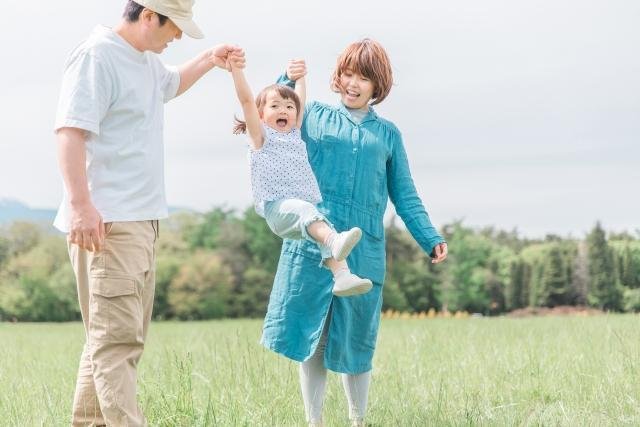
The shaving process inevitably produces wood shavings that stick to clothing. Some workshops loan out aprons, but it’s still a good idea to wear clothes you don’t mind getting dusty. All tools are provided, so you can come empty-handed, but avoid white clothes or delicate fabrics and choose comfortable tops with sleeves you can roll up.
Check If English Language Support Is Available When Booking

Major workshops aimed at international visitors typically have English-speaking staff on site. Chopstick Making Osaka, Chopstick Making Japan, and BASE-FURNITURE all offer English guidance, though the scope of that support (such as booking, on-the-day instructions, or additional explanations) can differ by venue. Booking through a multilingual platform such as Viator, GetYourGuide, or Klook—where you can confirm the specifics of the different workshops—adds peace of mind.
Book by the Day Before You Plan to Visit

Popular workshops often don’t accept same-day bookings, and reservations are generally required in advance. Spots for walk-ins may open up on the day you plan to visit, but that’s not guaranteed. Weekends and peak tourist seasons (such as during the cherry blossom and peak fall foliage seasons, as well as the week leading up to and after New Year’s) tend to fill up early, so booking online by the day before you’d like to participate is strongly recommended.
Lacquer May Cause Skin Reactions
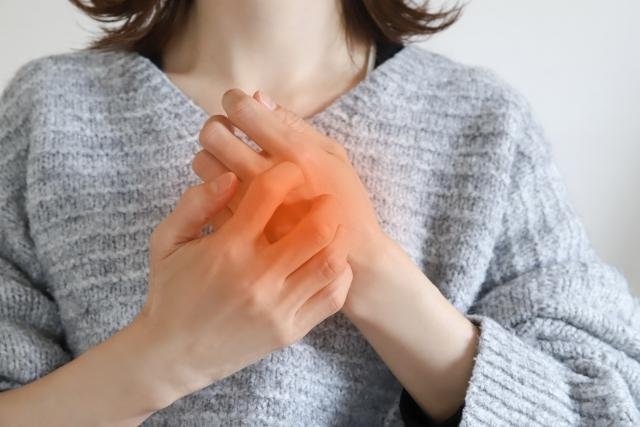
Workshops using lacquer, like those at Shikkousha, involve raw lacquer that contains urushiol, a compound that can cause skin rashes. Some workshops loan out protective gear such as disposable gloves, but anyone with sensitive skin or concerns about skin reactions should inform the workshop before visiting. The woodworking-style sessions featured here don’t include a lacquering step, so the risk of a rash is very low with these. That said, people with sensitive skin should still confirm details with the workshop in advance.
Pair a Chopstick Workshop with Another Cultural Experience in Osaka

If you’re already coming to Osaka for a crafts workshop, consider pairing chopstick-making with another taste of Japanese culture. Below are two experiences that are especially popular with international visitors.
Hands-On Sumo at Sumo Studio Osaka
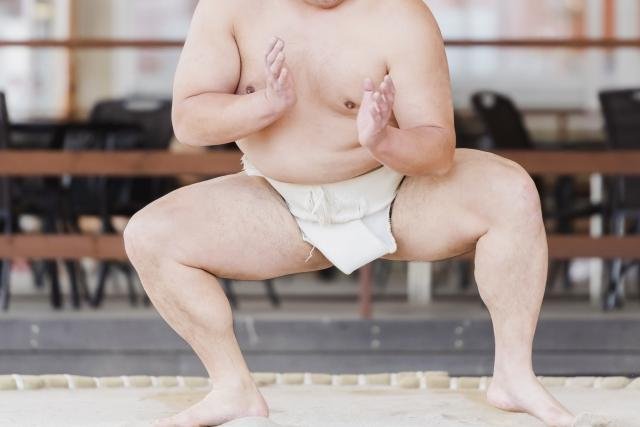
Consider spending the morning making chopsticks and connecting with Japanese craft culture, then committing the afternoon to getting up close and personal with Japan’s national sport, sumo.
Sumo Studio Osaka is a sumo entertainment venue ideally located right outside Exit 4 of Hanazonocho Station on the Osaka Metro Yotsubashi Line, offering 90-minute live shows by retired professional sumo wrestlers. The sumo ring where matches take place is built with real clay and sand—meeting traditional specifications—and viewers can watch real bouts from just a few meters away. A standout part of the program is the Audience Challenge section, during which visitors can actually step into the ring to face the athletes, a participatory experience that’s hard to find elsewhere.
Live demonstrations of kimarite (winning techniques) are accompanied by English language narration, along with explanations of sacred rituals such as the throwing of salt to cleanse the ring, the ritual stamping performed to drive away evil spirits, and the initial charge, marking the mutual synchronization of breath between two competing wrestlers. Thanks to the small group size, you can also enjoy a Meet & Greet with the athletes after the show in the bar area, complete with photo opportunities and casual conversation. Five shows run daily, with tickets starting at ¥9,600 for adults, ¥8,000 for children ages 2-12, and free admission for infants ages 0-1. And because the venue is entirely indoors, rainy days aren’t a concern either. For a more detailed guide to watching sumo, see our Sumo Wrestling in Osaka article.
Details
| Address | 1F Hanazonocho AI Building, 1-5-1 Asahi, Nishinari Ward, Osaka |
| Hours | 10 am-11:30 am / 12:30 pm-2 pm / 3 pm-4:30 pm / 5:30 pm-7 pm / 8 pm-9:30 pm (5 shows daily) |
| Closed | Irregular closings |
| Website | https://sumowrestlingshow.jp/ |
| Recommended for | Anyone who wants to see Japan’s national sport up close and step into the ring with a rikishi, or enjoy a small, friendly group setting |
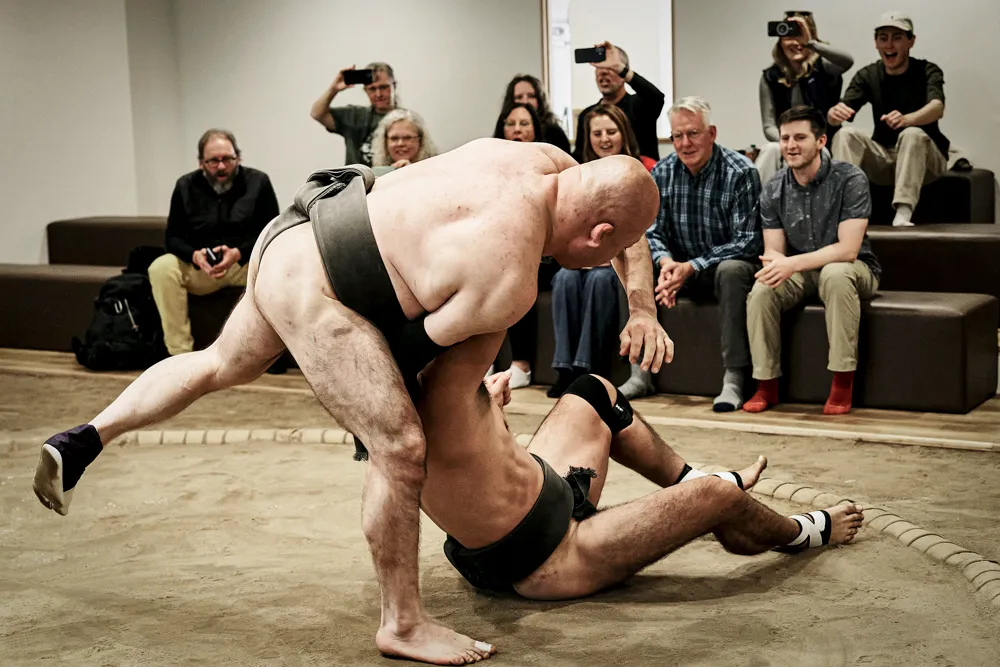 Hands-On
Get hands-on with sumo in Osaka
Watch former professional sumo wrestlers demonstrate authentic sumo techniques. Learn the history, rituals, and rules of Japan’s national sport, then step into the ring for a hands-on sumo experience in Osaka.

Guided Tours with Japan Guide Stars

For anyone who wants to explore Osaka and the broader Kansai (Western Japan) region without worrying about the language barrier, the English-guided tours from Japan Guide Stars (japanguidestar.com) are a great choice. Their lineup includes Osaka food tours, market walks, and day trips to Kyoto and Nara, with programs designed for international visitors. Even native English speakers come away with experiences that go well beyond a guidebook, thanks to careful explanations about cultural background and historical context.
One other option we want to highlight is the chopstick-making workshop in Kyoto’s Arashiyama district. If your trip covers both Osaka and Kyoto, pairing a tour and a workshop together is a great idea.
https://japanguidestar.com/tour/osaka-kyoto-nijo-castle-nara-arashiyama-day-trip-by-bus/
Common Questions About Chopstick Workshops in Osaka

Here are answers to common questions that come up often before booking a session of chopstick-making.
Is It Cheaper to Book on the Official Site or Via a Booking Platform?
In general, booking directly from official sites works out as the cheapest option because there’s no intermediary commission involved. On the other hand, online travel agencies like Viator, GetYourGuide, and Klook charge a fee, but they also offer platform-specific advantages: lots of reviews, easy comparisons of participant feedback, fee-free cancellation in many cases, and instant confirmation of your booking. If pricing is your priority, reserve through official sites; if peace of mind matters more, an OTA is the smart pick.
Can I Start Over if I Make a Mistake During the Workshop?
Staff support you at every step of making your chopsticks, so serious mistakes rarely happen. That said, if you shave off too much or split the wood, there isn’t always enough time to start over or redo something, so we recommend staying focused throughout the session.
Can I Participate in a Workshop on a Rainy Day?
All five workshops featured here are hosted indoors, so weather won’t be an issue. For more rainy-day plans in Osaka, see our Things to Do in Osaka On a Rainy Day article.

Can I Make Chopsticks for Left-Handed Use?
Yes. Because the chopsticks are shaped to match the size of your hand and how you hold them, left-handed pairs come together naturally as you make them.
Can Couples or Groups of Friends Join In?
Most workshops can accommodate small groups. For example, Chopstick Making Osaka runs small sessions of up to four people, with private sessions available on request. Chopstick Making Japan offers private workshops for groups and families, and BASE-FURNITURE provides a full two-hour class to accommodate more relaxed pacing. When booking, sharing the number of participants, whether you’d like a private session, and information about the occasion helps each workshop tailor the session to your needs.
What if I Want to Combine Chopstick-Making with Sightseeing Around Osaka?
Basing yourself in Osaka and taking a morning day-trip to Kyoto for a chopstick-making session is also an option. A great choice in Kyoto is the chopstick-making workshop held just two minutes’ walk from Kyoto’s Arashiyama Station. Here, you can enjoy the differences in crafting materials while taking in both Osaka and Kyoto, the two great cities of Western Japan.
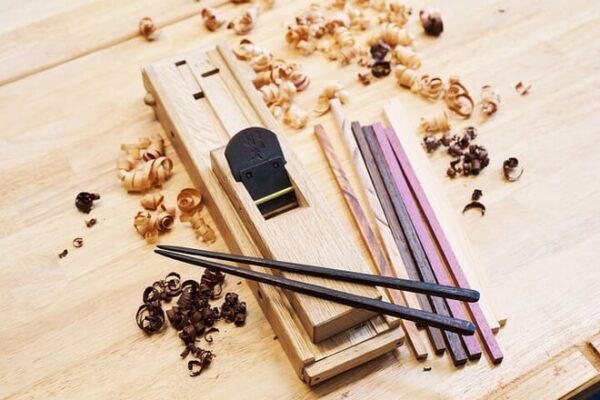
Tokyo Chopstick Making Workshop in Shinjuku
Craft your own wooden chopsticks using traditional tools and techniques • Learn about the cultural significance of chopsticks in Japan • Take home your personalized chopsticks as a unique souvenir …
Bring Home a Truly Original Pair of Chopsticks from Osaka
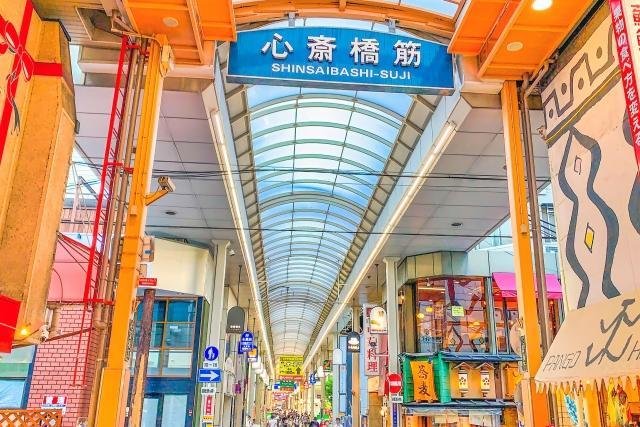
Osaka offers a wide range of options for chopstick-making, from workshops in the Shinsaibashi area that pair easily with sightseeing, to a real craftsman’s studio, or a traditional lacquerware classroom, and even a forestry center on the outskirts of the city. For convenient access to the main tourist areas, go with Chopstick Making Japan; for a wide selection of wood and high-quality English language guidance, Chopstick Making Osaka; for a genuine craftsman’s experience, BASE-FURNITURE; for a deep dive into traditional crafts, Shikkousha; and for an affordable nature-based outing, Kinkonkan. Each venue has unique strengths, but they all offer you the chance to take home a truly original pair of chopsticks, and the memories of an unforgettable Osaka trip to go with them.
After connecting with Japanese culture through chopstick-making, consider experiencing Japan’s national sport, sumo, at Sumo Studio Osaka. A day of chopstick-making in the morning and sumo in the afternoon is a model itinerary that is bound to become the highlight of your trip to Japan. And if you’re thinking about traveling between Osaka and Kyoto, the guided tours from Japan Guide Stars (japanguidestar.com) offer a well-rounded way to enjoy the Kansai region.