Eight Unique Things to Do in Ginza Besides Shopping: From Chopstick Making to Historic Eateries and a Rooftop Shrine
When you think of Ginza, you may picture a shopping district lined with luxury brand stores. But Ginza offers more than high-end shopping: you can make your own chopsticks, dine at historic eateries dating back to the Meiji era, or visit a shrine on a rooftop.
This article introduces eight unique experiences in Ginza, organized into three categories: crafts, historic eateries, and sightseeing. You’ll also find a half-day walking itinerary, tips for rainy days, and advice on where to store your luggage. Use this guide to plan your own outing in Ginza.
Contents
- Three Types of Unique Experiences in Ginza: Crafts, Historic Eateries, and Sightseeing Around Town
- Two Unique Craft Experiences: Making Your Own Chopsticks and Writing Letters by Hand
- Three Unique Food Experiences: Tasting History at Eateries Dating Back to the Meiji and Showa Eras
- Three Unique Sightseeing Experiences: From a Rooftop Shrine to Kabuki and the Latest Exhibitions
- Sample Half-Day Itinerary: Unique Experiences in Ginza
- Frequently Asked Questions About Unique Experiences in Ginza
- Summary
Three Types of Unique Experiences in Ginza: Crafts, Historic Eateries, and Sightseeing Around Town
Ginza offers more than shopping and dining. This section introduces the three types of experiences covered in this article—crafts, historic eateries, and sightseeing—and highlights what each has to offer.
Craft Experiences: Make Your Own Travel Souvenir by Hand
In Ginza, you can make your own chopsticks using traditional tools or write and send a letter at a long-established stationery store. Take home the chopsticks you made and use them in your daily life, or send a letter to family or friends while traveling in Japan. Either way, you’ll have a tangible memento of your visit.
Many of these experiences take only a short time, making them easy to fit between sightseeing and shopping. Some also offer guidance in English, making them a good option for travelers who do not speak Japanese.
Historic Eateries: Enjoy Flavors and History Dating Back to the Meiji and Showa Eras
Ginza is home to many long-established eateries dating back to the Meiji and Showa eras. You can sample local favorites, from a sweet bun that originated in Ginza to an ice cream soda enjoyed for more than a century, or enjoy a draft beer in a historic beer hall.
Some of these establishments do not require reservations, but they can get crowded during lunchtime and on weekends and public holidays. To minimize your wait, consider visiting outside peak hours.
Sights to See: A Rooftop Shrine, Kabukiza Theatre, and Other Places to Visit Besides Shopping
Ginza offers a variety of sights scattered throughout the district, from a shrine on the rooftop of a commercial building to Kabukiza Theatre, where you can experience traditional Japanese performing arts, and venues hosting limited-time exhibitions. Some are free to visit, while others require you to plan around performance schedules, so choose your stops based on your interests and available time.
The sights featured in this article are all close to subway stations and easy to explore on foot. Visiting the rooftop shrine or an exhibition venue typically takes about 10 to 30 minutes, making these stops easy to combine with a meal or a craft workshop.
Two Unique Craft Experiences: Making Your Own Chopsticks and Writing Letters by Hand
In Ginza, you can create something using traditional Japanese tools or enjoy an experience unique to a long-established stationery store. This section introduces a chopstick-making workshop and a stationery store where you can handwrite a letter and send it on the spot.
Carve Your Own Chopsticks from Your Favorite Wood: Chopsticks Studio Ginza
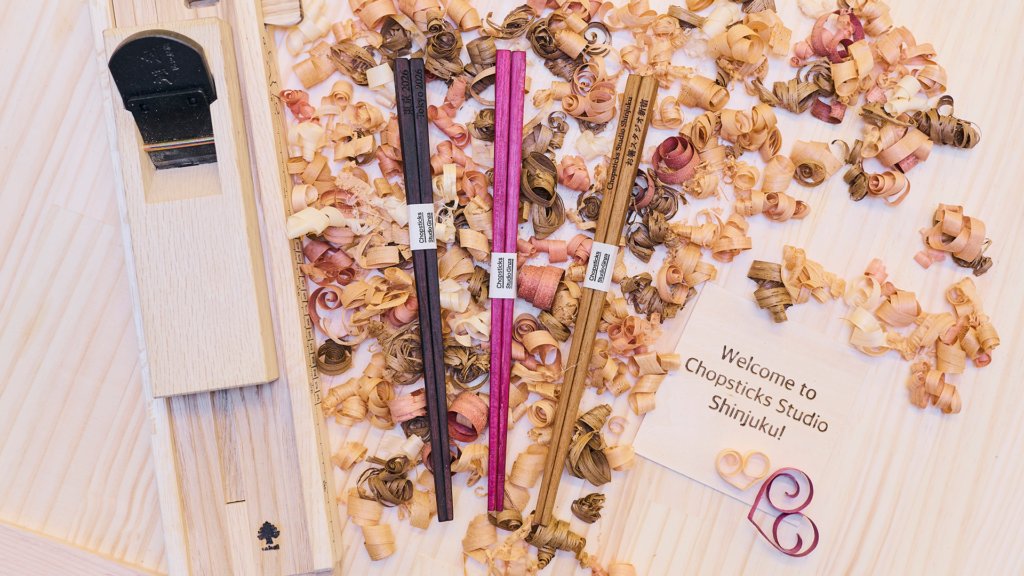
The “Tokyo Chopstick Making Workshop in Ginza,” offered by Japan Guide Star, takes place at Chopsticks Studio Ginza in Ginza 1-chome. The studio is about a one-minute walk from Exit 10 of Ginza-itchome Station on the Tokyo Metro Yurakucho Line. Its convenient location makes it easy to combine the workshop with shopping or sightseeing along Chuo-dori.
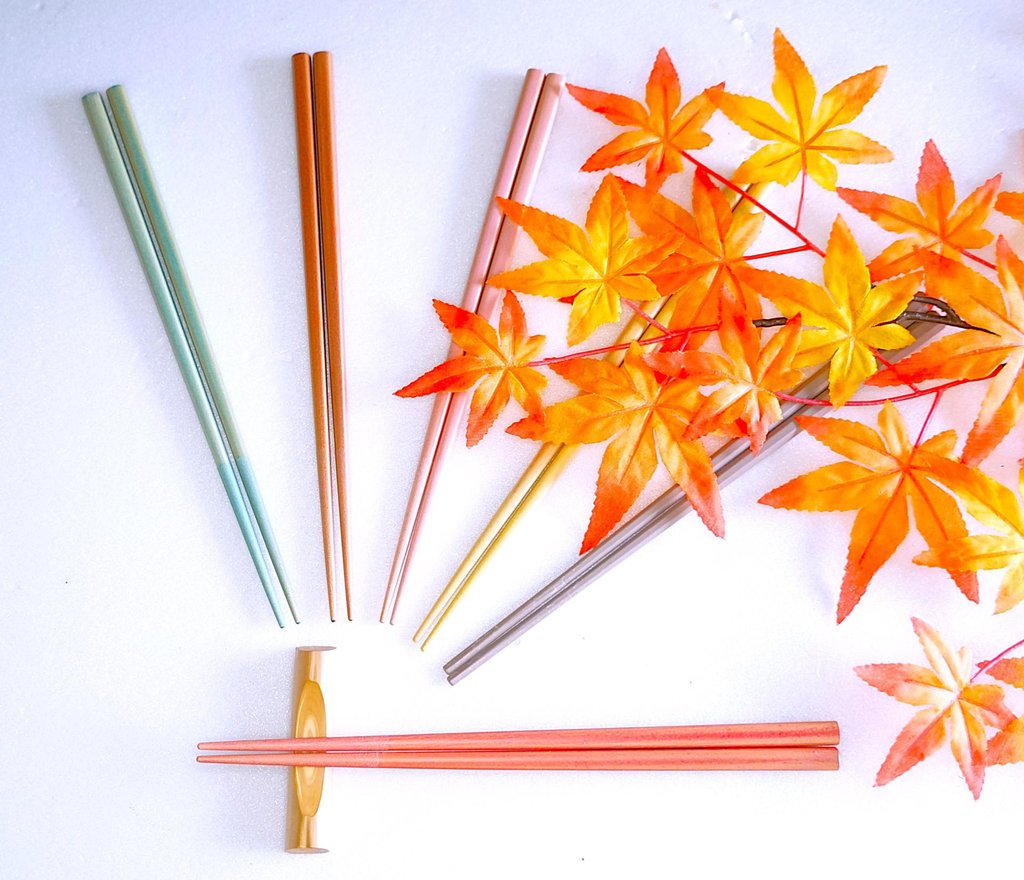
During the workshop, you’ll choose from 10 or more types of wood and use tools such as a traditional Japanese hand plane and files to make your own pair of chopsticks. As you work, you can watch the wood gradually take shape with each stroke of the plane. English-speaking staff will guide you through every step, from using the tools to adding the finishing touches, so no woodworking experience is necessary.
You can take your finished chopsticks home the same day. Sessions start every 30 minutes from 9:00 am to 6:30 pm, making it easy to choose a time that fits your sightseeing plans. Free cancellation is available up to 24 hours before the workshop starts, and participants must be at least six years old.
The basic plan includes a choice of three types of wood, while higher-grade options are available for an additional fee. You can also have your name engraved in kanji, making the chopsticks a thoughtful souvenir for yourself, family, or friends. Comparing the colors and grain patterns of different woods is part of the fun of choosing and creating your own pair.
The same studio also offers a premium option, the “Tokyo Ginza: Premium Japanese Chopstick-Making Workshop.” This version lets you choose from the full range of premium woods and includes laser name engraving and one drink. If you plan to engrave a name or special date and give the chopsticks as a gift, the premium option lets you enjoy these extras without adding them separately on the day. You can find a list of Japanese cultural experiences offered by Japan Guide Star here.
Details
| Address | Kusumoto No. 17 Building 2F, 1-14-12 Ginza, Chuo-ku, Tokyo |
| Hours | Sessions start 9:00 am–6:30 pm (every 30 minutes, about 1 hour each) |
| What’s included | Standard: wood (choice of 3 from 10+ types), tools and materials, guidance from English-speaking staff / Premium: choice from all types of wood, name engraving in kanji |
| Booking site | https://japanguidestar.com/tour/tokyo-ginza-chopstick-making-workshop/ |
| Recommended for | Travelers who want to make a travel souvenir by hand, try traditional Japanese tools with English guidance, or take part with their children |

Tokyo Chopstick Making Workshop in Ginza
Unlock an exclusive list of hidden local bars and eateries • Personalize your creation with unique, custom Kanji name engravings • Choose from over 10 types of high grade wood
Write a Letter at a Stationery Store and Send It Around the World: Itoya Main Store (G.Itoya)
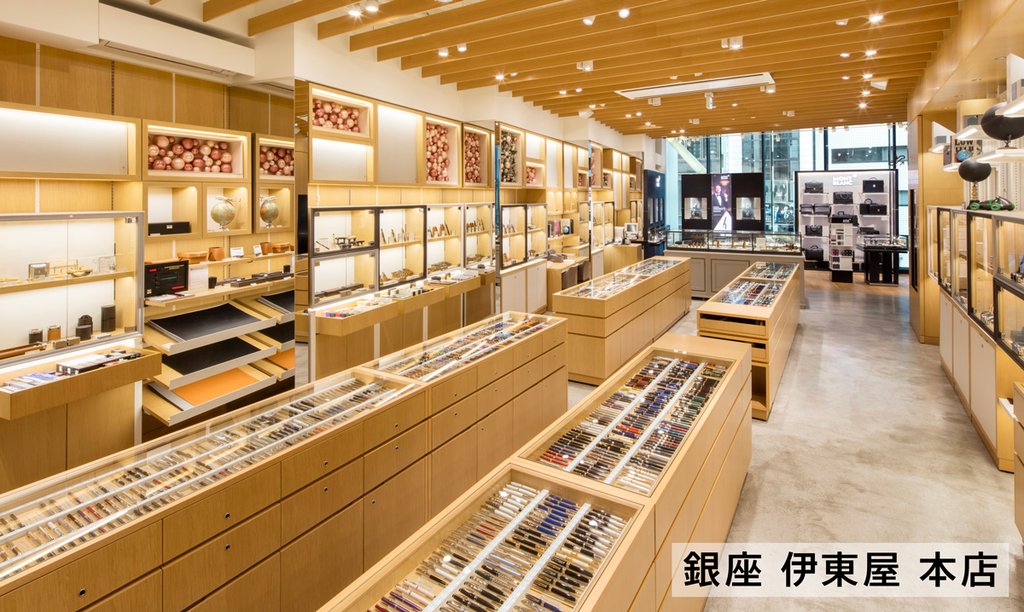
Itoya is a long-established stationery store founded in 1904. At its flagship store, G.Itoya, the “Write & Post” corner on the second floor lets you write a letter and mail it on the spot. In this dedicated space, you can take your time writing on cards or letter paper purchased in the store while enjoying views of Ginza’s streets.
The store also lends out writing tools and other items, including embossers that create raised patterns on paper, allowing you to add a personal touch to your letter. You can also buy stamps, including designs original to Itoya. Once your letter is ready, you can mail it using the mailbox inside the store. This makes Itoya a lovely stop if you’d like to send news to family or friends while traveling. If you plan to mail a letter or postcard overseas, check the required postage in advance.
In an age when email and social media make it easy to stay in touch, taking the time to write a letter during your travels can be a memorable experience. Receiving a letter you sent from Ginza after returning home can also bring back fond memories of your trip.
Itoya is about a one-minute walk from Exit 8 of Ginza-itchome Station on the Tokyo Metro Yurakucho Line and about a three-minute walk from Exit A13 of Ginza Station. Located on Chuo-dori, it is easy to visit while exploring Ginza.
Details
| Address | 2-7-15 Ginza, Chuo-ku, Tokyo |
| Hours | 10 am–8 pm (Sundays and holidays: until 7 pm) |
| Closing days | None |
| Official website | https://www.ito-ya.co.jp/ |
| Recommended for | Travelers who want to send a handwritten letter from their trip, or who are interested in Japanese stationery and design |
Three Unique Food Experiences: Tasting History at Eateries Dating Back to the Meiji and Showa Eras
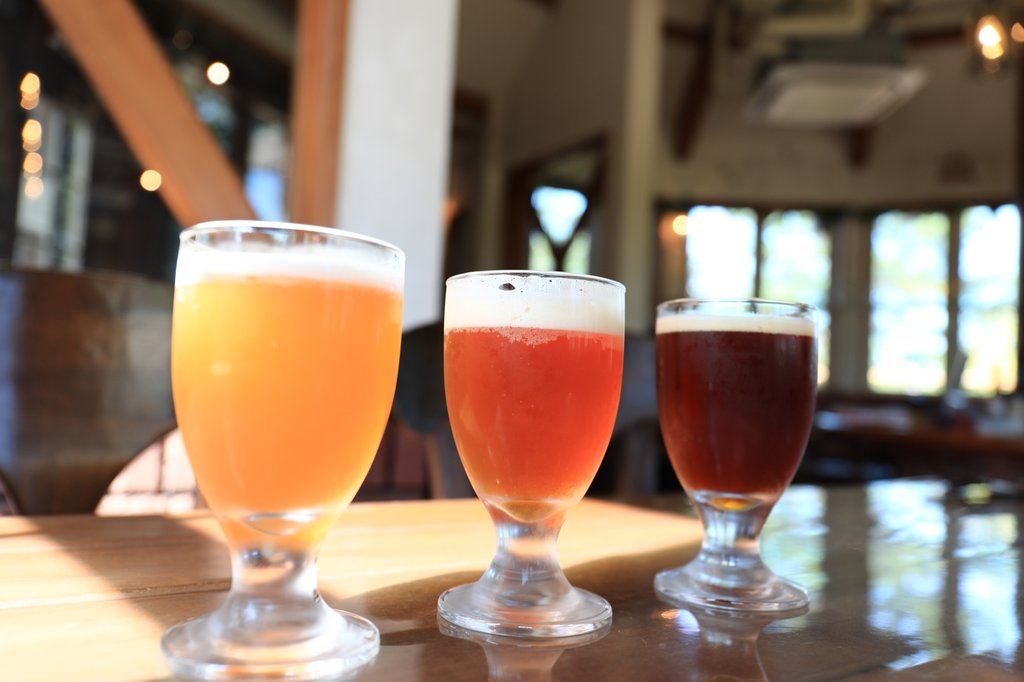
Ginza is home to long-established eateries that remain popular today. This section introduces three historic establishments where you can sample iconic foods that originated in Ginza or enjoy a meal in a building steeped in history.
Try the Bean-Paste Bun Born in Ginza at the Shop That Created It: Kimuraya Sohonten Ginza Main Store
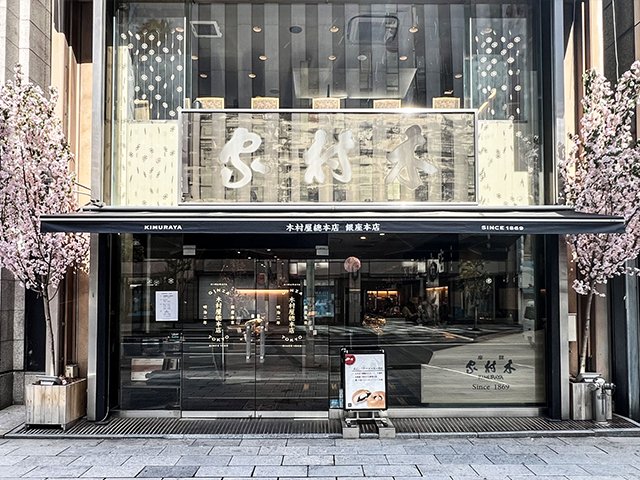
Kimuraya Sohonten is a long-established bakery founded in 1869. In 1874, it created sakadane anpan, a sweet bun made by wrapping red bean paste in dough fermented with a sake-based starter made from rice and rice malt, then baking it. The result is anpan with a distinctive aroma and flavor.
At the Ginza Main Store, you can buy anpan and other baked goods on the first floor, enjoy a drink or light refreshments at the café on the second floor, or sit down for a meal at the Western-style restaurant on the third floor. Whether you pick up a bun to enjoy as you explore Ginza or settle in for a meal, you can sample this local specialty at the bakery where it originated.
Note that in April 2026, the store changed its name from “Ginza Kimuraya” to its current name, Kimuraya Sohonten. Some guidebooks and map apps may still use the former name, so keep this in mind when looking for the store. It is located right by Exit A9 of Ginza Station on the Tokyo Metro.
Details
| Address | 4-5-7 Ginza, Chuo-ku, Tokyo |
| Hours | 10 am–8 pm |
| Closing days | None (except December 31 and January 1) |
| Official website | https://www.kimuraya-sohonten.co.jp/shoplist/detail/29 |
| Recommended for | Travelers who want to easily try a flavor born in Ginza, or who are interested in the history of bread in Japan |
Enjoy an Ice Cream Soda Served Since the Shop First Opened: Shiseido Parlour Ginza Main Store
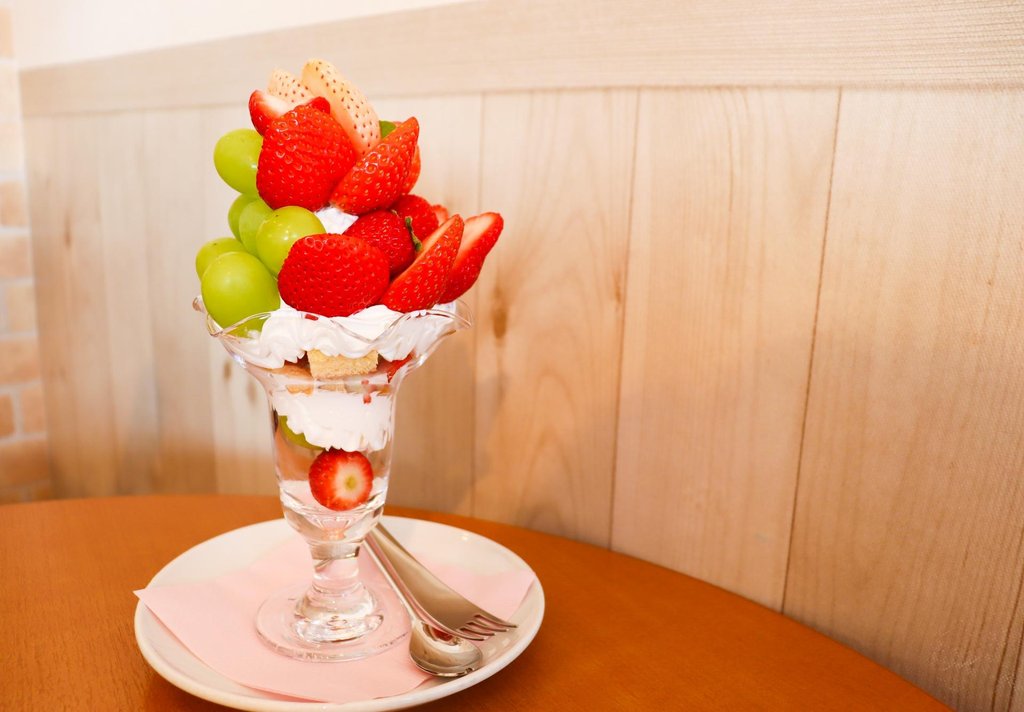
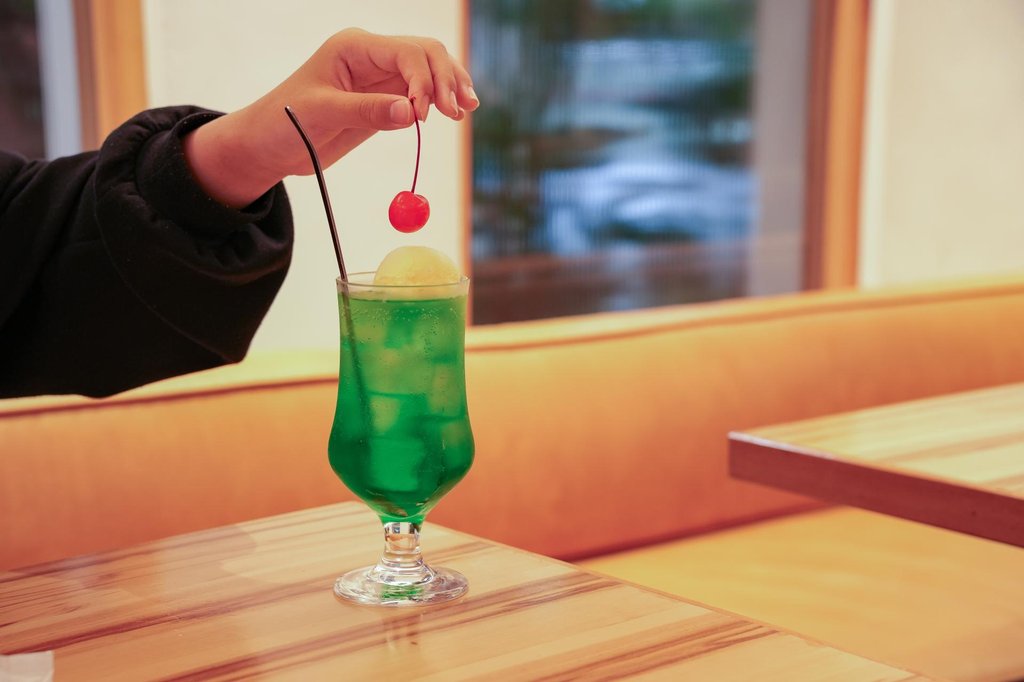
Shiseido Parlour traces its roots to 1902, when it began as a soda fountain serving soda water and ice cream in a corner of Shiseido Pharmacy. At Salon de Café, on the third floor of the Ginza Main Store, you can enjoy an ice cream soda—a scoop of ice cream floating in soda water—that has been served since the establishment first opened.
The café also offers parfaits made with seasonal Japanese fruit, with the selection changing monthly. In October 2026, for example, the menu features a Japanese chestnut Mont Blanc parfait and a sweet potato and Japanese black tea parfait.
Salon de Café does not accept reservations, so you may have to wait during busy periods. However, you can check the current waiting status on the official website before your visit. The Ginza Main Store is about a five-minute walk from Shimbashi Station and a seven-minute walk from Ginza Station.
Details
| Address | Tokyo Ginza Shiseido Building 3F, 8-8-3 Ginza, Chuo-ku, Tokyo |
| Hours | Tue–Sat 11 am–9 pm, Sundays and holidays 11 am–8 pm (check the official website for last orders) |
| Closing days | Mondays (open on holidays), year-end and New Year holidays |
| Official website | https://parlour.shiseido.co.jp/ |
| Recommended for | Travelers who want to enjoy a flavor served since the shop first opened, or try parfaits made with seasonal fruit |
Enjoy Draft Beer at Japan’s Oldest Surviving Beer Hall: Beer Hall Lion Ginza 7-chome
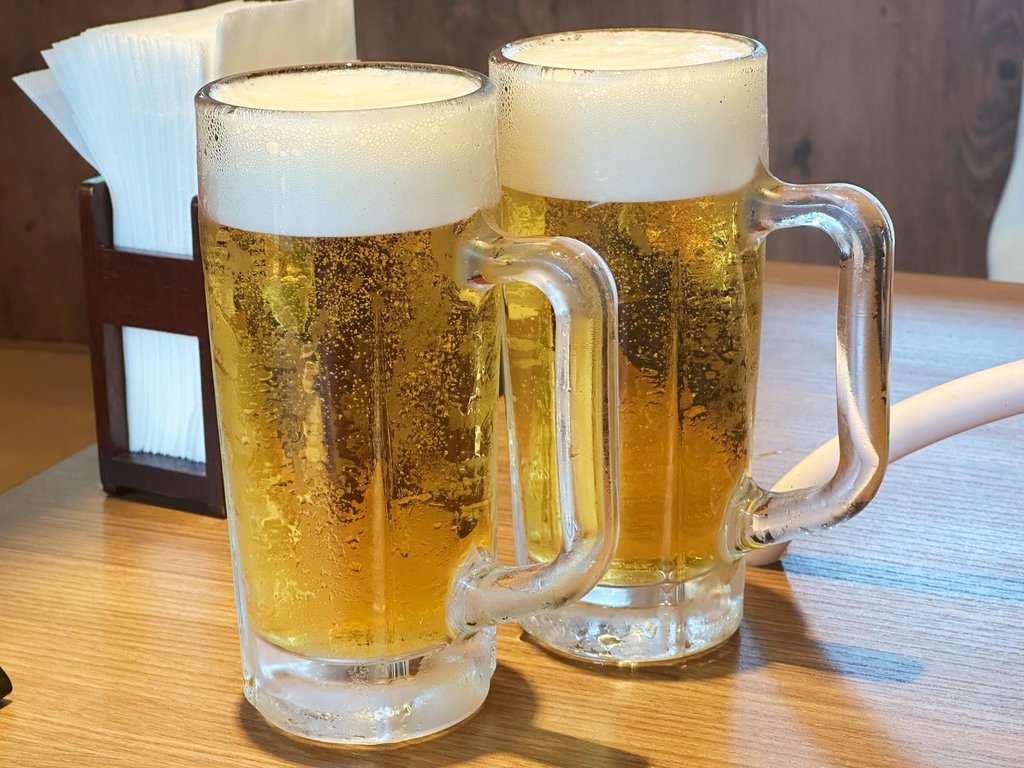
Beer Hall Lion Ginza 7-chome opened in 1934 and is the oldest surviving beer hall in Japan. Its most striking feature is a large glass mosaic mural on the front wall, measuring 2.75 meters (about 9 feet) high and 5.75 meters (about 19 feet) wide, that depicts women harvesting barley. Along with the high ceiling, much of the interior remains as it was when the building first opened. In 2022, the building was designated a Registered Tangible Cultural Property, a national designation for historically significant buildings that are preserved and put to use.
Here, you can enjoy draft beer poured using the “single pour” technique, in which the beer and foam are poured together, alongside sausages and other classic beer hall dishes. The first floor accepts walk-ins only.
In Japan, the legal drinking age is 20. This rule also applies to international visitors, even if they are legally allowed to drink in their home countries. If you are under 20, please order a soft drink instead. The beer hall is about a three-minute walk from Ginza Station.
Details
| Address | 1F, 7-9-20 Ginza, Chuo-ku, Tokyo |
| Hours | 11:30 am–10:00 pm (Fridays, Saturdays, and days before holidays: until 10:30 pm; may change during long holiday periods) |
| Closing days | None |
| Official website | https://www.ginzalion.jp/shop/brand/lionginza7/ |
| Recommended for | Travelers who want to dine in a historic building, or who love draft beer |
Three Unique Sightseeing Experiences: From a Rooftop Shrine to Kabuki and the Latest Exhibitions
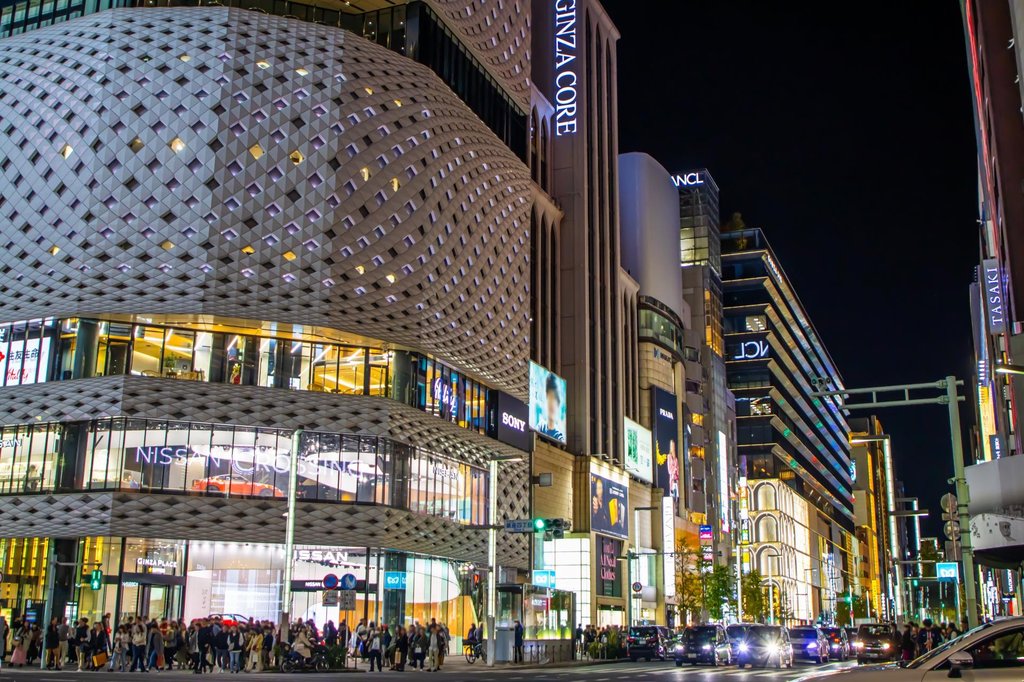
This section introduces three sights in central Ginza that are worth visiting for more than just shopping.
Visit a Shrine on the Roof of an Upscale Shopping Complex: GINZA SIX Garden
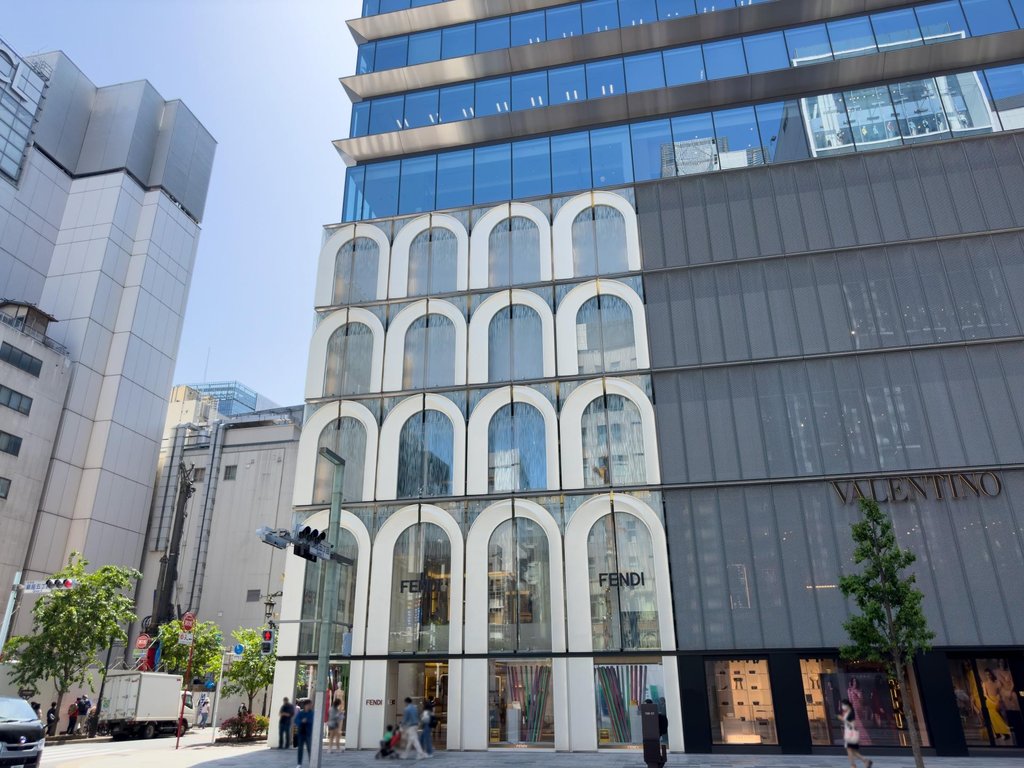
Kakugo Inari Shrine once stood on the rooftop of the Matsuzakaya Ginza department store, which occupied this site before GINZA SIX was built. The shrine has since been relocated to the rooftop garden of the GINZA SIX shopping complex. During the Matsuzakaya era, it stood in the southwest corner of the roof. It is now located in the northeast corner, traditionally considered the direction from which misfortune enters, to protect the building from bad luck. Behind a red torii gate stands a small shrine building. Here, above a shopping complex lined with luxury stores, you can discover a shrine with a history that predates the building itself.
Admission is free, and the rooftop garden is open from 7:00 am to 11:00 pm. Because it opens earlier and closes later than the shops, you can visit before or after shopping. GINZA SIX is directly connected to Ginza Station via an underground passage, making it easy to reach.
Details
| Address | Rooftop, GINZA SIX, 6-10-1 Ginza, Chuo-ku, Tokyo |
| Hours | 7 am–11 pm (may close due to weather or other circumstances) |
| Closing days | Irregular closures |
| Official website | https://ginza6.tokyo/ |
| Recommended for | Travelers who want to experience a side of Ginza other than shopping, or who are interested in Japanese religious culture |
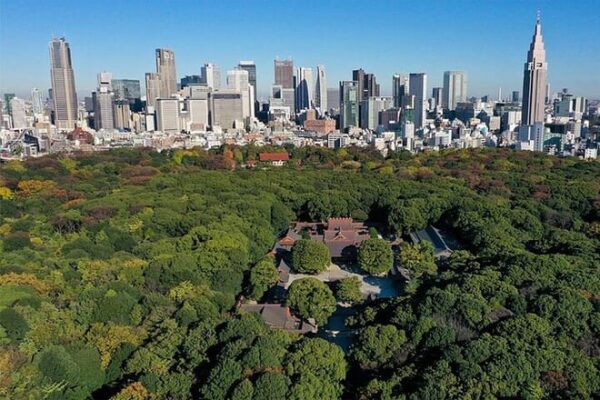
Tokyo: Meiji Shrine Walking Tour — Shintoism & Imperial System
Small group tour of up to 10 people • The mysterious forest where noise disappears • Japan's 2,600-year-old Imperial system
Watch Just the Act of Kabuki You Want to See: Single-Act Seats at Kabukiza Theatre
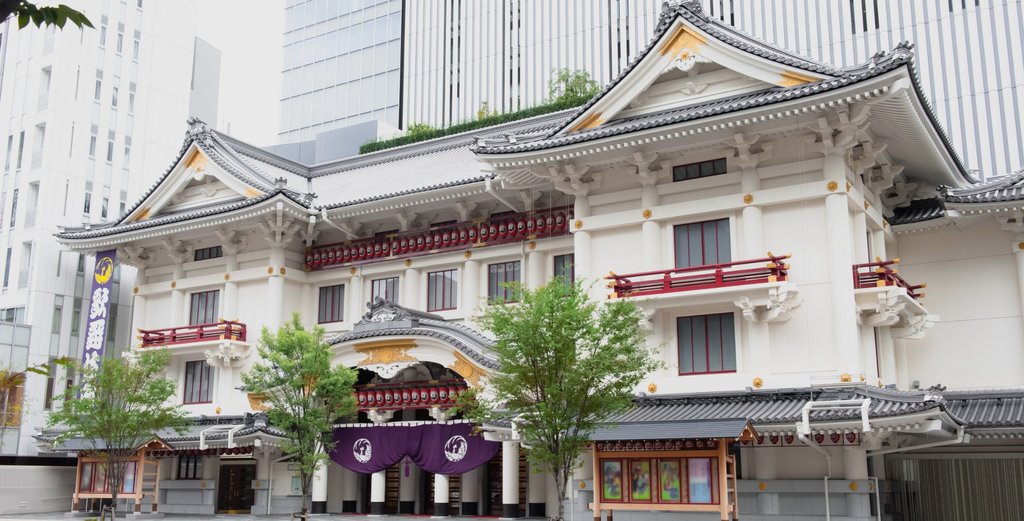
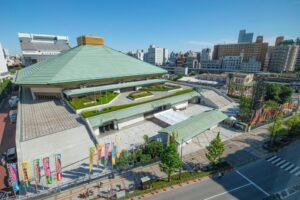
At Kabukiza Theatre in Ginza, you can watch a single act of a kabuki performance by purchasing a single-act ticket. This is a convenient way to experience traditional Japanese performing arts, even if you do not have time to watch an entire performance.
The length of each act varies by program, so check the schedule and running times in advance. All single-act seats are reserved. Advance tickets can be purchased online from noon on the day before the performance, and same-day tickets are also available. The dedicated entrance for single-act ticket holders is on the left as you face the front of the theater. These seats are located exclusively on the fourth floor.
You can also rent a tablet displaying English subtitles for an additional fee, making it easier to follow the story even if you do not understand Japanese. Programs and schedules change monthly, and performances are not held every day, so check the official website before your visit.
Kabukiza Theatre is directly connected to Exit 3 of Higashi-Ginza Station, served by the Tokyo Metro Hibiya Line and the Toei Asakusa Line.
Details
| Address | 4-12-15 Ginza, Chuo-ku, Tokyo |
| Hours | Varies by performance (check the official website) |
| Closing days | No performances on some days (check the official website) |
| Official website | https://www.kabuki-za.co.jp/ |
| Recommended for | Travelers who want to experience traditional Japanese performing arts in a short time, or enjoy kabuki with English subtitles |
Enjoy Free Exhibitions That Change with Every Visit: Ginza Sony Park
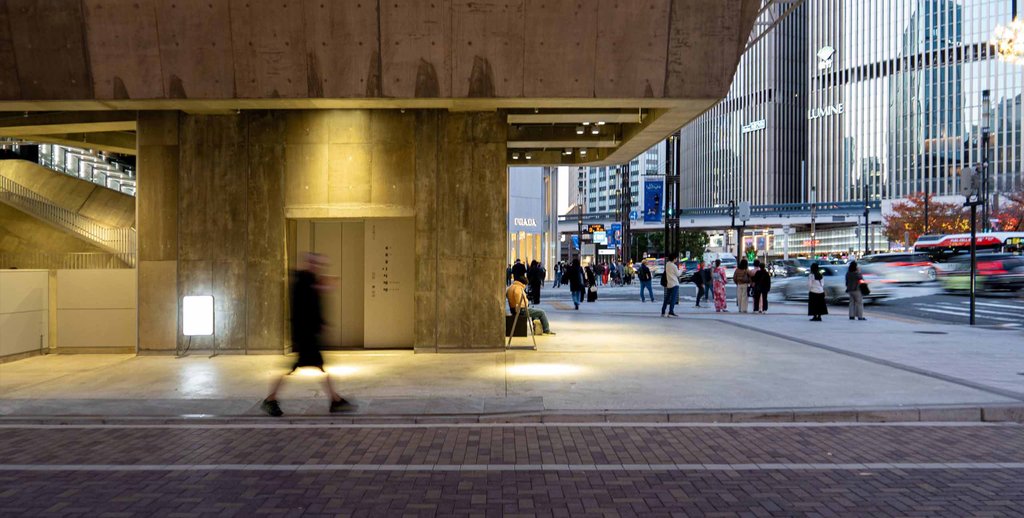
Ginza Sony Park officially opened in January 2025 on the former site of the Sony Building. Its exhibitions and events change periodically, offering opportunities to experience art, music, technology, and more.
Admission to the facility is free, although some events and exhibitions may require tickets. Check the official website before your visit to see whether any current programs interest you.
Ginza Sony Park is directly connected to Exit B9 of Ginza Station, making it easy to stop by before or after shopping or a meal.
Details
| Address | 5-3-1 Ginza, Chuo-ku, Tokyo |
| Hours | 11 am–7 pm (may change depending on the activity) |
| Closing days | Year-end and New Year holidays, maintenance days (check the official website) |
| Official website | https://www.ginzasonypark.com/ |
| Recommended for | Repeat visitors to Ginza, or travelers looking for free exhibitions |
Sample Half-Day Itinerary: Unique Experiences in Ginza
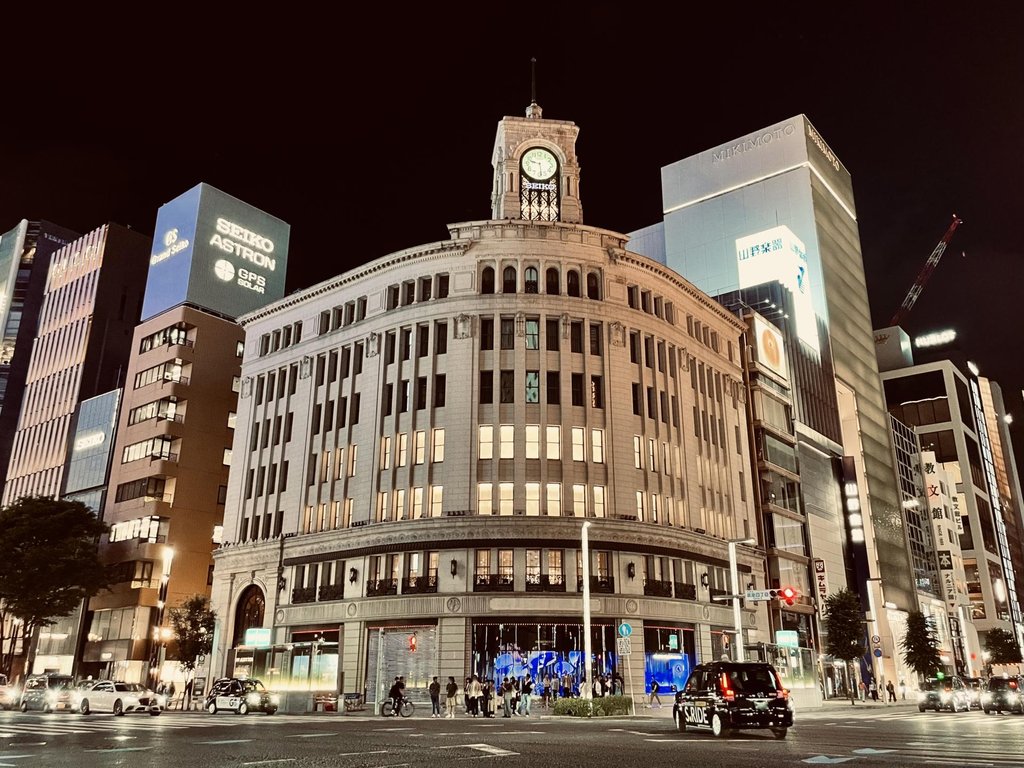
Ginza’s sights are within walking distance of one another, making it easy to visit several in half a day. This section presents a sample itinerary that combines some of the experiences featured in this article, from 1:00 pm until dinner.
1:00 pm: Visit the Shrine in the GINZA SIX Rooftop Garden
After lunch, start your walk at GINZA SIX in Ginza 6-chome. Take the elevator to the rooftop garden, where you can visit Kakugo Inari Shrine and stroll through the garden. Allow about 30 minutes for your visit.
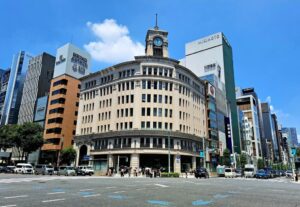
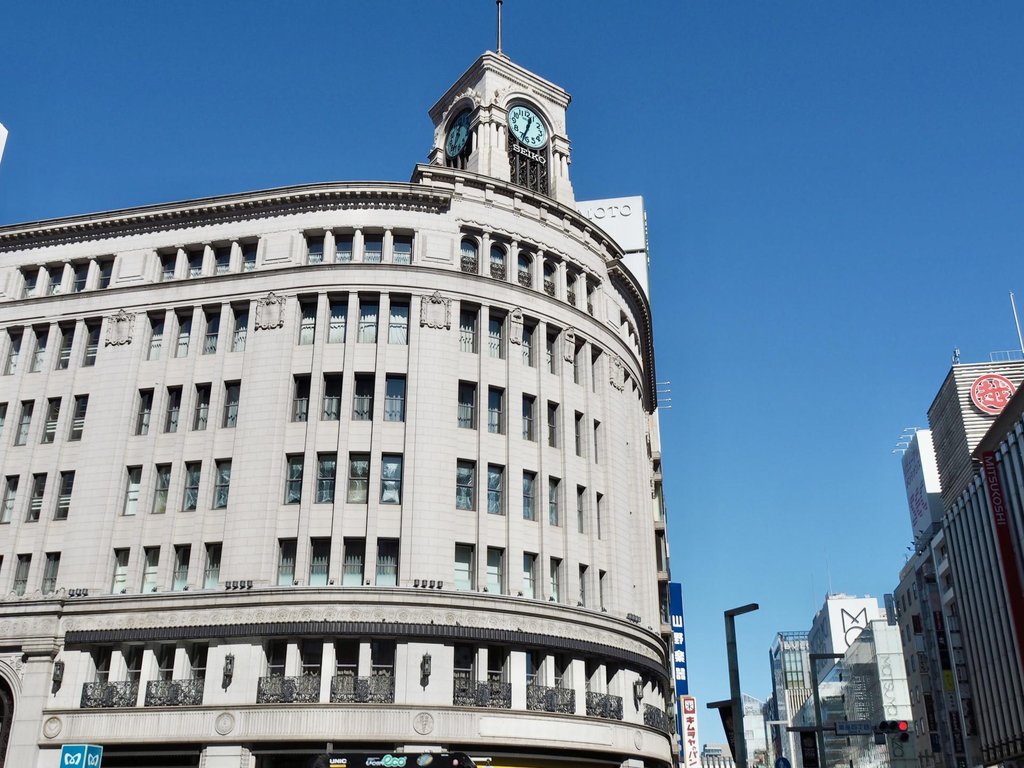
Next, head onto Chuo-dori and walk toward Ginza 2-chome. Along the way, you’ll pass the Ginza 4-chome intersection, marked by the iconic Wako clock tower. After about a 10-minute walk, you’ll reach your next stop, Itoya.
1:45 pm: Write and Mail a Letter at Itoya Main Store
On the second floor of Itoya Main Store, choose a card or some letter paper and take a moment to write a letter. Why not send a handwritten note to someone you usually keep in touch with by email or social media?
Allow about 45 minutes for the entire process, from choosing your stationery to mailing your letter. Once you’ve posted it, head toward Ginza-itchome Station.
2:45 pm: Make Your Own Chopsticks at Chopsticks Studio Ginza
Next, head to Chopsticks Studio Ginza, near Exit 10 of Ginza-itchome Station, to make your own chopsticks. If you book the 3:00 pm session and arrive around 2:45 pm, you’ll have time to check in before the workshop begins.
After choosing your wood, follow the staff’s demonstration and use a hand plane to gradually shape the chopsticks, tapering them from the handles toward the tips. The workshop may take more than an hour, depending on your pace, so allow an extra 30 minutes before your next stop to avoid feeling rushed. Once your chopsticks are finished, head south along Chuo-dori.
Tokyo Chopstick Making Workshop in Ginza
Unlock an exclusive list of hidden local bars and eateries • Personalize your creation with unique, custom Kanji name engravings • Choose from over 10 types of high grade wood
4:30 pm: See a Limited-Time Exhibition at Ginza Sony Park
Stop by Ginza Sony Park, located at the Sukiyabashi intersection, to see the current exhibition, then take a break on the rooftop. The time needed will depend on the exhibition, so plan to leave around 5:15 pm.
5:30 pm: Enjoy Draft Beer and Dinner at Beer Hall Lion Ginza 7-chome
Finally, walk south along Chuo-dori to Beer Hall Lion Ginza 7-chome, where you can enjoy dinner. Savor draft beer and classic beer hall dishes while admiring the large glass mosaic mural that has been part of the hall since it opened.
Enjoying a leisurely meal in this historic setting is a satisfying way to round off your half-day outing. After dinner, Ginza Station is about a three-minute walk away, making it easy to continue your journey by subway.
Frequently Asked Questions About Unique Experiences in Ginza

Finally, here are answers to some frequently asked questions about sightseeing and activities in Ginza. Since available experiences can vary by season and weather, keep these points in mind when planning your visit.
Can You Visit Any Shrines in Ginza Besides the One at GINZA SIX?
Yes. Small shrines can be found throughout Ginza, tucked away along back streets and on the rooftops of buildings. Each fall, the “Ginza Hatcho Shrine Tour” is usually held, offering a rare opportunity to visit these shrines, including some that are normally closed to the public.
In 2026, the event is scheduled for October 30 and 31, from 11:00 am to 4:00 pm. If you’re visiting Ginza around these dates, consider exploring the neighborhood while stopping at the participating shrines.
When Does Chuo-dori in Ginza Become Pedestrian-Only?
Chuo-dori in Ginza becomes a pedestrian-only zone from noon on Saturdays, Sundays, and public holidays. The zone remains in effect until 5:00 p.m. from October through March and until 6:00 pm from April through September.
The pedestrian-only section stretches for about 1.1 km (0.7 miles), from the Ginza-dori-guchi intersection to the Ginza 8-chome intersection. However, the pedestrian zone may be suspended in bad weather or during the year-end and New Year holidays, so check the latest information before your visit.
Can You Enjoy Unique Experiences in Ginza Even on Rainy Days?
Yes. With the exception of the rooftop garden at GINZA SIX and the rooftop at Ginza Sony Park, all the experiences and shops featured in this article take place indoors, aside from the walks between stops. On days with heavy rain, consider replacing the visit to Kakugo Inari Shrine with a single-act kabuki performance at Kabukiza Theatre, provided the performance schedule fits your plans. The theater is directly connected to Higashi-Ginza Station, allowing you to enjoy a cultural experience while staying mostly out of the rain.
Do You Need Cash for Activities and Shops in Ginza?
It is a good idea to carry some cash with you. Beer Hall Lion Ginza 7-chome accepts credit cards, and you can purchase same-day single-act tickets at the Kabukiza Theatre box office using a credit card. However, renting a tablet with English subtitles at Kabukiza Theatre requires cash payment.
Is There Somewhere in Ginza to Store Suitcases and Other Large Luggage?
Yes. You can store your luggage for a fee at TERMINAL GINZA, a tourist service center on the first floor of GINZA SIX. Currency exchange is also available, so stopping by when you arrive in Ginza lets you start exploring the area without having to carry heavy bags.
Summary
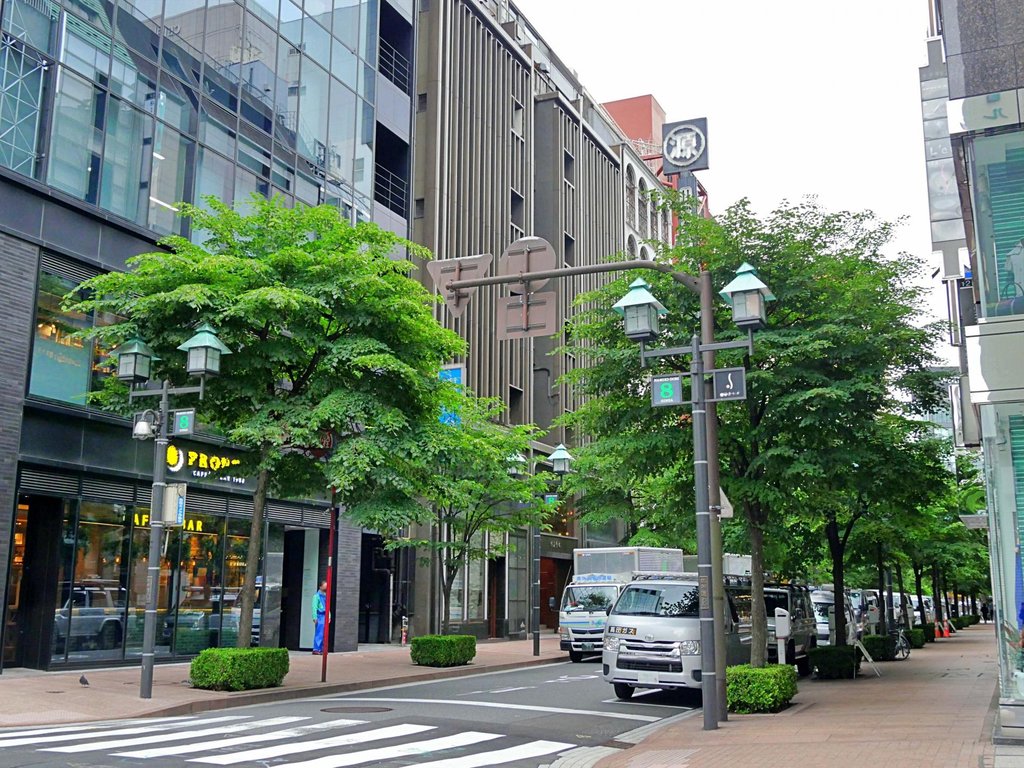
Ginza offers plenty of ways to enjoy the area beyond shopping. You can make your own chopsticks, sample specialties at long-established eateries, or visit a shrine on the rooftop of a commercial complex—experiences that reveal a different side of Ginza.
The sights featured in this article are close to one another and easy to explore on foot, making it possible to enjoy several experiences in half a day. For activities such as chopstick making and kabuki performances, check availability and schedules in advance.
Look beyond the shops, try something new, and discover another side of Ginza.