Ginza vs. Shinjuku: Where Should You Stay in Tokyo? Five Points to Compare Based on Your Travel Plans
Are you planning a trip to Tokyo and unsure whether to stay in Ginza or Shinjuku? Both are popular areas for visitors, but they differ in airport access, nearby attractions, hotel prices, and nightlife. Choosing an area that does not fit your itinerary could mean spending more time traveling each day and less time sightseeing.
This article compares Ginza and Shinjuku in terms of transportation, sightseeing, day trips, hotels, and nightlife to help you decide which area best suits your travel plans. It also includes a half-day itinerary for each area.
Contents
- Ginza vs. Shinjuku: A Quick Guide to Choosing Where to Stay Based on Your Travel Plans
- Ginza vs. Shinjuku: Five Points to Compare When Choosing Where to Stay
- 1. Access to the Airports and Tokyo Station: Ginza for Haneda and the Shinkansen, Shinjuku for Narita
- 2. Access to Sights: Ginza for the East Side, Shinjuku for the West Side
- 3. A Base for Day Trips: Shinjuku Is Convenient for Mt. Fuji and Hakone
- 4. Hotels: A Wide Price Range in Shinjuku, Many Luxury Hotels in Ginza
- 5. Nightlife: Shinjuku for Bar-Hopping, Ginza for a Relaxed Evening
- If You Can’t Decide Between Ginza and Shinjuku: Shinjuku for First-Timers, Ginza for the Shinkansen and Haneda
- If You’re Staying in Shinjuku: A Half-Day Itinerary from Garden Strolls to Night Views and Yokocho Alleys
- If You’re Staying in Ginza: A Half-Day Itinerary from a Craft Workshop to Kabuki
- Frequently Asked Questions About Choosing Between Ginza and Shinjuku
- Ginza or Shinjuku: Which Area Is Right for Your Tokyo Trip?
Ginza vs. Shinjuku: A Quick Guide to Choosing Where to Stay Based on Your Travel Plans
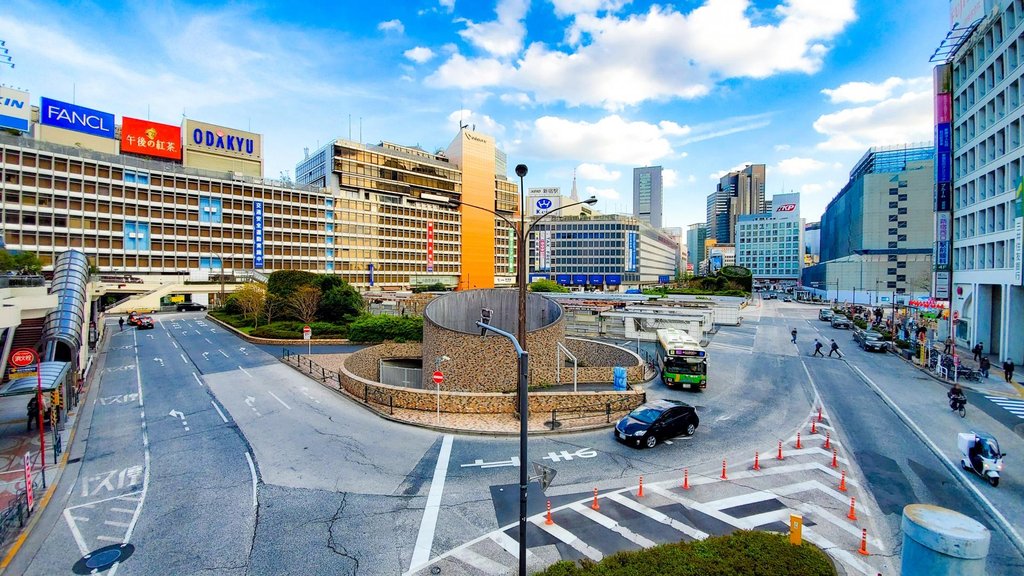
Whether Ginza or Shinjuku is the better choice depends on which parts of Tokyo you plan to explore, your accommodation budget, and how you want to spend your evenings. Start by checking the quick-reference table below to see which area best matches your travel plans.
Ginza for Asakusa and Tsukiji, Shinjuku for Shibuya and Mt. Fuji
If you plan to travel via Tokyo Station, where shinkansen (bullet trains) arrive and depart, or Haneda Airport, and spend most of your time exploring eastern Tokyo, including areas such as Asakusa and Tsukiji, Ginza makes a convenient base. On the other hand, if you expect to spend several days exploring western Tokyo, including Shibuya and Harajuku, or taking trips farther afield to Mt. Fuji and Hakone, Shinjuku may be more convenient.
If keeping accommodation costs down is a priority, Shinjuku may make it easier to find a hotel within your budget, thanks to its wide range of affordable options. For evenings spent casually hopping between bars and restaurants, Shinjuku is also a good choice. If you prefer a quieter atmosphere for dinner or drinks, Ginza may suit you better.
| Purpose | Suggested Area | Reason |
|---|---|---|
| Taking the shinkansen during your trip | Ginza | 3 minutes to Tokyo Station on the Tokyo Metro Marunouchi Line |
| Using Haneda Airport | Ginza | About 30 minutes from Higashi-Ginza Station, no transfers |
| Sightseeing in Asakusa and Tsukiji | Ginza | About a 10-minute walk to Tsukiji Outer Market, one subway line to Asakusa |
| Sightseeing in Shibuya and Harajuku | Shinjuku | About 4 minutes to Harajuku on the JR Yamanote Line, same line to Shibuya |
| Taking day trips to Mt. Fuji or Hakone | Shinjuku | Limited express trains and highway buses to Lake Kawaguchi, limited express trains to Hakone |
| Keeping accommodation costs down | Shinjuku | Wide range of accommodations, from capsule hotels to luxury hotels |
| Casually bar-hopping | Shinjuku | Alleys packed with small bars |
| Spending a quiet evening somewhere calm | Ginza | Many long-established sushi restaurants and quiet bars |
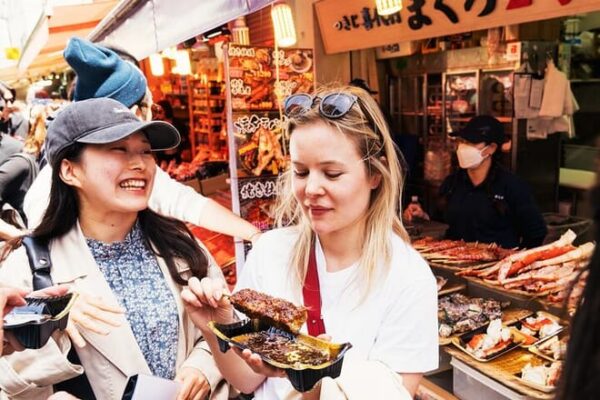
Tsukiji Fish Market Food & Walking Tour with 7 Gourmet Bites
Premium sushi or a seafood rice bowl, Wagyu beef skewer, Wagyu menchi katsu, Tamagoyaki (sweet omelette), Grilled eel, Shumai (dumpling), and a Strawberry dessert. • Special wasabi set by our guide…
Ginza vs. Shinjuku: Five Points to Compare When Choosing Where to Stay
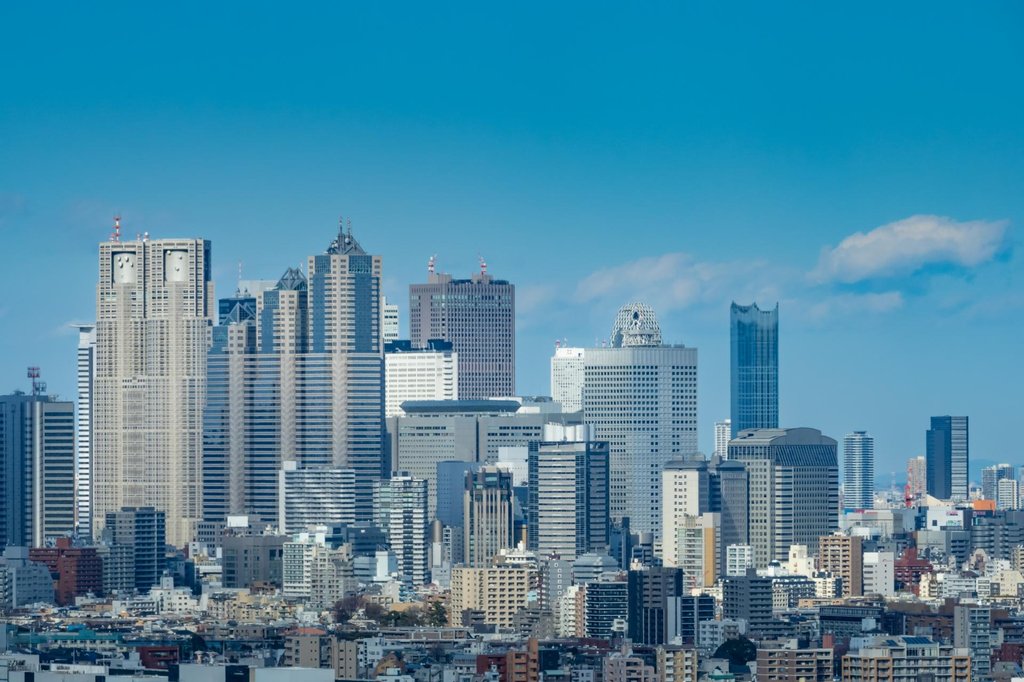
Once you have a general idea from the quick-reference table, take a closer look at the differences between the two areas. This section compares Ginza and Shinjuku from five perspectives: access to the airports and Tokyo Station, proximity to major attractions, convenience for day trips, hotel options, and nightlife.
1. Access to the Airports and Tokyo Station: Ginza for Haneda and the Shinkansen, Shinjuku for Narita
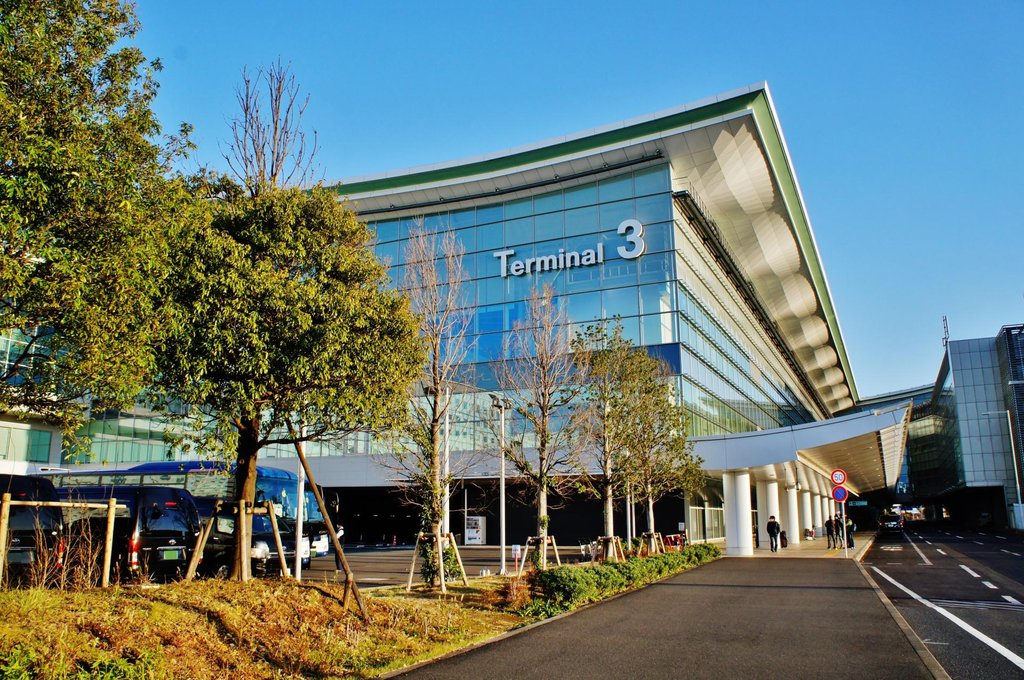
Ginza offers convenient access to Haneda Airport and Tokyo Station, Tokyo’s main shinkansen hub. Shinjuku, on the other hand, has the advantage of a direct train connection to Narita Airport via the Narita Express. From Ginza Station, you can reach Tokyo Station in just three minutes on the Tokyo Metro Marunouchi Line. From Higashi-Ginza Station, a direct service running on the Toei Asakusa and Keikyu lines takes about 30 minutes to reach Haneda Airport.
From Shinjuku Station, Tokyo Station is about 14 minutes away on the JR Chuo Line Rapid service. Reaching Haneda Airport takes approximately 50–55 minutes and usually involves changing trains between the JR Yamanote Line and either the Keikyu Line or the Tokyo Monorail. However, the Narita Express runs directly from Narita Airport to Shinjuku Station, allowing you to travel without changing trains. To reach Ginza from Narita Airport, you can take the same train to Tokyo Station and transfer to the Marunouchi Line.
| From | To Ginza | To Shinjuku |
|---|---|---|
| Haneda Airport | About 30 minutes, no transfers | About 50–55 minutes, with transfers |
| Narita Airport | Narita Express to Tokyo Station, then transfer to the Marunouchi Line | Narita Express, no transfers |
| Tokyo Station | 3 minutes on the Marunouchi Line | About 14 minutes on the Chuo Line Rapid |
Navigating station stairways and transfer corridors with a large suitcase can be more tiring than you might expect. Considering access from the airport you plan to use when choosing where to stay can make getting around on arrival day much easier.
2. Access to Sights: Ginza for the East Side, Shinjuku for the West Side
Ginza is well placed for exploring eastern Tokyo, while Shinjuku offers convenient access to sights in the west. From Ginza, Tsukiji Outer Market, where you can browse stalls and shops selling fresh seafood, rolled omelets, and seafood rice bowls, is about a 10-minute walk away. Asakusa is about 18 minutes away on the Tokyo Metro Ginza Line, with no transfers required. You can sample local food at Tsukiji in the morning, then stroll along the approach to Senso-ji Temple before noon, visiting several attractions without spending too much time traveling between them.
From Shinjuku, Harajuku, home to Meiji Jingu Shrine, is about four minutes away on the JR Yamanote Line. Shibuya, famous for its busy scramble crossing, is also on the same line. Ginza and Shinjuku stations are about 16 minutes apart on the Tokyo Metro Marunouchi Line, so whichever area you choose as your base, you can easily visit attractions in the other.
Tsukiji Fish Market Food & Walking Tour with 7 Gourmet Bites
Premium sushi or a seafood rice bowl, Wagyu beef skewer, Wagyu menchi katsu, Tamagoyaki (sweet omelette), Grilled eel, Shumai (dumpling), and a Strawberry dessert. • Special wasabi set by our guide…

Tokyo: Asakusa & Sensoji ー Oldest Temple Walking Tour (2hrs)
Senso-ji Temple – Tokyo’s oldest temple • A rare place where a Buddhist temple and Shinto shrine coexist • Local street food with tasting
3. A Base for Day Trips: Shinjuku Is Convenient for Mt. Fuji and Hakone
If you are planning day trips to Mt. Fuji, Hakone, or Nikko, Shinjuku is a convenient base thanks to its range of direct transport options. Highway buses to Lake Kawaguchi depart from Busta Shinjuku, which is directly connected to the New South Gate of Shinjuku Station. These buses let you travel without transfers, although traffic congestion can cause delays on weekends and during peak tourist seasons.
You can also take limited express trains to popular destinations. Seats on the Fuji Excursion limited express to Kawaguchiko Station can be reserved up to one month before departure, so booking early is recommended, especially for trips in spring and autumn.
| Destination | Main Transportation from Shinjuku | Approximate Travel Time |
|---|---|---|
| Lake Kawaguchi, Mt. Fuji area | Fuji Excursion limited express | Just under 2 hours |
| Lake Kawaguchi, Mt. Fuji area | Highway bus from Busta Shinjuku | From about 1 hour 45 minutes, depending on traffic |
| Hakone-Yumoto | Romancecar limited express | About 75–90 minutes |
| Nikko and Kinugawa Onsen | Direct JR and Tobu limited express trains | About 2 hours |
From Ginza, one option for reaching Hakone is to take the Tokaido Shinkansen from Tokyo Station to Odawara Station, then transfer to the Hakone Tozan Line or another connecting service. To reach Nikko, you can take the Tokyo Metro Ginza Line to Asakusa Station and transfer to a Tobu limited express train. If your itinerary includes day trips to Mt. Fuji and Hakone, staying in Shinjuku can make early-morning departures easier thanks to its direct transport connections.
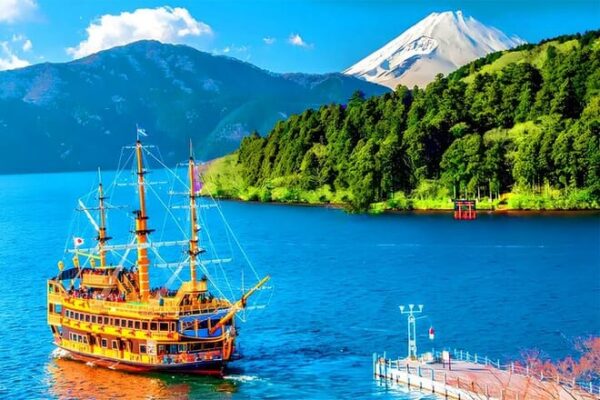
Tokyo: Mt. Fuji Cruise & Hakone Ropeway Day Trip by Bus
Comfortable, premium seats • Mt. Fuji Sightseeing Cruise • Ropeway Over Volcanic Valley
4. Hotels: A Wide Price Range in Shinjuku, Many Luxury Hotels in Ginza
Shinjuku offers a wide range of accommodations, from capsule hotels with compact sleeping spaces and business hotels to luxury hotels with views from their upper floors. Prices also vary considerably, making it relatively easy to find an option that suits your budget and preferences. Many high-rise hotels are concentrated in Nishi-Shinjuku, west of the station, where the atmosphere is generally quieter at night than in the entertainment district on the east side.
Ginza has more luxury hotels and accommodations with a calm atmosphere, while budget options such as capsule hotels are less common. If you want to keep costs down while staying near Ginza, consider widening your search to Shimbashi and Yurakucho, both within walking distance, or Nihonbashi, which is a short subway ride away.
Hotel rates in Tokyo vary significantly depending on the season and day of the week, so Shinjuku is not always the cheaper option. Before deciding where to stay, compare hotels in both areas on a booking site using the same dates.
5. Nightlife: Shinjuku for Bar-Hopping, Ginza for a Relaxed Evening
Near both the west and east exits of Shinjuku Station, you will find entertainment districts and yokocho—narrow alleys lined with small eateries and traditional bars. These areas are ideal for casually hopping between old-fashioned establishments marked by red lanterns.
However, touting remains a problem in Kabukicho, on the east side of the station. From January to June 2026, the Shinjuku Police Station, part of the Tokyo Metropolitan Police Department, received 91 reports from people who followed touts believed to be foreign nationals into establishments and were charged exorbitant prices. Shinjuku City prohibits touting under a local ordinance. If someone approaches you on the street, do not follow them; instead, choose establishments you want to visit yourself.
In Nishi-Shinjuku and around Shinjuku Gyoen, away from the bustle of Kabukicho, you will find a wide range of restaurants serving Japanese cuisine, including sushi and tempura, as well as Western dishes. These areas are good places to enjoy a relaxed meal after seeing a show.
Ginza also has a lively nightlife scene, with upscale clubs and bars concentrated mainly in the 7-chome and 8-chome districts. Chuo-dori, the main shopping street, is lined with department stores and luxury brand boutiques, and the area remains bright and orderly even after the shops close. If you would like to enjoy sushi prepared by an experienced chef at a long-established restaurant or have a drink at a quiet hotel bar, Ginza is an excellent choice
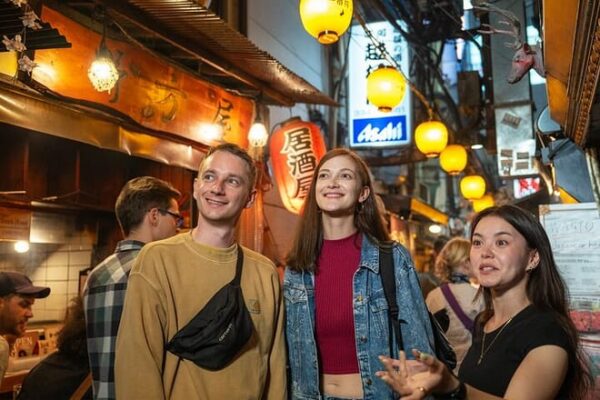
Shinjuku: Food Tour – 15 Dishes at 4 Eateries
Up to 15 recommended Japanese dishes and 2 drinks • 4 unique eateries favored by Tokyo locals • Fresh sushi, crispy kushikatsu, Juicy gyoza, and a variety of Japanese sake
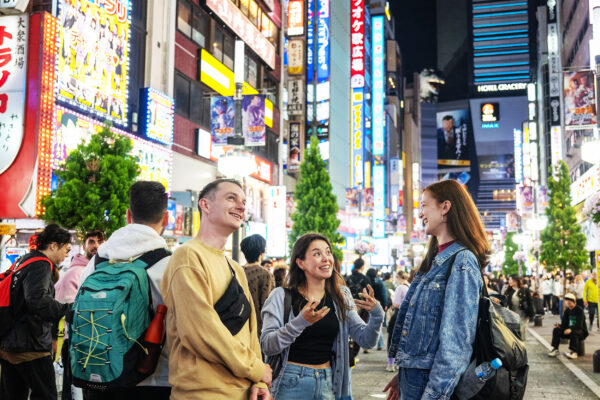
Tokyo: Shinjuku Historical Walking Tour & Secret Backstreets
Dining Area with 300 Restaurants and Bars • Explore the Backstreets of Tokyo's Only Slum Area • Insider Tips on Secret Restaurants
If You Can’t Decide Between Ginza and Shinjuku: Shinjuku for First-Timers, Ginza for the Shinkansen and Haneda
If it is your first trip to Tokyo, staying in Shinjuku can make planning your itinerary easier. Shinjuku Station is served by numerous JR, private railway, and subway lines, making it convenient for exploring the city and taking day trips to destinations such as Mt. Fuji and Hakone. Shinjuku also offers a wide range of accommodations, making it easier to find one that fits your budget.
On the other hand, if you plan to take the shinkansen to Kyoto or Osaka or travel via Haneda Airport, Ginza is a convenient choice thanks to its access to Tokyo Station and Haneda Airport. Staying here can reduce travel time on your arrival and departure days, leaving you more time for sightseeing. If you are catching the shinkansen with your luggage, Tokyo Station is just three minutes from Ginza by subway on the Marunouchi Line.
If Osaka is on your itinerary, Sumo Studio Osaka is about 23 minutes by train from Shin-Osaka, right outside Exit 4 of Hanazonocho Station. Five shows run daily. A host, speaking clearly in English, explains sumo, former professional and top amateur wrestlers fight a real five-minute bout a few meters away, and up to eight guests per show, by lottery when more volunteer, charge head-on into a wrestler. Our guide covers the trains from Shin-Osaka, Namba, and Osaka Station. For more ideas, explore Japan Guide Star’s list of Osaka tours.
Whichever area you choose, the other is only about 16 minutes away on the Tokyo Metro Marunouchi Line, making it easy to explore attractions across Tokyo from either base.
If You’re Staying in Shinjuku: A Half-Day Itinerary from Garden Strolls to Night Views and Yokocho Alleys
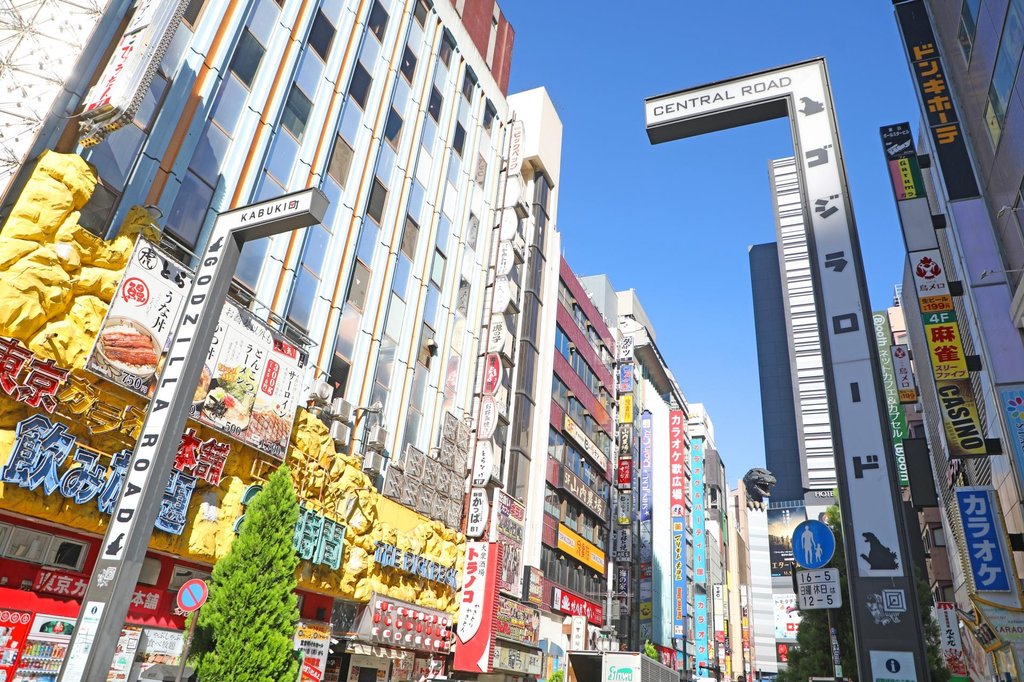
If you are staying in Shinjuku, you can spend half a day exploring the area, from the afternoon into the evening. Stroll through a garden, try a hands-on craft workshop, take in the night views, and finish with dinner in a yokocho alley. The itinerary below starts at 1:00 pm and lists each stop in order, along with opening hours and tips for avoiding crowds.
1:00 pm: Walk Through Three Garden Styles at Shinjuku Gyoen
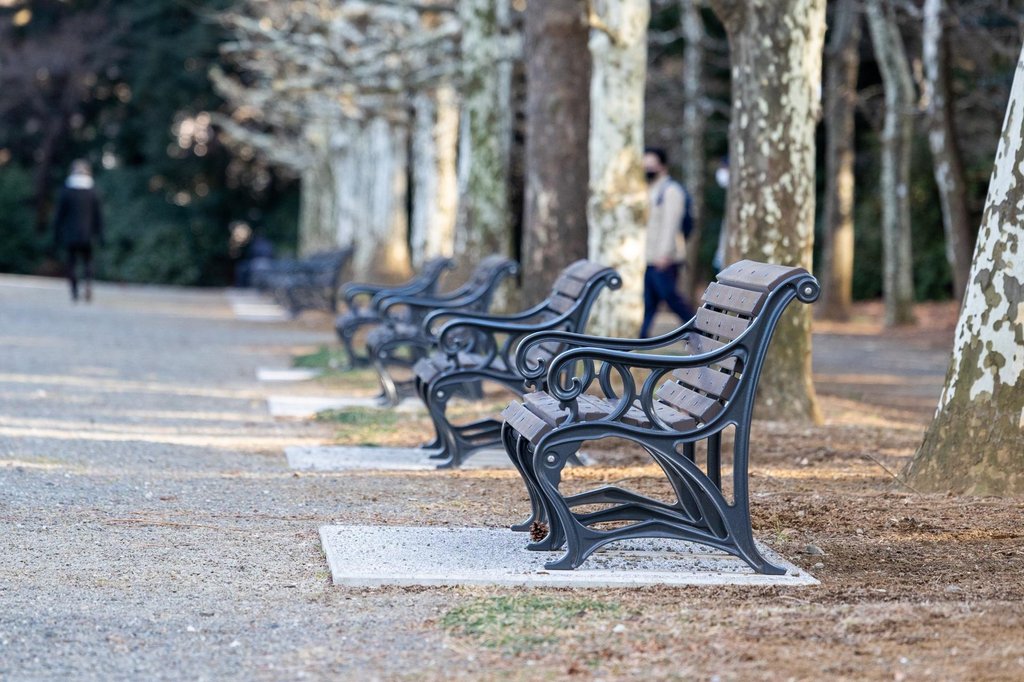
Enter Shinjuku Gyoen through the Shinjuku Gate, about a 10-minute walk from the South Exit of Shinjuku Station. Once a garden belonging to the Imperial Family, Shinjuku Gyoen features three distinct garden styles: a Japanese garden surrounding a pond, an English landscape garden with expansive lawns, and a French formal garden with beautifully symmetrical rows of plane trees. One of its main attractions is the opportunity to experience all three styles in a single visit. Spend about an hour exploring the grounds, focusing mainly on the Japanese garden, before heading to the next stop.
In autumn, the fall foliage is a highlight, and a chrysanthemum exhibition is held in early November. The garden is closed on Mondays, or on the next weekday if Monday falls on a national holiday.
Closing times vary by season. From October to mid-March, the garden closes at 4:30 pm, with the last entry at 4:00 pm, so plan to arrive early in the afternoon.
Details
| Address | 11 Naitomachi, Shinjuku-ku, Tokyo |
| Hours | October 1–March 14: 9:00 am–4:30 pm / March 15–June 10 and August 1–September 30: 9:00 am–6:00 pm / June 11–July 31: 9:00 am–7:00 pm / Last entry 30 minutes before closing |
| Closed | Mondays (or the following weekday if Monday is a national holiday), December 29–January 3, open daily during the special spring and fall opening periods |
| Official website | https://www.env.go.jp/garden/shinjukugyoen/ |
| Recommended for | Travelers who want to walk amid nature in central Tokyo or photograph Japanese gardens and autumn leaves |
2:30 pm: Carve Wood into a Travel Souvenir at Chopsticks Studio Shinjuku
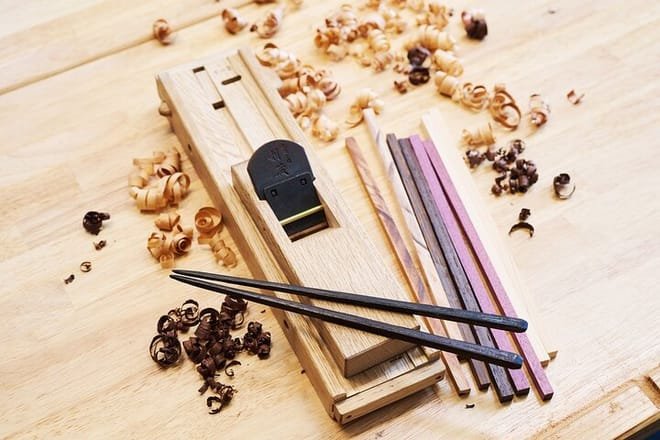
After leaving Shinjuku Gyoen, head to Chopsticks Studio Shinjuku in Kabukicho. The studio is about a four-minute walk from Shinjuku Station and offers a traditional Japanese chopstick-making workshop. During Japan Guide Star’s “Tokyo Chopstick Making Workshop in Shinjuku,” English-speaking staff guide you through the process, from choosing your favorite wood from more than 10 varieties to carving, sanding, and finishing your chopsticks with oil. The workshop takes about an hour, and sessions start every 30 minutes from 9:00 am to 6:30 pm, making it easy to choose a time that fits your schedule after visiting the garden.
For a more personalized souvenir, consider the “Shinjuku: Premium Japanese Chopstick-Making Workshop.” You can choose from a wide range of woods, including premium options such as Yakushima cedar, and the price includes having your name engraved in kanji. Using the studio’s own kanji dictionary, you can select characters that suit your name and watch as they are engraved on your chopsticks right in front of you.
The same building also offers other cultural workshops, including kintsugi—the Japanese art of repairing broken pottery with lacquer and gold—as well as calligraphy and origami jewelry making. This makes it possible to enjoy several Japanese cultural activities in one day. For the full range of experiences offered by Japan Guide Star, visit this page.
After finishing the chopstick-making workshop at around 3:30 pm, make your way through Shinjuku Station toward the Tokyo Metropolitan Government Building on the west side. The walk takes about 20 minutes, or you can take the Toei Oedo Line one stop from Shinjuku-Nishiguchi Station to Tochomae Station.
Details
| Meeting point | Chopsticks Studio Shinjuku, 1-5-4 Kabukicho, Shinjuku-ku, Tokyo |
| Duration | About 1 hour |
| Price includes | Standard: choice of wood from 3 of the 10+ types available, tools and materials, guidance from English-speaking staff / Premium: choice of all types of wood, name engraving in kanji |
| Booking site | https://japanguidestar.com/tour/tokyo-shinjuku-chopstick-making-workshop/ |
| Recommended for | Travelers who want a hands-on experience of Japanese culture or a handmade souvenir to take home |
Tokyo Chopstick Making Workshop in Shinjuku
Craft your own wooden chopsticks using traditional tools and techniques • Learn about the cultural significance of chopsticks in Japan • Take home your personalized chopsticks as a unique souvenir …
4:30 pm: Enjoy Sunset and Night Views from the Free Observatory at the Tokyo Metropolitan Government Building
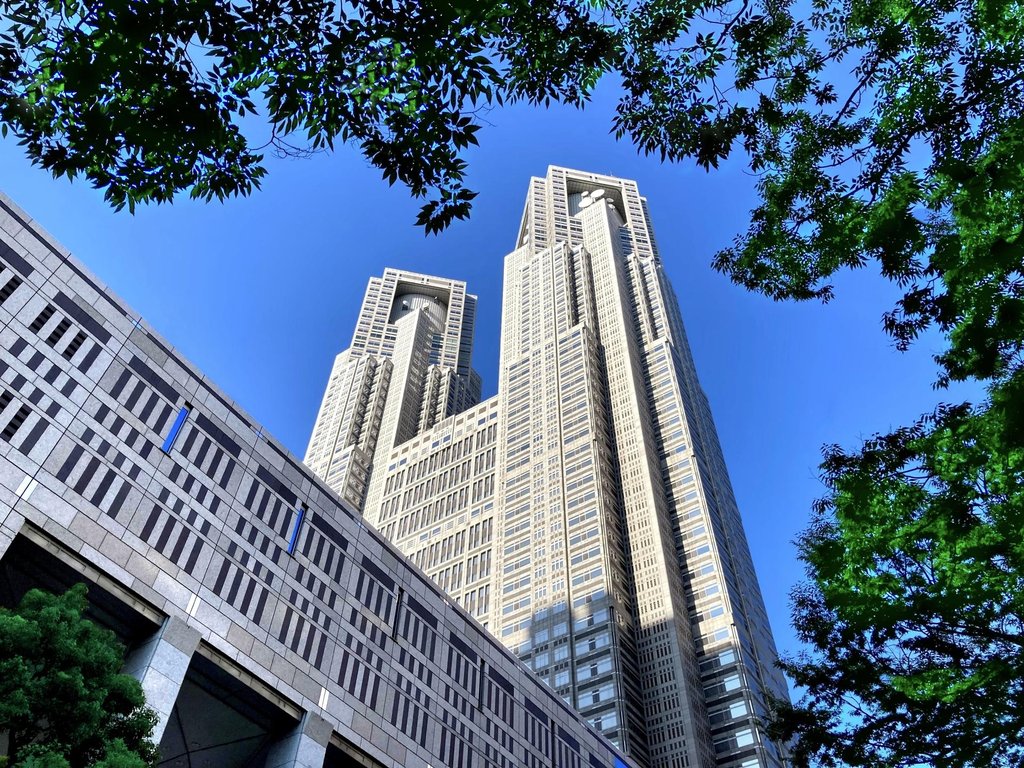
Head up to the free observatory on the 45th floor of Tokyo Metropolitan Government Building No. 1, 202 meters (about 663 feet) above the ground, to enjoy the views from late afternoon through sunset. On clear days, you can see the silhouette of Mt. Fuji on the western horizon, while the skyscrapers below gradually light up as the sun sets. The South Observatory stays open into the evening, while the North Observatory closes at 5:30 pm.
The observatories can get crowded, and you may have to wait for the elevator. If you want to catch the sunset, aim to arrive well before sundown.
After visiting the observatory, head down to the Citizens’ Plaza at ground level to watch “TOKYO Night & Light,” a free projection mapping show displayed on the exterior wall of Building No. 1. Catching the show before dinner offers a different way to enjoy Tokyo after dark. Show times vary throughout the year, so check the official website in advance.
Details
| Address | 45F, Tokyo Metropolitan Government Building No. 1, 2-8-1 Nishi-Shinjuku, Shinjuku-ku, Tokyo |
| Hours | South Observatory: 9:30 am–10:00 pm / North Observatory: 9:30 am–5:30 pm / Last entry 30 minutes before closing at each |
| Closed | South Observatory: 1st and 3rd Tuesdays / North Observatory: 2nd and 4th Mondays (or the following weekday if a national holiday) / When one observatory is closed, the other is open until 10:00 pm |
| Official website | https://www.yokoso.metro.tokyo.lg.jp/tenbou/index.html |
| Recommended for | Travelers who want a free panoramic view of Tokyo or want to watch the city change from sunset to night |
6:30 pm: Hop Between Yakitori Restaurants in Omoide Yokocho
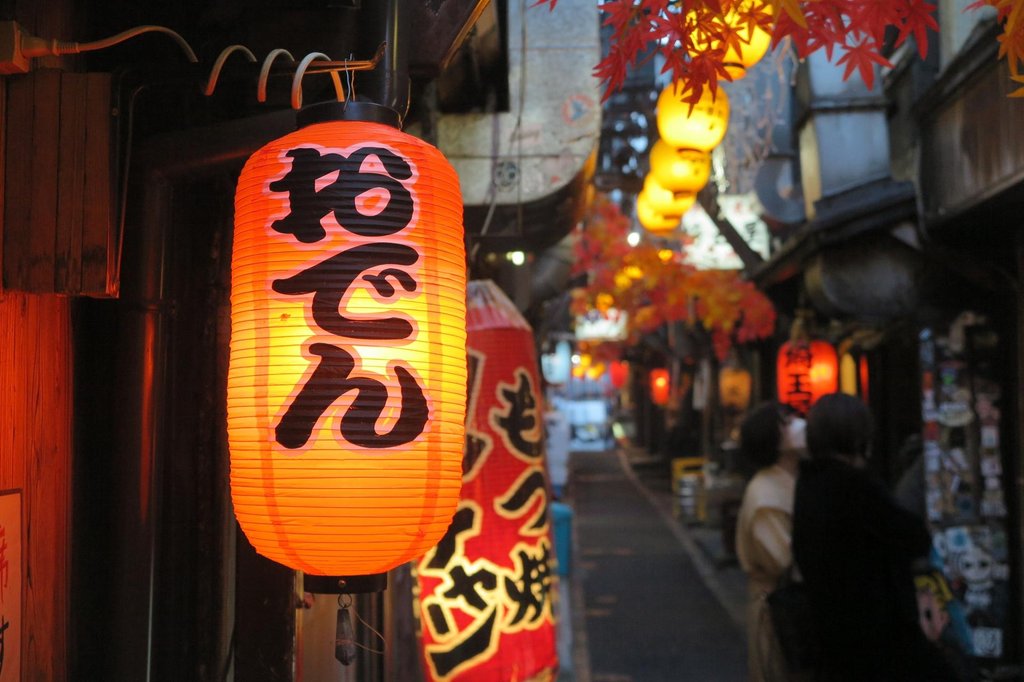
Walk back from the Tokyo Metropolitan Government Building toward the West Exit of Shinjuku Station, then head to Omoide Yokocho, about a two-minute walk from the station, for dinner. Around 60 small eateries line its narrow alleys. Many specialize in yakitori (chicken grilled on skewers) and skewers of pork and other offal. With smoke rising from charcoal grills, you can round off your afternoon and evening by hopping between several small eateries, many with counter seating. One of the area’s main attractions is how easy it is to enjoy a casual bar-hopping experience: start with yakitori and beer at one spot, then move on to another to sample different dishes.
Some restaurants serve a small appetizer called otoshi when you sit down, with the charge added to your bill. If you visit several places, you may pay this fee at each one, so check the menu or any signs when you arrive.
Many eateries occupy small spaces in traditional buildings, and the alleys can become so crowded at night that it is difficult to pass other people. Leave large bags at your hotel before heading out.
Shinjuku: Food Tour – 15 Dishes at 4 Eateries
Up to 15 recommended Japanese dishes and 2 drinks • 4 unique eateries favored by Tokyo locals • Fresh sushi, crispy kushikatsu, Juicy gyoza, and a variety of Japanese sake
If You’re Staying in Ginza: A Half-Day Itinerary from a Craft Workshop to Kabuki
If you are staying in Ginza, consider this half-day walking itinerary, which combines a hands-on craft workshop, a stroll along Chuo-dori, a kabuki performance, and dinner. All the stops are within walking distance, allowing you to experience traditional Japanese culture and enjoy Ginza’s classic streetscape without spending much time traveling between locations. The itinerary below starts at 1:00 pm and lists each stop in order.
1:00 pm: Make Your Own Chopsticks at Chopsticks Studio Ginza
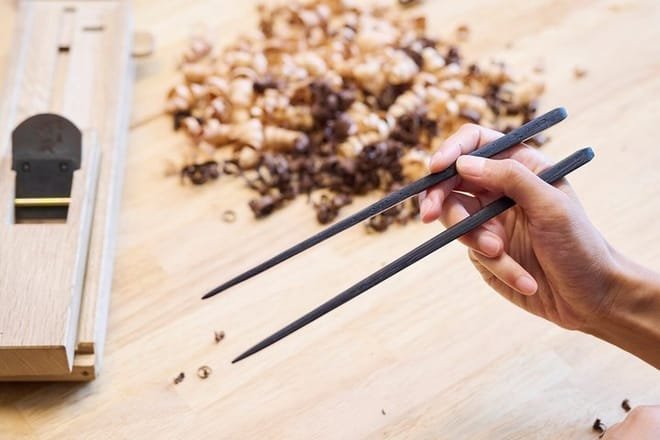
Start with Japan Guide Star’s “Tokyo Chopstick Making Workshop in Ginza” at Chopsticks Studio Ginza, a one-minute walk from Exit 10 of Ginza-Itchome Station on the Tokyo Metro Yurakucho Line. Choose your favorite from more than 10 types of wood, then carve and sand it to create your own pair of chopsticks in about an hour. The base price covers three wood options, while other varieties are available for an additional fee. You can take your finished chopsticks home the same day.
English-speaking staff guide you through each step, making the workshop easy to enjoy even if you do not speak Japanese. Children aged six and older can participate, making it a good option for families. Sessions start every 30 minutes from 9:00 am to 6:30 pm, so you can choose a time that fits your sightseeing plans.
For a more premium experience, consider the “Tokyo Ginza: Premium Japanese Chopstick-Making Workshop,” which is open to participants aged one and older. The price includes any type of wood, laser engraving, and a drink. Having your name or a special travel date engraved makes your chopsticks a unique keepsake of your trip.
Both plans offer free cancellation up to 24 hours before the start time. If your plans change, you can avoid a cancellation fee by cancelling within this window.
Participant reviews often praise the staff’s clear, careful instructions, the fun of choosing the wood, and how enjoyable the experience is for families with children. Depending on your pace, the workshop may take longer than an hour, so allow an extra 30 minutes before your next activity.
Details
| Meeting point | Chopsticks Studio Ginza, 2F Kusumoto No. 17 Building, 1-14-12 Ginza, Chuo-ku, Tokyo |
| Duration | About 1 hour |
| Price includes | Standard: choice of wood from 3 of the 10+ types available, tools and materials, guidance from English-speaking staff / Premium: choice of all types of wood, laser engraving, drink |
| Booking site | https://japanguidestar.com/tour/tokyo-ginza-chopstick-making-workshop/ |
| Recommended for | Families with children, travelers who want to make a Japanese-style souvenir in a short time while in Ginza |

Tokyo Chopstick Making Workshop in Ginza
Unlock an exclusive list of hidden local bars and eateries • Personalize your creation with unique, custom Kanji name engravings • Choose from over 10 types of high grade wood
2:30 pm: Stroll Along Chuo-dori, Ginza’s Main Street
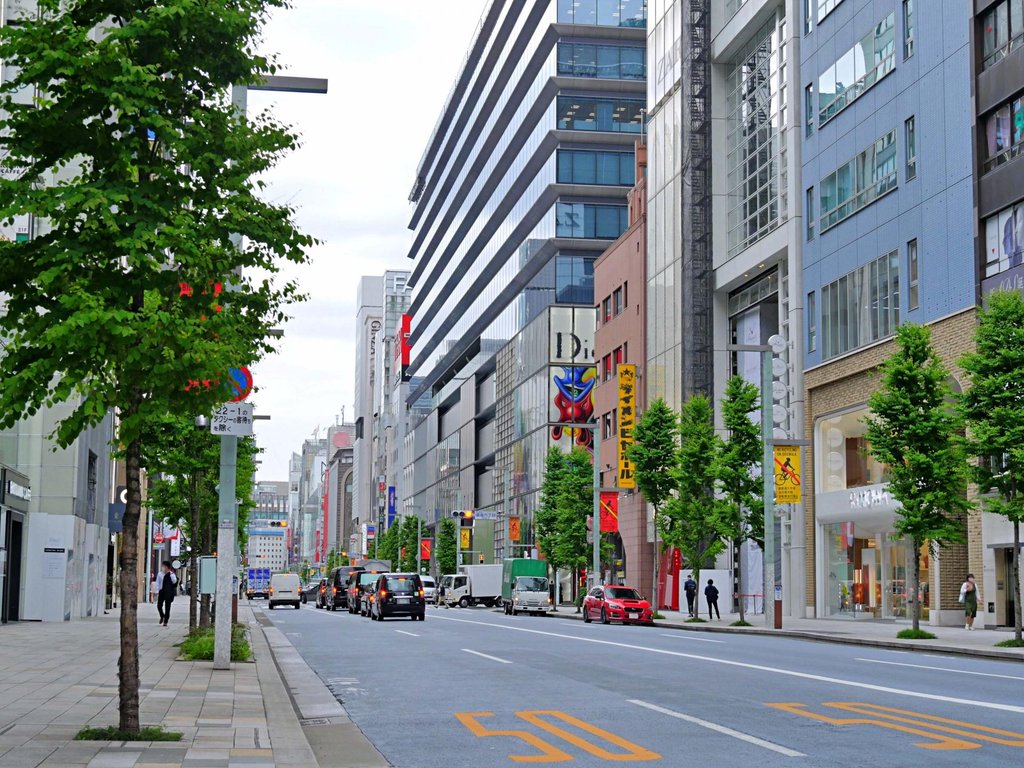
After collecting your chopsticks, head toward Chuo-dori, Ginza’s main shopping street, near Ginza-Itchome Station. Walk toward the Ginza 4-chome intersection, browsing department stores and specialty shops along the way. On Saturdays, Sundays, and national holidays, Chuo-dori becomes a pedestrian zone from noon, allowing you to stroll down the middle of the broad street, which is usually busy with traffic. The pedestrian zone closes at 5:00 pm from October to March and at 6:00 pm from April to September, though it may be canceled due to bad weather or other circumstances. On weekdays, you can explore the same shops while walking along the sidewalks.
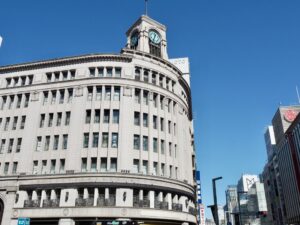
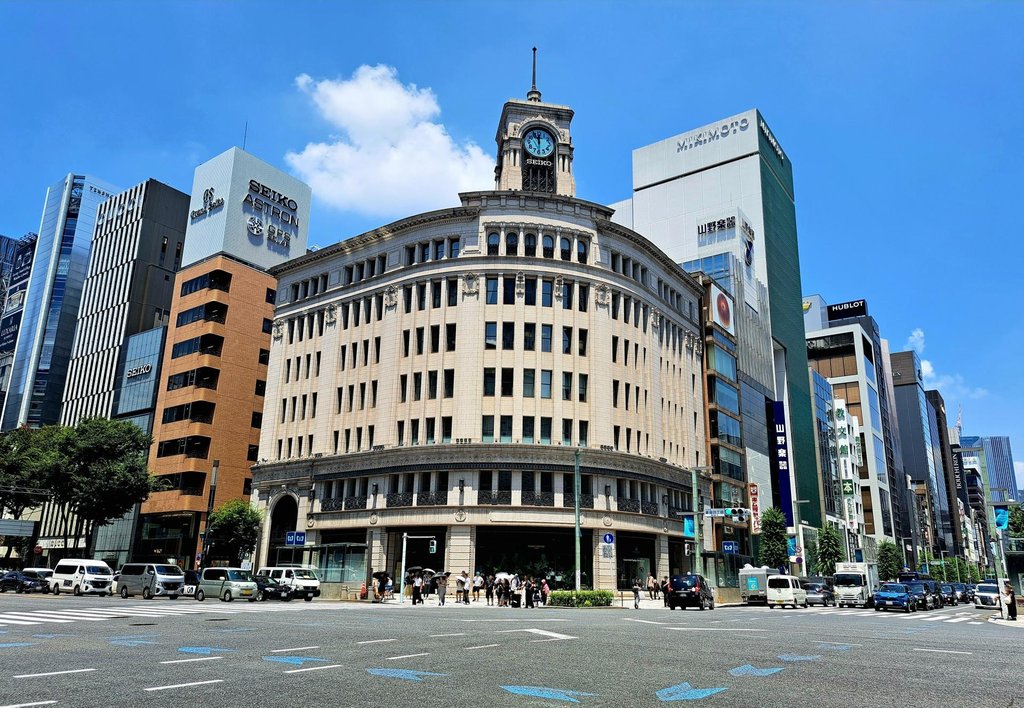
At the Ginza 4-chome intersection, look for Wako and its iconic clock tower. From there, head east along Harumi-dori. After a few minutes on foot, you will reach Kabuki-za, the next stop on your itinerary. If your chopstick-making workshop runs longer than expected, shorten your stroll through Ginza to stay on schedule.
4 pm: Watch a Single Act of Kabuki at Kabuki-za
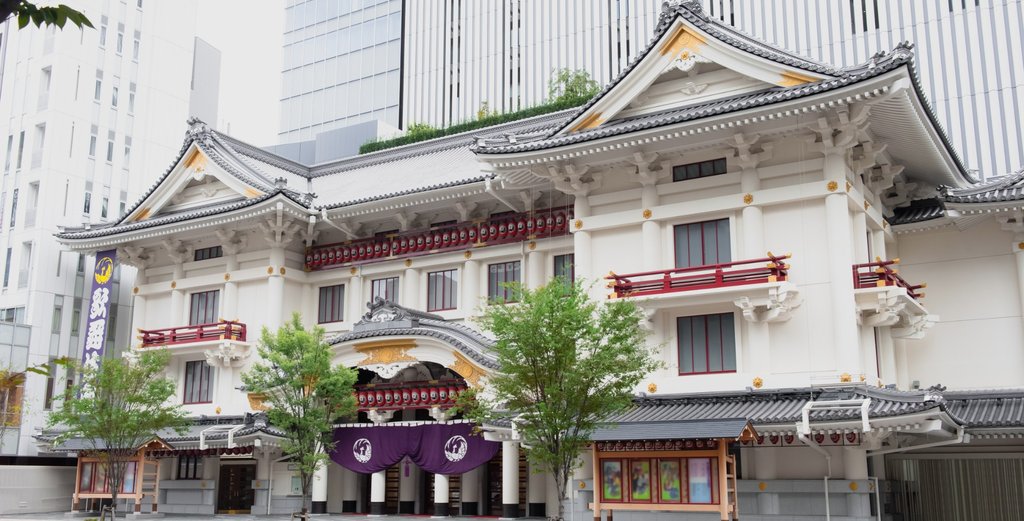
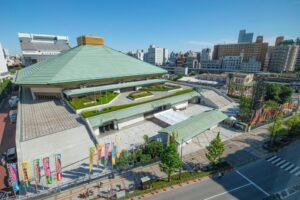
From Chuo-dori, head east to Kabuki-za, about a five-minute walk from Ginza Station. Here, you can watch a single act in the late afternoon from the fourth-floor single-act seats, which are sold separately for individual performances. Popular acts can sell out, so booking your seat online in advance is a good idea. Online reservations open at noon on the day before the performance.
Depending on the program, each act lasts from around 30 minutes to nearly two hours, and both performance lengths and start times change monthly. Check the official website to choose an act, then adjust the time you spend strolling along Chuo-dori to fit the schedule.
The hanamichi—a walkway that extends through the audience and serves as part of the stage—may be difficult to see from the fourth floor. However, you can rent a device that displays English subtitles to follow the dialogue as you watch.
Details
| Address | 4-12-15 Ginza, Chuo-ku, Tokyo |
| Hours | Varies by performance, check the official website |
| Closed | Days with no performances, check the official website |
| Official website | https://www.kabuki-za.co.jp/ |
| Recommended for | Travelers who want to experience traditional Japanese performing arts in a short time |
6:00 pm: Have Dinner at a Restaurant in GINZA SIX
GINZA SIX offers a wide range of restaurants, serving everything from Japanese cuisine such as sushi and tempura to Western dishes. It is a good place to enjoy a relaxed dinner after the show. Kabuki-za is also connected to Higashi-Ginza Station via an underground passage, making it easy to get around without an umbrella on rainy days.
Many restaurants stay open until 11 pm, although hours vary by establishment. Last orders are usually taken before closing time, so check the details in advance. To make dinner after the performance easier to plan, choose a restaurant on the official GINZA SIX website and check its last-order time before heading to Kabuki-za.
Details
| Address | 6-10-1 Ginza, Chuo-ku, Tokyo |
| Hours | Shops: 10:30 am–8:30 pm / Restaurants: 11:00 am–11:00 pm (varies at some establishments) |
| Closed | Irregular closures |
| Official website | https://ginza6.tokyo/ |
| Recommended for | Travelers who want a meal in a relaxed atmosphere after the theater |
Frequently Asked Questions About Choosing Between Ginza and Shinjuku

Finally, here are answers to some common questions about choosing where to stay in Tokyo. Find out whether Shibuya is a good alternative to Shinjuku or Ginza, and how to get around on rainy days.
Besides Ginza and Shinjuku, Is Shibuya Also a Good Area to Stay?
Yes. Shibuya is about seven minutes from Shinjuku on the JR Yamanote Line, and the Narita Express from Narita Airport also stops at Shibuya Station. However, if you plan to take day trips to Mt. Fuji or Hakone, staying in Shinjuku can save you time in the morning, as many tours and transport services depart from there.
Are Shops in Ginza Open on Sundays?
Yes. Major shopping complexes along Chuo-dori, including Ginza Mitsukoshi and GINZA SIX, are open on Sundays, so you can enjoy shopping and dining over the weekend. However, some independent restaurants are closed on Sundays or Mondays. If there is a particular restaurant you want to visit, check its opening days in advance.
Which Is Easier for Sightseeing on Rainy Days, Ginza or Shinjuku?
In both Ginza and Shinjuku, you can use underground passages to get around without getting wet on rainy days. In Ginza, Ginza Station and Higashi-Ginza Station are connected by underground walkways, and you can access Ginza Mitsukoshi directly from Ginza Station without going outside.
In Shinjuku, you can walk underground from the east side of the station to the area near the Tokyo Metropolitan Government Building. Take the East-West Free Passage, which connects the station’s east and west sides, then follow the underground walkway with moving walkways from the West Exit toward the government building.
Shinjuku Station’s underground passages branch off in many directions and can be confusing, so follow the signs for the Tokyo Metropolitan Government Building.
Which Is Easier to Reach from the Airport with Large Luggage, Ginza or Shinjuku?
Limousine buses run directly from Haneda Airport to the Shinjuku area, with a journey time of about 55 minutes. To reach Ginza, you can take a through train operating on the Keikyu and Toei Asakusa lines to Higashi-Ginza Station in about 30 to 40 minutes, without changing trains. However, direct limousine bus services from Haneda Airport to Ginza are currently suspended. If you are traveling with a lot of luggage, consider how far your hotel is from the nearest station or bus stop when deciding where to stay.
Ginza or Shinjuku: Which Area Is Right for Your Tokyo Trip?
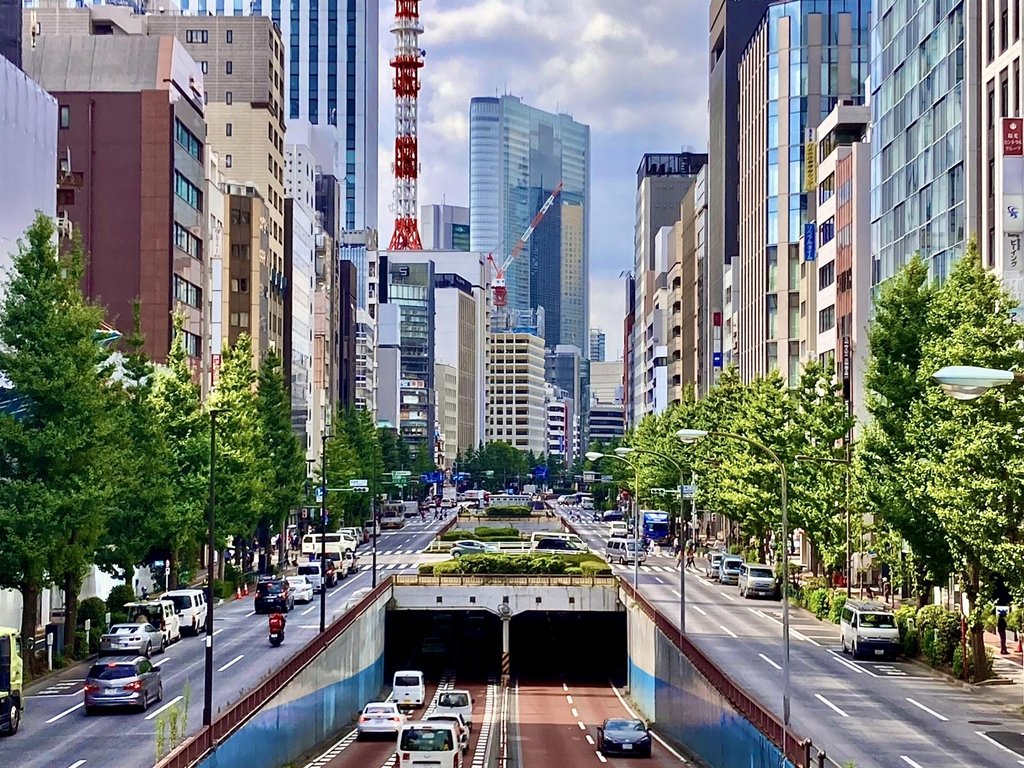
Whether Ginza or Shinjuku is the better choice depends on your travel plans. If you want to enjoy shopping and kabuki in a refined setting, or if you will be using Haneda Airport or taking the shinkansen, Ginza is a good option. On the other hand, Shinjuku is more convenient for day trips to Mt. Fuji or Hakone and for hopping between bars in yokocho alleys.
If you are still undecided, use the quick-reference table in this article to compare the sights you want to visit, your transportation needs, and your accommodation budget. Both areas have plenty to offer, and you can easily travel between them by subway. You can also explore Japanese cultural activities during your stay through Japan Guide Star’s list of Tokyo tours.
Plan your accommodation around your sightseeing priorities to make the most of your time in Tokyo and enjoy a trip that suits your travel style.