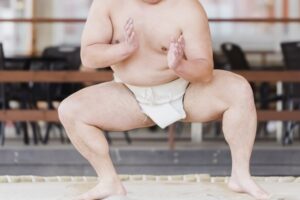
How Do Sumo Wrestlers Train? Daily Basic Drills, Practice Matches, and a Day Built Around Morning Practice
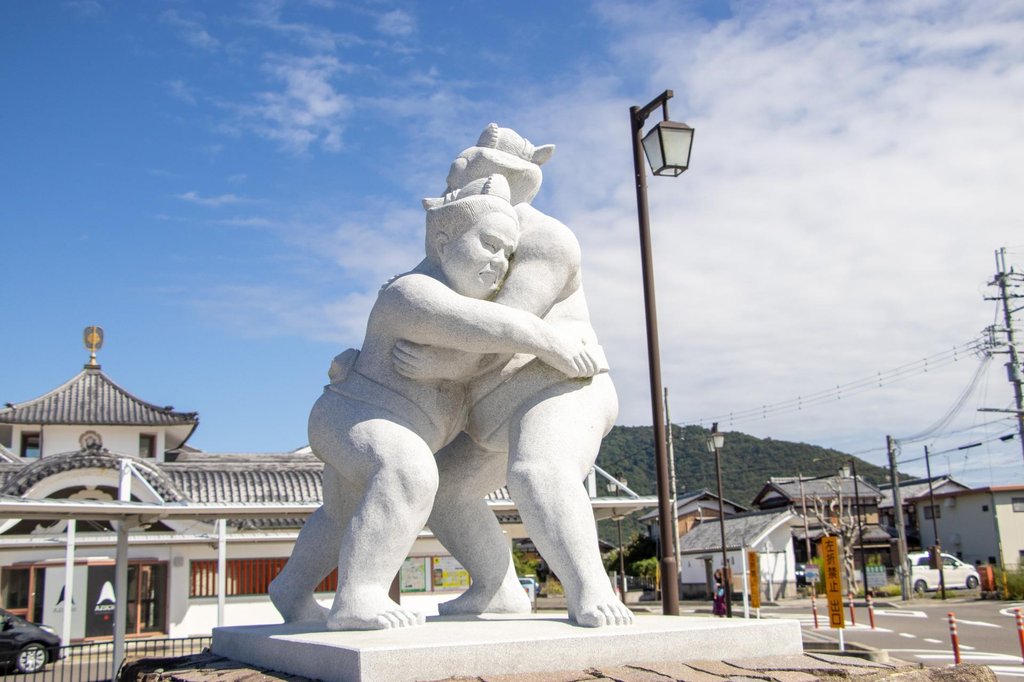
How can sumo wrestlers move so quickly despite their large size? The secret lies in hours of intense training that begin early in the morning, combined with a unique lifestyle that includes eating and napping after practice.
This article explores four basic training drills and three types of practice bouts that wrestlers repeat every day, what a typical day looks like from early morning until night, and how you can watch sumo training and matches in Japan. Understanding the purpose of each exercise will help you recognize how different training techniques translate into the movements you see in the ring.
Contents
- Sumo Stables and Rankings: The Foundation of a Wrestler’s Training
- How Do Sumo Wrestlers Train? Four Basic Drills They Never Skip
- Three Types of Practice Matches Where Wrestlers Go All Out
- A Sumo Wrestler’s Day: A Schedule Built Around Morning Practice
- Sumo Is More Fun When You Know the Training: Four Ways to Watch Sumo in Japan
- See Training Techniques Up Close at a Sumo Show
- Frequently Asked Questions About Sumo Training
- From Training to the Ring
Sumo Stables and Rankings: The Foundation of a Wrestler’s Training
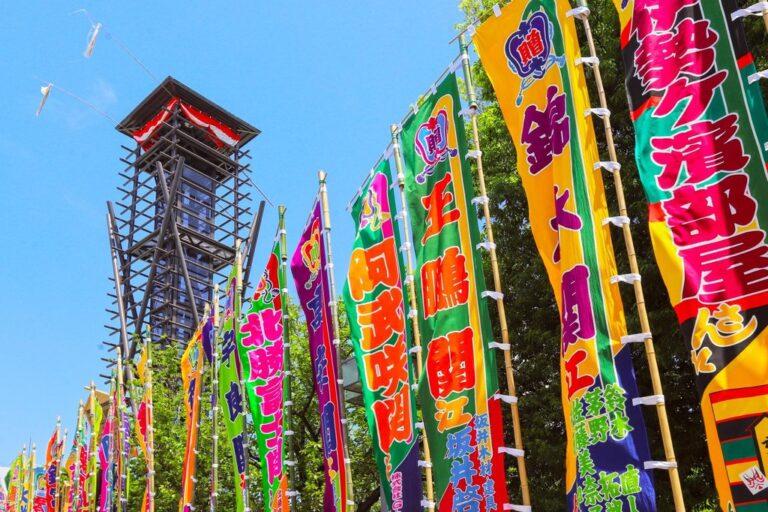
To understand how sumo wrestlers train, it helps to first understand how sumo stables operate and how the ranking system works. Both shape the daily training routine of professional wrestlers. This section introduces the stables where wrestlers live and train, as well as the rankings that influence their roles during practice and their daily responsibilities.
Sumo Stables: Where Wrestlers Live and Train Under a Stablemaster
Sumo wrestlers belong to a sumo stable led by a stablemaster, a retired professional wrestler who runs the stable and mentors its wrestlers. Many wrestlers live at the stable and train daily in its ring, the circular platform where sumo bouts take place.
A sumo stable serves as both a training facility and a home for its wrestlers and stablemaster. Wrestlers in the third division and below generally live together at the stable. Those in the top two divisions, known as sekitori, may have private rooms, and some move out after getting married or for other reasons. Their daily routine revolves around waking up, training, eating with their stablemates, and sleeping. Unlike a gym, which you visit primarily to exercise, a sumo stable is a place where everyday life and training are closely intertwined.
Rankings: The Hierarchy That Determines Everything From Training to Meal Order
Sumo has a ranking system that determines each wrestler’s standing. Wrestlers who reach the top two divisions are known as sekitori, and they make up about 10% of all professional sumo wrestlers. Those in the lower divisions continue training in the hope of reaching sekitori status.
Within a sumo stable, rank determines not only each wrestler’s role during practice but also the order in which wrestlers bathe and eat. Even in the same training room, a wrestler’s rank influences when they enter the ring, which drills they perform, and what responsibilities they have after practice. Rankings rise or fall based on performance in the Grand Sumo Tournaments, official competitions organized by the Japan Sumo Association. For wrestlers in the lower divisions, each day of training is another step toward becoming a sekitori.
How Do Sumo Wrestlers Train? Four Basic Drills They Never Skip
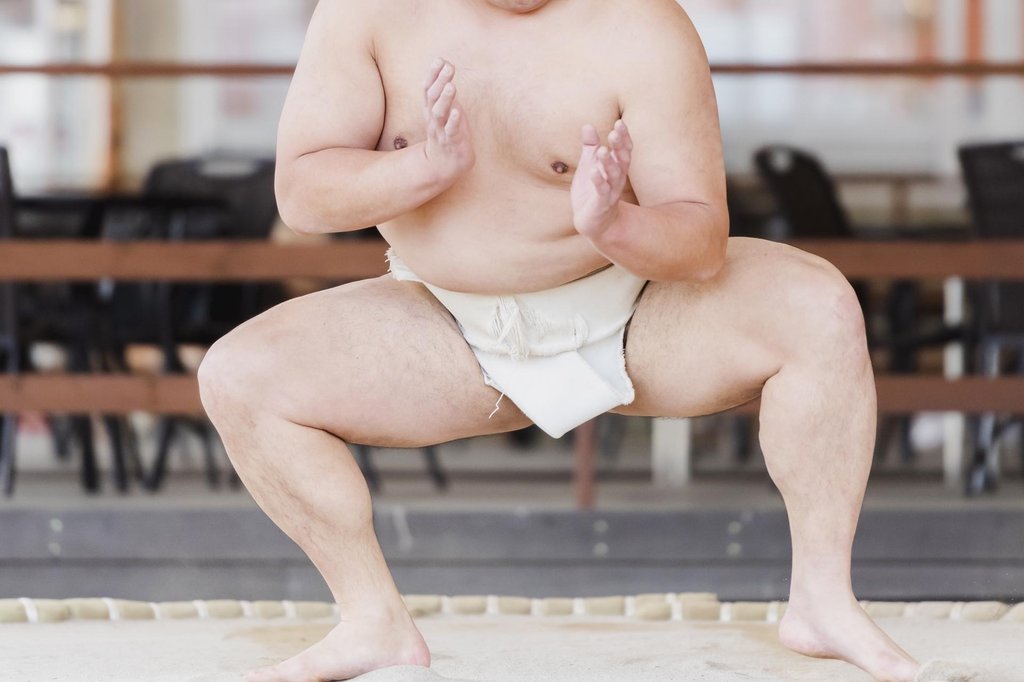
A sumo wrestler’s strength is built through basic drills repeated patiently every morning. This section introduces four of these drills, explaining how each movement is performed and what it is designed to develop.
Shiko: Raising One Leg High and Stamping Firmly in the Ring
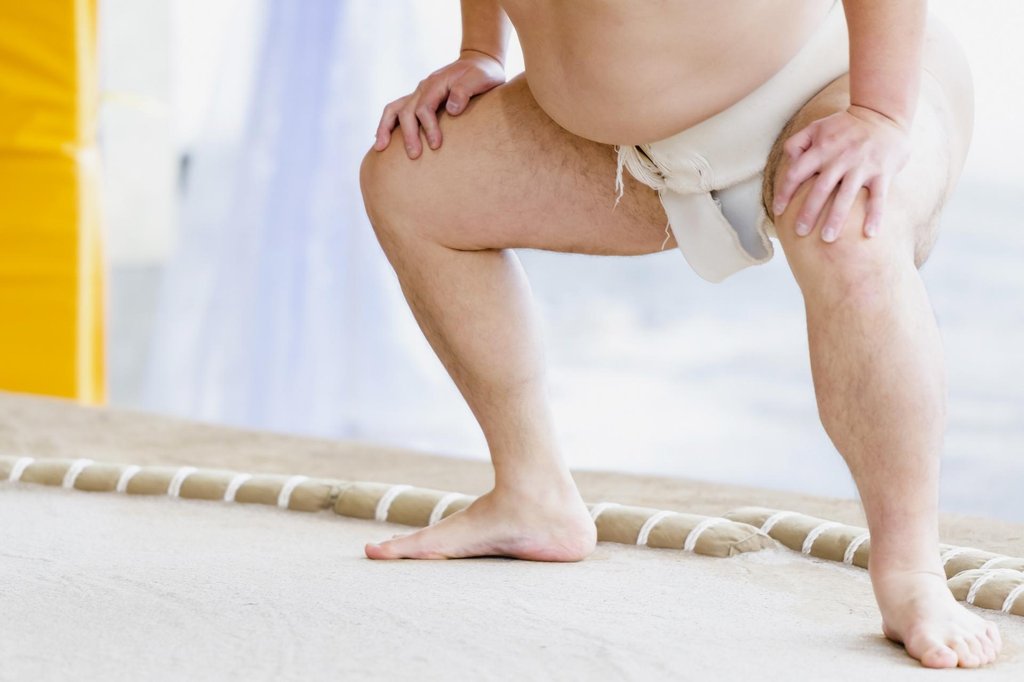
Shiko, or leg stamping, is a fundamental sumo exercise that builds strength and flexibility in the legs and hips. Wrestlers shift their weight onto one leg, raise the other high, and stamp it down forcefully, alternating sides.
In its guide to basic sumo movements, the Japan Sumo Association explains that wrestlers should lift the leg from the knee rather than use their hands, while keeping the chest up and avoiding leaning forward. Supporting the body on one leg until the raised leg comes down places considerable strain on the legs and hips. By repeating the movement dozens or even hundreds of times, wrestlers develop the strength and stability needed to maintain their stance when an opponent pushes them.
Suri-ashi: Moving Forward Without Lifting Your Feet
Suri-ashi, or sliding steps, is a drill in which wrestlers move forward in a half-crouch with their hips lowered, keeping the soles of their feet in contact with the ground. The exercise helps them develop the footwork and balance needed to advance during a match.
The basic technique is to move forward without bouncing up and down or swaying from side to side. Upon reaching the edge of the ring, wrestlers turn around and repeat the movement, going back and forth many times. If their feet leave the ground, they can more easily lose their balance when an opponent pushes them. Keeping the hips low and the head as level as possible helps wrestlers maintain a stable stance as they move.
Teppo: Striking a Pillar to Build Pushing Power and Forward Footwork
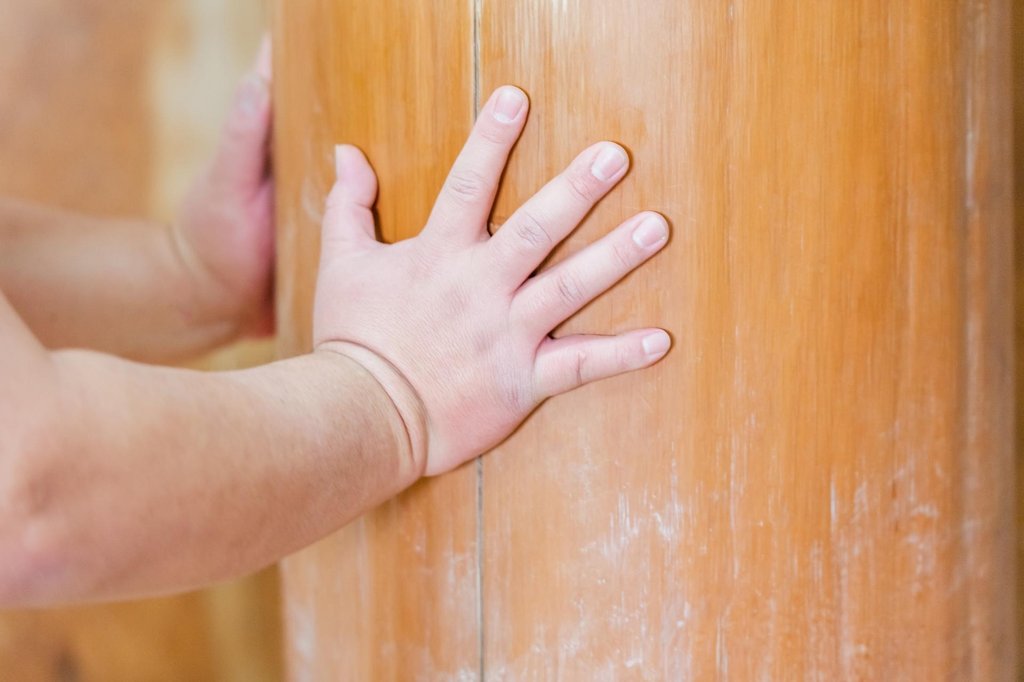
Teppo, or pillar striking, is a drill in which wrestlers thrust their palms against a pillar in the training room, stepping forward with the foot on the same side as the striking hand and alternating between left and right. The exercise helps them develop proper thrusting technique, upper-body pushing power, and the coordination needed to move their feet in sync with their hands.
Because the pillar remains stationary, wrestlers can repeat the same movement many times while focusing on their technique, without the adjustments required when training with a partner. Each strike produces a sharp smack that echoes through the training room. Through this repeated practice, wrestlers build the power needed to drive an opponent backward with a single charge during a match.
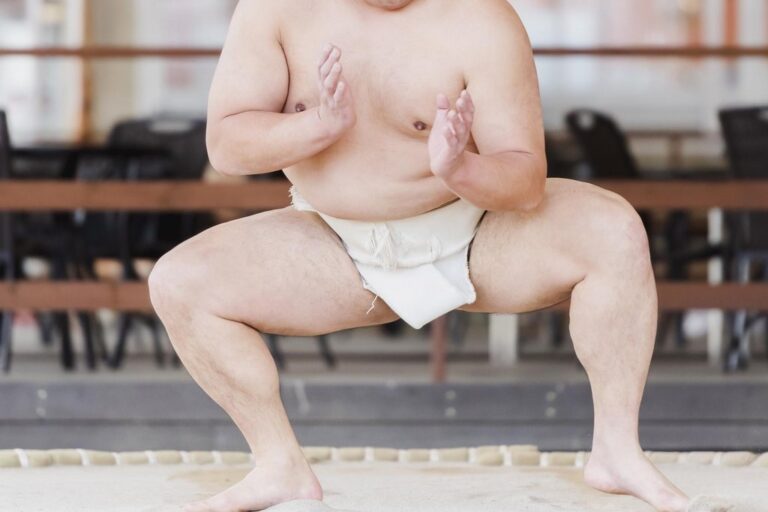
Matawari: Spreading the Legs Wide to Build a Flexible Body Less Prone to Injury
Matawari, or the sumo splits, is a flexibility exercise in which wrestlers spread their legs wide, lower their hips, and gradually lean their upper bodies forward. In its guide to basic sumo movements, the Japan Sumo Association demonstrates the exercise with a helper gently pushing on the wrestler’s back to deepen the stretch.
Along with leg stamping and sliding steps, the splits help wrestlers develop flexibility that may reduce the risk of injury. Many wrestlers can spread their legs wide and lean forward until their chests touch the floor of the ring. This flexibility helps them maintain a low stance and move quickly despite their large size.
Three Types of Practice Matches Where Wrestlers Go All Out
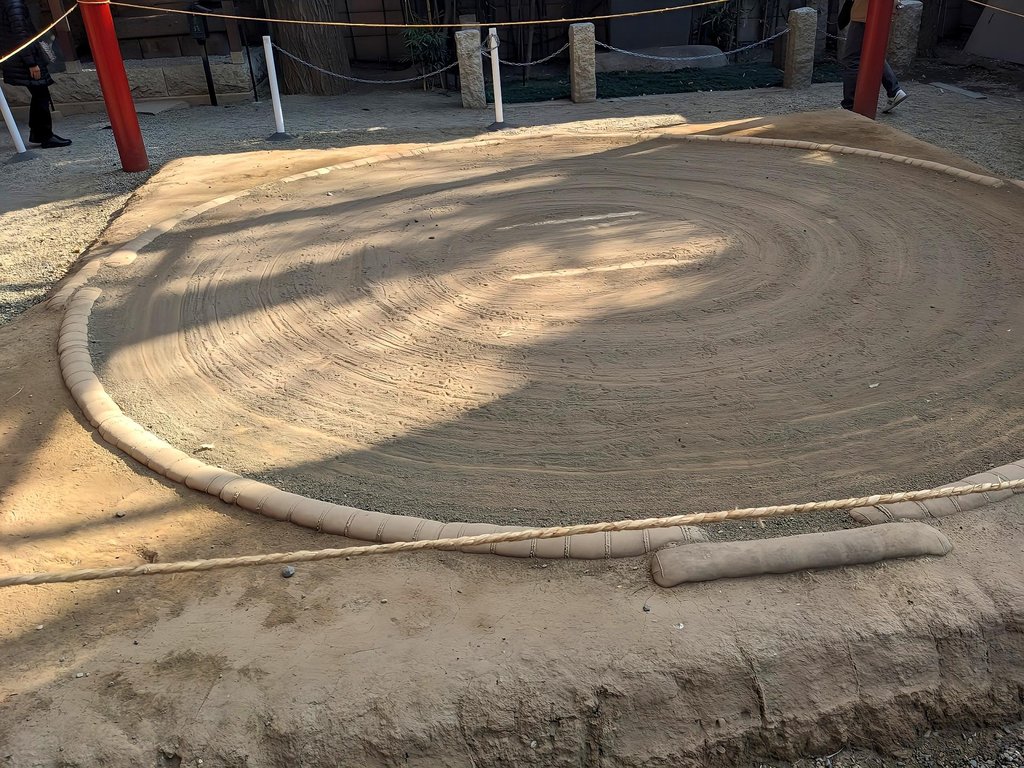
The leg and hip strength and body control that wrestlers develop through basic drills are put to the test in practice bouts, where they grapple with one another. This section introduces three types of practice bouts and explains how each one works.
Moshiai: The Winner Chooses the Next Opponent
Moshiai, or winner-stays-on matches, is a type of practice in which the winner remains in the ring and chooses the next opponent. Wrestlers waiting around the ring raise their hands together, hoping to be selected. The winner then picks one of them, and the next bout begins.
A wrestler continues fighting as long as they keep winning. As fatigue builds and they face one opponent after another, they need not only stamina but also the ability to adapt their tactics to each opponent. After every bout, the wrestlers waiting around the ring raise their hands to volunteer, creating a dynamic scene unique to the sumo training room.
Because the winner stays in the ring and chooses the next opponent, wrestlers may face a range of challengers during the session. Each new bout tests their ability to adapt their technique and tactics to a different opponent, even as fatigue builds.
Sanban-geiko: Many Matches in a Row With the Same Partner
Sanban-geiko, or repeated bouts with the same partner, is a type of practice in which two wrestlers face each other repeatedly. Although the name includes the word for “three bouts,” the practice is not limited to three and may continue for 10 bouts or more.
Unlike moshiai, in which the winner chooses the next opponent, sanban-geiko involves the same two wrestlers facing each other repeatedly. As they grapple, they become familiar with each other’s habits, from their movements at the initial charge to their preferred grips. With each bout, they develop and adjust their tactics, changing their approach when their opponent begins to anticipate their attacks.
Butsukari-geiko: Driving Into a Partner’s Chest to the Limit of Your Stamina
Butsukari-geiko, or charging drills, is a type of practice in which one wrestler repeatedly charges into a partner’s chest and pushes them toward the edge of the ring before rolling to break the fall. The receiving partner is often a higher-ranked wrestler, and taking on this role is known as “lending the chest.”
The pushing wrestler charges into the receiving partner, drives them toward the edge of the ring, rolls to break the fall, and immediately gets back up to charge again. The sequence is repeated without rest, and after just five minutes, wrestlers can be so exhausted that even standing up becomes difficult. Covered in sand from the ring and gasping for breath, they keep charging again and again, making this one of the most grueling drills in sumo training.
A Sumo Wrestler’s Day: A Schedule Built Around Morning Practice
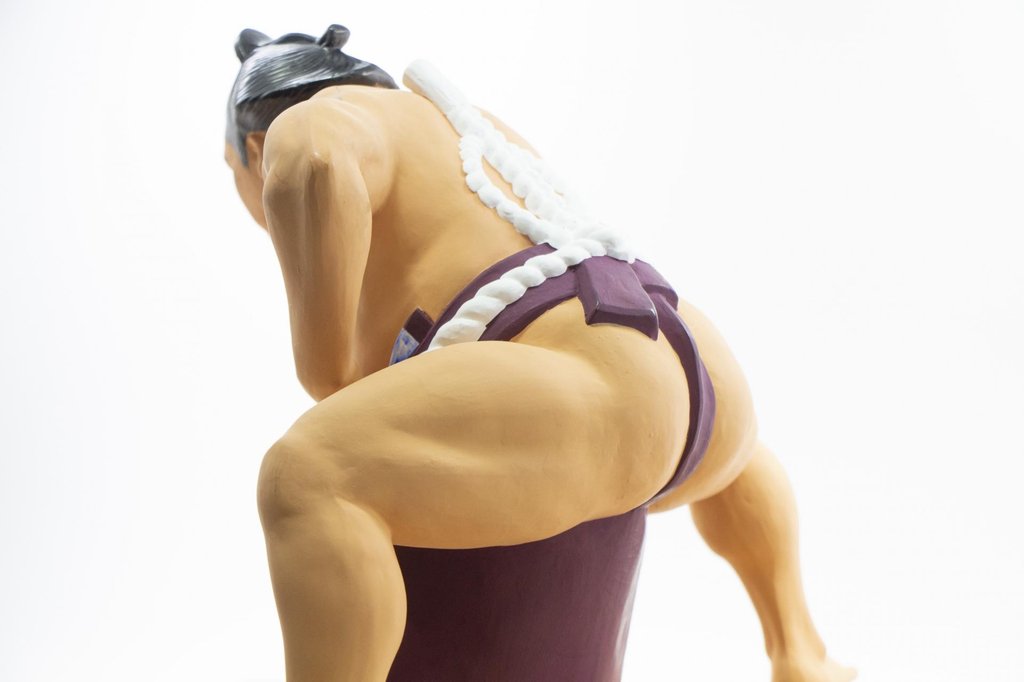
A sumo wrestler’s day revolves around early morning practice. This section follows the daily routine in chronological order, from waking up and training to meals, naps, and afternoon activities.
Early Morning: Heading to Practice Without Breakfast
Although schedules vary by stable, wrestlers typically wake up around 6:00 am, get ready, and enter the training room without having eaten breakfast. Training on an empty stomach is a long-standing custom in sumo stables.
By around 7:00 am, many wrestlers have gathered, each warming up at their own pace before stepping into the ring. In the still-quiet training room, the sounds of breathing and stamping feet gradually begin to echo.
During Practice: Lower-Ranked Wrestlers Enter the Ring First
Practice begins with wrestlers gathering around the ring, steadying their breathing and silently repeating basic drills such as leg stamping and sliding steps. They then move on to practice bouts, including winner-stays-on matches, starting with the lowest-ranked wrestlers.
The sekitori join the session later, and practice often concludes with charging drills. As the session progresses, wrestlers of increasingly higher rank enter the ring. By the time bouts between sekitori begin, the atmosphere in the training room becomes even more intense.
After Practice: Chanko Is the First Meal of the Day
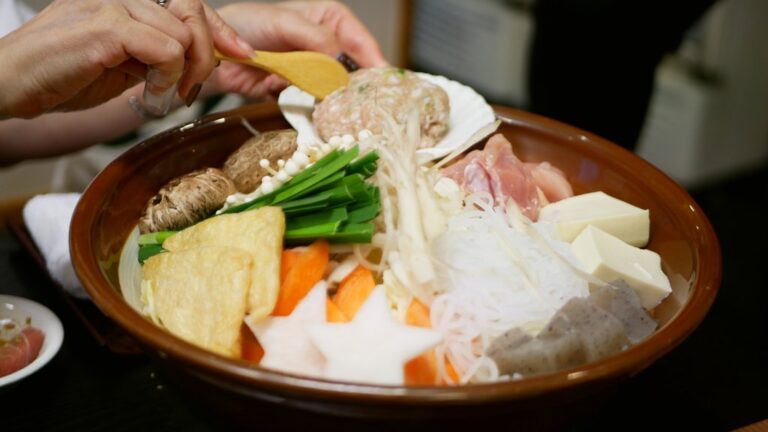
After practice, wrestlers bathe in order of rank, starting with the highest-ranked. Meanwhile, those assigned to cooking finish preparing the meal, which they began making while practice was still underway. Wrestlers typically eat two meals a day, and the chanko served after practice is their first meal of the day.
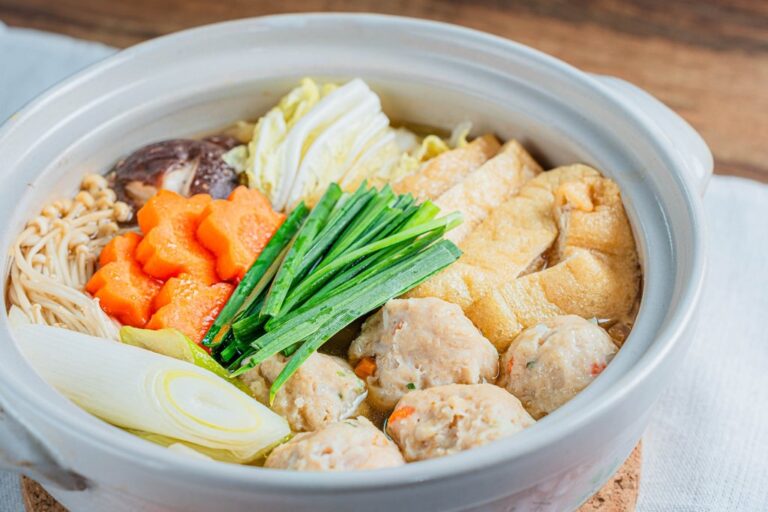
Rank also determines the order in which wrestlers eat. The stablemaster and sekitori eat first, followed by lower-ranked wrestlers. In the sumo world, “chanko” refers to wrestlers’ meals in general. These meals typically center on a hot pot called chanko-nabe, accompanied by dishes such as sashimi, stir-fries, and salads.
After Meals: Napping to Build a Bigger Body
After the post-practice meal, wrestlers take a nap to recover. This rest period helps them recuperate from intense training and prepare for the next day’s session.
Their daily routine revolves around training on an empty stomach in the morning, followed by a substantial meal and rest. Getting enough nutrition and sleep is essential for maintaining their large physiques and supporting their demanding training schedules.
By repeating this routine day after day, wrestlers develop the size and strength needed to withstand the physical demands of sumo training.
Afternoon: Chores and Attendant Duties
Afternoon routines vary by stable, but after their nap, wrestlers typically do chores such as cleaning, laundry, and preparing dinner. Some also train on their own. Lower-ranked wrestlers may serve as tsukebito, attendants who look after the personal needs of higher-ranked wrestlers and the stablemaster.
Their duties include carrying a sekitori’s belongings, accompanying them on outings, and helping them get dressed. Through these responsibilities, lower-ranked wrestlers learn the customs of the sumo world and how sekitori are expected to conduct themselves by observing them up close.
Sumo Is More Fun When You Know the Training: Four Ways to Watch Sumo in Japan
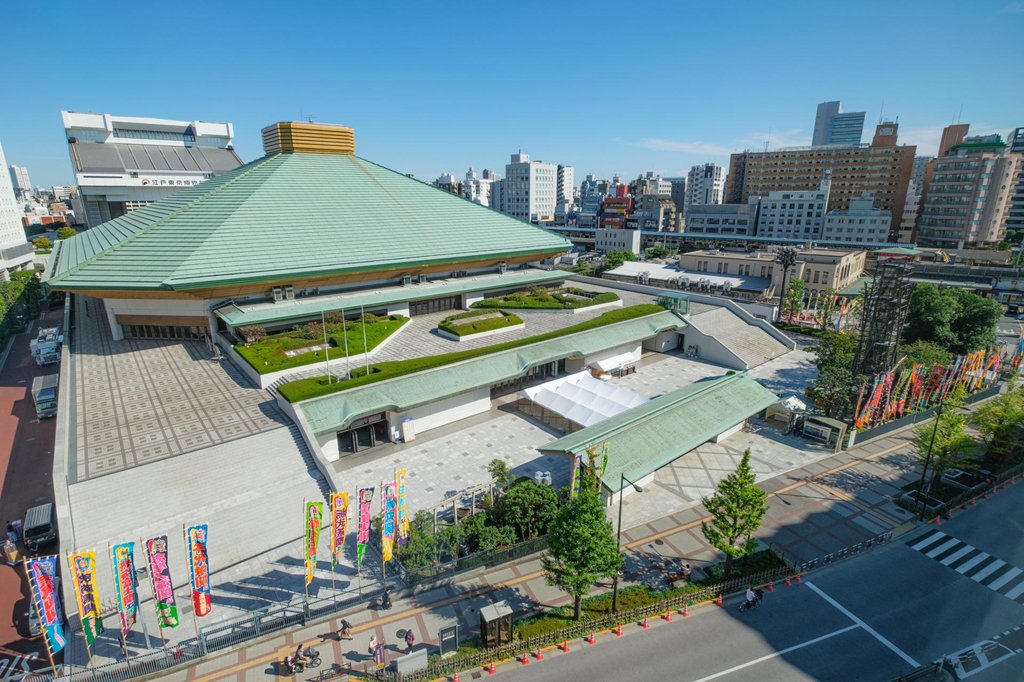
Now that you know what sumo training involves, consider experiencing sumo firsthand. This section introduces four ways to do so, highlighting what to look out for using your knowledge of training.
Morning Practice at a Sumo Stable: Watching Wrestlers’ Everyday Training
At a sumo stable’s morning practice, you can watch wrestlers train for the Grand Sumo Tournaments. If you know how a typical practice session unfolds, you can recognize which stage you are watching, whether the wrestlers are still working on basic drills, have moved on to winner-stays-on matches, or are wrapping up with charging drills.
Each stable decides whether to welcome visitors, and there is no central booking office. Arashio Stable, located in Nihonbashi-Hamacho, Tokyo, provides visitor information in English on its official website. According to the website, visitors can watch practice free of charge without a reservation.
Visitors cannot enter the training room itself. Instead, they watch through a window from outside, and practice may be canceled without notice. Keep in mind that the wrestlers remain focused on their training, so there is no live commentary explaining the movements as they happen.
Provincial Tours: Public Practice Sessions You Can’t See at Grand Tournaments
Provincial tours are events in which professional sumo wrestlers travel to locations across Japan to hold exhibitions. In addition to exhibition bouts, you can watch open practice sessions that are not available to spectators at the Grand Sumo Tournaments. By paying attention to which wrestler is lending their chest during charging drills, you can see who is helping whom train in the ring, adding another layer of insight to practice sessions involving sekitori.
Tour locations and dates are announced in advance, and tickets are sold separately for each venue. If a tour stop coincides with your travel dates and destination, plan ahead to secure tickets.
Grand Tournaments: Competitive Matches That Put Training to the Test
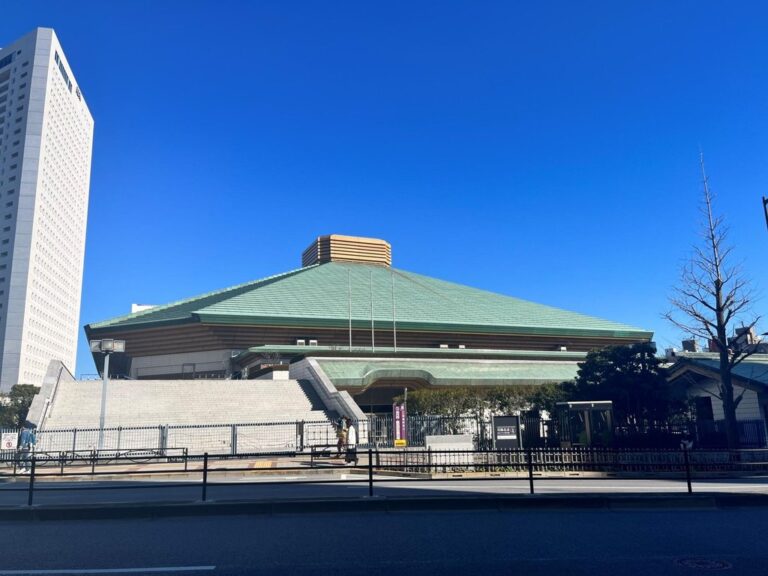
Grand Sumo Tournaments are the official competitions organized by the Japan Sumo Association. Wrestlers compete in earnest, showcasing the skills and strength they have developed through daily training.
Many movements practiced during training can also be seen in actual bouts, from the ritual leg stamping before a match to the initial charge, when wrestlers launch forward from a low stance with their hands on the ground, and the sliding steps they use to advance while keeping their hips low. Tsuppari, a series of thrusts delivered with open palms to push an opponent back, also draws on the pushing technique developed through pillar-striking drills. Recognizing these connections between basic training and match techniques can deepen your understanding of the action in the ring.
Grand Sumo Tournaments are held only six times a year, with each tournament lasting 15 days. To attend one, your travel dates must coincide with a tournament.
Sumo Shows: Seeing Former Sumo Wrestlers’ Techniques Up Close
Sumo shows offer the chance to watch matches and technique demonstrations up close, performed by former professional sumo wrestlers and other performers. Some venues provide commentary in English, allowing you to learn about sumo’s rules and culture. Unlike Grand Sumo Tournaments, which take place only at specific times of the year, sumo shows are available throughout the year at various venues. They also do not require an early start like morning practice, making them easier to fit into your travel plans.
If you are familiar with the stances and footwork wrestlers develop through basic drills, you will begin to recognize how the movements demonstrated by former wrestlers reflect the techniques they honed through years of training.
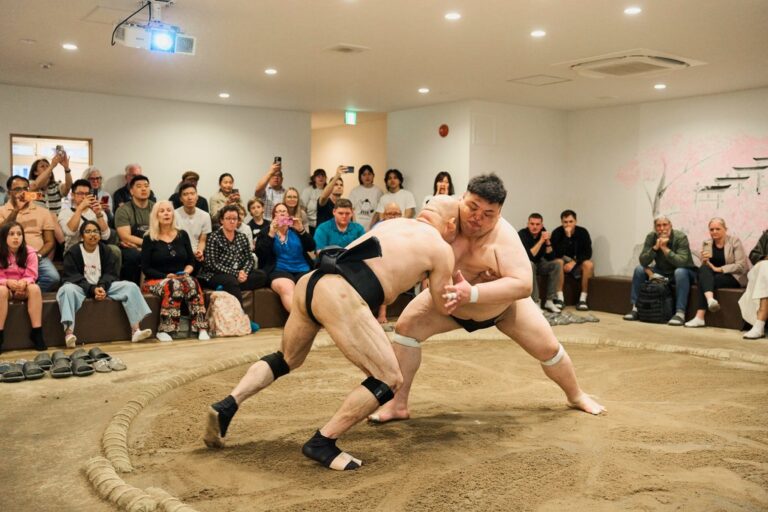
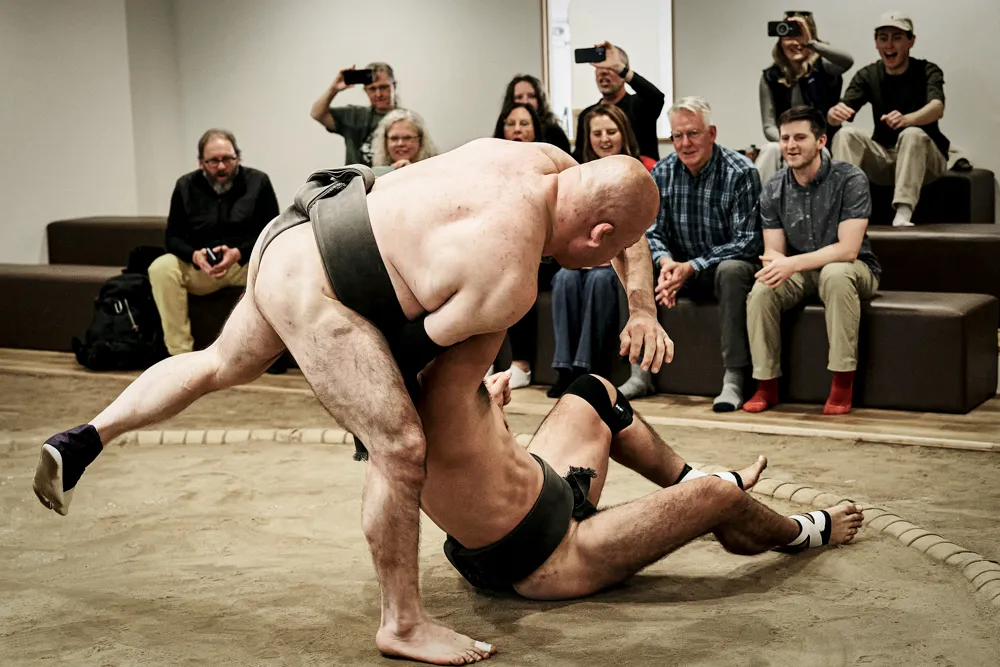 Hands-On
Watch a real bout, and maybe step into the ring yourself
A five-minute bout a few meters from your seat, then the Sumo Challenge, where up to eight guests per show push against one of the wrestlers. Every show is in English.
See Training Techniques Up Close at a Sumo Show
Morning practice schedules are often confirmed only shortly in advance, while Grand Sumo Tournaments take place during limited periods of the year. This section introduces a sumo show in Osaka that is easy to fit into your travel plans, offering a chance to see sumo techniques up close with English commentary.
Sumo Studio Osaka: Five Shows Daily That Fit Easily Into Your Plans
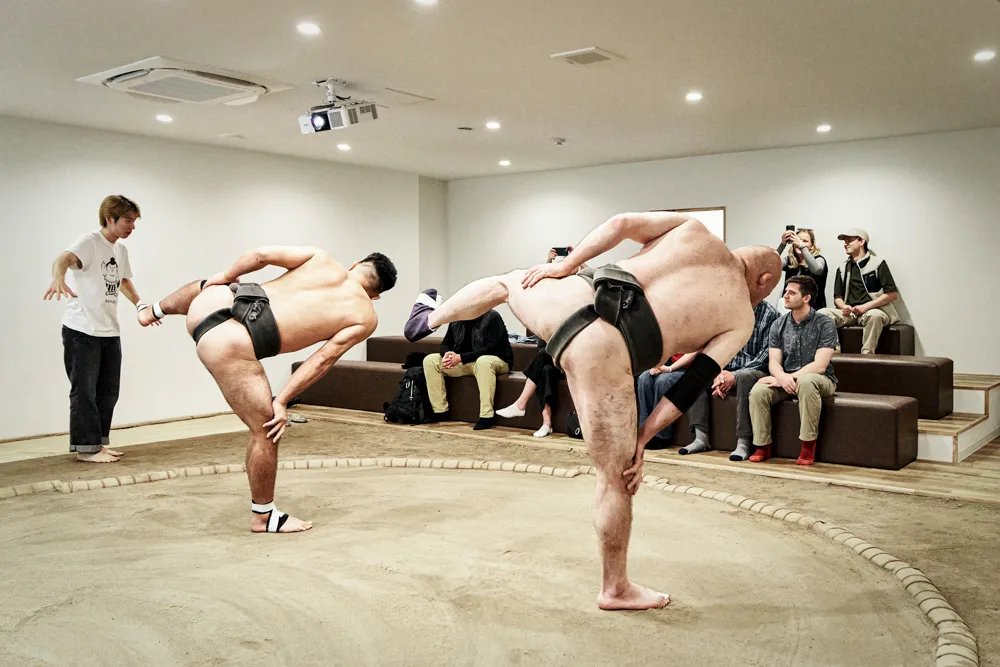
Sumo Studio Osaka is a sumo show venue located about 10 minutes by subway from Namba. It is right outside Exit 4 of Hanazonocho Station on the Osaka Metro Yotsubashi Line. Staff wearing shirts printed with “SUMOTORI,” the Japanese word for “sumo wrestler,” will guide you to the venue. Its location next to the station makes it easy to find, even on your first visit.
The show includes a segment lasting about 30 minutes, during which performers, many of them former professional sumo wrestlers, demonstrate training movements, winning techniques, and prohibited moves. With English commentary from the host, you can watch their movements from just a few meters (about 10 feet) away. You can hear the thud of wrestlers stamping their feet in the ring and feel the impact of their collisions up close.
The venue’s ring is constructed from clay and sand in keeping with traditional specifications, and seating is limited to 53 guests. In the second half of the show, the “Sumo Challenge” gives audience members the chance to face a former sumo wrestler. Participation is voluntary, and if more people volunteer than there are available places, up to eight participants are selected by lottery.
Sumo Studio Osaka offers five shows a day, each lasting about an hour and a half. The venue operates every day of the year, making it easy to choose a show that fits your travel plans. If seats are available, you can also attend without a reservation on the day. However, evening shows are popular, so booking in advance is recommended. Both the show and its commentary are in English.
Free cancellation is generally available up to 24 hours before the show begins. If seats are available, you may also be able to change your reservation to another date or time. Conditions can vary depending on the booking platform, so check the applicable terms before making a reservation.
Reviews praise the host’s clear explanations of sumo history, techniques, and rules, as well as the powerful demonstrations by former professional sumo wrestlers.
Note that meals are not included. If you would also like to explore Osaka’s food scene, consider pairing the show with a local restaurant tour led by an English-speaking guide. You can find a list of Osaka tours operated by Japan Guide Star here.
Here are the venue details:
| Address | Hanazonocho AI Building 1F, 1-5-1 Asahi, Nishinari-ku, Osaka, Osaka 557-0032 |
| Hours | Shows at 10:00 am, 12:30 pm, 3:00 pm, 5:30 pm, and 8:00 pm (about 1.5 hours each), ticket counter open 9:00 am–10:00 pm |
| Closed | Open every day of the year, including the New Year holidays |
| Official website | https://sumowrestlingshow.jp/ |
| Ideal for | Seeing training movements up close with English commentary, watching sumo on your own travel schedule, stepping into the ring yourself |
Hands-OnWatch a real bout, and maybe step into the ring yourself
A five-minute bout a few meters from your seat, then the Sumo Challenge, where up to eight guests per show push against one of the wrestlers. Every show is in English.

Osaka: Guided Food Tour with 12 Dishes at 4 Local Eateries
12 unique Japanese dishes for the first time • Skip the tourist traps and visit Izakaya -Japanese casual drinking restaurants • Street food featured in the Michelin Guide
Frequently Asked Questions About Sumo Training

Finally, here are brief answers to some frequently asked questions about sumo training.
How Long Does Morning Practice Last?
Morning practice typically lasts about two and a half to three hours. Since the duration varies by stable and time of year, it is best to keep your morning free if you plan to attend.
Do Sumo Wrestlers Do Weight Training?
Some wrestlers do. In sumo, strength is built primarily through traditional training methods such as leg stamping, pillar striking, sliding steps, and winner-stays-on matches, while weight training serves as a supplement. Some stables have training equipment on site, which wrestlers use to help prevent injuries or strengthen parts of the body that are not injured.
Can Beginners Try Shiko Stamping?
Yes. Start by keeping your hips low and moving slowly through the full range of motion. Focus on maintaining your balance on one leg until you lower the raised leg. If you feel pain in your knees or lower back, stop rather than pushing yourself.
From Training to the Ring
Sumo training rests on two pillars. The first consists of basic drills such as leg stamping, sliding steps, pillar striking, and the splits. The second involves practice bouts, including winner-stays-on matches, repeated bouts with the same partner, and charging drills. Wrestlers follow a daily routine of intense morning training on an empty stomach, refueling with chanko afterward, and recovering with a nap. This routine helps them develop the strength and powerful physiques characteristic of sumo wrestlers.
Understanding the purpose of each type of training can make watching sumo even more rewarding, whether at morning practice, a Grand Sumo Tournament, or a sumo show. When visiting Japan, consider watching sumo in person to experience firsthand the skill and power wrestlers develop through daily training.
Hands-OnWatch a real bout, and maybe step into the ring yourself
A five-minute bout a few meters from your seat, then the Sumo Challenge, where up to eight guests per show push against one of the wrestlers. Every show is in English.