Tenjinbashisuji Shopping Street Complete Guide | Food, Sights, and Tips
Wondering where to walk and what to eat at Tenjinbashisuji Shopping Street in Osaka? Japan’s longest shopping street stretches about 2.6 km (1.6 miles) and holds roughly six hundred shops, so it can be hard to know where to start.
In this article, we’ll introduce the four foods worth lining up for, the best spots nearby, and practical tips that’ll keep your first visit running smoothly, from the area’s overall layout to advice on how to stay comfortable.
Contents
- What Is Tenjinbashisuji Shopping Street?
- Four Foods You Shouldn’t Miss at Tenjinbashisuji Shopping Street
- Four Spots Worth Visiting Near Tenjinbashisuji Shopping Street
- Five Things to Keep in Mind When Exploring Tenjinbashisuji Shopping Street
- More Places to Visit Around Tenjinbashisuji Shopping Street
- Common Questions About Tenjinbashisuji Shopping Street
- Experience Everyday Osaka at Tenjinbashisuji Shopping Street
What Is Tenjinbashisuji Shopping Street?
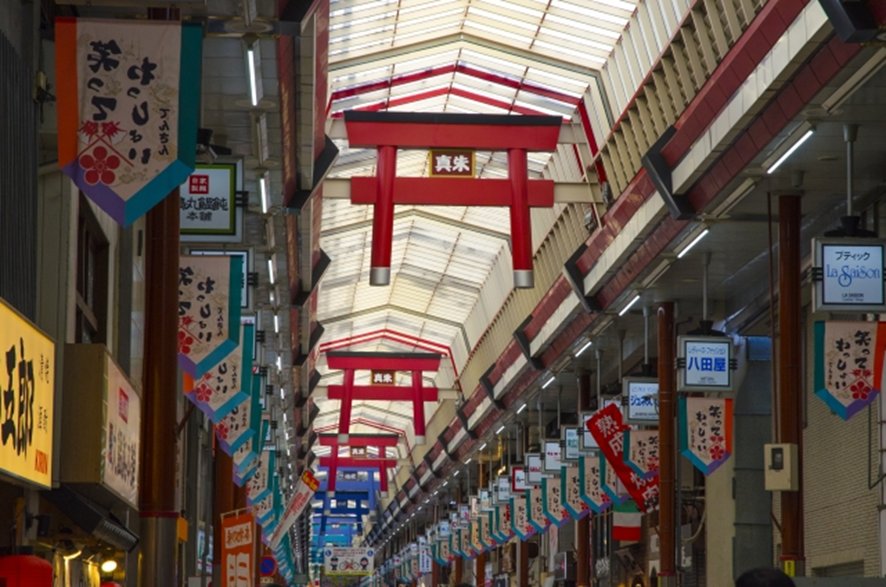
Getting a feel for the big picture makes exploring a new neighborhood far more enjoyable. Tenjinbashisuji’s origins, the different moods of its northern and southern blocks, and the easiest routes from nearby stations are all points worth knowing before you go. With this background, you can pick the blocks that match your interests and make the most of limited time.

Japan’s Longest Shopping Street
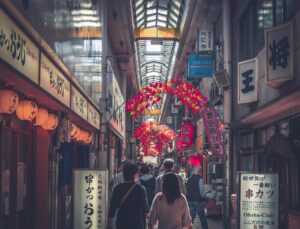
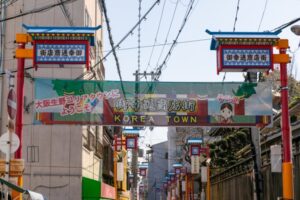
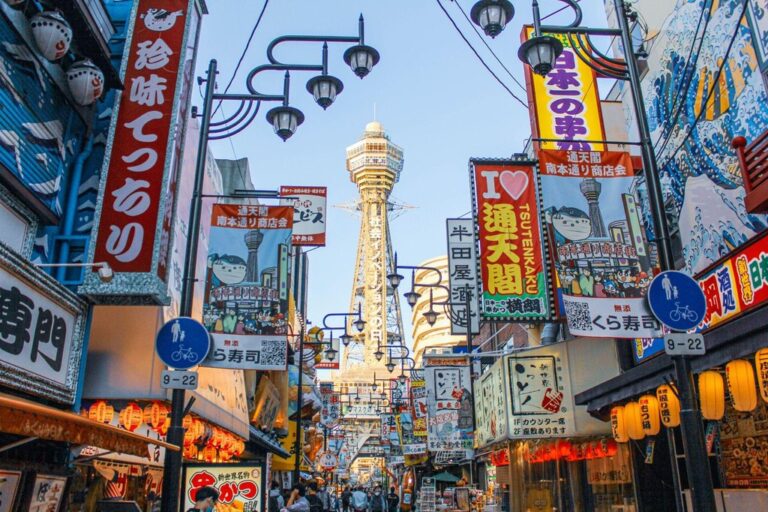
Tenjinbashisuji Shopping Street runs about 2.6 km (1.6 miles) from north to south and is lined with approximately six hundred shops, making it the longest shopping street in Japan. Walking from end to end takes more than forty minutes, so it pays to prioritize the blocks that interest you most. Nearly the entire street is covered, too, which means you can shop and snack without an umbrella even on rainy days.
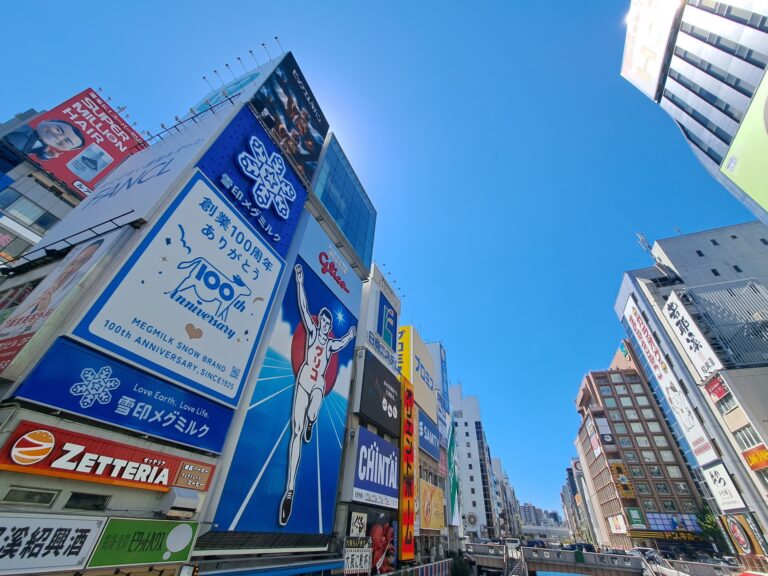
Compared with tourist-filled areas like Dotonbori, Tenjinbashisuji is a shopping street rooted in the daily life of local residents. Restaurants serving lunch in the ¥500 to ¥700 range and shops selling freshly made deli food at modest prices are everywhere. The variety of businesses is diverse, including:
- Restaurants and stands: Selling takoyaki (fried batter balls), croquettes, sushi, and more
- Clothing stores and everyday household goods shops: Catering to local needs
- Distinctive specialists: In knives, used books, and hardware
For a taste of everyday Osaka without tourist pricing, Tenjinbashisuji is a great place to drop by.
A History Beginning with Osaka Tenmangu Shrine
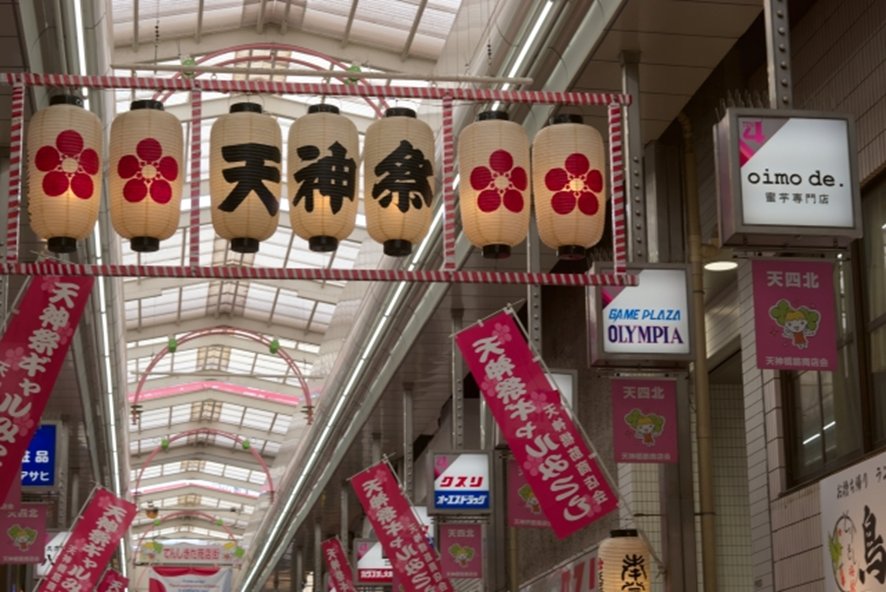
The roots of Tenjinbashisuji Shopping Street stretch back to the Edo period. During this time, people gathered around Osaka Tenmangu Shrine at the street’s southern end, forming a monzen-machi (a town that grows up at a shrine’s gates). In time, a large produce market known as the Tenma Aomono Ichiba took shape here. It was lively enough to rank among the three great markets of Osaka at the time, and it became the prototype of today’s shopping street. In the Meiji era, the area transformed into a modern shopping district, and historic shops that still operate today are scattered along the street. In their signboards and storefronts, you can sense more than one hundred and fifty years of history.
The Tenjin Festival, held every year on July 24th and 25th, is central to the area’s culture. One of Japan’s three great festivals, it began in 951 CE and has been passed down as a rite of Osaka Tenmangu Shrine, the home of Sugawara no Michizane, the deity of learning. During the festival, lanterns line the street and you can watch local residents parade past carrying mikoshi (portable shrines) up close. Beyond shopping, Tenjinbashisuji lets you feel the atmosphere of Osaka’s old working-class neighborhoods firsthand.
The Atmosphere Differs in the South and North Ends
The character of Tenjinbashisuji Shopping Street changes distinctly between its southern and northern halves. Knowing what each block (chome) offers can help you head straight for the area that suits your plans.
Blocks one, two, and three sit close to Osaka Tenmangu Shrine and carry the feel of the old temple-gate town, with well-known shops, household goods stores, cafes, and Japanese confectionery shops. Blocks four, five, and six are known as the street’s food quarter, packed with izakaya (Japanese pub-style restaurants), restaurants, and popular spots for sushi and kushikatsu (deep-fried meat and vegetable skewers). Crowds come here to snack their way along or hop between bars. Supermarkets, drugstores, and clothing stores run the length of the street as well. What makes Tenjinbashisuji distinctive is this unbroken line of shops serving both locals and visitors.
If your time is limited, focus on blocks two to five. Here, you can enjoy a good balance of food and shopping and cover the area in about ninety minutes. Even without walking the full length, these blocks deliver a full sense of what the street has to offer.
Convenient Access from Multiple Stations
Tenjinbashisuji Shopping Street can be reached from several Osaka Metro and JR stations. Knowing the main stations and exits means you can find your way in from any direction.
The closest station to the northern end (blocks six and seven) is Tenjinbashisuji 6-chome Station; Exit 8 opens right onto the street entrance. From the Umeda area it is only about ten minutes by subway, making this a convenient route. For the southern end (blocks one to three), Exit 3 of Minamimorimachi Station is the shortest way in; it brings you out beside Osaka Tenmangu Shrine, ideal if you want to combine a shrine visit with street food. For the middle blocks (four and five), JR Temma Station on the Osaka Loop Line is one stop from Osaka Station.
We recommend starting from one station and heading home from another. For example, begin at Tenjinbashisuji 6-chome Station and leave from Minamimorimachi Station, and you never have to retrace your steps, saving both time and energy.
Four Foods You Shouldn’t Miss at Tenjinbashisuji Shopping Street
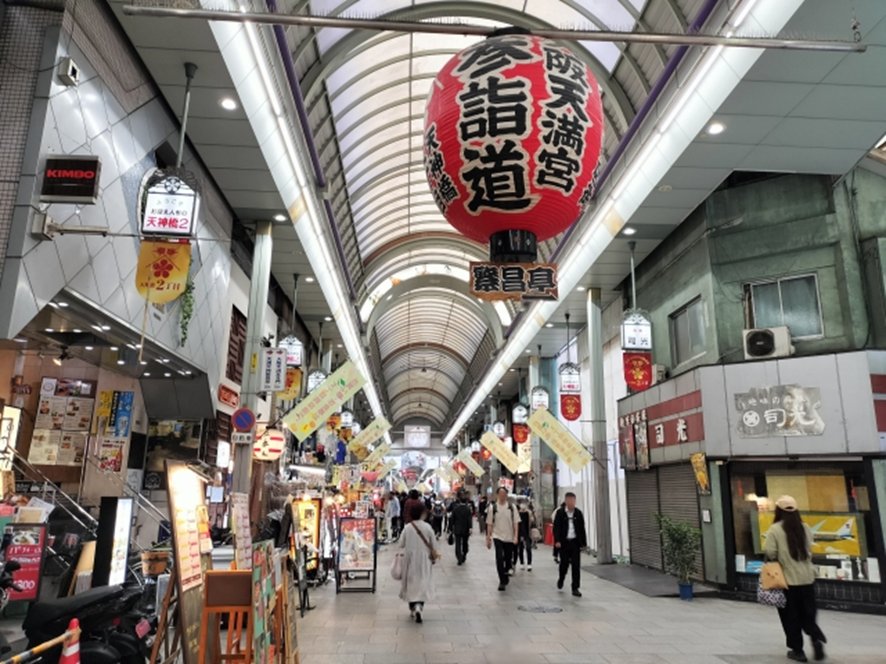
With so many restaurants along Tenjinbashisuji, deciding what to eat can be a real challenge. The four carefully chosen shops introduced below cover croquettes, sushi, takoyaki, and kushikatsu, and offer a well-rounded taste of Osaka. Knowing their prices and the best times to visit makes planning a food walk much easier.
Nakamuraya | Freshly Fried Croquettes
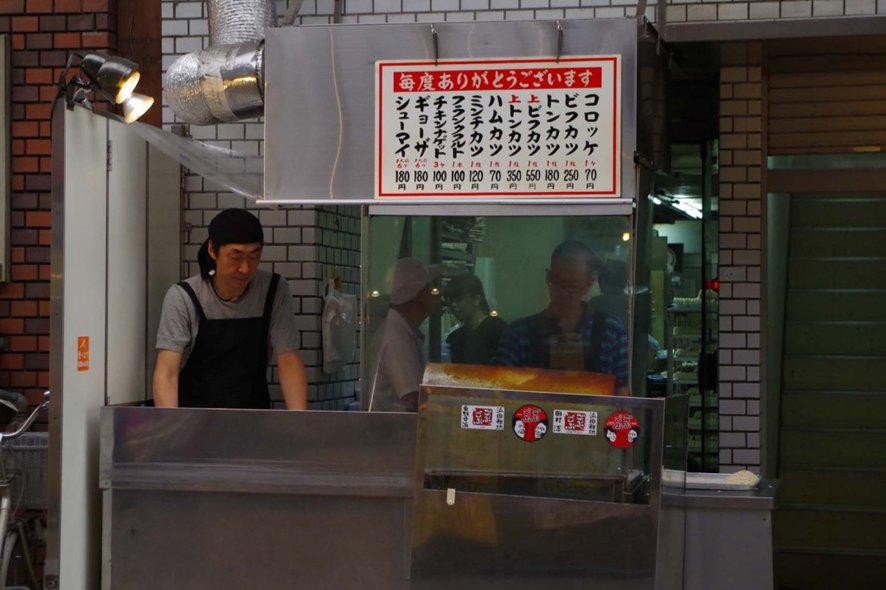
Founded in 1955, Nakamuraya is a shop in block two of Tenjinbashisuji that specializes in croquettes and minced-meat cutlets. Its greatest appeal is a simple flavor that brings out the natural sweetness of the potatoes. The freshly fried coating is crispy, too, giving way to a fluffy, creamy interior. Regulars typically eat the croquettes plain, without sauce, to taste the sweetness of the potato directly.
Prices are modest too: about ¥100 (under $1 US) for a croquette and about ¥150 for a minced-meat cutlet, making Nakamuraya a perfect first stop on a food walk. Before you visit, keep these points in mind:
- Cash only: Credit cards are not accepted
- Expect a wait: About 15 minutes on weekdays and sometimes more than 30 minutes on weekends
Details
| Address | 2-3-21 Tenjinbashi, Kita-ku, Osaka |
| Hours | Mon.-Sat. 9 am-6 pm |
| Closed | Sundays and national holidays |
| Official Website | https://www.tenjin123.com/shops/中村屋/ |
| Recommended For | Anyone who wants an easy taste of freshly fried street food |
Harukoma | Sushi at Affordable Prices
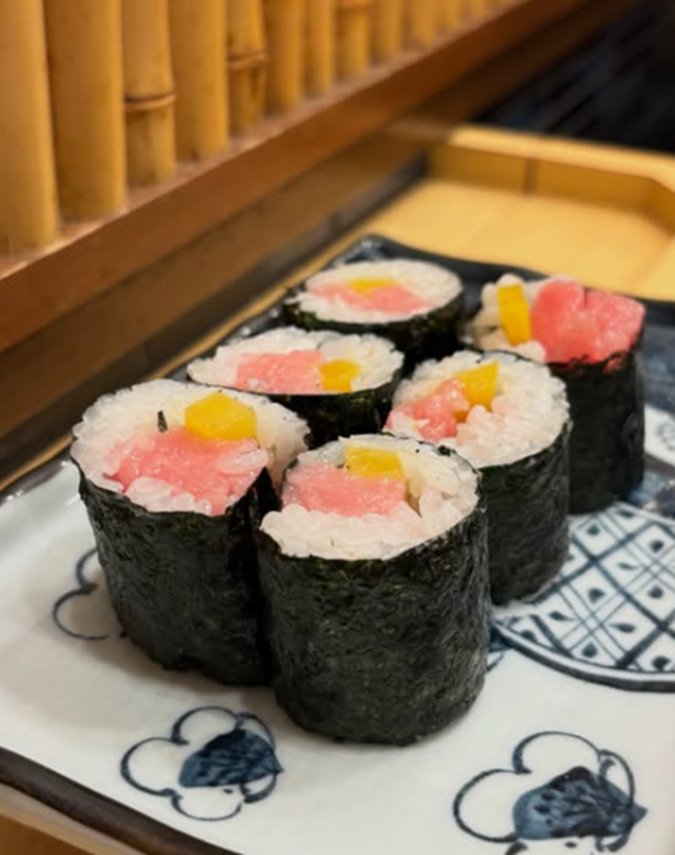
Harukoma, which runs a main shop and a branch in block five of Tenjinbashisuji, is a popular sushi restaurant known for its long lines. Authentic sushi shaped by skilled chefs starts at roughly ¥150 to ¥800 per plate.
The venue is famous for serving sushi toppings so big that they nearly hide the rice underneath them, and few restaurants offer this much volume at these prices. You order by writing on a slip of paper. English and Korean menus are also available, so limited Japanese is no obstacle. Harukoma does not take reservations, however, so it helps to know the typical wait times in advance:
| Time of Day | Weekday Wait | Weekend Wait |
|---|---|---|
| Right after opening (11 am) | 15-30 min | Around 1 hour |
| 12-2 pm (lunch peak) | 30-60 min | 1-2 hours |
| After 5 pm (evening) | 15-30 min | 30-60 min |
Harukoma’s main shop sits down a side alley, while its second branch faces the shopping street. The branch is easier to spot, so first-time visitors may find it more convenient.
Details
| Address (Main Shop) | 5-5-2 Tenjinbashi, Kita-ku, Osaka |
| Hours | 11 am-10 pm (closes once the fish sells out) |
| Closed | Tuesdays |
| Official Website | https://www.instagram.com/harukoma_tenma/ |
| Recommended For | Anyone looking for generous portions and affordable sushi |
Umaiya | Takoyaki with More Than Seventy Years of History
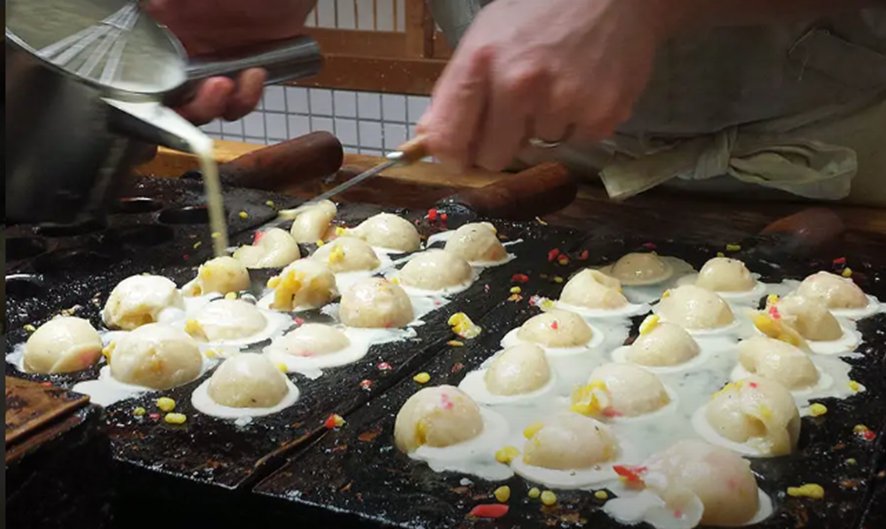
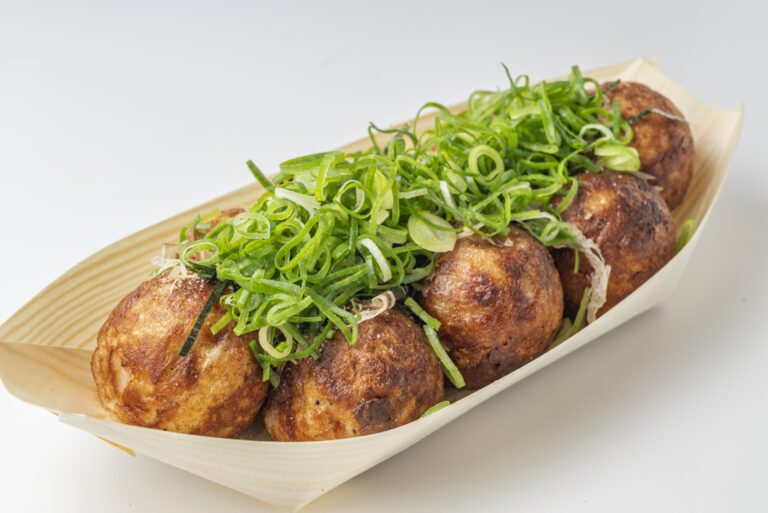
Umaiya is a well-known takoyaki shop that’s been in business for more than seventy years and even boasts a Michelin Bib Gourmand award. It sits on Tengo Nakazaki Shopping Street rather than the main arcade, so confirm the location before you go. The only food on the menu is takoyaki, sold in servings of eight, twelve, and bigger servings. The outside of their takoyaki is crisp and fragrant while the inside is molten, in classic Osaka style. The shop recommends eating the takoyaki plain, without sauce, to fully enjoy the flavor of the batter.
Umaiya serves a mostly local crowd at local prices, offering an unadorned and affordable taste of Osaka takoyaki. The shop closes once the batter runs out, though, so we recommend visiting at around 1 pm-2 pm to ensure you get a taste.
Details
| Address | 4-21 Naniwa-cho, Kita-ku, Osaka |
| Hours | 11:30 am-7 pm (closes once the batter runs out) |
| Closed | Tuesdays (open if the Tuesday is a national holiday) |
| Official Website | https://kckj800.gorp.jp/ |
| Recommended For | Anyone who wants unpretentious, genuine takoyaki |

Osaka: Guided Food Tour with 12 Dishes at 4 Local Eateries
12 unique Japanese dishes for the first time • Skip the tourist traps and visit Izakaya -Japanese casual drinking restaurants • Street food featured in the Michelin Guide
Kushikatsu Shichifukujin | A Small Shop Serving Kushikatsu
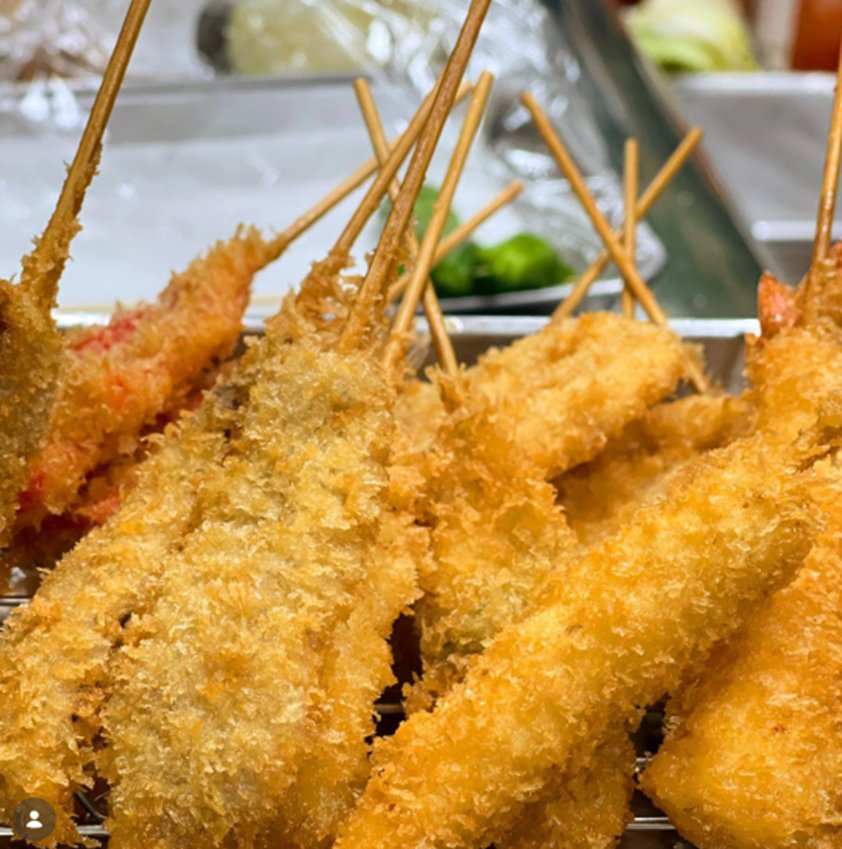
Kushikatsu Shichifukujin, tucked down an alley in block five of Tenjinbashisuji, is a small restaurant with only a handful of seats. There’s nothing staged for tourists here; local regulars enjoying freshly fried kushikatsu is everyday Osaka at its most unvarnished. Osaka’s kushikatsu restaurants have a famous house rule: no double-dipping your skewer in the sauce. It took hold as a hygiene courtesy in the days when shared sauce pots sat on every counter. Many shops now use squeeze bottles instead, but the rule itself remains a beloved symbol of Osaka food culture.
It hasn’t been confirmed whether or not an English menu is available at Shichifukujin, so come ready to point at what you want.
Details
| Address | 5-7-29 Tenjinbashi, Kita-ku, Osaka |
| Hours | Weekdays: 1 pm-11:30 pm Weekends and holidays: 11 am-11:30 pm |
| Closed | Mondays (or the following day if Monday is a national holiday) |
| Official Website | https://www.instagram.com/kushikatsu_shichifukujin/ |
| Recommended For | Anyone who wants to try Osaka’s signature soul food |

Osaka: 2-Hour Highlights & Hidden Gems Walking Tour
Secret backstreets of the city • Kuromon Seafood Market • Street Food(Takoyaki, Gyoza,ect)
Osaka: Guided Food Tour with 12 Dishes at 4 Local Eateries
12 unique Japanese dishes for the first time • Skip the tourist traps and visit Izakaya -Japanese casual drinking restaurants • Street food featured in the Michelin Guide
Four Spots Worth Visiting Near Tenjinbashisuji Shopping Street
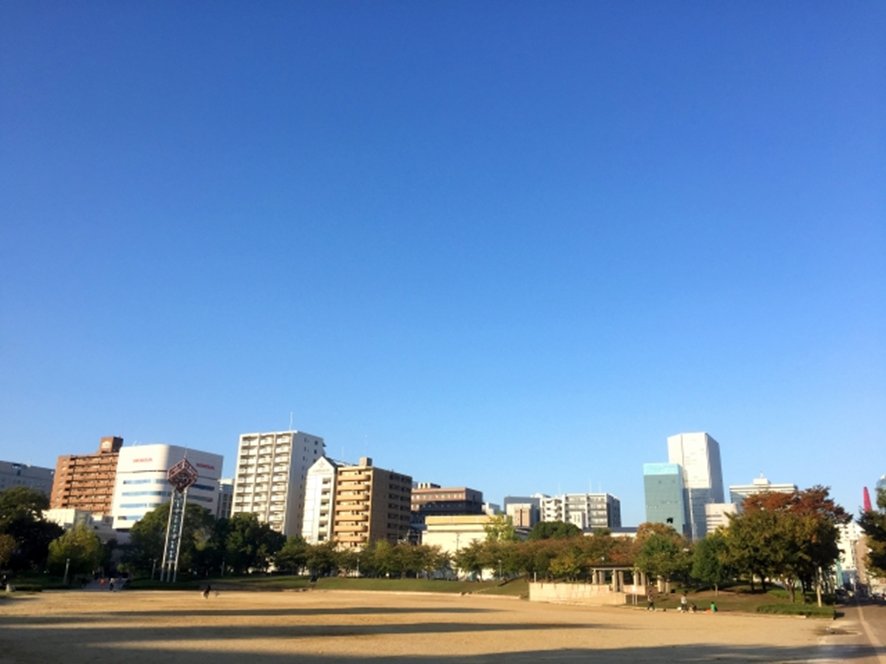
After eating your way along the street, the surrounding area offers plenty to see as well. A historic shrine, a museum dedicated to old Osaka, a theater for traditional arts, and a famous knife shop each provide visitors with a different kind of experience. Choose your stops based on your time and interests, and your walk is guaranteed to be even more rewarding.
Osaka Tenmangu Shrine | Home of One of Japan’s Three Great Festivals
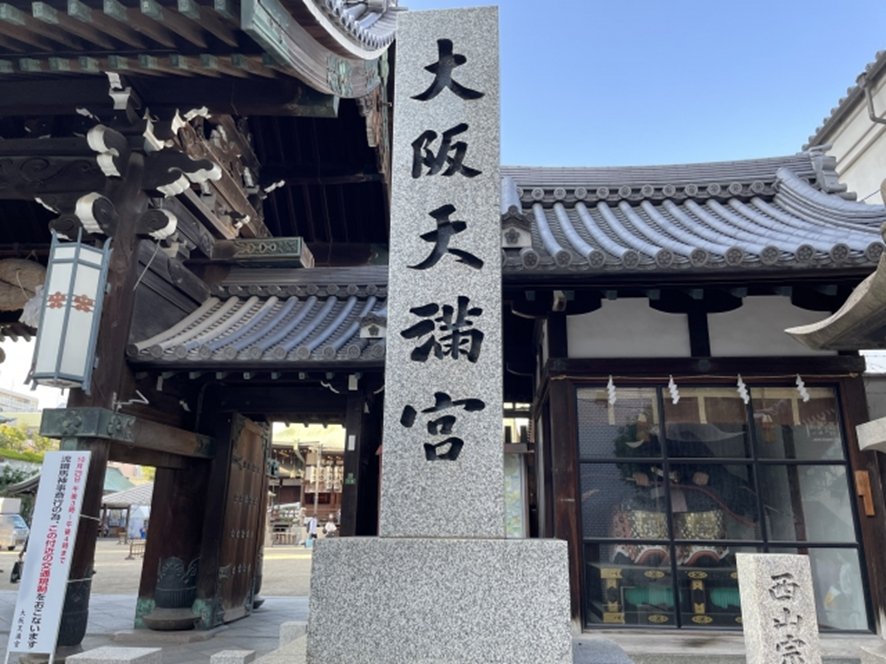
Just steps from the southern end of the shopping street, Osaka Tenmangu Shrine is the easiest spot to visit. Founded in 949 CE, the shrine honors Sugawara no Michizane, the deity of learning. Admission is free, and the grounds include a plum garden famous for its beautiful blossoms. At the amulet counter, protective charms and other items have English labels, so visitors from overseas can also browse.
Every year on July 24th and 25th the shrine hosts the Tenjin Festival, one of Japan’s three great festivals; the boat procession and dedication fireworks on the night of the 25th are spectacular. Note that the shrine can get crowded during exam season (from January to March), so weekdays in spring or early summer present a quieter time to visit.
Details
| Address | 2-1-8 Tenjinbashi, Kita-ku, Osaka |
| Hours | 9 am-5 pm (last reception for services is at 4:30 pm) |
| Closed | Open year-round |
| Official Website | https://osakatemmangu.or.jp/ |
| Recommended For | Anyone interested in local history, festivals, or a quiet stroll in the gardens |
Osaka Museum of Housing and Living | Edo-Period Osaka Recreated
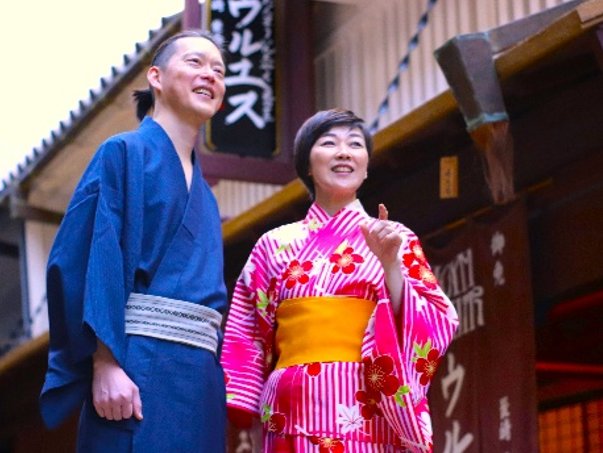
At the far northern end of the shopping street, the Osaka Museum of Housing and Living occupies the eighth floor of a building directly connected to Tenjimbashisuji 6-chome Station. On the ninth floor, the streets of 1830s Osaka are recreated at full scale, and you can step inside the merchant houses and historic buildings for yourself. A popular kimono rental service allows you to stroll the recreated streets in traditional dress for ¥1,000 per person in thirty-minute sessions. Only the first one hundred visitors can join each day, though, and you’ll need to buy your ticket in cash at the machines inside, so arrive early. Anyone 110 cm (about 3 ft 7 in) or taller can usually take part, but we recommend checking the official website beforehand to confirm sizes.
The museum exhibits take about one to two hours to see in full, visiting at the end of your walk will allow you to rest your tired feet while slipping back in time to Edo-period Osaka.
Details
| Address | 8F Housing Information Center Bldg., 6-4-20 Tenjinbashi, Kita-ku, Osaka |
| Hours | 10 am-5 pm (last entry at 4:30 pm) |
| Closed | Tuesdays, New Year’s holidays, occasional temporary closures |
| Official Website | https://www.osaka-angenet.jp/konjyakukan/ |
| Recommended For | Those interested in Edo-period daily life and anyone who wants to wear a kimono |
Tenma Tenjin Hanjotei | A Theater Dedicated to Rakugo
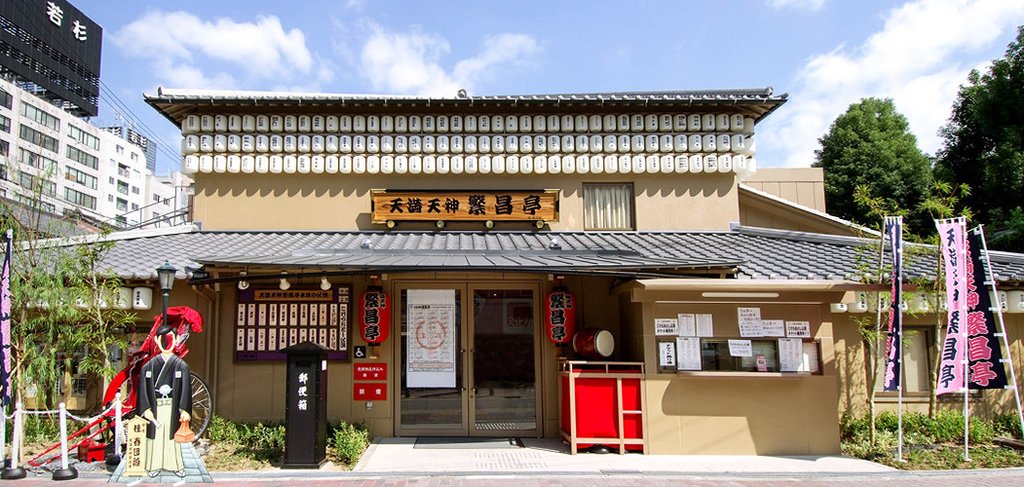
Located in block two of Tenjinbashi in Kita-ku, Tenma Tenjin Hanjotei is a permanent theater for Kamigata rakugo, a style of traditional comic storytelling. With only two hundred and sixteen seats, the small hall puts you close enough to catch every expression and breath of the performers. The daytime program features a lineup of storytellers, from rising talents to veterans, performing a varied bill from 1:30 pm.
A rakugo performer uses only two props: a folding fan and a hand towel. The fan stands in for hard objects, the towel for soft ones. Knowing this will help you read each scene from the performer’s gestures and expressions. Since the theater sits within easy reach of Osaka Tenmangu Shrine, it doubles as a place to rest during your walk. Note that ticket details change with the seasons, so check the official website for the latest information.
Details
| Address | 2-1-34 Tenjinbashi, Kita-ku, Osaka |
| Daytime Show | Starts at 1:30 pm, doors open at 1 pm (ends around 4:10 pm) Box office open from 11 am-7 pm |
| Closed | Varies with the performance schedule (check the official website) |
| Official Website | https://www.hanjotei.jp/ |
| Recommended For | Anyone curious about Japanese performing arts and visiting nearby Tenmangu Shrine |
Kunishige Hamono | A Knife Shop Descended from Edo-Period Swordsmiths
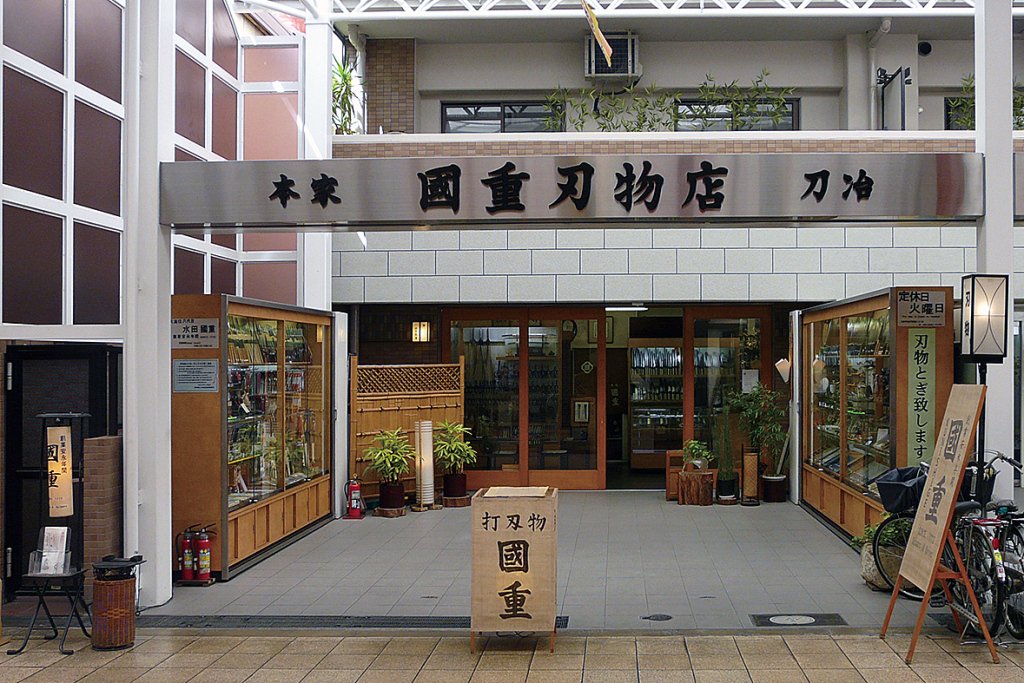
Kunishige Hamono, in block three of the shopping street, is a well-known shop founded in 1786 with roots in swordsmithing. Today it carries a wide range of blades, including Japanese and Western-style kitchen knives as well as carving tools. Japanese-made knives are light and exceptionally sharp, and they remain a popular souvenir. A welcome bonus is that you can pick the knives up in the shop and judge their weight and feel before choosing.
Don’t forget that blades are prohibited in carry-on luggage and must go in checked baggage. To avoid having a purchase confiscated at the airport, pack it securely in your suitcase.
Details
| Address | 3-2-36 Tenjinbashi, Kita-ku, Osaka |
| Hours | 10 am-6 pm |
| Closed | Tuesdays, and the 2nd and 4th Wednesdays |
| Official Website | |
| Recommended For | Travelers looking for a gift for a cooking enthusiast or anyone interested in Japanese knives |
Five Things to Keep in Mind When Exploring Tenjinbashisuji Shopping Street
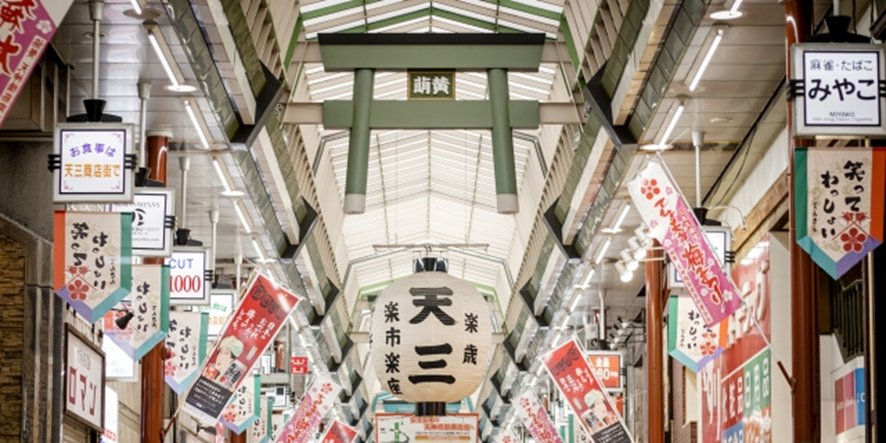
On a first visit, unfamiliar local customs and business hours can catch you off guard. The five points covered below will clear up confusion around takeout etiquette, how much cash to carry, and the best days and times to visit the area. Knowing this information before you go will help you enjoy Tenjinbashisuji with ease and without trouble.
1. Eat Takeout Food in Front of the Shop Where You Bought It
At Tenjinbashisuji Shopping Street, avoid eating while walking: the walkway is narrow, and carrying food through the crowd risks staining other people’s clothing or the merchandise of neighboring shops. The best approach is to stop and finish your food in front of the shop where you bought it—pausing for a moment lets you savor the food while it is fresh, and it often sparks a friendly exchange with the shopkeeper. Most food items are only a few bites in size, so you can enjoy them on the spot. Some shops provide an eating area, so ask when you order. Also keep in mind that trash cans are scarce along the street, so check whether the shop will take your trash or carry it with you back to your accommodation.
2. Bring ¥3,000 to ¥5,000 in Cash
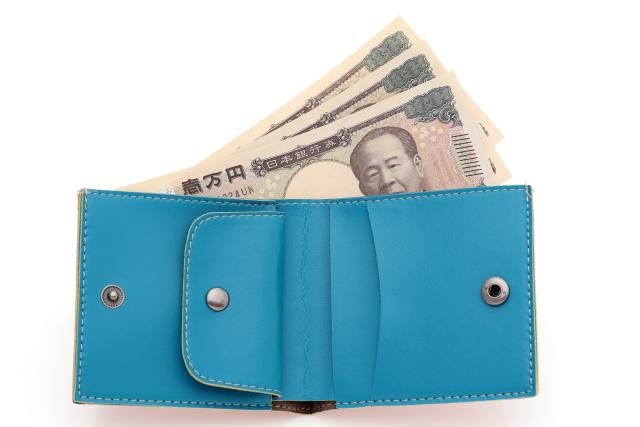
Carry about ¥3,000 to ¥5,000 ($20-$34 US) in cash at Tenjinbashisuji; cashless payment is slowly spreading, but some small street-food stands still only accept cash. Plan to spend ¥1,000 to ¥2,000 on snacks, or ¥2,000 to ¥3,000 if you include lunch. If you expect to make a bigger purchase—such as a kitchen knife—set aside a separate budget.
If you run short on funds, you’ll find ATMs around Minamimorimachi Station:
- MUFG Bank ATM: Available from 7 am to midnight
- Resona Bank Minamimorimachi Branch ATM: Right by Exit 3 of Minamimorimachi Station
- Convenience store ATMs: Many accept overseas credit cards
Be sure to check your wallet before you set out so you’re not caught off guard mid-stroll.
3. Wednesday Through Saturday Are the Best Times to Visit Popular Shops
Popular shops along Tenjinbashisuji close on different days, so to fit in as many as possible, plan to visit between Wednesday and Saturday.
Here’s a rundown of the regular closing days of the main shops and facilities:
| Shop/Facility Name | Regular Closures |
|---|---|
| Nakamuraya (croquettes) | Sundays and national holidays |
| Harukoma (sushi) | Tuesdays |
| Umaiya (takoyaki) | Tuesdays |
| Kushikatsu Shichifukujin | Mondays |
| Osaka Museum of Housing and Living | Tuesdays |
| Kunishige Hamono | Tuesdays, and the 2nd and 4th Wednesdays |
Visit on a Sunday and you’ll miss Nakamuraya’s croquettes; come on a Tuesday and the Museum of Housing and Living is closed. But a visit on a day between Wednesday and Saturday means you’ll avoid regular closing days, so the major shops are most likely to be open. That being said, we recommend that you confirm the latest information for any shop you especially want to visit—since irregular closures are a possibility—then adjust your itinerary accordingly.
4. Most Restaurants Open Around 11 am and Close by the Early Evening
Many of the restaurants along Tenjinbashisuji open at around 11 or 11:30 am and close between 5 pm and 7 pm. Shops selling daily goods open their doors at around 10 am, but restaurants begin roughly an hour later. For street food, 11 am to 3 pm is the best window. After 3 pm, more and more restaurants end their lunch services, creating a lull until dinner service begins around 5 pm. On weekends and holidays, it is not unusual for shops to close even earlier than on weekdays.
Since walking end to end takes thirty to forty minutes, check the hours of any shop you have your heart set on before you go. That way you’ll avoid the heartbreak of arriving only to find the shutters are closed.

5. Wear Shoes Made for Long Walks

Tenjinbashisuji shopping street is about 2.6 km (1.6 miles) in length, but a round trip with food stops added in can easily result in walking 4 to 5 kilometers (2.5-3 miles). And if you continue on to Nakazakicho and beyond, you might even exceed ten km (about 6 miles).
Simply wearing cushioned sneakers or walking shoes makes an enormous difference in how tired you feel during your explorations. When choosing footwear, look for:
- A fit with room at the toes: And a heel that stays firmly in place
- A cushioned sole with moderate spring: Neither too soft nor too stiff
- Laces or hook-and-loop straps: That let you adjust the fit across the top of the foot
When fatigue sets in, take a break at a cafe or in the grounds of Osaka Tenmangu Shrine. Comfortable feet are what keep a long walk enjoyable, so put your comfort first.
More Places to Visit Around Tenjinbashisuji Shopping Street
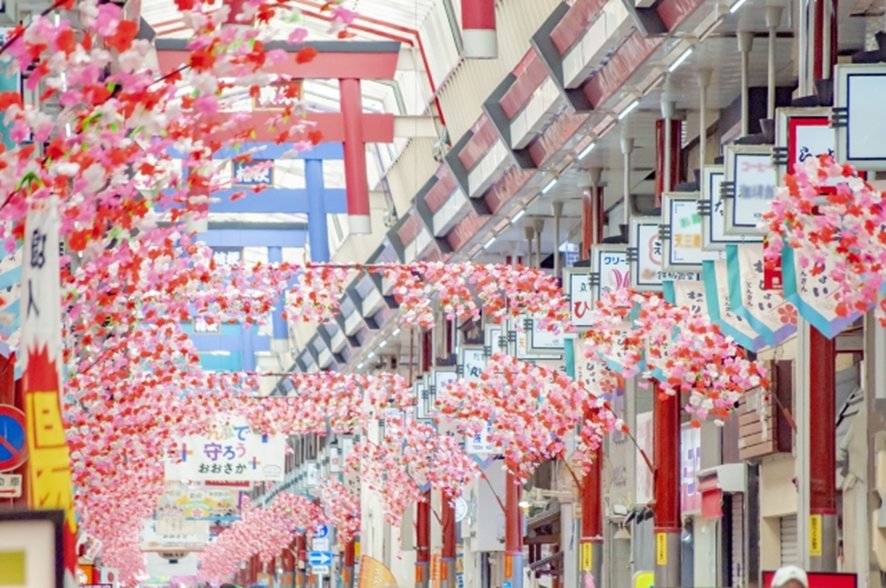
If you still have time after visiting the shopping street, the surrounding neighborhood is excellent for further exploring. You’ll find areas and facilities within walking distance and with distinctly different characters: for example, a nostalgic back-alley cafe district, a free museum, and a hands-on museum for families. Each spot can work well as part of a half-day plan combined with sightseeing on Tenjinbashisuji shopping street.
Nakazakicho | Back Alleys Dotted with Historical Cafes
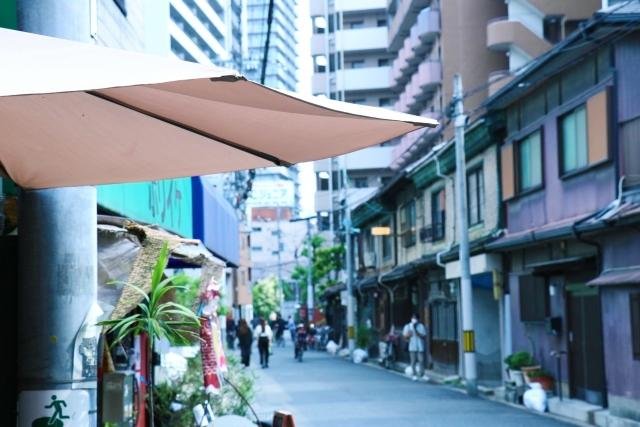
Beyond the end of Tenjinbashisuji’s arcade lies the back alleys of Nakazakicho. Only about a five-minute walk from Tenjinbashisuji 6-chome Station, this quiet district still has wooden houses from before the war. Its charm lies in the cafes and craft shops scattered throughout the area and occupying old houses. Signage tends to be understated, so it helps to check the addresses of shops that interest you on social media before visiting.
Most cafes in Nakazakicho open between 11 am and 1 pm. In contrast to Tenjinbashisuji’s lively arcade, Nakazakicho offers a much slower, unhurried pace. We recommend spending the morning eating your way along Tenjinbashisuji shopping street, then moving on to Nakazakicho in the afternoon.
Details
| Address | Around 1-chome Nakazaki-nishi, Kita-ku, Osaka |
| Hours | Vary by shop (many open 11 am-1 pm) |
| Closed | Many shops are closed on Mondays and Wednesdays |
| Official Website | See each shop’s social media |
| Recommended For | Anyone who loves old-fashioned vibes and retro cafes |
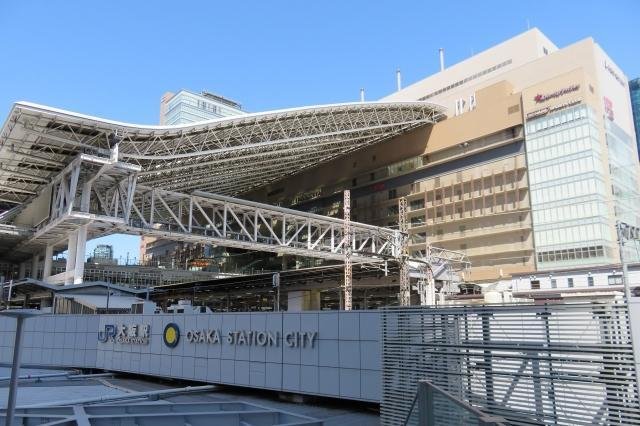
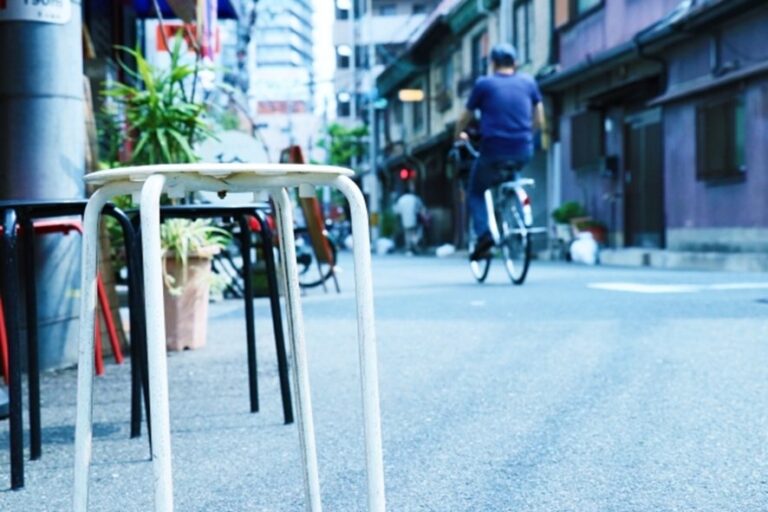
Mint Museum | A Free Museum of Japanese Currency
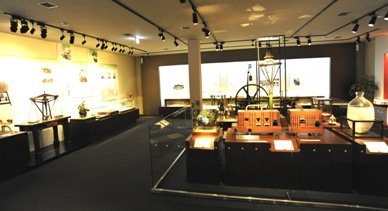
About fifteen minutes from Minamimorimachi Station, the Mint Museum stands on the grounds of the Japan Mint. Admission is completely free and reservations aren’t required, so the Mint is still a possibility even after you’ve spent your entire budget on street food. The museum occupies a Meiji-era Western-style brick building—erected in 1911 as a thermal power station—and the architecture itself is part of the appeal. Inside, exhibits trace the history of Japanese currency and even extend to metal craftwork, making for an informative visit.
In spring, the Mint hosts a famous cherry blossom event, the Sakura-no-Torinuke. Note that the museum closes temporarily during this period and attending the event requires a reservation, so check the official website if you’re planning a spring visit.
Details
| Address | 1-1-79 Temma, Kita-ku, Osaka |
| Hours | 9 am-4:45 pm (last entry at 4 pm) |
| Closed | Wednesdays; Dec. 29-Jan. 3; during the cherry blossom event |
| Official Website | https://www.mint.go.jp/enjoy/plant/plant-osaka/plant_visit_museum_h.html |
| Recommended For | Anyone interested in Japanese currency or Meiji-era architecture, or looking for a free attraction |
Kids Plaza Osaka | A Hands-On Museum with Eye-Catching Architecture
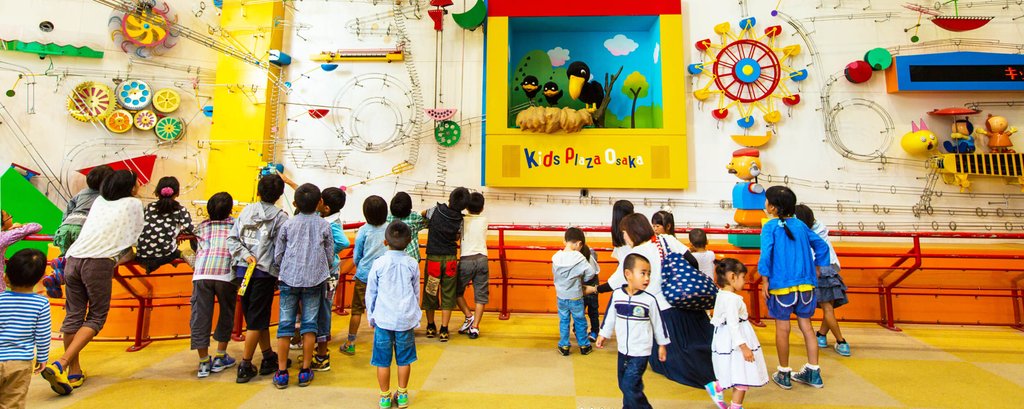
Just a short walk from blocks four and five of Tenjinbashisuji shopping street is the strikingly colorful Kids Plaza Osaka. Though often assumed to be only for children, the venue is worth a visit for anyone who loves architecture. The Kids’ Town area inside was designed by the artist Friedensreich Hundertwasser, and its flowing curves and bold colors envelop the entire space, with barely a straight line in sight—the spiral tower rising through the atrium on the fourth and fifth floors makes for an excellent photo subject.
The exhibits fill five floors and feature science and culture themes, and hands-on workshops are also plentiful. Located right outside Ogimachi Station, Kids Plaza Osaka easily fits into your plans at Tenjinbashisuji shopping street.
Details
| Address | 2-1-7 Ogimachi, Kita-ku, Osaka |
| Hours | 9:30 am-5 pm (last entry at 4:15 pm) |
| Closed | 2nd and 3rd Mondays (or the following day if a national holiday), New Year’s holidays; occasional temporary closures |
| Official Website | https://www.kidsplaza.or.jp/ |
| Recommended For | Families with children and travelers interested in architecture and art |
Common Questions About Tenjinbashisuji Shopping Street

Settling your questions before you arrive means no scrambling on the day. How long a visit takes, which shops offer English menus, when the street is at its best, and which tours pair well with a visit are the points travelers ask about most.
Do I Need to Walk the Entire Street?
Walking the full 2.6 km (1.6 miles) takes about forty minutes, but there is no need to force yourself to cover every block. If you focus on blocks two to five, where the main attractions are clustered, one and a half to two hours is plenty; if you have more time, a three-hour plan covering blocks one through seven can be rewarding. And if you do intend to walk all the way to block seven, try for the Manpo-jo, a certificate of completing the full walk. Pick up a declaration tag in block 1, collect stamps at three checkpoints, and you’ll have proof you walked the whole street. Stamps are available from 10 am to 6 pm, so choose a plan that fits your time and stamina.
Are There Shops with English Menus?

Overall, shops with English menus are the minority. That being said, the sushi restaurant Harukoma offers English and Korean menus, making ordering straightforward. But even at shops without English menus, many of Tenjinbashisuji’s street-food vendors display their products in storefront cases: croquettes, imagawayaki (grilled cakes filled with sweet bean paste), crepes, and more. At most of these places, you can simply point at an item or photo and indicate how many you want, so the area is relatively easy to navigate even with limited Japanese.
Translation apps help too. They work well on printed menus but struggle with handwritten ones, so you may need to point and gesture even with the help of an app.
If you have limited Japanese ability:
- Head first for shops with multilingual menus: Such as Harukoma
- At street-food stands: Point at the display case or product photos to order
- Use translation apps for printed menus: But don’t rely on them for handwritten ones
When Is the Best Time to Visit Tenjinbashisuji?
Because Tenjinbashisuji is a covered street, it can be enjoyed year-round and in any weather. The experience changes with the season, though, so choose a time that suits your schedule. The street is at its liveliest during the Tenjin Festival (July 24th to 25th). During this time, the whole street takes on a festive mood, but crowds surge after 5 pm and by 7 pm and walking is difficult. Traffic restrictions are also in place during the festival, so if your schedule is tight, it might be better to avoid this time of the year altogether.
Here’s what each season offers travelers:
- Spring (March-May): Ideal for strolling; The cherry blossom event at Japan Mint is worth checking out
- Summer (June-August): Hot and humid, so keep hydrated; the Hoshiai Tanabata Festival takes place in early July
- Autumn (September-November): Stable weather and relatively light crowds make this an excellent season for tourist activities
- Winter (December-February): It gets cold outside the shopping streets, so an extra layer of clothing is a must
For the best balance of comfort and crowds, spring and autumn are the seasons to aim for.
Are There Tours of the Shopping Street?
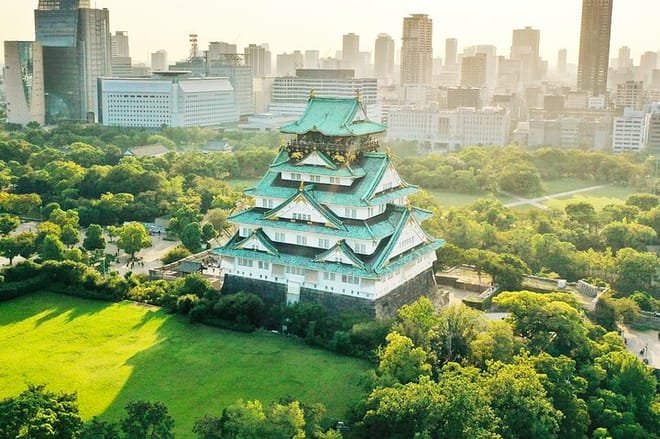
Eating your way along the shopping street is a pleasure in itself, but participating in a guided tour as you do so lets you experience Osaka from more angles.
Three tours run by Japan Guide Stars fit in easily before or after a stroll in the Tenjinbashisuji area:
- Osaka Food Tour: Visit four local restaurants with a guide and sample twelve dishes, a great way to enjoy Osaka’s food scene
- Osaka Castle Walking Tour: Includes castle tower admission and the historical background is explained to you in person by an experienced guide
- Sumo Experience Show: Watch a live show performed by sumo wrestlers, with the unique opportunity for audience members to step into the ring and take on a sumo wrestler
Details for each tour are available at the links above, so check whichever fits your itinerary.
Osaka: Guided Food Tour with 12 Dishes at 4 Local Eateries
12 unique Japanese dishes for the first time • Skip the tourist traps and visit Izakaya -Japanese casual drinking restaurants • Street food featured in the Michelin Guide
Experience Everyday Osaka at Tenjinbashisuji Shopping Street
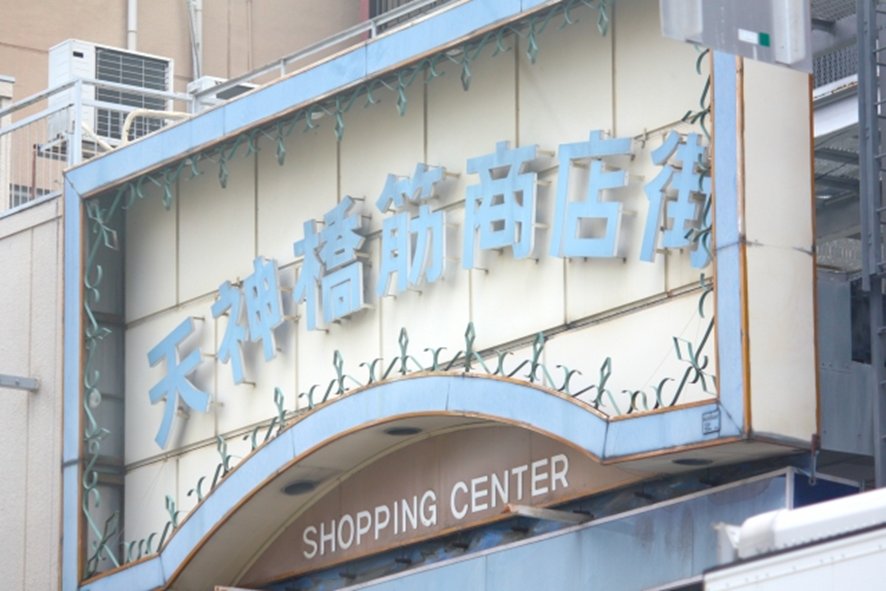
Tenjinbashisuji shopping street packs a rich mix of food and culture into roughly 2.6 km (1.6 miles) of covered space, offering an immersive taste of Osaka’s old downtown. Mind the takeout etiquette, carry some cash, wear comfortable shoes, and the day is sure to exceed expectations. Come find the dish that becomes your favorite memory of Osaka.