The Complete Guide to Tokyo Sumo Beya: A Sumo Show at the Former Kitanoumi Stable
Are you looking for a place in Tokyo where you can see sumo up close? In Tokyo, the Grand Tournaments—the official tournaments organized by the Japan Sumo Association—are held only three times a year in January, May, and September, and tickets can also sell out right after they go on sale. If you can find a sumo experience that you can reliably book around your travel dates, it’s much easier to plan your trip.
In this article, we’ll cover Tokyo Sumo Beya, a sumo show venue in the former sumo stable where a grand champion actually trained sumo wrestlers. We’ll explain prices, show times, and how to book, as well as the conditions for the meal plan, what to expect on the day, and what to know before you book. We also explain how Tokyo Sumo Beya differs from other sumo experiences, so you can decide whether it fits your trip or not.
Contents
- What Kinds of Travelers Is Tokyo Sumo Beya Best Suited For?
- Basic Information About Tokyo Sumo Beya
- History: The Former Stable of Grand Champion Kitanoumi
- Access: A Five-Minute Walk from Exit A1 of Kiyosumi-Shirakawa Station
- Admission: From ¥14,000 per Person
- Show Times: Four Shows a Day at an Hour and a Half Each
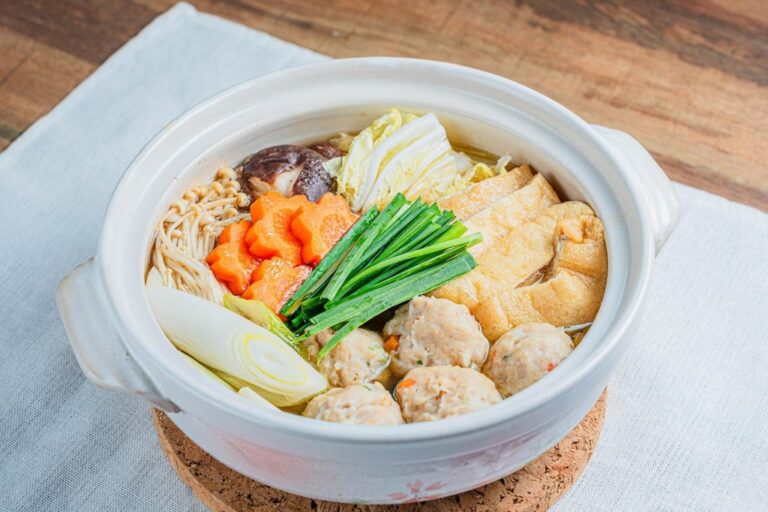
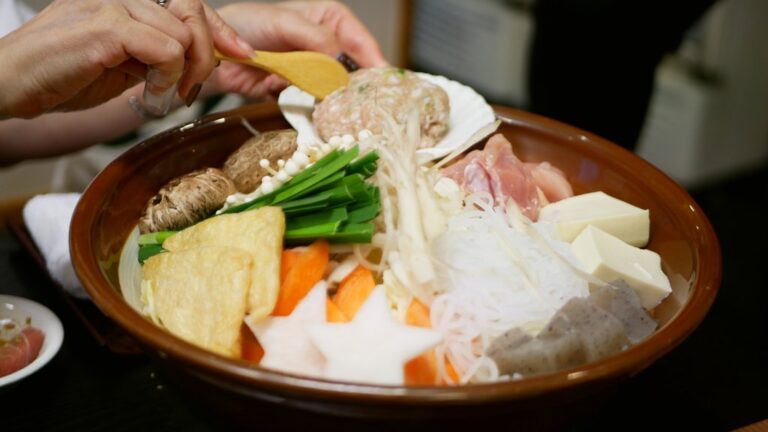
- Food and Drinks: Unlimited Servings of the Wrestlers’ Hot Pot
- English Support: Sumo History and Rules Explained in English
- How to Make a Reservation at Tokyo Sumo Beya and What to Expect
- What to Know When Buying Tickets for Tokyo Sumo Beya
- Limitations to Know Before You Book at Tokyo Sumo Beya
- Other Ways to Experience Sumo in Japan Besides Tokyo Sumo Beya
- Frequently Asked Questions About Tokyo Sumo Beya
- Summary
What Kinds of Travelers Is Tokyo Sumo Beya Best Suited For?
At Tokyo Sumo Beya, you’ll watch a show performed by former professional sumo wrestlers. In this section, we’ll look at who the venue is ideal for and who might prefer a different experience, focusing on where expectations and reality can differ.
Ideal If You Want to See a Sumo Show at a Former Sumo Stable
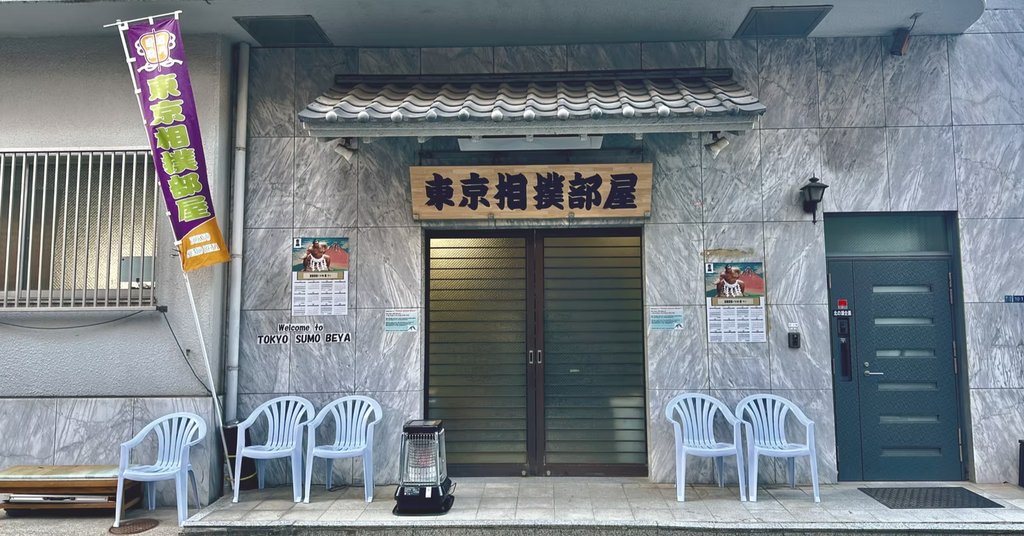
Tokyo Sumo Beya holds its performances in the building of a sumo stable where stablemaster Kitanoumi once coached wrestlers. The venue promotes its show as the only sumo show in Japan held at a former stable, making the setting ideal if you want to enjoy a sumo show that makes use of the stable’s actual training area.
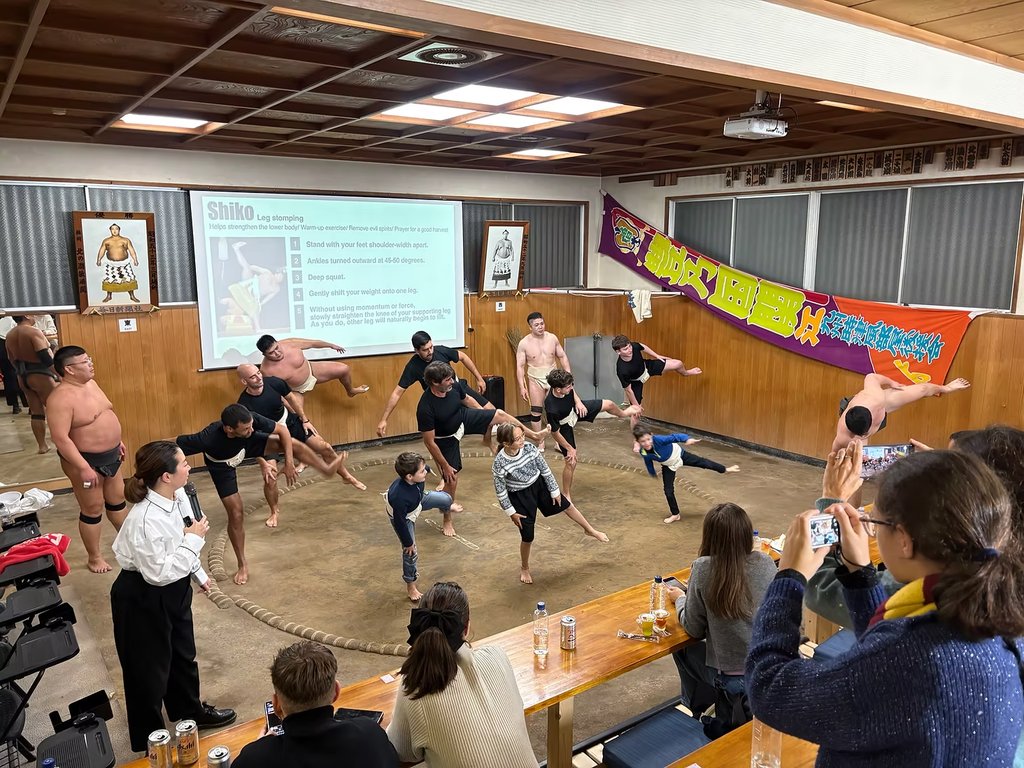
The show begins with commentary from an English-speaking host. If you’d like, you can also learn techniques from the former sumo wrestlers and try them out yourself. The show is designed so you can follow along even with no prior knowledge of sumo. It’s well suited to travelers who couldn’t get tickets for a Grand Tournament or people who would like a casual introduction to Japanese culture with family or friends.
https://japanguidestar.com/tour/tokyo-sumo-morning-practice-viewing-tour-at-a-real-stable/
Not Designed for Watching Current Professionals Train or Compete
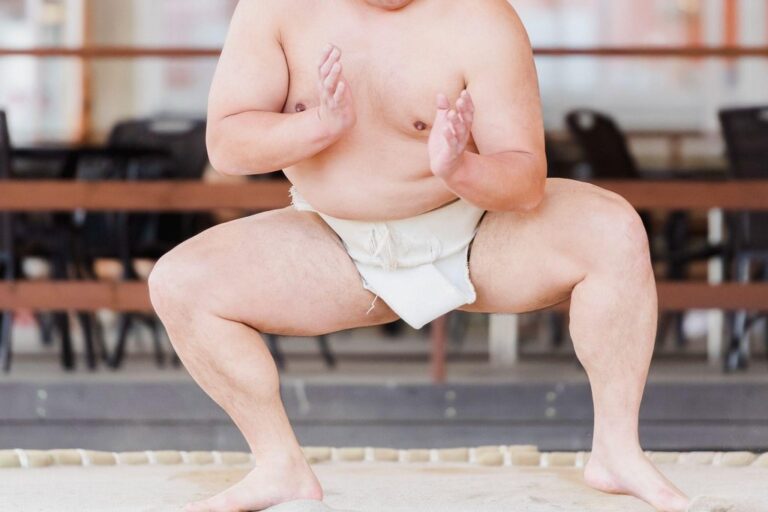
At Tokyo Sumo Beya, you’ll see a show performed by former professional sumo wrestlers, complete with practice routines that are part of the show. However, the venue isn’t a place to watch the daily training of current professional sumo wrestlers who belong to the Japan Sumo Association, or watch Grand Tournament matches that the association organizes. If you’d like to see current wrestlers, consider the following options:
- Attend a Grand Tournament: In Tokyo, Grand Tournaments are held at the Ryogoku Kokugikan in January, May, and September. You can buy tickets through the official ticketing site, Ticket Oosumo, and other outlets.
- Visit morning practice at a sumo stable: Some stables accept visitors. However, public viewing is suspended during Grand Tournaments or provincial tours, when wrestlers travel around the country for exhibitions, and visiting conditions vary by stable.
- Attend a provincial tour: Provincial tours are held in different regions throughout Japan during months when a Grand Tournament isn’t scheduled. You can watch a full day of events at these tournaments, from open practice to matches.
Dates for practice visits often can’t be confirmed until shortly before your visit. If your stay is short, a show like that at Tokyo Sumo Beya (which you can reliably attend once you book) is a practical option.
Basic Information About Tokyo Sumo Beya
In this section, we’ll cover the basics about Tokyo Sumo Beya, from the building’s history and access to prices, show times, food, and available English support.
History: The Former Stable of Grand Champion Kitanoumi
The building in which Tokyo Sumo Beya holds its performances is the training hall of Kitanoumi Stable. Kitanoumi founded this sumo stable in 1985 and this is where he trained his apprentices as stablemaster. Kitanoumi held the rank of yokozuna—or Grand Champion—the highest rank possible in sumo. After he died in 2015, the stable was renamed Yamahibiki Stable and continued under this new name, eventually moving to a different location in 2017. The building opened as a sumo show venue in April 2025.
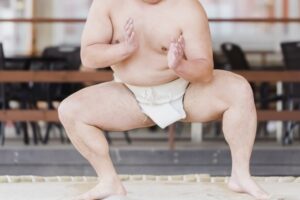
The venue’s main feature is that you can watch the show in a place where, for more than 30 years, real wrestlers practiced shiko—raising one leg high and stamping it down—and pushing drills. If you’re concerned that the show is just a tourist trap, you can rest assured knowing that the building’s history itself is evidence that it’s the real thing.
Access: A Five-Minute Walk from Exit A1 of Kiyosumi-Shirakawa Station
The nearest train station is Kiyosumi-Shirakawa Station, which is served by the Tokyo Metro Hanzomon Line and the Toei Oedo Line. The venue is about a five-minute walk from Exit A1, and you can get there (without changing trains) from the following stations: Ryogoku Station (about three minutes via the Oedo Line), Shibuya Station (about twenty-three minutes via the Hanzomon Line), and Shinjuku Station (about twenty-six minutes via the Oedo Line). The venue is close to Ryogoku—home of Ryogoku Kokugikan, the arena where the Grand Tournaments are held—so you can easily combine your visit here with sumo-related sightseeing on the same day.
Details
| Address | 2-10-11 Kiyosumi, Koto-ku, Tokyo |
| Hours | Shows start at 8:30 am, 11:00 am, 3:00 pm, and 7:00 pm (about 1.5 hours each) |
| Closing days | Not listed on the official website (check availability on the booking page) |
| Official website | https://www.tokyosumobeya.com/ |
| Recommended for | Travelers who want to watch or try sumo, with English commentary, in a space that was once a real sumo stable |
Admission: From ¥14,000 per Person
Regular admission is ¥14,000 per person for the sumo show and ¥17,000 per person for the show and a meal of chanko-nabe, the hot pot that sumo wrestlers eat (as of October 2026; check the official website for the latest prices). The official website sometimes offers booking discounts below the regular price. Prices also vary by booking site, so we recommend comparing several sites before you buy your ticket.
There are no discounted prices for children, so kids will pay the same price as adults. If you’re attending as a family, check the total price for your group in advance.
Show Times: Four Shows a Day at an Hour and a Half Each
Shows start four times a day, at 8:30 am, 11 am, 3 pm, and 7 pm. Each show is scheduled to run for about an hour and a half.
| Show time | How the time fits travel |
|---|---|
| 8:30 am–10:00 am | You can go sightseeing in the morning after the show |
| 11:00 am–12:30 pm | Enjoy lunch at the venue |
| 3:00 pm–4:30 pm | A good use of free time before dinner |
| 7:00 pm–8:30 pm | Enjoy dinner at the venue |
The 8:30 am show ends at 10 am, so you can spend the whole day visiting nearby sights like Ryogoku and Asakusa after the show. Alternatively, you can attend the 7 pm show after a full day of sightseeing, and if you choose the meal plan, dinner is taken care of. Note that shows with only a few volunteers for the sumo activity might wrap up earlier than scheduled.
Food and Drinks: Unlimited Servings of the Wrestlers’ Hot Pot
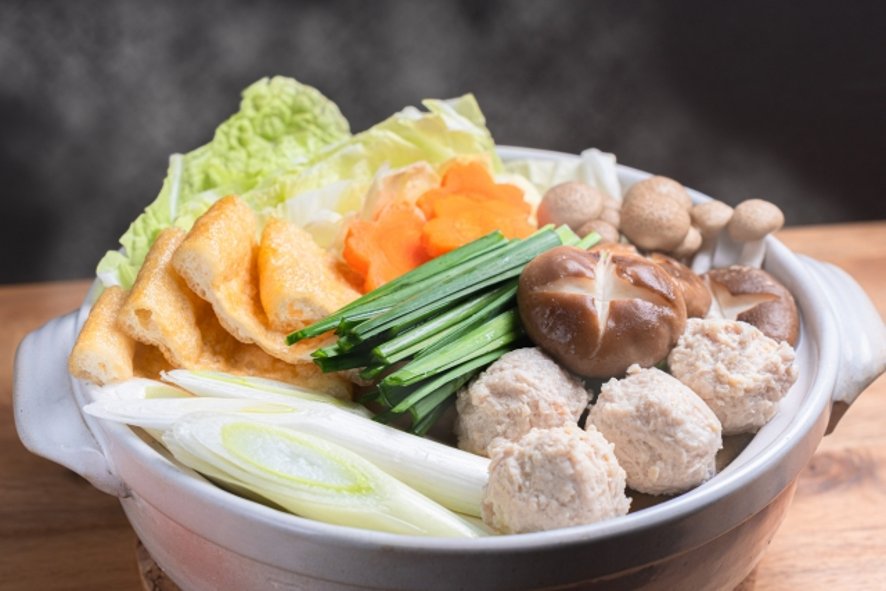
The chanko-nabe served with the meal plan is chicken flavor, and you can have as many servings as you like. In the sumo world, any meal that sumo wrestlers eat is called chanko, and the best-known type is a stew of meat and vegetables simmered together. You’ll eat it while listening to English commentary, learning about sumo history and enjoying the same food Japan’s wrestlers eat.
Vegan options are also available, so just let the staff know when you arrive. Also let them know if you have food allergies. Since the official website doesn’t list which allergens the venue can accommodate, it’s a good idea to inquire by email before you book. Drinks other than water, including alcoholic beverages, are available for purchase at the venue for an additional fee.
English Support: Sumo History and Rules Explained in English
You can book your spot through the official English website or English booking sites, so you can confirm the details of your visit even if you don’t read Japanese. During the show, an English-speaking host will explain the history and rules of sumo during the first thirty minutes or so of the show, and you’re welcome to ask questions along the way. Because you can ask simple questions on the spot—such as why wrestlers throw salt into the ring—you’ll likely be able to follow the highlights of the matches even without any prior knowledge.
The venue offers free Wi-Fi too, so if you’re not confident communicating in English, you can use a translation app while you listen to the commentary. Download the app before your visit so you’ll be ready to use it on the day.
How to Make a Reservation at Tokyo Sumo Beya and What to Expect
In this section, we’ll go through each step of the reservation process, from booking your ticket to entering the venue and even cover how the show proceeds. By covering these points in advance, you’ll be able to focus on the experience itself, without any confusion.
Booking: Choose a Date, Time, and Plan
To make a reservation, choose the date, show time, and plan on the official website’s online booking page or on a booking site. Once you’ve paid, you’ll receive your ticket by email. Show this ticket at the venue on the day. Cancellation policies vary with the booking platform, but current information (as of October 2026) for popular sites is as follows:
| Official website | GetYourGuide and Klook | |
|---|---|---|
| Cancellation policy | No refund from the day before the show, and cancellations earlier than that incur a 10% fee | Full refund up to 24 hours before the start of the show |
| Date and time changes | Allowed up to 24 hours before the show | Depends on the policy of each site and plan |
Cancellation policies vary by site and plan, so be sure to check those details when you book. If your itinerary isn’t finalized yet, a booking site that offers free cancellation until shortly before the show should give you more flexibility.
If you’d like to attend on the day of the show, send an email to tokyosumobeya.kitamura@outlook.jp and ask about availability. Head to the venue only after the venue confirms that a seat is available. Many shows fill up ahead of time, so it’s best not to go straight to the venue on a whim. You can also inquire by phone at 090-5667-8085.
Before the Show: Choose Any Seat on a First-Come, First-Served Basis
The venue opens twenty to thirty minutes before the show starts. When you arrive on foot from Exit A1 of Kiyosumi-Shirakawa Station, have your ticket ready and wait near the entrance. After you show your ticket, take off your shoes and step up onto the tatami mats that cover the seating area.
You can choose any seat you like as they aren’t reserved. The front rows are recommended for families with children, and if you’d like a spot right next to the ring, it’s a good idea to arrive right when the venue opens. Seats in the second and third rows are recommended for visitors needing back support and for older visitors.
During the Show: Educational Commentary, Matches, and a Sumo Activity
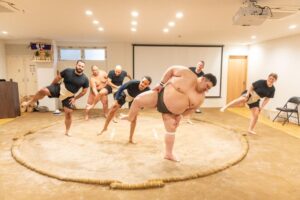
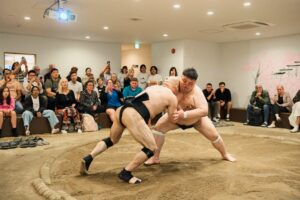
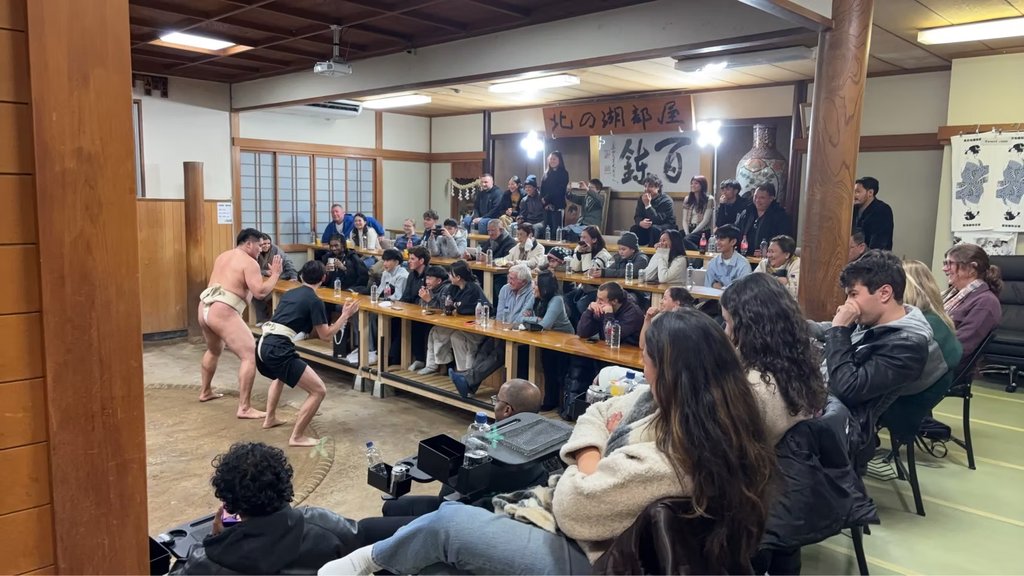
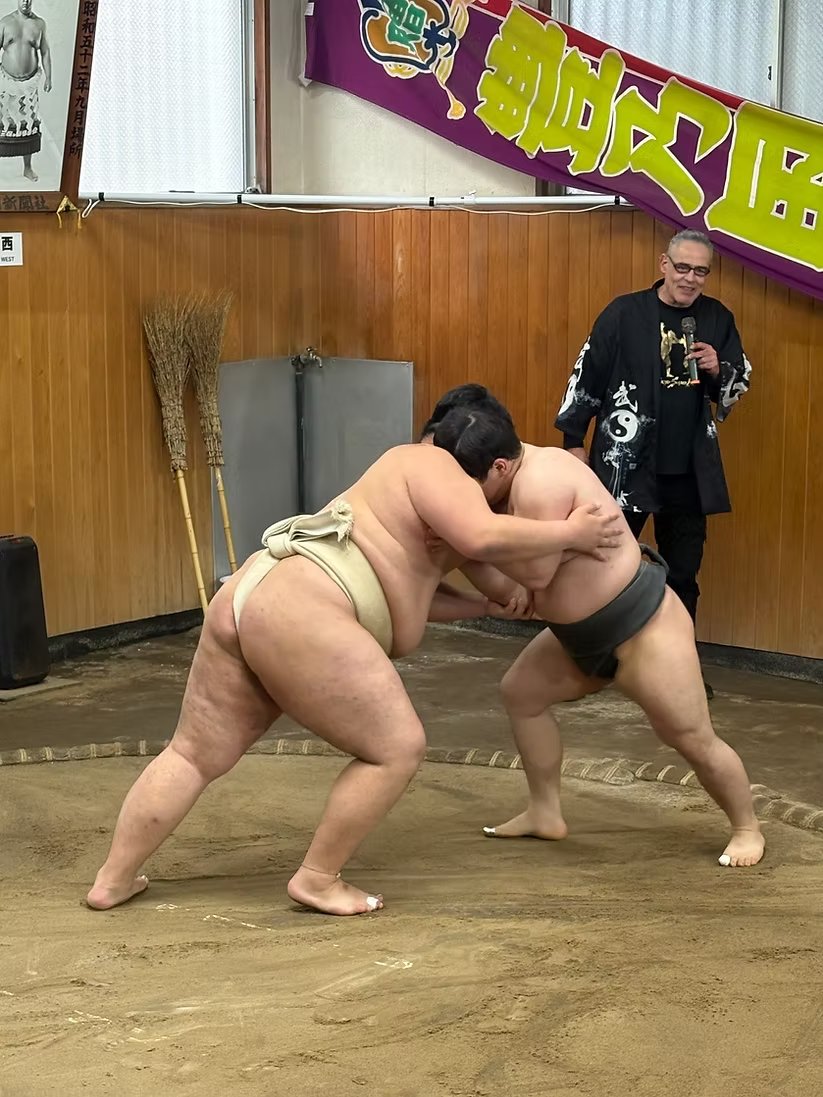
The first thirty minutes of the show includes an explanation of sumo’s history and rules from an English-speaking host. Next, the wrestlers demonstrate practice routines and some moves that may make you laugh. After that, you’ll see real, full-force matches. When you hear the huge bodies collide head-on just a few meters away from you, you’ll likely find sumo to be far more powerful than it looks on TV.
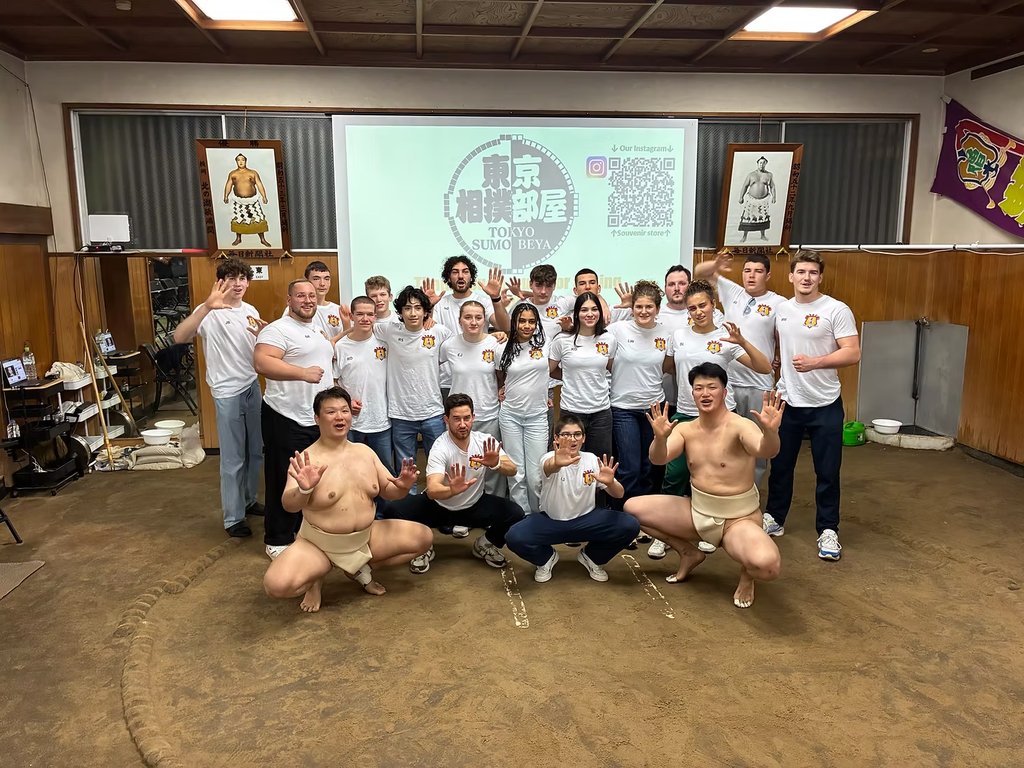
In the second half, up to seven volunteers can learn techniques from the former sumo wrestlers and, to finish, take on a wrestler in a match. The ring can be slippery, so listen carefully to the wrestlers’ instructions when you take part. At the end, everyone, including guests who didn’t join the sumo activity, steps into the ring for photos with the wrestlers. With that, the show ends.
What to Know When Buying Tickets for Tokyo Sumo Beya
In this section, we’ll focus on three points that are easy to get wrong when buying tickets, but checking the booking screen when you reserve can help you avoid all of them.
Meal Plans Are Only Available for the 11 am and 7 pm Shows
You can choose to partake in chanko-nabe, but note that meals are only available for the 11 am and 7 pm shows. This means that meals aren’t served at the 8:30 am and 3 pm shows. For the 11 am and 7 pm shows, two ticket types (one including a meal and one without) will be listed side by side. If you’re looking forward to chanko-nabe, be sure to check which ticket you’ve selected before you complete your purchase.
If you attend a show without the meal, we recommend eating chanko-nabe in Ryogoku before or after the show. The area around Ryogoku Station is home to several chanko-nabe restaurants with connections to sumo wrestlers. Among these is Chanko Kirishima, a restaurant associated with the former pro Kirishima who held the rank of ozeki (one rank below Grand Champion).
The Venue’s Name Varies by Booking Site
On some booking sites, Tokyo Sumo Beya is listed under a different name, such as “Tokyo Sumo Room.” Even if the name is different, the venue is the same if the address is 2-10-11 Kiyosumi, Koto-ku, Tokyo.
Tokyo has other sumo show venues, and some have similar names. To ensure you book the right venue (and to avoid double bookings), check that the address and show times (8:30 am, 11 am, 3 pm, and 7 pm) match before you book.
Payment on the Official Website Is Generally Completed by Card
You can pay by credit card on the official website. However, the payment methods available on the official website may vary depending on how and when you book, so check what the booking screen shows or ask the operator. Before you buy, check which payment methods are available and when your ticket will be sent. On booking sites such as GetYourGuide and Klook, you can book after confirming payment methods and cancellation policies.
Limitations to Know Before You Book at Tokyo Sumo Beya
Because Tokyo Sumo Beya’s main focus is the sumo show, there are a few things to know in advance about what to do afterwards and about souvenirs.
There’s Nowhere to Stay at the Venue After the Show
Shows at Tokyo Sumo Beya end with photos in the ring, and once the photos are done, you’ll leave the venue. There’s no lobby or lounge, and the venue doesn’t provide a space to hang out after the show. If you’d like to relax and talk about the matches, you’ll need to find somewhere else to do so.
The area around Tokyo Sumo Beya, Kiyosumi-Shirakawa, is known for its many coffee shops that roast their own beans, and there are several cafés around the station where you can sit and talk. If you’d like a meal after an evening show, consider heading to Ryogoku, a few minutes away by train on the Oedo Line. Monzen-Nakacho is another area with lots of restaurants and a historic atmosphere, and it’s only a single station away. If you want to experience more of Tokyo’s food culture, you can also join a food tour that visits restaurants with a local guide. You can find a list of the food tours that Japan Guide Star operates here.
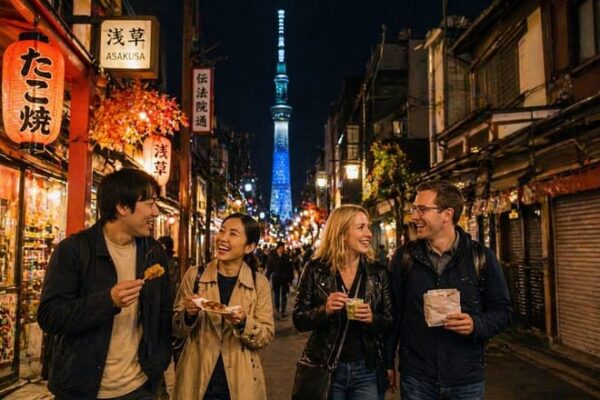
Asakusa: Guided Food Tour with 12 Dishes at Local Eateries
12 unique Japanese dishes for the first time • Sake bars loved by locals • A stroll through Hoppy Street
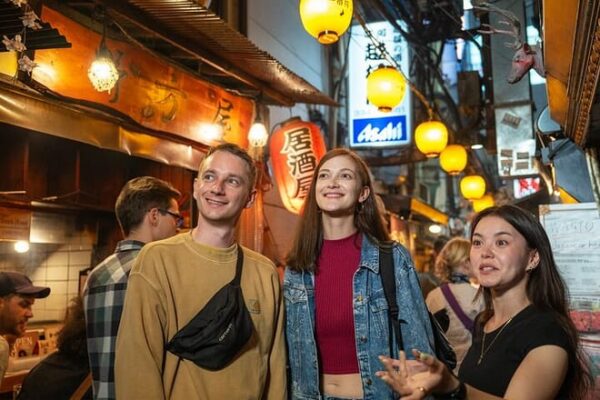
Shinjuku: Food Tour – 15 Dishes at 4 Eateries
Up to 15 recommended Japanese dishes and 2 drinks • 4 unique eateries favored by Tokyo locals • Fresh sushi, crispy kushikatsu, Juicy gyoza, and a variety of Japanese sake
The Venue Doesn’t Sell Merchandise
Tokyo Sumo Beya doesn’t sell sumo goods or original merchandise, so you can’t buy a souvenir to commemorate your visit. You can take photos during the show, however, and the venue encourages guests to post their photos on booking sites and social media. When you take a photo next to a wrestler, standing close to them can really make the difference in body size apparent. If you’d like a physical souvenir, consider browsing the souvenir shops in Ryogoku, which is known for its rich history and connections to sumo.
Other Ways to Experience Sumo in Japan Besides Tokyo Sumo Beya
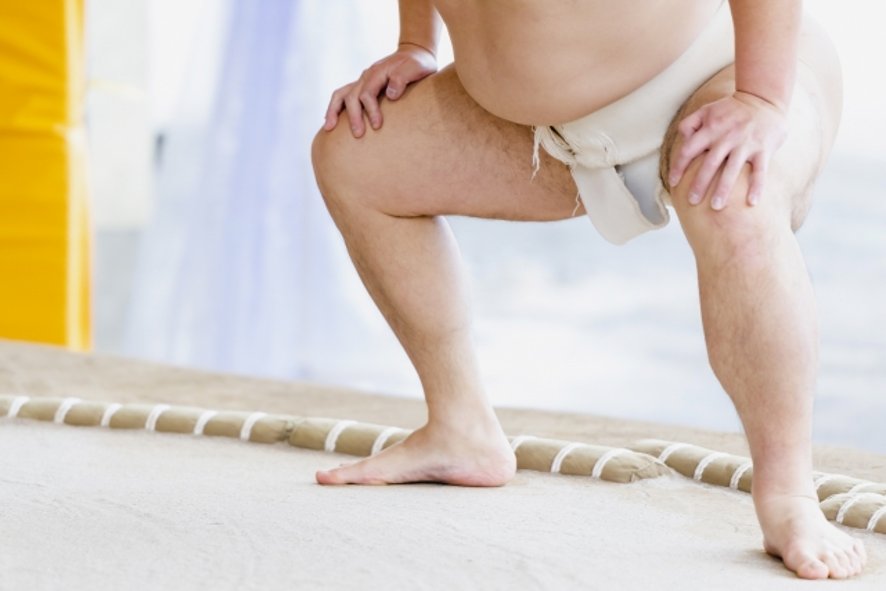
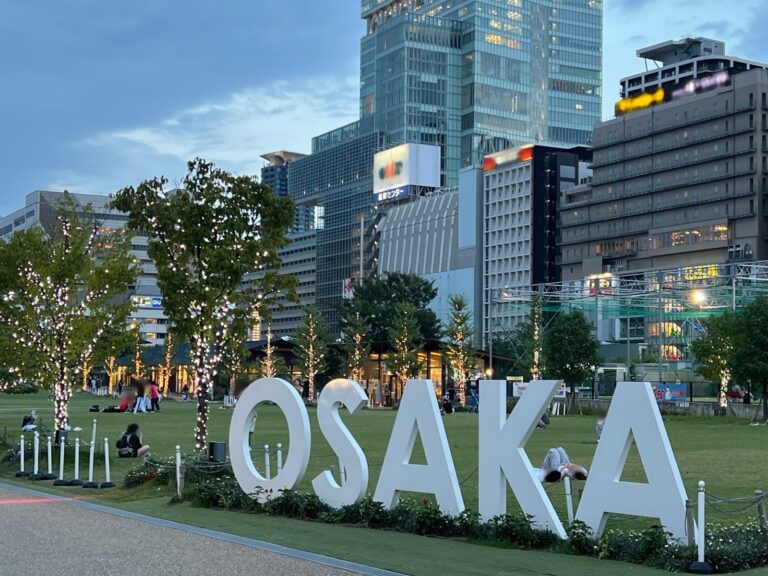
Depending on your travel dates, you may want to experience sumo in a city other than Tokyo. If your sightseeing base is in Osaka, you might be interested in a sumo show venue only ten minutes by train from Namba.
If You’re Visiting Osaka, Consider Sumo Studio Osaka
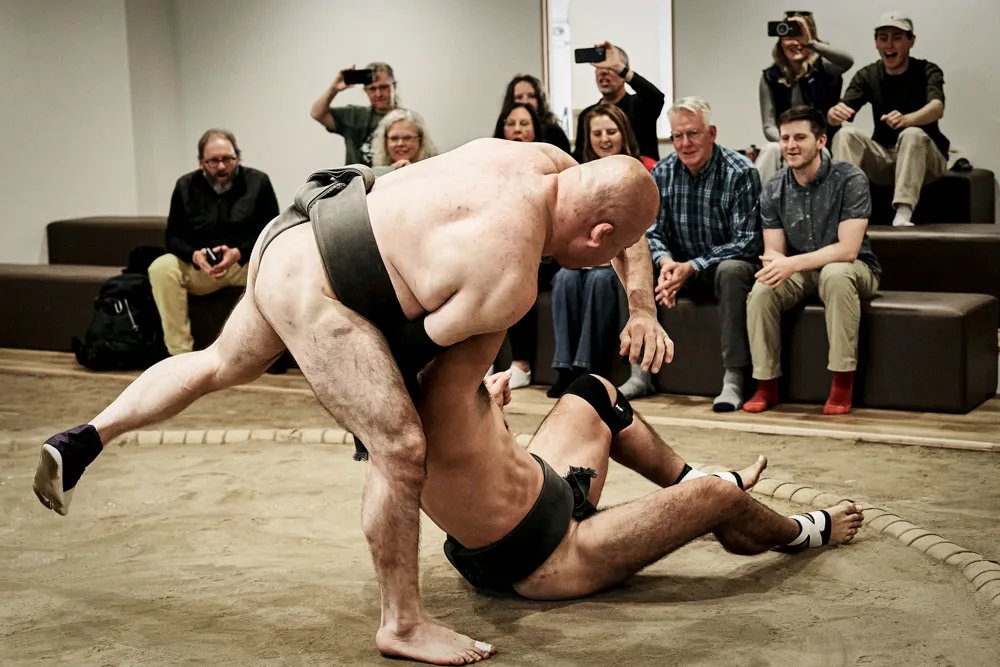
Sumo Studio Osaka is a sumo show venue located right outside the number 4 exit of Hanazonocho Station (Osaka Metro Yotsubashi Line), and about ten minutes by train from Namba Station. With five shows a day—every day of the year—you can choose a time that fits your sightseeing plans in Osaka. At the station exit, staff wearing shirts printed with “SUMOTORI” (a Japanese word for a sumo wrestler) will show you the way, so the venue is easy to find even on your first visit to the area.
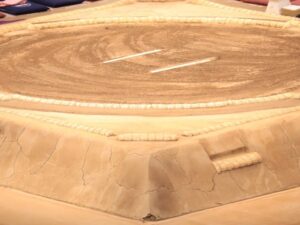
The show lasts about an hour and a half. After an introduction to sumo history and culture in English, former professional sumo wrestlers demonstrate techniques and illegal moves, then put on matches right in front of you. During the Sumo Challenge in the second half of the show, up to eight audience members can step into the ring to take on a wrestler. If there are a lot of volunteers, participants are chosen via lottery. The ring at Sumo Studio Osaka is made of clay and sand and designed according to traditional specifications. The venue has seating for up to fifty-three guests, and you can watch the matches up close. Close enough, in fact, to hear the wrestlers breathing.
The main difference between Tokyo Sumo Beya and Sumo Studio Osaka is what you can do after the show and souvenir options. Sumo Studio Osaka has a bar, and you can visit the bar after the show until 10 pm, reliving what you saw over a Japanese beer or sweet plum liqueur. There’s also a shop selling original T-shirts and sumo goods, so you can pick up a souvenir on the spot. Sumo Studio Osaka also offers storage for large luggage and suitcases, so it’s easy to stop by the venue on your way to or from the airport or train station.
You can cancel your reservation free of charge up to twenty-four hours before the start of the show, and if seats are available, you can even change your booking to a different date or time (conditions may vary by booking site). In reviews, many guests mention how the host explains sumo history, techniques, and rules in a fun way that’s easy for beginners to the sport to understand. Reviewers also often mention the excitement when audience members step into the ring and the power of the wrestlers’ performance up close.
Meals aren’t provided at Sumo Studio Osaka, so if you’d like to enjoy the city’s food we recommend combining the show with a tour of local restaurants with an English-speaking guide. If you combine a sumo show and a food tour on the same date, you can enjoy a day that’s quintessentially Osaka without wasting any time. You can find a list of the Osaka tours that Japan Guide Star operates here.
Details
| Address | Hanazonocho AI Building 1F, 1-5-1 Asahi, Nishinari-ku, Osaka |
| Hours | Shows start at 10:00 am, 12:30 pm, 3:00 pm, 5:30 pm, and 8:00 pm (about 1.5 hours each) |
| Closing days | None |
| Official website | https://sumowrestlingshow.jp/ |
| Recommended for | Travelers to Osaka who want to watch a sumo show, step into the ring to take on a wrestler, or relax at the bar after the show |
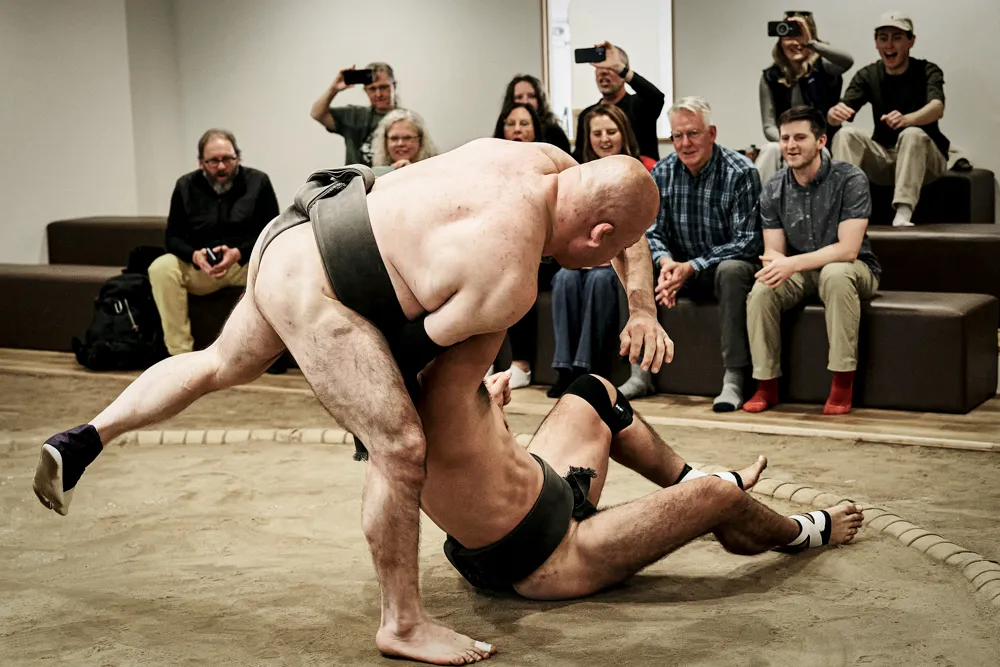 Hands-On
Watch a real bout, and maybe step into the ring yourself
A five-minute bout a few meters from your seat, then the Sumo Challenge, where up to eight guests per show push against one of the wrestlers. Every show is in English.
Frequently Asked Questions About Tokyo Sumo Beya
In this section, we’ll briefly answer questions that people often ask about Tokyo Sumo Beya before they book.
What Kind of Wrestler Was Kitanoumi?
Kitanoumi was one of the leading yokozuna of the Showa era. He’s known as the youngest yokozuna in history—promoted at twenty-one years of age—and won twenty-four championships in the top division. After retiring, Kitanoumi trained apprentices at Kitanoumi Stable as a stablemaster, and he also served as chairman of the Japan Sumo Association. He passed away in 2015 while still serving as chairman.
Is Tokyo Sumo Beya the Same Venue as the Sumo Show at Tokyo Tower?
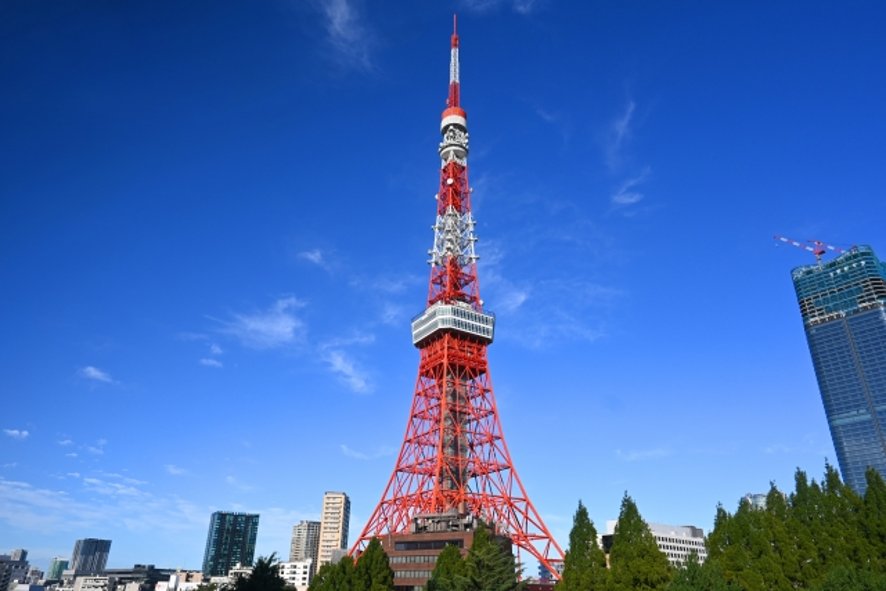
No. The venue on the fifth floor of Tokyo Tower Foot Town is a different restaurant. Tokyo Sumo Beya Goraku, known in English as TOKYO SUMO CLUB ENTERTAINMENT, opened in August 2026 and has a different operating company and a separate location than Tokyo Sumo Beya.
| Tokyo Sumo Beya | TOKYO SUMO CLUB ENTERTAINMENT | |
|---|---|---|
| Location | 2-10-11 Kiyosumi, Koto-ku (former Kitanoumi Stable) | Tokyo Tower Foot Town 5F, 4-2-8 Shibakoen, Minato-ku |
| Operating company | Oceans Co., Ltd. | Chronos Gaia Co., Ltd. |
| Program | Sumo commentary, matches, and a sumo activity | Sumo, plus traditional performing arts such as Japanese dance |
| Meals | Available at the 11:00 am and 7:00 pm shows | Included in all plans |
Can Children Attend the Show at Tokyo Sumo Beya?
Yes. There are no age restrictions for entry, and the website says that babies are welcome too. The official website doesn’t mention diaper-changing or nursing areas, though, so if you’re visiting with infants or toddlers confirm by email before you book.
Is the Venue Barrier-Free?
Yes. Wheelchair users and guests who have difficulty taking their shoes off or putting them on can sit near the ring, but let the staff know of your needs before the show starts. The official website doesn’t mention whether there are steps at the entrance or in the restrooms, so it’s a good idea to check by email before you book.
Can I Take Photos During the Show?
Yes. The venue encourages guests to post their photos on booking sites and social media. The official website doesn’t say whether video recording is allowed during the matches, so if you’d like to record video, check with the staff on the day.
Summary
Tokyo Sumo Beya performs sumo shows at the former sumo stable where Grand Champion Kitanoumi trained his wrestlers. Here, you can watch full-force matches by former professional sumo wrestlers from just a few meters away. Sumo history and rule explanations are all conducted in English, so the language barrier isn’t likely to be a problem. Families with children and visitors in wheelchairs can also attend. However, keep in mind that chanko-nabe meal plans are only available for the 11 am and 7 pm shows. Also note that the venue doesn’t showcase current professional sumo wrestlers. To see currently active athletes, try visiting an active sumo stable or watching a Grand Tournament match.
If you’re traveling in and around Osaka, Sumo Studio Osaka is a sumo show venue with an in-house bar and shop where you can relax after the show and buy souvenirs. Popular shows at both venues tend to fill up, so we recommend booking in advance as soon as your travel schedule is decided.
Hands-OnWatch a real bout, and maybe step into the ring yourself
A five-minute bout a few meters from your seat, then the Sumo Challenge, where up to eight guests per show push against one of the wrestlers. Every show is in English.