Things to Do in Osaka: Recommended Areas by Travel Style
Choosing which spots to prioritize in a limited Osaka itinerary is a common challenge. With so many things to do in Osaka, you can’t realistically cover every popular area and landmark in a two- or three-day stay. Narrowing down your destinations to match your travel style makes a real difference.
Below we cover four angles: food, families, local experiences, and return visitors. Each section organizes recommendations around these Osaka travel themes.
You’ll get a clear picture of priorities and efficient routes for each purpose. This guide walks you through trip planning step by step—handy to read before you head out.
Contents
- First Decisions to Make When Planning an Osaka Trip
- Recommended Things to Do in Osaka for Food Lovers
- Recommended Things to Do in Osaka for Families
- Recommended Things to Do in Osaka for Local Experiences
- Recommended Nighttime Things to Do in Osaka for Return Visitors
- Common Questions About Things to Do in Osaka
- Build the Osaka Trip That Fits You
First Decisions to Make When Planning an Osaka Trip
Osaka has so much to see that making the most of limited time comes down to planning ahead.
Start with these four foundational decisions for your itinerary.
Setting area priorities based on how long you’re staying—and choosing a base that keeps travel efficient—makes your schedule feel unforced.
Deciding how to mix transit options and whether to use a guided tour rounds out the prep.
Length of Stay and Priority Areas
Once you’ve decided how long you’re staying, it becomes easier to see which areas you can comfortably cover. Avoid overpacking your schedule—leaving room in your plan pays off.
Here are priority areas by length of stay.
| Length of stay | Priority areas | Areas to skip |
|---|---|---|
| 2 days | Focus on the southern areas (Namba, Dotonbori, Shinsekai) | Osaka Castle, Umeda, USJ |
| 3 days | Southern areas + northern areas (Umeda, Osaka Castle) + either USJ or Kaiyukan Aquarium | Lesser-known pockets, outer-area loops |
| 4 days or more | All of the above + Nakazakicho, Tenma, and other local pockets + day trips to Kyoto or Nara | No areas need skipping |
For a two-day stay, concentrate on the southern districts.
A walk through Dotonbori takes about 30–60 minutes, while Shinsekai (a historic entertainment district) is best explored over 60–90 minutes—together, they make up roughly half a day of sightseeing.
For a three-day stay, cover the southern areas on day one and visit either USJ or Kaiyukan Aquarium on day two. Day three works well for Umeda and Osaka Castle.
From Umeda, the JR line reaches Osakajokoen Station in about 7 minutes, and Namba connects to Umeda by subway in around 10 minutes, making it easy to get around.
For four days or more, add local neighborhoods such as Nakazakicho and Tenma.
Day trips to Kyoto and Nara also become easy to include.
Where to Base Yourself
The most satisfying stays usually start with one question: what do you want to do first thing in the morning? Pick a base around the answer.
Your base directly affects travel efficiency and how many hours you have, so matching it to your travel style matters.
Umeda is a terminal area where the main lines converge, with strong access to Shin-Osaka Station and Kansai Airport. The location suits early risers, travelers heading to Kyoto or Nara for day trips, and anyone planning a busy morning.
Namba sits close to Dotonbori and Shinsekai, two of Osaka’s signature food and sightseeing areas, and works well if you want to keep eating and walking into the late hours.
Umeda and Namba are about 9 minutes apart on the Midosuji Line, so whichever you pick as your base, the other stays easy to reach.
Here’s a summary of recommended bases by travel theme.
| Travel theme | Recommended base | Reason |
|---|---|---|
| Morning-focused trips, day trips to Kyoto | Umeda | Fast transfer to JR and shinkansen (bullet train) |
| Food-focused, night-focused trips | Namba | Direct access to areas open late into the night |
| USJ-focused trips | Umeda | Just one transfer to JR Universal City Station |
| Shopping and food walks | Namba | Walkable from Shinsaibashi through Dotonbori |
Transit Options
Osaka’s sightseeing stops cluster along Osaka Metro (subway) lines.
For getting around, two options stand out: the Osaka Metro One-Day Pass and a transit IC card.
The One-Day Pass offers unlimited subway and bus rides for ¥820 (about $5 USD) on weekdays and ¥620 (about $3–$4 USD) on weekends and holidays. If you plan to take four or more rides in a day, it generally pays off — and the included discounts at select sightseeing facilities add extra value.
IC cards, on the other hand, work across multiple systems with a single tap, including JR and private railway lines. You can purchase one starting at ¥1,000 (about $6–$7 USD), which includes a ¥500 deposit, and recharge it easily with cash at convenience stores, ticket machines, and stations.
| Rides per day | IC card (assuming ¥230 per ride, about $1 USD) | One-Day Pass (weekday) |
|---|---|---|
| 2 rides | ¥460 (about $2–$3 USD) | ¥820 (about $5 USD) |
| 4 rides | ¥920 (about $5–$6 USD) | ¥820 (about $5 USD) |
| 6 rides | ¥1,380 (about $8–$9 USD) | ¥820 (about $5 USD) |
The One-Day Pass fits subway-centered itineraries, while an IC card works better when other lines are in the mix.
Using a Guided Tour
If you’re worried about language or getting around efficiently, a guided tour is a practical option.
Options include food walks, street tours, and private highlight tours.
An English-speaking guide takes the pressure off ordering and navigating between stops.
A guided tour works especially well for:
- First-time visitors to Japan who feel uncertain about language or etiquette
- Trips of two days or fewer where efficiency is the priority
- Travelers looking to find off-the-beaten-path spots and local flavors
For returning visitors who prefer to walk at their own pace, a guide may not be necessary.
If you’re not sure, check the tour details to see if it’s a good fit.
Recommended Things to Do in Osaka for Food Lovers
For most trips to Osaka, food takes center stage.
Four areas stand out when dining is the main focus, spanning everything from classic tourist streets to local back-alley hangouts and neighborhoods shaped by immigrant cuisines. Use this list to set priorities based on the length of your stay.
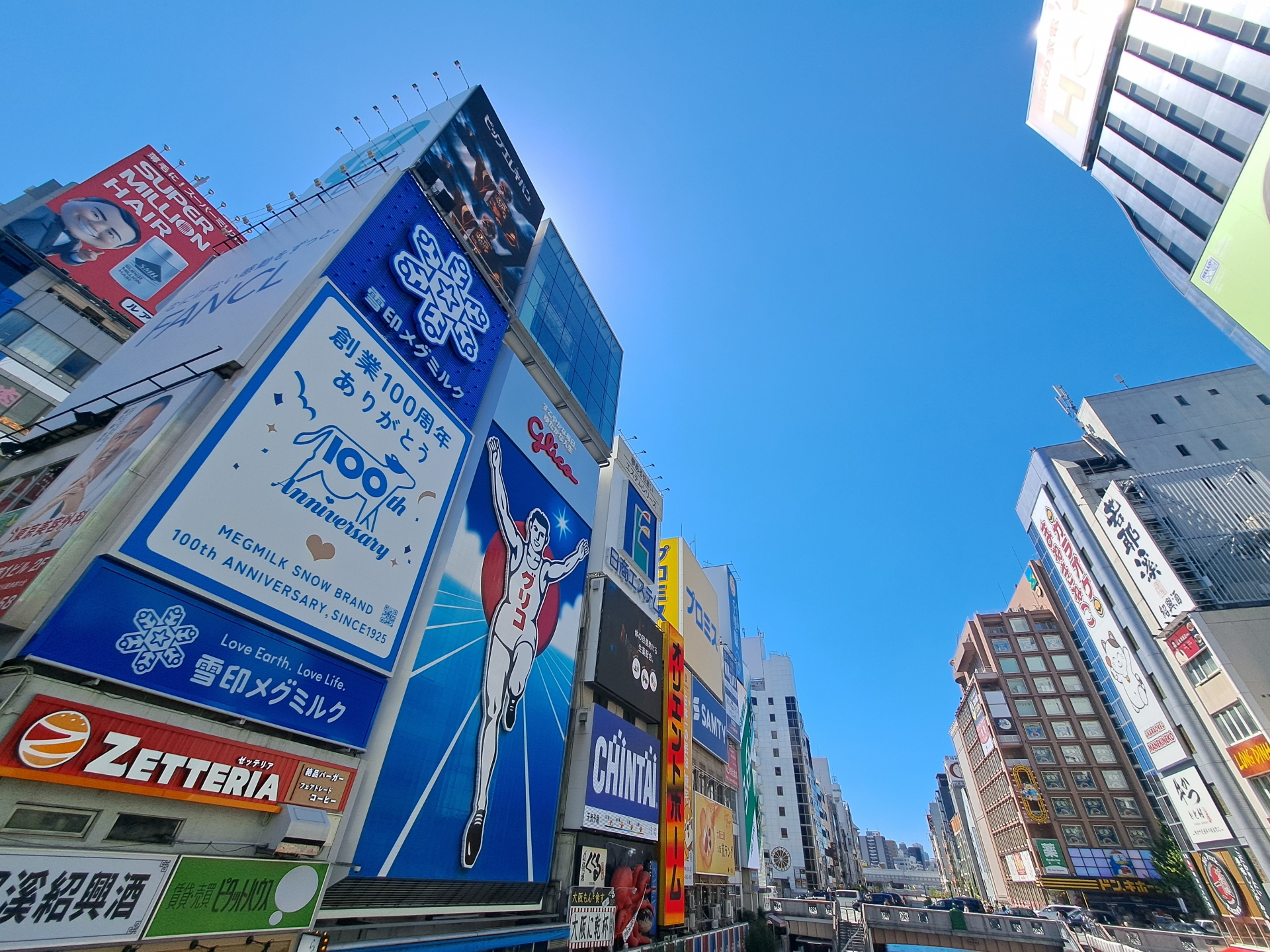
Dotonbori: The Classic Kuidaore (Eating Until You Drop) Street
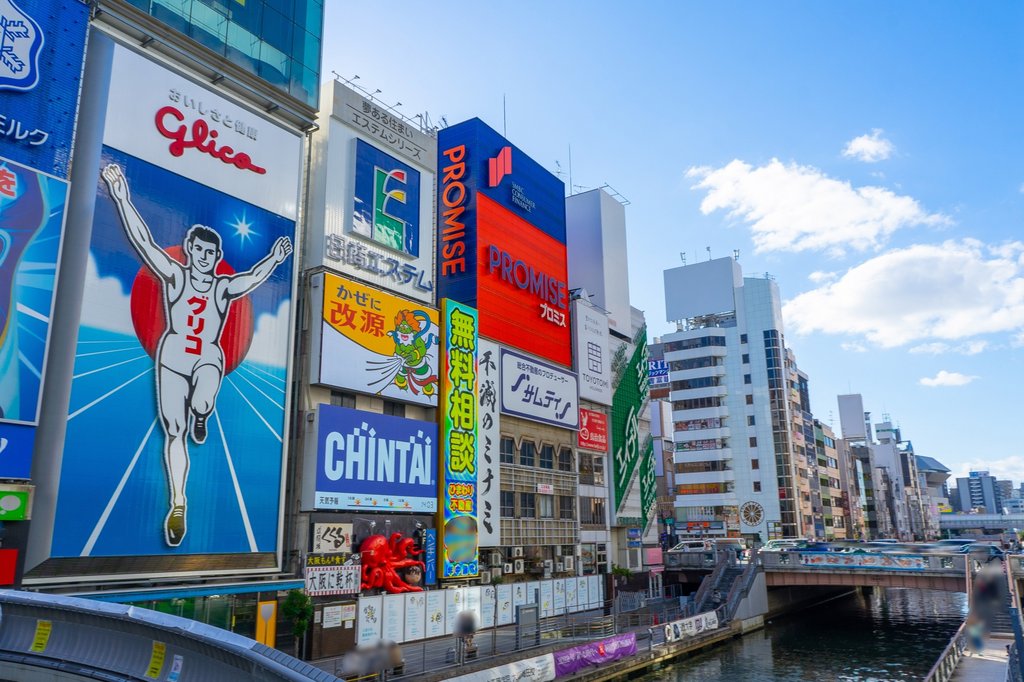
Dotonbori is heavily geared toward tourists, and prices typically run about 20–30% higher than in more local neighborhoods.
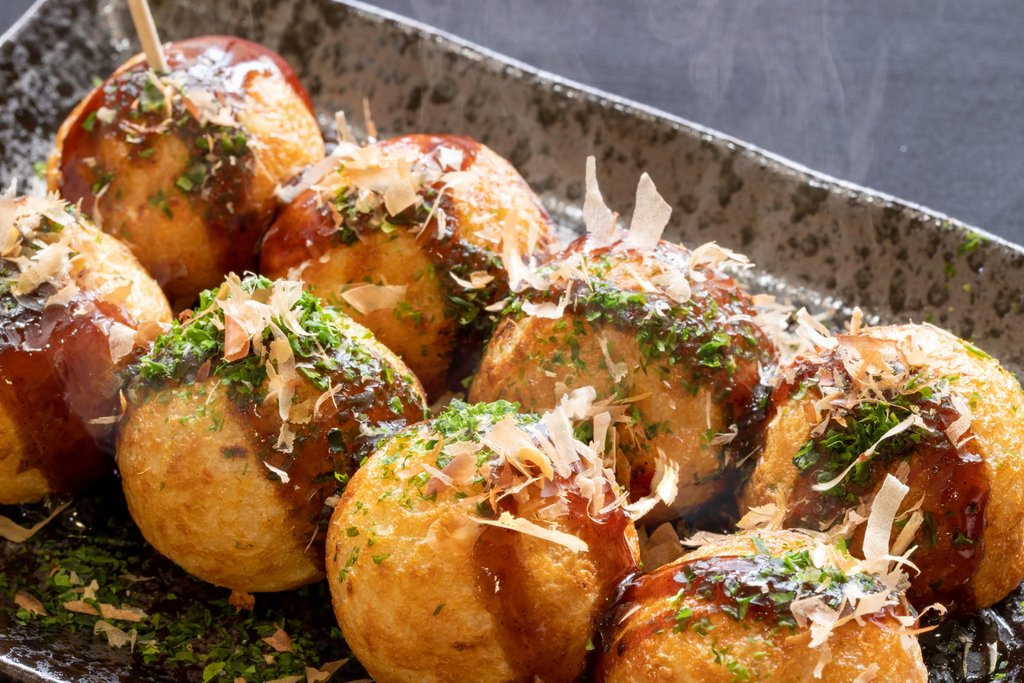
Expect takoyaki (a grilled dish of wheat batter with octopus pieces shaped into round balls) at ¥600–¥800 (about $4–$5 USD), okonomiyaki (a savory grilled pancake with mixed-in ingredients) at ¥1,000–¥1,500 (about $6–$10 USD), and kushikatsu (skewered meat and vegetables, battered and deep-fried) at ¥150–¥200 (about $1 USD) per skewer.
Even so, it’s hard to skip Dotonbori on a first visit to Osaka. Taking photos in front of the iconic Glico Running Man Sign and trying freshly made takoyaki are practically rites of passage.
| Shop | Genre | Hours |
|---|---|---|
| Honke Otako Dotonbori | Takoyaki | 10:30 am–11 pm |
| Takohachi Dotonbori Honten | Takoyaki, okonomiyaki | 10 am–10 pm |
| Odoridako Dotonbori | Takoyaki | 11 am–9 pm |
To avoid the heaviest crowds, weekday mornings are the most comfortable window. Afterward, shifting to more local neighborhoods in the afternoon helps keep the day balanced and efficient.
Details
| Address | Around 1-chome Dotonbori, Chuo-ku, Osaka |
| Hours | Varies by shop (10 am–10 pm as a general guide) |
| Closed | Almost all open year-round (some close only on January 1) |
| Official site | http://dotonbori.or.jp |
| Recommended for | First-time Osaka visitors who want classic local food and photogenic landmarks |
Ura-Namba and Tenma: Local Izakaya Alleys
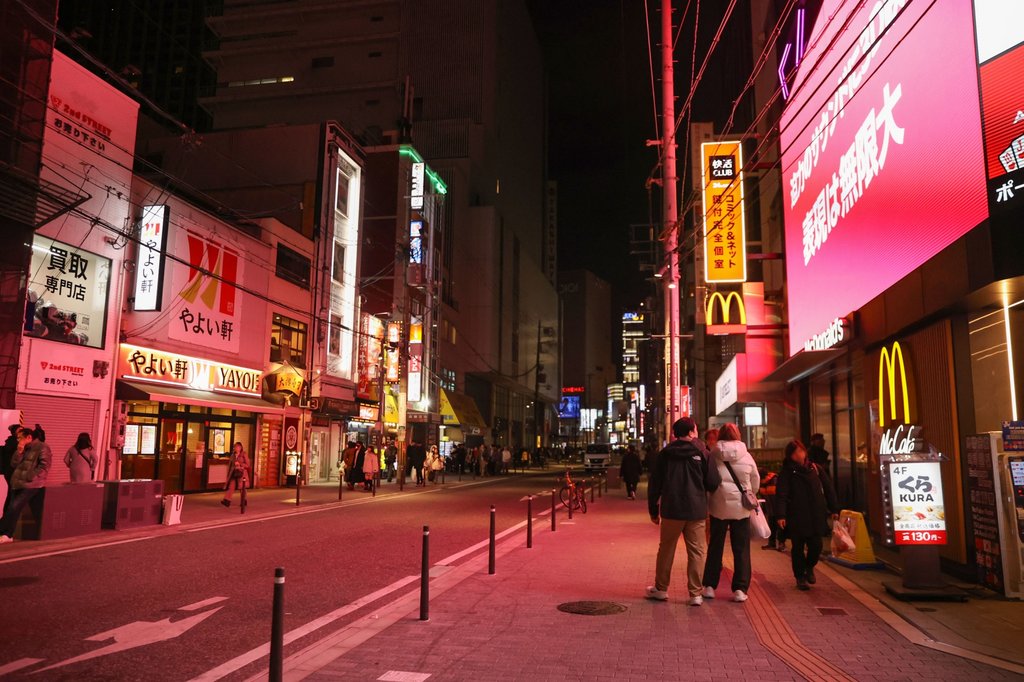
Ura-Namba and Tenma are classic local drinking areas where neighborhood regulars gather night after night.
A typical stop runs about ¥1,000–¥3,000 per bar (roughly $6–$19 USD), making it easy to visit multiple spots in one evening. Ura-Namba, located just east of Namba Station, packs more than 100 restaurants and bars into a compact maze of backstreets. Tenma, on the north side of JR Tenma Station, is defined by narrow alleys glowing under chochin (traditional paper lanterns).
Both areas are easy to access and ideal for hashigozake — hopping from one bar to the next. While English menus aren’t always available, ordering by pointing at photos usually works without issue. More often than not, it’s the across-the-counter conversations — improvised through gestures and shared drinks — that make the experience memorable.
Details
| Address | Around Sennichimae, Chuo-ku, Osaka (Ura-Namba) / Around Ikeda-cho, Kita-ku, Osaka (Tenma) |
| Hours | Varies by shop (most around 5 pm–11 pm) |
| Closed | Varies by shop (many close on Sundays) |
| Official site | — (check individual shops) |
| Recommended for | Travelers who want to experience local drinking culture |
Tenjinbashisuji Shopping Street: Japan’s Longest Shopping Street
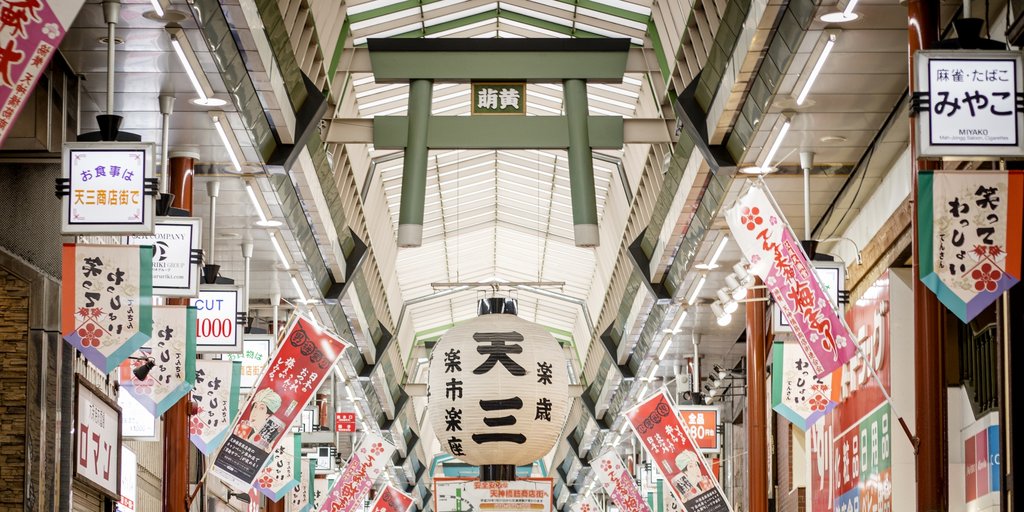
If you’re interested in everyday food culture, Tenjinbashisuji Shopping Street is a strong choice. Stretching about 2.6 km (1.6 miles) and home to roughly 600 shops, it’s the longest shopping street in Japan.
Originally developed as the approach to Osaka Tenmangu Shrine, the arcade still carries a vivid sense of daily life. Along the way, you’ll find affordable street foods like takoyaki and croquettes, typically priced between ¥100 and ¥500 (about $0.60–$3 USD), making it easy to sample widely without overspending.
There’s no need to walk the entire length — focusing on the stretch from 2-chome to 4-chome fits comfortably into a 1–2 hour visit while still capturing the area’s character.
Details
| Address | 1-chome to 7-chome, Tenjinbashi, Kita-ku, Osaka |
| Hours | Varies by shop (10 am–9 pm as a general guide) |
| Closed | Varies by shop |
| Official site | https://www.tenjin123.com |
| Recommended for | Travelers who want to enjoy a food walk at local prices |
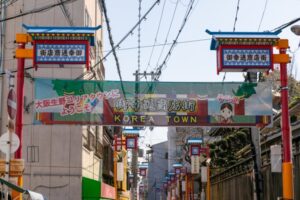
Tsuruhashi: Japan’s Largest Koreatown
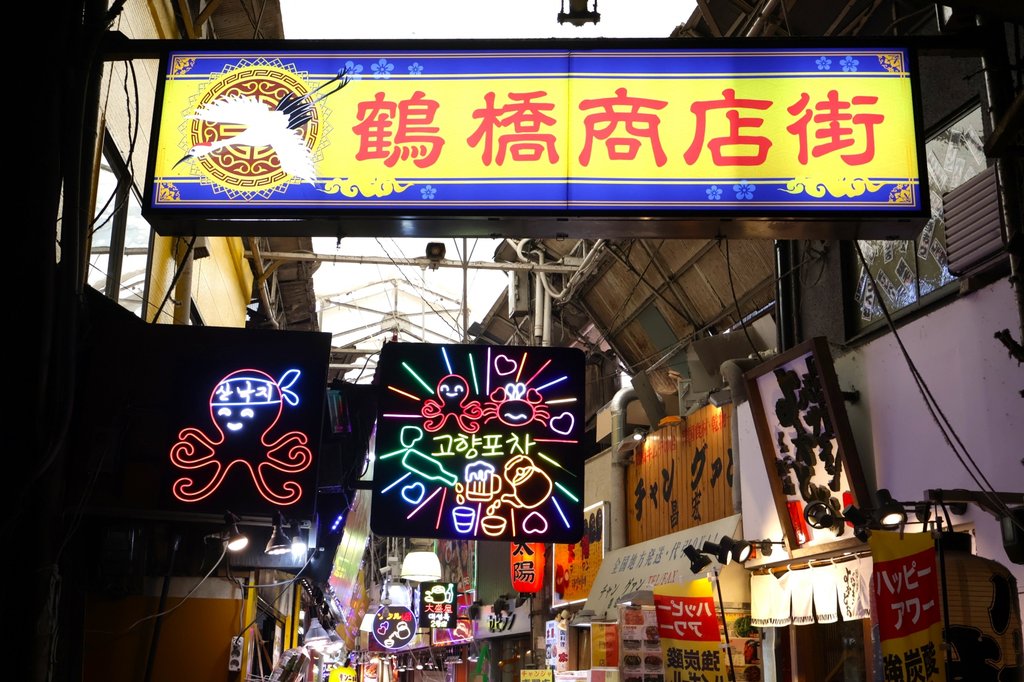
Tsuruhashi Koreatown is one of Japan’s largest Koreatowns, with around 500 shops packed into a lively, food-focused neighborhood.
Yakiniku restaurants and kimchi specialty shops line the streets, and the area is well known for its street eats. The smell of charcoal-grilled meat drifts through the alleys, mingling with the sharp tang of fermenting kimchi.
Butchers and wholesalers operate side by side with restaurants, meaning you’ll find exceptionally fresh horumon (offal) at accessible prices. A typical yakiniku lunch runs around ¥1,000–¥1,500 (about $6–$10 USD), while takeout side dishes are often priced between ¥300 and ¥500 (about $2–$3 USD), making the overall value particularly strong.
If it’s your first visit, shops with photo menus make ordering easier. Picking up a selection of takeout dishes to enjoy back at your hotel is another great way to experience the area.
Details
| Address | Ikuno-ku and Higashinari-ku, Osaka (around JR Tsuruhashi Station) |
| Hours | Varies by shop (most around 10 am–9 pm) |
| Closed | Varies by shop (many close on Tuesdays or Wednesdays) |
| Official site | — (check individual shops) |
| Recommended for | Yakiniku lovers, travelers drawn to Korean cuisine, dedicated food walkers |
Recommended Things to Do in Osaka for Families
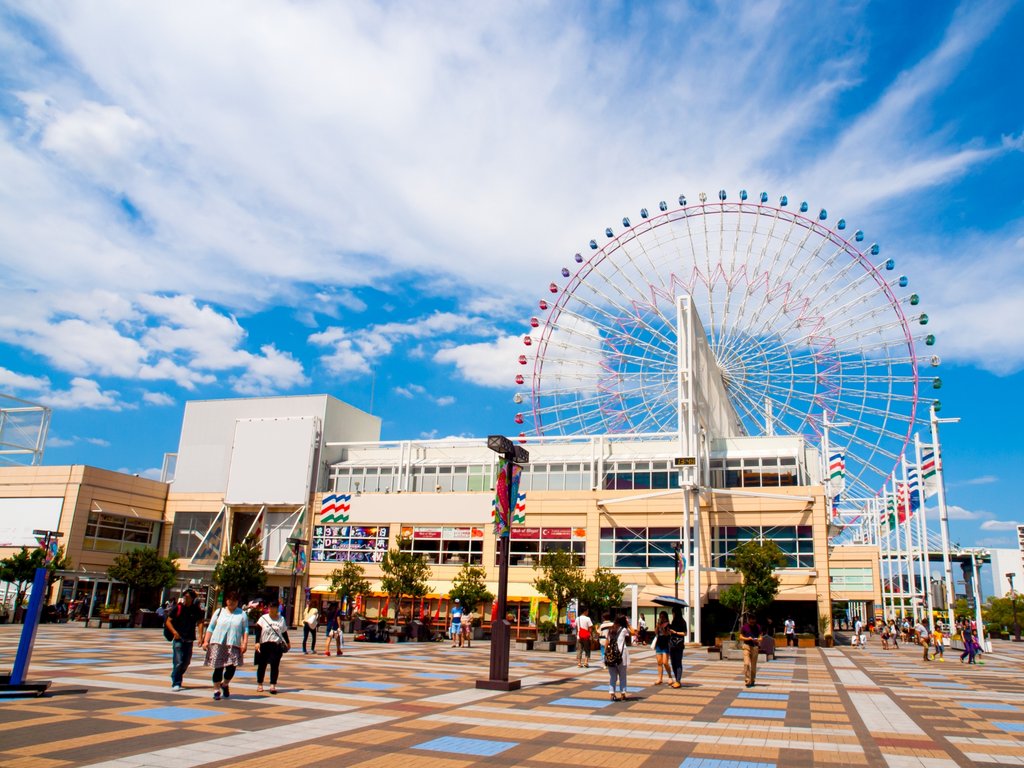
Family trips hinge on pacing energy and time carefully.
Below are three approaches to parent-child enjoyment — a theme park, an aquarium, and a cultural experience. Build your plan around your children’s ages to keep the day comfortable and enjoyable.
Universal City: A Full Day at the Theme Park
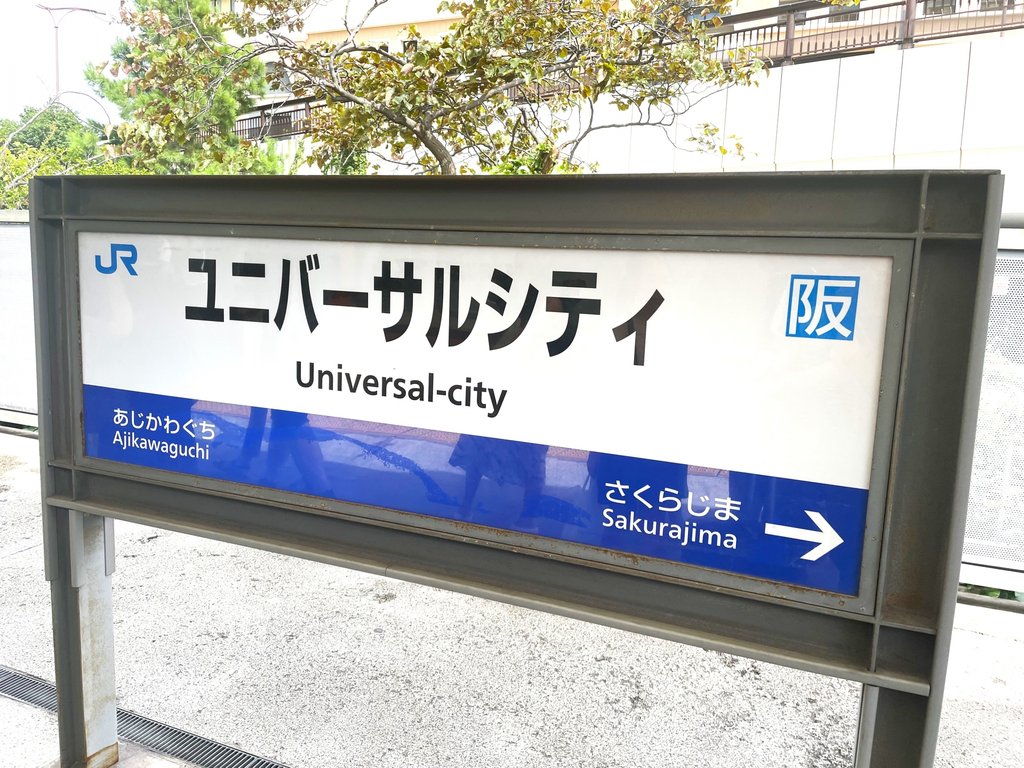
At Universal Studios Japan (USJ), families should realistically aim for three or four attractions.
The 1-Day Studio Pass price varies day by day. At ¥10,900 (about $69 USD) per adult, a family of four pays about ¥43,600 (about $275 USD).
Express Pass tickets add significantly to the cost, so check the budget carefully. Tickets from the Japanese travel agency KNT (Kinki Nippon Tourist), available online, are another option.
For young children, Universal Wonderland is a natural fit; for upper-elementary kids and older, the Minion Hachamecha Ride is a strong pick.
On the day of your visit, line up 15 minutes before opening and hit the popular attractions first thing in the morning. Wrap up lunch by around 11 am, then shift to shows in the afternoon to keep everyone’s energy up.
Details
| Address | 2-1-33 Sakurajima, Konohana-ku, Osaka |
| Hours | Varies by day (roughly 8:30 am–9 pm; check the official site) |
| Closed | Open year-round |
| Official site | https://www.usj.co.jp/ |
| Recommended for | Families with young children through elementary school, couples who love theme parks |
Tempozan: A Waterfront Centered on Kaiyukan Aquarium
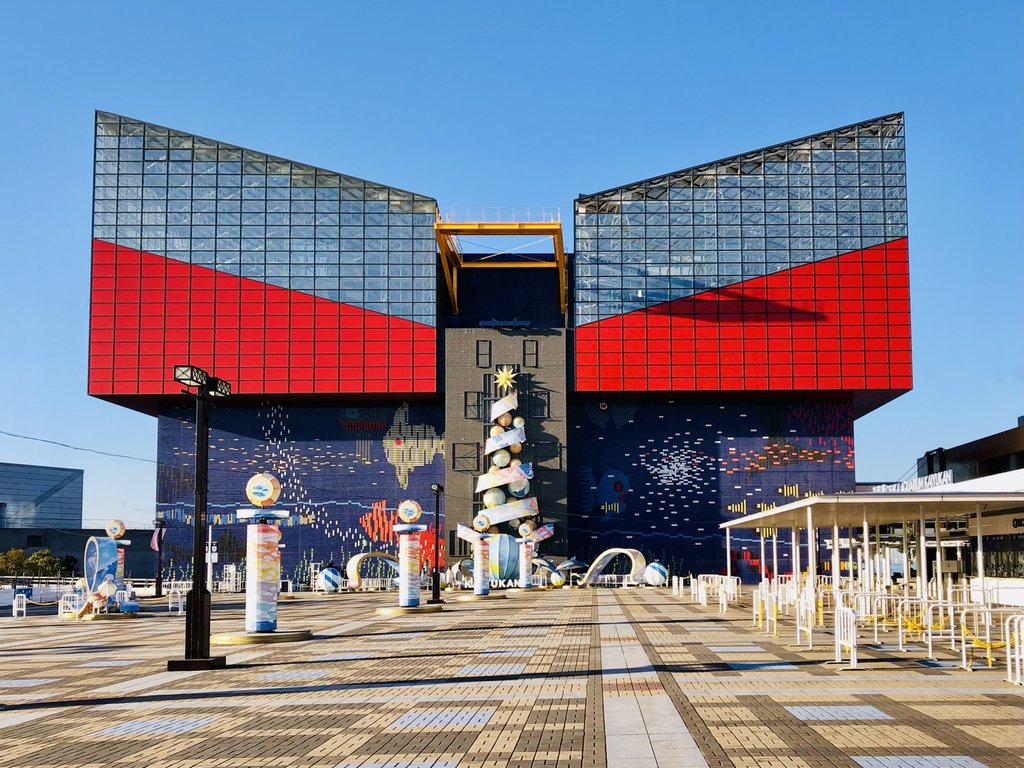
Osaka Aquarium Kaiyukan is fully indoors, making it a reliable choice in any weather — and especially comfortable for families with young children.
Admission starts at ¥2,700 (about $17 USD) for adults, ¥1,400 (about $8–$9 USD) for ages 4 to 12, and ¥700 (about $4–$5 USD) for children 3 and under. A typical visit takes 2–3 hours, with extensive exhibit zones designed to keep kids engaged.
Family-friendly facilities include nursing rooms on site, making it easy to visit even with babies. Right next door, the Tempozan Marketplace offers a range of dining and shopping options, and some stores provide discount coupons when you show your aquarium ticket.
Details
| Address | 1-1-10 Kaigandori, Minato-ku, Osaka |
| Hours | 10 am–8 pm (varies by season) |
| Closed | Irregular (check the official site) |
| Official site | https://www.kaiyukan.com |
| Recommended for | Families with young children, travelers looking for a rainy-day sightseeing option |
Hanazonocho: A Sumo Experience at Sumo Studio Osaka
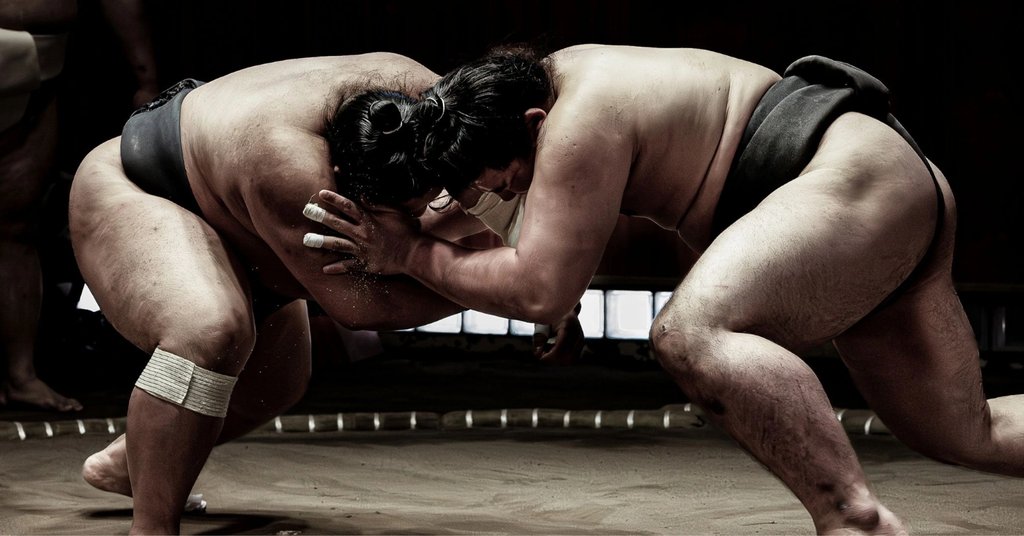
For a firsthand taste of traditional Japanese culture, a sumo experience is an excellent choice. At Sumo Studio Osaka, a 90-minute program introduces the history and rules of sumo in English, making it easy to follow even for first-time visitors.
Watching a powerful bout up close is engaging for all ages, including younger children. Those who volunteer can even step onto the dohyo (the sacred clay ring) to try basic movements under the guidance of a rikishi (sumo wrestler).
Commemorative photos are available after the program, making it a memorable highlight of your trip. Located near Shinsekai, the venue pairs easily with nearby sightseeing for a well-rounded itinerary.
Details
| Address | 1F, Hanazonocho AI Building, 1-5-1 Asahi, Nishinari-ku, Osaka (right at Hanazonocho Station) |
| Hours | 9 am–10 pm |
| Closed | Open daily |
| Official site | https://sumowrestlingshow.jp/ |
| Recommended for | Families interested in Japanese culture, international travelers |
Recommended Things to Do in Osaka for Local Experiences
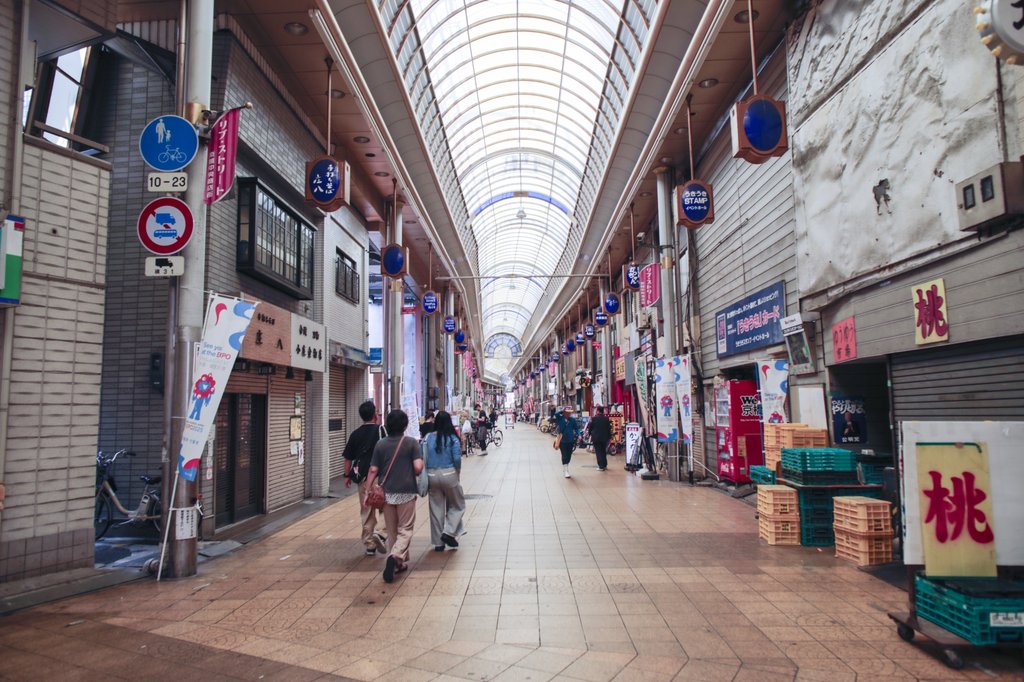
Beyond the classic sightseeing circuit, the neighborhoods where locals spend their time offer a different kind of appeal.
Below are four areas that reveal a more unvarnished side of Osaka — places best explored on foot as part of a daytime walk to experience the city’s deeper character.
Shinsekai: Downtown Kushikatsu Culture
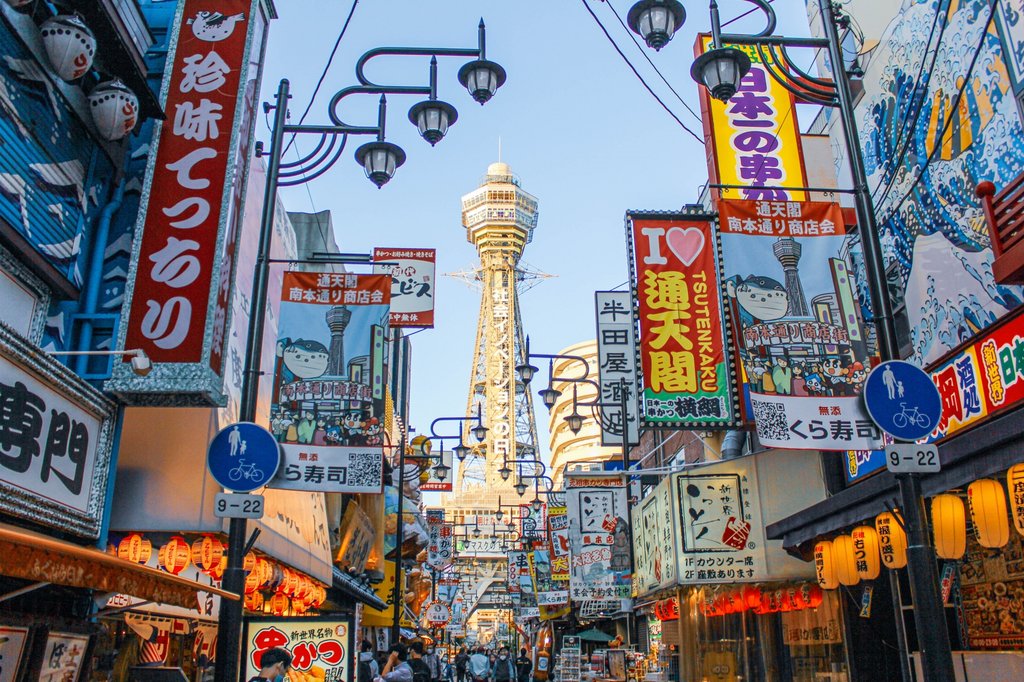
Shinsekai is a downtown district that preserves the Showa-era (mid-20th century Japan) atmosphere, with Tsutenkaku at its center.
Lunch hours can get crowded, so arriving just after opening — typically between 9:00 and 10:00 a.m. — is your best bet. Weekdays tend to be even smoother.
When it comes to kushikatsu, the rule is simple: no double-dipping in the shared sauce. Once you’ve taken a bite, don’t return the skewer to the communal pot. If you want more sauce, use a cabbage leaf to scoop it — that’s the local way.
At Kushikatsu Daruma, one of the area’s most famous spots, part of the appeal is watching skewers sizzle right in front of you at the counter.
Details
| Name | Kushikatsu Daruma Shinsekai Main Store |
| Address | 2-3-9 Ebisu-higashi, Naniwa-ku, Osaka |
| Hours | Weekdays 11 am–10:30 pm / Weekends and holidays 10:30 am–10:30 pm |
| Closed | Open daily |
| Official site | https://www.kushikatu-daruma.com/ |
| Recommended for | First-time kushikatsu eaters, parties of 1–2 |
Osaka Castle Park: History and Nature for Walking
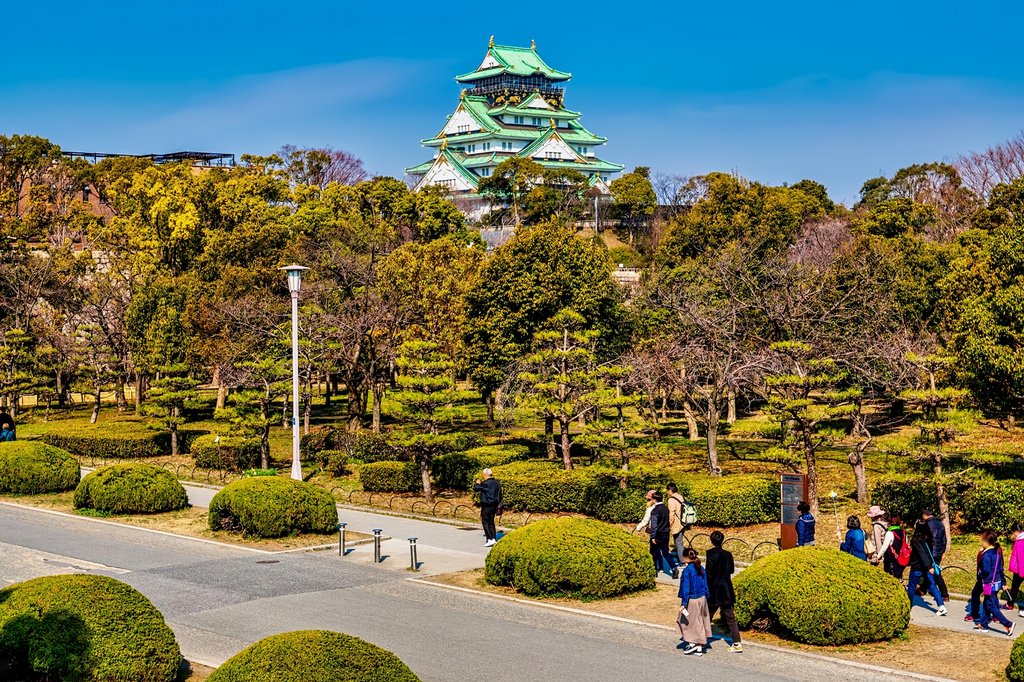
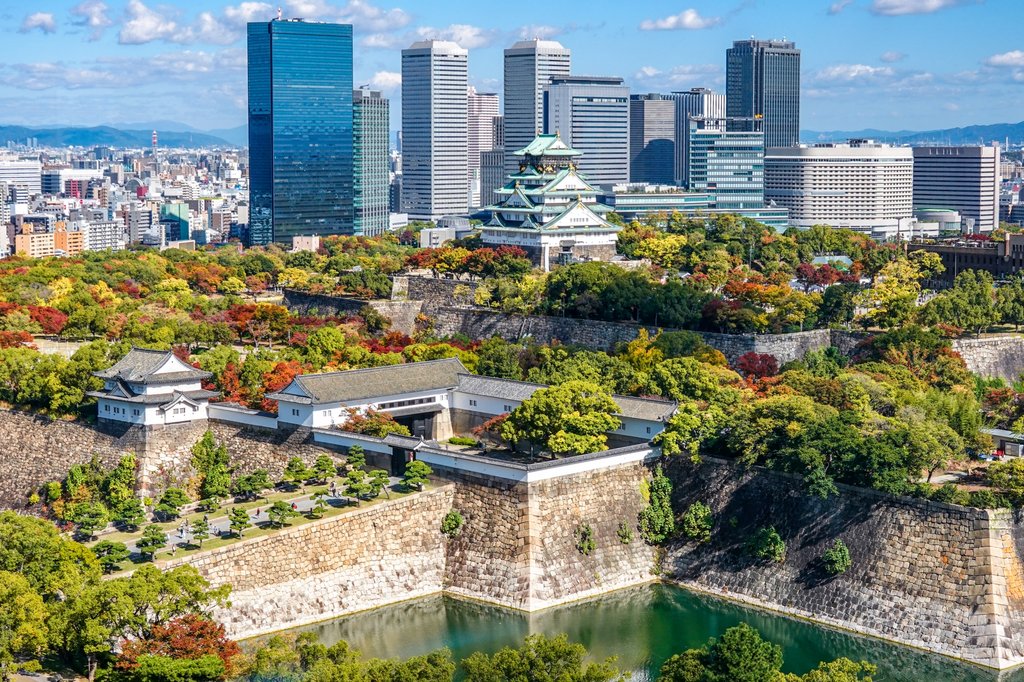
Osaka Castle Park is expansive, with highlights that extend well beyond the main tower.
Arrive between 7:00 and 8:00 a.m., and you’ll have much of the grounds to yourself, shared only with a handful of locals. A rewarding route is to enter through Otemon Gate and make your way toward Nishinomaru Garden.
Seasonal changes keep the park compelling year-round, from cherry blossoms in spring to vibrant autumn foliage. At Toyotomi Ishigakikan, you can examine centuries-old ishigaki (stone wall foundations) up close, offering a deeper appreciation of the castle’s engineering and history.
Details
| Address | Osakajo, Chuo-ku, Osaka |
| Hours | Park open 24 hours / Nishinomaru Garden 9 am–5 pm |
| Closed | Nishinomaru Garden closed on Mondays (or the following day if Monday is a holiday) |
| Official site | https://www.osakacastlepark.jp/ |
| Recommended for | Travelers who enjoy history and nature, anyone looking for a quiet morning walk |
Nakazakicho: A Neighborhood of Old-Fashioned Junkissa and Cafes
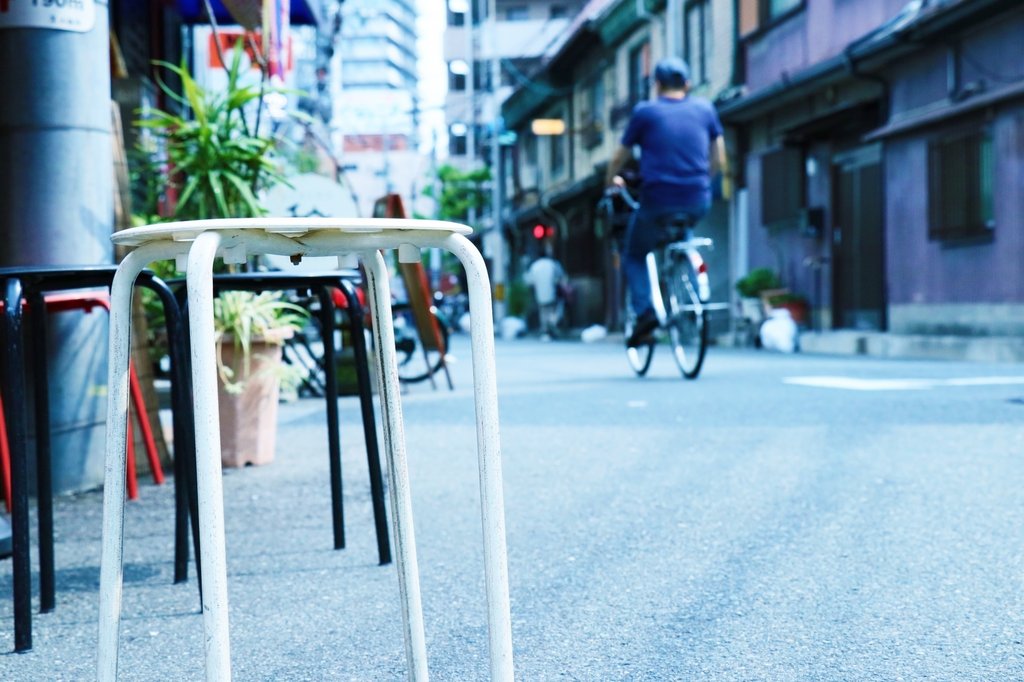
Nakazakicho is home to junkissa (traditional Showa-era coffee shops) and cafes that preserve an old-fashioned feel.
Just one subway stop from Umeda, it’s an easy detour. Many shops are set inside renovated wooden houses, giving the neighborhood a calm, nostalgic atmosphere.
Antique furniture stores and cafes with ozashiki (tatami-floor seating) add to Nakazakicho’s distinctive character. Blending in with local regulars over a quiet cup of coffee makes for a relaxed, unhurried break from the city’s busier districts.
Details
| Nearest station | Osaka Metro Tanimachi Line Nakazakicho Station (one stop from Umeda) |
| Hours (general) | Early morning 6:30 am through 3 am (varies widely by shop) |
| Closed | Many shops close on Mondays or Wednesdays (check in advance) |
| Average stay | About 45–60 minutes per shop |
| Recommended for | Travelers who want an un-touristy side of local Osaka |
Amerika-mura: Minami’s Youth Culture Hub
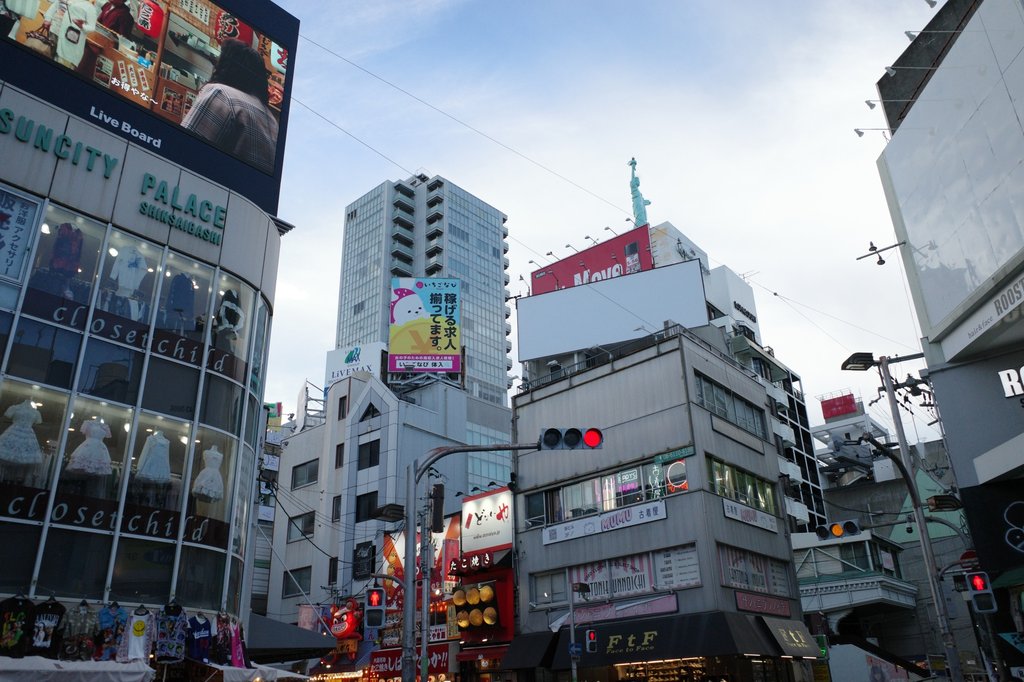
Amerika-mura is a hub of youth culture in Osaka, where around 2,500 shops cluster together in a dynamic mix of fashion, music, and street art.
Independently run boutiques are especially common, and the atmosphere shifts noticeably from one alley to the next, rewarding those who explore without a fixed route.
The best time to visit is between 1:00 and 5:00 p.m., when the area is at its liveliest. Located within walking distance of Dotonbori, it’s easy to drop by before dinner.
Details
| Address | Around 1-chome to 2-chome, Nishi-Shinsaibashi, Chuo-ku, Osaka |
| Hours | Varies by shop (vintage clothing shops generally 12 pm–8 pm) |
| Closed | Irregular (many independent shops close on Wednesdays) |
| Official site | https://americamura.jp/ |
| Recommended for | Street fashion fans, vintage hunters, solo travelers in their 20s and 30s |
Recommended Nighttime Things to Do in Osaka for Return Visitors
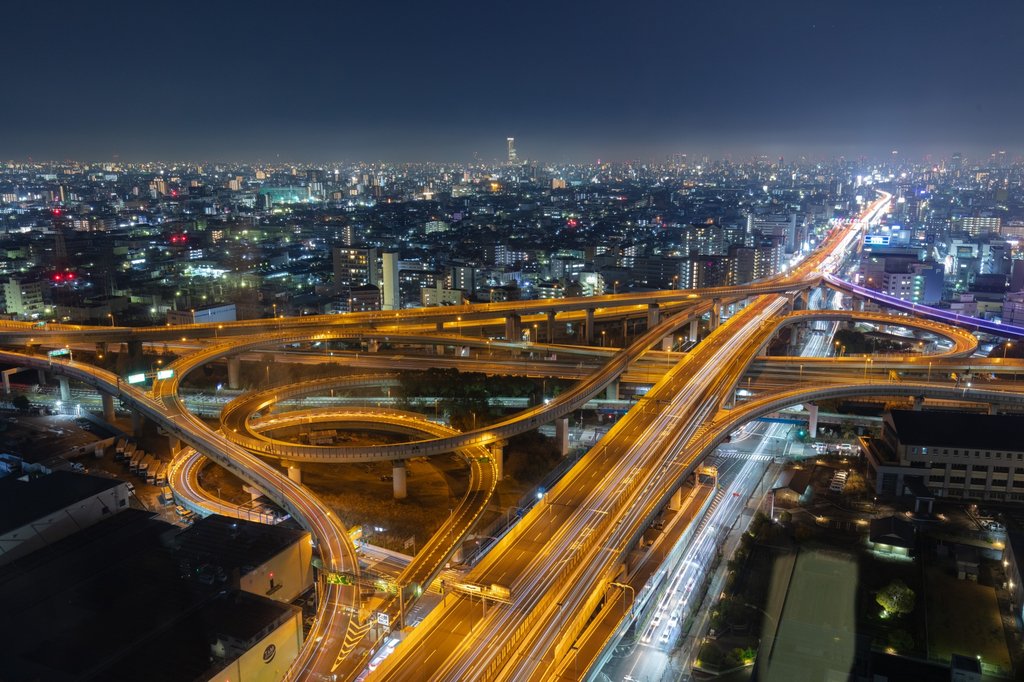
Once you’ve covered the classic sights, Osaka’s nightlife begins to reveal a different side of the city.
Below are three after-dark experiences — digital art, a hot spring complex, and a night-view observation deck — to keep in mind for your next visit.
Nagai: Nighttime Digital Art by teamLab
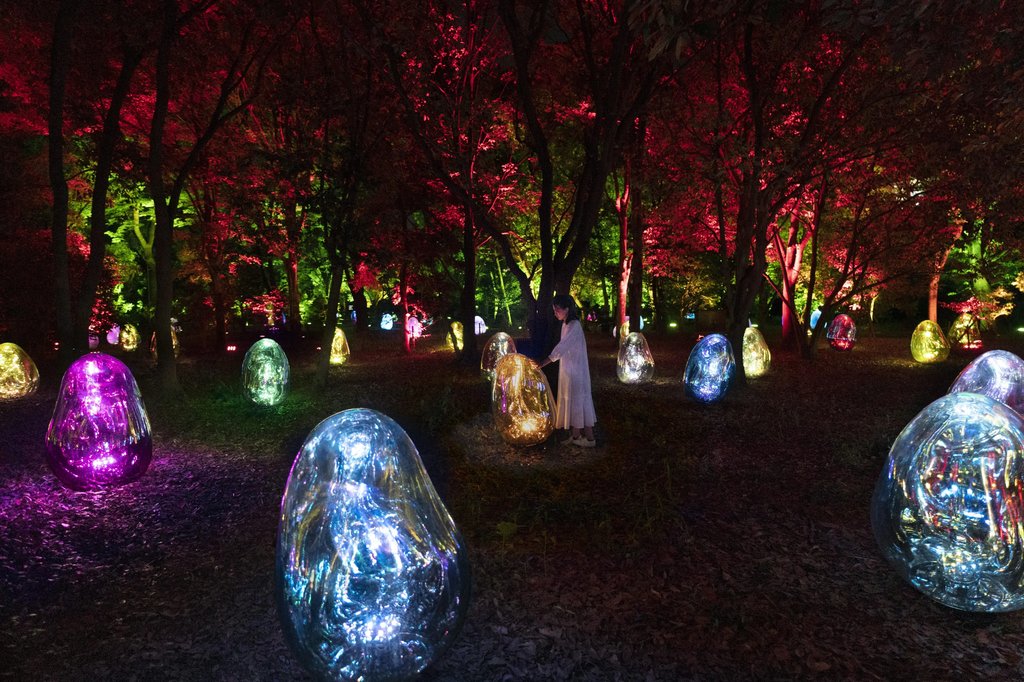
After dark, Nagai Botanical Garden transforms into teamLab Botanical Garden Osaka, an open-air night museum where nature and light seamlessly merge.
The installations respond to wind, movement, and the presence of visitors, creating an experience that pulls you into the artwork itself rather than simply observing it.
A typical visit lasts around 2–3 hours. Admission is ¥1,800 (approximately $11 USD) for adults. To avoid crowds, booking tickets online in advance is highly recommended.
Details
| Address | 1-23 Nagai Koen, Higashisumiyoshi-ku, Osaka (inside Nagai Botanical Garden) |
| Hours | 6 pm–9:30 pm (last entry 8:30 pm; varies by season) |
| Closed | Second and fourth Mondays |
| Official site | https://www.teamlab.art/e/botanicalgarden/ |
| Recommended for | Return visitors who have covered the classics, travelers looking for an unusual art experience |
Bentencho: Relaxing Hours at Solaniwa Onsen
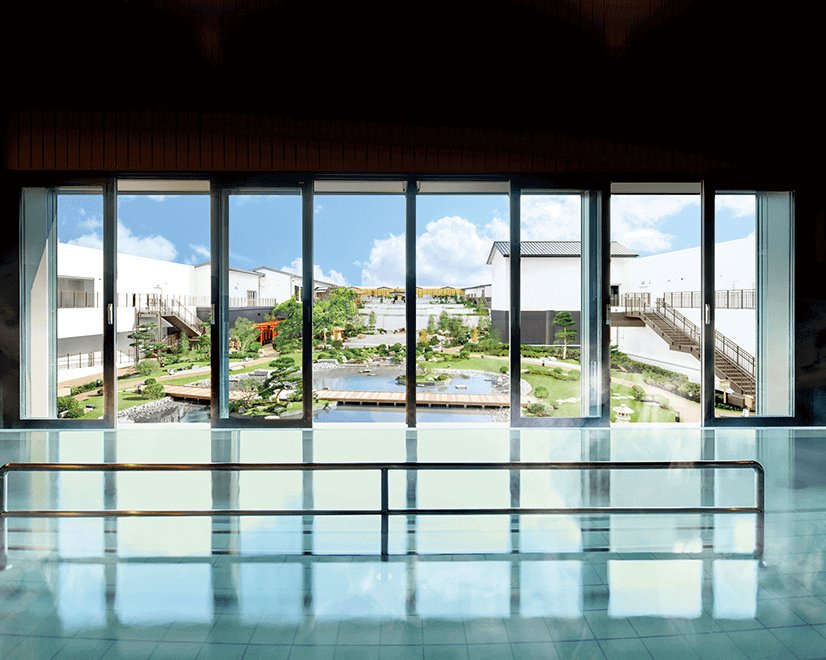
For an evening of recovery after a long day of walking, Solaniwa Onsen—connected directly to Bentencho Station—is a strong choice.
The complex has natural hot spring baths and saunas, and provides towels and robes—you can show up empty-handed.
There’s dining on site as well, so you can soak and eat in one visit.
Admission starts at ¥2,310 (about $14–$15 USD) for adults, with an after-5 pm rate from ¥1,980 (about $12–$13 USD)—comfortably affordable.
Late hours make Solaniwa Onsen a natural closer for a day of sightseeing.
Details
| Address | 2F, Osaka Bay Tower, 2-11-5 Kaigandori, Minato-ku, Osaka |
| Hours | 11 am–11 pm (last entry 10 pm; varies by day of the week) |
| Closed | Irregular (check the official site) |
| Official site | https://solaniwa.com |
| Recommended for | Return visitors looking to ease tired feet, travelers who want to enjoy a hot spring without packing extras |
Umeda: Night Views From the Floating Garden Observatory
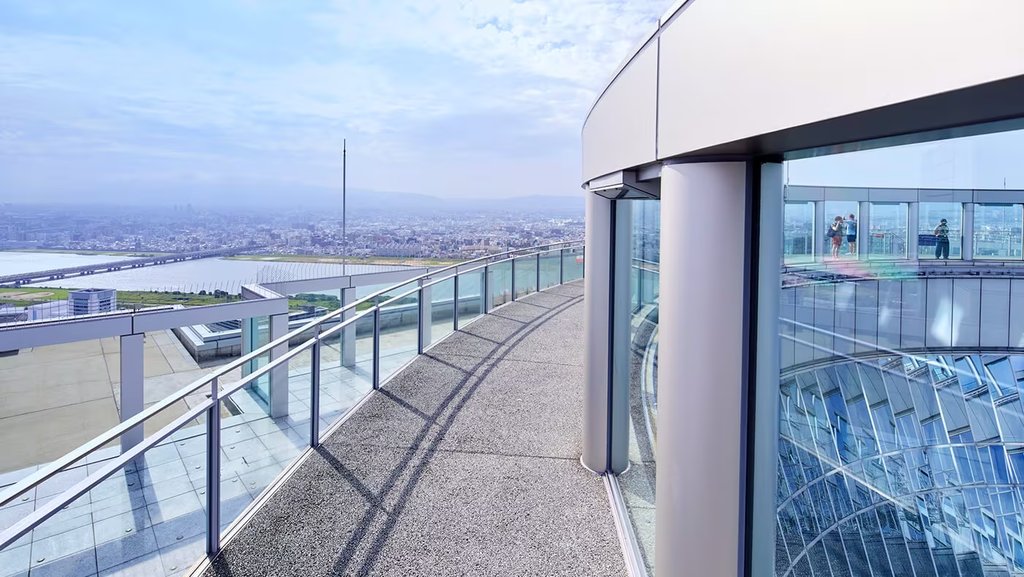
For the final stop of the day, few experiences rival seeing Osaka from 173 meters (about 568 feet) above the city at the Umeda Sky Building Floating Garden Observatory.
Perched atop the Umeda Sky Building, the open-air deck offers sweeping panoramic views. Looking down on streets you walked earlier gives the city a completely new perspective — even if it’s not your first visit.
Last entry is at 10 p.m., making it easy to fit in after dinner. From Namba, the trip takes about 15 minutes, and spending 30 minutes to an hour here is usually just right.
Admission is ¥2,000 (about $12–$13 USD) for adults.
Details
| Address | 1-1-88 Oyodonaka, Kita-ku, Osaka |
| Hours | 9:30 am–10:30 pm (last entry 10 pm) |
| Closed | Open year-round (with occasional special operating days) |
| Official site | https://www.skybldg.co.jp/observatory/ |
| Recommended for | Return visitors who enjoy night views, travelers looking for an after-dinner stop |
Common Questions About Things to Do in Osaka
Below are frequently asked questions that come up during trip planning.
We briefly cover budget, etiquette, and rainy-day plans.
What’s the Daily Budget for a Trip to Osaka?
Daily budgets run around ¥5,000 (about $31–$32 USD) for a budget trip, ¥10,000–¥15,000 (about $63–$95 USD) for a standard trip, and ¥30,000 (about $190 USD) or more for a higher-end trip.
| Style | Daily estimate | Example plan |
|---|---|---|
| Budget | About ¥5,000 (about $31–$32 USD) | Takoyaki food walk plus free-access spots like Osaka Castle Park |
| Standard | ¥10,000–¥15,000 (about $63–$95 USD) | Okonomiyaki lunch plus 1–2 paid attractions like Kaiyukan or Tsutenkaku |
| Higher-end | ¥30,000 or more (about $190 USD or more) | USJ 1-Day Pass plus a Michelin-starred dinner |
For a budget trip, center your day around a food walk and free spots like Osaka Castle Park to keep costs down; a standard plan balances popular attractions with a satisfying dinner, while a higher-end experience pairs Universal Studios Japan with upscale dining for a standout day.
What Japanese Cultural Activities Are Available in Osaka?
At Sumo Studio Osaka, you can even try on a mawashi (the belt worn by sumo wrestlers) and learn basic techniques firsthand, while cooking classes focused on takoyaki or okonomiyaki offer another engaging way to experience local food culture; shorter cultural activities, such as tea ceremony sessions or wagashi (traditional Japanese confectionery) making, are also widely available.
What Should Solo Travelers Keep in Mind When Getting Around Osaka?
A translation app comes in handy at local shops where English menus are limited. It’s easy to get lost in complex stations like Umeda, so check your route in advance. Factor in the wait times at Dotonbori and USJ, too.
If you feel uncertain, local guided tours are an option.
Which Osaka Sightseeing Spots Work Well on Rainy Days?
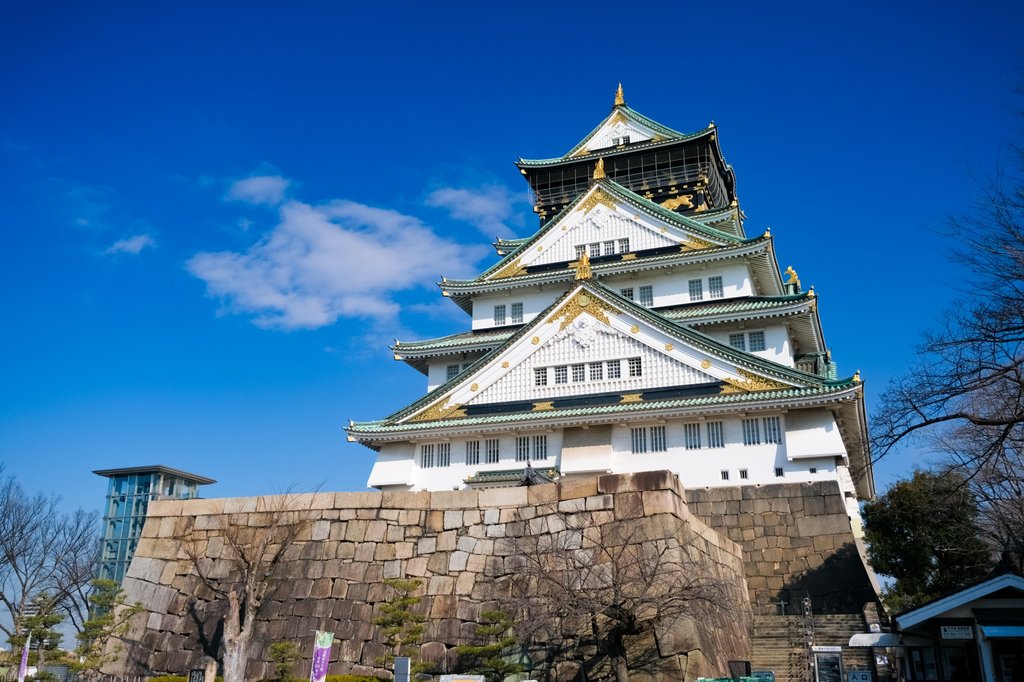
On rainy days, lean into indoor experiences—spend a couple of hours at Osaka Aquarium Kaiyukan, explore the interior of Osaka Castle Main Tower, browse large shopping malls, or wander through Kuromon Ichiba Market, where the covered arcade makes for a comfortable, food-filled stroll.
What Etiquette Should I Keep in Mind for Osaka Sightseeing?
At kushikatsu shops, avoid double-dipping in the shared sauce; refrain from eating while walking in crowded areas; keep phone calls off trains and conversations quiet; be mindful of yusenseki (priority seating) and your luggage; and check photography rules at temples and shrines before taking pictures.
Build the Osaka Trip That Fits You
How Osaka unfolds depends on your travel style, so set your priorities, book popular attractions in advance, and shape an experience that’s uniquely your own.

![Where to Watch Sumo in Japan: 3 Ways to See Sumo & How to Get Tickets [Complete Guide]](https://sumowrestlingshow.jp/wp-content/uploads/2026/08/where-to-watch-sumo-in-japan_1-300x200.jpg)