Sumo Training in Tokyo: Where to Watch, How to Enjoy & Etiquette Tips
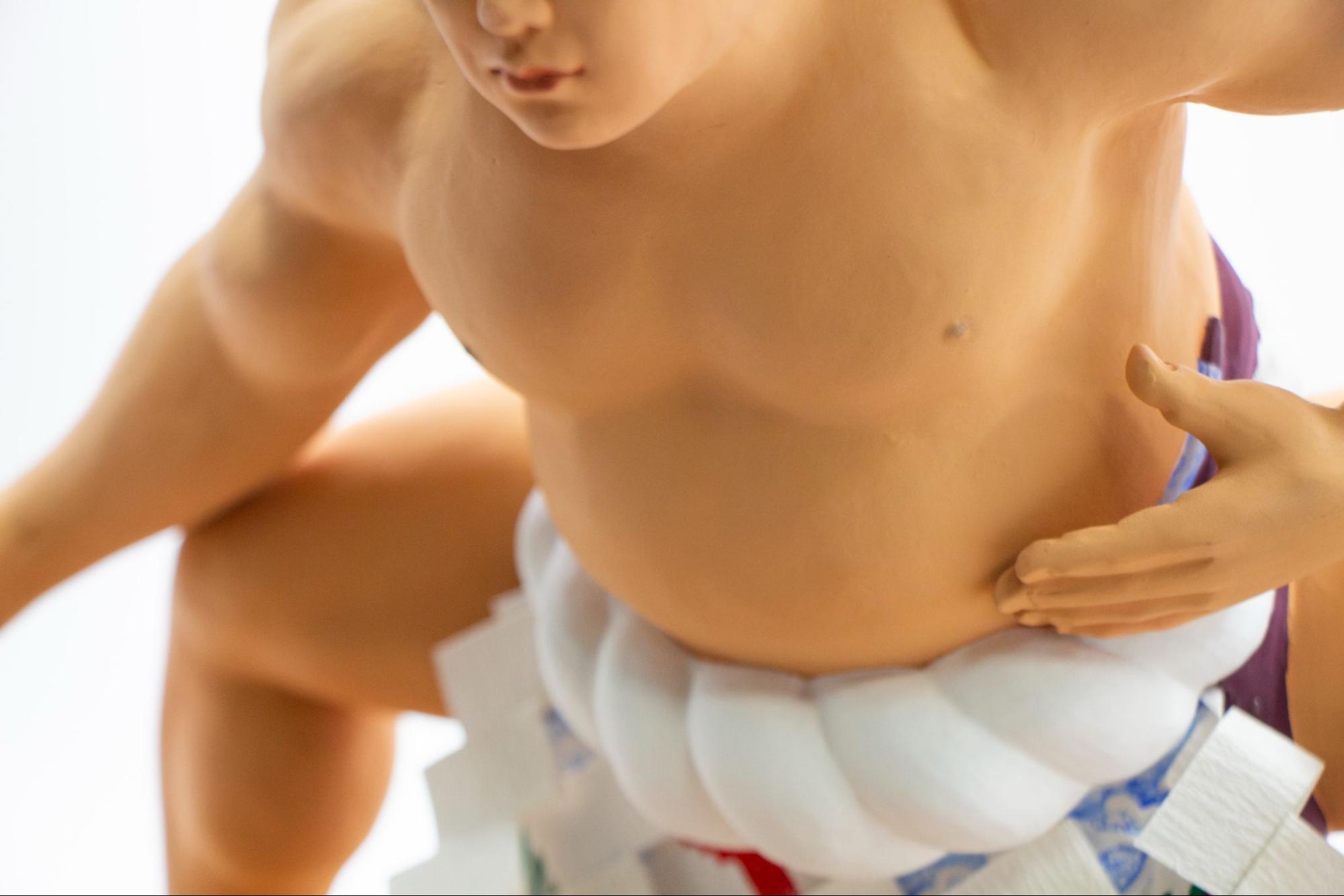
During your next visit to Tokyo, are you hoping to observe genuine sumo wrestlers engaged in their intense morning practice and check out these athletes up close?
The world of sumo—an ancient and respected traditional Japanese sport—is unique and a little perplexing, so it’s no wonder that many visitors to Japan find themselves uncertain about which sumo stables accept public visitors, whether reservations are required, or what customs should be observed.
In this article, we’ll fill you in on where you can observe sumo wrestlers in Tokyo, how to make reservations, proper viewing etiquette, and even provide you with info about venues that offer hands-on sumo sessions. We’ll also get you caught up on English-guided tours and restaurants that serve well-known sumo cuisine such as chanko-nabe.
Contents
Understanding the Practice of Sumo: How to Enjoy Watching and Things to Keep In Mind
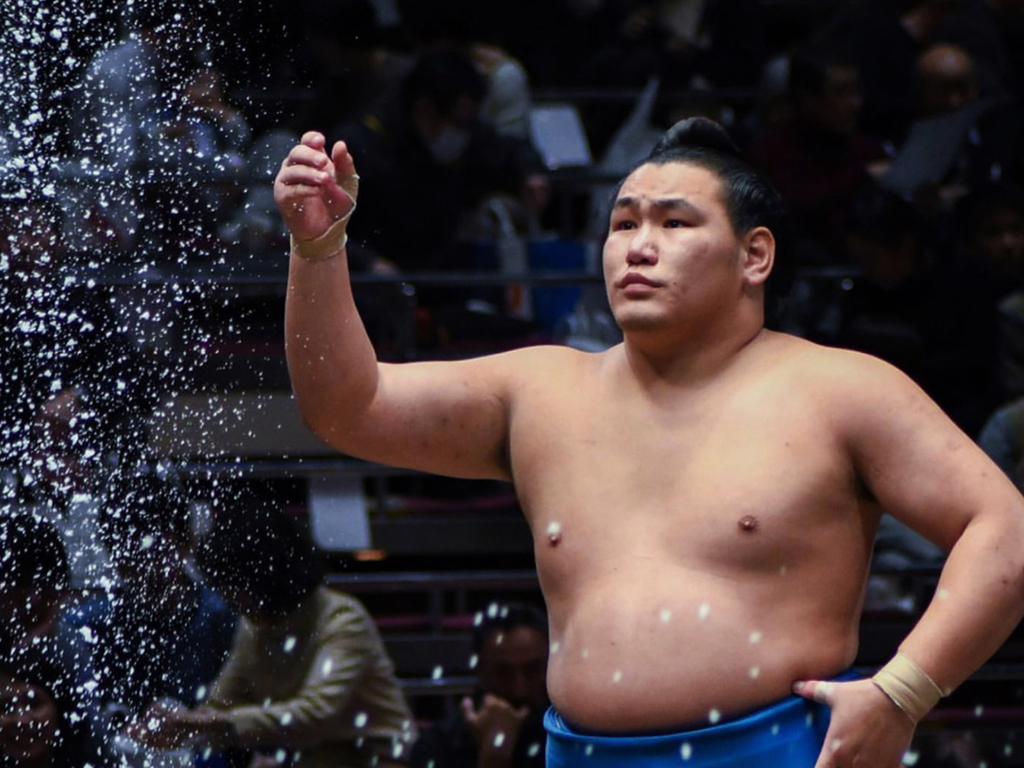
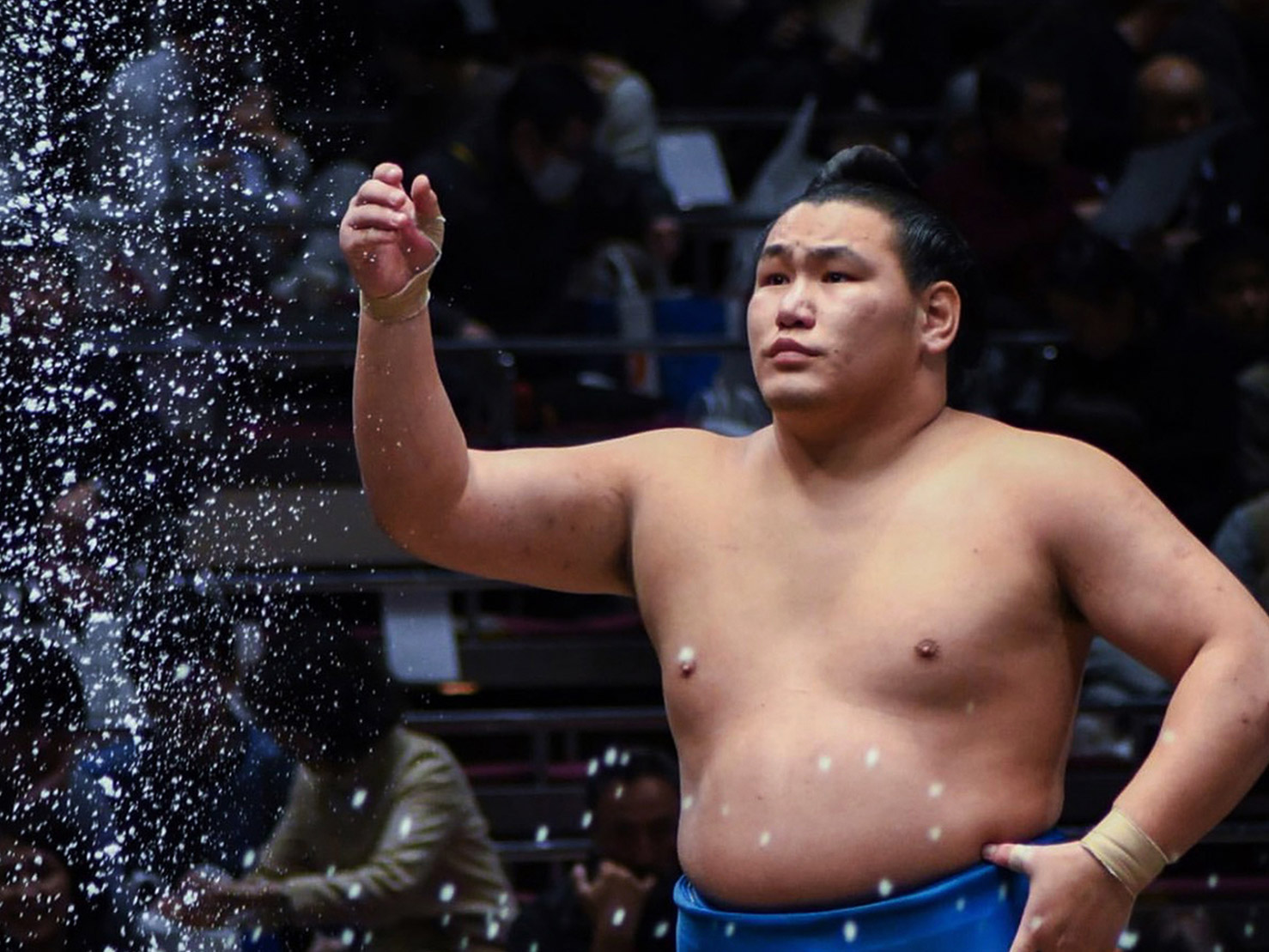
Japan’s sumo wrestlers devote themselves to rigorous practice everyday, with their regimen starting early in the morning. These morning sessions are often open to the public, offering a rare opportunity to experience traditional Japanese culture firsthand. There are some points, however, that you’ll want to keep in mind to ensure that you get along with the athletes and reach a deeper understanding of sumo culture.
The Fundamentals of Sumo Training
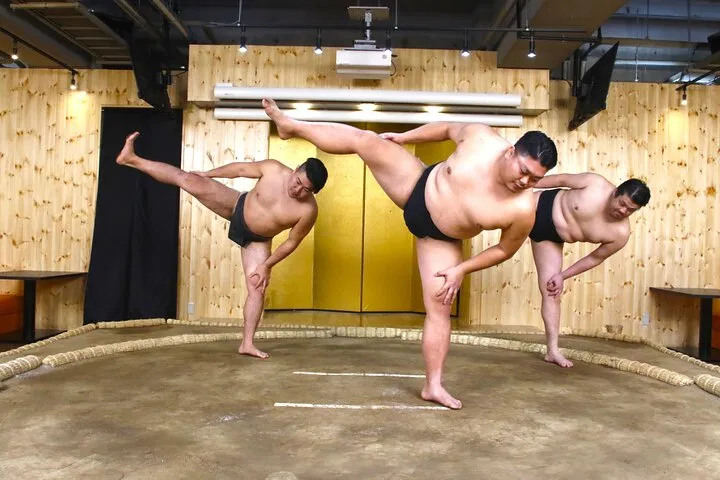

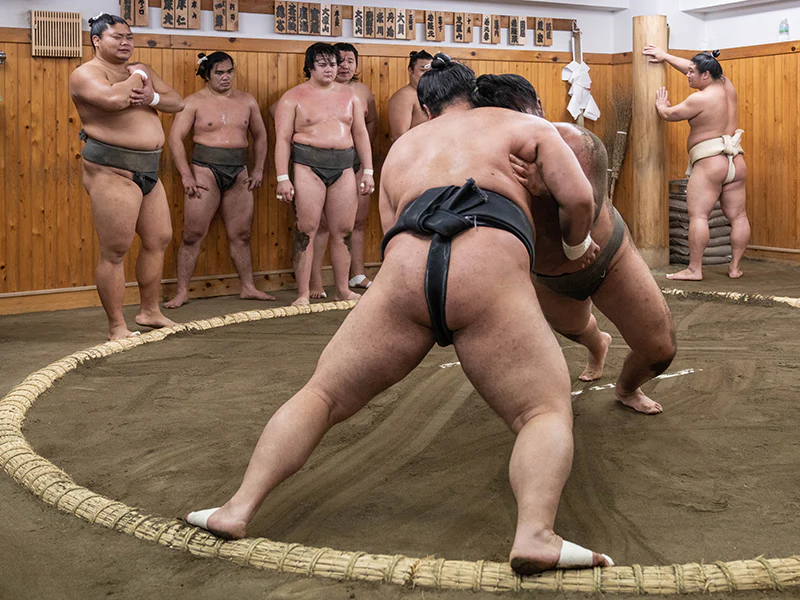
Sumo training encompasses both physical conditioning and mental discipline. Wrestlers enter the ring (or dohyo) at dawn and begin their day with intense collision practice, as well as countless repetitions of fundamental sumo moves like shiko (sumo’s iconic leg-stomping) and suriashi (foot movements).
Through this demanding daily discipline, the wrestlers hone their technique and mental fortitude alike. In the sumo world, the principle of “beginning and ending with respect” is revered to the highest degree, and the training hall serves as a place for forging character as much as athletic ability.
At the sumo stable, a stablemaster imparts lessons about technique, manners and proper conduct to his disciples, taking on an influential role in the shaping of their approach to life itself.
Within this master-disciple relationship, the rikishi are continuously challenged to overcome their limits and cultivate the determination to surpass who they were the day before. In this way, training serves to strengthen both body and spirit.
Since most stables have only one dohyo, watching comrades square off against one another is itself part of basic training. The wrestlers also visit other stables from time to time, and these away-from-home practice sessions are designed to foster opportunities for forging connections among the athletes. These exercises highlight the traditional Japanese values—such as cooperation, resilience and respect—at the core of sumo.
Training Periods and Daily Schedules
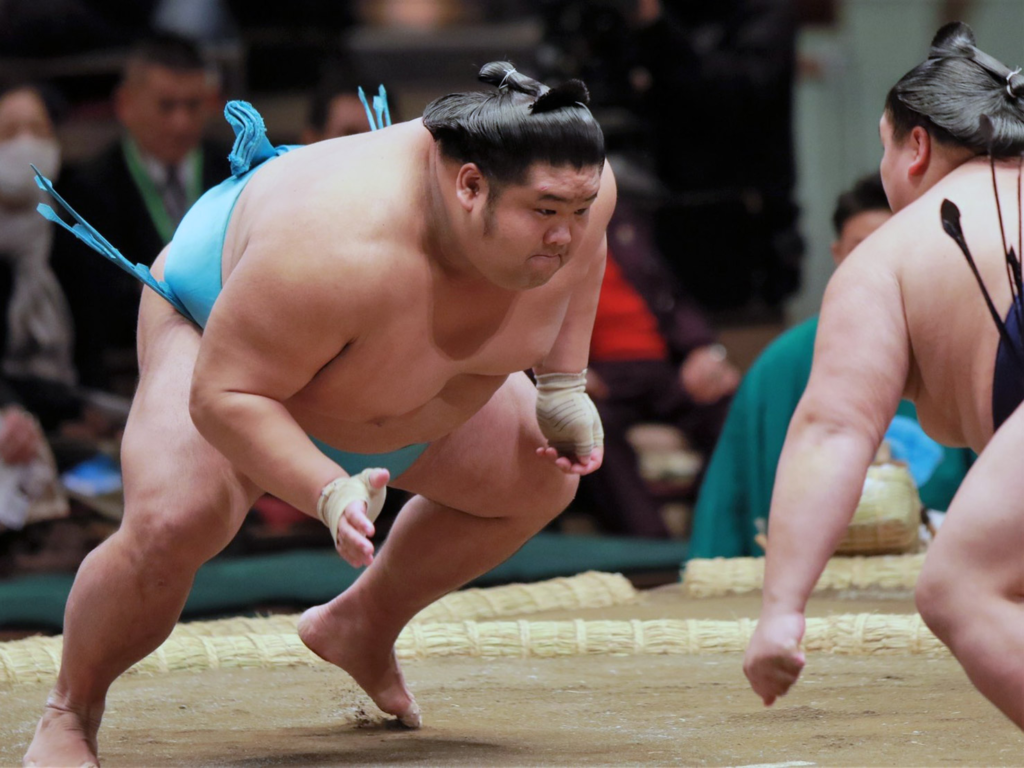
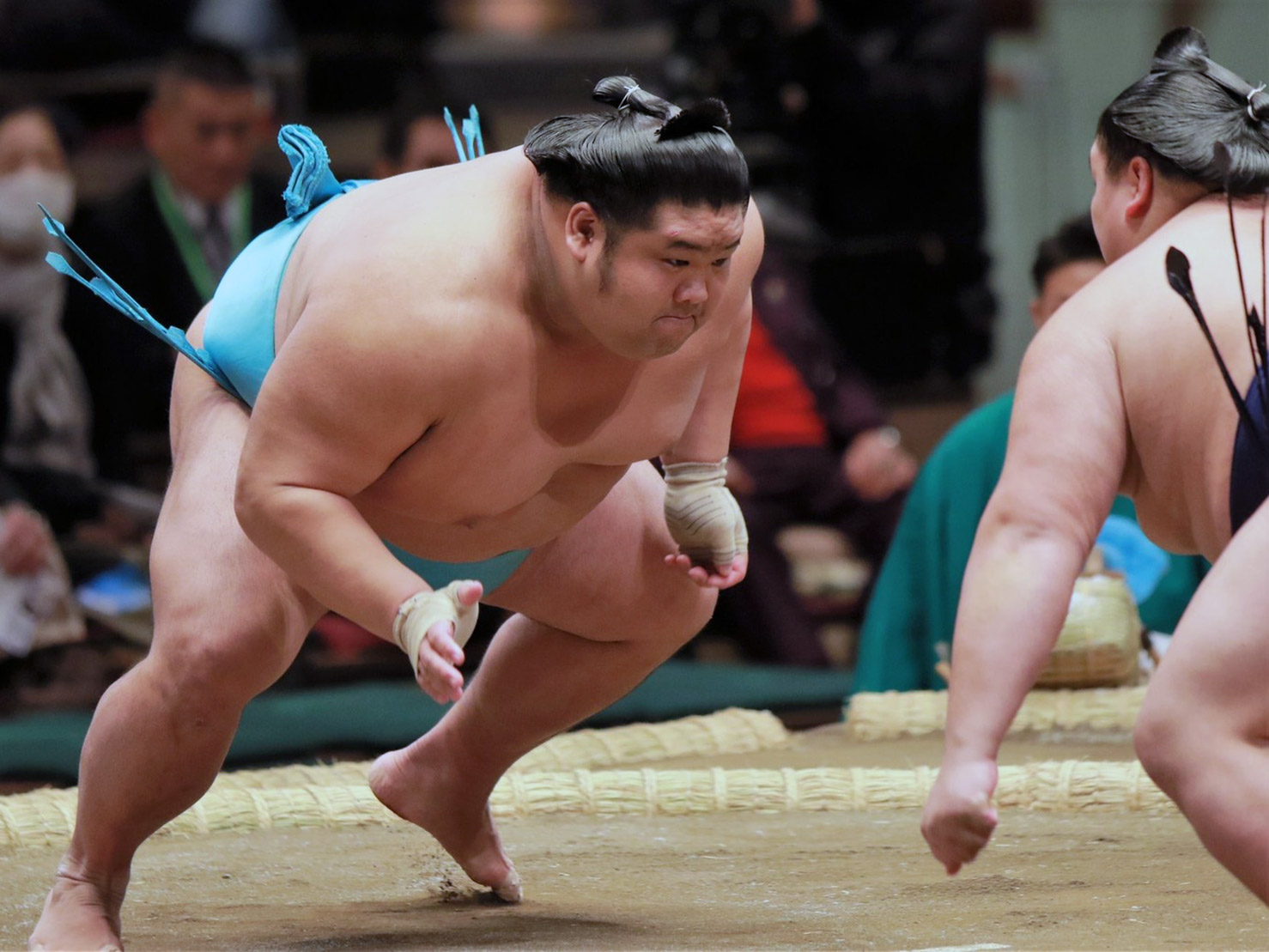
Training sessions at Japan’s sumo stables take place nearly every day throughout the year and can often be observed by members of the public and overseas visitors alike, though viewing is often off-limits during Grand Sumo or Regional Tour tournament periods.
Morning training begins at around 5 or 6 am for the lowest-ranking wrestlers, while athletes in the top two divisions typically arrive at the training hall around 8 am. Training usually concludes at 11 am.
Public viewing hours vary stable by stable, though many accept visitors between 7 am –9 am. We recommend confirming in advance, though, so that you don’t miss out. Given the early morning schedule, it’s also a good idea to research how long it will take you to get from your accommodation to the sumo stable.
How to Enjoy Sumo Training and What to Watch For
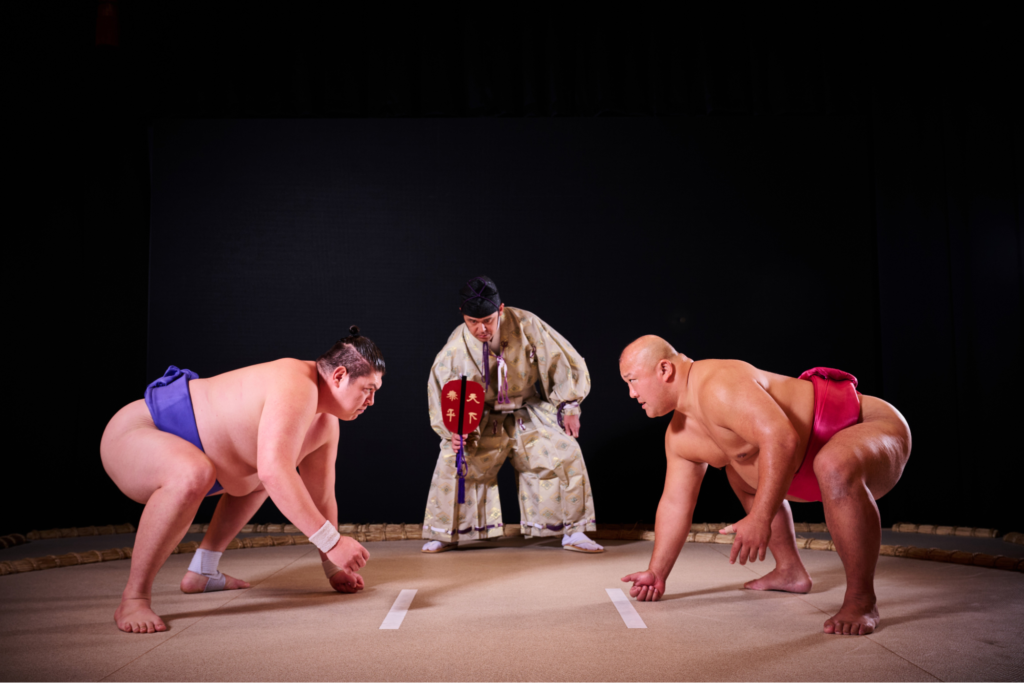
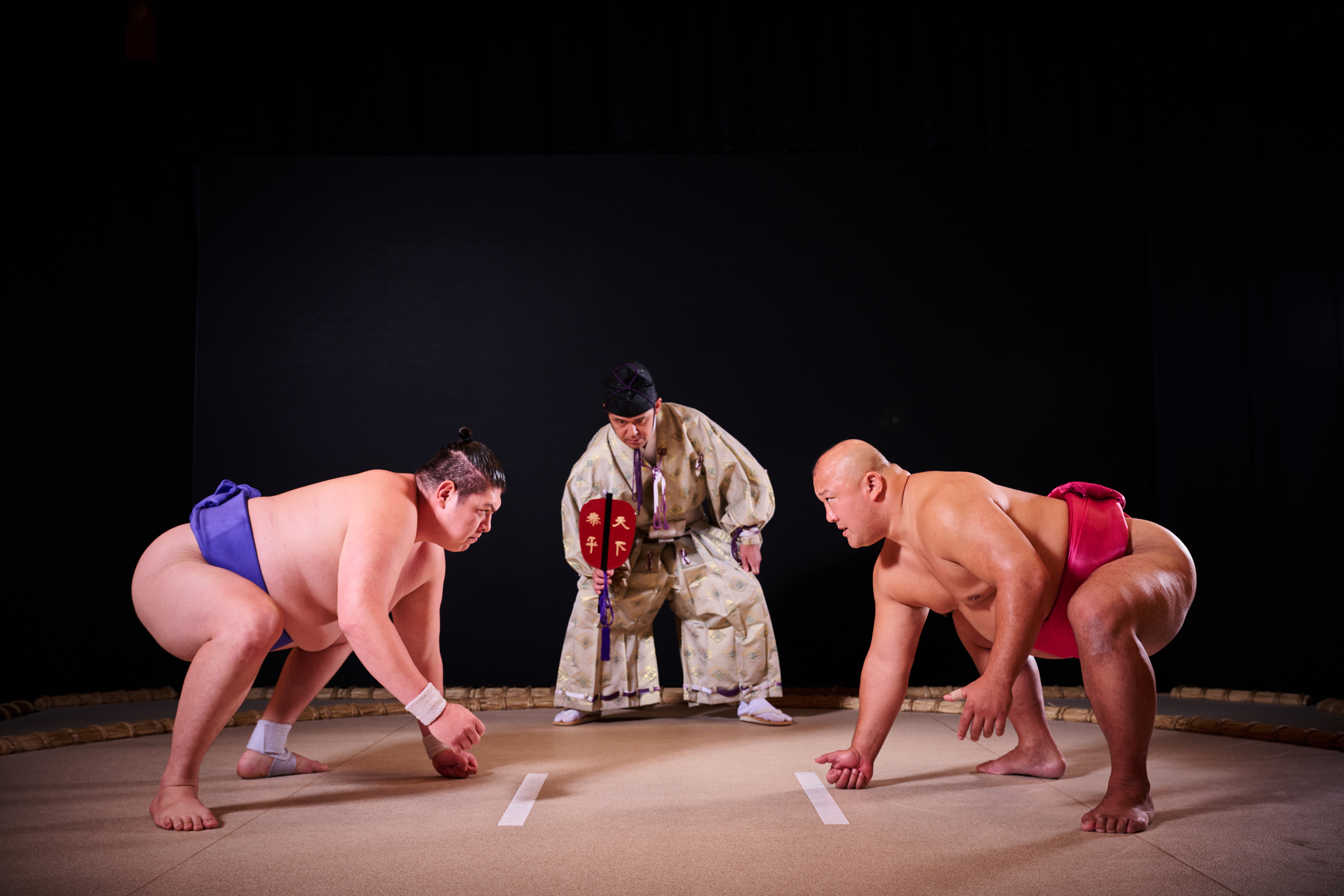
The biggest appeal of attending sumo training lies in the opportunity to watch these huge athletes crashing into one another at close range. The sound of stomping reverberating through the hall, the thud of bodies as they collide, the spirited shouts echoing through the air—these sensations can only be experienced here.
Hone in on these particular moments for a richer experience:
- The expressions on the wrestlers’ faces during “collision practice”
- Tactics and technique sequences during sparring practice
- Conversations among the rikishi and instructions from the stablemaster
Understanding the sacred Shinto rituals that make up sumo’s origins also helps uncover the deeper meaning embedded in each movement. Sumo is about more than just power and skill; it is equally defined by its commitment to courtesy and respect.
With this background in mind, you’ll begin to see this traditional spirit reflected in the focused gazes and deliberate movements of the wrestlers.
Etiquette and Guidelines for Observing Training
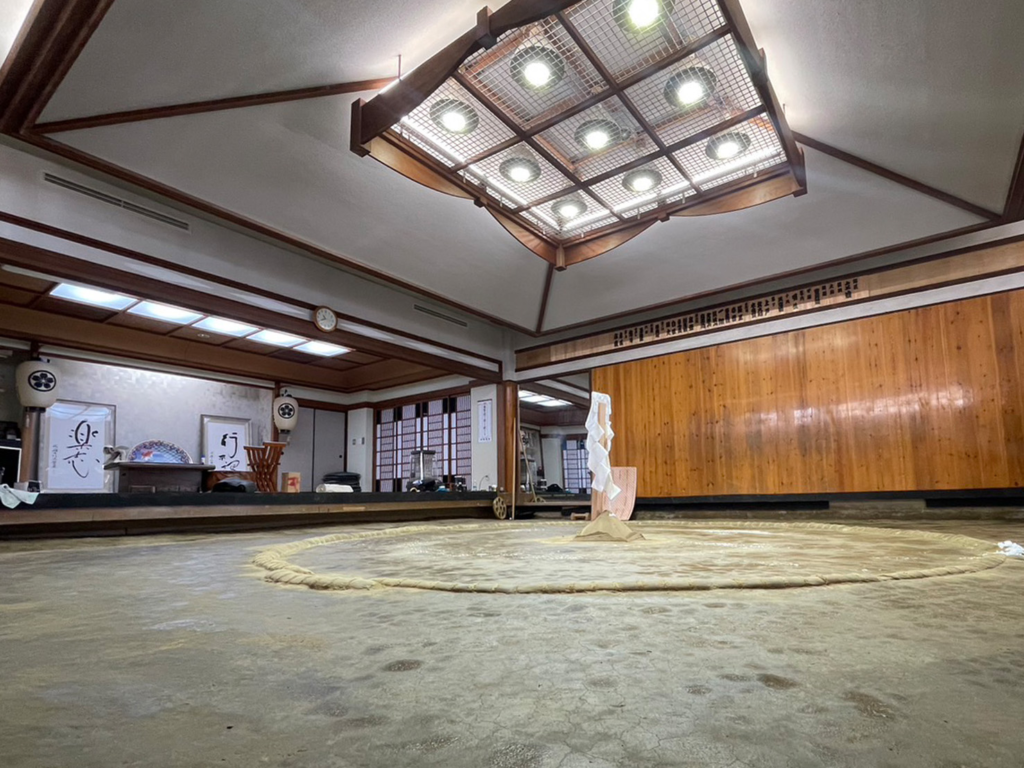
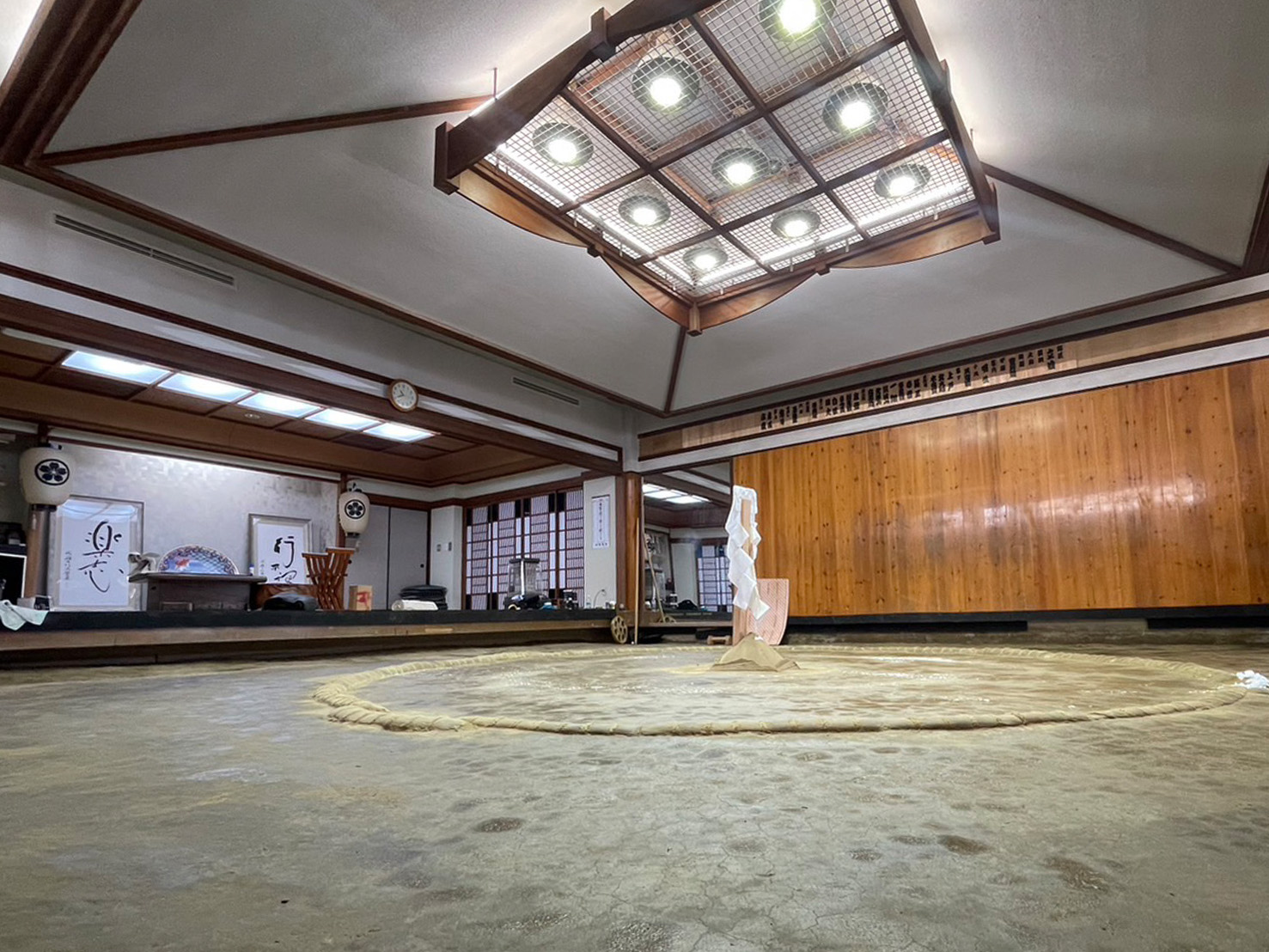
When visiting a sumo stable, certain rules must be followed in order to maintain respect for the serious practice taking place. Most importantly, never talk during training. Remain seated quietly and avoid moving around. Eating, drinking, and smoking are also strictly prohibited.
Photography policies differ by stable, but even where permitted make sure to follow these general guidelines:
- Don’t stand up to take photos; take pictures from your seat
- Disable camera flash and shutter sounds
- Set mobile phones to silent mode
- Avoid making phone calls
Also, never speak to or touch the wrestlers or the referees, and remember that entering or approaching the sumo ring is forbidden. You’re encouraged to show support, but through applause only—loud cheering and shouting are frowned upon. Don’t wait around outside the stable for wrestlers before or after training either.
Following proper etiquette shows respect for this place of discipline and its athletes, which in turn contributes to everyone enjoying their visit.
Where to Observe Sumo Training
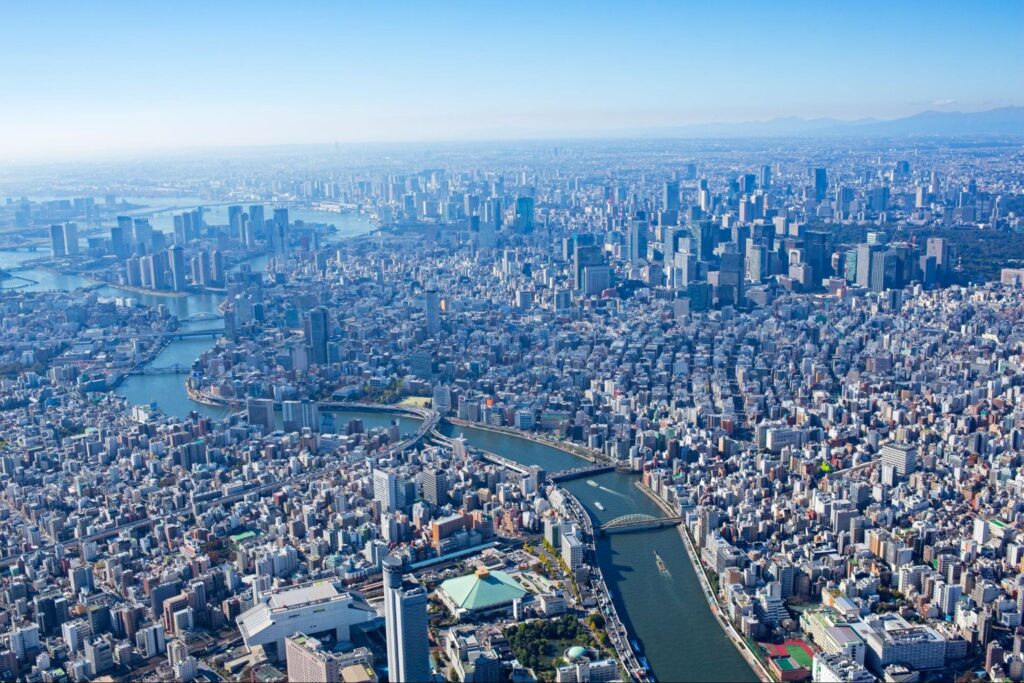
Tokyo has several sumo stables that welcome international visitors for morning training observation. Below are some well-known venues accessible to visitors from overseas, along with information about their characteristics and reservation procedures. We’ve also included information on tours so that you’ll have all the details you need to choose the perfect destination.
Arashio-beya
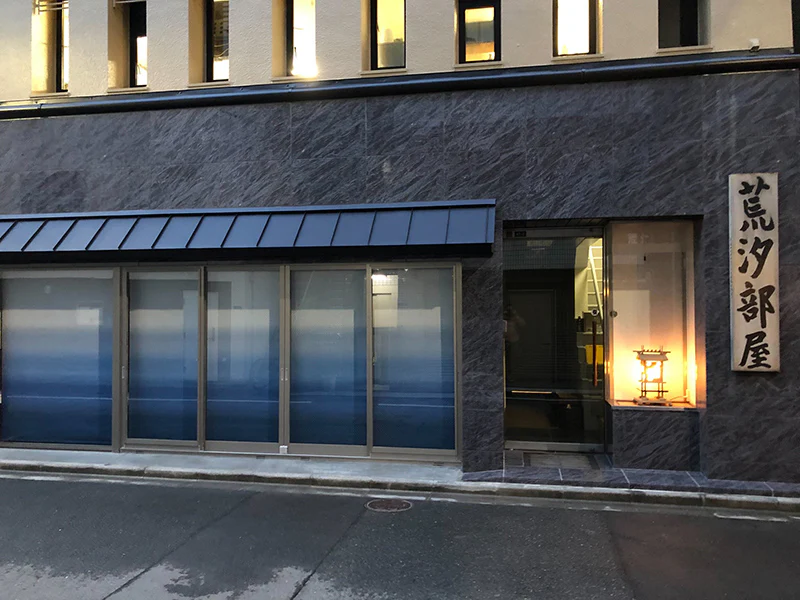

Arashio-beya is led by former maegashira Soukokurai and welcomes tourists from overseas. Here, visitors can view the wrestlers’ intense morning routine directly through the stable’s viewing windows.
The official website features a training calendar showing scheduled practice days. Given the unpredictable nature of training, however, the venue cannot guarantee sessions will occur as scheduled. If you’re thinking of visiting, we recommend contacting the stable between the hours of 4 pm and 8 pm the day before.
Arashio-beya is located just one minute from exit A2 of Hamacho Station on the Toei Shinjuku train line, making it extremely accessible and convenient to travellers.
Details
| Address | 2-47-2 Nihonbashi-Hamacho, Chuo-ku, Tokyo |
| Viewing Hours | Around 7:30 am–9:00 am |
| Closed | During Grand Tournament periods |
| Official Website | https://arashio.net/ |
| Best For | Visitors seeking a casual glimpse of morning training atmosphere or visitors touring the Nihonbashi area |
Nishiiwa-beya
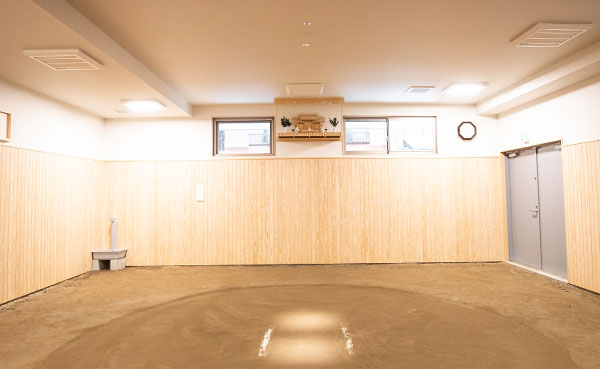
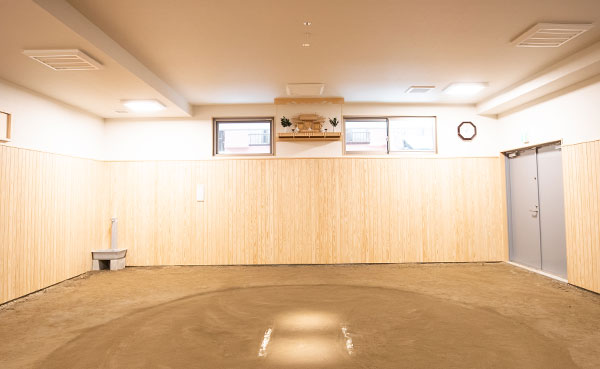
Nishiiwa-beya is a relatively new stable, established in 2018 when it split from Tagonoura-beya. The stable master is the 12th Nishiiwa Shinobu, formerly known as Sekiwake Wakanosato, a beloved rikishi from Aomori Prefecture.
Nishiiwa-beya is located in Kotobuki, Taito-ku, and is the only sumo stable in the Asakusa district, making it convenient to visit between sightseeing.
The stable does not accept observers during the Grand Tournament, however, so confirming the current schedule before visiting is recommended.
Details
| Address | 4-4-9 Kotobuki, Taito-ku, Tokyo |
| Viewing Hours | Around 9:00 am–10:30 am |
| Closed | During Grand Tournament periods |
| Official Website | https://nishiiwabeya.com |
| Best For | Visitors who want to combine their visit with Asakusa sightseeing |
Tatsunami-beya
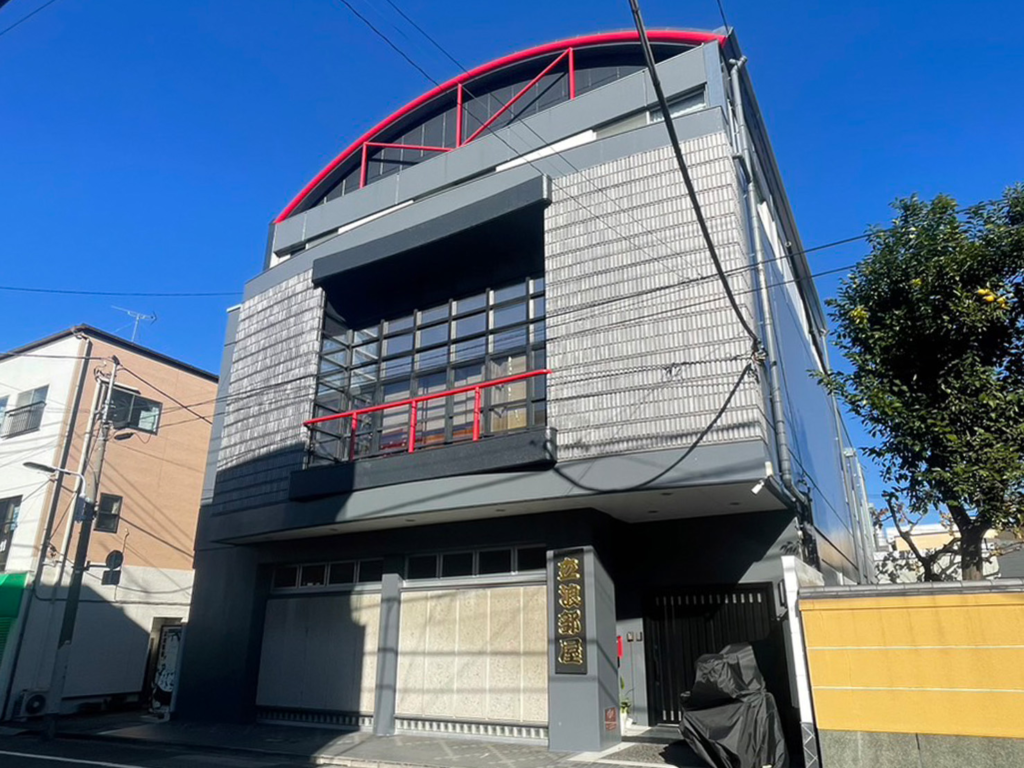

Founded in 1915, Tatsunami-beya boasts a long history of producing legendary rikishi, including Yokozuna Futabayama. The current stablemaster is Tatsunami Taiji, formerly Komusubi Asahiyutaka. A lively atmosphere with young athletes are what make this sumo sumo stand out from the rest.
Visitors wishing to observe morning training are required to make a reservation through the official website or by phone at 080-8027-5502. The stable accepts reservations from 12 pm to 6 pm, with viewing sessions beginning at 8 am the following day.
The stable is distanced from nearby train stations—about a 20-minute walk from Asakusa and Minowa Station—so allow plenty of time to get there on the day of your visit.
Details
| Address | 1-16-5 Hashiba, Taito-ku, Tokyo |
| Viewing Hours | From 8:30 am |
| Reservation | Official website or phone (reservations accepted between 12:00 pm–6:00 pm) |
| Official Website | https://tatsunami.jp |
| Best For | Visitors who want to watch sumo wrestlers at a renowned stable |
Guided Tour Options for Visitors
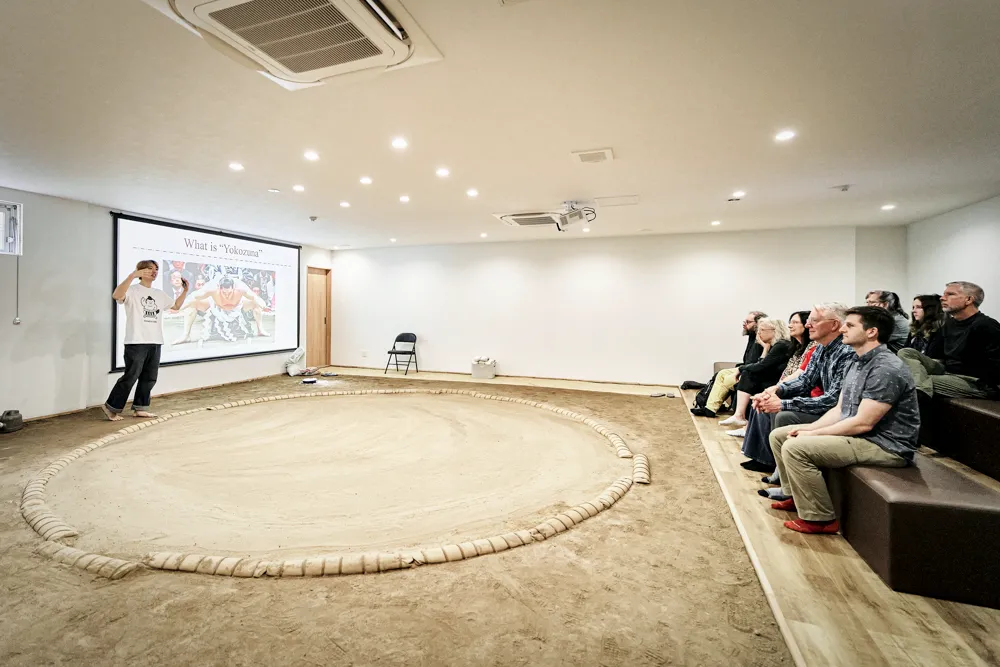
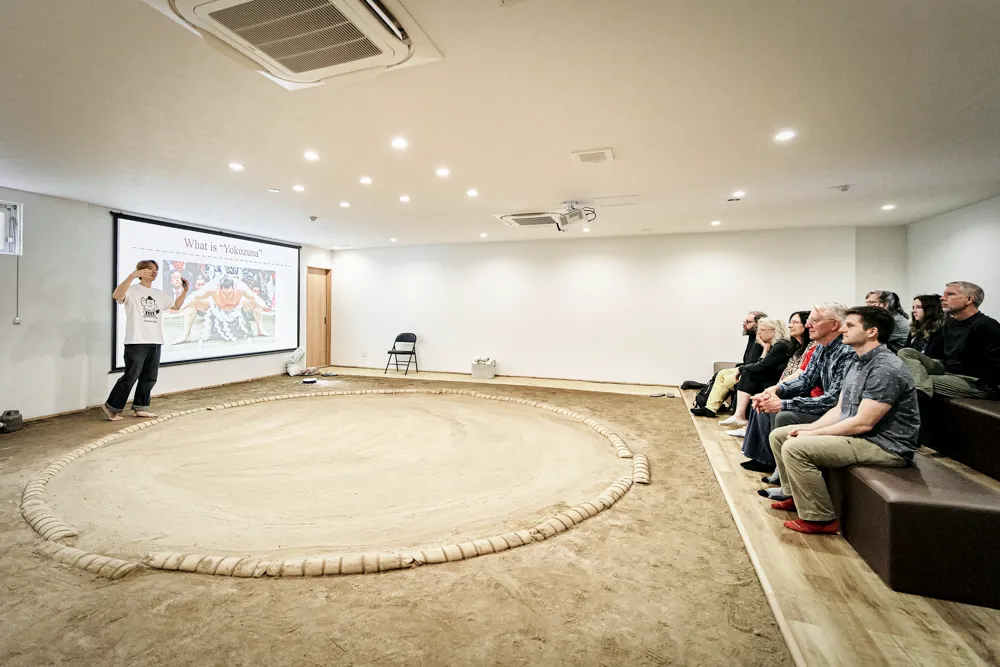
Many travellers hesitate to contact a sumo stable directly due to worry about the language barrier or uncertainty about reservation procedures. If you find yourself hesitating as well, guided tours offer a stress-free alternative.
As part of a tour, professional guides accompany participants, handling reservations and providing on-site guidance throughout the visit. Even first-time visitors can watch sumo training with confidence when accompanied by a guide.
There are many different kinds of tours to choose from, as well:
| Tour Type | Features |
|---|---|
| Japanese language guided tours | For domestic travelers and Japanese speakers |
| English language guided tours | Ideal for international visitors |
| Tours that include chanko-nabe | Combines viewing sumo with sumo cuisine |
| Tours with photo ops | Provides opportunities for a photo with a professional sumo wrestler |
When selecting a tour, be sure to compare language options, duration, and included services.
Experience Hands-On Sumo in Tokyo
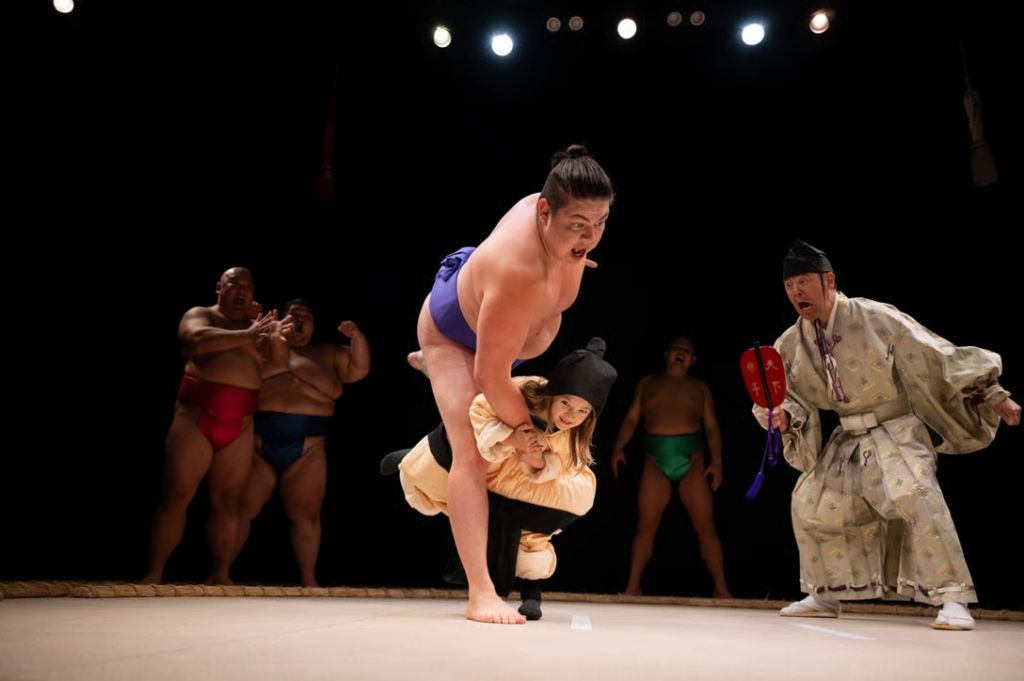
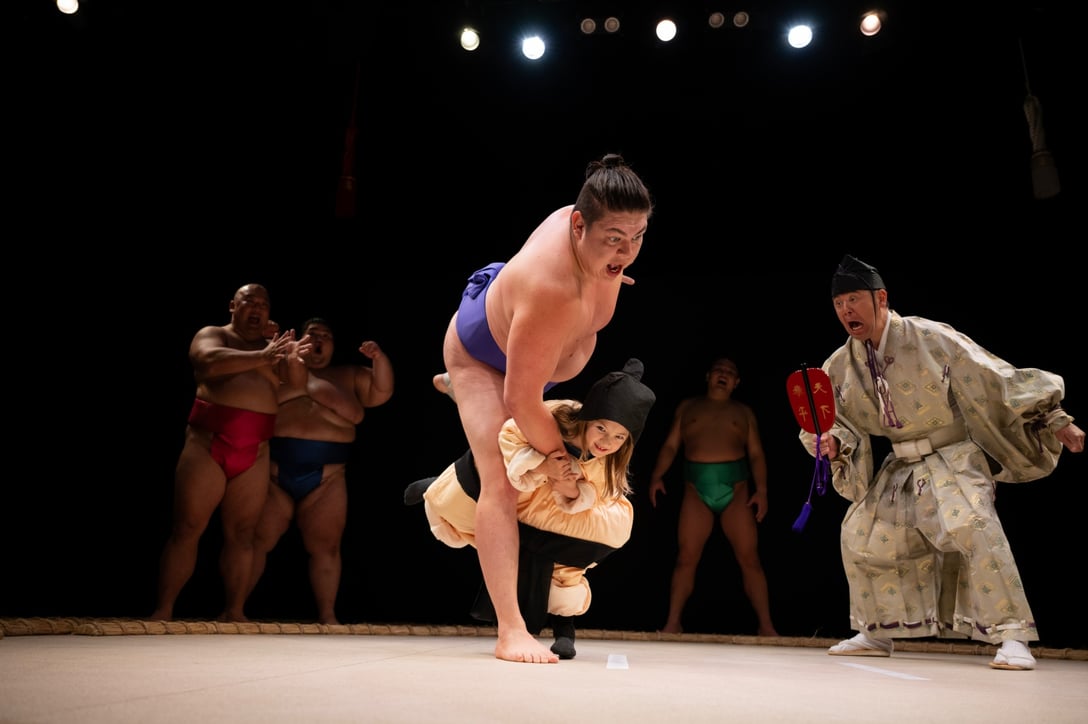
Besides observing morning training at a sumo stable, Tokyo is home to a number of venues where visitors can try their hand at sumo themselves. These interactive facilities combine sumo performances with dining and allow guests to fully immerse themselves in sumo culture.
Asakusa Sumo Beya
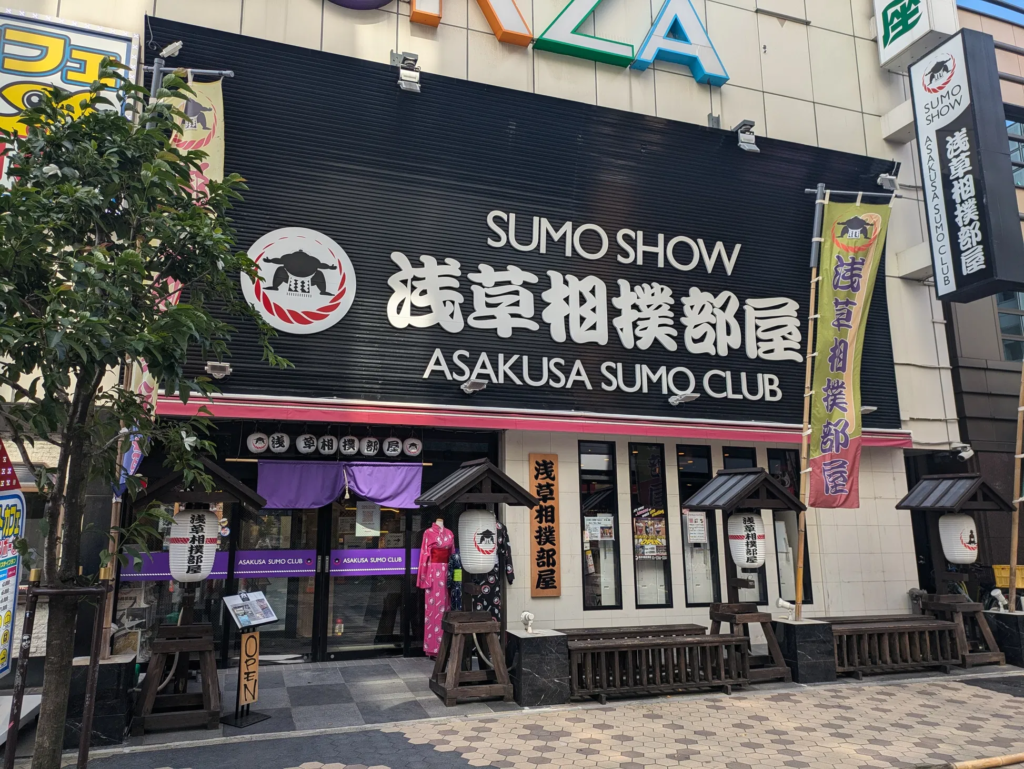

Asakusa Sumo Beya is located near Senso-ji Temple. Here, guests can enjoy live sumo shows performed by former professional wrestlers and can even don the thick white sumo belt and step into the ring.
The venue offers photo opportunities in which you can pose in an ornate ceremonial apron, along with the chance to try traditional sumo cuisine such as chanko-nabe or sukiyaki rice bowls.
Asakusa Sumo Beya’s convenient location allows for seamless integration into a day of sightseeing in Asakusa. Pair your sumo experience with a stroll through Kaminarimon Gate or the Nakamise district for a full day of immersion in Japanese culture.
Details
| Address | Asakusa Rockza Building 1F, 2-10-12 Asakusa, Taito-ku, Tokyo |
| Hours | 12:00 pm–10:30 pm |
| Closed | Irregular |
| Official Website | https://asakusa-sumo.com |
| Best For | Visitors looking for accessible sumo experiences with English language support |
Asakusa Sumo Beya ANNEX
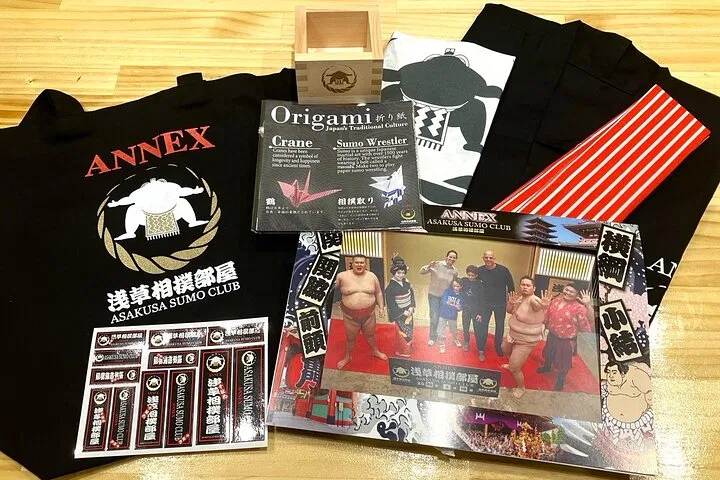

Asakusa Sumo Beya ANNEX is an interactive entertainment facility that opened in February 2025. While it is the sister facility of Asakusa Sumo Beya, the main difference between the two venues is ANNEX’s offerings of upscale Japanese cuisine.
In addition to powerful demonstrations by retired rikishi, guests can also don a sumo belt and try “Challenge Sumo,” an interactive, audience participation segment. Each performance lasts approximately 120 minutes, with four shows daily. Comfortable sofa seating is available, and Japanese gourmet options including sukiyaki rice bowls and traditional chanko-nabe.
Children ages 2 and up are welcome, making Asakusa Sumo Beya ANNEX a family-friendly destination. Pricing follows a three-tier system: Economy, Business, and First Class—with meal and beverage menus varying by tier—so you can choose your plan according to your budget.
Details
| Address | Wada Building B1F, 2-11-7 Asakusa, Taito-ku, Tokyo |
| Hours | 12:00 pm–10:30 pm |
| Closed | Irregular |
| Official Website | https://asakusasumo-annex.com/ |
| Best For | Visitors who want to dine while watching a sumo show |
Sumo Land
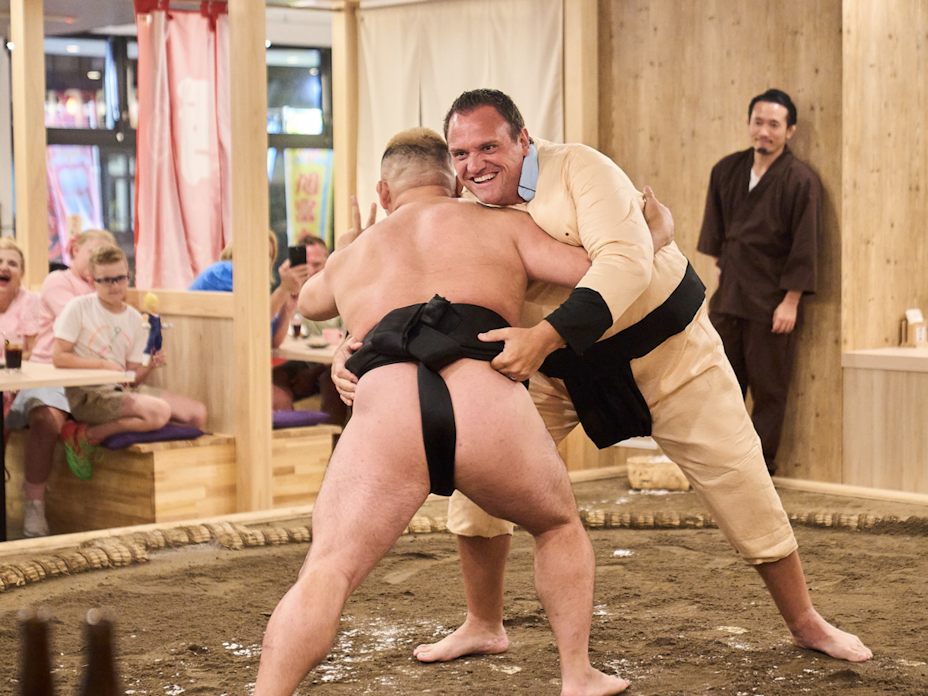

Sumo Land is an interactive entertainment facility in Ryogoku, Tokyo, organized by the 63rd yokozuna Asahifuji. The facility offers accessible activities for enjoying sumo culture, including sumo matches in which guests can take on an actual sumo wrestler. After the experience, you’ll have the opportunity to dine on traditional chanko-nabe while enjoying interaction and photo opportunities with wrestlers.
You can make reservations to Sumo Land online, and the facility is popular with families and friends alike.
Details
| Address | Takashima Ryogoku Mansion 1F, 4-32-19 Ryogoku, Sumida-ku, Tokyo |
| Hours | Three sessions daily (11:00 am–1:00 pm / 2:30 pm–4:30 pm / 6:00 pm–8:00 pm) |
| Closed | Irregular |
| Official Website | https://sumoland.jp/ |
| Best For | Those looking for convenient access to sumo culture in the Ryogoku area |
THE SUMO LIVE RESTAURANT Hirakuza GINZA TOKYO
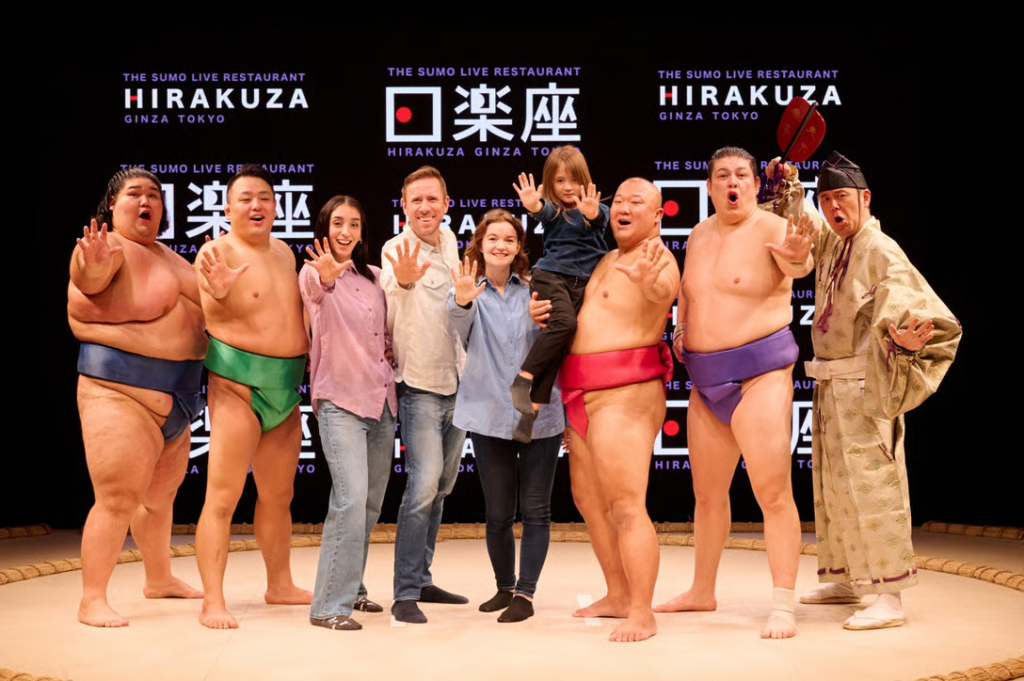
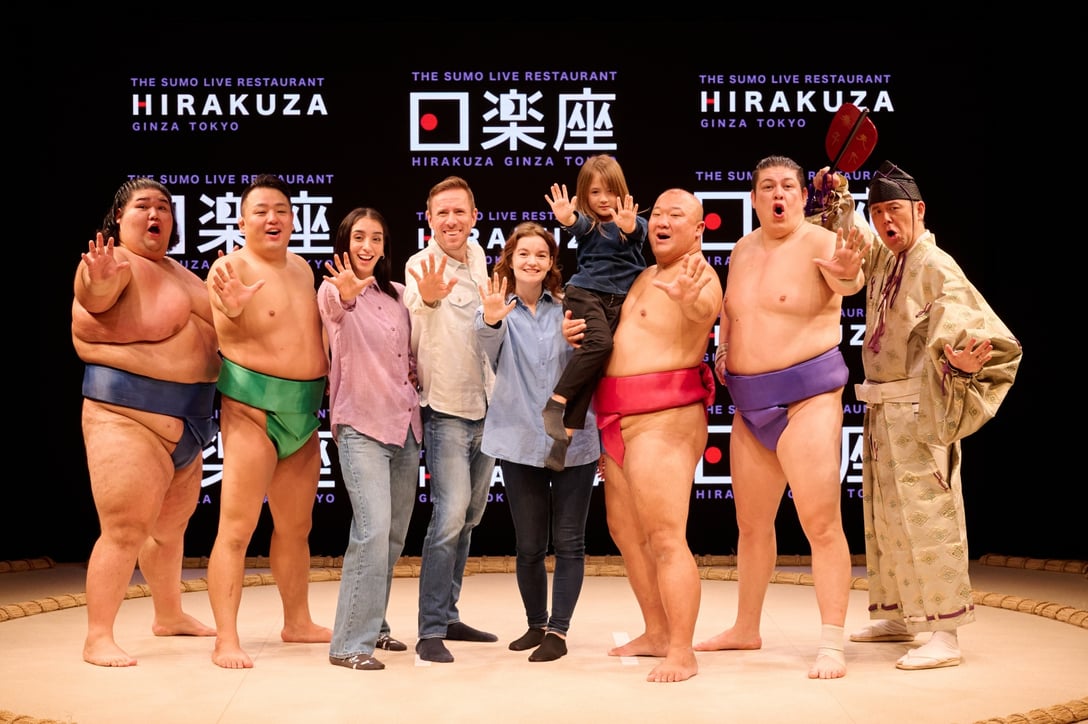
THE SUMO LIVE RESTAURANT Hirakuza offers the opportunity to enjoy sumo performances by former rikishi alongside authentic, traditional multi-course cuisine in up-scale Ginza.
The approximately 120-minute show starts with an exciting Japanese drum performance, followed by demonstrations and audience-participation segments. English commentary accompanies the entire performance, so even visitors without Japanese language skill or knowledge of sumo can understand the explanations of the various techniques and movements.
Meal courses vary by seating rank: the VIP-exclusive course features wagyu beef and eel, while standard seats include tempura and rice bowls (and both meal options offer chanko-nabe). At THE SUMO LIVE RESTAURANT Hirazuka, guests can savor Japanese cuisine and entertainment all in one exciting and delicious sitting.
Details
| Address | Prime Ginza Yanagi-dori Building B1F, 1-9-13 Ginza, Chuo-ku, Tokyo |
| Hours | 1:00 pm–11:00 pm |
| Closed | Irregular |
| Official Website | https://hirakuza.net/tokyo/ |
| Best For | Visitors who want to combine fine dining with a sumo show in Ginza |
Sumo Studio Osaka
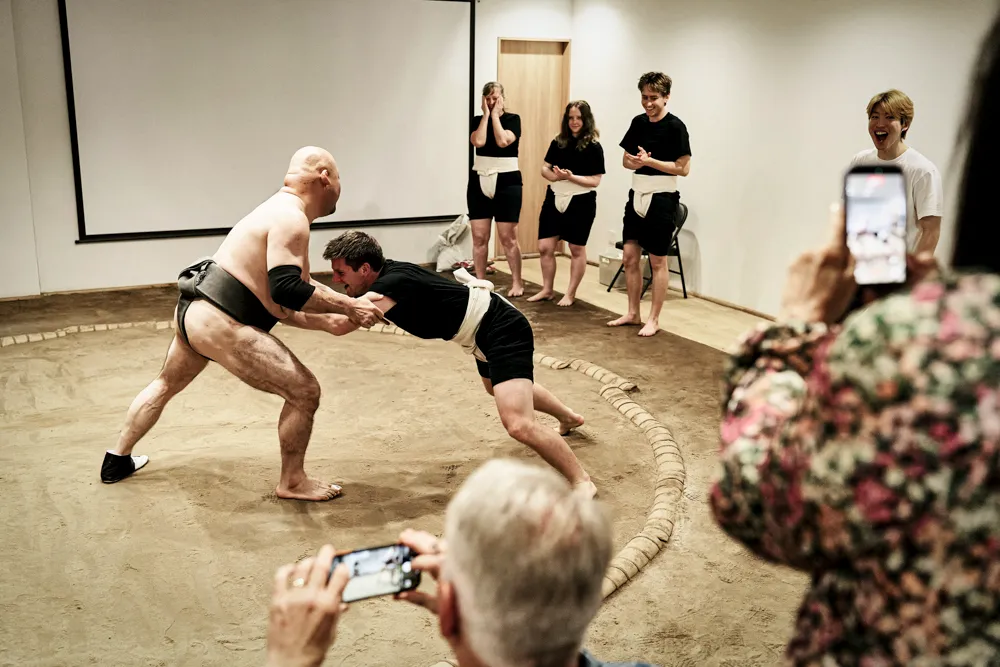
Authentic sumo experiences are also available in Osaka City. Located in Nishinari-ku, Osaka, (not in the Tokyo area), Sumo Studio Osaka is a hands-on sumo spot for travellers touring the Kansai region of Japan
At this venue, you can watch awe-inspiring matches between formal professional athletes and learn about kimarite (sumo’s winning techniques) from just meters away from your seat. The intimate setting—with seating for a maximum of 50 guests—allows for every participant to get close to the action.
Besides just watching, guests can enter the ring to learn fundamental sumo moves such as the iconic leg-stomping (shiko) and the proper sumo fighting stance. What’s more, brave volunteers can even challenge a wrestler in one-on-one combat, while receiving instructions from a retired rikishi. Overall, it’s a rare opportunity to learn official sumo forms while also having fun experiencing sumo culture firsthand.
All shows feature English commentary that explains sumo’s history and its connections to Shinto. Five showings are available every day, with each one lasting approximately 90 minutes. Following the show, time is set aside for photos and interaction with the athletes, or guests can also choose to relax with drinks at the on-site bar. Admission is ¥14,000 per person—advance reservations are recommended.
Connected directly to exit 4 of Hanazonocho Station on the Osaka Metro Yotsubashi train line, Sumo Studio Osaka offers an unforgettable experience to travellers in the Kansai region.
Details
| Address | Hanazonocho AI Building 1F, 1-5-1 Asahi, Nishinari-ku, Osaka |
| Hours | Five shows daily (10:00 am / 12:30 pm / 3:00 pm / 5:30 pm / 8:00 pm) |
| Closed | Open year-round |
| Official Website | https://sumowrestlingshow.jp/ |
| Best For | Visitors yearning for an authentic sumo experience while touring the Kansai area |
Sumo Shows and Dining Experiences in Tokyo
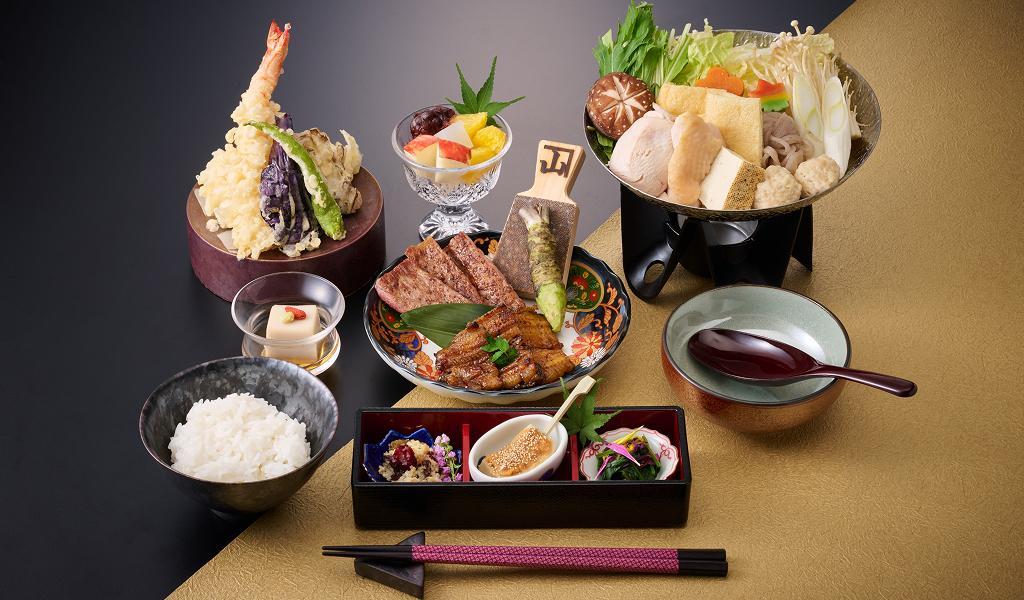

Unique opportunities for enjoying sumo culture abound in Tokyo, far beyond simply watching morning sumo practice or enjoying a performance at a hands-on venue. Below we’ve compiled information on restaurants where you can eat like a sumo wrestler, along with establishments serving authentic chanko-nabe: the traditional dish born in Japan’s sumo stables and known as the staple of the sumo wrestlers’ diet. We’ve also included reservation and access information, to make sure your meal plans go smoothly.
Yokozuna Tonkatsu Dosukoi Tanaka
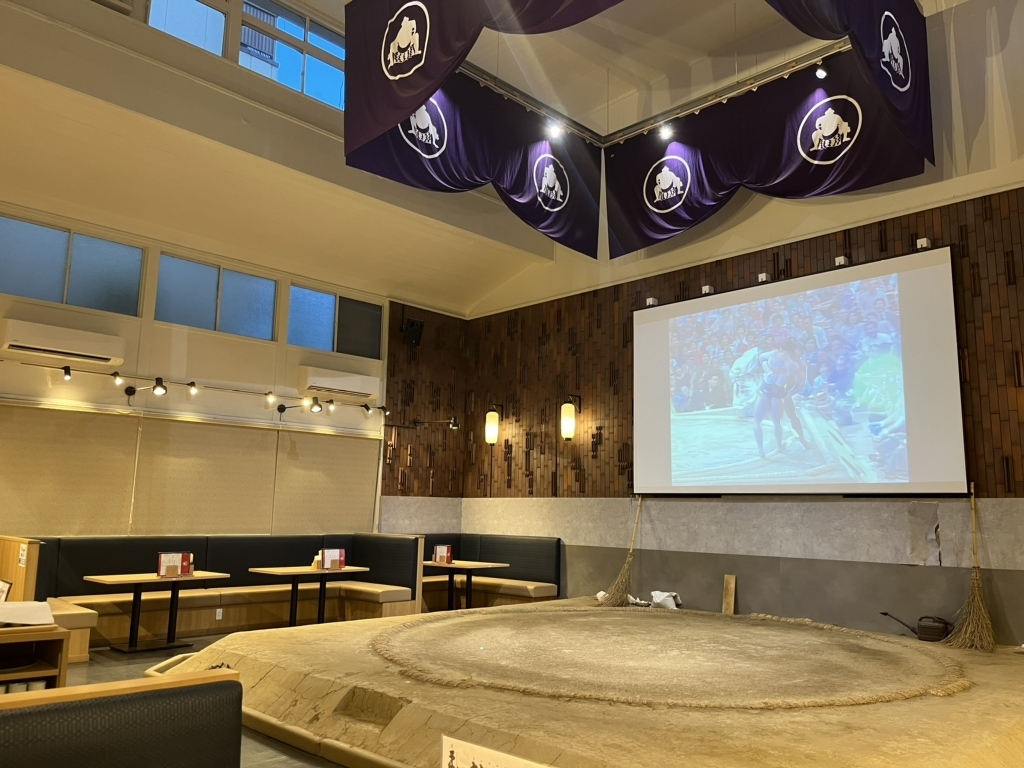
Opened in 2022, Yokozuna Tonkatsu Dosukoi Tanaka combines a sumo-themed interior with tasty deep-fried pork cutlets—a Japanese favourite. The restaurant’s main feature, however, is the authentic dohyo installed right inside the dining area. If the formality of the sumo stable isn’t your thing, consider visiting this venue, where guests can enjoy hanging out with rikishi in a relaxed setting.
Their signature “Dosukoi Rosu Katsu Set” is an impressive dish that boasts two 200 g (7 oz) pork cutlets, a powerfully large portion worthy of a wrestler and ideal for photographs.
Located just three minutes from exit A1 of Kikukawa Station, Yokozuna Tonkatsu Dosukoi Tanaka is conveniently accessible to travellers touring the Tokyo area. Note that evening service on Fridays, Saturdays, and Sundays requires a reservation, so make sure to book ahead to guarantee your spot.
Details
| Address | 3-1-11 Tatekawa, Sumida-ku, Tokyo |
| Hours | 5:00 pm–10:00 pm (last order: 9:30 pm) |
| Closed | Tuesdays |
| Official Website | https://dosukoi-tanaka.com/ |
| Best For | Visitors wanting to savor good food while enjoying sumo culture |
Chanko-nabe Restaurants: Where to Eat Like a Rikishi
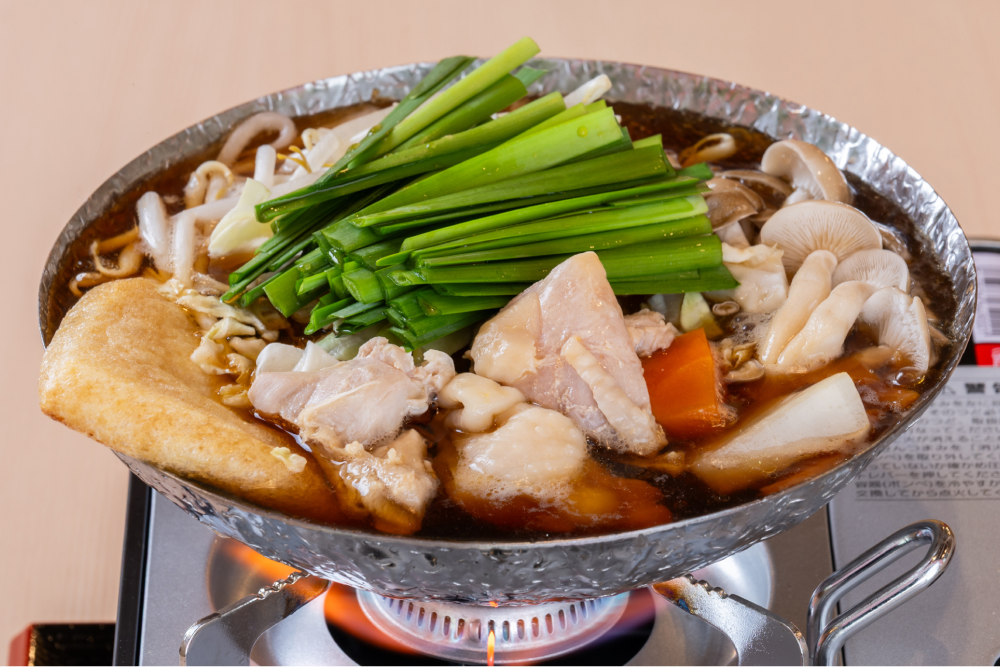

Chanko-nabe is a nutritious hot pot dish that sumo wrestlers eat in order to replenish the energy they expend during daily training. It’s a hearty stew loaded with meat, fish and veggies—though an abundance of varieties exist with countless combinations of ingredients and soup broth flavors. At the sumo stables, it’s eaten as a group from a single communal pot, and many restaurants serve chanko-nabe as a dish to be shared among a group, although individual portion-sized options are sometimes available. Tokyo is home to numerous chanko-nabe restaurants operated by former professional wrestlers, offering guests real sumo food made from traditional, time-tested recipes.
Even if you’re unable to visit a sumo stable, these restaurants offer a taste of sumo culture cooked up and served to your table. Some popular establishments include:
| Restaurant Name | Specialties | Soup Base |
|---|---|---|
| Asakusa Sumo Beya | Soy sauce chanko created and strictly supervised by former rikishi | Japanese soup stock made from local chicken, bonito, kelp, and shiitake mushrooms |
| Sumo Chaya Terao | Offers five different varieties of soup broth to choose from | Soy sauce, salt, miso, curry, or ponzu |
| Chanko Kirishima | Secret recipe developed by former ozeki Kirishima | Uses the traditional recipe of the Mutsu-beya sumo stable, with chicken and pork bone broth as its base |
Some establishments offer English menus and English language reservation systems, making them accessible to international visitors.
Enjoy your meal immersed in a meticulously recreated atmosphere of a Japanese sumo stable—without actually visiting one.
Frequently Asked Questions About Watching Sumo Practicervation

International visitors often have questions about logistics and timing when planning a visit to a sumo stable. This FAQ section covers all the essentials to help you get ready for your visit.
Can I Observe Training During Tournament Periods?
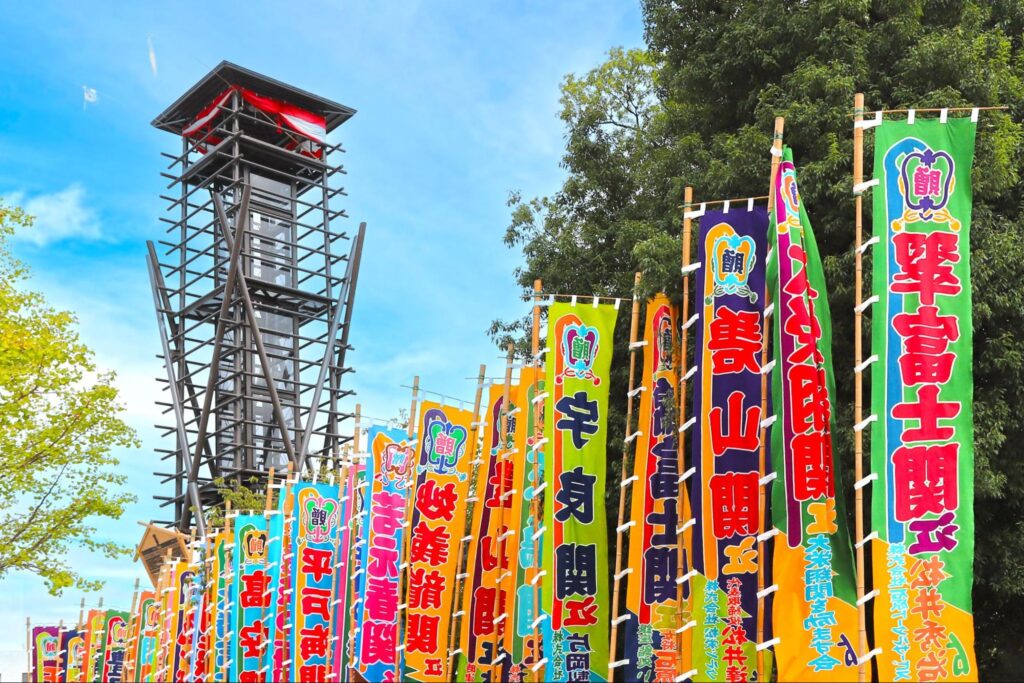
Since sumo stables train year-round, many welcome guests throughout most of the year. However, most stables do not accept observers during tournament periods or regional tours.
Periods when observation might not be possible include:
- During a Grand Sumo Tournament
- During regional tours
- Long holidays, such as Japanese New Year
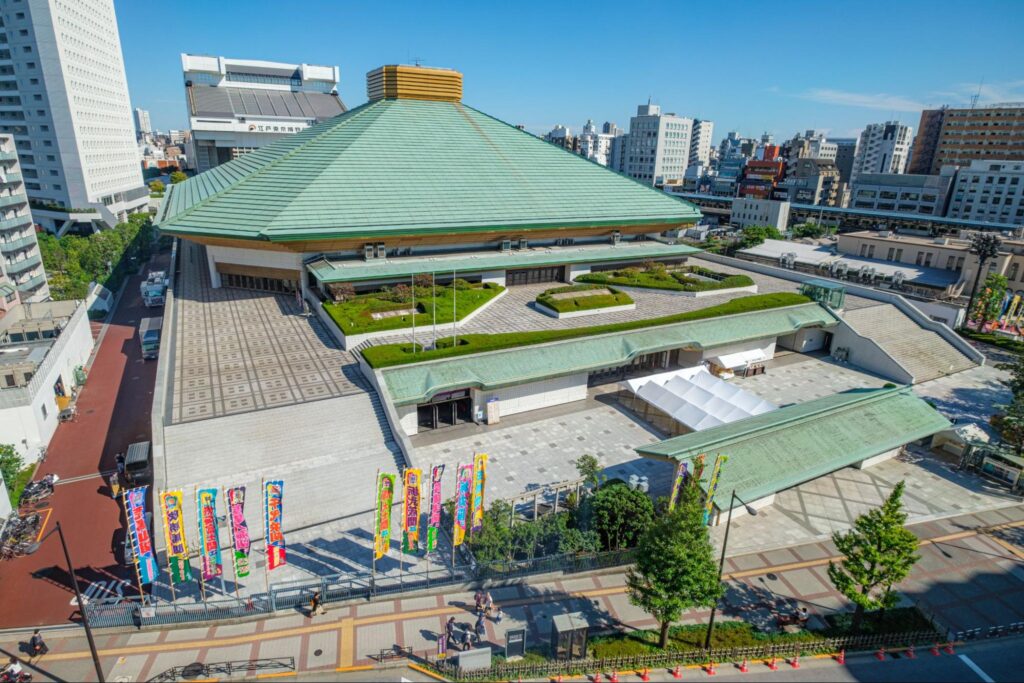
Conversely, the periods between tournaments are full of active training, making these times prime opportunities for observing sumo training up close. The Japan Sumo Association also hosts public training sessions at Ryogoku Kokugikan (the National Sumo Arena), offering free opportunities to watch yokozuna and top-ranked wrestlers take to the ring for training.
Since the availability of public viewing changes throughout the year, we recommend checking each stable’s official website for the latest details.
Can I Observe Without a Reservation?
Training observation at a sumo stable generally requires a reservation. Arriving without one will likely result in being turned away.
As mentioned previously, sumo stables are sacred spaces where rikishi live and engage in rigorous training together. Therefore, many stables either do not accept general visitors or limit observation to fan club members only.
Some exceptions do exist, however: stables like Arashio-beya accept walk-in observers who can watch the wrestlers through viewing windows. It should be noted, though, that even at these more flexible establishments visitors will most likely be denied during tournament and tour periods. Again, confirming the latest information on official websites before visiting is your safest bet.
Planning Your Sumo Experience in Tokyo
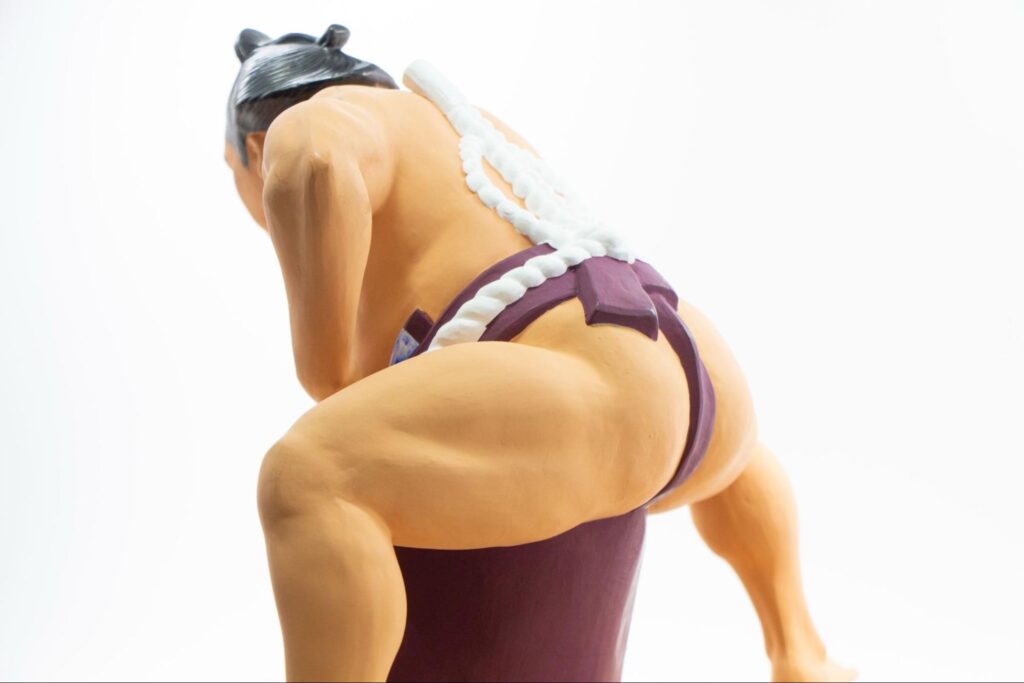
As with most things, planning ahead when possible helps to ensure a smooth and memorable experience. In Tokyo, morning training observation at sumo stables and guided tours are highly recommended for visitors seeking a first-hand experience with traditional sumo culture. Some sumo stables accept walk-in guests and some don’t, while guided tours offer comprehensive packages (including meals and English-language support) so that you can enjoy your encounter with sumo as stress-free as possible.
Regardless of which option you choose, just remember: don’t talk during practice sessions and respect the training in progress.
Your sumo adventure awaits you in Tokyo. With proper preparation, you too can experience Japan’s traditional sport up close and deepen your understanding of sumo’s spirituality and history.