Sumo Wrestling Guide: Everything International Visitors Need to Know
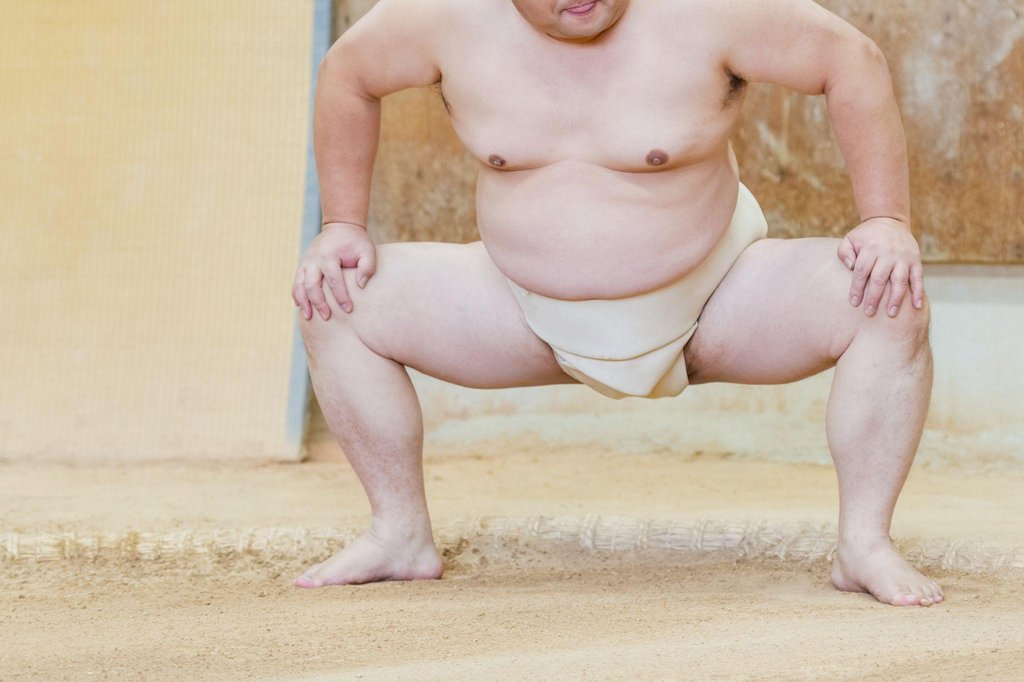
Sumo wrestling, Japan’s national sport, has a history spanning over 1,400 years—and it’s as thrilling today as ever. Sure, the clashes are fierce. But what really sets sumo apart are the rituals: the salt-throwing, the ring-entering ceremony, the whole sanctimonial atmosphere. Then there’s the distinctive lifestyle of the rikishi (sumo wrestlers), which offers a fascinating window into Japanese culture.
Whether you’re a sports fan, a culture enthusiast, or just curious, sumo has something for you. Here we’ve included everything you need to know: basic rules, how to watch a Grand Tournament match, and how to score tickets. Spectator etiquette, sumo terminology, and a facility in Osaka where you can actually experience sumo hands-on are all covered. Read on for the complete guide.
Contents
Sumo Fundamentals

New to sumo? No worries. Here’s everything you need to know to follow the action.
Let’s start with the basics: what sumo actually is and how wrestlers win or lose. You’ll also get familiar with the banzuke ranking list that shows each wrestler’s current position.
You’ll also want to know the key terms and signature winning moves (kimarite). Once you’ve got this stuff down, watching a Grand Tournament match becomes a whole different experience.
What Is Sumo?
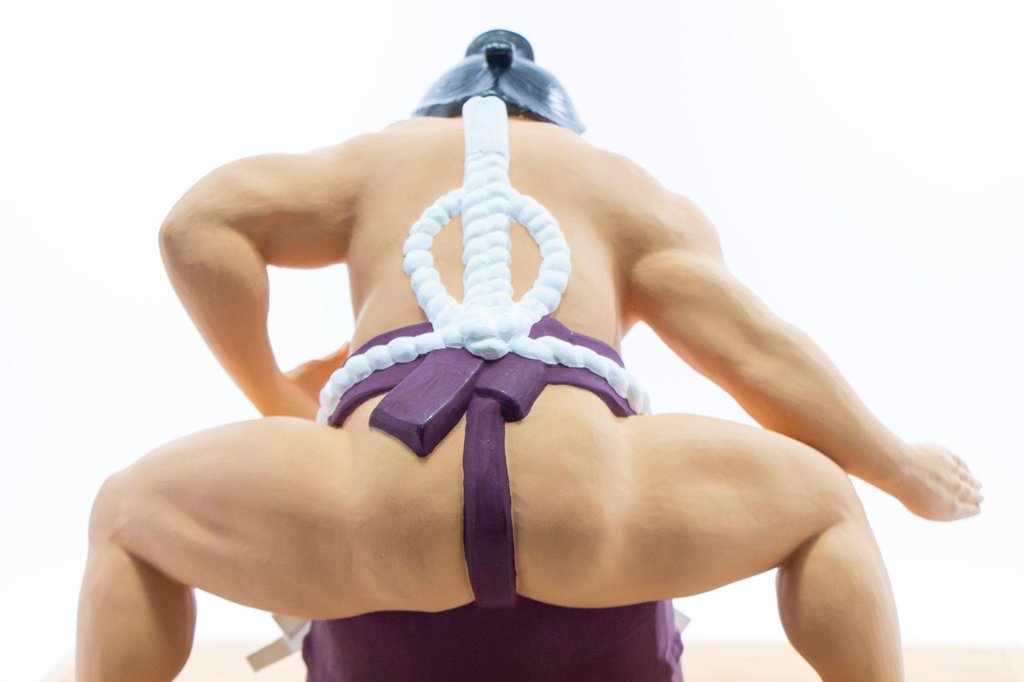
Picture two massive wrestlers squaring off in a sacred clay ring. That’s sumo.
The Japanese have loved this sport for over 1,400 years. It goes all the way back to Japanese mythology—originally a Shinto ritual for good harvests and warrior training.
The current form of Grand Sumo took shape during the Edo period, and today the Japan Sumo Association preserves and develops the tradition while maintaining order. One thing you’ll notice right away: everything begins and ends with respect.
The bowing, the salt-throwing—it all goes back to sumo’s sacred origins. Through brutal daily training, wrestlers build not just strength, but discipline and character.
For visitors, it’s the perfect combo: heart-pounding action and a deep dive into Japanese culture. Once you see it live, you’ll understand why it’s been captivating audiences for over a millennium.
The Dohyo & Rules of Victory
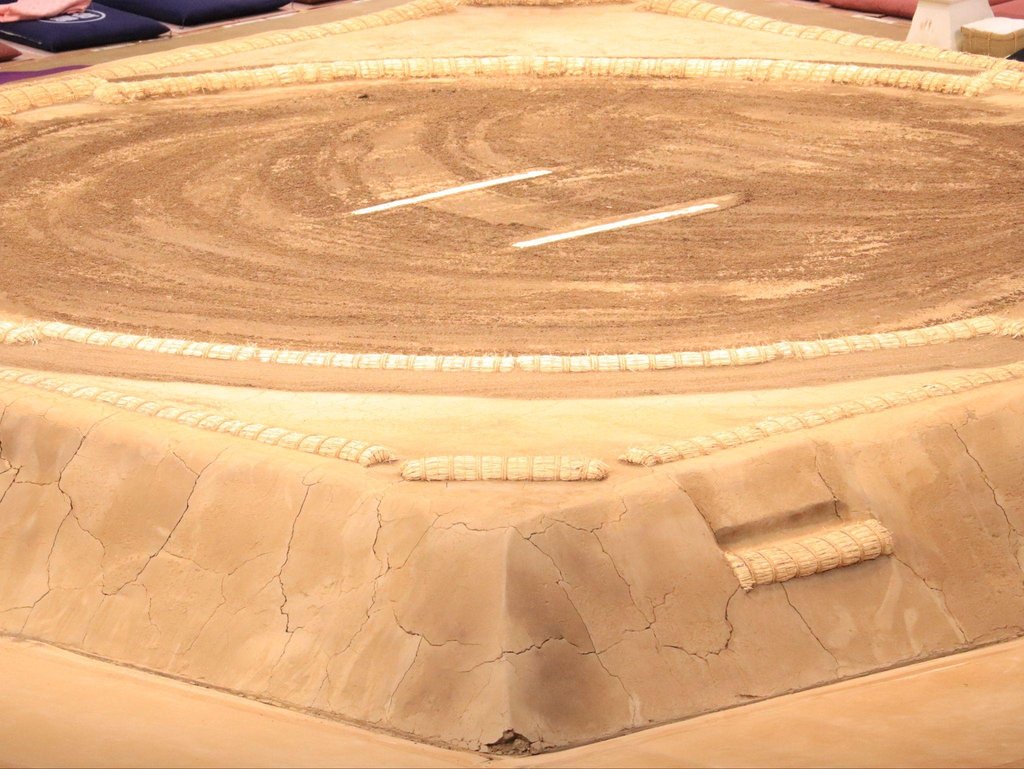
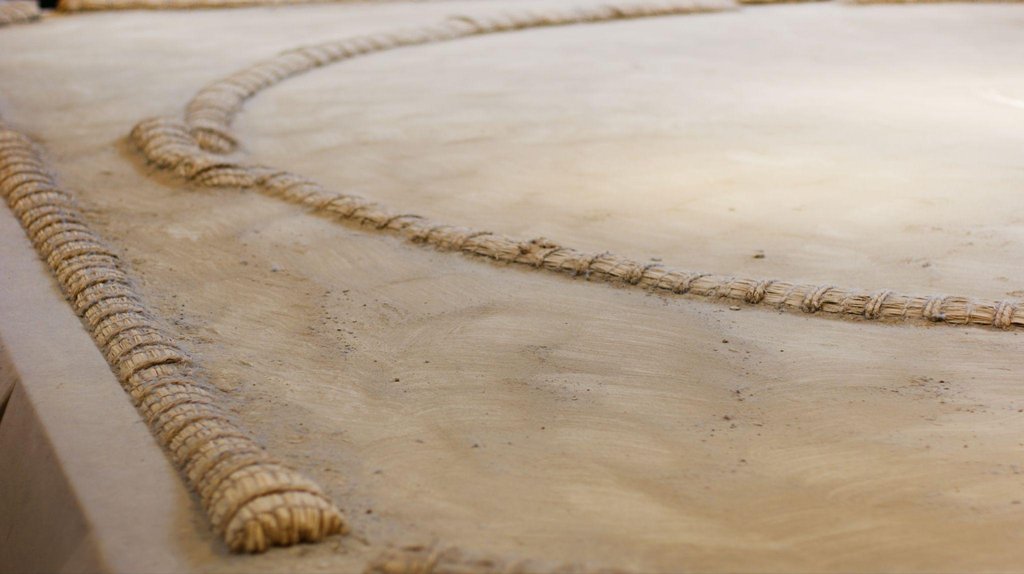
The dohyo (the clay ring where matches take place) is surprisingly small—just 4.55 meters (about 15 feet) across. The surface is packed with arakida clay, and the boundary is formed by straw bales filled with rice (tawara) embedded around the perimeter.
The rules couldn’t be simpler. You lose if:
- Any part of the body other than the soles of the feet (hands, knees, elbows, etc.) touches the ground
- Any part of the body goes outside the ring
However, a bracing hand used to support the body when pushed (kabai-te) or the stepping foot landing outside the ring after the bout has already been decided (okuri-ashi) doesn’t count as a loss.
When judges aren’t sure about a call, they hold a conference—called mono-ii—and multiple judges deliberate. If they determine the outcome was simultaneous, they order a tori-naoshi, or rematch.
Simple rules, maximum tension. That’s what makes sumo so gripping.
The Banzuke Ranking System
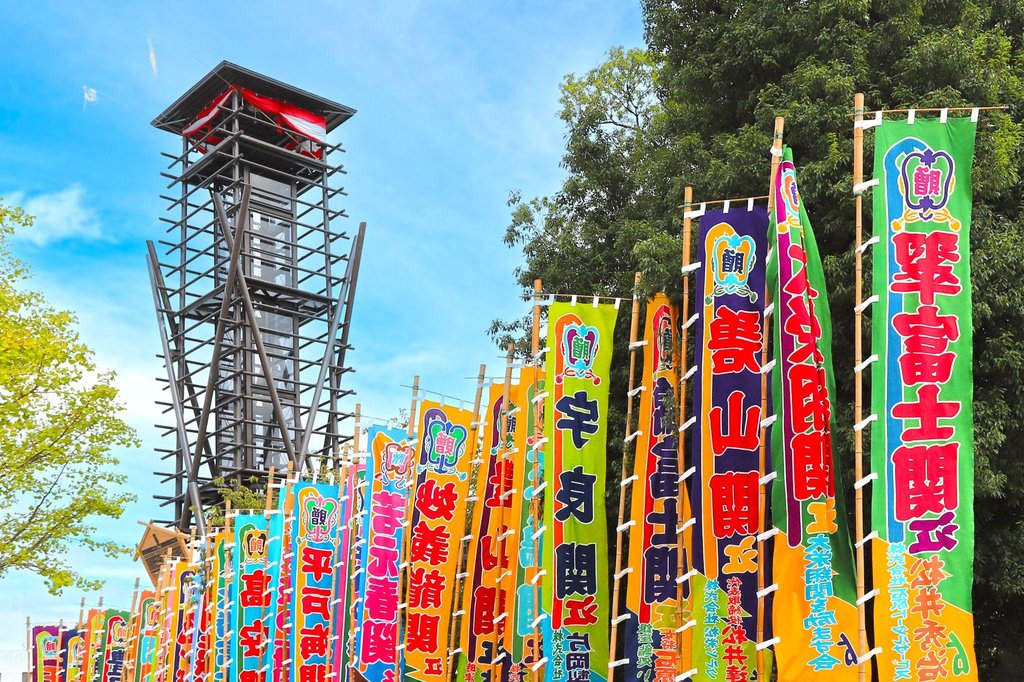
Think of the banzuke as sumo’s leaderboard—a pyramid ranking every wrestler. From highest to lowest, the six divisions are: makuuchi, juryo, makushita, sandanme, jonidan, and jonokuchi.
The highest division, makuuchi, has a fixed roster of 42 rikishi and breaks down further into yokozuna (grand champion), ozeki (champion), sekiwake, komusubi, and maegashira.
Rikishi in makuuchi and juryo are called sekitori (salaried athletes in the top two divisions), and they receive significantly higher pay and privileges. Promotion to juryo is a major milestone in a sumo wrestler’s career.
Performance determines an athlete’s rank. Generally, achieving more wins than losses (kachi-koshi) results in promotion, while more losses than wins (make-koshi) leads to demotion.
Banzuke Structure
| Division | Roster Size | Promotion Criteria |
|---|---|---|
| Makuuchi | 42 | Kachi-koshi in upper juryo |
| Juryo | 28 | Perfect or excellent record in upper makushita |
| Makushita and below | No fixed limit | 7-0 record for one-division promotion |
It’s a brutally honest system—rank reflects exactly how good a wrestler is.
Essential Sumo Terminology
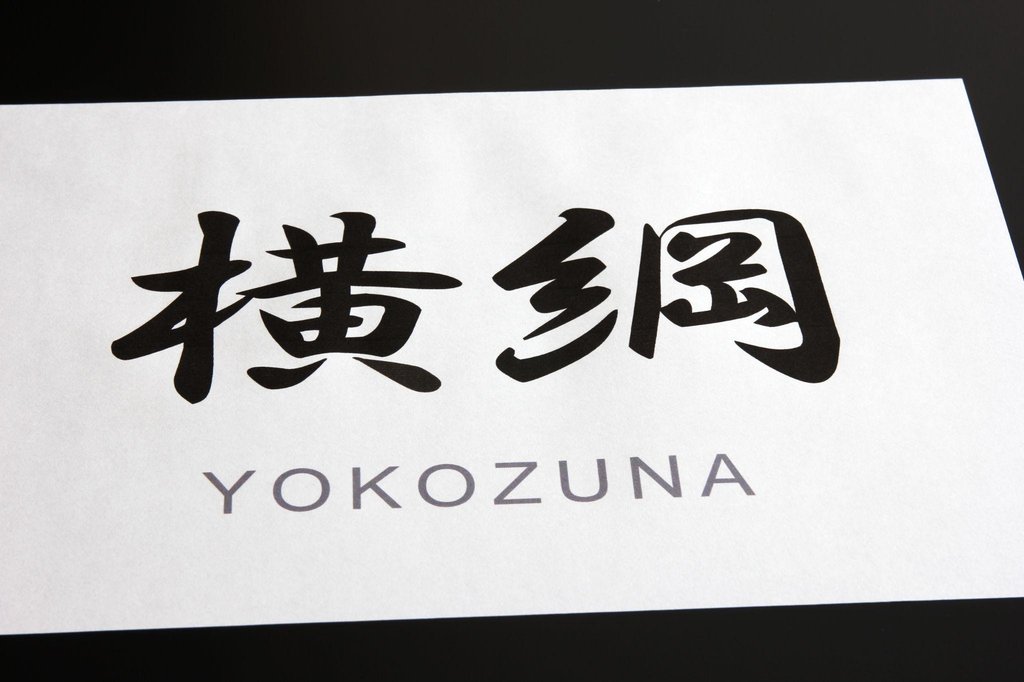
Knowing these key terms makes following the action way more fun.
Some match-related terms include tachiai (which refers to the opening clash) and mawashi (the thick belt the wrestlers wear). There are many techniques involving gripping the mawashi to throw an opponent.
There are various ranking-related words, such as yokozuna (grand champion), ozeki (champion), sekiwake, and komusubi (the ranks following after ozeki). Rikishi that are ranked juryo and above are called sekitori.
The techniques that decide victories are called kimarite, with 82 officially recognized. After each Grand Tournament, outstanding performers receive the sansho (three special prizes): Shukun-sho (for outstanding performance), Gino-sho (for technique), and Kanto-sho (for fighting spirit)—another highlight for spectators.
In training, butsukari-geiko (collision practice) is famous as an intense pushing drill that builds foundational strength. Once you’ve got these sumo terms down, you’ll feel like an insider.
Representative Kimarite
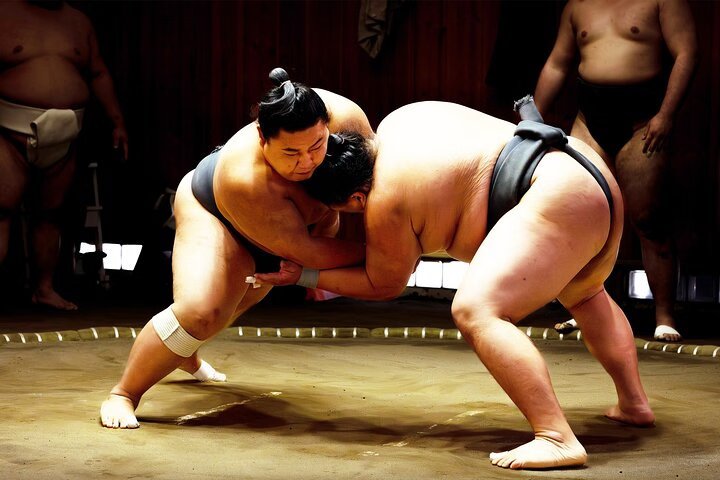
Sumo has 82 official techniques that determine victory, and wrestlers choose their moves based on the situation.
The most frequently seen is yori-kiri. This technique involves pressing the body against an opponent and forcing them out of the ring. Accounting for approximately 30% of all finishing moves, it’s a fundamental technique that tests a rikishi’s core strength.
Oshi-dashi involves pushing the opponent’s chest with the palms to force them out of the ring—watch for the speed and explosiveness of these exchanges. Tsuki-dashi is a similar technique using palm thrusts.
Among throwing techniques, uwate-nage is famous: the wrestler seizes the opponent’s outer belt and hurls them down with a rotating motion—a spectacular display of power. Ashi-tori (leg grab) involves wrapping both arms around the opponent’s leg to topple them, while specialized techniques like kime-dashi (arm-lock force-out) involve using painful leverage to immobilize an opponent’s joints and drive them from the ring.
You’ll hear technique names announced during bouts, so knowing the major kimarite in advance enhances the viewing experience. The Japan Sumo Association’s official website lists all 82 techniques. Do a little homework before you go, and you’ll thank yourself later.
Sumo History & Culture
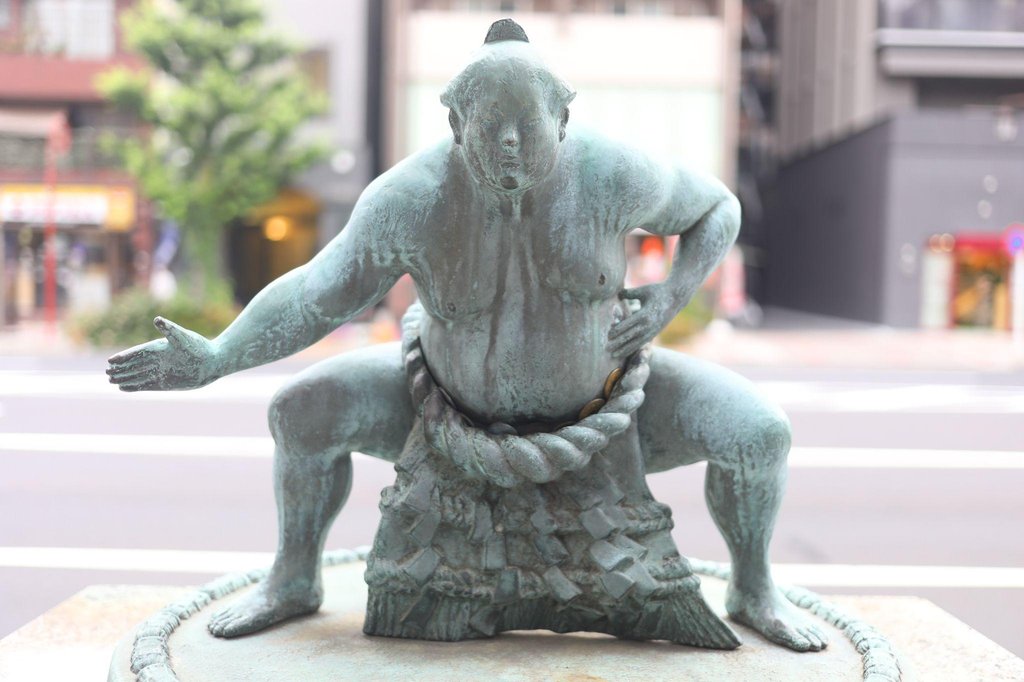
Sumo is a time-honored Japanese tradition with over 1,400 years of history. Knowing the backstory makes watching matches even more meaningful.
From Sacred Ritual to National Sport
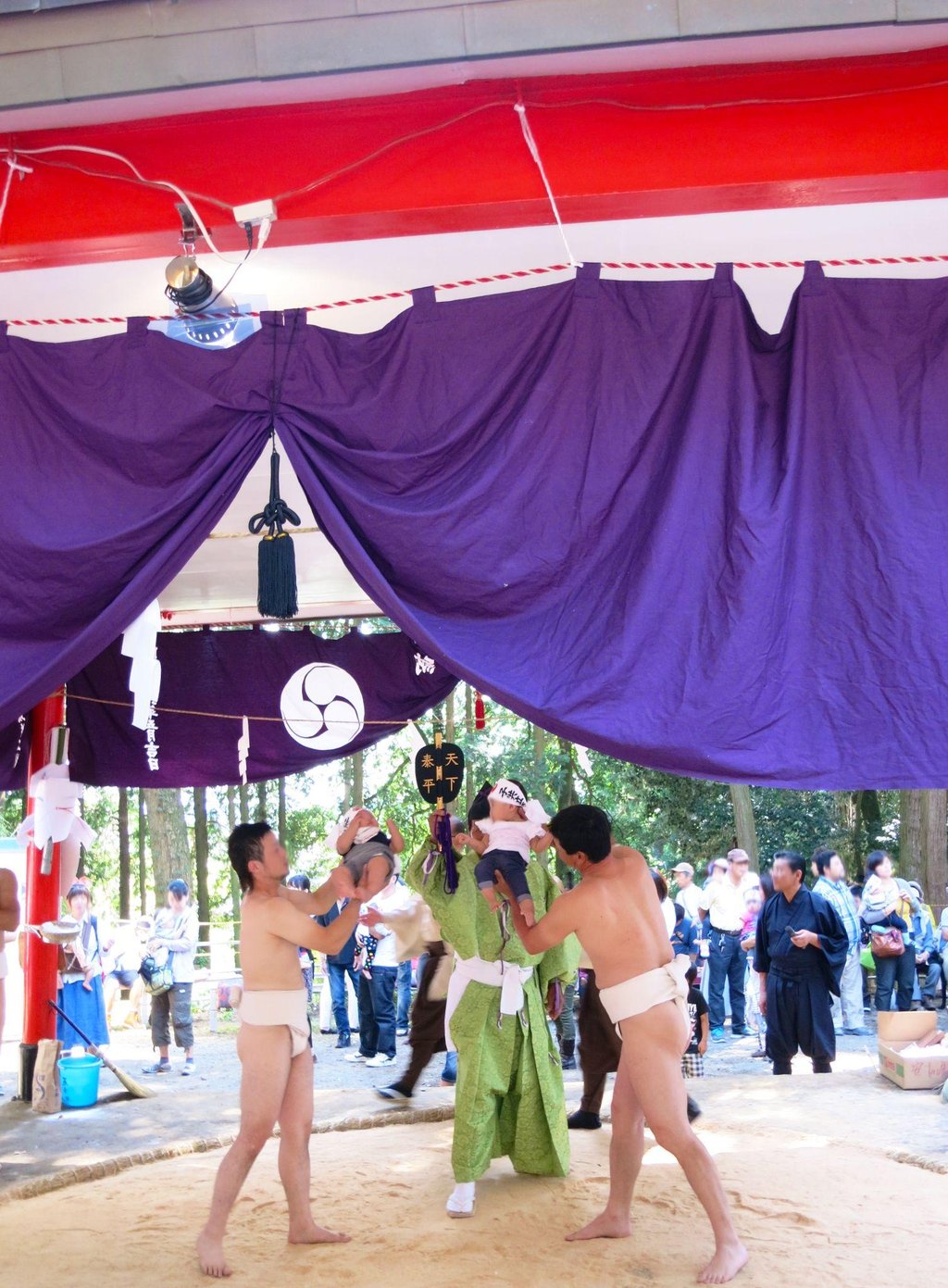
Legend has it that sumo started in 23 BCE, when two strongmen battled before the Emperor. Back then, it was a sacred ritual as prayer for good harvests and an offering to the gods.
During the Nara period, sumo became institutionalized as Sumai no Sechie (an imperial court sumo ceremony). Strongmen selected from across the nation performed bouts before the Emperor.
After the court rituals faded, sumo evolved into a warrior’s martial art. During the Edo period, sumo was held to raise funds for temples and shrines (kanjin-zumo) and became wildly popular entertainment for commoners. This is how modern sumo began to take its current form.
This era gave us the core elements of sumo culture: the ring (or dohyo), the ceremonial apron (kesho-mawashi), and the referee (gyoji)—all standardized into the forms we see today. Shinto traditions shaped customs like shiko (the leg stomping performed to drive away evil spirits) and the yokozuna wearing a sacred rope to indicate a holy place (shimenawa).
Pretty cool to think you’re watching something with roots that deep, right?
The Meaning Behind the Salt-Throwing & Ring-Entering Ceremonies
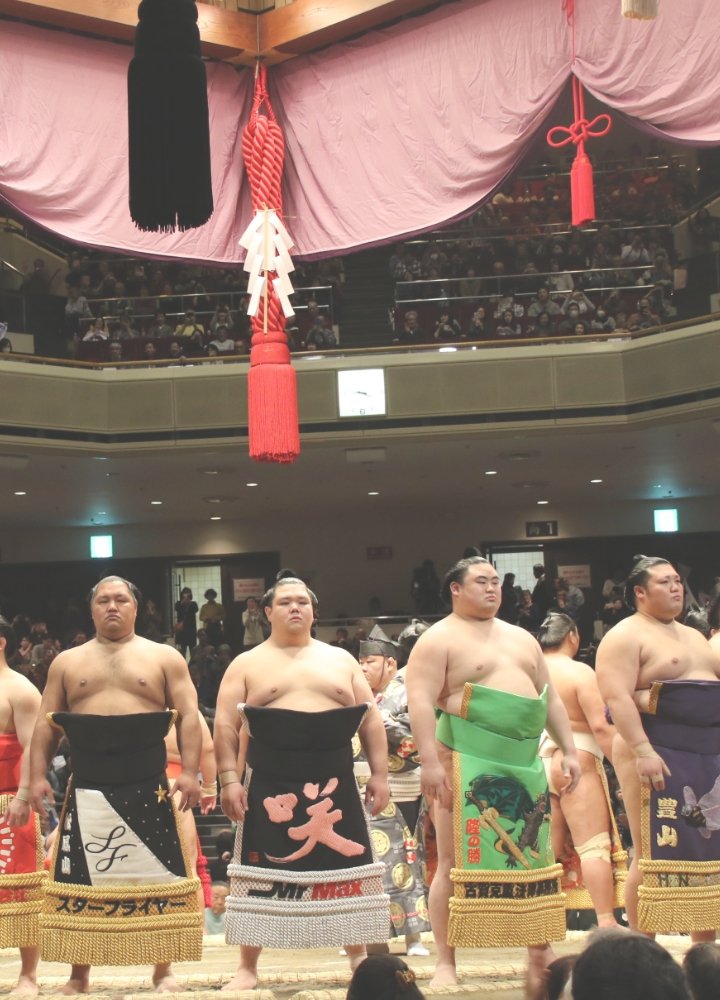
You’ll never forget the first time you see a wrestler hurl a fistful of salt onto the ring. This is called shio-maki, and it comes straight from Shinto tradition.
Since sumo started as a harvest prayer, the dohyo has always been hallowed ground. The Japanese believe salt wards off evil spirits, and by throwing salt before the match begins the rikishi purify the ring, to protect themselves from injury and as a prayer to the gods.
Only wrestlers ranked juryo and above can perform shio-maki, and wrestlers go through roughly 45 kg (or 99 pounds) of salt each tournament day.
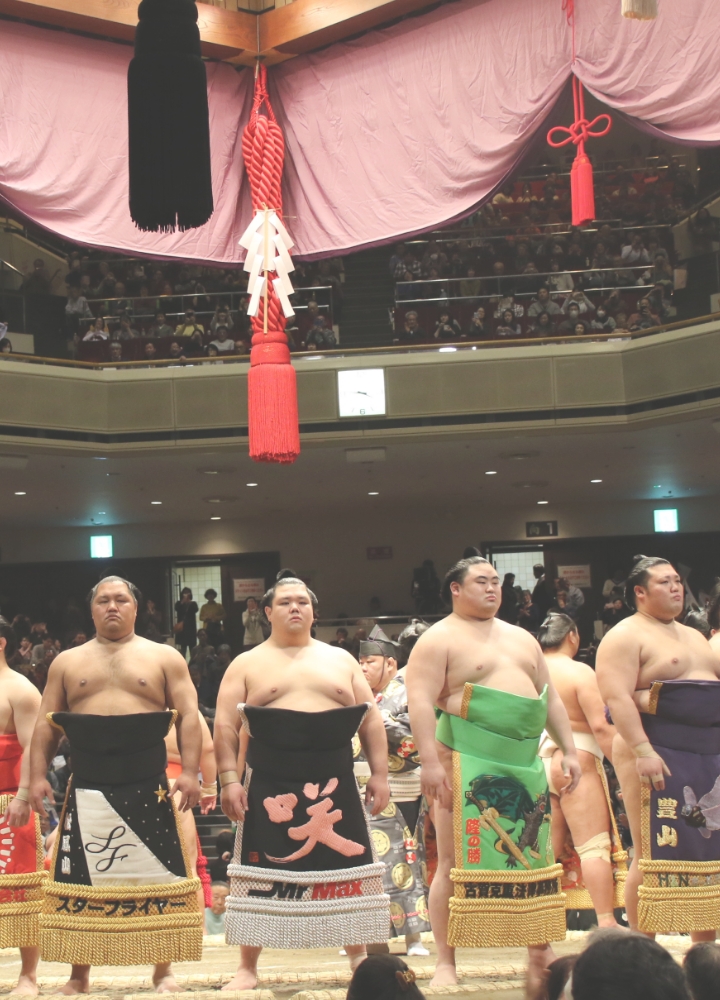
The ring-entering ceremony (dohyo-iri) is the rite in which rikishi ascend the dohyo before their bouts. During this ceremony, juryo-level and makuuchi-level athletes don their ceremonial aprons and line up in a circle along the boundary of the ring.
This performance serves as a way to honor the ring and also introduce the wrestlers to the crowd. The yokozuna’s entrance is something else. Accompanied by a sword-bearer (tachimochi) and another wrestler—the tsuyuharai, who clears the grand champion’s path of impurities—the yokozuna moves with a power and grace that’s impossible to look away from.
It’s a powerful reminder that sumo isn’t just sport—it’s a living tradition.
Sumo Stables & the Rikishi Lifestyle
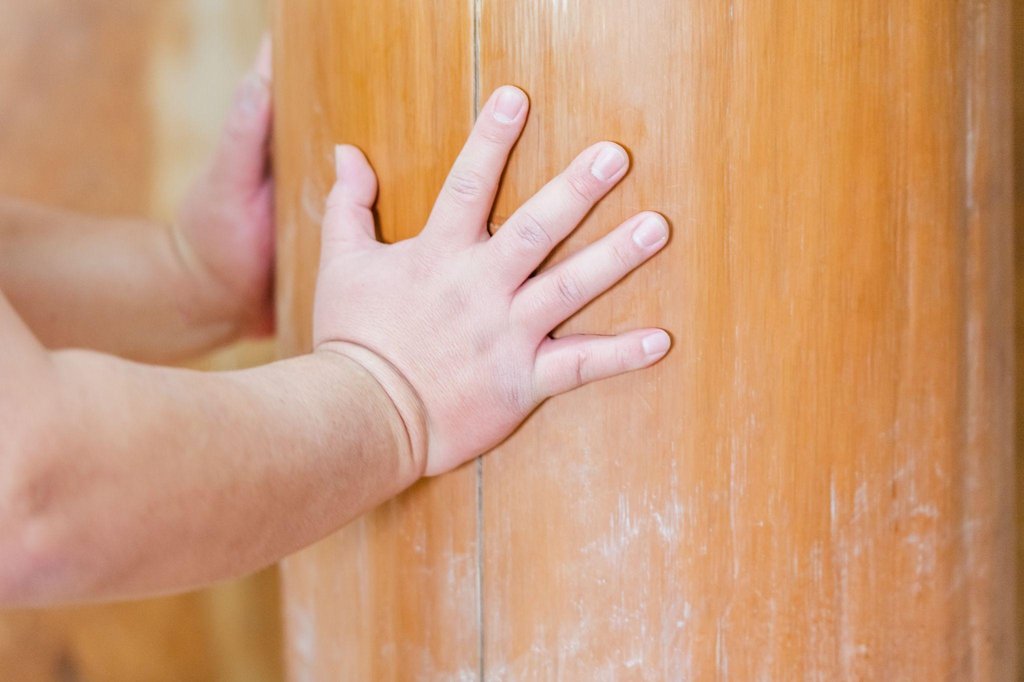
Wrestlers live together in sumo stables, training under the owner and head coach of the stable (the stablemaster) who runs the show.
Junior wrestlers are the first to wake in the morning—sometimes as early as 6 am—and the order of training is based on rank, with sekitori-level wrestlers starting around 8 am.
Training concludes before noon, followed by bathing and lunch.
Rank matters outside the ring, too. Rikishi that are ranked makushita and below share large communal rooms, while sekitori receive private quarters.
The stablemaster runs training and operations, and his wife (the okamisan) looks after the wrestlers like a mother. This strict hierarchy builds character as much as it builds champions.
Chanko-Nabe & Dining Culture
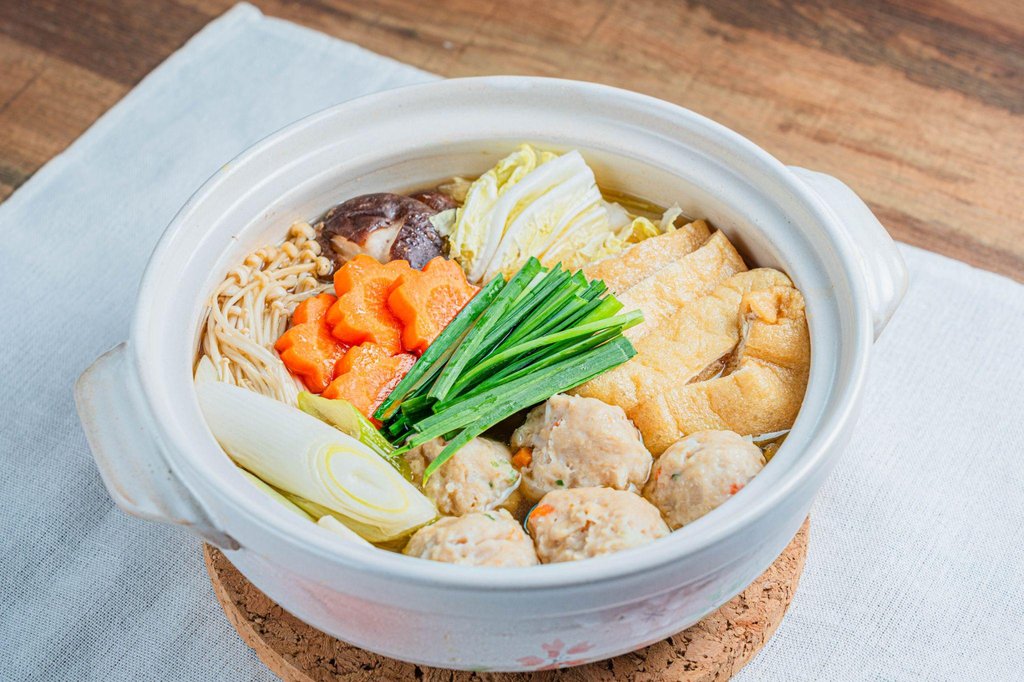
What fuels these massive athletes? Chanko-nabe: the hearty stew (or hot pot) that sumo wrestlers eat daily.
This dish is packed with meat, fish, vegetables, and tofu—basically everything a wrestler needs. Cooks typically season it with chicken-bone broth, miso, salt, or soy sauce, loading it up with chicken, Chinese cabbage, tofu, carrots, green onions, and shiitake mushrooms.
Here’s an interesting detail: wrestlers favor chicken and consider it a good omen because it stands on two legs. They avoid four-legged animals since touching the ground on all fours means defeat in sumo.
At sumo stables, lower-ranking rikishi do the cooking in large pots and everyone gathers to eat together. This shared cooking and dining time strengthens bonds within the stable and builds relationships between seniors and juniors.
Chanko-nabe is more than fuel—it’s a window into how food brings people together in Japan. If you get the chance to try it, don’t pass it up.
Grand Tournament Spectator Guide
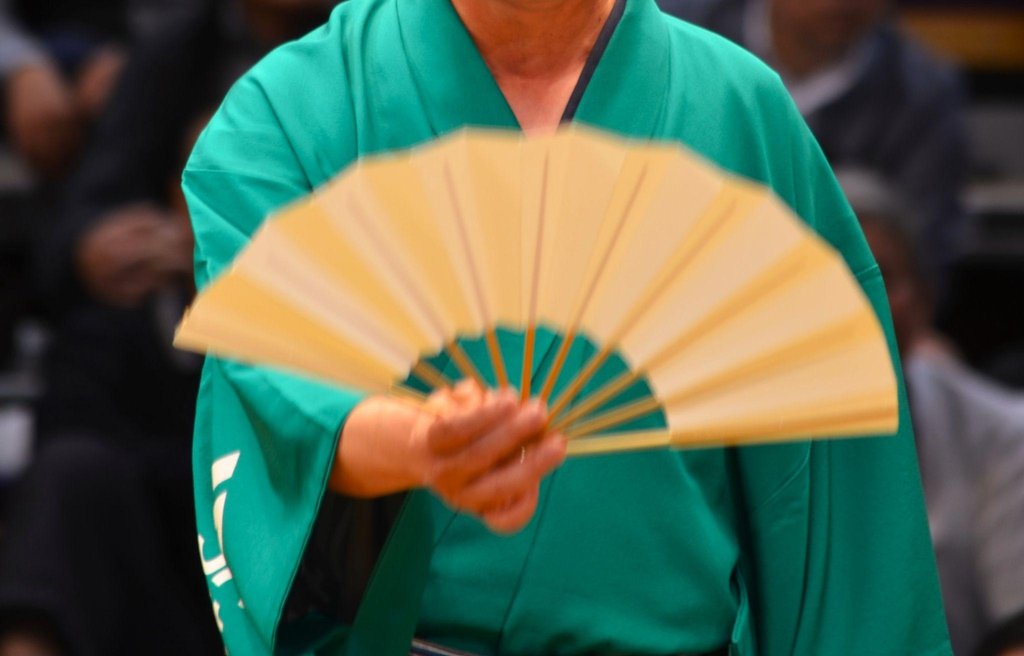
Want to experience Japanese culture at its most intense? Catch a Grand Tournament sumo match. Here we’ve included the practical info you’ll need to make it happen.
A little preparation goes a long way. By reviewing this section ahead of time, you’ll feel confident buying tickets and know exactly what to expect. Popular seats go fast, so plan ahead.
2026 Tournament Schedule & Venues
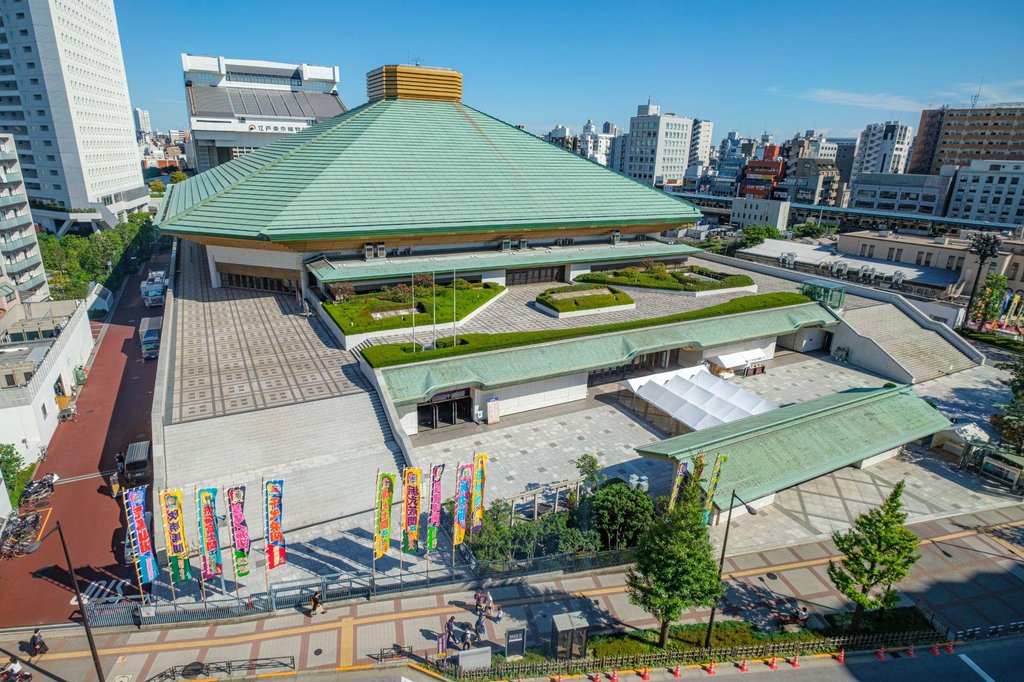
The six Grand Tournaments are held at venues across Japan:
- January Tournament: January 11–25, Ryogoku Kokugikan (Tokyo)
- March Tournament: March 8–22, EDION Arena Osaka (Osaka)
- May Tournament: May 10–24, Ryogoku Kokugikan (Tokyo)
- July Tournament: July 12–26, IG Arena (Nagoya)
- September Tournament: September 13–27, Ryogoku Kokugikan (Tokyo)
- November Tournament: November 8–22, Fukuoka Kokusai Center (Fukuoka)
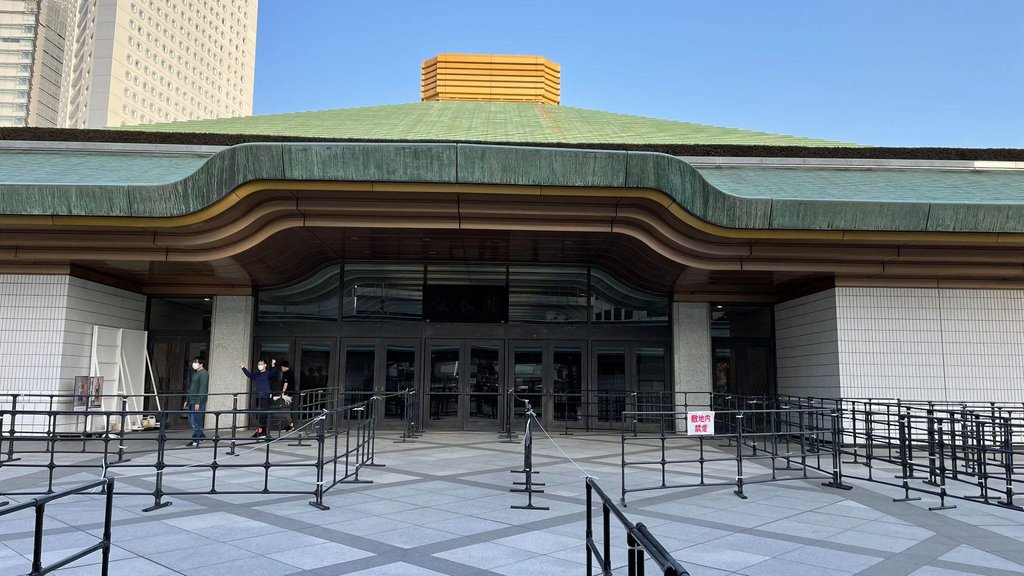
Ryogoku Kokugikan in Tokyo is sumo’s spiritual home, and it hosts three tournaments a year. Its location also makes it easy to combine with Tokyo sightseeing—perfect for first-timers.
The Osaka, Nagoya, and Fukuoka tournaments are great chances to explore other regional foods and culture too.
Keep these dates in mind when planning your trip. Here’s a pro tip: If you can, catch a tournament in a regional city: smaller cities mean smaller crowds, and bigger local flavor.
Seat Types & Price Ranges
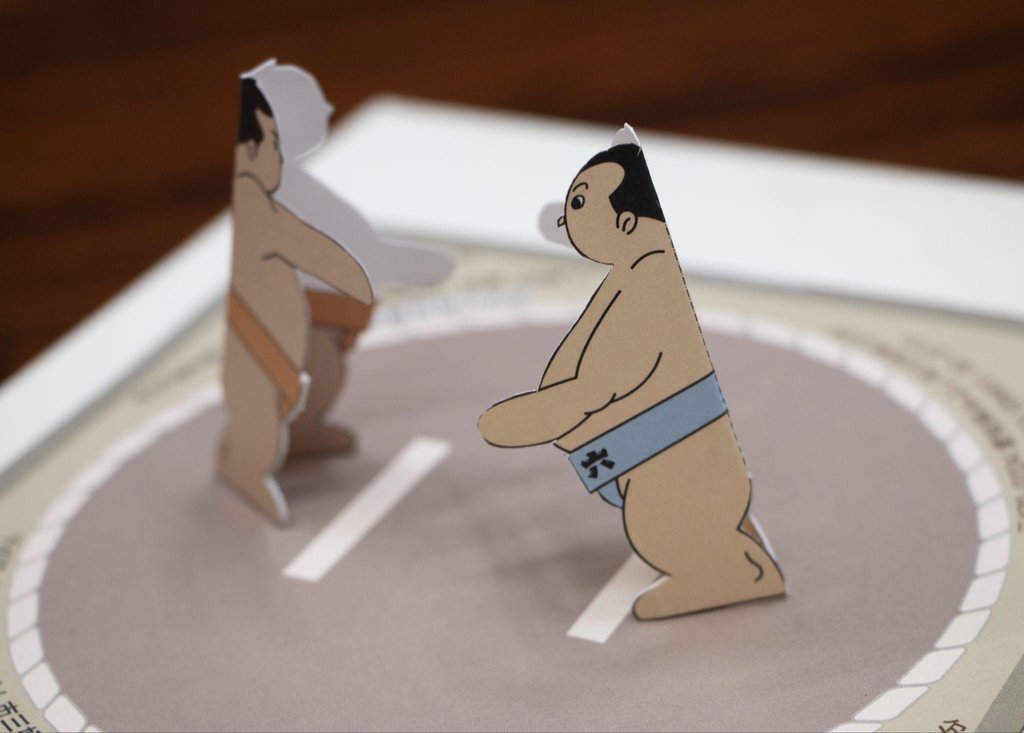
Seats come in a few varieties, depending on how close you want to get and how much you want to spend:
Seating Options
| Seat Type | Description | Price |
|---|---|---|
| Tamari-seki (Ringside) | Front-row seats at ring level. Feel the impact of wrestlers clashing right before your eyes, although caution is needed as they may tumble into this area. | ¥20,000 |
| Masu-seki (Box Seats) | Traditional floor seating on the first level. Four people sit on cushions in a designated space. Remove your shoes and enjoy the classic atmosphere. | ¥9,000–¥13,000 |
| Chair Seats | Chairs on the second floor and above, recommended for those prioritizing comfort. | ¥3,500–¥11,000 |
For visitors: choose ringside seats for maximum impact, box seats for an authentic experience, or chair seats for comfort.
Our take? Box seats hit the sweet spot: you’ll get a traditional Japanese vibe, but without the risk of a wrestler landing in your lap.
How to Purchase Tickets
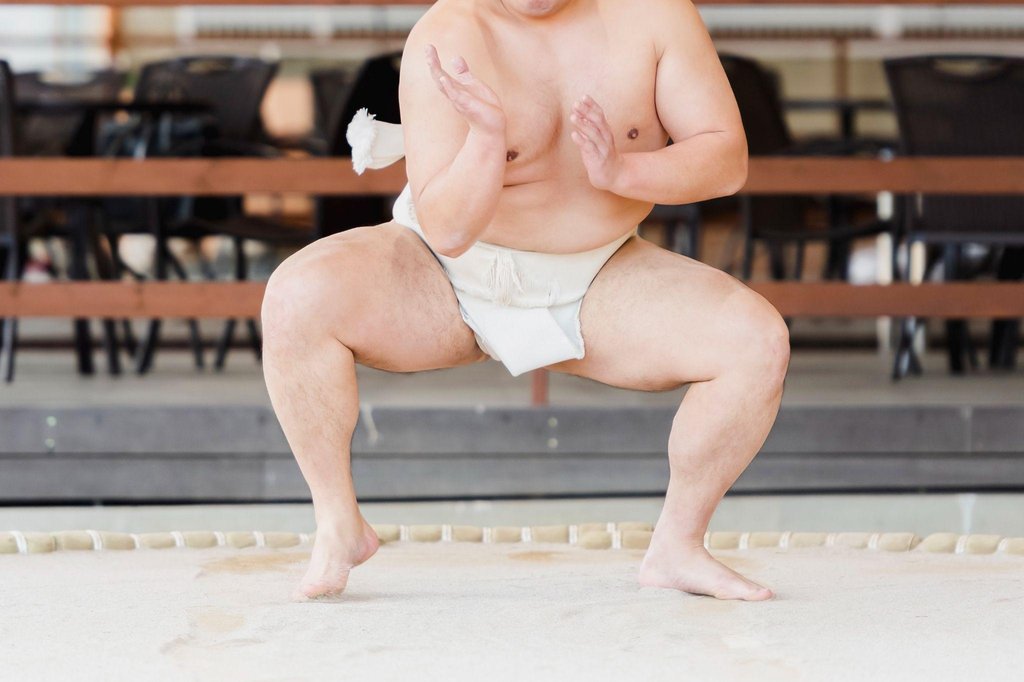
You can get tickets through the Japan Sumo Association’s official fan club or their ticket site.
Tickets go on sale in waves: first is priority lottery for fan club members (first and second rounds), then Ticket Oosumo priority lottery, and lastly general sales.
Fan club priority lotteries let members apply before general sales, making popular seats easier to obtain.
General sales are available on sites like Ticket Oosumo after registration, and you can buy tickets up until the day of the event. You can even pay online from overseas, so you can secure tickets in advance before your trip.
Fair warning: popular seats disappear fast, so book early. Seriously, don’t sleep on this.
If tickets aren’t available, consider sumo annai-jo (also called chaya, specialized ticket agencies) or travel agency tour packages. They’ll cost you more, but they’re a solid backup plan.
Don’t forget to check the official site for the latest ticket info before you go.
A Day at the Grand Tournament
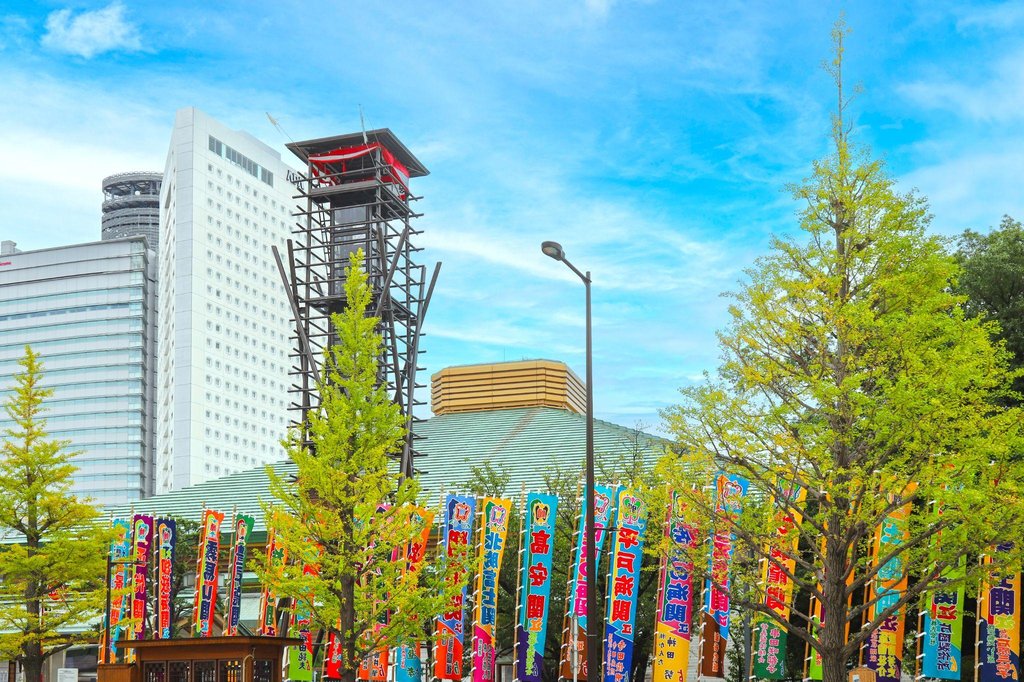
Tournament days are a marathon—roughly 10 hours from doors open to final bow—so pace yourself. It’s a long day, but absolutely worth it. Here’s the general schedule:
- Around 8 am: Doors open at 8:45 am on days 1 to 12, with later openings (around 10 am) thereafter. Note: Opening times vary by day, so check the official schedule.
- Around 9:10 am: Jonokuchi and makushita bouts begin. The venue is relatively uncrowded at this time, allowing you to take in your surroundings at a relaxed pace.
- Around 2:40 pm: Juryo dohyo-iri (ring-entering ceremony). When five makushita matches remain, juryo rikishi appear in their ceremonial aprons.
- Around 2:55 pm: Juryo bouts begin.
- Around 3:40 pm: Makuuchi dohyo-iri.
- Around 4:10 pm: Makuuchi bouts begin—the main event.
- Around 6 pm: The final bout, musubi-no-ichiban—typically featuring yokozuna or ozeki—concludes.
Between matches, enjoy events like yumitori-shiki (the bow-twirling ritual performed on behalf of the day’s final winner) and, at Ryogoku Kokugikan, sumo jinku (traditional songs passed down in the sumo world).
Arrive early, grab some food, and soak it all in. You’re in for a treat.
Spectator Etiquette & Guidelines
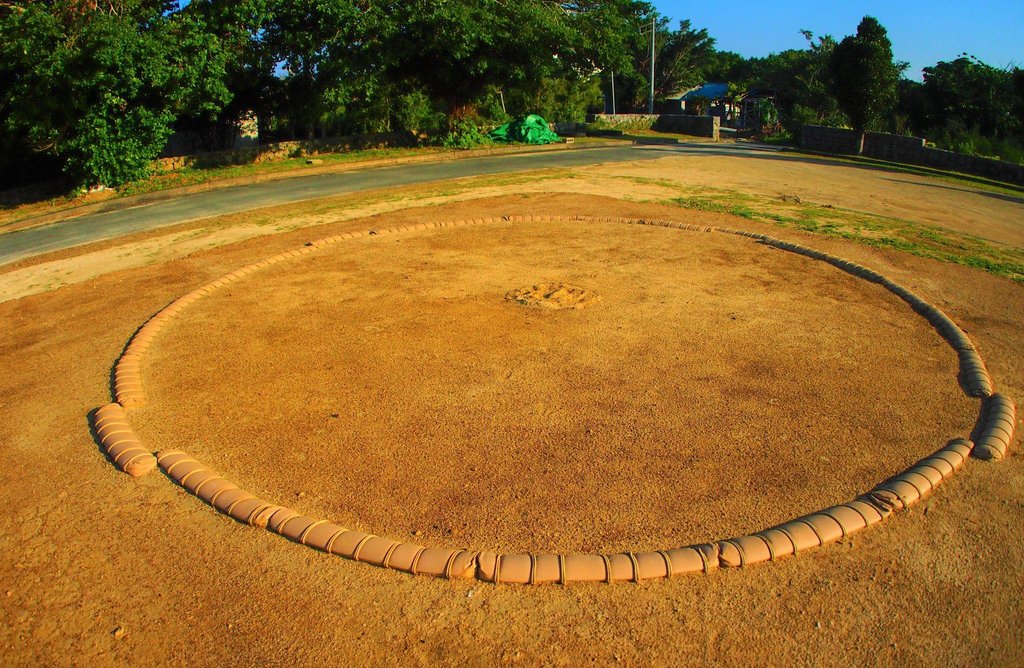
A few simple rules will help you fit right in and keep things enjoyable for everyone.
You can take photos in most areas, but not in the ringside seats. Also set your phone to silent mode, and avoid using your phone in the seating area.
Food and drink are also allowed in most areas, except in the ringside seats where eating and drinking are prohibited. During bouts, stay in your seat and watch quietly so you don’t disturb the concentration of the athletes.
Key prohibited behaviors include:
- Throwing cushions (due to risk of injury)
- Touching the wrestlers or referees
- Blocking other spectators’ views with banners or towels
- Bringing in dangerous items or items with strong odors
Cheering is welcome—just time it so you don’t throw off the wrestlers. Basically: be respectful, stay engaged, and enjoy the show.
Experience Sumo at Sumo Studio Osaka
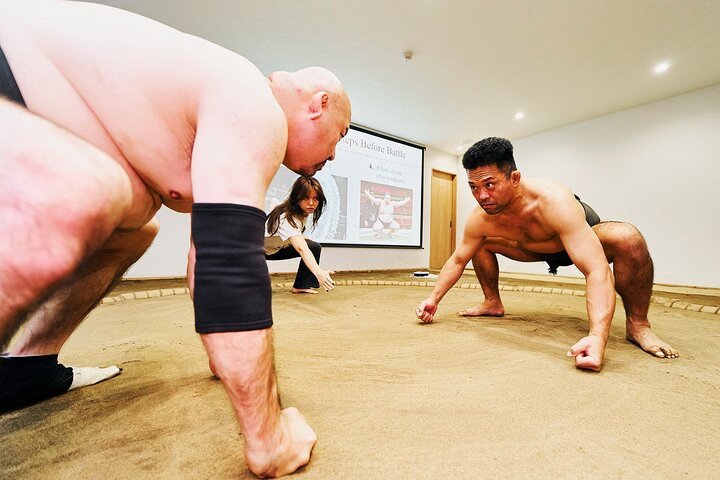
Can’t make it to a Grand Tournament? Sumo Studio Osaka (in Osaka CIty) has you covered.
If you want to do more than watch sumo—if you want to really get into the ring—this is the place to do it.
What is Sumo Studio Osaka?
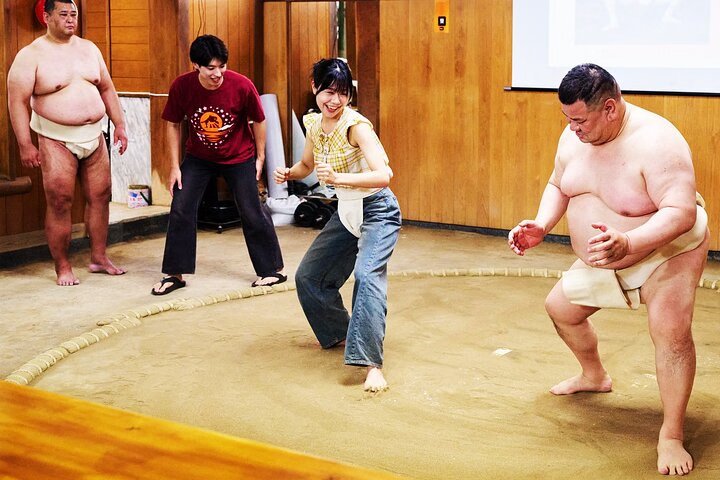
Sumo Studio Osaka is a sumo show and experience studio located just steps from Exit 4 of Hanazonocho Station, and about 10 minutes by train from the Namba area.
What sets this venue apart? Well, here you don’t just watch sumo: you participate in it. Watch former professional wrestlers battle it out up close, then—if you’re brave enough—step into the dohyo yourself for the Audience Challenge.
With a maximum capacity of 50 guests, you’ll watch from an arm’s length away from your seat. Sumo history, its connection to Shinto, and sumo techniques are all explained clearly in English, so you can participate with confidence even without Japanese.
Photo opportunities with the former wrestlers follow the show, making for memorable souvenirs. It’s a good alternative if you missed out on tournament tickets or just want a more hands-on experience.
Hands-On Content & Show Schedule
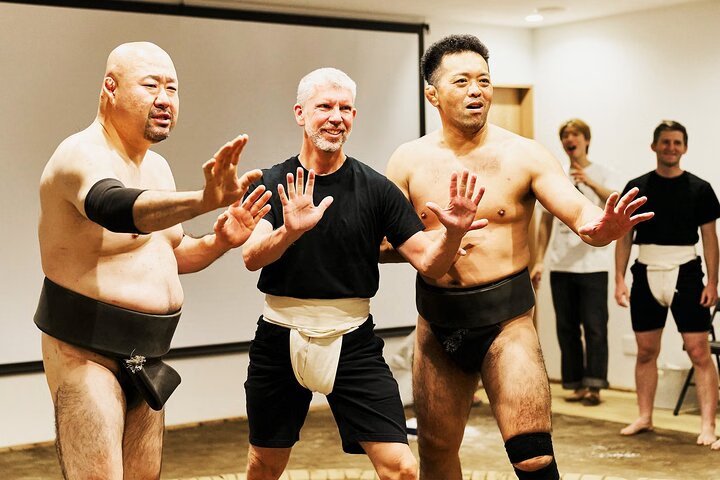
The 90-minute show packs in a lot.
See retired professional athletes go at it inches away from you, and watch rituals like salt-throwing, ceremonial foot stomping, and the opening charge. English explanations cover sumo history, its Shinto connections, links to samurai culture, and demonstrations of sumo techniques.
Feeling brave? Volunteers can step into the ring to face a wrestler (note: limited spots). If you’ve had a few drinks you can still hop into the dohyo for photos, just no contact with the wrestlers.
After the show, you’ll have time to chat and snap photos with the wrestlers—don’t miss it. Honestly, where else can you square off against a real sumo wrestler?
Shows run five times daily, year-round. Doors open an hour early, and we recommend you try to arrive at least 15 minutes before showtime.
Pricing & Access
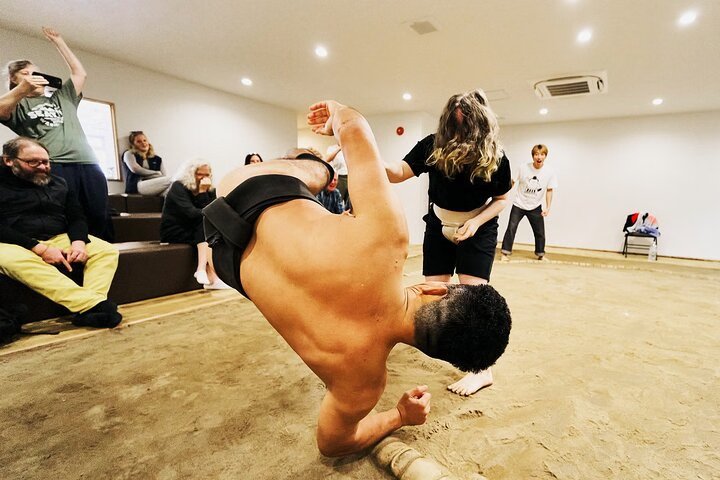
Admission to Sumo Studio Osaka is ¥14,000 per person. There’s no kids’ discount, but children under 2 years old are free if they don’t need a seat or meal.
Book ahead if you can, though same-day participation is possible if space is available. If you cancel within 24 hours, you won’t get a refund, but you can reschedule if there’s space on a different day. They also offer group bookings and private/customized programs to suit your needs.
There’s a bar on-site, so you can grab a Japanese beer, umeshu (plum wine), or soft drink before or after the show. They’ll store your luggage too, so you can swing by on your way to or from the airport. You can also pick up original merchandise like T-shirts.
Information on access to major stations: Sumo Studio Osaka is approximately 10 minutes from Namba Station, 16 minutes from Osaka/Umeda Station, and 23 minutes from Shin-Osaka Station.
Details
| Address | 1F Hanazonocho AI Building, 1-5-1 Asahi, Nishinari-ku, Osaka |
| Nearest Station | Hanazonocho Station (Osaka Metro Yotsubashi Line), directly outside Exit 4 |
| Phone | +81-70-8450-6390 |
| Performance Hours | 10 am / 12:30 pm / 3 pm / 5:30 pm / 8 pm (90 minutes each) |
| Closed | Open year-round |
| Official Website | https://sumowrestlingshow.jp/ |
Frequently Asked Questions About Sumo
Before you go, we’ve included some common questions and answers about sumo, so you’ll be all set to enjoy the sport like a pro.
What Should I Do if Grand Tournament Tickets Are Sold Out?
Don’t panic—there are options.
Head to Ticket Oosumo, the official face-value resale service website. It’s a legit way to snag tickets from people who can’t make it—all at face value. You can also join the official fan club for priority lottery access to future tournaments.
If you can’t get tickets to a Grand Tournament match, you might consider getting tickets to regional tours that are held between tournaments (jungyou).
Avoid resale intermediary sites. The Japan Sumo Association bans resale for profit: if you buy from scalpers, you might get turned away at the door.
If you can’t find tickets to a live match, we recommend venues like Sumo Studio Osaka that let you experience sumo in a totally different way.
Can a Solo Visitor Participate in Hands-On Sumo?
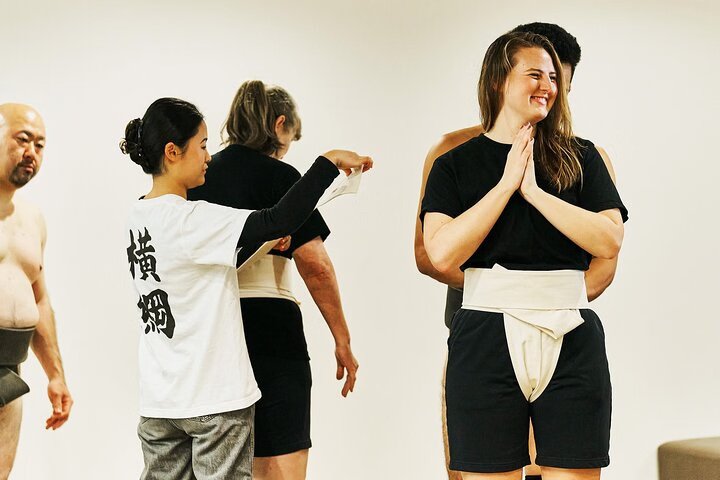
Absolutely—solo participation is welcome.
Plenty of sumo tours and training visits welcome solo travelers. Many have English-speaking guides, so you don’t have to worry about the language barrier.
At places like Sumo Studio Osaka, the audience-participation format makes it easy for solo participants to join in naturally.
Can Children Participate in Hands-On Sumo?
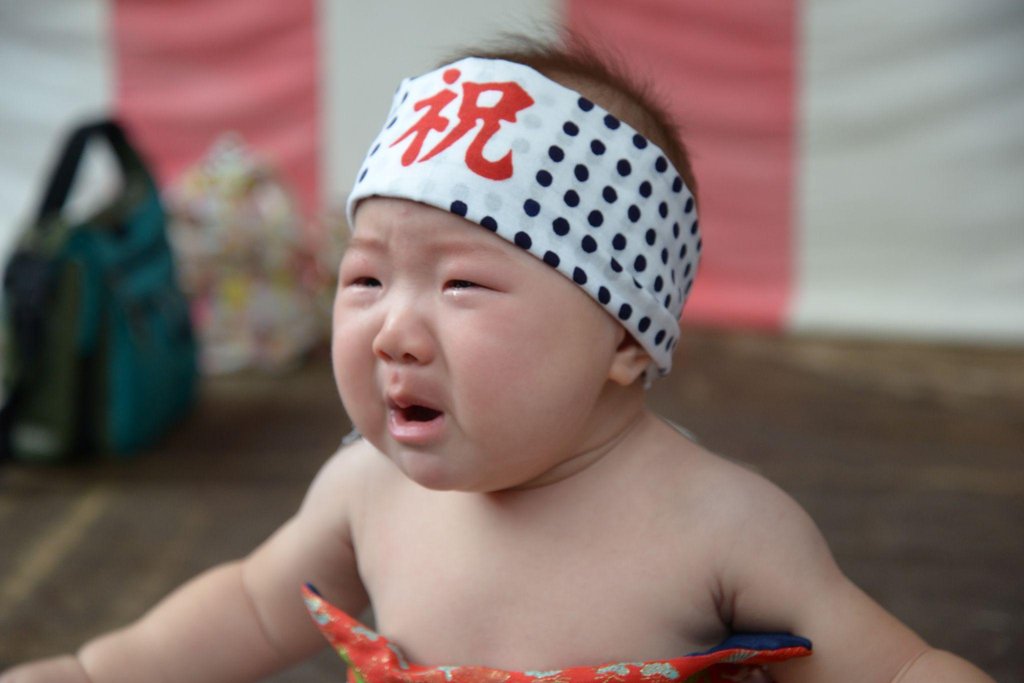
Children are welcome at many sumo shows. At Sumo Studio Osaka, for example, children can watch and participate alongside adults. The fee is ¥14,000 per person, the same as for adults; however, children under 2 years are free if they don’t need a seat or meal.
The Audience Challenge might have age or size limits—check ahead with the venue to be sure.
Ready to Experience Sumo?
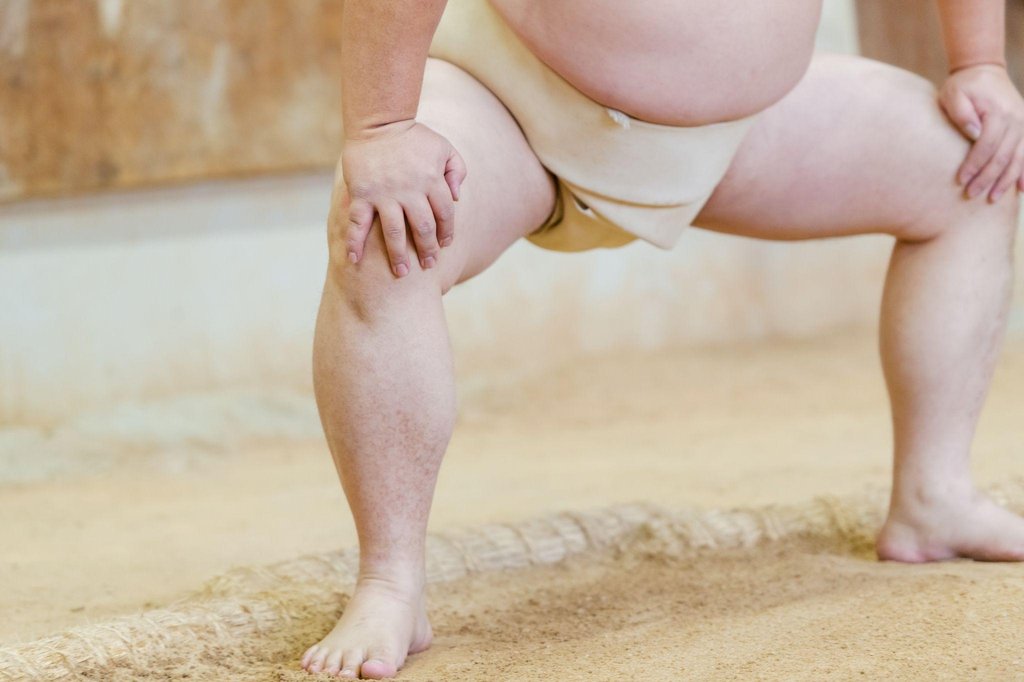
Sumo wrestling has been Japan’s national sport for over 1,400 years. But it’s more than just the bouts that make it special—it’s the rituals, the ceremonies, the whole wrestler lifestyle.
There will be six Grand Tournaments in 2026, spread across Japan in Tokyo, Osaka, Nagoya, and Fukuoka. Tickets can be bought on the official site. Popular seats go fast, so book early.
In the event of missing out on tournament tickets, venues like Sumo Studio Osaka are a great alternative. Most places have English support, so you don’t need to worry about the language.
So what are you waiting for? Come see it for yourself! There’s nothing quite like experiencing sumo live.