Things to do in Namba, Osaka: Where to Eat, Shop & Explore
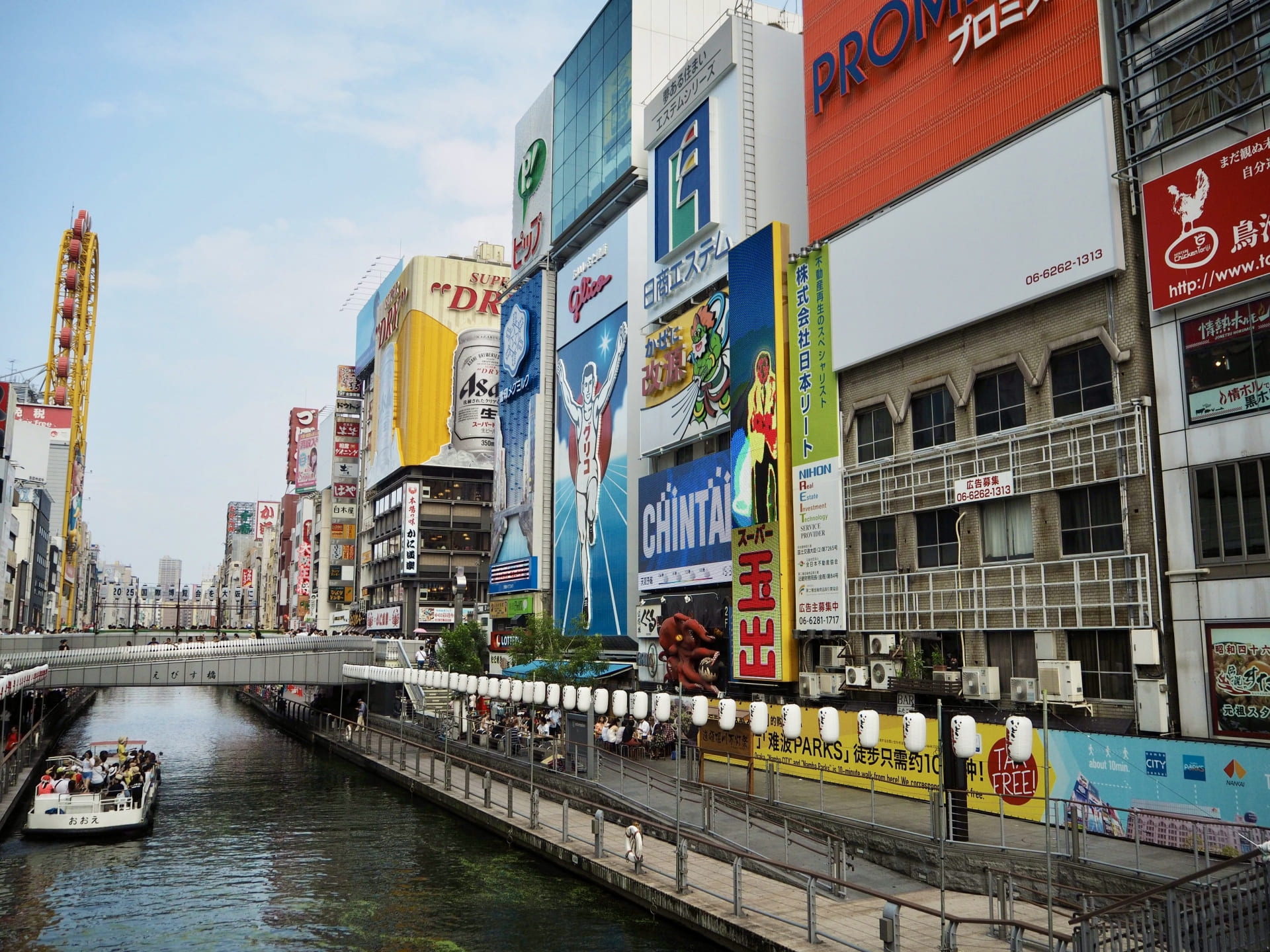
If you’re planning a trip to Osaka, Namba is a must-visit. From the glowing Glico sign and neon-lit Dotonbori canals, to piping-hot takoyaki and endless shopping streets—this neighborhood captures everything that makes Osaka unforgettable.
But Namba offers more than just flashy tourist attractions. With direct train access from Kansai International Airport and easy connections to Kyoto, Nara, and Kobe —all within an hour— it’s also a perfect base for exploring the Kansai region.
For first-time visitors wondering “Where should I stay?” or “How can I get around efficiently?”, Namba is a great choice. This guide covers everything from the easiest ways to get around to must-try eats, to Instagram-worthy photo spots, and even hidden gems known only to locals—basically everything you need to enjoy Namba to the fullest.
Contents
Namba: The Perfect Base for Exploring Osaka
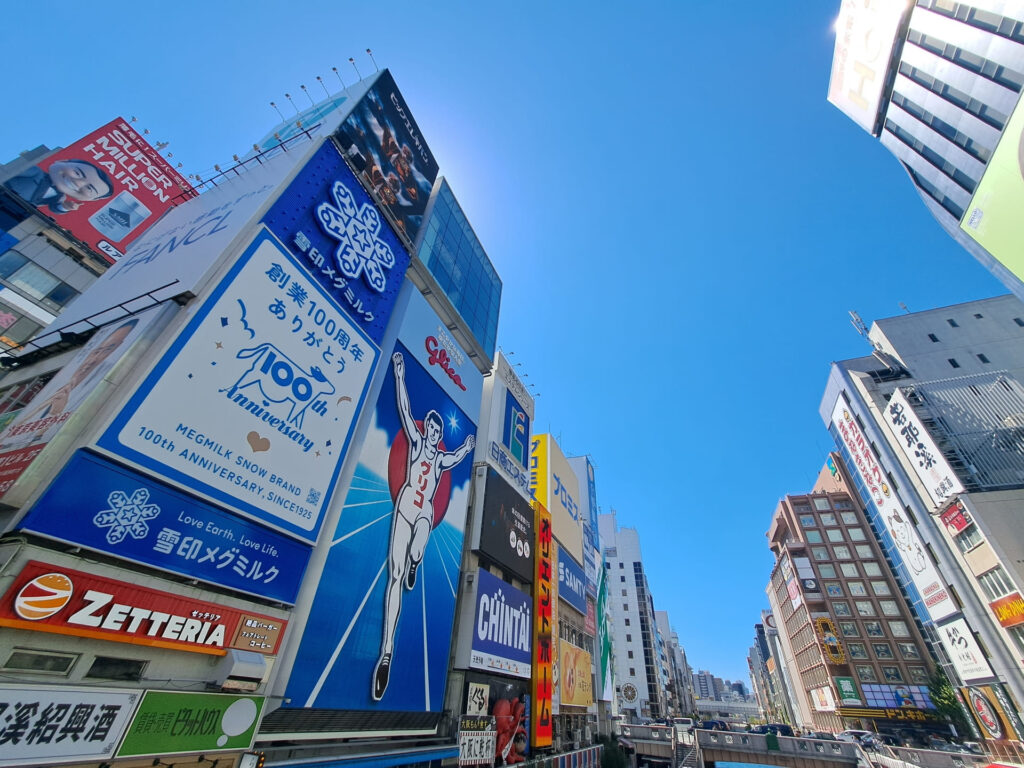
Planning a trip to Osaka? Then head straight to Namba. This is Osaka at its best—energetic, delicious, and unmistakably local. As a travel hub, it’s incredibly convenient. Base yourself here, and your entire Kansai journey becomes smoother and more enjoyable. Let’s take a look at what makes Namba special and cover the essentials you need to know.
Why Namba?
All of Osaka’s energy comes together in Namba, the heart of the Minami (South) district and the city’s busiest entertainment quarter.
This area bursts with overwhelming energy and visual excitement. Along the Dotonbori Canal, enormous animated neon signs—including the iconic Glico Running Man and a giant mechanized crab—light up the night like an amusement park. But step into a narrow side alley, and you’ll find Hozenji Yokocho, a stone-paved lane that transports you to traditional Japan.
The Shinsaibashi shopping arcade and Kuromon Market are both also walking distance. Cutting-edge fashion stands side-by-side with old-school street food. Namba blends tradition with modern entertainment, keeping you constantly engaged.
Why Namba Works as Your Travel Base
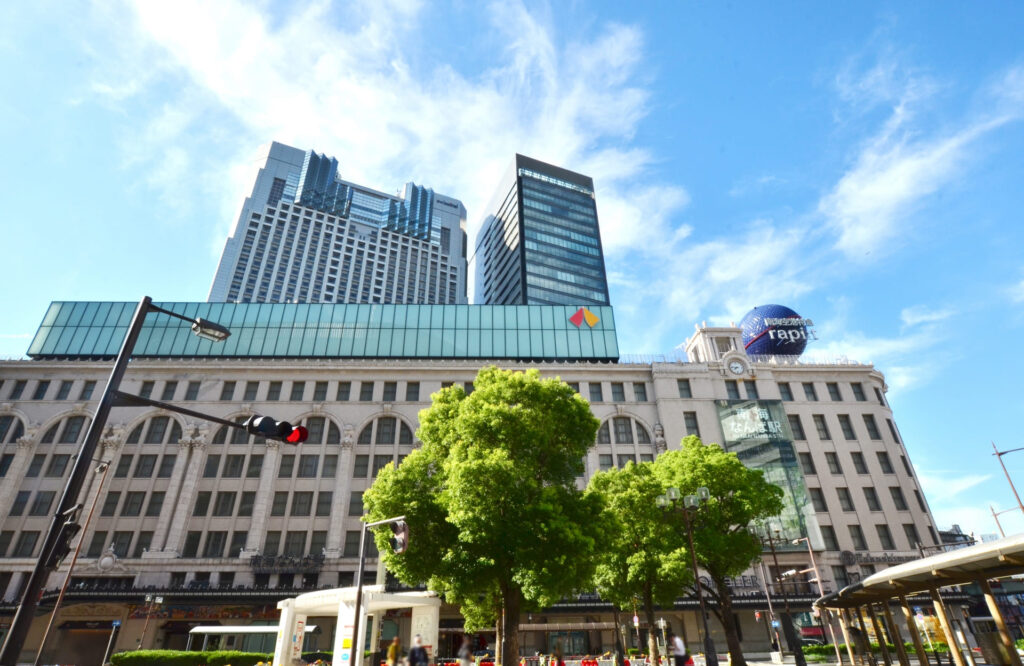
Namba isn’t just a destination—it’s the ideal home base for exploring the Kansai region. Two things in particular make it stand out: accessibility and convenience.
First, you have direct access from Kansai International Airport (KIX), by express train, so no need to drag your heavy luggage through multiple transfers. Plus, you can reach Kyoto, Nara, and Kobe in under an hour, making day trips from Namba effortless.
Accommodation ranges from luxury hotels to budget-friendly guesthouses. Many restaurants and drugstores stay open late, so even if you check in after midnight, you can still grab dinner or pick up essentials. English menus and tourist information centers are common as well, making Namba especially welcoming for first-time visitors to Japan.
Getting to Namba from Major Stations and Airports
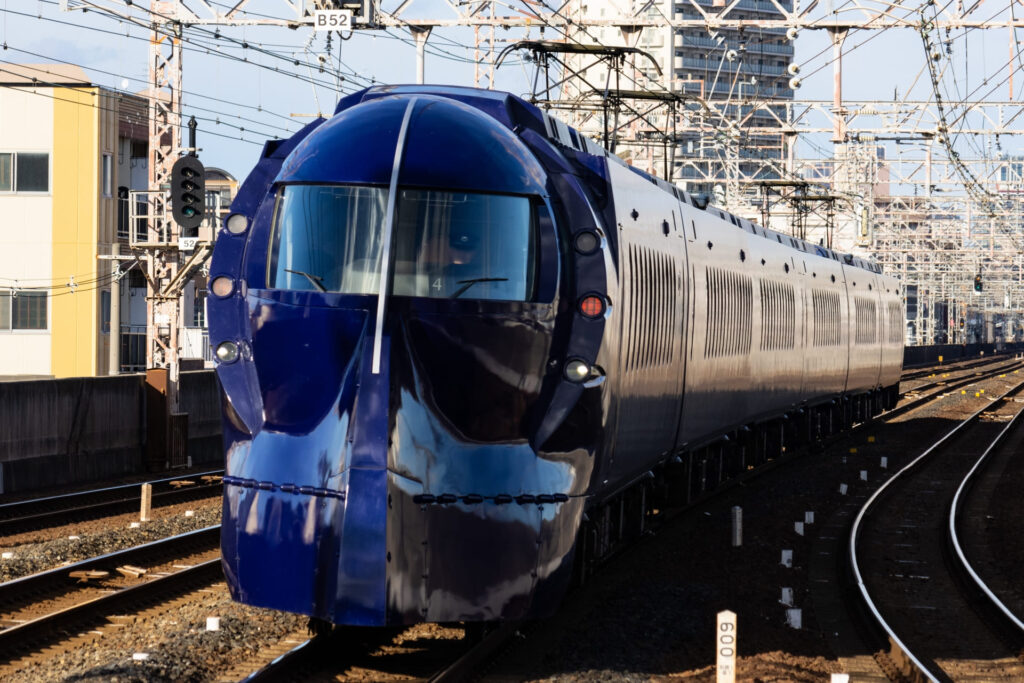
Getting to Namba is very easy. Here’s how to get there from the main transportation hubs.
| From | Access By | Duration | Features |
|---|---|---|---|
| Kansai International Airport (KIX) | Nankai Rapi:t Express | 38 minutes | Fastest and most comfortable. Reserved seating with luggage storage. |
| Kansai International Airport (KIX) | Nankai Airport Express | 45 minutes | No limited express fee, more affordable. Standard commuter train style. |
| Shin-Osaka Station (Shinkansen) | Osaka Metro Midosuji Line | 15 minutes | Take trains bound for Nakamozu, no transfers needed. |
| Osaka/Umeda Area | Osaka Metro Midosuji Line | 8 minutes | Main route for city travel. Frequent service, very convenient. |
| Osaka International Airport (Itami) | Airport Limousine Bus | 30 minutes | Direct service to bus terminal near Namba Station. |
If you arrive by Shinkansen, get off at Shin-Osaka Station and transfer to the red Midosuji Line—it’s the smoothest route.
Navigating the Namba Station Complex
Four different stations carry the name “Namba,” which can be confusing when you check Google Maps. Each one is operated by a different railway company and has separate ticket gates, but don’t worry— they’re actually all connected underground. Here’s how to use them strategically.
| Station Name | Location | Main Uses & Destinations |
|---|---|---|
| Nankai Namba Station | Ground level (same building as Takashimaya) | Kansai International Airport (KIX), Mount Koya area. Southern gateway to the area. |
| Osaka Metro Namba Station | Underground | Shin-Osaka, Umeda, Shinsaibashi, Tennoji. Main station for city sightseeing on the red Midosuji Line. |
| Osaka-Namba Station (Kintetsu/Hanshin Railways) | Underground | Nara (Kintetsu Line), Kobe (Hanshin Line). Also convenient for USJ via the Hanshin Line. |
| JR Namba Station | Underground (west end, connected to OCAT) | Highway Bus Terminal (OCAT), Nara area with JR Pass. About 10 minutes’ walk from the center. |
All four stations are linked through underground passages like Namba Walk, so you can move between them without getting wet on rainy days.
If you need to ask for directions, don’t just ask for “Namba Station.” Mention the railway name like “Nankai Line” or “Subway,” and locals will know exactly where to point you.
Quick Guide to Namba’s Highlights
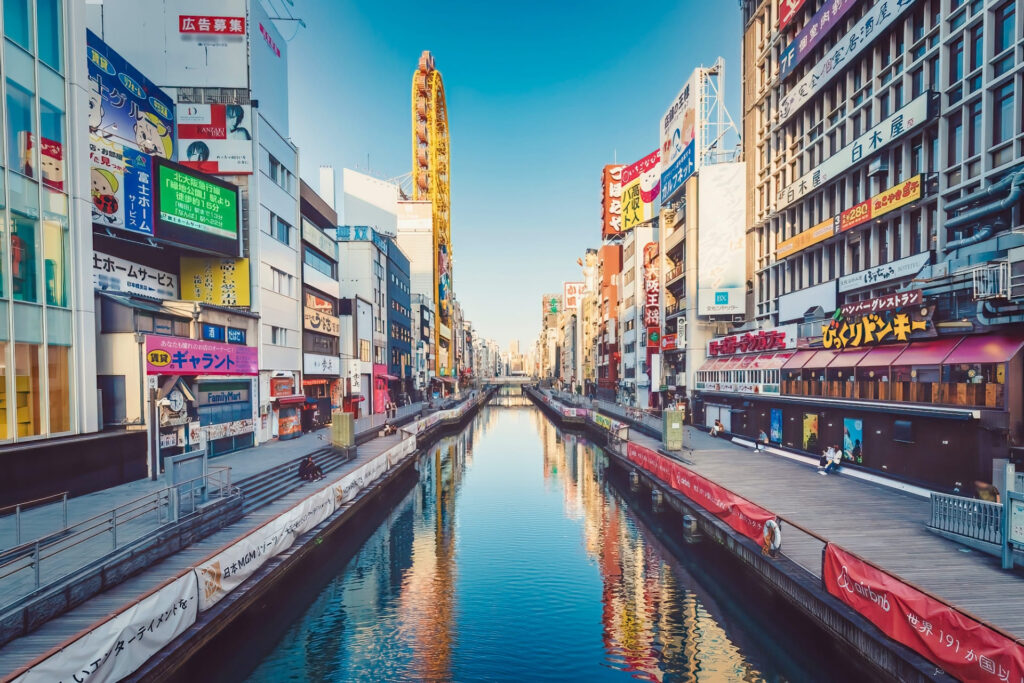
Namba has plenty of attractions. Check out the detailed guides below based on your interests.
| Food | Dotonbori takoyaki and okonomiyaki (Osaka’s soul food) Kuromon Market (fresh seafood and street food) Hozenji Yokocho (dinner with traditional atmosphere) |
| Shopping | Shinsaibashi-Suji Shopping Street (endless shopping arcade) Nipponbashi Denden Town (anime, games, and electronics) Doguyasuji Kitchen Street (professional cookware and food samples) Namba Parks & Namba City (latest fashion and rooftop garden) |
| Sightseeing | Glico Sign & Ebisubashi (essential photo spot) Namba Yasaka Shrine (giant lion head shrine) Tonbori River Cruise (canal views) Namba Grand Kagetsu (Japanese comedy theater) |
The next sections introduce model itineraries to help you efficiently explore these spots.
One-Day Model Itineraries in Namba
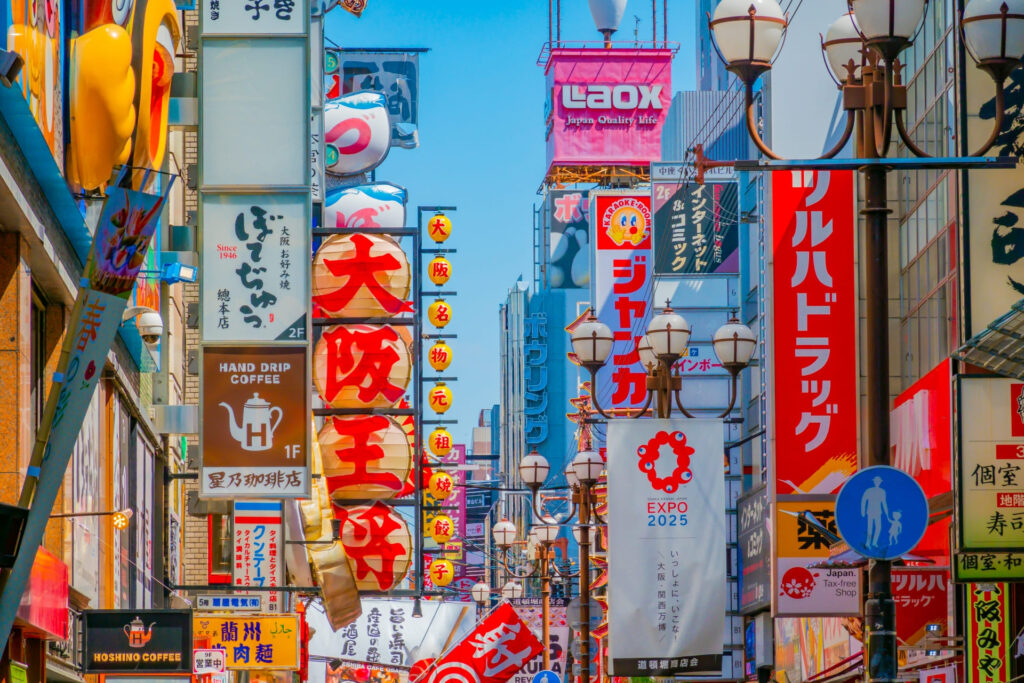
What’s great about Namba is that everything’s within walking distance. Most attractions sit close together, making it easy to adapt your plans based on your time and mood.
Here are five model itineraries designed to help first-time visitors enjoy the area efficiently. Use these timetables and spot descriptions to find what matches your travel style.
Half-Day Course
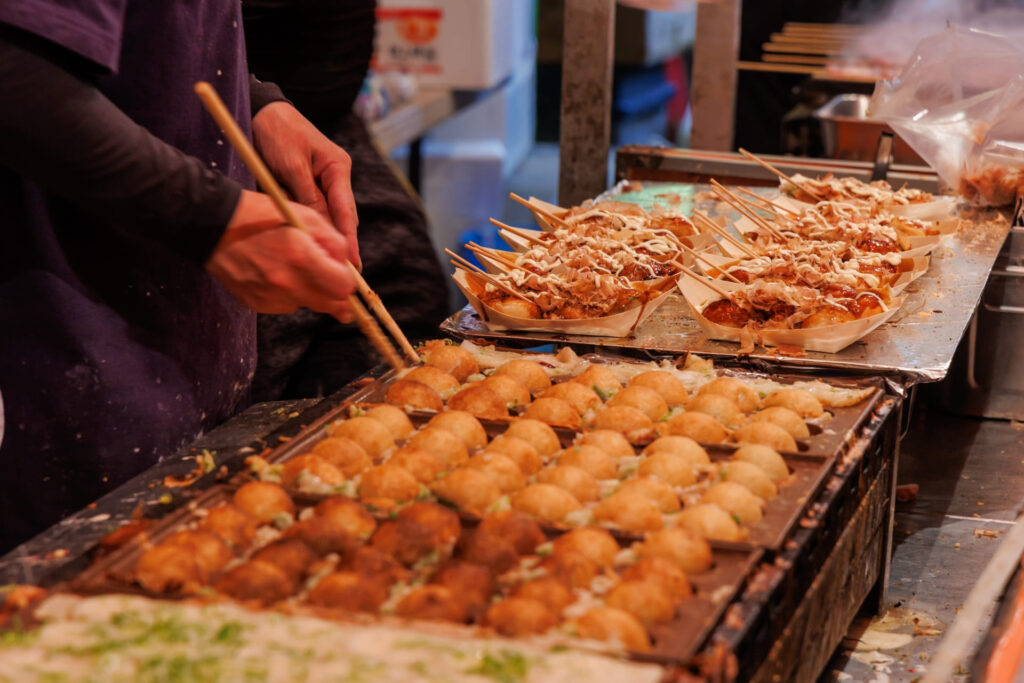
Short ontime? No problem. Three to four hours is enough to experience Namba’s top highlights. This efficient route lets you feel both Osaka’s “energy” (the bustling streets) and “calm” (traditional atmosphere) in a short visit.
| Step | Area/Spot | Activity |
|---|---|---|
| 1 | Glico Sign | Head straight to Ebisubashi Bridge. Strike the same pose as the iconic Running Man for your commemorative photo. |
| 2 | Dotonbori Street | Time to enjoy some of Osaka’s popular soul food. Grab piping-hot takoyaki (octopus balls) or okonomiyaki from street vendors as a snack. |
| 3 | Hozenji Yokocho | Step into a side alley from the busy street and enter another world. Pour water over the Mizukake Fudo statue and make a wish. |
| 4 | Shinsaibashi-Suji | Browse drugstores and character shops for souvenirs. Pick up unique Japanese items to finish off your visit. |
This route minimizes walking while covering the main spots that make you feel you’ve truly experienced Osaka. It’s perfect for a quick stop before heading to your next destination.
Full-Day Course
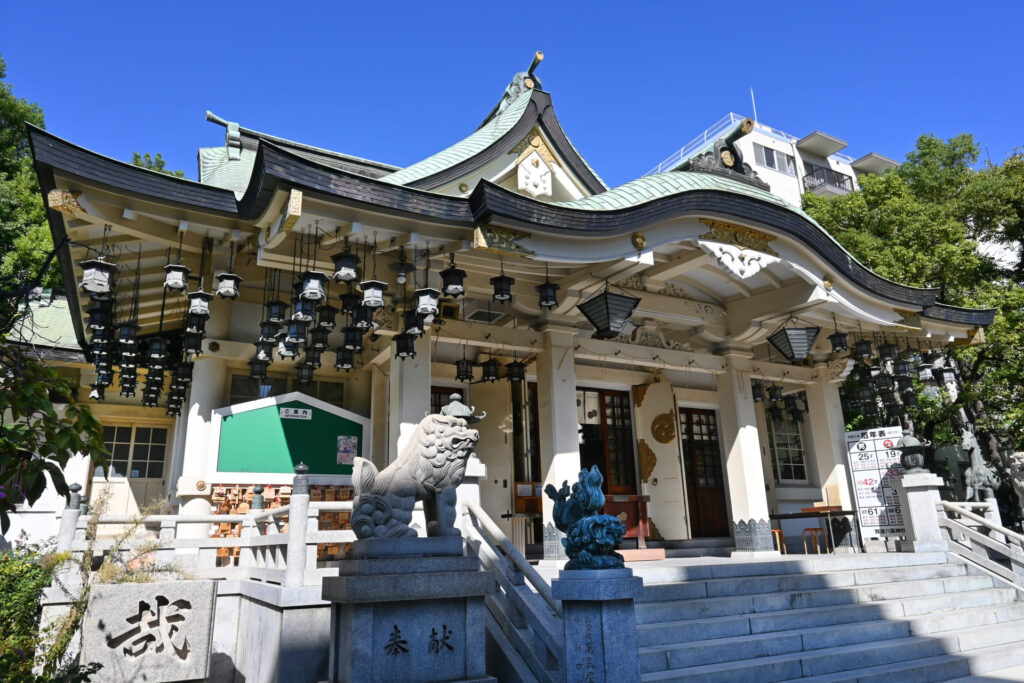
If you have the full day to spend, this plan lets you truly savor Namba from morning to night— from temple visits to glowing neon lights.
| Time | Area/Spot | Activity |
|---|---|---|
| 10:00 AM | Namba Yasaka Shrine | Snap photos with the 12-meter-tall lion head stage. The massive mouth supposedly swallows bad luck and brings victory. |
| 11:30 AM | Kuromon Market | Lunch at “Osaka’s Kitchen.” Have fresh tuna, wagyu beef skewers, or scallops prepared on the spot. |
| 1:30 PM | Doguyasuji Shopping Street | Browse professional-grade knives and tableware. Try your hand at making realistic plastic food samples—a great souvenir activity. |
| 3:30 PM | Shinsaibashi-Suji | Walk north while shopping. You’ll find everything from the latest fashion to variety goods. |
| 6:00 PM | Dotonbori | Dinner at an okonomiyaki restaurant. Afterward, board the Tonbori River Cruise to view the night scenery from the water. |
This itinerary showcases Namba’s essence: you can experience everything from historic shrines to modern shopping districts. Just remember to wear comfortable shoes because there’s a lot of walking involved.
Night Course
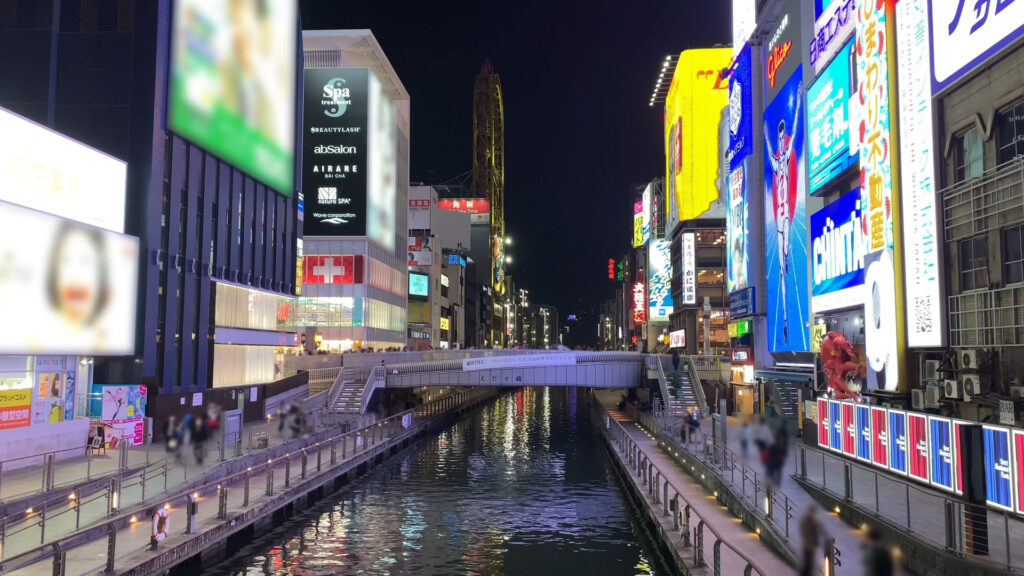
Osaka doesn’t sleep. Once the sun sets and neon lights up, Minami shows its true colors. This “golden night route” starts with dazzling night views and gradually takes you deeper into local nightlife and culture.
| Time | Area/Spot | Activity |
|---|---|---|
| 7:00 PM | Ebisu Tower Ferris Wheel | Start with night views from above. The world’s first oval-shaped Ferris wheel at Don Quijote offers panoramic views of the glittering cityscape. |
| 8:00 PM | Tonbori River Walk | Stroll along the riverside promenade. Neon signs ripple across the water in pink, gold, and electric blue. |
| 9:00 PM | Ura-Namba | Move from tourist areas to Ura-Namba (Back Namba), where locals gather. Distinctive standing bars and izakaya—casual Japanese pubs where locals drink and eat small plates—cluster here. |
Locals call this bar-hopping—the Osaka way. You don’t stay long at one place but move to the next. Enjoy yakitori and sip on sake as you immerse yourself in Osaka’s local nightlife.
Rainy Day Course
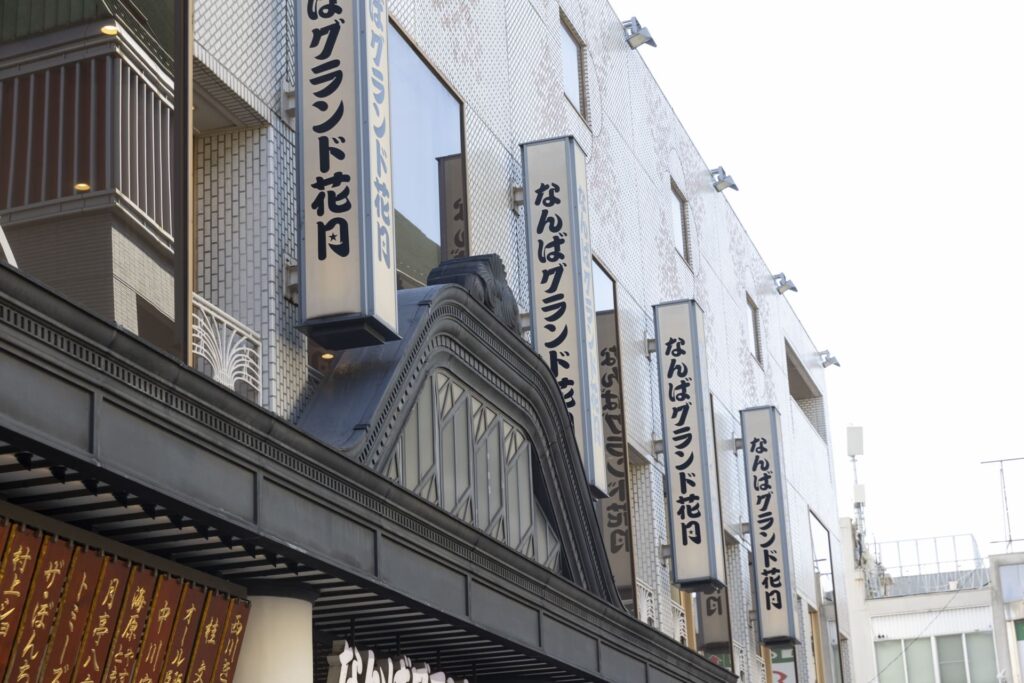
Rain in the forecast? Don’t be disappointed. Namba has extensive underground shopping areas and covered arcades, letting you enjoy a full day without an umbrella. Here are some recommended spots where even bad weather won’t get in your way.
| Spot Name | Features | Recommended Activities |
|---|---|---|
| Namba Walk | Underground mall connected to subway stations | Fashion and café browsing. Over 200 shops, convenient for moving between commercial facilities. |
| Namba Parks | Large complex | Shopping, restaurants, cinema. Green-focused design creates an open feel even indoors. |
| National Bunraku Theatre | Traditional performing arts theater | Watch bunraku (traditional puppet theater), a World Intangible Heritage art form. English audio guides available. |
| Osaka Namba Grand Kagetsu | Comedy mecca | Watch Japanese comedy shows (Yoshimoto Shinkigeki). Slapstick comedy that makes you laugh even without understanding the language. |
Rainy days offer chances to deeply experience Japanese culture and performing arts, not just shopping. Take advantage of the underground passages for comfortable Osaka sightseeing.
Family-Friendly Course
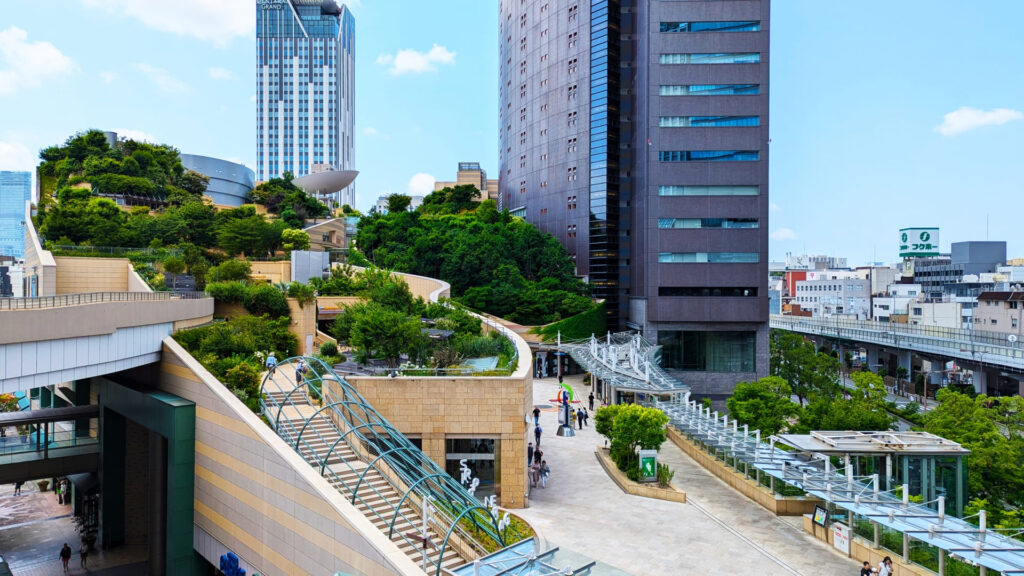
Traveling with kids? This plan balances playtime and rest, with activities kids will love and spots where parents can relax.
- Namba Parks (Rooftop Garden): A green plaza in the city center where kids can run around. The mall also has plenty of toy stores and stroller-friendly restaurants.
- Kukuru Konamon Museum: A takoyaki-themed attraction in Dotonbori where you can make plastic food samples or try your hand at cooking actual takoyaki. Eating your own takoyaki will make a great memory.
- Round One (Sennichimae Branch): If you still have the energy, head here. Bowling, karaoke, arcade games—entertainment for the whole family.
While Namba gets crowded, combining these spots offers something everyone can enjoy. The key is not to overdo it—pick a few places and take it easy.
Taste Namba: Food Heaven Awaits
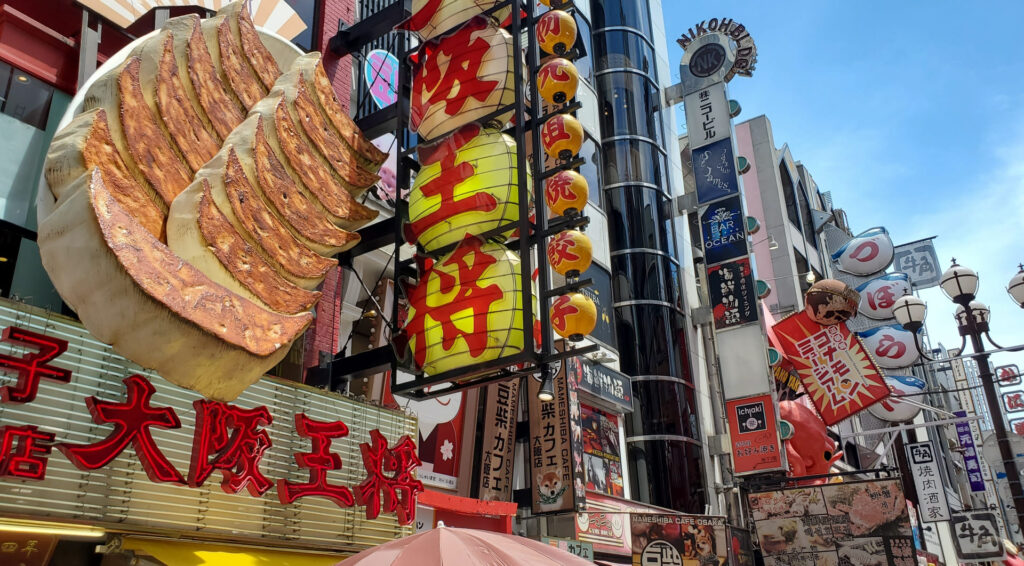
Osaka earns the nickname “The Nation’s Kitchen,” and within it, Namba embodies the practice of “kuidaore”—literally meaning “eating until you drop.”
From cheap, delicious street food to long-established restaurant flavors, Namba overflows with flavors that could satisfy even the hungriest or pickiest traveler. Here are four essential food spots you absolutely cannot miss.
Dotonbori Takoyaki
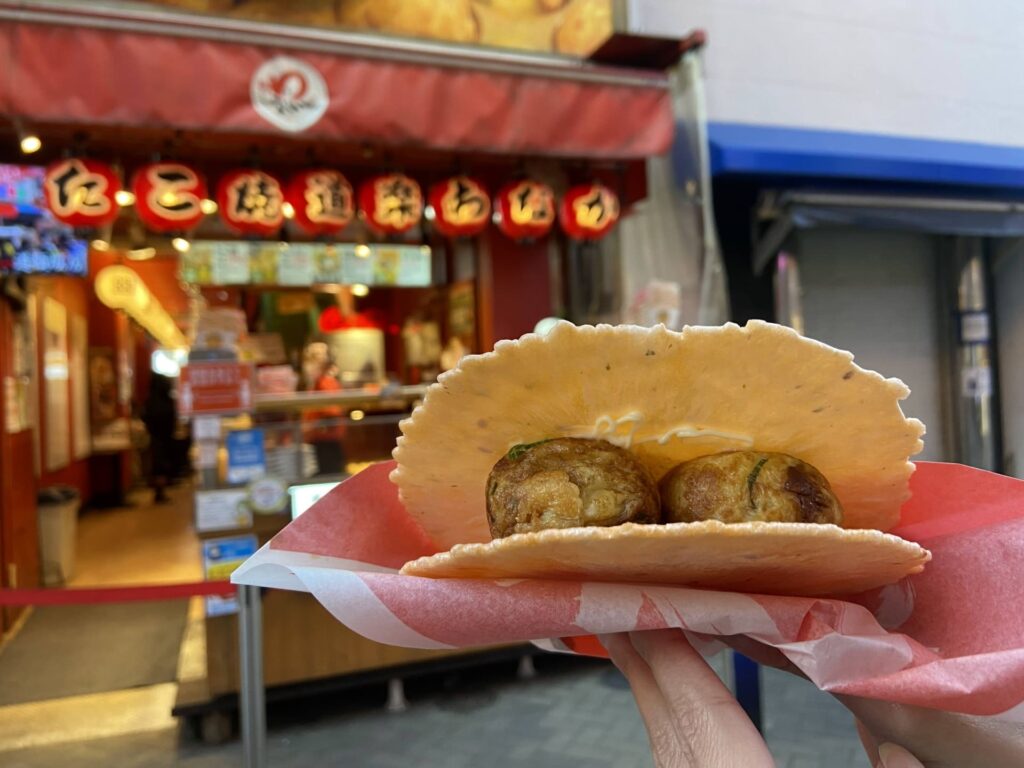
You can’t leave Osaka without trying takoyaki (octopus balls). Made from a light wheat batter with bite-sized octopus pieces and grilled into piping-hot balls, it’s simple yet deeply flavorful.
Dotonbori has countless takoyaki stalls, but they share one thing: crispy outside, creamy inside, and served piping hot—perfect for snacking as you explore the area. And the combination of dashi-rich batter and sweet-savory sauce is just simply addictive. Here are three recommended shops.
| Shop Name | Features | Highlights |
|---|---|---|
| Takoyaki Doraku Wanaka | Original crispy-outside, creamy-inside style | Extremely crispy skin and dashi-flavored batter are exquisite. A famous shop among many local fans. |
| Takoya Dotonbori Kukuru | Known for large octopus pieces | Look for the giant octopus sign. Fluffy texture and substantial octopus pieces are standouts. |
| Honke Otako | Long-established flavor | Locals love this Dotonbori fixture. Large octopus pieces and classic Osaka taste. |
Freshly made takoyaki is extremely hot, so be careful not to burn your mouth. Grab some takoyaki and share with friends while comparing the different shops—that’s the Osaka way.
Dotonbori Okonomiyaki
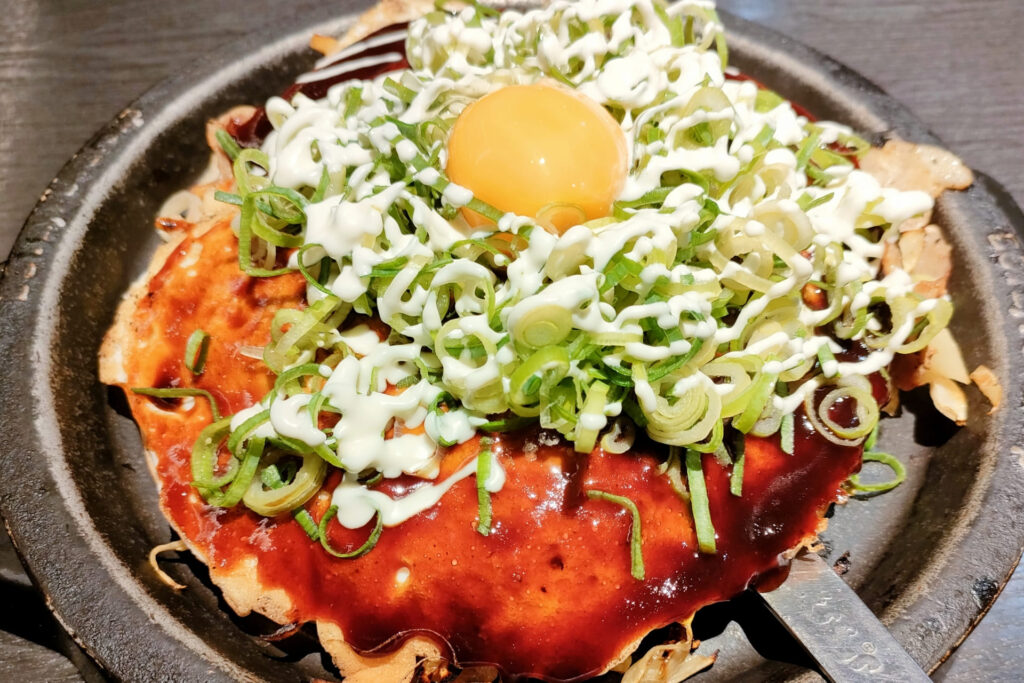
Along with takoyaki, okonomiyaki is another one of Osaka’s signature dishes. Although called “Japanese pancakes,” these aren’t sweet desserts. They’re hearty savory pancakes made from a batter mixed with cabbage, eggs, meat, or seafood. You get to choose.
A thick, sweet-savory sauce is brushed on while the okonomiyaki sizzles on the griddle right in front of you. That aroma alone will make you hungry. The bonito flakes (katsuobushi) dance in the heat when sprinkled on top—a perfect opportunityfor video. Here are popular shops worth queuing for.
| Shop Name | Features | Must-Try Menu |
|---|---|---|
| Mizuno | Michelin-listed shop | Signature “Yamaimoyaki” uses 100% yam instead of flour, creating an incredibly fluffy, melt-in-your-mouth texture. |
| Ajinoya | 60-year-old establishment | Traditional “mixed okonomiyaki.” Expert grilling techniques bring out the cabbage’s sweetness. |
| Okonomiyaki Fukutaro | Excellent negiyaki | Famous for “negiyaki” (green onion pancake) eaten with soy sauce. Counter seats let you watch the chef’s skillful techniques up close. |
These shops are wildly popular, so visiting outside peak meal times is recommended. The rich, sweet-savory sauce flavor pairs perfectly with Japanese beer.
Kuromon Ichiba Market
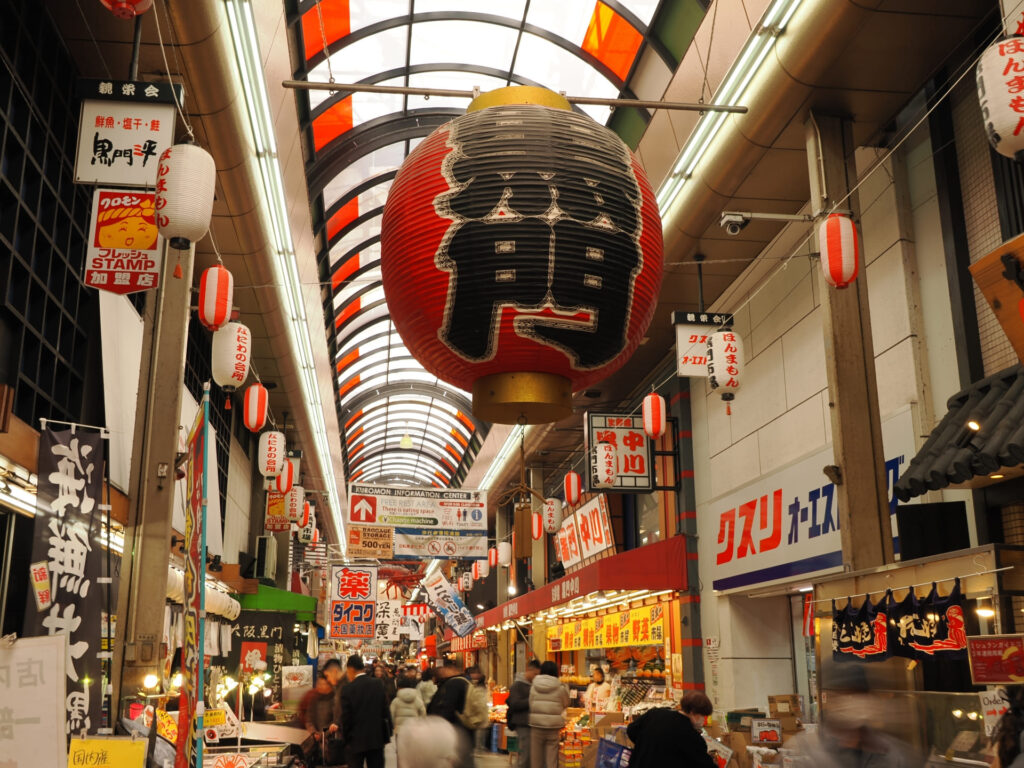
Kuromon Market, often called “Osaka’s Kitchen,” is a foodie’s wonderland with nearly 200 years of history. About 150 shops—seafood vendors, butchers, produce sellers—line this 580-meter covered arcade.
The best part? Point at fresh ingredients on display, order them, and have them cooked on the spot. You can sample top-quality Japanese ingredients in small, delicious bites—sashimi, grilled seafood, premium meat, and seasonal fruit.
| Category | Recommended Food | Experience |
|---|---|---|
| Seafood | Tuna, sea urchin, scallops | Eat fresh sea urchin in the shell or have scallops grilled with butter and soy sauce. You might catch a tuna-cutting show if you’re lucky. |
| Meat | Wagyu beef skewers | Taste beautifully marbled wagyu steak in convenient skewer style. |
| Fruit | Seasonal cut fruit | Seasonal strawberries and melons are surprisingly sweet and juicy. Perfect for dessert. |
The market is usually packed shoulder-to-shoulder. Rather than walking and eating, use the designated eat-in spaces at each shop—which is the proper etiquette here. From 9:00 onward, the market buzzes with vendor calls, sizzling grills, and the snap of fresh seafood on ice. Visiting in the morning gives you the best selection.
Details
| Name (Japanese) | 黒門市場 |
| Name (English) | Kuromon Ichiba Market |
| Hours | 9:00 AM – 6:00 PM (varies by shop) |
| Closed | Sundays (varies by shop) |
| Address | Around Nihonbashi 2-chome, Chuo-ku, Osaka |
| Access | 5-minute walk from Nihonbashi Station Exit 10 |
| Best For | Seafood lovers, those who want to enjoy street food |
Hozenji Yokocho Alley
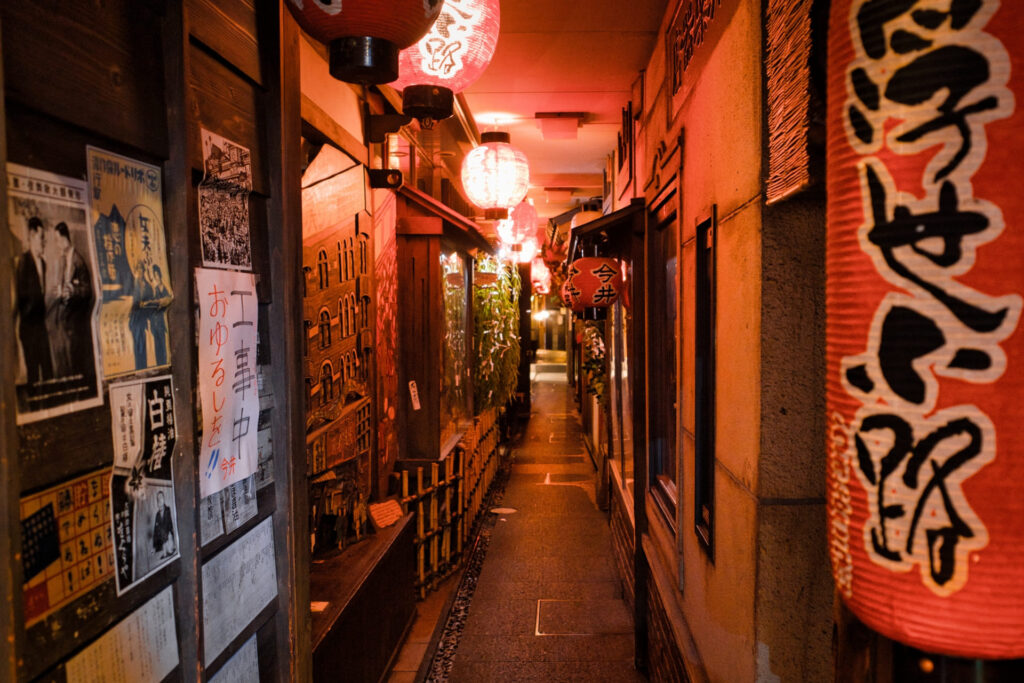
Just minutes from Dotonbori’s clamor, you’ll reach a quiet place that feels like you’ve traveled back in time. Hozenji Yokocho is a narrow alley, about 3 meters wide, that retains the traditional atmosphere of old Naniwa (Osaka).
Stone paving underfoot and gentle lantern light overhead create an intimate mood. Hidden along this alley are long-established Japanese restaurants, cozy bars, and well-regarded okonomiyaki shops—perfect for a relaxed, grown-up meal.
- Visit Mizukake Fudo: At the alley’s center stands Hozen-ji Temple. Here you’ll find the mysterious Mizukake Fudo statue, a Buddhist figure covered entirely in green moss. Pour water over it from a bamboo ladle while making a wish.
- Savor Established Cuisine: Try the sweet azuki soup at Meoto Zenzai, a traditional sweets shop featured in literature, or enjoy a hearty lunch at the famous Katsudon Katsuton.
- Evening Stroll: When shop signs light up at night, the atmosphere becomes even more enchanting. Night offers the best photo opportunities.
Experience this quieter, more contemplative “other Osaka” that contrasts sharply with Dotonbori’s flashy neon.
Details
| Name (Japanese) | 法善寺横丁 |
| Name (English) | Hozenji Yokocho Alley |
| Hours | Varies by shop; Hozen-ji Temple open 24 hours for worship |
| Closed | Varies by shop |
| Address | Around Namba 1-chome, Chuo-ku, Osaka |
| Access | 3-minute walk from Namba Station Exit 14 5-minute walk from Nihonbashi Station 11-minute walk from Shinsaibashi Station Exit 4b |
| Best For | Couples, those seeking quiet dining, history enthusiasts |
Go Shopping
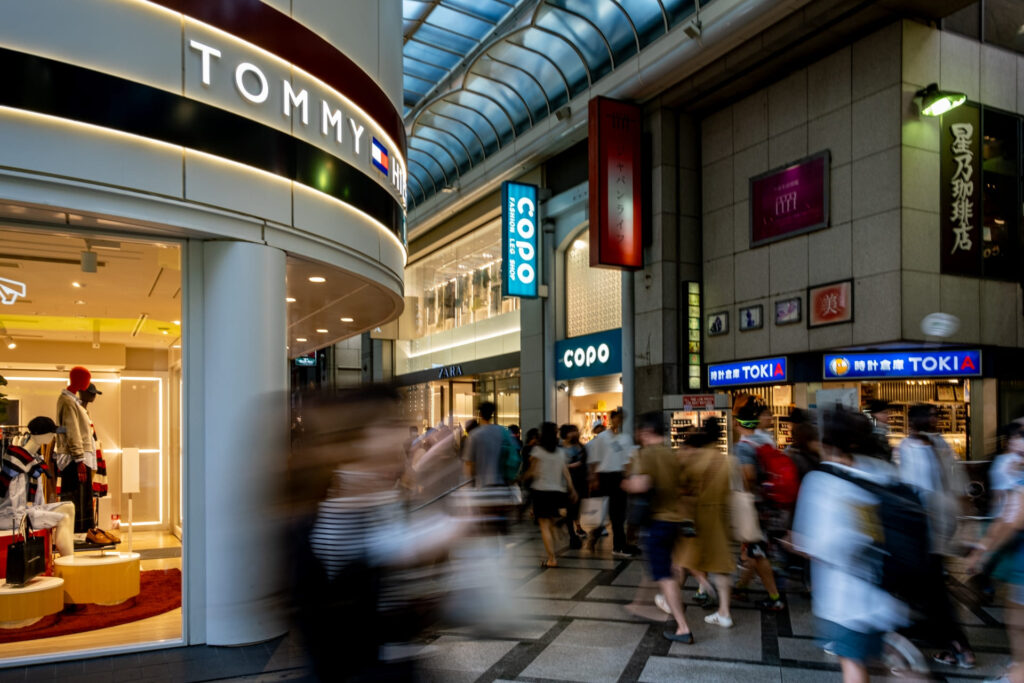
Namba is Western Japan’s largest shopping paradise. From luxury brands to niche subculture items to professional tools, every type of shop is all within walking distance.
Here are seven major shopping areas to explore depending on your purpose. Whether you’re souvenir-hunting or treating yourself, you’ll find everything here.
Shinsaibashi-Suji Shopping Street
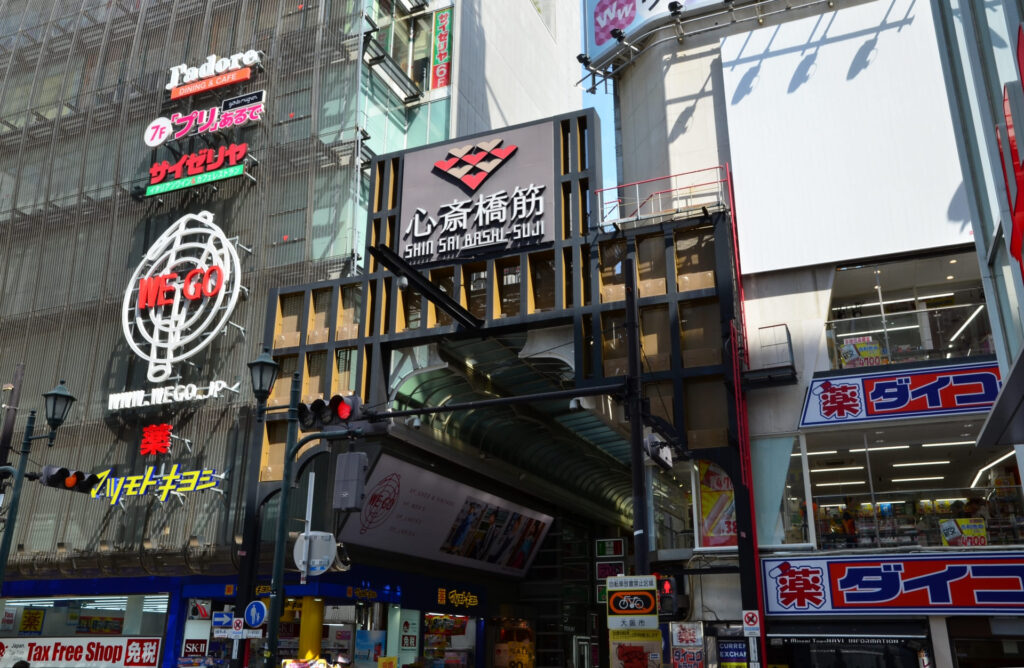
Cross Ebisubashi Bridge north from Dotonbori, and you’ll reach Osaka’s most famous shopping arcade, Shinsaibashi-Suji. The roughly 600-meter covered arcade is home to about 180 shops, including drugstores, fashion boutiques, and cafes.
What makes it so appealing? The overwhelming selection and energy. Drugstores compete fiercely here, making it easy to buy high-quality Japanese cosmetics and medicines at great prices. The covered roof keeps you dry on rainy days and protects you from direct sunlight in the summer, so you can comfortably shop to your heart’s desire—a nice bonus.
Weekends and evenings can get packed, but that energy is part of the Osaka experience. Just immersing yourself in the hustle and bustle while window shopping is enough to create a fun and stimulating experience.
Details
| Name (Japanese) | 心斎橋筋商店街 |
| Name (English) | Shinsaibashi-Suji Shopping Street |
| Hours | Varies by shop |
| Closed | Varies by shop |
| Address | Around Shinsaibashi-Suji 1-2 chome, Chuo-ku, Osaka |
| Access | Right from Shinsaibashi Station Exit 5 5-minute walk from Namba Station Exit 14 |
| Best For | Cosmetics and snack hunters, people who love lively places |
Nipponbashi (Denden Town)
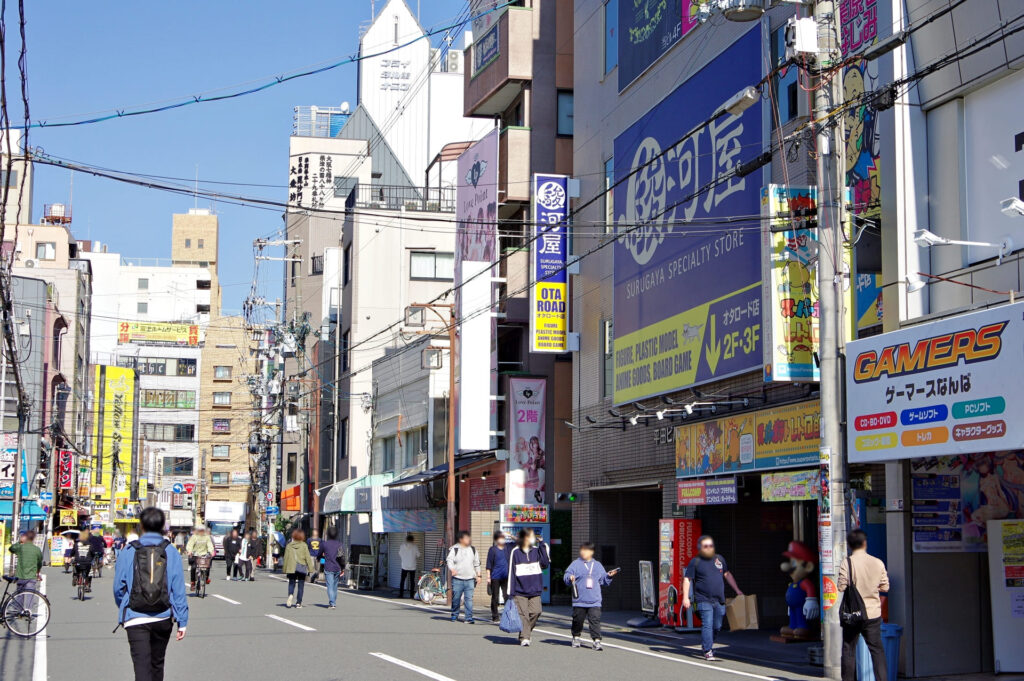
The Nipponbashi area, nicknamed “Denden Town,” rivals Tokyo’s Akihabara as a mecca for Japanese pop culture. Just a 10-minute walk east from Namba Station, the street atmosphere completely changes from the surrounding city.
Sakai-suji Main Street and the adjacent “Otaku Road” are packed with specialty shops for anime, manga, and games. Fans from overseas, as well as locals, will find coveted items like popular anime figures, plastic models, and nostalgic retro games.
Experience Japan’s unique subculture here. Themed maid cafes, and massive capsule-toy (gacha-gacha) stores are also popular spots to visit.
Details
| Name (Japanese) | 日本橋でんでんタウン |
| Name (English) | Nipponbashi Denden Town |
| Hours | Varies by shop |
| Closed | Varies by shop |
| Address | Around Nihonbashi 3-5 chome, Naniwa-ku, Osaka |
| Access | Right from Ebisucho Station North A/1B 5-minute walk from Nihonbashi Station Exit 5 5-minute walk from Namba Station Exit 4 |
| Best For | Anime and game fans, those wanting to experience Japanese subculture |
Doguyasuji Kitchen Street
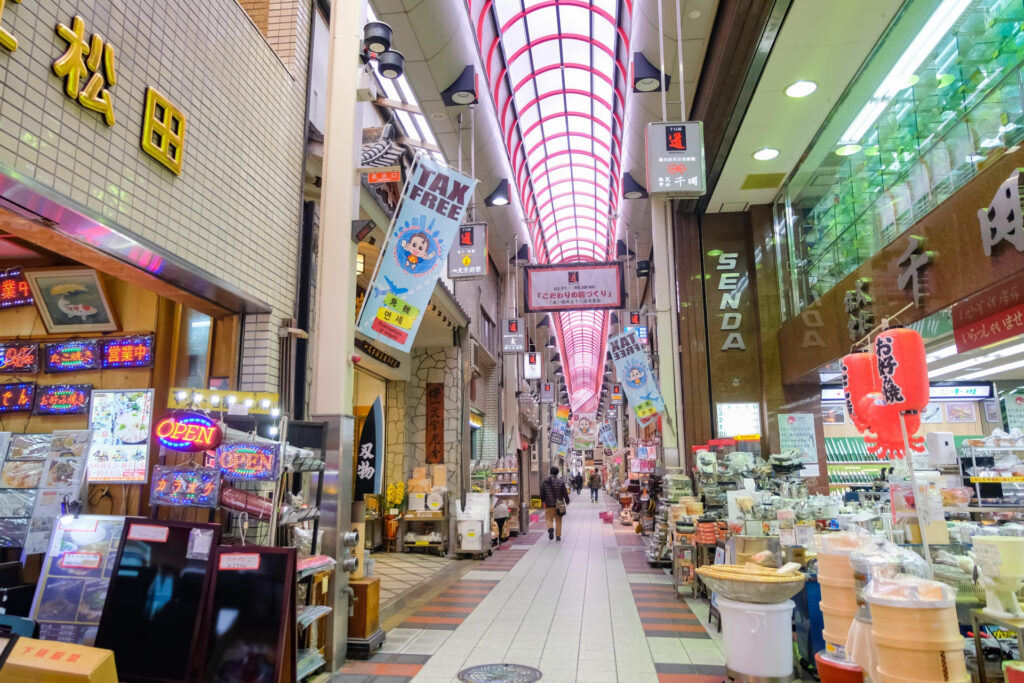
Doguyasuji is exactly what its name suggests—a street dedicated to “dogu” (tools). Once a hub for professional chefs, it’s now a must-visit for travelers looking for high-quality Japanese cooking equipment.
In just about 150 meters of covered arcade, you’ll find razor-sharp Japanese knives, beautiful Japanese tableware, and realistic plastic food samples packed rightly into displays. Some shops even offer hands-on workshops where you can make your own plastic food samples, letting you create unique souvenirs.
For cooking enthusiasts, Doguyasuji never gets boring no matter how long you stay. Peek behind the scenes of the food culture that supports “The Nation’s Kitchen.”
Details
| Name (Japanese) | 千日前道具屋筋商店街 |
| Name (English) | Sennichimae Doguyasuji Shopping Street |
| Hours | Varies by shop |
| Closed | Varies by shop |
| Address | Sennichimae, Namba, Chuo-ku, Osaka |
| Access | 3-minute walk from Nankai Namba Station 5-minute walk from Nihonbashi Station Exit 5 3-10 minute walk from Namba Station Exit 4 |
| Best For | Cooking enthusiasts, chefs, those seeking unique Japanese souvenirs |
Takashimaya Osaka Store
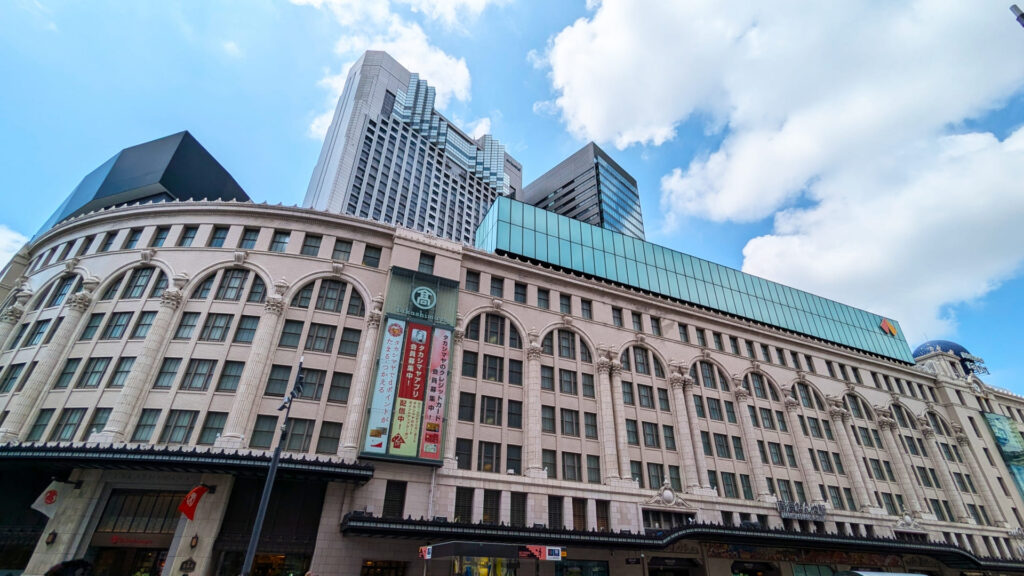
The stately building at Nankai Namba Station is Takashimaya, one of Japan’s most venerable department stores. Here you’ll find attentive service and a wide selection of high-quality products that define Japanese department stores.
The luxury shopping is excellent. But an even better recommendation? The basement food floor, nicknamed “depachika.” Sweets are displayed like jewels, and lunch boxes feature top-quality ingredients. Not just visually stunning, but also delicious.
The 7th floor has a tax-free counter where you can easily process paperwork with your passport. Whether you’re shopping for gifts, gourmet foods, or premium Japanese products, Takashimaya is the place to go.
Details
| Name (Japanese) | 高島屋 大阪店 |
| Name (English) | Takashimaya Osaka Store |
| Hours | 10:00 AM – 8:00 PM (Restaurants until 10:00 PM) |
| Closed | New Year’s |
| Address | 5-1-5 Namba, Chuo-ku, Osaka |
| Access | Right from Namba Station Right from Hanshin/Kintetsu Osaka-Namba Station |
| Best For | Those seeking high-quality Japanese products, depachika food enthusiasts |
Namba City Shopping Mall
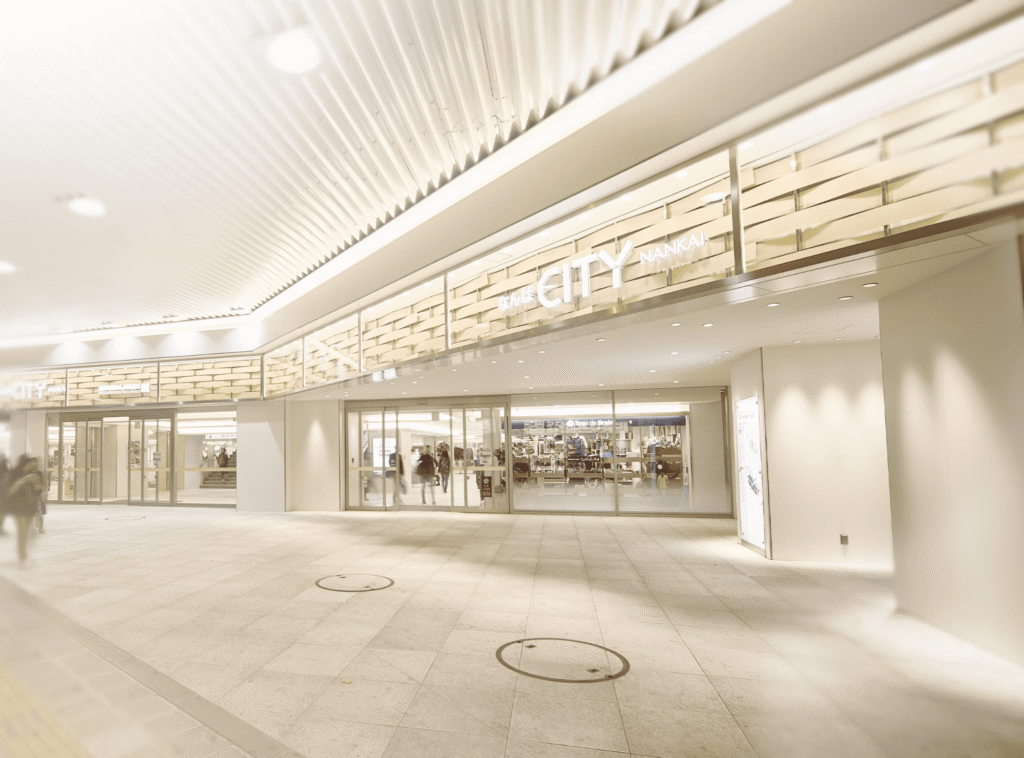
Namba City is a large shopping mall spreading under the elevated tracks right outside the Nankai Namba Station ticket gates. Its two areas—the Main and South Building— house about 230 shops including fashion boutiques, variety shops, and restaurants.
Compared to Takashimaya, it’s more casual, with brands and stores aimed at shoppers in their 20s and 30s. It connects directly to the Rapi:t boarding area to Kansai Airport, making it an ideal spot for last-minute shopping before heading home.
The combination of underground and elevated structure means you can explore the mall regardless of weather—maximum convenience for travelers.
Details
| Name (Japanese) | なんばCITY |
| Name (English) | Namba City |
| Hours | 11:00 AM – 9:00 PM (Restaurants until 10:00 PM) |
| Closed | Irregular |
| Address | 5-1-60 Namba, Chuo-ku, Osaka |
| Access | Right from Nankai Namba Station 7-12 minute walk from Namba Station |
| Best For | People in their 20s-30s, those wanting efficient shopping and dining |
Namba Parks
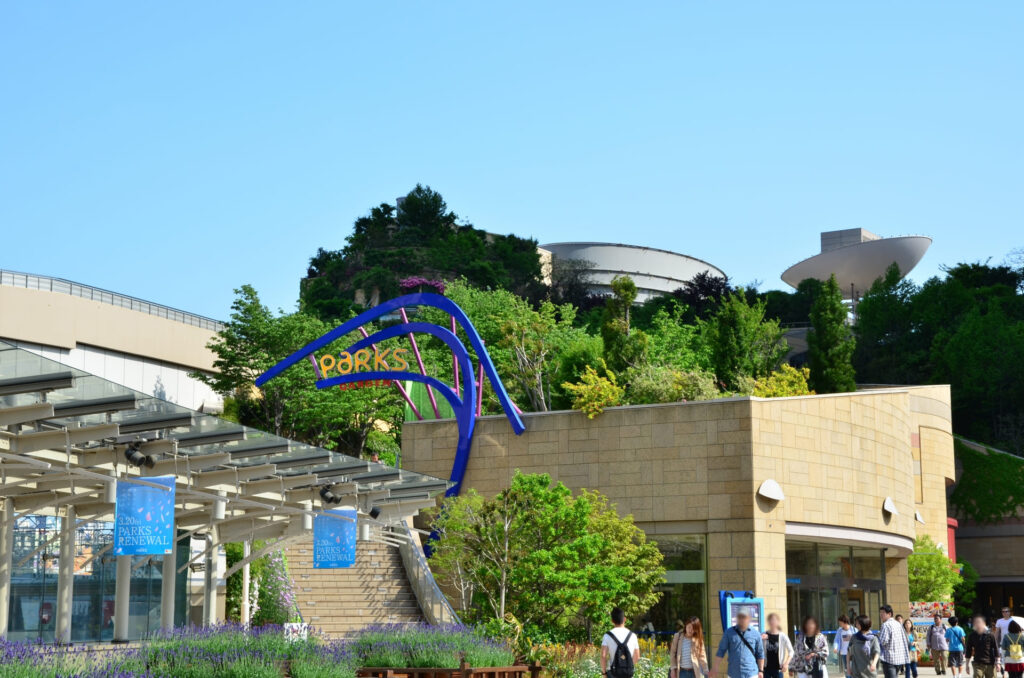
Namba Parks is more than a shopping mall. It’s an urban oasis where curved architecture inspired by the Grand Canyon merges with abundant greenery.
The building houses over 200 shops and restaurants, but the real highlight is the rooftop Parks Garden. This terraced garden stretching from the ground level to the 9th floor features about 100,000 plants of 500 varieties—a perfect place to rest on a bench or enjoy a stroll between shopping sessions.
Select shops and interior goods stores cater to sophisticated adults, making Namba Parks a recommended spot to relax and lesurely shopping.
Details
| Name (Japanese) | なんばパークス |
| Name (English) | Namba Parks |
| Hours | 11:00 AM – 9:00 PM (Restaurants until 11:00 PM) |
| Closed | Irregular |
| Address | 2-10-70 Namba-naka, Naniwa-ku, Osaka |
| Access | 6-minute walk from Nankai Namba Station 2F central gate 8-minute walk from Namba Station Exit 4 9-minute walk from Ebisucho Station Exit 1B 10-minute walk from Daikokucho Station Exit 1 |
| Best For | Couples, families, those wanting to shop while relaxing |
Amerikamura (American Village)
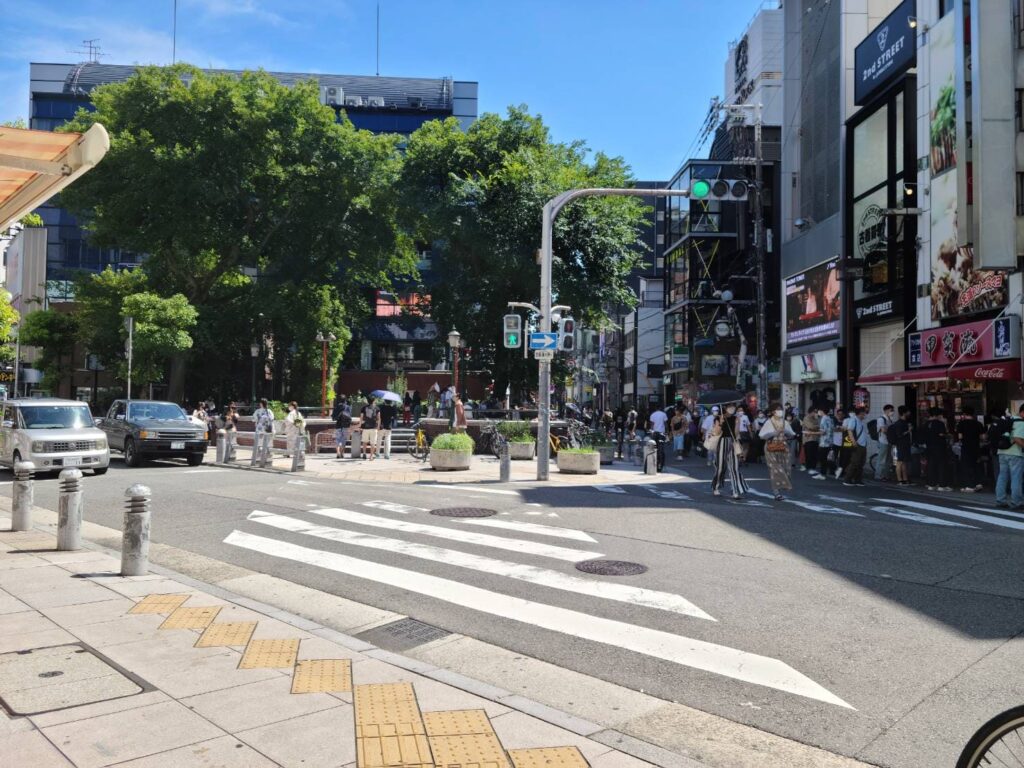
Just west of Shinsaibashi liesAmerikamura (or Amemura), the launching pad for Osaka youth and street culture. It’s like Tokyo’s Harajuku—always fresh, slightly edgy, and full of energy.
This area’s highlights? Distinctive fashion and vintage clothing shops. Affordable, quality Japanese vintage is hugely popular with international fashionistas, making it fun to hunt for one-of-a-kind pieces.
Grab takoyaki or a tall soft-serve ice cream and watch passing fashion at Triangle Park in the area’s center—that’s the Osaka way.
Details
| Name (Japanese) | アメリカ村 |
| Name (English) | Amerikamura (American Village) |
| Hours | Varies by shop |
| Closed | Varies by shop |
| Address | Around Nishi-Shinsaibashi 1-2 chome, Chuo-ku, Osaka |
| Access | 3-minute walk from Shinsaibashi Station 3-minute walk from Yotsubashi Station 7-minute walk from Namba Station 8-minute walk from JR Namba Station |
| Best For | Vintage lovers, those interested in street culture, young people |
Landmarks & Photo Spots
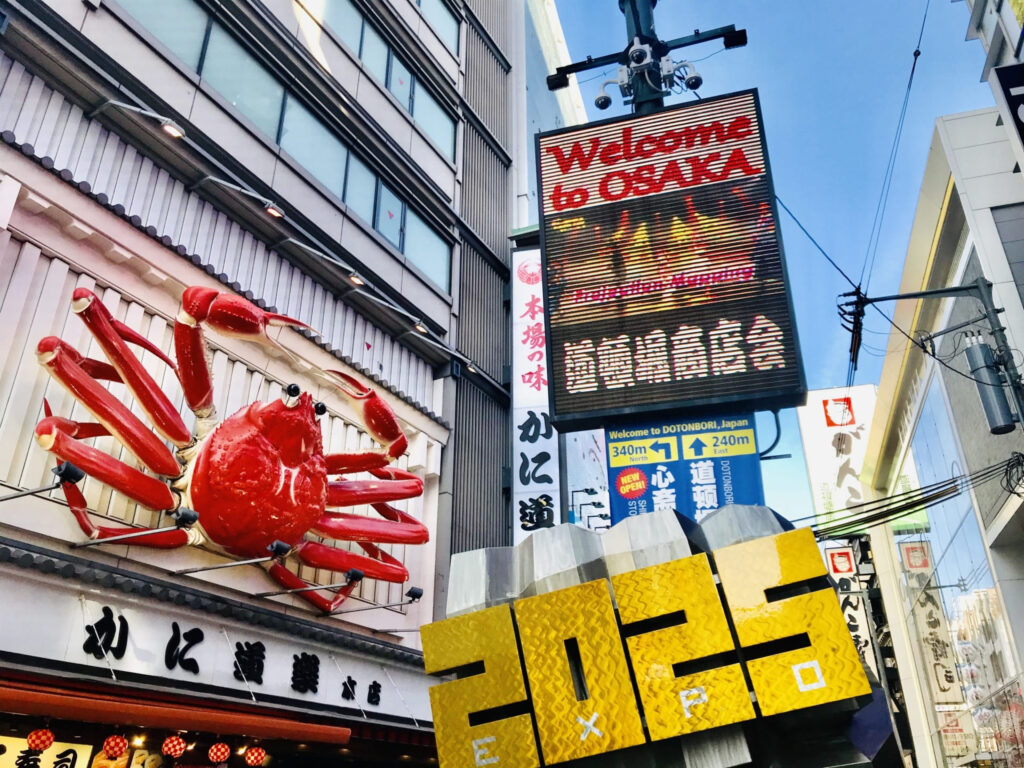
Namba is home to iconic landmarks that instantly make you feel “I’m in Osaka!” Enjoy the lively cityscapes by day and the fantastically glowing neon by night.
Here are must-see photo spots guaranteed to be Instagram-worthy, along with tips for enjoying them. Don’t forget to charge your camera or smartphone.
Glico Sign
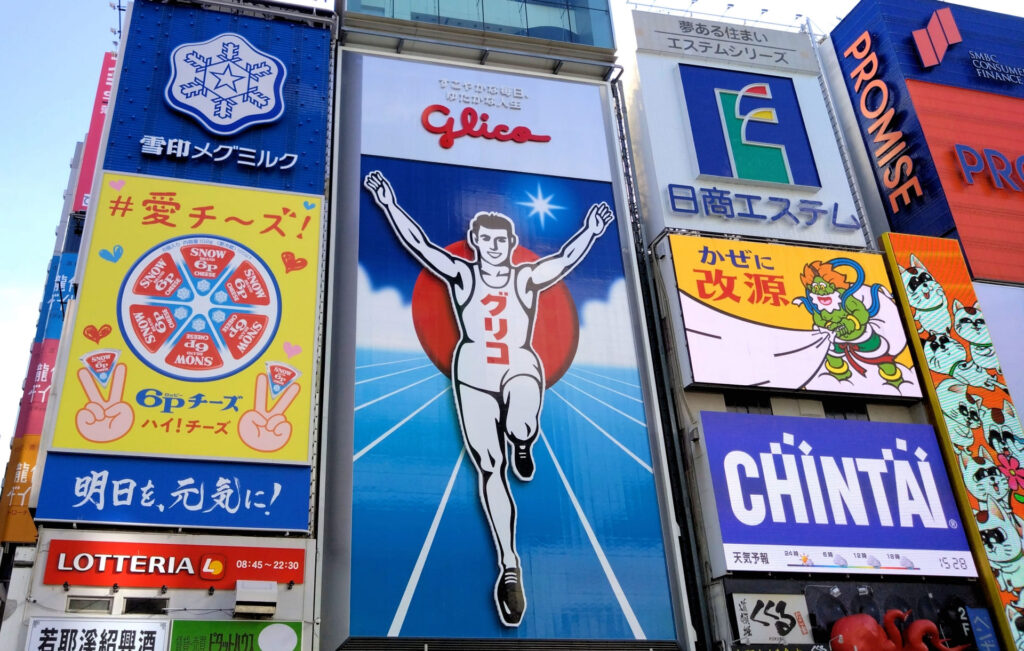
The Glico Running Man, symbolizing Dotonbori, is Osaka’s most famous sign. The runner with both arms raised as if crossing the finish line, has been loved by locals as a symbol of the city’s energy since 1935. The current 6th generation uses LED panels with vividly changing backgrounds.
The best photo spot is on Ebisubashi Bridge, directly facing the sign. Many tourists strike the same pose (arms raised, one leg up) as the Running Man. After sunset, the neon lights create an even more dynamic and colorful backdrop for photos.
Details
| Name (Japanese) | 道頓堀グリコサイン |
| Name (English) | Dotonbori Glico Sign |
| Lighting Hours | 30 minutes after sunset – midnight |
| Address | 1-10-4 Dotonbori, Chuo-ku, Osaka |
| Access | 6-minute walk from Namba Station Exit 14 9-minute walk from Sennichimae Station Exit 2 |
| Best For | First-time Osaka visitors, photo enthusiasts, night view lovers |
Ebisu Tower Ferris Wheel
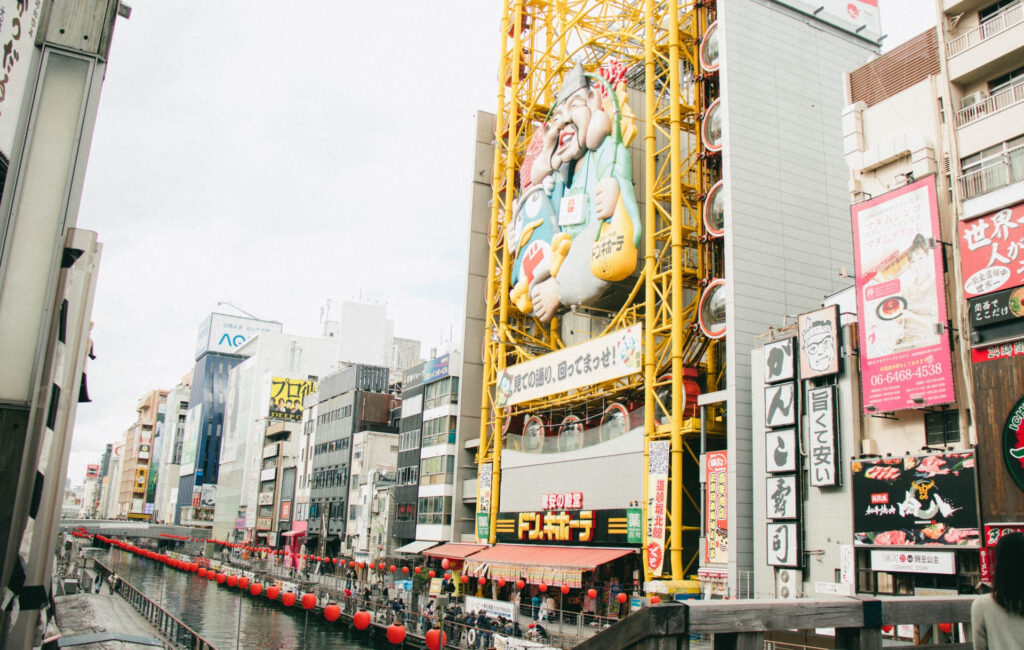
The yellow-railed building towering along the Dotonbori River houses the Ebisu Tower Ferris Wheel, attached to the Don Quijote discount store. This rare oval-shaped Ferris wheel has four-person gondolas that rotate horizontally while ascending.
During the 15-minute ride, the city spreads below you in all directions. At its peak of about 77 meters above ground, you get a panoramic views of Dotonbori’s neo-lit streets and, on clear days, distant landmarks like Abeno Harukas and Tsutenkaku Tower. The boarding area also has souvenir shops, making it easy to enjoy between shopping sessions.
Details
| Name (Japanese) | 道頓堀大観覧車えびすタワー |
| Name (English) | Dotonbori Ferris Wheel “Ebisu Tower” |
| Hours | 11:00 AM – 10:00 PM (Last boarding 9:30 PM) |
| Closed | Irregular |
| Address | 7-13 Soemoncho, Chuo-ku, Osaka |
| Access | 5-minute walk from Namba Station Exit 14 |
| Fee | ¥1,000 |
| Best For | Couples, families, those wanting to see the city from above |
Dotonbori Bridge Views
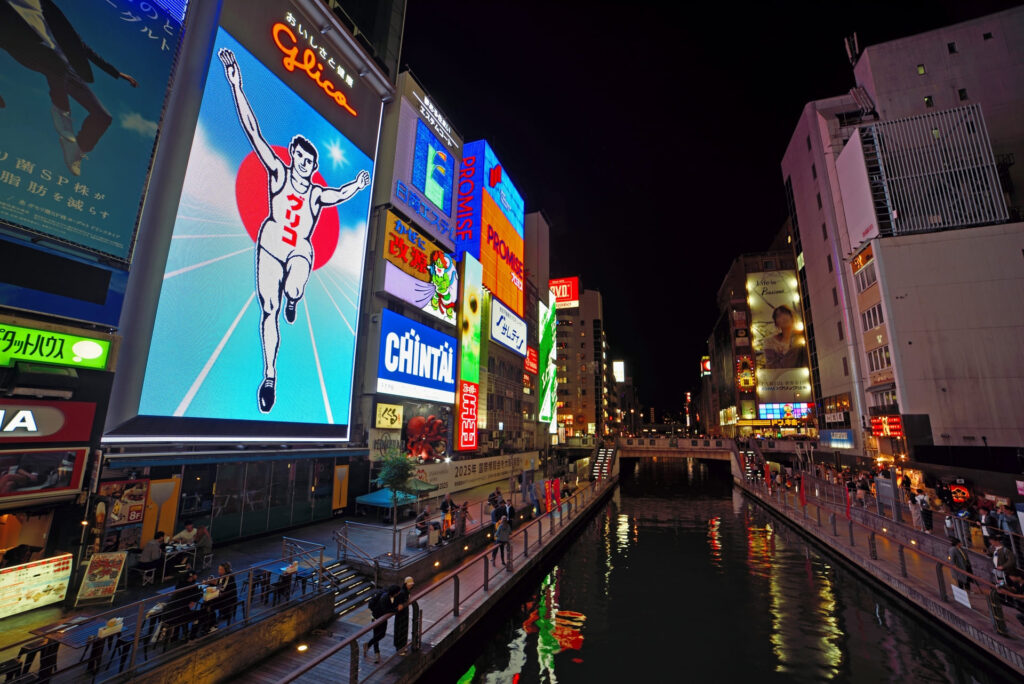
Several bridges span the Dotonbori River, each offering different views. The most famous, Ebisubashi, is closest to the Glico sign and bursting with energy, but it’s always crowded.
For a more peaceful photo spot, head one bridge east to Tazaemonbashi —a hidden gem. From here you can capture balanced shots of the Don Quijote Ferris Wheel along with the neon reflections on the water. Further east, the area around Aiaibashi becomes more atmospheric at night with the beautiful glow of lanterns. Stroll along the river to find your favorite angle.
Details
| Name (Japanese) | 道頓堀の橋(戎橋・太左衛門橋など) |
| Name (English) | Dotonbori Bridges |
| Hours | Always open |
| Address | Along Dotonbori River, Chuo-ku, Osaka |
| Access | 5-10 minute walk from Namba Station |
| Best For | Photo enthusiasts, those wanting to avoid crowds (Tazaemonbashi) |
Kani Doraku Main Store
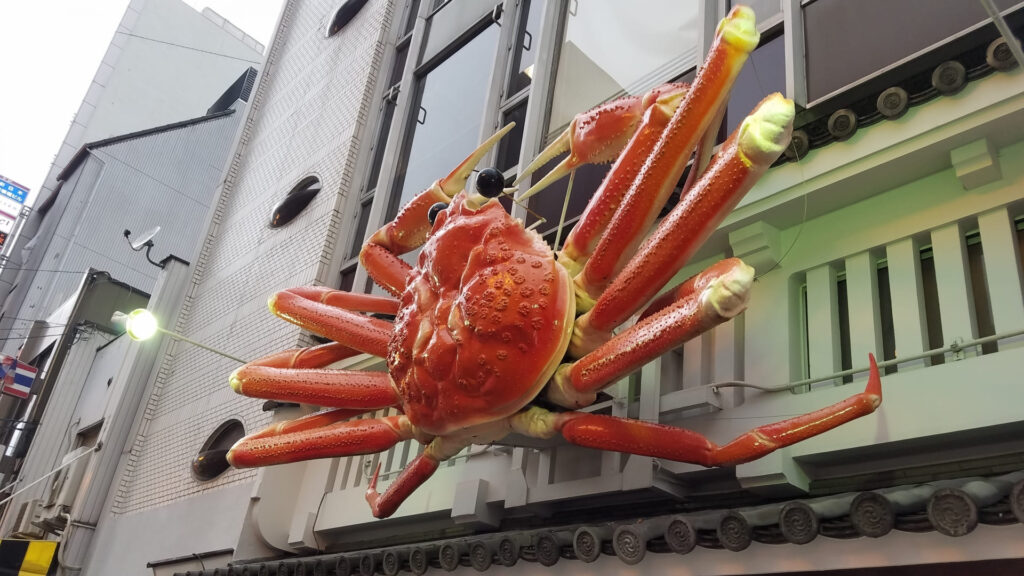
Spot the giant moving red crab along Dotonbori, and you’ve found Kani Doraku’s Main Store. This animated sign, which appeared in 1962, pioneered Osaka’s love for three-dimensional advertising boom.
The impact isn’t just visual—the crab here is incredibly fresh and expertly prepared. You can savor authentic Japanese dishes featuring fresh crab, like kani-suki (crab hot pot) and grilled crab. It’s a popular restaurant, so reservations are highly recommended. Of course, just posing like a crab for photos outside works too.
Details
| Name (Japanese) | かに道楽 道頓堀本店 |
| Name (English) | Kani Doraku Dotonbori Main Store |
| Hours | 11:00 AM – 10:00 PM |
| Closed | Open daily |
| Address | 1-6-18 Dotonbori, Chuo-ku, Osaka |
| Access | 5-minute walk from Namba stations (all lines) |
| Budget | Lunch ¥3,000+ / Dinner ¥6,000+ |
| Best For | Those wanting Japanese crab cuisine, unique sign enthusiasts |
Experience History and Culture
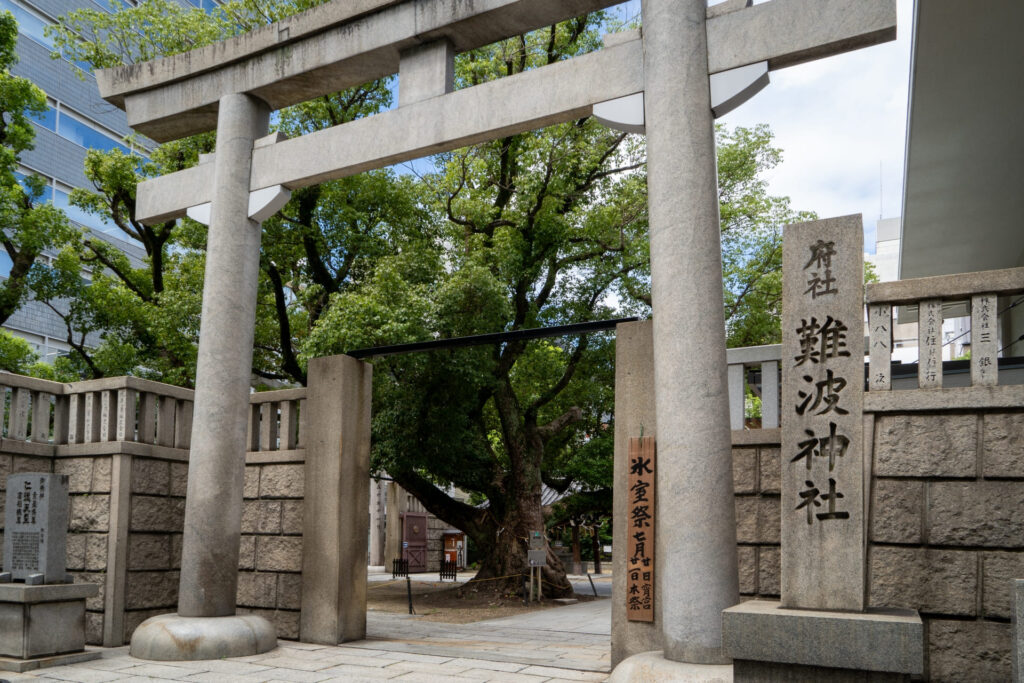
While Namba is famous for glittering neon entertainment districts, the city also hides spiritual places with hundreds of years of history that perfectly blend into the cityscape.
Discover quiet spaces you can casually visit between shopping trips, some even known as unique power spots with fascinating legends. Exploring Osaka’s spiritual side will surely refresh your travel-weary soul.
Namba Yasaka Shrine
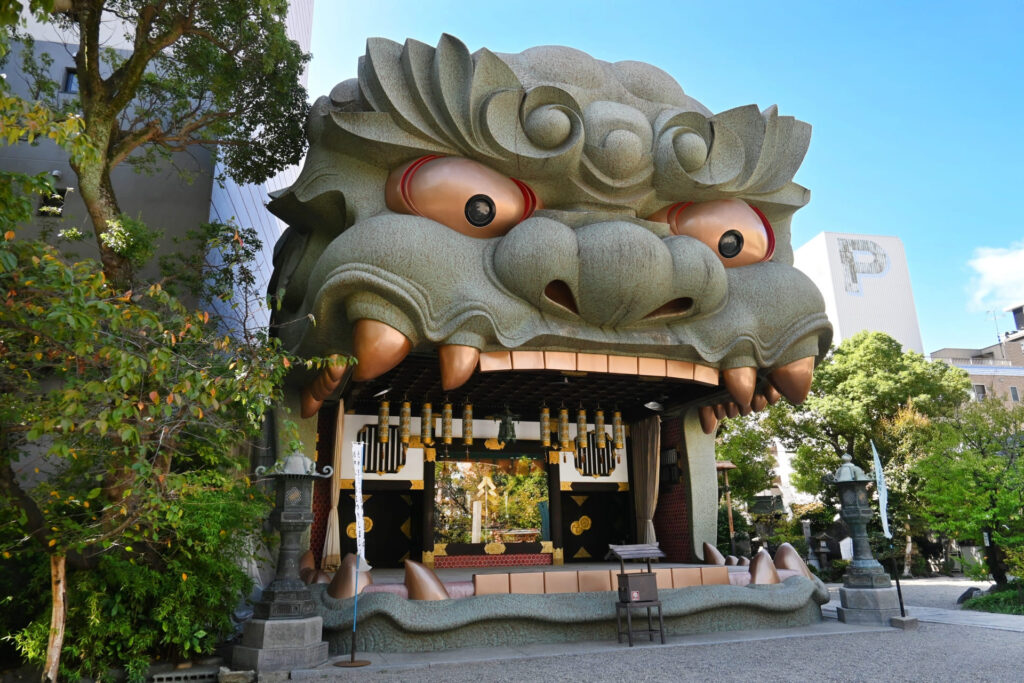
Walk through the torii gate, and you’ll be amazed by the enormous lion head that appears before you. This is the stage at Namba Yasaka Shrine, standing 12 meters tall and 11 meters wide.
This lion, with sharp fangs from its gaping mouth and large eyes staring at you, is known to swallow bad luck and misfortune while bringing victory and success. Its unique, powerful presence makes it one of Osaka’s best photo spots. Every January, a traditional festival features crowds pulling giant ropes in a contest for good fortune, drawing large numbers of visitors.
Details
| Name (Japanese) | 難波八阪神社 |
| Name (English) | Namba Yasaka Shrine |
| Worship Hours | 6:00 AM – 5:00 PM |
| Admission | Free |
| Address | 2-9-19 Motomachi, Naniwa-ku, Osaka |
| Access | 6-minute walk from Namba Station 7-minute walk from Daikokucho Station |
| Best For | Photo enthusiasts, power spot seekers |
Hozen-ji Temple
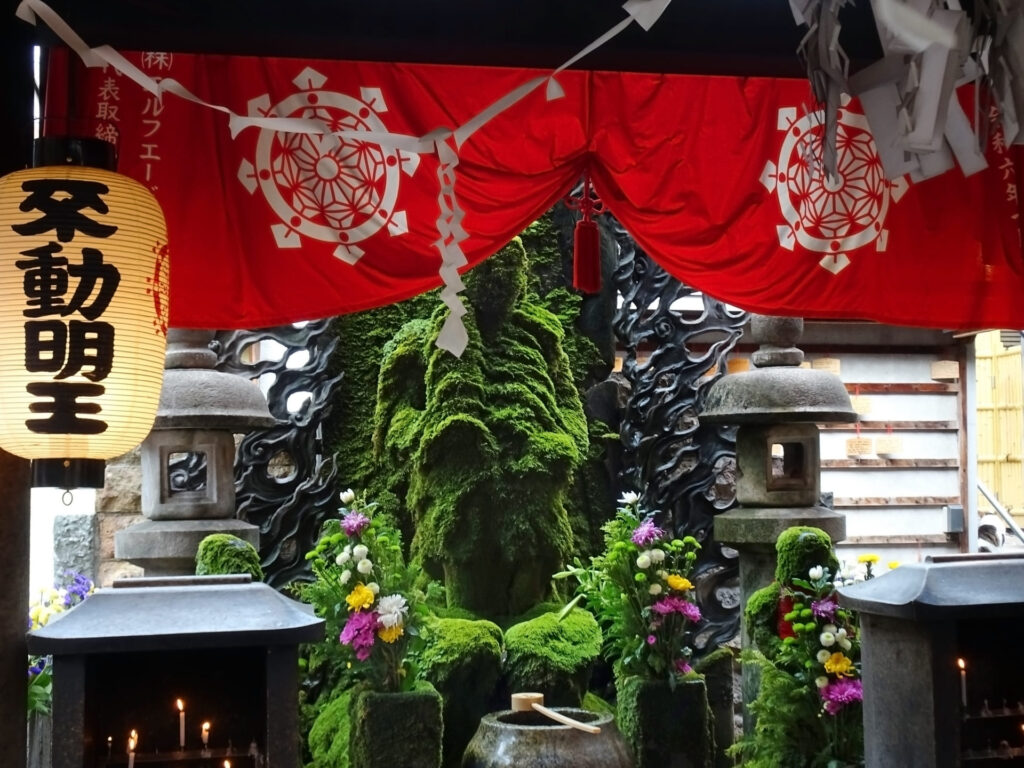
Step away from Dotonbori’s busy streets into a narrow alley, and incense smoke curls through the air as you enter this peaceful space. Here, you’ll find the smallHozen-ji Temple, affectionately called “Mizukake Fudo-san” by locals.
The highlight is the Fudo Myoo statue, covered entirely in vivid green moss. Years of worshippers pouring water with wishes have transformed the stone figure into a mossy structure, barely resembling the original shape.Visitors can take the bamboo ladle provided, scoop water, and gently pour it over the statue while praying.
At night, lanterns cast a warm glow over the stone path, creating an atmosphere that resembles an old Japanese tale.
Details
| Name (Japanese) | 法善寺(水掛不動尊) |
| Name (English) | Hozen-ji Temple |
| Worship Hours | 24 hours |
| Admission | Free |
| Address | 1-2-16 Namba, Chuo-ku, Osaka |
| Access | 5-minute walk from Namba Station |
| Best For | Those wanting traditional worship experiences, seekers of tranquility |
Shitennō-ji Temple
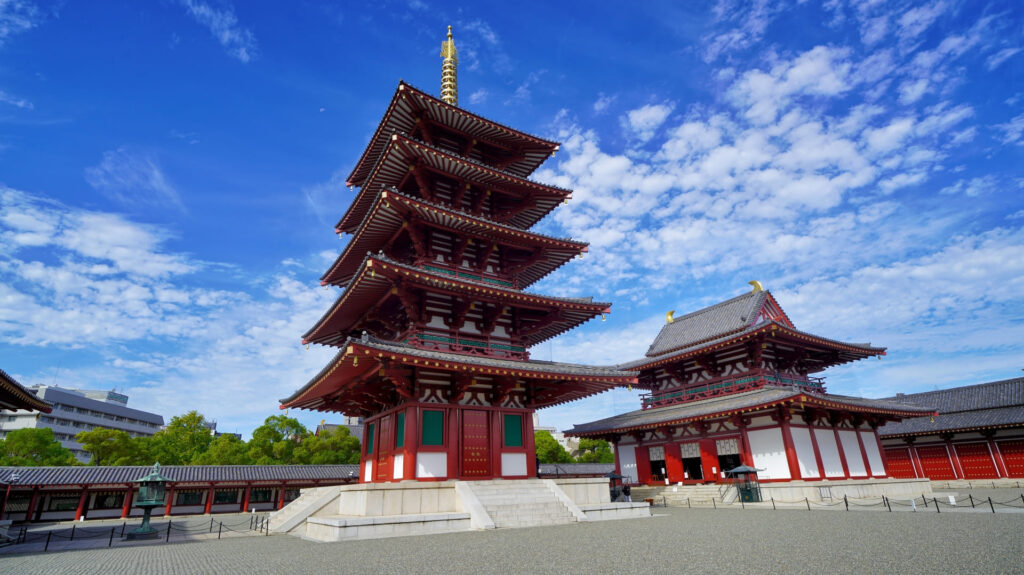
Venture slightly beyond Namba, and you’ll reach Shitennō-ji, one of Japan’s oldest authentic Buddhist temples. It was founded in 593 by Prince Shotoku, a legendary hero in Japanese history.
The spacious grounds feature a five-story pagoda and a main hall aligned in a row, preserving ancient Japanese architectural styles. The Japanese garden, known as “Paradise Garden”, offers the perfect respite from urban noise.
On the 21st and 22nd of each month, the temple hosts large flea markets with antiques, kimono, and food stalls, letting you experience local vitality.
Details
| Name (Japanese) | 四天王寺 |
| Name (English) | Shitenno-ji Temple |
| Hours | 8:30 AM – 4:30 PM (varies seasonally; grounds open 24 hours) |
| Admission | Central precinct ¥500 / Garden ¥300 (grounds free) |
| Address | 1-11-18 Shitennoji, Tennoji-ku, Osaka |
| Access | 12-minute walk from Tennoji Station (all lines) 5-minute walk from Shitennoji-mae Yuhigaoka Station |
| Best For | History and architecture enthusiasts, those wanting quiet garden relaxation |
Ikukunitama Shrine
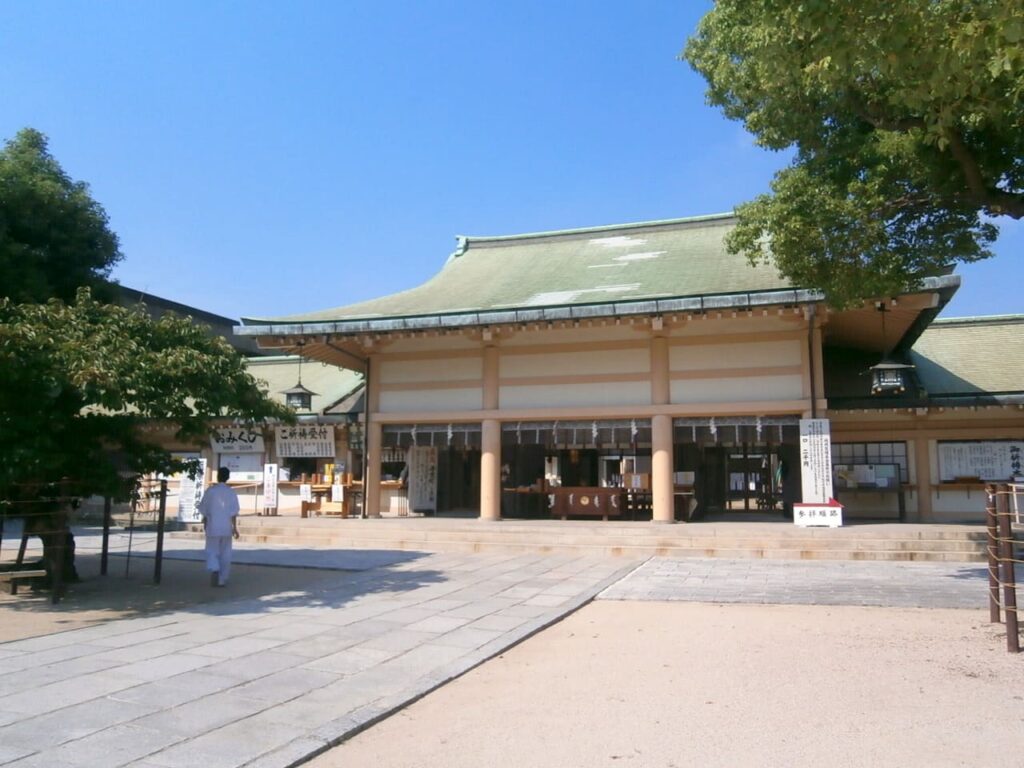
Ikukunitama Shrine, affectionately called “Ikutama-san,” is supposedly Osaka’s oldest shrine. Legend has it that Japan’s first emperor, Emperor Jimmu, once visited the site, and it has long been worshipped as the guardian deity of Osaka’s land.
The lush grounds sprawl like an urban forest. Every July, it hosts one of Osaka’s three major summer festivals, with the sound of drums and portable shrines echoing through the streets.
The surrounding area has many temples creating a quiet zone, perfect for those wanting peaceful strolls away from crowds.
Details
| Name (Japanese) | 生國魂神社 |
| Name (English) | Ikukunitama Shrine |
| Worship Hours | 9:00 AM – 5:00 PM (varies seasonally) |
| Admission | Free |
| Address | 13-9 Ikutama-cho, Tennoji-ku, Osaka |
| Access | 3-minute walk from Tanimachi 9-chome Station |
| Best For | Those interested in Japanese mythology, festival-season visitors |
Hands-On Experiences
Namba’s appeal extends beyond food and shopping. From traditional performing arts cutting-edge entertainment, the area offers various hand-on experiences for the adventurous travelers. experiential spots abound.
Here are six unique experiences you can actively participate in, rather than just observe.
sumo studio osaka

Sumo, Japan’s national sport, is quite difficult to go watch—official tournaments have hard-to-get tickets and limited schedules. But just 10 minutes by subway from Namba, sumo studio osaka offers authentic sumo experiences anytime.
Performers are former professional wrestlers who belonged to the Japan Sumo Association and endured rigorous training. They’re not just strong —they’re elite athletes who fought on the sacred dohyo (sumo ring) reserved for the chosen few.
The 90-minute show runs entirely in English. Beyond learning about sumo history and rituals, participants can try on mawashi (sumo belts) and happi (traditional festival coats) to challenge ex-wrestlers in the ring. Giving your all against massive wrestlers creates a trip highlight you’ll never forget.

After the show, photo sessions and Q&A time let you get up close to the authentic sumo spirit.
Details
| Name (Japanese) | sumo studio osaka |
| Name (English) | sumo studio osaka |
| Showtimes | 10:00-11:30 AM, 12:30-2:00 PM, 3:00-4:30 PM, 5:30-7:00 PM, 8:00-9:30 PM |
| Closed | Open year-round |
| Address | AI Building, 1-5-1 Asahi, Nishinari-ku, Osaka |
| Access | 10-second walk from Hanazonocho Station Exit 4 5-minute walk from Haginochaya Station (Nankai Line) |
| Duration | Approximately 90 minutes |
| Fee | ¥14,000 |
| Best For | Those wanting authentic sumo culture, English explanation seekers, families |
National Bunraku Theatre
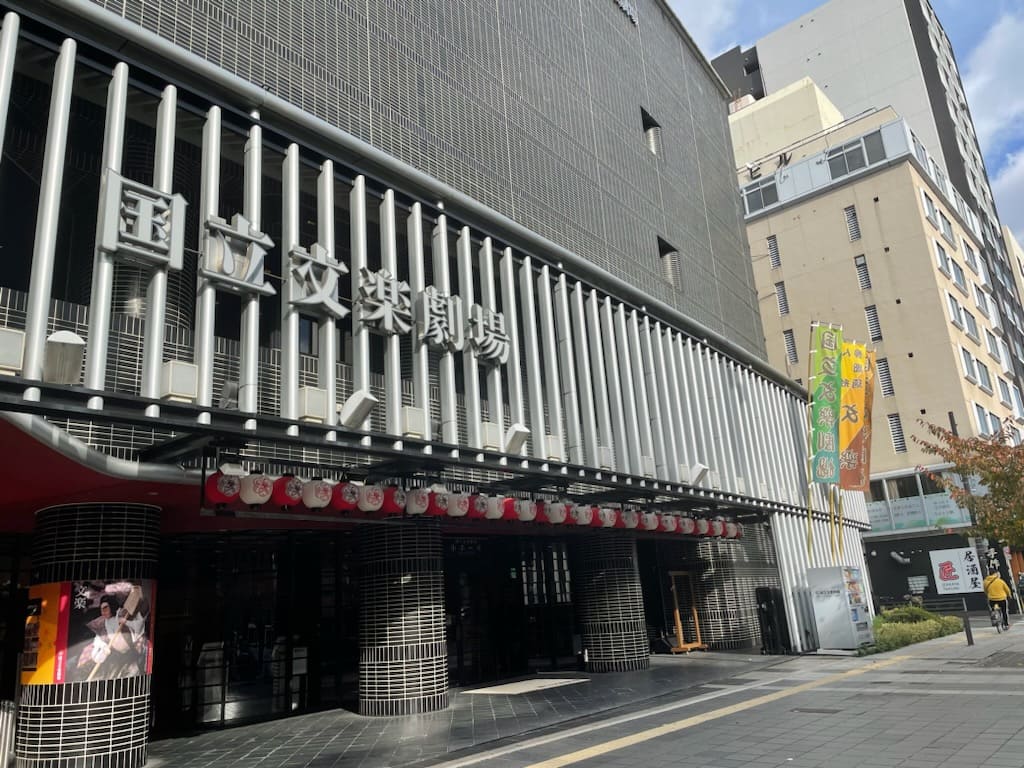
Osaka is the birthplace of bunraku, a traditional puppet theater recognized as a UNESCO Intangible Cultural Heritage. This art form moves audiences in ways puppet shows rarely do.
Here’s what makes it special: three puppeteers work together to bring a single puppet to life. Delicate movements, expressing even finger trembles, and the tayu’s (narrator’s) passionate storytelling captivates the audience, even if you don’t understand every word.
For beginners, English audio guides and subtitles make it easy to follow the story while appreciating the performance unfold on stage.
Details
| Name (Japanese) | 国立文楽劇場 |
| Name (English) | National Bunraku Theatre |
| Performance Times | Varies by performance |
| Address | 1-12-10 Nihonbashi, Chuo-ku, Osaka |
| Access | 1-minute walk from Nihonbashi Station Exit 7 |
| Best For | Traditional performing arts enthusiasts, art lovers |
Kamigata Ukiyoe Museum
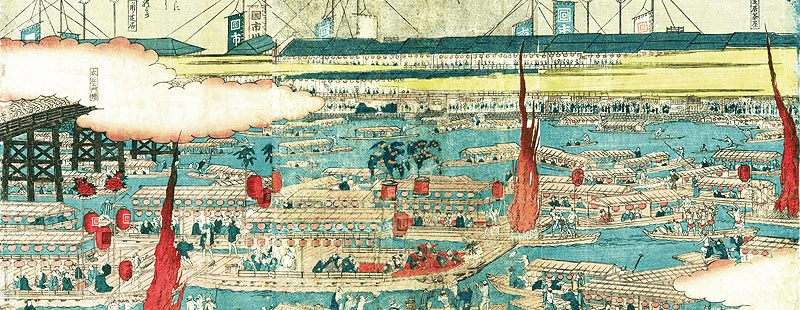
Right near Hozen-ji is the Kamigata Ukiyoe Museum, the world’s only museum specializing in Kamigata (Osaka) ukiyoe. Ukiyoe are woodblock prints that were popular during the Edo period—think of them as the era’s equivalent of pop star posters or pop art.
While Tokyo ukiyoe often featured landscapes, Osaka ukiyoe focused on realistic portraits of kabuki actors.
The museum offers printing workshops (reservation required) where you actually layer colors using traditional woodblocks. Creating your own unique art piece makes a valuable cultural experience to take home.
Details
| Name (Japanese) | 上方浮世絵館 |
| Name (English) | Kamigata Ukiyoe Museum |
| Hours | 11:00 AM – 6:00 PM (Last entry 5:30 PM) |
| Closed | Mondays (following day if holiday) |
| Address | 1-6-4 Namba, Chuo-ku, Osaka |
| Access | 5-minute walk from Nihonbashi Station 5-minute walk from Namba Station |
| Fee | Adults ¥700 / Ages 15-18 ¥500 / Ages 6-15 ¥300 (workshop separate) |
| Best For | Art lovers, those wanting to experience Japanese printmaking |
Dotonbori Canal Cruise
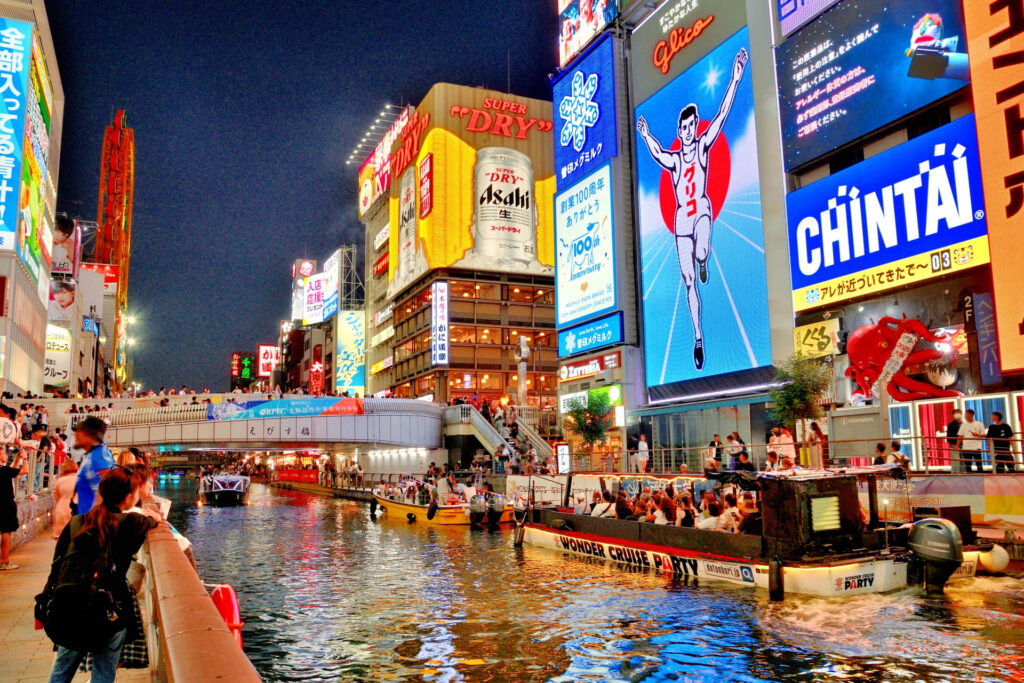
To enjoy Dotonbori scenery while avoiding the crowds, Tonbori River Cruise is the answer. Departing from under the yellow Ferris wheel (in front of Don Quijote), it takes you on a 20-minute cruise along the canal.
Seeing the Glico sign and bridges from water level creates a fresh experience. Cheerful staff will guide you along the way, mostly in Japanese, but with English signboards as well.
Night cruises are especially enchanting as you glide along the neon lights reflecting on the water.
Details
| Name (Japanese) | とんぼりリバークルーズ |
| Name (English) | Tonbori River Cruise |
| Operating Hours | 11:00 AM – 9:00 PM (Departures at :00 and :30) |
| Closed | Irregular (cancelled in bad weather) |
| Reception | Don Quijote Dotonbori Store, riverside entrance |
| Access | 5-minute walk from Namba Station Exit 14 |
| Fee | Adults ¥2,000 / Students ¥1,000 / Children ¥500 |
| Best For | Photo enthusiasts, those tired from walking, couples |
Ebisubashi Arcade Games
Several multi-story game centers are located near Ebisubashi. Here you can experience Japan’s unique arcade culture.
Crane games (UFO catchers) are particularly popular for winning stuffed animals and figures. Rhythm games where you hit drums or buttons to the beat of music are not only fun to play, but to also watch. Japanese youth also love purikura (photo sticker booths) where you take commemorative photos with enlarged, edited eyes—an interesting experience.
This area is a hub of cutting edge Japanese pop culture, perfect for travelers looking for something fun.
Details
| Name (Japanese) | 戎橋周辺のゲームセンター(GiGO, ラウンドワン等) |
| Name (English) | Game Centers near Ebisubashi |
| Hours | 10:00 AM – 11:00 PM (varies by location) |
| Address | Around Namba 3-chome, Chuo-ku, Osaka |
| Budget | From ¥100 (per play) |
| Best For | Game fans, families, rainy-day entertainment |
Namba Grand Kagetsu (NGK)
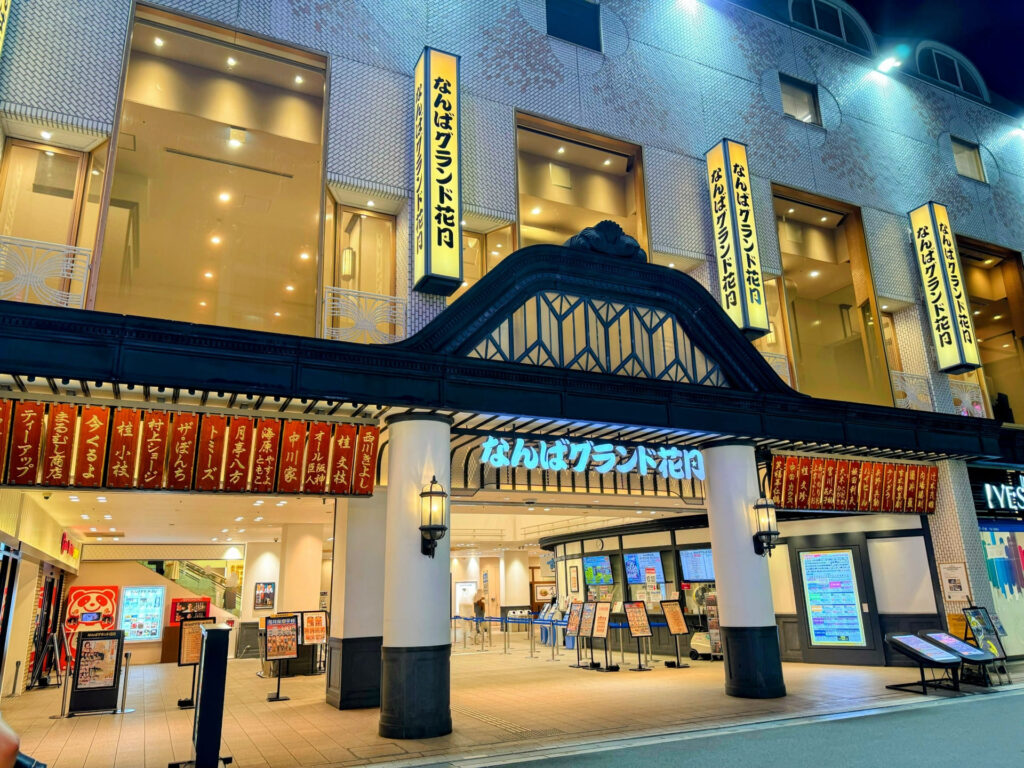
Humor is a way of life in Osaka, and Namba Grand Kagetsu (NGK) lies at the heart of the city’s comedy culture.
Performers stage two main types of shows here. Manzai is stand-up comedy where pairs rapid-fire jokes at microphones. Yoshimoto Shinkigeki is a slapstick comedy.
While manzai requires Japanese understanding, Shinkigeki focuses on comical movements and flashy acting, so like Chaplin or Mr. Bean, it transcends language barriers. Giant mascot dolls greet visitors at the entrance of the theater, and souvenir shops overflow with goofy items. This is your go-to if you’re looking for a good laugh.
Details
| Name (Japanese) | なんばグランド花月 |
| Name (English) | Namba Grand Kagetsu (NGK) |
| Performance Times | Weekdays: 10:00 AM, 2:30 PM, 7:00 PM Weekends/Holidays: 10:00 AM, 1:00 PM, 4:00 PM, 7:00 PM (Varies by performance) |
| Address | 11-6 Sennichimae, Namba, Chuo-ku, Osaka |
| Access | 5-minute walk from Namba Station |
| Fee | 1st floor ¥5,000 / 2nd floor ¥4,500 |
| Best For | Those interested in Japanese TV culture and comedy |
Enjoy Nightlife
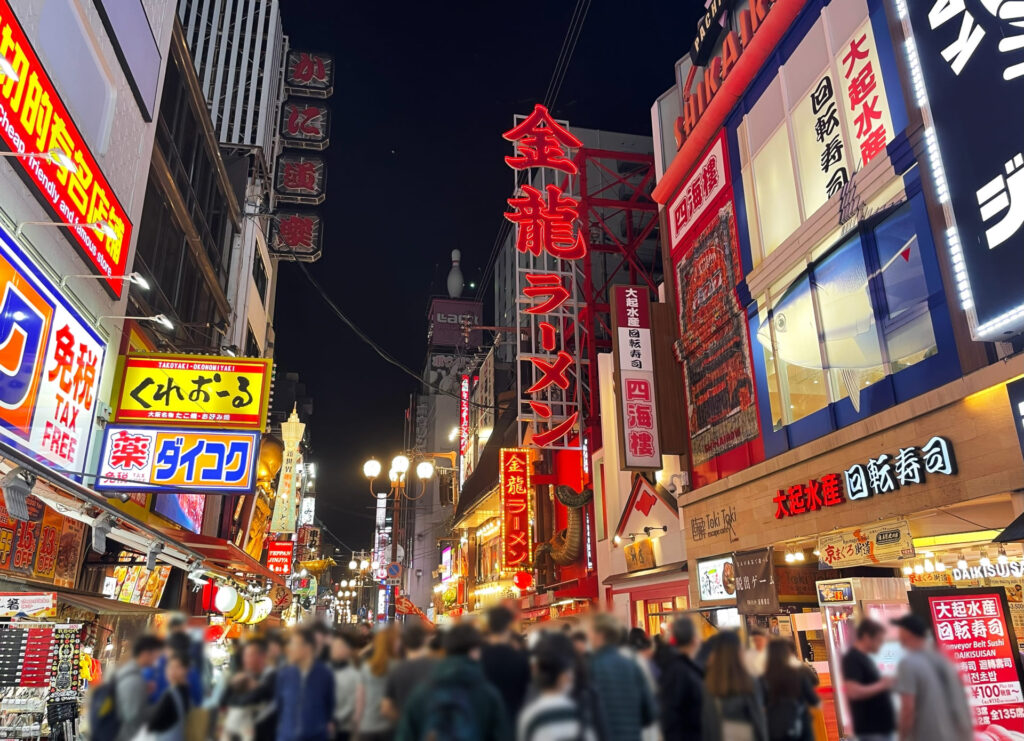
Osaka truly comes alive after sunset. Stroll along neon-lit riverbanks or share drinks shoulder-to-shoulder with locals—an “adult” side of the city that is completely different from daylight hours.
Here are three nightlife spots in Namba that are perfectly safe and immersive.Minami Izakaya Hopping
To enjoy Namba’s night like a local, try izakaya hopping, especially in the Ura-Namba (Back Namba) area, where local eateries cluster in back alleys.
Here, instead of staying long at one place, you eat and drink a little at each. Try grilled chicken skewers, sushi, oden (Japanese stew), then move on to the next shop. Many standing bars make it easy to befriend locals standing beside you over drinks.
For deeper experiences, check out the retro Misono Building, home to subculture bars and Osaka’s offbeat nightlife.
Details
| Name (Japanese) | 裏なんば・味園ビル周辺 |
| Name (English) | Ura-Namba / Misono Building Area |
| Hours | 5:00 PM – late night (varies by shop) |
| Address | Around Sennichimae, Namba, Chuo-ku, Osaka |
| Access | 3-5 minute walk from Namba Station |
| Best For | Drinkers, those wanting local interaction, B-grade food lovers |
Tonbori River Walk
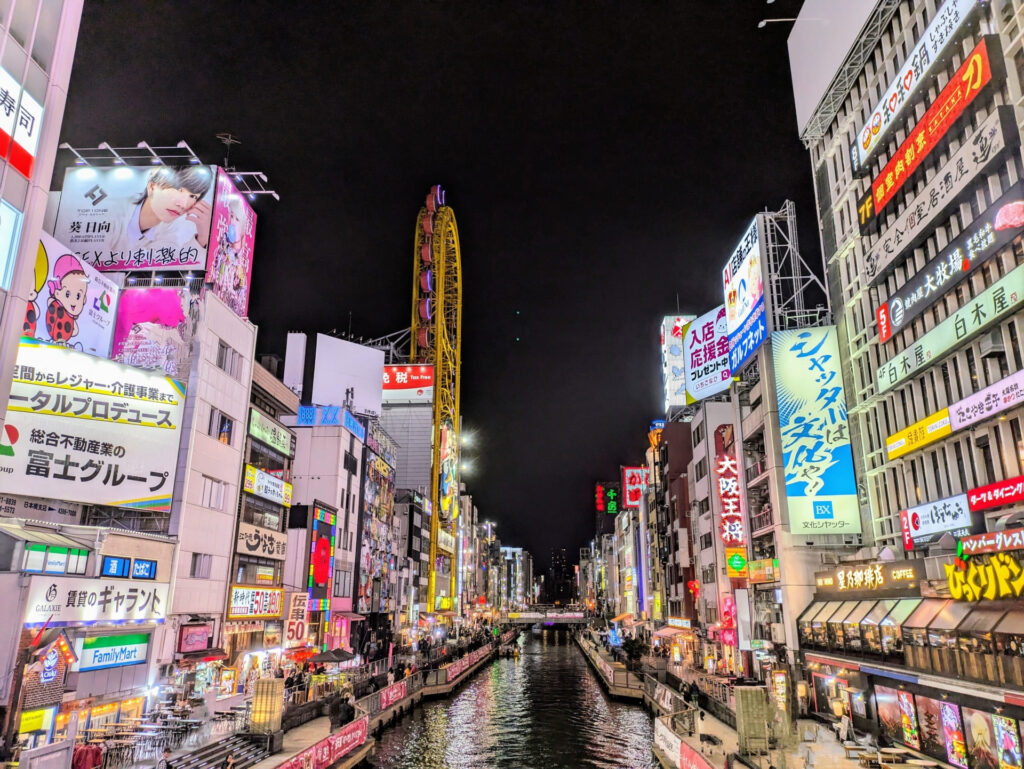
The riverside promenade, known as the Tonbori River Walk, contrasts with the bustling Dotonbori bridges—as time seems to flow more leisurely here.
At night, neon from buildings and signs on both banks reflects on the water, creating a beautiful, glowing corridor. Benches line the river, so you can gaze at the water while enjoying beer from a nearby convenience store.
There are plenty of restaurants and cafés with terrace seating, letting you enjoy elegant dinners while taking in the waterside scenery.
Details
| Name (Japanese) | とんぼりリバーウォーク |
| Name (English) | Tonbori River Walk |
| Hours | Open 24 hours |
| Address | Along Dotonbori River, Chuo-ku, Osaka |
| Access | 5-minute walk from Namba Station |
| Best For | Couples, photo enthusiasts, those tired of crowds |
Namba Hatch Theater
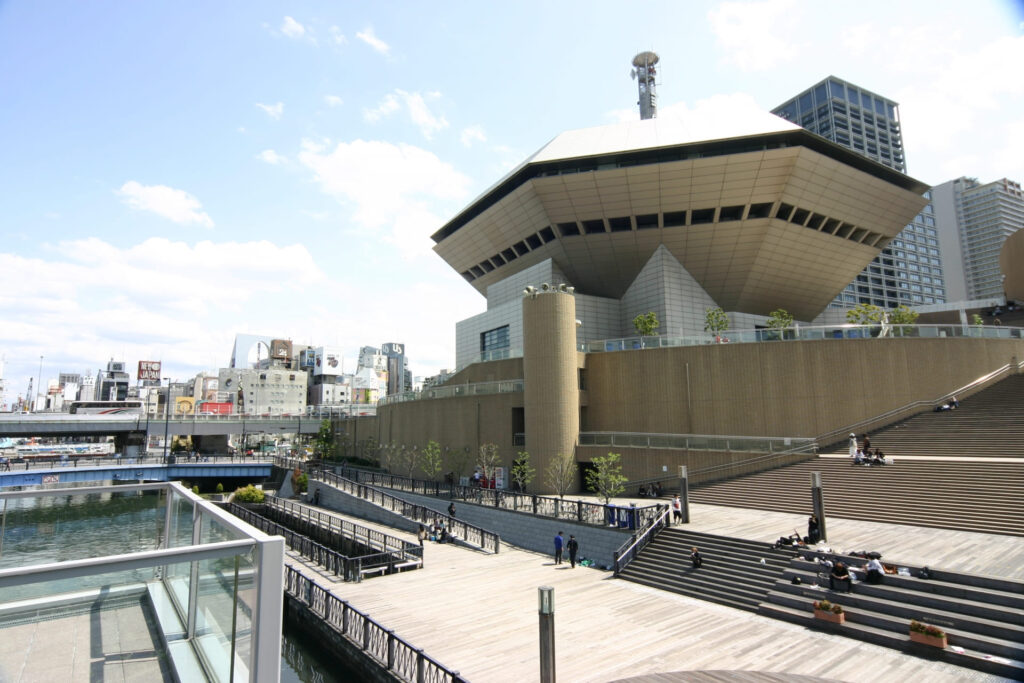
The octagonal building floating like a spaceship at the west end of Dotonbori River is Namba Hatch, one of Osaka’s premier live music venues. It’s also the core of the Minatomachi River Place complex.
This venue holds about 2,000 standing guests and hosts live daily shows by domestic and international artists, spanning rock, jazz, and pop, and more. Its high-quality sound system ensures an immersive musical experience.
Even if you don’t attend a concert , the unique architectural design and surrounding plaza with wooden decks make it a popular spot for strolling along the river.
Details
| Name (Japanese) | なんばHatch |
| Name (English) | Namba Hatch |
| Hours | Varies by performance schedule |
| Address | 1-3-1 Minatomachi, Naniwa-ku, Osaka |
| Access | 3-5 minute walk from Namba stations (all lines) |
| Best For | Music fans, contemporary architecture enthusiasts |
Discover Hidden Gems
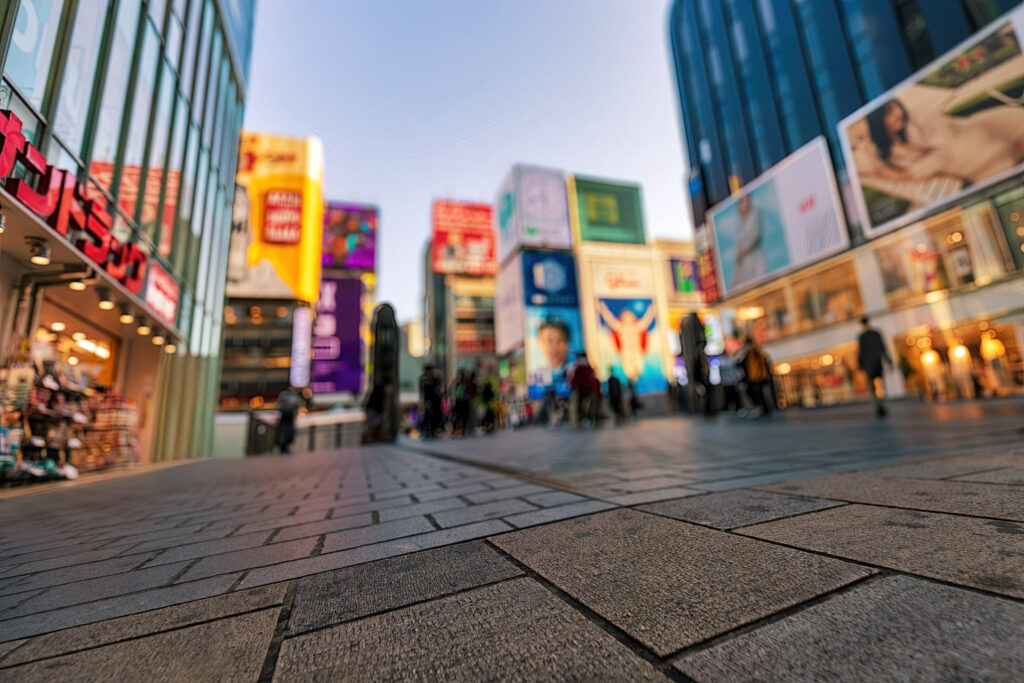
Famous attractions that grace guidebook covers are great, but shift your perspective slightly and you’ll discover some lesser-known, charming spots.
Explore Namba’s quieter side through peaceful gardens where you forget urban noise, and small shrines where local faith thrives—the area’s “hidden gems.”
Keitakuen Garden
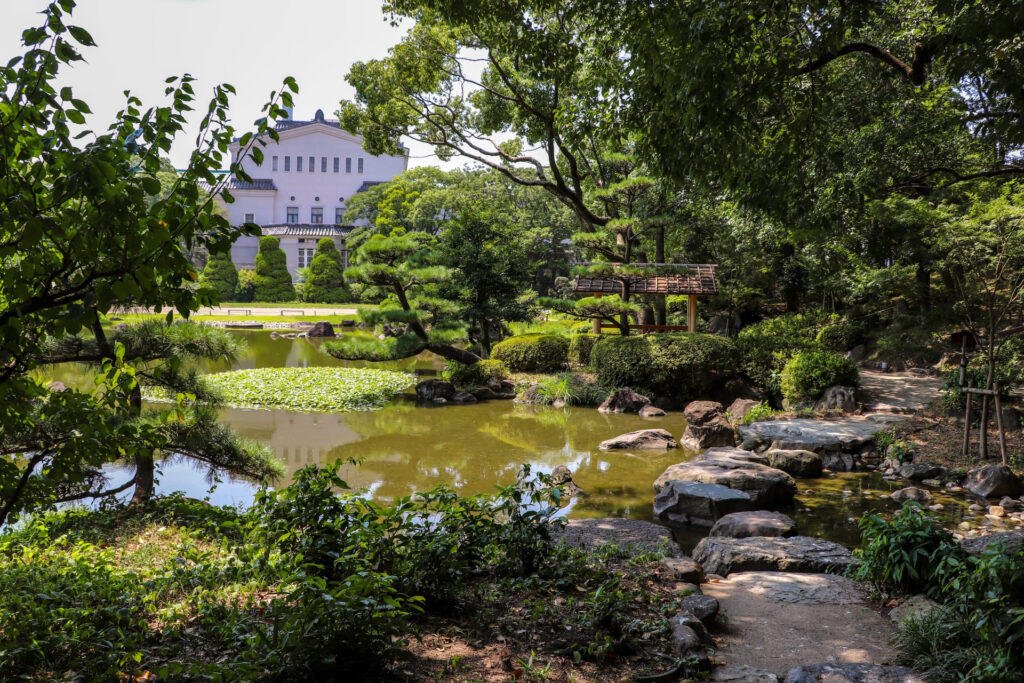
Inside Tennoji Park, Keitakuen Garden, is a hidden-gem, often overlooked by many tourists. Once owned by the wealthy Sumitomo family, the garden was designed by a renowned landscape architect.
The traditional strolling garden features a central pond. Step inside this space in the city’s heart, and you enter a world of tranquility. And for just ¥300, you get to enjoy Japan’s seasonal beauty—cherry blossoms in spring, lush greenery in summer, colorful foliage in autumn—at this ultimate healing spot.
Details
| Name (Japanese) | 慶沢園 |
| Name (English) | Keitakuen Garden |
| Hours | 9:30 AM – 5:00 PM (Entry until 4:30 PM) *Seasonal variations |
| Closed | Mondays (following day if holiday) |
| Address | 1-108 Chausuyama-cho, Tennoji-ku, Osaka (inside Tennoji Park) |
| Fee | Adults ¥300 / College students ¥200 / Junior high and under Free |
| Access | 5-minute walk from Tennoji Station (all lines) |
| Best For | Those seeking quiet, Japanese garden viewers, photo enthusiasts |
GEMS Namba
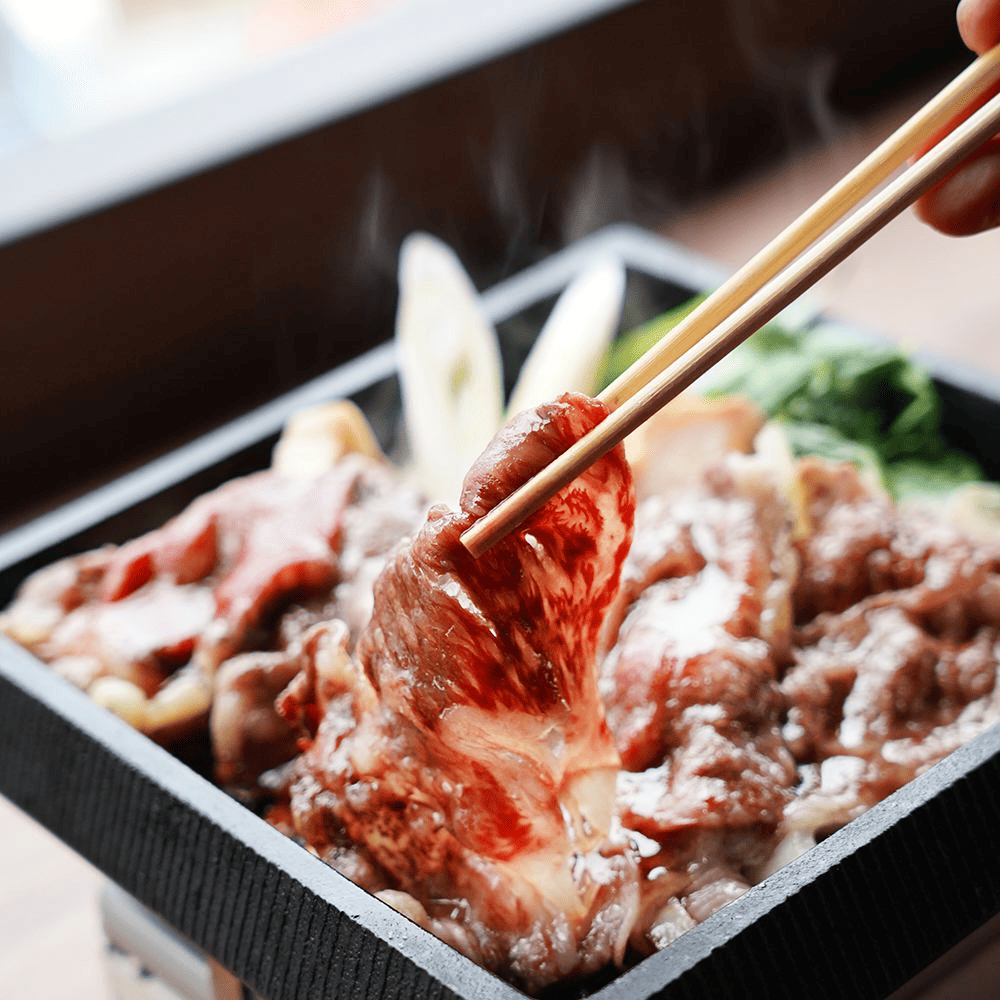
GEMS Namba, located near Namba Station, is a “gourmet building”—an entire building of restaurants.
It houses trending eateries such asHokuto, specializing in wagyu beef sukiyaki (beef hot pot), restaurants serving fish direct from production areas, and craft beer bars. Each floor has a different concept, so just riding the elevator guarantees finding a meal that suits your mood.
The building is clean and offers many English menu options, so it’s a safe, delicious spot for foodie travelers.
Details
| Name (Japanese) | GEMSなんば |
| Name (English) | GEMS Namba |
| Hours | Varies by shop |
| Closed | Varies by shop |
| Address | 3-7-19 Namba, Chuo-ku, Osaka |
| Access | 1-minute walk from Namba Station Exit 11 |
| Best For | Those seeking quality meals, those undecided about restaurants |
Namba Walk Underground
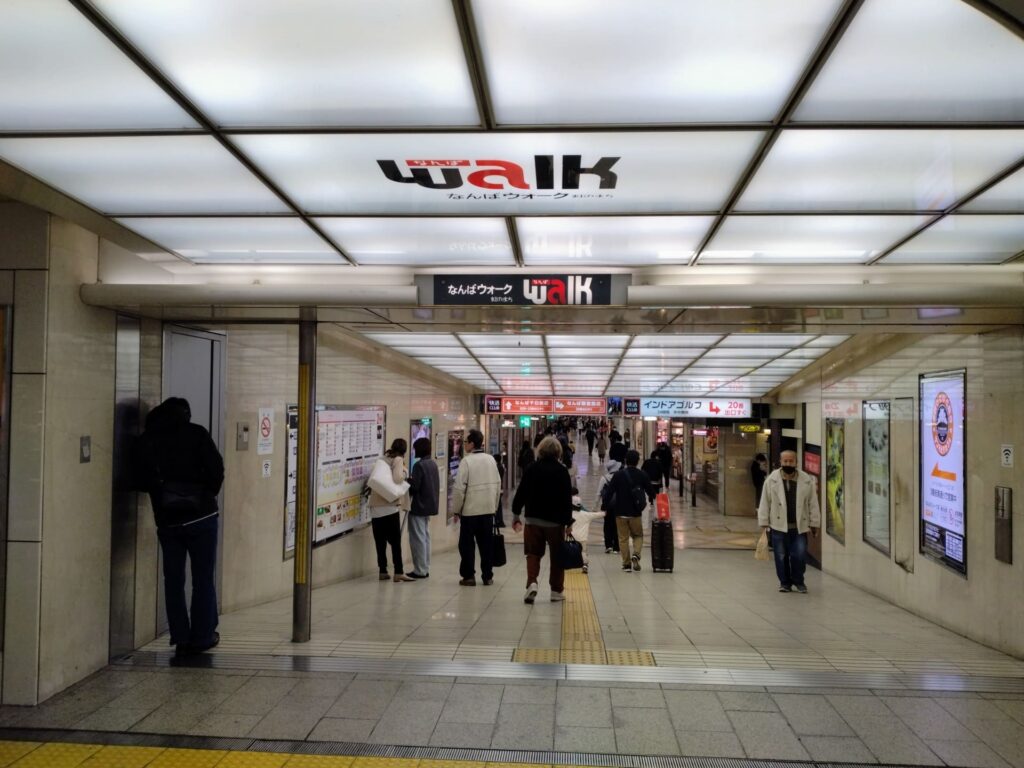
Namba Walk is a massive underground shopping street spreading beneath Namba. It stretches about 715 meters from Nihonbashi Station in the east to JR Namba Station in the west.
The bright corridor lined with over 200 shops—including fashion boutiques, variety shops, cafés, restaurants—is more than just a passage. It’s a strong ally for travelers, offering comfortable shopping and dining on rainy days or hot summer days. Plazas like Whale Park along the route provide convenient rest and meeting spots.
Many shops also sell Osaka souvenirs, making Namba Walk ideal for last-minute gifts before leaving.
Details
| Name (Japanese) | なんばウォーク |
| Name (English) | Namba Walk |
| Hours | 10:00 AM – 9:00 PM (Dining until 10:00 PM) |
| Closed | Third Wednesday of odd months, New Year’s Day |
| Address | 2-1-15 Sennichimae, Chuo-ku, Osaka |
| Access | Connected to Namba Station and Nihonbashi Station |
| Best For | Rainy-day sightseeing, efficient travel seekers |
FAQ
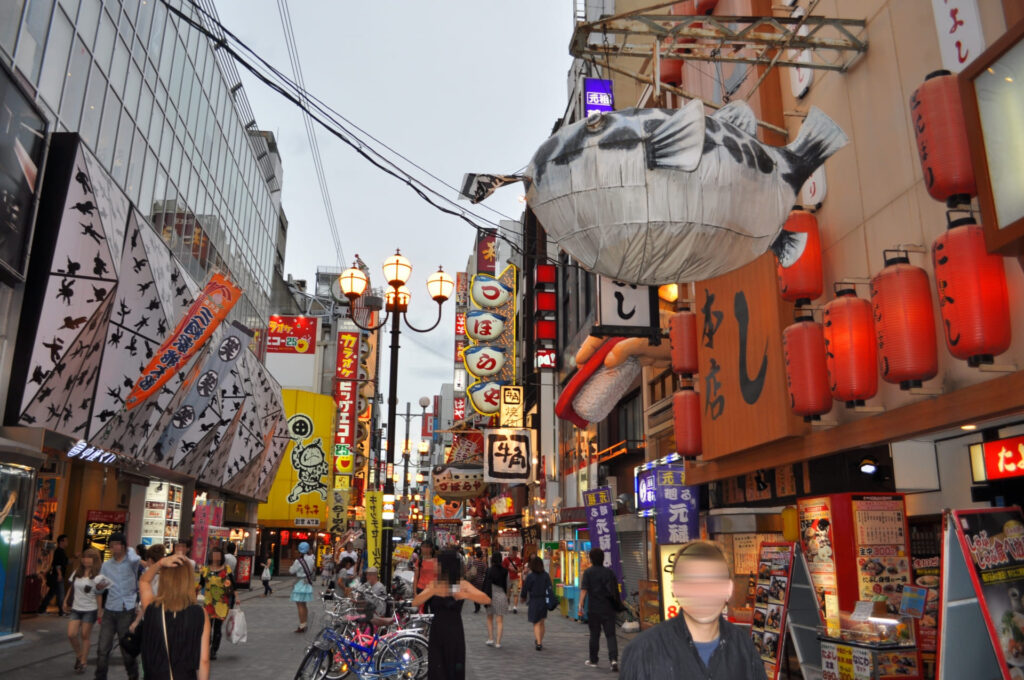
First-time travel to new places often brings questions and concerns. Here are honest, practical answers to four common questions international travelers have.
Knowing these in advance helps you avoid trouble and enjoy Osaka sightseeing comfortably.
Is Namba Safe?
Bottom line: Namba is remarkably safe by global standards. Even women walking alone at night rarely feel threatened.
However, as a busy entertainment district with many people, basic caution is necessary.
- Ignore Touts: Around Dotonbori at night, you may be approached by people promoting bars and izakayas. Smile, say “No, thank you,” and keep walking. Never follow them.
- Pickpocket Prevention: In crowds, keep your bag closed and in front of you—keep valuables close.
- Use KOBAN (Police Boxes): Police boxes are usually located near stations and entertainment districts. Don’t hesitate to ask officers for help if you’re lost or in trouble.
Following these tips means no excessive worry, so go out and enjoy Osaka’s nightlife with confidence!
Can I Use Credit Cards in Namba?
Japan is rapidly adopting cashless payments, but it’s still a good idea to carry some cash with you.
Major department stores, hotels, shopping malls, and convenience stores accept almost all credit cards (Visa, Mastercard, etc.). However, Namba’s long-established takoyaki stalls, traditional diners, and ticket-machine ramen shops with ticket machines often only accept cash.
- Cash Preparation: Keep about ¥10,000-20,000 cash on hand (especially ¥1,000 bills and ¥100 coins).
- ATM Locations: ATMs at 7-Eleven stores accept international cards and operate 24 hours, making it easy to withdraw yen at anytime.
Having cash dramatically expands your choices for delicious local shops. Smart Osaka travel and dining means balancing cash and card payments.
What Etiquette Should I Know?
Japan has distinctive manners, but there’s no need to master them all. Showing respect for locals and being mindful of these four points makes your stay smoother.
| Escalators | In Osaka, stand on the right, leaving the left side open for people in a hurry (opposite of Tokyo). Follow those walking ahead of you. . |
| Eating Etiquette | Don’t walk while eating the food bought at stalls. Stop beside the shop or eat in the designated spaces at each shop. |
| Smoking Rules | Street smoking in Osaka is prohibited by ordinance and subject to fines. Always use designated smoking areas. |
| Trash Disposal | Few trash cans exist on streets. Take trash home or dispose of it where you made your purchase. Never litter. |
You don’t need perfection. Your effort to respect Japanese culture will surely be noticed and you’ll find that Japan is a very welcoming country.
When Does Namba Get Crowded?
Namba is Osaka’s most popular area, so expect crowds, especially on weekend evenings (6:00 PM – 9:00 PM) when walking across Dotonbori bridges can become quite the challenge.
To avoid crowds and enjoy leisurely sightseeing, try these times:
- Weekday Mornings (10:00 AM – Noon): Shopping arcades and Kuromon Market are relatively empty for relaxed browsing.
- Early Morning (7:00 – 8:00 AM): For photos at the Glico sign without anyone in the way, aside from commuters.
- Off-Peak Lunch: Popular restaurants see huge lines from noon to 1:00 PM. Arrive when it opens (around 11:00AM) or after 2:00 PM to reduce wait.
Of course, the crowds are part of Osaka’s energy, but adjusting your timing will let you enjoy the experience with less stress.
Your Namba Adventure Awaits
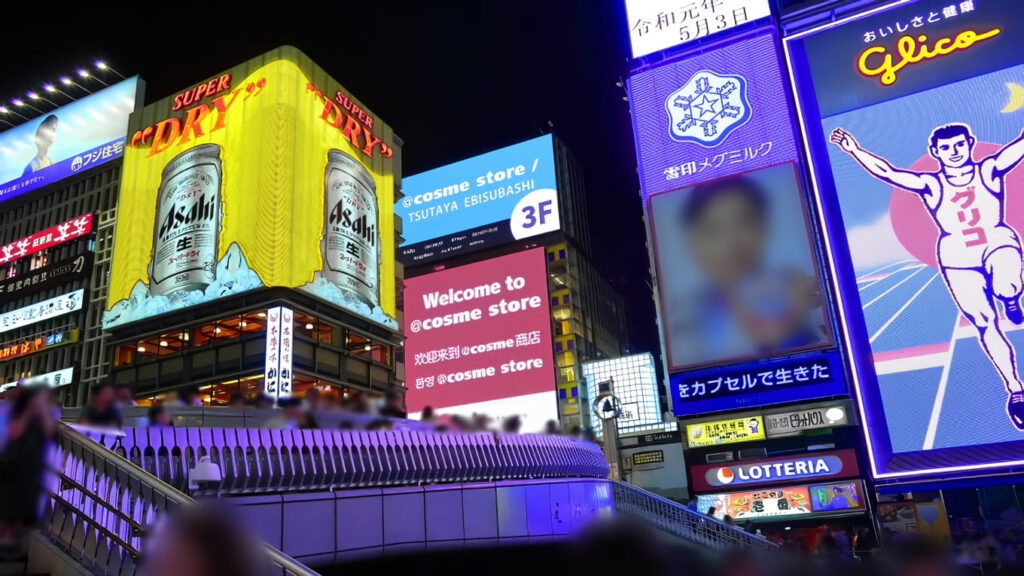
From historic temples to neon-lit nightlife, Namba offers something for every kind of traveler. This neighborhood packs all of Osaka’s intense appeal into one exciting place.
Eat delicious local food, shop, and experience hidden cultural gems—all within walking distance. With excellent connections to Kansai Airport, Kyoto, and Nara, making this your travel base is a sure bet while exploring the Kansai region.
Ready to explore? Come hungry, wear comfortable shoes, and dive into Namba. The ultimate kuidaore (eating yourself into ruin) experience awaits!