Sumo Wrestling in Osaka: Complete Guide | Tournaments, Experiences & Chanko Nabe
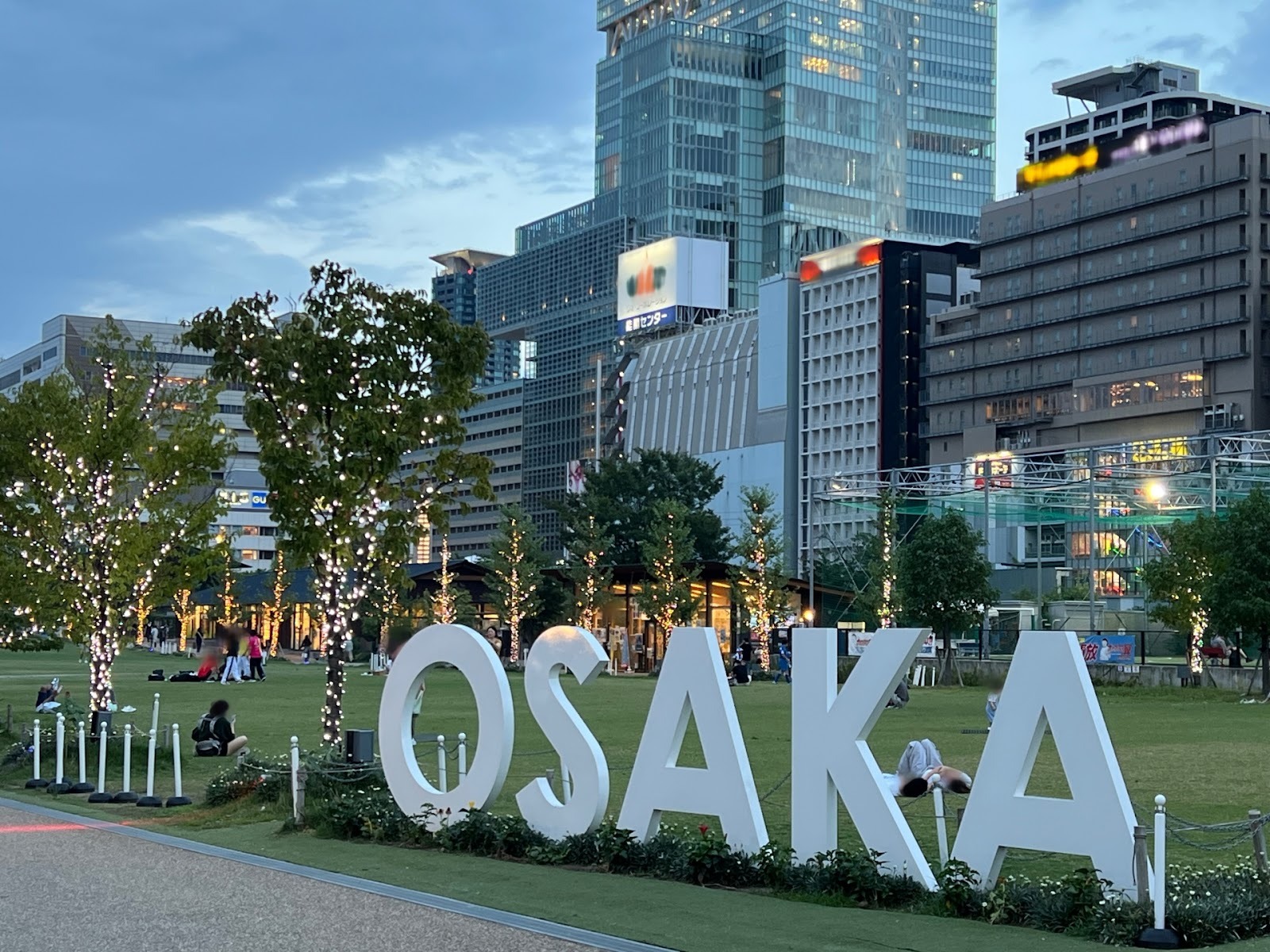
The floor trembles. Three-hundred-pound wrestlers collide with a boom that echoes through the arena. The crowd roars. This is sumo wrestling in Osaka—and it’s just as thrilling as the city’s famous street food.
Sure, Osaka is known for takoyaki (octopus meat-filled batter balls) and okonomiyaki (a savoury pancake made with vegetables and meat). But it’s also one of Japan’s best cities to experience sumo, the country’s 1,500-year-old national sport.
Every March, Osaka hosts the official Grand Tournament, and year-round you can enjoy sumo shows, taste authentic “chanko nabe” (Sumo wrestler stew) prepared by former wrestlers, and even step into the ring yourself. From professional tournaments to hands-on experiences and delicious meals, this guide covers everything about sumo wrestling in Osaka.
Contents
- Discover Sumo Wrestling in Osaka
- Watch Professional Sumo Wrestling in Osaka: Tournaments & Tours
- Sumo Wrestling Osaka Experiences: Shows, Challenges & Cultural Immersion
- Watch Morning Practice: Behind the Scenes of Sumo Wrestling
- Taste Sumo: Authentic Chanko Nabe Restaurants
- Sumo Beyond Osaka: Sacred Sites & Hidden Gems
- Which Sumo Experience Is Right for You?
- Sumo Etiquette: Essential Manners & Tips
- Start Your Sumo Wrestling Osaka Adventure
Discover Sumo Wrestling in Osaka
Many travelers think sumo wrestling is something you can only experience in Tokyo, but Osaka has its own deep sumo culture that goes back centuries.
In Osaka, the formal traditions of sumo blend with the city’s warm, entertaining spirit. Come explore this world where ancient rituals meet modern accessibility.
Japan’s National Sport: What Is Sumo?
When you first watch sumo, it might look like a wrestling match. But it’s actually much more than that. Sumo isn’t just wrestling—it’s a 1,500-year-old sacred custom deeply rooted in Shinto, Japan’s indigenous religion.
Every movement a wrestler makes in the ring carries meaning. When they throw salt, they’re purifying the space. When they lift their legs high and stomp down in a movement called “shiko,” they’re driving evil spirits from the earth. These actions are both warm-up exercises and sacred rituals.
The rules are surprisingly simple. You lose if you step outside the ring or if any part of your body except the soles of your feet touches the ground. Yet the real beauty of sumo lies in everything leading up to that moment: the stillness, the ceremony, the mental focus.
Osaka’s Deep Connection to Sumo
Osaka’s relationship with sumo stretches back hundreds of years. During the Edo period, the city had its own professional sumo organization called “Osaka Sumo” that rivaled Tokyo’s.
Every March, Osaka hosts the Grand Tournament. During these 15 days, you can spot wrestlers throughout the city, and the entire town buzzes with sumo excitement. Locals look forward to it as a sign of spring in Osaka.
Why Experience Sumo in Osaka?
Sumo wrestling in Osaka offers major advantages for travelers.
First, the city excels at tourist-friendly sumo experiences. Even if you can’t get tickets to the March tournament, you’ll find sumo shows with English commentary by former wrestlers and facilities where you can actually step into the ring.
English support is strong here. With Osaka’s large international visitor population, many sumo programs now feature English translations. You can enjoy rule explanations and interact with wrestlers without worrying about the language barrier.
Plus, you can combine sumo with food. True to Osaka’s reputation as a culinary capital, you’ll find plenty of packages that pair authentic chanko nabe with sumo experiences.
Osaka preserves tradition while making sumo fun and accessible. That’s the city’s unique appeal.
5 Ways to Experience Sumo in Osaka
Depending on your travel style and schedule, you can enjoy sumo in Osaka five different ways:
- Professional Tournament: Watch active, high-ranking wrestlers compete in the official March tournament and feel the energy of the crowd first-hand.
- Tourist Shows & Experiences: Watch performances by former wrestlers or step into the ring yourself to challenge them (available year-round).
- Morning Practice: During the March tournament period, watch wrestlers train intensely during early morning practice sessions.
- Food Culture: Taste chanko nabe, the hearty stew that builds up wrestlers’ bodies, at restaurants run by former wrestlers.
- Historical & Cultural Sites: Visit shrines and museums connected to sumo to learn about its vast history and legends.
The following sections will introduce specific spots and explain how to book each activity.
Watch Professional Sumo Wrestling in Osaka: Tournaments & Tours
Watching sumo on TV and watching it live are completely different experiences. The sharp slapping sound made when wrestlers collide, the vibrations that shake the floor, how hot it gets in the arena—you can only feel these things in person.
In Osaka, you can watch today’s top sumo wrestlers compete at the annual Grand Tournament or at regional tours. However, tournament tickets are extremely difficult to get—they’re often called “platinum tickets” for this reason. To guarantee entry, you’ll need to plan ahead, perhaps by booking a tour package with tickets included.
The Grand Tournament
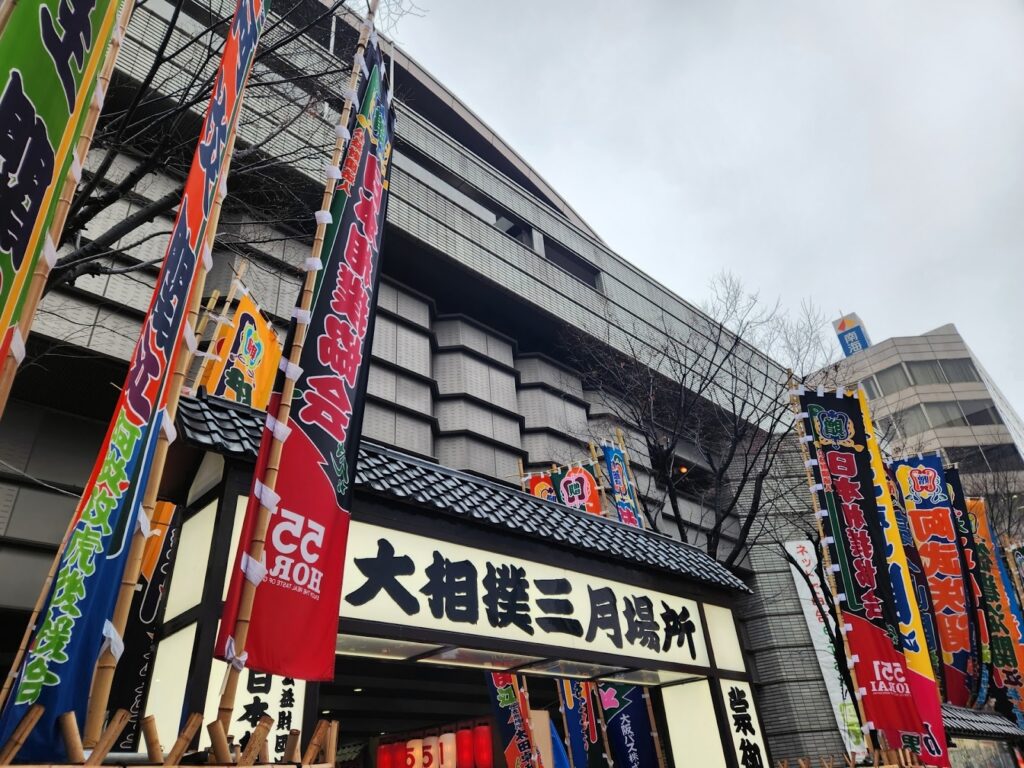
Every March, Edion Arena Osaka hosts the 15-day Grand Tournament. The action runs from morning to evening, but the real show starts around 16:00 when the top-division makuuchi wrestlers (top-division sumo wrestlers) take the ring.
Wrestlers enter wearing colorful ceremonial aprons. Then the highest-ranked yokozuna (grand champions) perform their solemn ritual. The arena fills with breathless tension. When a match ends, the crowd’s roar will send chills down your spine.
Tickets are extremely hard to get, however. Advance tickets often sell out within minutes. Consider yourself lucky if you can get them, and try accessing the official website on the sale date, about one month before the tournament starts.
Event Information
| Venue | Edion Arena Osaka |
| Access | 5-minute walk from Namba Station |
| When | Every March (Duration:15 days) |
| Price Range | Chair seats from ¥3,500 / Box seats from ¥8,500 |
Grand Tournament Tours
Couldn’t get tickets? Worried about booking in Japanese? English-guided tour packages are your most reliable option in these scenarios as these packages often include those hard-to-get tournament tickets.
What’s more, a sumo-expert guide accompanies you, explaining the meaning behind the wrestlers’ movements and historical background information. Even without prior knowledge, you’ll come to understand the intricacy of sumo.
Many tours include a special sumo bento lunch box and souvenirs. For those who want to enjoy a VIP experience without the stress of securing tickets, this is a smart choice.
Provincial Tours
If you want a more relaxed sumo atmosphere, regional tours (jungyo) offer something different from the intense competition of the main tournaments. During the off-season, wrestlers travel around Japan for these exhibition events.
The appeal of regional tours is how close you can get to the athletes. You can meet your favorite wrestlers directly at autograph sessions and photo opportunities. The events also feature comedy performances called shokkiri that demonstrate illegal sumo moves, and sumo jinku where wrestlers showcase their singing voices—entertainment filled with laughter and emotion.
Tickets are easier to get than for the main tournament, so check the Japan Sumo Association’s official website for tour schedules. If an event is scheduled to occur near you during your trip, it’s worth attending.
Sumo Wrestling Osaka Experiences: Shows, Challenges & Cultural Immersion
You don’t need main tournament tickets to experience sumo wrestling in Osaka. The city offers diverse sumo entertainment options year-round to match different needs.
Want to watch a modern show, step into a sacred ring yourself, or combine sumo with a delicious meal? Choose the experience that fits your travel style.
Here are some particularly recommended spots.
sumo studio osaka

If you want more than just watching a show—and want to truly understand sumo culture—sumo studio osaka is perfect. Located about 10 minutes by train from Namba, this venue offers an intensive 90-minute experience.
The biggest draw? Learning directly from former professional wrestlers. The instructors have trained rigorously in the Japan Sumo Association and have competed professionally. After retiring, they continue sharing sumo culture here.
The entire program runs in English:
- Cultural Explanation: Why do wrestlers throw salt before fighting? Because it purifies the ring. You’ll learn the meaning behind rituals such as these.
- Demonstration: Watch matches between retired athletes up close, just like in their active days. You’ll see the collision of bodies and hear their breathing at close range.
- Challenge: You can step into the ring yourself and try pushing a wrestler. Feel the strength of their bodies firsthand.
- Interaction: The session ends with Q&A and photo time. Conversations with these friendly wrestlers are sure to become a cherished travel memory.

You won’t just watch—you’ll touch, talk, and truly understand. If you want genuine contact with sumo culture, this is the perfect place for you.
Facility Information
| Location | Nishinari-ku, Asahi 1-5-1 AI Building |
| Access | 10 seconds from Subway Hanazono-cho Station Exit 4 5 minutes from Haginochaya Station |
| Hours | 10:00-11:30 AM, 12:30-2:00 PM, 3:00-4:30 PM, 5:30-7:00 PM, 8:00-9:30 PM |
| Closed | Open daily |
| Price Range | ¥14,000 |
| Best For | Direct interaction with wrestlers, deep cultural immersion with English support |
THE SUMO HALL Hirakuza OSAKA
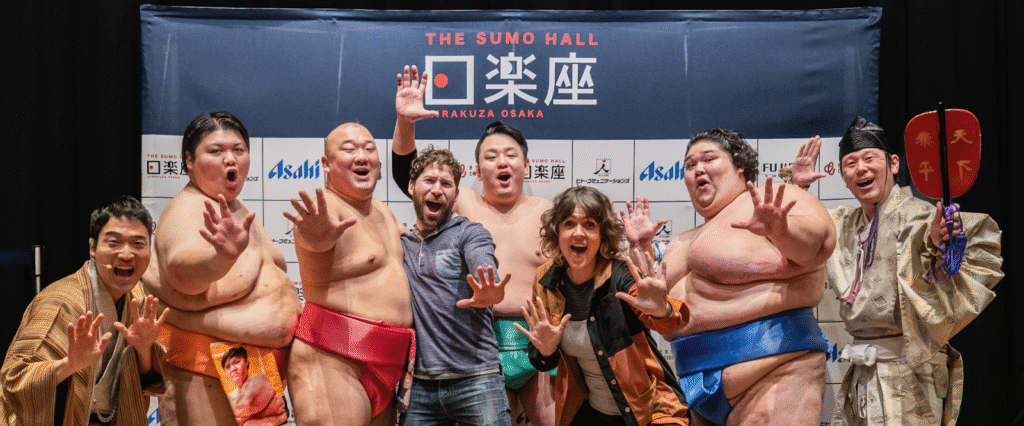
If you want to enjoy sumo as entertainment, THE SUMO HALL Hirakuza OSAKA in a Namba shopping mall is ideal. This permanent venue hosts daily shows where former wrestlers perform authentic sumo action combined with video and lighting technology.
The show is presented entirely in English. Beyond serious matches, you’ll enjoy comedic demonstrations of illegal sumo moves and taiko drum performances—entertaining even without sumo knowledge.
The style of watching the show while eating a special bento box (vegan and halal options available) in a comfortable indoor setting is popular with families and couples.
Facility Information
| Location | Namba Parks 8F, Naniwa-ku, Namba-naka 2-10-70 |
| Access | 3-minute walk from Namba Station 5-minute walk from Osaka Namba Station |
| Hours | 11:00 AM- 11:00 PM |
| Closed | Tuesdays, New Year holidays |
| Price Range | From ¥13,200 |
| Best For | Those wanting modern entertainment shows, families and couples seeking comfortable dining experiences |
Sumo Restaurant Ochi Izumibeya
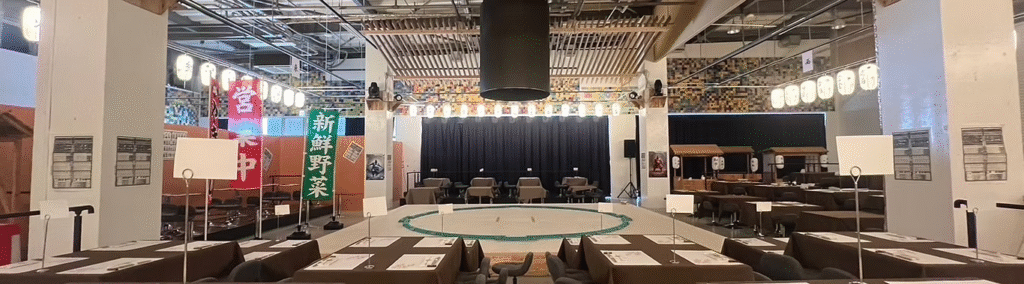
This large restaurant in Rinku Town, across from Kansai International Airport, is perfect for those wanting to enjoy a meal and sumo show together. The venue features a genuine ring at its center, with shows produced by former ozeki (second-highest rank) Konishiki, an American-born sumo wrestler whose birth-name is Saleva’a Fuauli Atisano’e.
You can enjoy famous shio (salt-flavoured) chanko nabe and Japanese festival foods while watching performances right in front of you. Additionally, audience participation segments create an atmosphere where the entire venue celebrates together.
Facility Information
| Location | Izumisano City, Rinku Orai Minami 3, inside “Ochi Arena” |
| Access | 3-minute walk from Nankai Rinku Town Station |
| Hours | 12:00 PM- 8:00 PM |
| Closed | Monday-Thursday, public holidays and days before/after holidays |
| Price Range | From ¥13,000 |
| Best For | Those near the airport, large groups wanting lively entertainment |
Active Square Daito
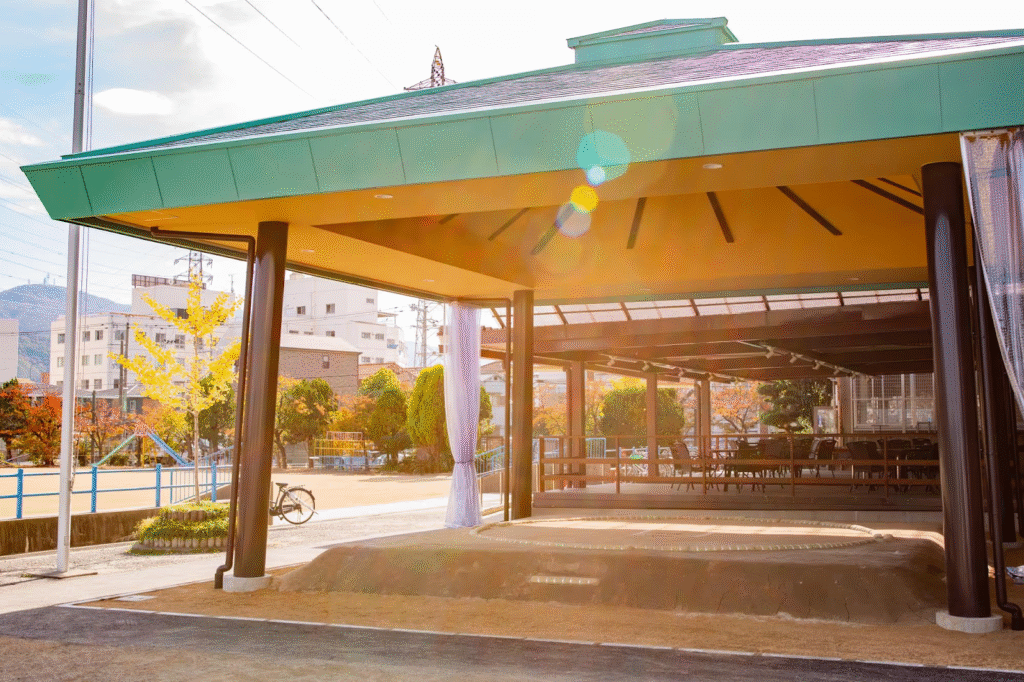
If you’re thinking “just watching sumo isn’t enough, I want to train like a wrestler,” Active Square Daito is for you. This facility in Daito City features a genuine ring using the same clay as Tokyo’s Ryogoku Kokugikan.
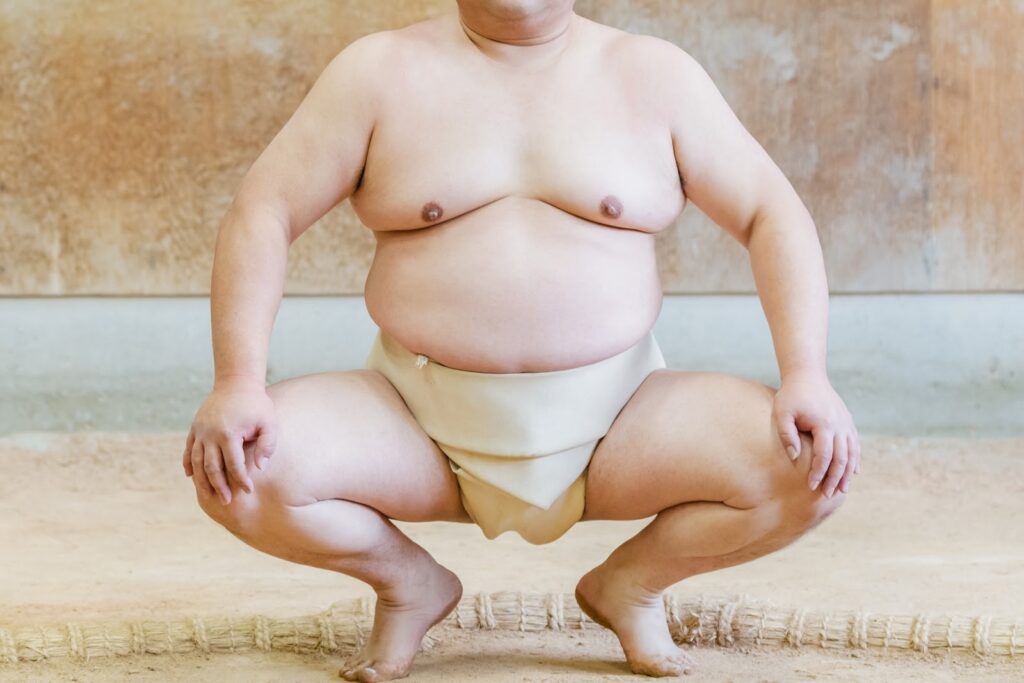
Here you don’t just wear a suit over your clothes—you actually tie on a mawashi (sumo belt) and step into the ring. Walking barefoot on the clay, learning shiko (high leg lifts and stomps) and suri-ashi (sliding footwork) brings you close to authentic training. Perfect for those craving a deep Japanese cultural experience.
Facility Information
| Location | Daito City, Fukano 3-28-3 |
| Access | About 5 minutes from JR Nozaki Station |
| Hours | 10:00 AM- 6:00 PM |
| Closed | New Year holidays |
| Price Range | From ¥8,800 |
| Best For | Those wanting to move their bodies on a genuine ring, people interested in martial arts |
Ohama Park Sumo Arena
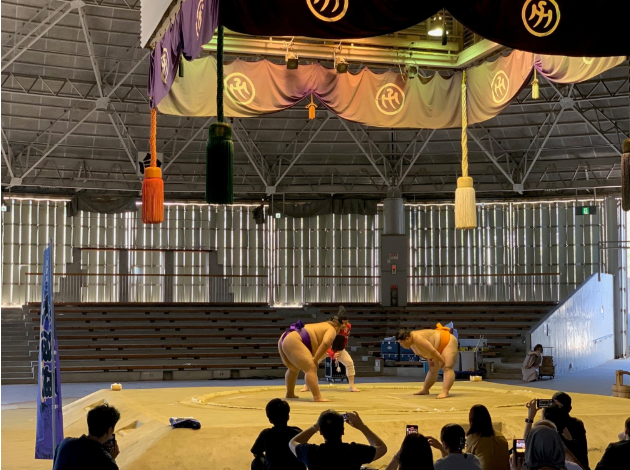
If quiet history speaks to you more than lively shows, head to Ohama Park Sumo Arena in Sakai City. This location is known as the birthplace of amateur sumo,and the indoor arena here has over 100 years of history.
Former wrestlers run cultural programs here. Under their guidance, you can try traditional rituals like salt throwing on the sacred ring. Here you can also experience sumo’s spiritual side in stillness, providing a different experience from professional events.
Facility Information
| Location | Sakai-ku, Sakai City, Ohama-kitamachi 4-2 |
| Access | 10-minute walk from Nankai Sakai Station |
| Hours | 9:00 AM- 9:00 PM |
| Closed | First Monday of each month, New Year holidays |
| Price | ¥22,000 |
| Best For | Those interested in sumo history and culture, people wanting to see inside a sumo arena |
Watch Morning Practice: Behind the Scenes of Sumo Wrestling
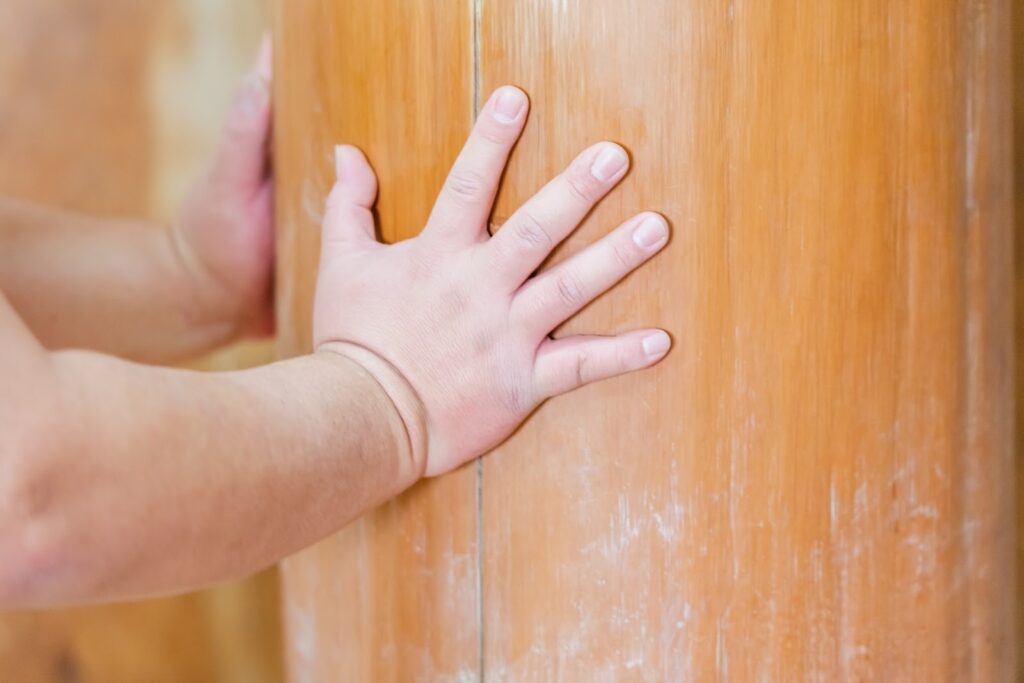
Behind the glamorous tournament stage lies each wrestlers’ grueling, daily routine. Sumo stables hold morning practice year-round. During the Osaka tournament period, wrestlers set up temporary lodgings at temples and shrines in and around Osaka where they continue their daily training.
During the pre-tournament preparation period, wrestlers collide with one another from early morning. You can hear the thunderous slap of flesh on flesh and the wrestlers’ ragged breathing cutting through the air. Morning practice (keiko) lets you observe this up close. It’s one of the most intimate ways to touch sumo’s essence,and it will leave a different impression than watching matches.
Note that once the tournament begins, practice often becomes less vigorous so as not to fatigue the athletes, and viewing may not be possible some days. If you want to see more intense training, aim for the pre-tournament period.
Public Morning Practice at Sumo Stables
During the spring tournament season, some sumo stables open their morning practice to the public. These are precious opportunities to watch for free from outside windows or on shrine grounds.
This isn’t a tourist spot. It’s a training ground where wrestlers seriously push their limits. While observing, refrain from chatting, set your phone to silent mode, and watch quietly. Camera flashes are also not allowed.
Available stables and times may change the morning of or the day before, often announced via social media. English information is often unavailable, but if you research carefully beforehand and participate with respect, you’ll touch authentic Japanese culture in a way you can’t elsewhere.
Morning Practice Tour
First time? Don’t speak Japanese? Want to avoid trouble? Join an English-guided tour.
Tours provide an expert guide who explains manners and escorts you to the lodgings. You can concentrate on observing without worrying about language barriers. Plus, the guide provides real-time commentary on the practice content and wrestlers’ hierarchical society. You’ll gain a deep understanding you wouldn’t get from just watching.
If you’re lucky, you might get a chance to take photos with relaxed wrestlers after practice.
Taste Sumo: Authentic Chanko Nabe Restaurants
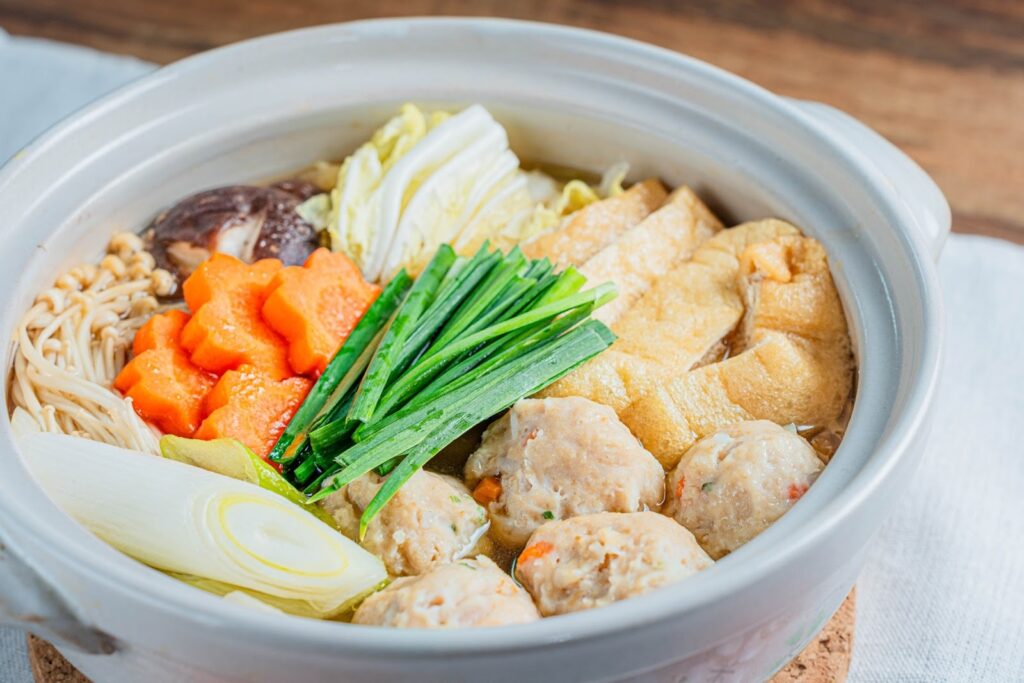
After watching sumo, experience the culture through taste with chanko nabe, a sumo wrestlers’ soul food.
This isn’t just a hot pot dish. In sumo stables, everyone gathers around the same pot,from the master to new apprentices. This important ritual of eating together strengthens team bonds.
It’s an ideal nutritious and balanced meal with meat, fish, and vegetables. In the past, chicken was considered lucky because it stands on two legs, avoiding the image of “hands touching the ground” (which is equated with losing in sumo). Today, various ingredients including pork and beef are enjoyed.
Osaka has many authentic chanko nabe restaurants run by former wrestlers. Each stable guards its own secret broth recipe, passed down through generations. Try comparing each restaurant’s personality, from light chicken broth to rich miso.
Restaurants Serving Authentic, Traditional Chanko Nabe
At restaurants run by former wrestlers, you can enjoy the authentic flavors actually eaten in sumo stables. Traditional soups, usually soy sauce- or salt-based, are simple yet deeply flavorful. Owners with years of experience making chanko nabe have managed to cultivate these rich flavors.
These restaurants are recommended for those wanting to thoroughly understand sumo culture through food and experience genuine traditional flavors.
Sumo Chaya Terao Osaka (Umeda)
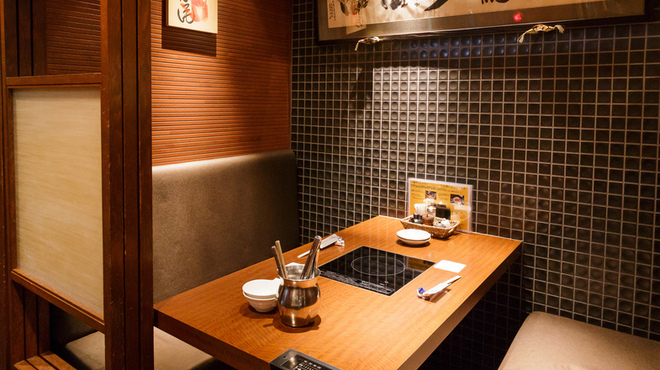
This restaurant uses secret recipes passed down through former sekiwake (third-highest ranking sumo wrestler) Terao’s family. The soy sauce-based soup, rich with chicken broth and vegetable umami, fills the air with a savory aroma. It’s light yet heartily flavorful. You’ll want to drink every last drop.
Store Details
| Location | Kita-ku, Umeda 2-4-6 |
| Access | 5-minute walk from JR Osaka Station 3-minute walk from Subway Nishi-Umeda Station |
| Hours | Lunch 11:30 AM- 2:00 PM / Dinner 5:00-10:00 PM |
| Closed | Sundays |
| Budget | From ¥4,000 |
| Best For | Those wanting traditional soy sauce flavor, groups desiring quiet private rooms |
Creative Chanko Masukaze (Yodogawa-ku, Nishinakajima)
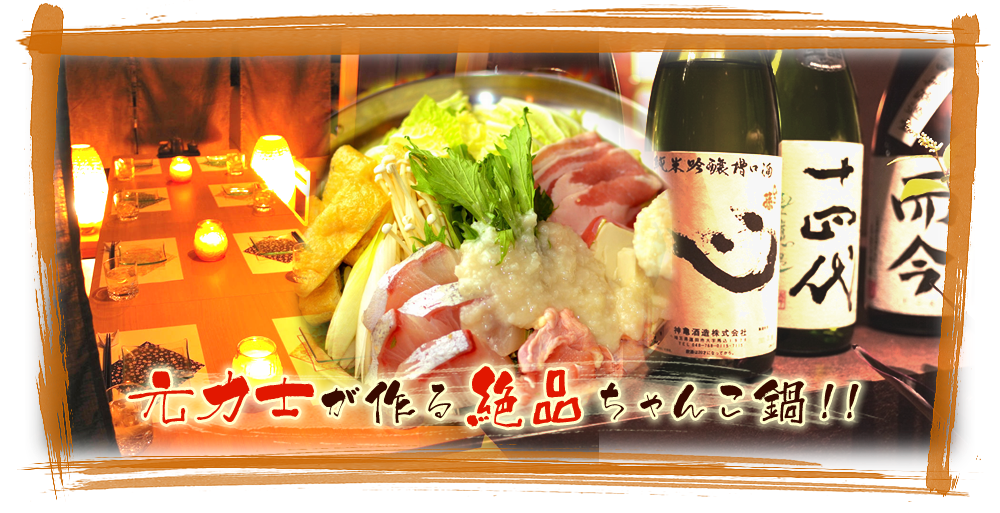
Step into this cozy, homey restaurant where the aroma of simmering kelp and chicken broth greets you. Run by a former wrestler, the owner carefully extracts umami from simple, quality ingredients, and his hot pot dishes feature easy-to-eat flavors centered on salt and soy sauce. With the addition of seasonal ingredients in hot pots and side dishes, local regulars have loved it for years.
Store Details
| Location | Yodogawa-ku, Nishinakajima 3-12-15 |
| Access | 3-minute walk from Subway Nishinakajima-Minamigata Station |
| Hours | Mon-Thu 6:00- 11:30 PM / Fri-Sat 6:30-11:30 PM |
| Closed | Sundays, public holidays |
| Budget | From ¥4,000 |
| Best For | Those wanting a relaxed dining atmosphere, people who enjoy traditional simple flavors |
Chanko Nabe Kasuga (Ibaraki City)
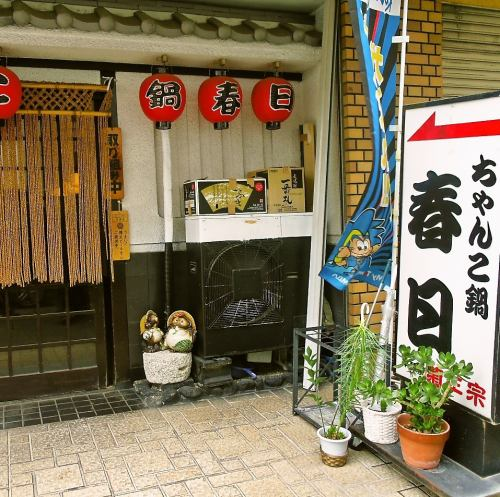
This renowned restaurant has been in business for over 40 years and offers overwhelming volume in their dishes, with over 20 ingredients included in their hot pot. Watch meat and vegetables simmer slowly in the secret sauce, the steam rising and filling the room with rich, comforting aromas. The meal is traditionally finished with special udon noodles.
Store Details
| Location | Ibaraki City, Tenno 2-4-12 |
| Access | 3-minute walk from Hankyu Minami-Ibaraki Station |
| Hours | 5:00-11:00 PM |
| Closed | Open daily |
| Budget | From ¥3,000 |
| Best For | Those wanting to eat chanko nabe until full, families |
Rikishi Ryori Tenraisan (Takaishi City)
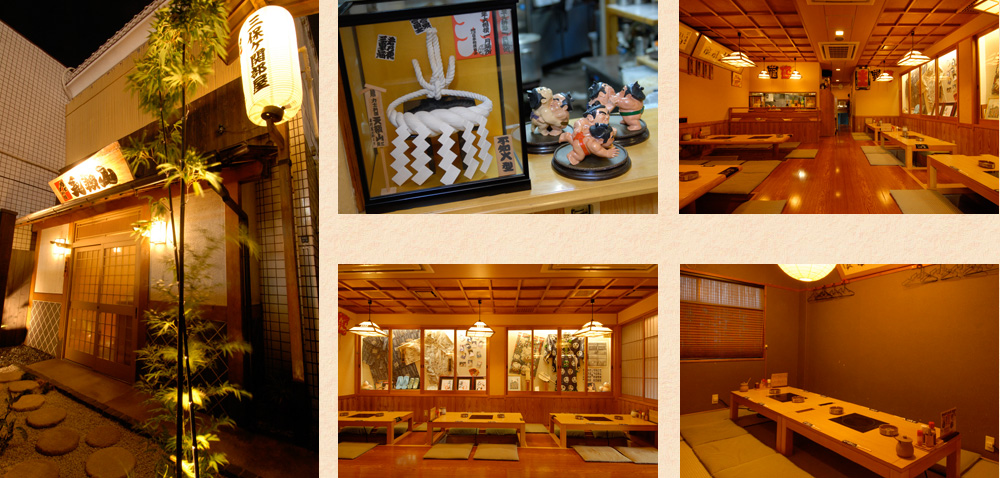
A former wrestler opened this restaurant 30 years ago. Here, they maintain a purist style and compete with other restaurants only with a soy sauce-based soup. With a unique system allowing customers to bring their own ingredients, it’s always lively with local gatherings.
Store Details
| Location | Takaishi City, Nishi-Toriishi 6-6-71 |
| Access | 10-minute walk from JR Tomoki Station 10-minute walk from Nankai Takaishi Station |
| Hours | 5:00-10:30 PM |
| Closed | Tuesdays |
| Budget | From ¥4,000 |
| Best For | Those wanting a local atmosphere, people seeking interaction with regular customers |
Restaurants Serving Casual Chanko Nabe
Meanwhile, more casually accessible chanko restaurants also exist. With bright, open atmospheres and individual portion-sized pot options, they offer traditional flavors in modern styles with light salt-based tastes and beautiful presentations.
These restaurants suit various occasions, whether you’re dining alone, with a partner, or traveling solo.
Sumo Kitchen Sagano (Namba)
Run by former makuuchi wrestler Sagano, this stylish chanko restaurant’s signature shio chanko (salt flavour-based hot pot) is characterized by eating it with yuzu kosho (citrus pepper paste). Featuring carefully selected ingredients and refined flavors, even food connoisseurs will be impressed.
Store Details
| Location | Chuo-ku, Nishi-Shinsaibashi 2-4-6 |
| Access | 2-minute walk from Subway Namba Station |
| Hours | 5:00-11:00 PM |
| Closed | Tuesdays |
| Budget | From ¥4,000 |
| Best For | Couples wanting a refined atmosphere, those desiring special dinners |
Chanko Izakaya Taichizan (Umeda)
Former wrestler Taichizan runs this cozy izakaya alone. The appeal here is the rare individual pot style for chanko, making it easy for solo travelers to drop in. You can chat with the owner across the counter and listen to his sumo stories.
Store Details
| Location | Kita-ku, Umeda 1-2-2 Osaka Ekimae Dai-2 Building B2F |
| Access | 3-minute walk from JR Kita-Shinchi Station |
| Hours | 5:30-10:30 PM |
| Closed | Thursdays, Sundays |
| Budget | From ¥3,000 |
| Best For | Solo travelers, those wanting authentic flavors at a reasonable price |
Sumo Beyond Osaka: Sacred Sites & Hidden Gems
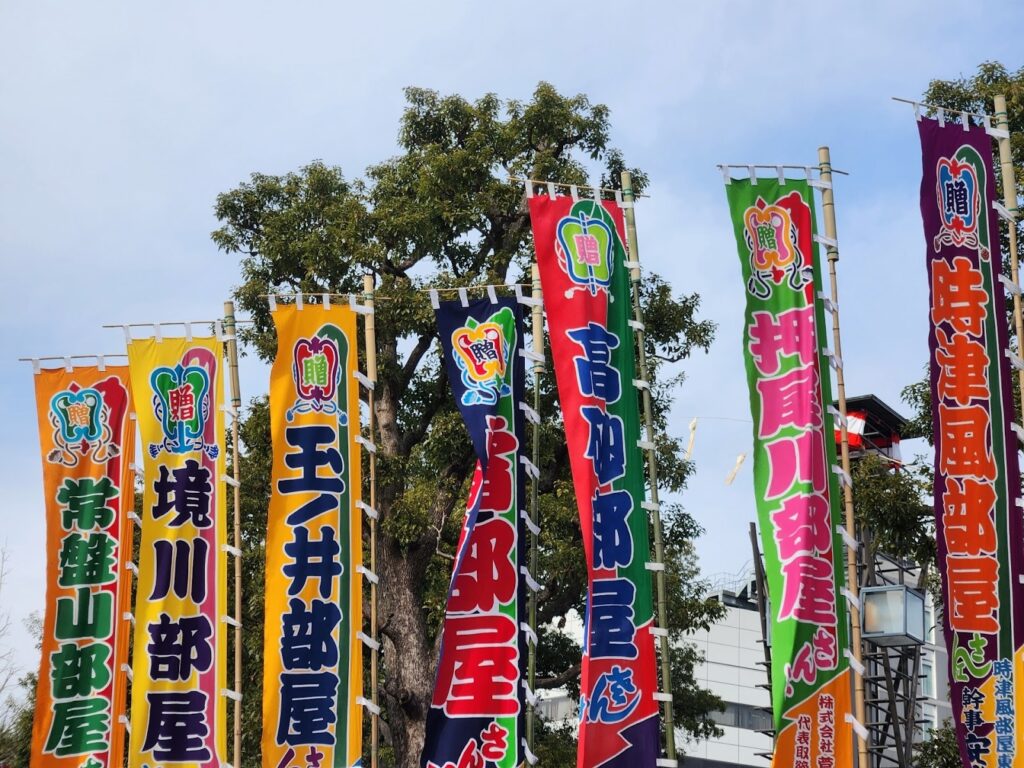
Travel about an hour by train from Osaka and you’ll discover sumo’s roots and unique spots. Nara holds legends of sumo’s birthplace, while Kyoto and Shiga maintain traditional events and facilities rooted in their communities.
Why not journey beyond simple sightseeing to sacred sumo sites where Japanese spirituality lives? You’ll find a quiet sense of reverence, different from stadium excitement.
[Kyoto] Oharano Shrine “Kami-Sumo”
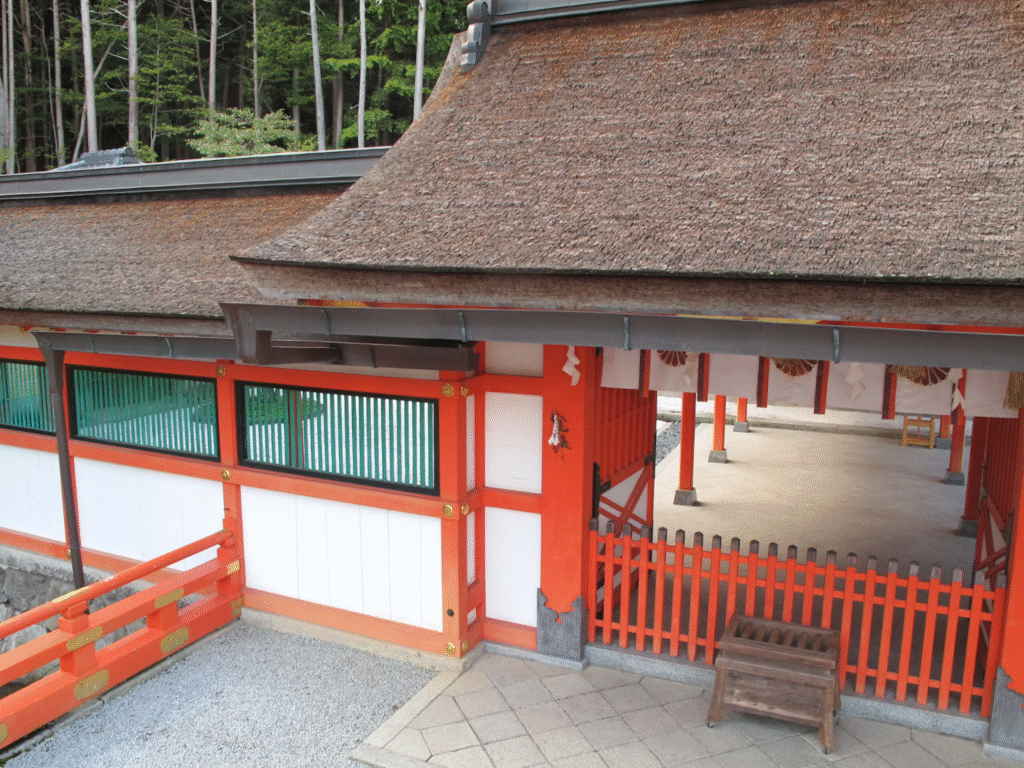
At the ancient Oharano Shrine in Kyoto, local representatives perform a ritual called “kami-sumo” during the September rice harvest festival. This 300-year tradition features community members dressed as godly wrestlers taking to the ring.
What’s unique is the predetermined outcome of the performance. A sacred ceremony and a prayer for good harvests, the mock sumo match always ends in a 1-win, 1-loss draw in order to promote harmony between the fighting gods. You can see sumo’s original form as a prayer for peace, different from the sport of today.
The event also features babies entering the ring, where they are wrapped in the warmth of the community..
Facility Information
| Location | Nishikyo-ku, Kyoto City, Oharano Minamikasuga-cho 1152 |
| Access | 10-minute walk from “Minamikasuga-cho” bus stop |
| When | Second Sunday of September annually |
| Price | Free admission |
| Reservation | Not required |
| Best For | Those wanting to see a traditional Japanese festival (matsuri), photography enthusiasts |
[Nara] Sumo Hall Kehayaza
Katsuragi City in Nara is considered the birthplace of sumo. The Sumo Hall Kehayaza is a sumo-specialized museum, rare even in Japan.
After removing your shoes, there is a real sumo ring inside that you can step onto freely. You can feel the texture of the ring underfoot, experience the salt-throwing ritual, and take commemorative photos wearing wrestler mascot suits. It’s a spot where you can learn about sumo culture while having fun.
Facility Information
| Location | Katsuragi City, Taima 83-1 |
| Access | 5-minute walk from Kintetsu Taimadera Station |
| Hours | 10:00 AM- 5:00 PM |
| Closed | Tuesdays, Wednesdays |
| Price | Adults ¥300, Children ¥150 |
| Best For | Those wanting to actually step into a ring, people wanting unique photos |
[Nara] Sumo Shrine
Wrestlers first performed sumo before a Japanese emperor about 2,000 years ago at this location. The legendary champion Nomi no Sukune, who won here, is still enshrined as the god of sumo.
A small shrine and a stone monument that marks the birthplace of sumo stand quietly within the grounds. This isn’t a flashy tourist spot. But for history and mythology lovers, it’s a sacred site where ancient legends come alive.
Facility Information
| Location | Sakurai City, Anashi |
| Access | 20-minute walk from “Sumo Jinja-guchi” bus stop |
| Hours | N/A |
| Closed | N/A |
| Price | Free |
| Best For | Those interested in Japanese mythology and history |
[Nara] Dining HAKUHO
This restaurant is managed by the 69th yokozuna Hakuho (now the Miyagino stablemaster), who holds the record for the most championship wins. Here, you can taste premium chanko nabe directly from his sumo stable while dining in a renovated traditional Japanese kominka (heritage house).
The restaurant displays ceremonial aprons and photos Hakuho actually used—a treat for sumo fans.
Store Details
| Location | Katsuragi City, Teraguchi 354 |
| Access | 20-minute walk from Kintetsu Shinjo Station |
| Hours | Lunch 11:00 AM- 2:00 PM / Dinner 6:00-10:00 PM (Reservation required) |
| Closed | Sundays, Mondays |
| Price | Lunch from ¥1,500 / Dinner from ¥2,000 |
| Best For | Those wanting yokozuna-class luxurious dining, lovers of Japanese kominka architecture |
[Hyogo, Kobe] Chanko Nabe Kaminoyama
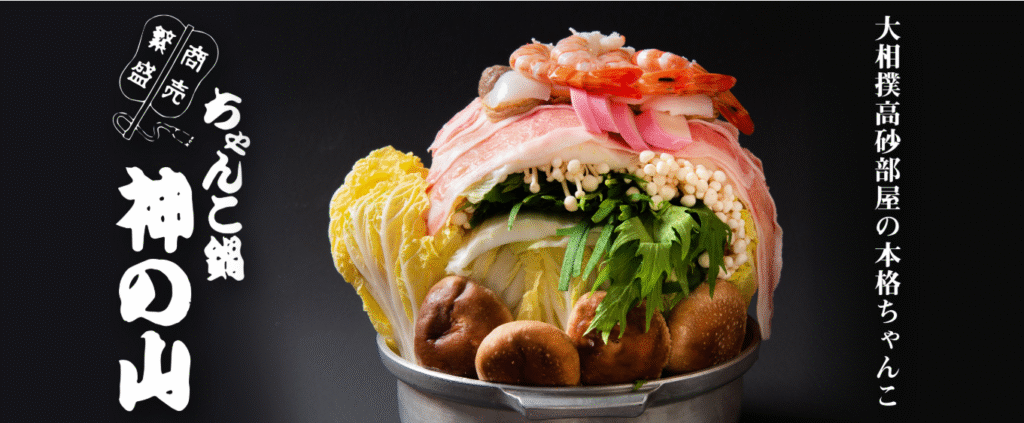
This long-established chanko restaurant in Kobe’s central Sannomiya area was founded in 1979 by a former wrestler from the prestigious Takasago Stable. Locals have loved it ever since its conception.
The specialty here is the secret salt-based broth. The soup, infused with umami from pork and large shrimp, is exquisite. It proves Kobe has delicious food beyond its world-famous beef.
The portions are generous, so arrive hungry.
Store Details
| Location | Chuo-ku, Kobe City, Shimoyamate-dori 2-4-13 4F |
| Access | 3-7 minute walk from Sannomiya Station |
| Hours | 5:00-11:00 PM |
| Closed | Open daily |
| Budget | From ¥5,000 |
| Best For | Those seeking dinner during Kobe sightseeing, people wanting to visit local renowned restaurants |
[Shiga] Seirin Park
This park on Lake Biwa’s western shore is a unique spot created in honor of the ancestor of sumo referees (known as “gyoji,” they wear traditional costumes).
The park features areas with sumo terminology like “Dosukoi Plaza” and “Gunbai Plaza” (gunbai refers to the referee’s rigid, paddle-shaped fan). Tile illustrations depict winning techniques and other sumo motifs.
This hidden sumo spot is perfect for families to visit for a picnic.
Facility Information
| Location | Otsu City, Kido 966 |
| Access | 20-minute walk from JR Shiga Station |
| When | Open year-round |
| Price | Free admission |
| Best For | Families with young children, people driving around Lake Biwa |
Which Sumo Experience Is Right for You?
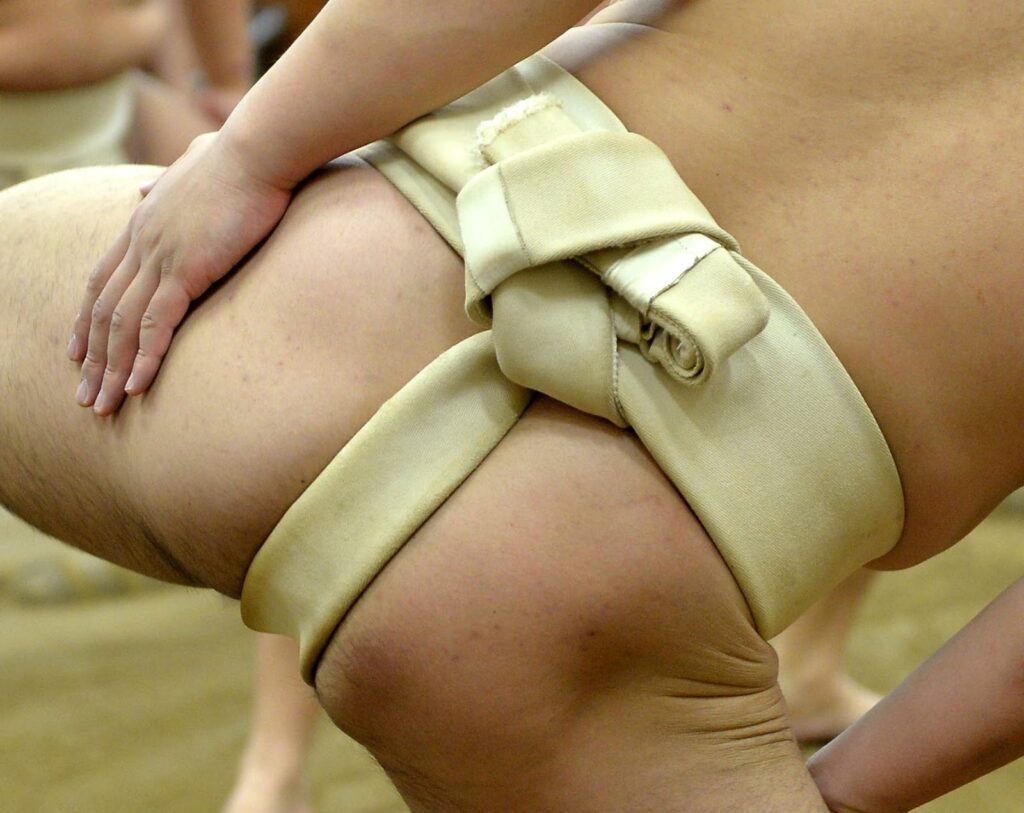
As you’ve seen, Osaka offers diverse sumo experiences. With so many options, you might feel unsure which to choose.
Some travelers want safety and security. Others crave deep adventure. Find the style that matches your preferences and create the best memories. Here are some suggestions based on your travel goals and style.
For Those Wanting to Avoid Travel Mishaps
For those thinking “I don’t want mistakes on this trip,” or are worried about language barriers, entertainment facilities and cultural immersion programs designed for international travelers are perfect.
These spots offer excellent English support, with easy online reservations. Many indoor facilities aren’t affected by weather, and some plans include meals and transportation, making them stress-free.
Shows by former wrestlers are powerful yet structured with humorous commentary that’s easy for beginners to understand.
Recommended Spots
| Spot | Features |
|---|---|
| sumo studio osaka | All-English programming eliminates language stress when enjoying sumo culture. |
| THE SUMO HALL Hirakuza OSAKA | Connected to Namba Station. Watch shows with new show elements from comfortable reserved seats. |
| Sumo Restaurant Ochi Izumibeya | Quick train ride from Kansai International Airport. Meal and show combination. |
For Those Who Want Authentic Experiences, Intensity and Lifetime Memories
For those thinking “Tourist shows aren’t enough,” or “I want to see real wrestlers actually clash,” professional matches and practice viewing are best.
The arena’s heat and thunderous cheers at the once-yearly Osaka Tournament are priceless. The tense silence of morning practice and the dull sound of colliding bodies will be etched deeply in your memory.
While getting tickets and timing present challenges, the emotional rewards are worth it.
Recommended Spots
| Spot | Features |
|---|---|
| Grand Sumo Tournament | Witness Japan’s highest-level competition at the official tournament. |
| Grand Sumo Tournament Tour | Guided plan with secured tickets for peace of mind. |
| Morning Practice Tour | Enter practice facilities with a guide and feel the sacred atmosphere firsthand. |
| Public Morning Practice at Stables | Free viewing is possible with good timing. |
For Those Who Want to Step into the Ring and Try It Themselves
For active types thinking “Watching isn’t enough, I want to try,” hands-on programs let you actually enter the ring.
When you tie on a mawashi and stand in the ring, performing shiko, you’ll realize it’s harder exercise than it looks. Try pushing a former wrestler with all your strength and experience their mountain-like immovability.
The refreshing feeling after sweating and seriously engaging is exceptional.
Recommended Spots
| Spot | Features |
|---|---|
| sumo studio osaka | Challenge former wrestlers and receive direct instruction for an immersive experience. |
| Active Square Daito | A rare facility where you can train wearing a mawashi in a genuine ring. |
For Those Who Want to Relax While Touching Culture
For those thinking “Intense stuff isn’t for me,” or “I want to enjoy the atmosphere while eating delicious food,” experiencing sumo culture through food and history is wonderful.
Osaka has many delicious chanko nabe restaurants run by former wrestlers. Sitting around a warm pot while viewing ceremonial aprons and photos and having conversations about sumo is a lovely way to pass the time.
Quietly touring old sumo arenas and museums while feeling traditional Japanese beauty is also an adult way to enjoy.
Recommended Spots
| Spot | Features |
|---|---|
| Chanko Nabe Restaurants | Enjoy restaurants run by former wrestlers with excellent taste and atmosphere. |
| Ohama Park Sumo Arena | Appreciate beautiful wooden architecture and stillness. |
| Sumo Hall Kehayaza | Nara museum, where you can step onto the ring for photos. |
For Those Who Want Local Flavor and “Only Here” Special Experiences
For those thinking “I’m tired of the regular tourist spots,” or “I want more unique experiences,” local Osaka sumo spots rooted in the community are recommended.
During the tournament period, shrines and temples around the city temporarily become sumo stable lodgings. You’ll encounter scenes unique to Osaka where wrestlers suddenly appear in everyday landscapes.
Drinking shoulder-to-shoulder with locals at downtown izakaya-style (Japanese pub-style) chanko restaurants is also a travel highlight.
Recommended Spots
| Spot | Features |
|---|---|
| Ohama Park Sumo Arena | Birthplace of amateur sumo. Visit the amateur wrestlers’ sacred site. |
| Public Morning Practice | See Japanese scenes where shrine grounds become practice areas. |
| Chanko Izakaya Taichizan | Hidden spot in an Umeda underground building with close proximity to the owner. |
| Rikishi Ryori Tenraisan | Local-focused shop in residential area with unique “bring-your-own-ingredients” rule. |
| Chanko Nabe Kasuga | Overwhelming volume and local atmosphere. |
Sumo Etiquette: Essential Manners & Tips
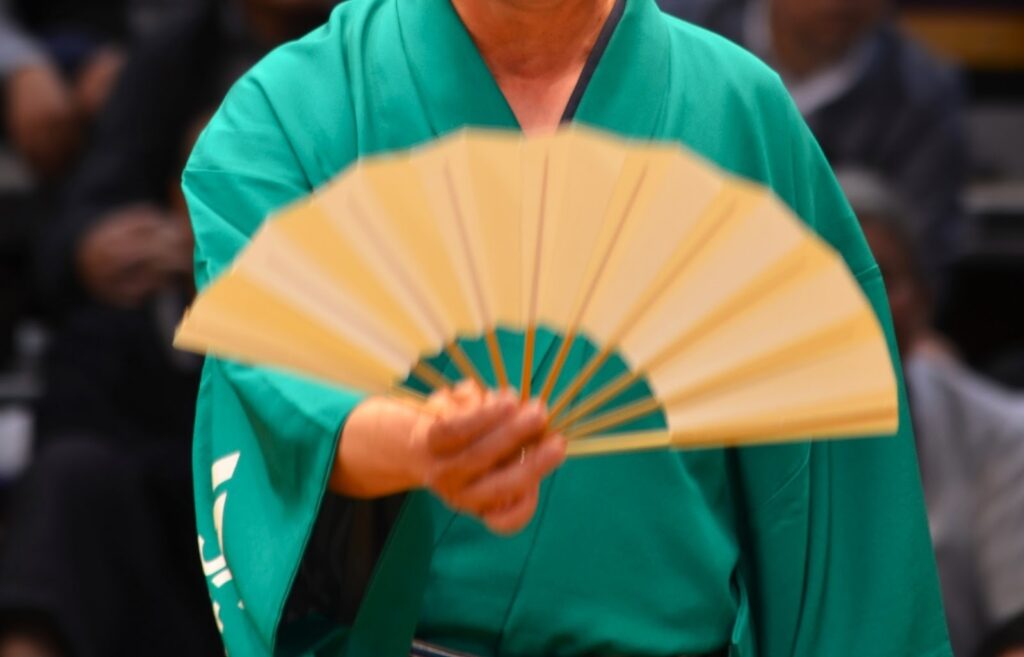
Sumo, a traditional Japanese culture, has some unique manners. These aren’t just rules—they express respect for wrestlers, other spectators, and the sacred ring.
They might seem strict, but don’t worry. If you follow the basics, anyone can enjoy sumo comfortably. Behaving like a local will help you blend into the sumo world.
Photography and Video Rules
You naturally want to capture images of the wrestlers, but always remember to turn off your flash. Bright lights disrupt the athletes’ concentration during serious matches and can be dangerous.
At tournament venues, taking photos from your seat with a smartphone is fine. However, be considerate not to block other peoples’ views by holding your camera too high.
Morning practice viewing is more delicate. Some practice facilities have “no photography” or “no video” rules, so always follow on-site instructions. In quiet spaces, even shutter sounds can echo loudly.
What Not to Do at the Ring or Venue
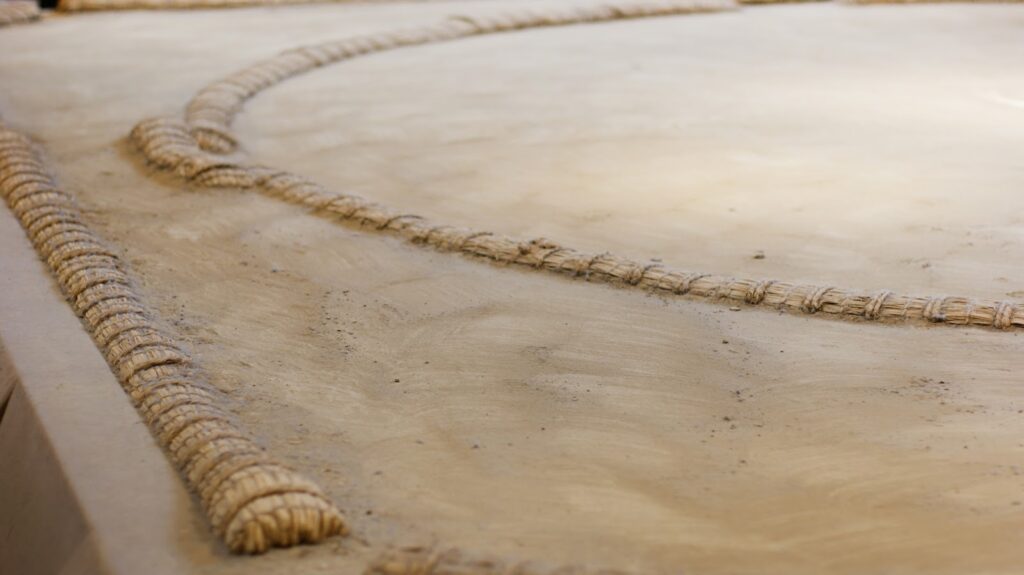
In sumo, the ring (dohyo) isn’t just a fighting space—it’s considered a sacred place where gods descend. Therefore, you cannot enter the ring without permission. Except at events where it’s allowed, don’t touch the inside of the barrier or the ring itself.
However, some facilities do allow it, so definitely try stepping into a ring. During regular viewing, there are no difficult rules as you just watch from your seat, so.
At ringside seats, especially box seats, you must remove your shoes. Some consider cushions sacred tools, so be careful not to step on them with your shoes on.
Also, even if you get excited, please refrain from throwing cushions as it’s dangerous. During matches, avoid standing or talking loudly—concentrating on the moment-by-moment exchanges is the refined way to watch.
Manners When Meeting Wrestlers
If you spot wrestlers around town or at venues, you might be overwhelmed by their size and want to touch them. However, touching their bodies or hugging them suddenly is disrespectful. Sumo tradition considers their topknot (mage) sacred to their soul. Never touch it.
When you want photos, always ask “Sumimasen, photo OK?” They’re professional athletes, not idols. If you approach with respect, many wrestlers will respond kindly.
However, when they’re rushing or eating, watching from a distance is good manners.
Safety Points for Experience Events
When participating in sumo experiences, some preparation is necessary in order to protect yourself and others.
First, remove any jewelry (rings, necklaces, earrings, etc.) as they can cause injuries upon contact with others. Also, it’s ideal to cut your nails short and choose comfortable clothing.
During experiences, always follow the wrestlers’ and instructors’ directions. If amateurs collide in the wrong positions, they risk injury.
Also, you cannot participate after drinking alcohol. Approaching sumo with a serious yet ready-for-fun mindset is the best path to safety.
Mindset for Respecting Sumo Culture
What distinguishes sumo from other sports is that it involves respect for opponents and the spiritual aspects of ritual.
For example, wrestlers don’t make flashy victory poses even when they win. This is because restraining emotions and being considerate of defeated opponents is considered virtuous. When watching or experiencing sumo, try being slightly conscious of this spirit.
Avoid joking about or mocking traditional rituals and movements. By holding respect for 1,500 years of Japanese history, your sumo experience transforms beyond simple tourism into a deep cultural understanding.
Start Your Sumo Wrestling Osaka Adventure
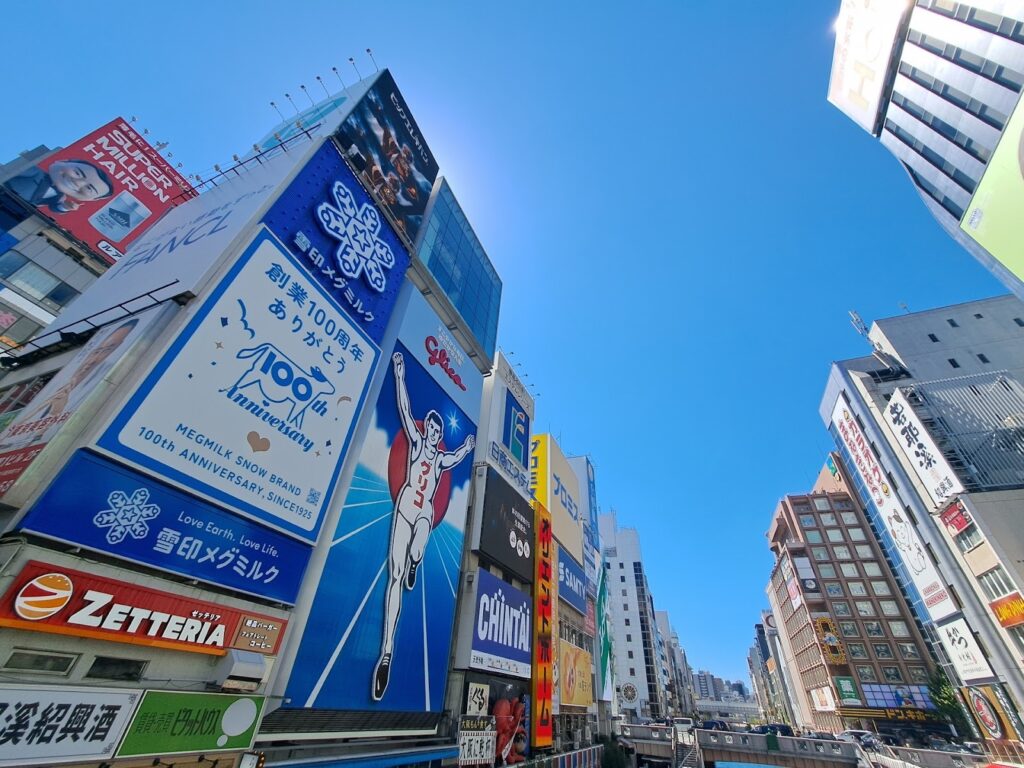
Osaka is a special city where you can enjoy Japan’s national sport from multiple
Osaka has a rich menu of options tailored for your visit: from the raw intensity of the March Grand Tournament and the entertainment of a sumo show, to the awe-inspiring quiet of a morning practice and the deep satisfaction of an authentic chanko-nabe meal. Your perfect sumo experience awaits.
The sound of the wrestlers’ bodies colliding, the heat of the arena, moments when the crowd unites… Experiencing these with all five of your senses will become your most memorable Japan travel highlight.
Preserving tradition while evolving into entertainment anyone can enjoy: that’s Osaka’s sumo culture.
Now, let’s embark on a journey to meet authentic sumo in Osaka.