Sumo training in Osaka: Where to watch, experience & etiquette guide
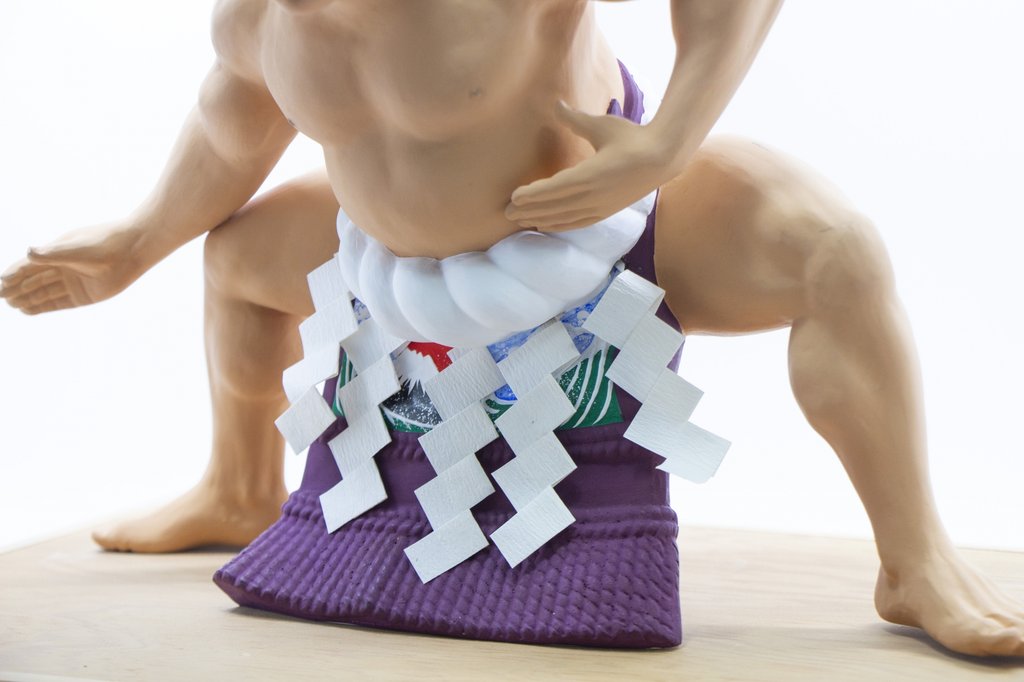
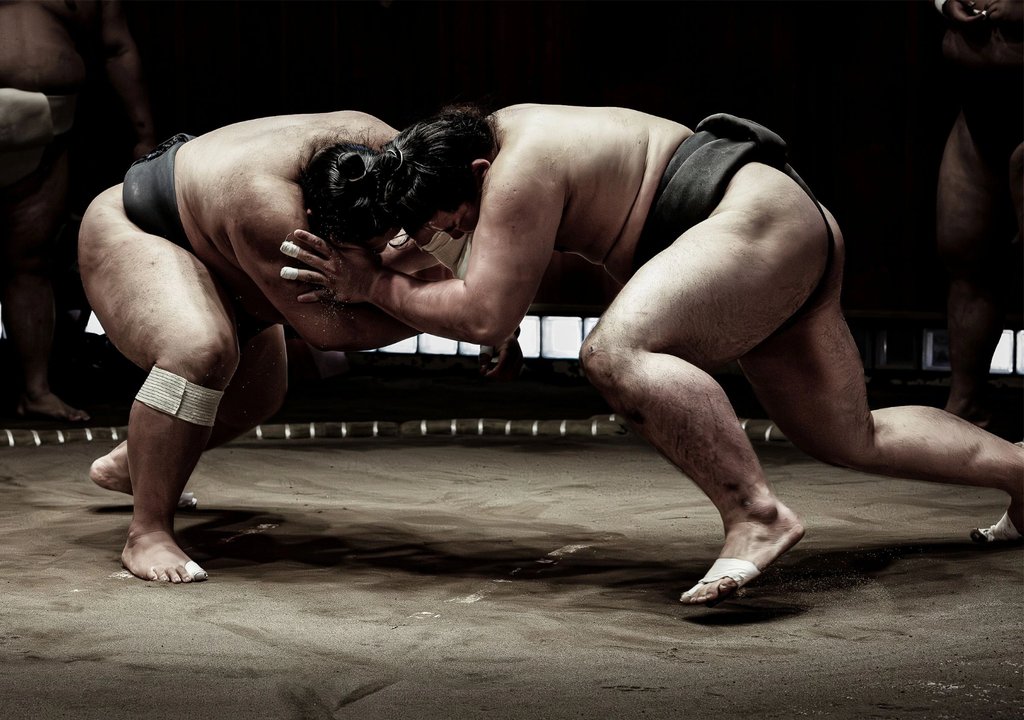
It’s barely 6 am in Osaka, and inside a quiet training hall, two wrestlers the size of small cars prepare to collide. Sweat drips. Salt scatters. Then—SLAM. This is sumo training, raw and unfiltered.
Morning practice at a sumo stable puts you face-to-face with the dedication of rikishi (sumo wrestlers) as they push their bodies to the limit. Osaka is one of the best places in Japan to witness it.
This guide covers where to watch sumo training in Osaka, facilities where you can step onto an actual dohyo (the sacred clay ring) and try sumo yourself, plus restaurants serving chanko-nabe (the hearty hot pot that fuels these athletes). You’ll also find tips on etiquette, how to book, and where to get English support—everything you need to plan your visit.
Contents
Sumo training basics & etiquette
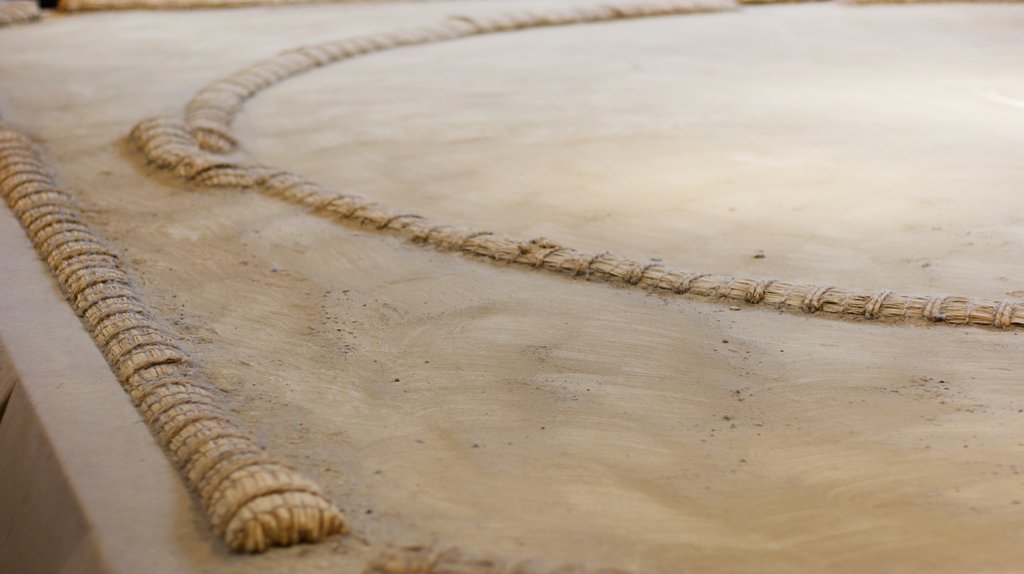
Curious about morning practice but not sure what to expect? Here’s what you need to know about training basics, schedules, and etiquette to get the most out of your visit.
Sumo training fundamentals
Keiko (training) is the daily discipline through which rikishi hone their skills and build their bodies.
On the technical side, shiko (the ceremonial leg stomping that drives away evil spirits and strengthens stability) develops leg and hip strength while sharpening balance and control over the center of gravity. Butsukari-geiko (a collision practice where rikishi repeatedly charge into each other) builds pushing power and endurance.
On the mental side, cultivating inner strength through proper etiquette and form is equally essential. As the saying goes, “If the heart is empty, technique and body count for nothing”—spiritual training is as vital to a rikishi as physical conditioning.
Training also extends beyond one’s own stable through de-geiko (visiting practice at other stables), allowing rikishi to further sharpen their skills and mental fortitude in different environments.
This daily practice lies at the heart of a rikishi’s life—as the saying goes, “Sumo begins and ends with training.”
Training schedule at sumo stables
Morning practice at sumo stables typically begins at dawn.
Schedules vary by stable, but training generally starts around 6 am and concludes before noon. Observation hours also differ, though 9–10:30 am is a common window for visitors.
Training times also vary by rank:
- Makushita and below: Intense practice from early morning until around 9:30 am
- Juryo and makuuchi sekitori: Training from around 9:30–11:30 am
Most stables are closed to observers during honbasho (Grand Sumo Tournament) periods. Schedules and policies vary, so check the official calendar before your visit.
Yes, it means an early wake-up call—but watching rikishi train in earnest is a rare and unforgettable privilege.
What to watch for during sumo training
What makes sumo training so compelling? The fierce collisions—and the human drama behind them.
Don’t miss butsukari-geiko. In this drill, the receiving rikishi drops low and absorbs repeated powerful charges. The pushing rikishi develops forward momentum and thrusting power, while the receiver builds tenacity in the legs and hips—a grueling exercise for both athletes.
Keep your eyes on:
- The tachiai (initial charge): The intense tension and split-second tactics at the start of each bout
- Facial expressions: The intense focus and sweat-drenched effort reveal each rikishi’s concentration
- The bond between master and disciples: The stablemaster’s guidance and the calls exchanged between rikishi offer a glimpse into the unique relationships within a stable
Also watch for the flexibility in high-leg shiko raises and the tenacious technique exchanges at the tawara (the straw bales marking the ring’s edge).
How to behave during training
A sumo stable is a sacred training ground. The most important rule: watch in silence.
Rikishi are intensely focused on refining their techniques, and conversation or sudden movements can disrupt their concentration.
Photography rules vary by stable—always confirm in advance.
Set your phone to silent and step outside for calls. Sit in seiza (formal kneeling) or agura (cross-legged)—do not stretch your legs out.
Rikishi may occasionally lunge toward spectators during intense bouts—follow staff instructions at all times. When leaving, bow quietly and exit; do not call out.
Eating, drinking, and smoking are prohibited.
Following these guidelines shows respect for the rikishi and ensures a smooth and safe experience for everyone.
Where to watch sumo training in Osaka
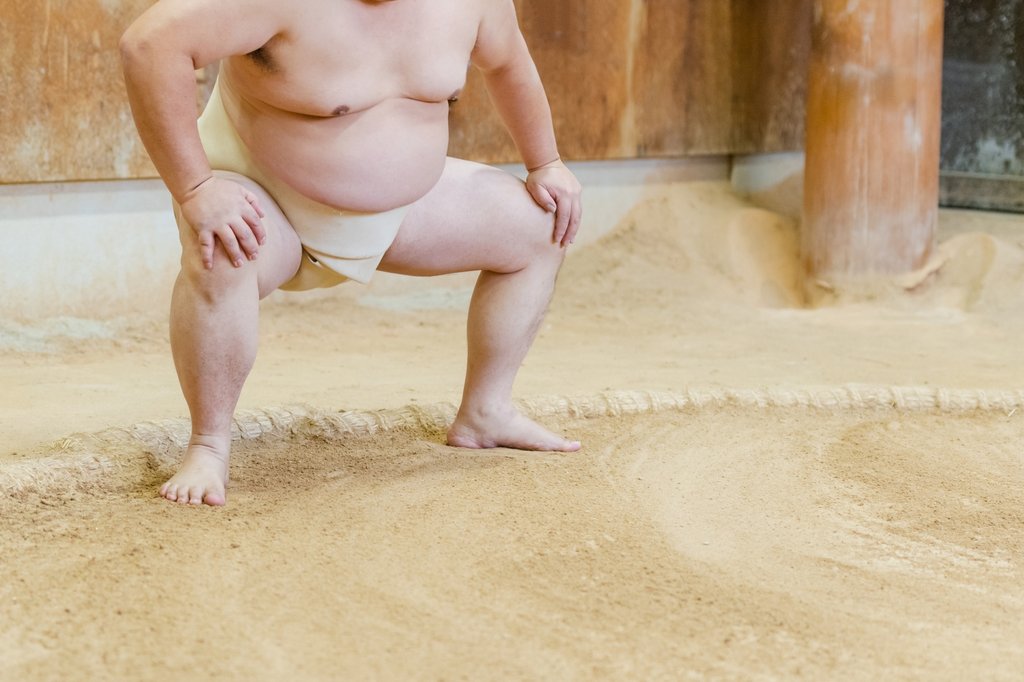
Want to feel sumo’s power firsthand? Here’s where to watch real training sessions in Osaka.
Familiarize yourself with the procedures and guidelines ahead of time to make the most of this rare experience.
Morning practice at sumo stables
Observing morning practice at a sumo stable outside the Osaka Tournament (March) is challenging. Most stables only admit koenkai (supporters’ association) members.
During the Osaka Tournament, some stables hold morning practice at their Osaka lodgings, though observation policies vary:
- Takasago-beya: Observation tours are sometimes offered
- Tokitsukaze-beya: General observation is not permitted
- Takekuma-beya: Training observation is available at their Osaka lodgings
Check each stable’s official website for the latest details.
If that sounds complicated, don’t worry—guided tours (covered next) provide an easier way to experience sumo training.
Sumo morning practice tours
Sumo morning practice tours have become a popular option for international visitors, providing access to authentic stables that’s difficult to arrange independently.
Experienced guides accompany you, explaining sumo history and techniques in English while you watch training up close.
If contacting stables directly feels daunting or you’re concerned about the language barrier, a tour offers a stress-free way to experience authentic sumo culture.
Pricing and details vary by operator, so check websites in advance and book early.
Where to experience sumo training in Osaka
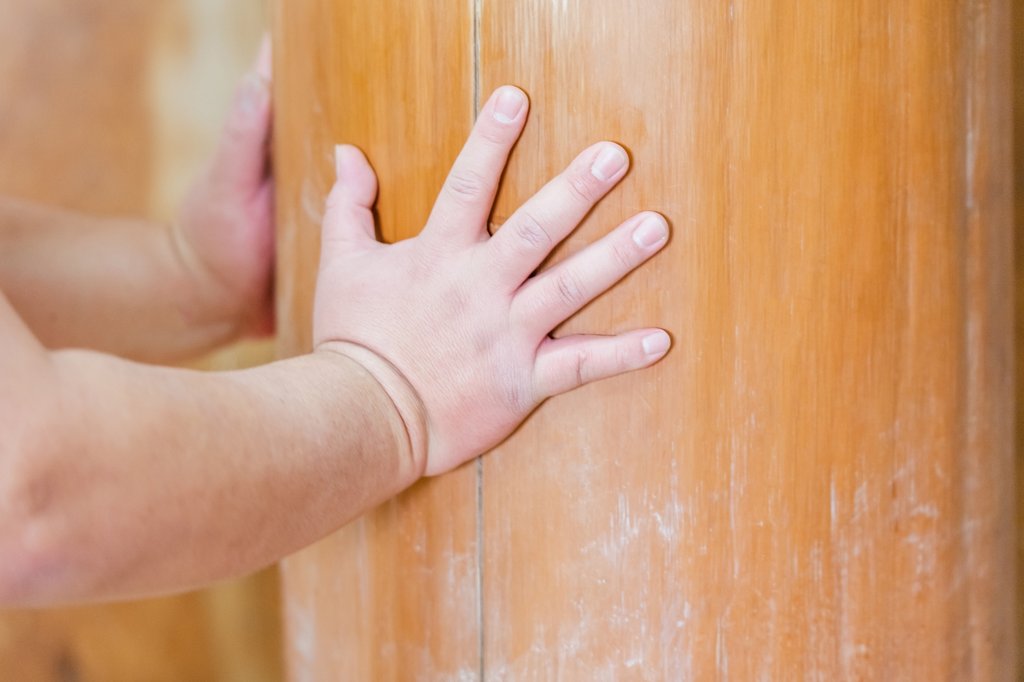
Want to do more than just watch? Osaka has facilities where you can step onto a real dohyo and try sumo techniques under expert guidance.
Reservation details and pricing are provided below to help you pick the right experience for your trip.
Sumo Studio Osaka
Sumo Studio Osaka sits steps from Exit 4 of Hanazonocho Station—about 10 minutes by train from Namba.
The 90-minute show, led by retired rikishi, begins with English explanations of sumo’s history and Shinto roots, then moves into up-close demonstrations of salt-throwing purification and shiko.
With only 50 seats, you’ll watch powerful bouts from just meters away. Volunteers can step onto the dohyo to face a rikishi in the “Audience Challenge,” with photo opportunities following each show.
Details
| Location | Nishinari-ku, Asahi 1-5-1 AI Building |
| Hours | 10 am, 12:30 pm, 3 pm, 5:30 pm, 8 pm (5 times daily) |
| Closed | Open daily |
| Official Website | https://sumowrestlingshow.jp/ |
| Recommended for | Those seeking English-language shows; travelers with limited time who want a polished, accessible experience |
There’s an on-site bar where you can enjoy drinks before or after the show. Luggage storage is available for suitcases and large bags, making it convenient if you’re visiting mid-trip.
The venue is open year-round, so it fits easily into any schedule.
Active Square Daito
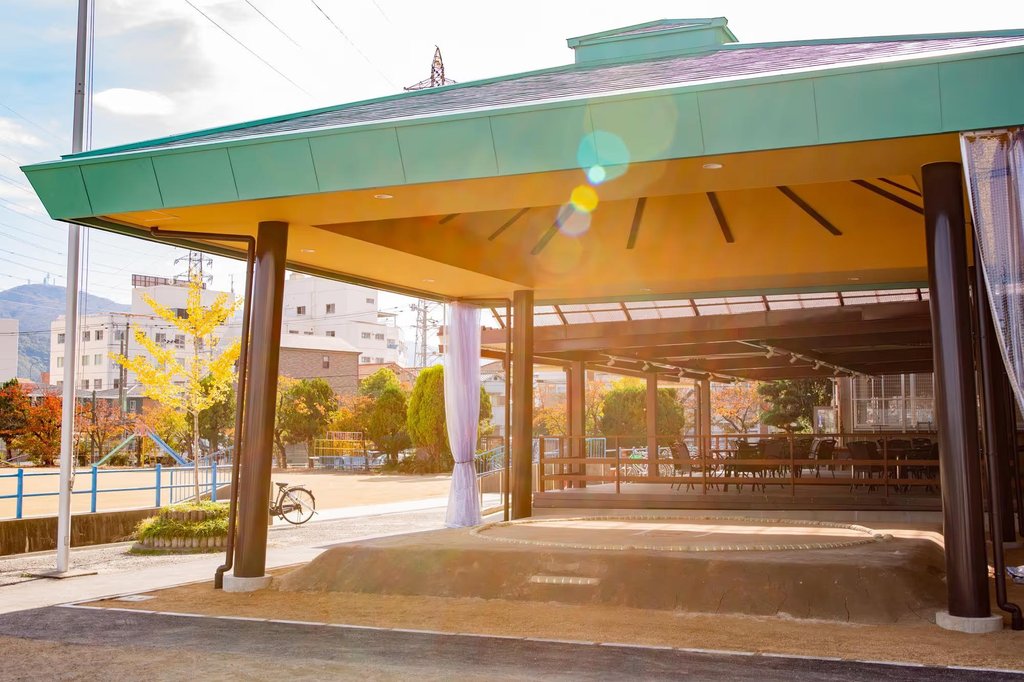
Active Square Daito, a community sports facility in Daito City, occupies a renovated elementary school and features an authentic dohyo built with the same clay used at Ryogoku Kokugikan.
Amateur rikishi lead experience courses, teaching shiko technique and sumo history while guiding participants through stretching and practice bouts. Women can join wearing sumo suits, and children under five accompany adults for free.
The professional Minato-beya stable also holds regular morning practice here, which is free and open to the public.
Courses that combine the experience with chanko-nabe are also available, offering a complete sumo culture package.
Details
| Location | 3-28-3 Fukono, Daito-shi, Osaka |
| Hours | 10 am–6 pm |
| Closed | New Year’s Holiday |
| Official Website | https://www.as-daito.com/ |
| Recommended for | Those who want physical training on an authentic dohyo; visitors interested in martial arts experiences |
Ohama Park Sumo Arena
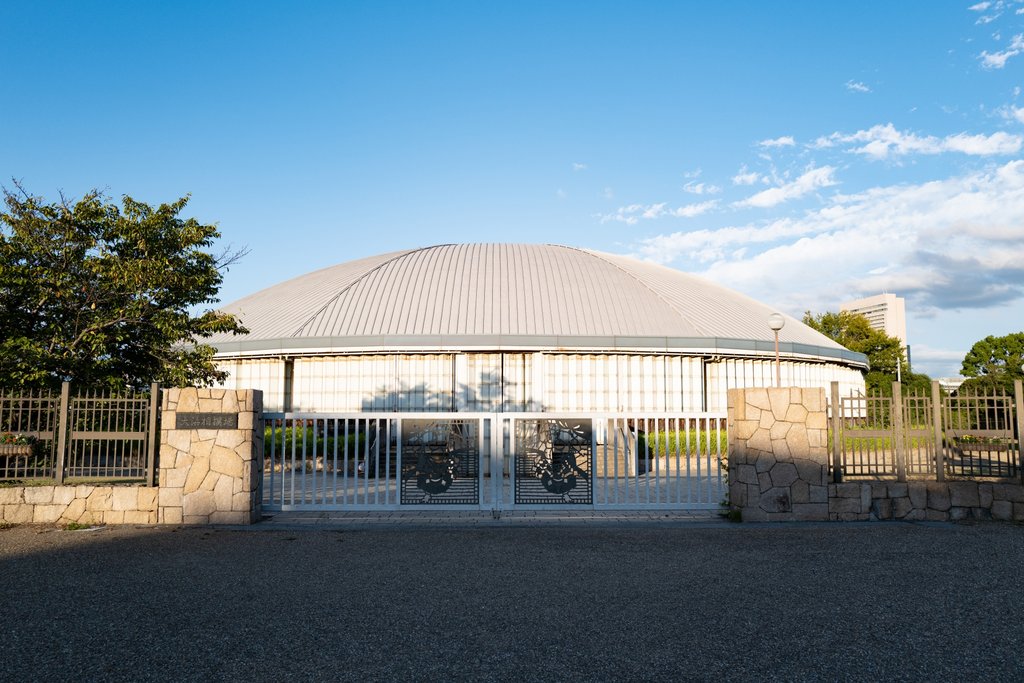
Ohama Park Sumo Arena, a historic facility in Sakai City, features a public dohyo used for amateur tournaments and practice.
The facility runs sumo experience programs open to the public.
Programs run 60 minutes for up to 10 participants at ¥22,000 (tax included). Reservations are made by phone, with payment required at least seven days before your preferred date.
If you want to reserve the dohyo exclusively for practice or training, you can apply at the facility counter starting 3 months before your desired month.
Details
| Location | 4-2 Ohama-kitamachi, Sakai-ku, Sakai-shi, Osaka |
| Hours | 9 am–9 pm |
| Closed | First Monday of each month; New Year’s Holiday |
| Official Website | https://www.city.sakai.lg.jp/yoyakuanai/bunrui/sports/ohamasumo.html |
| Recommended for | Those interested in sumo history and culture; visitors who want to see inside a sumo arena |
Sumo shows & dining in Osaka
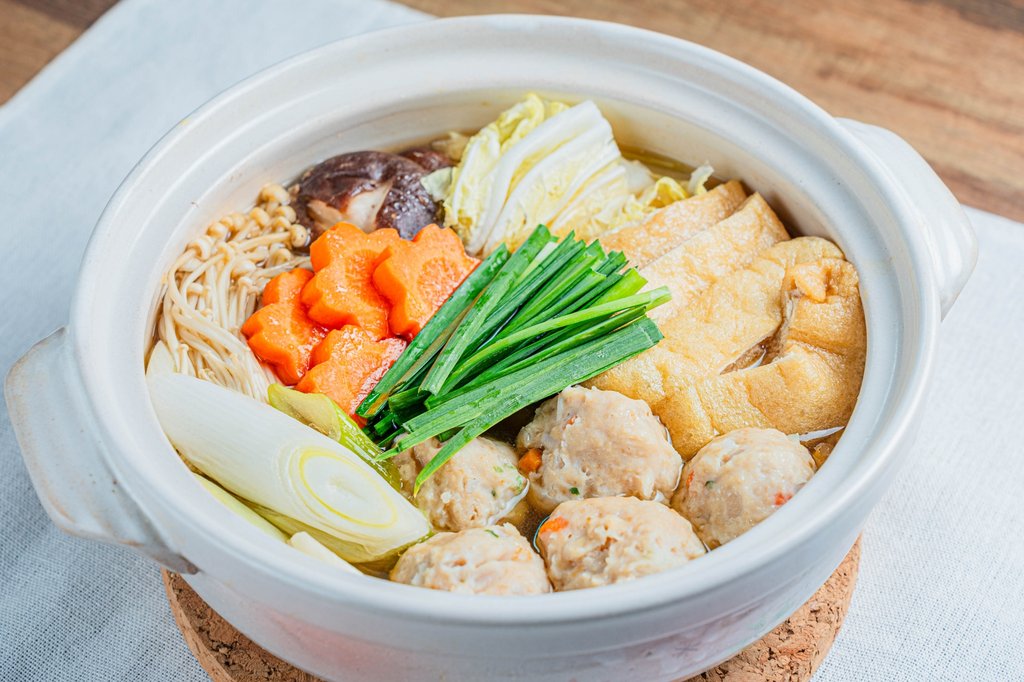
Looking for sumo as entertainment? Osaka has venues where you can watch powerful shows and savor authentic chanko-nabe. It’s sumo as entertainment—a different vibe from training observation or hands-on experiences.
These venues are perfect if you want great food and sumo culture combined in one memorable package.
THE SUMO HALL Hirakuza OSAKA
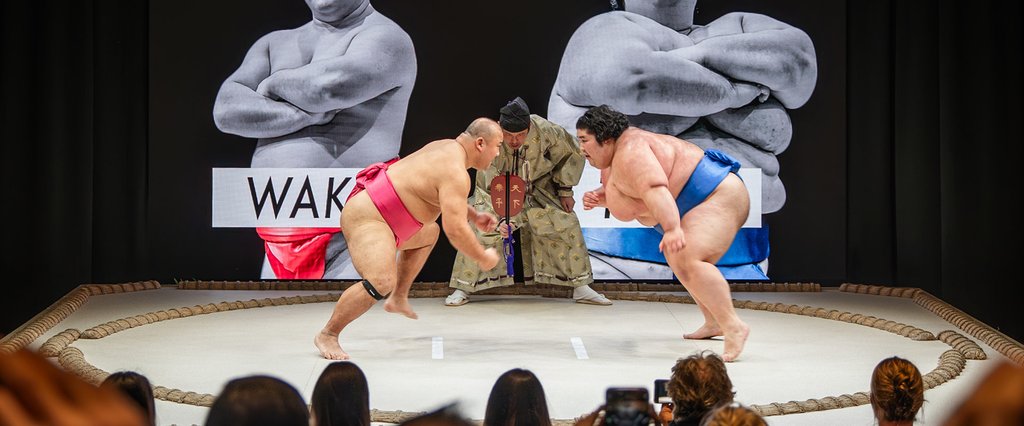
THE SUMO HALL Hirakuza OSAKA brings together dynamic sumo shows by former rikishi and authentic chanko-nabe in central Osaka.
Shows run daily at 6 pm (except Tuesdays). The roughly 60-minute performance uses sophisticated sound, lighting, and video to bring sumo’s power to life. Limited-run Workshop Experiences let you train on a real dohyo, with chanko-nabe included.
Choose Standard seats (¥12,500) or Premium seats (¥16,000)—both include a bento or snack bag plus drinks. Kids’ pricing (ages 3–12) also includes a Hirakuza bento or snack bag.
Book ahead through the official website. You can also pick up limited-edition merchandise.
Details
| Location | 8F Namba Parks, 2-10-70 Namba-naka, Naniwa-ku, Osaka |
| Hours | 11 am–11 pm |
| Closed | Tuesdays; New Year’s Holiday |
| Official Website | https://hirakuza.net/ |
| Recommended for | Those seeking modern entertainment shows; families and couples who want dining with comfortable seating |
Sumo Restaurant Ochiizumibeya
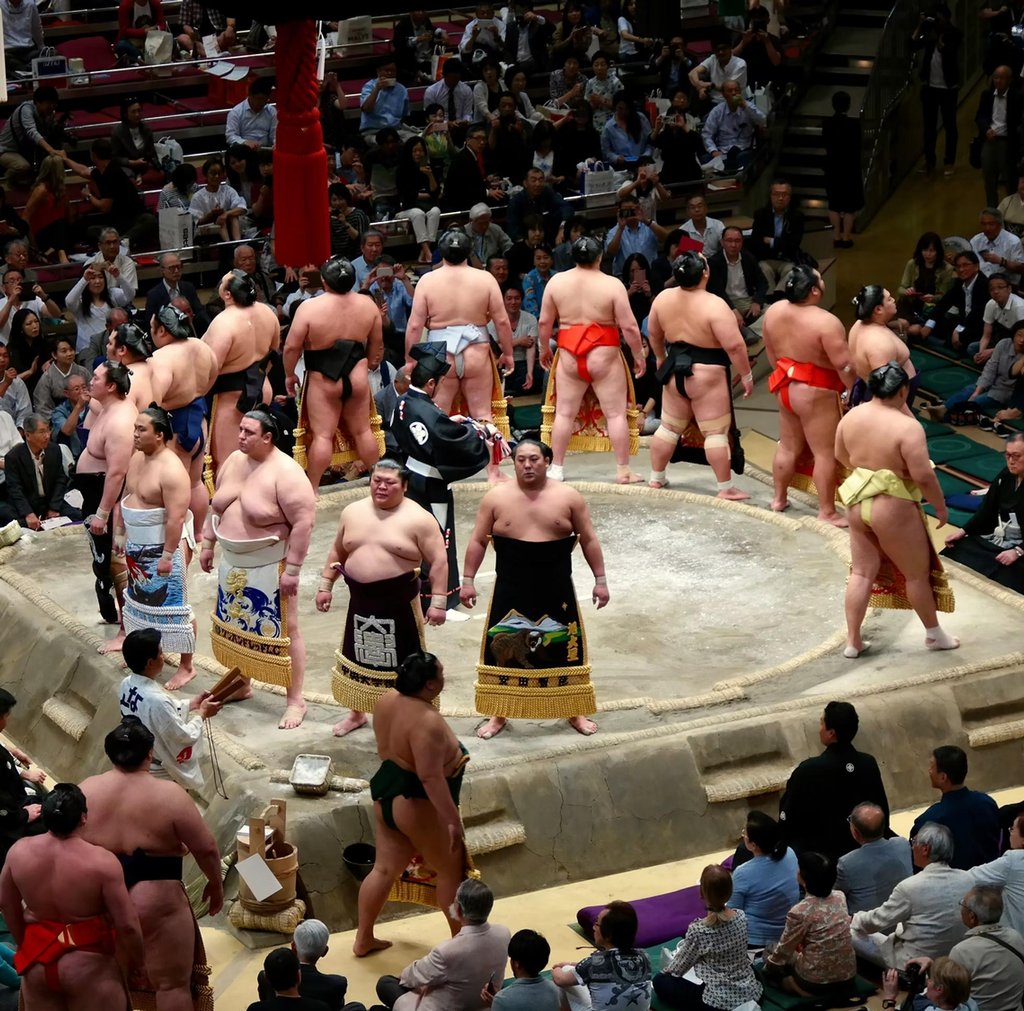
Sumo Restaurant Ochiizumibeya is produced by Konishiki, a former ozeki (the second-highest rank).
The restaurant is just a two-minute walk from Rinku Town Station—one stop from Kansai International Airport.
A dohyo-style stage takes center stage, with over 100 seats facing the action. Enjoy the former ozeki’s authentic chanko-nabe while watching the show.
Plans
| Plan | Price | Includes |
|---|---|---|
| All-You-Can-Eat Chanko-nabe Plan | ¥17,000 | Sumo show, sumo experience, photo session, haori (traditional jacket) experience, chanko-nabe with noodles or rice to finish |
| Show-Only Plan | ¥13,000 | Sumo show, sumo experience, photo session, haori experience |
The roughly 40-minute show includes chances to interact with rikishi and take commemorative photos.
Details
| Location | Inside “Ochi Arena,” 3 Rinku Orai-minami, Izumisano-shi, Osaka |
| Hours | 12–8 pm |
| Closed | Monday–Thursday; national holidays and days before/after holidays |
| Official Website | https://www.ochiizumi.com/ja |
| Recommended for | Travelers near the airport; large groups looking for a lively atmosphere |
Chanko-nabe restaurants
Beyond stable-run spots, Osaka has several restaurants serving authentic chanko-nabe. Former rikishi and sumo insiders run these establishments, honoring traditional recipes with their own twists.
Details
| Restaurant | Features | Address | Website |
|---|---|---|---|
| Sumo Chaya Terao Osaka | Chicken-bone broth recipe from Izutsu-beya; modern Japanese décor with sunken kotatsu seating | 2-4-6 Umeda, Kita-ku, Osaka | https://sumouchayateraoosakaten.gorp.jp/ |
| Chanko Izakaya Taichiyama | Run by a former rikishi; intimate 10-seat counter; chicken-salt and curry varieties; single-serving pots available | Osaka Ekimae Dai-2 Building B2F, 1-2-2 Umeda, Kita-ku, Osaka | https://chanko-taichiyama.com/ |
| Creative Chanko Masukaze | Run by a former rikishi from Mihogaseki-beya; salt, soy sauce, and miso varieties; pasta available as a finishing course | Daisan Building 1F, 3-12-15 Nishinakajima, Yodogawa-ku, Osaka | https://www.masukaze.com/ |
Most use chicken-based broth with generous vegetables and meat. Many feature modern Japanese interiors with table seating and private rooms—great for groups or a casual intro to sumo culture.
Sumo training FAQ

Got questions? Here are answers to the most common ones—a quick read now saves hassle later.
Can I observe training outside the Osaka Tournament period?
Some stables do offer observation outside tournament season. In Osaka, Takekuma-beya opens its morning practice year-round.
Training schedules fluctuate with honbasho periods and jungyou (provincial tours), so be sure to check each stable’s official website or calendar before visiting.
Note that some stables limit entry to koenkai members only—consider joining if you want more reliable opportunities to observe practice.
Can I observe without a reservation?
Reservation requirements vary. Many spots require advance booking, so check official websites before your visit.
Which spots offer English support?
For English-language experiences, Sumo Studio Osaka tops the list.
The entire show is conducted in English with clear explanations of sumo history, Shinto connections, and ritual meanings. Presenters speak at a pace that’s easy for non-native speakers to follow, and the website is fully in English, making booking seamless.
THE SUMO HALL Hirakuza OSAKA also offers performances entirely in English, making it a great choice for enjoying sumo as entertainment.
Morning practice at stables, on the other hand, typically offers little to no English support. Consider joining a guided tour or translation app in these cases.
Plan your sumo experience in Osaka
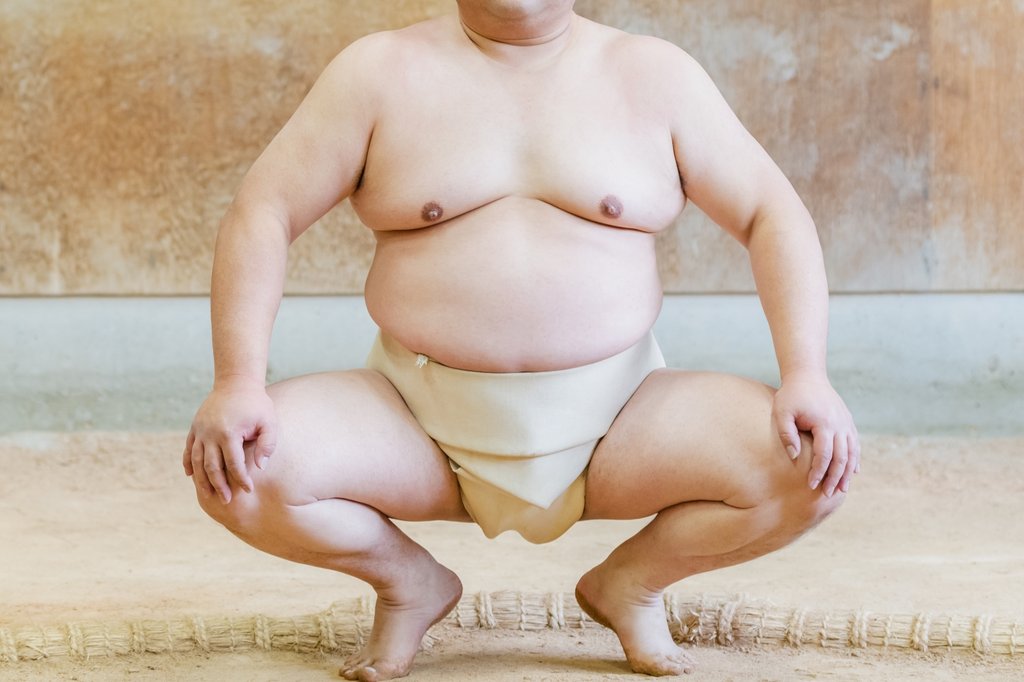
Osaka offers diverse ways to experience sumo—morning practice observation, hands-on training, entertainment shows, and chanko-nabe restaurants.
Want to see authentic training? Plan your visit during the Osaka Tournament in March. Concerned about the language barrier? Guided tours, Sumo Studio Osaka, and THE SUMO HALL Hirakuza OSAKA all provide English support.
Wherever you go, remember to observe quietly, follow photography rules, and show proper respect to the rikishi. Reservation requirements vary, so be sure to check official websites in advance.
Experience the unique world of sumo—right here in Osaka.