Watching sumo in Osaka: Grand Sumo tournament tickets, seating guide and where to experience sumo culture
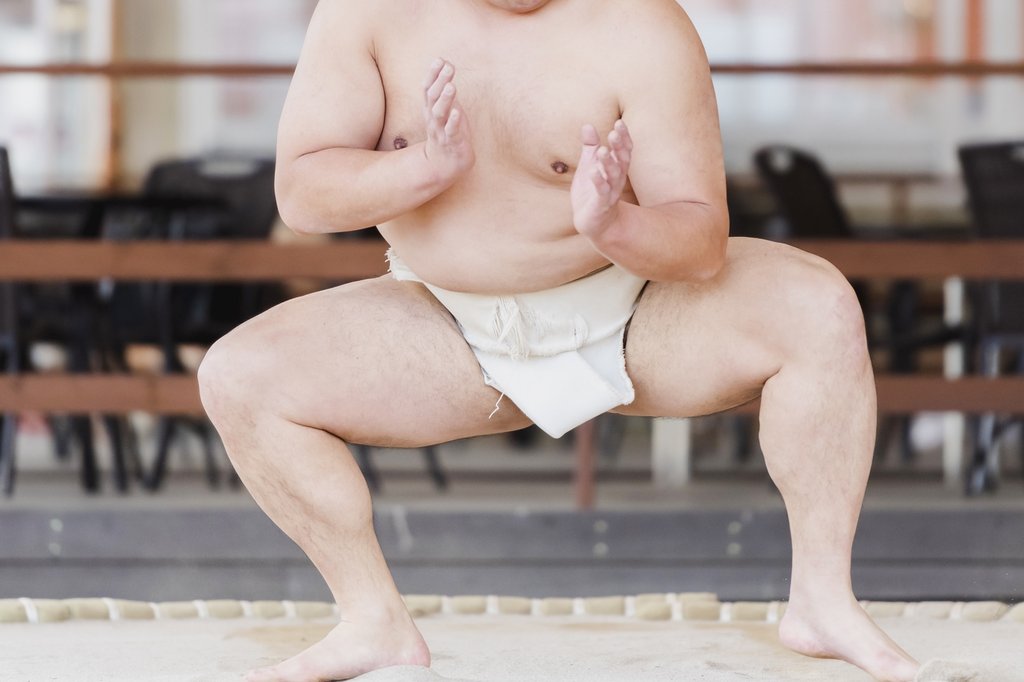
Step into the world of authentic sumo wrestling in Osaka. The Grand Sumo Tournament offers the chance to feel the power of rikishi (sumo wrestlers) clashing on the dohyo just meters away.
This guide covers everything you need to know for the March 2026 Osaka Grand Sumo Tournament, including how to purchase tickets, choose your seats, and observe proper etiquette during a bout.
Even if your travel dates don’t align with the tournament, you’ll find recommendations for places where you can experience sumo culture and enjoy chanko-nabe (the hearty hot pot traditionally eaten by wrestlers).
Contents
Essential Information About the Osaka Grand Sumo Tournament
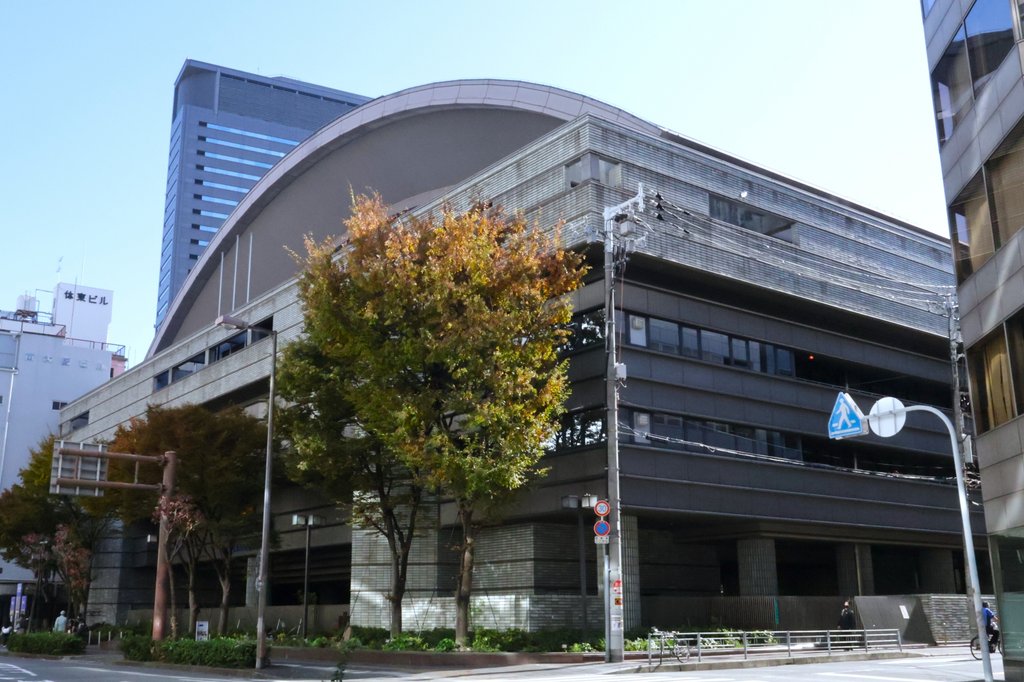
Planning to watch Grand Sumo in Osaka? Here’s what you need to know about the March 2026 honbasho (official tournament). This section covers the schedule, venue access, seat types and how to purchase tickets.
Schedule
The 2026 Osaka Grand Sumo Tournament runs for 15 days, from Sunday, March 8 through Sunday, March 22.
The venue is EDION Arena Osaka (formerly Osaka Prefectural Gymnasium), located in Naniwa Ward.
General ticket sales begin on Saturday, February 7, 2026. Masu-seki (traditional box seats where spectators sit on cushions) often sell out immediately after tickets go on sale, so booking early is strongly recommended.
The Japan Sumo Association updates ticket info regularly on their official website, so be sure to check before booking your trip.
Venue and access
EDION Arena Osaka is located at 3-4-36 Namba-naka, Naniwa Ward, Osaka, within walking distance of Namba Station.
Access from major stations
| Line | Exit | Walking Time |
|---|---|---|
| Nankai Namba Station | South Exit | Approx. 3 min |
| Osaka Metro Namba Station | Exit 5 | Approx. 5 min |
| Kintetsu Osaka-Namba Station | – | Approx. 8 min |
| JR Namba Station | – | Approx. 10 min |
The area around the venue becomes extremely crowded during the tournament. Public transportation is recommended, as parking is limited and difficult to find.
Seat types and prices
Seats at the Osaka Tournament fall into three main categories.
Seating options
| Seat | Features | Price per Person |
|---|---|---|
| Tamari-seki | Ringside seats are the closest to the dohyo (the raised clay ring). They are single-person premium seats with unmatched views and are limited to spectators aged 16 and older. | ¥20,000 |
| Masu-seki | Traditional box seats for two or four people, with spectators sitting on cushions in the traditional Japanese style. | ¥8,500–¥15,000 |
| Chair Seats | Western-style seating with chairs, recommended for spectators with mobility concerns or anyone who finds sitting on the floor for extended periods difficult. | ¥500–¥9,500 |
Prices vary depending on seat type, location, and whether the day falls on a weekday or weekend/holiday. Tamari-seki are ¥20,000 for all days, but masu-seki and chair seat prices differ by date and position—check the official ticket sales page for exact pricing.
If it’s your first time, choose seats that strike a balance between proximity and budget.
Purchasing tickets
General ticket sales begin at 10 a.m. on Saturday, February 7, 2026.
There are three main ways to purchase tickets:
- Online: Via the official “Ticket Oosumo” website (register an account, pay online, receive e-tickets)
- In-store: At Seven-Eleven using the multi-copy machine (select “PIA”)
- By phone: Call 0570-02-9310, the dedicated Grand Sumo reservation line
Buying tickets can be tricky, as most systems are in Japanese and some payment or delivery options are not available to overseas visitors. For English-language assistance, visit the Japan Sumo Association’s English page (sumo.or.jp/EnTicket/).
Same-day tickets are extremely difficult to obtain and may require waiting from early morning. Buy your tickets in advance to guarantee a seat.
Sumo basics and spectator guide
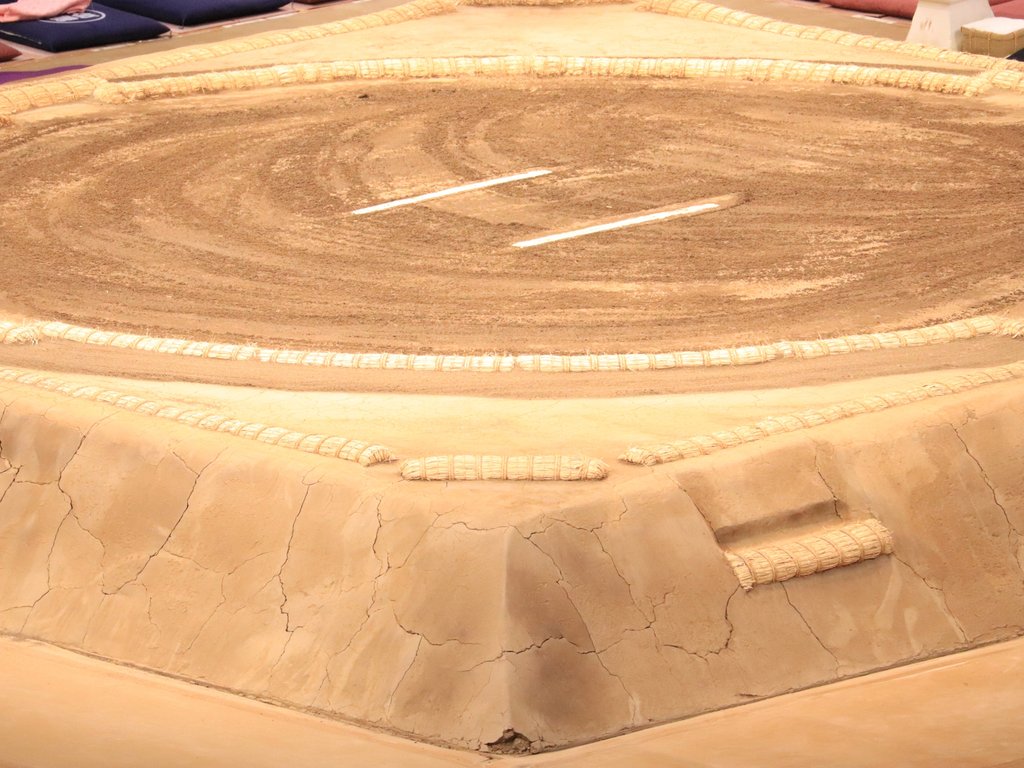
New to sumo? The rules and etiquette might seem mysterious at first. This section introduces the essentials for enjoying a Grand Sumo Tournament in Osaka with confidence.
Rules of sumo
The rules of sumo are remarkably straightforward: a rikishi loses if any part of the body other than the soles of the feet touches the ground, or if any part of the body goes outside the dohyo.
Most bouts are decided in around ten seconds, making their lightning speed one of the sport’s great attractions.
Common winning techniques (kimarite) include:
- Oshi-dashi (push out): Forcing the opponent out of the dohyo by pushing
- Yori-kiri (frontal force out): Driving the opponent out while gripping the mawashi
- Uwate-nage (overarm throw): Seizing the opponent’s outer mawashi and throwing them down
A Grand Sumo Tournament spans 15 days. Lower-ranked rikishi in the makushita (third division) and below compete from morning through early afternoon, while makuuchi (top division) rikishi appear in the main afternoon program.
Spectator etiquette
As Japan’s national sport, deeply connected to Shinto ritual, sumo demands respect from spectators. Do not touch the dohyo, the wrestlers, or the gyoji (referee); avoid loud outbursts that disrupt proceedings; and do not obstruct the view of other spectators.
Put your phone on silent and save calls for outside the seating area. Don’t throw cushions or sit in seats that aren’t yours.
There is no dress code, but you’ll need to remove your shoes when using masu-seki, so wear footwear that’s easy to slip off.
Outside food and drinks—including bottles and cans—are not permitted. Concession stands inside the venue and chaya (tea houses that arrange seats and provide food and drink service) are available.
Photography is allowed, but avoid using flash and be mindful not to block other spectators’ views.
Reading the banzuke and daily schedule
The banzuke (official ranking list) shows all rikishi by rank. Wrestlers are divided into ranks, and within the top makuuchi division, they are ranked from the highest position: yokozuna (grand champion), ozeki (champion), sekiwake (junior champion), komusubi (fourth-highest rank), and maegashira (rank-and-file wrestlers).
The torikumi-hyo (daily bout schedule) lists each day’s matchups. The Japan Sumo Association publishes the schedule in PDF format on its official website, and printed copies are sometimes distributed at the venue.
Here’s how to read the bout schedule:
- Each rikishi’s name and rank (e.g., Maegashira #4) are listed
- A white circle on an orange background indicates a win, while a black circle on a white background indicates a loss
- Commentary notes on each bout may also be included
Rituals and highlights
Before watching the bouts, take note of the traditional rituals: the dohyo-iri (ring-entering ceremony), the salt-throwing for purification, and shiko (the ritual leg stomping performed to drive away evil spirits and demonstrate stability).
Throwing salt purifies the dohyo and wards off malevolent spirits. Shiko involves lifting each leg high and stamping it down with force, a practice that both centers the wrestler’s spirit and purifies the ground.
The yokozuna dohyo-iri is particularly spectacular, performed in an ornate kesho-mawashi (a ceremonial apron embroidered with elaborate designs). This grand ritual draws the attention of the entire arena.
During the bouts themselves, watch for each rikishi’s unique personal routine—distinctive ways of throwing salt, clicking tongues, or making particular gestures when entering the dohyo. These individual touches reveal each wrestler’s personality.
When sponsor prize money (kensho-kin) is on the line, banners from sponsoring companies circle the dohyo before the bout. Watching the winner receive these prizes is one of the tournament’s most exciting moments.
After all bouts conclude for the day, a traditional ceremony called yumitori-shiki (the bow-twirling ritual) takes place. A designated rikishi performs a ceremonial bow dance on the dohyo on behalf of the day’s final winner—the perfect way to end your day at the tournament.
Beyond the Grand Sumo Tournament: Where to experience sumo in Osaka
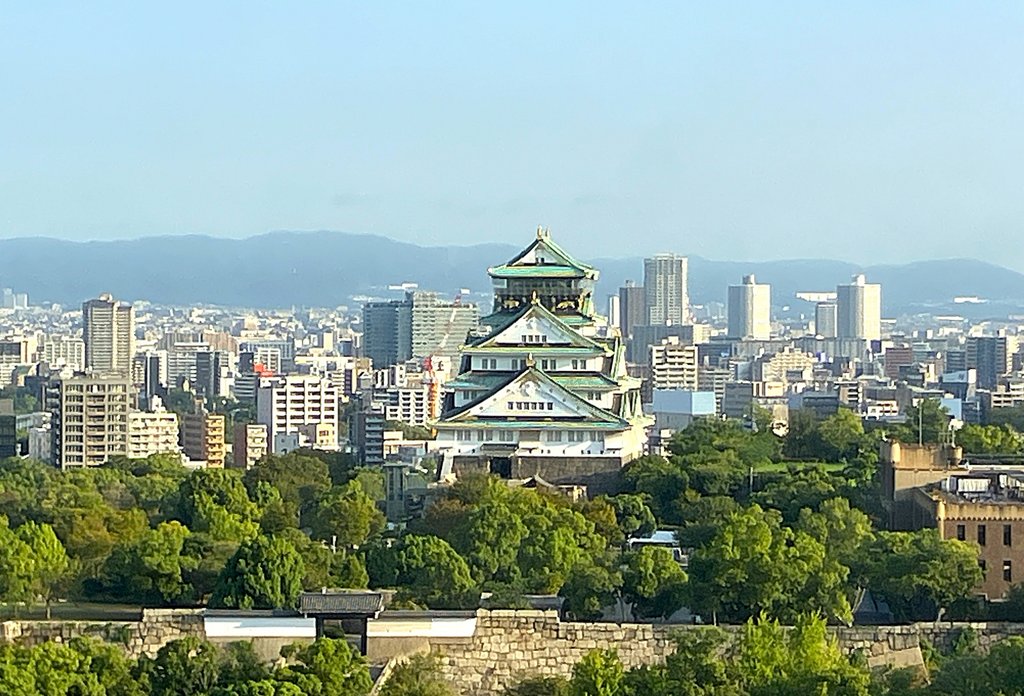
Sumo experiences in Osaka extend far beyond the Grand Sumo Tournament. You can try sumo firsthand at dedicated facilities, enjoy entertainment shows that capture the spirit of the rikishi, and savor chanko-nabe at specialty restaurants.
Even if you couldn’t secure tickets to the honbasho, visiting these spots offers a rich taste of Japan’s sumo culture.
Try sumo yourself
In Osaka, you can do more than just watch sumo—you can step onto the dohyo and experience it firsthand. Dress in wrestler’s attire for commemorative photos and learn basic techniques on a competition-grade dohyo.
With guidance from professionals in a safe environment, visitors of all ages can create unforgettable memories.
Sumo Studio Osaka
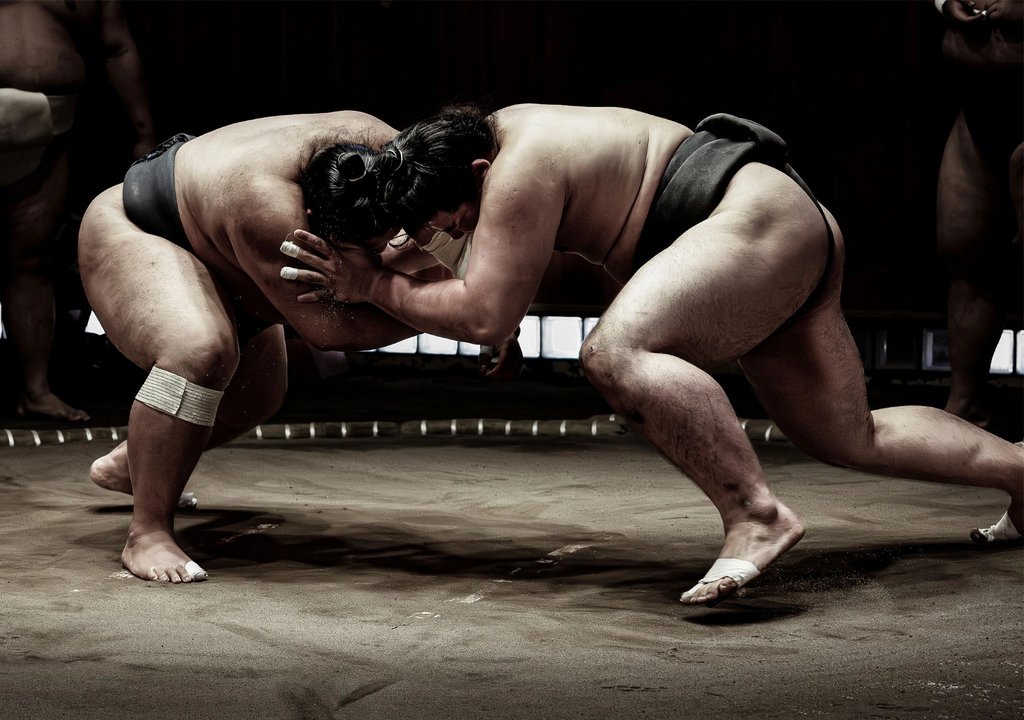
Sumo Studio Osaka offers an intimate sumo show performed by a former rikishi. With a maximum capacity of 50 guests, spectators sit just meters away from intense bouts.
The experience includes demonstrations of sacred rituals such as salt-throwing purification and shiko, along with English explanations of sumo’s history and its connection to Shinto. Volunteers can step into the dohyo to face a rikishi in the “Audience Challenge,” and photo opportunities with former rikishi follow each show.
The venue features an on-site bar serving Japanese beer and umeshu (plum wine), perfect for relaxing before or after the performance. Luggage storage for suitcases and large bags is available, making it easy to visit during your travels.
Details
| Location | AI Building, 1-5-1 Asahi, Nishinari-ku, Osaka |
| Access | 10-second walk from Hanazonocho Station Exit 4; 5-min walk from Hagino-chaya Station (Koya Line) |
| Hours | 10 am–11:30 am, 12:30 pm–2 pm, 3 pm–4:30 pm, 5:30 pm–7 pm, 8 pm–9:30 pm |
| Closed | Open year-round |
| Recommended for | Those who want direct interaction with rikishi; visitors seeking in-depth English explanations of sumo culture |
Active Square Daito
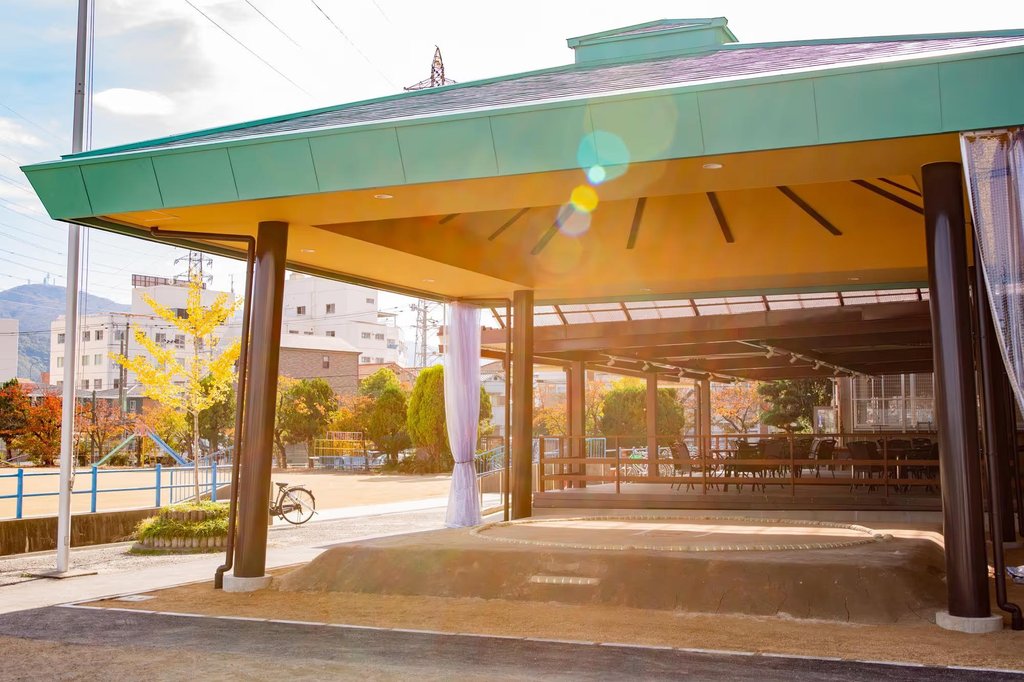
This facility features a competition-grade dohyo built with the same clay used at Ryogoku Kokugikan, Tokyo’s sacred hall of sumo. Under the guidance of amateur wrestlers, participants wear a mawashi (silk belt) for an authentic experience. Training begins with proper etiquette before ascending the dohyo, offering an excellent introduction to the spirit of Japanese martial arts.
A popular course combines approximately one hour of sumo training with a hearty serving of chanko-nabe. Enjoyed after practice, the meal is exceptionally satisfying—a true taste of the rikishi lifestyle.
Details
| Location | 3-28-3 Fukono, Daito-shi, Osaka |
| Access | 5-min walk from Nozaki Station (JR Gakkentoshi Line) |
| Hours | 10 am–6 pm |
| Closed | New Year’s Holiday |
| Recommended for | Those who want physical training on a real dohyo; visitors interested in martial arts experiences |
Shows and entertainment
Osaka offers show-style entertainment venues where you can enjoy the excitement of sumo in a more casual setting. These lively performances differ from tournament bouts and appeal to both dedicated fans and first-time visitors alike.
Some venues combine dining with entertainment, engaging all five senses in the sumo experience.
THE SUMO HALL Hirakuza OSAKA

This entertainment venue features explosive matches by former rikishi. The thunderous collisions delivered by these seasoned athletes rival the excitement of a Grand Sumo Tournament.
Interactive workshops explain basic sumo techniques and prohibited moves with plenty of humor, so you’ll find yourself laughing while learning. Shows run approximately 60 minutes, with workshops lasting about 70 minutes, making them easy to fit into a sightseeing schedule.
Details
| Location | 8F Namba Parks, 2-10-70 Namba-naka, Naniwa-ku, Osaka |
| Access | 3-min walk from Namba Station (Osaka Metro); 5-min walk from Osaka-Namba Station (Hanshin/Kintetsu) |
| Hours | 11 am–11 pm |
| Closed | Tuesdays; New Year’s Holiday |
| Recommended for | Those seeking modern entertainment shows; families and couples who want dining with comfortable seating |
Sumo Restaurant Ochiizumibeya
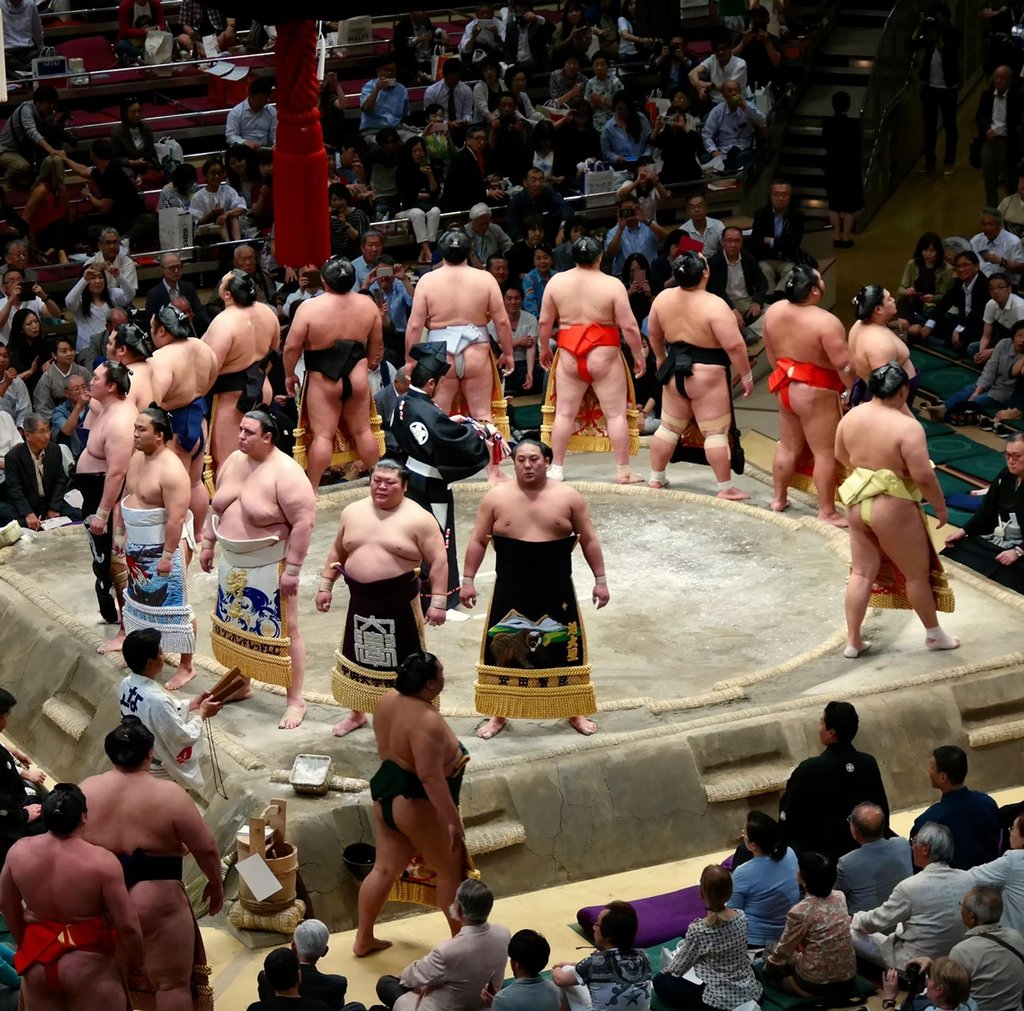
Located near Rinku Town Station with convenient access to Kansai International Airport, this unique restaurant faithfully recreates the atmosphere of a sumo stable. A specially constructed dohyo occupies the center of the venue, with seating for over 100 guests offering clear views of authentic sumo shows.
Shows are held twice daily, featuring demonstrations of intense butsukari-geiko (collision practice) by former rikishi, along with audience participation in sumo activities and photo opportunities.
The menu includes chanko-nabe prepared using a sumo stable’s own recipe, as well as Osaka specialties like takoyaki (octopus balls). This is the ideal spot for those who want dining and entertainment in one place.
Details
| Location | Inside “Ochi Arena,” 3 Rinku Orai-minami, Izumisano-shi, Osaka |
| Access | 3-min walk from Rinku Town Station (Nankai Line) |
| Hours | 12 pm–8 pm |
| Closed | Monday–Thursday; national holidays and days before/after holidays |
| Recommended for | Travelers near the airport; large groups looking for a lively atmosphere |
Where to eat chanko-nabe
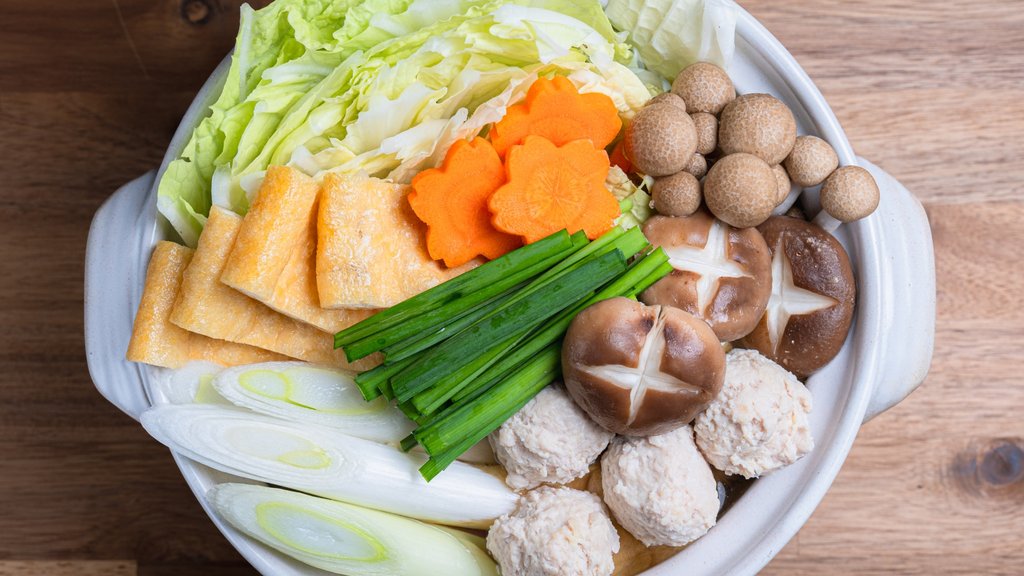
Osaka is home to restaurants serving hearty chanko-nabe and sumo cuisine beloved by rikishi. These establishments offer recipes handed down from sumo stables and generous portions that mirror what wrestlers actually eat.
Experience sumo culture through its cuisine—a perfect choice for dinner after watching the bouts.
Sumo Chaya Terao Osaka
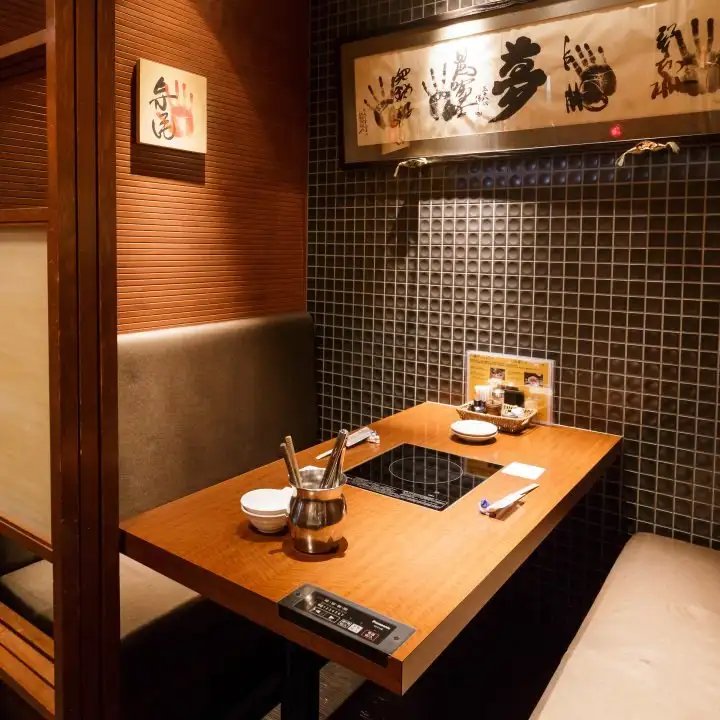
Run by Terao, a former sekiwake who was a popular rikishi during his active years, this restaurant is renowned for the traditional chanko-nabe he perfected throughout his career. The exquisite soup features a rich chicken-bone broth, available in soy sauce, miso, salt, or curry flavors.
Generous portions of fresh vegetables, seafood, and meat ensure a satisfying meal. Side dishes like fried chicken wings and horse sashimi, shipped directly from Kumamoto, pair perfectly with drinks.
The relaxed atmosphere includes private rooms and options for exclusive bookings, making it suitable for family gatherings and banquets alike.
Details
| Location | 2-4-6 Umeda, Kita-ku, Osaka |
| Access | 5-min walk from JR Osaka Station; 3-min walk from Nishi-Umeda Station (Osaka Metro) |
| Hours | Lunch 11:30 am–2 pm / Dinner 5 pm–10 pm |
| Closed | Sundays |
| Recommended for | Those who want traditional soy sauce-based flavors; groups seeking a relaxed private dining experience |
Sumo Kitchen Saganobori
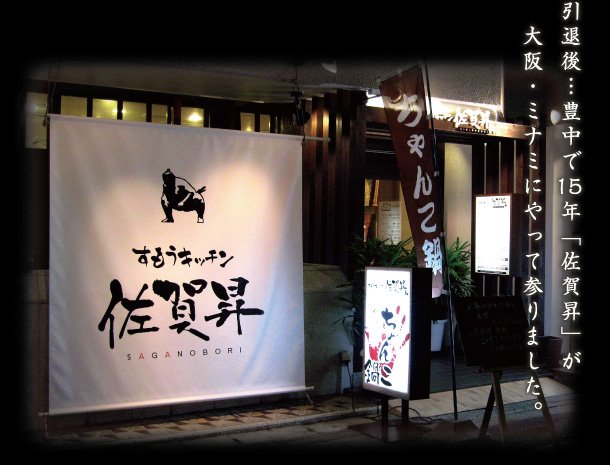
Run by a former rikishi, this restaurant’s signature dish is traditional shio chanko (salt-based hot pot), prepared using a recipe passed down from a sumo stable. The soup is light yet deeply flavorful—once you try it, it’s hard to forget.
The course menu (¥5,500 including tax) features Saga beef skewers and sashimi and requires advance reservation, but it offers excellent value, with generous portions that recreate a rikishi’s meal.
With its welcoming atmosphere, this restaurant is an accessible choice even for those new to sumo.
Details
| Location | 2-4-6 Nishi-Shinsaibashi, Chuo-ku, Osaka |
| Access | 2-min walk from Namba Station (Osaka Metro) |
| Hours | 5 pm–11 pm |
| Closed | Tuesdays |
| Recommended for | Couples seeking a refined dining atmosphere; those looking for a special dinner experience |
FAQ

Planning your sumo trip? Here are the questions we hear most often.
What if I can’t get tickets?
Don’t give up if you weren’t able to secure tickets through official sales channels.
Same-day tickets may be available, though availability is not guaranteed, as some seat types and dates sell out completely. If same-day tickets are offered, they can be purchased through Seven-Eleven or Ticket PIA until 5:00 pm on the day of the event, provided seats remain.
Ticket window availability at the venue varies by tournament, so be sure to check the official website in advance.
Note that the Japan Sumo Association prohibits resale, so always use official purchasing channels.
If Grand Sumo Tournament tickets are unavailable, consider sumo visiting experience facilities or jungyou (provincial tours) as an alternative way to enjoy sumo.
Is seiza required in masu-seki?

Sitting in seiza (formal kneeling position) is not strictly required in masu-seki.
Masu-seki are box seats measuring approximately 1.3 meters square for four people, with each person occupying roughly the width of one cushion—admittedly cramped. Men typically sit cross-legged (agura) while women often sit in seiza.
However, because a tournament day lasts around 8–9 hours from venue opening to uchiage (the conclusion of all bouts), maintaining a single posture for the entire time is unrealistic. Shifting positions periodically is perfectly acceptable.
Visitors with leg or back concerns, or anyone uncomfortable with floor seating, should consider chair seats instead.
Choosing seating that suits your physical condition will help ensure an enjoyable experience.
Can I bring children to the Grand Sumo Tournament?
Children are welcome at the Grand Sumo Tournament, though there are a few important points to keep in mind.
First, children aged four and older require a full-price ticket; there are no discounted children’s tickets.
Seating choice matters as well. Tamari-seki (ringside seats closest to the dohyo) do not admit children below school age and are restricted to spectators aged 16 and older. Families with younger children should choose chair seats or masu-seki instead.
It’s also worth considering the length of the event. A Grand Sumo Tournament day runs approximately nine hours, so entering in the afternoon may help prevent children from becoming restless. You are allowed to leave the venue and re-enter once—just be sure to keep your ticket stub.
Sumo crowds tend to be quiet and focused, so consider whether your children will be comfortable sitting still for extended periods.
If you’re unsure, sumo shows or chanko-nabe restaurants can be a more child-friendly way to experience sumo culture.
Is English support available at the Grand Sumo Tournament?
The Japan Sumo Association’s official website maintains a permanent English section with tournament information, ticket guidance, and spectator guides.
For ticket purchases, the official “Ticket Oosumo” site offers an English version that explains sales start dates and purchasing procedures. It also provides detailed English information on seat types, etiquette, and security check procedures, which is helpful for advance preparation.
If English resources alone feel insufficient, having a smartphone translation app on hand can provide peace of mind. Camera translation features in apps such as Google Translate allow you to read Japanese signs at the venue in real time.
Plan your Osaka sumo trip
If you plan to watch the Grand Sumo Tournament in Osaka, early ticket purchase is essential. Popular seats often sell out immediately after general sales begin, so check the official website as soon as your travel plans are set.
Even without Grand Sumo Tournament tickets, Osaka offers plenty of ways to enjoy sumo. Shows by former rikishi, hands-on sumo training, and chanko-nabe prepared using sumo stable recipes all provide opportunities to experience Japan’s national sport beyond the tournament itself.
Experience the power of rikishi on the dohyo and the beauty of ancient rituals—all waiting for you in Osaka.