Sumo Wrestling in Kyoto: A Complete Guide to Watching, Experiencing, and Tasting
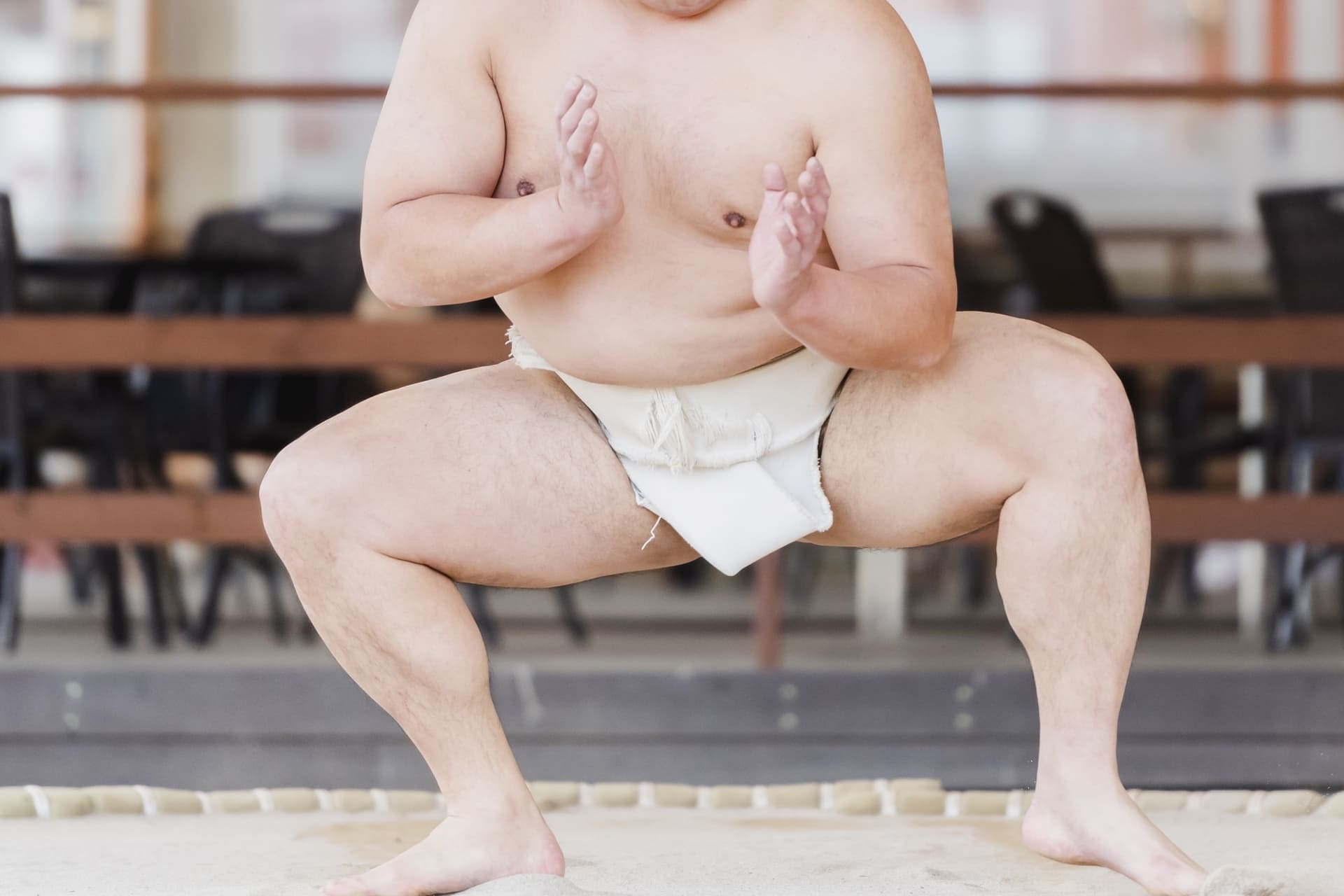
Sumo wrestling is Japan’s national sport, a 1,500-year-old living tradition where ancient ritual meets raw athletic power. While Tokyo often comes to mind when thinking of sumo wrestling, the ancient capital of Kyoto holds its own profound connection to this revered tradition. From imperial court sumo performed before emperors to Kyoto’s signature chanko-nabe and sacred shrine rituals that continue to this day, the city preserves a unique sumo heritage.
This guide explores three ways to experience sumo wrestling in Kyoto:
- Watch: Annual tours and performances by current and former wrestlers
- Experience: Step into the ring wearing a mawashi (the thick, pleated, silk or cotton belt worn by sumo wrestlers)
- Taste: Savor chanko-nabe—a hearty, protein-rich stew that typically contains chicken, fish, and vegetables— the traditional wrestler’s meal
You’ll find detailed information on viewing spots, places to try sumo, and chanko-nabe restaurants, plus essential etiquette and manners. We’ve included thorough explanations designed specifically for international visitors and those new to sumo.
Additionally, we cover sumo spots in nearby Osaka (just 30 minutes from Kyoto), including March tournaments, authentic training facilities, and renowned restaurants. Choose the experience that best fits your travel style.
Contents
- What to Know Before Experiencing Sumo in Kyoto
- Where to Watch and Experience Sumo Wrestling in Kyoto
- Where to Taste Sumo Food Culture in Kyoto
- Day Trip to Osaka: More Sumo Adventures Await
- How to Choose Your Sumo Experience in Kyoto Based on Your Goals
- Etiquette to Know for Sumo Experiences
- Your Sumo Wrestling Adventure in Kyoto Starts Here
What to Know Before Experiencing Sumo in Kyoto
Understanding the culture and history behind sumo will transform your experience from mere observation into something truly meaningful. Learning about the spiritual essence woven into sumo by Japanese culture and its deep connection to Kyoto will multiply the depth of your appreciation.
Sumo Basics: Understanding Japan’s National Sport
The rules of sumo are beautifully simple—there’s no language barrier here. The winning condition is straightforward: force your opponent out of the ring or make any part of their body except the soles of their feet touch the ground. That’s it.
Unlike boxing, sumo has no weight classes. Watching a smaller wrestler use technique and speed to topple a giant is one of the greatest thrills in sumo.
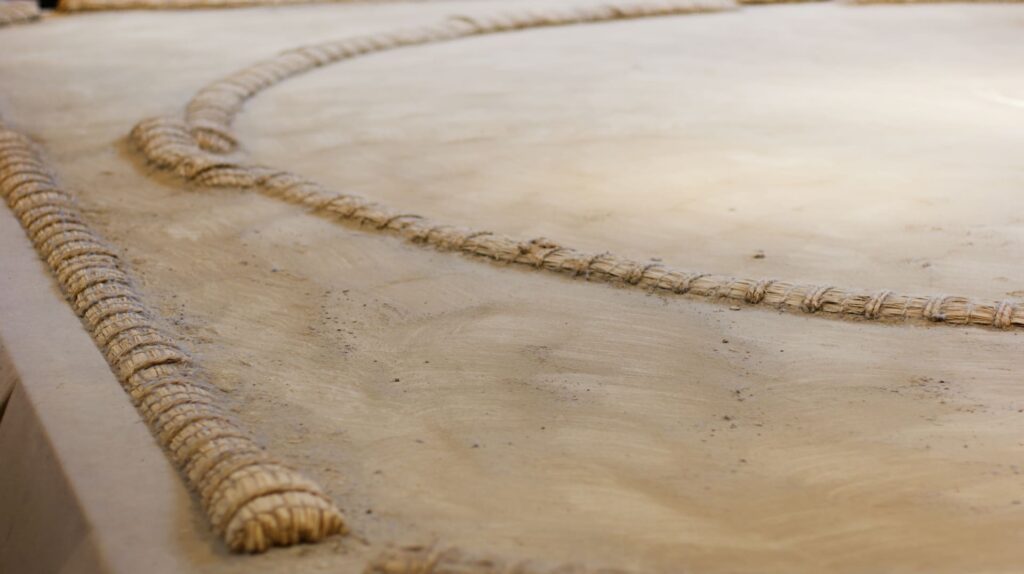
Pay attention to the rituals before each bout. These are spiritual ceremonies. When wrestlers throw salt into the ring, they’re purifying the space and making it sacred. White salt crystals arc through the air, catching the light as they scatter across the clay ring. It’s a beautiful, photogenic moment that marks the transition from ordinary space to sanctified ground.
The shiko (leg stomping) involves lifting the leg high and stomping down forcefully to drive away evil spirits lurking beneath the earth. Every gesture in sumo carries deep meaning.
Kyoto’s Unique Sumo Culture
You might think “Tokyo for sumo,” but Kyoto actually shares a profound historical connection with the sport. As Japan’s former capital, Kyoto hosted imperial court sumo over 1,200 years ago during the Heian period, where wrestlers performed before the emperor.
The sumo tradition lives on in modern Kyoto. Here, visitors can experience its essence.
The irregularly scheduled Grand Sumo Tournament brings professional wrestlers to Kyoto in a more relaxed touring atmosphere than official competitions. The historic city also offers authentic sumo experience programs led by former professional wrestlers.
In food culture, the chicken broth-based soy sauce style of chanko-nabe is said to have originated in Kyoto. Experience this traditional flavor at its birthplace.
What Are Kyoto’s Traditional “Shinji Sumo” Rituals?
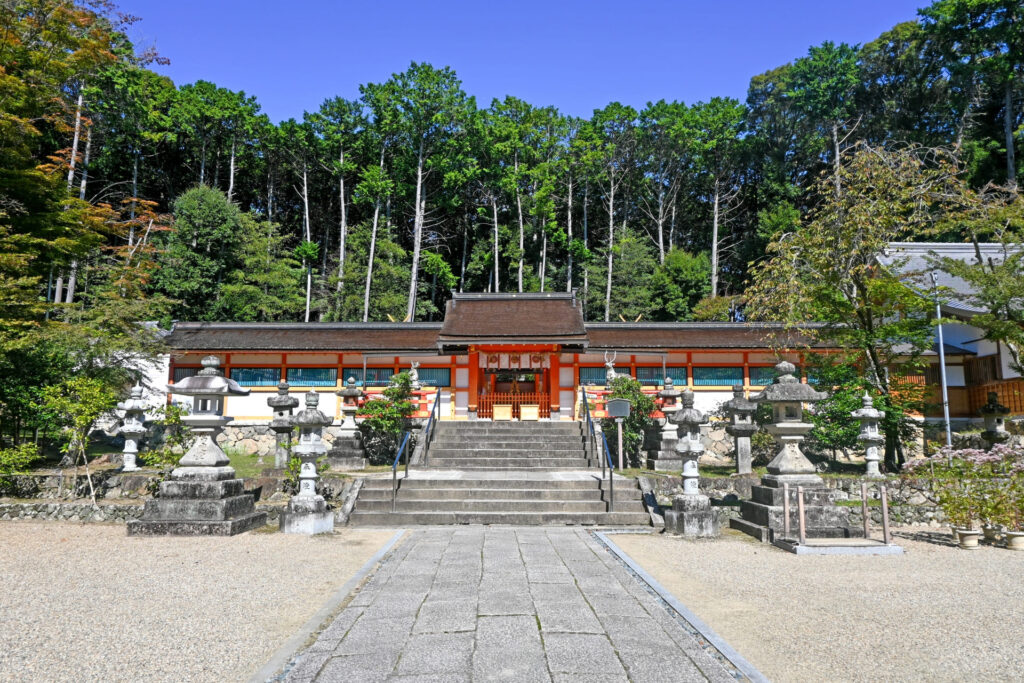
Kyoto’s shrines still preserve the original meaning of sumo as an offering to the gods. This is called Shinji Sumo (ritual sumo). In these ceremonies, wrestlers don’t just compete for strength. They serve as intermediaries praying for regional peace and bountiful harvests.
Unlike competitive sumo, ritual sumo emphasizes harmony and prayer over victory. Kyoto’s shrines continue to uphold this spirit, and visitors can observe these traditional events.
The spirit of ritual sumo carries into tourist experience programs. Through activities like throwing salt and performing shiko, you can feel the reverence and respect for nature that Japanese people have cherished for centuries.
Three Ways to Enjoy Sumo in Kyoto
Kyoto offers three distinct approaches to sumo wrestling, so you can choose what fits your travel style.
1. Watch
Observe the irregularly scheduled Kyoto sumo tour or performances by former wrestlers. Perfect for those who want to feel the raw power, love photography, or enjoy cultural observation. Experience the heavy thud of colliding bodies and an electric atmosphere. While Kyoto tours happen irregularly throughout the year, performances are available year-round.
2. Experience
Wear a simplified mawashi-style suit or belt and face a former professional wrestler in the ring. Ideal for active travelers and families wanting special memories. Feel the power and technique that watching alone can’t convey. Former wrestlers are entertainers who guide you to ensure your safety and enjoyment.
3. Taste
Enjoy chanko-nabe, the wrestler’s meal, at specialty restaurants. Suited for food culture enthusiasts and those preferring relaxed experiences. Admire photos and decorative mawashi displayed in restaurants while connecting with the world of sumo through cuisine. Perfect if intense physical activity isn’t your preference.
Where to Watch and Experience Sumo Wrestling in Kyoto
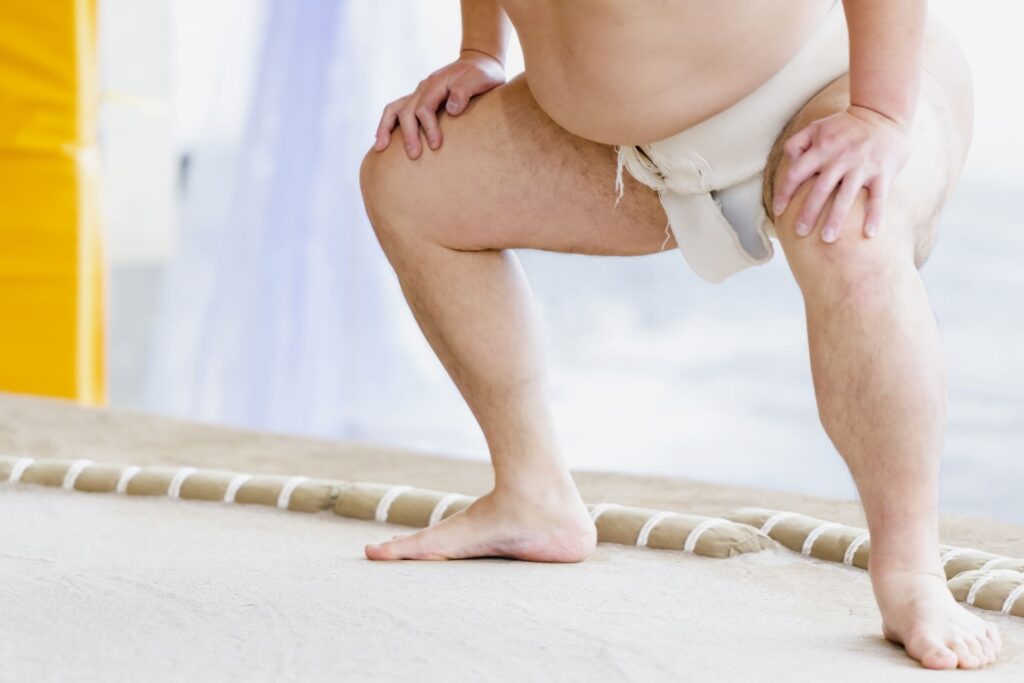
Unlike Tokyo, opportunities to see real wrestlers in Kyoto are limited, making each encounter all the more special. Below, you’ll find information about the autumn “official tour (public viewing)” and year-round “private special performances (chartered experiences)” so you can find something that matches your schedule and budget.
Grand Sumo Kyoto Tour
If a tour coincides with your travel dates, you’re incredibly lucky. This event brings professional Grand Sumo wrestlers to Kyoto. While not held every year, when it happens it’s a rare chance to see authentic sumo up close.
Tours differ from official tournaments, offering a festival-like atmosphere focused on fan interaction. Held in gymnasiums, the ring feels closer than in massive stadiums. Beyond competitive matches, enjoy entertainment like Shokkiri (a comedic demonstration of forbidden moves) and wrestlers singing.
Tour announcements come several months in advance, so check the schedule before your trip.
Details
| Event Name | Grand Sumo Tournament in Kyoto (Tour) |
| Schedule | Irregularly held |
| Venue | Kataoka Arena Kyoto (Kyoto City Gymnasium) and others |
| Recommended For | Those wanting to feel the raw power of sumo first-hand, those visiting Kyoto in mid-October |
Oharano Shrine Kami-Sumo
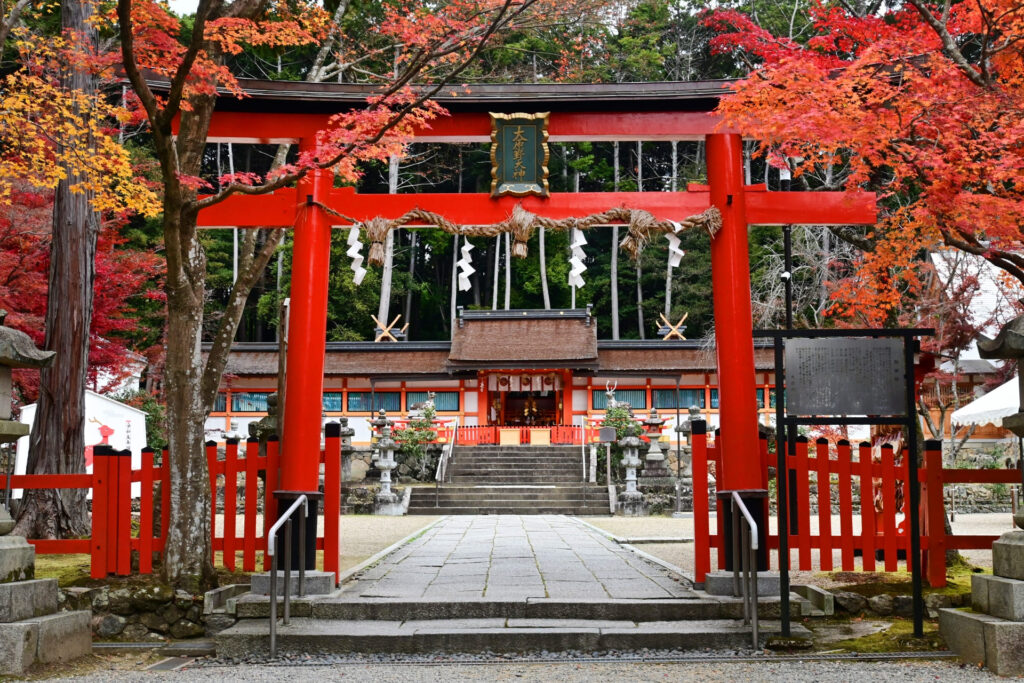
At the ancient Oharano Shrine in western Kyoto, a ritual sumo ceremony called Kami-Sumo takes place every September during the harvest festival. This tradition spans over 300 years, and features community representatives dressed as wrestlers entering the ring.
What’s unique about this performance is that the outcome is predetermined. As a sacred ritual praying for abundant harvests, divine harmony is preserved by ensuring each bout of wrestling ends in a “one win, one loss” draw. You can witness sumo’s original form—not as combat, but as a prayer for peace and harmony offered to the gods.
Details
| Location | 1152 Minamikasuga-cho, Oharano, Nishikyo-ku, Kyoto |
| Access | 10-minute walk from Minamikasuga-cho bus stop (city bus/Hankyu bus) |
| Schedule | Annual, Second Sunday of September |
| Admission | Free |
| Reservation | Not required |
| Recommended For | Those wanting to see traditional Japanese festivals (matsuri), photography enthusiasts |
Kyoto Sumo Tour Viewing Package
“I know a tour is happening, but I don’t know how to get tickets.”
“I’m worried about not understanding the rules of sumo.”
If this sounds like you, joining a viewing tour organized by the Kyoto Tourist Information Center is your best option.
By joining a tour, you won’t have to worry about language barriers or event arrangements. A dedicated guide accompanies you, carefully explaining match rules, ritual meanings, and wrestler profiles. Enjoy sumo viewing during the day, then explore the Gion area with your guide in the evening. It’s an efficient plan combining sumo and Kyoto sightseeing in one day. Traditional makunouchi bento (compartmented lunch box) is often included, eliminating meal planning concerns.
In years when tours are held, this is the most stress-free way to enjoy the experience.
Sumo Performances by Former Wrestlers (Motenas Japan)
Perfect for group trips, special private parties, or creating anniversary memories. This mobile performance brings former wrestlers to your chosen location (hotel banquet halls, event spaces, etc.) rather than you visiting a facility.
Plans are fully customizable to your requests. You can watch professionals clash in a private setting and incorporate workshops where all participants perform shiko together or a representative from your group challenges the wrestlers. You can also request catering that includes authentic chanko-nabe.
Pricing is quote-based, but it creates a truly unique experience.
Details
| Name | Sumo Performance by Motenas Japan |
| Location | On-site service (Kyoto city hotels, etc.) |
| Budget | Quote required (for groups/private bookings) |
| Language | English-speaking staff available |
| Recommended For | Groups wanting private experiences, those seeking something special |
Where to Taste Sumo Food Culture in Kyoto
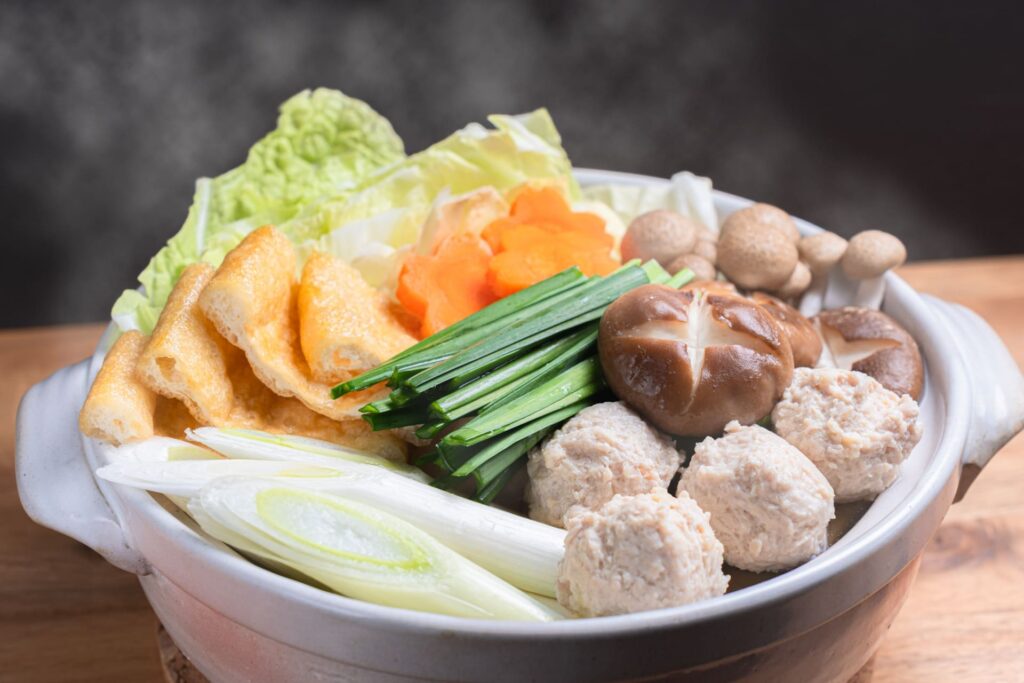
Kyoto’s sumo experience doesn’t end when you leave the ring. To truly understand what builds those legendary physiques, you need to taste chanko-nabe—the hearty hot pot that’s fueled champions for generations.
Chanko-nabe features chicken meatballs, fish, tofu, and heaps of vegetables simmered in broth in a large pot. This nutritionally balanced hot pot—which allows for the simultaneous consumption of vegetables, meat, and fish—supports the creation of the strong physiques of sumo wrestlers who are dedicated to their rigorous training.
Kyoto offers many specialty restaurants, from venerable establishments over 50 years old to casual spots. In particular, Sop-nabe (a light, Kyoto-style chanko hot pot said to originate in Kyoto), features a chicken and soy sauce-based soup that can be a familiar, approachable flavor for first-timers.
Traditional Favorites: Restaurants that Preserve Age-Old Flavours
These establishments have preserved traditional sumo cuisine flavors for generations,allowing visitors to experience chanko-nabe untouched by recent trends.
Kyoto’s standard hot-pot is Sop-nabe. Golden soy sauce-based soup made from simmered chicken broth combines with chicken meatballs and fresh vegetables, creating a rich, savory umami taste that coats your palate before melting away with a surprisingly clean finish. The warmth spreads through your body with each sip, making you want to finish every last drop.
The time spent around a bubbling pot in a calm Japanese space becomes an experience of Japanese food culture itself.
Chanko Sakahoko
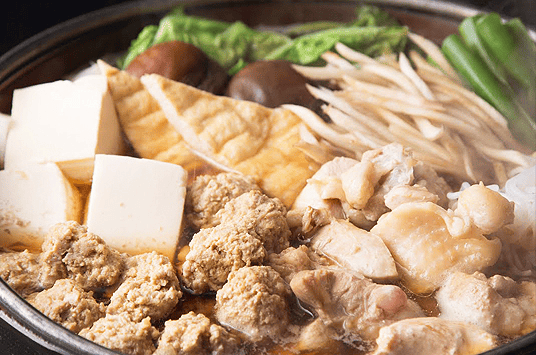
This long-standing chanko-nabe specialty restaurant has been loved in Kyoto’s Kiyamachi area since 1966. Their signature “Sop-daki” features a broth made from a secret-recipe that includes simmered chicken bones. Dine in a renovated Kyoto machiya (traditional Kyoto townhouse) while feeling the city’s history.
Details
| Name | Chanko Sakahoko (ちゃんこ逆鉾) |
| Hours | 5:00 PM – 10:00 PM |
| Closed | Irregular holidays |
| Address | 203-5 Shimokobiki-cho, Takoyakushi-sagaru, Kiyamachi-dori, Nakagyo-ku, Kyoto |
| Access | 3-minute walk from Hankyu Kawaramachi Station Exit 5 4-minute walk from Keihan Gion-Shijo Station Exit 3 |
| Payment | Cash only |
| Recommended For | Those wanting authentic flavors, groups |
Sumojaya Ikoro
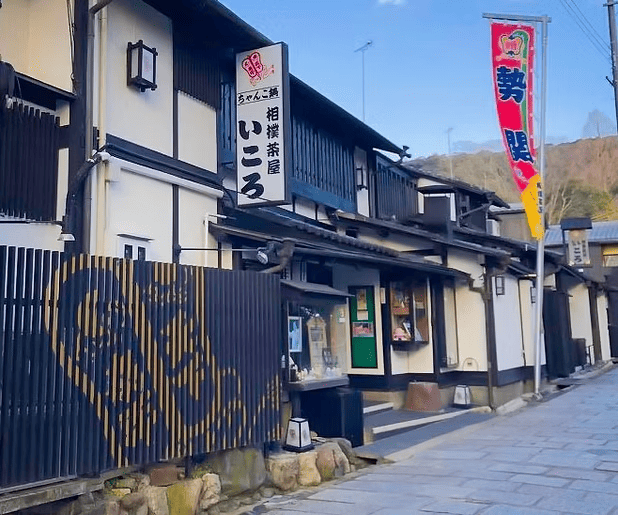
Located in Maruyama Park adjacent to Yasaka Shrine, this restaurant offers completely private rooms where you can dine while gazing at a tranquil garden. Perfect for celebrating special occasions with a touch of extravagance.
Details
| Name | Sumojaya Ikoro (相撲茶屋 いころ) |
| Hours | 11:00 AM – 10:00 PM |
| Closed | New Year’s holiday |
| Address | 350 Gion-machi Kitagawa, Higashiyama-ku, Kyoto |
| Access | About 10-minute walk from Keihan Gion-Shijo Station |
| Payment | Credit cards accepted, electronic money accepted |
| Recommended For | Special occasion dinners, those preferring quiet dining |
Casual & Convenient: Easy Access Options
To use limited travel time effectively, choose conveniently located restaurants. The bustling downtown area offers chanko-nabe restaurants that are easy to drop by while sightseeing and also serve authentic flavors.
Tourist-friendly spots make ordering easy. Most provide English menus and photo guides, perfect for first-timers.
Sumojaya NAGOMI
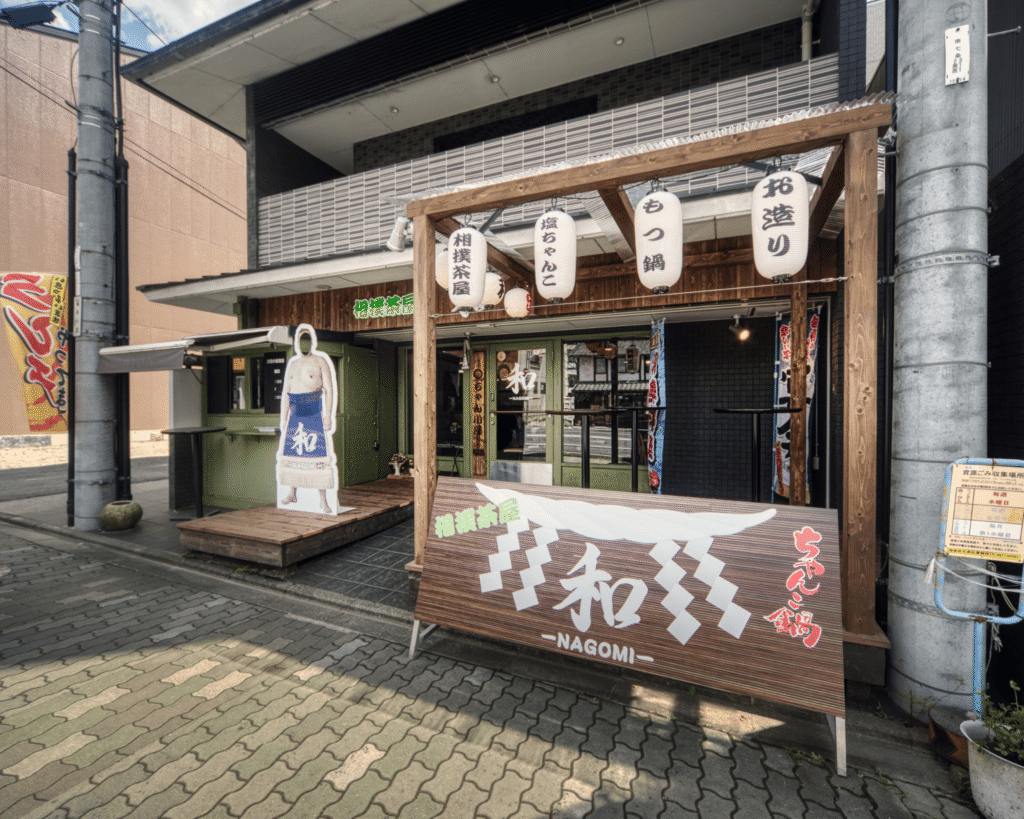
This popular restaurant is run by a former wrestler. Located in the Shichijo area and within walking distance of Kyoto Station, access is excellent. With lunch service available, you can easily enjoy “wrestler’s food” as you see the sights. The interior displays photos and ranking charts from the owner’s active days, bringing the world of sumo closer.
Details
| Name | Sumojaya NAGOMI (相撲茶屋 和) |
| Hours | Tue-Fri: 12:00 PM – 3:00 PM / 6:00 PM – 12:00 AM; Sat, Sun, Holidays: 12:00 PM – 12:00 AM |
| Closed | Mondays |
| Address | 479 Wakamiya-cho, Shimogyo-ku, Kyoto |
| Access | 2-minute walk from Keihan Shichijo Station |
| Payment | Credit cards accepted |
| Recommended For | Those seeking station proximity, solo travelers, lunch use, families |
Kyochanko Edojimanbeya
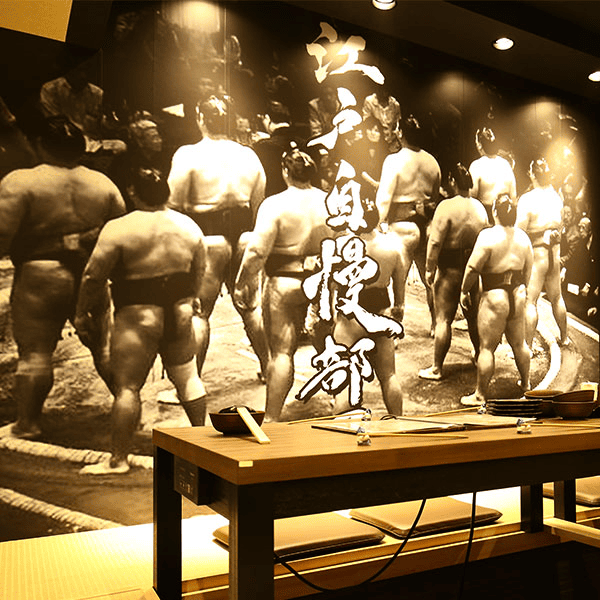
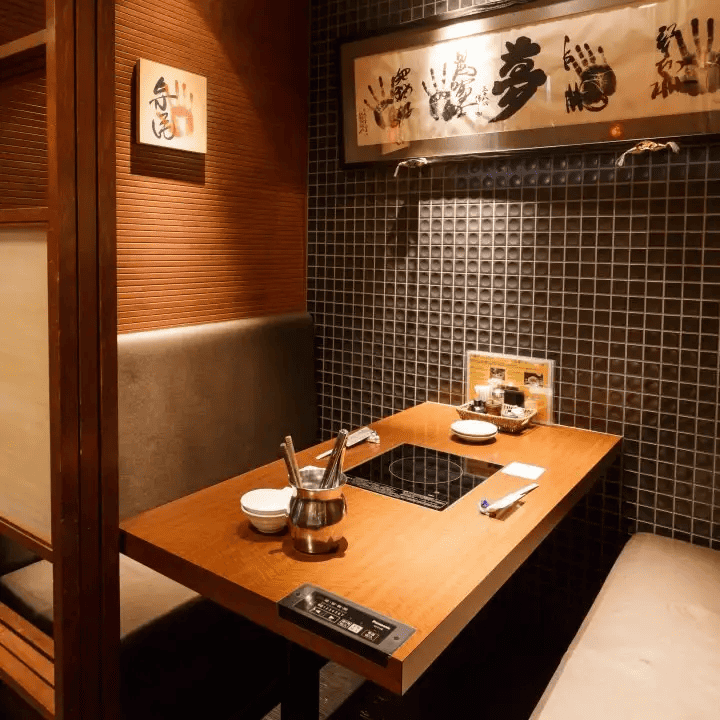
Located in Kiyamachi—Kyoto’s nightlife center—the interior displays wrestler handprints and decorative mawashi for enjoying the atmosphere of sumo. Completely private rooms let you celebrate without concern for your surroundings. The convenient downtown location makes it perfect for a post-sightseeing dinner.
Details
| Name | Kyochanko Edojimanbeya (京ちゃんこ 江戸自慢部屋) |
| Hours | 5:00 PM – 11:00 PM |
| Closed | Irregular holidays |
| Address | 215 Nabeyacho, Nakagyo-ku, Kyoto |
| Access | 1-minute walk from Hankyu Kyoto-Kawaramachi Station |
| Payment | Credit cards accepted, electronic money accepted, QR payment accepted |
| Recommended For | Those wanting downtown dining, izakaya (Japanese-pub)-experience seekers, groups |
Local Favorites: Neighborhood Atmosphere
For travellers who want to avoid tourist-heavy restaurants or visit places where the locals eat, we recommend establishments in areas slightly removed from tourist zones. Hidden gems nestled in residential neighborhoods offer unpretentious charm.
You can order chanko-nabe in single portions, which helps solo travelers feel more comfortable. Diverse soup options such as salt, miso, and kimchi are available so you can choose your preferred flavor. Enjoy Kyoto’s relaxed, everyday side.
Chankoya Ozeki
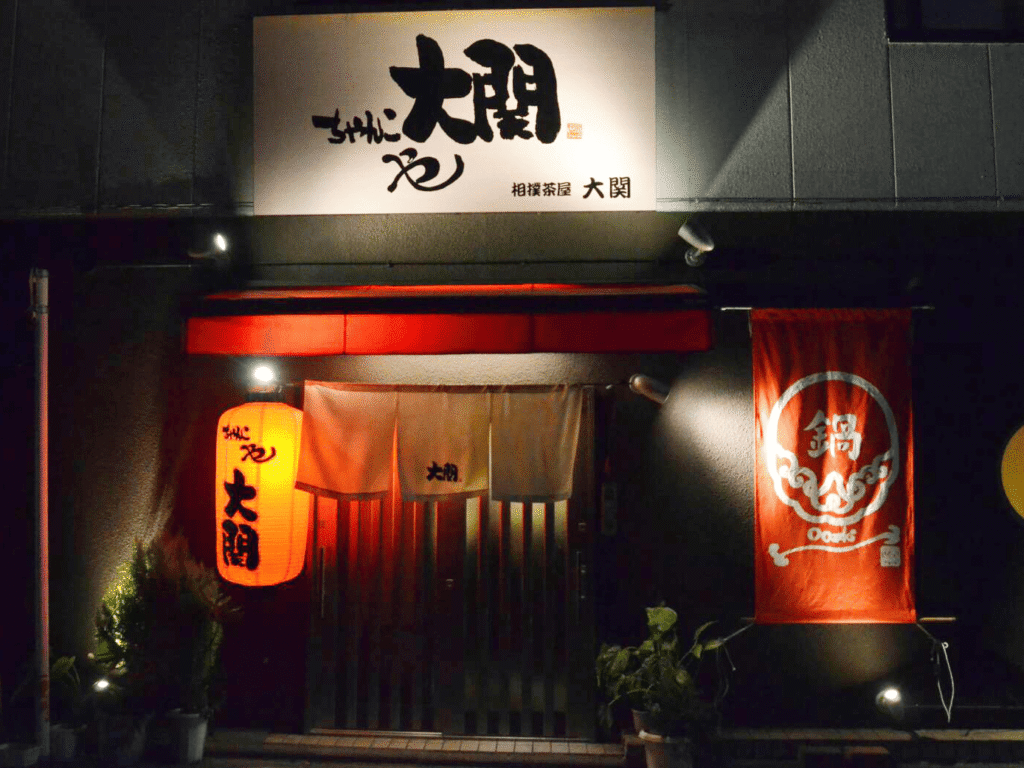
Loved for over 30 years in the Saiin area and tucked away from tourist spots, this restaurant offers authentic hot pot dishes at reasonable prices in a homey atmosphere. Recommended for those wanting to dine among the locals.
Details
| Name | Chankoya Ozeki (ちゃんこや 大関) |
| Hours | 5:30 PM – 10:30 PM |
| Closed | Mondays |
| Address | 19-21 Mibudonouchi-cho, Nakagyo-ku, Kyoto |
| Access | 5-minute walk from Hankyu Saiin Station |
| Payment | Credit cards accepted |
| Recommended For | Budget-conscious diners, local-experience seekers |
Chanko Shinkawa
This authentic restaurant continues to be loved by locals. With dedicated parking, car access is convenient. Beyond carefully crafted hot pot soup, extensive side dishes allow you to enjoy Japanese izakaya culture simultaneously.
Details
| Name | Chanko Shinkawa (ちゃんこ しん川) |
| Hours | 5:30 PM – 11:00 PM |
| Closed | Mondays |
| Address | 70-1 Higashikujo Yagishita-cho, Minami-ku, Kyoto |
| Access | 1-minute walk from Kujo Station (subway) |
| Payment | Credit cards accepted |
| Recommended For | Those preferring a local atmosphere, solo travelers, those traveling by car |
Day Trip to Osaka: More Sumo Adventures Await
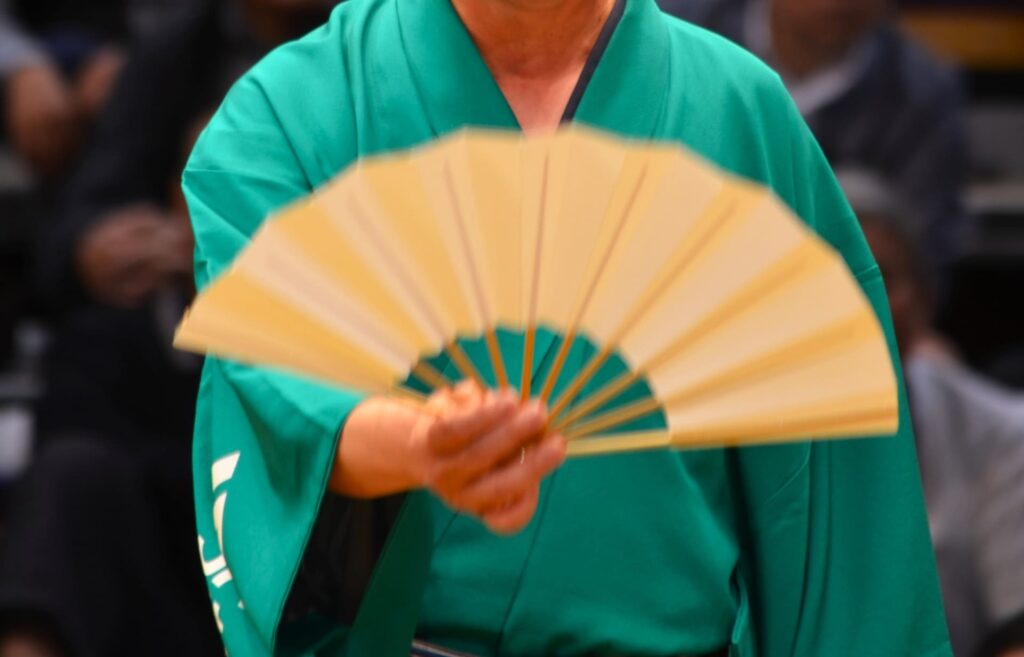
If your itinerary allows, consider extending slightly from Kyoto to Osaka. Just 30 minutes by train, Osaka is western Japan’s sumo center.
Osaka hosts an official tournament every March, plus year-round experience facilities and numerous chanko-nabe restaurants run by former wrestlers. Check out these Osaka sumo spots you can enjoy as a day trip from Kyoto.
Watching Sumo in Osaka: Grand Sumo Tournament
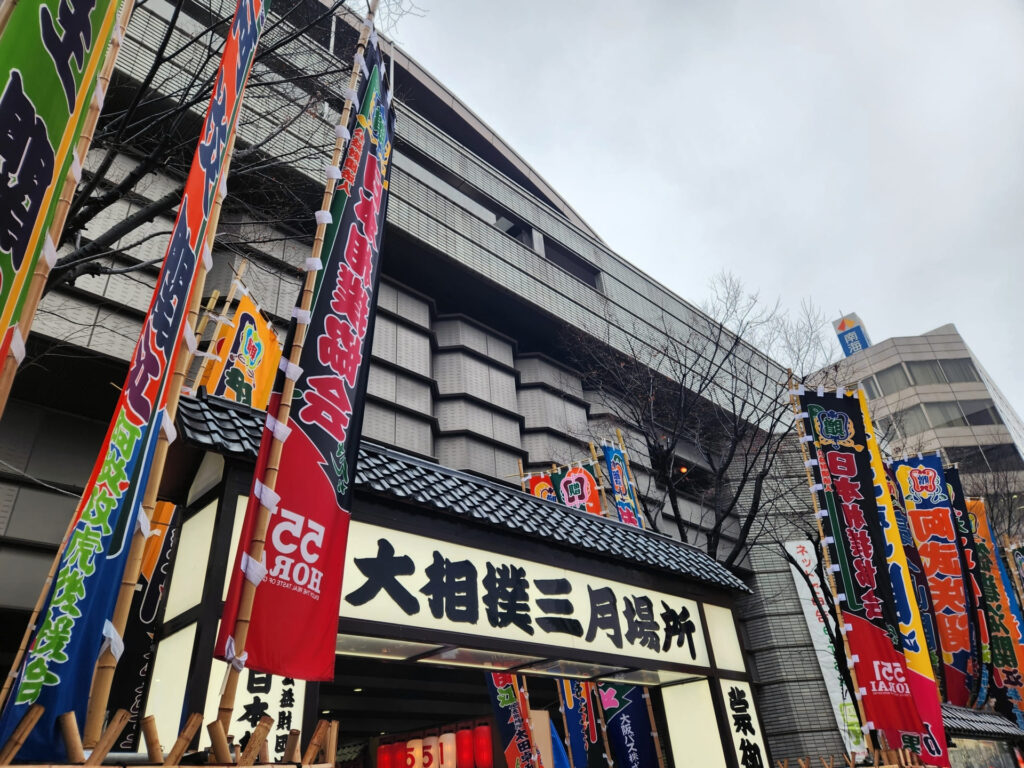
If you’re traveling in March, head to Osaka. During this period, the official Spring Tournament (Haru-Basho) takes place. This is a genuine competitive arena where sumo wrestlers’ rankings are determined.
This 15-day official tournament happens every March. The main attraction begins around 4:00 PM with makuuchi (top-tier)-level wrestlers. Watch the colorful mawashi-clad wrestlers enter and the yokozuna perform solemn rituals. Experience the breathless tension filling the venue and hear the thunderous cheers when matches conclude.
However, tickets are extremely difficult to obtain, often selling out immediately after their release. Check the official website for sale dates and purchase them the moment sales begin, or participate in tours that include tickets.
Details
| Location | Edion Arena Osaka (Osaka Prefectural Gymnasium) |
| Access | 5-minute walk from Namba Station (various lines) |
| Schedule | Every March (15 days) |
| Price Range | Chair seats from ¥3,500 / Box seats from ¥8,500 |
Experiencing Sumo in Osaka
Ready to feel 300 pounds of pure muscle? For active travelers, nothing beats the thrill of wearing a mawashi and stepping into the ring yourself. Osaka offers everything from English-friendly casual experiences to authentic training facilities with real rings.
Sumo Studio Osaka
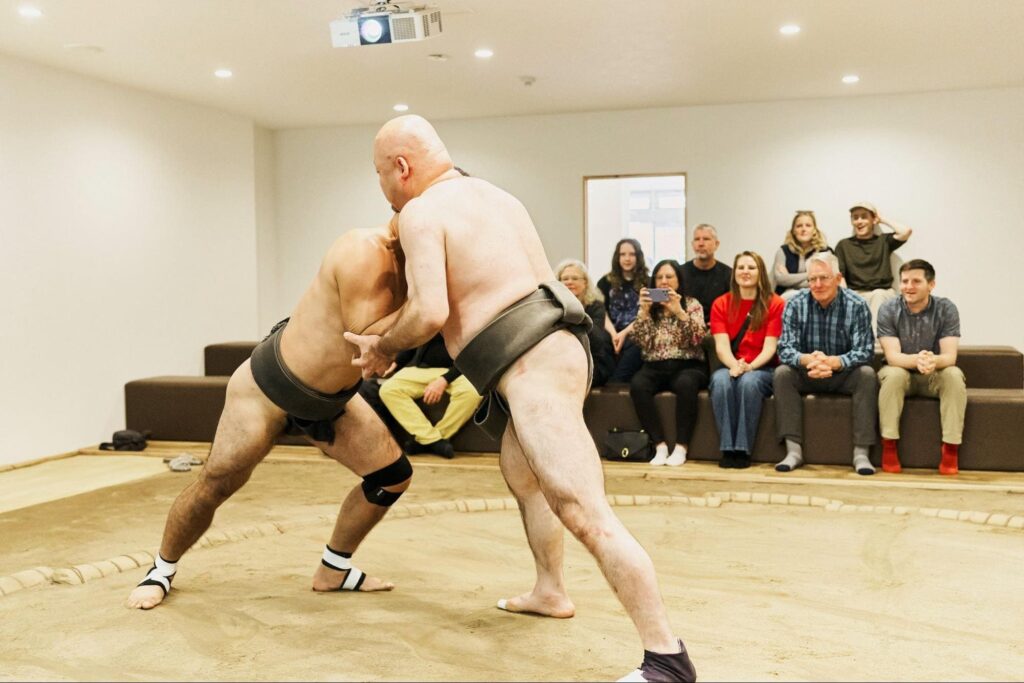
Learn about sumo culture in English from former professional wrestlers and challenge them yourself in the ring at this popular spot. As past members of the Japan Sumo Association—an extremely selective group with only about 600 members nationwide—the “former wrestlers” here are genuine professional athletes.
The 90-minute live show proceeds systematically. First, you’ll watch powerful matches between former wrestlers up close. Then, your guide explains rituals like shiko(salt throwing) and tachiai (the initial charge), all in English.
The highlight is the participatory challenge where audience members step into the ring to push against or grapple with former wrestlers. Feeling the immovable “human wall” creates unforgettable travel memories. The show then concludes with photo opportunities and Q&A time with the wrestlers.
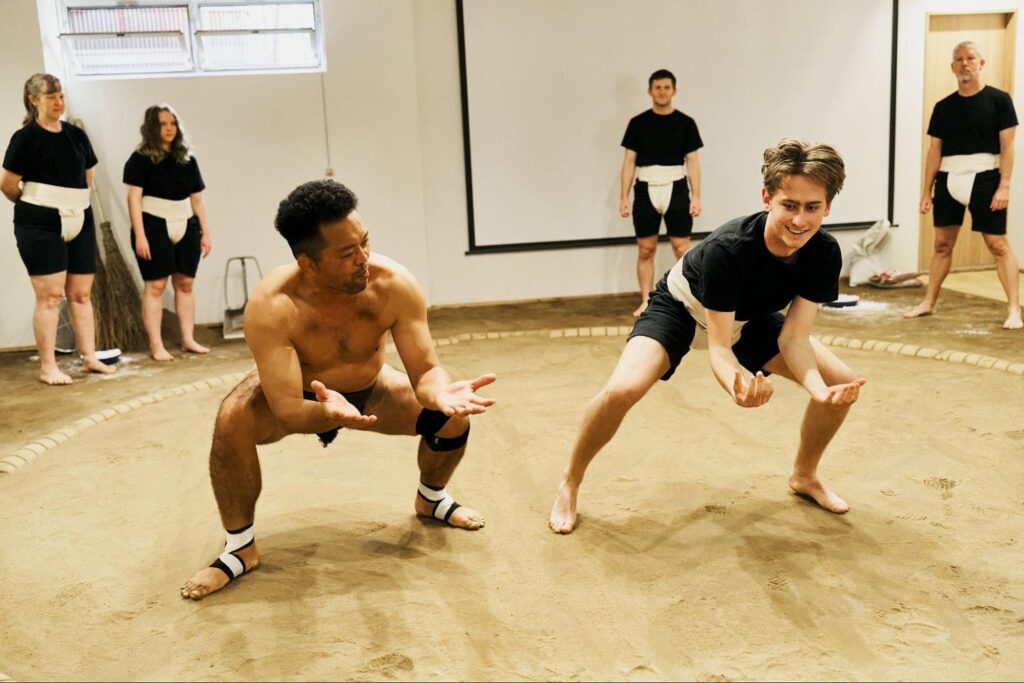
The location is also excellent: only a 10 second walk from Hanazono-cho Station Exit 4. Access from Osaka Station (Umeda) takes about 16 minutes, and access from Namba takes about 10 minutes. Five daily sessions let you fit participation into your schedule.
Details
| Location | AI Building, 1-5-1 Asahi, Nishinari-ku, Osaka |
| Access | 10-second walk from Hanazono-cho Station Exit 4 (subway) 5-minute walk from Haginochaya Station (Koya Line) |
| Hours | 10:00 AM – 11:30 AM / 12:30 PM – 2:00 PM / 3:00 PM – 4:30 PM / 5:30 PM – 7:00 PM / 8:00 PM – 9:30 PM |
| Closed | Open year-round |
| Price Range | ¥14,000 |
| Recommended For | Those wanting direct interaction with wrestlers, those who want to learn about sumo culture in English |
Active Square Daito
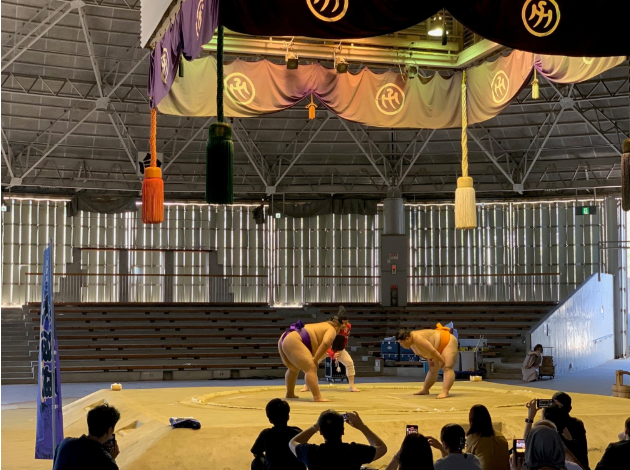
Experience training in an authentic ring using the same soil as Ryogoku Kokugikan, the primary and most famous stadium for professional sumo wrestling in Japan. Wear an actual mawashi, step into the ring, and learn basic movements like shiko and suriashi (foot shuffling performed during sumo).
The experience of training barefoot on the soil just like a real sumo wrestler suits those who are interested in martial arts, Japanese cultural experiences, and those seeking deeper involvement in the sport.
Details
| Location | 3-28-3 Fukano, Daito City, Osaka |
| Access | 5-minute walk from JR Nozaki Station (Gakken Toshi Line) |
| Hours | 10:00 AM – 6:00 PM |
| Closed | New Year’s holiday |
| Price Range | From ¥8,800 |
| Recommended For | Those wanting to experience authentic sumo exercise in the ring, martial arts experience enthusiasts |
Immerse Yourself in Sumo Culture in Osaka
For those who prefer a relaxed, cultural immersion experience over an intense one, we recommend a sumo-themed trip focusing on historical spots and food culture.
Here, you can enjoy the history and spirituality of sumo, along with its delicious food, all at your own pace.
Ohama Park Sumo Hall
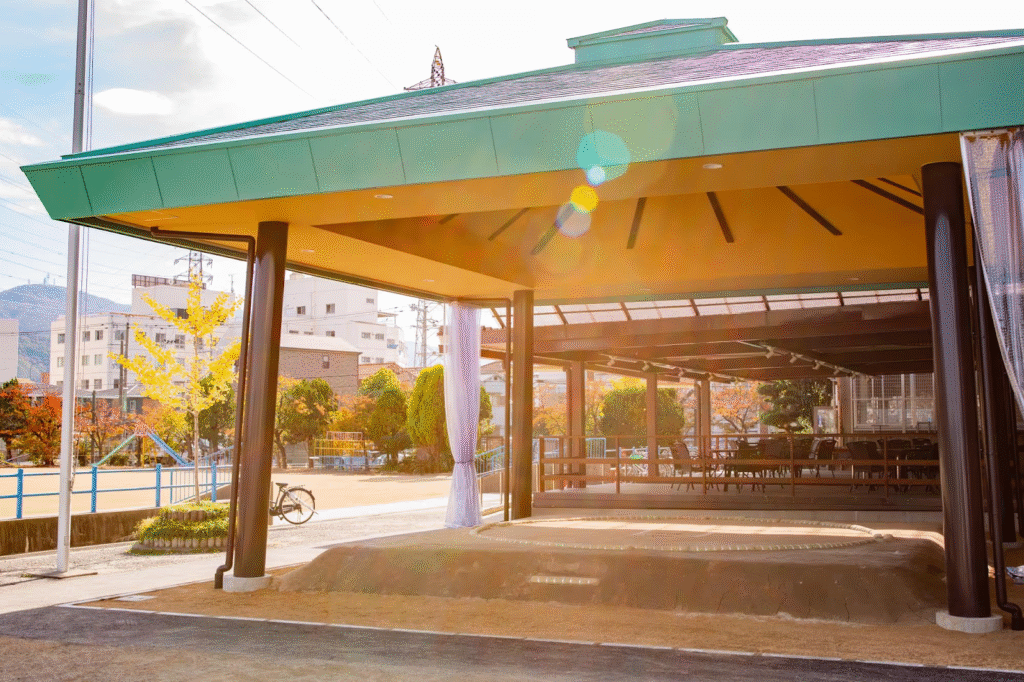
This indoor sumo hall holds over 100 years of history as the “birthplace of student sumo.” The weathered, ancient architecture stands quietly in the park, its aged wooden frame and dusty ring carrying a sacred stillness that is worlds apart from the roar of professional tournaments.
Under the guidance of a former wrestler, experience traditional rituals like salt-throwing and touch the spiritual essence of sumo in silence. Ohama Park Sumo Hall is recommended for those interested in history and architecture.
Details
| Location | 4-2 Ohamakita-cho, Sakai-ku, Sakai City, Osaka |
| Access | 10-minute walk from Sakai Station (Nankai Main Line) |
| Hours | 9:00 AM – 9:00 PM |
| Closed | First Monday of each month, New Year’s holiday |
| Fee | ¥22,000 |
| Recommended For | Those interested in sumo history and culture, those wanting to see inside a sumo hall |
Morning Training Observation (March Only)
During tournament periods, tourists can quietly observe sumo wrestlers during their intense early morning training. This precious opportunity allows visitors to glimpse the heart of sumo that lies beyond the glamorous ring.
Using English-guided tours ensures safe observation while respecting manners. The sounds of heavy bodies colliding and the labored breathing of the athletes are sure to be impressed into your memory for years to come.
Chanko-nabe Restaurant Tour
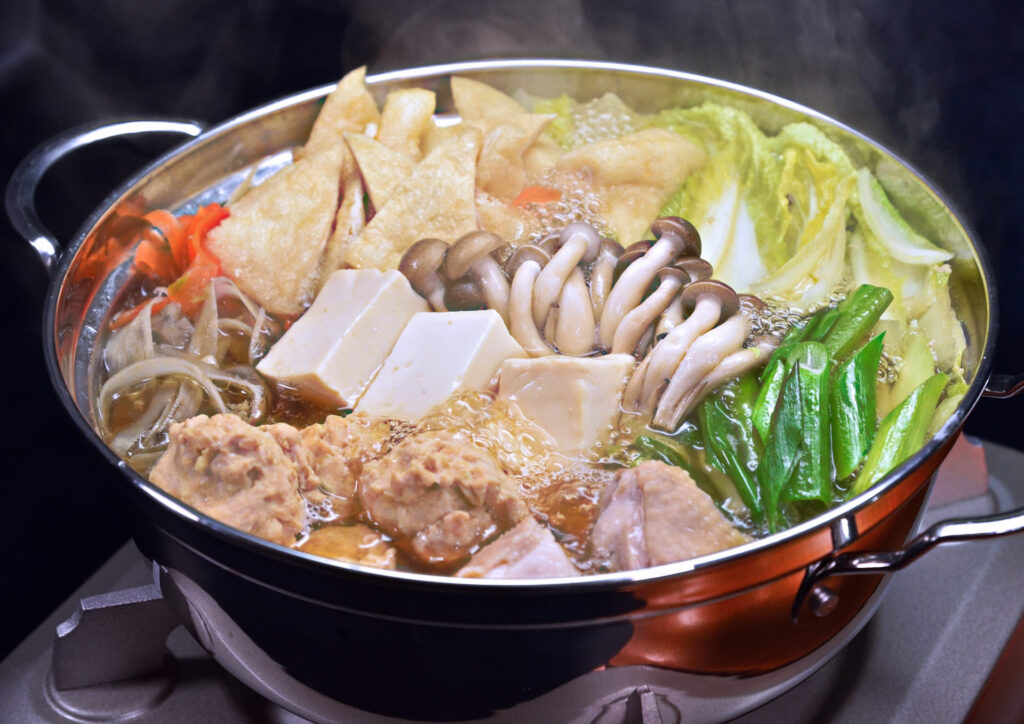
Osaka features authentic chanko-nabe restaurants run by former wrestlers. Interiors often display photos from their active days and decorative mawashi, immersing you in the world of sumo while dining.
Sumojaya Terao Osaka (Umeda)
Made with secret family recipes passed down through former sekiwake Terao’s family (the late Shikoroyama-oyakata). The soy sauce-based soup is light yet deeply flavorful, combining chicken broth and rich vegetable umami.
Details
| Location | 2-4-6 Umeda, Kita-ku, Osaka |
| Access | 5-minute walk from JR Osaka Station 3-minute walk from Nishi-Umeda Station (subway) |
| Hours | Lunch 11:30 AM – 2:00 PM / Dinner 5:00 PM – 10:00 PM |
| Closed | Sundays |
| Budget | From ¥4,000 |
| Recommended For | Those wanting to enjoy traditional soy sauce flavors, groups wanting calm private rooms |
Sumo Kitchen Saganobori (Namba)
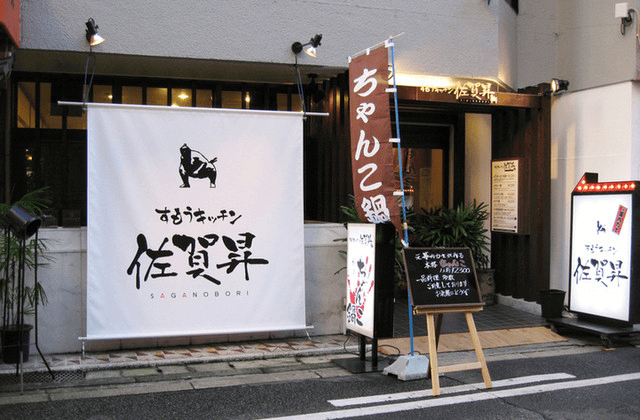
This chanko-nabe restaurant is run by the former makuuchi wrestler, Saganobori. The signature salt-flavored chanko-nabe features yuzu kosho (spicy citrus paste) for a refined flavor with select ingredients.
Details
| Location | 2-4-6 Nishi-Shinsaibashi, Chuo-ku, Osaka |
| Access | 2-minute walk from Namba Station (subway) |
| Hours | 5:00 PM – 11:00 PM |
| Closed | Tuesdays |
| Budget | From ¥4,000 |
| Recommended For | Those wanting sophisticated dining, special dinners |
Chanko Izakaya Taichiyama (Umeda)
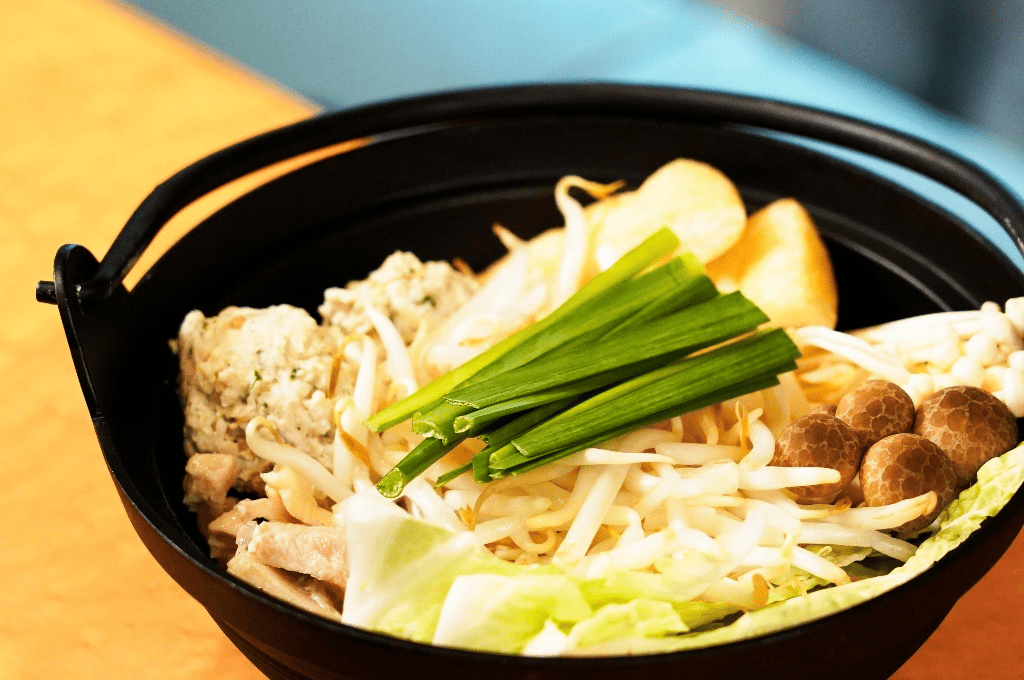
This izakaya is run solo by former sumo wrestler Taichiyama. Solo travelers can drop by without hesitation as they offer chanko-nabe in a rare single-serving pot style. You can also chat with the owner across the counter and listen to his sumo stories.
Details
| Location | Osaka Ekimae Dai-2 Building B2F, 1-2-2 Umeda, Kita-ku, Osaka |
| Access | 3-minute walk from JR Kita-Shinchi Station |
| Hours | 5:30 PM – 10:30 PM |
| Closed | Thursdays, Sundays |
| Budget | From ¥3,000 |
| Recommended For | Solo travelers, those wanting authentic flavors at a reasonable price |
Access to Osaka from Kyoto
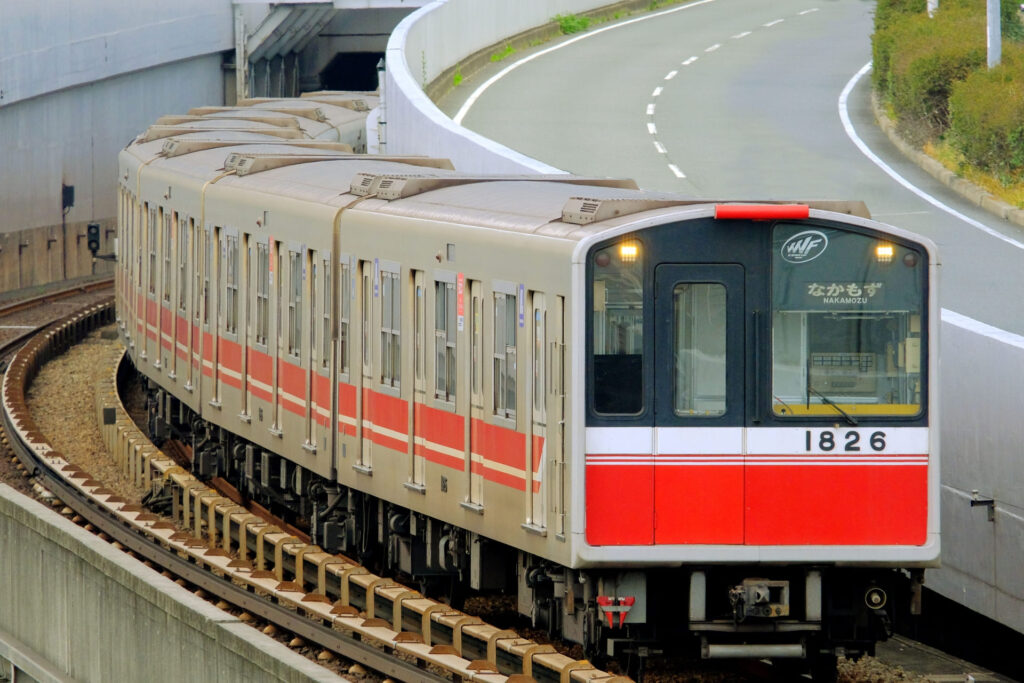
Traveling from Kyoto to Osaka is extremely easy and is perfect for a day trip. The main access methods are described below so as to help you choose the best way to get to your chosen destination.
Using JR: The Special Rapid Service on the JR Kyoto Line takes about 30 minutes from Kyoto Station to Osaka Station and costs ¥580. The trip involves no transfers, making for a smooth journey. Trains are also frequent, ensuring convenient service. .
Using Shinkansen: The Tokaido Shinkansen takes you from Kyoto Station to Shin-Osaka Station in about 15 minutes, with fares priced at ¥1,450 for an unreserved seat. Recommended for time-savers and JR Pass holders. If you’re headed for downtown Osaka, transfer to the subway at Shin-Osaka station.
Using Private Railways: Hankyu Railway takes about 45 minutes from Kyoto-Kawaramachi Station to Osaka-Umeda Station. Keihan Railway takes about 50 minutes from Gion-Shijo Station to Yodoyabashi Station.
How to Choose Your Sumo Experience in Kyoto Based on Your Goals
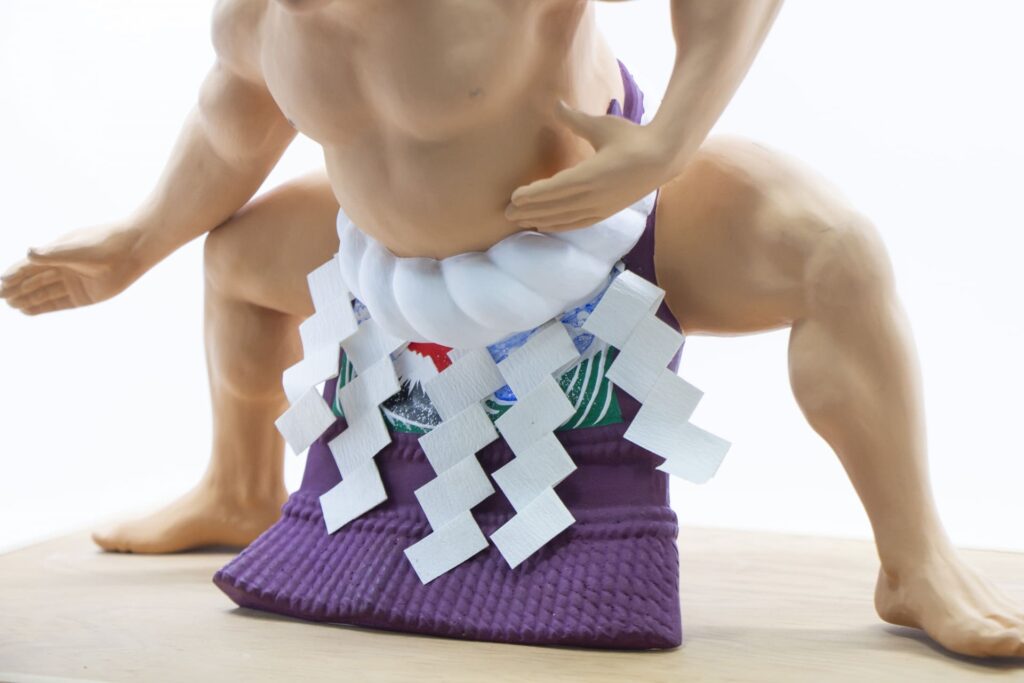
As introduced in this article, Kyoto offers diverse ways to enjoy sumo culture. For those wondering how to best enjoy their trip, here are the best options recommended for you, categorized into specific goals. Find a plan that matches your travel style.
1. For Those Wanting to Casually Experience Sumo Culture While Sightseeing
“Temples and shrines are my main focus, but I’d like to experience sumo culture too.”
For these travellers, restaurants near tourist spots or short-duration spots work best because they allow you to experience the essence of sumo efficiently without spending a lot of time traveling.
Recommended Options
- Sumojaya NAGOMI: 2-minute walk from Keihan Shichijo Station, includes lunch service, and is easy to visit between sightseeing.
- Chanko Sakahoko: 4-minute walk from Gion-Shijo Station, long-standing resturant with a great atmoshpere in Kiyamachi.
- Sumojaya Ikoro: 10-minute walk from Gion-Shijo Station with completely private rooms in Maruyama Park for quiet dining.
- Kyochanko Edojimanbeya: 1-minute walk from Kawaramachi Station and open late for post-sightseeing dinner convenience.
2. For Those Wanting to Be Immersed in Genuine Sumo Culture
“I want to understand not just watching sumo, but its history and spirituality as well.”
For these visitors, tours with expert guides or programs that include interaction with former wrestlers are best. Learn why sumo is called a ritual.
Recommended Options
- Kyoto Sumo Tour: English guides carefully explain sumo history, rules, wrestler profiles, which can be reassuring for first-timers.
- Motenas Japan: Private performances by former wrestlers at your chosen location with sumo demonstrations and training experiences. Customizable with English-speaking staff.
- Chanko Sakahoko: Established in 1966. Here you can savor traditional Sop-daki flavors.
3. For Those Wanting to Enjoy Kyoto’s Traditional Food Culture in a Leisurely Fashion
“I want to experience culture through delicious foods and without any intense exercise.”
For these travellers, chanko-nabe restaurants are perfect. Indulging in traditional dishes like Sop-nabe suits sophisticated Kyoto travel.
Recommended Options
- Chanko Sakahoko: Since 1966. Enjoy Kyoto-born Sop-daki in a machiya building with a great atmosphere.
- Sumojaya Ikoro: Completely private rooms designed for leisurely dining and viewing the gardens outside the window. Perfect for special occasions and celebrations.
- Kyochanko Edojimanbeya: The Kawaramachi downtown location is open late and accepts credit cards, electronic money, and QR payment.
- Chankoya Ozeki: Established in the Saiin area over 30 years ago, this restaurant boasts a homey atmosphere and is recommended for those who want to mix with the locals.
4. For Those Who Want to Create Fun Memories with Family or Friends
For family or friend trips, choose conveniently accessible spots everyone can enjoy.
Recommended Options
- Sumojaya NAGOMI: 2-minute walk from Keihan Shichijo Station, includes lunch service, and is easy to visit while sightseeing.
- Kyochanko Edojimanbeya: 1-minute walk from Kawaramachi Station, they’re open late, and they accept credit cards, electronic money, and QR payment for your convenience.
- Motenas Japan: Mobile performances, demonstrations and immersive experiences brought to you by former sumo wrestlers at your chosen location. English-speaking staff are available so you can participate with ease.
Etiquette to Know for Sumo Experiences
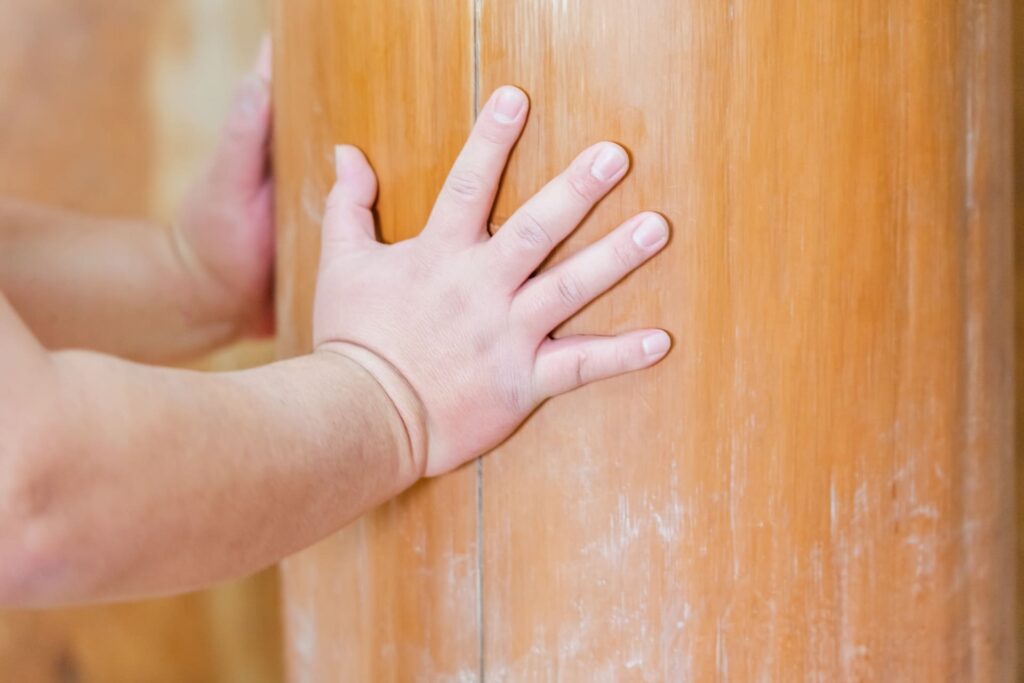
The world of sumo values respect and safety. Following proper etiquette lets you share in the sacred tension. While these rules might feel formal, they serve to protect wrestlers, other spectators, and the sacred space.
Foreign visitors often miss these etiquette points, so we’ve focussed on the points that travellers are particularly prone to getting wrong.
Viewing Manners
Sumo is decided in an instant, so important rules exist to avoid disturbing the wrestlers’ deep concentration.
Pay particular attention to these points when watching sumo:
- No Flash Photography: Camera flashes can blind wrestlers and cause serious injury, which is why flash photography is strictly forbidden
- Remain Seated: Standing in excitement blocks the view for others. Always cheer from your seat.
- Silence at Tachiai: When the referee raises the gunbai (the referee’s fan) and wrestlers place their fists on the ground, the entire venue falls silent. Refrain from loud voices and watch quietly at this time.
In the past, excited spectators would throw seat cushions, but this is now prohibited as it is dangerous. At the end of an exciting match, give the wrestlers an enthusiastic applause rather than throwing objects.
Manners During Immersive Experiences
When participating in programs where you step into the ring, safety matters as much as enjoyment. Unprepared participants can cause injury when facing wrestlers.
To prepare, wear something comfortable, such as a T-shirt and shorts. Remove all rings, earrings, necklaces, and watches as they may injure you or your partner. Never participate after drinking alcohol.
During experiences, always follow the instructors’ directions. The ring is considered sacred space, so bow slightly before stepping up and after stepping down. Imitate what you see and you too can experience the Japanese spirit of reverence.
With proper preparation and manners, you’ll have a safe, enjoyable, unforgettable experience.
Chanko-nabe Restaurant Manners
Chanko-nabe restaurants offer more than just delicious food: they’re places to experience Japanese hot pot culture. But keep in mind that this style of everyone sharing from one large pot has its own rules.
When transferring ingredients from the pot to your plate, use the provided serving chopsticks or ladles. Never use your own chopsticks. This is to ensure proper hygiene.
Tipping is unnecessary, even after wonderful service. Just pay the bill amount and, instead of tipping, say “gochisousama deshita” (thank you for the meal) when you leave.
Popular restaurants and private rooms fill quickly, so reserving seats in advance is recommended. Following these basic manners ensures a comfortable, enjoyable dining experience for staff and other customers alike.
When Interacting with Wrestlers
When you encounter wrestlers on the street or at events, you’ll be amazed by their size and probably want photos. Many wrestlers are friendly to fans, but remember they’re athletes living in a world of serious competition.
If you want a photo, always ask permission first. Unauthorized photography is rude. Also, avoid approaching the athletes during training or when they are in transit to a match as this is when they’re concentrating. Fan service time during tours or after events is appropriate timing for talking to a wrestler.
Also, the wrestlers’ topknot (mage) is sacred and must never be touched.
Wrestlers value fan interaction, but don’t forget to respect their dignity as athletes. Respectful engagement creates wonderful and memorable exchanges.
Photography Rules
Creating personal travel memories is generally fine, but some places have strict rules. The following acts are prohibited as they violate safety and privacy rights. Always observe the following:
- Flash: Generally prohibited everywhere as it can blind wrestlers and cause injury, so check your camera settings.
- Occupying Space: Going right up to the sumo ring as well as standing or blocking aisles with tripods is not allowed.
- Live Streaming or Commercial Use: Broadcasting matches on YouTube or selling recorded footage is prohibited.
- Privacy Invasion: Posting photos that clearly show other spectators’ faces on social media without permission is a violation of privacy.
These rules ensure everyone can enjoy sumo safely and comfortably. Following proper photography manners lets you capture wonderful photos that are sure to become lifelong memories.
Your Sumo Wrestling Adventure in Kyoto Starts Here
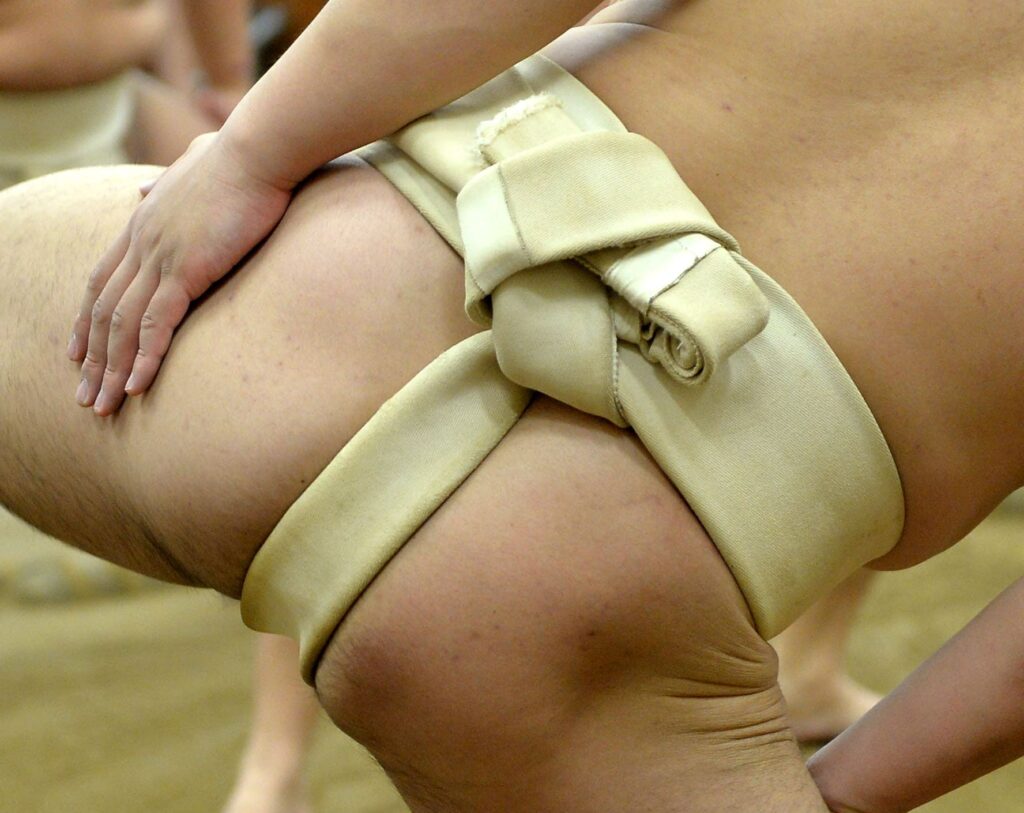
Kyoto is a special place to enjoy sumo wrestling through three dimensions: watching, experiencing, and tasting.
Feel the wrestlers’ real power at annual tours and shrine dedication sumo. Have once-in-a-lifetime experiences wearing a mawashi and stepping into the ring under a former wrestler’s guidance. Savor sumo food culture at long-standing chanko-nabe restaurants.
Sumo, with over 1,500 years of history, is not merely sport but also culture, steeped in Japanese spirituality and aesthetics. Sanctity as a Shinto ritual, the wrestlers’ decorum, the traditional flavors of the food: all these can be tasted more deeply in Kyoto, a city where history and tradition coexist.
Imperial court sumo traditions that have continued from the Heian period, Kyoto-origin Sop-nabe, and ritual sumo are still preserved at shrines, allowing Kyoto to maintain a unique sumo culture that is distinct from Tokyo’s.
Choose how to enjoy your time here, from viewing, experiencing, and dining options that match your travel style. Limited time? Try a chanko-nabe restaurant close to a train station. Want an immersive learning experience? Choose English-guided tours. Want special memories? Select private experiences with former wrestlers.
By observing the manners and etiquette introduced in this guide, you can touch Kyoto’s unique sumo wrestling culture. You are sure to create unforgettable memories.
From ancient rituals to modern thrills, your sumo wrestling adventure in Kyoto awaits. Step into tradition, feel the power, taste the culture.
Enjoy your sumo experience in Kyoto!