Osaka Izakaya Guide: Comparing Neighborhoods, Ordering Etiquette, and Choosing by Budget
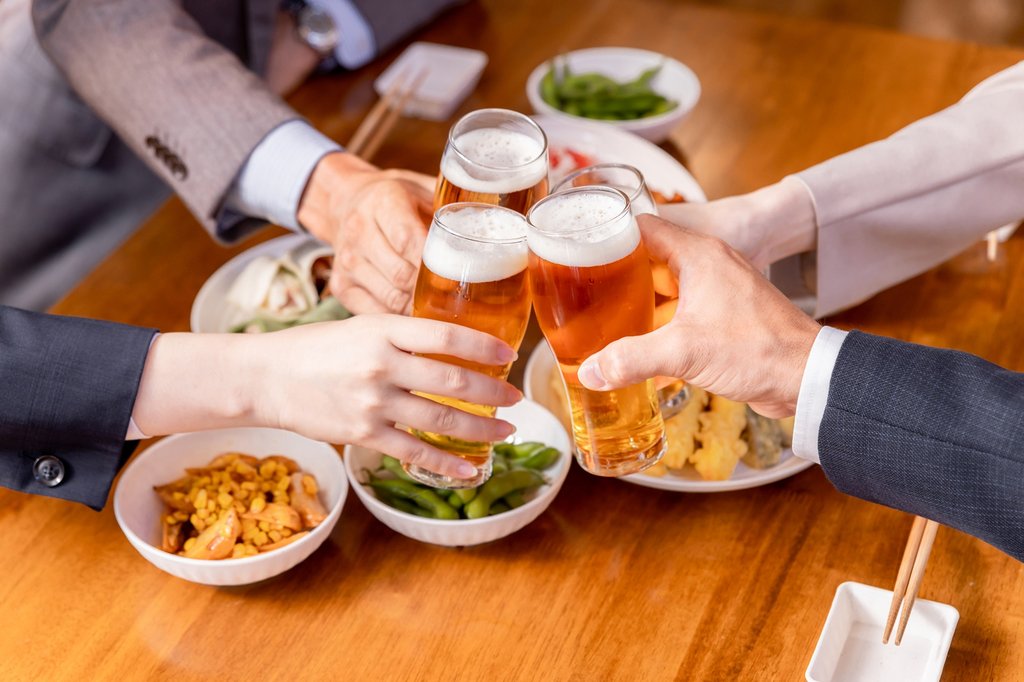
Interested in visiting an izakaya (Japanese pub-style restaurant) in Osaka but unsure which neighborhood to choose?
From navigating English menus and mastering local ordering customs to choosing between tourist-friendly spots and hidden neighborhood favorites, first-time visitors often find themselves full of questions.
This guide compares four major neighborhoods—Umeda, Namba, Tenma, and Shinsekai—and helps you select an izakaya that matches your budget and preferred atmosphere. It also walks you through the entire dining experience, from arrival to payment, including essential etiquette tips, recommended restaurants by area, and ideas for extending your night out.
Contents
- What Is Osaka’s Izakaya Culture?
- How to Choose the Right Izakaya in Osaka
- 12 Osaka Izakaya Picked by Locals, Sorted by Neighborhood
- Izakaya Etiquette and Tips Every Traveler Should Know
- Ideas for a Unique Osaka Night Out Beyond the Izakaya
- Common Questions About Osaka Izakaya
- Find Your Seat at the Counter
What Is Osaka’s Izakaya Culture?
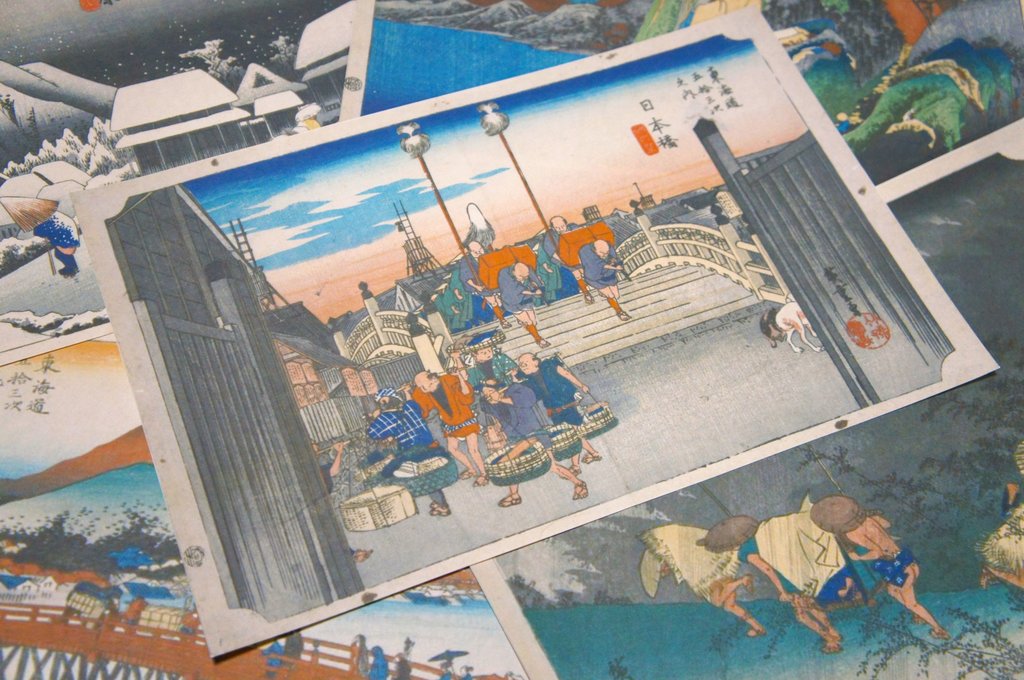
The izakaya tradition dates back to the Edo period, when customers began drinking at the storefronts of sake shops. Over time, these casual spaces evolved into something more than just places to eat and drink. Izakaya became social hubs: where coworkers unwind after long days and neighbors strengthen community ties.
What sets Osaka’s izakaya apart is the city’s proud merchant culture, embodied in the phrase kuidaore—”eat until you drop.” Osaka diners expect exceptional value for money, and many izakaya rise to the challenge by serving high-quality dishes at remarkably reasonable prices. This commitment to both flavor and affordability is a defining characteristic of the city’s food scene.
For a truly authentic experience, consider stepping beyond chain restaurants and into independently run establishments. A brief conversation with the chef across the counter or a friendly exchange with local regulars can transform a simple meal into a one-of-a-kind memory.
How to Choose the Right Izakaya in Osaka
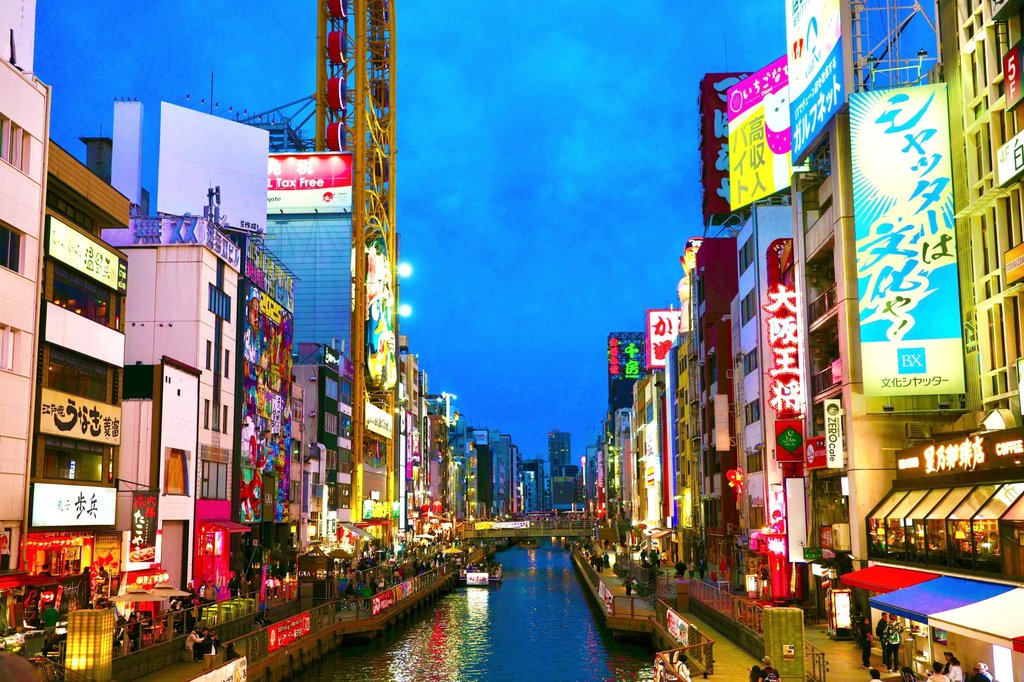
Choosing an izakaya based on three key factors—cuisine, neighborhood, and atmosphere—will help you make the most of your limited time in Osaka.
Choose by Cuisine
Starting with what you want to eat is the simplest and most reliable approach. Osaka izakaya menus generally fall into five main categories.
| Category | Signature Dishes | Price Range |
|---|---|---|
| Seafood | Assorted sashimi (sliced raw fish), seafood rice bowls | Moderate to high |
| Kushikatsu (deep-fried skewered bites) | Pork, shrimp, lotus root skewers | Affordable |
| Yakitori (charcoal-grilled chicken skewers) | Thigh, tsukune (chicken meatball), leek-and-chicken | Affordable |
| Meat | Grilled beef offal, roast beef | Moderate to high |
| Smoked and fusion | Smoked cheese, house-cured bacon | Moderate |
For first-time visitors, kushikatsu or yakitori are excellent starting points. Since you can order one skewer at a time, portion control is easy, and the visible ingredients make ordering less intimidating when navigating a language barrier.
Seafood is where Osaka’s culinary reputation truly shines, thanks to its exceptional freshness. If raw fish feels unfamiliar, grilled fish or tempura (lightly battered deep-fried seafood and vegetables) offer approachable alternatives.
Meat dishes, along with smoked or creative fusion plates, pair especially well with drinks and are ideal for those who want to relax and linger over their beverages.
Many Osaka izakaya also serve soy- and vegetable-based small plates such as edamame (salted boiled soybeans), hiyayakko (chilled tofu), and assorted pickled vegetables. Vegetarian diners can often find suitable options by checking photo menus or asking staff for recommendations.
Choose by Neighborhood
Osaka’s izakaya districts each have a distinct personality, so choosing the right area for your travel style can significantly shape your experience. Here’s a quick overview of the four main neighborhoods.
| Neighborhood | Vibe and Price Range | Best For |
|---|---|---|
| Umeda / Kitashinchi | Upscale and refined; moderate to high | Business dinners and relaxed, sophisticated meals |
| Namba / Dotonbori | Neon-lit tourist hub; moderate to slightly high | First-time visitors looking for lively Osaka energy |
| Tenma / Tenjinbashi | Back-alley gems packed into narrow lanes; affordable | Travelers who want to drink alongside locals |
| Tennoji / Shinsekai | Old-fashioned downtown; lined with kushikatsu stalls; affordable | Photographers and travelers seeking old-school Osaka character |
Umeda and Namba have a high concentration of restaurants with English menus, making them easy entry points for first-time visitors. Tenma, on the other hand, is one of the Kansai region’s densest drinking districts, and the experience of sharing a counter with local regulars is hard to match. Tourist-oriented services are minimal, but that’s precisely what gives it the feel of a genuine Osaka night out.
If this is your first time in Osaka, consider starting in Umeda or Namba, then moving on to Shinsekai and finally Tenma. Beginning in the more tourist-friendly areas and gradually venturing into the city’s deeper layers allows you to appreciate Osaka’s full range, one step at a time.
Choose by Atmosphere
Even within the izakaya category, the atmosphere of a venue dramatically shapes the experience. In Osaka, izakaya generally fall into four broad types, and matching the setting to the occasion helps prevent any gap between expectations and reality.
| Atmosphere Type | Characteristics | Best Occasion |
|---|---|---|
| Upscale and intimate | Private rooms, premium ingredients, reservations almost always required; higher price range | Date nights, business entertaining |
| Lively and energetic | Bustling and open; fun even without a shared language | Groups of friends, large parties |
| Hidden and cozy | Tiny spots tucked in back alleys, warm wood interiors; reservations recommended | Couples, small groups marking a special evening |
| Standing bar / casual | Some self-service; drinks start at a few hundred yen | Solo travelers, bar-hopping |
Lively izakaya and standing bars are often the most approachable for international visitors. In high-energy izakaya spots, the buzz of conversation and movement naturally draws you in, while at standing bars, ordering can be as simple as pointing to items on the menu. Upscale establishments and hidden-gem venues also tend to offer English menus more frequently than average. With a reservation made in advance, staff will typically make an extra effort to ensure you feel welcome and comfortable.
12 Osaka Izakaya Picked by Locals, Sorted by Neighborhood
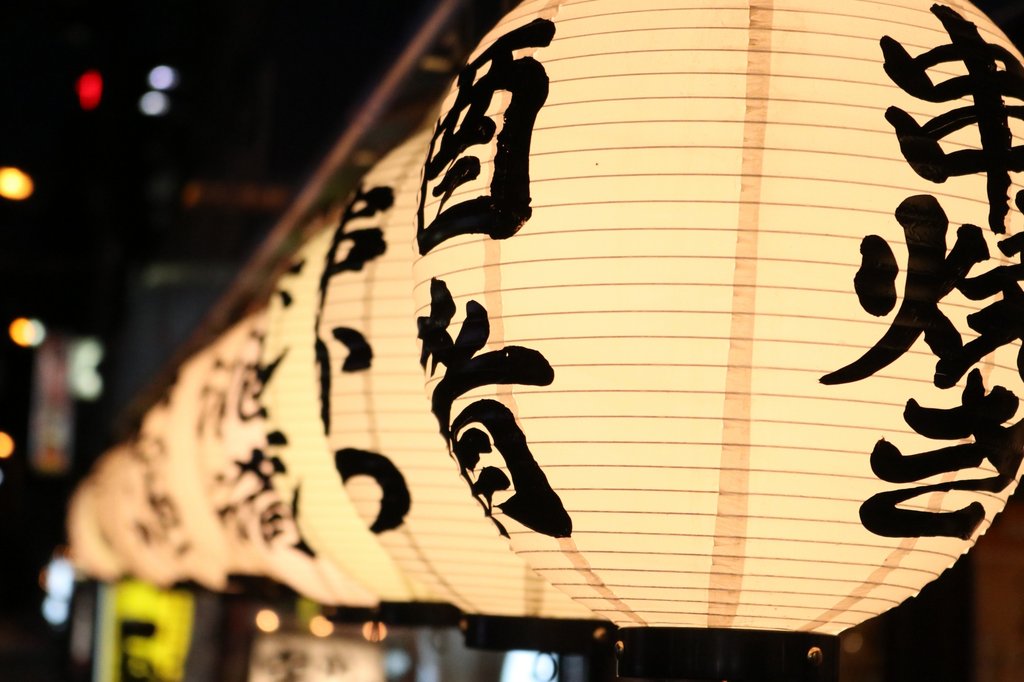
The neighborhood you choose sets the tone for your night out, shaping everything from ambiance to price range. The izakaya below are local favorites, organized across four major districts. Find the area that best matches your accommodation or interests, and discover your next go-to spot in Osaka.
Umeda and Kitashinchi
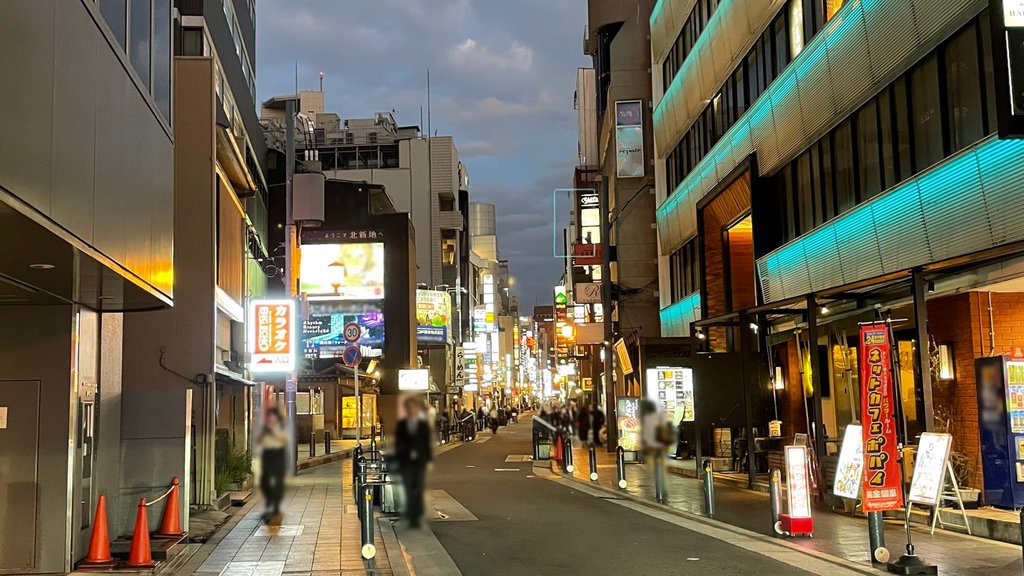
Osaka’s business hub, directly accessible from JR Osaka Station and Metro Umeda Station. The area spans everything from refined high-end dining to laid-back neighborhood izakaya.
Kaisen Sakaba Uopuku
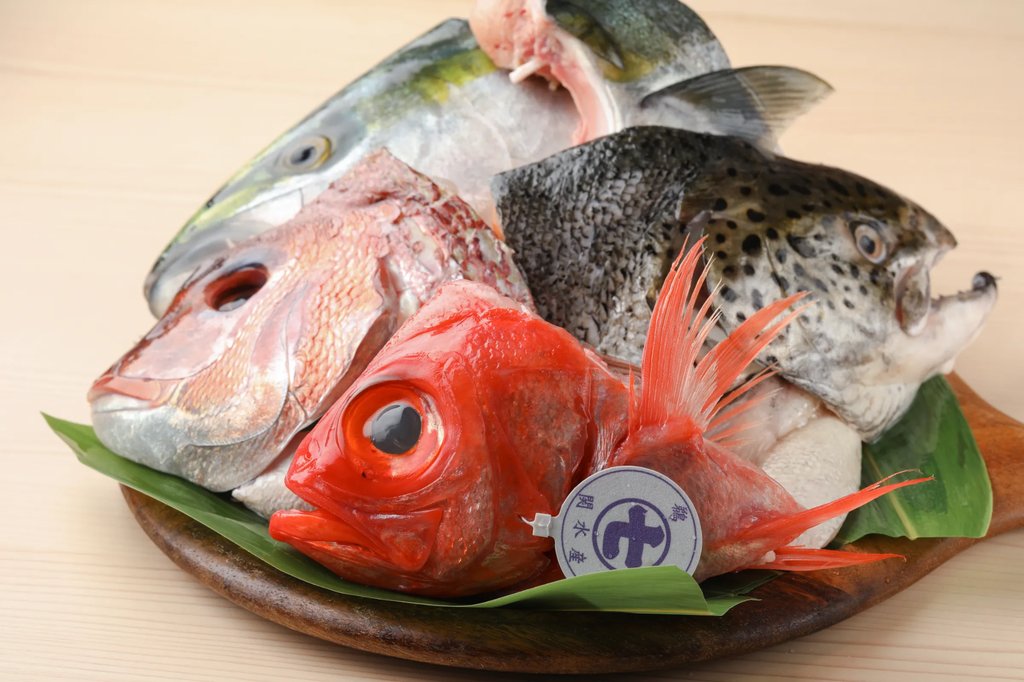
The standout feature here is the in-house ikesu — a live fish tank where your dinner swims until the moment you order it. Guests can even catch their own fish, which the staff then prepare on the spot as sashimi, simmered dishes, or other seasonal specialties. Lunch service is also available for those craving fresh seafood earlier in the day. Reservations are accepted by phone if you’d like to secure a seat in advance.
Details
| Address | 3F Hakubasha Building, 4-12 Doyama-cho, Kita-ku, Osaka |
| Hours | Lunch 12:00 pm-3:00 pm / Dinner 4:00 pm-11:00 pm |
| Closed | Irregular holidays |
| Website | https://fivedearlife.me/uopuku |
| Best for | Seafood lovers who want a hands-on fishing experience; families |
Iroriya Sumien (Osaka Ekimae Daisan Building)
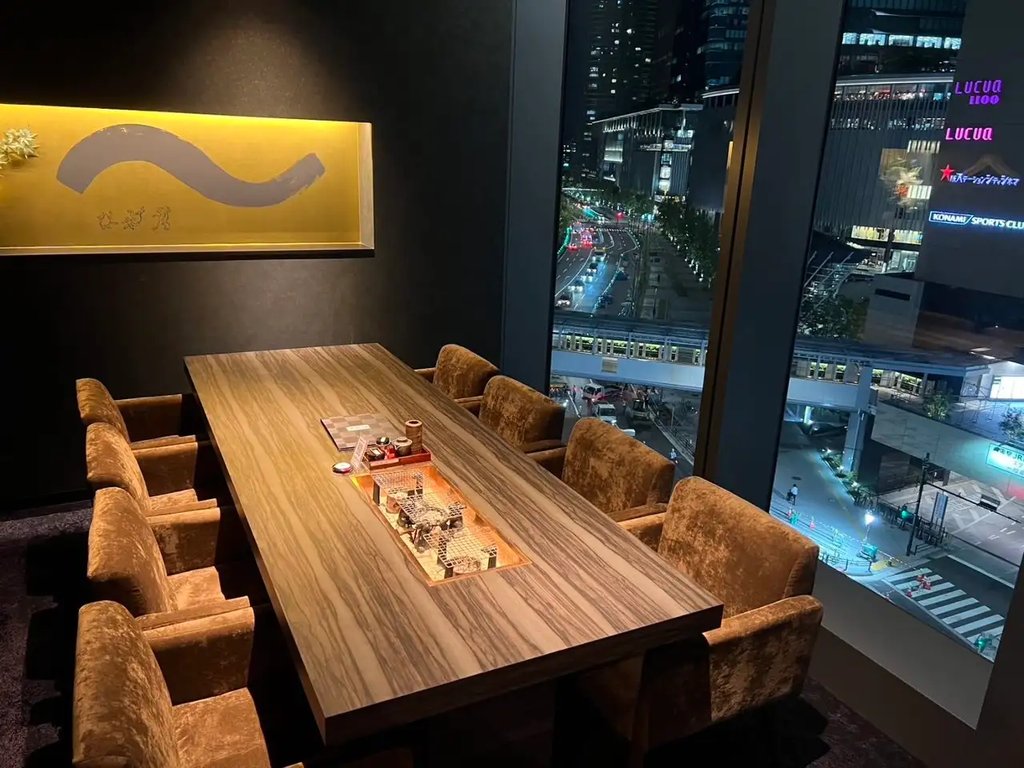
Guests gather around a traditional irori, a sunken hearth fueled by charcoal, where skewers of yakitori and other seasonal ingredients are grilled right before their eyes. The gentle crackle of the coals and the smoky aroma deepen the experience, heightening both the flavor and the appetite. With its warm lighting and composed atmosphere, the space is particularly well suited to business dinners or relaxed evenings that call for a more refined setting.
Details
| Address | B1F Osaka Ekimae Daisan Building, 1-1 Umeda, Kita-ku, Osaka |
| Hours | 5:00 pm-11:00 pm (Lunch 11:30 am-2:30 pm also available) |
| Closed | Irregular holidays (closed over New Year’s) |
| Website | https://www.instagram.com/d3.sumien/ |
| Best for | Anyone craving charcoal-grilled food in a traditional Japanese atmosphere |
Hidamari (Omi Beef and Organic Vegetables)
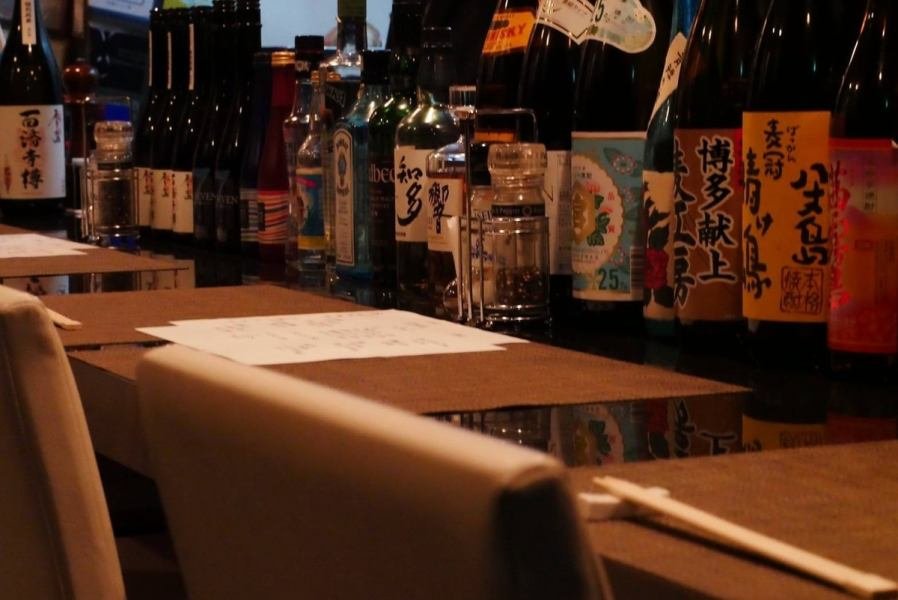
A rare spot where you can savor Omi-gyu—one of Japan’s three most prestigious wagyu brands, raised in Shiga Prefecture—at prices that remain refreshingly izakaya-friendly. Carefully selected organic vegetables provide a wholesome counterpoint, creating a well-balanced menu that highlights both richness and seasonality.
Details
| Address | 501 REX Building, 1-5-9 Sonezaki Shinchi, Kita-ku, Osaka |
| Hours | 5:00 pm-11:00 pm (Food Last Order 10:00 pm / Drink Last Order 10:30 pm) |
| Closed | Sundays and public holidays |
| Website | https://hidamari.owst.jp/ |
| Best for | Travelers who want to try premium wagyu at a reasonable price |
Namba and Dotonbori
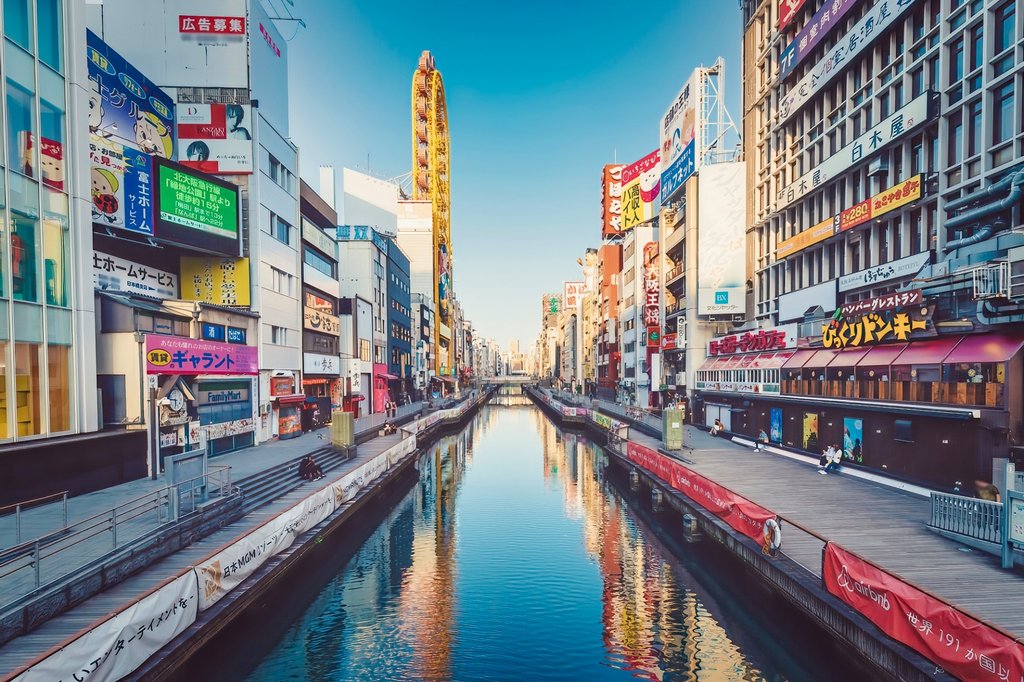
As Osaka’s busiest entertainment district, Namba and Dotonbori balance flashy, tourist-facing restaurants with long-standing local favorites. Neon lights and oversized signboards dominate the main streets, but the most memorable spots are often tucked just one lane away from the crowds. The four selections below focus on the Ura-Namba (backstreet Namba) area, where individuality runs high and small, character-filled izakaya line the narrow alleys.
Sake to Sakana Ryoshi Sakaba
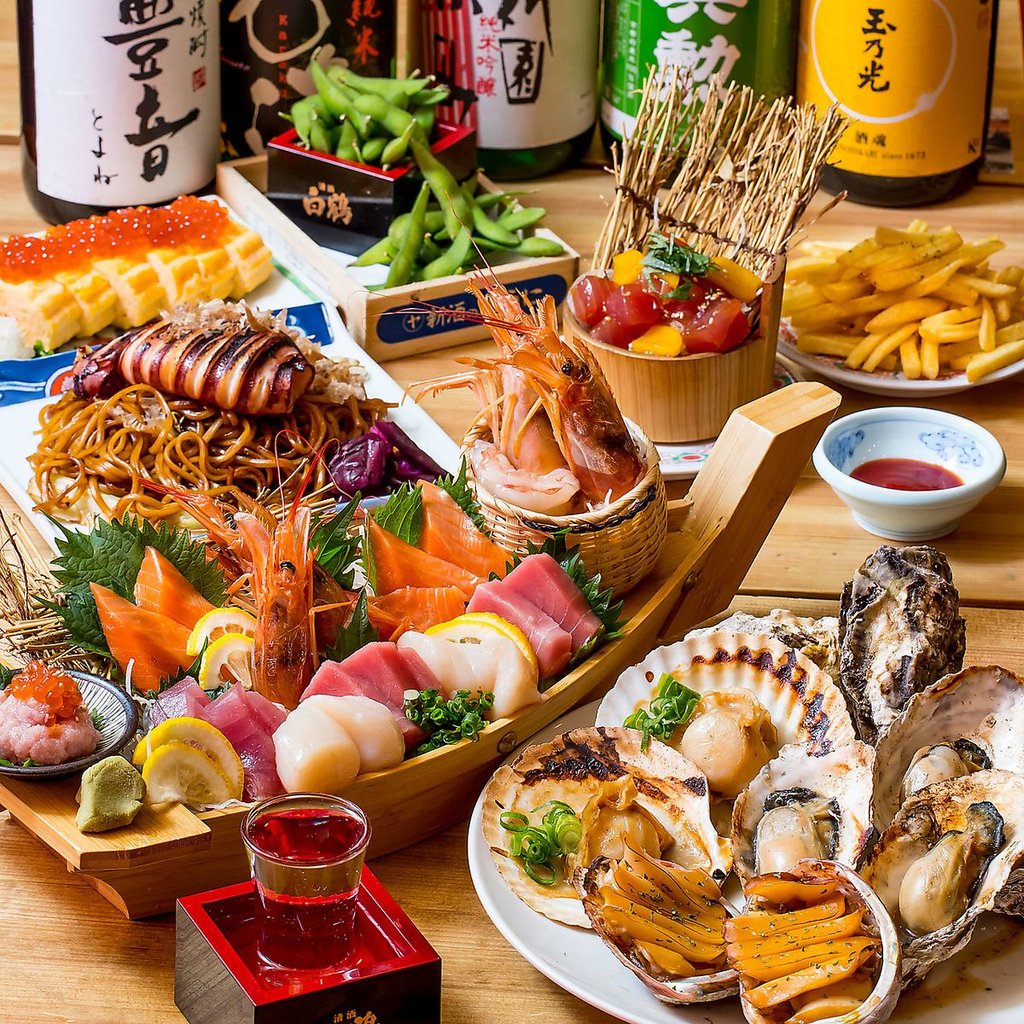
Fresh fish delivered daily from fishing ports and trusted producers is served in a compact space with just eight counter seats and four tables for four, creating an intimate, convivial atmosphere. The signature dish, Kobore-masu Maguro—tuna piled so high it spills over the edges of a wooden masu cup—is as photogenic as it is generous. The staff are well versed in sake pairings, making this an excellent choice for solo drinkers, as well as for relaxed date nights. Online reservations are available for added convenience.
Details
| Address | 1F Fukuki Building, 1-19 Nihonbashi, Chuo-ku, Osaka |
| Hours | 11:00 am-11:00 pm (Last Order 10:30 pm) |
| Closed | Open daily |
| Website | https://akr9521418467.owst.jp |
| Best for | Small groups looking to enjoy fresh sashimi paired with sake |
Kunsei Sugiya Shoten
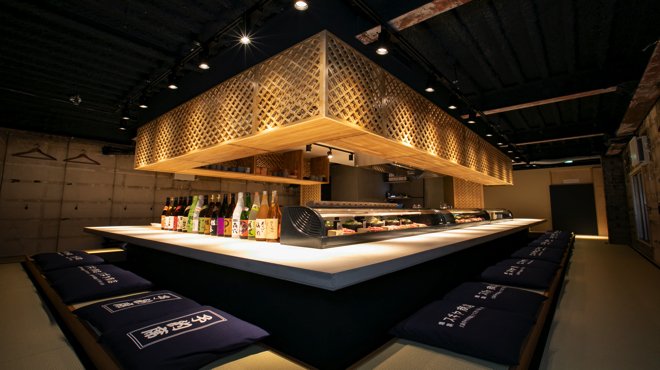
A rare specialty spot in Namba devoted entirely to house-smoked dishes and drinks, Kunsei Sugiya Shoten takes the concept far beyond the expected smoked cheese and nuts. The menu features inventive offerings such as smoked sashimi and even smoked sukiyaki—Japan’s classic hot pot of thinly sliced beef and vegetables simmered at the table—reimagined with a bold, smoky twist.
Details
| Address | 4F, 1-7-18 Namba, Chuo-ku, Osaka |
| Hours | 5:00 pm-11:00 pm |
| Closed | Irregular holidays |
| Website | https://www.instagram.com/namba_kunsei_sugiyashoten/ |
| Best for | Adventurous eaters looking for unique Japanese bar snacks |
Shokudo Pesca
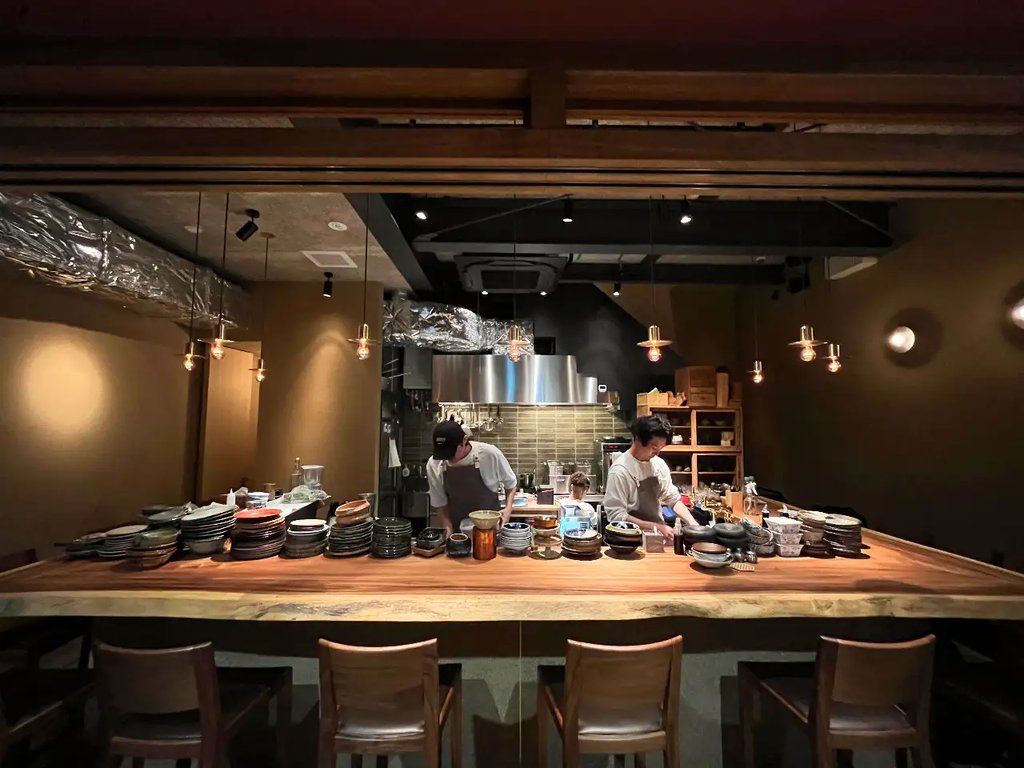
A casual eatery celebrated for creative dishes that seamlessly blend Italian, Japanese, and Southeast Asian techniques, Shokudo Pesca thrives on culinary freedom. The kitchen works with seasonal ingredients sourced from across Japan, unconstrained by any single tradition or rulebook. If the thrill of not knowing exactly what will arrive at your table appeals to you, this is the kind of place that rewards curiosity — each visit offering something slightly different from the last.
Details
| Address | Doguyasuji Yokocho, 14-18 Namba Sennichimae, Chuo-ku, Osaka |
| Hours | 3:00 pm-12:00 am |
| Closed | Sundays |
| Website | https://k070519.gorp.jp/ |
| Best for | Diners eager to explore new flavors beyond genre boundaries |
Nonotori Nambado
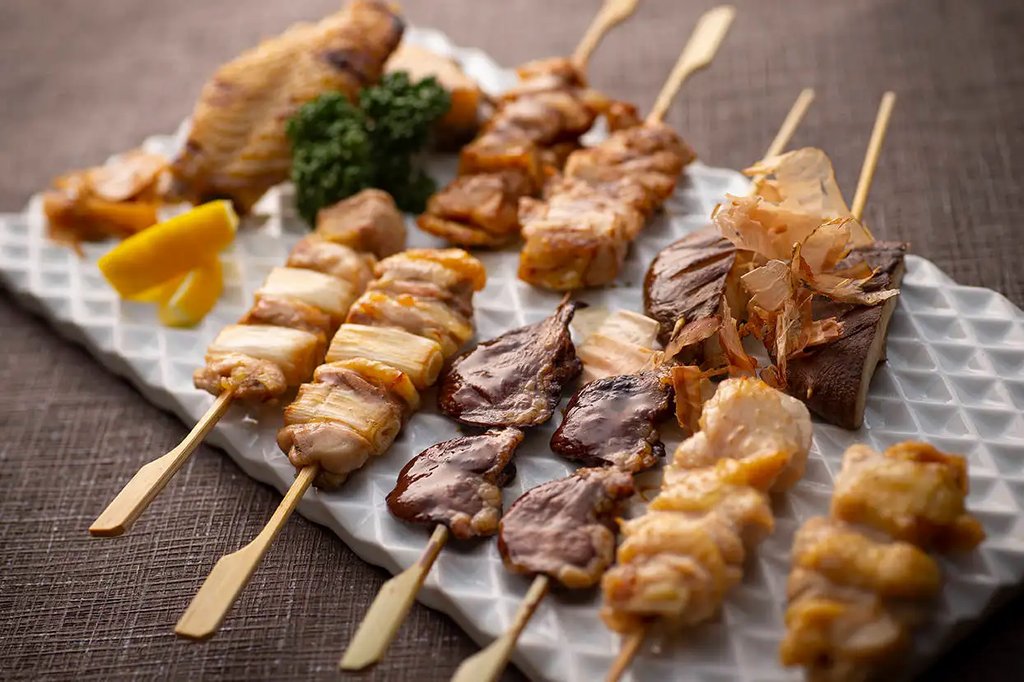
A restaurant devoted entirely to chicken, Nonotori Nambado showcases the bird through a range of preparations, from carefully grilled skewers and crisp karaage to comforting hot pot dishes. The tasting course, which highlights different cuts, offers a compelling way to experience the full depth and versatility of chicken in a single sitting. Walk-ins may be possible, but reservations are strongly recommended on weekends when seats fill quickly.
Details
| Address | 8F GEMS Namba, 3-7-19 Namba, Chuo-ku, Osaka |
| Hours | Lunch 11:30 am-2:30 pm (Last Order 2:00 pm) / Dinner 4:30 pm-10:30 pm (Last Order 10:00 pm) |
| Closed | New Year’s holidays |
| Website | https://nonotorinambado.gorp.jp/ |
| Best for | Groups who want to go deep on chicken in every form |
Tenma and Tenjinbashi
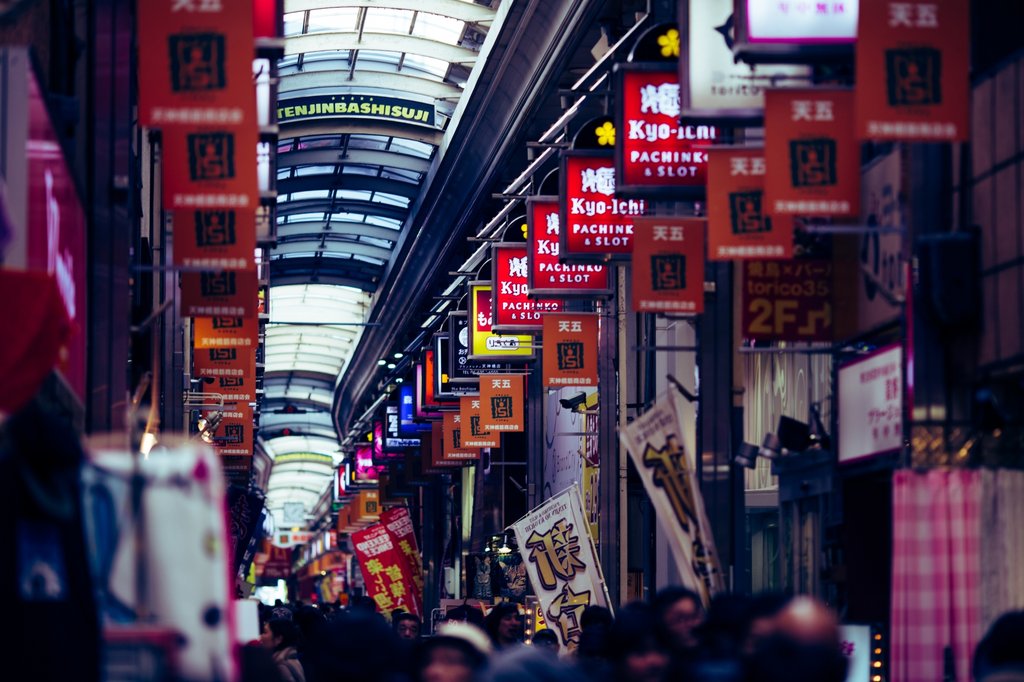
Just one train stop from Umeda, Tenma is a refreshingly down-to-earth drinking district where locals gather night after night. The area’s boozy roots trace back to the Edo period, when some 135 sake breweries once lined its streets. Today, that legacy lives on in the dense concentration of characterful bars and izakaya packed into its narrow lanes. Perhaps the district’s greatest appeal is the freedom to bar-hop without worrying too much about the bill.
Jizakeya Nakanaka
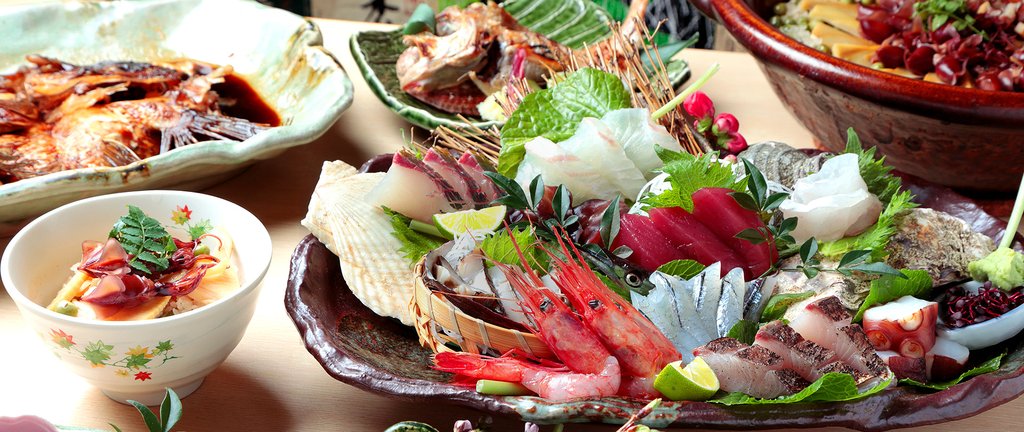
A well-stocked lineup of sake from across Japan — available in small pours — makes Jizakeya Nakanaka an especially welcoming stop for beginners eager to sample a range of styles. The bar snacks highlight fish sourced fresh from the market each morning, keeping the focus squarely on quality and seasonality. Solo drinkers are warmly received, and the relaxed counter setting makes it easy to linger. Expect to spend around ¥3,000–4,000 per person. With hours stretching until 5 am, it’s also a dependable choice for a late-night stop.
Details
| Address | 1-22 Naniwa-cho, Kita-ku, Osaka |
| Hours | 5:00 pm-5:00 am |
| Closed | Open year-round |
| Website | https://www.tenma-nakanaka.co.jp |
| Best for | Sake enthusiasts who enjoy tasting small pours; solo drinkers |
Sakaba Radical
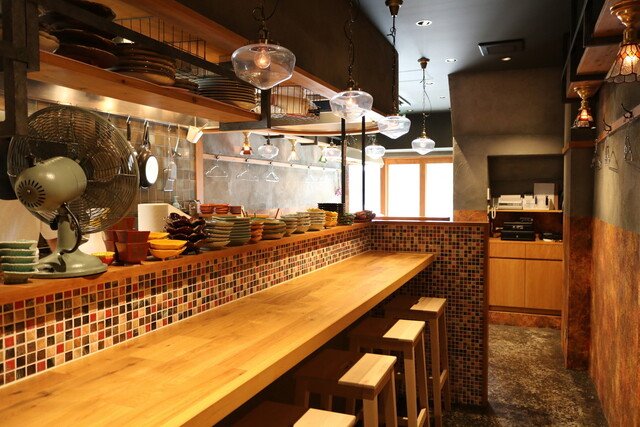
The kind of casual neighborhood bar that locals vouch for without hesitation. Prices are low, no reservation is needed, and the counter seats are comfortable enough for a solo visit.
Details
| Address | 5-8-6 Tenjinbashi, Kita-ku, Osaka |
| Hours | Mon-Fri 5:00 pm-12:00 am / Sat, Sun, holidays 3:00 pm-12:00 am |
| Closed | Irregular holidays |
| Website | https://mtns.jp/radical/ |
| Best for | Budget-friendly bar-hopping; solo drinkers |
Yakitori Shifuku
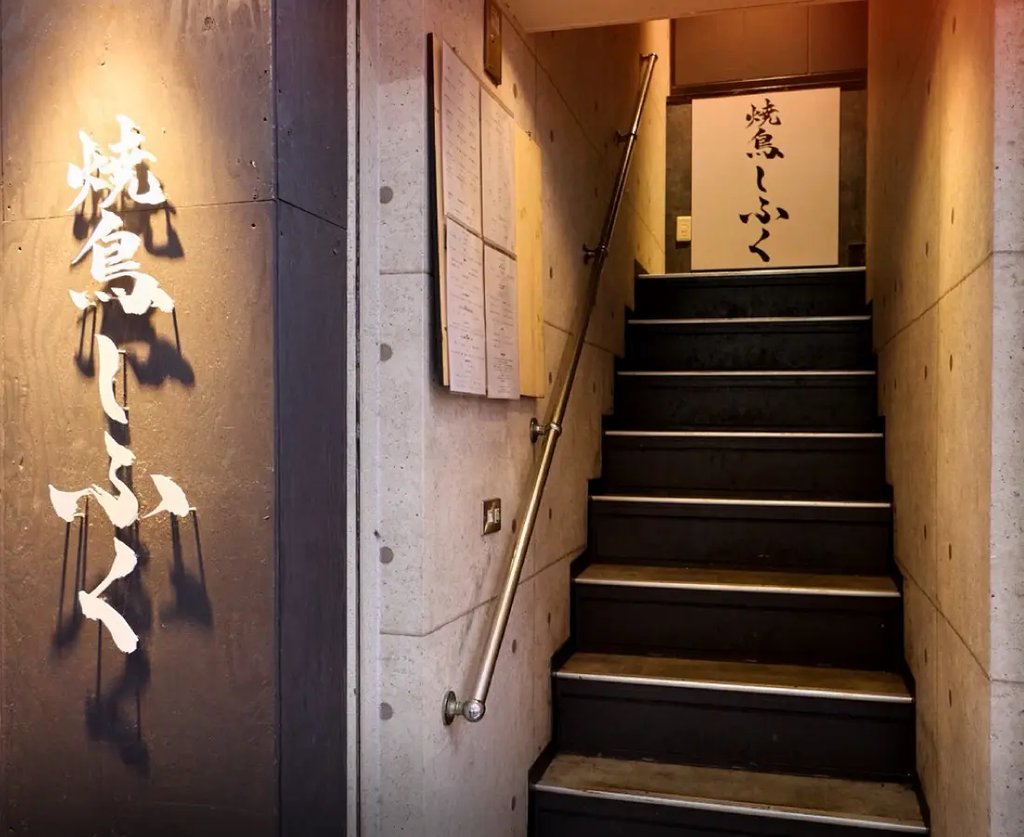
Tucked into a Tenma back alley, Yakitori Shifuku has built a reputation for the precision of each skewer, carefully grilled over binchotan — Japan’s prized white charcoal known for its clean, intense heat. The owner, a certified sommelier, offers thoughtful wine and sake pairings that reveal unexpected new dimensions of yakitori. Expect to spend around ¥3,500–5,000 per person. Given its popularity, arriving early in the evening is your safest bet for securing a seat.
Details
| Address | 2F Amano Building, 5-6-9 Tenjinbashi, Kita-ku, Osaka |
| Hours | Mon-Fri 5:00 pm-12:00 am / Sat, Sun, holidays 12:00 pm-12:00 am |
| Closed | Irregular holidays |
| Website | https://jef-corp.co.jp/service/yakitori-shifuku/ |
| Best for | Yakitori connoisseurs who want expertly paired wine or sake |
Tennoji and Shinsekai
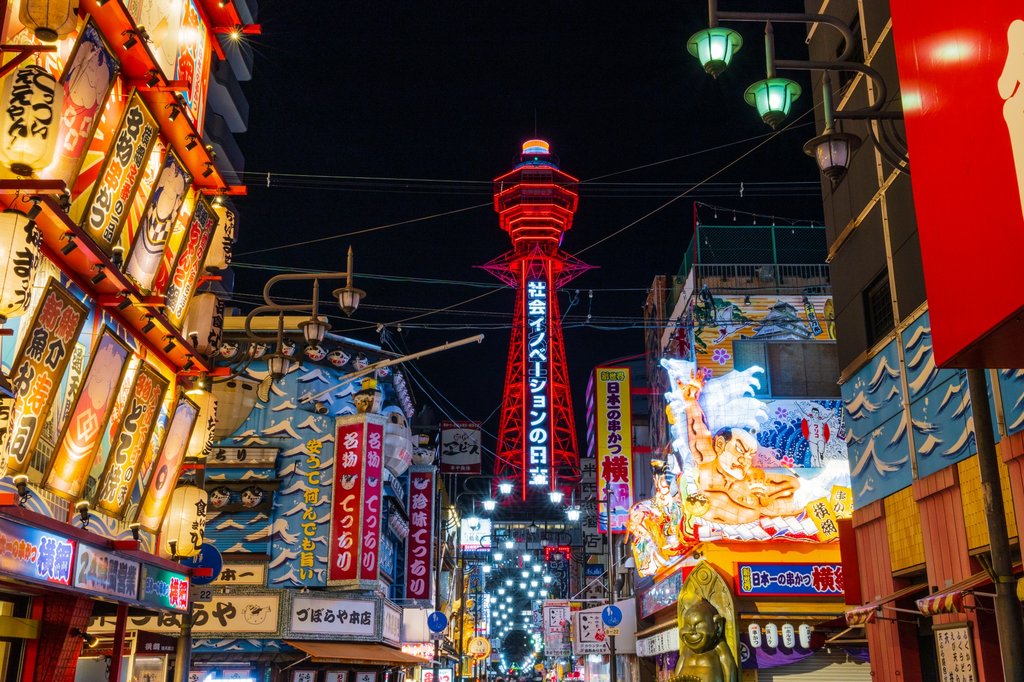
Shinsekai, glowing beneath the neon lights of Tsutenkaku Tower, is a beloved downtown district that grew out of a Meiji-era exposition site. Its retro atmosphere feels proudly old-school, offering a glimpse of Osaka’s working-class roots. Jan Jan Yokocho alley alone packs in around 50 kushikatsu and doteyaki (beef tendon simmered in miso) stalls, and simply strolling through the narrow passageways immerses you in the city’s vibrant food culture.
Kushikatsu Sakaba Naniwa Musume
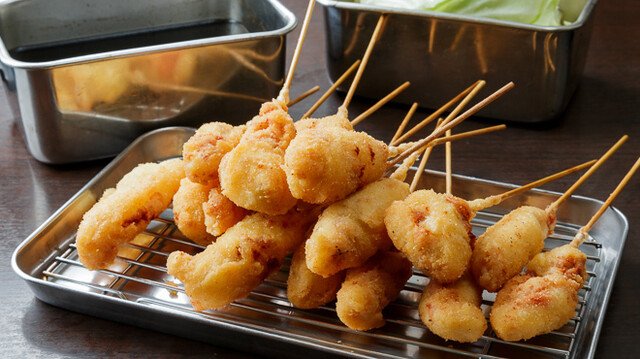
Just a five-minute walk from Dobutsuen-mae Station, this lively spot in the heart of Shinsekai serves both kushikatsu and fresh seafood, making it a convenient stop between sightseeing highlights. One local rule to remember: no double-dipping in the communal sauce. The shared pot sits on the counter, and returning a partially eaten skewer for a second dip is considered poor form, so be sure to coat it generously the first time. Open from 11 am until midnight, Naniwa Musume makes an easy lunch break or late-day refueling stop while exploring the neighborhood.
Details
| Address | Shinsekai Yokocho, 3-4-68 Ebisuhigashi, Naniwa-ku, Osaka |
| Hours | 11:00 am-12:00 am |
| Closed | Irregular holidays |
| Website | https://www.instagram.com/naniwamusume94/ |
| Best for | First-time visitors who want to experience kushikatsu culture |
Gakko Izakaya 6-nen 4-kumi (Abeno Tennoji Branch)
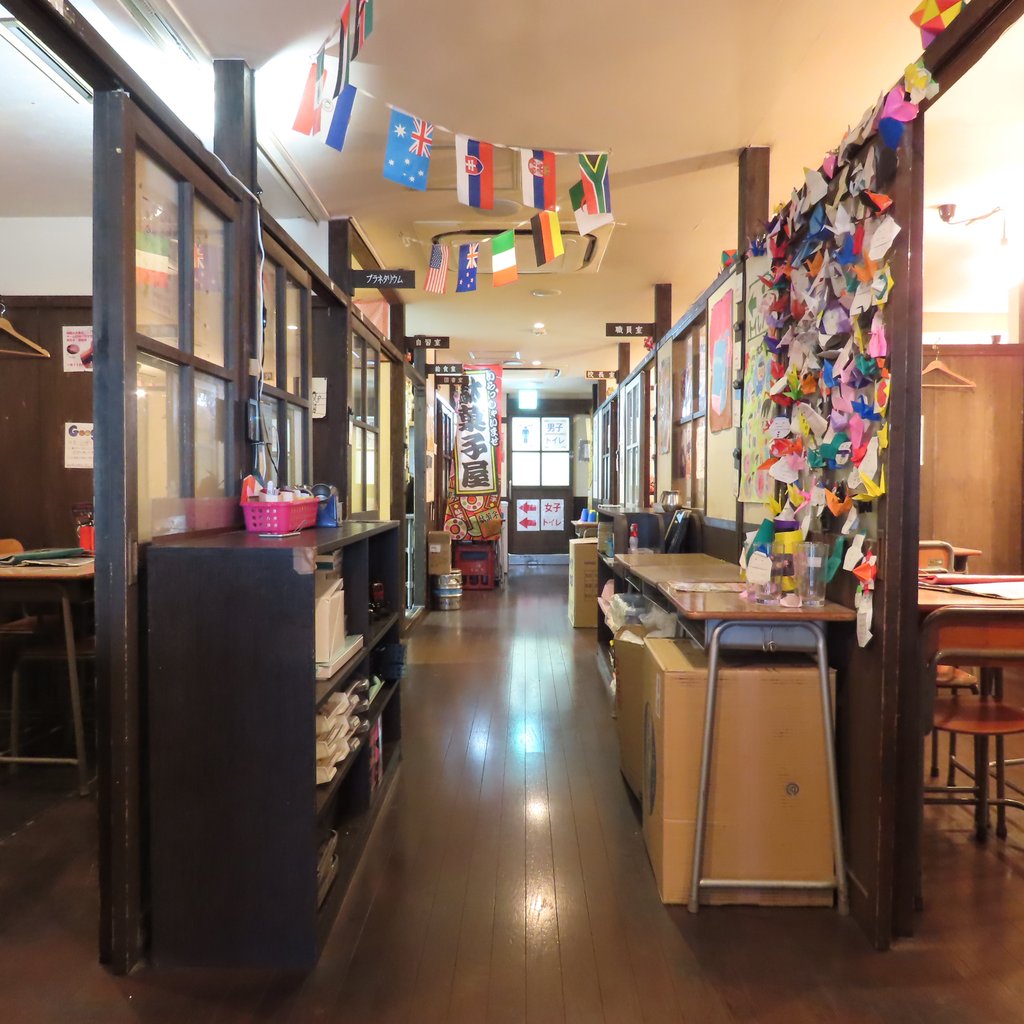
Classroom blackboards, backpacks, wooden desks — stepping inside Gakko Izakaya 6-nen 4-kumi feels like being transported back to a Japanese elementary school. Each private room is themed after a different campus space, from the music room to the nurse’s office, and the venue accommodates groups ranging from 2 to 45 people. School-lunch-style dishes and playful pop-quiz performances create plenty of social-media-worthy moments, making it an easy choice for groups and families. An all-you-can-eat dagashi (nostalgic Japanese penny candy) corner is a crowd-pleaser for kids and adults alike. Weekends fill up quickly, so reservations are strongly recommended.
Details
| Address | B1 Shinjuku Gochiso Building, 1-1-61 Abenosuji, Abeno-ku, Osaka |
| Hours | Mon-Fri 5:00 pm-11:00 pm (Last Order 10:30 pm) / Sat, Sun, holidays 12:00 pm-11:00 pm (Last Order 10:30 pm) |
| Closed | Irregular holidays |
| Website | https://6-4.jp/tennouji/ |
| Best for | Groups and families looking for a photogenic, entertainment-driven dining experience |
Izakaya Etiquette and Tips Every Traveler Should Know
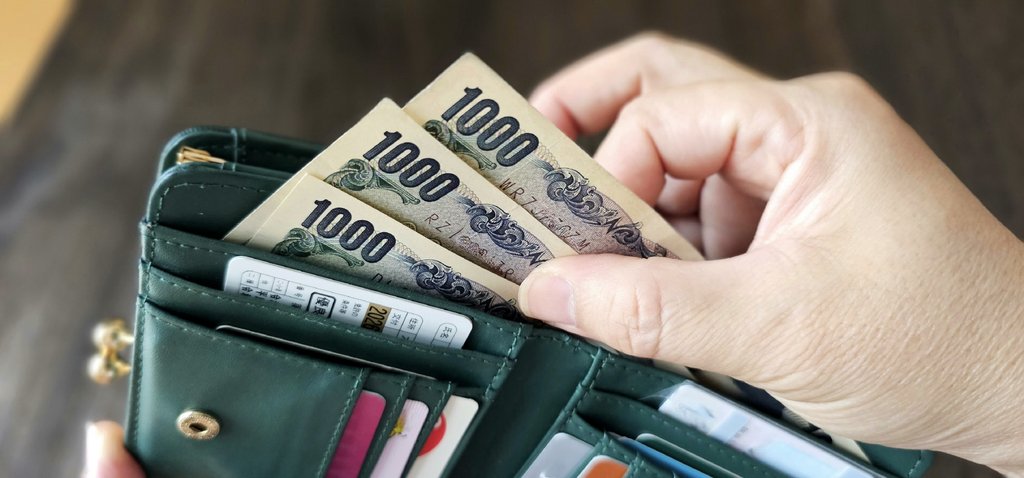
Even after choosing where to go, practical questions often remain: Do you need a reservation? How do you place your order? What happens when it’s time to pay?
This section walks you through the entire process, from securing a seat to settling the bill, so you can step into any izakaya with confidence and focus on enjoying the experience.
Making a Reservation
On Friday and Saturday nights, popular izakaya often fill up by around 7 pm If you’re planning to visit an independently run spot on a weekend evening, consider a reservation essential. On weekdays, however, arriving between 5 and 6 pm usually means you can secure a seat without booking ahead.
There are four main ways to make a reservation, each offering varying levels of English-language support.
| Method | English Support | Notes |
|---|---|---|
| Phone | Rarely | Best for Japanese speakers; reliable but the language barrier is high |
| Google Maps | Yes | Some restaurants offer a “Reserve a table” button with English-language booking |
| Tabelog | Partial | Online booking pages are in Japanese, but browser translation tools work well |
| Hotel concierge | Yes | Simply share your preferences in English; ideal when language is a concern |
If Japanese isn’t in your toolbox, asking your hotel concierge to call on your behalf is often the simplest route. Provide your preferred date, time, party size, and neighborhood, and they’ll typically handle the rest.
If you arrive without a reservation, large chain izakaya make a reliable fallback. Their higher seating capacity increases your chances of being accommodated as a walk-in. And if your first choice is full, heading to dense drinking areas such as Tenma or Ura-Namba — where izakaya line both sides of the street — makes it easy to pivot to another option just steps away.
From Arrival to Departure: The Five-Step Flow
A visit to an izakaya follows five straightforward steps.
| Step | What to Do | Tip |
|---|---|---|
| 1. Enter | Tell the host how many are in your party | Holding up fingers works perfectly |
| 2. Sit down | Follow the staff to your seat | Wipe your hands with the oshibori (warm damp towel) provided |
| 3. Order | Start with a drink | Use the tablet, photo menu, or English menu if available |
| 4. Eat and drink | Add more dishes as you go | Raise your hand or press the call button to get staff attention; tablet ordering is increasingly common |
| 5. Pay | Bring the bill slip to the register | Some restaurants handle payment at the table |
As soon as you sit down, the server will ask for your first drink order. If you’re unsure, saying “Toriaezu biiru” (“A beer to start”) is Japan’s time-honored izakaya opener and instantly sets the right tone.
When you’re ready to order more, raise your hand lightly or press the table-side call button. An increasing number of restaurants also allow you to order via a table-mounted tablet or by scanning a QR code with your phone.
At payment time, you can say “Okaikei onegai shimasu” (“Check, please”) or simply cross your index fingers in an X shape — both are widely understood. In most izakaya, you’ll take the bill slip to the register near the exit to settle the total, though some restaurants handle payment at the table. If you’re unsure, a quick glance at what other diners are doing will usually make the process clear.
Ordering Tips
At a Japanese izakaya, there’s no need to order everything at once. The standard approach is to request a few dishes at a time and add more as you go — a relaxed, gradual style that locals have followed for generations.
Once seated, begin with a drink — the “Toriaezu biiru” custom mentioned earlier is a reliable opener. Then take your time browsing the food menu before placing your first round of orders.
For a group of three, three to four dishes make a well-balanced start. A light appetizer such as edamame or hiyayakko, paired with one or two shared plates of yakitori or sashimi, sets a comfortable pace. Most dishes are placed in the center of the table for everyone to share, so there’s no need for each person to order individually. When the plates are empty and you’re still in the mood for more, simply add another round — a rhythm that keeps the meal lively while minimizing waste.
Photo menus and tablet ordering systems are widespread in Osaka’s izakaya, and English-language support is steadily increasing. In many cases, pointing to a photo is all it takes to place your order, making the language barrier far less daunting than many first-time visitors expect.
The Otōshi Custom
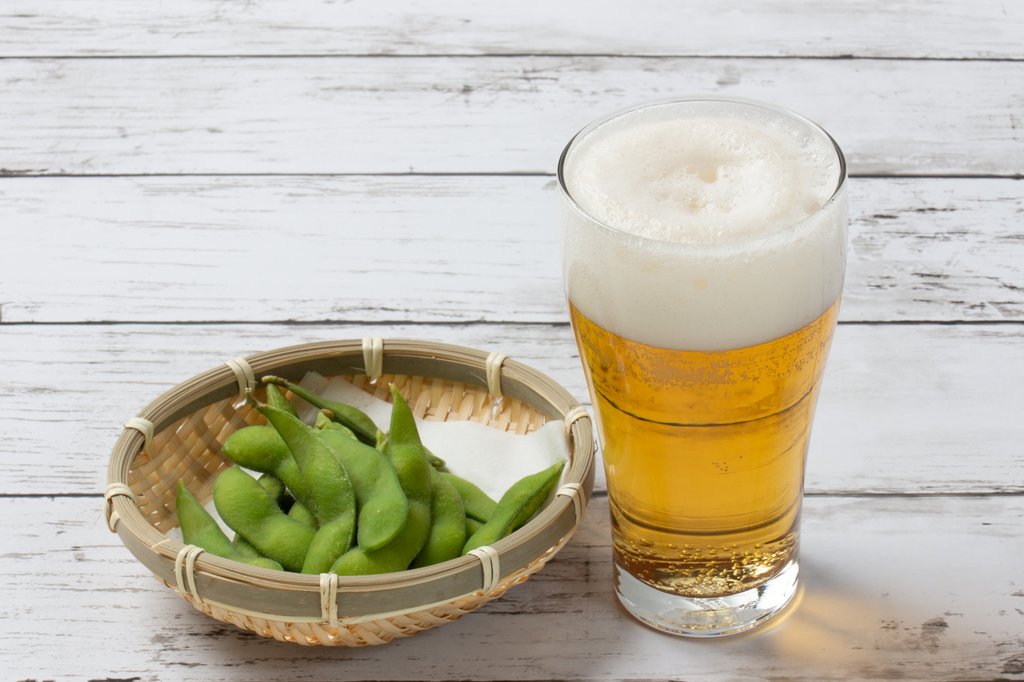
Shortly after you sit down, a small dish you didn’t order may quietly appear at your place setting. This is otōshi — a small appetizer automatically served upon seating. It can come as a surprise the first time, but otoshi functions as a cover charge or table fee at Japanese izakaya and is applied to each guest as soon as they take a seat. It generally cannot be declined.
The typical price ranges from ¥300 to ¥500, with many izakaya setting the charge in the ¥300–399 range. Adding around ¥400 per person to your budget will usually cover it comfortably.
Unlike in many Western countries, Japan has no tipping culture. Rather than adding a gratuity at the end of the meal, the modest otoshi fee effectively serves as a built-in service charge. Seen in that light, a few hundred yen often feels reasonable — especially since the dish itself is part of the experience.
Otoshi might be as simple as edamame, a small simmered vegetable dish, or another house specialty. It often offers a first glimpse of the kitchen’s style, so consider it an opening gesture of hospitality and enjoy it as part of the izakaya ritual.
Payment Methods
Izakaya bills are settled per table as a single total. Separate checks are often not available, so when dining in a group, it’s best to have one person pay the full amount and divide the cost afterward.
Cashless payment has become increasingly common across Japan’s dining scene, with more than half of restaurants now accepting some form of digital payment. Major chain izakaya almost always take credit cards and QR-based payment apps. Smaller, independently run establishments — especially compact neighborhood spots and standing bars — may still operate on a cash-only basis, so carrying a few thousand yen is a sensible precaution.
| Restaurant Type | Cash | Card / QR Payment |
|---|---|---|
| Major chains | ✓ | Almost always accepted |
| Mid-size independent | ✓ | Varies by restaurant |
| Small / standing bars | ✓ | Sometimes not accepted |
Tipping is not expected anywhere in Japan. The price listed on the menu is the final price you pay, and once the bill is settled, the transaction is complete.
Ideas for a Unique Osaka Night Out Beyond the Izakaya
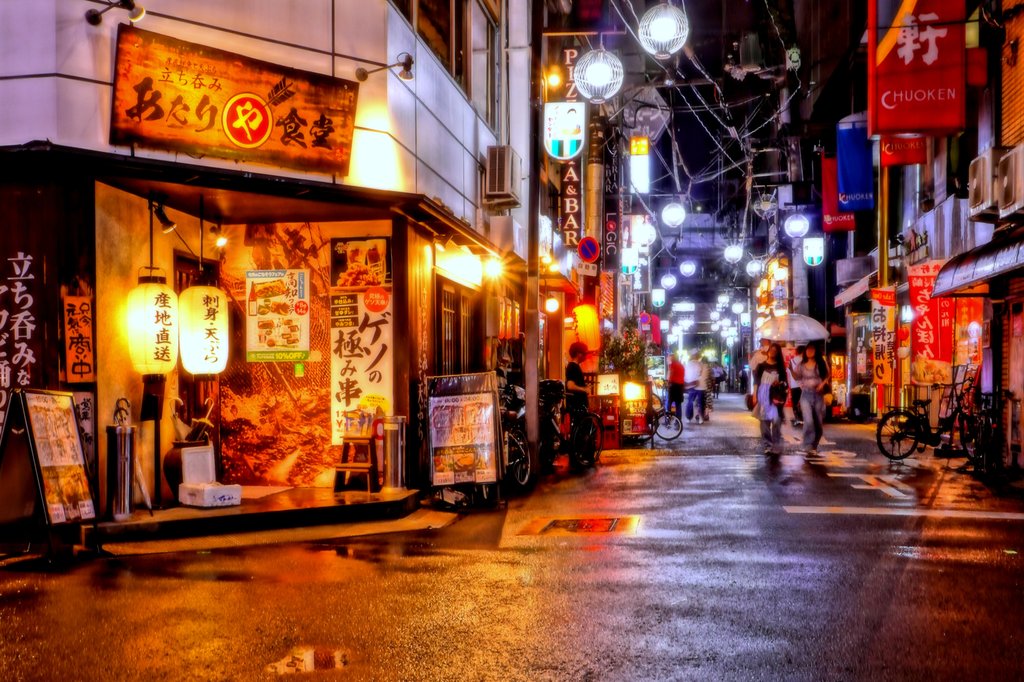
After an izakaya dinner, the Osaka night still has plenty to offer. Here are three distinctly Osaka ways to continue the night: bar-hopping through neon-lit backstreets, revisiting childhood at a retro arcade, or diving into a hands-on Japanese cultural experience.
Bar-Hopping Through Ura-Namba’s Hidden Bars
Ura-Namba — the web of back alleys just south of Namba Station — is one of Osaka’s most characterful local drinking districts. Independently run micro-bars, many with only a handful of counter seats, sit shoulder to shoulder with standing wine bars tucked into impossibly narrow lanes.
Reservations are rarely needed. The culture here revolves around enjoying one or two drinks at each stop before moving on — a relaxed, spontaneous style of bar-hopping that encourages curiosity. With most venues no more than a minute or two apart on foot, half the fun lies in wandering without a map and seeing what catches your eye.
Plan on spending around ¥1,000–2,000 per stop, making it easy to sample several places in a single evening.
Details
| Area | Roughly bounded by Sennichimae to the north, Nansan-dori to the south, Kuromon Market to the east, and Takashimaya to the west |
| Hours | Vary by store |
| Closed | Vary by store |
| Website | https://osaka-info.jp/spot/gastronomy-urananba/ |
| Best for | Bar-hoppers; value-minded food lovers; anyone drawn to the warmth of old-fashioned, character-rich drinking lanes |
Shooting Galleries and Archery in Shinsekai

Shinsekai deserves more than a kushikatsu crawl alone. Along the arcades at the foot of Tsutenkaku Tower, you’ll find carnival-style shooting galleries and archery stalls that evoke the atmosphere of a Showa-era (mid-20th century Japan) festival.
After fueling up on kushikatsu and riding a pleasant buzz, ducking into one of these stalls is a quintessential Shinsekai experience. A round of target shooting typically costs ¥300-500 and involves aiming a cork gun at prizes lined up on shelves. No Japanese is required — staff cheerfully explain the rules with gestures.
Some stalls offer kyudo (Japanese archery) experiences using a traditional longbow. The satisfying snap when your arrow hits the target is likely to draw a cheer from everyone nearby.
Most stalls stay open until around 9 pm, leaving plenty of time to visit after an izakaya dinner. Drawing a bow with Tsutenkaku’s neon glow behind you makes for a memorable travel photo.
Though firmly established as a tourist destination, you’ll still spot local regulars enjoying the games with a beer in hand. Pair these retro amusements with kushikatsu for a full immersion into Shinsekai’s old-school nightlife.
Details
| Address | 2-chome Ebisuhigashi, Naniwa-ku, Osaka |
| Hours | Vary by store |
| Closed | Vary by store |
| Website | https://shinsekaiofficial.com/ |
| Best for | Budget-friendly Osaka street food lovers; fans of vintage Showa-era games and atmosphere |
Experience Sumo Culture at Sumo Studio Osaka
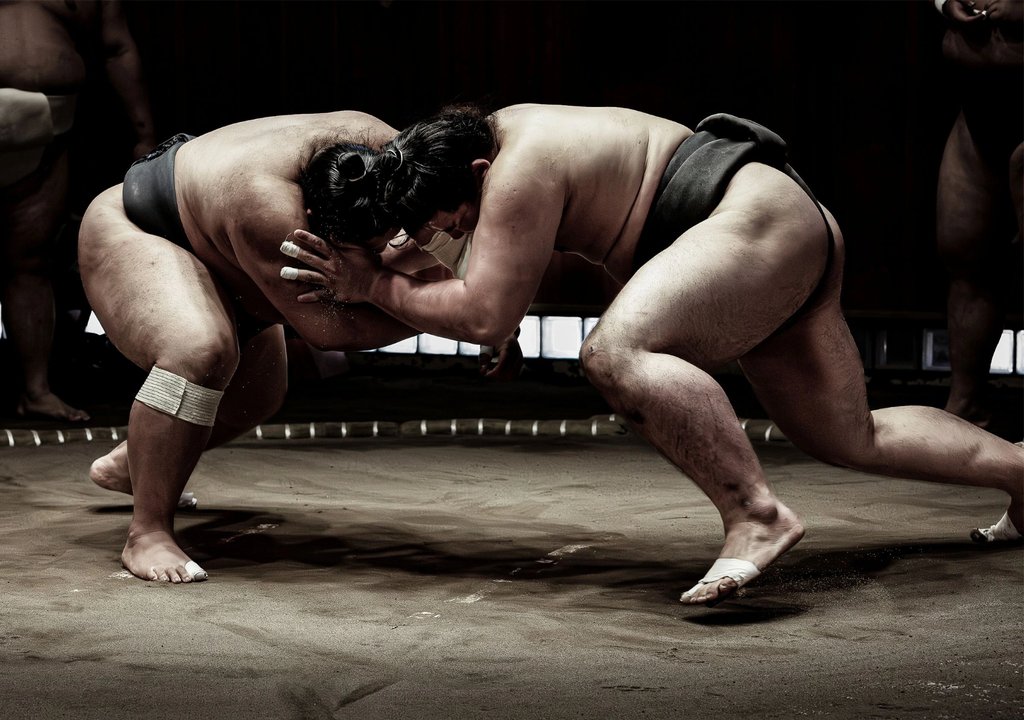
After kushikatsu in Shinsekai, consider taking your evening one step further with a hands-on Japanese cultural experience. Sumo Studio Osaka is an intimate venue seating up to 50 guests, where retired professional rikishi (sumo wrestlers) perform live sumo at close range.
The program includes English-language commentary explaining the history of sumo and its deep ties to Shinto, Japan’s indigenous spiritual tradition. Rather than simply observing, you gain context for the rituals, movements, and symbolism behind the sport. During the audience participation segment, guests are invited onto the dohyo (the sacred clay ring) to try basic movements such as shiko — the powerful stamping ritual said to drive away evil spirits — practice sumo stances, and take commemorative photos with the wrestlers.
Located about 10 minutes from Shinsekai, just outside Exit 4 of Hanazono-cho Station, the evening performance runs from 8:00 pm to 9:30 pm, making it an easy addition after dinner. An on-site bar serves umeshu (plum wine) and beer for those who wish to linger, and luggage storage is available so you can enjoy the experience hands-free.
Details
| Address | 1F Hanazono-cho AI Building, 1-5-1 Asahi, Nishinari-ku, Osaka (directly connected to Hanazono-cho Station Exit 4) |
| Hours | 10:00 am / 12:30 pm / 3:00 pm / 5:30 pm / 8:00 pm (5 performances daily, 90 min. each) |
| Closed | Open year-round |
| Website | https://sumowrestlingshow.jp/ |
| Best for | Travelers who want to learn about Japanese culture in English; anyone seeking a participatory experience |
Common Questions About Osaka Izakaya

From navigating language barriers and transportation to communicating dietary needs, these are some of the most frequently asked questions travelers have about visiting an izakaya in Osaka. Below, you’ll find clear, practical answers to help you dine with confidence.
Can I Get By in English at Osaka Izakaya?
In tourist-heavy areas like Dotonbori and Umeda, many izakaya provide English-language or photo menus. At major chains and restaurants accustomed to international visitors, staff can usually manage basic English communication without difficulty.
In Tenma’s back alleys and smaller neighborhood spots, Japanese-only menus are still common. That said, practical workarounds are easy. Using Google Translate’s camera function for real-time menu translation, or saving photos of dishes you’d like to try and showing them to the staff, tends to work smoothly.
Above all, Osaka’s hospitality goes a long way. Izakaya staff are generally eager to communicate through gestures, patience, and goodwill — so don’t hesitate to push aside the noren (the traditional entrance curtain) and step inside.
When Is the Best Time to Visit an Osaka Izakaya?
The most comfortable window is right at opening, typically between 5:00 and 6:00 pm You’ll have your choice of seats, signature dishes are unlikely to be sold out, and some restaurants even offer early-bird discounts during this time.
Friday and Saturday nights see peak crowds between 5:30 and 7:30 pm, when tables fill quickly. From Tuesday through Thursday, the clientele tends to skew toward local regulars, creating a relaxed atmosphere where striking up a conversation with the chef across the counter feels natural.
Osaka also embraces a strong hiru-nomi (daytime drinking) culture. In neighborhoods like Tenma and Shinsekai, it’s common to find izakaya serving alcohol from midday. Stopping in between sightseeing plans offers a calmer, more laid-back experience compared with the evening rush — and a glimpse into everyday local life.
What Transportation Works Best for an Osaka Izakaya Crawl?

The Osaka Metro (subway) is the most efficient way to move between izakaya districts. Umeda to Namba on the Midosuji Line takes roughly 10 minutes, and Namba to Tennoji is similarly quick. In fact, all of Osaka’s major drinking neighborhoods sit within about a 15–20 minute subway ride of one another, making multi-stop evenings entirely manageable.
Most last trains depart around midnight, so wrapping up your cross-city travel plans by around 10 pm keeps the night stress-free. If you do miss the final train, the GO taxi-hailing app offers a convenient backup — simply enter your destination in the app, and there’s no need to communicate in Japanese.
For bar-hopping across multiple neighborhoods, a practical strategy is to head to the farthest district first while trains are still running, then end the night closer to your hotel. That way, your final walk home is short — and the evening can wind down at your own pace.
How Do I Communicate Allergies or Dietary Restrictions?
Preparing an allergy card in advance is the most reliable approach. The Osaka Prefectural Government provides a multilingual “Food Allergy Communication Sheet” with pictograms in 11 languages. Simply showing the card to staff can instantly clarify your needs and avoid misunderstandings.
If you don’t have a card, a handwritten note in Japanese such as “○○ ga taberaremasen” (I cannot eat ○○) clearly communicates a restriction. Even simple phrases such as “Ebi arerugii” (shrimp allergy) or “Nattsu taberaremasen” (cannot eat nuts) are widely understood.
Vegetarian, vegan, and halal-friendly izakaya do exist in Osaka, though they remain relatively limited. When dietary requirements are strict, confirming details by phone or email in advance is the safest course of action.
Find Your Seat at the Counter
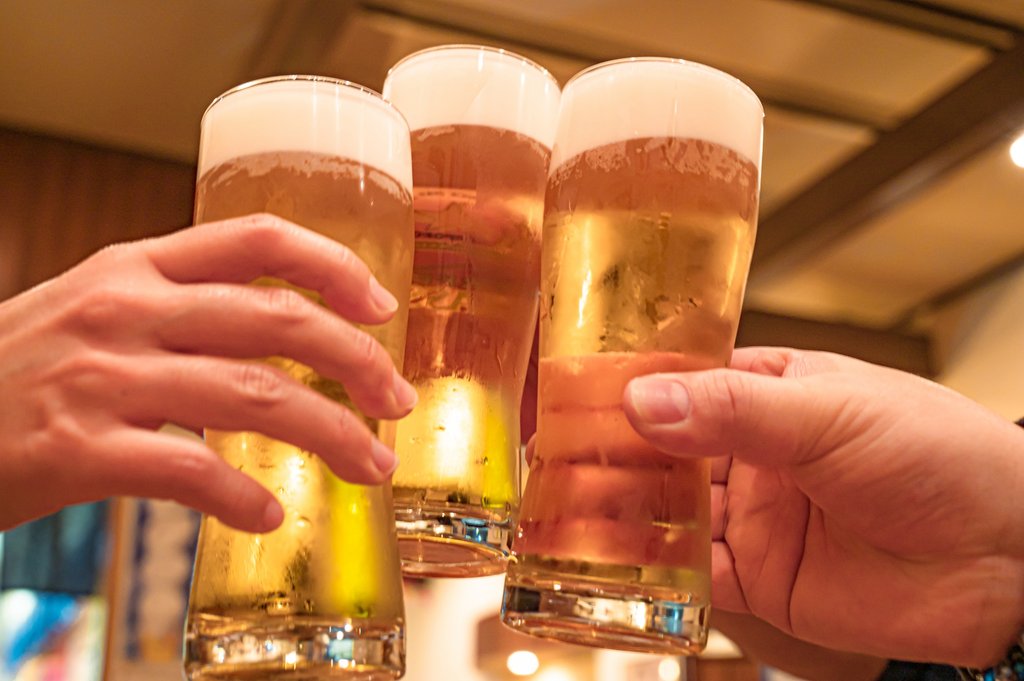
Understanding the personality of each neighborhood, how ordering works, and what to budget for can transform an Osaka izakaya visit from uncertain to unforgettable. Customs like otoshi and the practicality of carrying an allergy card are easy to prepare for in advance. Be sure to check opening hours and reservation policies on official websites before heading out, as these vary by restaurant.
Pull up a counter seat at a spot where the locals gather, and you’ll experience Osaka’s trademark warmth at its most authentic.