Tokyo to Osaka: The Complete Guide to Traveling Between Japan’s Two Largest Cities
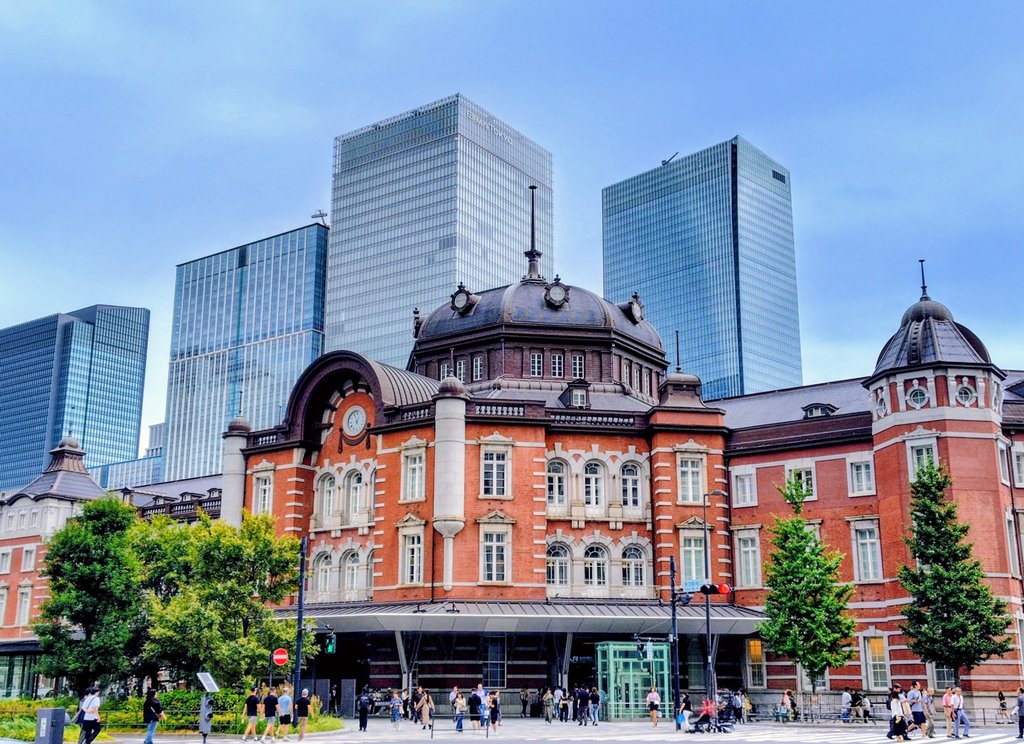
Not sure which transportation option to choose for traveling from Tokyo to Osaka?
With choices including the shinkansen (Japan’s high-speed bullet train), domestic flights, highway buses, and rental cars, accurately comparing fares, travel times, and convenience can be more complicated than it first appears.
In this guide, we break down each transportation method in a clear format, comparing costs, travel times, and booking procedures to help you choose the option that best fits your budget and travel style. We also cover ticket purchasing tips for international visitors, along with practical advice for getting around once you arrive in Osaka.
Whether you’re deciding how to travel or planning your next steps after arrival, this guide has you covered.
Contents
- Overview: Transportation Options from Tokyo to Osaka
- Shinkansen: The Fastest and Most Popular Choice
- Highway and Overnight Buses: Budget Travelers’ Best Friend
- Flights: Fast and Affordable with Early Booking
- Rental Cars: Great for Group Travel
- Situation-Based Recommendations: Which Route Suits You Best?
- After Arriving in Osaka: Getting Around Basics and First Steps
- FAQ: Common Questions About Tokyo to Osaka Travel
- Choosing Your Route from Tokyo to Osaka
Overview: Transportation Options from Tokyo to Osaka
Four main transportation options connect Tokyo and Osaka: the shinkansen, domestic flights, highway buses, and rental cars. Travel times range from approximately 2.5 to 8 hours, while fares typically span from around ¥2,000 to ¥15,000. The best choice ultimately depends on your priorities.
As a general guideline: choose the shinkansen for speed and reliability, highway or overnight buses for maximum cost savings, and a rental car for greater flexibility and customized itineraries.
Shinkansen: The Fastest and Most Popular Choice
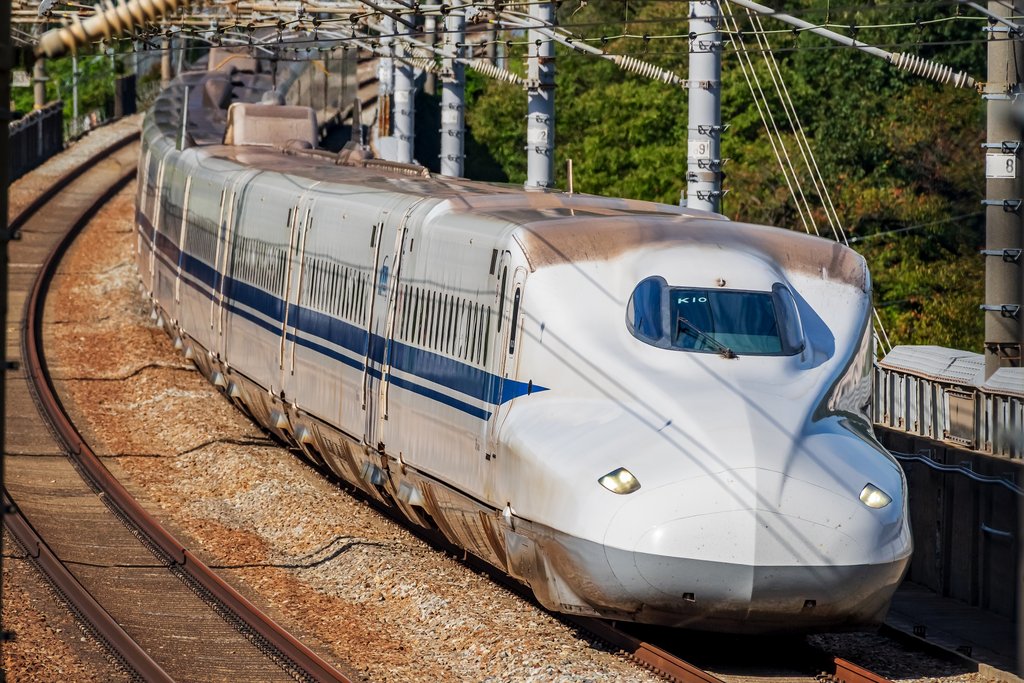
For travel between Tokyo and Osaka, the shinkansen is the first option most travelers consider. Fast, punctual, and exceptionally comfortable, it remains Japan’s most iconic mode of long-distance transportation.
In this section, we cover the characteristics of each train type, ticket fares and seating classes, purchasing methods for international visitors, and practical tips to ensure a smooth and comfortable journey.
Shinkansen Train Types
Three types of shinkansen operate between Tokyo and Osaka: Nozomi, Hikari, and Kodama.
| Item | Nozomi | Hikari | Kodama |
|---|---|---|---|
| Travel Time | About 2 hours 30 min. | About 3 hours | About 4 hours |
| Number of Stops | 6 stations | 10–15 stations | All 17 stations |
| Frequency (per hour) | Up to 12 | About 2 | About 2 |
| JR Pass Only | Not permitted | Permitted | Permitted |
The fastest option is Nozomi, which makes the fewest stops and offers the shortest travel time. However, holders of the nationwide Japan Rail Pass (JR Pass) cannot board Nozomi using the pass alone. An additional Nozomi/Mizuho supplement ticket must be purchased for each journey.
For JR Pass users, Hikari provides the best value, as it requires no additional fee while still offering relatively quick travel times.
Nozomi trains run as frequently as up to 12 departures per hour during peak periods, making it easy to board the next available train even without a reservation.
For travelers with more time and a relaxed schedule, Kodama stops at all stations along the route, allowing for a slower journey and scenic views from the window.
Ticket Fares and Seat Types
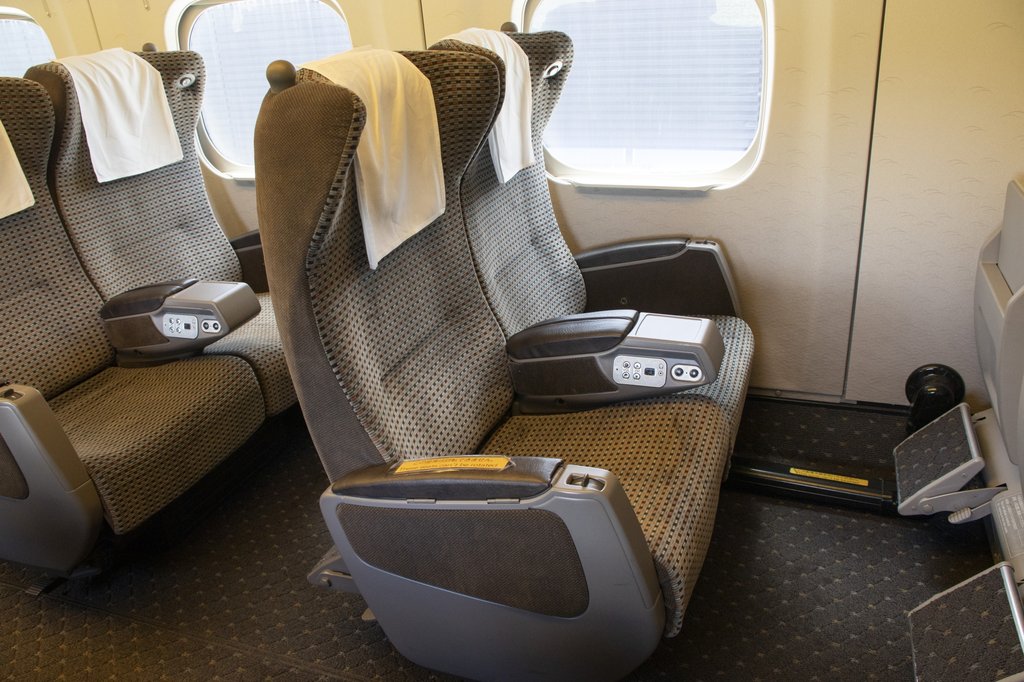
Seat selection significantly affects both price and comfort, so choosing a class that matches your budget and travel stamina is important.
Main fares for Tokyo–Shin-Osaka:
| Seat Type | Fare (Nozomi) | Features |
|---|---|---|
| Unreserved | About ¥13,870 | No assigned seat; may need to stand during crowded periods |
| Reserved | About ¥14,720 | Guaranteed seat; +¥200–400 during peak periods |
| Green Car | About ¥20,000 | Wider seats; quieter cabin; footrests |
Hikari and Kodama unreserved seats are also approximately ¥13,870 (same across all trains). Children ages 6–11 pay half the adult fare.
Green Car seats are wider and offer a deeper recline, making a noticeable difference in comfort, especially for travelers heading directly into sightseeing or business appointments. Window seats in most cars are equipped with power outlets, so reserving one is advisable if you need to charge devices during the journey.
During peak travel periods, such as the year-end and New Year holidays, Golden Week (late April to early May), and Obon (mid-August), reserved seats sell out quickly. Early booking is strongly recommended.
Fares listed are approximate reference prices as of February 2026. Final prices may vary depending on season, train type, and applicable surcharges.
How International Travelers Can Purchase Shinkansen Tickets
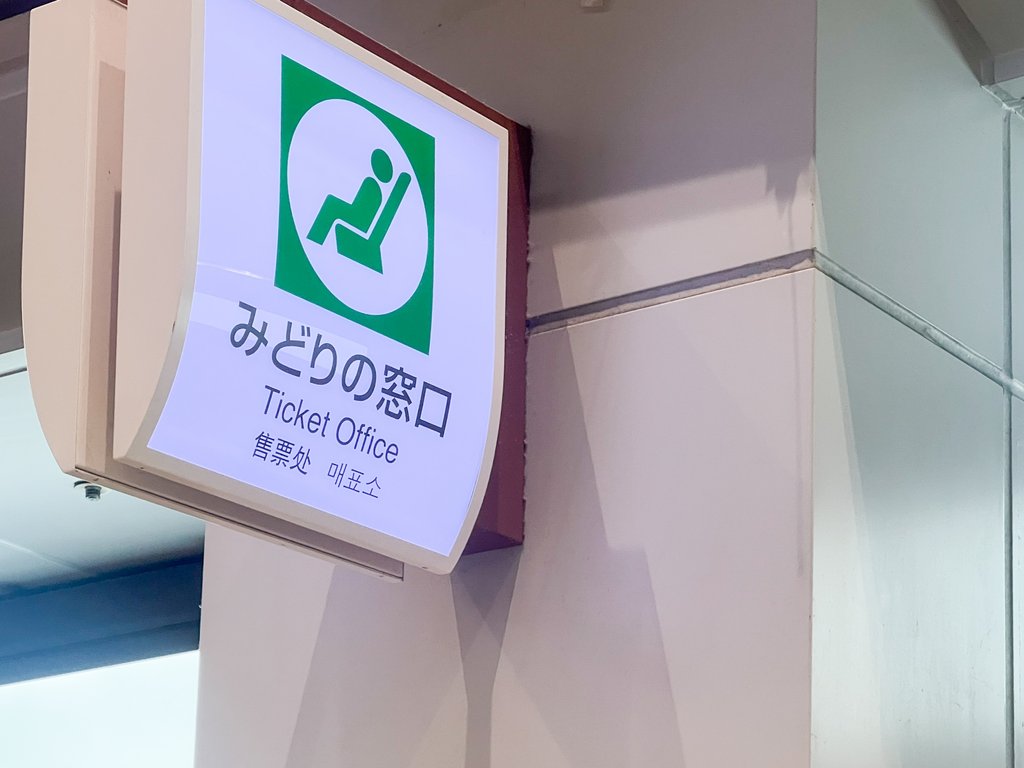
There are three main ways for international visitors to purchase shinkansen tickets: station counters or machines, online reservations, and the Japan Rail Pass (JR Pass).
1. Station Counters and Ticket Machines
At Midori-no-Madoguchi (JR’s staffed ticket offices) in major stations such as Tokyo Station or Shinagawa Station, English-speaking staff are often available, and same-day purchases by credit card are accepted.
Reserved-seat ticket machines (marked in green) also offer English-language menus, making them a convenient alternative when counters are crowded.
2. Online Reservations
Booking online in advance provides peace of mind—especially during peak seasons.
JR Central’s official SmartEX platform accepts many internationally issued credit cards and allows travelers to generate a QR code for automatic ticket gate entry after booking. You can also:
- Select seats on the Mount Fuji side of the train
- Make changes up to four minutes before departure
For those who prefer a fully English-focused interface, third-party platforms such as Klook are also widely used and user-friendly.
3. Using the JR Pass
JR Pass holders can board Hikari and Kodama trains using unreserved seats without additional fees. Reserved seats can be booked free of charge at Midori-no-Madoguchi counters.
However, boarding Nozomi requires purchasing a separate supplementary ticket.
For travelers making only a simple Tokyo–Osaka round trip, it is often difficult to fully offset the cost of a nationwide JR Pass. In many cases, purchasing individual tickets through SmartEX or another booking platform may be more economical.
Tips for Riding the Shinkansen
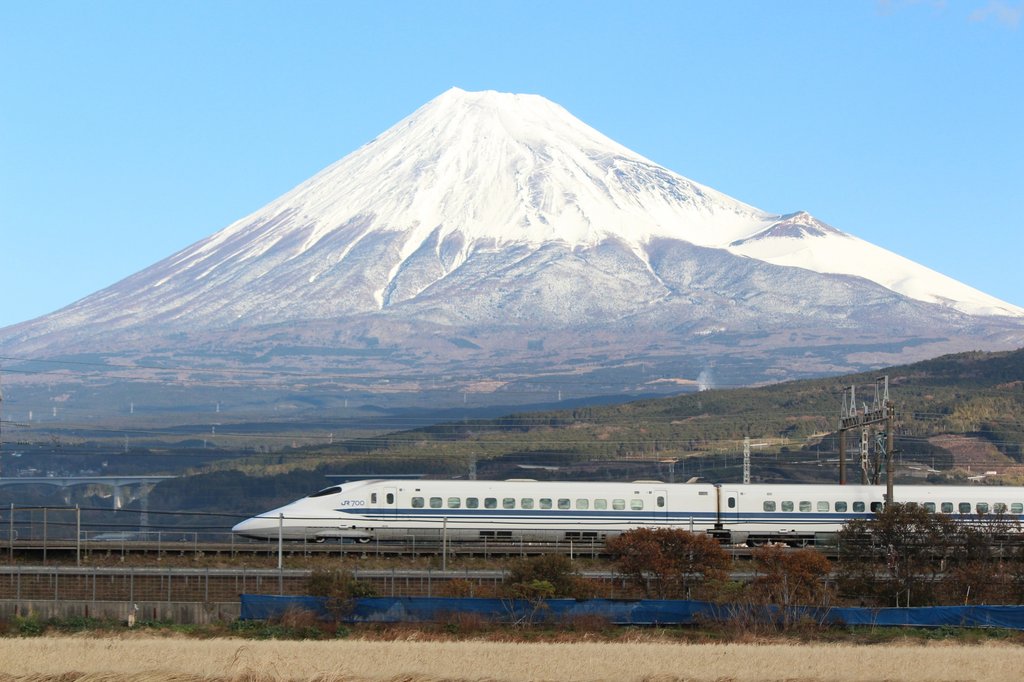
For views of Mount Fuji, choose Seat E (the window seat). When traveling from Tokyo, Seat E on the right-hand side faces Mount Fuji. The stretches between Shin-Yokohama and Odawara, and from Mishima to Shin-Fuji, offer particularly prime viewing spots. Approximately 30–40 minutes after departure, Mount Fuji will fill your window.
Selecting an ekiben (a boxed meal specially prepared for railway travel) from one of the specialty shops inside Tokyo Station before boarding is also highly recommended. Enjoying an ekiben while watching the scenery glide past is a quintessentially Japanese travel experience.
Weekday mornings (7:30 am–9:00 am) and evenings (5:00 pm–7:00 pm) are peak commuter hours, and unreserved seats may be unavailable. Booking a reserved seat in advance is strongly advised during these times. As a terminal station, Tokyo Station makes it easier to secure unreserved seats at the start of your journey, while Shinagawa Station offers convenient transfers from the Narita Express.
Be mindful of basic onboard etiquette: make phone calls in the deck area (the passageway between cars), and politely notify the passenger behind you before reclining your seat. Dispose of trash in the onboard bins or take it with you when you disembark.
Highway and Overnight Buses: Budget Travelers’ Best Friend
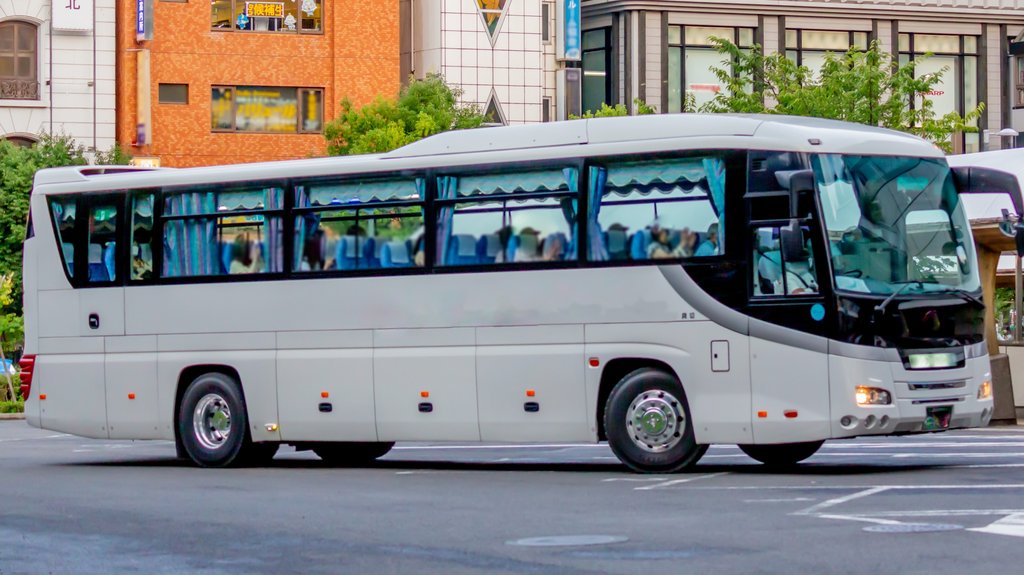
For travelers thinking, “I want to minimize transportation costs and spend the savings on Osaka food and sightseeing,” highway and overnight buses are a smart choice. In this section, we explain typical fare ranges and travel time differences for both daytime highway buses and overnight buses, helping you plan your journey efficiently and affordably.
Daytime Highway Buses
Daytime highway buses take approximately 8–9 hours, but fares typically range from ¥4,000 to ¥6,000, about one-third the cost of a Shinkansen ticket. For travelers with flexible schedules or those who prefer to allocate transportation savings toward Osaka’s renowned food scene, this is an excellent option.
Major departure points in Tokyo include Busta Shinjuku (the highway bus terminal directly connected to Shinjuku Station), Tokyo Station’s Yaesu South Exit, and Ikebukuro. In Osaka, buses usually arrive at Osaka Station (Umeda area) or OCAT (a bus terminal directly connected to Namba Station), allowing you to begin sightseeing immediately upon arrival.
Representative bus company characteristics:
| Bus Company | Features |
|---|---|
| WILLER EXPRESS | Wide seat variety prioritizing comfort; dedicated terminal in Umeda |
| JR Bus (Kanto/West Japan) | Departs from Tokyo Station Yaesu South Exit; extensive operational track record |
| VIP Liner | Free lounge access before departure for comfortable waiting |
| Kintetsu Bus | Strong access to Osaka Namba area |
Reserving early often secures additional discounts, so be sure to check each company’s official website once your travel dates are confirmed. One added bonus of daytime travel is the scenery. Depending on your route and seat, you may enjoy views of Mount Fuji, Lake Hamana, and other picturesque landscapes along the way.
Overnight Buses: Saving Both Time and Money
The biggest advantage of overnight buses is that they save a night’s accommodation while you travel. Departing Tokyo around 10–11 pm and arriving in Osaka at 6–7 am, they allow you to start sightseeing immediately in the morning.
Fares typically range from ¥4,000 to ¥10,000, with comfort varying significantly depending on the seat class.
| Seat Type | Fare Range | Features |
|---|---|---|
| 4-Row Standard | ¥4,000–5,000 | Cheapest but close proximity to neighboring seat |
| 3-Row Independent | ¥5,000–7,000 | Curtains provide privacy; recommended |
| Private Compartment | ¥8,000–10,000 | Near-complete privacy; highest sleep quality |
Prices are subject to change. Please check the official website for the latest information.
For larger-framed travelers, 3-row independent seats or higher-grade seats are strongly recommended. Many services also offer women-only sections, so be sure to confirm availability when booking.
After an early-morning arrival in Osaka, freshening up at station-area cafés or sento (Japanese public bathhouses) helps start the day comfortably. Considering that business hotel rates generally range from ¥5,000 to ¥8,000 per night, combining overnight bus travel with saved accommodation can easily save over ¥10,000.
Reservation Methods and Usage Notes
Reservations can be made through each bus company’s official website or via booking platforms such as Willer Travel and Japan Bus Lines. Willer Travel offers English-language pages, making the booking process especially convenient for international visitors.
The reservation process is straightforward: enter your departure and arrival points and travel date → select your preferred service and seat → input passenger details → complete payment. Ticket sales generally open about one month before departure, although this may vary by operator.
Regarding luggage, most services allow one suitcase to be stored in the trunk free of charge. Size restrictions differ by company, so be sure to confirm the details in advance if you plan to bring multiple or oversized bags. Onboard amenities, such as Wi-Fi, power outlets, restrooms, and blankets, also vary by service, so it’s wise to review these features when booking.
Be aware that cancellation fees typically increase as the departure date approaches, with same-day cancellations often subject to a 100% charge of the fare.
Flights: Fast and Affordable with Early Booking
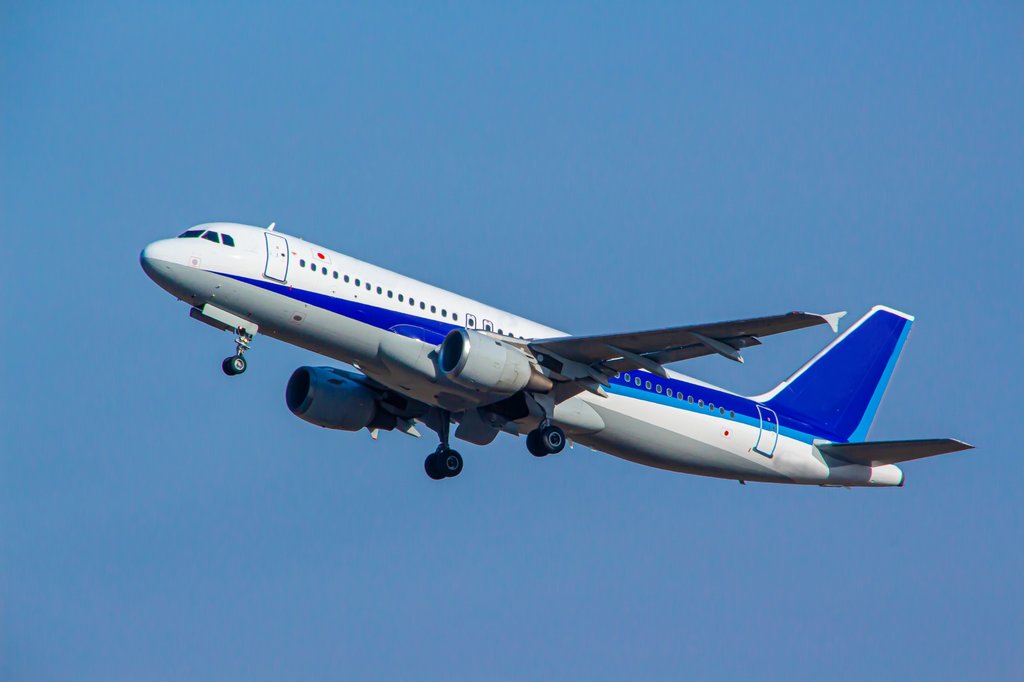
Many travelers ask, “Wouldn’t flying be cheaper than taking the Shinkansen?” In this section, we break down air travel options between Tokyo and Osaka, including typical fares, flight times, and tips for finding the best deals.
Available Airports, Airlines, and Major Routes
When flying between Tokyo and Osaka, your choice of airport can greatly affect both fares and total travel time.
The most popular route is Haneda Airport ⇔ Itami Airport (Osaka International Airport). Itami offers excellent access to central Osaka (Umeda and Namba), with the city center reachable in 30–40 minutes after arrival. This route is primarily served by full-service carriers ANA and JAL, with typical one-way fares ranging from ¥10,000 to ¥15,000. Haneda Airport’s extensive international terminal also benefits travelers connecting from overseas.
The Narita Airport ⇔ Kansai International Airport (KIX) route is dominated by low-cost carriers (LCCs) such as Peach Aviation and Jetstar, with one-way fares starting around ¥5,000–6,000. However, KIX is farther from central Osaka: reaching Osaka Station takes roughly 1 hour 10 minutes and ¥1,210 via the JR Kansai Airport Rapid service, or about 50 minutes and ¥2,380 via the Limited Express Haruka.
A key consideration is that the advertised LCC fare may not reflect the total cost. Checked baggage, seat selection, and other extras are additional charges, just one checked suitcase can cost ¥1,500–3,000. For travelers with more luggage, comparing the total cost with full-service Haneda ⇔ Itami flights is advisable before booking.
Actual Door-to-Door Travel Time and Cost Estimates
Think flying is automatically faster? While the flight itself takes only about 70 minutes, factoring in airport access, check-in, security screening, and boarding procedures paints a different picture.
Let’s look at a realistic time breakdown from a hotel in central Tokyo to the Namba area of Osaka:
| Segment | Travel Time |
|---|---|
| Tokyo hotel → Haneda Airport | 30–60 min. |
| Check-in, security, boarding wait | About 60 min. |
| Flight (Haneda → Itami) | About 70 min. |
| Itami Airport → Namba | 40–50 min. |
| Total | About 3.5–4.5 hours |
By contrast, the Nozomi Shinkansen reaches Shin-Osaka from Tokyo Station in approximately 2.5 hours. Including the transfer from Shin-Osaka to Namba, total travel time is about 3 hours. In many cases, the Shinkansen is actually faster door to door.
Flying becomes advantageous in certain situations—for example:
- When early LCC bookings secure fares in the ¥3,000–5,000 range
- When traveling to destinations closer to Kansai International Airport (KIX)
- When connecting directly from an international arrival to a domestic flight
It is also important to consider weather-related risks. Typhoons and thunderstorms can cause flight delays or cancellations, while the Shinkansen is generally more reliable under adverse conditions.
Ultimately, the best choice depends on your priorities: speed, cost, convenience, or reliability. Choose the option that aligns with your travel style and schedule.
Rental Cars: Great for Group Travel

For families or friends traveling together, rental cars are worth considering. Sharing the cost of a single vehicle reduces per-person expenses, making this option increasingly cost-effective as the group size grows.
In this section, we provide total travel time and cost estimates, including highway tolls and fuel, and highlight scenic or interesting stops along the route that make the drive even more enjoyable.
Travel Time and Cost Estimates
The driving distance from Tokyo to Osaka is approximately 500 km. The typical route, via the Tomei Expressway connecting to the Meishin Expressway, takes roughly 6–7 hours, including rest stops.
Cost breakdown:
| Item | Estimated Cost |
|---|---|
| Rental car (compact / 24 hours) | About ¥8,900–12,400 |
| Highway tolls (with ETC) | About ¥8,000–9,000 |
| Highway tolls (without ETC) | About ¥11,600–14,500 |
| Fuel | About ¥5,000–6,000 |
Prices are subject to change. Please check the official website for the latest information.
Using ETC (Electronic Toll Collection), total costs run approximately ¥22,000–27,000. Split among four passengers, the per-person cost drops to about ¥5,500–6,800. Considering that a one-way Shinkansen unreserved seat costs around ¥13,870, rental cars offer particularly good value for groups of three or more.
International drivers must carry a valid International Driving Permit. Japan drives on the left-hand side with right-hand drive vehicles, so confirm vehicle operations at the rental shop before departure.
Sights Along the Drive

One of the biggest advantages of traveling by rental car is the freedom to stop at interesting spots along the route.
The first highlight after leaving Tokyo is the Mount Fuji area. Gotemba Premium Outlets is a massive shopping complex with around 290 stores, and on clear days, you can enjoy Mount Fuji as a stunning backdrop. Plan to spend 1–2 hours here.
For scenic rest stops, Hamanako Service Area (SA) offers excellent views of Lake Hamana while letting you sample the local specialty, unagi (grilled eel). Further along, Nagoya is a popular stop for unique local cuisine such as miso katsu (miso-flavored pork cutlet) and tebasaki (chicken wings).
Many travelers also opt to stop in Kyoto before reaching Osaka. Spending half a day at iconic spots like Fushimi Inari Taisha or Arashiyama allows you to experience two cities in a single trip.
Situation-Based Recommendations: Which Route Suits You Best?
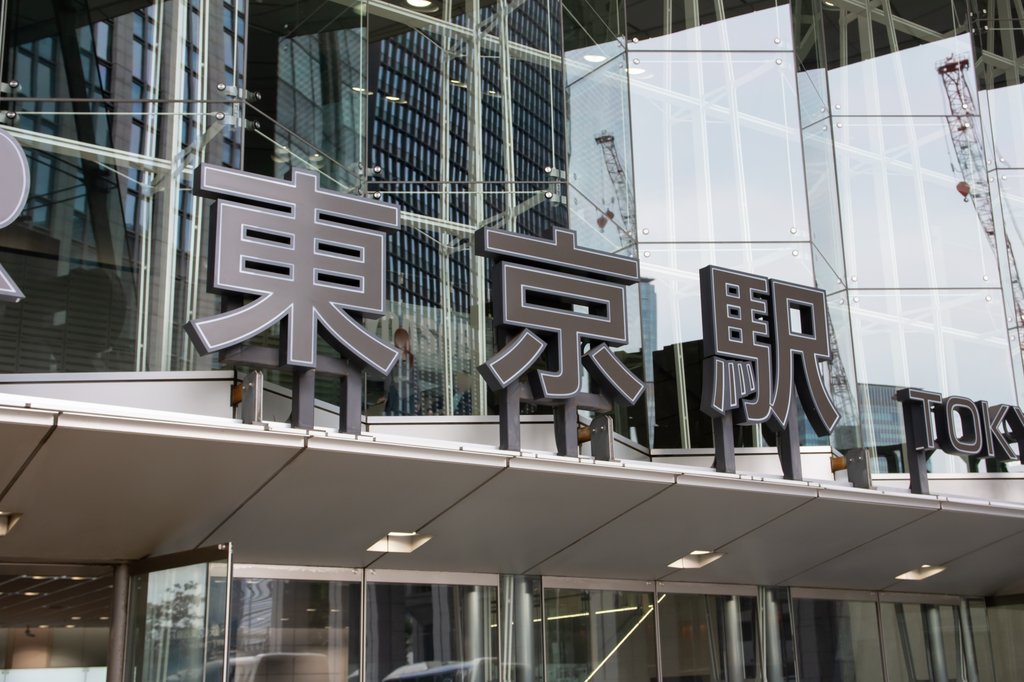
With so many options, the best choice depends on your top travel priority.
- Speed: The Nozomi Shinkansen is the fastest and most convenient option.
- Budget: Overnight buses offer the greatest savings, especially when accommodation costs are factored in.
- Comfort vs. Cost Balance: Platto Kodama trains or early-booked LCC flights provide a middle ground between price and convenience.
A practical strategy is a “best of both worlds” approach: take the Nozomi to Osaka and return by overnight bus. This can save approximately ¥5,000–6,000 per direction while also eliminating the cost of one night’s accommodation.
Ultimately, choose the combination that best aligns with your priorities: whether that’s speed, savings, comfort, or scenic experiences along the way.
After Arriving in Osaka: Getting Around Basics and First Steps
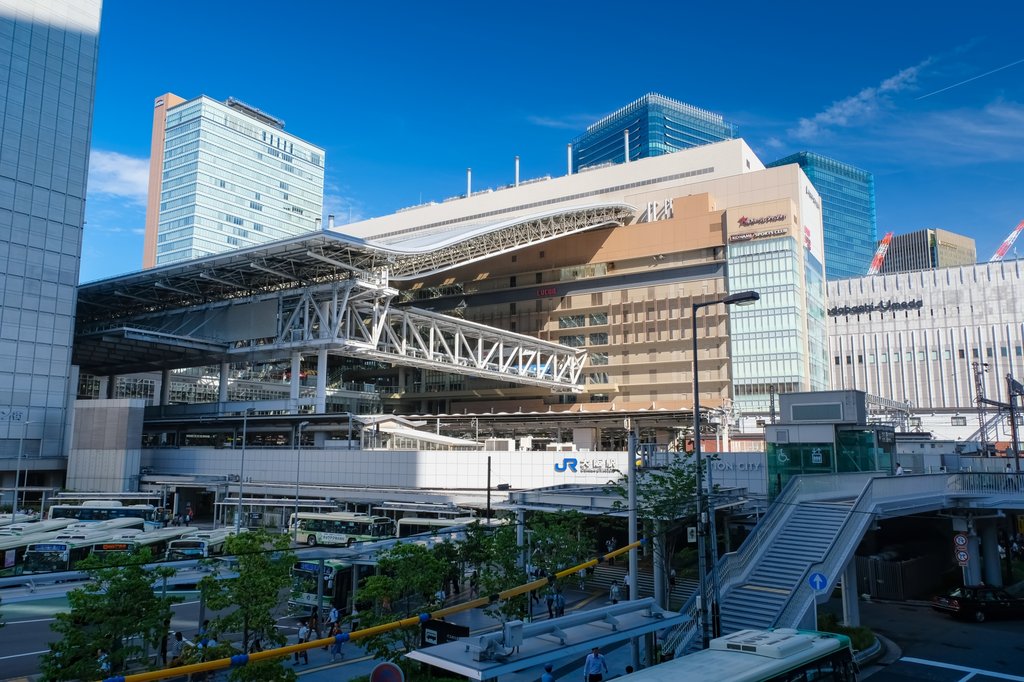
Many travelers feel unsure about where to go or how to start exploring upon arriving in Osaka. In this section, we cover the essential tips and practical steps for smooth navigation, helping you get oriented quickly and make the most of your first hours in the city.
Understanding Osaka’s Layout: Major Stations and Areas
Osaka is broadly divided into two main hubs: Kita (north) and Minami (south). Shin-Osaka Station, where Shinkansen arrive, is located outside both entertainment districts, so a transfer via train is necessary to reach central areas.
| Area | Major Stations | Characteristics |
|---|---|---|
| Kita | Osaka Station / Umeda Station | Department stores and offices concentrated; business and shopping center |
| Minami | Namba Station / Shinsaibashi Station | Dotonbori district and food stroll spots; classic tourist area |
| Tennoji / Shinsekai | Tennoji Station | Tsutenkaku Tower and Abeno Harukas; working-class neighborhood atmosphere |
The Midosuji Line, Osaka’s main north-south subway, connects Kita and Minami in roughly 10 minutes. While Osaka Station and Umeda Station have different names, they are within walking distance and can be considered the same location for practical purposes.
For convenience, Suica and PASMO cards issued in Tokyo work seamlessly on Osaka trains and buses—just be sure to check your remaining balance before using them.
Getting from Shin-Osaka to Central Osaka
Upon arriving at Shin-Osaka Station, simply select the appropriate line for your destination and you’ll navigate the city with ease.
Travel times and fares to major areas:
| Destination | Recommended Route | Travel Time | Fare |
|---|---|---|---|
| Umeda (Kita) | Direct on Midosuji Line | About 7 min. | ¥240 |
| Namba (Minami) | Direct on Midosuji Line | About 16 min. | ¥290 |
| Tennoji | Direct on Midosuji Line | About 23 min. | ¥290 |
| Kansai Airport | Transfer at Namba → Nankai Airport Express | About 1 hour 10 min. | ¥1,260 |
Fares are subject to change. Please check the operator’s website for the latest information.
Key destinations such as Umeda, Namba, and Tennoji are directly accessible via the Midosuji Line (Osaka Metro’s main north-south subway) with no transfers required. Ticket gates for the subway are located immediately upon exiting the JR Shin-Osaka Station conventional line exit.
If you’re heading to Kansai Airport, transfer to the Nankai Railway at Namba Station.
For those who prefer to travel light, carrying only the essentials, station coin lockers are ideal—small sizes cost ¥400 and large ¥700, and most accept IC transit cards. For larger suitcases, the Crosta Shin-Osaka luggage storage service (¥1,000 per day) offers same-day hotel delivery, letting you explore Osaka hands-free right after arrival.
Activities to Enjoy Upon Arriving in Osaka
To make the most of your time after arriving in Osaka, we recommend a mix of Japanese cultural experiences and Osaka food strolls, letting you dive straight into the city’s unique flavors and atmosphere.
Sumo Studio Osaka: Touching Japanese Culture
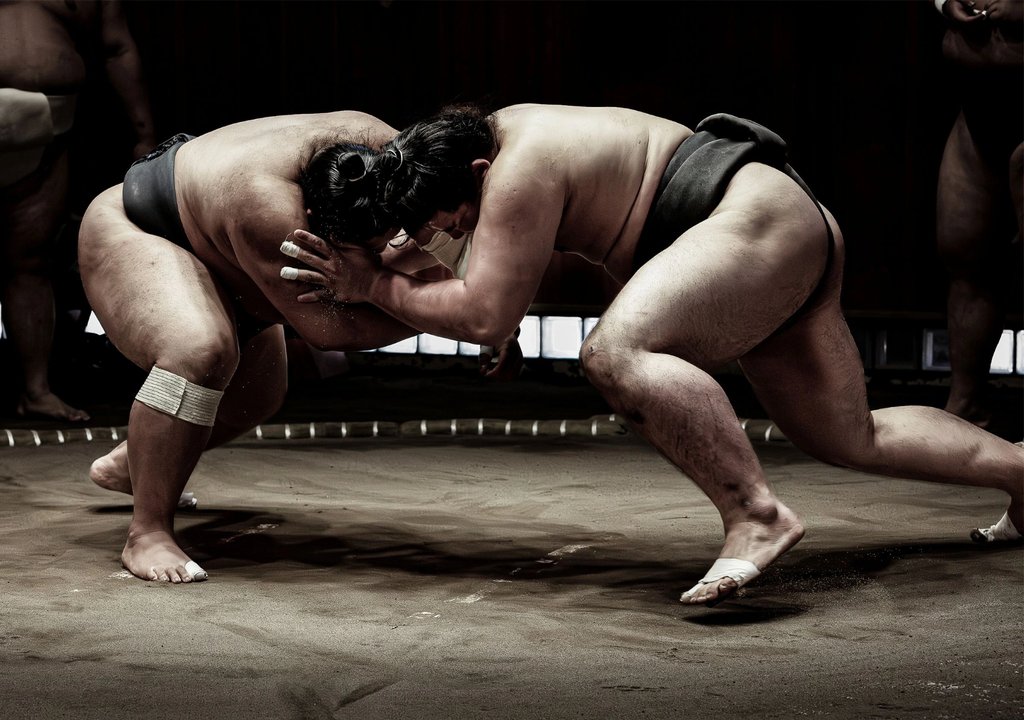
Located just 23 minutes from Shin-Osaka Station and immediately outside Hanazonocho Station Exit 4, Sumo Studio Osaka offers an immersive sumo experience with live performances by retired rikishi (sumo wrestlers).
Interactive programs let participants step onto the dohyo (the sacred clay ring) to practice shiko (the ritual foot stamp used to drive away evil spirits) and try sumo stances. Hosts explain sumo history and rules in English, making the experience accessible to non-Japanese speakers.
With five 90-minute performances daily, you can choose a time that fits your arrival schedule. Large luggage storage, including for suitcases, is available—making it convenient to visit either before or after traveling through the airport.
Details
| Address | Hanazonocho AI Building 1F, 1-5-1 Asahi, Nishinari-ku, Osaka (directly connected to Hanazonocho Station Exit 4) |
| Hours | 10:00 am–11:30 am / 12:30 pm–2:00 pm / 3:00 pm–4:30 pm / 5:30 pm–7:00 pm / 8:00 pm–9:30 pm (five performances daily, 90 minutes each) |
| Closed | Open year-round |
| Official Website | https://sumowrestlingshow.jp/ |
| Best For | Those wanting to engage with Japanese culture physically; those seeking interactive activities |
Dotonbori Food Stroll: Enjoying Distinctive Streetscape and Food Culture
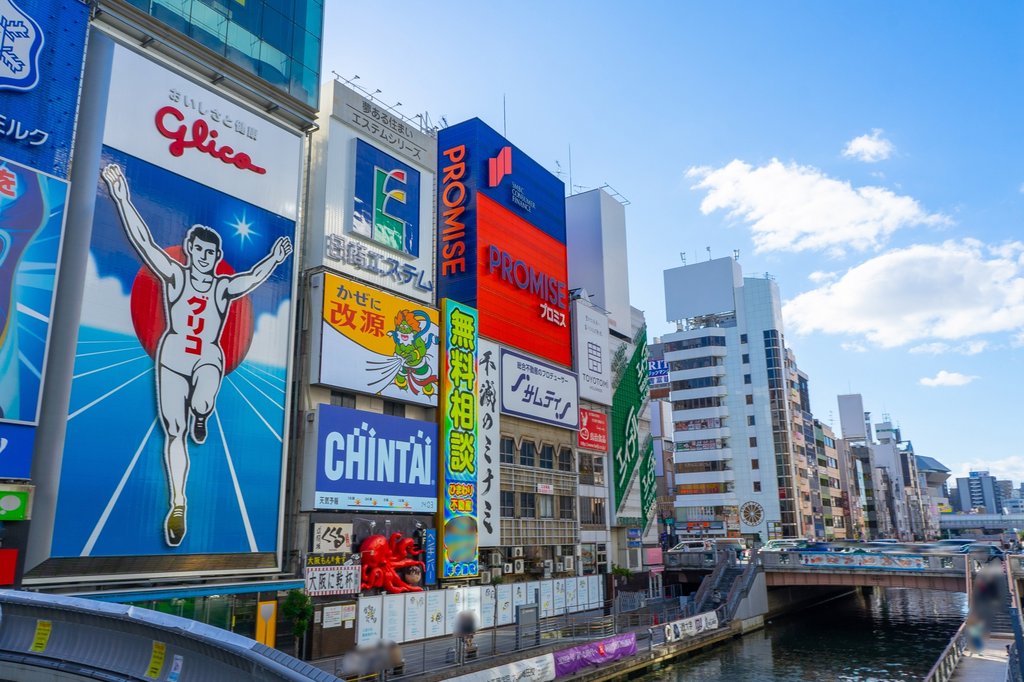
Exit Namba Station on the Osaka Metro via Exit 17, and you’ll find Dotonbori right before you. Wander the bustling streets illuminated by the iconic Glico sign and colorful neon lights, sampling Osaka specialties such as takoyaki (octopus balls), okonomiyaki (savory Japanese pancake), and kushikatsu (deep-fried skewered meat and vegetables).
Many shops stay open late into the evening, making Dotonbori ideal for travelers arriving in the afternoon or later. Immerse yourself in the vibrant atmosphere and let the energy of the streets wash away any travel fatigue.
Details
| Address | Dotonbori, Chuo-ku, Osaka (immediate access from Namba Station on Osaka Metro Midosuji, Sennichimae, and Yotsubashi Lines, Kintetsu, and Nankai) |
| Official Website | http://www.dotonbori.or.jp/ja/ |
| Best For | Those wanting to enjoy Osaka’s energetic atmosphere and kuidaore (eat-till-you-drop) culture |
FAQ: Common Questions About Tokyo to Osaka Travel

Even after choosing your mode of transportation, travelers often have detailed questions while preparing for the trip. Here, we answer three of the most frequently asked questions to help make your journey smoother and more enjoyable.
Can I Use the JR Pass for Shinkansen from Tokyo to Osaka?
Yes, the JR Pass can be used on the Tokaido Shinkansen, but only for certain trains. You can ride Hikari and Kodama trains without additional fees, while the fastest Nozomi trains require a separate ticket.
For reference, a one-way Hikari unreserved seat costs about ¥13,870 (≈¥27,740 round-trip). A 7-day ordinary JR Pass costs ¥50,000, so a simple round trip between Tokyo and Osaka does not justify the pass. However, for itineraries like Tokyo → Kyoto → Osaka → Hiroshima, the pass can yield significant savings. Use the fare calculator on the JR Pass official website to simulate your trip before purchasing.
Decision guideline: Will you use over ¥50,000 worth of JR travel within 7 days? Travelers visiting 2–3 or more cities can benefit greatly, while a Tokyo–Osaka round trip alone is usually cheaper with individual tickets.
Are Overnight Buses Safe?
Japanese overnight buses operate under some of the world’s highest safety standards. Guidelines from the Ministry of Land, Infrastructure, Transport and Tourism require features such as fall-prevention plates, shock-absorbing materials, seatbelts for all passengers, and secured emergency escape routes. Long-distance routes typically use two-driver rotation systems, and many buses are now equipped with onboard cameras for additional safety.
Solo female travelers can feel particularly secure. For example, VIP Liner’s Plumeria offers a women-only vehicle with 3-row independent seats, privacy curtains, and an onboard toilet. Several operators provide women-only seats or vehicles; just filter by “women-only” when booking.
What About Large Luggage?
Shinkansen: Luggage exceeding 160 cm in total dimensions requires an advance Oversized Luggage Space reservation. Boarding without this reservation may incur fees, so be sure to complete the process when purchasing your tickets.
Highway Buses: Most buses allow one piece of trunk luggage per passenger, but size limits vary by operator. For example, WILLER EXPRESS permits up to 155 cm total dimensions per piece. Additional pieces may incur extra fees (around ¥500), so confirm the policy when booking.
After Arrival in Osaka: Station coin lockers at Shin-Osaka and Osaka Station are convenient for storing luggage. Large lockers (¥700–800) are limited, so secure one early. If none are available, consider station luggage storage services for hassle-free handling.
Choosing Your Route from Tokyo to Osaka
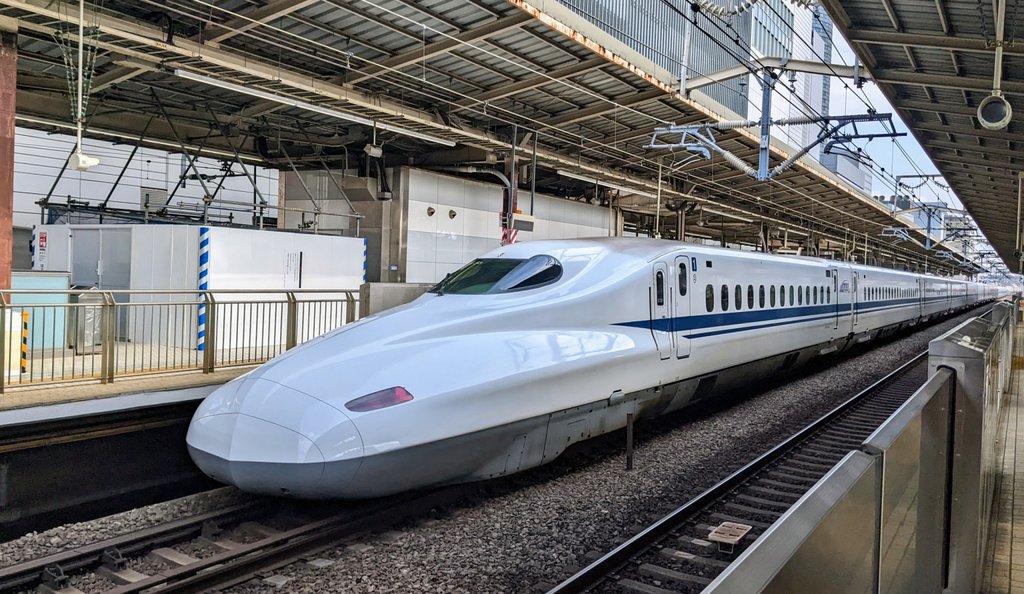
The best way to travel from Tokyo to Osaka depends on your budget, schedule, and priorities. For speed, the Shinkansen is the fastest option. For cost savings, overnight buses offer excellent value. Early-booked flights can also be a viable choice.
Keep in mind that luggage rules, seating options, and discount ticket conditions vary by mode of transportation, so check the details before departure. Use this guide to select the route that fits your needs and make the most of your Osaka trip.