The Complete Guide to Japan Travel 2026: Everything First-Time Visitors Need to Know
Planning your first trip to Japan but unsure where to start? Questions about how much cash to carry, how to navigate trains, and local etiquette are natural concerns. Knowing these details in advance can significantly improve travel comfort.
In this article, we’ll cover everything first-time visitors need to know: pre-trip preparation, tips for getting around and saving money, etiquette essentials, and information about lesser-known destinations. By the end of this read, you’ll have the confidence to plan your Japan trip itinerary with ease.
Contents
- Pre-Departure Planning and Preparation: A Timeline
- How Much Cash Do You Need for Japan Travel?
- Tips for Getting Around: Avoiding Common Mistakes
- Japanese Etiquette: Do’s and Don’ts
- Dining Tips for Maximizing Enjoyment of Japanese Food Culture
- Seasonal Guide to Japan Travel
- Beyond Tokyo and Kyoto: Lesser-Known Destinations in Japan
- Frequently Asked Questions About First-Time Japan Travel
- Making Your Japan Trip a Success
Pre-Departure Planning and Preparation: A Timeline

Japan trip preparation becomes remarkably smooth once you understand what needs to be done and when. Here we explain planning and arrangements chronologically from six months prior to departure.
Six Months Out — Decide When to Visit and Plan Your Route
Your Japan trip satisfaction largely depends on when you visit. Late March through early April for cherry blossoms and October through November for autumn foliage represent the two peak seasons. These periods draw tourists from around the world, causing accommodation prices to surge.
Three periods to avoid are: Golden Week (late April to early May), Obon (mid-August), and the New Year’s holidays. During these periods, transportation and lodging reach peak congestion with domestic travelers, creating stressful conditions for international visitors.
Mid-May through early June, before the rainy season begins, offers an ideal window. Temperatures hover around 20–25°C (68–77°F), tourist sites are less crowded, and conditions are pleasant for sightseeing. Late September through early October is another under-the-radar period, offering a taste of quiet Japan just before peak foliage season.
Don’t forget to secure reservations for extremely popular attractions at this stage of planning. Ghibli Park (the official Studio Ghibli theme park in Aichi Prefecture), for example, releases tickets two months in advance (on the 10th of each month) on a first-come first-serve basis, with weekend and holiday slots sometimes selling out on the same day. Saiho-ji (Kyoto’s famous moss garden temple) also operates on an advanced reservation system with limited capacity.
Once you’ve decided when to visit Japan, start gathering information by working backwards from reservation calendars. Looking into something later often means missing out—Japan travel has more time-sensitive elements than you might expect.
Three Months Out — Book Flights, Accommodations, and Cultural Experiences Early
If searching for accommodations around Kyoto or Tokyo during peak cherry blossom or autumn foliage season, three months out may already be late. Popular ryokan (traditional Japanese inns) begin filling up six months ahead of the season, and many options may be non-existent as your departure approaches. Flight prices can also differ by tens of thousands of yen between early and last-minute bookings.
Site selection is key to accommodation savings. Ryokan and boutique hotels often offer member-exclusive early-bird discounts on official websites, sometimes beating aggregator prices. When comparing multiple lodgings, Booking.com and Expedia prove convenient. When uncertain, check both the official site and aggregators for pricing confirmation.
Don’t neglect reservations for activities either. Sado (traditional Japanese tea ceremony), kimono dressing experiences, and popular restaurant tables may have availability on official local pages, not just foreigner-focused booking sites. Always confirm English availability and cancellation policy conditions before booking. Overlooking non-refundable plans can result in painful expenses when itineraries change.
One Month Out — Arrange Rail Passes, eSIM, and More
Whether you can start moving immediately upon arrival in Japan depends on this final month of preparation.
Evaluate Japan Rail (JR) train pass purchases based on whether you’ll recoup the cost. Individual tickets for Tokyo → Kyoto → Osaka by train total approximately ¥30,000, while a 7-day pass costs approximately ¥50,000. Three or more intercity trips justify the pass, but for itineraries involving just one or two cities, the pass is unnecessary. Purchasing from the official JR website enables advance seat reservations, and from April 2026, you can also pick up tickets at station ticket machines.
Purchase and set up your eSIM before departure for peace of mind. Having maps and translation apps working the moment you land gives you far more mobility than renting a Wi-Fi router. eSIM plans of 7–14 days typically run from ¥1,500–3,000, so choose your plan based on duration and data capacity.
Don’t forget to register with immigration in advance. Completing passport information and customs declaration on Visit Japan Web allows you to pass immigration and customs simply by showing a QR code upon arrival. Registration requires your passport number and flight information, so have your flight confirmation email ready before starting the registration process.
How Much Cash Do You Need for Japan Travel?
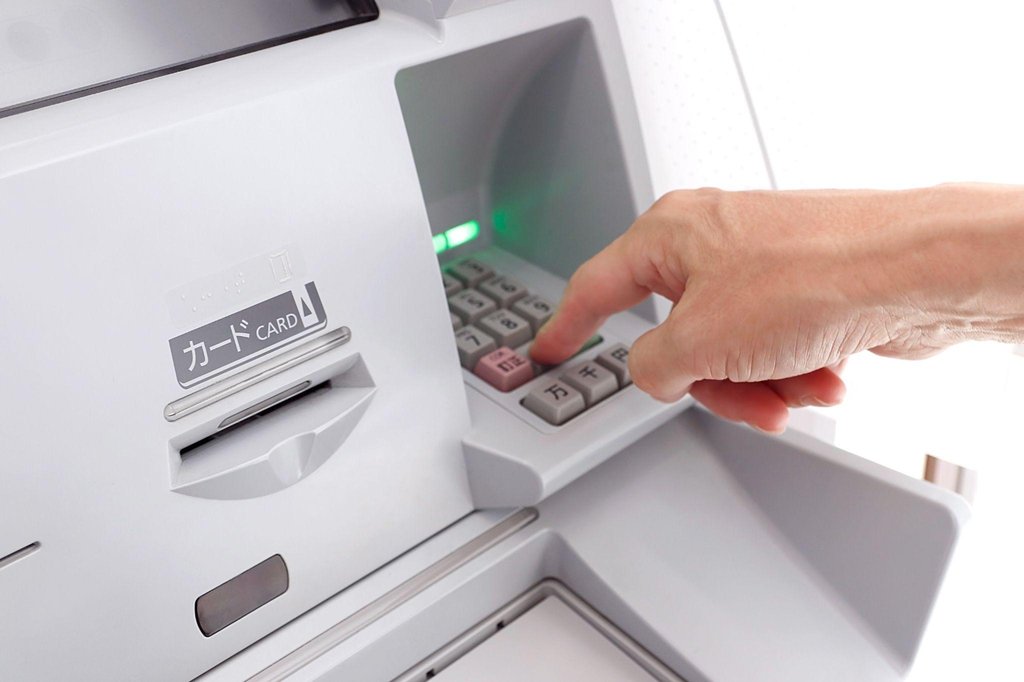
Many visitors worry about how much cash they’ll need in Japan. While cashless payment has gained popularity, Japan remains a country where cash is essential in many situations.
Here we cover cash guidelines for worry-free travel, plus information about ATM usage and money-saving tips for rail passes and destinations that give good value.
Using ATMs in Japan
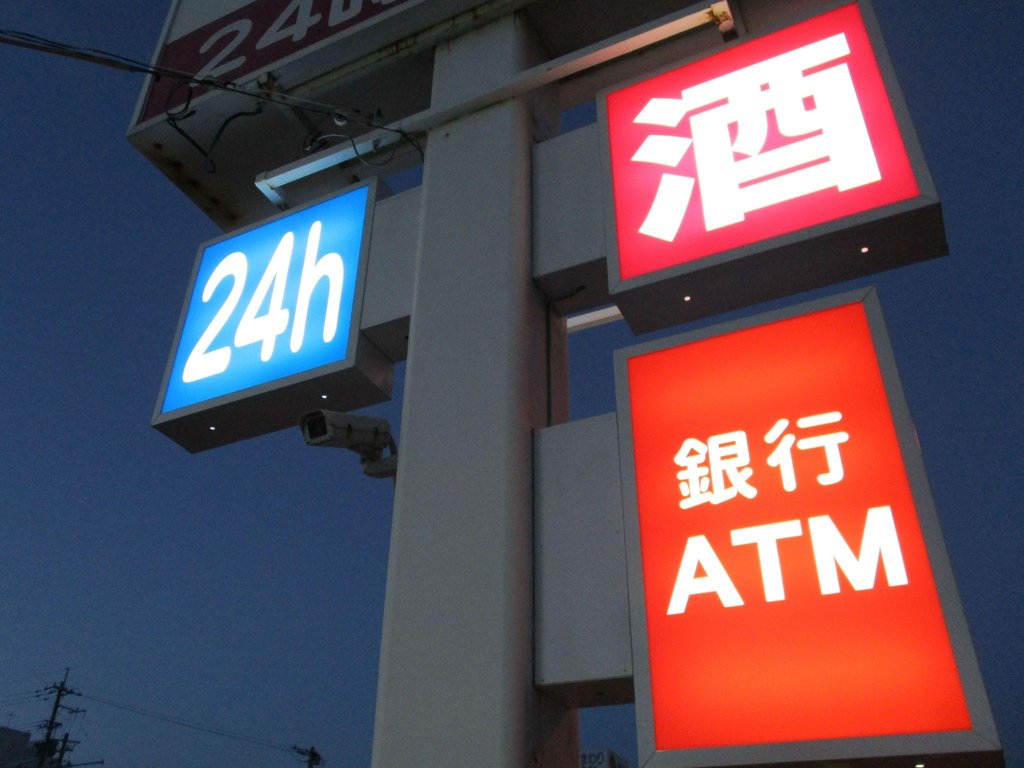
When withdrawing cash with international cards, Seven Bank ATMs are the most reliable option. Over 28,000 machines are installed nationwide, and can be found at 7-Eleven stores as well as airports and major train stations. Withdrawals from VISA and Mastercard can be done 24 hours a day, so even late-night arrivals can withdraw cash without worry.
The ATM interface offers 12 different languages—including English—so not being able to read Japanese poses no problem. The process is simple: insert your card, select “Withdrawal,” specify your account, enter your PIN, and choose the amount to withdraw. When asked about currency conversion, select “Japanese Yen.” Home currency conversion typically applies unfavorable rates.
The per-transaction withdrawal limit is ¥100,000, and fees are approximately ¥110–220 per transaction.
The recommended approach is withdrawing just ¥10,000–20,000 upon arrival. After gauging how frequently you use cash in the early days of your trip, you can withdraw more as needed and hopefully avoid leftover yen when you depart Japan. Japan Post Bank (Yucho) ATMs also accept international cards, but operation hours are limited, so Seven Bank ATMs at convenience stores are the most reliable.
Money-Saving Tips for Japan Travel
When it comes to transportation, smart spending significantly expands travel freedom.
As noted in the preparation section, the JR train pass might not be worth its cost depending on your route. For Kansai-focused travel, the JR West Kansai Wide Pass (approximately ¥12,000) offers far better value than the nationwide pass.
Daily expenses can also be reduced with small efforts. Beverages cost ¥130–170 at vending machines, while convenience store private-label water costs around ¥98. 100-yen shops carry daily necessities, Japanese-patterned accessories, and snacks, all convenient for souvenirs.
Japan’s abundance of free attractions is another appeal. Visiting shrines, parks, and shopping streets can connect you with local life and culture at no cost, allowing you to redirect savings toward experiences you truly want and stretch your budget further.
Tips for Getting Around: Avoiding Common Mistakes
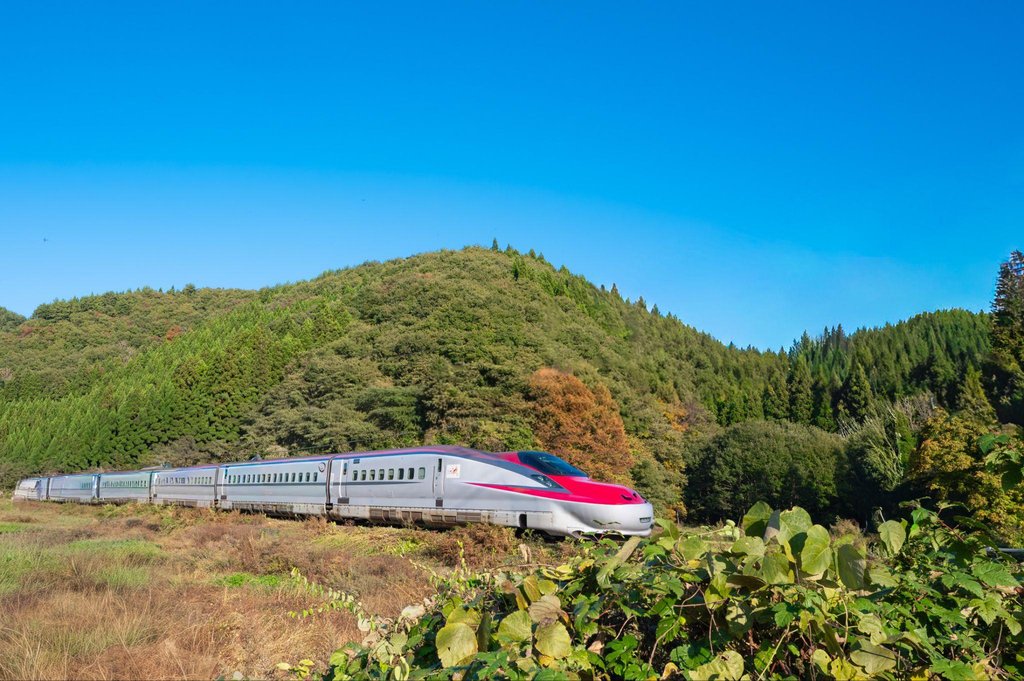
Japan’s transportation is punctual and convenient, but first-time visitors often struggle with route complexity and language barriers. Here we explain practical tips for smooth local travel.
Mastering Train Travel
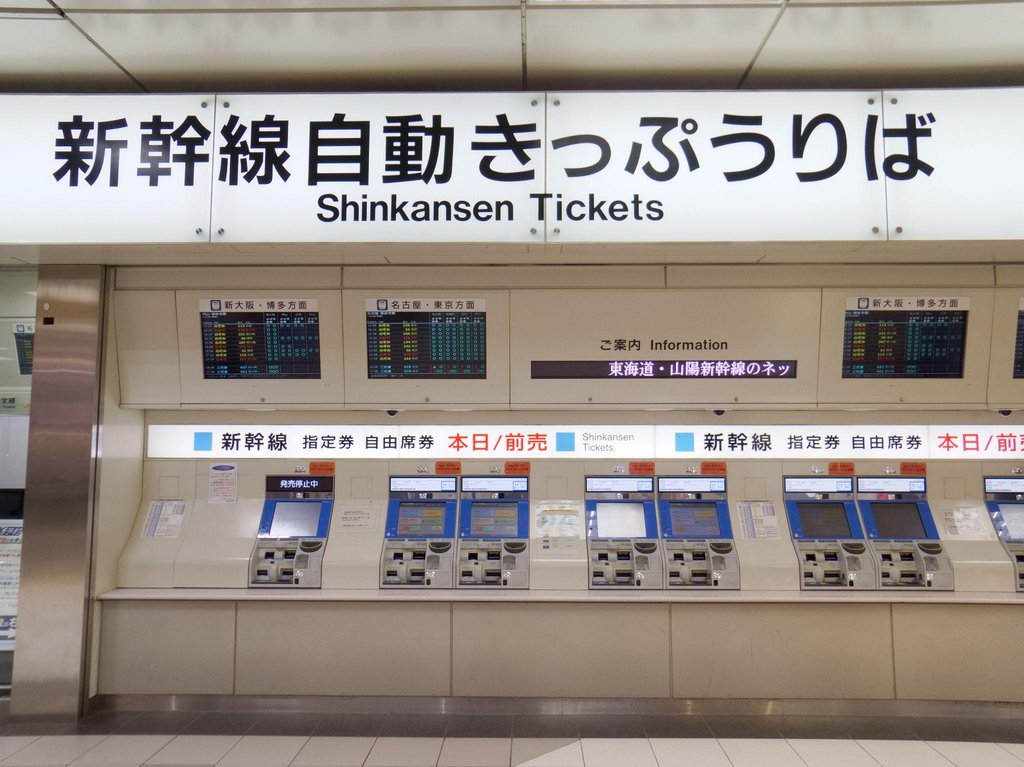
Adding a Suica (IC card) or ICOCA card app to your smartphone eliminates the need to purchase tickets and allows boarding by simply scanning your phone at ticket gates. As of 2026, semiconductor shortages continue to limit the availability of physical IC cards, so digital card setup is recommended.
For iPhone, add Suica or ICOCA from the Wallet app; for Android, add an IC card from the Google Pay app. Payment (via credit card) is instant within the app, eliminating station ticket machine queues.
Use Google Maps for train transfer guidance. Enter your origin and destination to see platform numbers, exit numbers after disembarking, and more, making even the massive Tokyo Station navigable.
For train travel during busy periods, Obon, and New Year holidays, booking seats in advance is the way to go. During slower periods unreserved seats are usually available, offering flexibility without fixed departure times. When bringing large suitcases, don’t forget to reserve oversized luggage space in advance.
Morning rush hour peaks between 7:30 am and 9:30 am, with central Tokyo trains becoming extremely crowded. Simply avoiding this window noticeably improves travel comfort, so plan sightseeing departures for 10 am or later. On trains, hold backpacks in front of you and refrain from phone calls—both of these actions are standard Japanese etiquette.
Taxis, Buses, and Walking
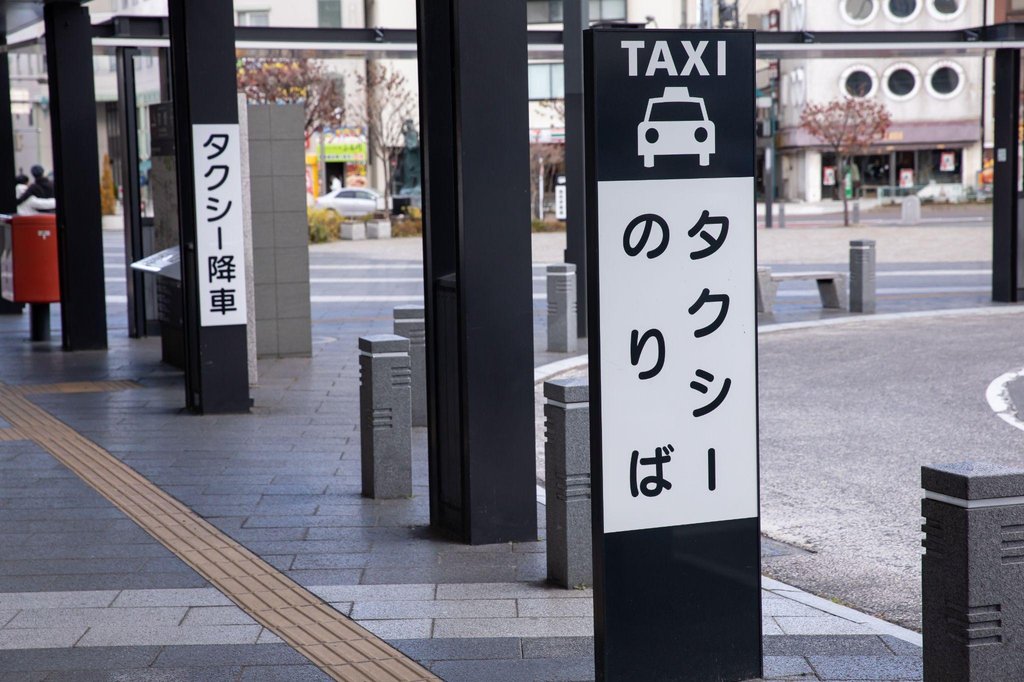
Japanese taxi doors open and close automatically, so there is no need to operate them yourself. The driver controls them via lever or switch, so simply wait for the door to open when the car stops. The same applies when exiting: step out without touching the door. Also, tipping isn’t necessary; simply pay the fare.
For calling taxis in English, the Uber app works in Tokyo and Osaka. Entering your destination in the app shows fare estimates upfront, with cashless payment options available for completing the transaction. Taxi coverage areas are limited, though, so in other cities, ask hotel front desks to arrange pickups.
City bus boarding/exiting rules vary by city, so take note. In Tokyo, board from the front door and pay first; In Osaka, board from the rear door and pay when exiting at the front. Many rural buses use a numbered ticket system, too, so observe the driver’s actions when boarding. When your stop approaches, signal your intent to get off by pressing the stop button.
Perhaps the most important item for Japan travel is comfortable walking shoes. Temple visits and explorations of shopping streets often mean walking 15,000–20,000 steps daily, so choosing cushioned sneakers makes a remarkable difference in comfort.
The Luggage Forwarding Trick for Traveling Light
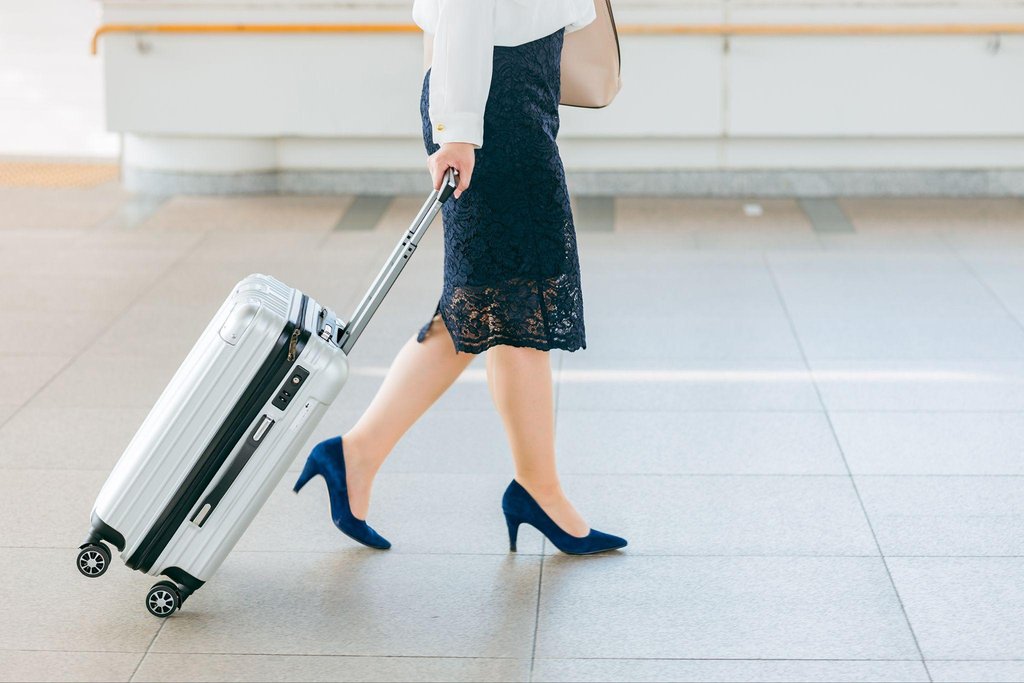
Dragging suitcases between cities drains more energy than you’d expect. This is where Yamato Transport’s takkyubin service proves invaluable.
Hotel front desk staff can assist you with completing forms and pickup arrangements for luggage. Simply provide the destination accommodation name, address, and check-in date, and your luggage will arrive at your next stay within one to two days.
Approximate pricing:
| Suitcase Size | Same Region | Tokyo ↔ Osaka |
|---|---|---|
| Medium (120 size) | About ¥2,040 | About ¥2,170 |
| Large (160 size) | About ¥3,020 | About ¥3,160 |
To spend your final travel day hands-free, consider shipping your luggage from your accommodation directly to the airport. Additional fees apply for airport delivery and vary by airport: ¥660 for Kansai Airport and Chubu Airport, and ¥440 for Narita Airport. Delivery takes 1–2 days, so ship at least two days before your departure date. For Haneda Airport, same-day pickup is possible with morning drop-off at Tokyo area offices, so use this option if your schedule permits.
Japanese Etiquette: Do’s and Don’ts
Japan has numerous unique customs and rules that may surprise international visitors. Acting without awareness can leave negative impressions on those around you. Knowing Japanese manners in advance provides peace of mind.
Here we explain situational etiquette: everyday basics like removing shoes and handling trash, bathing customs at hot springs, and manners to observe when visiting shrines.
Essential Basic Rules
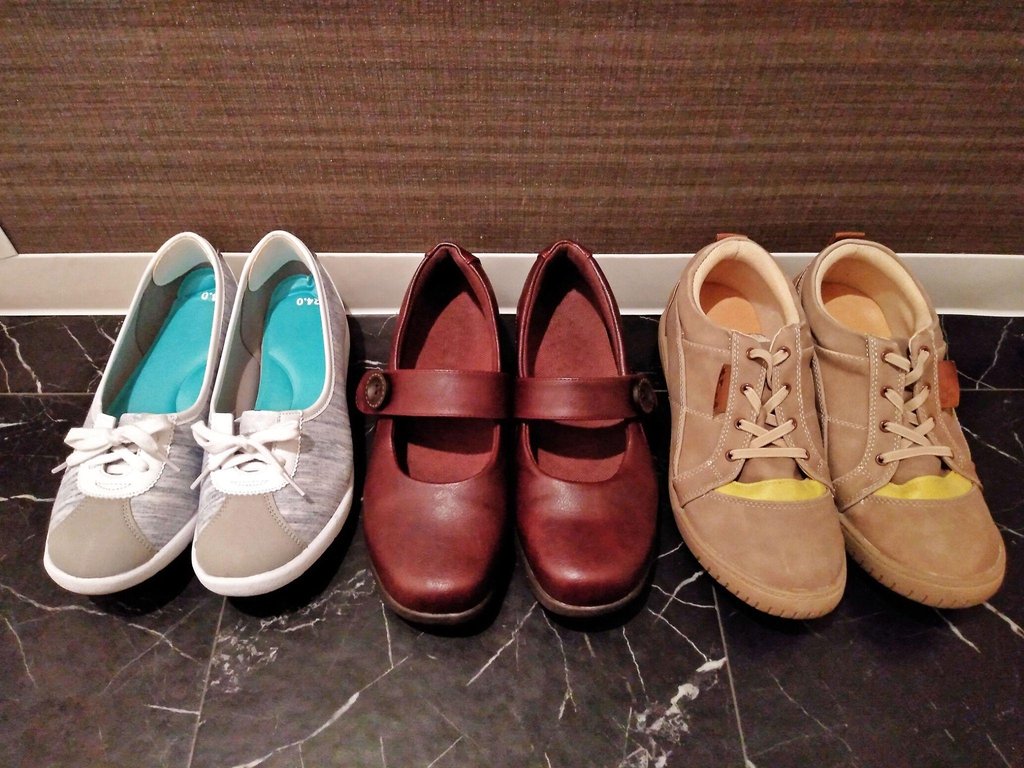
Japan has distinctive rules that often puzzle travelers. Below are the most fundamental do’s and don’ts.
Do’s
When indoors, steps or shoe storage boxes signal that shoes should be removed. The same applies at ryokan, temples, and some restaurants—check the entrance floor area to know whether or not you should remove your shoes.
When riding escalators in Tokyo, stand on the left and wait as you ascend; in Osaka, stand on the right. When uncertain, follow those around you.
Before meals, say itadakimasu (a phrase of gratitude before eating); after eating, say gochisosama deshita (a phrase of thanks after a meal). By doing so, you may notice staff facial expressions visibly soften.
A slight bow is also an important communication tool. If not a bow, a small nod often suffices.
Public trash bins are rare in Japanese cities. Carry a small bag and take your trash with you.
Don’ts
Except for designated street food areas, eating while walking is considered poor manners outside. Stop walking and eat near where you purchased your food.
Tipping at restaurants or in taxis confuses staff. Service charges are included in Japan, so tipping is unnecessary.
Avoid phone calls on trains. In-train announcements repeatedly request this, as consideration for others is emphasized. Handle urgent matters via text message.
The biggest dining taboo is sticking your chopsticks upright in rice. This evokes an image of funeral rites in Japan and represents the ultimate breach of etiquette. Always rest chopsticks on a chopstick rest or plate edge.
When uncertain, observe what Japanese people around you do, or casually ask staff “Is this OK?”
Hot Spring Bathing Etiquette
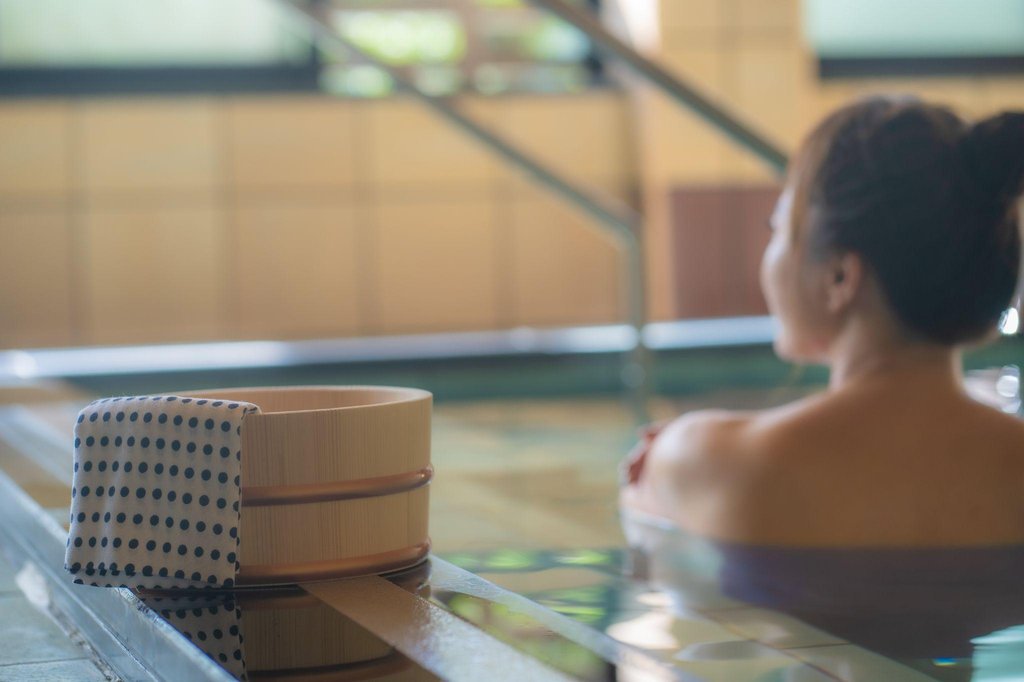
At Japanese hot springs (onsen), washing your body before entering the bath is an absolute rule. Wash thoroughly at the washing area, then move to the bath and pour bath water over yourself several times (starting from your feet) to acclimate to the temperature.
Towels must not be submerged in the bath—place them on your head or the bath edge. Swimwear and underwear are not permitted; entering completely nude is standard at Japanese hot springs. This reflects both hygiene considerations and preserves the onsen’s mineral properties.
Being nude with strangers may feel daunting. In practice, however, everyone focuses on their own relaxation, and staring at others’ bodies simply doesn’t happen. Baths are separated by gender, too, providing an added layer of comfort.
For those with tattoos: most facilities don’t allow people with tattoos into the hot springs, but policies vary by facility and an increasing number allow small tattoos or open the baths at specific time slots for people with tattoos. Inquiring about tattoos in advance or choosing facilities with kashikiri-buro (private baths for families or groups) allows for relaxed enjoyment without concern for others.
Shrine Etiquette
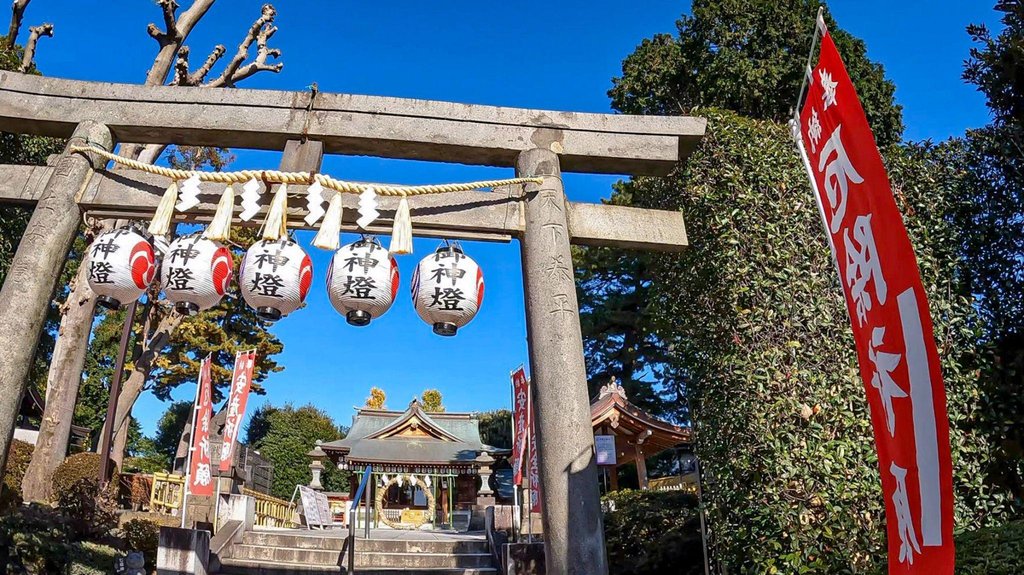
Shrine visits begin with a bow before passing through the torii gate. The center of the approach path is considered the gods’ pathway, so walk along the edges.
There is also a water basin for your purifying hands and mouth before worship: hold the ladle in your right hand and wash your left hand, then switch hands and wash your right. Transfer the ladle back to your right hand, receive water in your cupped left palm, and rinse your mouth. Finally, tilt the ladle vertically to rinse the handle. Never put your mouth directly on the ladle.
Five-yen coins are preferred for offerings. The Japanese pronunciation of “5 yen” (go-en) sounds identical to the word meaning “good fortune/connection,” conveying wishes for favorable ties with the deities. Place your offering quietly in the donation box, then perform nihai-nihakushu-ichihai (two bows, two claps, one bow) while making your prayer. Upon leaving, a bow after passing through the torii is a respectful touch.
Regarding photography, most shrines prohibit unauthorized shooting of the main hall interior, priests, and shrine maidens. Tripod use and extended filming in the center of approach paths should also be avoided. Even in permitted areas, take care not to capture other visitors in your frames.
Dining Tips for Maximizing Enjoyment of Japanese Food Culture
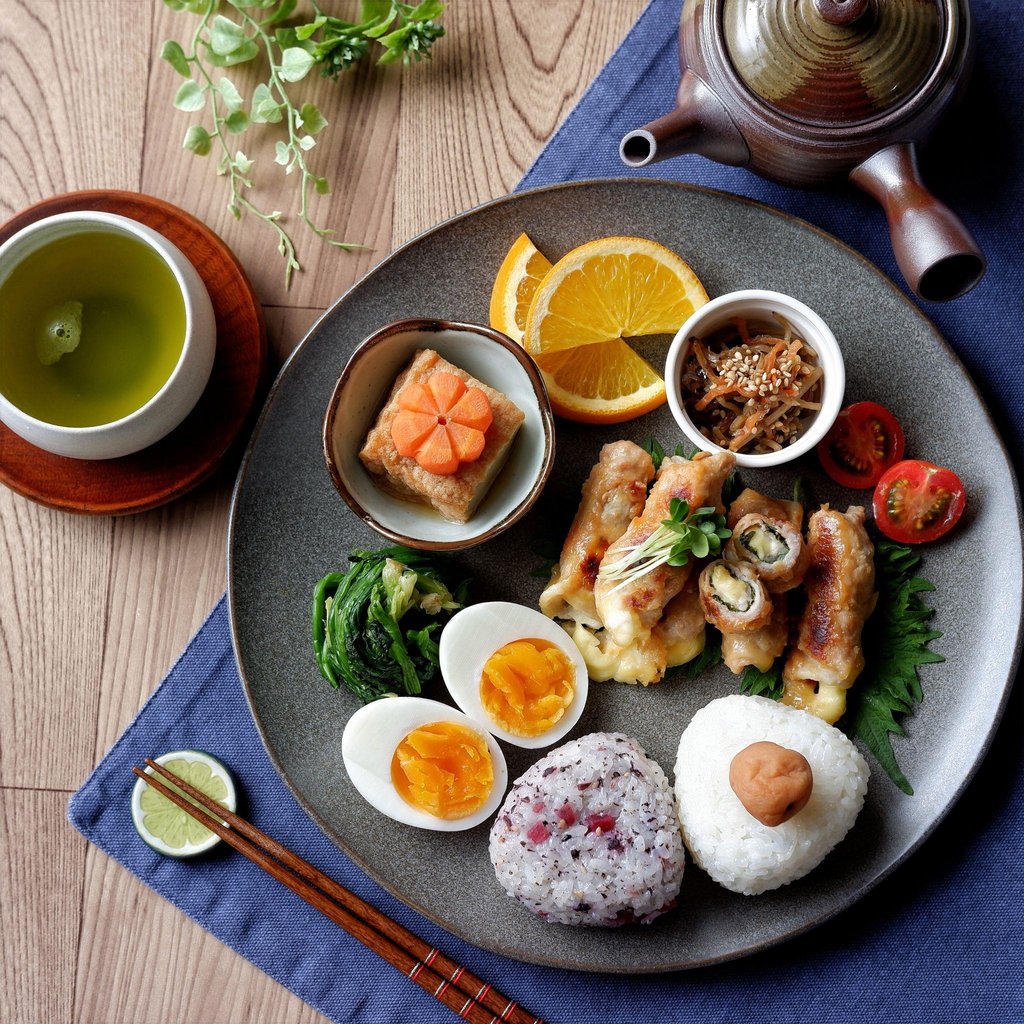
Dining in Japan is a main attraction for travelers, but systems like kenbaiki (ticket vending machines for ordering and prepaying at restaurant entrances) and otoshi (small dishes automatically served upon seating) can puzzle newcomers. Here we explain dining rules, must-try regional specialties categorized by city, and smart convenience store utilization.
Dining Out Rules
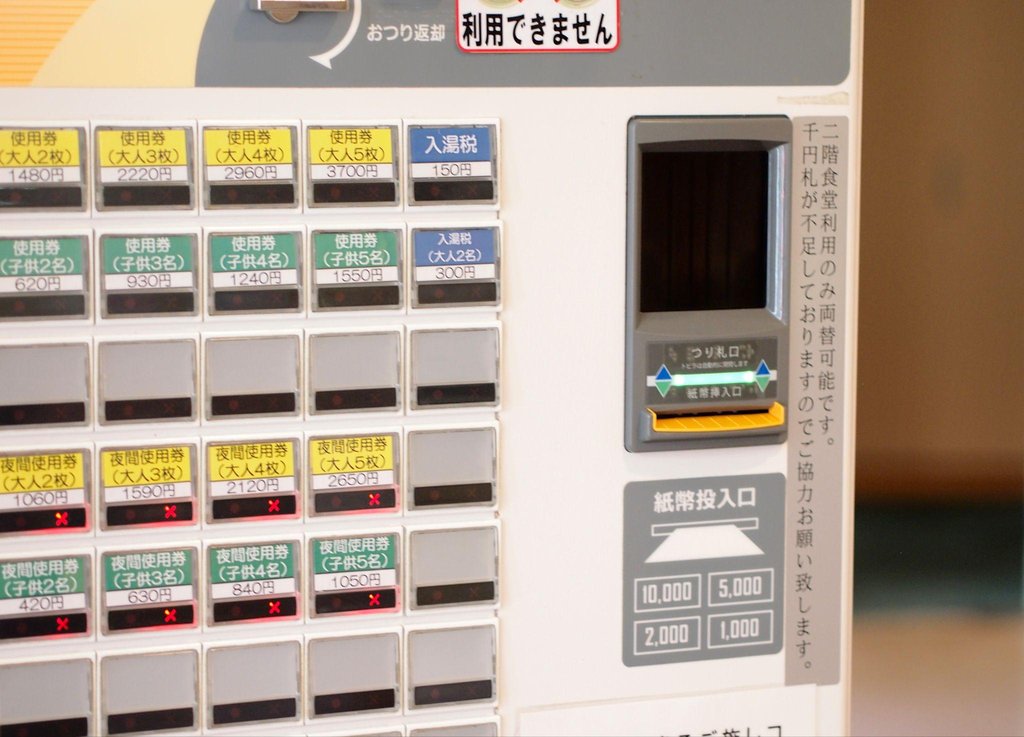
At ramen shops, gyudon (beef bowl) chains, and similar establishments with ticket machines at the entrance, insert cash, press menu buttons, and hand the issued ticket to staff. This is the basic flow. Some machines display only Japanese, but buttons with photos are increasingly common, allowing selection by image. When stuck, use your phone’s translation app to navigate the buttons.
At izakaya (Japanese pub-style restaurants), unordered small dishes may arrive upon seating. This is otoshi, functioning as a cover charge of approximately ¥300–500 per person. You technically have the right to decline, but at venues where it doubles as a seating fee, refusal may be difficult. Confirm with staff before sitting if concerned. Those with allergies or dietary restrictions should not hesitate to speak up.
Popular sushi restaurants, kappo (refined Japanese cuisine), and renowned yakiniku (Japanese BBQ grilled at the table) spots often require reservations. Tabelog and Hot Pepper Gourmet have English pages, and securing tables online in advance proves convenient.
Complimentary water and oshibori (hot towels) are uniquely Japanese service touches. Relax and enjoy your meal.
Must-Try Foods by City
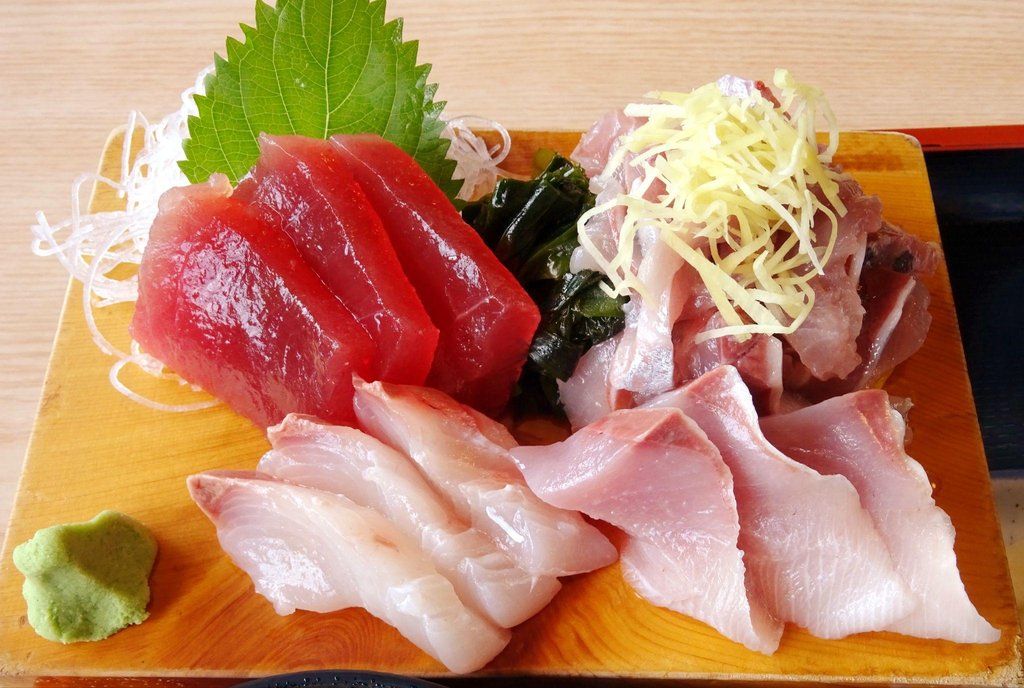
Each city’s “food personality” varies widely—one of Japan’s great appeals.
In Tokyo, sushi restaurants near the outer Tsukiji Market area are essential. Sushizanmai Main Branch operates 24 hours, accessible even after late-night arrivals. Comparing shops along ramen alleys or savoring tempura fresh off the fryer at counter-service specialty restaurants offers luxurious experiences.
Kyoto’s appeal lies in delicate, seasonal flavors. For matcha (powdered green tea) sweets, tea merchant-affiliated shops outperform tourist-area cafes in tea quality. Yudofu (simmered tofu) and obanzai (Kyoto home-style cooking) at small back-alley establishments offer better prices and an exceptional atmosphere.
Osaka lives up to its “eat-till-you-drop” reputation, with Dotonbori takoyaki (crispy ball-shaped octopus snacks), Shinsekai kushikatsu (deep-fried meat and vegetable skewers), and okonomiyaki (savory pancakes) all enjoyable while walking. For kushikatsu, dip your skewer in the communal sauce bowl only once before you eat it—do not dip it again after you’ve already taken a bite.
Popular spots typically don’t accept reservations and require queuing, so visiting right at opening is recommended.
Convenience Stores Are Your Friend
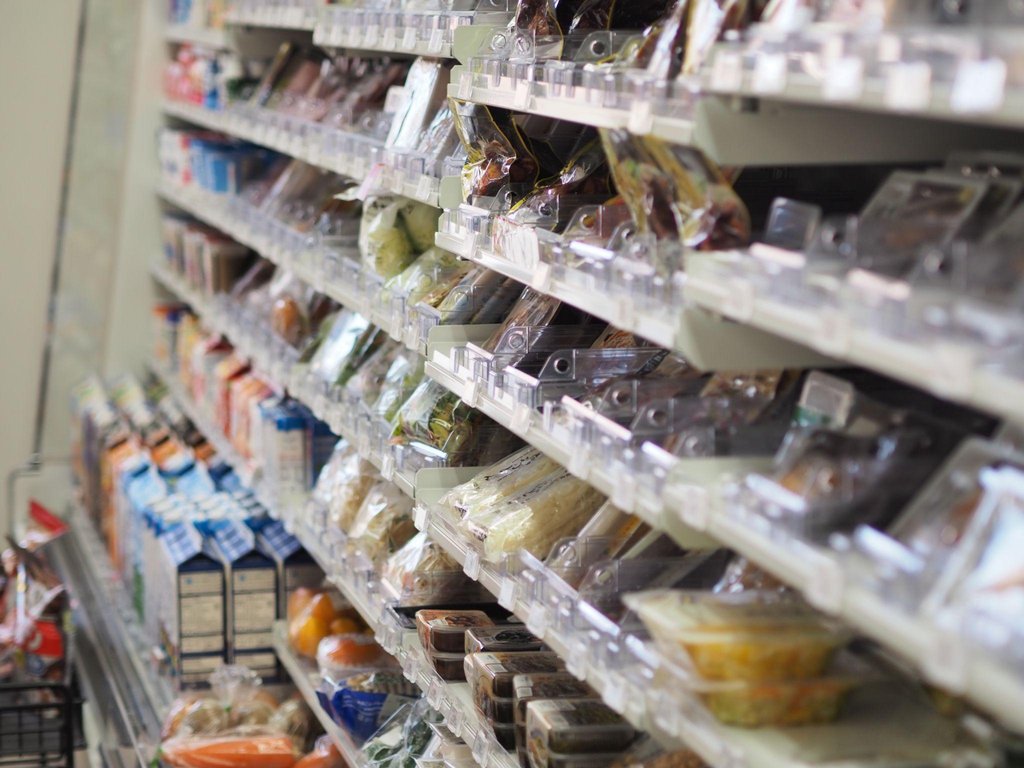
7-Eleven, FamilyMart, and Lawson are found throughout Japan, serving as multifunctional life support bases and offering more than just meals.
Onigiri (rice balls) cost ¥100–180 each; sandwiches and pasta fall within the ¥200–500 range, with quality exceeding their price point. In winter, nikuman (steamed meat buns, ¥140–240) appear at registers, providing convenient, warm snacks.
A smart budget tip: buy your breakfast at convenience stores. A satisfying breakfast costs about ¥300–500, which frees up funds for midday sushi or yakiniku for dinner.
Non-food services at convenience stores shouldn’t be overlooked, either. The Seven Bank ATMs mentioned earlier are located at every 7-Eleven, and Lawson and FamilyMart ATMs similarly accept international cards, so there’s no need to search for currency exchange counters.
Luggage forwarding, event ticket issuance, and copying/printing can all be completed in-store. Remember: when in doubt, head to a convenience store, as they are a reliable travel companion.
Seasonal Guide to Japan Travel
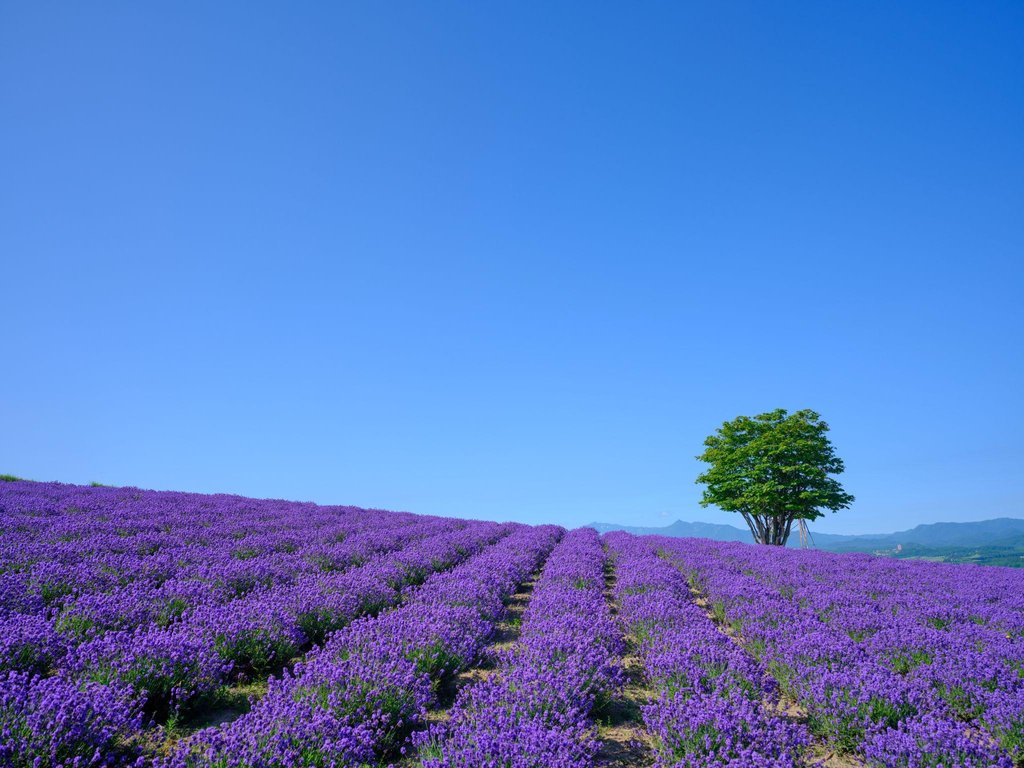
Japan offers completely different scenery and experiences depending on the season you visit. Below we’ve organized climate characteristics, can’t-miss events, crowd conditions, and essential items to pack for each of the four seasons.
Spring (March–May)
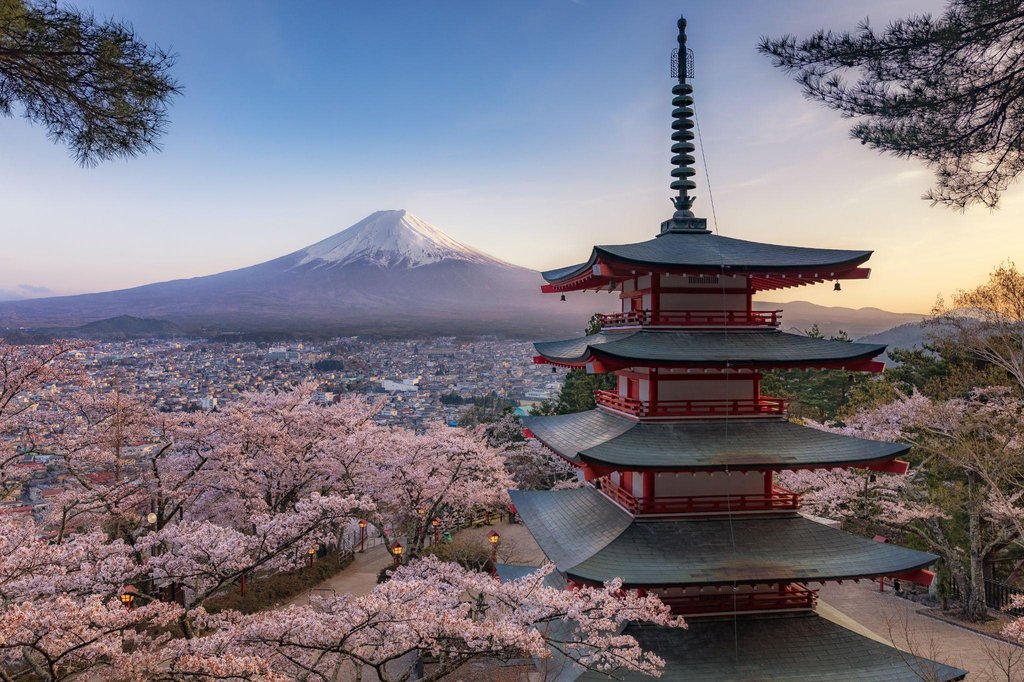
The primary reason to visit Japan in spring is, of course, cherry blossoms. Peak blooming times vary by region: Tokyo and Fukuoka around late March, Osaka around the end of March, and Sendai around early April. Full bloom occurs approximately one week after the first flowering, so visiting Tokyo or Kyoto on a weekday in early April allows for leisurely hanami (cherry blossom viewing).
However, Golden Week (around April 29–May 6) should be avoided. This major Japanese holiday saw approximately 22.9 million domestic travelers in 2025. Train reservations and popular hotels can fill weeks in advance. If your travel dates overlap with this period, secure transportation and lodging more than two months in advance.
Climate-wise, spring daytime temperatures of 15–22°C (59–72°F) are pleasant, though mornings and evenings can drop below 10°C (50°F). Prepare outer layers of clothing like light jackets or cardigans. Hay fever season is also underway, so those concerned should prepare masks and allergy medication before arriving in Japan.
Summer (June–August)
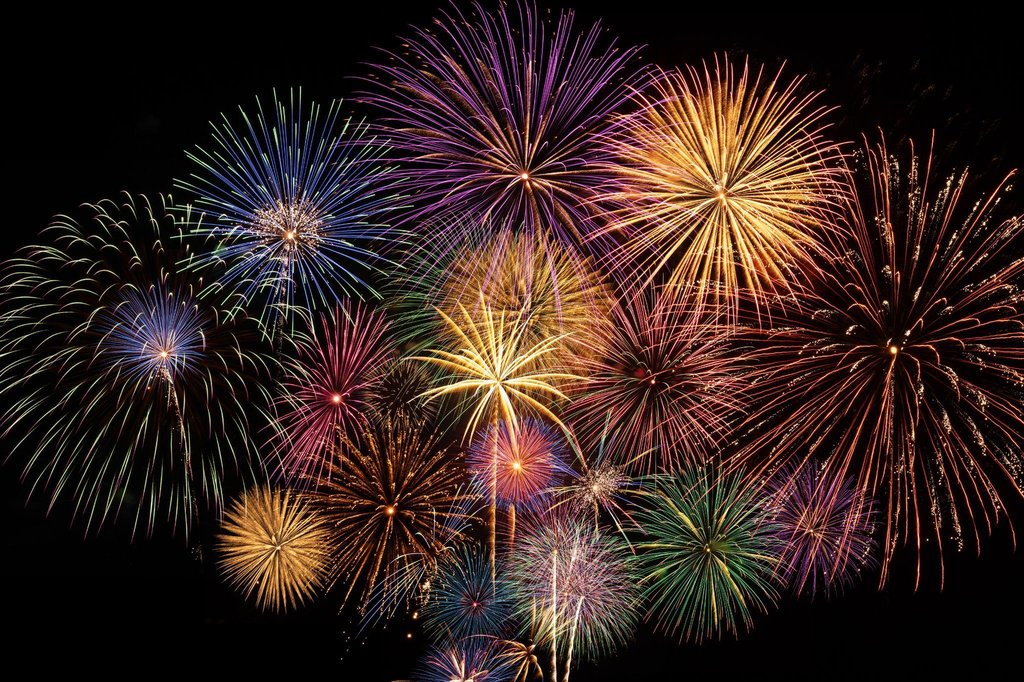
Japanese summer is more grueling than you might imagine. June brings the rainy season with consecutive rainy days and humidity often exceeding 80%. July–August sees frequent extremely hot days with temperatures above 35°C (95°F). In 2025, the number of people who needed to be transported to hospital via ambulance for heat stroke exceeded 100,000.
Consider heat stroke prevention a top priority in summer. Stay well-hydrated, carry hats and parasols, and keep outdoor midday activities short. Oral rehydration solutions and sports drinks are readily available at convenience stores and should be kept on hand.
Summer has a concentration of uniquely Japanese cultural experiences, such as fireworks and summer festivals. Sumida River Fireworks (Tokyo, July) and Omagari Fireworks (Akita, August) are particularly famous, but attendance in the hundreds of thousands brings crowding and safety concerns. Smaller regional fireworks festivals can offer more relaxed viewing as they are lesser-known alternatives.
From August onward, typhoon season demands caution. Train and flight cancellations or delays can affect your entire itinerary. Confirm travel insurance cancellation coverage in advance and build 1–2 buffer days into your schedule to allow for flexible responses to sudden changes.
Autumn (September–November)
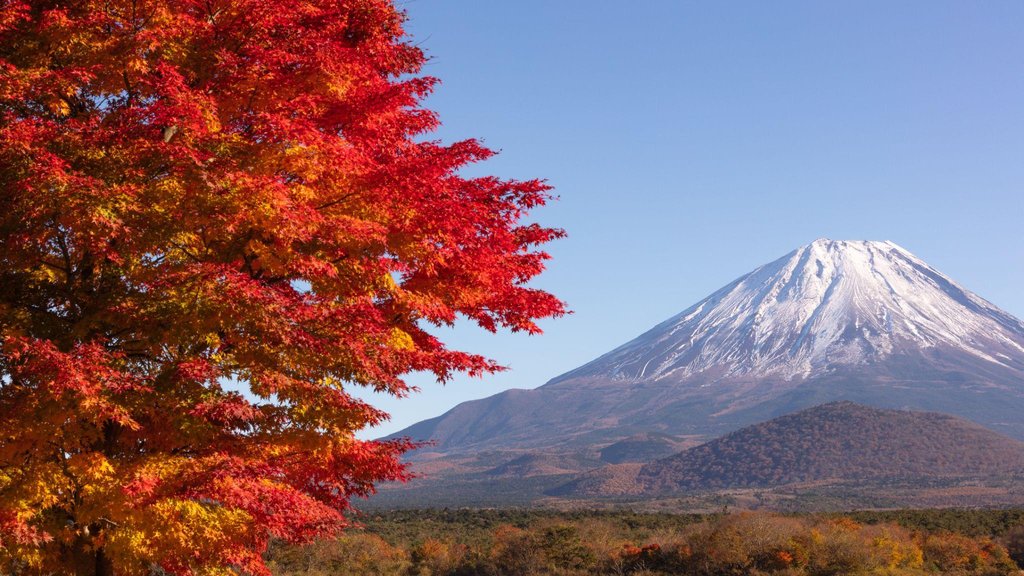
Autumn is the season we most recommend for first-time Japan visitors. Temperatures of 15–25°C (59–77°F) with low humidity mean less physical strain from walking all day, greatly improving sightseeing efficiency.
Autumn’s main attraction is koyo (the natural phenomenon of leaves changing to red and yellow). Peak timing for viewing Fall foliage varies by region: Hokkaido in early October, Tokyo and Kyoto in mid-November through early December. Kyoto’s Tofuku-ji and Arashiyama have worldwide popularity, with accommodations filling even three months ahead, so book early once your itinerary is set.
The three-day weekend around mid-November requires caution. This period overlaps with Japanese domestic travel demand, and famous spots like Kyoto and Nikko see crowds exceeding those during the spring cherry blossom season. Here are three strategies to keep in mind:
- Visit on weekdays—foot traffic drops considerably compared to weekends
- Arrive early in the morning (right at opening)—around 8 am allows for leisurely photography
- Target evening illumination or special viewings—advance reservation evening slots at Kiyomizu-dera and Eikan-do are less crowded than daytime hours
Accommodation costs are also more manageable than spring peaks, and comfortable weather enables hiking and trekking enjoyment.
Winter (December–February)
Winter in Japan sees tourist numbers drop substantially, making popular accommodations easier to book and rates more affordable. It is an underrated season.
The greatest appeal is soaking in hot springs amid snowy landscapes. Ginzan Onsen in Yamagata is busiest in December through February, with old-school Japan streetscapes under snow creating an otherworldly scene. Consider heavy down jackets essential for cold protection.
Hokkaido ski resorts like Niseko and Rusutsu are known for their light, dry powder snow. Lift tickets and rental equipment often qualify for early booking discounts on official sites, so make arrangements 2–3 months ahead of your visit.
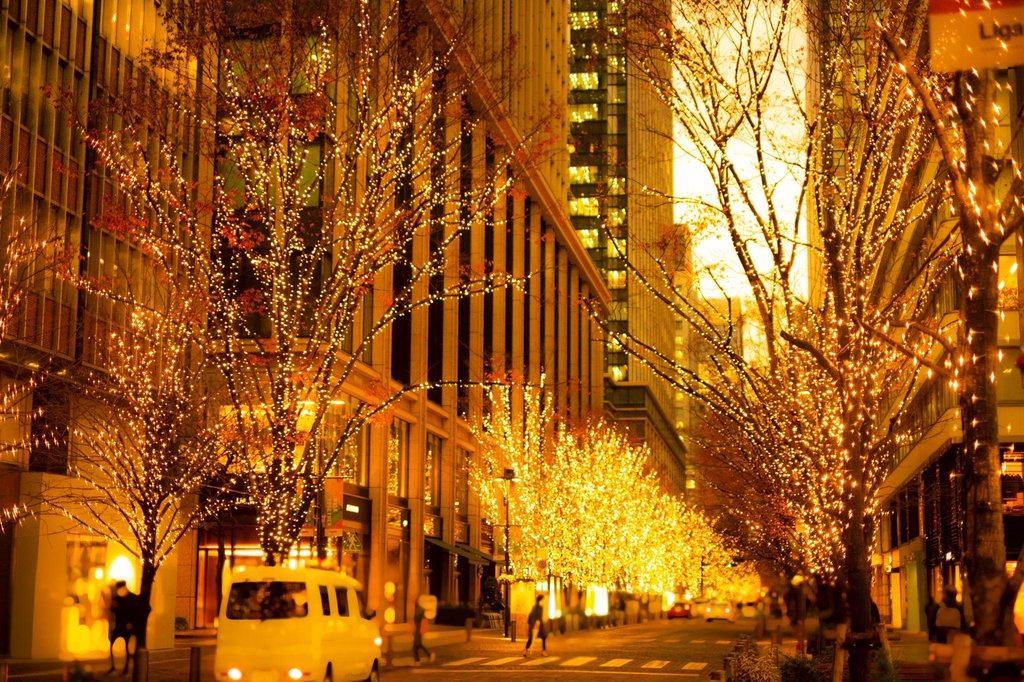
December through January also features great Christmas illumination displays. Tokyo’s Marunouchi light-up runs through mid-February, lighting up at 4 pm everyday. Weekends are crowded, so weekday visits right at lighting time are optimal.
Those unaccustomed to cold regions should note safety concerns. Frozen station stairs and sidewalks are more slippery than imagined, causing frequent falls and accidents. Avoid sneakers with flat soles and choose shoes with deep-grooved anti-slip soles. Extended outdoor photography risks losing finger sensation, so wear layers and thick gloves. On days with poor road conditions, don’t hesitate to use taxis.
Beyond Tokyo and Kyoto: Lesser-Known Destinations in Japan
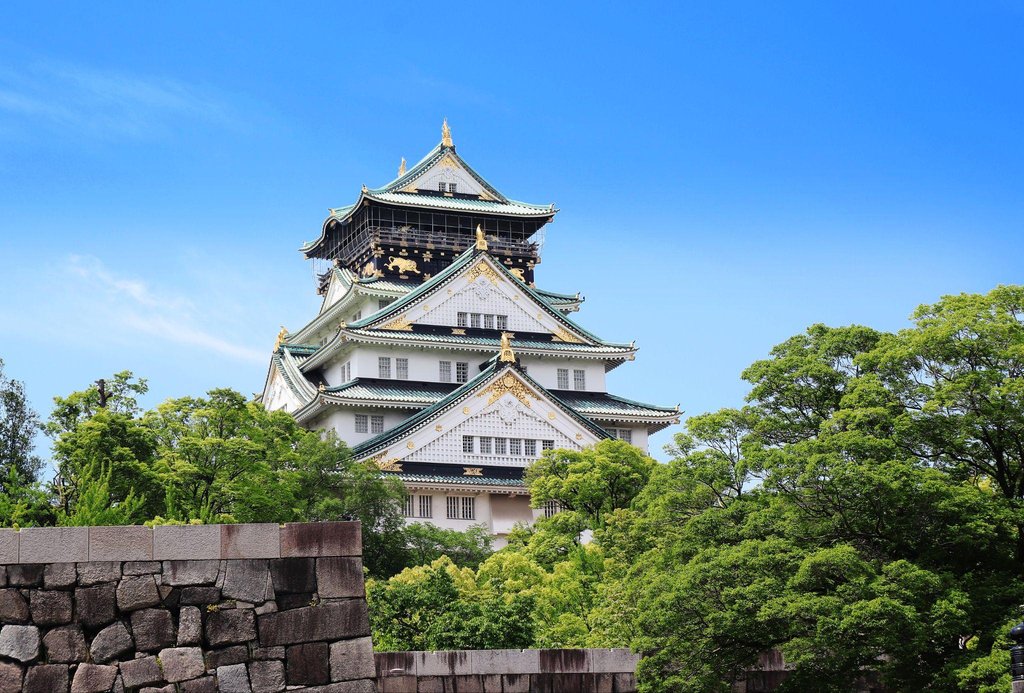
Tokyo and Kyoto aren’t Japan’s only appeals. Venturing just a bit further reveals uncrowded towns offering encounters with “real Japan.”
Here we introduce Osaka, where food and distinctive culture thrive, and Wakayama, offering mystical spiritual experiences.
Both are easily accessible from major cities, and incorporating them into your itinerary significantly elevates trip satisfaction.
Osaka: Food and Unique Cultural Experiences

Osaka earns its reputation as “Japan’s food capital”—as covered in the dining section, walking through Dotonbori or Shinsekai means constant wafts of savory street food aromas.
Direct connections from Kansai International Airport to the city center means being able to start your city exploration immediately after arrival. With lower dining and accommodation costs than Tokyo, Osaka offers excellent value for backpackers and families alike.
Eating fresh seafood at Kuromon Market, then having a beer at a Shinsekai kushikatsu shop—this kuidaore (eat-till-you-drop) experience embodies Osaka’s casual, lively working-class culture at its finest.
Sumo Studio Osaka: Authentic Japanese Cultural Experience
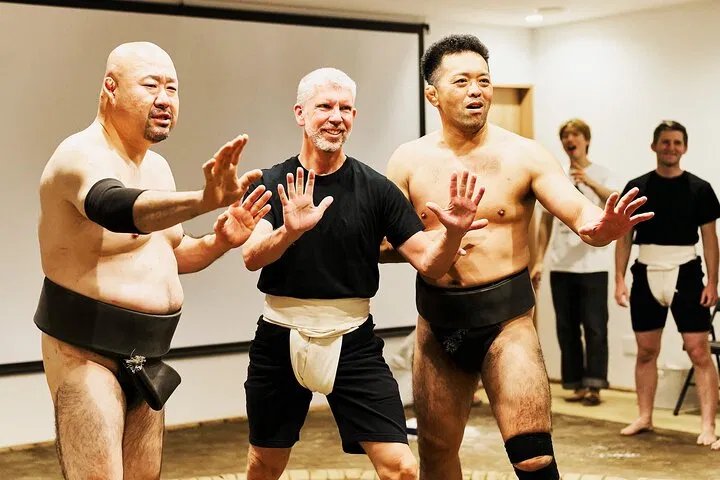
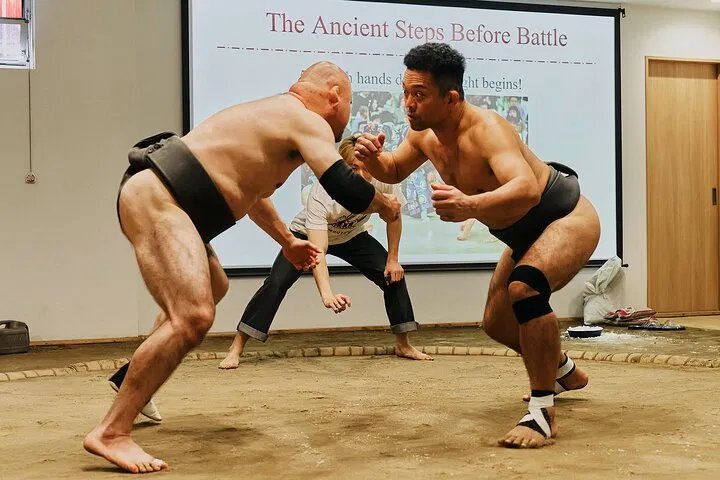
Beyond food, Osaka offers encounters with authentic sumo culture. At Sumo Studio Osaka, retired rikishi (sumo wrestlers) perform live shows at close range, with willing participants ascending the dohyo (the sacred clay ring where bouts take place) to experience shiko (the ritual leg stamp to drive away evil spirits) and stances during the “Audience Challenge.”
Full English commentary naturally deepens understanding of sumo history and its sacred ritual aspects. The intimate setting (maximum of approximately 50 guests) allows experiencing the power of the athletes from just meters away. Sumo Studio Osaka holds five shows daily and stays open year-round. As a weather-independent indoor facility, it fits easily into any itinerary.
Details
| Address | Hanazonocho AI Building 1F, 1-5-1 Asahi, Nishinari-ku, Osaka (directly connected to Hanazonocho Station Exit 4) |
| Hours | 10 am / 12:30 pm / 3 pm / 5:30 pm / 8 pm (90 minutes each) |
| Closed | Open year-round |
| Official Website | https://sumowrestlingshow.jp/ |
| Best For | Families, couples, and solo travelers wanting Japanese cultural experiences |
Wakayama: For Spiritually-Inclined Travelers
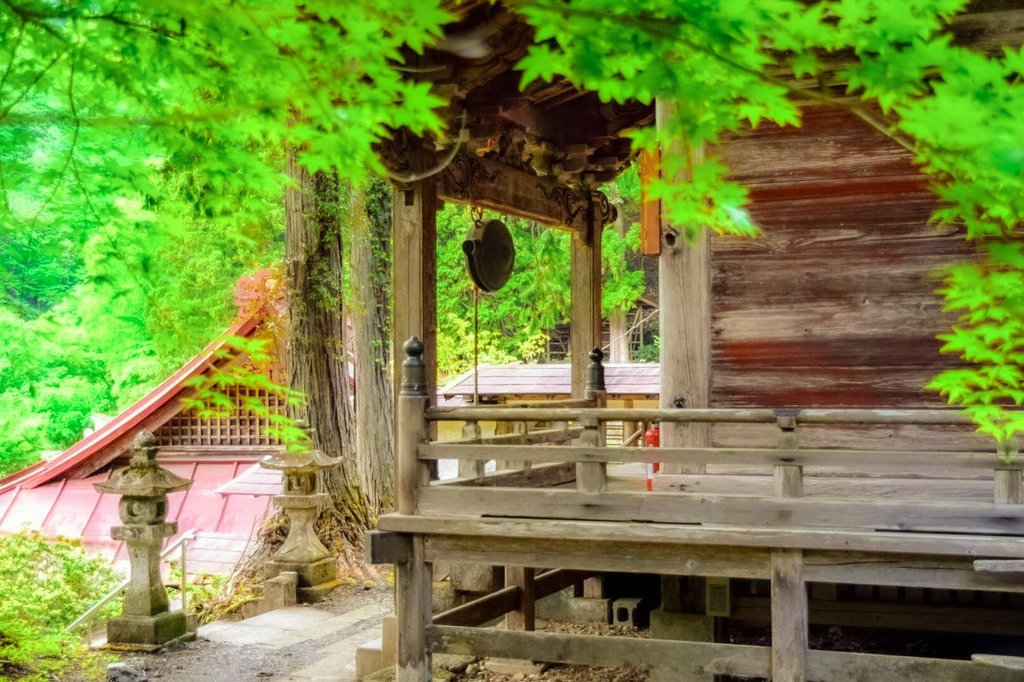
Wakayama is accessible from Osaka in about two hours, a spiritual destination where World Heritage sites are concentrated.
For those interested in religion, philosophy, or meditation, this is one of Japan’s premier places to encounter “authentic spiritual culture.”
Koyasan: A World Heritage Site Where You Can Stay at Temples
Koyasan has 51 shukubo (temple lodgings), readily accessible to tourists.
The shukubo experience differs completely from ordinary hotels. Both dinner and breakfast feature shojin-ryori (Buddhist vegetarian cuisine using no meat or fish), and guests can participate in morning gongyo (sutra-chanting prayer service) at the main hall in the morning.
Activities like sutra copying and Okunoin night tours are also offered, creating quiet time for self-reflection during your stay.
Reservations are available from 11 months in advance on official websites, with popular shukubo warranting early booking.
The Sacred Site Pilgrimage Bus connecting Koyasan and Kumano (operating April–November, ¥5,300) allows enjoying Kumano Kodo trekking and hot springs in a single trip.
At an easy day-trip distance from Osaka, consider adding an overnight stay in Wakayama to your itinerary.
Details
| Address | Koya-cho, Ito-gun, Wakayama Prefecture |
| Official Website | https://www.wakayama-kanko.or.jp/features/koyasan |
| Best For | Those drawn to history, Buddhist culture, mystical atmosphere, or seeking mental and physical refreshment |
Frequently Asked Questions About First-Time Japan Travel
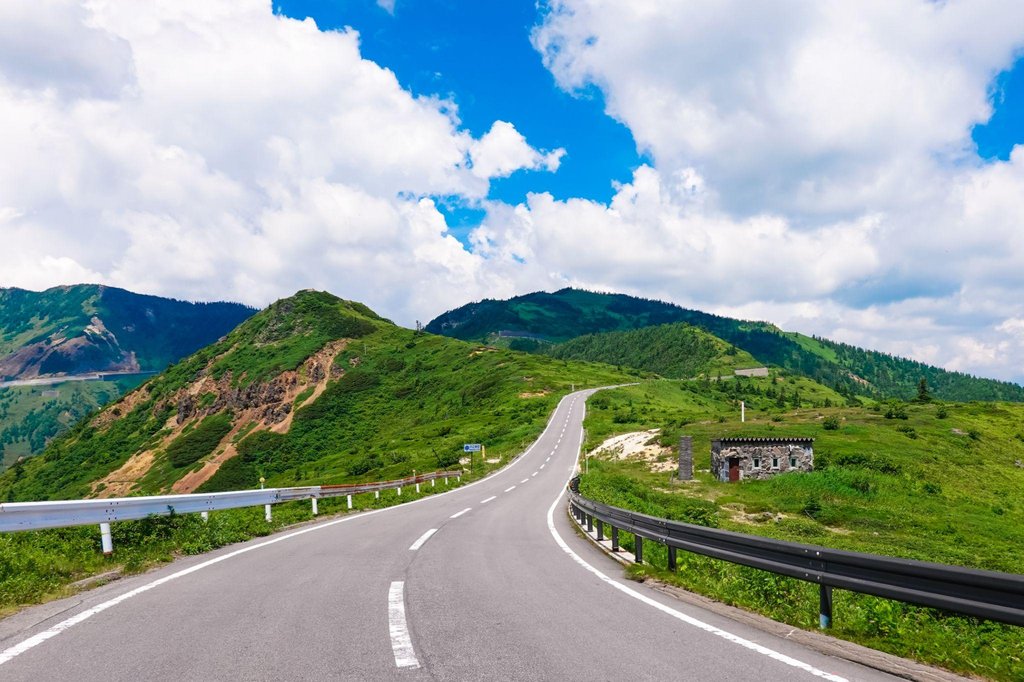
Concerns about travel costs and language barriers are natural for first-time Japan visitors. Here we address five common questions: cost estimates, safety, language barriers, ideal length of stay, and recommended cultural experiences.
What Budget Should I Plan for Japan Travel?
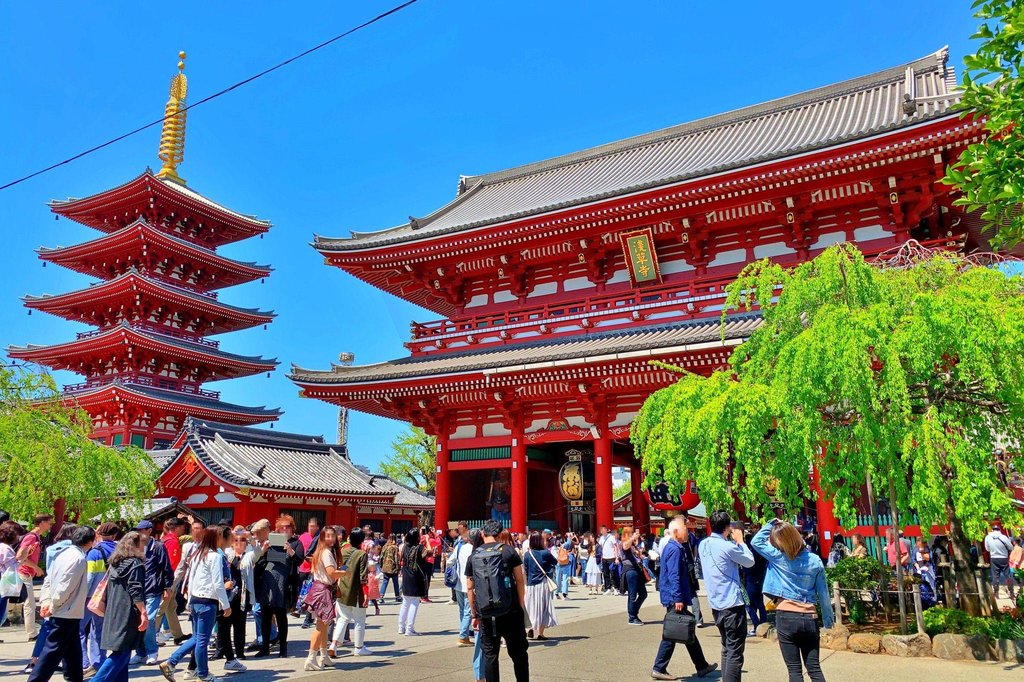
Estimate ¥10,000–18,000 for daily expenses. If you buy your food at convenience stores and eat at chain restaurants, daily meal costs come to ¥2,000–3,000. Expect accommodations at hostels or business hotels to cost between ¥5,000–10,000. There are many free spots for sightseeing (like shrines and parks) and discount passes are sometimes available for activities at around ¥1,000–3,000.
City selection directly impacts budget:
| Item | Tokyo/Kyoto | Osaka/Regional Cities |
|---|---|---|
| Accommodation (per night) | ¥8,000–12,000 | ¥5,000–8,000 |
| Meals (per day) | ¥3,000–5,000 | ¥2,000–3,500 |
| Daily total estimate | ¥13,000–20,000 | ¥9,000–14,000 |
Visiting Osaka, Fukuoka, or Sapporo (as opposed to Tokyo or Kyoto) can save you ¥3,000–5,000 per day.
Total budget estimates from North America (including round-trip airfare) are approximately ¥200,000–300,000 for one week, and ¥350,000–500,000 for two weeks. From Southeast Asia, airfare is roughly half that, further reducing overall costs.
Use these figures as a baseline for building your itinerary.
Is Japan Safe for Tourists?
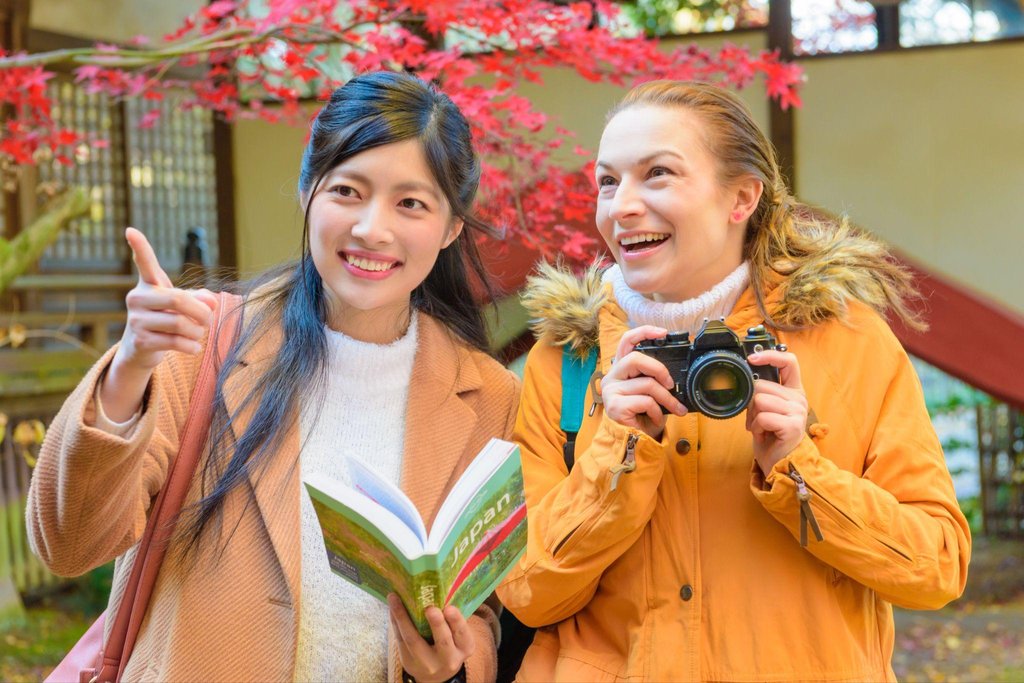
Japan is among the world’s safest countries. Compared to 2002, criminal offenses have decreased by approximately 74%. The World Economic Forum’s Travel & Tourism Development Index gives high marks for safety, providing statistical evidence that tourists can enjoy their stay with peace of mind..
The well-known claim that “lost wallets get returned” in Japan is not mere urban legend: it is reflected in the National Police Agency’s lost property statistics. The social habit of bringing found items to koban (small neighborhood police stations) contributes to the high return rate.
Feeling safe walking alone through entertainment districts late at night is a uniquely Japanese travel experience. Areas around stations after the last train and public transportation remain relatively safe to use, too.
As minimum precautions, hold bags in front of you on crowded trains, avoid deserted alleys, and store valuables in safety boxes.
Can I Get By Without Speaking Japanese?
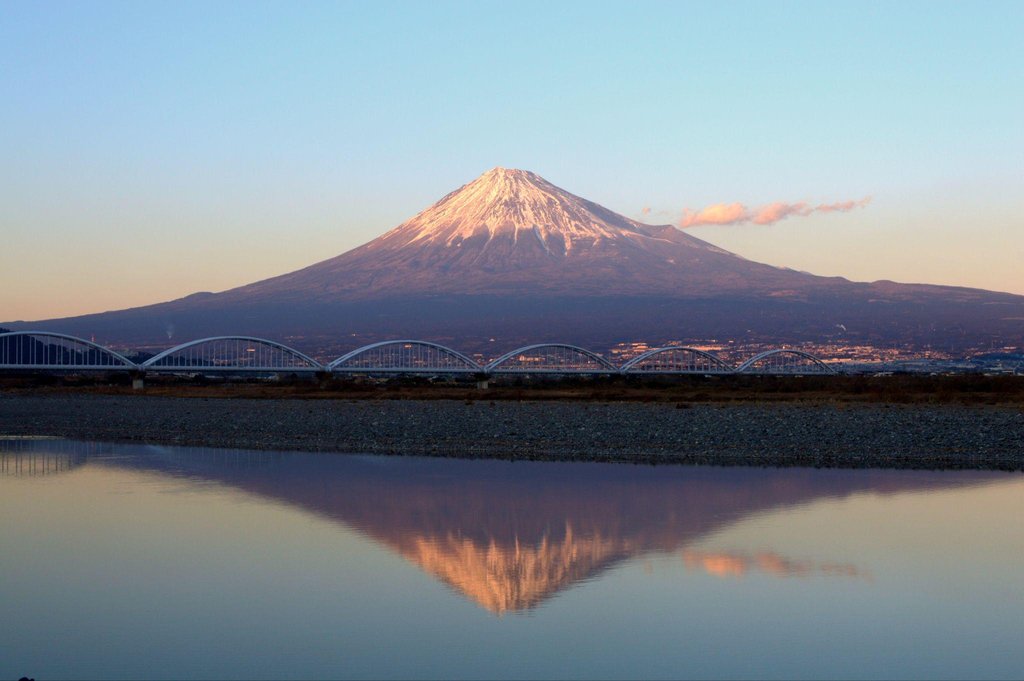
The short answer is: yes. Travel is entirely enjoyable without Japanese. Major tourist areas in Tokyo, Osaka, and Kyoto have English signage at stations and information points, with photo menus increasingly common at restaurants.
Still, small stations in rural areas and family-run eateries may present situations where almost no English is spoken. Your greatest tool in these moments is Google Translate’s camera function. Simply pointing your smartphone camera at signs and menus translates them in real time, virtually eliminating problems. Download offline translation packs for the app in advance to stay prepared in areas without Wi-Fi.
Two phrases worth learning are arigatou gozaimasu (thank you) and sumimasen (excuse me/I’m sorry). Japanese culture emphasizes expressing respect and gratitude verbally, so when international travelers use these two words, staff and locals visibly brighten. These small words can also become conversation starters, multiplying travel experiences many times over.
Gestures and written communication also work surprisingly well, so perfect Japanese isn’t required. With minimal preparation, you can travel with confidence.
How Long Should I Stay in Japan?
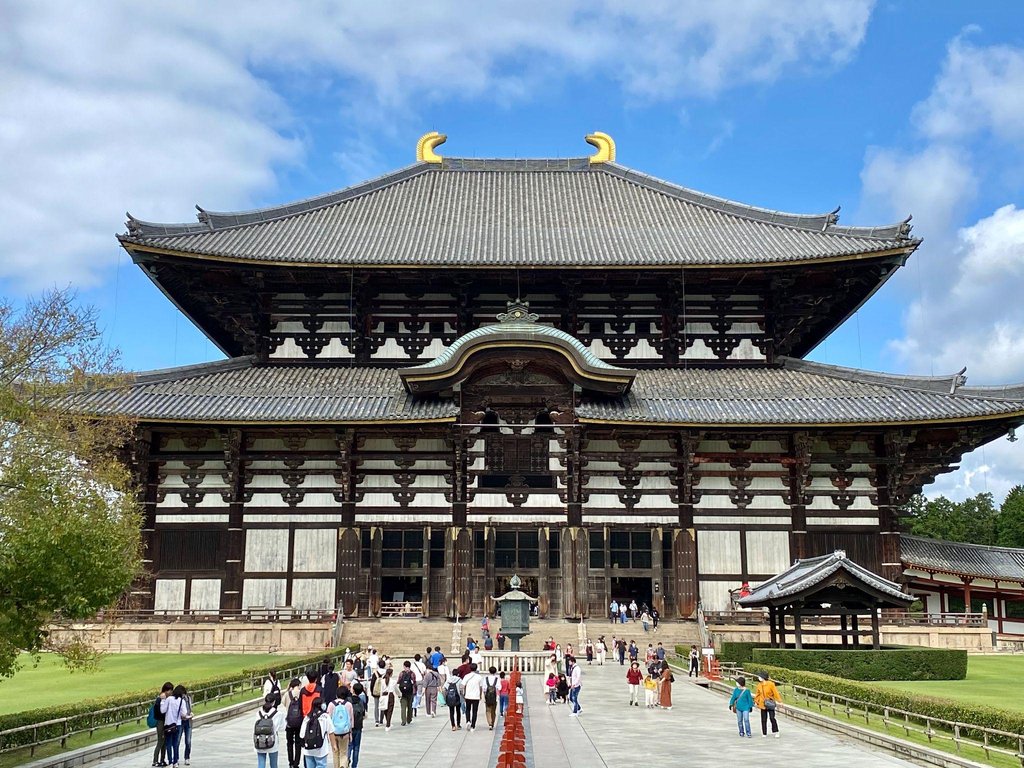
A minimum of 7 days is recommended, and 10–14 days is ideal. Recovery from jet lag takes 1–2 days, and Tokyo–Kyoto train travel alone requires approximately 2.5 hours one-way. With just 3–5 days, travelling between destinations eats up a lot of time, leaving little room to enjoy sightseeing.
With 10–14 days, you can spend 3–4 days in Tokyo, 2–3 days in Kyoto, 2–3 days in Osaka, and also comfortably incorporate day trips to Nara or Hakone. Having ample time to explore Japan can help you avoid exhausting yourself by cramming everything into a short period of time (and the regret that will surely follow doing so).
Here’s how to approach different stay lengths:
| Duration | Recommended Approach |
|---|---|
| 3–5 days | Single-area focus: Tokyo only or Kyoto + Osaka |
| 7–9 days | Golden Route circuit: Tokyo, Kyoto, Osaka |
| 10–14 days | Three main cities + day trips (Nara, Hakone, etc.) |
| 21+ days | Thorough regional exploration (Hokkaido, Kyushu, Shikoku) |
Those with limited vacation time should focus on one city and experience it deeply. With three weeks or more, luxurious itineraries with leisurely stops at hot spring towns and island visits become achievable. Build your optimal plan based on your budget and available vacation days.
What Unique Cultural Experiences Can I Book in Japan?

Japan offers numerous authentic cultural activities unavailable through sightseeing alone. For deeper travel memories, book in advance and participate.
Sado (tea ceremony) sessions are held at tea rooms in Kyoto and Tokyo, lasting approximately 60–90 minutes and typically costing ¥3,000–6,000. Classes available in English are increasing, allowing enjoyment without language barriers.
In Kyoto, kimono rental is a favorite activity, allowing you to dress up and stroll the city for half a day. At ¥3,000–8,000, photogenic city walks become reality.
Japanese cooking classes let you try your hand at making sushi or ramen, with the taste of your own creation proving exceptional.
Ninja programs at facilities in Tokyo and Kyoto offer shuriken throwing and costume wearing, making them popular with families.
Sumo is often overlooked as a cultural activity. Honbasho (Grand Tournament) tickets frequently sell out quickly, making acquisition extremely difficult. For year-round sumo, Sumo Studio Osaka is a great option. Retired sumo wrestlers perform 90-minute live shows five times daily, with English-guided commentary that covers sumo history and rules. Willing participants can even enter the ring and take on a wrestler. Reservations are available on the official website (https://sumowrestlingshow.jp/).
Making Your Japan Trip a Success

The keys to successful Japan travel are preparation and cultural awareness. Arrange rail passes and cash early, understand when to remove shoes, and remember that tipping is unnecessary. Confirm the latest entry requirements and fares just before departure. Once prepared, all that’s left is to enjoy.