What Do Sumo Wrestlers Eat? The Dietary Secrets of Japan’s Giants
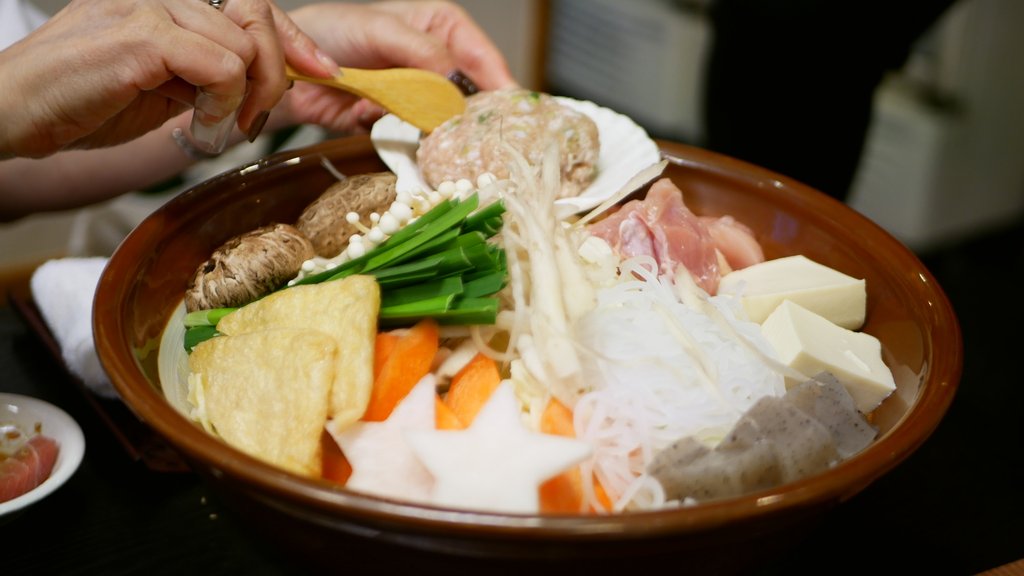
What exactly do rikishi (sumo wrestlers) eat to build those massive physiques? Their daily caloric intake reportedly exceeds 8,000 kcal—consumed in just two meals a day, with no breakfast. It’s a dietary approach that seems to contradict conventional health wisdom.
In this article, we explore the specific ingredients of chanko-nabe, a hearty hot pot traditionally prepared and shared by sumo wrestlers, the science behind their dramatic weight gain, how rikishi maintain their health despite consuming enormous quantities of food, and where you can experience authentic chanko-nabe for yourself in Japan.
Contents
- The Mystery Behind 8,000 Daily Calories and Extraordinary Physiques
- What Is Chanko-nabe, the Daily Staple of Rikishi?
- Scientific Analysis: A Rikishi’s Daily Meal Schedule and Weight Gain Mechanisms
- How Do Rikishi Maintain “Healthy Obesity”?
- What Else Do Rikishi Eat Besides Chanko-nabe?
- Where to Experience Chanko-nabe and Sumo Culture in Japan
- FAQ: Common Questions About Rikishi Diets
- The Heart of the Rikishi Diet
The Mystery Behind 8,000 Daily Calories and Extraordinary Physiques
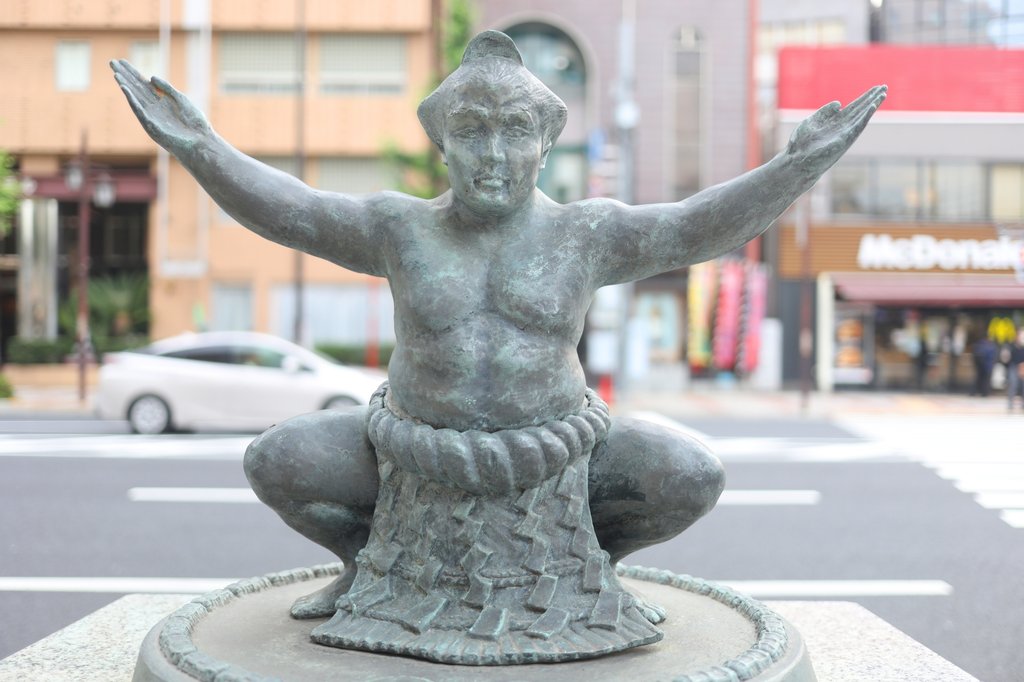
A rikishi’s daily caloric intake ranges from approximately 5,000 to 8,000 kcal—and can sometimes exceed 10,000. This staggering figure is two to four times that of an average adult male. Yet it is not simply a matter of overeating.
Rikishi burn extraordinary amounts of energy through intense keiko (training), which can last up to six hours and begins early in the morning. Their distinctive routine—skipping breakfast, training in a fasted state, and then consuming a massive, nutrient-dense meal at midday—creates a metabolic cycle that promotes efficient weight gain while supporting muscle development.
What Is Chanko-nabe, the Daily Staple of Rikishi?
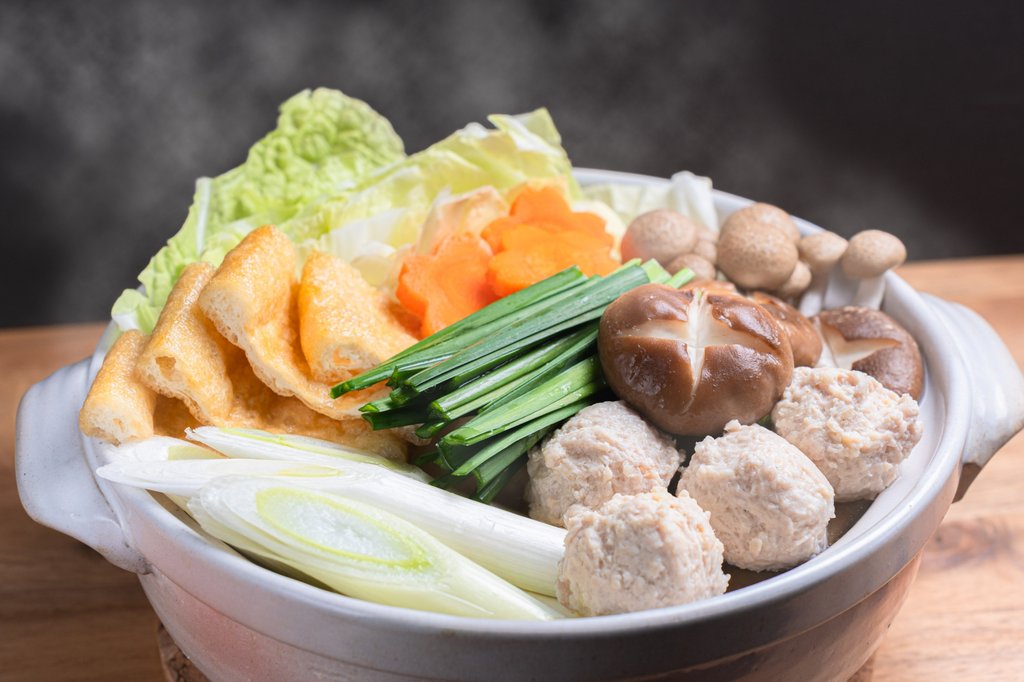
Chanko-nabe is the cornerstone of a rikishi’s extraordinary caloric intake. In this section, we explore the dish’s traditional flavor variations and key ingredients, as well as the basic preparation methods for recreating it at home.
Chanko-nabe Flavors and Ingredient Varieties
Chanko-nabe seasonings typically fall into three main categories—salt, soy sauce, and miso. Each heya (sumo stable, where rikishi live and train together) carefully preserves its own secret broth recipe, passed down through generations.
| Seasoning | Broth Characteristics |
|---|---|
| Salt | Japanese-style dashi base that highlights natural ingredient flavors |
| Soy Sauce | Concentrated seafood umami from sea bream bones and other fish |
| Miso | Rich finish blending red and white miso |
A single pot can contain more than ten different ingredients, including chicken, tofu, napa cabbage, mushrooms, carrots, green onions, abura-age (fried tofu pouches), and konnyaku (konjac). Together, these components deliver protein, vitamins, minerals, and dietary fiber in one remarkably balanced meal.
Chicken’s prominence goes beyond nutrition. Because chickens stand on two legs, they symbolize “hands never touching the ground”—a metaphor for never losing. For this reason, many stables traditionally avoid four-legged animals such as beef and pork before tournaments, reflecting long-held competitive superstitions.
Napa cabbage softens and shrinks as it cooks, absorbing the broth’s umami and becoming almost like “edible soup.” Mushrooms play a quieter but essential role, enriching the pot with deep, savory dashi. Just as important is practicality: a single large pot allows dozens of portions to be prepared efficiently—an ideal solution for the communal life of a sumo stable.
How to Make Chanko-nabe at Home
Authentic chanko-nabe can easily be prepared in your own kitchen. A salt-flavored version (serving four) takes about 30 minutes from start to finish.
Ingredients:
- 150–200 g chicken thigh
- 8–10 chicken meatballs
- 1/4 head napa cabbage
- 1 long green onion
- 1/2 block tofu
- 1–2 pieces abura-age (fried tofu pouches)
Cut all ingredients into bite-sized pieces.
- Add 720 ml of prepared salt-flavored chanko broth and 300–600 ml of water to a large pot. Bring to a boil over medium heat.
- Add ingredients that require longer cooking first—chicken, abura-age, and the thicker stems of the napa cabbage.
- Reduce to medium-low heat and simmer for 5–8 minutes.
- Add quick-cooking greens such as garlic chives or mizuna (Japanese mustard greens) toward the end. Cook briefly, then serve.
- For the final course, add udon or ramen noodles to the remaining broth and savor every last drop.
To create a soy sauce variation, add soy sauce to a chicken stock base. For a miso version, dissolve white miso into the broth. Leftover soup can be refrigerated for 2–3 days and makes an excellent rice porridge the following day.
Scientific Analysis: A Rikishi’s Daily Meal Schedule and Weight Gain Mechanisms
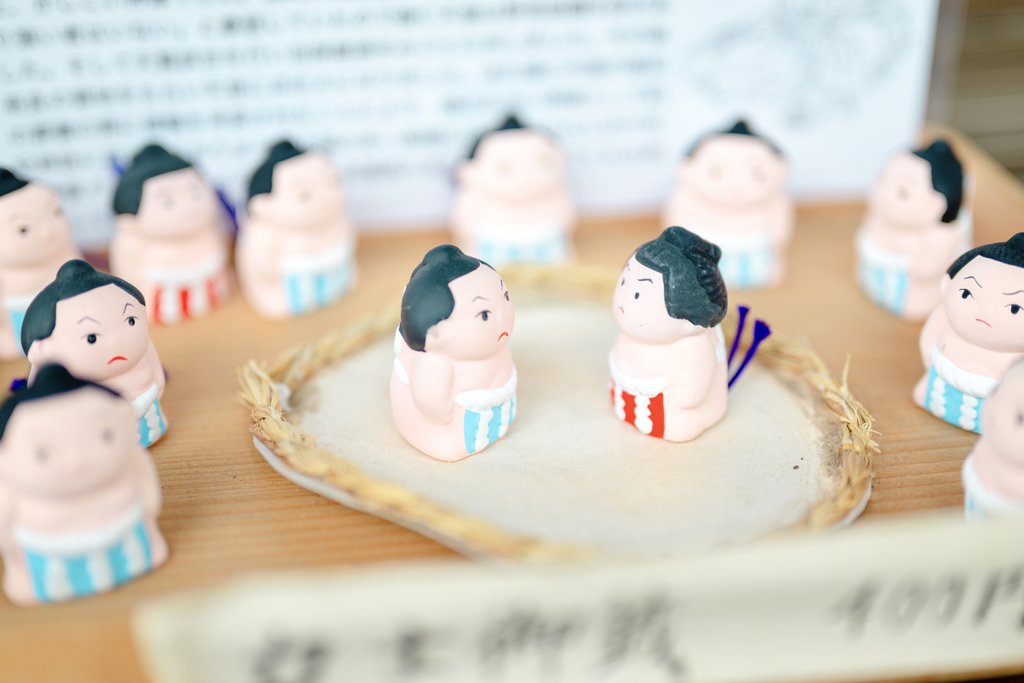
What rikishi eat is important, but when and how they eat may be even more crucial.
Their daily routine—skipping breakfast, training intensely in a fasted state, consuming an enormous midday meal, and then napping almost immediately afterward—may seem to contradict conventional health advice. Yet this carefully structured cycle is designed to promote maximum weight gain and muscle development.
In this section, we break down a rikishi’s daily schedule in four stages—from morning fasting to a late dinner before sleep—and examine how each phase contributes to physical mass and performance from a scientific perspective.
1. Skipping Breakfast
A rikishi’s day begins early, with training starting almost immediately after waking at 5:00 or 6:00 a.m. They practice intensely for approximately three to five hours in a fasted state, repeatedly colliding with training partners in physically demanding drills. Eating breakfast beforehand would interfere with digestion, potentially causing sluggishness, or even nausea during training.
Extended exercise while fasted signals to the body that energy availability is low, prompting metabolic adaptations aimed at conserving fuel. When large meals are consumed afterward, the body is primed to replenish depleted reserves efficiently, increasing the likelihood that excess calories will be stored as fat alongside supporting muscle recovery.
2. First Meal at Midday
After completing grueling morning training in a fasted state, the body is pushed into deep energy depletion. Eating under these conditions accelerates nutrient absorption, allowing rikishi to consume quantities that would otherwise seem unimaginable.
Around 11:00 a.m., the day’s first meal begins. In addition to chanko-nabe, rikishi commonly eat five or six bowls of white rice, some even close to ten. Drinking beer is not unusual. A single sitting can amount to three to four times the intake of an average adult male.
The dining arrangement reflects the strict hierarchy of the sumo world. Rikishi eat according to their banzuke (official ranking), with higher-ranked wrestlers served first. Junior rikishi take on the role of chanko-ban (those responsible for cooking), preparing the meal and serving their seniors.
This structure is not merely ceremonial: it is practical. By handling ingredients and preparing meals daily, younger wrestlers learn about nutritional balance and portion management firsthand, making the kitchen an extension of their training.
3. Strategic Afternoon Nap
After their substantial midday meal, rikishi take extended naps, sometimes lasting up to four hours. During sleep, physical activity drops to near zero, meaning the enormous caloric intake is not immediately expended as energy. This sustained surplus allows the body to store excess fuel efficiently, contributing to weight gain.
For most people, imitating this routine would likely lead to digestive discomfort and blood sugar fluctuations. Lying down immediately after eating can increase the risk of acid reflux and place additional strain on the digestive system.
However, the bodies of rikishi are conditioned by daily, grueling training. Their metabolism, muscle mass, and overall energy demands differ significantly from those of the general population. For them, post-meal sleep is not “lazy time,” but a deliberate component of mass-building strategy.
This disciplined cycle—train intensely, eat abundantly, rest deeply—forms the physiological foundation for physiques that often exceed 100 kilograms (220 pounds), and frequently far more.
4. Dinner Before Sleep
Dinner is typically served around 6:00 p.m., just a few hours before bedtime. The volume rivals that of lunch, but the menu often extends beyond chanko-nabe to include dishes such as hamburg steak, fried chicken, grilled fish, and curry rice. Rice portions alone can total 2–3 go (approximately 300–450 grams cooked), accompanied by miso soup, a meat or fish main course, and tofu or vegetable side dishes.
The timing is crucial. Eating shortly before sleep means that the following 8–10 hours are spent in a state of minimal physical activity. As with the afternoon nap, this prolonged period of low energy expenditure encourages the body to store excess calories efficiently.
Skipping breakfast to maintain a fasted state, consuming massive quantities at midday, reinforcing fat storage through post-meal rest, and repeating the cycle with a substantial evening meal—together, these four steps form a carefully structured weight-gain system.
How Do Rikishi Maintain “Healthy Obesity”?
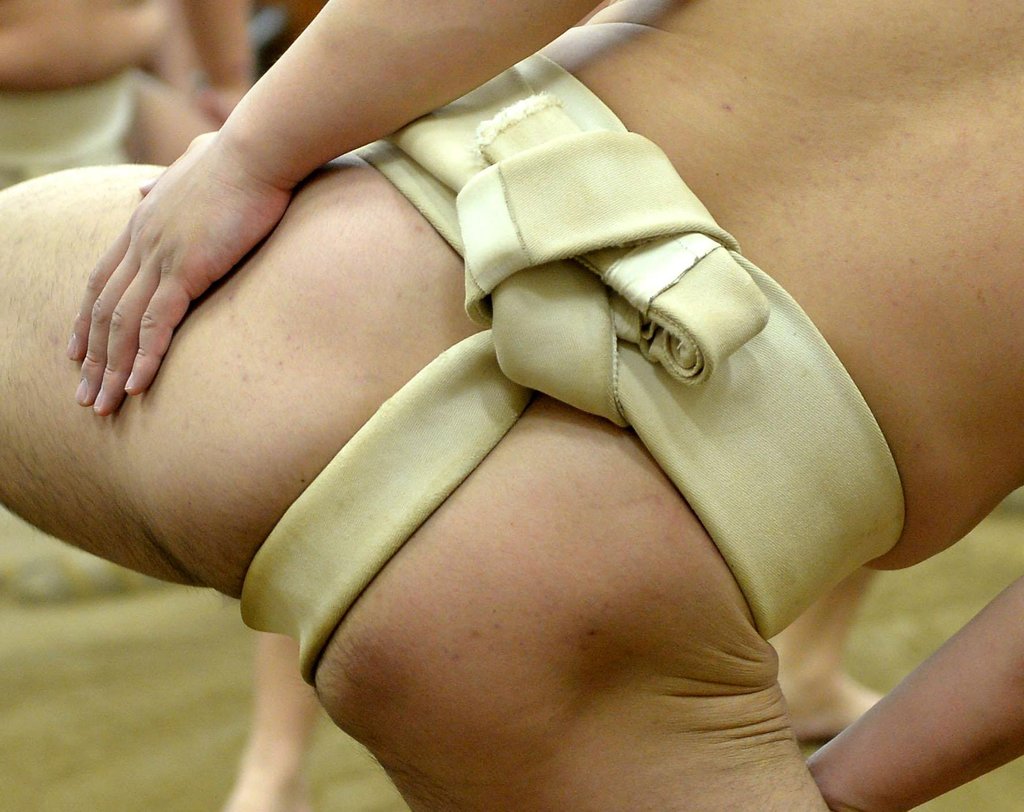
Why don’t rikishi’s bodies break down despite consuming nearly 10,000 kilocalories per day?
The answer lies largely in fat distribution. Although the average body fat percentage of a rikishi is relatively high, around 32.5%, much of this fat is stored subcutaneously (beneath the skin), rather than viscerally. Visceral fat, which surrounds internal organs, is more strongly associated with lifestyle-related diseases. In rikishi, comparatively lower levels of visceral fat are thought to result from several hours of intense daily training.
Their combined basal metabolic rate and training-related energy expenditure also contribute to a substantial daily caloric burn. In addition, the remarkable muscle mass developed through years of rigorous practice, often beginning in adolescence, plays a critical role. With an average lean body mass of approximately 108.3 kilograms (about 239 pounds), this muscle tissue supports vascular function, enhances insulin sensitivity, and helps offset some of the metabolic risks typically associated with obesity.
What Else Do Rikishi Eat Besides Chanko-nabe?
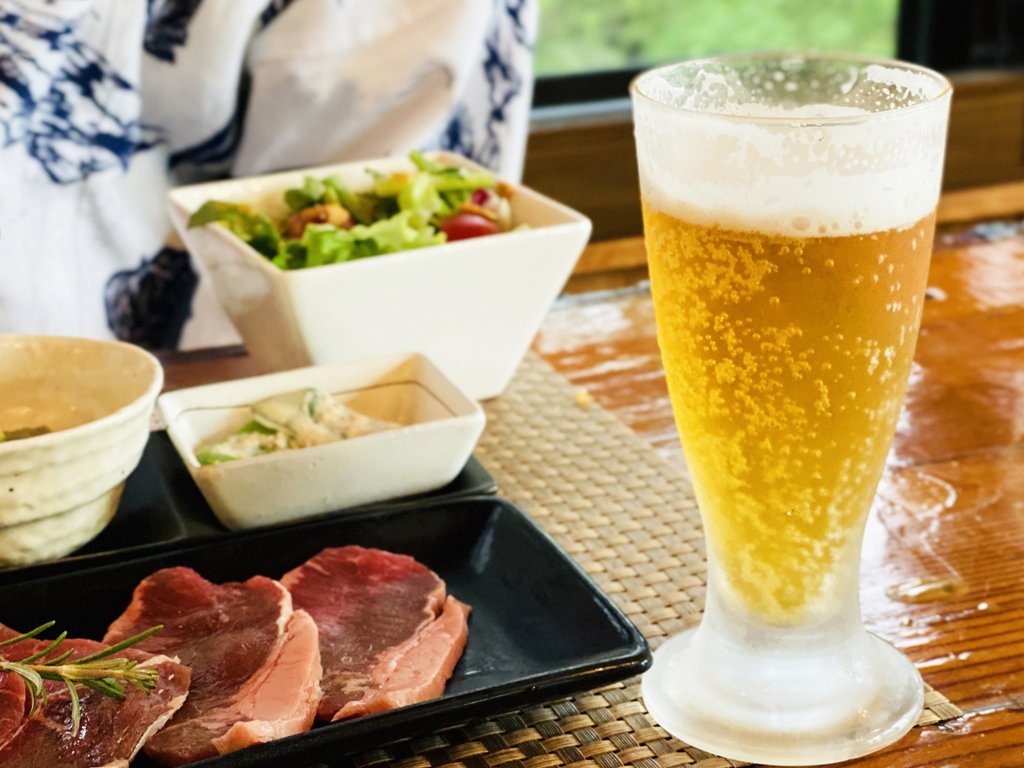
Rikishi meals extend far beyond chanko-nabe alone.
As outlined in the daily schedule above, generous servings of white rice and substantial main dishes form the foundation of each meal. In addition to the staples already mentioned, traditional pickles and seasonal fruits help round out the nutritional balance. Beer, too, is a common accompaniment, adding both calories and a social element to the communal dining experience.
Where to Experience Chanko-nabe and Sumo Culture in Japan
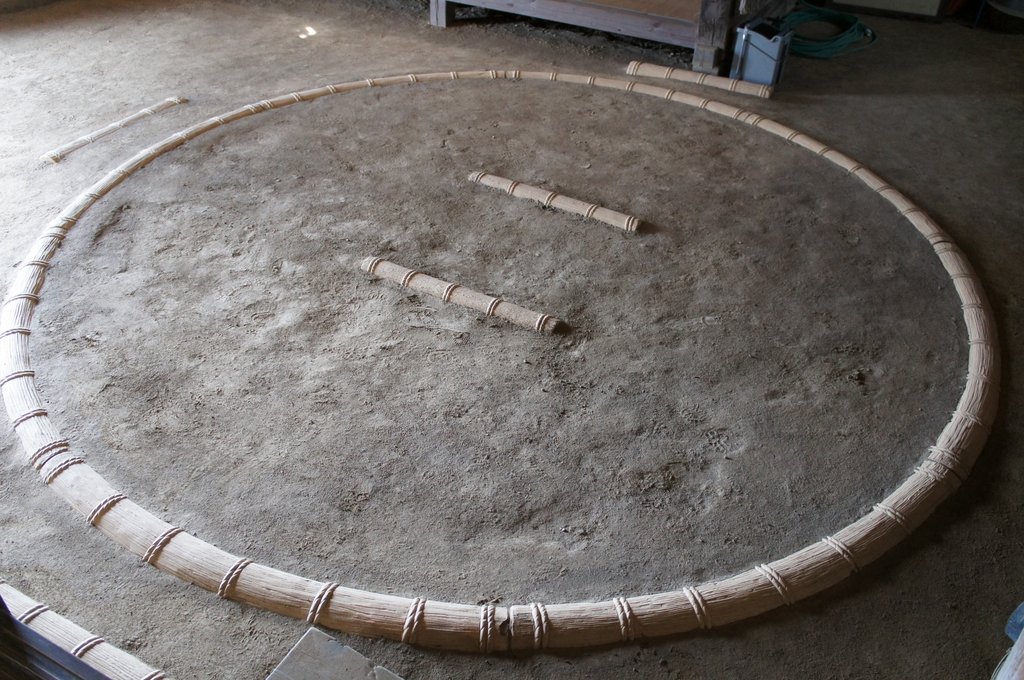
After learning about rikishi diets and the science behind their powerful physiques, many visitors are eager to experience this unique culture firsthand in Japan.
In this section, we introduce recommended spots from three perspectives: watching sumo, tasting authentic chanko-nabe, and even trying sumo-style training yourself.
Watching Live Sumo
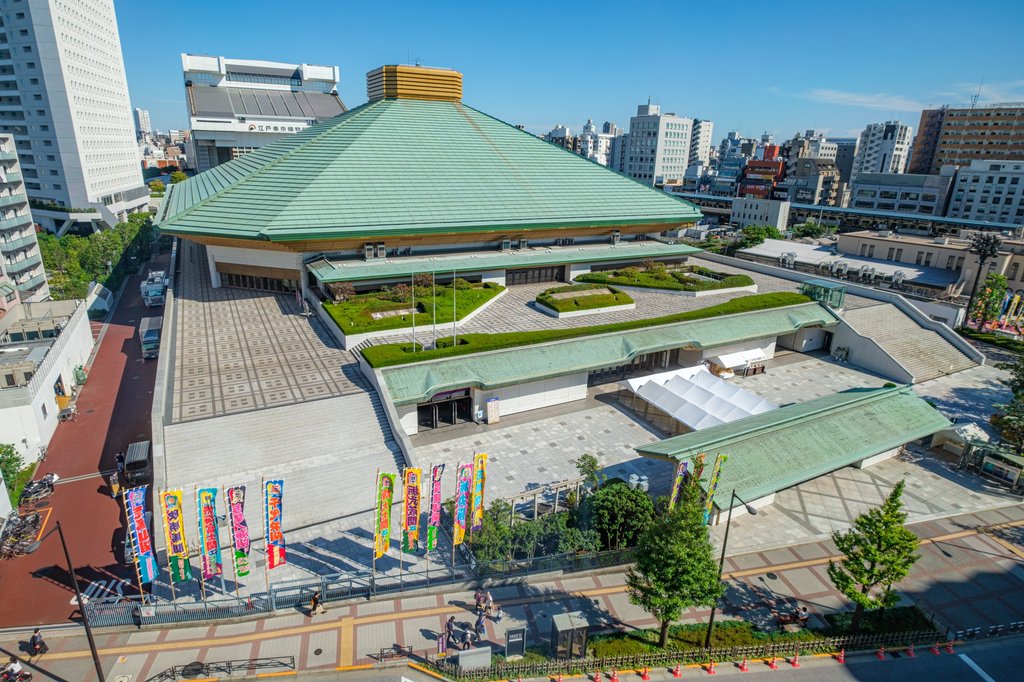
The six annual official tournaments, known as honbasho, are held in four cities: Tokyo, Osaka, Nagoya, and Fukuoka. The January, May, and September tournaments take place in Tokyo at Ryogoku Kokugikan, while March is hosted in Osaka, July in Nagoya, and November in Fukuoka. Planning your trip around these dates offers the rare opportunity to witness professional sumo at its highest level.
The atmosphere inside the arena goes far beyond the intensity of the bouts themselves. When rikishi weighing over 150 kilograms (about 330 pounds) collide in the ring, the impact feels physically real in a way television simply cannot replicate. Inside the venue, vendors sell sumo-themed bento boxes and the arena’s signature yakitori, making it possible to spend an entire day watching matches while dining.
Securing tickets, however, has become increasingly difficult. All six tournaments in 2024 sold out, with Tokyo events seeing especially fierce demand. Advance lotteries through official fan clubs offer the best chance of success, so early registration is strongly recommended.
Chanko-nabe Restaurants in Tokyo’s Ryogoku
Ryogoku, home to the Kokugikan arena, is renowned as the neighborhood where many retired rikishi open their own chanko-nabe restaurants, drawing on years of experience inside the sumo stable. During tournament periods, it’s not uncommon to encounter active rikishi walking the streets in traditional attire. The presence of wrestlers, restaurants, and sumo-themed shops creates a distinctive atmosphere in which sumo culture feels woven into everyday life.
Chanko Kirishima Ryogoku Edo NOREN Branch
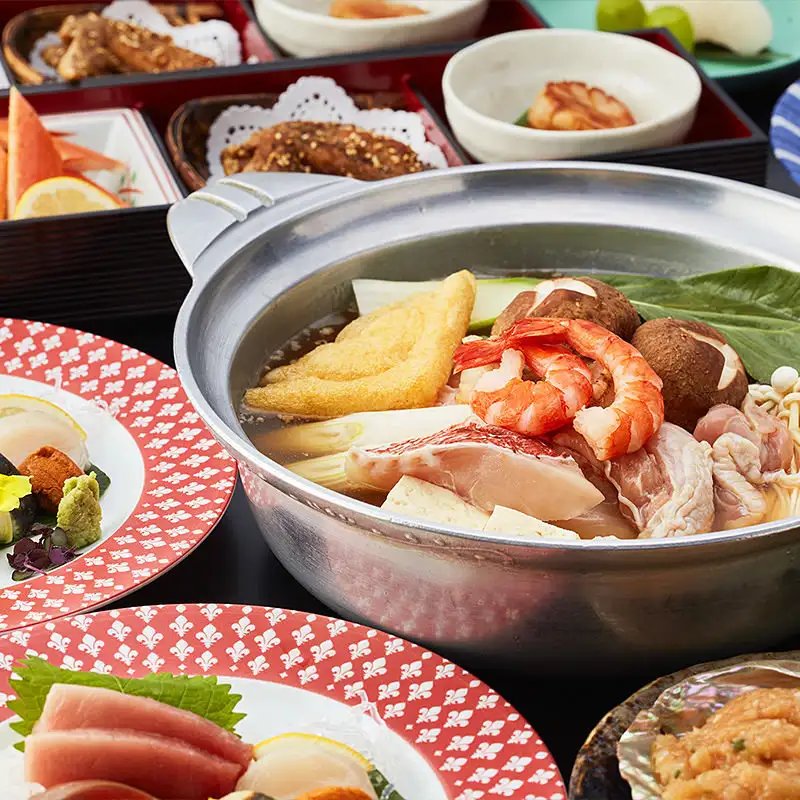
This chanko-nabe specialty restaurant is supervised by former ōzeki (the second-highest rank) Kirishima Kazuhiro, who went on to mentor younger wrestlers as Mutsu-oyakata after his retirement. The broth, made from a rich chicken and pork bone base, recreates the hearty flavors once served to rikishi at his stable. Guests can choose between the signature “Kirishima flavor,” a blend of soy sauce and miso, and a seasonal variation that changes throughout the year.
Located inside “Ryogoku Edo NOREN”, a commercial complex directly connected to JR Ryogoku Station, the restaurant is easy to access, even for first-time visitors unfamiliar with the neighborhood. Its convenient location makes it an ideal stop before or after a visit to the nearby Kokugikan arena.
Details
| Address | Inside “Ryogoku Edo NOREN,” directly connected to JR Ryogoku Station West Exit |
| Hours | Lunch 11:00 am–3:00 pm (last order 2:00 pm) / Dinner 5:00 pm–10:00 pm (last order 9:00 pm) |
| Closed | Wednesdays (open during Tokyo tournaments) |
| Official Website | https://e625301.gorp.jp |
| Best For | Tourists and international travelers wanting accessible authentic rikishi cuisine |
Sumo Studio Osaka: An Interactive Sumo Experience
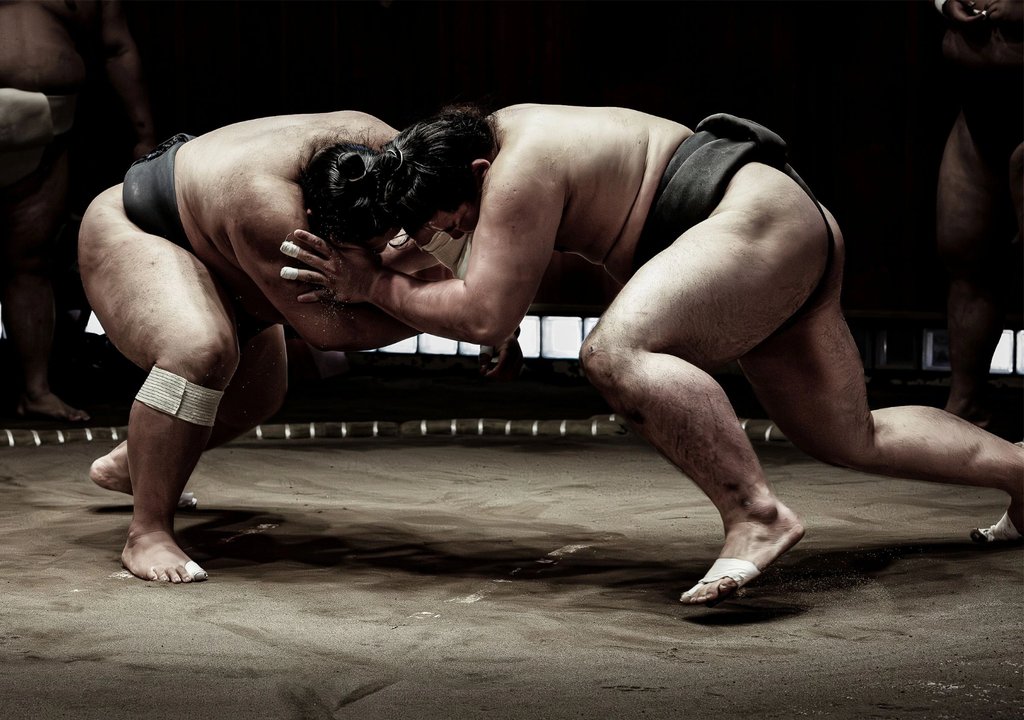
Sumo Studio Osaka offers visitors the chance to experience sumo up close in an intimate, interactive setting. Guests can watch live demonstrations by retired rikishi from just a few meters away. During the audience participation segment, willing participants are invited to step onto the dohyō (the sacred clay ring where bouts take place) to try shiko, the ceremonial leg stomp said to drive away evil spirits, and learn basic sumo stances.
The 90-minute live performance features full English commentary covering sumo history and its connections to Shinto rituals and samurai culture. Afterward, visitors enjoy commemorative photos and interaction time with rikishi, with the option to enjoy Japanese beer and umeshu (plum wine) at the venue’s bar while savoring the experience. Large luggage storage including suitcases is available, making stops convenient before or after airport travel.
Details
| Address | Hanazonocho AI Building 1F, 1-5-1 Asahi, Nishinari-ku, Osaka (directly connected to Hanazonocho Station Exit 4) |
| Hours | 10:00 am–11:30 am / 12:30 pm–2:00 pm / 3:00 pm–4:30 pm / 5:30 pm–7:00 pm / 8:00 pm–9:30 pm (five performances daily, 90 minutes each) |
| Closed | Open year-round |
| Official Website | https://sumowrestlingshow.jp/ |
| Best For | Those wanting to see powerful bouts up close or ascend the dohyo themselves in an intimate setting |
Chanko-nabe Restaurants to Enjoy in Osaka
After immersing yourself in sumo culture, complete the experience with Osaka’s take on chanko-nabe.
In Rinku Town, near Kansai International Airport, a sumo-themed restaurant produced by former ōzeki Konishiki Yasokichi has opened, bringing the flavors and spirit of the stable to the Osaka waterfront. Adding an Osaka-style sumo journey, combining interactive experiences with chanko cuisine, offers a compelling contrast to Tokyo’s Ryogoku district.
For recommended chanko-nabe restaurants in Osaka, see this article: ▼ Sumo Restaurants in Osaka: 9 Spots for Live Wrestling Shows & Authentic Chanko-Nabe https://sumowrestlingshow.jp/941/
FAQ: Common Questions About Rikishi Diets

When exploring the eating habits of rikishi, several questions naturally come to mind: “Does every wrestler eat the same amount?” “Are there vegetarian rikishi?” “What would happen if I tried this diet myself?”
In this section, we address these common questions and clarify some of the most persistent myths surrounding the sumo diet.
Do All Rikishi Eat the Same Amount?
The short answer is no. A rikishi’s food intake varies considerably depending on rank (banzuke), body size, and years of experience within the stable.
Meals follow a strict hierarchy. The oyakata (stablemaster) and senior sekitori, wrestlers in the top two divisions who receive salaries and personal attendants, select ingredients from the chanko-nabe first. Junior rikishi eat afterward, finishing what remains in the pot and compensating with additional rice.
The variation in caloric intake is greater than many people imagine. A 1975 survey of nine rikishi found daily consumption ranging from approximately 3,000 to 5,000 kilocalories. In contrast, modern top-division wrestlers in the 162-kilogram (about 357-pound) class are estimated to consume between 6,700 and 7,700 kilocalories per day.
Young recruits, especially teenagers who have just entered a stable, cannot immediately eat such massive quantities. Stomach capacity and digestive tolerance develop gradually over years of training. It is therefore unrealistic for newcomers to match the intake of senior rikishi from the outset. The popular image of “all rikishi eating 10,000 calories a day” is a significant oversimplification.
Are There Vegetarian Rikishi?
At present, there are no fully vegetarian active rikishi competing in professional sumo.
One primary reason lies in the communal structure of stable life. Rikishi gather around a shared pot of chanko-nabe, leaving little flexibility for preparing separate meals to accommodate individual dietary preferences or restrictions. Because the broth is typically chicken-based, animal-derived ingredients are incorporated from the very foundation of the dish.
That said, chanko-nabe itself contains a substantial proportion of plant-based ingredients. Napa cabbage, daikon radish, carrots, burdock root, mushrooms, shungiku (chrysanthemum greens), garlic chives, konnyaku, and tofu commonly fill the pot. Together, these ingredients provide dietary fiber, vitamins, minerals, and plant-based protein—helping to create a nutritionally balanced meal despite its hearty image.
What Happens If Ordinary People Eat Like Rikishi?
Adopting a rikishi-style eating pattern without the accompanying intensity of training would likely have serious health consequences. For sedentary individuals, excess calories that are not expended through rigorous physical activity tend to accumulate as visceral fat, increasing the risk of insulin resistance and elevated blood sugar levels.
Even retired rikishi often face health challenges such as diabetes and hypertension if they continue consuming the same quantities of food after their training volume decreases.
That said, certain aspects of the sumo diet can offer useful insights. Its emphasis on protein-rich meals, whole ingredients, and strategic caloric timing may serve as a reference for those aiming to build muscle mass, provided it is paired with appropriate exercise. In short, “how you eat” must always be considered alongside “how you move.”
The Heart of the Rikishi Diet
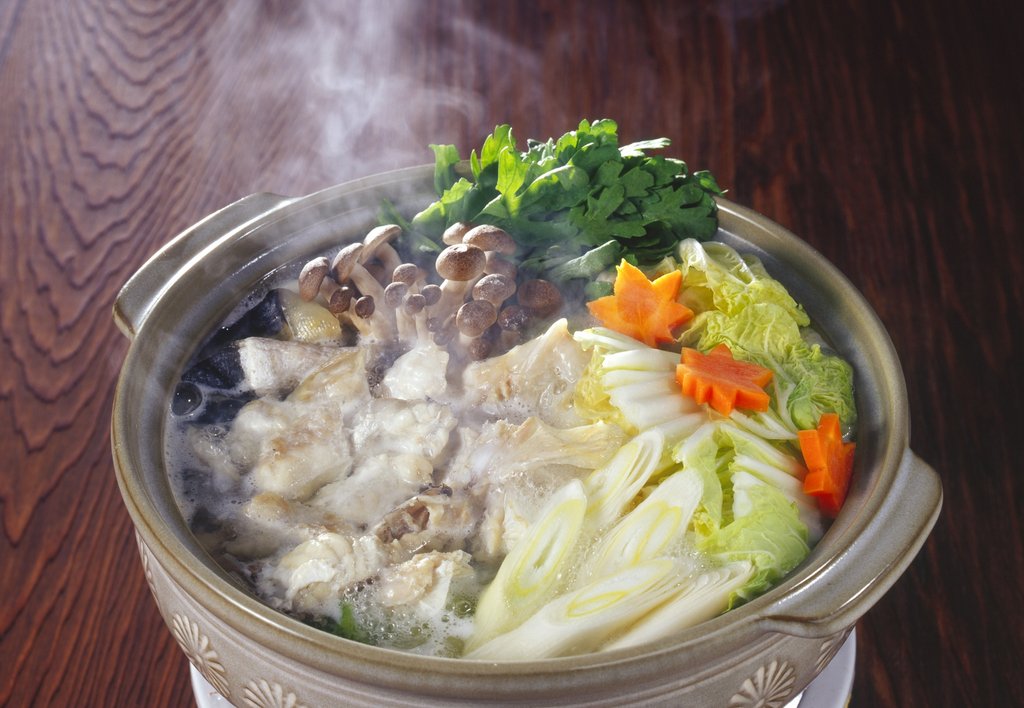
At its core, the rikishi diet revolves around high-calorie meals centered on chanko-nabe, combined with a distinctive daily rhythm: skipping breakfast, training intensely, eating abundantly, and resting after meals.
This system functions only because it is supported by six to eight hours of rigorous physical training each day. For the average person, attempting to replicate it without comparable activity levels is strongly discouraged.
For travelers to Japan, however, the experience offers something far more accessible. In Tokyo’s Ryogoku district or in Osaka, sharing a steaming pot of chanko-nabe provides more than nourishment—it offers a glimpse into the discipline, tradition, and depth of sumo culture. Within a single pot lies the story of Japan’s giants.