The Complete Guide to Seeing Osaka in a Day: A First-Timer’s Itinerary for “Japan’s Kitchen”
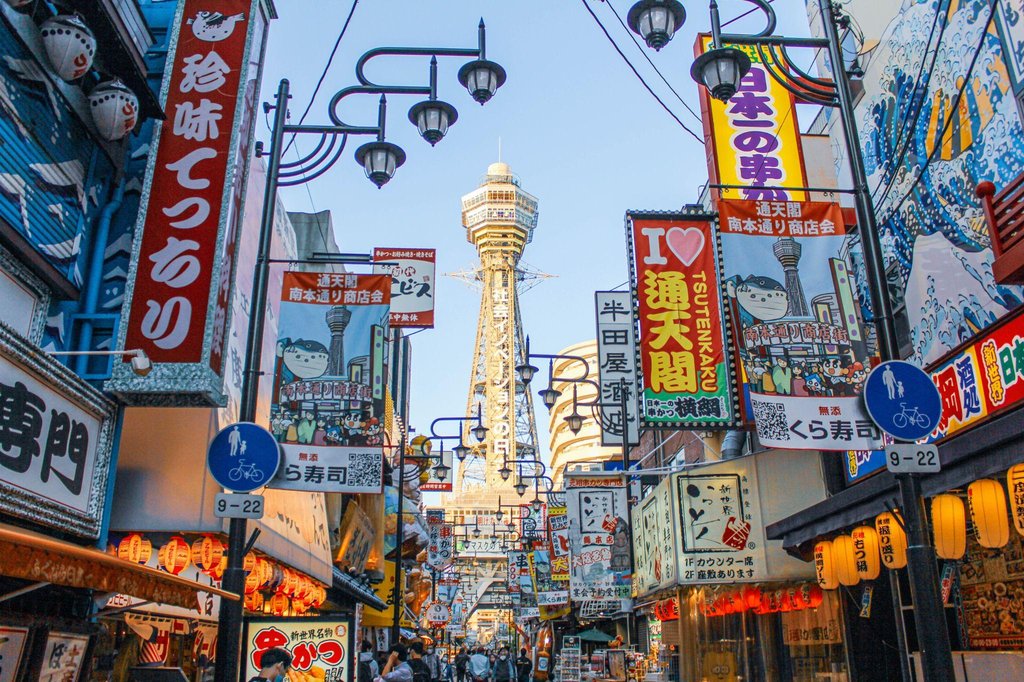
With only one day to explore Osaka, are you struggling to decide which destinations to prioritize?
With so many attractions—such as Osaka Castle, the Dotonbori district, the Shinsekai district, and more—choosing what to see and how to navigate with limited time can be a challenge.
In this guide, we’ll present a sample itinerary organized by time of day. Transportation options and travel times between each spot are covered, along with essential dining destinations. Alternative itineraries for food-focused travelers, families with children, and other travel styles are also included.
This guide covers pre-departure essentials, the day’s flow, and frequently asked questions.
Contents
What to Know Before You Visit Osaka
First-time visitors to Osaka should review these essentials: modes of transportation, accommodation areas, and the seasonal considerations.
Getting Around Osaka
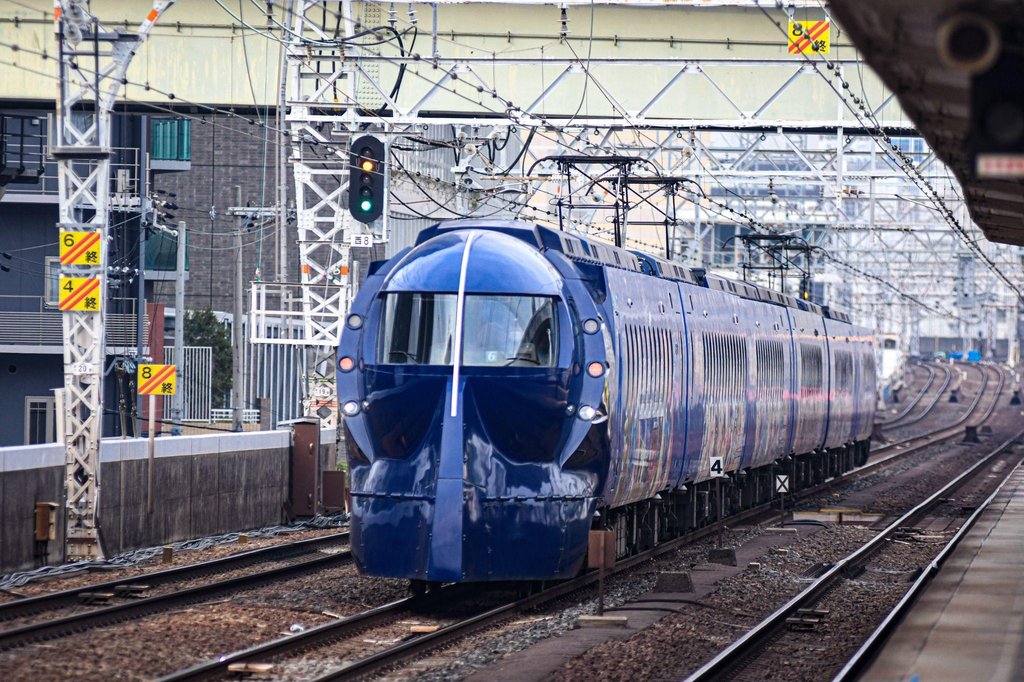
Osaka’s major tourist areas are well covered by the subway and JR train lines, making these two lines the key to efficiently seeing the city in one day.
The Midosuji Line serves as the main north-south artery connecting Umeda, Shinsaibashi, Namba, and Tennoji, forming a reliable backbone for your sightseeing. The JR Osaka Loop Line provides convenient access to Osakajo-koen Station and Shin-Imamiya Station, complementing east-west travel.
Below are estimated travel times and fares for key routes throughout the city:
| Route | Travel Time | Fare (Digital Transit Card) |
|---|---|---|
| Umeda → Osakajo-koen (JR) | About 12 min. | ¥180 |
| Umeda → Shinsaibashi (Midosuji Line) | About 6 min. | ¥240 |
| Namba → Dobutsuen-mae (Midosuji Line) | About 5 min. | ¥190 |
| Shinsaibashi → Dotonbori | About a 5 min. walk | ¥0 |
If you expect to ride the trains four or more times in a single day, the Osaka Metro 1-Day Pass (¥820 on weekdays/¥620 on weekends and holidays) offers good value. For three daily rides or fewer, paying per ride with an IC card (ICOCA or Suica) is often cheaper.
ICOCA cards can be purchased from ticket machines at Kansai Airport or Osaka Station, and Suica cards work seamlessly throughout the system. Either way, simply tap the card on the sensor at the station gates. As long as you know station names and transfer points, navigation throughout Osaka is straightforward.
Best Areas to Stay for One-Day Sightseeing
Pick the area of your accommodations based on the spots you want to visit, and choose between Namba (Minami) or Umeda (Kita).
Namba’s appeal lies in its location: it’s about a five-minute walk to Dotonbori and within walking distance of Kuromon Market. Shinsekai is also just 10–15 minutes away by train, making Namba ideal for those who want to enjoy the neon-lit streets of Dotonbori late into the evening. Business hotels charge approximately ¥5,000–10,000 per night, with guesthouses available from around ¥3,000.
The advantage of staying in Umeda is that you can use JR Osaka Station as your base. Osakajo-koen Station is about 10 minutes away via the JR Loop Line, and the Shitennoji area is about 13 minutes away via the Tanimachi Line, convenient for those wanting to explore historical sites first thing in the morning. Accommodation options in the area are varied, from station-connected city hotels to budget capsule hotels.
When in doubt, choose Namba for nightlife and Umeda for early-morning starts.
Best Seasons to Visit Osaka
Osaka can be enjoyed year-round, though how comfortable you’ll be varies significantly by season. Even if your travel dates are already set, understanding Japan’s seasonal characteristics and knowing some tips for enjoying each season will help.
Spring (March–May) and autumn (October–November) offer temperatures around 15–20°C (59–68°F), ideal for walking. Cherry blossoms and autumn foliage color Osaka Castle Park, making these the most pleasant seasons for outdoor sightseeing. Tourist crowds concentrate during these periods, however, so we advise arriving at popular spots first thing in the morning.
Summer (June–August) brings temperatures exceeding 33°C (91°F) and high humidity. Daytime outdoor exploration can be exhausting, so consider shifting your schedule to include evening activities—like strolling Dotonbori at night—and spending midday hours at indoor attractions such as Osaka Castle’s museum exhibits or shopping facilities.
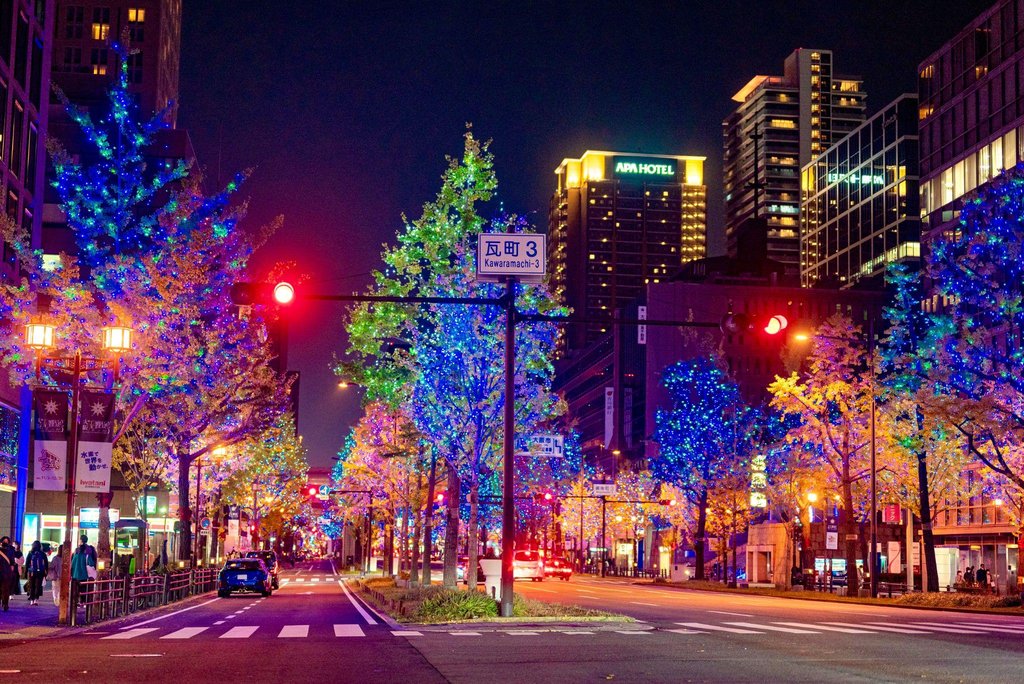
Winter (December–February) can see temperatures drop close to 0°C (32°F). Warm clothing is essential, though winter-exclusive events—like the lighting-up of Midosuji—offer their own appeal. Note that the New Year’s holidays bring both crowds and business closures.
Sample Itinerary
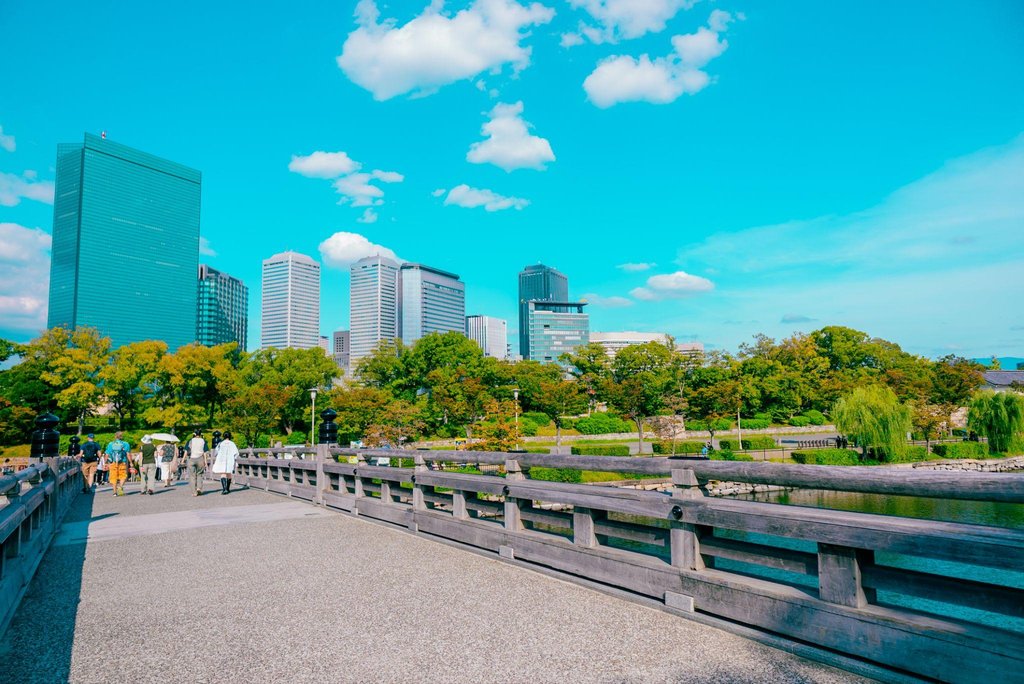
Many visitors wonder how to efficiently enjoy Osaka in only one day. Here we present a sample itinerary divided into five time segments from morning to night, including transportation methods and travel times between each destination.
Morning: Osaka Castle and Historical Highlights
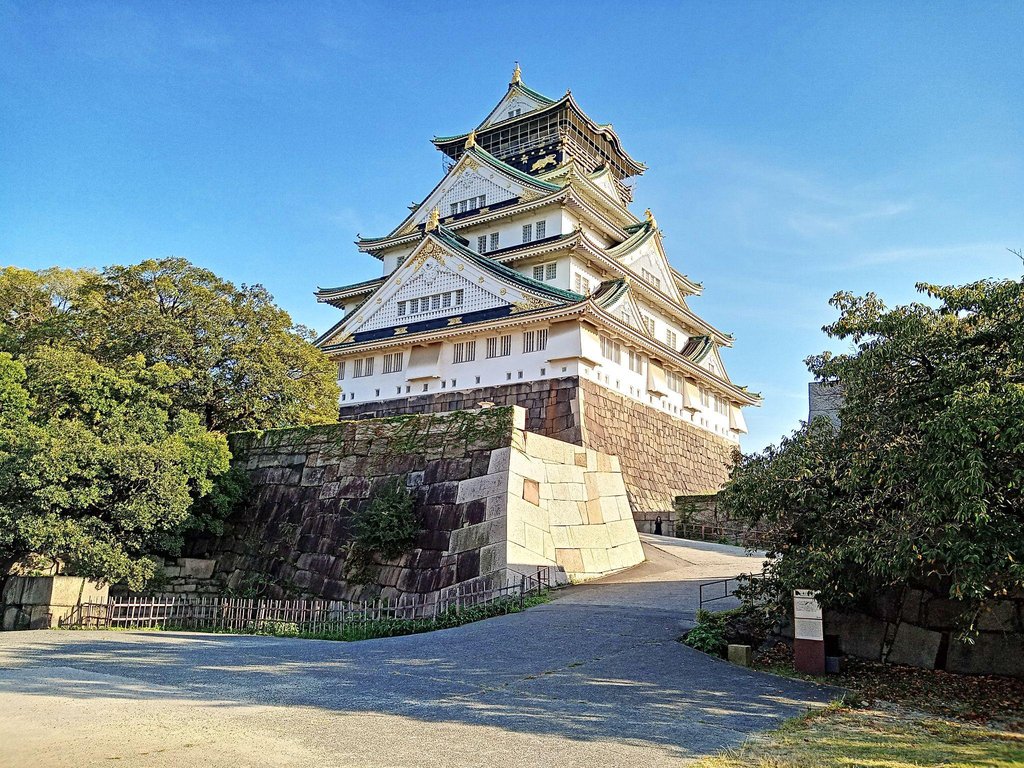
Starting your day at Osaka Castle sets the perfect tone for your one-day touring. The panoramic view from the observation deck helps you visualize the rest of the spots you’ll tour during the rest of your day.
9 am — Visit Osaka Castle
JR Osakajo-koen Station is approximately 15 minutes from Shin-Osaka Station via the JR Osaka Loop Line. Aim to arrive at the castle tower when it opens at 9 am.
The five-story, eight-floor castle tower stands approximately 55 meters (about 180 feet) tall, with the eighth-floor observation deck offering 360-degree views of Osaka. For first-time visitors, grasping the city’s layout from here makes subsequent navigation of the city much easier.
The interior of the castle functions as a museum, with exhibits on each floor covering the life of Toyotomi Hideyoshi and the Siege of Osaka. Audio guides are also available for rental. Allow yourself approximately 60 minutes to see everything in here.
Details
| Address | 1-1 Osakajo, Chuo-ku, Osaka |
| Hours | 9 am–6 pm (last entry 5:30 pm) *Hours are extended depending on season Closed: December 28–January 1 |
| Admission | Adults: ¥1,200; High school/university students: ¥600; Junior high students and younger: free |
| Official Website | https://www.osakacastle.net/ |
| Best For | Those interested in Japanese history; those wanting panoramic views of Osaka |
10:30 am — Stroll Osaka Castle Park
After leaving the castle tower, extend your walk to Nishinomaru Garden, a spacious 6.5-hectare lawn garden. The scenery here varies dramatically by season:
| Season | Highlights |
|---|---|
| Late January–early March | Approximately 1,245 plum trees bloom in sequence at the Plum Grove on the park’s east side |
| Late March–early April | Approximately 300 Somei Yoshino cherry trees reach full bloom |
After your stroll, take a break at the café in JO-TERRACE OSAKA. The next destination, the Umeda area, is about 10 minutes away via the JR Osaka Loop Line from Osakajo-koen Station.
Midday: Umeda and Kita Area
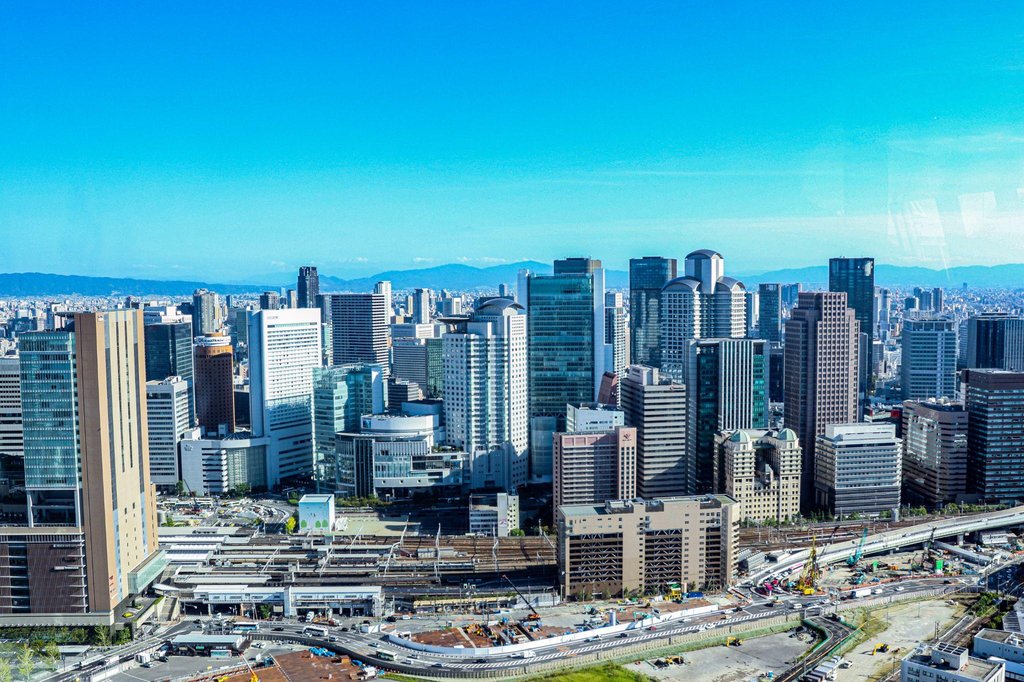
After enjoying Osaka Castle, head to Osaka Station via the JR Osaka Loop Line. The journey to Umeda takes about 10 minutes, with Umeda Sky Building another 10 minutes away from the station on foot.
11:00 am — Umeda Sky Building
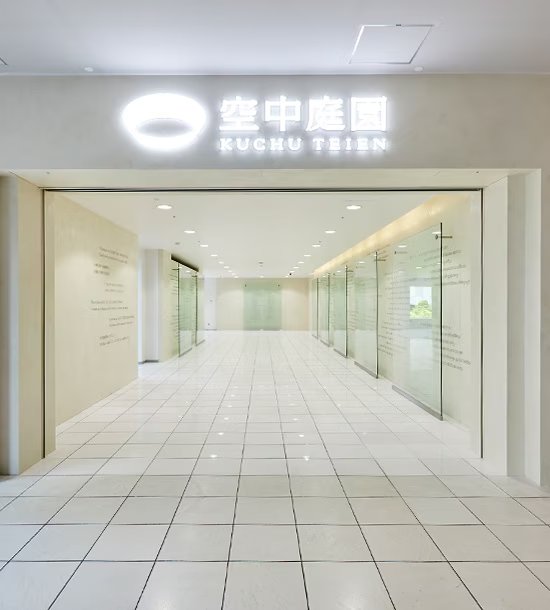
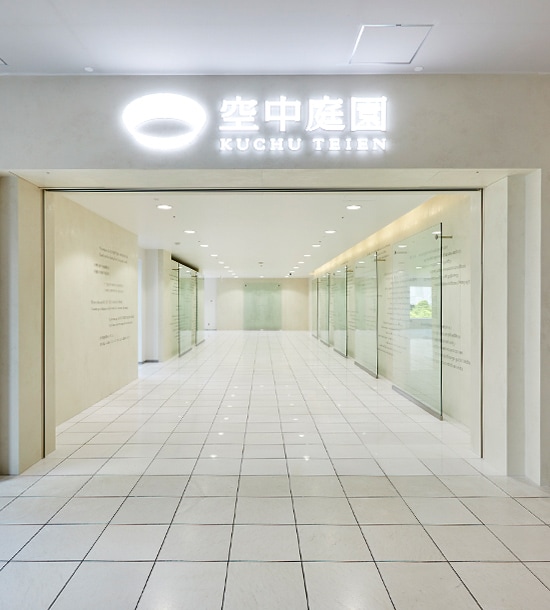
The Kuchu Teien Observatory offers panoramic views of Osaka from 173 meters (about 568 feet) above ground. Mornings tend to be less crowded, allowing you to reach the observation floor without long waits. On clear days, views extend from the Ikoma mountain range to Osaka Bay.
After enjoying the observatory, head to Takimi-koji in the building’s basement. This retro dining street recreates an early Showa-era (1926–1989) Osaka neighborhood, offering local favorites like okonomiyaki (savory pancakes) and udon. Arriving at around 11:30 am allows you to dine comfortably before the lunch rush.
Takimi-koji has narrow corridors, so groups of four or more or those with strollers may find Grand Front Osaka or LUCUA Dining—both directly connected to Osaka Station—more comfortable.
For those with limited time, skipping the Umeda area and heading directly to Shinsekai via the Midosuji Line from Osaka Station is also an option. This approach proves efficient when prioritizing afternoon culinary experiences.
Details: Kuchu Teien Observatory
| Address | 1-1-88 Oyodonaka, Kita-ku, Osaka |
| Hours | 9:30 am–10:30 pm (last entry 10 pm) |
| Admission | Adults: ¥2,000; Children 4 yrs.–elementary school students: ¥500; Children 4 yrs. and under: free |
| Official Website | https://www.skybldg.co.jp/observatory/ |
| Best For | Those wanting panoramic views; photography enthusiasts |
Afternoon: Cuisine and Sumo in Shinsekai

After Umeda, head to Shinsekai, where old-town Osaka atmosphere remains strong. Dobutsuen-mae Station is about 15 minutes away from Umeda by train via the Midosuji Line; exit the turnstiles to find yourself immersed in a neon-lit neighborhood.
12:30 pm — Eat Your Way Through Shinsekai
Shinsekai is synonymous with kushikatsu (deep-fried meat and veggie skewers, an Osaka specialty). Legendary establishments like Daruma and Yaekatsu line the streets, with average budgets hovering around ¥3,000–5,000. Remember: when dipping your skewer into the communal sauce container, try to cover it generously in one go as double-dipping is not allowed.
Between kushikatsu joints, enjoy street food like takoyaki (octopus-filled batter balls) and korokke (the Japanese version of croquettes). Lunchtime crowds can be overwhelming, so allow yourself plenty of time to explore the area—about 1.5 hours should do.
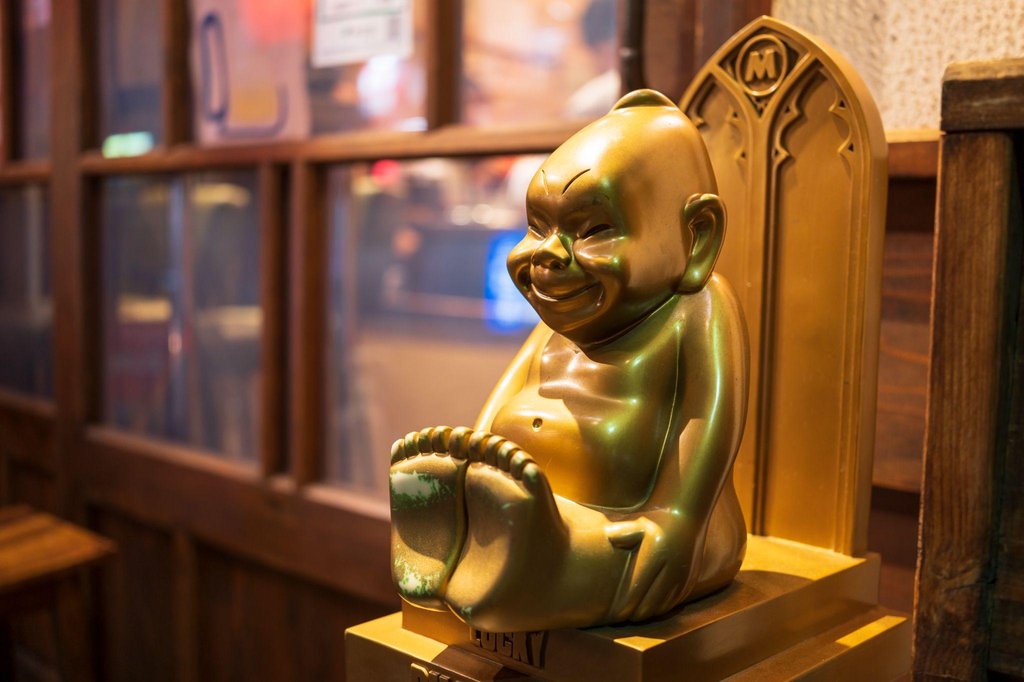
After eating, extend your walk to Tsutenkaku Tower. The observation deck (admission: ¥1,200 for adults) overlooks the Tennoji area, and taking photos with the statue of Billiken—the area’s beloved god of good fortune—is a popular tradition.
Details: Tsutenkaku Tower
| Address | 1-18-6 Ebisuhigashi, Naniwa-ku, Osaka |
| Hours | General observation deck: 9 am–9:45 pm (last entry 9:15 pm); Special outdoor observation deck: 9 am–9:45 pm (last entry 9:35 pm) |
| Admission | Adults: ¥1,200; Children 14 yrs. and under: ¥600 |
| Official Website | https://www.tsutenkaku.co.jp/ |
| Best For | Those wanting panoramic views; photography enthusiasts |
2:30 pm — A Unique Cultural Experience at Sumo Studio Osaka
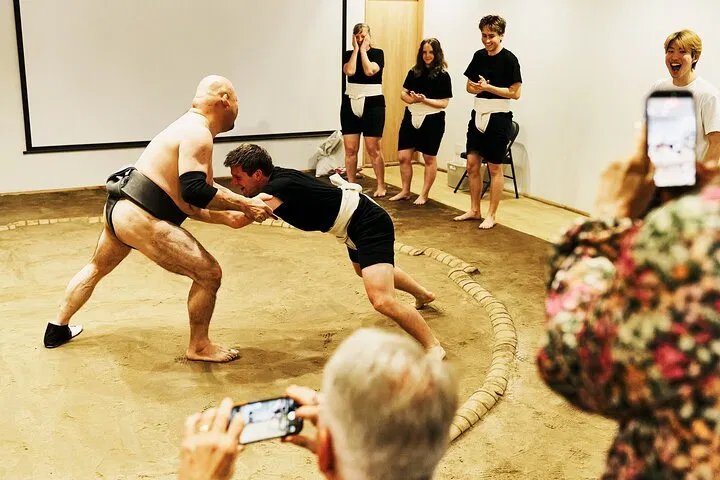
From Shinsekai, Hanazonocho Station is about five minutes away by subway, and Sumo Studio Osaka connects directly to Exit 4 of the station. The 3–4:30 pm hands-on sumo session fits perfectly into this itinerary. During this 90-minute program, retired professional sumo wrestlers explain the history of the sport and its connections to Shinto, demonstrate sumo techniques, and offer the chance to experience an actual match in the ring.
The venue’s intimate setting (with seating for just 50 guests) means you’ll be in close proximity to the wrestlers, and a “Meet & Greet” session with photo opportunities follows the show.
English commentary is provided throughout the program. Luggage storage is also available, making participation easy for travelers.
Details
| Address | Hanazonocho AI Building 1F, 1-5-1 Asahi, Nishinari-ku, Osaka (directly opposite Hanazonocho Station Exit 4) |
| Hours | 10 am–9:30 pm (five shows daily; open every day) |
| Admission | ¥14,000 per person |
| Official Website | https://sumowrestlingshow.jp |
| Best For | Those seeking traditional, hands-on cultural experiences; those wanting to make unique memories |
Evening: Dotonbori and Shinsaibashi
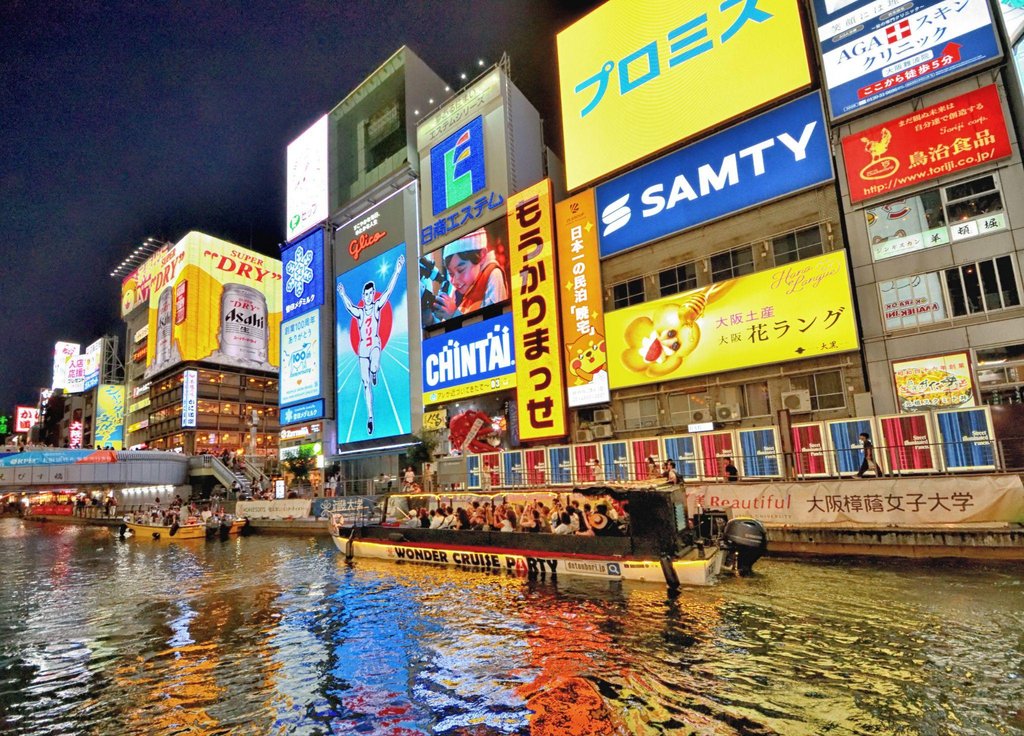
Dotonbori transforms as evening approaches: the canal reflects neon lights on its surface, creating one of Osaka’s most photogenic scenes.
5 pm — Walk Along the Dotonbori Canal
Ebisu Bridge offers the best position for photographing the iconic Glico sign. The window between 5:30 and 6:30 pm—when sunset and neon illumination overlap—yields the most striking photographs.
Enjoy street food while walking along the canal. Popular restaurants often have 15–30 minute wait times, so allowing yourself one or two items as snacks is one way to enjoy the time while you wait for dinner.
- Kukuru Main Branch — Famous for large takoyaki. Hours: Monday–Friday 11 am–9 pm; Weekends/holidays 10 am–9 pm (last order 8:30 pm)
- Wanaka Dotonbori — Extensive street food menu. Hours: 10:30 am–9 pm
Just off the main thoroughfare, Hozenji Yokocho alley offers a tranquil contrast to Dotonbori. The moss-covered Mizukake Fudo statue (a stone Buddha figure onto which visitors pour water while making wishes) sits here quietly, providing a soothing alternative to the bustling main streets.
6:30 pm — Shop for Souvenirs in Shinsaibashi-suji
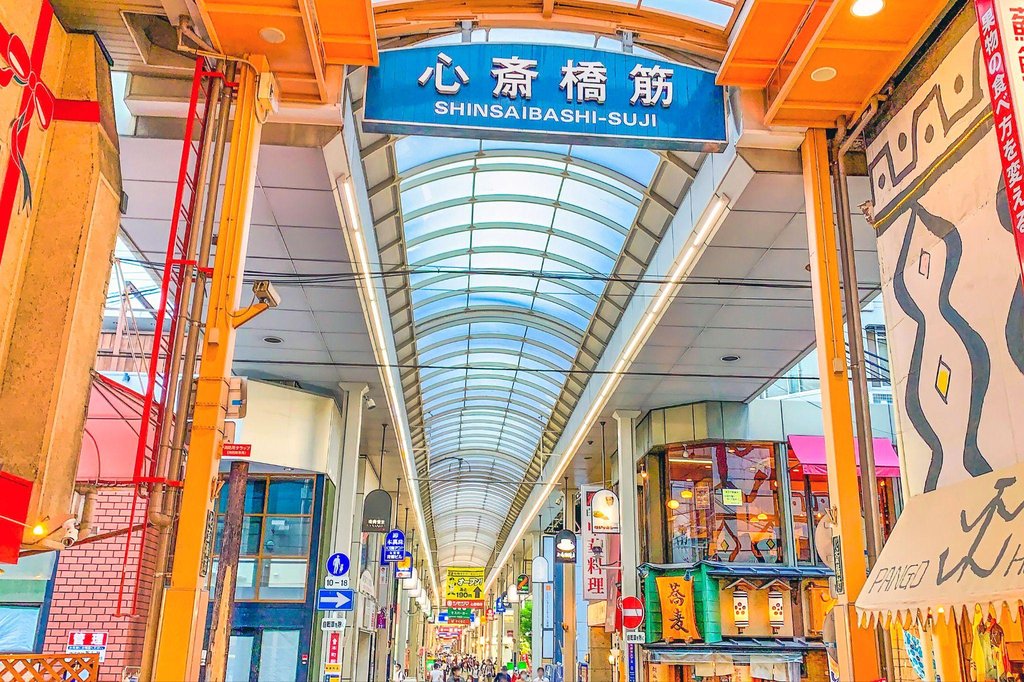
About a five-minute walk north from Dotonbori, Shinsaibashi-suji Shopping Street stretches approximately 580 meters (about ⅓ of a mile) and boasts 180 shops. The covered arcade means worry-free shopping even on rainy days.
Don Quijote (a general goods store) operates 24 hours, and many drugstores stay open past 10 pm, so there’s no need to rush to finish your shopping. Walking from south to north in one direction allows for efficient shopping.
Details
| Address | 2-2-22 Shinsaibashisuji, Chuo-ku, Osaka |
| Official Website | https://www.shinsaibashi.or.jp/ |
| Best For | Those seeking Osaka souvenirs; those wanting to shop in Japan |
Night: Savor Japanese Food and Night Views
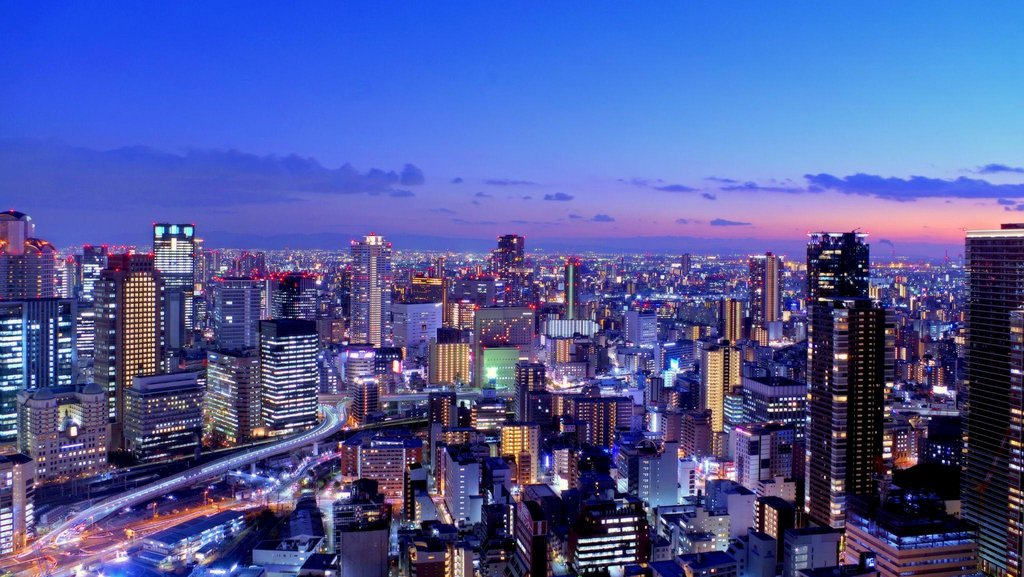
By now, your day of sightseeing has reached its climax. Enjoy a proper dinner in the Namba area and cap off the night with Osaka’s skyline.
7 pm — Dinner in Namba
The Namba area offers dining options to suit various budgets and preferences:
| Restaurant Name | Genre/Features | Budget |
|---|---|---|
| Yakiniku Lab Namba | All-you-can-eat Japanese BBQ grilled at your table; 130 varieties of meat; reservations recommended | ¥6,000–8,000 |
| Kura Sushi Global Flagship | Revolving sushi bar; 10–20 min. wait | ¥1,500–4,000 |
| Sake to Sakana Ryoshi Sakaba | Japanese pub; English menu available | ¥2,000–3,000 |
Yakiniku Lab Namba is easy to access as it’s just a one-minute walk from Namba Station Exit 11. Weekends tend to get crowded so reserving in advance can provide peace of mind. We recommend Kura Sushi for value-focused diners, while Ryoshi Sakaba is an excellent choice for those wanting to experience a Japanese pub.
8:30 pm — Night View from Abeno Harukas
After dinner, take the Midosuji Line from Namba Station to Tennoji Station (about a 7-minute trip). Abeno Harukas is directly connected to the station and houses Harukas 300, a venue that offers an observation deck with views of Osaka’s city lights from 300 meters (about 984 feet) up.
Let the satisfaction of a full day of exploration wash over you as you gaze at the sea of lights spreading below your feet. The last train departing for Osaka Station leaves Namba Station at around 11:30 pm. If time runs short, returning to Dotonbori for an evening stroll and watching the reflection of neon lights dancing on the water makes for an equally enjoyable alternative.
Details
| Address | 1-1-43 Abenosuji, Abeno-ku, Osaka |
| Hours | 9 am–10 pm (last entry 9:30 pm) |
| Admission | Adults: ¥2,000; Junior/senior high school students: ¥1,200; Elementary school students: ¥700; Preschool-aged children: ¥500; Children 4 yrs. and under: free |
| Official Website | https://www.abenoharukas-300.jp/observatory/index.html |
| Best For | Those wanting panoramic views; photography enthusiasts |
Sample Itinerary: Quick Reference
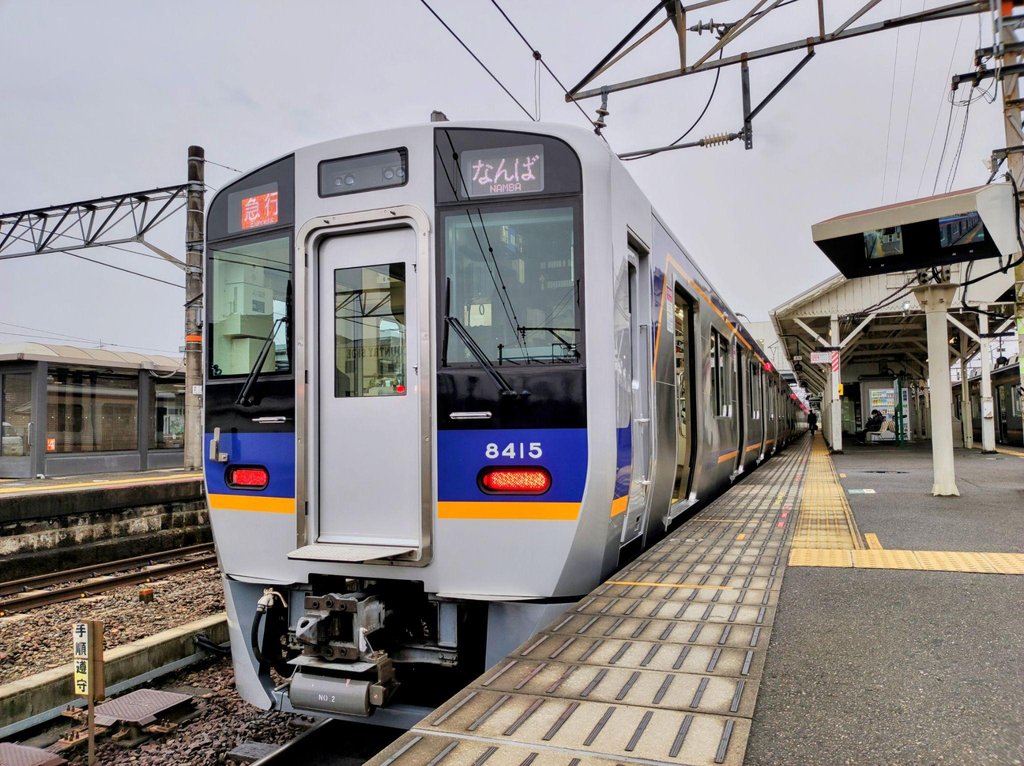
To help you choose an itinerary based on your arrival time and energy level, here’s a summary of the sample itinerary:
| Item | Morning Start (from 8:30 am) | Afternoon Start (from 12 pm) | Evening Start (from 5 pm) |
|---|---|---|---|
| Number of Spots | 6–7 places | 4–5 places | 2–3 places |
| Duration | About 12 hours | About 7 hours | About 4 hours |
| Estimated Steps | About 18,000 steps | About 12,000 steps | About 6,000 steps |
| Transportation Budget | About ¥800–1,000 | About ¥500–700 | About ¥300–500 |
| Fatigue Level | ★★★ | ★★☆ | ★☆☆ |
| Recommended For | First-timers wanting the ‘classic’ Osaka experience | Day-trippers from Kyoto | Business travelers with limited time |
Once you’ve identified the course that suits your schedule best, check out the alternative itineraries below.
Alternative Sample Itineraries
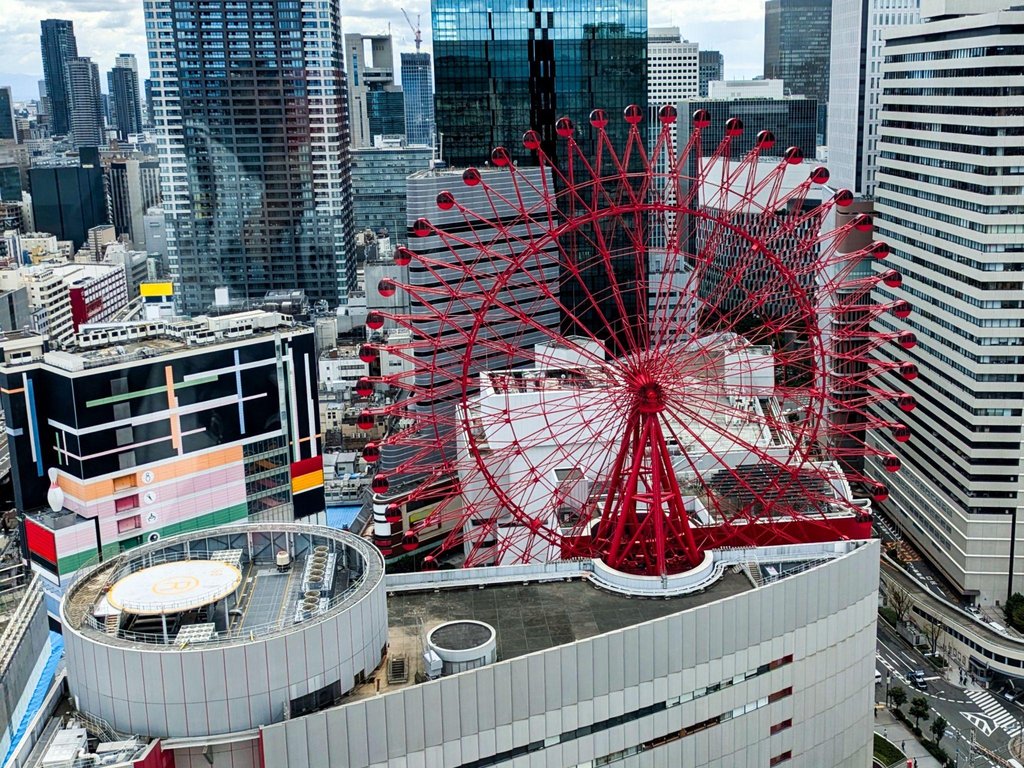
Travel styles vary. Adjusting our sample Osaka itinerary to match your priorities will help increase your level of travel satisfaction. This section suggests some alternatives to the itinerary outlined above, but modified for four different goals and characteristics.
For Food-Focused Travelers
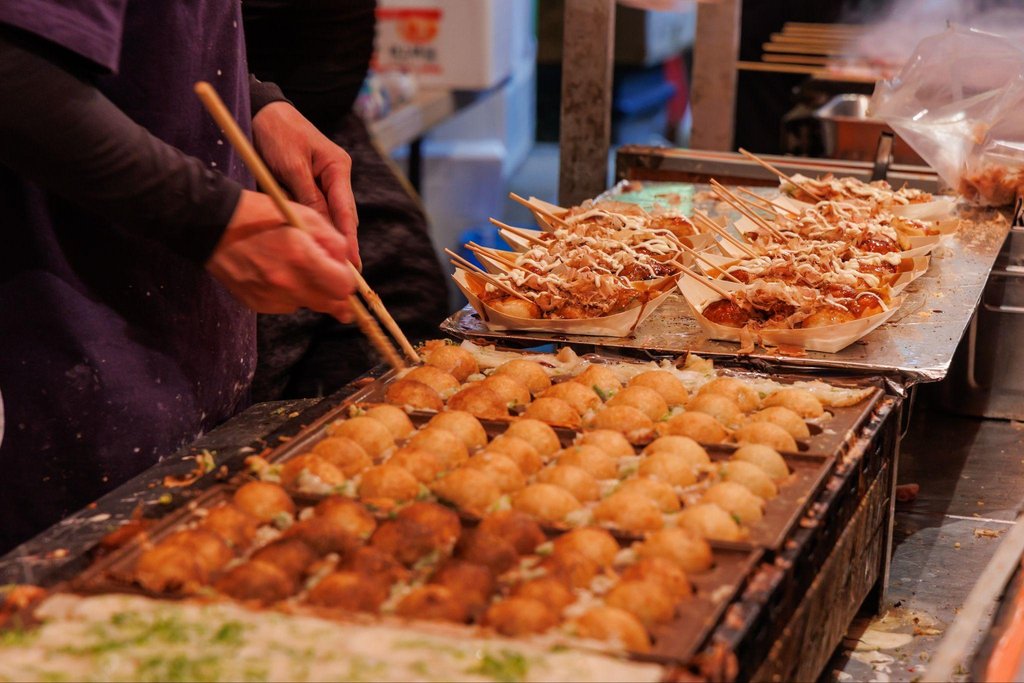
If food is your top priority, significantly rearrange the order of the sample itinerary.
Start your morning at Kuromon Market. Most shops open at 9 am, making that the ideal arrival time. Over 150 shops crowd this approximately 580-meter (⅓ mile) arcade, offering street food like seafood rice bowls and grilled scallop skewers. Allow yourself about 90 minutes for relaxed exploration.
Leave Kuromon Market at around 10:30 am and walk approximately 12 minutes to the Shinsaibashi-Dotonbori area. Sample takoyaki at renowned shops here, then head to lunch before 11:30 am. The 11:30 am–1 pm window sees crowds at all restaurants, so eating slightly early can reduce the risk of having to wait to get into a place.
We recommend kushikatsu-specialty restaurants in Shinsekai for lunch. Kushikatsu Daruma Shinsekai Main Branch opens at 11 am on weekdays and 10:30 am on weekends and holidays. Dobutsuen-mae Station is just five minutes from Namba Station on the Midosuji Line, minimizing travel time.
In the evening, experience tachinomi (“standing bars,” where patrons enjoy drinks and food while standing, a distinctive Osaka working-class tradition) around Shinsekai. The close proximity to local regulars at these places lets you feel Osaka’s unpretentious atmosphere firsthand. Budget approximately ¥1,500–3,000 per meal for a food-focused itinerary.
For Families with Children
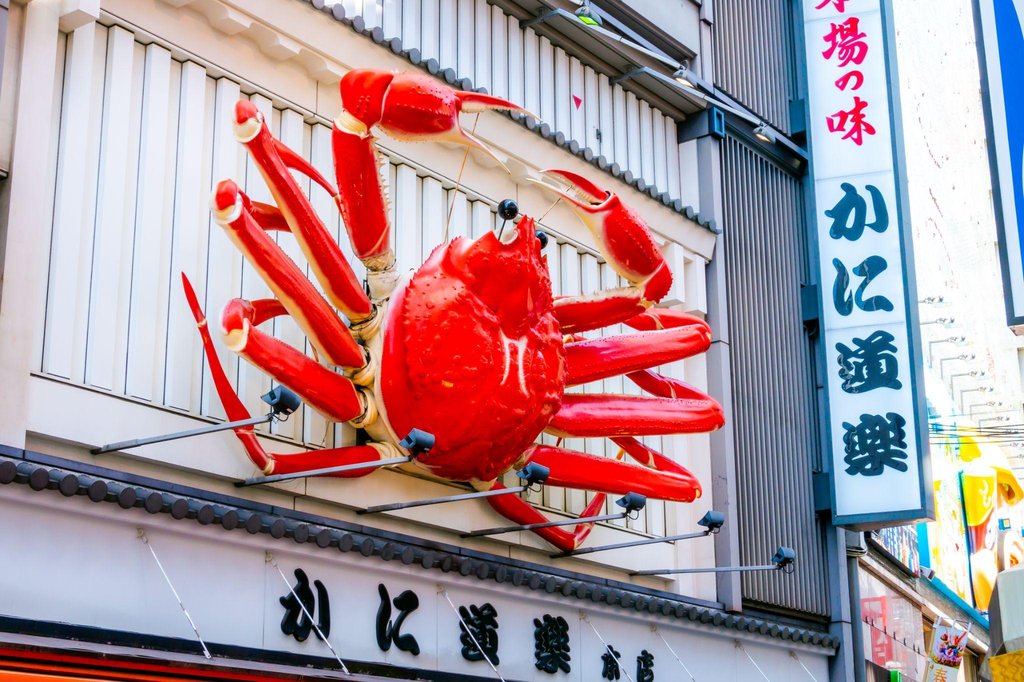
For families with young children, significantly shortening travel distances matters most. Skip Osaka Castle and focus on three areas—Umeda, Namba, and Shinsekai—to substantially reduce walking fatigue.
We recommend the 10–11:30 am session at Sumo Studio Osaka’s “Audience Challenge”—a program where audience members can face off against a sumo wrestler. Including the show, the experience lasts approximately 90 minutes and is particularly popular with children ages 7–12. Participation in the ring may have restrictions based on the child’s size, but even if they can’t participate, commemorative photos with the wrestlers generates plenty of excitement.
After lunch, try the hands-on programs at Dotonbori Kukuru Konamon Museum at around 2 pm. Make and compare your own takoyaki with the Basic Takoyaki Course Taught by Professionals (¥3,850), or combine plastic food crafts and takoyaki tasting with the Tako Tako Full Experience Course (¥4,400), or enjoy an offering of both activities by participating in the Konamon Full Experience Course (¥7,480). Online reservations are available through Jalan and similar platforms.
Families with heavy luggage should store bags in coin lockers at Umeda or Namba Station in the morning. All of the spots mentioned above are connected by the Midosuji Line, with rides of around 10 minutes between each destination. This allows for flexible rest breaks if children tire along the way.
For Cultural Immersion
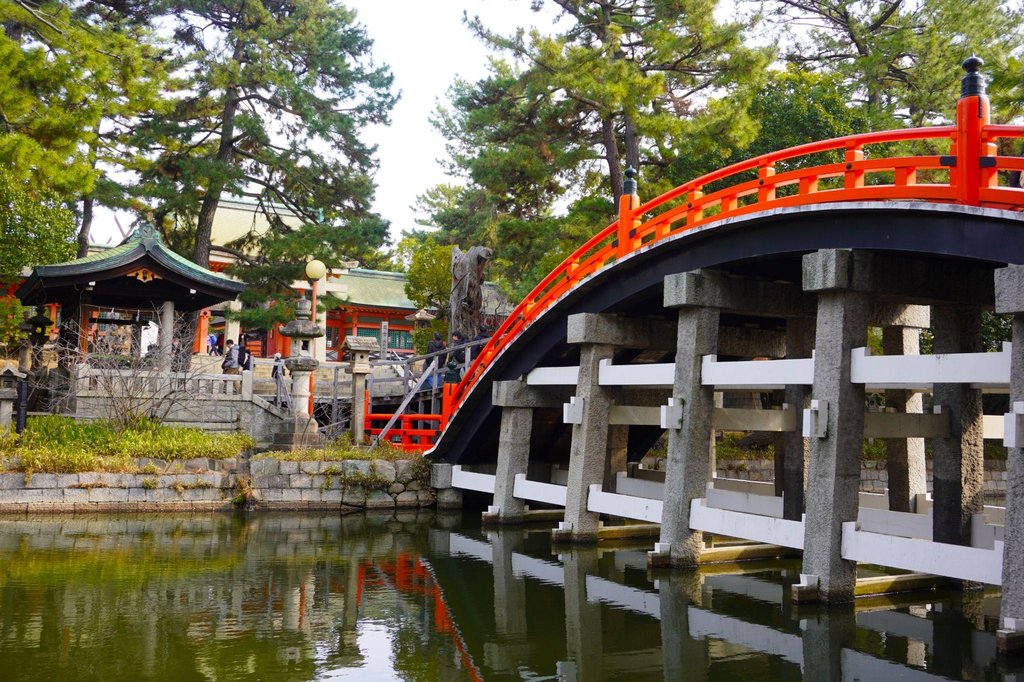
For those seeking to immerse themselves in history and traditional culture, boldly cut Dotonbori and Kuromon Market from the sample itinerary and build your day around three main destinations: Shitennoji Temple, Sumo Studio Osaka, and Sumiyoshi Taisha Shrine. Rather than the hustle and bustle of the usual tourist spots, this alternative itinerary offers you a chance to connect to 1,400 years of Buddhist and Shinto culture.
Head to Shitennoji Temple at 7 am. Founded by Prince Shotoku in 593 CE, this is one of Japan’s oldest Buddhist temples. The Shitennoji-style temple layout—with the central gate, five-story pagoda, main hall, and lecture hall arranged in a straight north-to-south line—preserves the 6th–7th century architectural style that arrived from Mainland Asia at the time. Early mornings have fewer visitors, allowing for contemplative exploration of the temple complex in peace.
From 10 am, join the morning session of hands-on sumo at Sumo Studio Osaka. The 90-minute program covers sumo history, rituals, and explanations of sumo technique, plus the “Audience Challenge” where you can face-off against a rikishi. All commentary is in English, so non-Japanese speakers can participate with ease.
Visit Sumiyoshi Taisha Shrine at around 4 pm. Founded approximately 1,800 years ago, Sumiyoshi Taisha is the head shrine of approximately 2,300 Sumiyoshi shrines nationwide. The main halls of the shrine (designated as National Treasures) are built in sumiyoshi-zukuri: a distinctive ancient style featuring a straight roof ridge and one of the oldest forms of shrine architecture. The rays of sunset that stream through the high-arched bridge (sori-bashi) here offer a memorable view.
For Day-Trippers from Kyoto
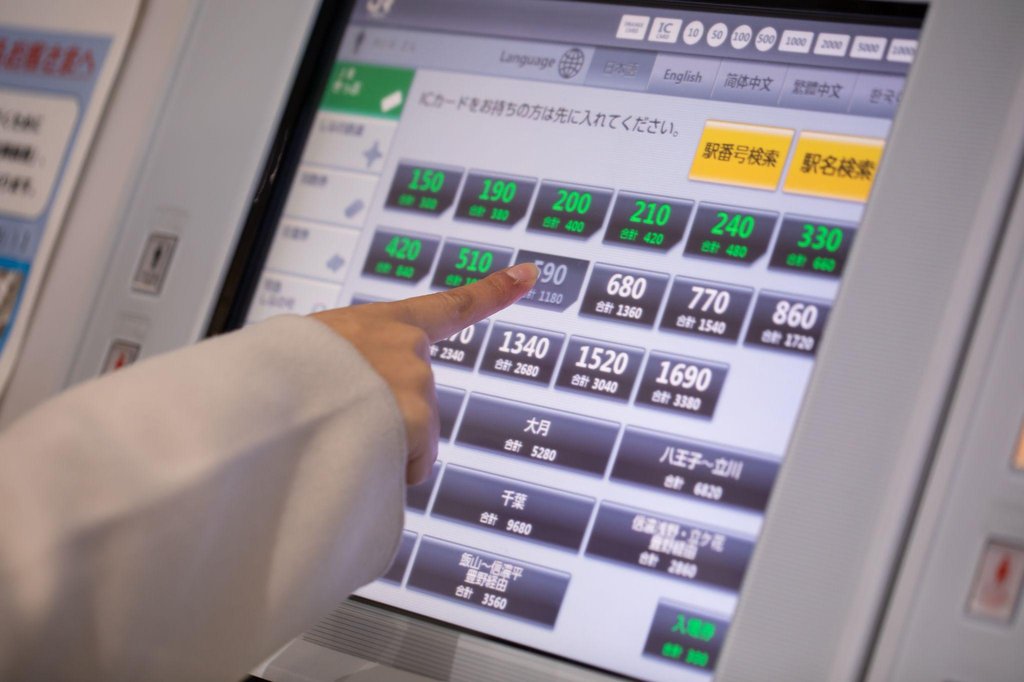
When staying in Kyoto and enjoying a day in Osaka, choosing fast transportation maximizes sightseeing time.
Here’s a comparison of three main routes:
| Train Line | Travel Time | Fare |
|---|---|---|
| JR Special Rapid (Kyoto → Osaka) | About 30 min | ¥580 |
| Hankyu Limited Express (Kawaramachi → Umeda) | About 45 min | ¥410 |
| Keihan Railway (Gion-Shijo → Yodoyabashi) | About 50 min | ¥490 |
For budget-conscious travelers, the Hankyu 1-Day Pass (¥1,300) is convenient. Since a round-trip between Kyoto and Osaka alone costs ¥820, using the Hankyu lines on the Osaka side easily recoups the cost. The fastest option, the JR Special Rapid, suits speed-focused travelers, getting you to Osaka Station in approximately 30 minutes.
Recommended itineraries vary by arrival time. If you plan to arrive in Osaka by 9 am, the standard route (starting at Osaka Castle, lunch at Kuromon Market, and Shinsaibashi-Dotonbori in the afternoon) works well. For 1 pm arrivals, skip Osaka Castle and concentrate on the southern area (Kuromon Market → Shinsaibashi → Dotonbori) to minimize travel time losses.
Plan to leave Dotonbori at around 9:30 pm for return trains to Kyoto. Both the JR and Hankyu lines run Kyoto-bound services until around 10 pm, though building in a 30-minute buffer provides peace of mind.
Frequently Asked Questions About Single Day Sightseeing in Osaka
Even after deciding on an itinerary, small concerns often remain. You might wonder, “Is one day really enough?” or “What should I do with my luggage?” Here we address the most common questions about sightseeing in Osaka.
Can I Really Enjoy Osaka in Just One Day?
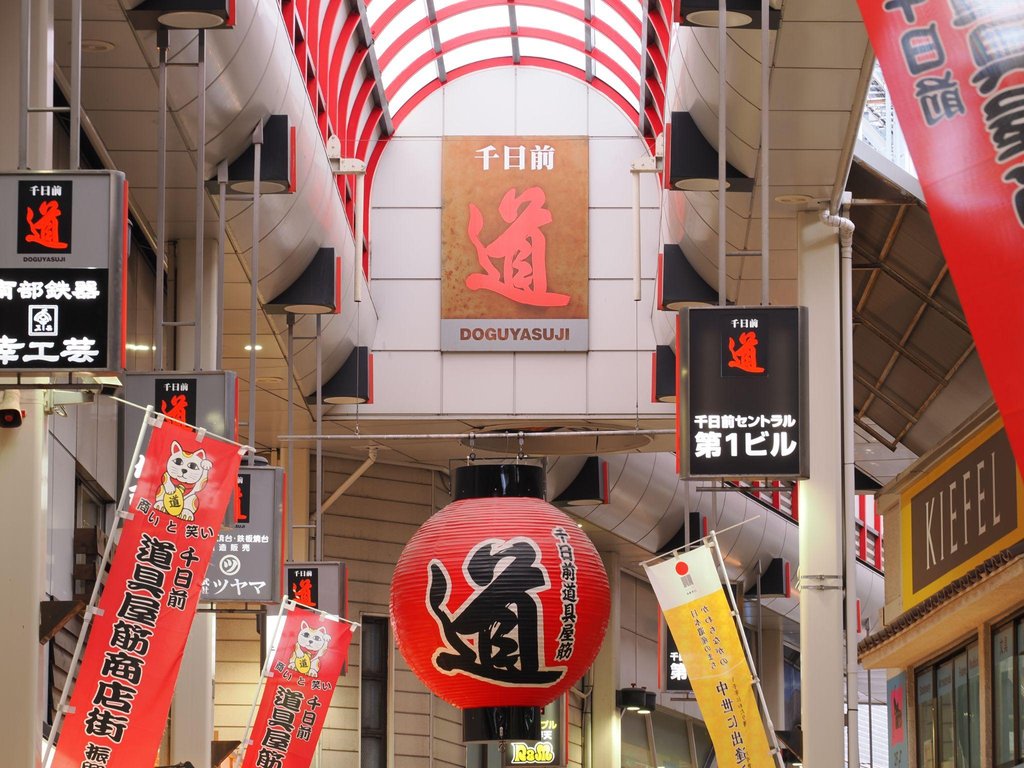
The short answer is: yes. Even just one day is enough to fully enjoy Osaka. The itinerary suggested in this article—Osaka Castle in the morning, street food at Kuromon Market/Shinsekai at midday, and Dotonbori’s neon lights at night—lets you experience Osaka’s history, food, and urban energy.
The sample itinerary takes approximately 12 hours (from approximately 9 am to 9 pm) and is designed to allow you to visit 5–6 major sightseeing spots with ease. Many visitors find their whirlwind trip to Osaka incredibly rewarding because the city is so compact: most major areas are just a 10- to 20-minute subway ride apart.
With two or more days, the depth of your Osaka experience changes dramatically:
| Stay Duration | Trip Experience |
|---|---|
| 1 day | An efficient circuit through must-see spots for a well-rounded Osaka experience |
| 2+ days | Time to extend your reach to local gems such as Sumiyoshi Taisha or Tenjinbashisuji Shopping Street for an authentic taste of Osaka life. |
If time permits, consider staying multiple nights. With good planning, however, you can have a satisfying, single-day taste of “The Osaka Experience.”
What Local Foods Should I Try?
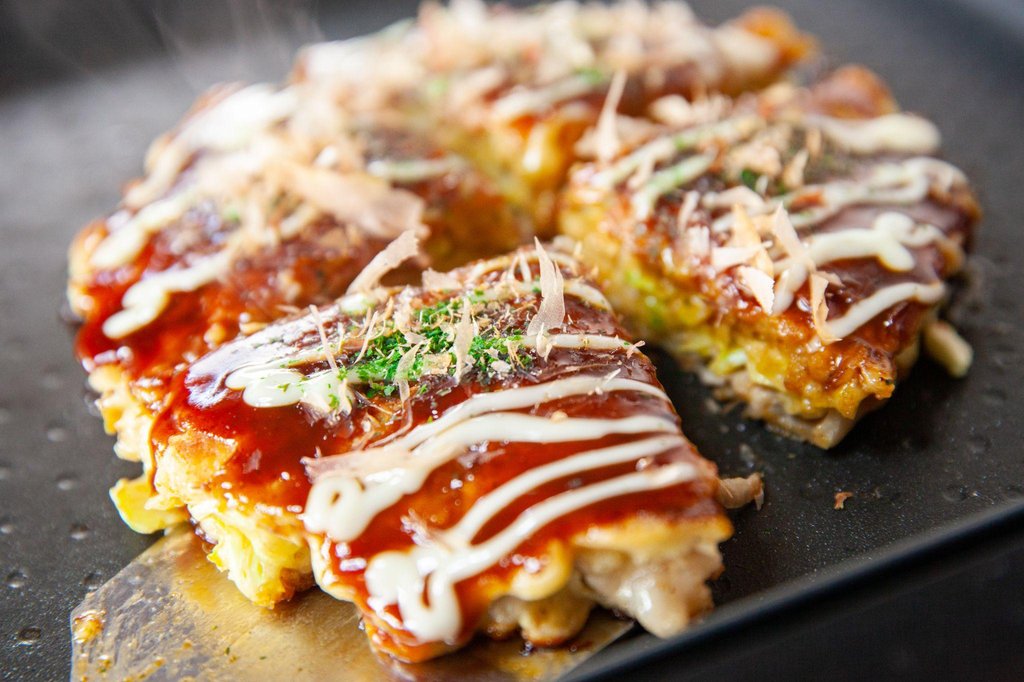
Osaka’s culinary variety is vast, and deciding what to eat in only a few meals can be overwhelming. Below we’ve listed five must-try local specialties, complete with recommended eating times.
Takoyaki is a bite-sized, flour-based snack that is synonymous with Osaka, well-known throughout Japan as Osaka’s soul food and boasting a history dating back to 1935. Specialty Takoyaki joints cluster around Dotonbori, making it a highly-accessible snack between meals or as a light appetizer in the evening.
Kushikatsu (skewered deep-fried meat and vegetables) originated in Shinsekai, and here you can eat them cheap, often from ¥100–200 per skewer. Grabbing an early lunch or afternoon bite in Shinsekai is a great way to experience Osaka’s soul food without slowing down your day.
Okonomiyaki is an Osaka-style savory pancake, a filling dish generously loaded with cabbage, pork and various other ingredients. Eating it as your main evening dish in Dotonbori will leave you full and satisfied.
For souvenirs, 551 Horai’s butaman (steamed buns filled with pork and onion) and Rikuro Ojisan’s fluffy, soufflé-style cheesecake are favorites. Both vendors have shops near Namba Station, convenient for making purchases as you leave the city.
Business hours and closing days vary by shop, so we advise checking official websites before visiting.
Can I Use Cashless Payment in Osaka?
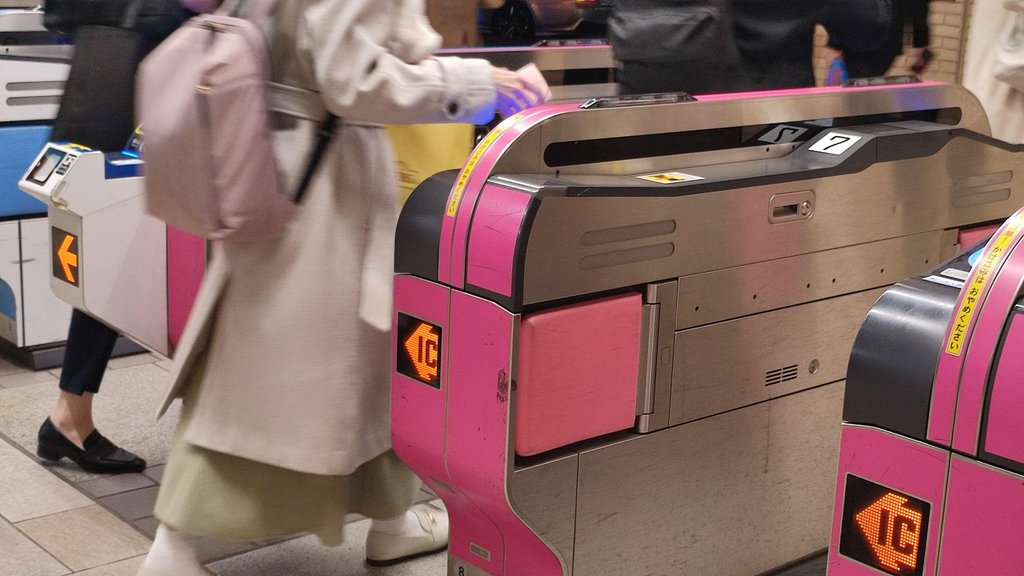
Cashless payment methods are widely accepted at major stations, chain stores, convenience stores, and drugstores throughout central Osaka. In fact, credit card payment usage in Osaka stands at 74%—above the national average for Japan—and you’ll rarely encounter problems using credit cards or transit IC cards (Suica, ICOCA, etc.).
Small individually-owned shops at Kuromon Market or Tenjinbashi-suji Shopping Street require caution, however. While cashless payment methods are becoming more available in Osaka, small food stalls and traditional family restaurants may still only accept cash. Therefore, travellers looking forward to eating street food should carry cash to avoid awkward moments at the register.
As a guideline, carrying ¥5,000–10,000 in cash should be adequate. Currency exchanges are available at Kansai International Airport’s arrival lobby or at banks and exchange offices near Osaka Station and Namba Station. As a rule, use credit cards at large shops and cash at markets and hidden backstreet gems. Keeping this distinction in mind eliminates payment delays or other issues.
Where Can I Store My Luggage?
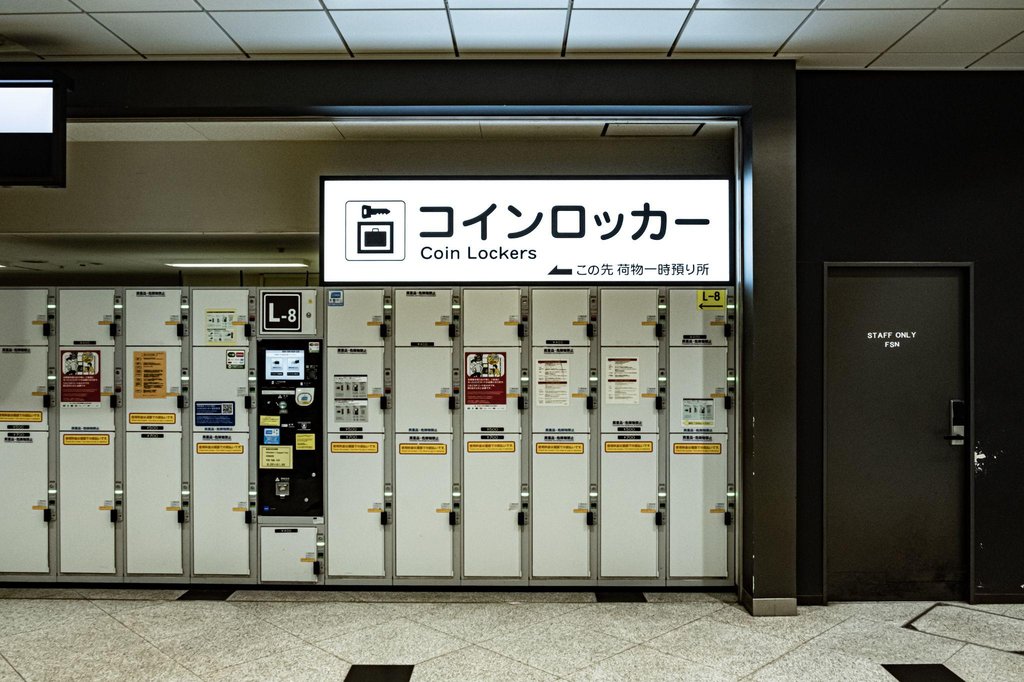
Navigating the city while dragging a large suitcase drains both energy and time. The rule of thumb is to store luggage at a station first thing in the morning.
Coin lockers are plentiful around Osaka Station (Umeda) and Namba Station, and typically cost between ¥400-600 for small and medium lockers or ¥700–800 for large ones. On weekends and holidays, lockers often fill up by late morning.
When train station lockers are unavailable, “ecbo cloak” (a luggage storage service) is a reliable backup. Reserve a place to store your luggage and a time slot via smartphone in advance, with bag-size storage available from ¥500 per day. Convenient locations include Yamato Transport, situated about a one-minute walk from Namba Station (open 9 am–8 pm).
The Osaka Metro Yotsubashi Line at Namba Station also offers luggage storage at the commuter pass sales office, so there are plenty of options for storing your belongings.
We recommend storing large luggage like suitcases at station lockers or “ecbo cloak” in the morning, then use smaller lockers near your sightseeing areas for storing souvenirs and shopping bags accumulated during the day. This strategy keeps you mobile as you tour the city.
Is Osaka Safe for Tourists?
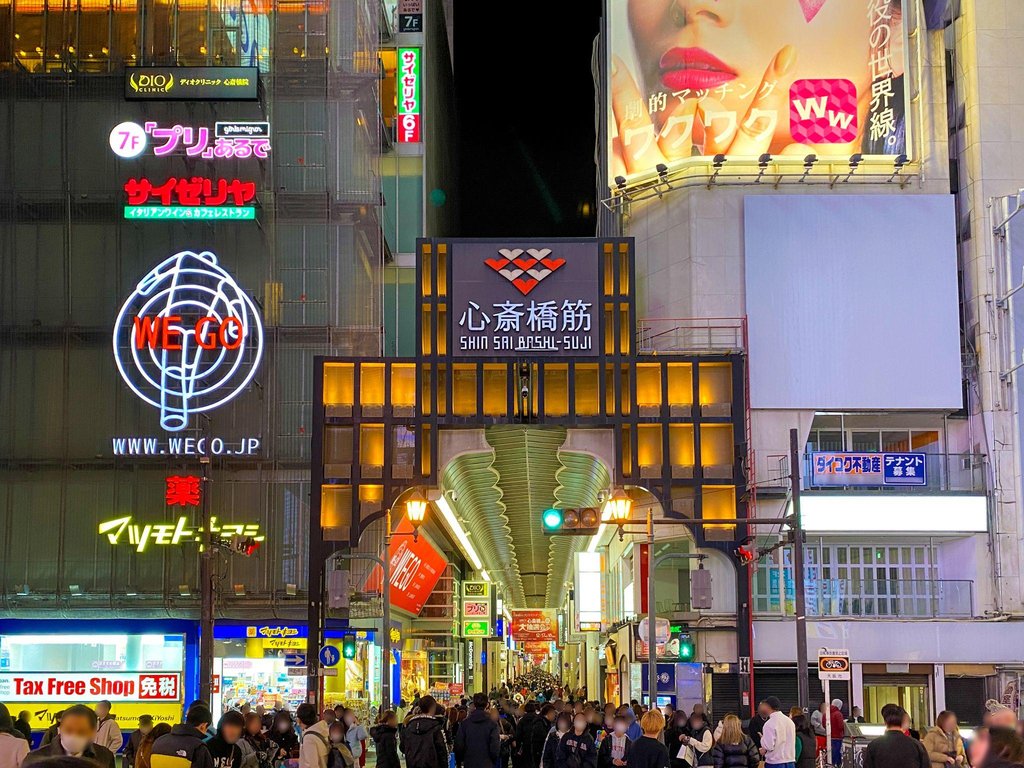
Yes, Osaka is an exceptionally safe city by global standards. Walking alone through Dotonbori or Shinsekai at night rarely feels dangerous.
The overall crime rate in Osaka Prefecture is 1 in 108 people, and violent crimes involving tourists are rare. Chuo Ward, which includes the Dotonbori-Shinsaibashi area, shows higher crime rates due to its nature as an entertainment district, but most incidents are minor crimes like bicycle theft or shoplifting. Dense security camera coverage in tourist areas and steady foot traffic at night also help provide reassurance.
The Osaka Convention & Tourism Bureau promotes the city as a “24-hour tourism destination” and actively works to ensure nighttime safety. Dotonbori’s neon-lit streets remain lively late into the night, and Shinsekai stays busy until around 9 pm.
Nevertheless, we recommend basic precautions:
- Keep valuables in the front of your bag and stay alert for pickpockets in crowded areas
- Avoid walking alone in deserted back alleys
- The last Midosuji Line train runs until around midnight; confirm schedules in advance so that you don’t miss the last train
Excessive vigilance is unnecessary, but maintaining an appropriate level of awareness as a traveller is wise.
Making the Most of Your One Day in Osaka
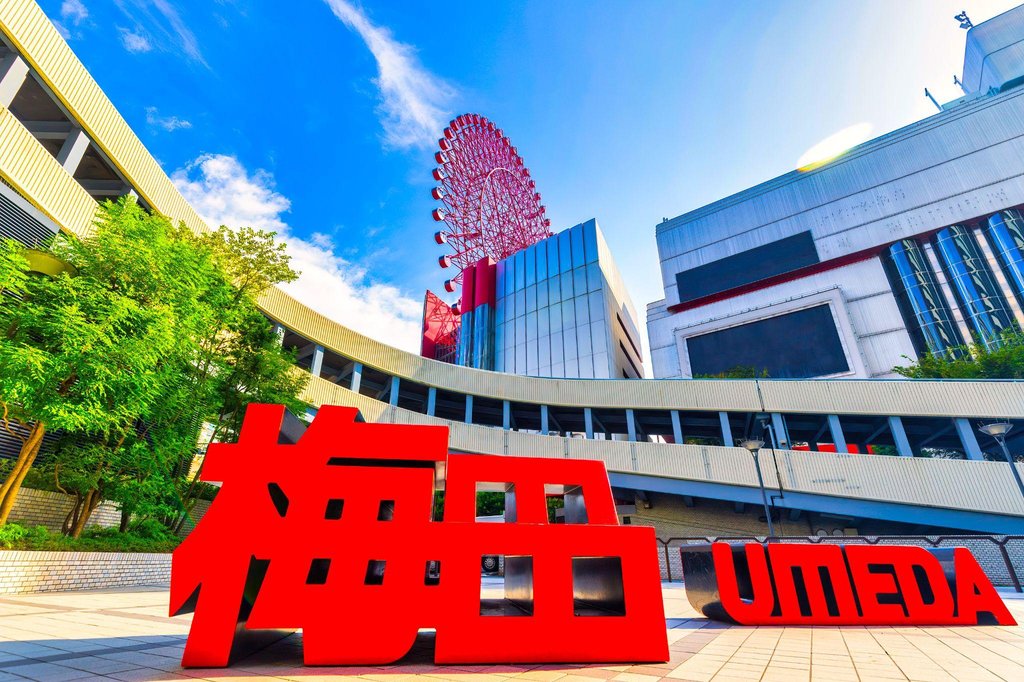
A single day of Osaka sightseeing can be fulfilling simply by focusing on specific areas for each time of day: experience Japanese history at Osaka Castle in the morning, savor Osaka cuisine in Umeda or Shinsekai at midday, and immerse yourself in Dotonbori’s lively atmosphere at night. Use the sample itinerary provided in this article as a model and customize it based on your interests. When in doubt, prioritizing dining in Osaka is a sure-fire way to enjoy your trip. Have a wonderful day!