The Complete Guide to Sumo Restaurants in Tokyo: Reservations, Prices, and How to Choose
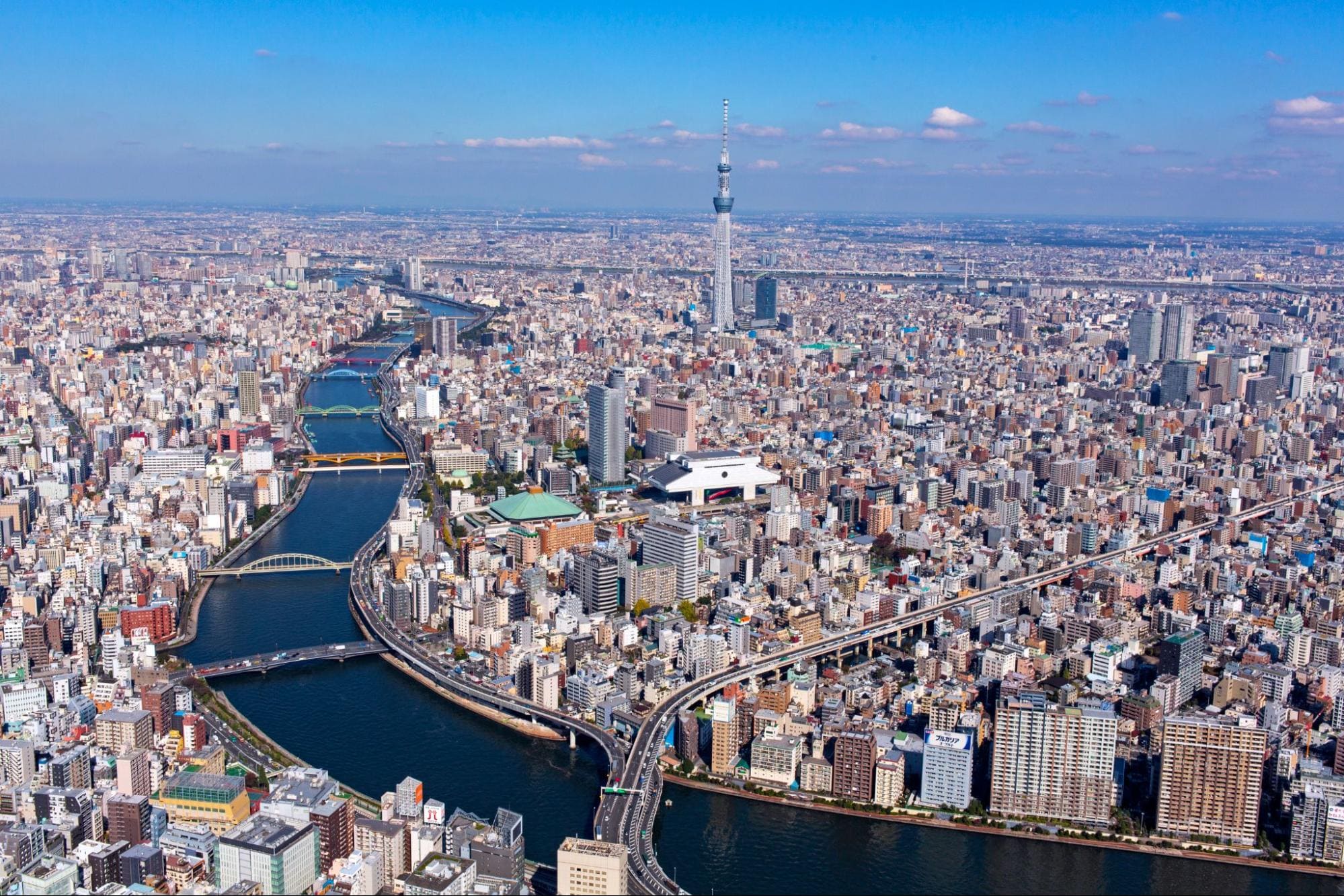
Looking for a place to try sumo cuisine in Tokyo? While Grand Tournaments are held only six times a year (with tickets hard to come by) and visiting a sumo stable may feel daunting, Tokyo has several venues where you can watch sumo shows performed by former rikishi while enjoying Japanese cuisine. Each establishment has distinct characteristics and pricing, however, which can make it hard to choose the right venue for you.
In this guide, we’ll cover the features, prices, and reservation methods of some of Tokyo’s major sumo restaurants. We’ll also introduce you to the most well known sumo cuisine—chanko-nabe, the sumo wrestler’s stew—and share tips for dining with children and suggestions for vegetarian guests.
Contents
Two Ways to Enjoy Sumo Cuisine in Tokyo
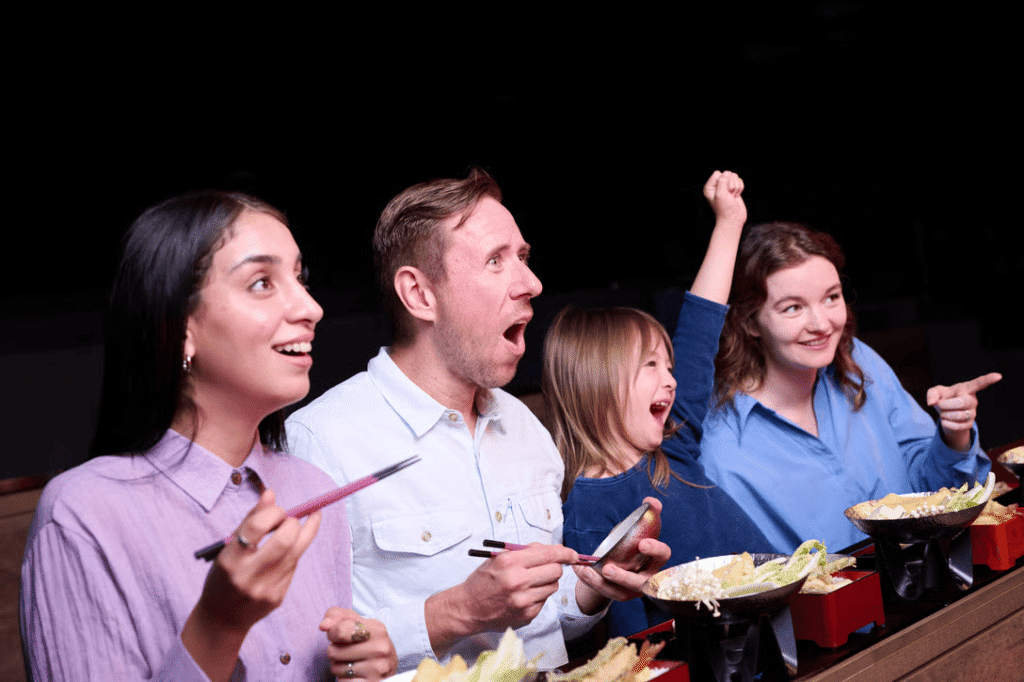
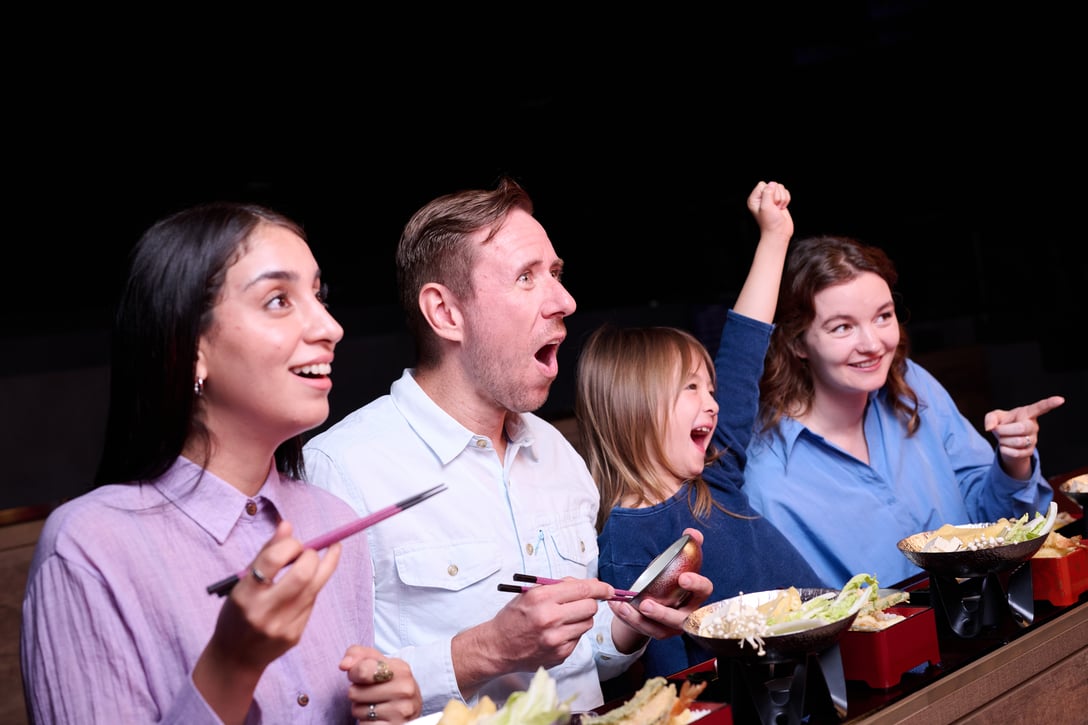
Two main approaches let you experience sumo culture while dining in Tokyo: restaurants with sumo shows and chanko-nabe specialty restaurants.
Enjoying Sumo Shows with Dining
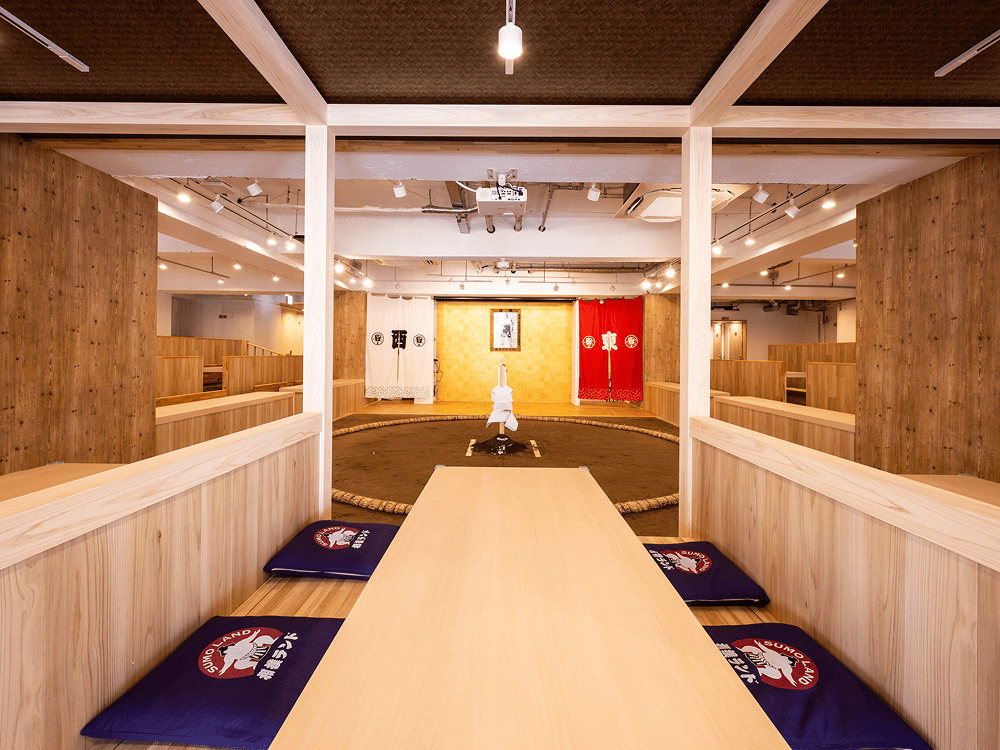

Venues that offer sumo shows allow guests to watch powerful wrestlers up close while savoring authentic Japanese cuisine. Although each venue features different show content, most include demonstrations of techniques in an actual dohyo (sumo ring), along with English explanations of sumo rules.
The following are some interactive programs popular with visitors:
- Audience-participation segments
- Commemorative photo sessions with the athletes
- Photo opportunities in the ring
Programs typically run for about two hours, during which guests enjoy their meals and the show. Typical examples of dishes offered at such places include traditional Japanese multi-course cuisine (kaiseki) and chanko-nabe.
The appeal of these venues is in the opportunity to see sumo up close and participate in interactive activities, something you won’t experience at a typical sumo match or tournament. Plus, visitors get to learn about Japanese culture while enjoying an entertaining experience.
Savoring Chanko-nabe, the Sumo Wrestler’s Meal
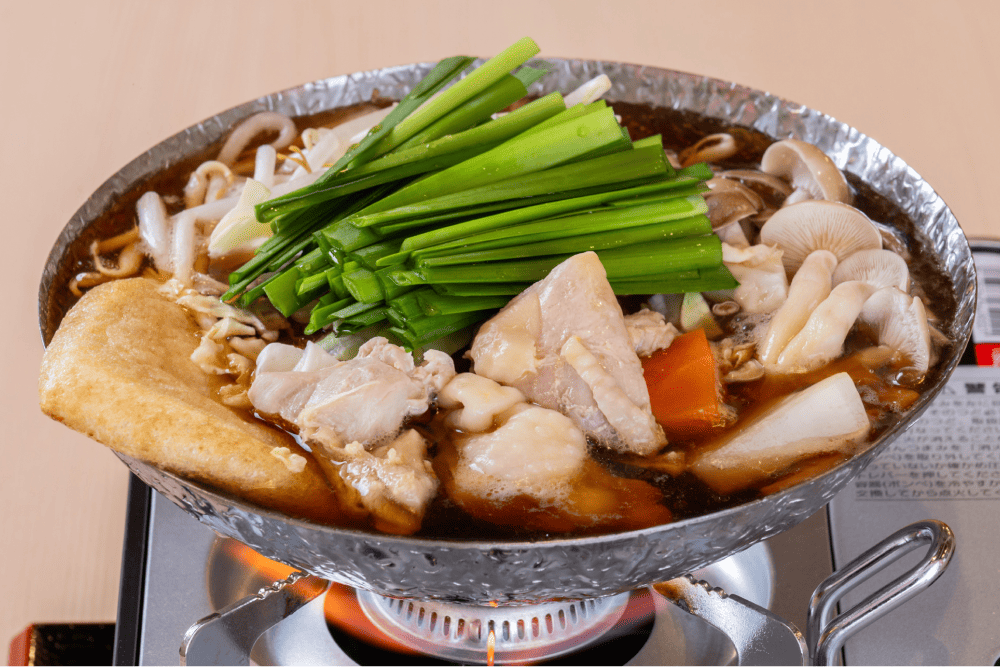

Chanko-nabe—the hot pot cuisine eaten by Japan’s rikishi—is a traditional dish that originated from the Dewanoumi sumo stable during the Meiji era. A surge in new recruits at this time made serving individual meals impractical, which eventually led to the development of a communal style of eating in which everyone would gather around and share stew from a single pot. Chanko-nabe has since become a staple at Japan’s sumo stables and is one of the country’s most popular hot pot dishes.
What makes chanko-nabe special is its nutritional balance and variety. Common ingredients include:
| Ingredient | Characteristics |
|---|---|
| Chicken | Low-fat, high-protein—ideal for sumo wrestlers |
| Tofu, napa cabbage, mushrooms | Nutritious and contribute to great umami flavor |
| Daikon radish, carrots, green onions | Readily available and abundant, these are featured in many chanko-nabe varieties |
Tokyo has numerous chanko-nabe specialty restaurants—with several operated by former rikishi—where guests can savor genuine flavors in spaces that recreate the atmosphere of Japan’s sumo stables. What’s more, the strong relationship that chanko-nabe shares with sumo lends to a feeling of connection to the daily lives of the rikishi, a cultural experience that appeals to many international visitors.
Dinner and a Show: Restaurants with Sumo Entertainment
Tokyo boasts several restaurants where guests can enjoy a sumo show and dine simultaneously. Each venue offers a distinct experience: an intimate setting in Asakusa, for example, or hands-on participation and upscale dining in Ginza.
Here we’ve listed some of the top recommended places to enjoy a hearty meal while being entertained by sumo wrestlers.
Asakusa Sumo Beya
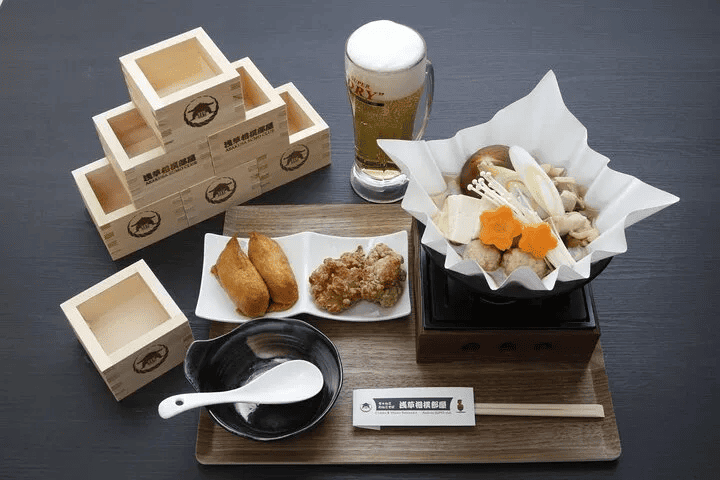

Opened in Asakusa—one of Tokyo’s most popular tourist areas— in January of 2024, Asakusa Sumo Beya is in close proximity to popular tourist destinations, such as Senso-ji Temple and Kaminarimon Gate, making it ideal to visit after a day of touring in the area.
The venue features an authentic sumo ring right in the dining area where guests watch powerful sumo wrestlers perform demonstrations of shiko (sumo’s iconic leg-stamping), leg splits, and kimarite (winning techniques). In an interactive segment, participants can even don an ornate ceremonial apron and face a real athlete.
The cuisine at Asakusa Sumo Beya centers on traditional chanko-nabe prepared by a former chanko-ban, the rikishi responsible for cooking at a stable. You can choose from two varieties of chanko-nabe, and courses that include the sumo show cost ¥16,000 (¥12,000 for children). You make reservations through the official website or by phone, and an English webpage is available for international visitors.
Details
| Address | Asakusa Rockza Building 1F, 2-10-12 Asakusa, Taito-ku, Tokyo |
| Hours | 12:00 pm–10:30 pm |
| Closed | Irregular |
| Official Website | https://asakusa-sumo.com |
| Best For | Guests who want to combine sightseeing in Asakusa with a memorable sumo experience |
Asakusa Sumo Beya ANNEX
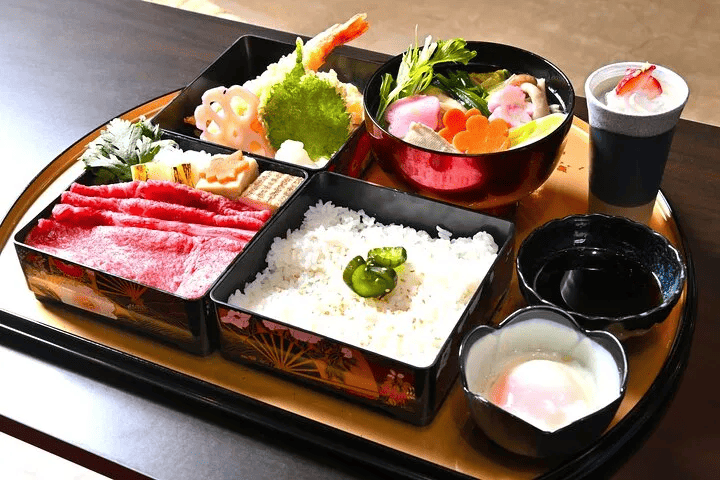

Asakusa Sumo Beya ANNEX opened in February 2025 as a sister location to Asakusa Sumo Beya. Conveniently located near the train station, ANNEX distinctly focuses on the fusion of cuisine and Japanese culture, and (though they share the same name) ANNEX offers an experience unique from the Asakusa Sumo Beya main location.
ANNEX emphasizes the dining experience—featuring chanko-nabe prepared by former wrestlers—as well as an extensive menu that includes A5-grade beef sukiyaki. The venue also has its own dohyo, showcasing awe-inspiring performances by retired pros and an audience-participation segment, “Challenge Sumo.”
Prices vary by seating class, with Economy Class meals starting at ¥16,000 for adults and ¥12,000 for children. Asakusa Sumo Beya ANNEX is ideal for those who crave luxurious meals in a more intimate atmosphere than the main location.
Details
| Address | Wada Building B1F, 2-11-7 Asakusa, Taito-ku, Tokyo |
| Hours | 12:00 pm–10:30 pm |
| Closed | Irregular |
| Official Website | https://asakusasumo-annex.com/ |
| Best For | Guests who fancy the combination of luxury dining with a sumo show |
Sumo Land
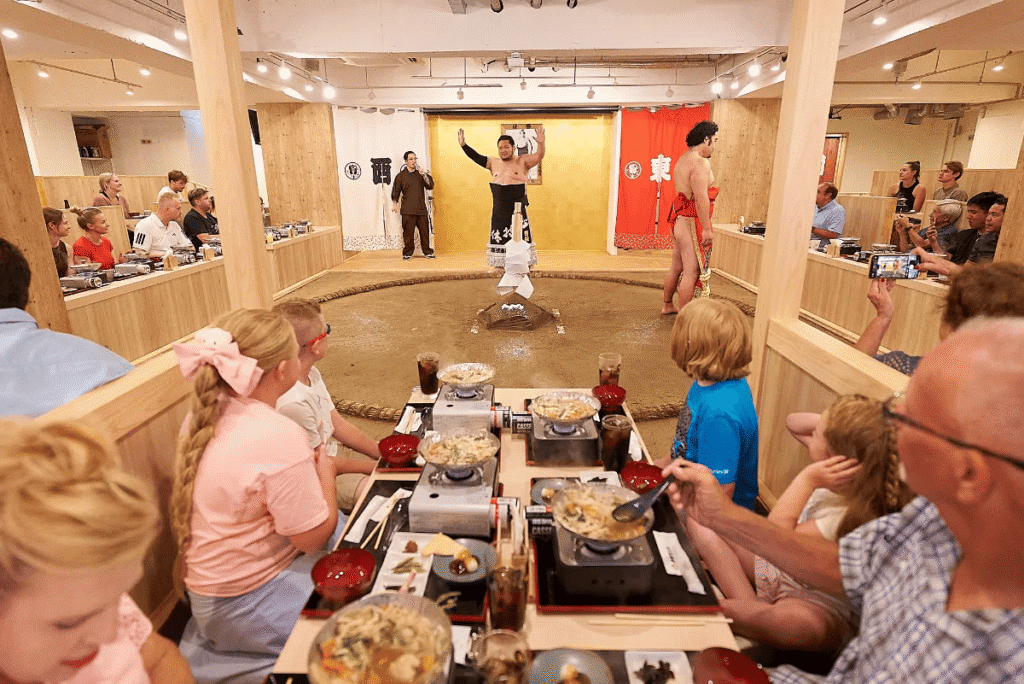

Sumo Land is a next-generation sumo experience facility located in the Ryogoku area. Run by the 63rd yokozuna Asahifuji, the venue features former top division wrestlers providing direct instruction to guests about sumo technique and culture.
Guests learn fundamental moves such as suriashi (footwork) and shiko through demonstrations, and they can also try “collision practice” and participate in competitive bouts. With photo sessions in the ring and even a rice cake pounding workshop, Sumo Land satisfies those who want to do more than just watch.
Sumo Land’s signature chicken chanko-nabe follows the traditional recipe of the Isegahama sumo stable and is made by a sumo wrestler right before your eyes. Enjoying this age-old dish alongside live entertainment makes for a memorable dining experience.
Details
| Address | Takashima Ryogoku Mansion 1F, 4-32-19 Ryogoku, Sumida-ku, Tokyo |
| Hours | Three sessions daily (11:00 am–1:00 pm / 2:30 pm–4:30 pm / 6:00 pm–8:00 pm) |
| Closed | Irregular |
| Official Website | https://sumoland.jp/ |
| Best For | Guests seeking convenient access to sumo culture in the Ryogoku area |
THE SUMO LIVE RESTAURANT Hirakuza GINZA TOKYO
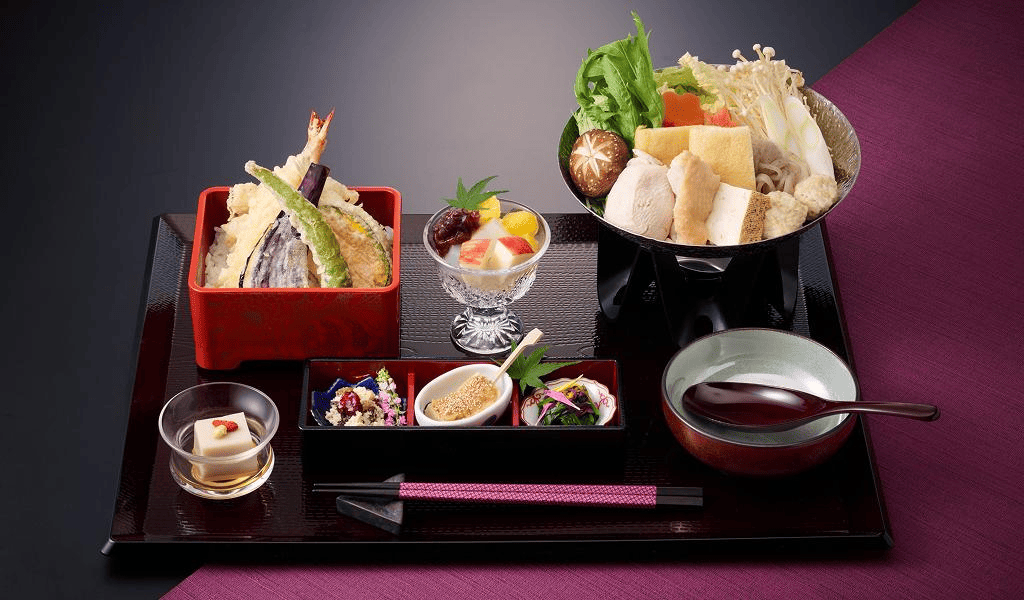

Hirakuza GINZA TOKYO opened in January 2026 in a prime Ginza location where it operates as an upscale sumo show restaurant. The roughly two-hour show brings together Edo-inspired kaiseki cuisine and modern light, sound and video effects in a unique and entertaining blend. The live show is performed by former professional athletes and is accompanied by English commentary, so international visitors can easily follow along.
Featured gourmet dishes include:
| Menu Item | Contents |
|---|---|
| Hirakuza Special Kaiseki | Wagyu beef, eel, tempura, chanko-nabe |
| Hirakuza Kaiseki | Tempura rice bowl and chanko-nabe (ingredients are customizable) |
Set in the elegant, upper-class neighbourhood of Ginza, Hirakuza GINZA TOKYO is ideal for special occasions or for entertaining important guests.
Details
| Address | Prime Ginza Yanagi-dori Building B1F, 1-9-13 Ginza, Chuo-ku, Tokyo |
| Hours | 1:00 pm–11:00 pm |
| Closed | Irregular |
| Official Website | https://hirakuza.net/tokyo/ |
| Best For | Guests wishing to combine fine dining with a sumo show in Ginza |
Yokozuna Tonkatsu Dosukoi Tanaka
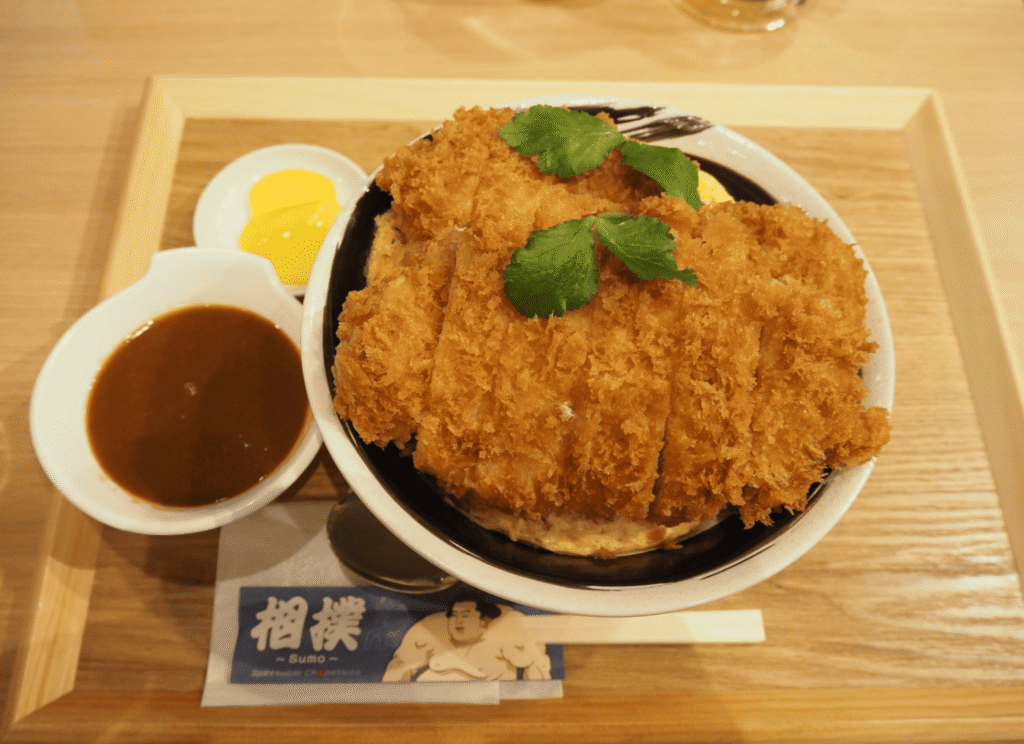
Located in Tatekawa, Sumida-ku, Yokozuna Tonkatsu Dosukoi Tanaka is a sumo restaurant boasting its own sumo ring. Former rikishi function as staff who serve up a generous (and delicious) taste of Japan’s national sport through a unique combination of tonkatsu (fried pork cutlets) dishes and sumo-related activities.
Dosukoi Tanaka often hosts events in the ring, so visiting at the right time could present you with a special experience. Their signature item—the Dosukoi— is a hearty meal set featuring two 200 g (7 oz) pork cutlets, a sumo wrestler-worthy portion that also makes for great photos.
Main menu items include:
| Menu Item | Price |
|---|---|
| Dosukoi Rosu Katsu Set | ¥2,400 |
| Dosukoi Bo Hire Katsu Set | ¥2,600 |
| Chicken Katsu Set | ¥1,300 |
| Rosu Katsu Set | ¥1,600 |
*Prices are subject to change.
Friday, Saturday and Sunday evening attendance is by reservation-only, so be sure to check ahead before visiting. Tonkatsu is familiar to many international visitors, and Yokozuna Tonkatsu Dosukoi Tanaka is a good choice for those wanting a casual introduction to sumo culture while enjoying sumo-sized portions.
Details
| Address | 3-1-11 Tatekawa, Sumida-ku, Tokyo |
| Hours | 5:00 pm–10:00 pm (last order 9:30 pm); Friday–Sunday evenings by reservation only |
| Closed | Tuesdays |
| Official Website | https://dosukoi-tanaka.com/ |
| Best For | Guests that want a casual, cultural exchange; guests who can eat a lot |
Sumo Studio Osaka
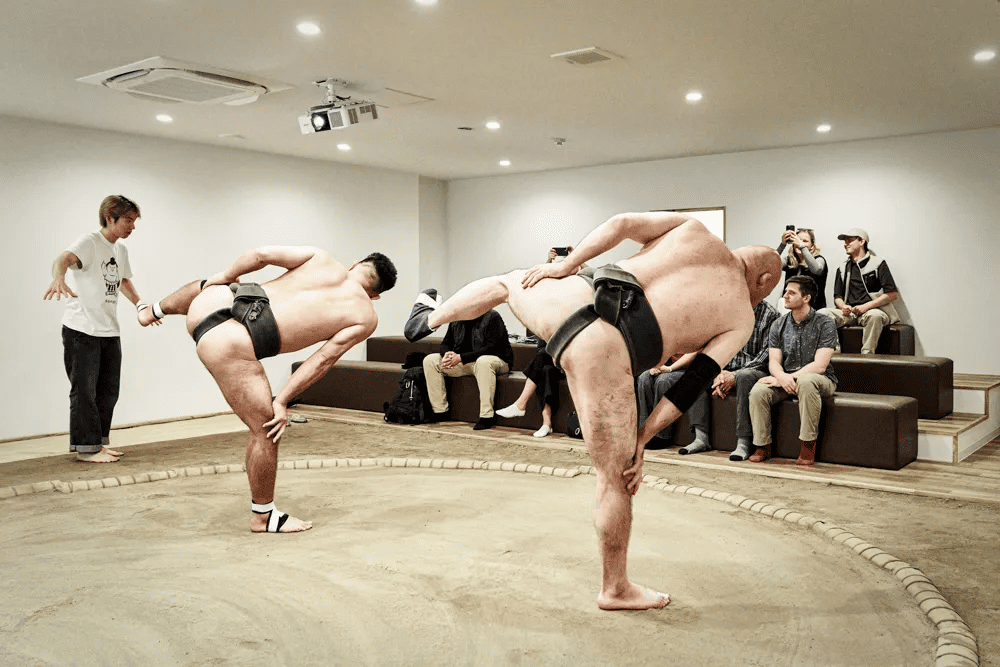
For travellers touring Japan’s Kansai region, we highly recommend Sumo Studio Osaka in Nishinari-ku, Osaka. Here, you can watch sumo up close as retired rikishi perform from just a few meters away from your seat. The venue also offers an interactive “Audience Challenge” segment where guests can enter the ring and face off against a real rikishi.
The 90-minute show includes English commentary on sumo history, its connection to Shinto rituals, and its links to samurai culture, so visitors who don’t speak Japanese can easily follow along. The intimate setting (maximum 50 seats) allows everyone to fully take in the power of these huge athletes right in front of your eyes.
Admission is ¥14,000 per person, and includes a “Meet & Greet” photo session with the wrestlers following the show. And thanks to the venue’s convenient location, you can comfortably combine your visit with other popular sightseeing destinations like Osaka Castle and Dotonbori. You don’t have to go all the way to Tokyo to experience sumo—sumo culture is available right here in Kansai, at Sumo Studio Osaka.
Details
| Address | Hanazonocho AI Building 1F, 1-5-1 Asahi, Nishinari-ku, Osaka |
| Hours | Five shows daily (10:00 am / 12:30 pm / 3:00 pm / 5:30 pm / 8:00 pm) |
| Closed | Open year-round |
| Official Website | https://sumowrestlingshow.jp/ |
| Best For | Guests looking for an authentic sumo experience in the Kansai region |
Chanko-nabe Restaurants in Tokyo
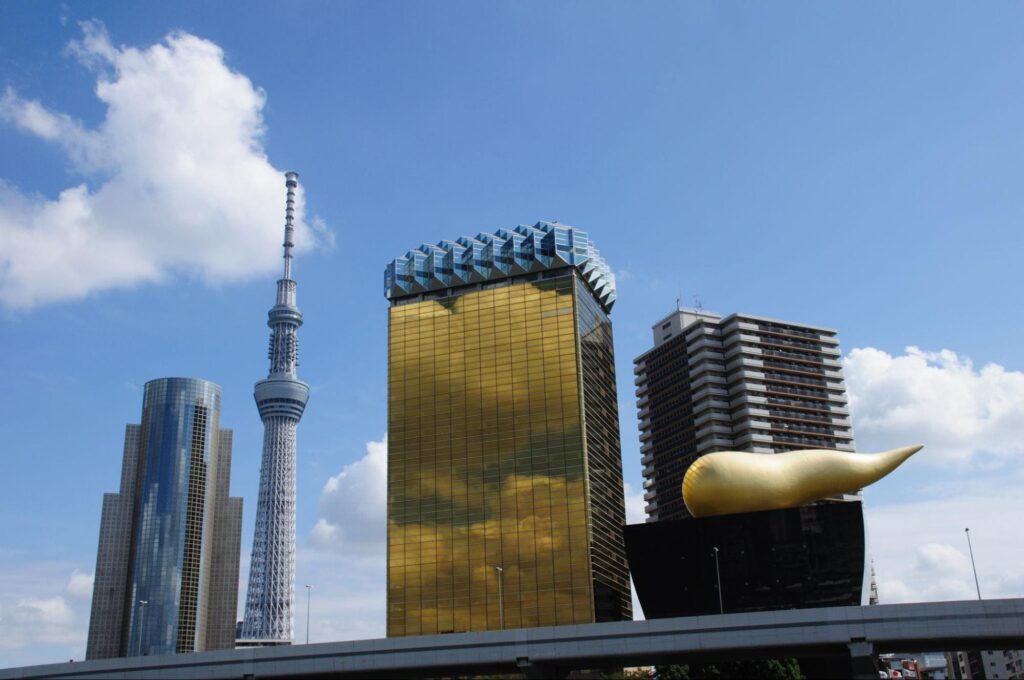
As mentioned previously, chanko-nabe is the dish most commonly associated with sumo wrestling, due to its long history with the sport. Several restaurants in Tokyo serve up traditional chanko-nabe and are definitely worth visiting. Some are even owned or operated by retired wrestlers who bring generations of cooking traditions from Japan’s sumo stables right to your table. The Ryogoku area in particular—home to several of Tokyo’s sumo stables—has the highest concentration of these establishments.
Below, we’ve compiled a collection of note-worthy, chanko-nabe specialty restaurants for you to refer to when you’re planning your next dinner out in Tokyo.
Chanko Kirishima Ryogoku Main Branch
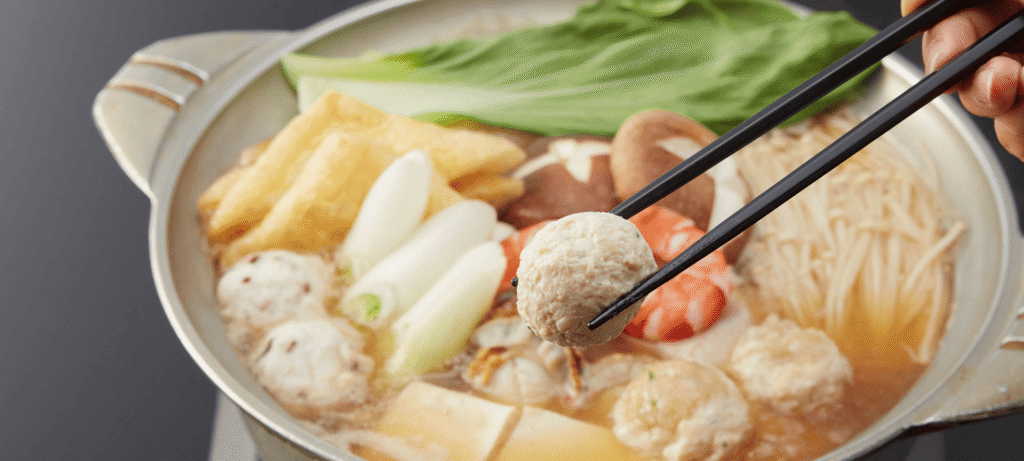
Located in front of Ryogoku Station, Chanko Kirishima is an authentic chanko-nabe restaurant operated by former ozeki Kirishima (formerly Mutsu-oyakata). He started the business in 1995 during his wrestling career, and after retiring from sumo built the venue up into a large-scale restaurant that occupies an entire building with approximately 300 seats.
The dishes—under the strict supervision of another former ozeki—are local favorites and highly appreciated as chanko-nabe in the tradition of Mutsu sumo stable. If sharing a pot isn’t your thing, you can order individual servings or convenient “paper pot” chanko meal sets. Chanko Kirishima even sells packaged chanko-nabe soup, so you can recreate this authentic taste at home as a reminder of your time in Japan.
Chanko Kirishima is an excellent choice if you’re looking to enjoy the dish of champions in sumo’s heartland of Ryougoku.
Details
| Address | 2-13-7 Ryogoku, Sumida-ku, Tokyo |
| Hours | Lunch 11:30 am–3:00 pm (last order 2:00 pm); Dinner 5:00 pm–10:00 pm (last order 9:00 pm) |
| Closed | Mondays |
| Official Website | https://c-kirishima.com/ |
| Best For | Diners seeking chanko-nabe in the tradition of the Mutsu sumo stable |
Chanko Chiyonofuji
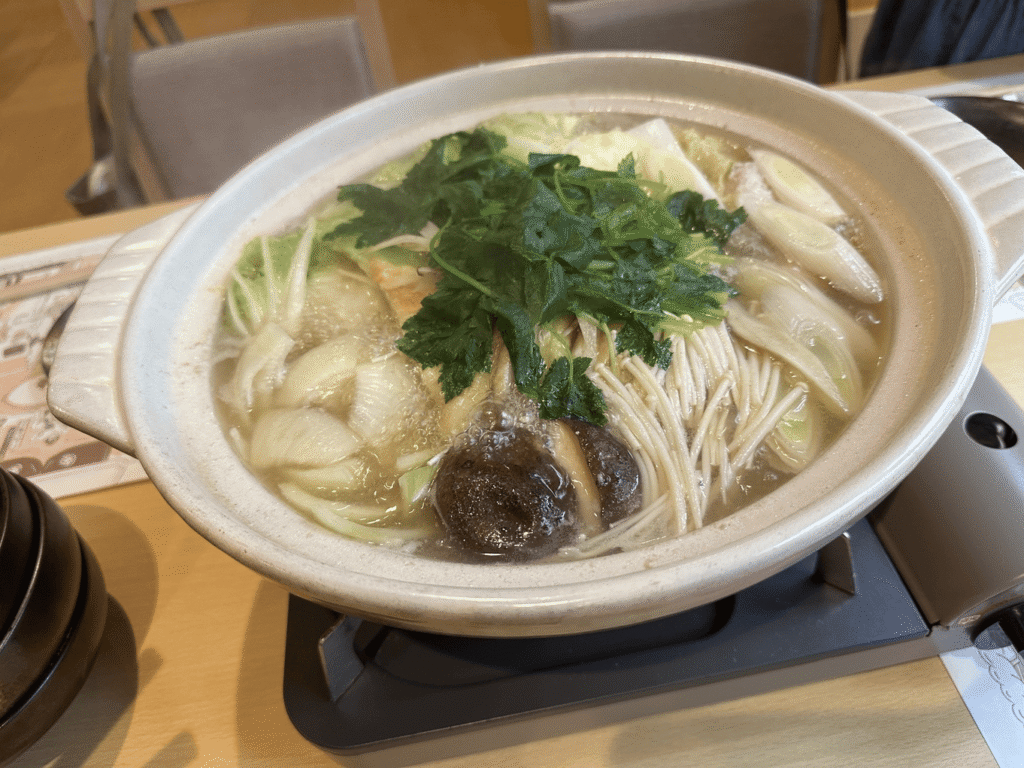
Bearing the name of the legendary yokozuna Chiyonofuji, Chanko Chiyonofuji is run by his family and housed in the former Kokonoe-beya sumo stable, which means that guests can dine next to a real sumo ring. Inside the restaurant are several displays devoted to Chiyonofuji’s championship trophies—a real treat for sumo enthusiasts.
Their signature menu features the time-tested, secret recipe of Kokonoe sumo stable:
- A refined, rich soup that packs a punch of umami flavour from chicken, pork, and vegetables
- A salt-broth based chanko-nabe, beloved by Chiyonofuji himself
- Champon noodles for soaking in the remaining broth, great for finishing off your meal
At Chanko Chiyonofuji, you can dine in an authentic sumo stable while eating the same meal the rikishi who lived here used to eat—an experience you won’t find anywhere else and perfect for those who want deep immersion in sumo culture while enjoying an exceptional meal.
Details
| Address | 4-22-4 Ishiwara, Sumida-ku, Tokyo |
| Hours | 5:00 pm–10:00 pm |
| Closed | Tuesdays and Wednesdays |
| Official Website | https://www.instagram.com/chiyonofuji_chanko/ |
| Best For | Diners who want to eat traditional chanko-nabe in a historical sumo stable |
Chanko Dining Ami
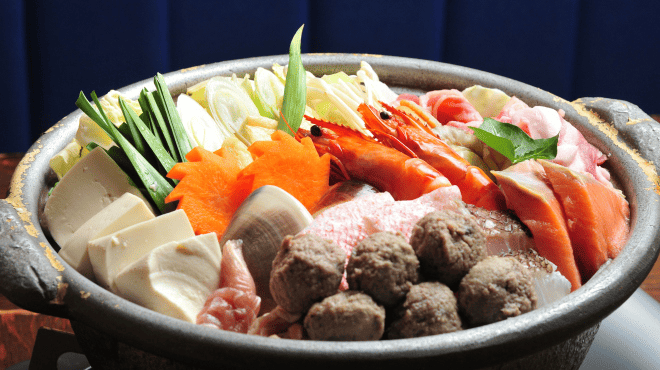
Chanko Dining Ami in Ryogoku serves Isegahama sumo stable-style chanko-nabe in a casual setting. Their signature Ami Special Ryogoku Chanko offers two varieties of broth (light soy sauce or barley miso), so visitors can choose the dish’s flavour according to personal preference. The soy sauce–flavored chanko-nabe with chicken meat and fish meatballs is a modern-day offering of the traditional dish that used to be served at the stable.
Their menu has several options:
| Menu Item | Features |
|---|---|
| Ami Special “Ryogoku” Chanko | Full of fresh seafood, chicken, pork, and beef, and seasoned with soy sauce or barley miso |
| Original Soppu-daki Chanko | Chicken bone broth with Satsuma red chicken and fresh vegetables |
| Oyster Dotenabe Chanko | A seasonal specialty, it’s served with extra miso paste so that customers can adjust the strength of the oyster flavor by dissolving miso into the soup as needed |
At lunch, meal sets such as seafood chanko-nabe, meat chanko-nabe, or a special daily chanko-nabe are available for ¥1,500 each, making Chanko Dining Ami a great destination for groups who want to share a pot of stew together.
Details
| Address | Shinwa Building 2F, 3-26-6 Ryogoku, Sumida-ku, Tokyo |
| Hours | 11:00 am–12:00 am |
| Closed | Open year-round |
| Official Website | https://g420328.gorp.jp/ |
| Best For | Diners craving casual yet traditional chanko-nabe |
Rikishi Ryori Kotogaume Kinshicho Main Branchanch
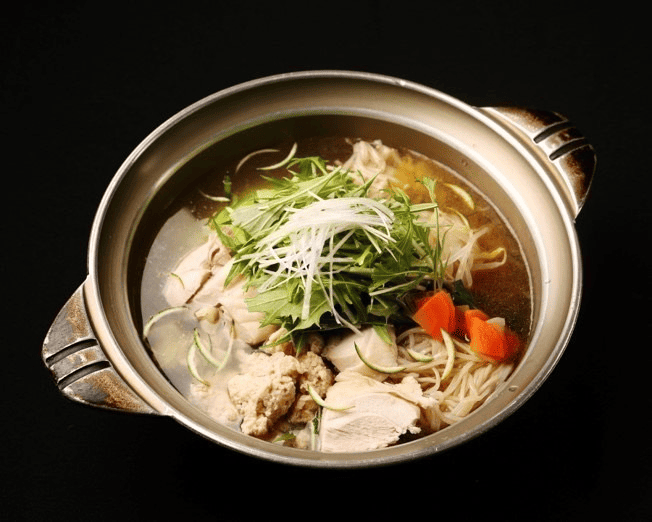
Rikishi Ryori Kotogaume in the Kinshicho district is a chanko-nabe specialty restaurant established by former sekiwake Kotogaume Takeshi after he retired from the world of sumo. Having spent eighteen years at Sadogatake sumo stable, his experience there shapes everything on the menu, allowing him to faithfully recreate authentic chanko-nabe from the Sadogatake stable.
The two signature dishes are:
| Menu Item | Features |
|---|---|
| Suisho-nabe | Chicken broth flavored with salt, it includes twelve different ingredients, such as chicken meatballs, chicken, and cabbage |
| Soppu-nabe | Chicken broth flavored with soy sauce and loaded with seventeen different ingredients, including chicken meatballs, pork, fish, and napa cabbage (winter only) |
Subtly flavored—yet deeply satisfying—both dishes feature traditional seasonings that are actually used in cuisine served at Japan’s sumo stables. Enveloped in a welcoming atmosphere, diners can soak up sumo culture over a relaxed meal at Rikishi Ryori Kotogaume.
Details
| Address | Sagara Building 1F, 3-4-4 Kinshi, Sumida-ku, Tokyo |
| Hours | Monday–Saturday 5:00 pm–11:00 pm (last order 10:00 pm) |
| Closed | Sundays and holidays |
| Official Website | https://kotogaume.hungry.jp/ |
| Best For | Diners who want to eat genuine sumo cuisine in a private setting |
Chanko Dojo Ryogoku Ekimae Branch
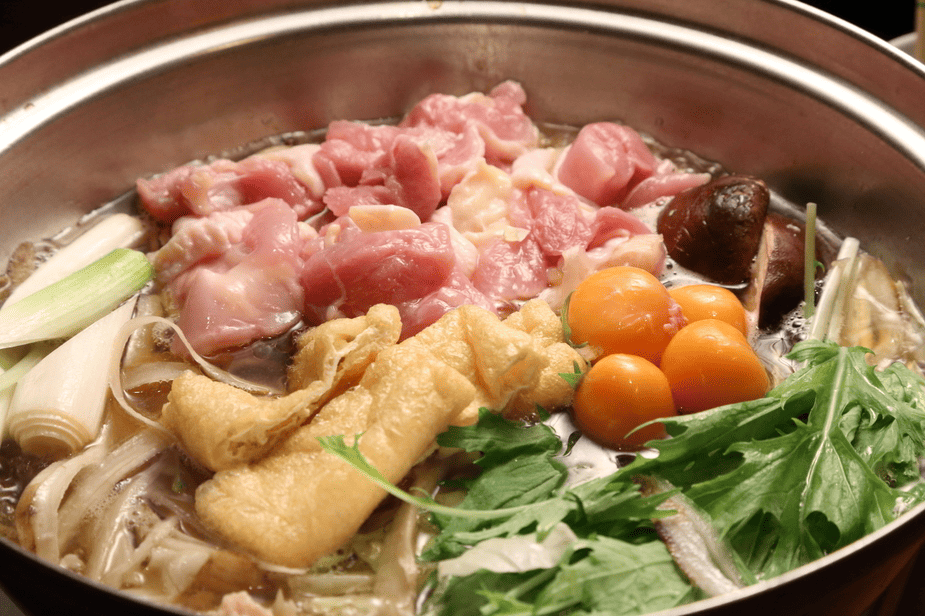
Chanko Dojo (near Ryogoku Station) serves hearty, classic chanko-nabe, and its signature dish—Yokozuna Chanko—is filled with chicken, chicken meatballs, fish meatballs, shellfish, shrimp, and crab. The soy sauce–based broth brings out the natural flavors of the ingredients and offers guests a taste of what sumo wrestlers actually eat.
With seven different varieties of chanko-nabe to choose from, Chanko Dojo offers the opportunity to pick the perfect pot to suit your tastes—with offerings of chicken, chicken meatballs, and duck. The atmosphere is ideal for gathering with friends to enjoy a hearty meal and a few drinks in a lively setting.
Details
| Address | 1-3-12 Yokoami, Sumida-ku, Tokyo |
| Hours | Lunch 11:30 am–2:30 pm; Dinner 5:00 pm–11:00 pm |
| Closed | New Year holidays |
| Official Website | https://chankodoujyou.owst.jp/ |
| Best For | Diners looking for casual chanko-nabe in the Ryogoku area |
Frequently Asked Questions About Sumo Restaurants in Tokyo
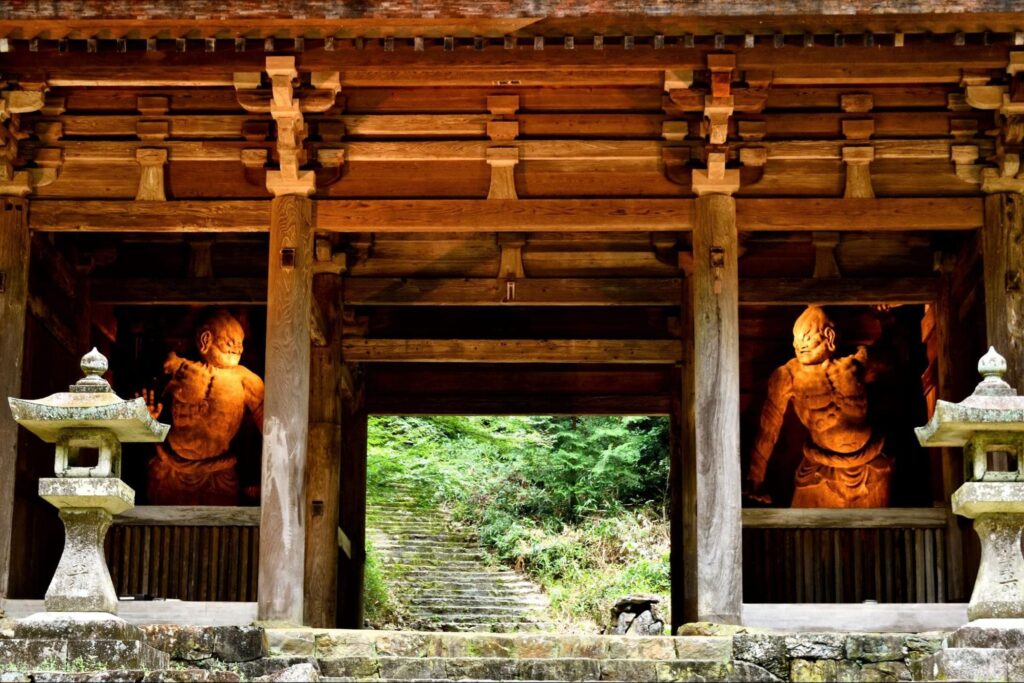
Before you book, you probably have questions about reservations, dietary needs, and etiquette. In this section, we’ve collected some answers to the most common questions.
Are Reservations Required? How Do I Reserve?
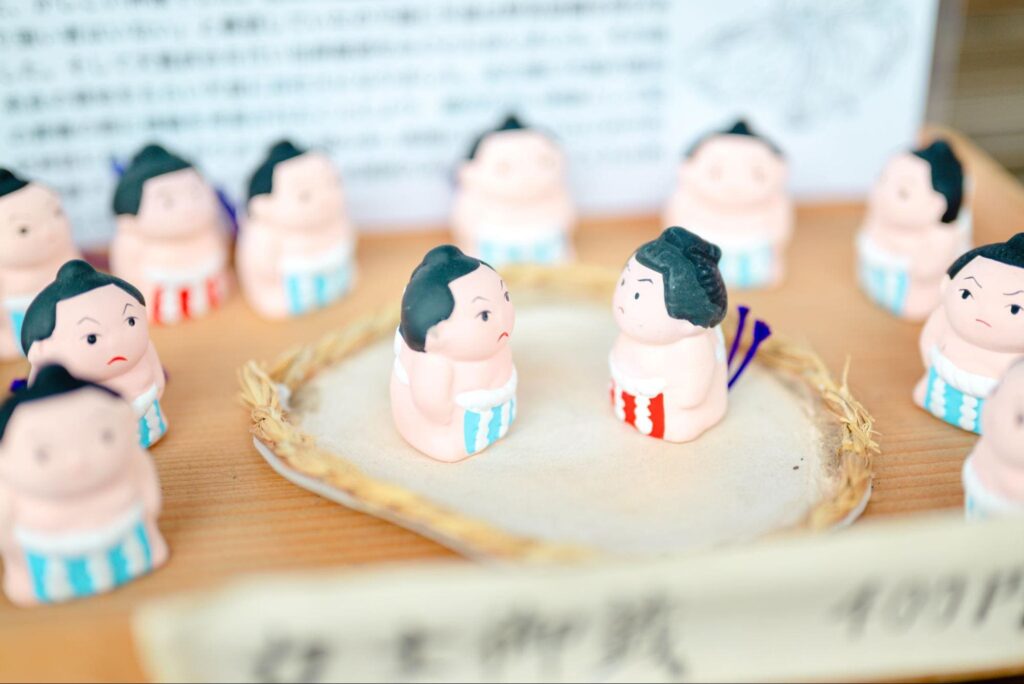
While some restaurants can accommodate walk-ins, sumo show restaurants have limited seating, so we recommend making a reservation in advance. Reservation methods vary, but common options include:
- Online reservations through official websites
- Reservation via phone
- Third-party reservation platforms
Restaurants fill up fast during Grand Tournament periods, so book early.
Can Children Eat Chanko-Nabe?
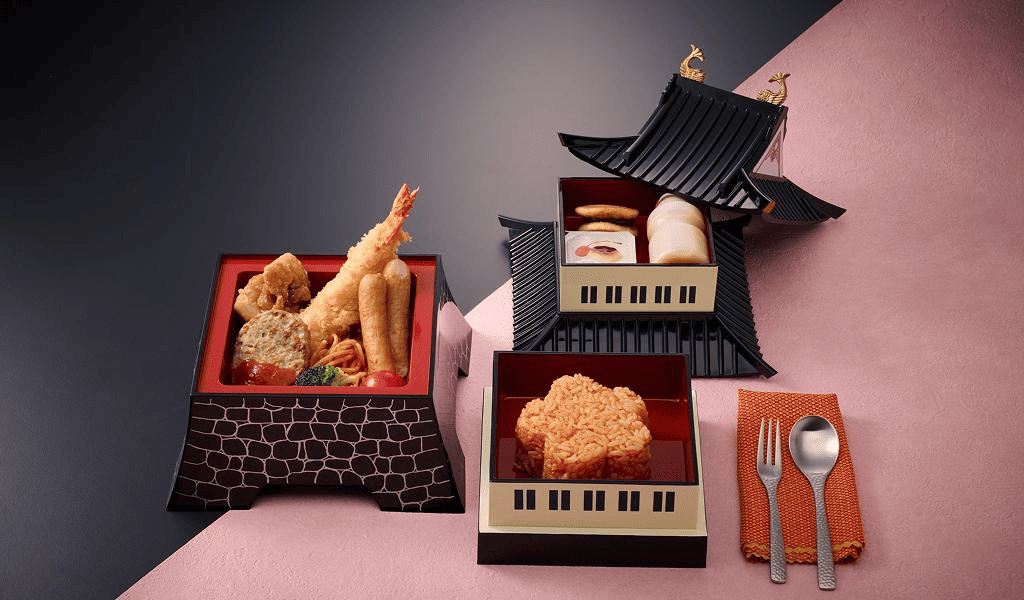

Chanko-nabe features mild seasonings, soy sauce, salt, or miso. It’s usually not a spicy dish, so children can safely enjoy it too. The broth—made from chicken bones, bonito flakes, and kelp—contains vegetables, tofu, and meatballs, providing kids with a balanced meal. Chanko-nabe is a great meal for enjoying sumo culture and traditional Japanese food as a family.
Some restaurants can adjust the strength of the seasoning, so if you’re concerned about the flavor, ask for “mild seasoning for a child” when you book.
Can Vegetarians and Vegans Eat Chanko-nabe?
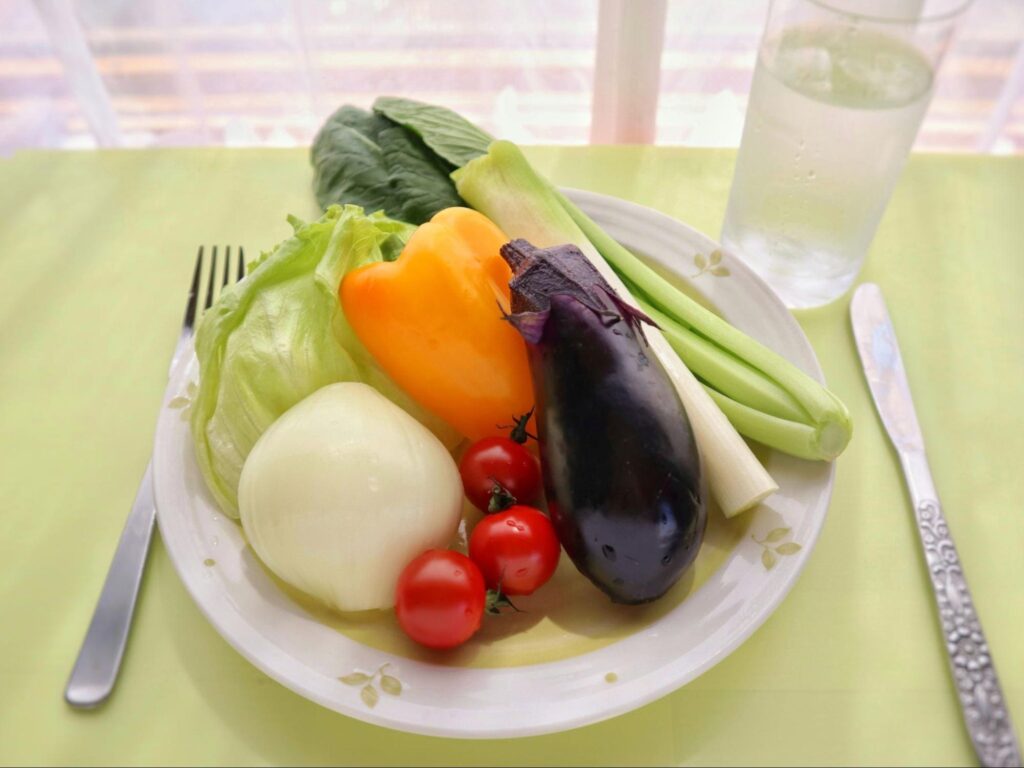
Traditional chanko-nabe uses chicken, pork, and seafood, so vegetarians and vegans can’t eat the standard menu as-is. That said, some restaurants offer vegetarian-friendly chanko-nabe.
Chanko-nabe with a plant-based broth, vegetables, tofu, and mushrooms allows vegetarians to join in, but since restaurants that offer these variations are limited, prepare a few backup dining options just in case. We recommend checking official websites or sending an email to confirm menu options before booking.
Is Tipping Expected at Japanese Restaurants?
Tipping is not customary at Japanese restaurants. Service charges are either included in the price or listed separately on the bill, so you don’t need to tip.
If you try to tip, staff will usually decline and it may make them uncomfortable. Some high-end traditional Japanese inns may accept kokorozuke (a gratuity) as an exception, but tipping is not expected at sumo restaurants. Just pay the listed price and enjoy your meal.
What Should I Keep in Mind When Watching Sumo Shows?
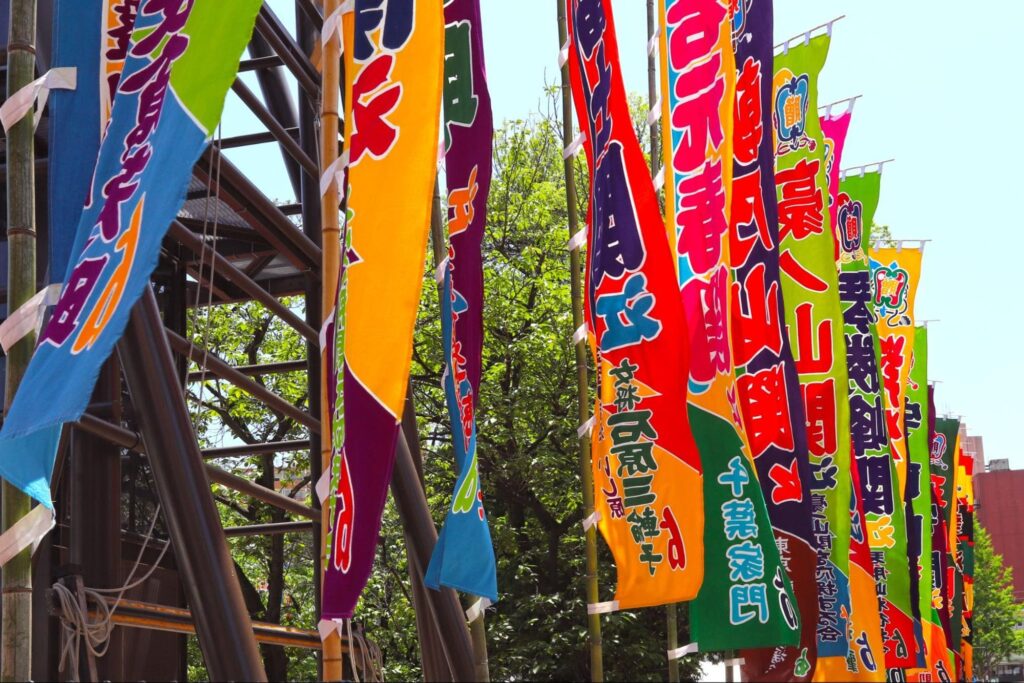
Before attending a sumo show, confirm photography and video rules. Most sumo restaurants allow you to take photos from your seat, but commercial use of photos is often not allowed. Some venues don’t even allow video recording or flash photography, so keep these things in mind during the show.
Photography may also be restricted in specific seats near the sumo ring, so ask for guidance from staff. In general, it’s a good idea to follow these guidelines:
- Refrain from loud cheering or changing seats during the performance
- Do not touch or engage with the athletes or referees without permission
- Set mobile phones to silent mode and avoid making phonecalls
- Don’t bring outside food or beverages into the venue
Each venue may also have additional rules, so be sure to check specifics when you book or when you arrive. Showing respect for Japanese culture will allow you to enjoy the experience along with your fellow guests.
How to Plan Your Sumo Restaurant Visit in Tokyo
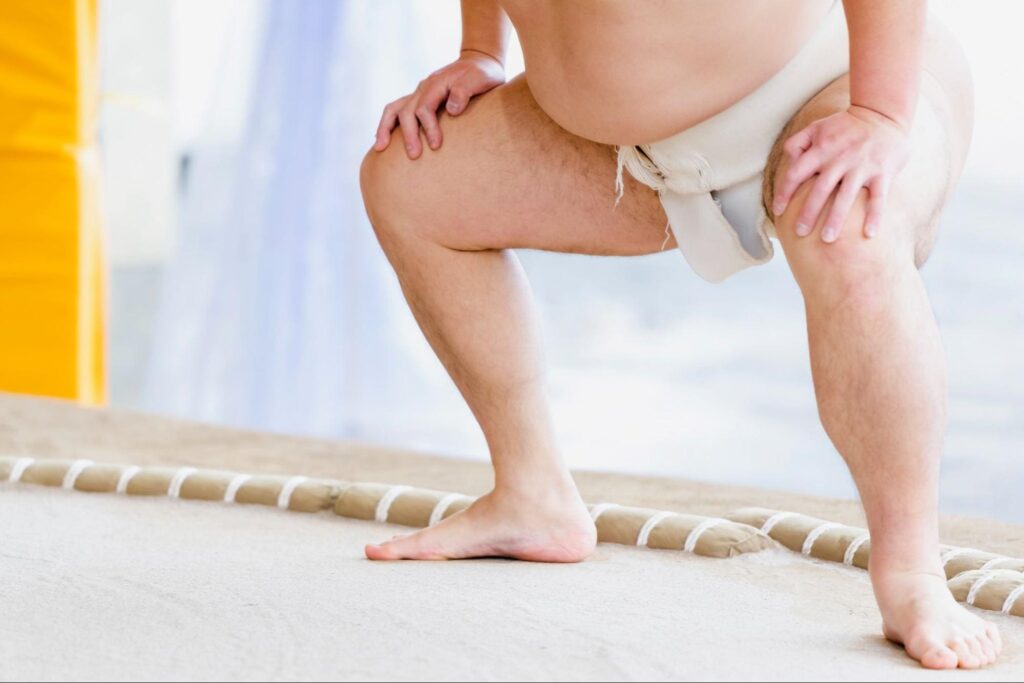
Tokyo’s sumo restaurants offer varied combinations of sumo shows and delicious chanko-nabe. Popular spots fill up fast during tourist seasons, though, so booking ahead can help reduce unexpected trouble. Some restaurants offer English language support and kids’ menus too, making them family-friendly.
Meeting former rikishi and taking photos in the ring are sure to become unforgettable memories that last a lifetime. We hope you use this guide to discover destinations that are perfect for you during your sumo adventure in Tokyo.