The Tokyo Sumo Experience: A Complete Guide for Visitors
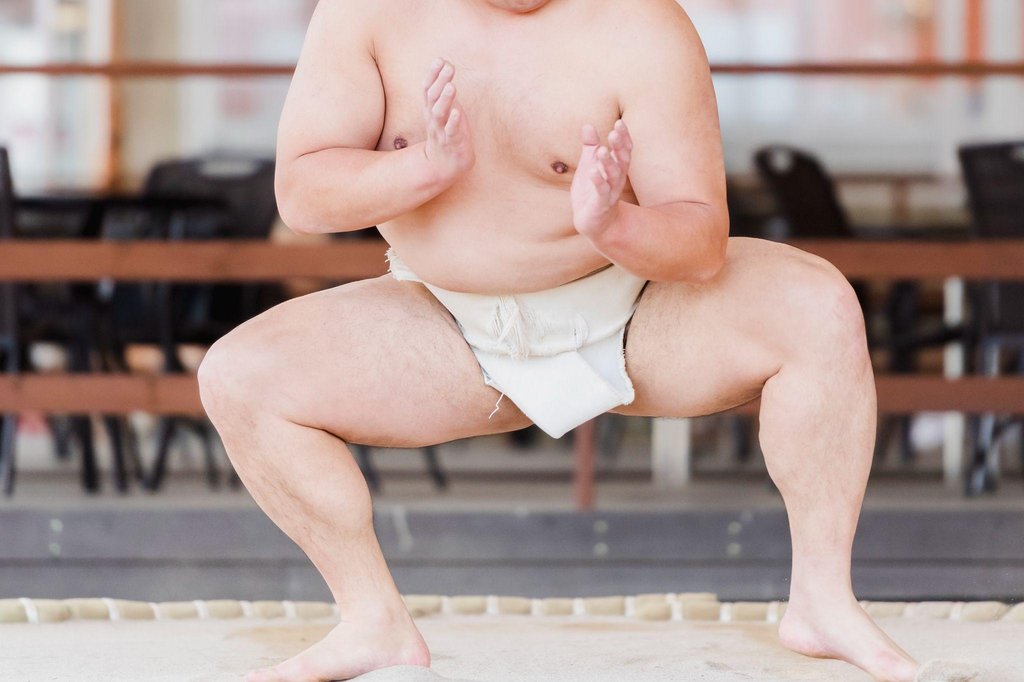
Are you hoping to experience authentic sumo during your trip to Tokyo? Many visitors wonder where to make reservations and whether English support is available.
From observing sumo wrestlers during their training sessions and visiting hands-on sumo facilities to attending the official Grand Tournament and dining on chanko-nabe, in Tokyo you’ll find options to suit any itinerary.
Contents
- Experiencing Sumo in Tokyo
- Four Ways to Enjoy Sumo in Tokyo
- Sumo Shows and Hands-On Venues in Tokyo
- Watching Grand Sumo in Tokyo
- Places to Enjoy Sumo Cuisine in Tokyo
- Places to Learn About Sumo History and Culture in Tokyo
- Etiquette and Guidelines for Enjoying Sumo
- Planning Your Tokyo Sumo Experience: Key Takeaways
Experiencing Sumo in Tokyo
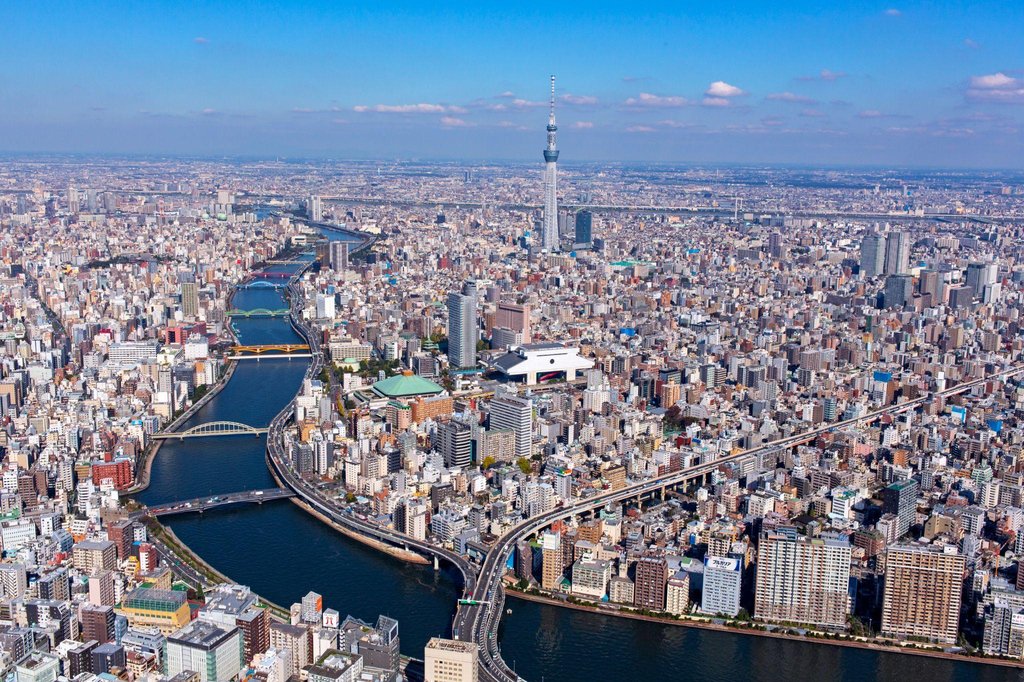
Tokyo is one of the world’s premier destinations for experiencing Japan’s national sport. In this article, we’ll explore sumo’s cultural background, why Tokyo serves as the center of the sumo world, and how international visitors can enjoy this ancient tradition.
What Is Sumo?
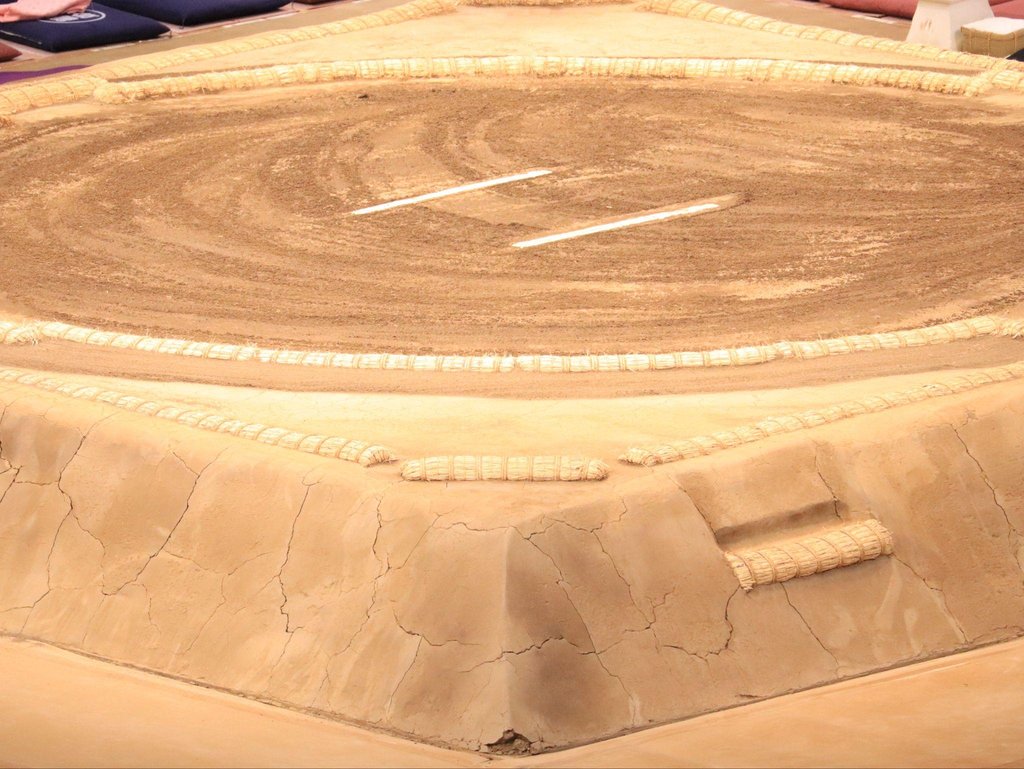
Sumo is Japan’s national sport and boasts a history spanning about 1,500 years. Two wrestlers face each other in the dohyo (the clay ring where matches take place), where a wrestler wins a match by forcing their opponent out of the ring or by making any part of their body touch the ground.
The sport’s origins trace back to mythological times, with records appearing in the Kojiki and Nihon Shoki (Japan’s oldest historical chronicles). Originally performed as Shinto rituals to pray for bountiful harvests, sumo’s current rules took shape during the Edo period.
Encompassing sacred ritual, cultural tradition, and athletic competition, sumo features simple rules yet has 82 distinct winning techniques. Bouts begin with the tachiai—the initial charge where both wrestlers synchronize their breathing and rise together—and often conclude in mere seconds.
Today, Grand Sumo Tournament matches are held six times a year in various areas of the country, and each tournament lasts 15 days. Experiencing sumo in Tokyo offers a rare opportunity to witness the power and depth of this living tradition firsthand.
Why Sumo Revolves Around Tokyo
Tokyo’s development as sumo’s heartland stems from a long history dating back to the Edo period (1603-1868 CE). During the 1700s, kanjin-zumo (charitable sumo events held to raise funds for temple and shrine repairs) flourished, establishing Edo—present day Tokyo—as the primary venue for Grand Sumo tournaments.
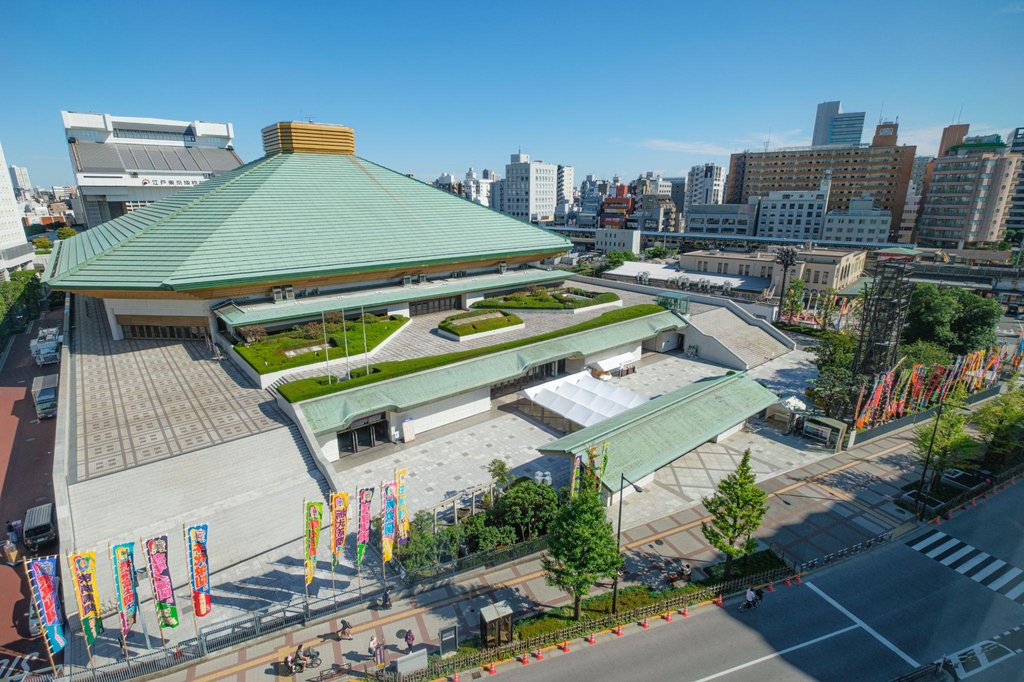
In 1909, the first sports arena was completed in the neighbourhood of Ryogoku in Tokyo, and Ryogoku Kokugikan—the National Sumo Arena or Kokugikan Arena—has continued to host Grand Tournaments as the “sacred ground of sumo” ever since.
Today, numerous sumo stables (lodgings in which the wrestlers live and train together) remain concentrated in the Ryogoku area, and this geographic clustering creates abundant opportunities for visitors to casually observe morning sumo practice sessions and interact with wrestlers.
Why International Visitors Should Experience Sumo in Tokyo
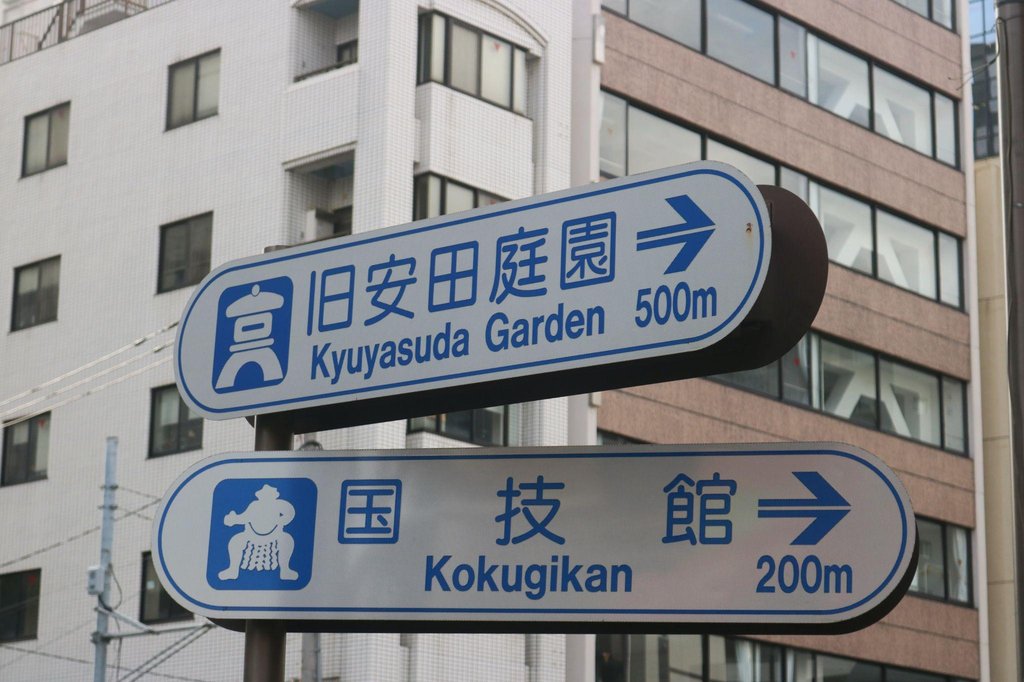
Experiencing sumo in Tokyo offers international visitors a uniquely valuable cultural encounter unavailable elsewhere.
Whether you’re observing wrestlers up close during their morning training, or stepping into the ring alongside a former professional, these opportunities exist only in Japan. Visitors gain profound insight into Japanese culture through witnessing the spiritual elements of sumo (derived from Shinto rituals) and the intense dedication of the wrestlers.
Additional highlights include commemorating your visit with photographs taken alongside the athletes, joining English-guided tours that eliminate the language barrier, and partaking in the sumo wrestler’s staple food chanko-nabe: a kind of hot pot dish, originating in Japan’s sumo stables and eaten as a group from one communal pot.
With hands-on sumo facilities concentrated around Kokugikan Arena, even visitors with limited time can enjoy an authentic encounter with Japan’s national sport.
Four Ways to Enjoy Sumo in Tokyo
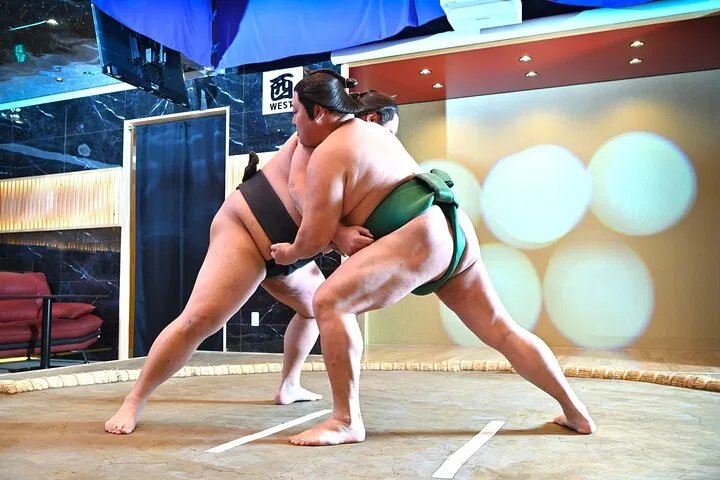
There are four main approaches to experiencing sumo in Tokyo. Each one offers its own distinct appeal, so choose your sumo activity based on your interests and schedule.
| Activity | Description |
|---|---|
| Morning Sumo Practice Viewing | Observe wrestlers during their rigorous training sessions. Visit a sumo stable in the early morning to witness the power of real sumo wrestlers pushing themselves to their limits. |
| Sumo Shows and Hands-On Experiences | Enjoy performances by retired athletes while trying sumo yourself in a real sumo ring. Dress up in the ornate ceremonial apron for memorable photographs. |
| Grand Sumo Tournament | Watch professional matches at the National Arena during a Grand Tournament or regional tours, the most traditional way to experience Japan’s national sport. |
| Sumo Cuisine and Cultural Exploration | Taste chanko-nabe and learn about sumo history at the Sumo Museum. Discover sumo culture from multiple perspectives. |
We’ll explore each of these options in detail.
Sumo Shows and Hands-On Venues in Tokyo
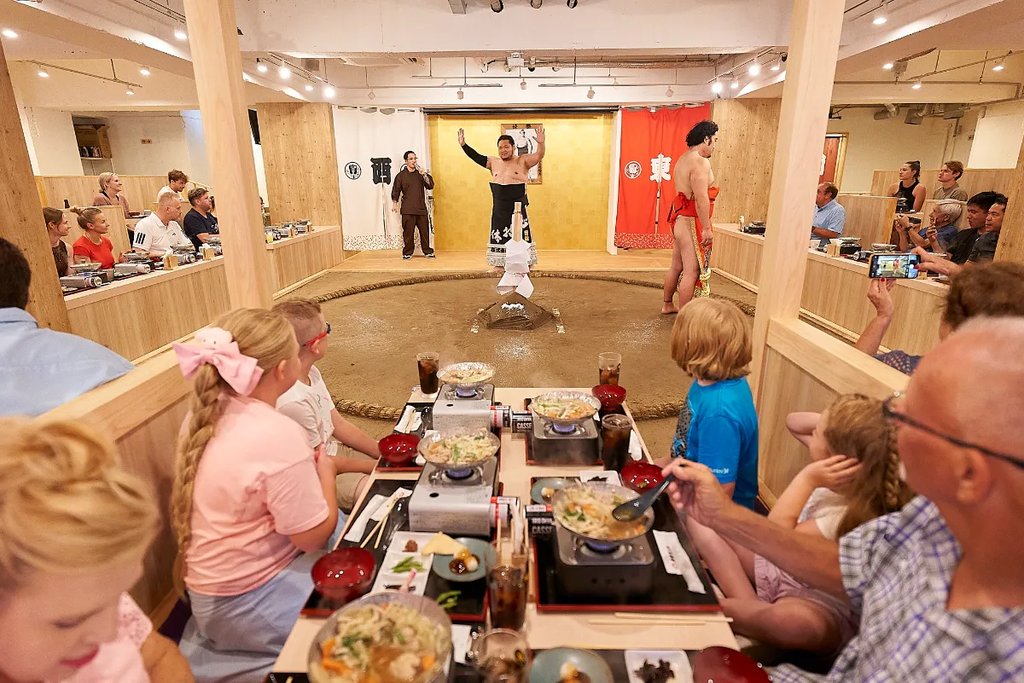

Here we’ve listed some facilities that offer sumo shows and hands-on programs for international visitors. In this section, we’ve covered features and booking information from interactive venues in Asakusa to dinner shows in Ginza and even a facility in Osaka City.
Asakusa Sumo Beya
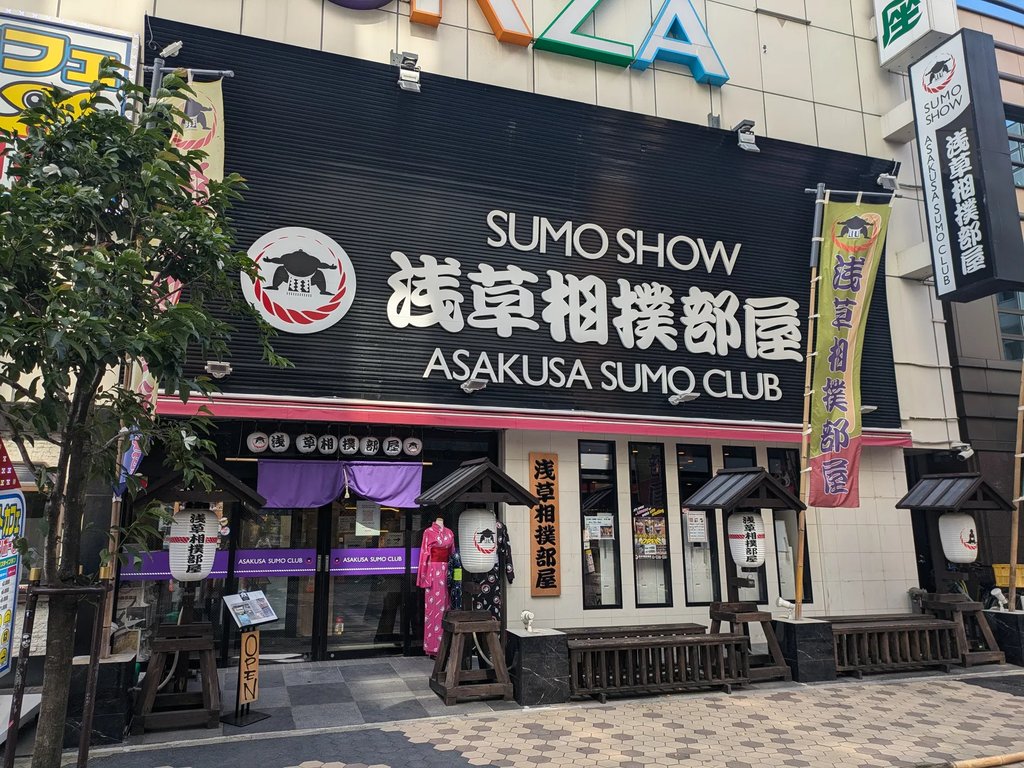

Located in the heart of tourist-friendly Asakusa, this facility offers accessible and authentic sumo programs.
The main attraction is the dynamic sumo show performed by former professional wrestlers, featuring demonstrations ranging from basic movements to full matches. The show includes commentary in both Japanese and English, making participation easy for international guests.
The program is comprehensive:
- “Challenge Sumo” lets you don a mawashi (the thick, white belt worn by wrestlers during matches) and face a former sumo wrestler
- Photo opportunities wearing ceremonial sumo garb
- Training in fundamental techniques including shiko (the iconic, ceremonial leg-stomping)
Following the session, guests can savor authentic chanko-nabe—the same nourishing hot pot dish that comprises the main diet of Japan’s sumo wrestlers. What’s more, the approximately two-hour program is conveniently located near Senso-ji Temple and other Asakusa attractions.
Details
| Address | Asakusa Rockza Building 1F, 2-10-12 Asakusa, Taito-ku, Tokyo |
| Hours | 12:00 pm–10:30 pm |
| Closed | Irregular closings |
| Official Website | https://asakusa-sumo.com |
| Best For | Visitors seeking accessible sumo programs with English support |
Asakusa Sumo Beya ANNEX
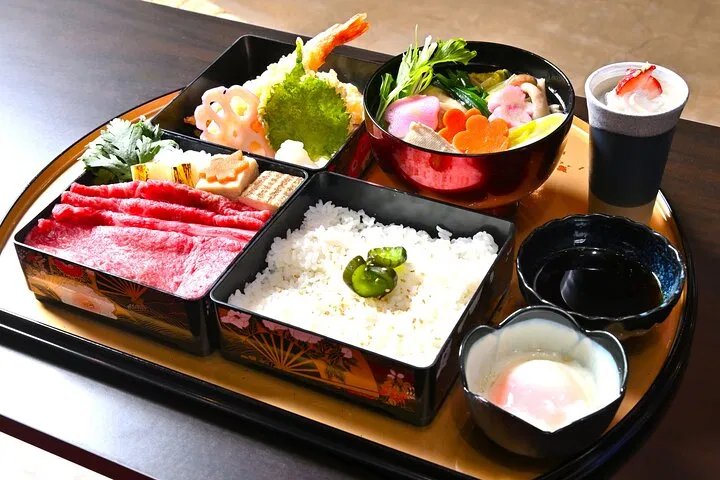

A venue connected to Asakusa Sumo Beya’s main location yet offering different experiences, Asakusa Sumo Beya ANNEX also offers sumo entertainment programs.
The venue features an authentic sumo ring where four shows are performed daily. In addition to powerful performances by former athletes, guests can participate in “Challenge Sumo” and try on real ceremonial sumo aprons, and training activities for participants include shiko, suriashi (sliding foot movements), and shiomaki (salt-throwing). A varied menu of activities awaits you at ANNEX.
The key difference between Asakusa Sumo Beya and Asakusa Sumo Beya ANNEX is the availability of dining and entertainment: at ANNEX, guests can enjoy chanko-nabe made by the former wrestlers and dine on A5 wagyu sukiyaki while watching the sumo show.
Details
| Address | Wada Building B1F, 2-11-7 Asakusa, Taito-ku, Tokyo |
| Hours | 12:00 pm–10:30 pm |
| Closed | Irregular closings |
| Official Website | https://asakusasumo-annex.com/ |
| Best For | Visitors wanting to combine dining with a sumo show |
Sumo Land
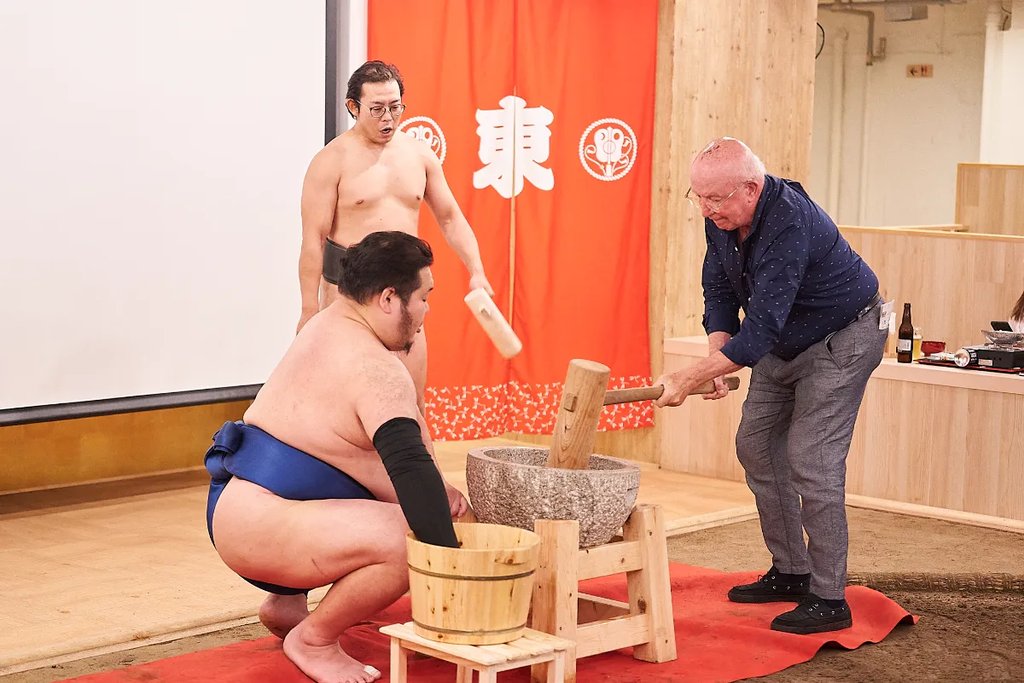

Sumo Land is a sumo entertainment facility supervised by the 63rd yokozuna Asahifuji. The venue opened in June of 2025 and is located just steps from Ryogoku Station.
The authentic sumo show features former top division wrestlers demonstrating techniques such as oshidashi (push out), tsukidashi (thrust out), and uwatenage (overarm throw). Audience members can even test out these techniques against a real wrestler.
Programs that explain the relationship between sumo and Shinto rituals help foster a deeper understanding of Japanese culture. Options include:
- Having a bout with a rikishi
- Mochitsuki (rice cake workshop)
- Commemorative photos in the wrestling ring
- Chanko-nabe tasting
We recommend making online reservations in advance, and details on English language support and pricing are available through the official website.
Details
| Address | Takashima Ryogoku Mansion 1F, 4-32-19 Ryogoku, Sumida-ku, Tokyo |
| Hours | Three sessions daily (11:00 am–1:00 pm / 2:30 pm–4:30 pm / 6:00 pm–8:00 pm) |
| Closed | Irregular closings |
| Official Website | https://sumoland.jp/ |
| Best For | Visitors looking for convenient access to sumo culture in Ryogoku |
THE SUMO LIVE RESTAURANT Hirakuza GINZA TOKYO
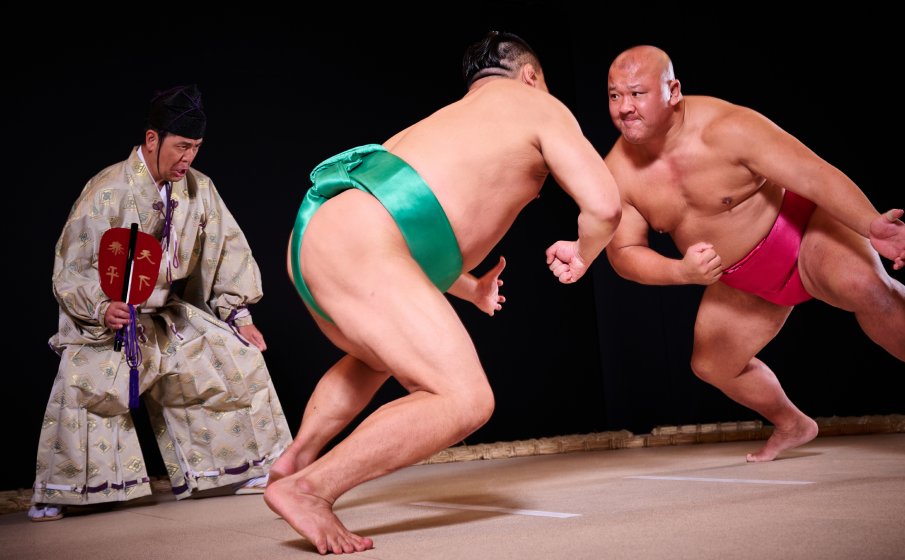

Hirakuza offers the opportunity to enjoy a sumo show alongside fine Japanese cuisine in the prestigious Ginza district.
This dynamic sumo show is performed by former Grand Sumo wrestlers and begins with customary elements such as traditional drums announcing the start of the performance. The entire show features English-language commentary as well.
Guests can listen to explanations of sumo history and techniques while watching the athletes demonstrate moves up close, making the show accessible even for first-time viewers. What’s more, a photo session with the wrestlers following the performance guarantees lasting memories.
Food served during the approximately 120-minute show includes:
| Menu | Contents |
|---|---|
| Hirakuza Special Kaiseki | Wagyu beef, eel, tempura, chanko-nabe |
| Hirakuza Kaiseki | Tempura rice bowl and chanko-nabe (nabe contents are customizable) |
Approximately 150 seats surround the dohyo stage, and VIP ringside seats offer views from the front row.
Details
| Address | Prime Ginza Yanagi-dori Building B1F, 1-9-13 Ginza, Chuo-ku, Tokyo |
| Hours | 1:00 pm–11:00 pm |
| Closed | Irregular closings |
| Official Website | https://hirakuza.net/tokyo/ |
| Best For | Visitors wanting to combine fine dining with a sumo show in Ginza |
Sumo Studio Osaka
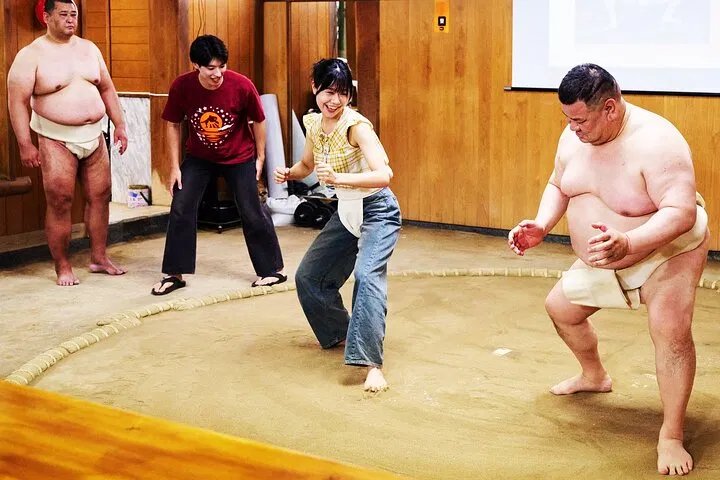
For those seeking hands-on sumo programs in Osaka, Sumo Studio Osaka is an excellent option.
The main attraction involves watching real sumo matches performed by retired professional wrestlers just meters away from your seat. With maximum seating capped at just 50 guests, the venue’s intimate setting allows spectators to feel the power of the wrestlers up close.
Commentary in English explains sumo’s history, its connection to Shinto rituals, and the rules, making the show accessible for international visitors. Those who want to can even step into the ring during the “Audience Challenge” segment and test their strength against a real sumo wrestler.
Following the show, the “Meet & Greet” segment offers interaction and photo opportunities with the athletes. Admission is ¥14,000 per guest, and children under 2 get in free if they don’t require a seat.
Meals are not included in the performance, though the on-site bar serves Japanese beer, umeshu (plum wine), and other beverages. Sumo Studio Osaka accommodates individuals and groups alike, and advance reservations are recommended.
Details
| Address | Hanazonocho AI Building 1F, 1-5-1 Asahi, Nishinari-ku, Osaka |
| Hours | About 90 minutes; five shows daily (10:00 am / 12:30 pm / 3:00 pm / 5:30 pm / 8:00 pm) |
| Closed | Open year-round |
| Official Website | https://sumowrestlingshow.jp/ |
| Best For | Visitors seeking an authentic encounter with sumo while travelling the Kansai region |
Watching Grand Sumo in Tokyo
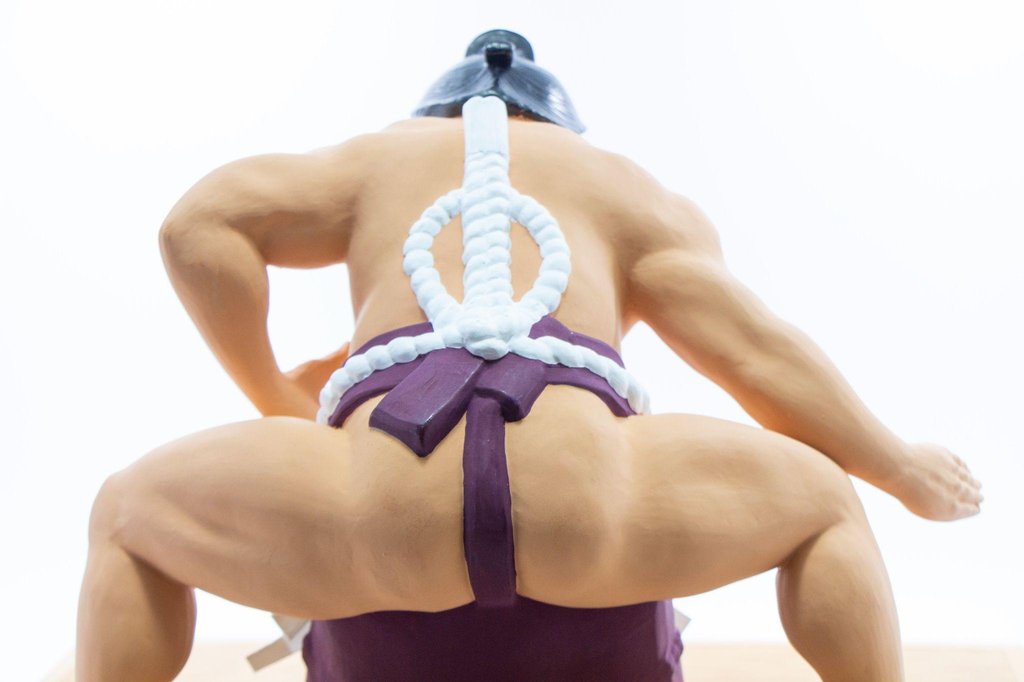
In the section, we offer detailed information on sumo spectating options available in Tokyo, from attending a Grand Tournament or regional tour match to observing morning practice. Information on participation methods, etiquette, and English-guided tours can be found below.
Attending a Grand Tournament Match at Ryogoku Kokugikan
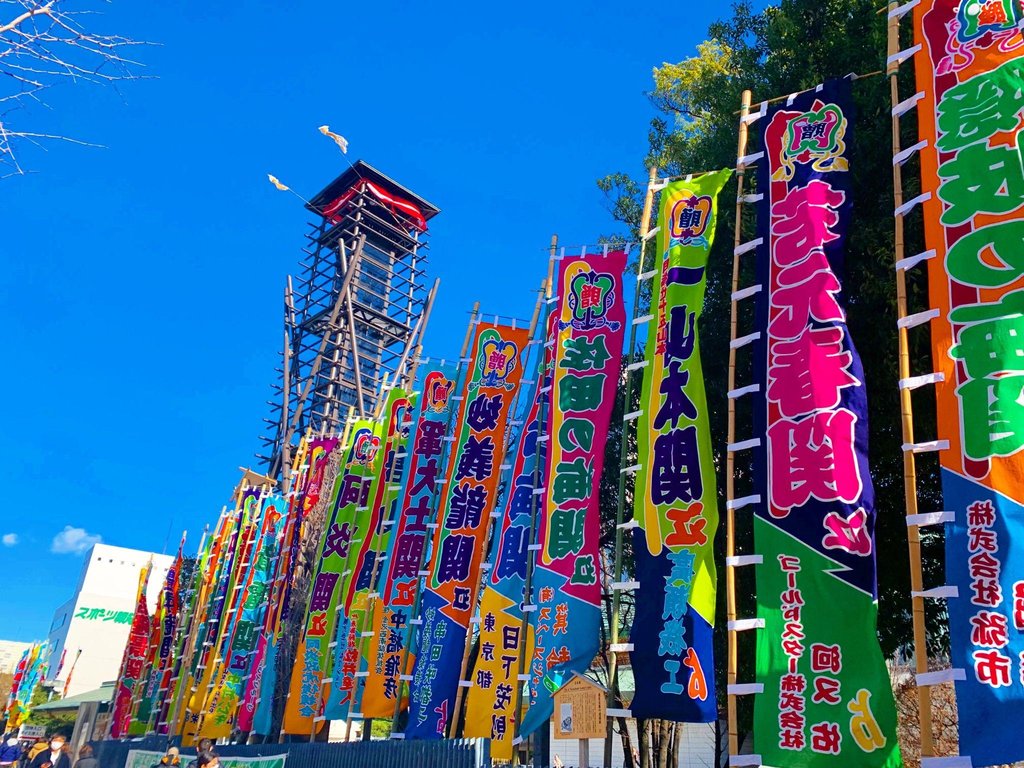
The Grand Tournament is held three times a year at Kokugikan Arena and offers the ultimate opportunity to experience real sumo.
Tokyo tournaments take place in January, May, and September, with each 15-day-long tournament featuring intense competitions. In 2026, Kokugikan Arena will host tournaments from January 11–25, May 10–24, and September 13–27.
Tickets go on sale about one month before each tournament, though popular dates sell out quickly. You can buy tickets through Ticket Pia, 7-Eleven Japan, and the Kokugikan Arena box office, but some dates are only available for purchase via a lottery system, so planning ahead is essential.
For more reliable access, consider the fan club’s advanced lottery—held about two months before each tournament—as it offers the opportunity to win the chance to buy tickets.
Seating options for the tournament suit various budgets and preferences. For example, box seats near the sumo ring allow for an immersive experience like no other, while chair seats work well for individual visitors and second-floor seats provide good views. Same-day general admission tickets offer a budget-friendly option,too.
First-time visitors may find the tournament’s middle days (from day 8 onward) ideal, as there are more matches during the latter half of the tournament.
Observing Morning Practice at a Sumo Stable
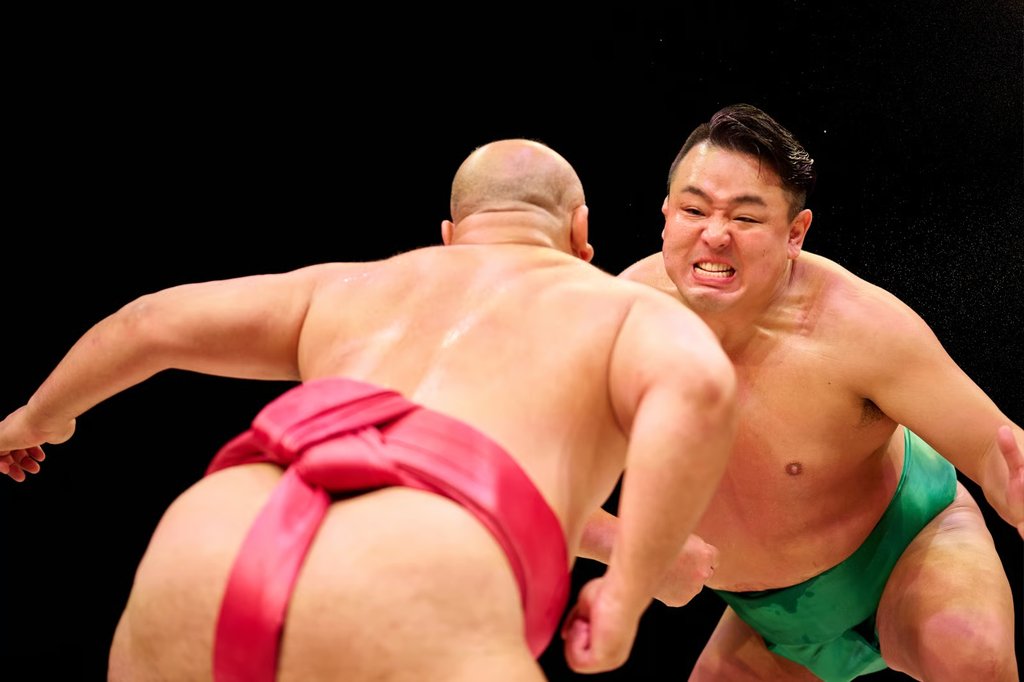
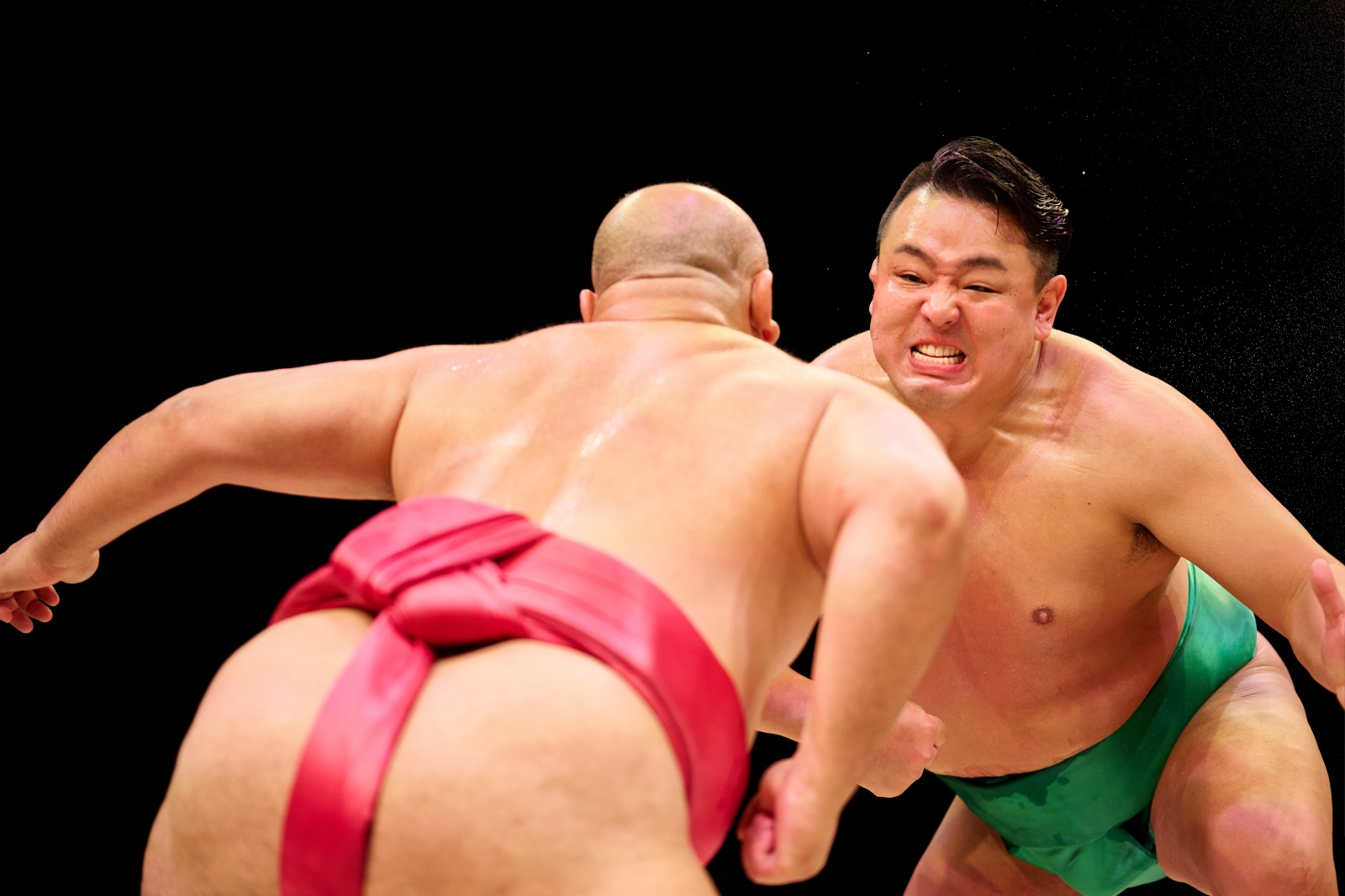
Watching morning training at a sumo stable offers a rare glimpse of wrestlers engaged in their rigorous practice.
Tokyo is home to multiple stables, including Nishiiwa-beya, Tatsunami-beya, and Isegahama-beya. By visiting early in the morning, public guests can witness sumo wrestlers pushing themselves through their demanding training regimen from just meters away.
Some stables require reservations for public viewing, so check official websites or inquire in advance. Alternatively, joining an organized morning practice tour is a stress-free option.
Etiquette During Sumo Practice
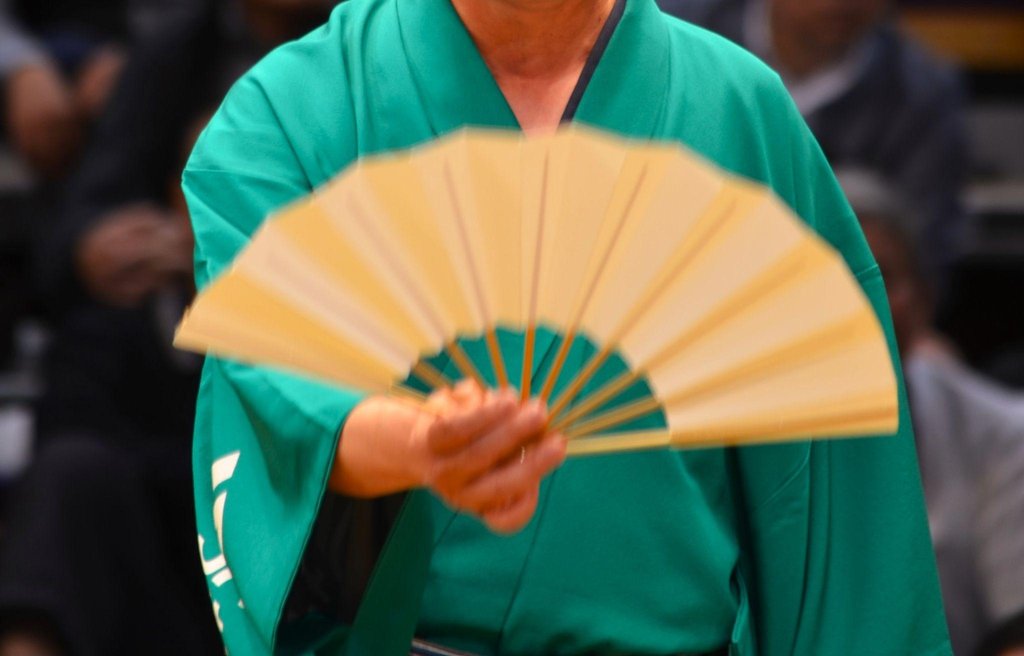
The sumo stable is a sacred space. Please observe these guidelines when participating in public viewing:
| Rule | Why? |
|---|---|
| Maintain silence | Noise can distract wrestlers and break their concentration. |
| Do not point your feet toward the sumo ring | It’s considered disrespectful. Visitors are asked to sit sideways at all times when seated. |
| No video recording | Taking pictures is only permitted at certain times and only after getting permission. |
| No eating or drinking | It’s considered impolite. Refrain from consuming food or beverages in the training area. |
Dress in modest and comfortable clothing (avoid clothes that show a lot of skin, such as low-cut tops or short skirts/shorts) and maintain respect for the wrestlers throughout your visit. Also avoid visiting the sumo stable in sandals and be sure to wear clean socks in good repair, just in case you are asked to take off your shoes (as is custom in many places in Japan).
Tournament Tours and Regional Events
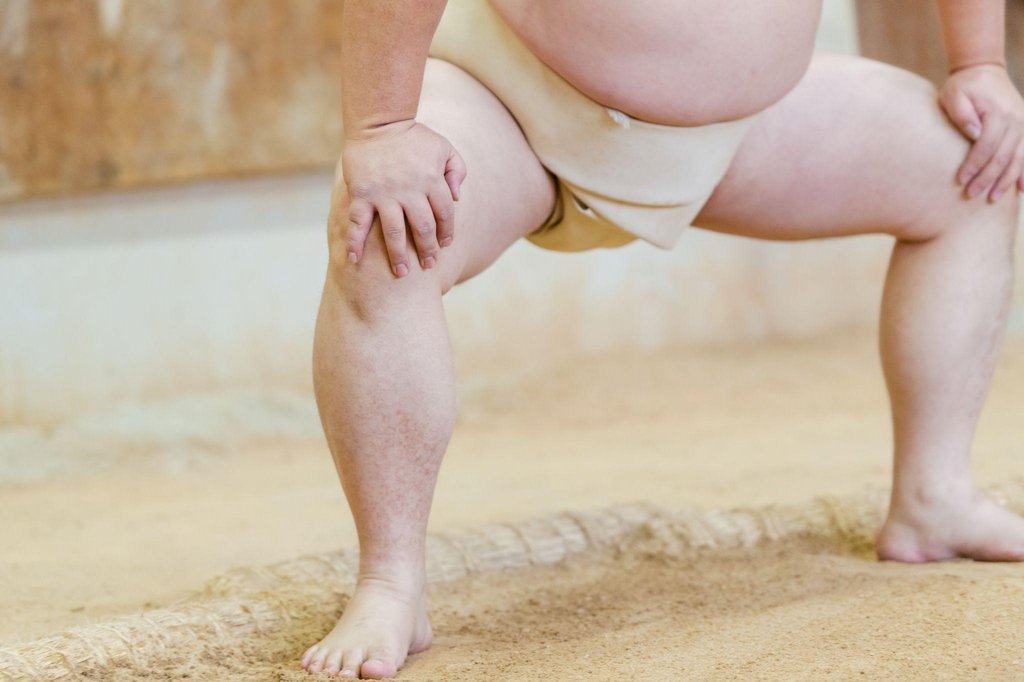
If getting tickets on your own proves difficult, organized tours and some regional events offer convenient alternatives, and English-guided tours can help you forget about the language barrier.
Spring Regional Tour tournaments held near Tokyo are also worth checking out. Scheduled events in 2026 include the Narita Tournament (April 10) and Adachi Tournament (April 21). Regional tours feature events distinct from the Grand Tournament program, such as:
- Open practice sessions and opportunities to shake hands with the wrestlers
- Ring-entering ceremony and a bow-twirling ceremony
- Sumo matches featuring lower division wrestlers
Places to Enjoy Sumo Cuisine in Tokyo
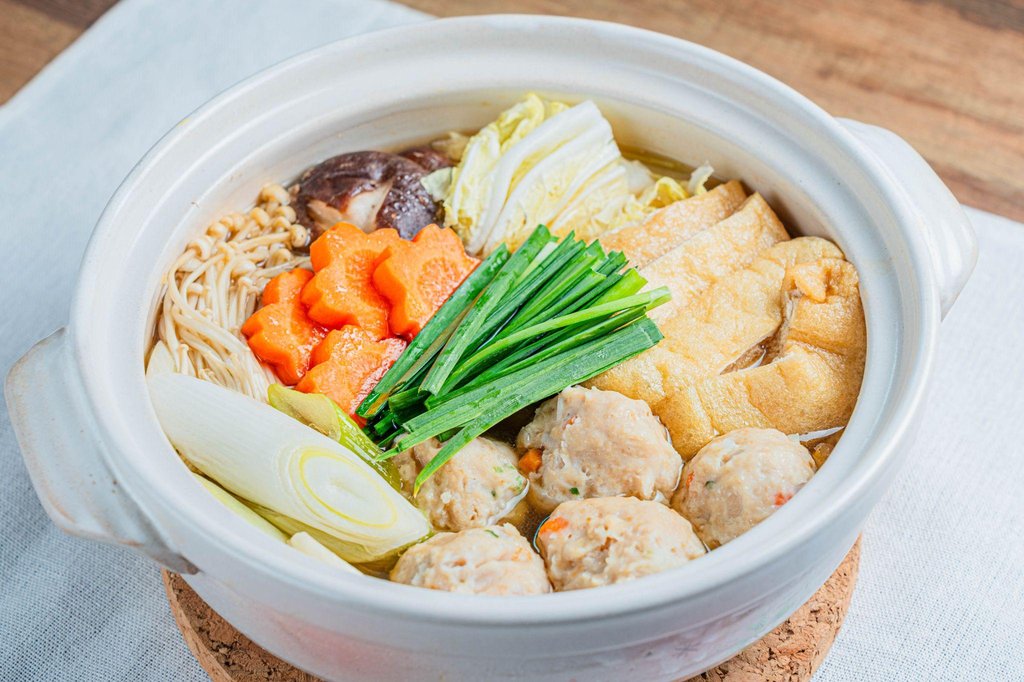
From restaurants run by former wrestlers to specialty shops serving authentic flavors born of the sumo stables, the following are six establishments where you can savor sumo cuisine.
Yokozuna Tonkatsu Dosukoi Tanaka
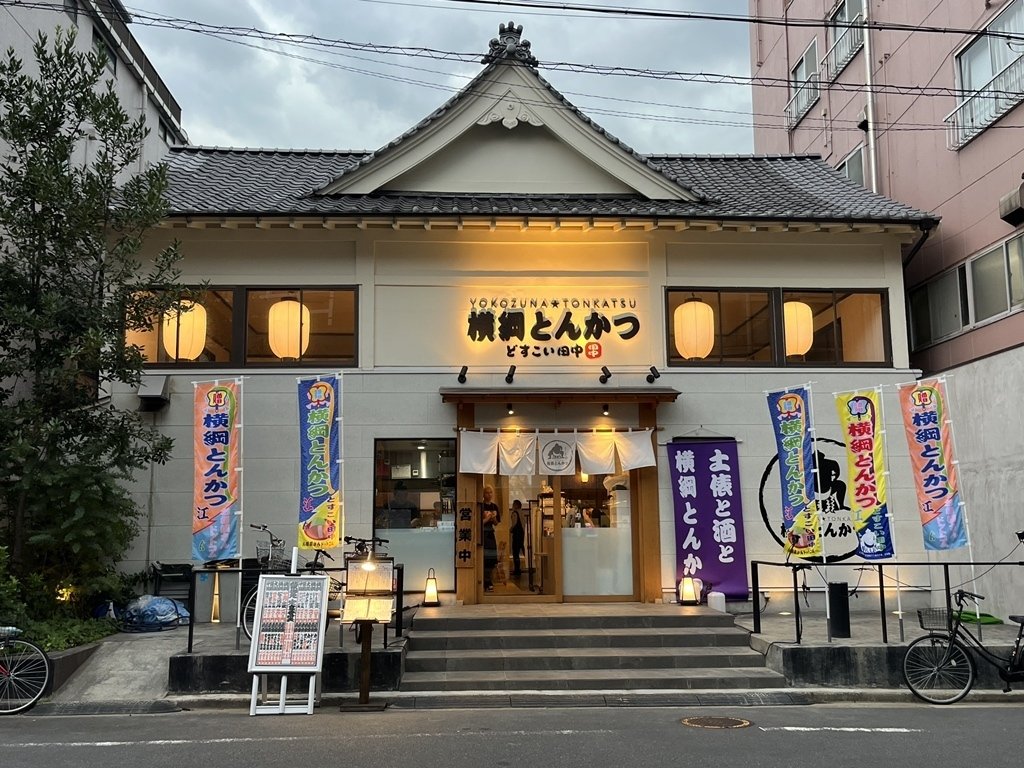
Opened in November 2022, Yokozuna Tonkatsu Dosukoi Tanaka is part of a support program that aids wrestlers in finding work after they exit the world of professional sumo. The restaurant has deep ties to the sumo world: it’s staffed by former Komusubi Jokoryu (of the Kise Stable), and its grand opening was celebrated with floral arrangements sent from legendary sumo figures like Hakuho and Konishiki.
Signature dishes include:
| Menu Item | Price | Features |
|---|---|---|
| Dosukoi Rosu Katsu Set | ¥2,400 | Two huge portions of pork cutlet (200g each) |
| Dosukoi Bo Hire Katsu Set | ¥2,600 | Extra thick tenderloin pork cutlets |
| Rosu Katsu Set | ¥1,600 | Standard sized meal, yet definitely satisfying |
*Prices are subject to change.
Details
| Address | 3-1-11 Tatekawa, Sumida-ku, Tokyo |
| Hours | 5:00 pm–10:00 pm (last order 9:30 pm) |
| Closed | Tuesdays |
| Official Website | https://dosukoi-tanaka.com/ |
| Best For | Visitors craving tonkatsu and a connection to sumo |
Chanko Kirishima Ryogoku Main Branch
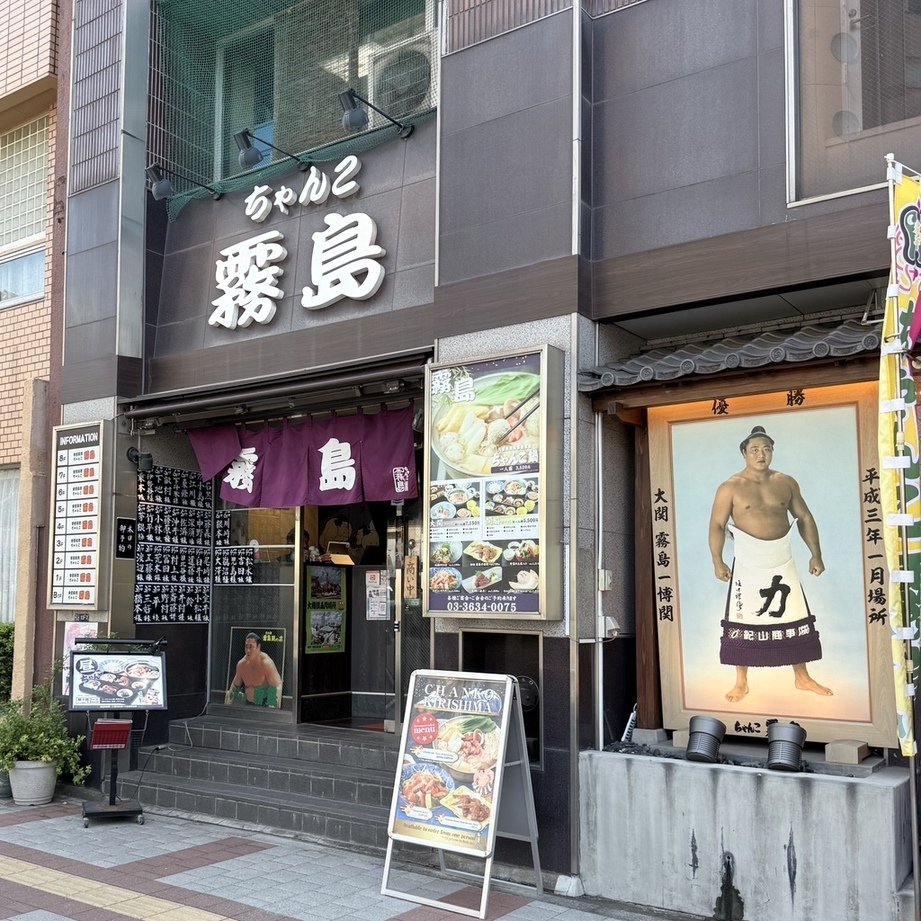
Founded in 1995 by former ozeki Kirishima, Chanko Kirishima serves authentic chanko-nabe that follows in the tradition of the Mutsu-beya Stable. The restaurant has been a local favorite for nearly 30 years and has two locations in the Ryogoku area.
The signature Kirishima-aji chanko-nabe features a broth simmered from chicken and pork bones and seasoned in perfect harmony with a blend of soy sauce, miso, and salt.
Ingredients include generous portions of pork, chicken, chicken meatballs, shrimp, fried tofu, napa cabbage, long onion, and bean sprouts. The flavors of the vegetables, seafood, and meat meld into a nutritious, deeply satisfying broth.
Chanko Kirishima serves authentic chanko-nabe following traditional recipes that have sustained wrestlers throughout their grueling training.
Details
| Address | 2-13-7 Ryogoku, Sumida-ku, Tokyo |
| Hours | Lunch 11:30 am–3:00 pm (last order 2:00 pm); Dinner 5:00 pm–10:00 pm (last order 9:00 pm) |
| Closed | Mondays |
| Official Website | https://c-kirishima.com/ |
| Best For | Visitors seeking authentic chanko-nabe in the tradition of Japan’s sumo stables |
Chanko Chiyonofuji
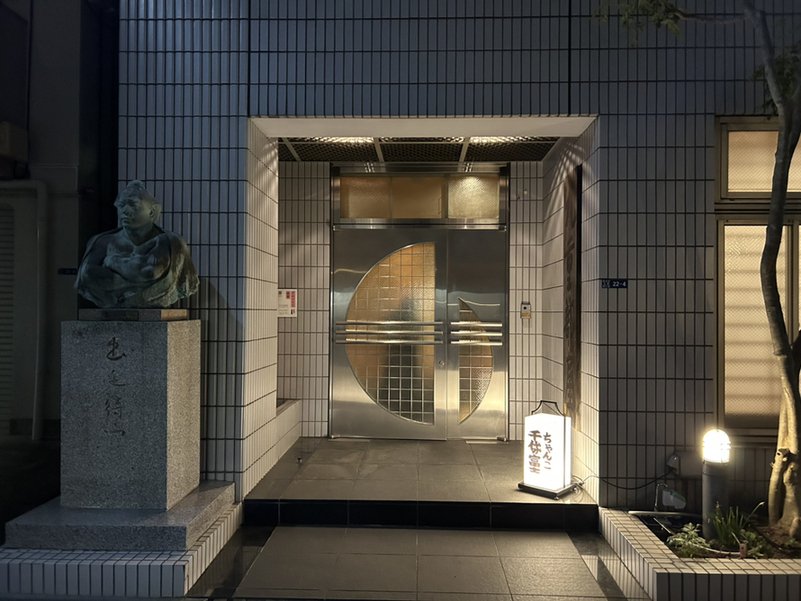
Operated by the relatives of the legendary Yokozuna Chiyonofuji, Chanko Chiyonofuji opened in February of 2023.
The venue’s greatest appeal lies in its architecture: it’s situated in the former Kokonoe-beya—the sumo stable built by Chiyonofuji himself—complete with the original dohyo preserved inside. Photographs and trophies documenting Chiyonofuji’s illustrious career line the walls, creating a space where guests can immerse themselves in sumo history.
A former chanko-ban (the title for the wrestler responsible for cooking meals at a sumo stable) prepares the Kokonoe-beya traditional chanko-nabe. Characterized by an elegant yet deep flavor, the concentrated salt-based broth boasts the savory essences of chicken, pork, and vegetables. The dish offers a taste of the traditional recipe that has been served to Japan’s sumo wrestlers throughout the ages.
When you’ve finished your meat and veggies and are left with just the broth in your bowl, the owner of Chanko Chiyonofuji recommends adding his favourite champon noodles to finish off your meal. Yum!
Details
| Address | 4-22-4 Ishiwara, Sumida-ku, Tokyo |
| Hours | 5:00 pm–10:00 pm |
| Closed | Tuesdays and Wednesdays |
| Official Website | https://www.instagram.com/chiyonofuji_chanko/ |
| Best For | Visitors craving traditional chanko-nabe in a space designed by a legendary yokozuna |
Chanko Dining Ami
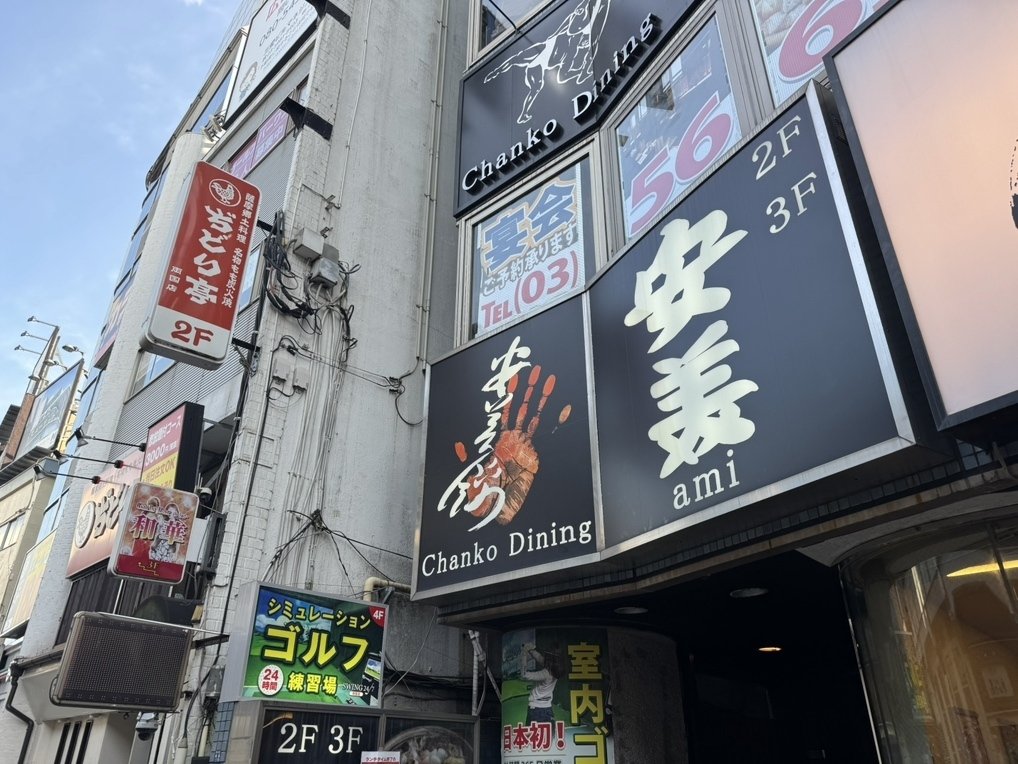
Located just outside Ryogoku Station’s east exit, Chanko Dining Ami is also run by a former sumo wrestler and a local favorite.
The signature Ami Chanko—recreating the traditional recipe of Isegahama-beya Stable—offers diners a low-calorie yet richly flavored broth brimming with the tastes of Japan’s mountains and seas. Multiple variations of the dish are available to choose from:
| Menu Item | Features |
|---|---|
| Ami Special “Ryogoku” Chanko | Luxurious chanko-nabe with fresh seafood, chicken, pork, and beef; seasoned with soy sauce or miso made from barley |
| Original Soppu-daki Chanko | Chicken bone broth featuring Satsuma chicken and fresh vegetables |
| Oyster Dotenabe Chanko | A seasonal specialty: diners dissolve small mounds of miso into their soup and thus adjust the strength of the dish’s flavorful oysters |
Besides chanko-nabe, Chanko Dining Ami’s menu includes sashimi, tempura, and other à la carte dishes—ideal for groups wanting to share a number of dishes together.
Details
| Address | Shinwa Building 2F, 3-26-6 Ryogoku, Sumida-ku, Tokyo |
| Hours | 11:00 am–12:00 am |
| Closed | Open year-round |
| Official Website | https://g420328.gorp.jp/ |
| Best For | Visitors looking for casual chanko-nabe in the tradition of the sumo stables |
Rikishi Ryori Kotogaume Kinshicho Main Branch
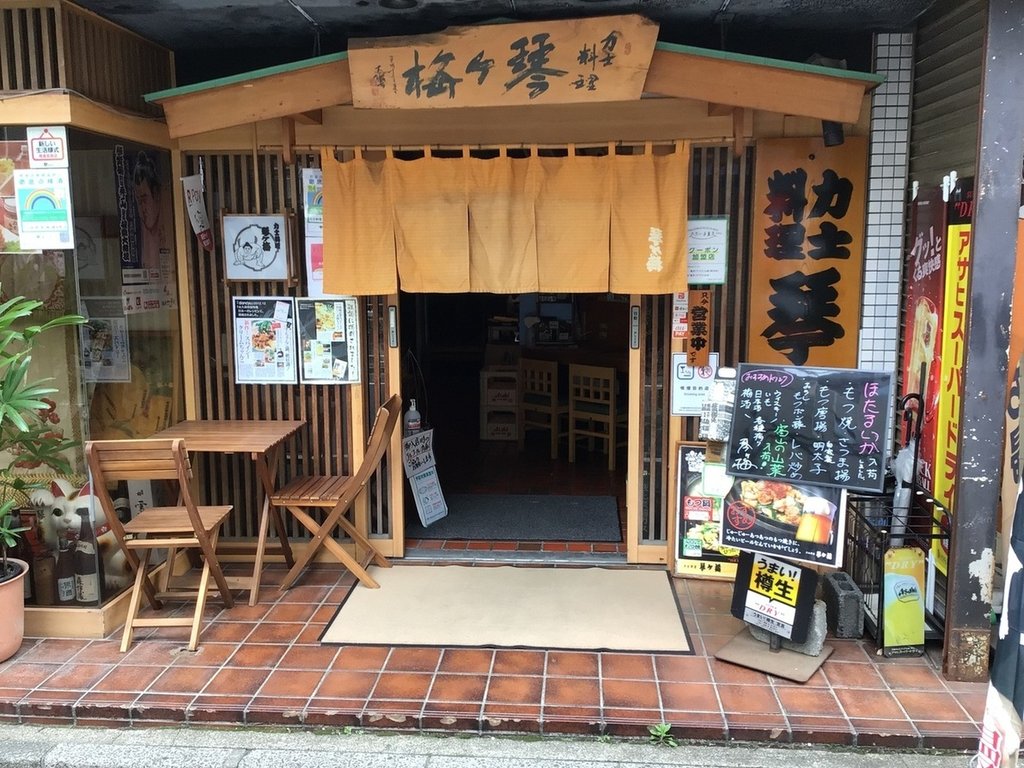
Operated by former Sekiwake Kotogaume, Rikishi Ryori Kotogaume serves traditional chanko-nabe among friendly vibes.
With locations in Kinshicho and Hatchobori (private rooms available), the restaurant accommodates intimate meetings with friends, large banquets, and even business gatherings. Their menu includes authentic chanko-nabe alongside Japanese home-style dishes.
Recommended à la carte items at Rikishi Ryori Kotogaume include:
| Menu Item | Features |
|---|---|
| Rikishi Miso | Cucumber sticks with garlic and kounago (tiny fish) infused miso paste |
| Maguro Yukke | A popular tuna dish featuring their signature sauce |
| Katsuo no Tataki | Seared bonito with house-made ponzu—a long-standing favorite |
Details
| Address | Sagara Building 1F, 3-4-4 Kinshi, Sumida-ku, Tokyo |
| Hours | Monday–Saturday 5:00 pm–11:00 pm (last order 10:00 pm) |
| Closed | Sundays and holidays |
| Official Website | https://kotogaume.hungry.jp/ |
| Best For | Visitors wanting authentic chanko-nabe and sumo cuisine in a private setting |
Chanko Dojo Ryogoku Ekimae Branch
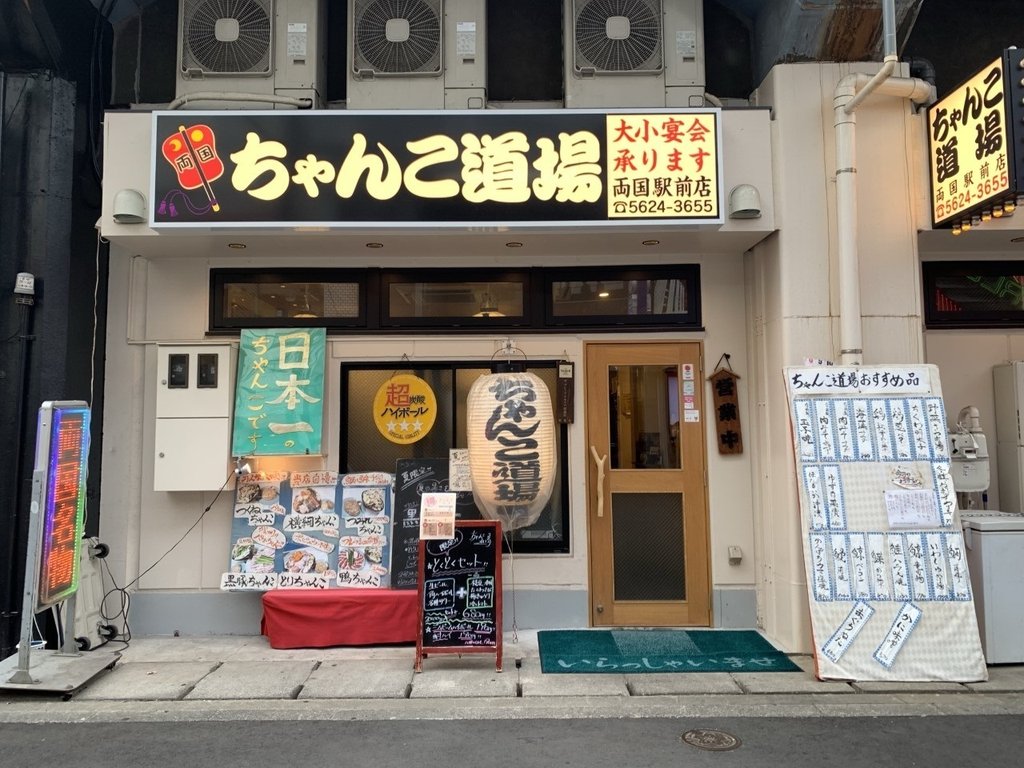
Chanko Dojo operates multiple restaurants near Ryogoku Station, offering real chanko-nabe in accessible locations.
The restaurant stands just 30 seconds from exit A5 of Ryogoku Station on the Toei Oedo train line. The flavour of their chanko-nabe is pulled together by a rich soy sauce–based broth and offers various ingredient options.
Main menu items include:
| Menu Item | Price | Features |
|---|---|---|
| Yokozuna Chanko | ¥2,300 | Their most popular chanko-nabe option, chicken flavor |
| Kurobuta Chanko | ¥2,900 | Hearty “power chanko-nabe” that features Kagoshima black pork with chicken meatballs |
| Kamo Chanko | ¥2,900 | A rich chanko-nabe dish generously loaded with fresh duck meat |
*Prices are subject to change.
Chanko Dojo offers meal courses for 2 to 60 guests, and reservations can be made for parties and group dining (complete with all-you-can-drink options).
Details
| Address | 1-3-12 Yokoami, Sumida-ku, Tokyo |
| Hours | Lunch 11:30 am–2:30 pm; Dinner 5:00 pm–11:00 pm |
| Closed | New Year’s holidays |
| Official Website | https://chankodoujyou.owst.jp/ |
| Best For | Visitors looking for a convenient place to eat chanko-nabe in Ryogoku |
Places to Learn About Sumo History and Culture in Tokyo
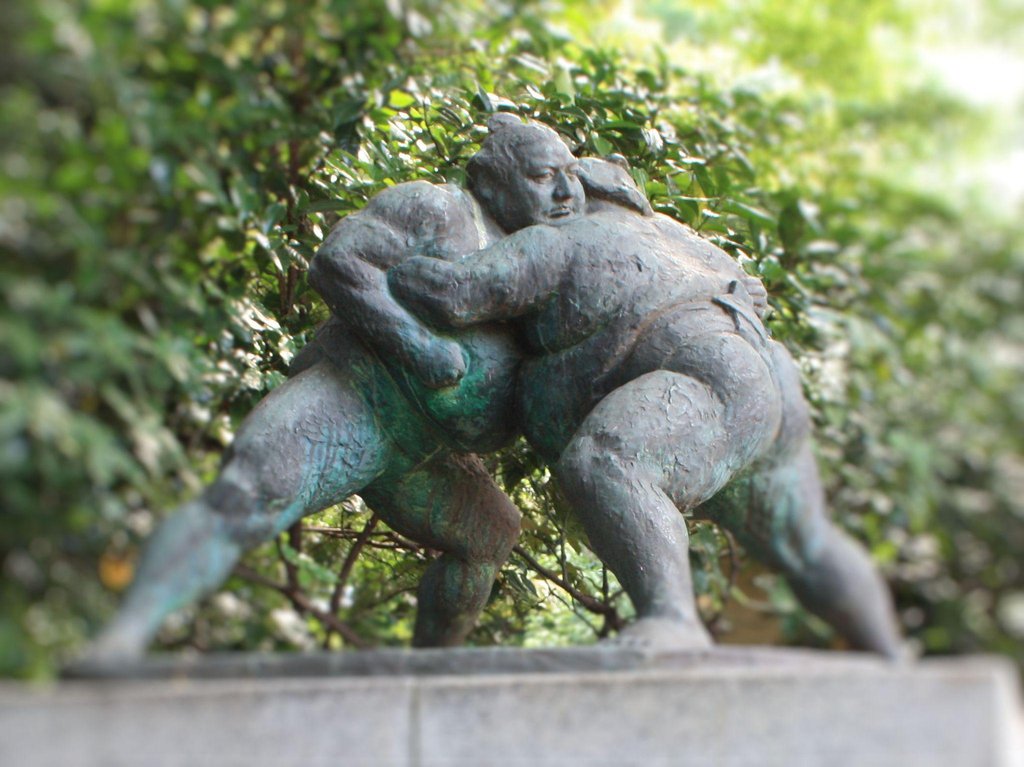
In this section, we’ll introduce you to some venues designed for exploring sumo’s history and cultural significance, including museums, shrines and temples with deep connections to sumo.
The Sumo Museum
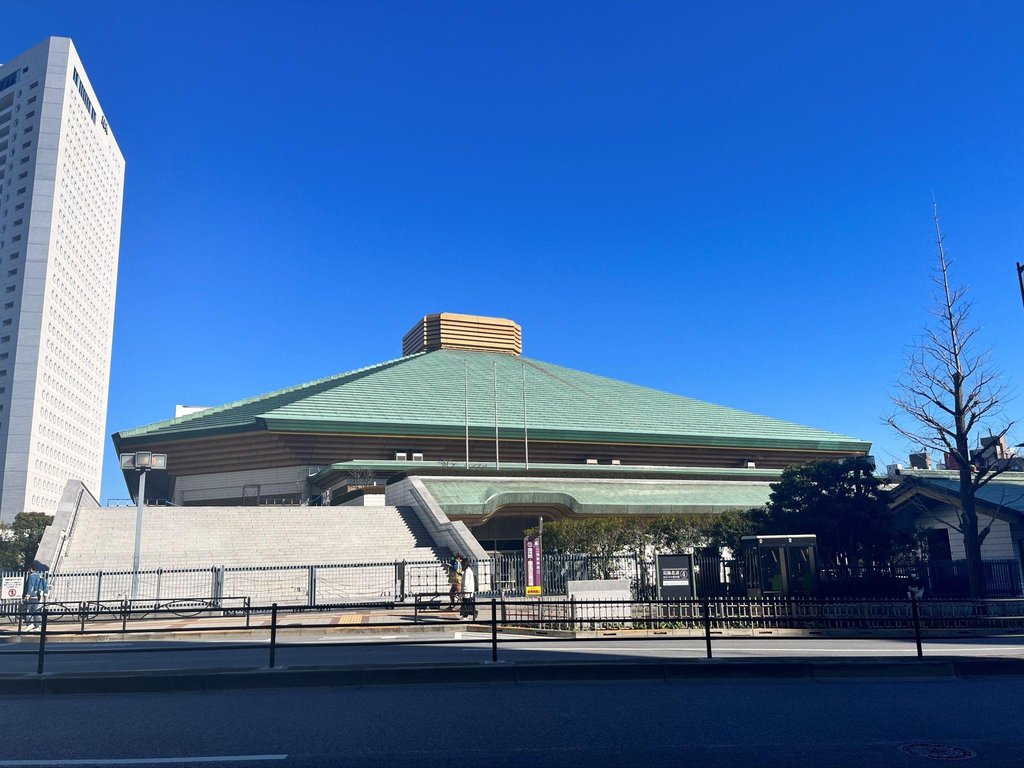
Located on the first floor of Kokugikan Arena, the Sumo Museum has preserved materials related to Japan’s national sport since its opening in 1954. Their collection includes rare items spanning from the Edo period to the present day, such as ceremonial aprons, ceremonial ropes used by yokozuna, multicolored woodblock prints, and official sumo ranking lists.
The single-room museum exhibits different displays during each of the three annual Grand Tournaments. During tournament periods, admission to the Sumo Museum requires a tournament ticket, so we recommend confirming details before visiting.
Details
| Address | Kokugikan 1F, 1-3-28 Yokoami, Sumida-ku, Tokyo |
| Hours | 10:00 am–4:30 pm (last entry 4:00 pm) |
| Closed | Weekends and holidays (except during tournaments), year-end/New Year’s holidays |
| Official Website | https://www.sumo.or.jp/KokugikanSumoMuseum/ |
| Best For | Visitors wanting to study sumo history and culture in depth |
Sumo Photo Archive
The Sumo Photo Archive is operated by Kudo Photo Studio near Ryogoku Station. Since its opening in 1929, the studio has served as the official photographer for Japan’s Sumo Association, and they’ve documented generations of yokozuna and tournament champions over the years.
This small archive (housed in Kudo Photo Studio’s parking area) traces sumo history across three time periods: the Taisho Era, Showa Era, and Heisei Era. About 70 photographs capturing memorable moments are displayed, and viewing content varies with each Tokyo tournament.
Besides just action shots from the sumo hall, the collection at the Sumo Photo Archive includes rare private photographs of wrestlers and even some of their handprints—materials seldom seen elsewhere.
Details
| Address | 3-13-2 Ryogoku, Sumida-ku, Tokyo |
| Hours | 10:00 am–5:00 pm |
| Closed | Sundays and Mondays (except during the Grand Tournament) |
| Official Website | https://www.city.sumida.lg.jp/sangyo_jigyosya/sangyo/pr_brand_hyousyo/sumida3m/tiiki/nanbu/sumousyasinn.html |
| Best For | Visitors interested in wrestler photographs and historic materials |
Tomioka Hachimangu Shrine
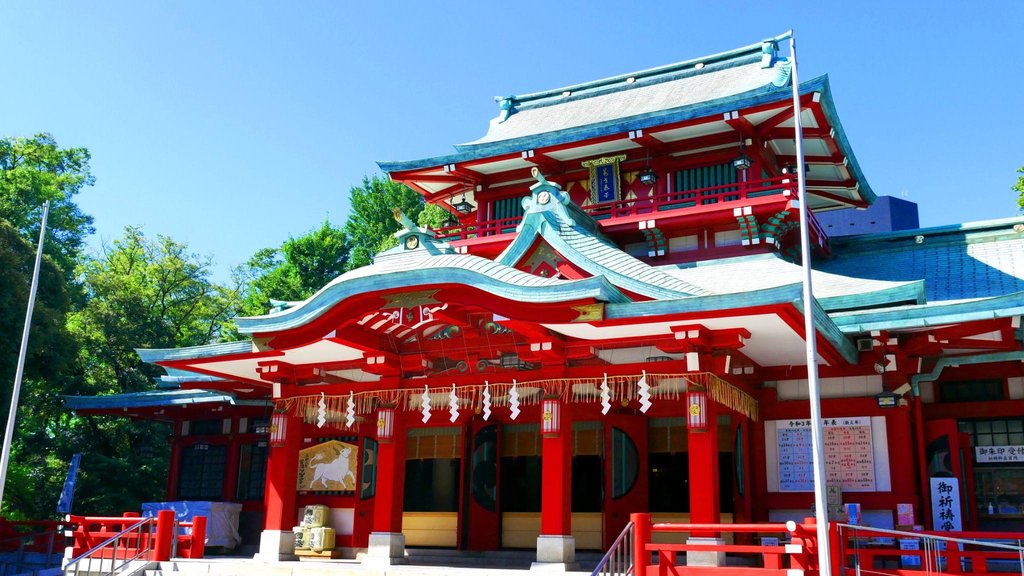
Tomioka Hachimangu Shrine in Koto-ku holds special significance in sumo history as the birthplace kanjin-zumo, the predecesor of modern sumo.
In 1684, an Edo period shogunate granted permission for kanjin-zumo to be held on shrine grounds. This decision led to the establishment of regular sumo tournaments and the sumo ranking system, laying the foundation for modern Grand Sumo. Grand Tournaments were held here for nearly 100 years during the Edo period, and sumo evolved into a national sport that continues to carry the dignity of sacred rituals that originated here.
The grounds of Tomioka Hachimangu Shrine feature the Yokozuna Memorial Monument, the stone face inscribed with the names of all yokozuna recorded throughout Japan’s history. To this day, a dohyo-iri ceremony is performed here whenever a new grand champion is decided.
Details
| Address | 1-20-3 Tomioka, Koto-ku, Tokyo |
| Hours | Grounds accessible 24 hours (shrine office hours 9:00 am–5:00 pm) |
| Closed | None |
| Official Website | http://www.tomiokahachimangu.or.jp/ |
| Best For | Visitors seeking a connection with sumo’s sacred, ceremonial origins |
Ekoin Temple
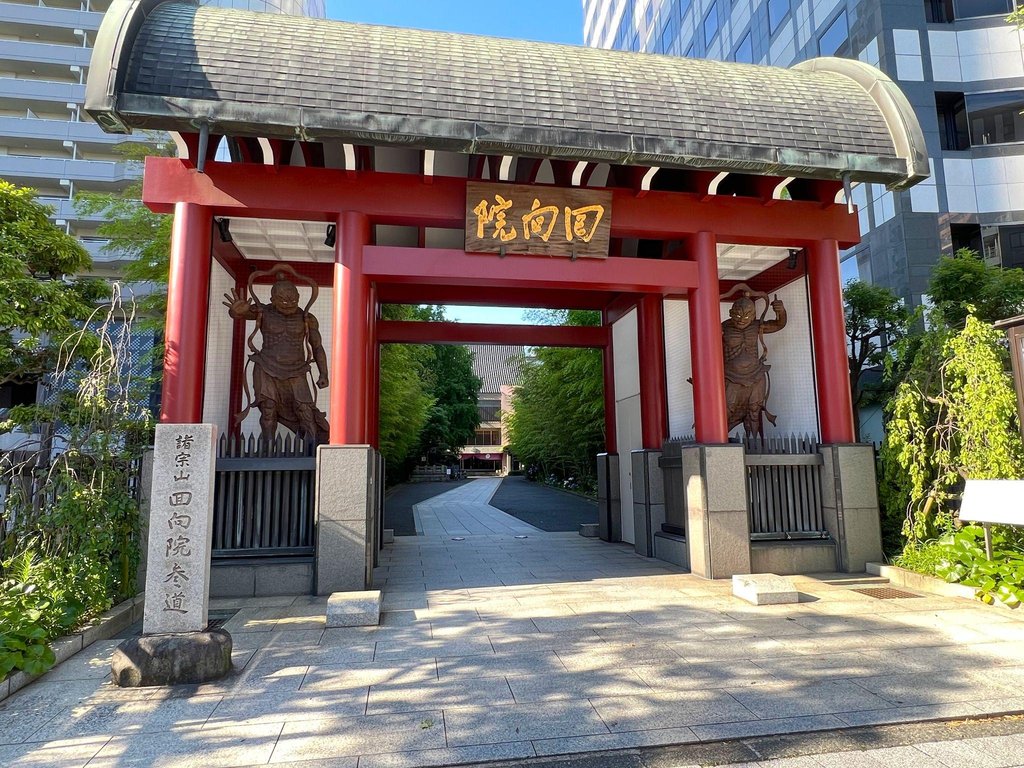
Ryogoku’s Ekoin Temple is a Jodo Buddhist temple that was established to memorialize the over 100,000 victims of the 1657 Great Fire of Meireki, the largest fire in Edo Era history.
This temple, long cherished as a place of worship for common people, entered sumo history in 1768 when it first hosted kanjin-zumo. At the time, these charitable tournaments raised funds for temple repairs and other public works.
From 1833 onward, Ekoin became the fixed venue for two yearly tournaments. For 76 years—until the completion of Kokugikan in 1909—Ekoin stood at the center of the sumo world and retains its place of honor in Japan’s sumo history.
The modern form of Grand Sumo was established through regular tournaments held at Ekoin Temple. In fact, it is said that people’s association of “Ryogoku” with “sumo” exists thanks to the long history of the sport at this particular temple.
Details
| Address | 2-8-10 Ryogoku, Sumida-ku, Tokyo |
| Hours | 9:00 am–4:30 pm (temple office hours) |
| Closed | None |
| Official Website | https://ekoin.or.jp/ |
| Best For | Visitors intrigued by the origins of sumo |
Etiquette and Guidelines for Enjoying Sumo
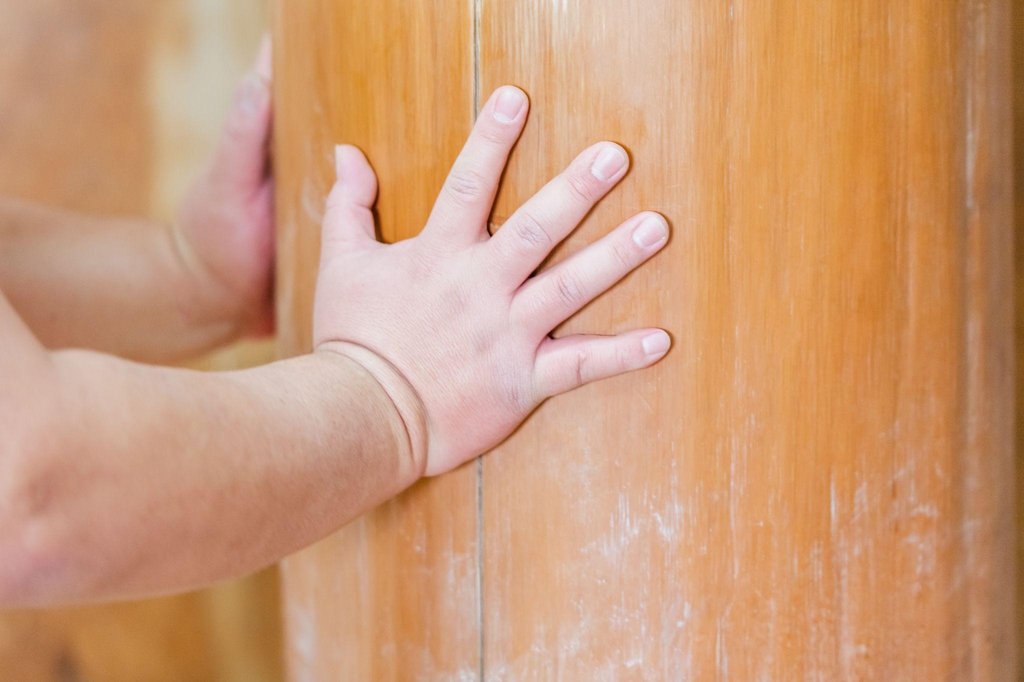
Below, we’ve compiled some notes about manners and rules to observe when attending tournaments or events. The information covers rules concerning photography and video, etiquette guidelines during attendance at matches or hands-on venues, and also some tips on how to approach an actual sumo wrestler.
Photography and Video
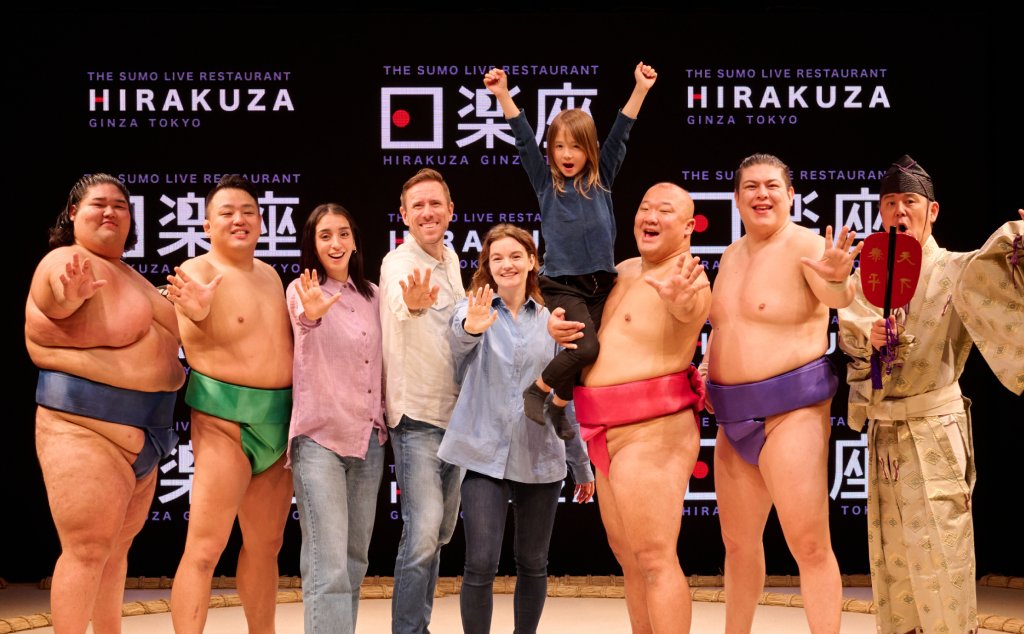

Photography is often permitted at sumo programs and sumo practice sessions, though certain restrictions apply:
- Flash and bright lights are prohibited
- Leaving your seat or standing in order to take photograph is prohibited
- Behavior that disturbs other attendees should be avoided
- Be mindful of cameras with loud shutter sounds or operation noises
Non-commercial photography is permitted at Grand Tournaments, though taking photos from the seats closest to the ring isn’t allowed. Some sumo stables prohibit video recording during morning practice as well, so we recommend that you confirm with the venue in advance.
When posting pictures and video to social media, make sure to obtain permission from wrestlers and other attendees—especially if other people’s faces are in the shot.
Etiquette at the Dohyo and Venue
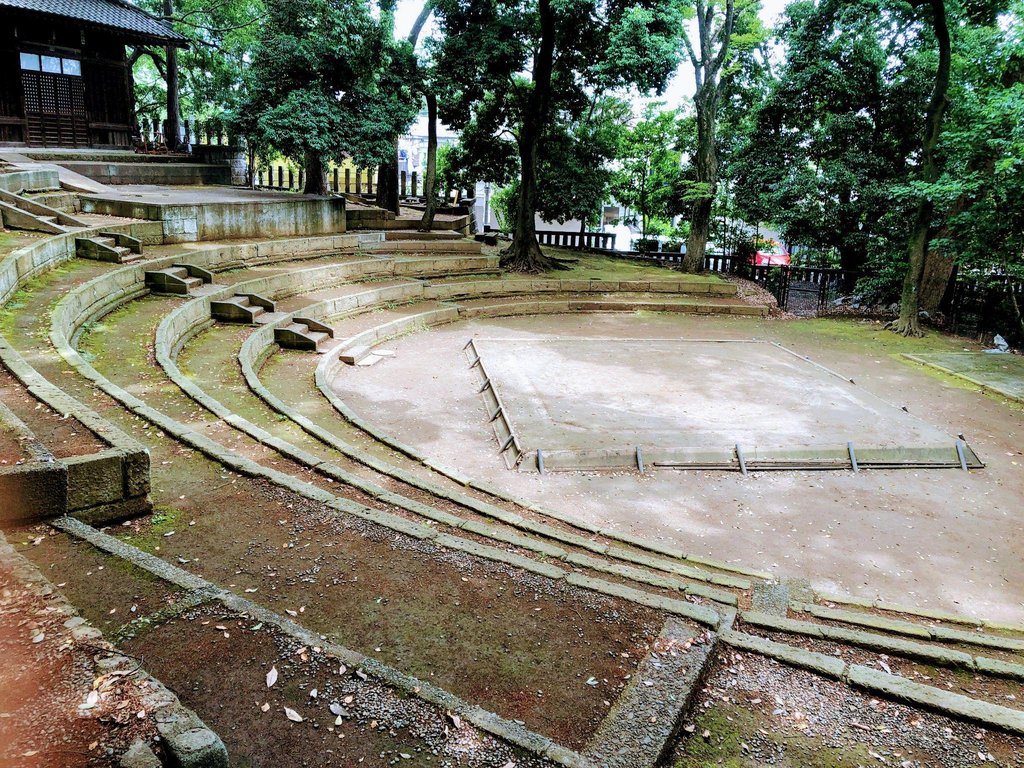
At sumo venues, conduct yourself with respect for Japanese traditions. The sumo ring is sacred ground and visitors must never step into it or touch it.
Spectator etiquette guidelines are as follows:
- Refrain from using mobile phones
- Avoid moving around or standing up during matches
- Support the athletes with applause, not loud cheering
- Sit only in your assigned seat
Banners and noisemakers (drums, whistles, etc.) are prohibited; streamers and balloons also cannot be brought inside tournament venues. When sitting in box-seats, shoes must be removed and capacity limits (up to four people) observed.
If any issues arise, consult with event staff immediately.
Approaching the Wrestlers
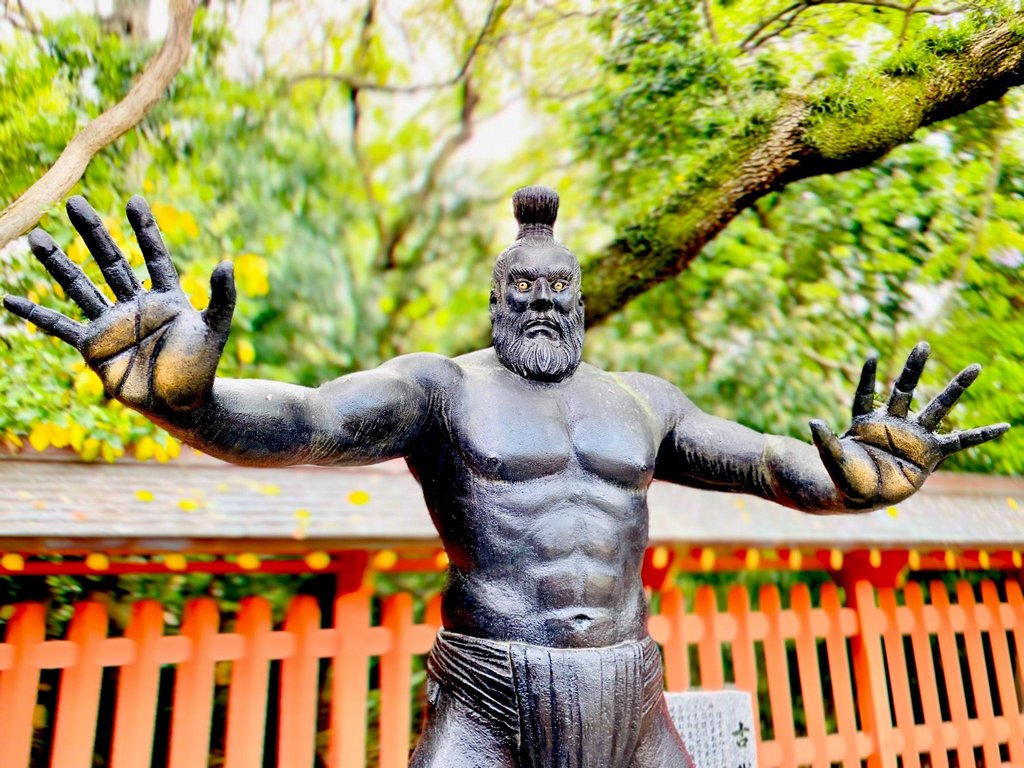
Rikishi are not merely athletes—they are bearers of a tradition rooted in sacred rituals. When requesting autographs or photographs, avoid approaching them before matches, at venue entry or immediately after a loss. Instead, choose moments when wrestlers appear to have time to spare, such as when leaving the venue or after a victory.
Even if they decline photos, smile and say “Thank you.” Dress modestly (out of respect for the ceremonial nature of sumo) and follow these guidelines:
- Maintain appropriate distance (about 2 meters, or 6.5 feet) from the athletes
- Do not shout or attempt to touch the wrestlers
- Never photograph the athletes without permission
Planning Your Tokyo Sumo Experience: Key Takeaways
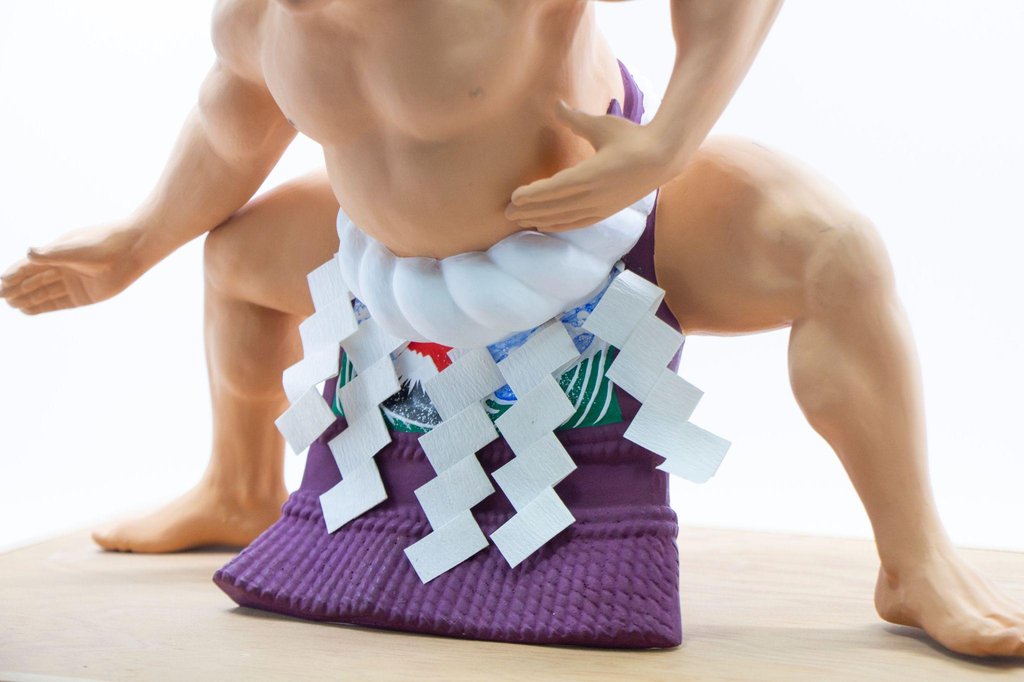
Tokyo’s sumo scene offers visitors to Japan a cultural encounter only available here. From observing morning practice to participating in hands-on shows or attending a Grand Tournament match, opportunities to experience sumo abound; just be sure to observe proper etiquette and stick to events that fit your itinerary.
Key points to remember:
- Confirm English availability and make reservations in advance
- Morning practice typically runs early in the morning, Monday through Saturday
- Tokyo Grand Tournaments are held in January, May, and September at Ryogoku Kokugikan Arena
By putting into practice the information you’ve gleaned from this article, you too can create your own memorable sumo experience in Tokyo.